
Understanding Your Pellet Production Expansion Options
Three primary expansion paths exist for UK feed manufacturers. Each approach suits different operational contexts, financial positions, and market growth projections. The optimal choice depends on factors beyond simple capacity numbers.
Option One: Extended Operating Hours on Single Line
Running your existing animal feed production line for two shifts represents the lowest capital investment approach. This strategy works when physical space limits new equipment installation or when market demand remains uncertain.
A typical single-line extension requires additional labour costs, increased maintenance frequencies, and potentially higher energy expenses during peak-rate hours. However, it avoids the substantial capital outlay of duplicate equipment purchases.
Advantages of Two-Shift Operation
- Minimal capital expenditure required
- Utilises existing equipment investment fully
- Tests market demand before major expansion
- Maintains current facility footprint
- Simpler regulatory compliance pathway
Disadvantages of Two-Shift Operation
- Higher labour costs with shift differentials
- Accelerated equipment wear rates
- Production disruption risks multiply
- Limited by single line capacity ceiling
- Energy costs during peak pricing periods
Option Two: Parallel Pellet Production Line Installation
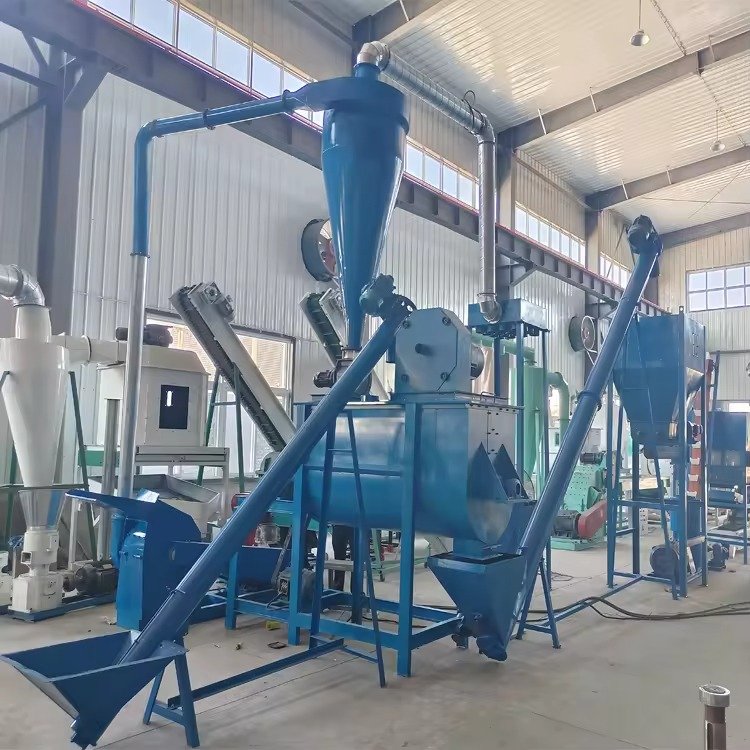
Installing a complete second poultry feed production line doubles capacity whilst maintaining operational redundancy. This approach suits manufacturers with confirmed long-term demand growth and available factory space.
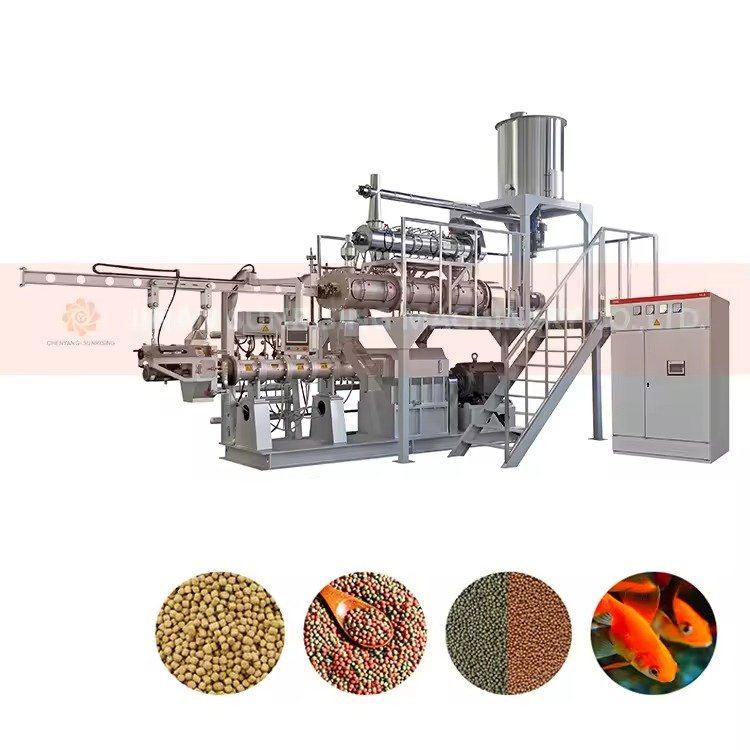
Parallel systems allow simultaneous production of different feed formulations. A poultry line can operate alongside an aquatic feed production line, serving diverse customer segments without contamination risks between species-specific formulations.
Benefits of Parallel Lines
- Production redundancy protects against downtime
- Simultaneous multi-product manufacturing capability
- Easier maintenance scheduling without production halt
- Spreads risk across separate systems
- Clear capacity doubling with predictable output
Challenges of Parallel Lines
- Significant capital investment requirement
- Doubled maintenance regime complexity
- Requires substantial factory floor space
- Higher spare parts inventory needs
- Complex power infrastructure upgrades
Option Three: Modular Pellet Production Growth
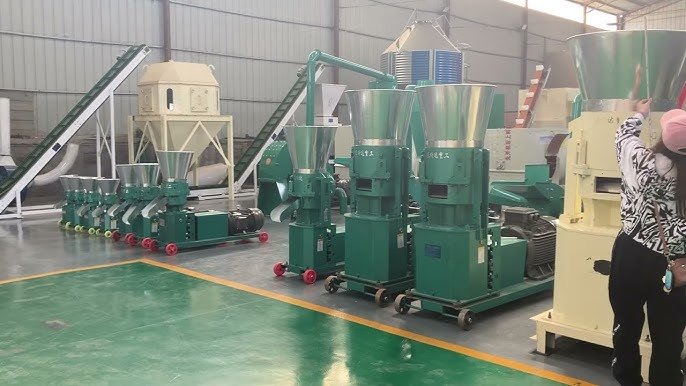
Modular expansion involves adding specific bottleneck-relieving components rather than complete duplicate systems. This targeted approach optimises capital efficiency by addressing actual production constraints.
A feed manufacturer might install a second pellet mill whilst retaining shared crushing and mixing equipment. Alternatively, adding a parallel cooling system prevents that stage from limiting overall throughput on the feed production line.
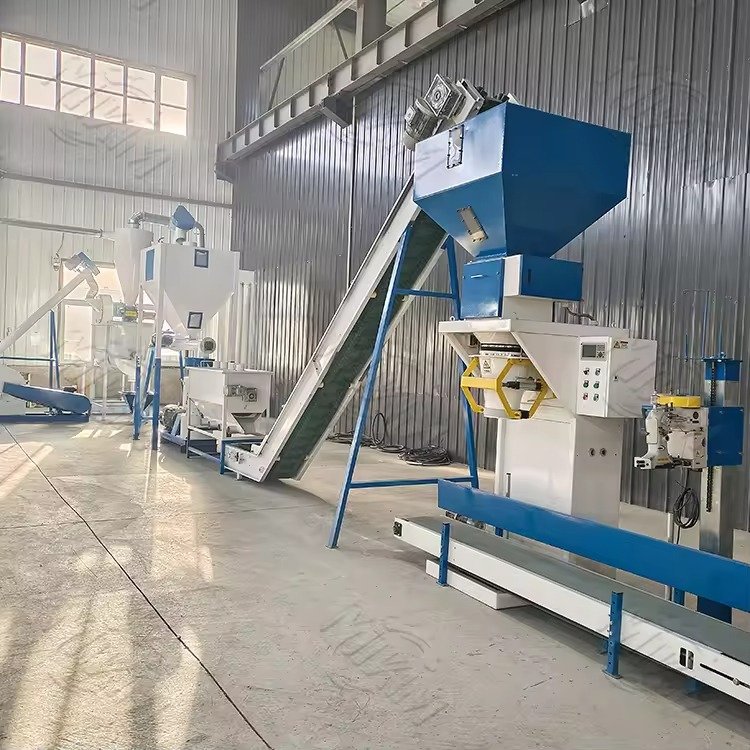
This strategy requires detailed production flow analysis to identify true constraints. MAIKONG technical teams conduct throughput audits to determine which equipment additions deliver maximum capacity gains per pound invested.
Get Your Free UK Expansion Assessment
Unsure which expansion strategy suits your facility? Our technical team provides complimentary capacity audits for UK feed manufacturers. Receive ROI projections, power requirement calculations, and timeline estimates specific to your operation.
Comparing Expansion Strategies: Data-Driven Analysis
UK feed manufacturers need quantifiable comparison frameworks. The table below presents capital costs, operational expenses, and ROI timelines for each expansion approach based on a baseline 5-tonne-per-hour chicken feed production line.
| Expansion Factor | Two-Shift Single Line | Parallel Complete Line | Modular Growth |
| Capital Investment | £15,000 – £25,000 | £180,000 – £350,000 | £45,000 – £95,000 |
| Capacity Increase | 80% – 95% | 100% (doubles output) | 40% – 70% |
| Implementation Timeline | 2 – 4 weeks | 4 – 7 months | 6 – 12 weeks |
| Annual Operating Cost Increase | £35,000 – £48,000 | £28,000 – £42,000 | £12,000 – £22,000 |
| Maintenance Complexity | Medium (accelerated wear) | High (doubled systems) | Medium (targeted additions) |
| Production Flexibility | Low (single product stream) | Very High (simultaneous products) | Medium (enhanced throughput) |
| ROI Break-Even Period | 8 – 14 months | 36 – 52 months | 18 – 28 months |
| Risk Level | Low capital, high operational | High capital, low operational | Medium capital, medium operational |
These figures assume UK electricity costs averaging £0.18 per kWh, labour rates of £12-16 per hour including National Insurance contributions, and equipment specifications matching MAIKONG MK-L003 series production lines. Individual circumstances vary based on existing infrastructure, local utility rates, and specific feed formulations processed.
UK-Specific Regulatory Considerations
Expansion projects must comply with British Standards for industrial equipment. Parallel line installations typically require updated Health and Safety Executive notifications, whilst modular additions may fall under existing approvals depending on scope.
Power supply upgrades constitute a significant consideration. A second complete cattle feed production line might require Distribution Network Operator approval for increased electrical capacity, potentially adding 3-6 months to project timelines and £15,000-40,000 in infrastructure costs.
Environmental permits also factor into expansion decisions. Increased production volumes may trigger updated Environmental Agency reporting requirements, particularly for dust emissions and water usage in pellet production cooling processes.
Technical Parameters for Pellet Production Line Planning
Accurate capacity planning requires understanding the technical specifications of each expansion approach. The equipment configurations below represent typical requirements for UK feed manufacturing facilities.
MAIKONG MK-L003 Pellet Production Line Specifications
Base System Configuration
- Model: MK-L003
- Capacity Range: 3-5 tonnes per hour
- Power Requirement: 75-95 kW total installed
- Voltage: 400V 3-phase 50Hz (UK standard)
- Physical Dimensions: 18m (L) × 6m (W) × 8m (H)
- Material Construction: Steel frame with ABS control panels
- Control Mode: Automatic/Semi-Automatic/Manual
- Weight: 12,500 kg complete system
Component Breakdown
- Hammer mill crusher: 22 kW, 3-5 T/H capacity
- Batch weighing system: 0.2% accuracy
- Paddle mixer: 11 kW, 500kg batch capacity
- Steam conditioning system: 5-8 bar pressure
- Ring die pellet mill: 37 kW main motor
- Counterflow cooler: 3 kW, 15-minute retention
- Vibrating screener: 1.5 kW, 5mm mesh
- Automatic packaging scale: 6-12 bags/minute
Raw Material Specifications and Throughput
Different feed types require varying processing parameters on your pet feed production line or livestock equipment. Understanding these variations helps predict actual expansion capacity gains.
| Feed Type | Raw Materials | Moisture Content | Pellet Size Range | Throughput Impact |
| Poultry Feed | Maize, soybean meal, wheat, limestone | 12-14% | 2-4mm | Baseline 100% |
| Cattle Feed | Barley, molasses, protein concentrate, minerals | 13-15% | 4-6mm | 110-115% (larger pellets) |
| Pig Feed | Wheat, soya, barley, vitamins | 12-13% | 3-5mm | 95-105% |
| Aquatic Feed | Fish meal, wheat gluten, fish oil, vitamins | 10-12% | 2-6mm (species dependent) | 85-95% (higher density) |
| Pet Food | Meat meal, cereals, vegetables, supplements | 10-12% | 3-8mm | 80-90% (complex formulation) |
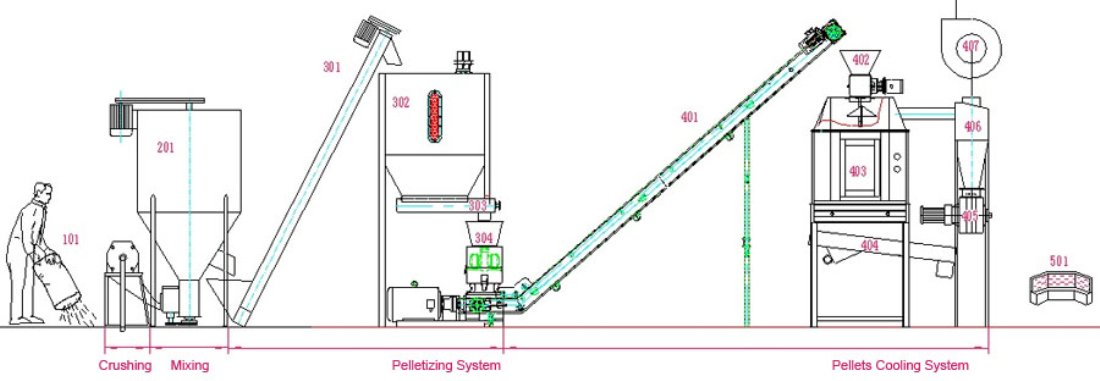
The pellet production process follows a consistent flow regardless of scale. Raw materials enter through receiving and cleaning systems, undergo size reduction in the crusher, mix uniformly in batching equipment, condition with steam, extrude through the pellet machine die, cool to ambient temperature, and package for distribution.
Each stage presents potential bottlenecks during expansion. A thorough capacity audit identifies which equipment components constrain your shrimp feed production line throughput. Modular expansion targets these specific constraints rather than duplicating entire systems unnecessarily.
Power Infrastructure Requirements
UK electrical supply capacity often determines feasible expansion paths. The table below outlines power requirements for each growth strategy.
| Expansion Type | Installed Power | Running Power (Average) | Typical UK Supply | Upgrade Required |
| Single Line (Extended Hours) | 75-95 kW | 55-70 kW | 100 kVA transformer sufficient | Usually none |
| Parallel Complete Line | 150-190 kW | 110-140 kW | 200-250 kVA transformer | Often required (£15k-£40k) |
| Modular (Second Pellet Mill) | 110-130 kW | 80-95 kW | 150 kVA transformer | Sometimes (£8k-£20k) |
| Modular (Enhanced Cooling) | 85-105 kW | 65-80 kW | 125 kVA transformer | Rarely needed |
Contact your Distribution Network Operator early in planning. Application-to-connection timelines vary significantly across UK regions, with some areas experiencing 6-12 month delays for major supply upgrades. This factor alone might determine your optimal expansion strategy.
Download: UK Pellet Line Expansion Checklist
Access our comprehensive parameter worksheet covering capacity calculations, power requirements, space planning, budgeting, and timeline estimation. Includes UK-specific regulatory compliance checklist and ROI calculation templates.
Immediate download link sent to your email | Includes follow-up consultation offer
Real-World Expansion Case: UK Poultry Feed Manufacturer
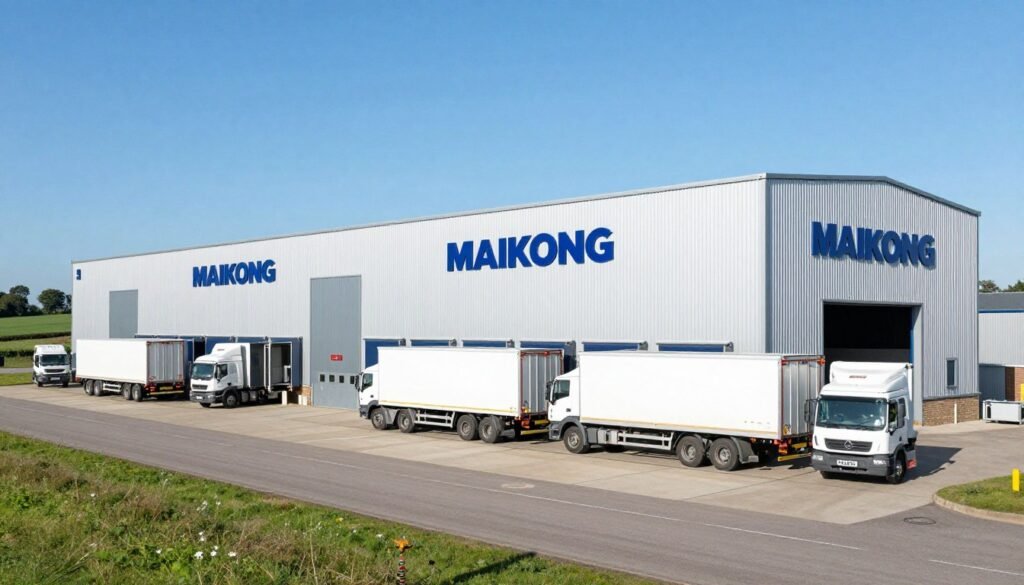
A Lincolnshire-based poultry feed producer faced capacity constraints in 2022. Their existing 4-tonne-per-hour line operated at maximum throughput during peak season, forcing them to turn away new customers. This case study examines their expansion decision process and outcomes.
Initial Situation Analysis
The manufacturer operated a single-shift MAIKONG pellet production system installed in 2018. Production ran Monday to Friday, 8am-5pm, achieving 32 tonnes daily output. Growing contracts with regional poultry farms required 55 tonnes daily capacity by summer 2023.
Existing Infrastructure
- Factory floor space: 450 square metres
- Electrical supply: 150 kVA transformer
- Labour force: 6 full-time operators
- Storage capacity: 80 tonnes raw materials
- Annual production: 7,200 tonnes
Growth Requirements
- Target capacity: 12,500 tonnes annually
- Product range: Layer, broiler, and turkey feeds
- Timeline: Operational by April 2023
- Budget constraint: £200,000 maximum
- Space limitation: No building expansion possible
Decision Process
The manufacturer evaluated all three expansion options. Initial preference favored a parallel second line for production redundancy, but space constraints and power upgrade costs eliminated this approach. Final decision compared two-shift operation against modular additions targeting identified bottlenecks.

MAIKONG technical audit identified the pellet mill as the primary constraint. The existing crusher and mixer could support 6-7 tonnes per hour throughput, but the pellet machine limited actual production to 4 tonnes hourly. A second pellet mill working in parallel with shared upstream equipment offered the optimal solution.
Implementation Details
The modular expansion included installation of a second MK-L003 pellet mill, additional conditioning equipment, and enhanced cooling capacity. Existing crushing and mixing systems continued serving both pellet mills through upgraded distribution pipework.
Investment Breakdown
- Second pellet mill: £48,000
- Additional conditioner: £12,500
- Enhanced cooling system: £18,000
- Pipework and distribution: £8,200
- Electrical upgrades: £9,800
- Installation and commissioning: £11,500
- Total investment: £108,000
Achieved Results
- Capacity increased to 6.8 tonnes/hour
- Annual output: 12,900 tonnes
- Implementation timeline: 9 weeks
- ROI achieved: 22 months
- Energy efficiency improved 8%
- Product quality consistency maintained
- No additional labour required
Operational Benefits
- Production redundancy achieved
- Maintenance flexibility improved
- Die changeover time reduced 40%
- Simultaneous different pellet sizes
- Quality control enhanced
- Customer delivery reliability 99.2%
- Contract fulfilment rate increased
This installation demonstrates how targeted modular expansion can deliver substantial capacity gains whilst controlling capital expenditure. The manufacturer now operates their enhanced poultry feed production line at profitable levels with flexibility to adjust output based on seasonal demand fluctuations.
Lessons for UK Feed Manufacturers
Several insights emerge from this case relevant to similar expansion decisions. Thorough capacity audits identify true bottlenecks rather than assuming entire system replacement necessary. Space constraints often favor modular approaches over parallel lines. Power infrastructure limitations significantly impact project costs and timelines.
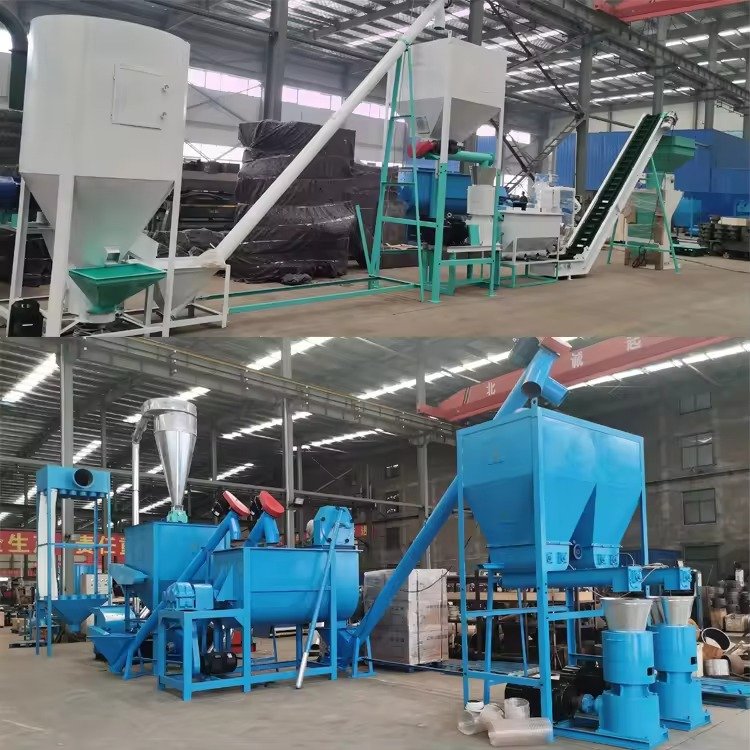
The manufacturer also highlights the importance of selecting equipment suppliers with UK support capabilities. MAIKONG provided installation supervision, operator training, and maintains spare parts inventory in the UK, minimizing production disruption risks.
Join MAIKONG UK Distribution Network
Represent premium feed production equipment across exclusive UK territories. MAIKONG offers established distributors comprehensive technical training, marketing support, competitive margins, and factory-direct pricing. Limited territories available.
Distributor Benefits Include:
- Exclusive territory rights
- Factory technical training programme
- Marketing materials and support
- Demonstration equipment access
- Direct factory pricing structure
- After-sales technical support
- Spare parts inventory assistance
- Lead generation collaboration
Financial Planning: ROI Analysis for Each Expansion Model
Return on investment calculations determine expansion feasibility. UK feed manufacturers must account for capital costs, operating expenses, revenue increases, and payback timelines when comparing growth strategies.
ROI Calculation Methodology
Accurate ROI analysis requires quantifying both direct and indirect financial impacts. Direct factors include equipment purchase costs, installation expenses, and increased operational costs. Indirect factors encompass market opportunity costs, production flexibility value, and risk mitigation benefits.
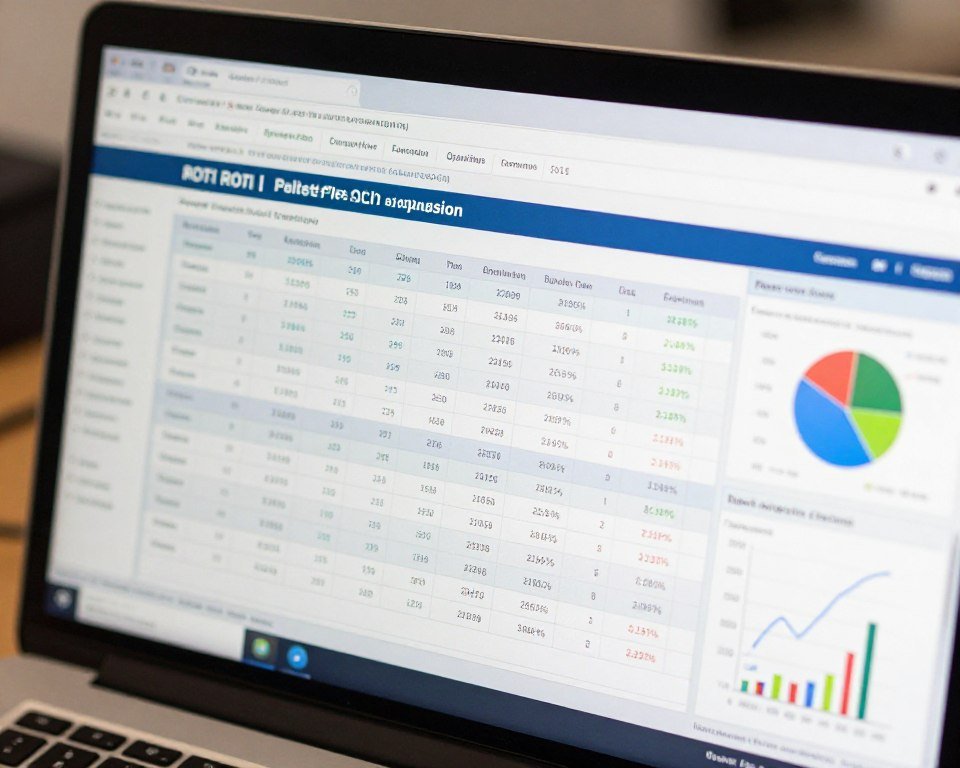
The baseline scenario assumes a UK feed manufacturer currently producing 7,500 tonnes annually. Market opportunity exists to supply an additional 5,000 tonnes yearly at an average margin of £45 per tonne. Each expansion option delivers different capacity increases, cost structures, and risk profiles.
Two-Shift Single Line Financial Model
Extending operating hours represents the lowest capital barrier but introduces higher ongoing costs. Labour expenses increase significantly with shift premiums, National Insurance contributions, and supervision requirements for second-shift operations.
| Financial Element | Year 1 | Year 2 | Year 3 |
| Initial Capital Investment | £22,000 | – | – |
| Additional Labour Costs | £42,000 | £43,500 | £45,100 |
| Increased Energy Costs | £8,200 | £8,900 | £9,600 |
| Maintenance Cost Increase | £6,500 | £7,800 | £9,200 |
| Additional Revenue (Gross) | £180,000 | £185,000 | £190,000 |
| Net Additional Profit | £101,300 | £124,800 | £126,100 |
| Cumulative ROI | 360% | 927% | 1,500% |
This model achieves rapid payback but exposes the manufacturer to ongoing elevated operating costs. Equipment wear accelerates with extended runtime, increasing maintenance expenses and replacement part frequency. Energy costs during peak pricing periods further erode margins.
Parallel Complete Line Financial Model
Installing a second complete system requires substantial upfront investment but delivers lower per-unit production costs through economies of scale. This approach suits manufacturers with strong balance sheets and confirmed long-term demand growth.
| Financial Element | Year 1 | Year 2 | Year 3 | Year 4 | Year 5 |
| Initial Capital Investment | £265,000 | – | – | – | – |
| Additional Labour Costs | £28,000 | £29,000 | £30,100 | £31,200 | £32,300 |
| Increased Energy Costs | £18,500 | £19,800 | £21,200 | £22,700 | £24,300 |
| Maintenance Costs | £12,000 | £13,500 | £15,200 | £17,000 | £18,900 |
| Additional Revenue (Gross) | £225,000 | £230,000 | £235,000 | £240,000 | £245,000 |
| Net Additional Profit | £166,500 | £167,700 | £168,500 | £169,100 | £169,500 |
| Cumulative Cash Position | -£98,500 | £69,200 | £237,700 | £406,800 | £576,300 |
The parallel line approach reaches positive cash flow by Year 2 and delivers superior long-term profitability. However, it exposes the business to significant financial risk if market demand fails to materialize as projected. UK manufacturers should secure customer contracts before committing to this investment level.
Modular Growth Financial Model
Targeted equipment additions balance capital efficiency with meaningful capacity gains. This middle-ground approach suits risk-averse manufacturers seeking to test market expansion whilst maintaining financial flexibility.
| Financial Element | Year 1 | Year 2 | Year 3 | Year 4 |
| Initial Capital Investment | £78,000 | – | – | – |
| Additional Labour Costs | £8,500 | £8,800 | £9,100 | £9,400 |
| Increased Energy Costs | £9,200 | £9,900 | £10,600 | £11,400 |
| Maintenance Costs | £6,800 | £7,500 | £8,300 | £9,200 |
| Additional Revenue (Gross) | £135,000 | £140,000 | £145,000 | £150,000 |
| Net Additional Profit | £110,500 | £113,800 | £117,000 | £120,000 |
| Cumulative Cash Position | £32,500 | £146,300 | £263,300 | £383,300 |
Modular expansion achieves positive cash flow immediately whilst preserving capital for future growth phases. This strategy allows manufacturers to expand in response to confirmed demand rather than speculative forecasts. Many MAIKONG customers implement staged modular additions as markets develop.
Maintenance Planning and Lifecycle Costs
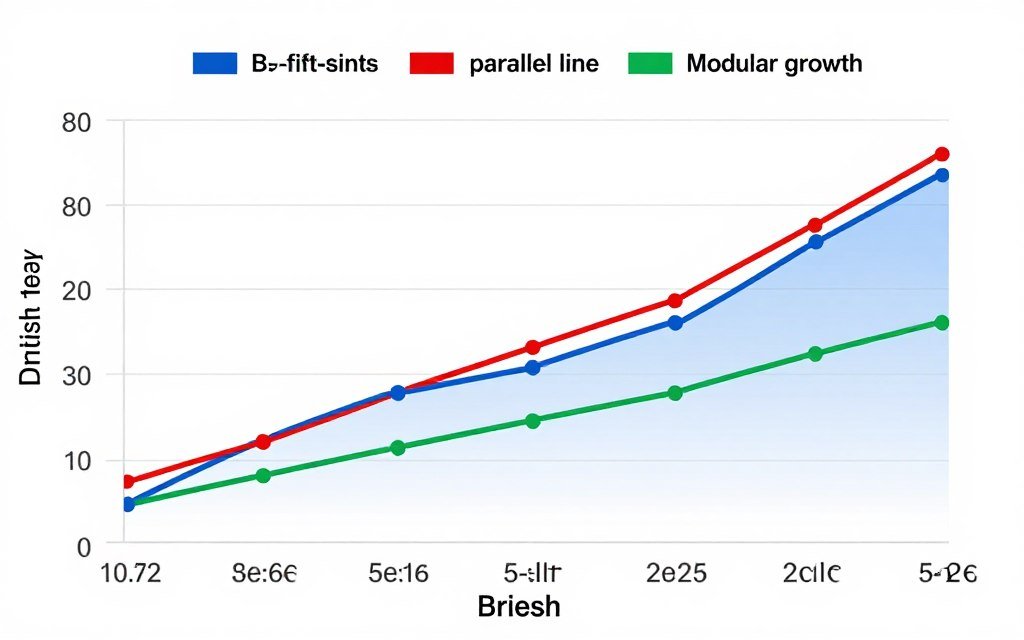
Long-term operational costs significantly impact expansion ROI. Different growth strategies impose varying maintenance burdens, spare parts requirements, and equipment replacement timelines on your pig feed production line or other systems.
Maintenance Requirements by Expansion Type
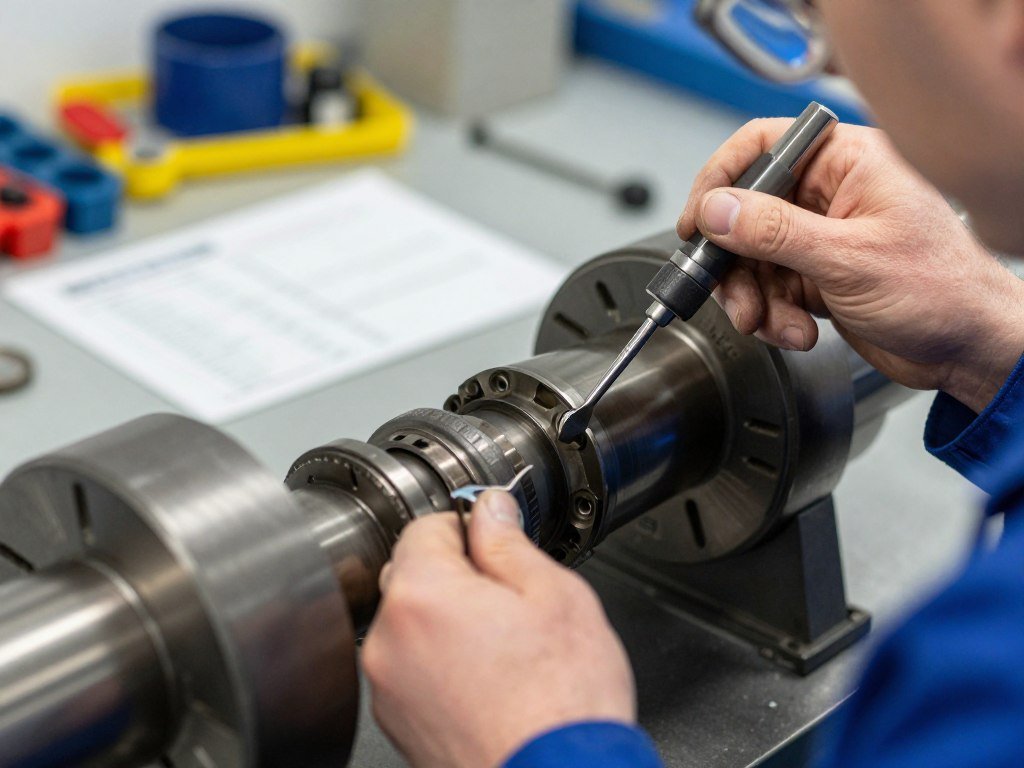
Extended operating hours accelerate component wear exponentially. A pellet mill die lasting 1,200 hours under single-shift operation might achieve only 900 hours running two shifts due to reduced cooling periods and thermal stress accumulation. This factor substantially increases replacement part expenses.
Critical Wear Components
- Pellet mill dies: Replace every 800-1,200 hours
- Rollers: Replace every 1,500-2,000 hours
- Hammer mill screens: Replace every 400-600 hours
- Mixer paddles: Replace every 2,000-3,000 hours
- Bearings: Service every 500 hours, replace 2,000-3,000 hours
- Drive belts: Replace every 1,000-1,500 hours
- Seals and gaskets: Replace annually or as needed
Preventive Maintenance Schedule
- Daily: Visual inspection, lubrication checks
- Weekly: Belt tension, vibration monitoring
- Monthly: Bearing inspection, electrical connections
- Quarterly: Alignment verification, die inspection
- Biannually: Complete system audit, calibration
- Annually: Major component replacement planning
- 3-Yearly: Control system upgrades, safety compliance
Spare Parts Inventory Strategy
Parallel line installations require doubled spare parts inventory to maintain production continuity. However, this redundancy provides insurance against supply chain disruptions increasingly common in post-Brexit UK logistics.
MAIKONG maintains UK-based spare parts distribution ensuring next-day delivery for critical components. Our recommended inventory includes one spare die set, roller assembly, two sets of hammer mill screens, bearing kits, and common electrical components. This investment typically represents 8-12% of initial equipment cost but prevents costly production stoppages.
Lifecycle Cost Comparison
Total cost of ownership extends beyond initial purchase price. The table below projects 10-year lifecycle costs for each expansion approach, including equipment depreciation, maintenance, energy, and eventual replacement requirements.
| Cost Category | Two-Shift Operation | Parallel Complete Line | Modular Growth |
| Initial Investment | £22,000 | £265,000 | £78,000 |
| 10-Year Energy Costs | £95,000 | £210,000 | £105,000 |
| 10-Year Labour Costs | £450,000 | £315,000 | £92,000 |
| 10-Year Maintenance | £98,000 | £165,000 | £82,000 |
| Spare Parts Inventory | £8,000 | £28,000 | £12,000 |
| Major Overhaul (Year 7) | £45,000 | £75,000 | £38,000 |
| Total 10-Year Cost | £718,000 | £1,058,000 | £407,000 |
| Cost per Tonne Produced | £9.57 | £7.05 | £6.78 |
These projections assume UK average utility rates, typical wage inflation of 3% annually, and standard component replacement schedules. Individual results vary based on production intensity, feed types processed, and maintenance rigor. However, the relative cost relationships remain consistent across scenarios.
UK Procurement Checklist: Parameters for Your Inquiry
Effective supplier engagement requires comprehensive project specifications. This checklist guides your inquiry preparation, ensuring MAIKONG technical teams can provide accurate quotations and recommendations tailored to your specific requirements.

Operational Requirements Definition
Production Parameters
- Current production capacity (tonnes/hour)
- Target capacity after expansion
- Operating schedule (shifts per day, days per week)
- Seasonal production variations
- Product range (poultry, cattle, aquatic, pet feed)
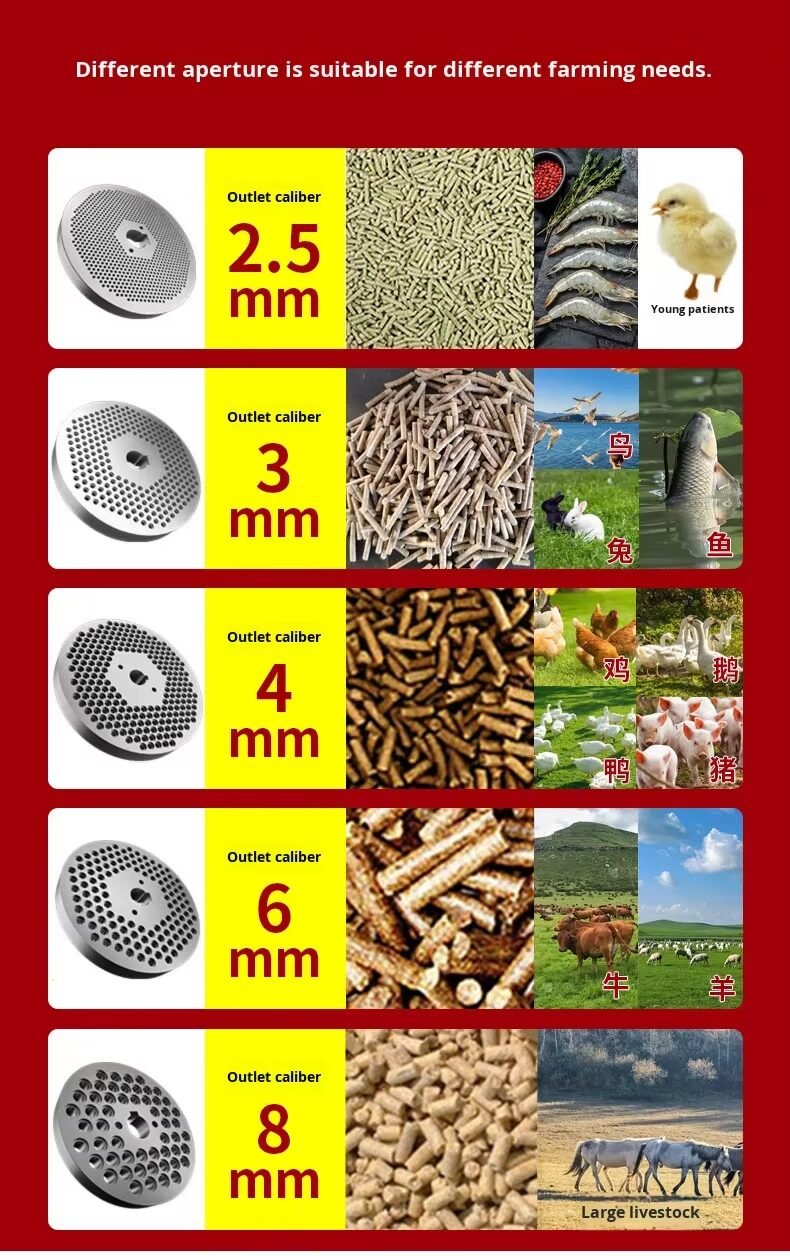
- Pellet size requirements (2-8mm)
- Raw material types and sourcing
- Quality specifications and certifications
Facility Infrastructure
- Available floor space (length × width × height)
- Building construction type and load capacity
- Existing electrical supply (voltage, capacity)
- Transformer size and upgrade possibilities
- Dust extraction and ventilation systems
- Raw material storage capacity
- Finished product storage requirements
- Loading and unloading access points
Financial Parameters
- Total project budget range
- Payment terms preference
- Financing arrangements required
- Currency considerations (GBP/EUR/USD)
- Installation budget allocation
- Training budget provision
- Spare parts initial stock budget
- Expected ROI timeline requirement
Technical Specifications Worksheet
Provide these details when requesting quotations from MAIKONG or conducting supplier comparisons. Accurate information enables precise equipment selection and avoids costly specification mismatches discovered during installation.
| Specification Item | Your Requirement | Importance | Notes |
| Desired capacity (T/H) | _____________ | Critical | Determines equipment sizing |
| Electrical voltage available | _____________ | Critical | UK standard: 400V 3-phase 50Hz |
| Factory floor area (m²) | _____________ | Critical | Include height clearance |
| Feed types to produce | _____________ | Critical | Affects die specifications |
| Pellet diameter needed | _____________ | Important | Common: 2-6mm |
| Automation level desired | _____________ | Important | Manual/Semi-Auto/Full-Auto |
| Raw material moisture % | _____________ | Important | Typical: 10-15% |
| Steam supply available? | _____________ | Moderate | If not, include boiler |
| Dust collection system | _____________ | Moderate | UK HSE requirements |
| Packaging requirements | _____________ | Moderate | Bag size, bulk, or both |
Timeline and Project Management
Realistic project timelines prevent rushed decisions and implementation problems. The typical UK pellet plant expansion follows this sequence:
Planning Phase (4-8 weeks)
- Initial capacity audit and bottleneck analysis
- Budget approval and financing arrangement
- Supplier selection and quotation comparison
- Technical specification finalisation
- Contract negotiation and signature
- Building or electrical upgrade permissions
Procurement Phase (8-16 weeks)
- Equipment manufacturing and factory testing
- UK import documentation and customs clearance
- Shipping and logistics coordination
- Site preparation and foundation work
- Electrical infrastructure upgrades
- Delivery and equipment receipt inspection
Implementation Phase (2-6 weeks)
- Equipment positioning and mechanical installation
- Electrical connections and control system setup
- Piping, ducting, and auxiliary systems
- Safety systems installation and testing
- Commissioning and performance verification
- Operator training and documentation handover
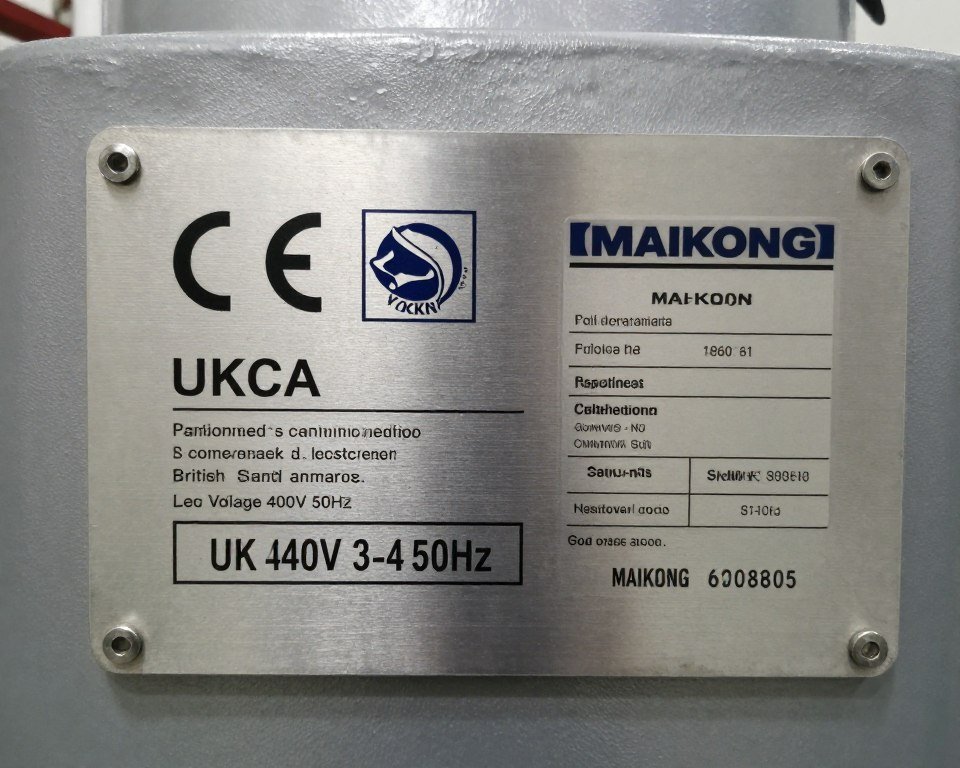
Brexit-related customs procedures add 2-4 weeks to import timelines for equipment shipped from outside the UK. MAIKONG handles documentation including CE and UKCA conformity marking, customs declarations, and duty calculations. Our UK technical representatives coordinate installation supervision reducing on-site issues during commissioning.
Frequently Asked Questions: Pellet Production Line Expansion
What capacity increase justifies investing in a parallel pellet production line rather than extending shifts?
The break-even point typically occurs when sustained demand exceeds 175-185% of your current single-shift capacity. Below this threshold, extended operating hours or modular additions prove more cost-effective. Above it, parallel lines deliver superior economics through redundancy benefits and lower per-unit production costs.
Consider parallel installation when your market analysis confirms demand growth exceeding 80% over three years, you require simultaneous production of incompatible feed types, or production downtime creates severe customer relationship risks. MAIKONG capacity audits quantify your specific break-even threshold based on your operational parameters.
How do UK power supply limitations affect pellet production line expansion choices?
Electrical infrastructure represents the primary physical constraint for UK feed manufacturers. A typical 5-tonne-per-hour line requires 75-95 kW installed power. Adding a parallel line demands 150-190 kW total, often exceeding standard UK industrial supply transformers rated at 100-125 kVA.
Distribution Network Operator upgrades cost £15,000-£40,000 and require 3-9 months for implementation. This timeline and expense often makes modular expansion more practical, as targeted equipment additions can sometimes function within existing electrical capacity. Always request a DNO assessment during your planning phase.
What maintenance cost differences exist between running one line for two shifts versus installing a second line?
Extended operating hours increase maintenance costs 40-60% above single-shift operation. Critical wear components like pellet mill dies and hammer mill screens deteriorate faster due to reduced cooling periods and thermal stress accumulation. A die lasting 1,200 hours single-shift might achieve only 850-900 hours running continuously.
Parallel lines double maintenance labour requirements but spread wear across two systems, resulting in approximately 85-95% increase in total maintenance costs rather than 100% doubling. However, redundancy allows scheduled maintenance without production stoppages, often offsetting the higher absolute costs through improved uptime.
Can modular expansion deliver enough capacity growth for rapidly expanding UK feed operations?
Modular additions typically achieve 40-70% capacity increases depending on identified bottlenecks. This proves sufficient for most UK feed manufacturers experiencing steady market growth. Operations facing explosive demand exceeding 100% over 18-24 months may require parallel complete lines instead.
The advantage of modular growth lies in staging investments to match actual demand realization rather than speculative forecasts. Many MAIKONG customers implement two or three modular phases over 3-5 years, ultimately achieving capacity equivalent to parallel line installation but with superior cash flow management and reduced financial risk exposure.
What are the Brexit implications for importing pellet production equipment into the UK?
Post-Brexit imports require UKCA marking compliance alongside traditional CE certification. Equipment tariffs vary by country of origin, with zero tariffs applying to EU-manufactured machinery under the Trade and Cooperation Agreement, whilst Chinese-manufactured equipment typically incurs 0-2.7% import duty depending on classification.
MAIKONG handles all UK import documentation including customs declarations, conformity assessments, and duty calculations. Budget an additional 2-4 weeks for customs clearance compared to pre-Brexit timelines. VAT at 20% applies to the combined equipment and shipping cost, payable at importation before release from customs control.
About MAIKONG: Your UK Feed Production Equipment Partner
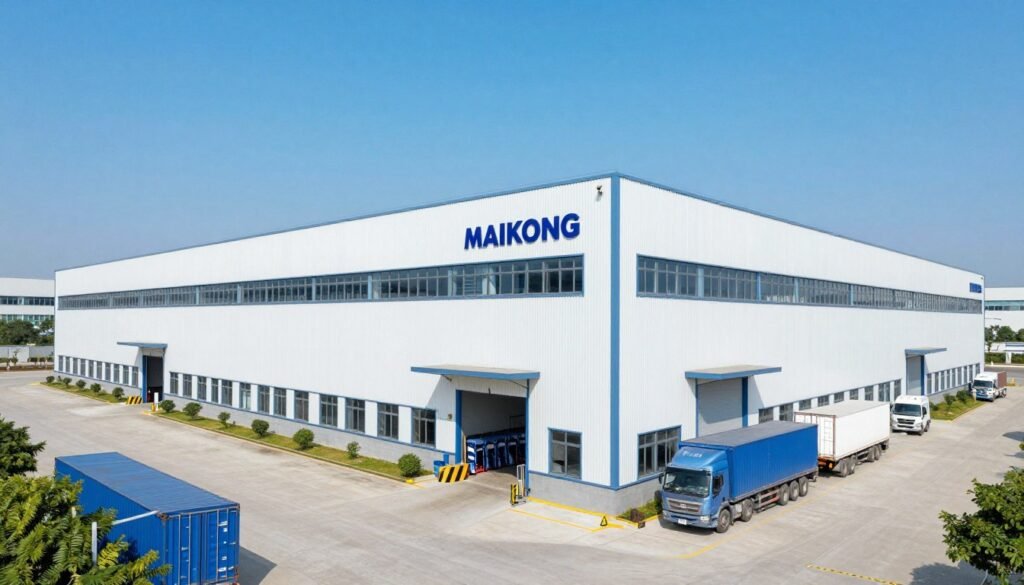
MAIKONG brings over 22 years of specialised experience manufacturing animal feed production lines for the global market. Our GD province facility in SZ city produces complete systems from 200 kilograms to 200 tonnes per hour capacity, serving feed manufacturers across 47 countries.
Our UK presence supports British feed producers with local technical expertise, rapid spare parts delivery, and understanding of British Standards compliance requirements. We maintain partnerships with leading UK agricultural cooperatives, poultry integrators, and livestock feed manufacturers.
MAIKONG Core Capabilities
- Complete turnkey pellet plant design and installation
- Custom formulation-specific equipment configuration
- UK voltage and regulatory compliance assurance
- OEM and ODM manufacturing programmes
- Post-installation technical support and training
- Spare parts supply with UK-based inventory
- Capacity expansion audits and recommendations
- Process optimization consulting services
Product Range Overview
MAIKONG manufactures specialized fish feed production lines, dedicated pet feed production lines, and high-capacity systems for livestock operations. Each system incorporates proven technology refined through decades of field experience across diverse climatic and operational conditions.
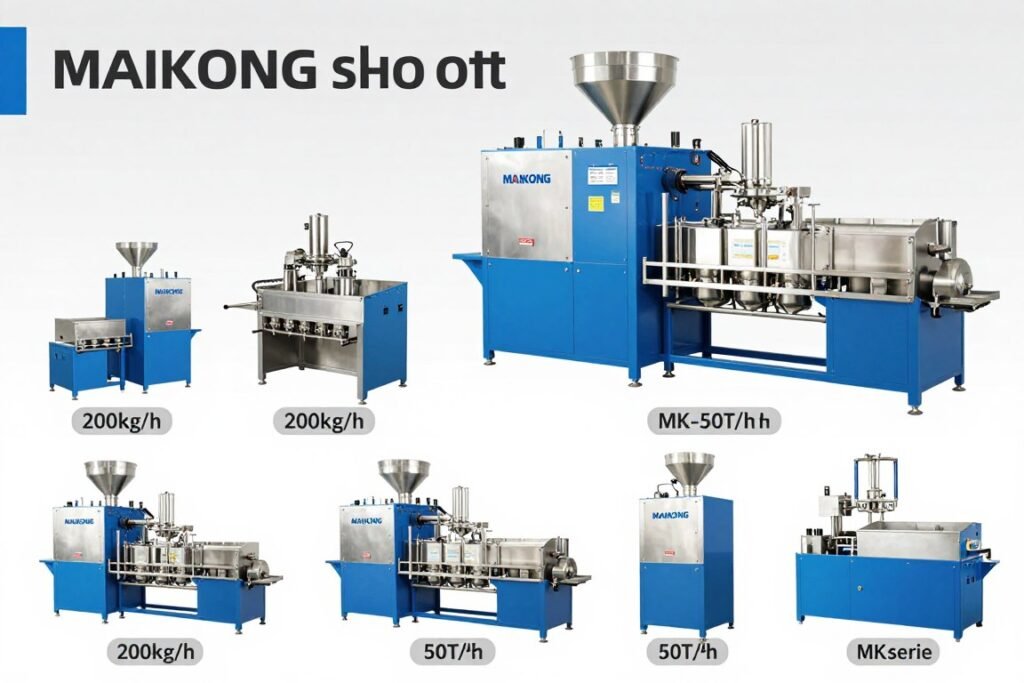
Our customisation capabilities address unique UK requirements including specific voltage configurations, hygienic design for organic certification, and integration with existing facility automation systems. MAIKONG engineers collaborate directly with your technical team ensuring seamless installation and optimal performance.
Ready to Plan Your Pellet Production Line Expansion?
Successful expansion requires matching your growth strategy to operational reality, market conditions, and financial capabilities. Whether you implement extended shifts, parallel lines, or modular additions, thorough planning delivers superior outcomes.
MAIKONG provides UK feed manufacturers with expert guidance throughout the expansion journey. Our technical teams conduct complimentary capacity audits, develop customized recommendations, and support implementation from specification through commissioning.

Get Your Customized Expansion Proposal
Contact MAIKONG today for a detailed assessment of your expansion options. Our UK technical team will evaluate your facility, analyze your requirements, and provide a comprehensive proposal with ROI projections, timeline estimates, and specification recommendations.
Quick Contact Options
WhatsApp Available for Immediate Response
Email: Lucy@feedproductionline.uk
Website: feedproductionline.uk
Request Detailed Consultation
Become a MAIKONG UK Distributor
Limited territorial opportunities available for established equipment distributors, agricultural suppliers, and feed industry specialists.
Partnership Benefits
- Exclusive UK territory rights
- Factory-direct pricing structure
- Comprehensive technical training
- Marketing materials and support
- Demo equipment programmes
- Lead generation assistance
Ideal Partner Profile
- Existing agricultural equipment distribution
- Technical service capabilities
- Established customer relationships
- Financial stability and growth ambition
- Commitment to premium product positioning
- After-sales support infrastructure
Why UK Feed Manufacturers Choose MAIKONG
- 22+ years manufacturing experience across global markets
- 200+ Europe installations with proven performance records
- UK-specific compliance including voltage and safety standards
- Local technical support with British-based engineering team
- Rapid spare parts delivery from UK inventory stock
- Comprehensive training programmes for your operators
- OEM/ODM capabilities for branded equipment solutions
- Complete project management from design through commissioning
Whether you operate a small 2-tonne-per-hour facility or manage a 50-tonne industrial operation, MAIKONG delivers expansion solutions matching your specific requirements. Our commitment extends beyond equipment supply to long-term partnership supporting your business growth.
Contact us today to begin planning your pellet production line expansion with confidence. Together, we’ll determine the optimal strategy delivering maximum return on your investment whilst positioning your operation for sustainable long-term success in the competitive UK feed manufacturing sector.