Feed Production Line: Complete Equipment Solutions for UK Feed Manufacturers
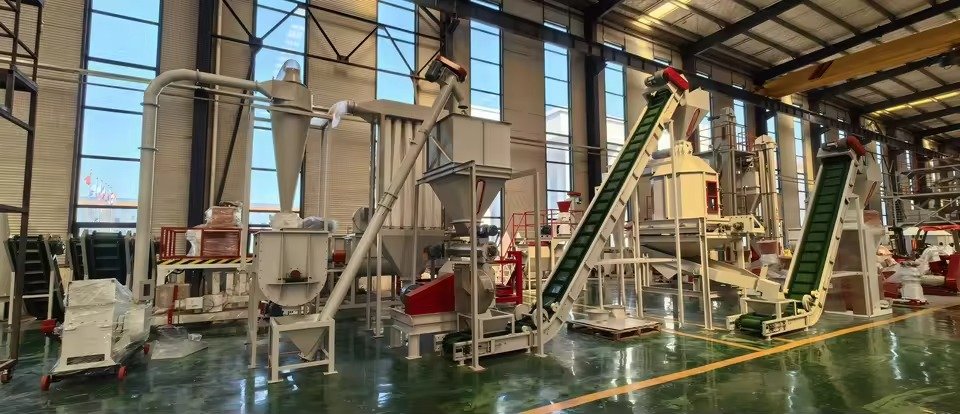
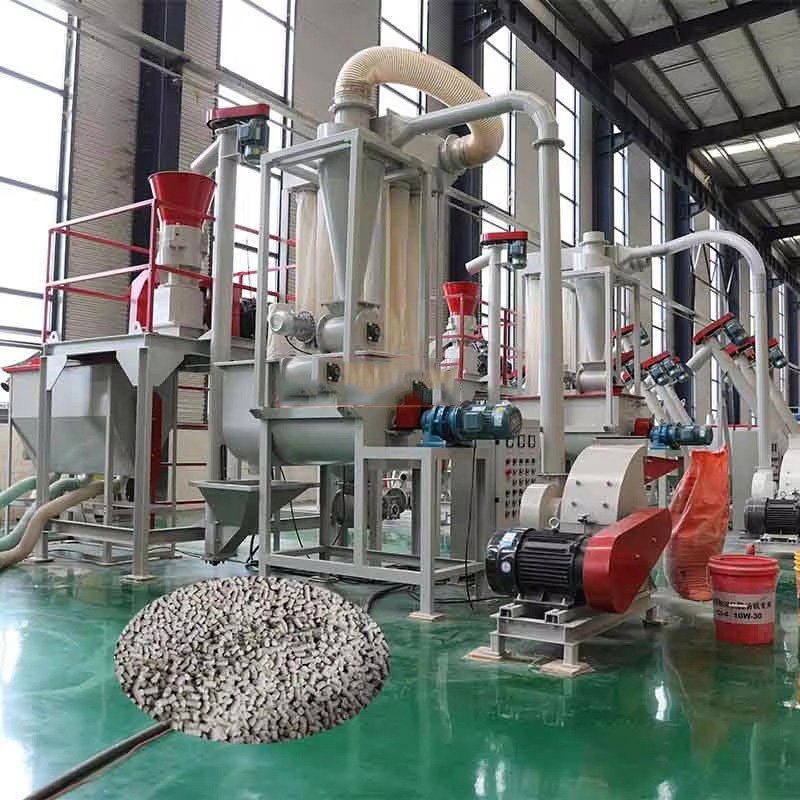
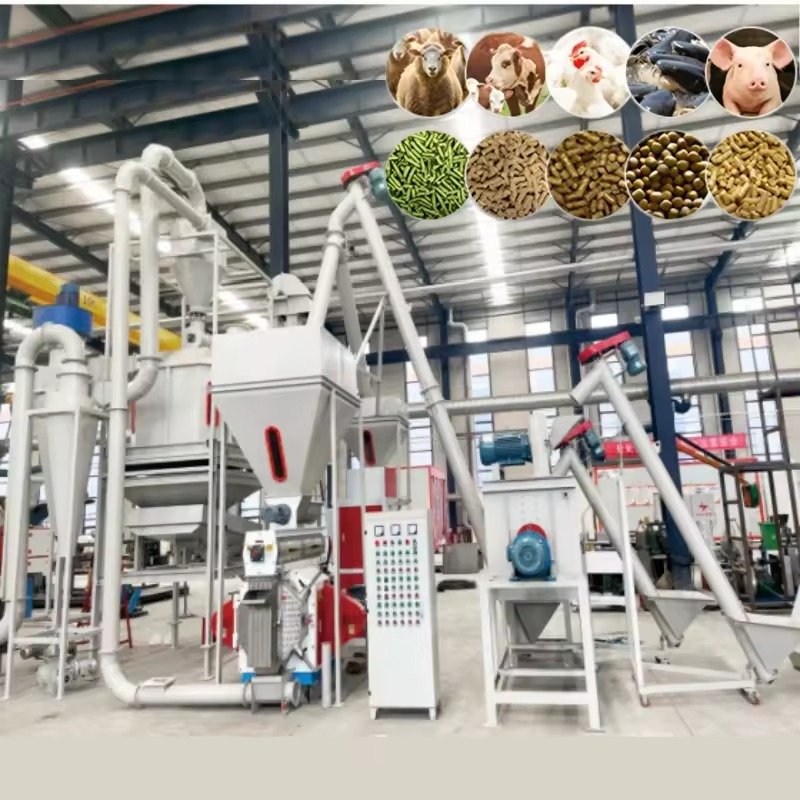
Selecting the right feed production line represents one of the most critical investment decisions for feed manufacturers, livestock operations, and agricultural entrepreneurs across the United Kingdom. The feed production equipment you choose directly impacts product quality, operational efficiency, and long-term profitability. Whether you’re establishing a new feed mill or upgrading existing capacity, understanding the complete production process and available equipment options is essential.Modern feed production lines have evolved significantly beyond simple mixing and pelleting equipment. Today’s integrated systems incorporate advanced automation, precise quality control, and flexible configurations that can process everything from poultry feed to specialized aquatic feed formulations. The challenge lies in matching equipment specifications to your specific production requirements, raw material characteristics, and target animal species.This comprehensive guide examines the complete feed production process, essential equipment components, capacity considerations, and practical factors that UK feed manufacturers must evaluate when selecting production line solutions. You’ll discover how integrated systems work together to transform raw ingredients into high-quality finished feed products that meet both nutritional standards and commercial requirements.
The feed production process follows a systematic sequence of operations designed to transform bulk raw materials into nutritionally balanced, physically stable finished feed products. Each processing stage serves specific purposes related to ingredient handling, particle size reduction, nutrient distribution, and physical form creation.
Professional feed production line systems integrate multiple equipment components that work sequentially to achieve consistent output quality. The complete process typically encompasses eight primary stages: raw material reception, storage and handling, cleaning and preparation, grinding and size reduction, batching and weighing, mixing and blending, pelleting or forming, and cooling and packaging.
Raw Material Reception and Storage Infrastructure
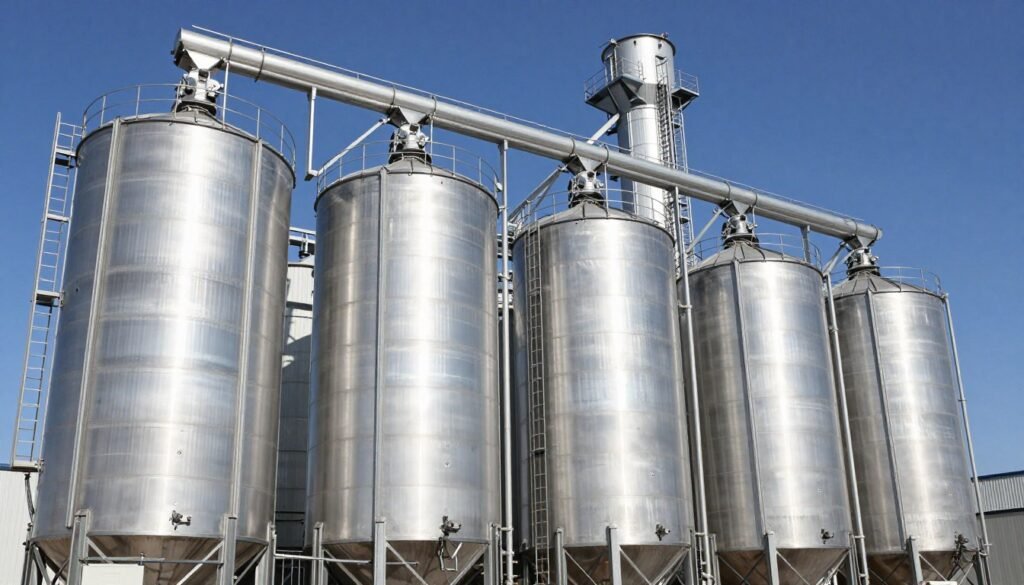
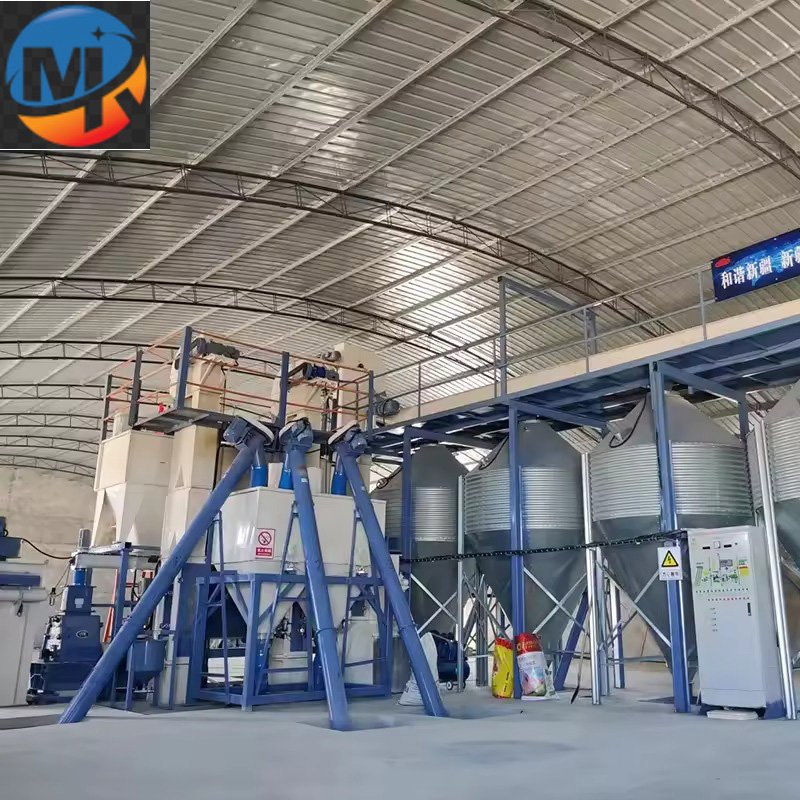
The production process begins with properly designed receiving and storage systems that maintain ingredient quality before processing. Modern feed mills utilize steel silo systems for bulk grain storage, offering protection from moisture, pests, and contamination while enabling efficient inventory management.
Reception equipment includes truck unloading systems, weighing platforms, preliminary screening devices, and conveying mechanisms that transport materials to designated storage locations. For UK operations processing diverse ingredients, separate storage capabilities for different raw material categories prevent cross-contamination and simplify quality control procedures.
Cleaning and Pre-Processing Requirements
Before entering the main production line, raw materials undergo cleaning operations that remove impurities, foreign objects, and contaminants that could damage equipment or compromise feed quality. Cleaning equipment includes magnetic separators for ferrous metal removal, vibrating screens for particle separation, and destoners for removing heavy impurities like stones and soil clumps.
The cleaning section protects downstream equipment from damage while ensuring only suitable material enters the production process. This stage proves particularly important when processing farm-sourced grains that may contain field debris, as well as preventing equipment wear from abrasive contaminants.
Grinding and Particle Size Reduction
Grinding reduces ingredient particle size to specifications appropriate for the target animal species and feed form. Animal feed production requires different particle sizes depending on whether the finished product will be mash, pellets, or crumbles, and whether it’s formulated for poultry, swine, cattle, or aquatic species.
Hammer Mill Grinding Systems
Hammer mills represent the most common grinding equipment in feed production, utilizing high-speed rotating hammers to impact and shatter materials against screens. These versatile machines handle diverse ingredients from grains to fibrous materials, with screen size selections determining final particle dimensions.
Roller Mill Alternatives
Roller mills offer advantages for specific applications, particularly in processing whole grains for ruminant feed. These systems crack and flatten grains between cylindrical rollers, producing more uniform particle size distribution with lower energy consumption compared to hammer mills.
Batching and Mixing Equipment Systems
Accurate ingredient batching followed by thorough mixing constitutes the heart of quality feed production. These operations directly determine whether the finished feed delivers consistent nutrition in every portion consumed by animals. Modern batching and mixing systems employ computerized controls that ensure formulation precision while maintaining production efficiency.
Computerized Batching Systems
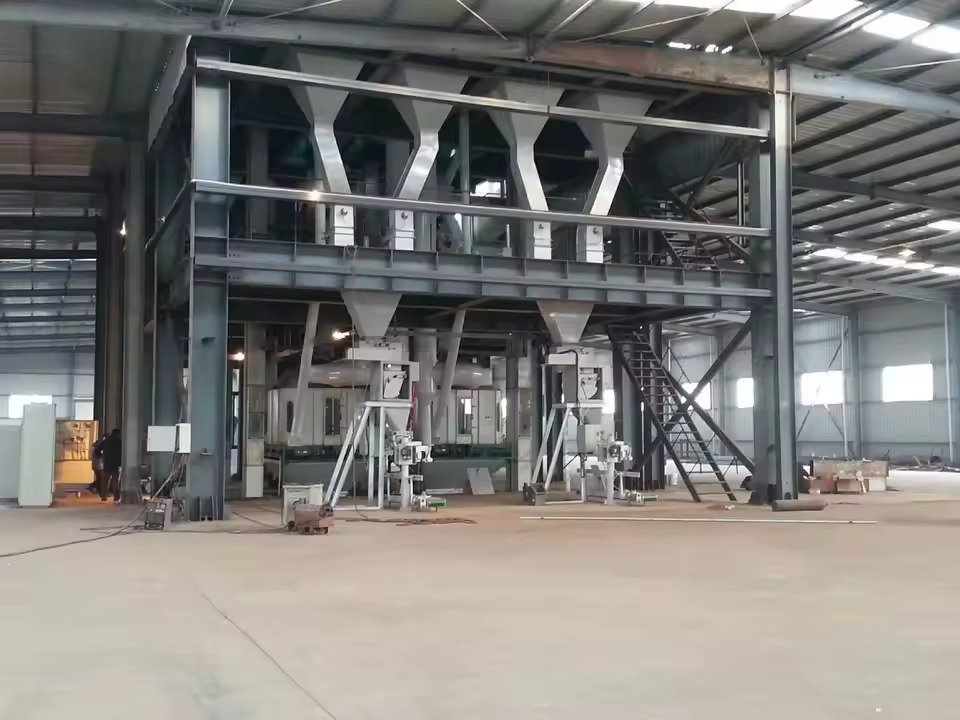
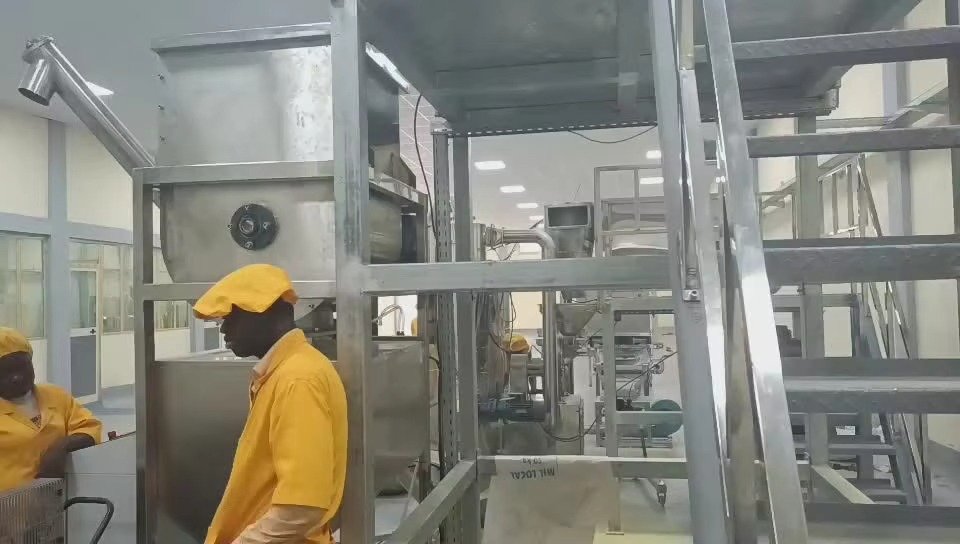
Batch processing systems weigh and proportion individual ingredients according to nutritionist-developed formulations. Advanced installations feature multiple ingredient bins positioned above a central weighing hopper, with electronic load cells providing precise measurement feedback to the control system.
The batching sequence typically processes ingredients from smallest to largest quantity, accumulating all formula components in the weigh hopper before discharging into the mixer. This approach minimizes cumulative measurement errors while optimizing cycle time. UK feed manufacturers producing multiple formulations benefit from systems with extensive ingredient storage positions that reduce changeover requirements.
Horizontal and Vertical Mixer Selection
Feed mixers come in two primary configurations—horizontal ribbon mixers and vertical screw mixers—each offering specific advantages for different production scenarios. Horizontal mixers generally provide superior mixing efficiency for dry ingredients and better accommodate liquid additions, making them the preferred choice for commercial production lines.
Mixing performance depends on achieving adequate particle movement and redistribution throughout the batch volume. Quality mixers accomplish homogeneous blending within 3-5 minutes while maintaining gentle action that preserves ingredient integrity. The mixer must adequately accommodate batch sizes matching your production rate requirements without overfilling or underfilling, both of which compromise mixing efficiency.
Custom Equipment Configuration Consultation
MAIKONG technical specialists help UK feed manufacturers select optimal batching and mixing equipment based on production capacity, formula complexity, and ingredient characteristics. Contact our team for detailed system recommendations tailored to your specific requirements.
Pelleting transforms mixed feed mash into dense, cylindrical particles that offer numerous advantages including improved handling characteristics, reduced ingredient separation, enhanced digestibility, and decreased feed waste. The pelleting process applies steam conditioning followed by mechanical compression through cylindrical die openings, creating the characteristic pellet form preferred for most commercial livestock and poultry feed production.
Ring Die Pellet Mill Technology
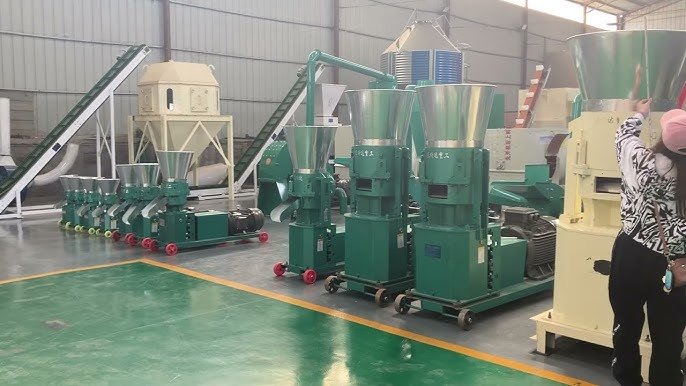
Ring die pellet mills represent the industry standard for commercial feed production, capable of outputs ranging from 1 to 40 tonnes per hour depending on mill size and die specifications. These machines feature a rotating ring die with radial holes through which conditioned mash is forced by internal pressure rollers, forming pellets that are cut to length by stationary knives.
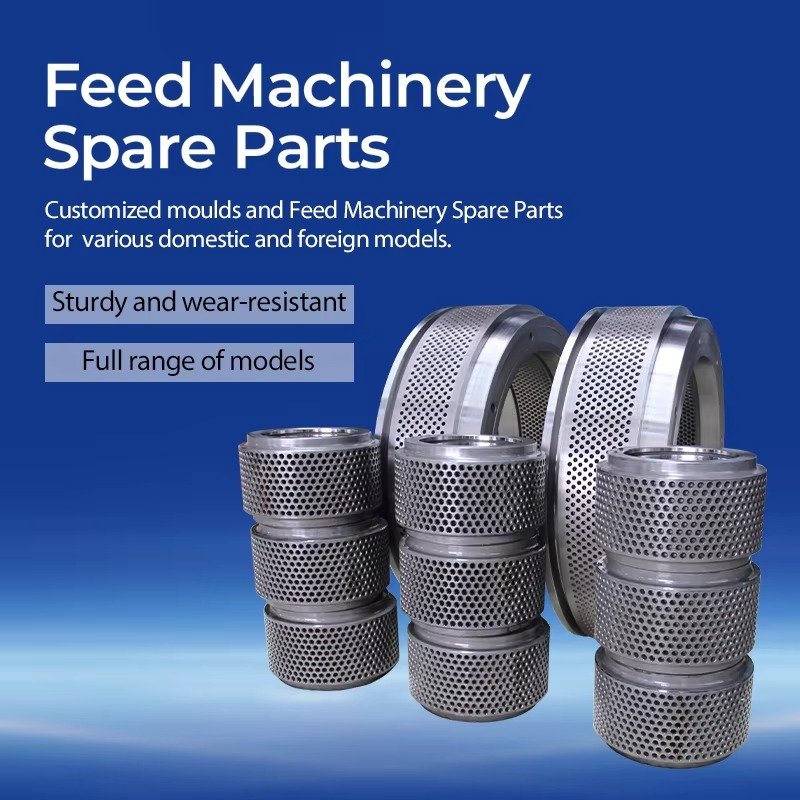
Critical specifications affecting pellet mill performance include die diameter, die thickness, hole diameter, and roller configuration. Larger diameter dies provide greater production area and higher capacity, while die hole size determines finished pellet diameter. For UK manufacturers producing diverse feed types, quick-change die systems minimize downtime during product transitions.
Steam Conditioning Requirements
Effective steam conditioning precedes the pelleting process, adding moisture and heat that gelatinize starches, improve pellet durability, and reduce power consumption during compression. Modern conditioners feature variable retention times allowing adjustments based on ingredient composition and desired pellet quality characteristics.
Proper conditioning requires dry saturated steam at appropriate pressure levels, typically 2-4 bar for standard feed applications. Steam quality significantly impacts conditioning effectiveness—wet steam introduces excessive moisture without adequate heat, while superheated steam provides insufficient moisture for optimal starch gelatinization. UK installations must account for steam generation capacity when specifying pellet mill systems.
Pellet Quality Factors
Die specification and condition
Steam conditioning parameters
Ingredient particle size
Formula composition and binders
Compression ratio selection
Pellet cooling effectiveness
Common Pelleting Challenges
Die blockage from inadequate conditioning
High fines percentage from excessive hardness
Poor durability from insufficient compression
Excessive power consumption
Inconsistent pellet quality
Equipment wear and maintenance costs
Cooling, Screening, and Packaging Systems
After pelleting, hot product requires cooling to safe storage temperatures while screening removes undersized particles and dust before final packaging. These finishing operations ensure feed quality, stability, and presentation meet commercial standards for distribution to end users.
Counterflow Cooling Equipment
Counterflow coolers represent the most efficient design for commercial feed production, passing ambient air upward through descending product to remove heat and moisture. Properly sized coolers reduce pellet temperature to within 5°C of ambient conditions while lowering moisture content to safe storage levels below 12.5%.
Cooling capacity must match pellet mill output to prevent bottlenecks in production flow. Insufficient cooling results in warm product entering storage, creating condensation risks and potential mold development. UK climate conditions generally provide favorable cooling air temperatures, though seasonal variations may affect cooling performance during summer months.
Screening and Quality Control
Post-cooling screening separates acceptable pellets from fines and oversized particles, ensuring consistent product presentation. Rotary screeners or vibrating screens direct on-specification pellets to packaging while returning fines to the pellet mill for reprocessing. This recirculation system maximizes production efficiency while maintaining quality standards.
For products requiring specific pellet length specifications, crumblers may be incorporated after cooling to break oversized pellets into uniform particles. This proves particularly important for poultry feed applications where consistent particle size supports uniform feed consumption across the flock.
Automated Packaging Solutions
Final packaging transforms bulk feed into marketable units suitable for distribution. Automatic bagging systems weigh, fill, and seal bags at rates matching production capacity, while bulk loading systems serve large-volume customers directly from overhead bins.
Production Capacity Planning and Equipment Selection
Determining appropriate production capacity represents a fundamental planning decision that influences equipment selection, facility design, and long-term operational economics. UK feed manufacturers must balance current production requirements against anticipated growth while considering the economic implications of operating at different capacity utilization levels.
Capacity Range Considerations
Feed production lines are available in capacities ranging from small farm-scale systems processing 200-500 kg per hour to large commercial installations exceeding 200 tonnes per hour. Mid-range systems handling 1-20 tonnes per hour serve the majority of UK feed manufacturers, offering reasonable capital investment while providing production flexibility.
When evaluating capacity requirements, consider both sustained production rates and peak demand periods. Equipment rated at a specific capacity typically assumes continuous operation with properly maintained machinery and suitable raw materials. Real-world factors including equipment startups, formula changeovers, and maintenance activities reduce effective operating time, requiring capacity buffers above calculated theoretical requirements.
Matching Equipment to Raw Materials
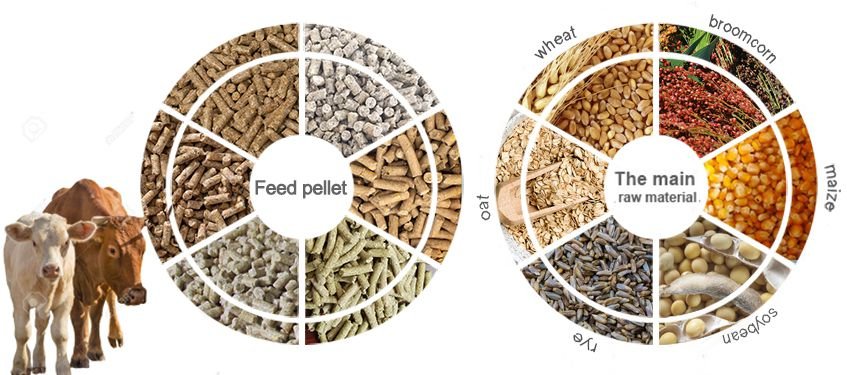
Different ingredient types and formula compositions significantly affect processing rates through the production system. High-fiber ingredients like wheat bran or oat hulls process more slowly than grain-based formulations, while formulas containing significant fat levels may require specialized equipment considerations.
Production Capacity
Typical Application
Equipment Investment
Space Requirements
Labor Requirements
200-500 kg/hour
Small farms, specialty feeds
£15,000-£40,000
50-100 m²
1-2 operators
1-3 tonnes/hour
Regional feed suppliers
£80,000-£150,000
200-400 m²
2-3 operators
5-10 tonnes/hour
Commercial feed mills
£250,000-£500,000
600-1000 m²
3-5 operators
15-20 tonnes/hour
Large integrated operations
£600,000-£1,200,000
1200-2000 m²
5-8 operators
Electrical Supply and Utility Requirements
Feed production equipment demands substantial electrical capacity, particularly for grinding and pelleting operations. A typical 5-tonne-per-hour system requires 150-250 kW installed power, though actual demand varies based on ingredient characteristics and production parameters. UK installations must verify available electrical service matches equipment specifications, as utility upgrades represent significant additional costs.
Beyond electrical requirements, feed production systems need compressed air for pneumatic controls, adequate water supply for steam generation and equipment cleaning, and appropriate ventilation for dust control. Early consideration of these utility requirements prevents costly modifications during installation phases.
Specialized Feed Production Applications
While the fundamental production process remains consistent across feed types, different animal species and production systems require specialized equipment configurations and process modifications. Understanding these specific requirements ensures your feed production line delivers optimal results for your target market segments.
Aquatic and Fish Feed Production
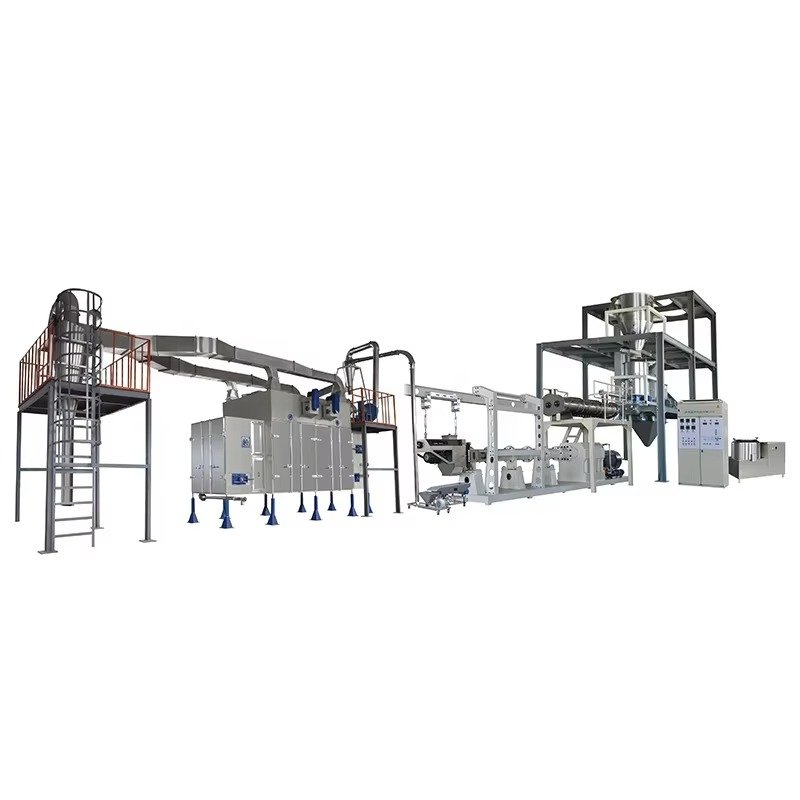
Aquatic feed production demands specialized equipment capable of producing floating or sinking pellets with high water stability. Fish feed production lines often incorporate extruders rather than standard pellet mills, as extrusion provides better control over pellet density and creates the expansion necessary for floating feeds.
Aquatic formulations typically contain higher fat and protein levels compared to terrestrial animal feeds, requiring equipment capable of handling oils and fish meal without clogging. Water stability testing becomes crucial, as pellets must maintain integrity during extended immersion without excessive nutrient leaching. UK producers serving the growing aquaculture sector, including salmon and trout operations, benefit from dual-capability systems that can produce both extruded aquatic feeds and conventional pelleted feeds.
Poultry Feed Specifications
Poultry feed production represents a significant market segment in the UK, with distinct requirements for broilers, layers, and breeding stock at different life stages. Broiler feeds typically specify 3-4mm pellets for grower rations, while layer feeds may be produced as mash, pellets, or crumbles depending on farm preferences and bird age.
Equipment for chicken feed production must accommodate frequent formula changes as birds progress through starter, grower, and finisher rations. Quick-change systems that minimize downtime during product transitions provide significant operational advantages. Many UK poultry feed manufacturers incorporate crumbling equipment to produce uniform particle sizes from standard pellets, particularly for young bird rations where pellet size proves critical.
Cattle and Ruminant Feed Systems
Ruminant feed production differs substantially from monogastric species due to digestive system requirements and typical ingredient compositions. Cattle feed production frequently involves processing high-fiber ingredients and producing larger particle sizes compared to poultry or swine feeds.
Many cattle feed formulations incorporate whole or coarsely processed grains to promote rumen function, requiring roller mills rather than hammer mills for appropriate particle size. Some dairy and beef feeding systems utilize total mixed ration approaches that blend forages with concentrates, demanding specialized mixing equipment capable of handling diverse ingredient forms simultaneously. Pellet sizes for cattle feeds typically range from 6-8mm diameter, larger than poultry specifications but still requiring adequate durability for handling and storage.
Quality Control and Testing Procedures
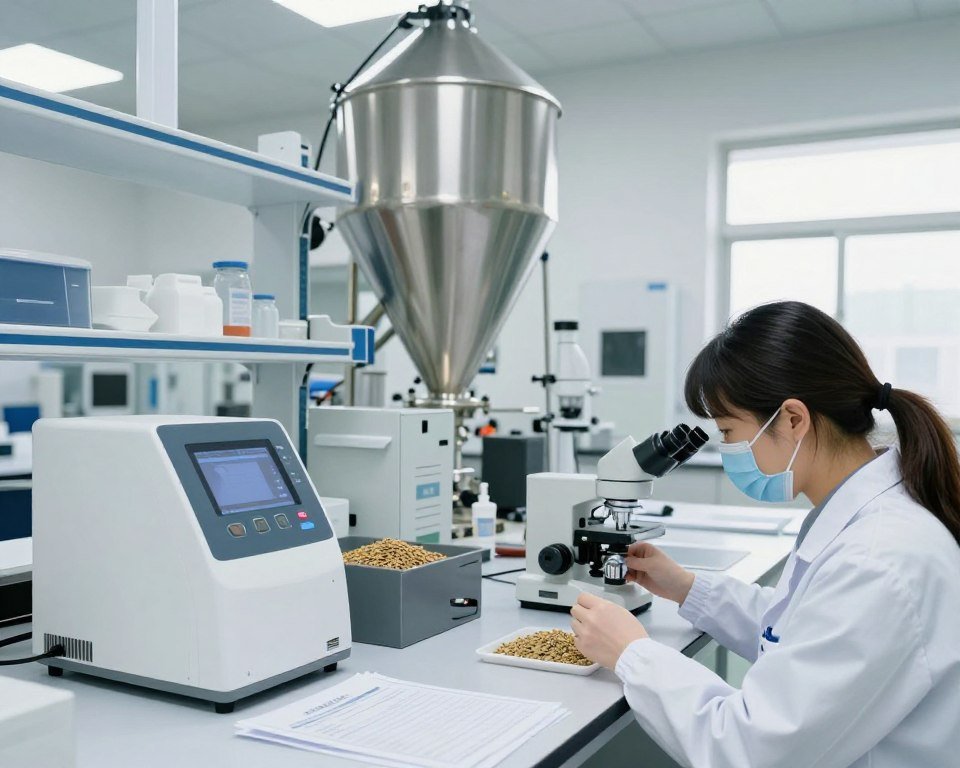
Maintaining consistent feed quality requires systematic testing protocols at multiple production stages. Quality control procedures verify ingredient specifications, monitor process parameters, and confirm finished product characteristics meet established standards. Effective quality management protects both animal performance outcomes and business reputation.
Ingredient Quality Verification
Quality control begins with incoming raw material inspection and testing. Visual examination identifies obvious contamination, insect infestation, or moisture damage, while laboratory analysis verifies nutrient composition matches supplier specifications. Critical tests include moisture content determination, protein analysis, and mycotoxin screening for susceptible ingredients.
Establishing approved supplier lists with documented quality histories streamlines receiving procedures while maintaining ingredient standards. UK feed manufacturers benefit from developing relationships with consistent suppliers who understand quality requirements and provide certificates of analysis with material deliveries.
Process Monitoring and Control
During production, key process parameters require continuous monitoring to ensure consistent output quality. Critical control points include ingredient weighing accuracy, mixer performance verification, pellet mill conditioning temperature and moisture, pellet durability assessment, and final product nutrient composition confirmation.
Modern production systems incorporate automated monitoring equipment that tracks these parameters continuously, alerting operators to deviations requiring corrective action. However, periodic manual verification confirms automated systems function correctly while providing operator training opportunities in quality assessment techniques.
What pellet durability standard should UK feed manufacturers target?
Standard pelleted feeds should achieve minimum 90% pellet durability index using the tumbling can method. Premium feeds and those requiring extended transportation or storage should target 92-95% durability. Testing procedures involve tumbling a sample quantity in a standardized container, then screening to determine the percentage of pellets remaining after mechanical agitation.
How frequently should mixer efficiency testing occur?
Comprehensive mixer testing should occur quarterly using tracer materials to verify coefficient of variation remains below 10% for micro-ingredients. Weekly visual inspections of discharge patterns identify potential mechanical issues, while mixing time studies during formula changes ensure adequate blending for new ingredient combinations.
What documentation standards apply to UK feed production?
UK feed manufacturers must maintain comprehensive records including raw material specifications and test results, formula documentation with calculations, batch production records showing ingredient quantities and processing parameters, quality test results, and equipment calibration and maintenance logs. Records should be retained for minimum periods specified by UFAS or equivalent certification programs.
Automation and Control Systems Integration
Modern feed production increasingly relies on automated control systems that optimize processing efficiency, ensure consistency, and reduce labor requirements. Control system sophistication ranges from basic manual operations to fully automated installations with remote monitoring capabilities.
Batching and Process Control
Computerized batching systems represent the foundation of automated feed production, precisely weighing formula ingredients according to nutritionist specifications while maintaining production records for traceability. These systems eliminate manual calculation errors and speed production cycles compared to manual batching procedures.
Advanced installations integrate batching controls with process monitoring for grinding, mixing, pelleting, and packaging equipment. This integration enables automatic sequencing through production stages, optimizes equipment utilization, and alerts operators to processing abnormalities requiring attention. For UK manufacturers producing multiple formulations, recipe management systems store hundreds of formulas accessible through simple selection procedures.
Data Collection and Analysis
Automated systems continuously collect production data useful for performance analysis and optimization. Key metrics include actual versus target production rates, ingredient usage tracking, energy consumption per tonne, equipment downtime analysis, and quality test results correlation with process parameters.
This data supports management decisions regarding equipment maintenance scheduling, operator training needs, formulation adjustments, and capacity planning. Progressive UK feed manufacturers utilize production data analytics to identify efficiency improvement opportunities and benchmark performance against industry standards.
Explore MAIKONG Automation Solutions
MAIKONG provides complete automation packages tailored to UK feed production requirements, from basic batching control to fully integrated plant management systems. Our technical team assists with system specification, installation supervision, and operator training to ensure successful implementation.
Reliable feed production demands proactive maintenance programs that prevent unexpected equipment failures while optimizing component service life. Effective maintenance planning balances preventive activities against breakdown risks, considering both direct repair costs and production interruption consequences.
Preventive Maintenance Schedules
Equipment manufacturers provide recommended maintenance schedules specifying inspection frequencies, lubrication requirements, and component replacement intervals. Critical maintenance activities include pellet die inspection and replacement based on production hours, mixer shaft seal monitoring, bearing lubrication across all rotating equipment, and belt tension verification on conveying systems.
Establishing formal maintenance documentation systems tracks completed activities while scheduling upcoming requirements. Many UK feed manufacturers implement computerized maintenance management systems that automate scheduling, track spare parts inventory, and maintain equipment history records useful for reliability analysis.
Critical Spare Parts Inventory
Maintaining strategic spare parts inventory minimizes production downtime when component failures occur. Critical spares include pellet dies and rollers sized for your specific mill, hammer mill screens in commonly used perforation sizes, mixer paddle sets and shaft seals, conveying system chains and bearings, and electrical components specific to your control systems.
Working with equipment suppliers to identify appropriate spare parts coverage balances inventory costs against downtime risks. UK operations should consider longer lead times for specialized components requiring international shipment when determining appropriate stock levels.
MAIKONG European Installation Success Cases
MAIKONG has successfully installed feed production systems across Europe, demonstrating our capability to deliver reliable equipment meeting UK and European operational standards. These case studies illustrate typical applications and performance results achieved by our clients.
UK Poultry Feed Manufacturer – 8 TPH System
A Norfolk-based poultry feed supplier partnered with MAIKONG to replace aging equipment with a modern 8-tonne-per-hour production line. The installation included automated batching for 16 ingredient bins, horizontal mixer, 400mm ring die pellet mill with steam conditioning, counterflow cooler, and automated bagging system.
The project delivered a 35% increase in production capacity while reducing energy consumption by 18% compared to previous equipment. Enhanced automation reduced labor requirements from 4 to 2 operators per shift while improving batch accuracy and consistency. The client particularly valued MAIKONG’s installation supervision and comprehensive operator training program that ensured smooth commissioning.
A Polish agricultural cooperative producing feeds for member dairy and beef operations installed a MAIKONG 12-tonne-per-hour system featuring equipment suitable for high-fiber ruminant formulations. The system incorporated dual hammer mills for simultaneous grinding of different ingredients, large-volume horizontal mixer, 508mm pellet mill producing 8mm pellets, and bulk loading capabilities for farm delivery trucks.
Results included reliable production of consistent quality cattle feed supporting improved milk production across member farms. The cooperative valued MAIKONG’s willingness to customize equipment specifications for their specific formulation requirements and ongoing technical support during the commissioning period.
Installation Support Services
MAIKONG provides comprehensive installation support for UK and European clients including equipment delivery coordination, installation supervision by experienced technicians, commissioning and startup assistance, operator training programs, and post-installation technical support.
Our team understands UK building regulations, electrical standards, and health and safety requirements, ensuring installations comply with all applicable codes. We coordinate with local contractors while maintaining quality control over critical equipment installation procedures that affect long-term performance.
Investment Analysis and Financial Planning
Feed production line investment represents significant capital commitment requiring thorough financial analysis. UK manufacturers must evaluate equipment costs, installation expenses, facility modifications, and operating economics to determine project viability and appropriate financing approaches.
Capital Cost Components
Total project investment extends beyond equipment purchase prices to include several additional categories. Primary cost elements include core processing equipment, bulk storage infrastructure, conveying and handling systems, electrical installations and utility connections, building modifications or construction, automation and control systems, installation labor and supervision, commissioning and startup, and initial operator training.
For typical UK installations, equipment represents approximately 60% of total project cost, with installation, utilities, and facility work comprising the balance. Accurate project budgeting requires detailed assessment of existing facilities and utility infrastructure, as retrofit installations often encounter unexpected modification requirements.
Operating Cost Analysis
Beyond initial capital investment, ongoing operating costs significantly influence long-term project economics. Major operating cost categories include electrical energy consumption, natural gas for steam generation, repair parts and maintenance materials, labor requirements, and quality control testing.
Investment Benefits
Improved feed quality consistency
Reduced ingredient waste and losses
Lower labor requirements per tonne
Enhanced production capacity
Better inventory management
Improved quality control capabilities
Reduced energy consumption per unit
Enhanced market competitiveness
Financial Considerations
Substantial capital requirement
Installation period production disruption
Learning curve during startup
Utility infrastructure upgrades
Ongoing maintenance costs
Spare parts inventory investment
Potential facility modifications
Financing costs and terms
Return on Investment Calculation
Quantifying ROI requires comparing current production costs and capabilities against projected performance with new equipment. Typical benefit categories include reduced labor costs through automation, decreased energy consumption from efficient equipment, improved ingredient utilization reducing waste, increased production capacity enabling business growth, and enhanced product quality supporting premium pricing.
Most UK feed production modernization projects targeting commercial-scale operations achieve payback periods of 3-7 years depending on production volume, utility costs, and labor savings realized. Projects incorporating capacity expansion often demonstrate shorter payback through increased revenue contribution.
MAIKONG UK Partnership and Dealership Opportunities
MAIKONG actively seeks qualified partners to represent our feed production equipment throughout the United Kingdom and broader European markets. We offer comprehensive support programs enabling successful equipment sales and installation businesses serving the agricultural and feed manufacturing sectors.
Dealer Program Benefits
MAIKONG dealer partners receive substantial support including competitive dealer pricing with attractive margins, exclusive territory protection in designated regions, comprehensive technical training for sales and service staff, marketing materials and trade show support, installation supervision assistance, and ongoing technical support for customer installations.
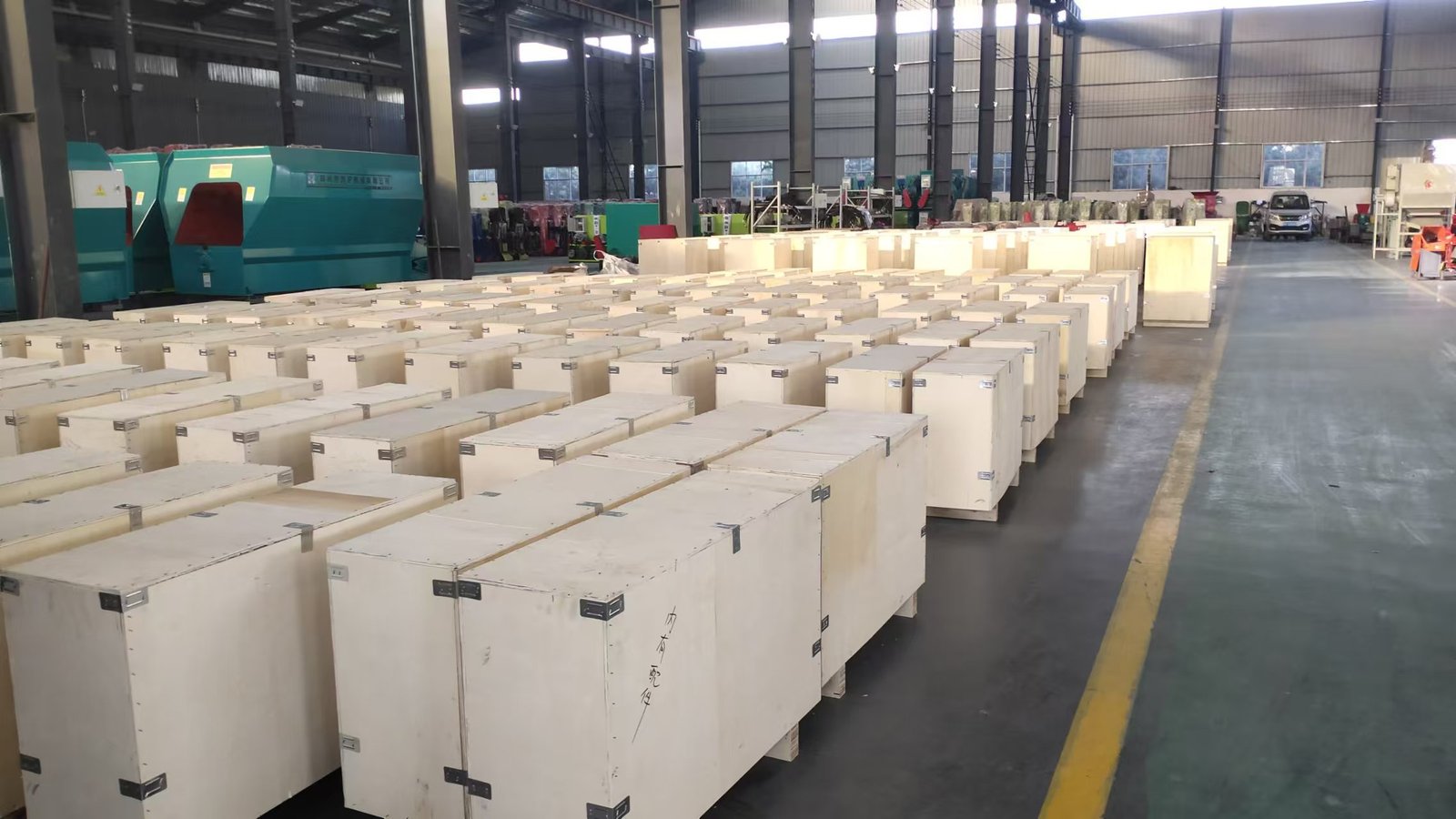
Our 22 years of manufacturing experience enables us to provide reliable equipment backed by responsive technical support. We understand that dealer success depends on satisfied customers achieving excellent long-term performance from their equipment investments. MAIKONG maintains substantial inventory enabling reasonable delivery timeframes while offering OEM and customization capabilities for specialized applications.
Ideal Partner Profile
We seek partners with established presence serving UK feed manufacturers, equipment dealers with agricultural market experience, engineering firms providing turnkey installation services, or entrepreneurs prepared to develop feed equipment specialization. Successful partners combine technical competence with strong customer relationships and commitment to supporting clients throughout equipment service life.
Explore MAIKONG Partnership Opportunities
Join MAIKONG’s growing network of successful equipment dealers and installation partners serving feed manufacturers across the UK and Europe. Contact our partnership development team to discuss dealer program details, territory availability, and support services provided to our dealer network.
Choosing the right equipment supplier represents a decision with long-term implications extending far beyond initial purchase price. UK feed manufacturers should evaluate potential suppliers across multiple criteria that collectively determine project success and ongoing satisfaction.
Supplier Evaluation Criteria
Critical supplier selection factors include demonstrated manufacturing experience and technical expertise, comprehensive product range matching your requirements, quality certifications and manufacturing standards, customer references from similar applications, technical support capabilities and responsiveness, spare parts availability and delivery timeframes, installation supervision and commissioning services, warranty coverage and terms, and long-term business stability.
MAIKONG addresses these criteria through our 22-year manufacturing history, comprehensive product range covering 200 kg/hour through 200+ tonne/hour capacities, quality management systems ensuring consistent production standards, and extensive international customer base providing reference opportunities. Our UK contact point facilitates responsive communication while our technical team provides ongoing support throughout equipment service life.
Obtaining Detailed Quotations
Effective equipment procurement begins with providing suppliers comprehensive information about your requirements. Essential specification details include target production capacity, intended feed types and animal species, available facility dimensions and layout, utility availability including electrical service and water supply, existing equipment to be integrated, budget parameters and timeline, and any special requirements or constraints.
Quality suppliers provide detailed quotations specifying exact equipment models, performance specifications, included accessories, installation requirements, delivery timeframes, warranty terms, and clearly defined pricing. This documentation enables accurate comparison between supplier proposals while establishing clear expectations for project execution.
MAIKONG Advantages for UK Clients
22+ years specialized feed equipment manufacturing experience
Comprehensive product range from farm-scale to industrial capacity
Competitive pricing without compromising quality standards
OEM/ODM customization capabilities for specialized requirements
Successful installations across 130+ countries including UK and Europe
Responsive UK contact point for sales and technical support
Installation supervision and comprehensive training programs
Substantial spare parts inventory for common components
Considerations When Selecting Suppliers
Verify actual manufacturing capabilities versus trading companies
Confirm UK/European installation experience and references
Assess language and communication capabilities
Evaluate spare parts supply chain and delivery timeframes
Clarify technical support availability and response expectations
Review equipment certification compliance with UK standards
Consider total ownership costs beyond initial purchase price
Conclusion and Next Steps
Feed production line investment decisions require careful evaluation of equipment capabilities, supplier qualifications, and project economics. Successful installations balance technical specifications with operational requirements while ensuring ongoing support maintains long-term performance.
This comprehensive guide has examined the complete feed production process from raw material reception through finished product packaging, explored equipment selection considerations across different production scales, addressed specialized requirements for various animal species, and outlined quality control procedures essential for consistent output. UK feed manufacturers now possess the foundational knowledge necessary to engage suppliers effectively and make informed equipment investment decisions.
MAIKONG offers complete feed production solutions tailored to UK operational requirements, backed by our substantial manufacturing experience and commitment to customer success. Whether you’re establishing a new feed manufacturing operation, expanding existing capacity, or modernizing aging equipment, our technical team provides consultation services that identify optimal solutions for your specific circumstances.
MAIKONG Model MK-L003 Complete Feed Production Line
Capacity Range: 5-8 tonnes per hour | Dimensions: 28m (L) × 12m (W) × 9m (H) | Power Requirement: 185 kW | Weight: 24,500 kg | Material: Carbon steel construction with stainless steel food contact surfaces | Colour: Industrial grey with safety yellow accents | Voltage: Customizable to UK 400V 3-phase 50Hz | Available Stock: Made to order with 8-12 week delivery
System Includes: Automated 16-bin batching system, 3000L horizontal mixer, MZLH508 ring die pellet mill with steam conditioner, SKLB4 counterflow cooler, vibrating screener, 50kg automatic bagger, complete conveying system, central control panel
Customer Rating:4.7/5 based on European installations
Contact MAIKONG for Your Feed Production Project
Our technical specialists are available to discuss your specific feed production requirements and develop customized equipment proposals matching your operational needs and budget parameters. We provide comprehensive quotations detailing equipment specifications, installation requirements, delivery timeframes, and total project investment.
Request Your Customized Feed Production Line Quotation
Contact MAIKONG today to begin your feed production equipment project. Our UK-based team responds promptly to all inquiries with detailed information and professional consultation supporting your decision-making process.
Manufacturing Location: GD Province, SZ City
UK Business Hours: Monday-Friday, 9:00-17:30 GMT
WhatsApp/Telephone: +86 15815556422
Email: Lucy@feedproductionline.uk
Website: https://feedproductionline.uk/
MAIKONG – Your trusted partner in feed production excellence. Serving UK feed manufacturers with reliable equipment, expert technical support, and commitment to your long-term success. Established manufacturing heritage since 2002.

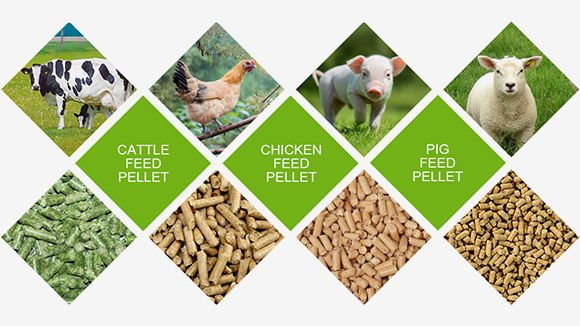
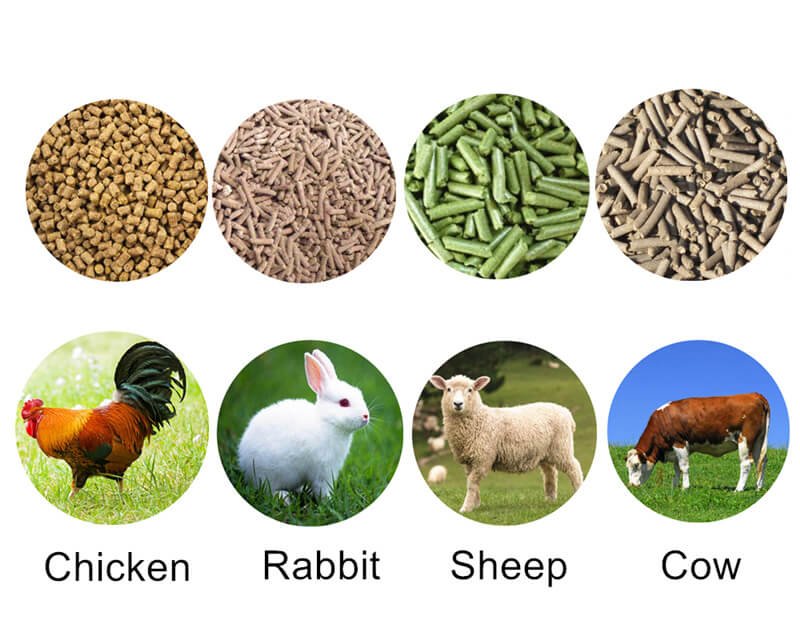
 Modern feed production lines have evolved significantly beyond simple mixing and pelleting equipment. Today’s integrated systems incorporate advanced automation, precise quality control, and flexible configurations that can process everything from