
Aquatic Feed Production Line: Complete UK Buyer’s Guide to High-Capacity Fish Feed Manufacturing Equipment
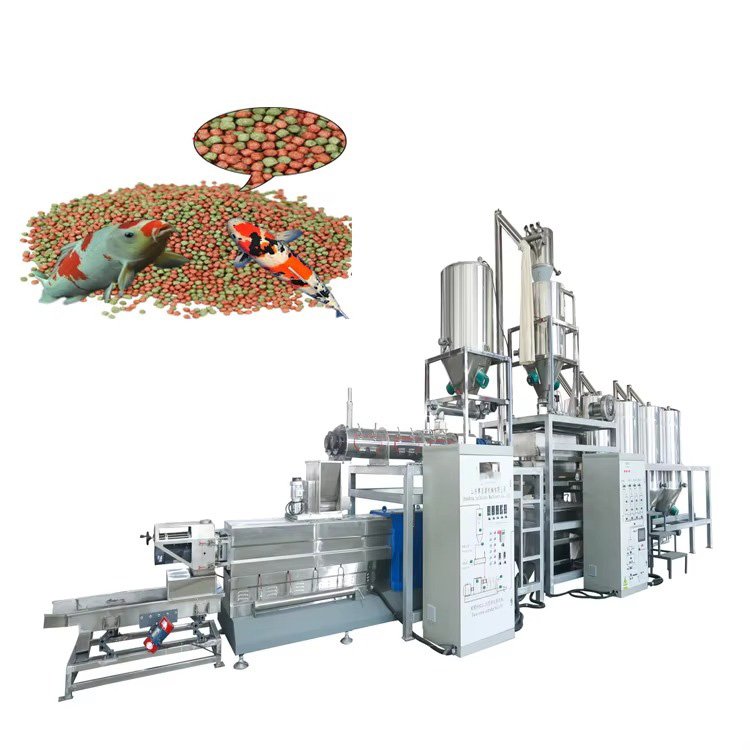
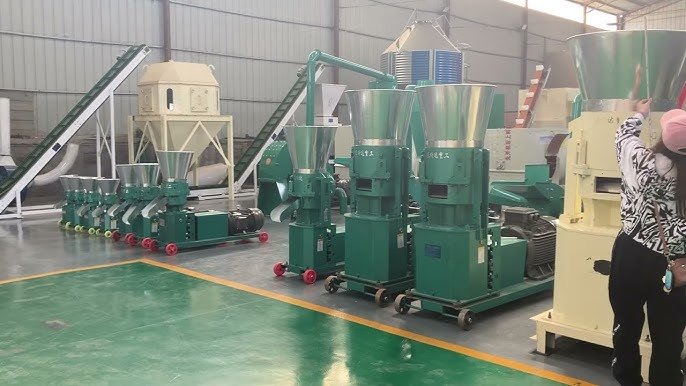
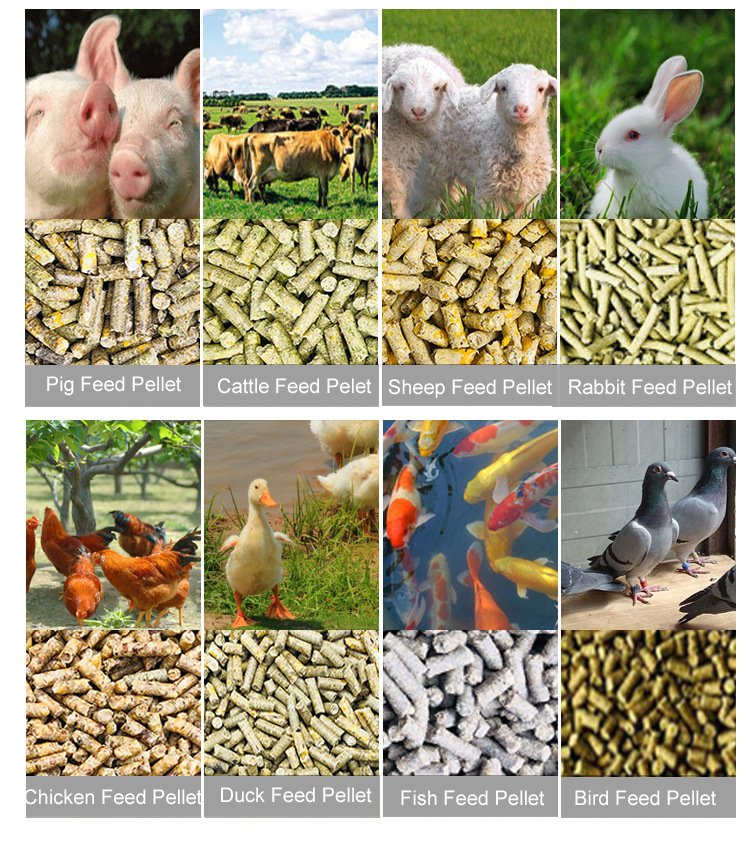
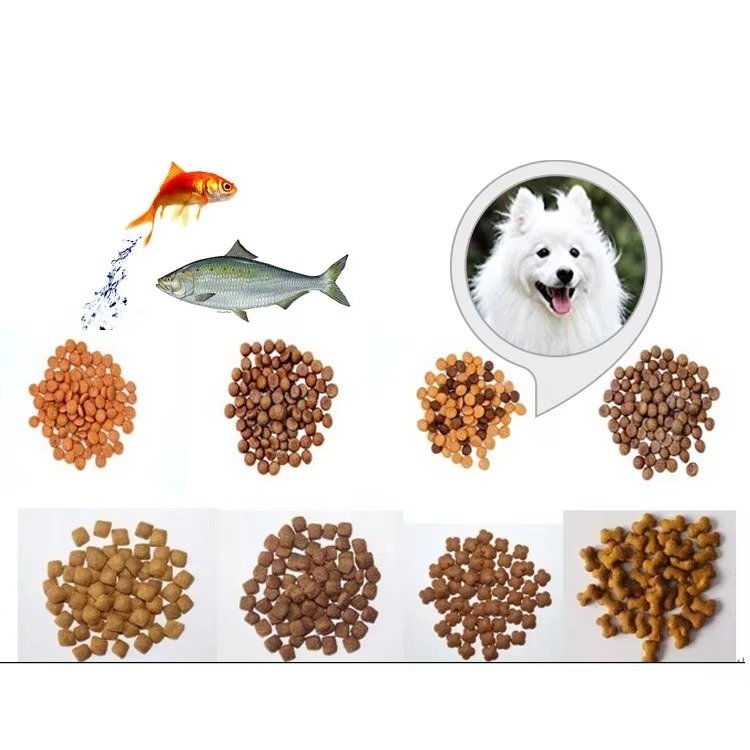 Selecting the right aquatic feed production line represents one of the most critical investment decisions for UK fish farms, aquaculture operations, and shrimp breeding facilities. With global aquaculture production exceeding 114 million tonnes annually, the demand for efficient, reliable feed manufacturing equipment continues to grow. Modern aquatic feed production systems must deliver consistent pellet quality whilst accommodating diverse raw materials, managing moisture content, and producing feed suitable for species ranging from salmon to tilapia to prawns.
MAIKONG has specialised in manufacturing complete aquatic feed production line systems for over 22 years, exporting to more than 130 countries across Europe, Asia, the Americas, and Africa. Our comprehensive approach addresses the unique challenges UK aquaculture businesses face: fluctuating raw material costs, strict quality standards, energy efficiency requirements, and the need for customisation to match specific production capacities from small-scale 200kg/hour operations to large-scale 200-tonne facilities.
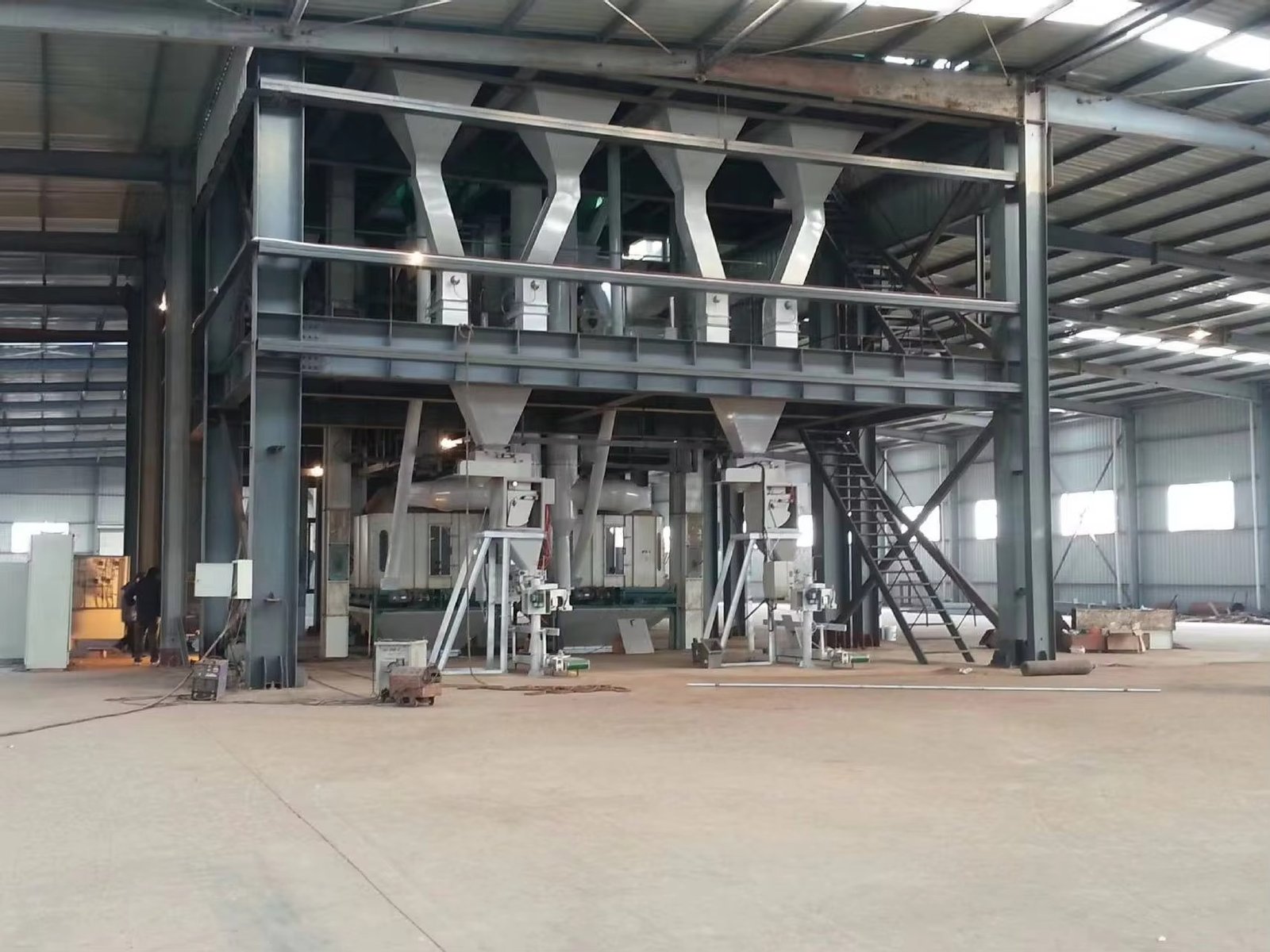
Partner with MAIKONG: UK Dealer and Distributor Opportunities
MAIKONG actively seeks established UK distributors and regional agents to expand our presence throughout the United Kingdom and broader European markets. Our dealer programme provides comprehensive support including technical training, marketing materials, competitive margin structures, and dedicated after-sales assistance.

Become a MAIKONG UK Dealer Today
Join our network of successful distributors across Europe. We offer exclusive territorial rights, comprehensive technical support, and access to our full range of feed production line equipment including fish, poultry, cattle, and pet feed systems.
What Is an Aquatic Feed Production Line and Why Does Quality Matter?
An aquatic feed production line comprises integrated machinery that transforms raw ingredients into finished feed pellets suitable for fish, shrimp, and other aquatic species. Unlike standard animal feed production line systems, aquatic feed equipment must address specific challenges including water stability, precise protein-to-fat ratios, pellet buoyancy control, and the ability to process moisture-sensitive marine ingredients.
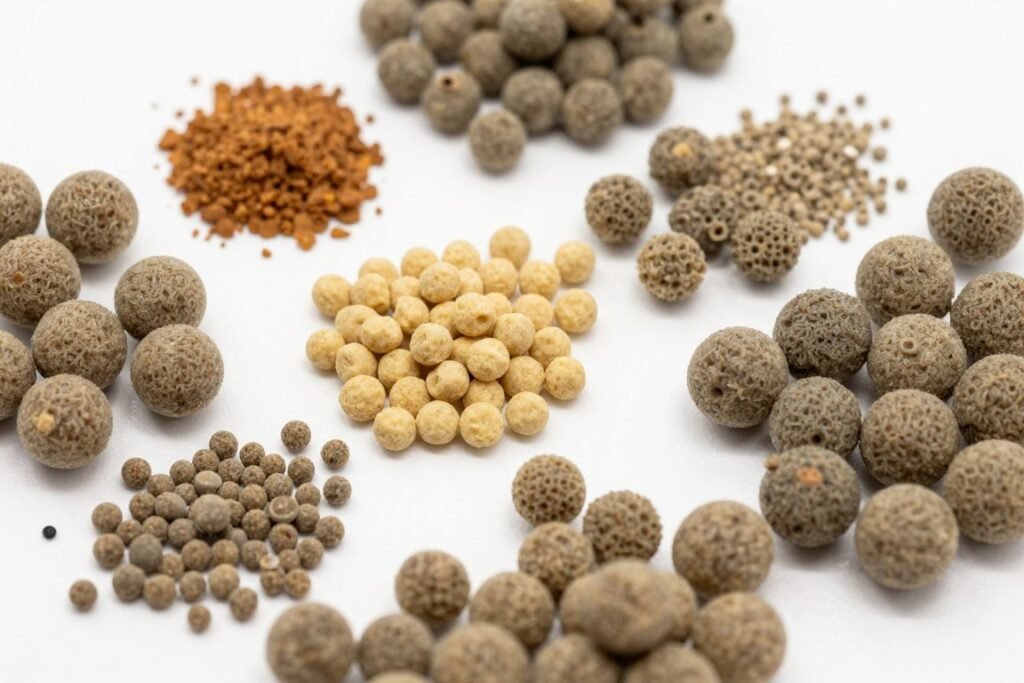
The production process begins with raw material handling and extends through grinding, mixing, conditioning, pelleting, drying, cooling, and packaging. Each stage requires precise control to maintain nutritional integrity whilst achieving the physical properties necessary for aquatic species feeding behaviour. Pellet hardness determines water resistance, with properly manufactured aquatic feed maintaining structural integrity for 8-12 hours in water without excessive powdering or nutrient leaching.
Critical Quality Parameters
- Water stability duration (minimum 8 hours)
- Pellet density control (floating, slow-sinking, or sinking)
- Uniform pellet size distribution
- Minimal fines and powder content (below 3%)
- Consistent protein and fat distribution
- Appropriate hardness for target species
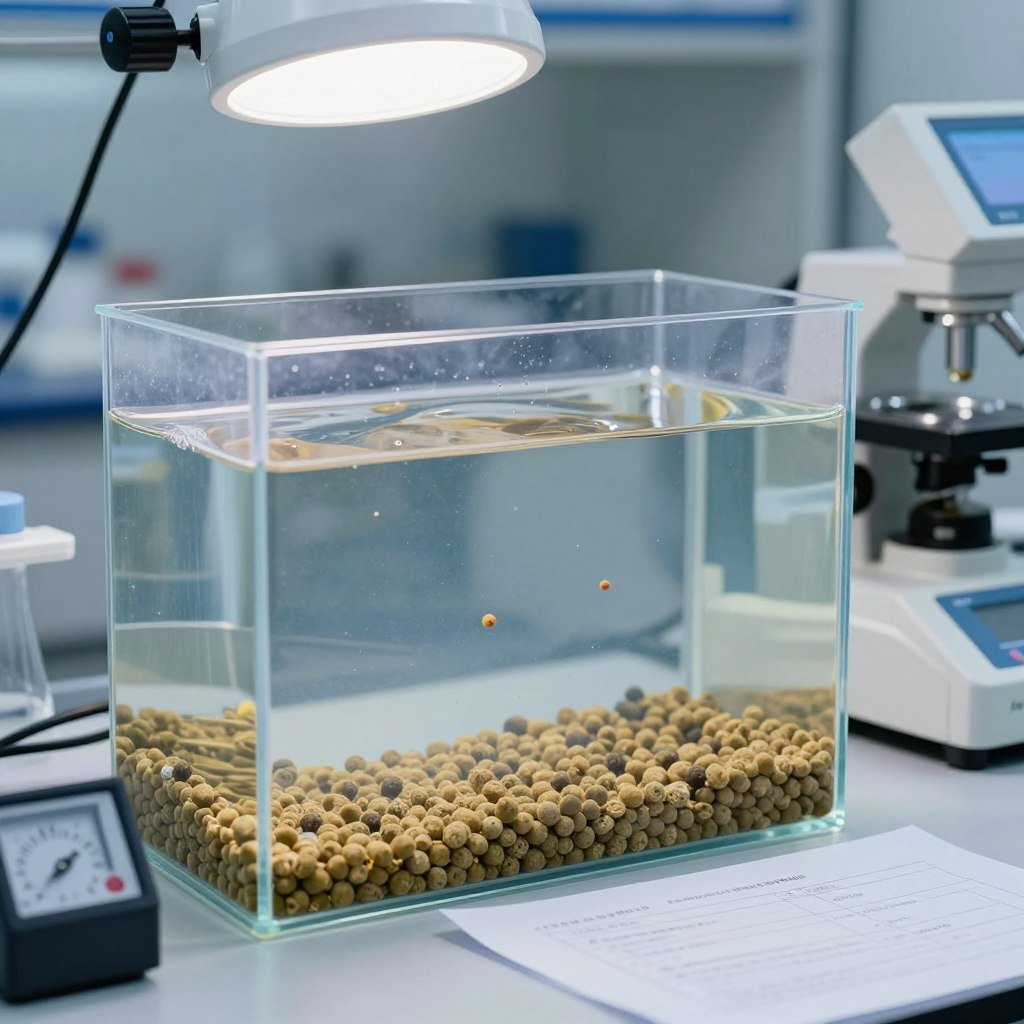
Raw Materials Commonly Used in Aquatic Feed Manufacturing
Successful aquatic feed production depends on proper raw material selection and handling. Typical ingredients include fishmeal (protein source), soybean meal, wheat flour (binder), fish oil, vitamin premixes, mineral supplements, and specialised additives. Each raw material requires specific grinding parameters, with moisture content carefully monitored throughout processing.
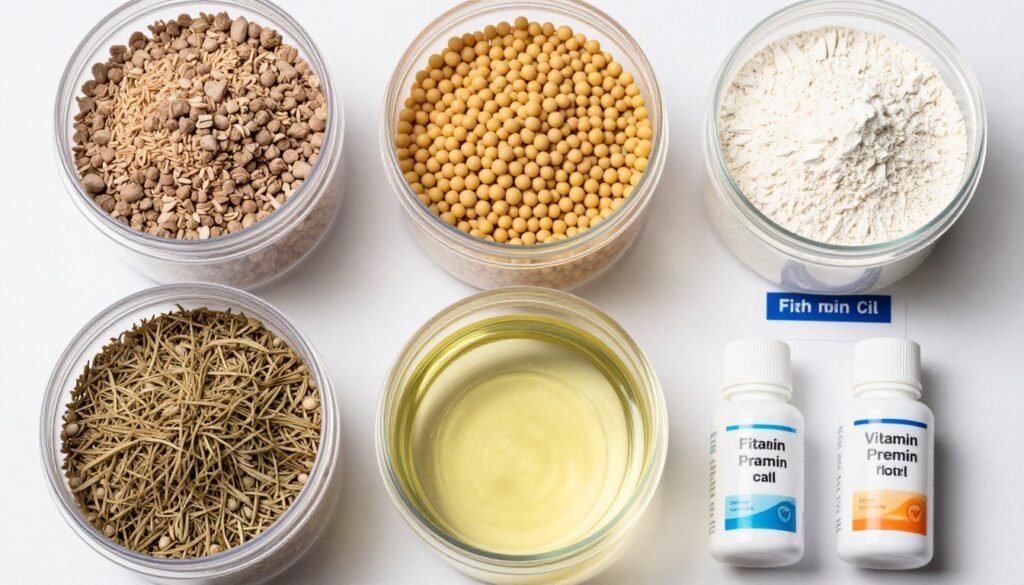
| Raw Material Category | Typical Percentage | Processing Requirements | Storage Considerations |
| Fishmeal (protein) | 25-45% | Fine grinding, moisture below 10% | Cool, dry environment; 3-month maximum |
| Soybean meal | 15-30% | Medium grinding, heat treatment | Protected from moisture; 6-month storage |
| Wheat flour (binder) | 10-20% | Fine grinding, gelatinisation required | Dry storage; 12-month shelf life |
| Fish oil | 5-12% | Liquid addition system, antioxidant | Refrigerated storage; nitrogen blanketing |
| Vitamin premix | 0.5-2% | Post-pelleting addition preferred | Cool, dark storage; 6-month maximum |
| Mineral supplements | 2-5% | Fine grinding, uniform distribution | Dry storage; minimal degradation |
Selecting the Right Production Capacity for Your Operation
Determining appropriate production capacity requires careful analysis of current requirements, growth projections, and operational efficiency targets. MAIKONG manufactures aquatic feed production systems ranging from small-scale 200kg/hour units suitable for research facilities and boutique fish farms to industrial 200-tonne/hour installations serving large aquaculture operations and commercial feed mills.
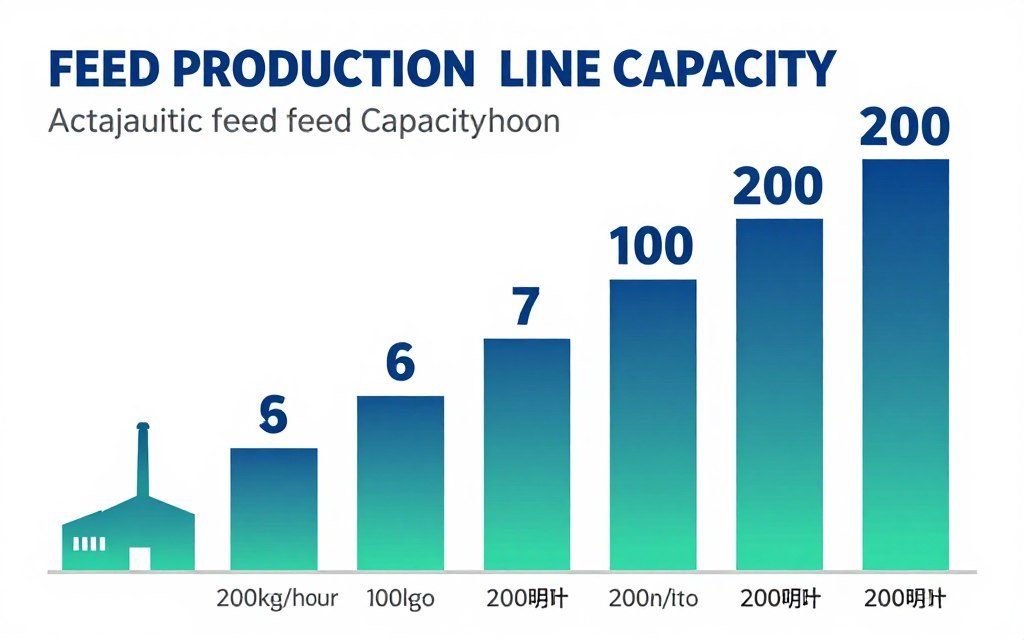
Small-Scale Systems
200kg – 2 tonnes/hour
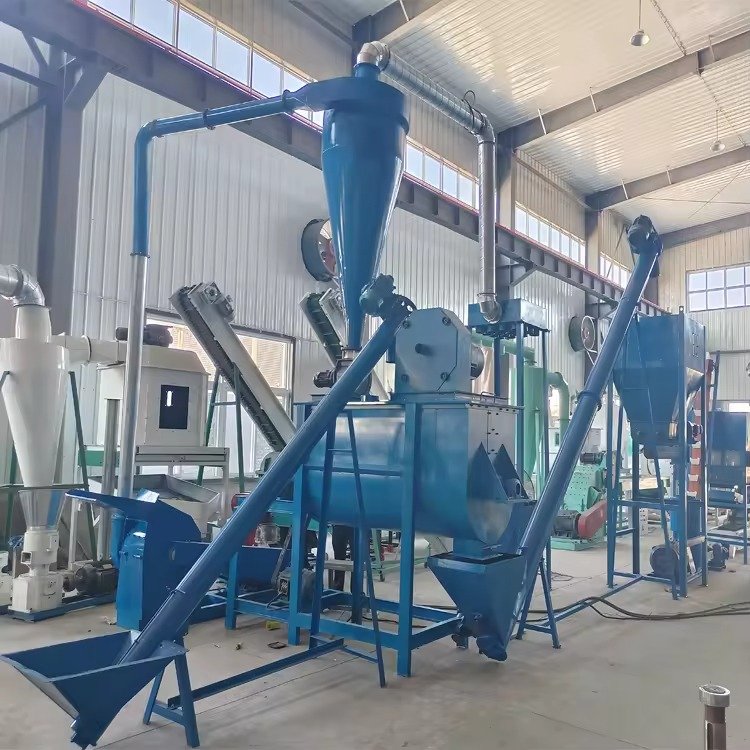
- Research institutions
- Specialist fish breeding facilities
- Organic aquaculture operations
- Custom formulation development
- Lower initial capital investment
- Flexible recipe testing capability
Medium-Scale Systems
3 – 20 tonnes/hour
- Regional aquaculture suppliers
- Multi-species fish farms
- Commercial feed distributors
- Cooperative feed production
- Balanced capacity and investment
- Automated process control
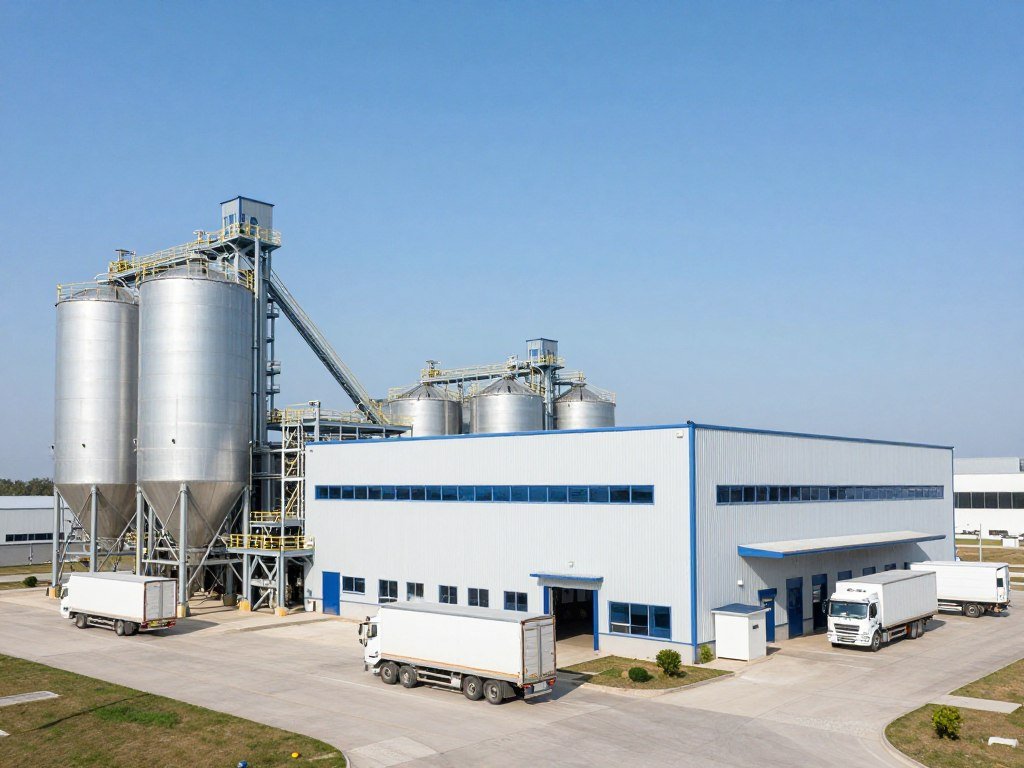
Large-Scale Systems
25 – 200+ tonnes/hour
- Major commercial feed mills
- International aquaculture suppliers
- Integrated feed-and-farm operations
- Export-focused manufacturers
- Maximum efficiency and automation
- Comprehensive quality systems
Calculating Required Production Capacity
Proper capacity planning accounts for daily feed requirements, production hours, maintenance downtime, and growth projections. A typical calculation begins with total daily feed demand across all aquaculture operations. Most facilities operate 16-20 hours daily allowing for maintenance windows. Include a 20-30% capacity buffer to accommodate demand fluctuations and equipment maintenance schedules.
Essential Equipment Components in a Complete Aquatic Feed Production Line
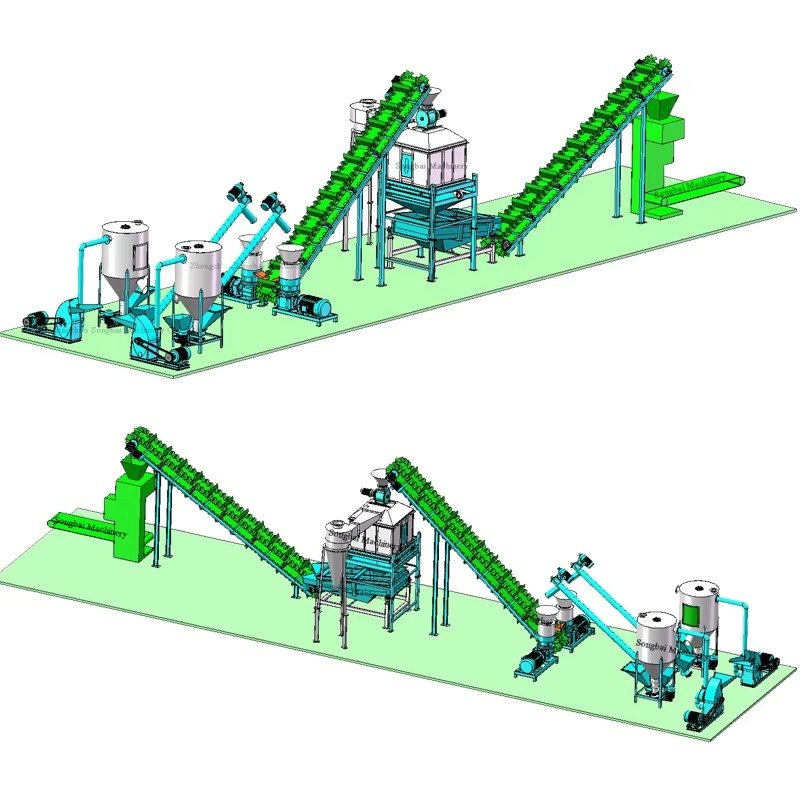
A fully integrated aquatic feed production system comprises multiple specialised machines working in coordinated sequence. Understanding each component’s function helps buyers evaluate proposals and ensure complete system specifications. MAIKONG’s MK-L003 model series represents our flagship fish feed production line configuration, incorporating 22 years of engineering refinement.
1. Raw Material Receiving and Storage Systems
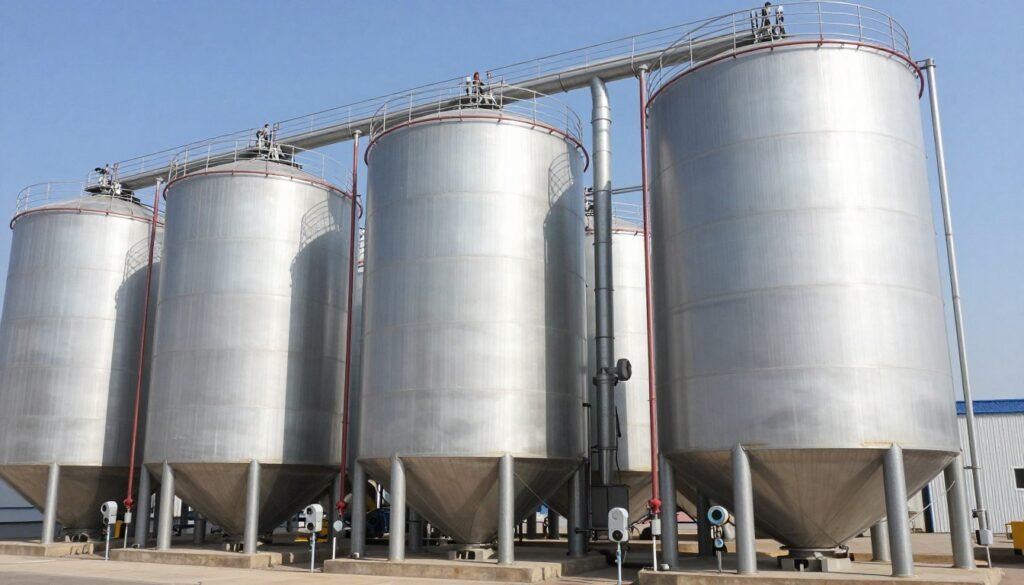
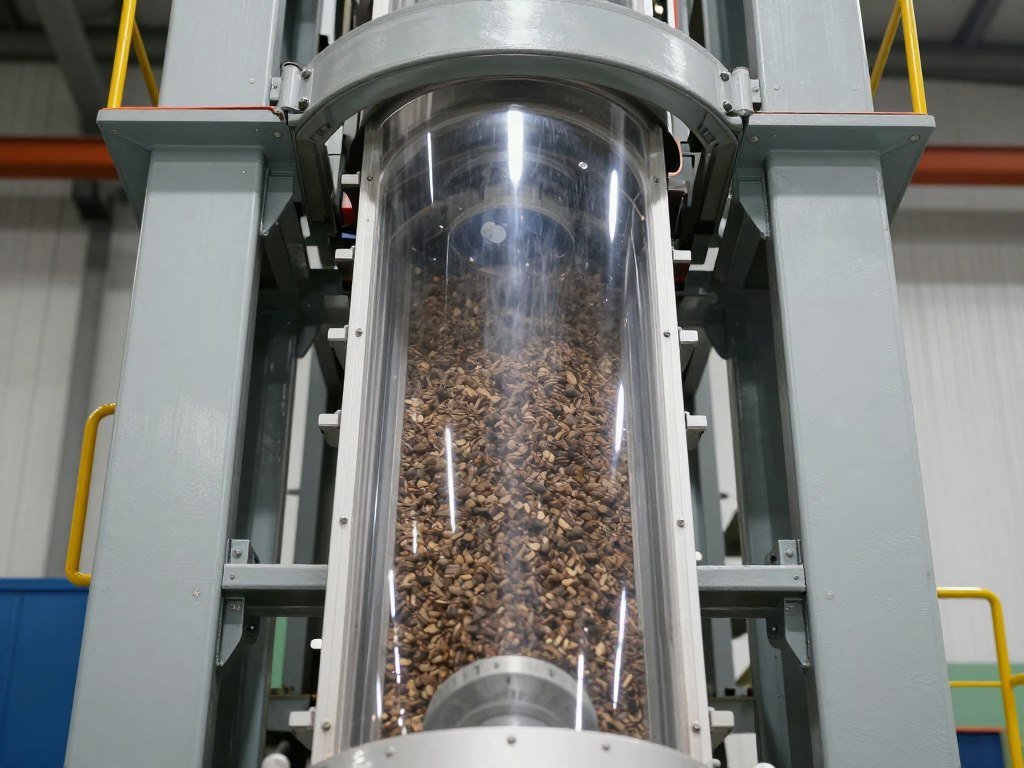
Initial material handling includes truck unloading systems, bucket elevators, and bulk storage silos. Proper storage prevents contamination whilst maintaining ingredient freshness. Separate silos for different raw materials prevent cross-contamination and simplify batch formulation. Temperature and moisture monitoring systems protect sensitive ingredients like fishmeal and vitamin premixes.
2. Cleaning and Pre-treatment Equipment
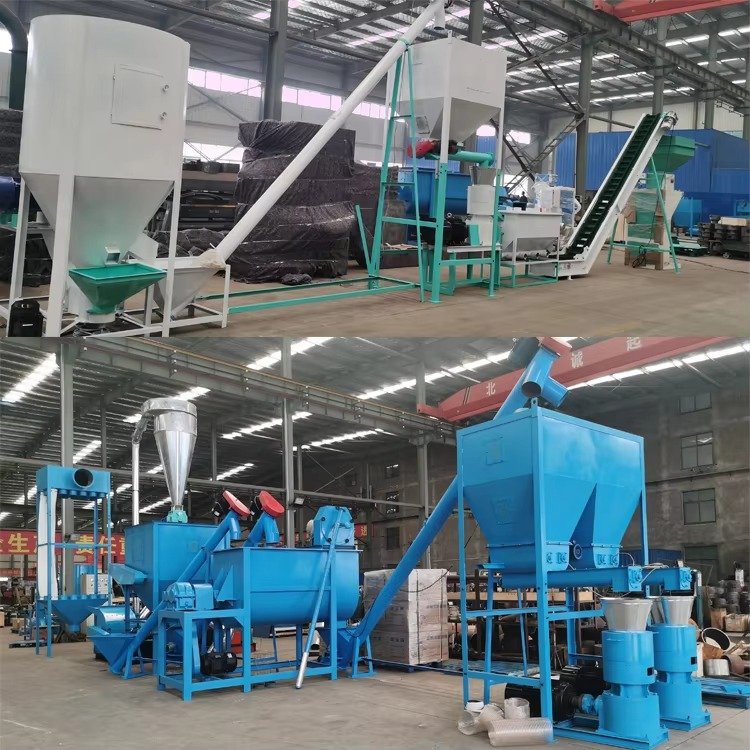
Pre-cleaning removes unwanted materials including metal fragments, stones, threads, and oversized particles. Magnetic separators capture ferrous contamination. Vibrating screens remove dust and foreign matter. This critical step protects downstream equipment from damage and ensures consistent feed quality.
3. Crushing and Grinding Systems
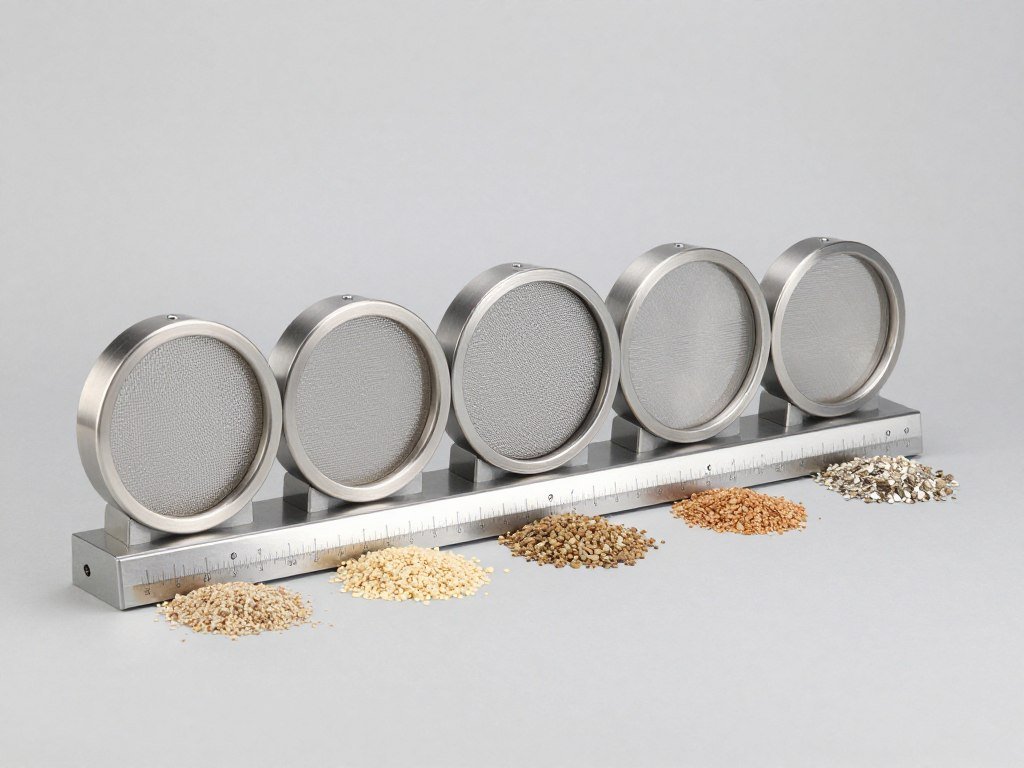
Hammer mills reduce raw material particle size to specifications required for proper mixing and pelleting. Aquatic feed typically requires finer grinding than poultry feed production line applications. Screen sizes determine final particle distribution. Multiple screen configurations allow rapid changeover between formulations. MAIKONG hammer mills feature hardened steel hammers, replaceable screens, and variable-speed operation.
| Species Type | Recommended Particle Size | Screen Mesh Size | Grinding Energy (kWh/tonne) |
| Shrimp (larval) | 200-300 microns | 0.8-1.0mm | 18-22 |
| Shrimp (juvenile/adult) | 400-600 microns | 1.5-2.0mm | 12-16 |
| Fish (fry) | 300-500 microns | 1.0-1.5mm | 15-19 |
| Fish (fingerling) | 500-800 microns | 2.0-2.5mm | 10-14 |
| Fish (grower/adult) | 800-1200 microns | 3.0-4.0mm | 8-12 |
4. Batching and Weighing Systems
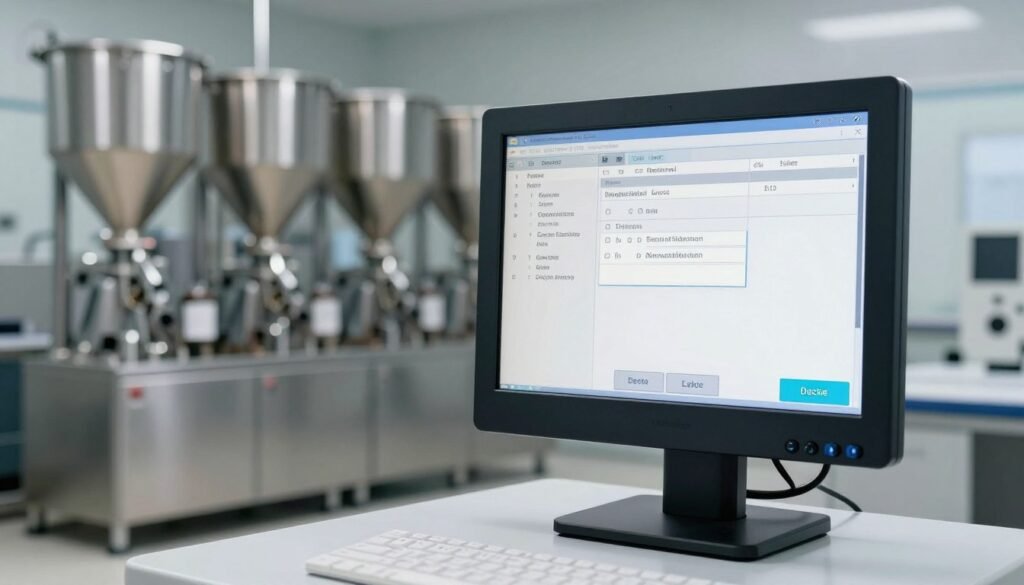
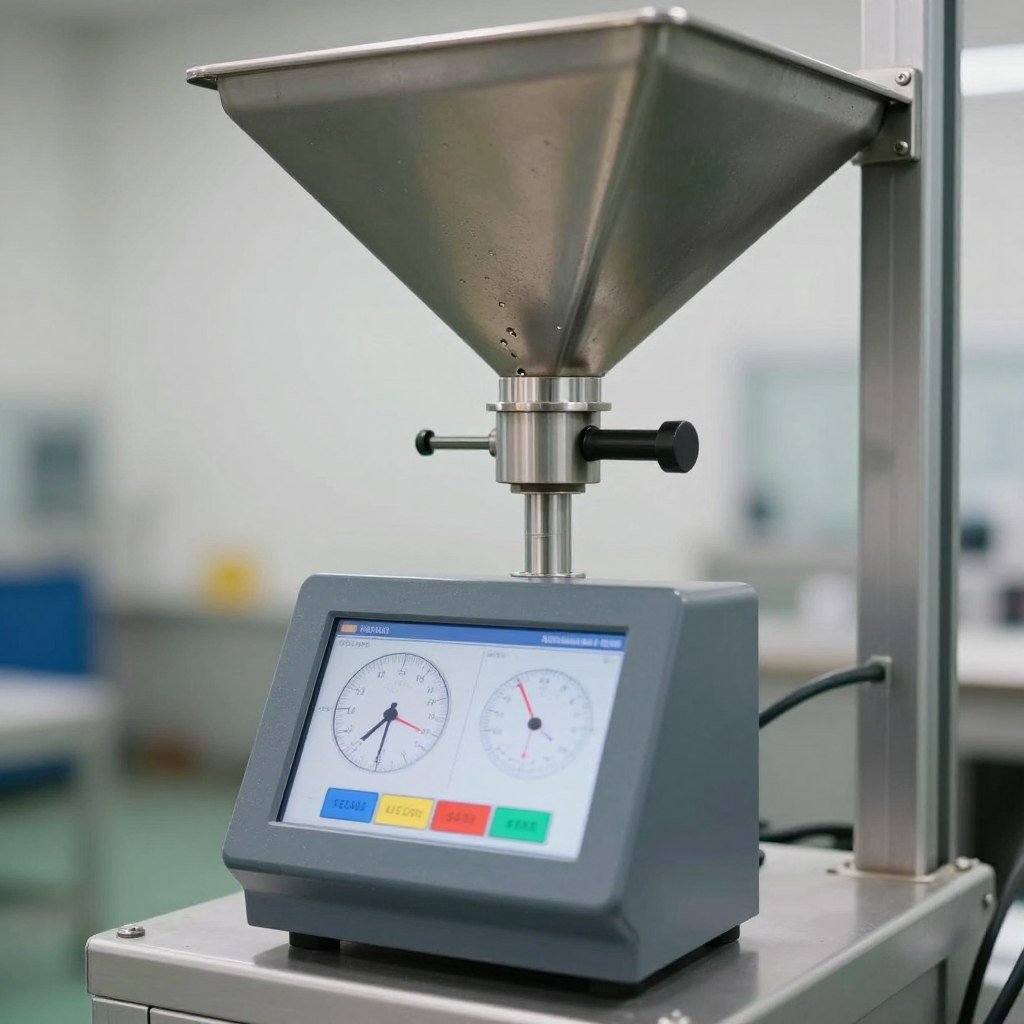
Computerised batching systems measure precise quantities of each ingredient according to formulation recipes. Accuracy directly impacts nutritional consistency and production costs. MAIKONG systems achieve ±0.2% weighing accuracy using load cell technology. Automated recipe storage allows rapid formulation changes without manual recalibration.
5. Mixing Equipment
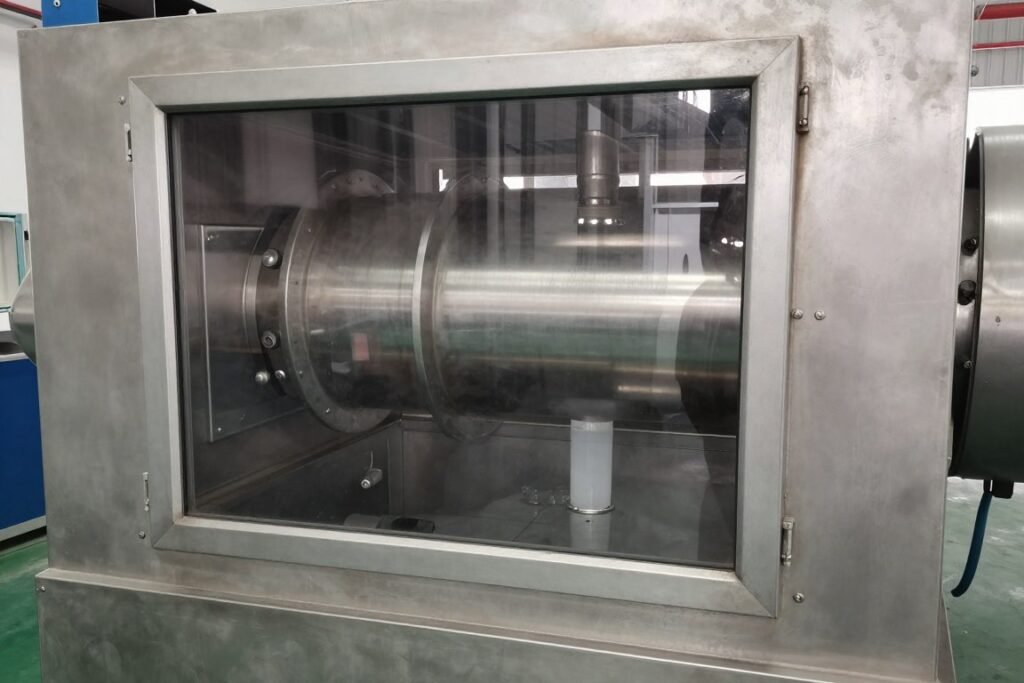
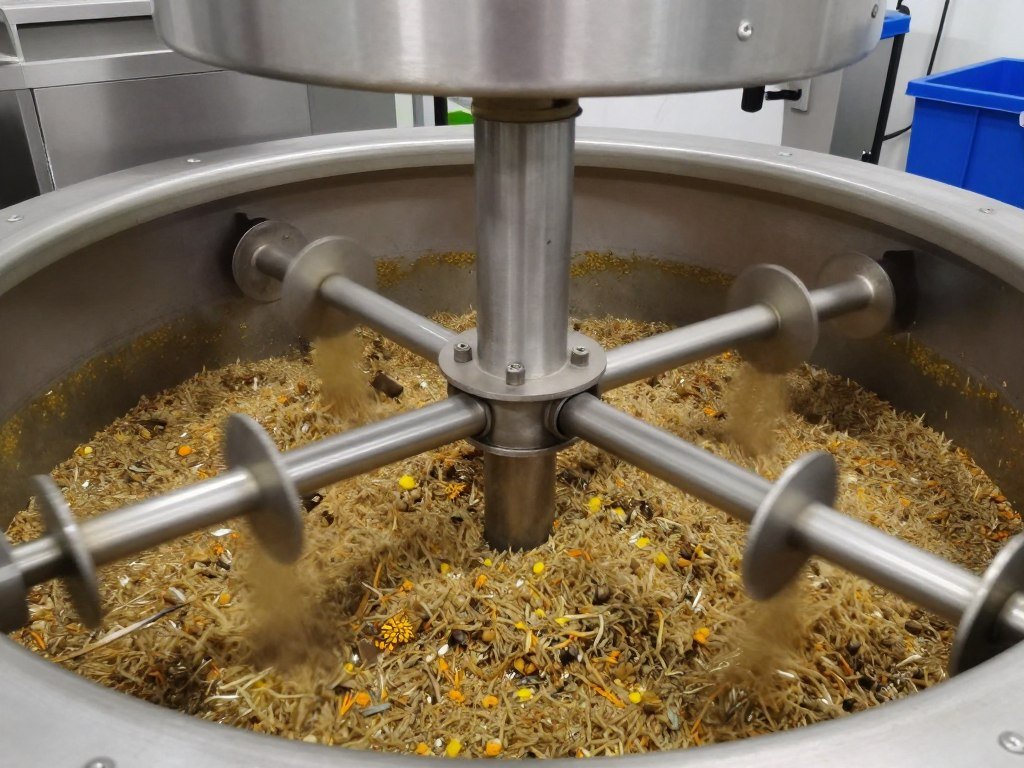
Thorough mixing distributes ingredients uniformly throughout each batch. Aquatic feed requires superior mixing compared to standard cattle feed production line applications due to higher liquid additions and specialised additives. Ribbon mixers or paddle mixers provide gentle yet thorough blending. Mixing time typically ranges from 4-8 minutes depending on formulation complexity. Liquid addition systems inject fish oil and liquid supplements during mixing.
6. Conditioning Systems
Conditioners add steam to mixed ingredients immediately before pelleting. This pre-treatment gelatinises starches, improves pellet binding, and reduces pathogen load. Retention time of 30-60 seconds at 80-95°C optimises pellet quality. Variable steam injection allows adjustment for different formulations. Properly conditioned material improves pellet durability and reduces energy consumption in the pellet mill.
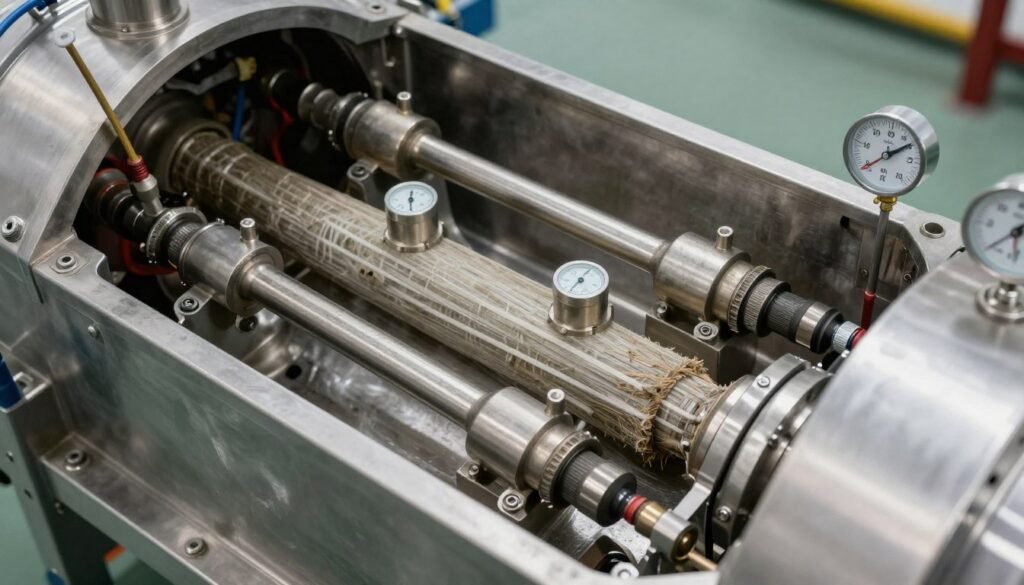
7. Pelleting Machines (Ring Die Extruders)
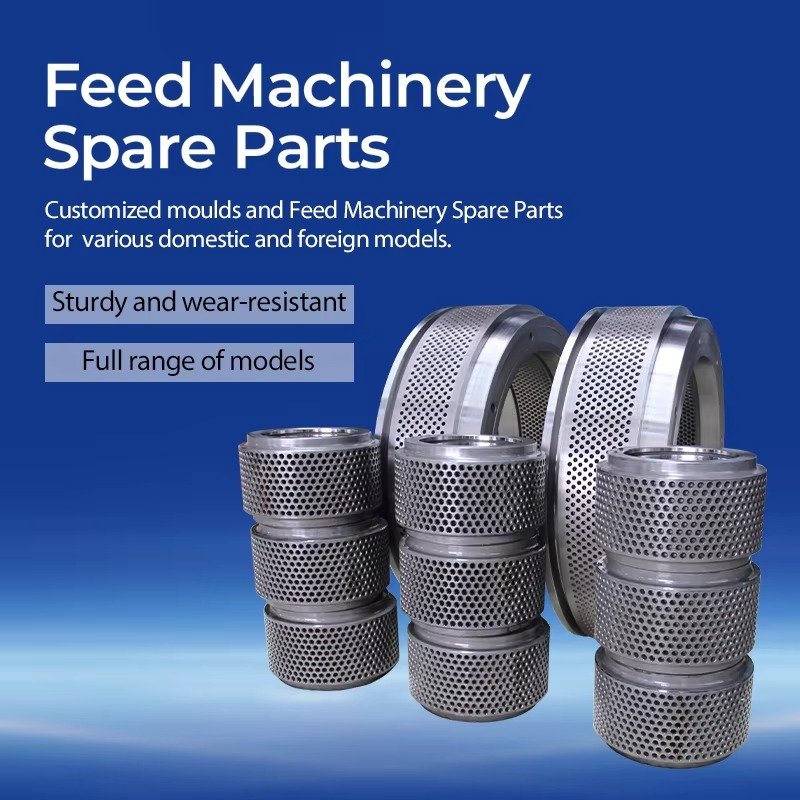
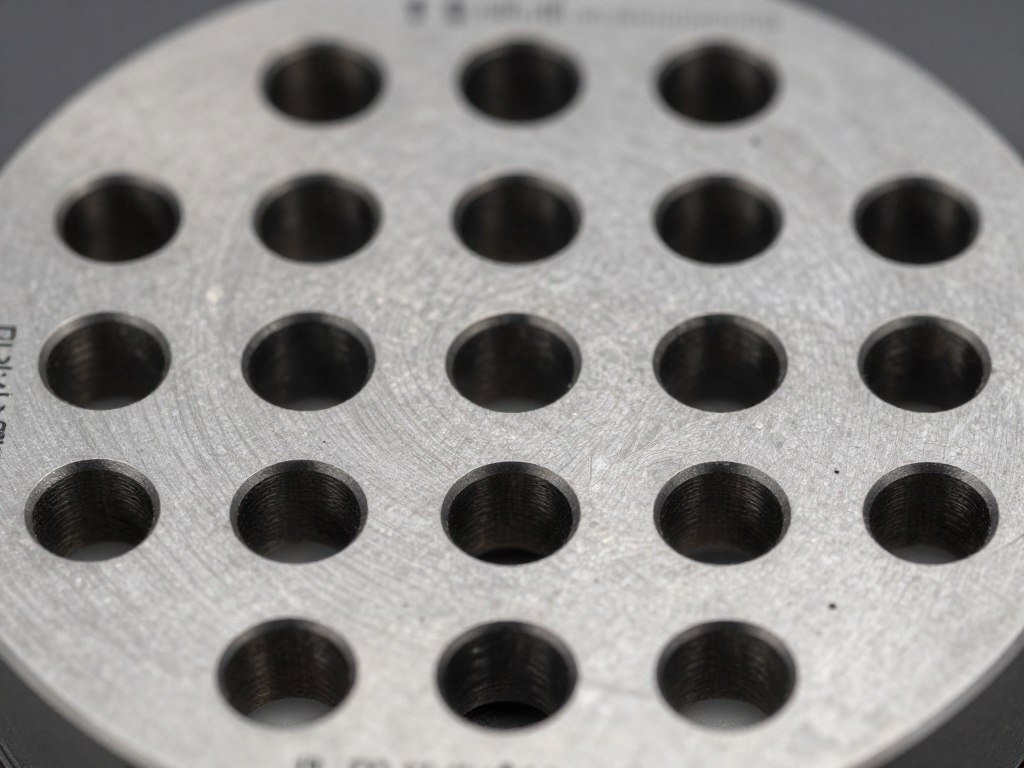
The pellet mill represents the heart of any aquatic feed production system. Ring die pellet machines force conditioned material through die holes, forming cylindrical pellets. Die hole diameter determines pellet size (typically 2-6mm for aquatic species). Die thickness affects pellet density and water stability. MAIKONG ring die pellet mills feature:
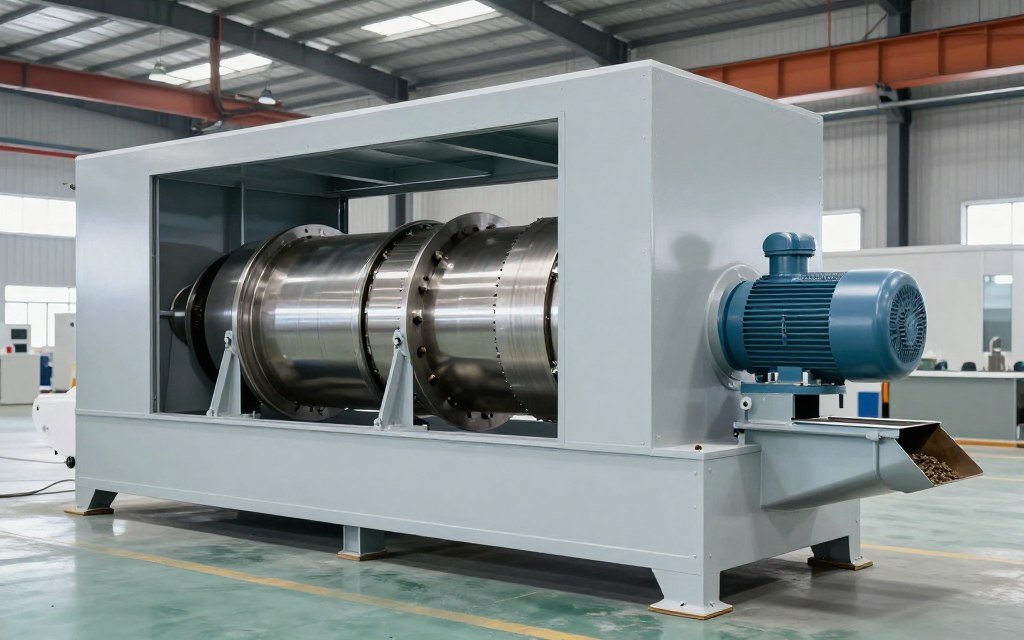
- Hardened alloy steel dies with precise hole drilling
- Variable frequency drive for speed adjustment
- Automatic lubrication systems
- Quick-change die cartridge design
- Stainless steel construction for corrosion resistance
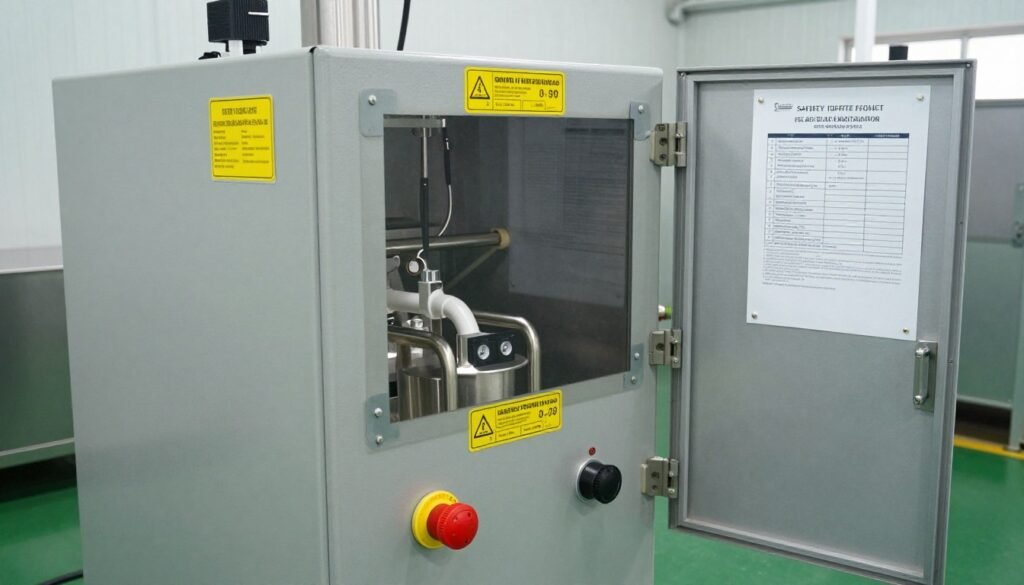
- Integrated safety interlocks and emergency stops
| Model | Capacity (tonnes/hour) | Main Motor Power (kW) | Die Diameter (mm) | Pellet Sizes Available (mm) |
| MK-L003-250 | 0.5-1.0 | 22 | 250 | 2.0, 2.5, 3.0, 4.0 |
| MK-L003-320 | 1.0-2.0 | 37 | 320 | 2.0, 2.5, 3.0, 4.0, 5.0 |
| MK-L003-420 | 3.0-5.0 | 75 | 420 | 2.5, 3.0, 4.0, 5.0, 6.0 |
| MK-L003-508 | 5.0-8.0 | 110 | 508 | 3.0, 4.0, 5.0, 6.0 |
| MK-L003-768 | 12.0-18.0 | 220 | 768 | 3.0, 4.0, 5.0, 6.0 |
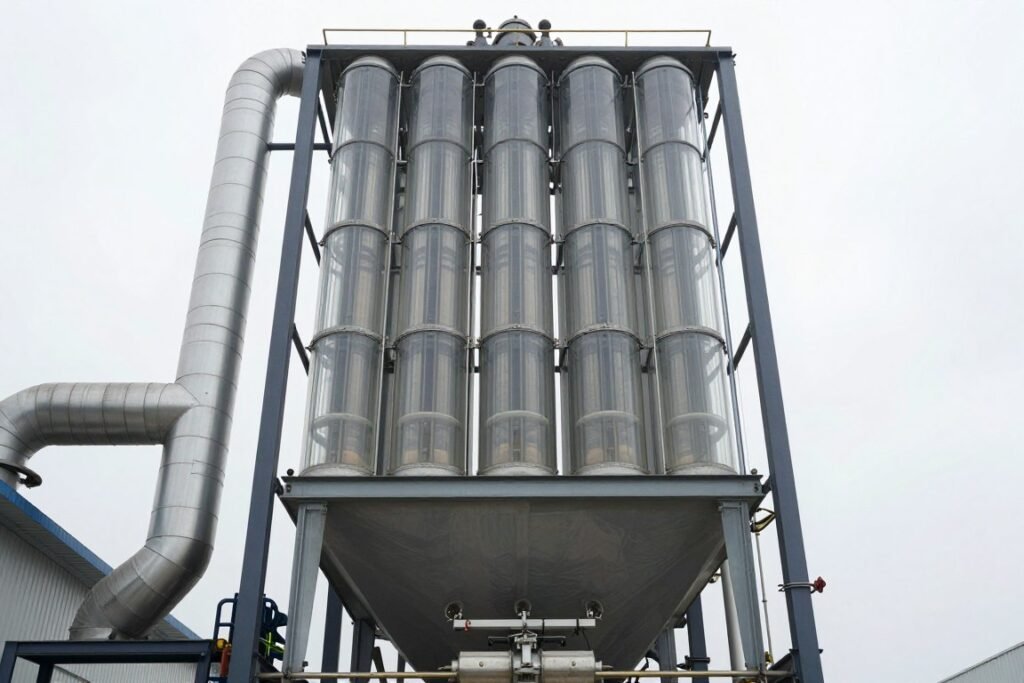
8. Pellet Cooling Systems
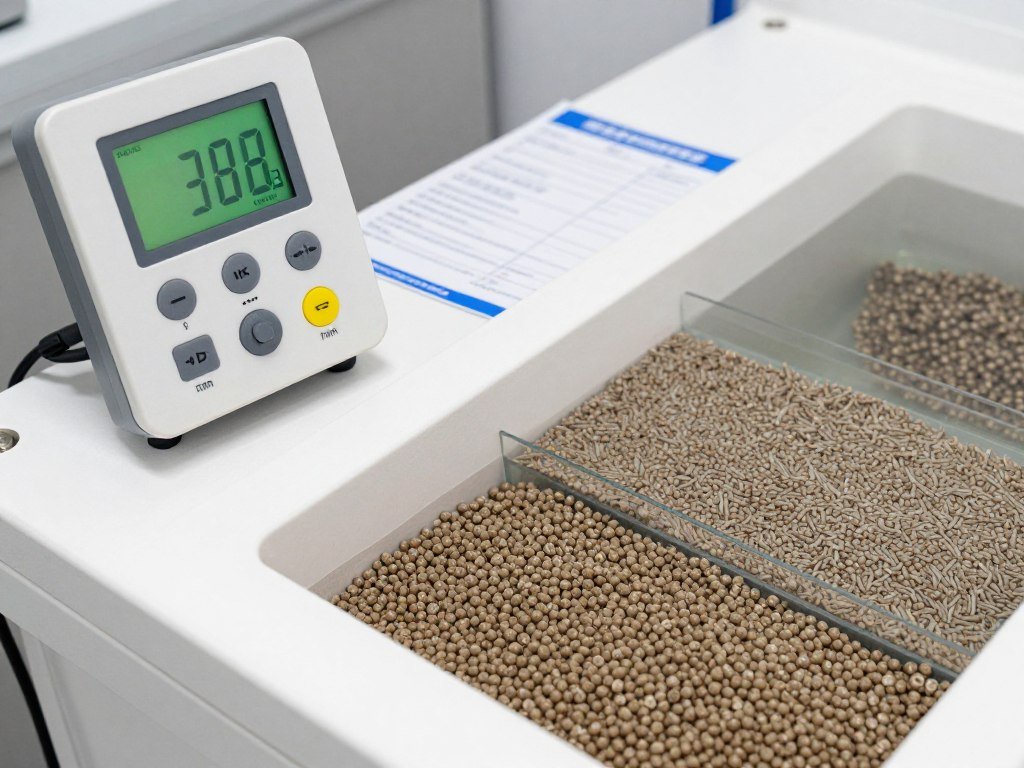
Counterflow coolers reduce pellet temperature from 80-90°C to ambient temperature plus 5-8°C. Proper cooling removes excess moisture (targeting 10-12% final moisture content) and solidifies pellets for handling and storage. Insufficient cooling causes condensation in packaging and reduces shelf life. MAIKONG counterflow coolers feature adjustable air volume, automated discharge, and integrated dust collection.
9. Pellet Screening and Grading
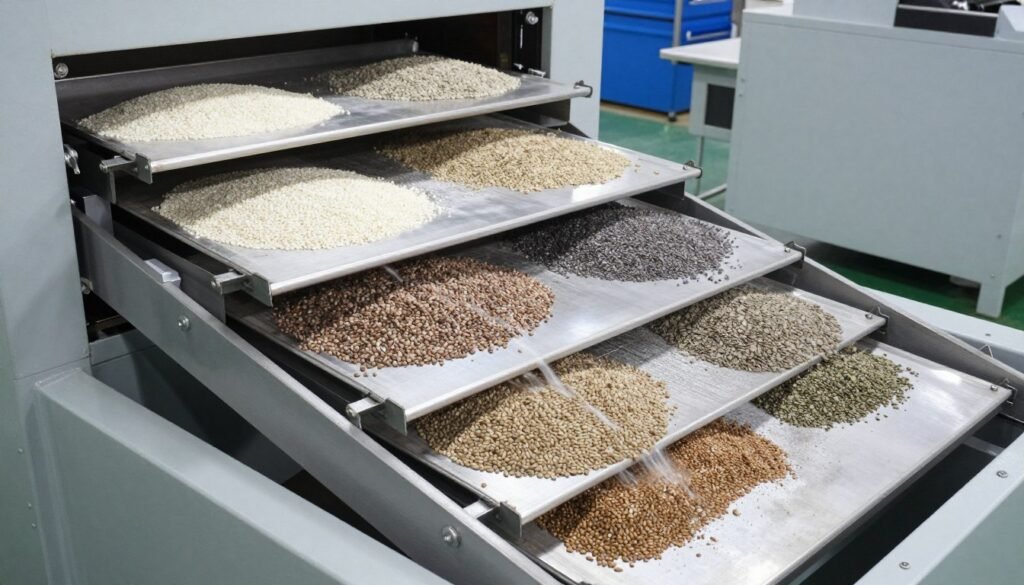
Vibrating screens separate fines and oversized particles from finished pellets. Undersized material returns to the mixer for reprocessing. This step ensures uniform pellet size distribution critical for automated feeding systems. Proper screening reduces waste and improves feed presentation.
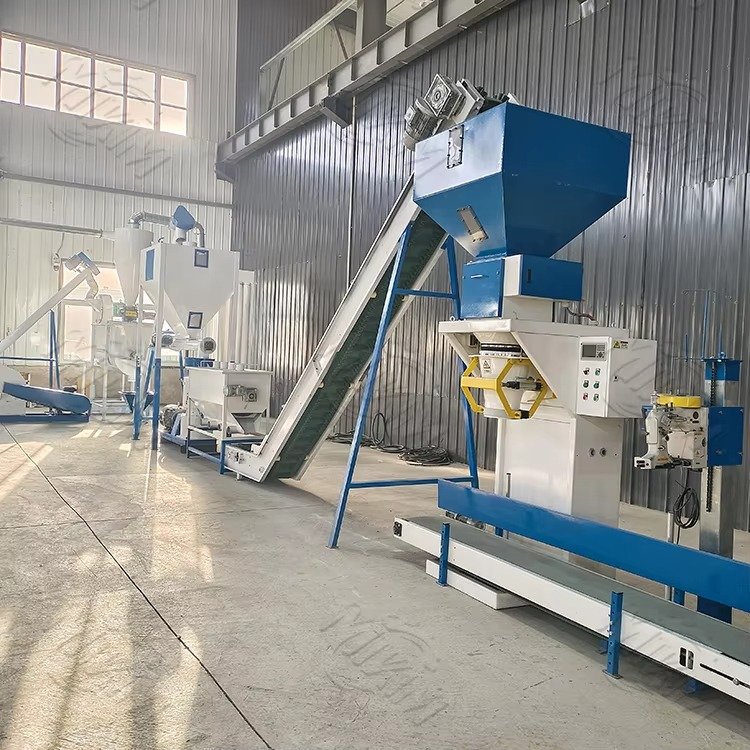
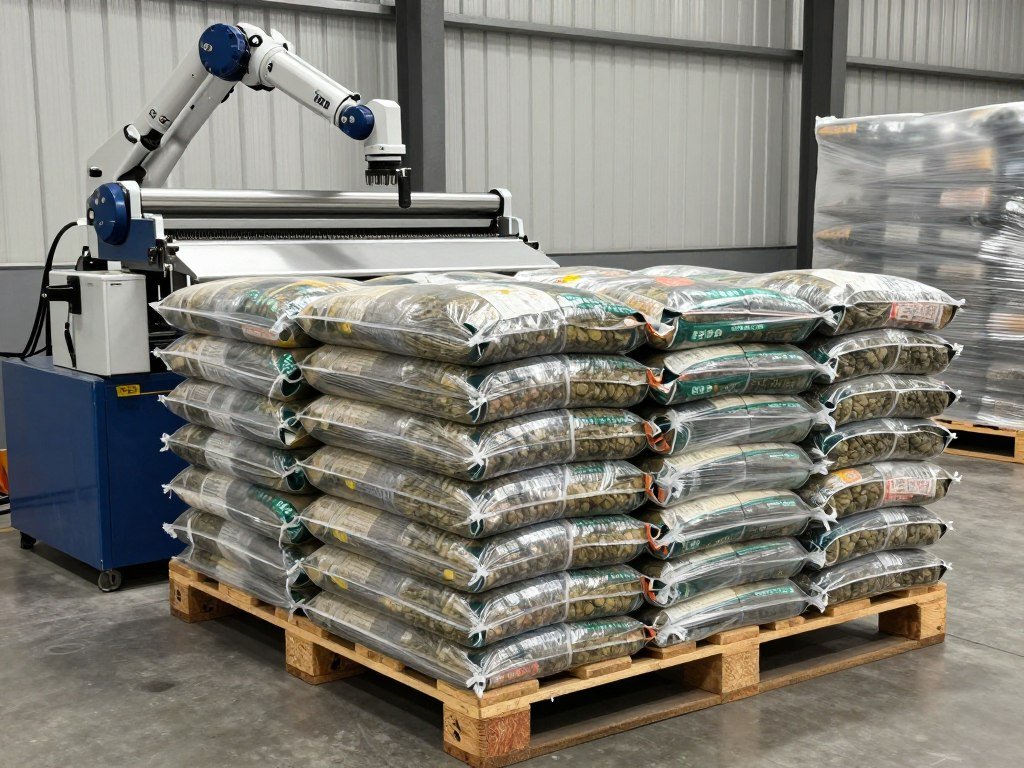
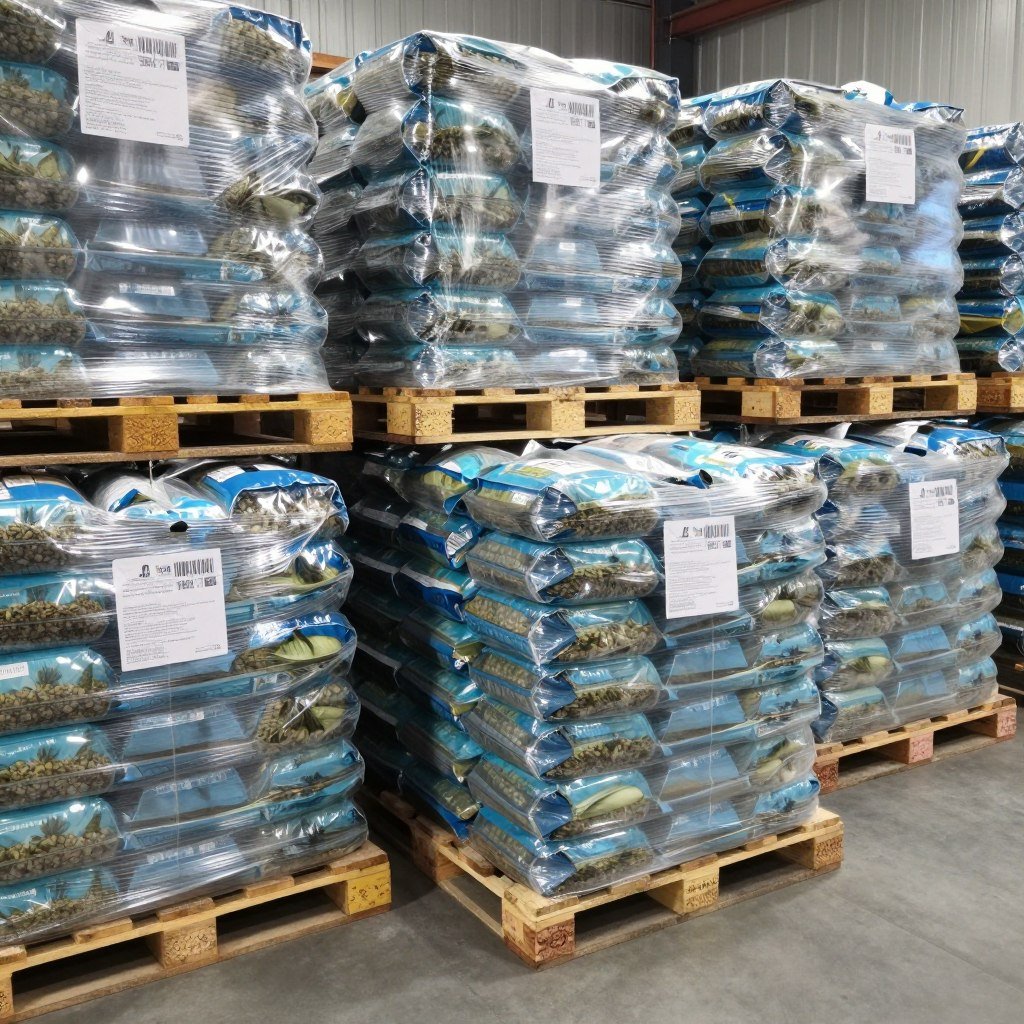
10. Packaging and Bagging Systems
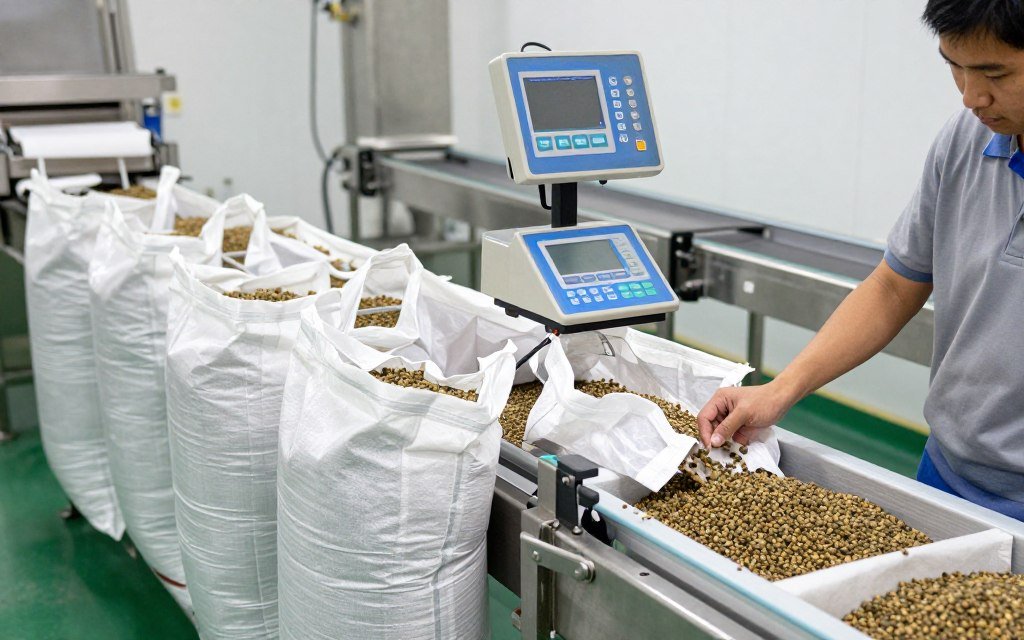
Automated packaging systems fill, weigh, and seal bags at speeds up to 12 bags per minute. Electronic weighing ensures accurate fill weights (±50g tolerance typical). Bag sizes range from 10kg consumer packs to 500kg bulk bags. Integration with palletisers creates shipping-ready pallets. MAIKONG packaging systems accommodate paper bags, woven polypropylene, and moisture-barrier bags suitable for aquatic feed.
Request Detailed Equipment Specifications
Download complete technical specifications for MAIKONG MK-L003 aquatic feed production equipment including dimensional drawings, electrical requirements, and performance data. Our team can help you configure the optimal system for your specific production requirements.
Tailored Solutions: OEM and ODM Customisation for Aquatic Feed Production
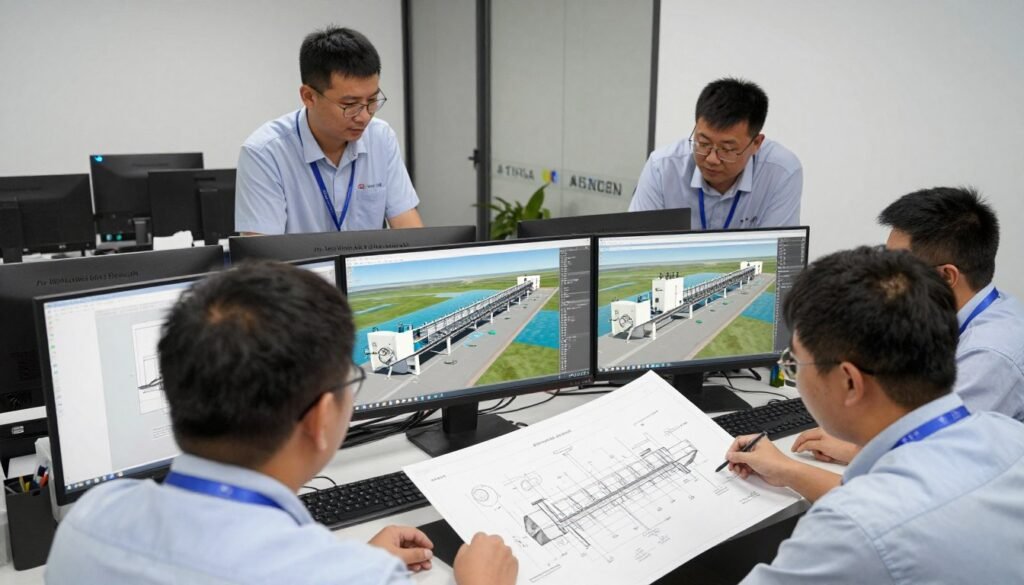
Every aquaculture operation presents unique requirements based on species raised, local raw material availability, climate conditions, facility constraints, and production philosophies. MAIKONG’s engineering team specialises in customising aquatic feed production line manufacturer solutions to match specific operational needs.
Electrical Customisation for UK and European Markets
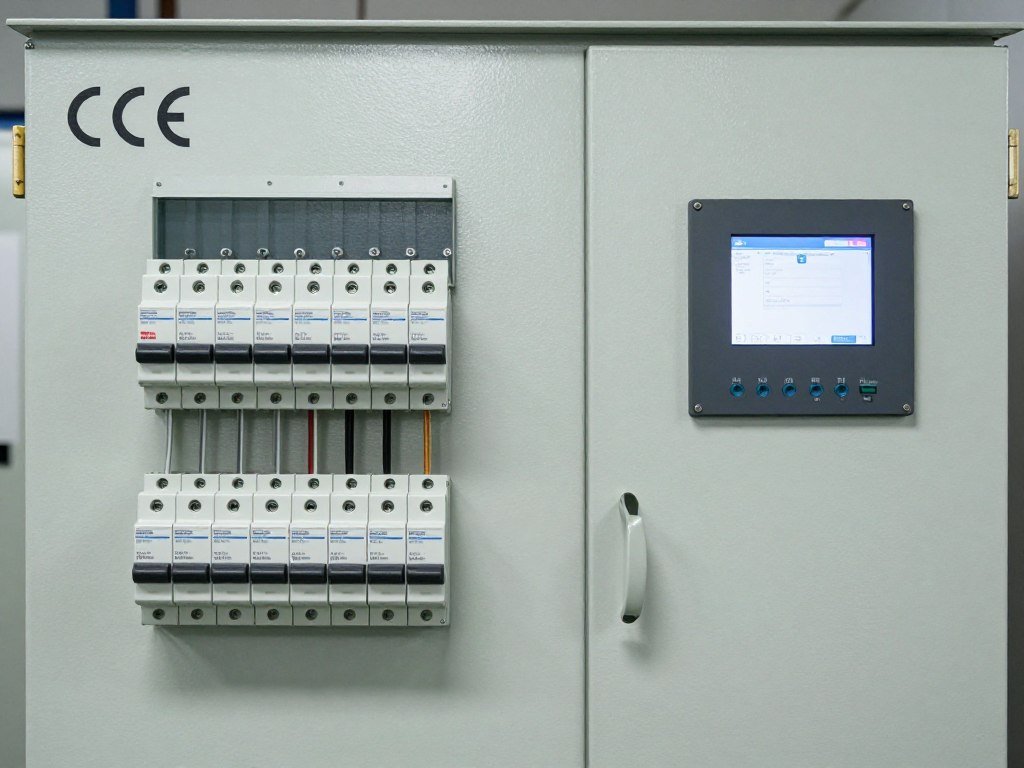
UK facilities require equipment configured for British electrical standards. MAIKONG provides complete electrical customisation including voltage specifications (typically 400V, 50Hz three-phase for UK industrial installations), motor configurations meeting IE3/IE4 efficiency standards, control panels with CE certification, and safety systems compliant with UK Health and Safety Executive guidelines.
Production Capacity Scaling
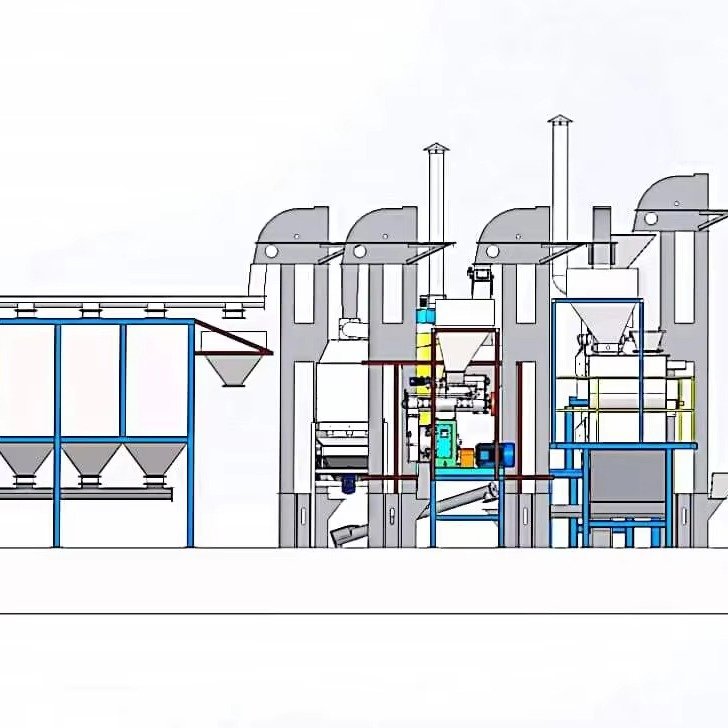
Modular design philosophy allows precise capacity matching. Rather than forcing clients into standard configurations, MAIKONG engineers systems matching projected production volumes. This approach optimises capital efficiency and operational costs whilst providing expansion flexibility.
Capacity Customisation Options
- Single-line or multi-line parallel configurations
- Phased installation allowing gradual capacity expansion
- Batch or continuous production modes
- Quick-changeover systems for multiple formulations
- Automated recipe management for up to 100 formulations
- Integration with existing equipment
Species-Specific Equipment Modifications
Different aquatic species require different pellet characteristics. Salmon feed differs substantially from tilapia feed or shrimp feed. MAIKONG accommodates these variations through die selection, conditioning adjustments, cooling parameters, and coating systems.
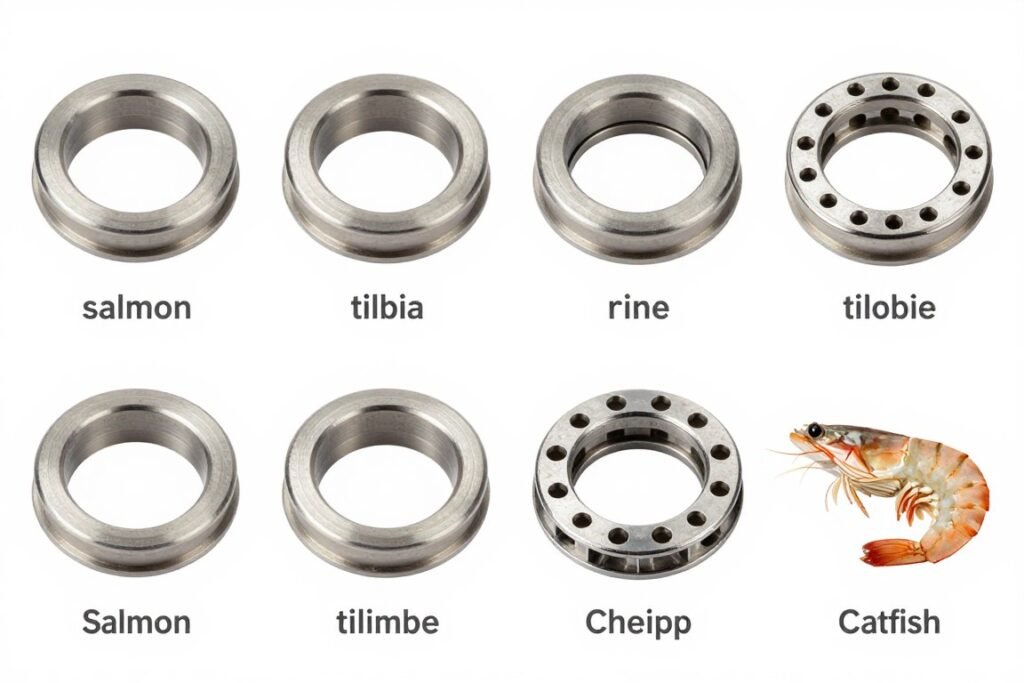
| Species Category | Pellet Type | Typical Size Range (mm) | Water Stability Requirement | Special Requirements |
| Marine shrimp | Sinking, slow-release | 1.5-4.0 | 8-12 hours | High binder content, coating system |
| Freshwater shrimp | Slow-sinking | 1.0-3.0 | 6-10 hours | Moderate binder, attractant coating |
| Salmon/trout | Slow-sinking | 3.0-9.0 | 8-10 hours | High oil content, cold-water stability |
| Tilapia | Floating to slow-sinking | 2.0-6.0 | 6-8 hours | Moderate protein, cost-optimised |
| Catfish | Floating | 3.0-8.0 | 4-6 hours | Surface feeding optimisation |
| Carp | Floating to slow-sinking | 2.0-6.0 | 6-8 hours | Variable protein levels by growth stage |
Climate and Environmental Adaptations
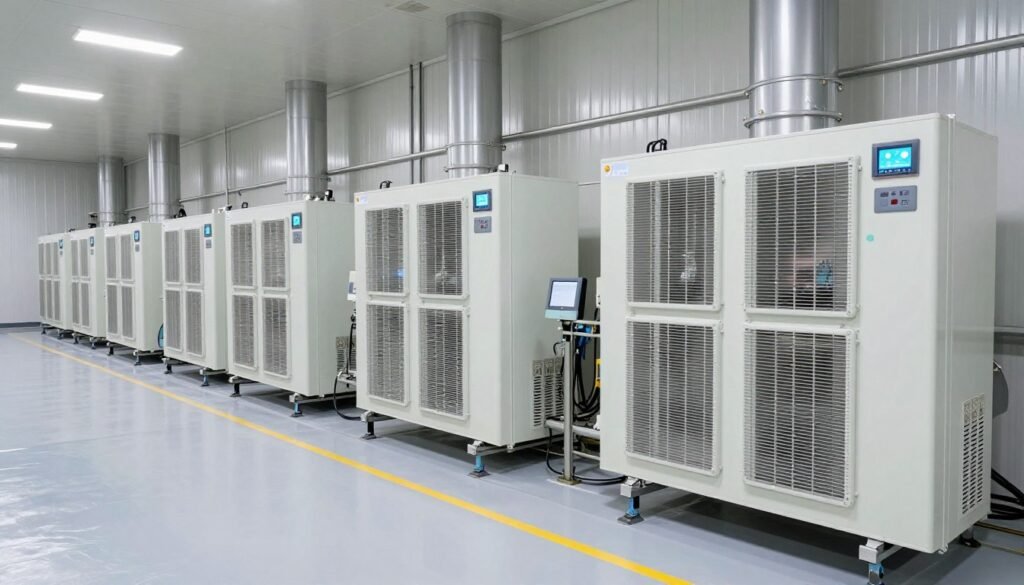
UK facilities face different environmental conditions than tropical or subtropical installations. MAIKONG equipment incorporates climate-appropriate features including insulation for cold environments, moisture control systems for humid climates, and dust collection configured for local air quality regulations.
OEM and ODM Services Available
MAIKONG offers comprehensive OEM (Original Equipment Manufacturer) and ODM (Original Design Manufacturer) services for established distributors and private-label clients. Services include custom branding, specialised equipment modifications, proprietary control software, and exclusive territorial arrangements. Contact our team to discuss partnership opportunities: Lucy@feedproductionline.uk
Discuss Your Custom Requirements
Our engineering team provides free consultation on equipment customisation including capacity planning, species-specific modifications, facility layout optimisation, and electrical specifications. Schedule a technical review of your project requirements.
Complete Process Workflow: From Raw Material to Finished Product
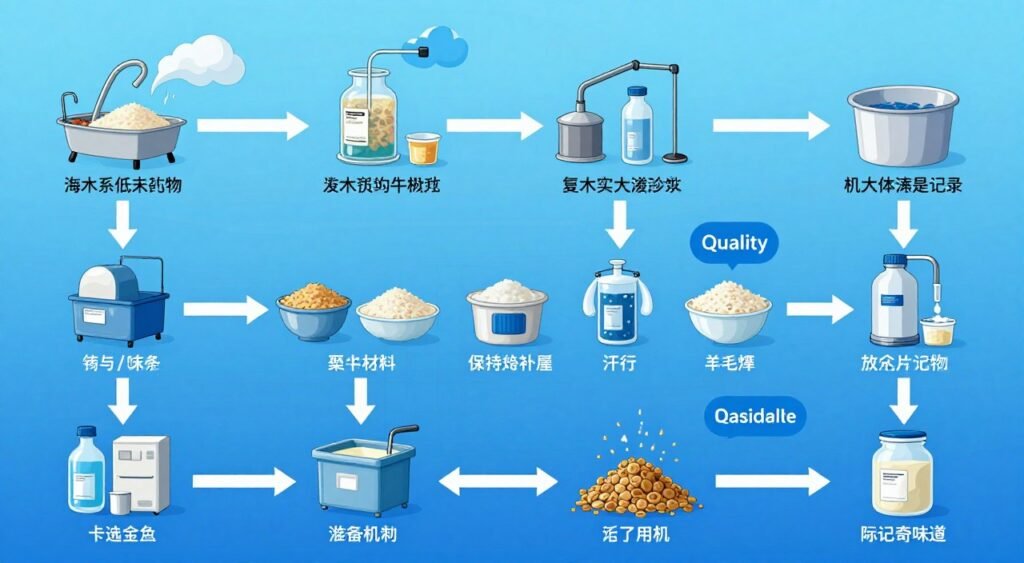
Understanding the complete production workflow helps identify optimisation opportunities and potential bottlenecks. A well-designed aquatic feed production line maintains steady material flow whilst providing quality control checkpoints at critical stages.
Stage-by-Stage Process Breakdown
- Raw Material Receiving (Duration: 15-30 minutes per delivery) – Trucks deliver bulk ingredients to receiving hoppers. Automatic sampling systems collect representative samples for laboratory analysis. Material transfers to designated storage silos via pneumatic or mechanical conveyance.
- Storage and Inventory Management (Capacity: 7-30 days typical) – Separate silos maintain ingredient segregation. Level sensors monitor inventory. Climate control systems maintain optimal storage conditions. First-in-first-out protocols ensure ingredient freshness.
- Batching (Duration: 5-8 minutes per batch) – Computerised systems measure precise quantities according to recipe specifications. Multiple ingredient bins feed into weighing hoppers. Accuracy verification confirms proper measurement before proceeding.
- Grinding (Duration: Continuous operation) – Hammer mills reduce particle size to formulation specifications. Screen selection determines final grind. Material temperature monitoring prevents heat damage to sensitive ingredients.
- Mixing (Duration: 4-8 minutes per batch) – Ribbon or paddle mixers blend dry ingredients uniformly. Liquid addition systems inject oils and liquid supplements. Mix time optimisation balances thoroughness with production efficiency.
- Conditioning (Duration: 30-60 seconds retention) – Steam injection raises material temperature to 80-95°C. Moisture addition improves binding. Starch gelatinisation occurs. Pathogen reduction achieved through thermal treatment.
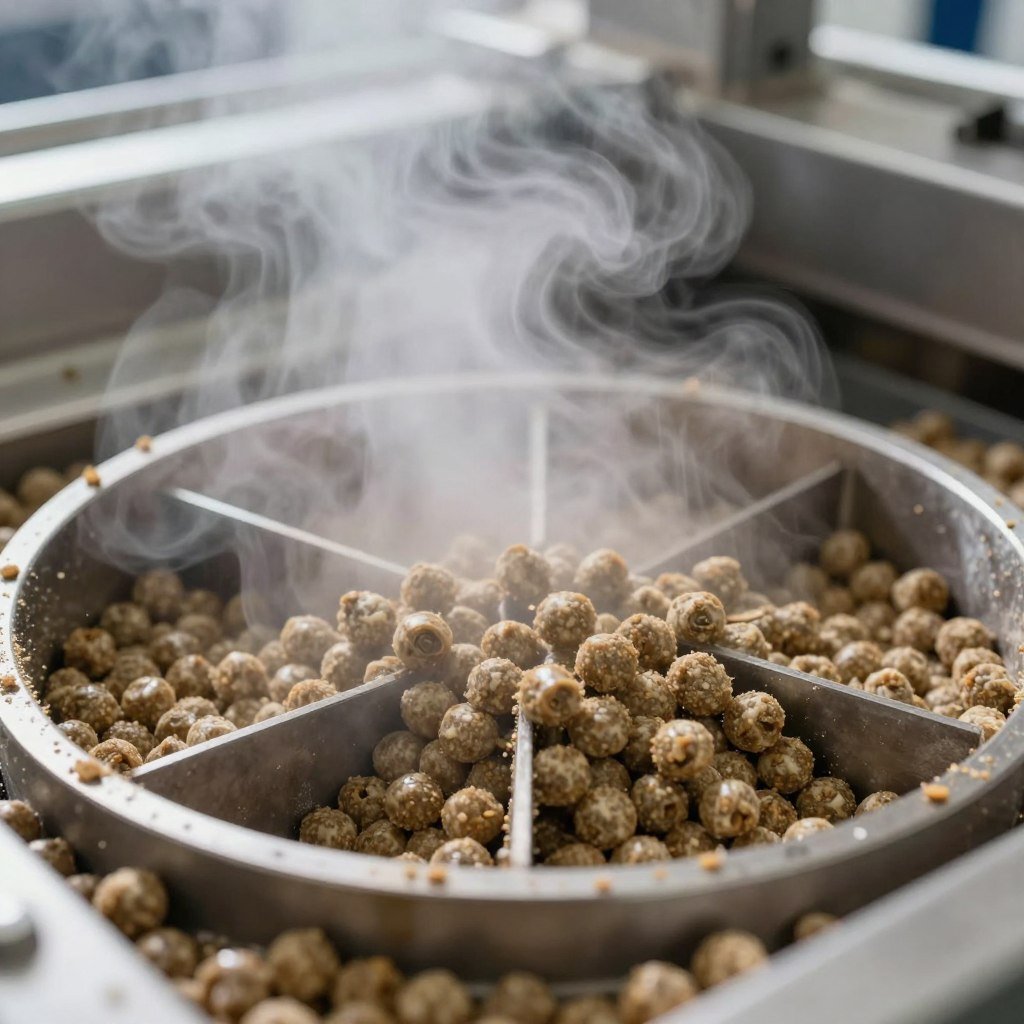
- Pelleting (Duration: Continuous operation) – Ring die pellet mills extrude pellets through die holes. Pellet size determined by die hole diameter. Die speed and compression affect pellet density and water stability. Fresh pellets contain 15-18% moisture and reach 80-90°C.
- Cooling (Duration: 8-12 minutes retention) – Counterflow coolers reduce pellet temperature to ambient plus 5-8°C. Air flow removes excess moisture, targeting 10-12% final moisture content. Proper cooling prevents condensation and extends shelf life.
- Screening (Duration: Continuous operation) – Vibrating screens separate fines (return to mixer) from finished pellets. Oversize pellets divert to crumbler. Quality pellets continue to packaging. Consistent size distribution achieved.
- Coating (Optional, Duration: 2-3 minutes) – Post-pellet coating systems apply oils, vitamins, probiotics, or attractants. Vacuum coating ensures uniform application. Additional drying if needed.
- Packaging (Speed: 6-12 bags per minute) – Automated bagging systems fill bags to precise weights. Bag sealing prevents moisture ingress. Date coding and lot tracking applied. Metal detection provides final quality verification.
- Palletisation and Storage (Duration: 2-3 minutes per pallet) – Finished bags stack onto pallets. Stretch wrapping secures loads. Warehouse storage maintains cool, dry conditions. FIFO inventory rotation ensures freshness.
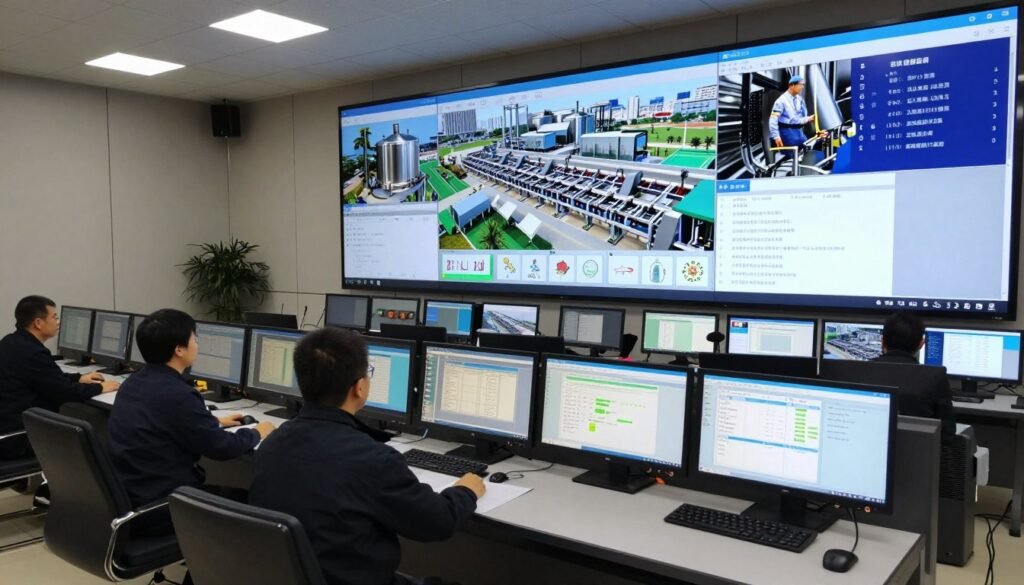
Critical Control Points for Quality Assurance
Implementing quality checkpoints throughout production ensures consistent output meeting nutritional and physical specifications. Key monitoring points include raw material moisture content, grind particle size distribution, mixer uniformity samples, pellet durability index testing, and finished product nutrient analysis.
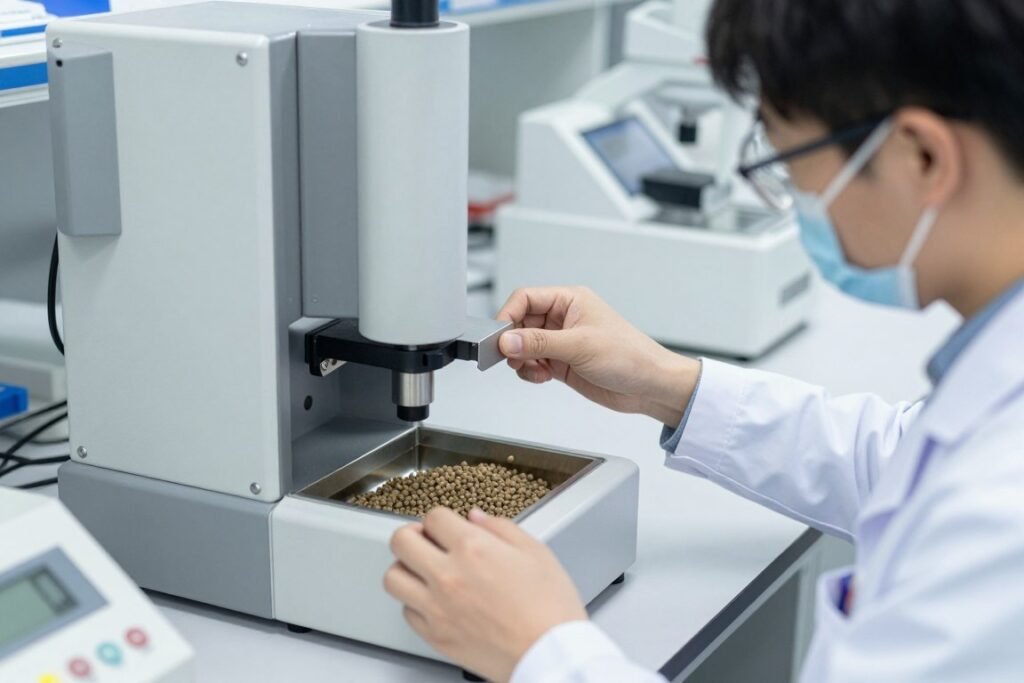
Key Technical Specifications and Performance Parameters
Evaluating aquatic feed production equipment requires understanding critical performance specifications. Below are typical parameters for MAIKONG MK-L003 series production lines serving UK and European markets.
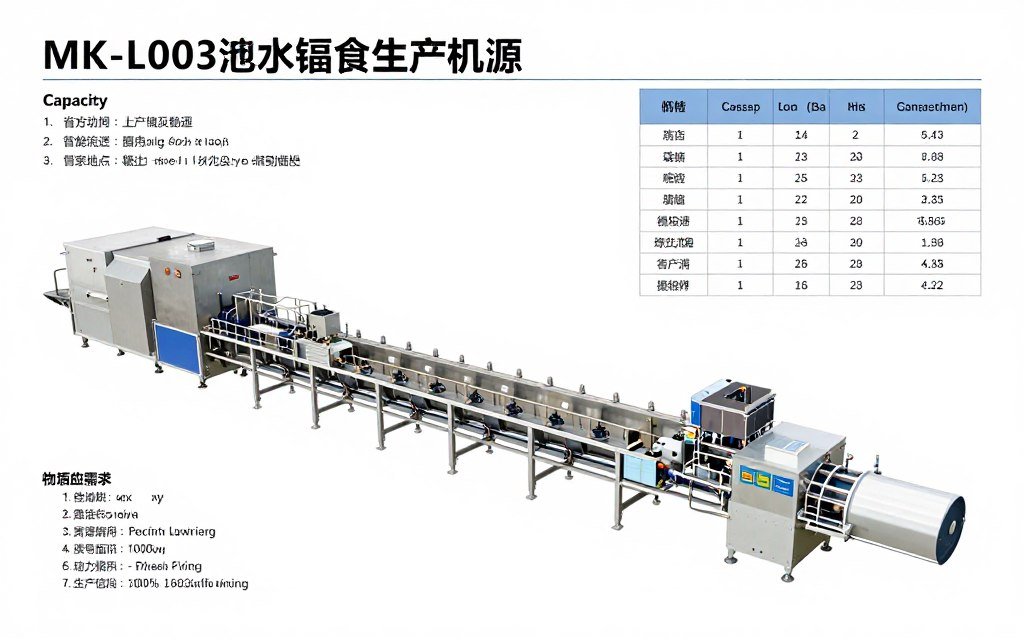
MK-L003 Series Technical Data
| Parameter | Specification | Notes |
| Production Capacity Range | 200 kg/h to 200 tonnes/h | Customisable based on requirements |
| Pellet Size Range | 2.0mm to 6.0mm diameter | Die changeover allows multiple sizes |
| Raw Material Moisture Content | 12-16% (optimal) | Affects pelleting efficiency |
| Finished Pellet Moisture | 10-12% | Critical for storage stability |
| Pellet Durability Index (PDI) | ≥95% | ASAE S269.4 standard method |
| Water Stability Duration | 8-12 hours minimum | Species and formulation dependent |
| Energy Consumption | 35-55 kWh per tonne | Complete line, variable by capacity |
| Electrical Supply (UK) | 400V, 50Hz, 3-phase | CE certified components |
| Labour Requirements | 2-6 operators per shift | Dependent on automation level |
| Installation Duration | 3-8 weeks | Includes commissioning and training |
| Dimensions (L×W×H) | Varies by capacity | Custom layout design provided |
| Material Construction | ABS housing, stainless steel contact surfaces | Corrosion-resistant materials |
| Control System | PLC-based with HMI touchscreen | Recipe storage, automated operation |
| Noise Level | Compliant with UK workplace regulations |
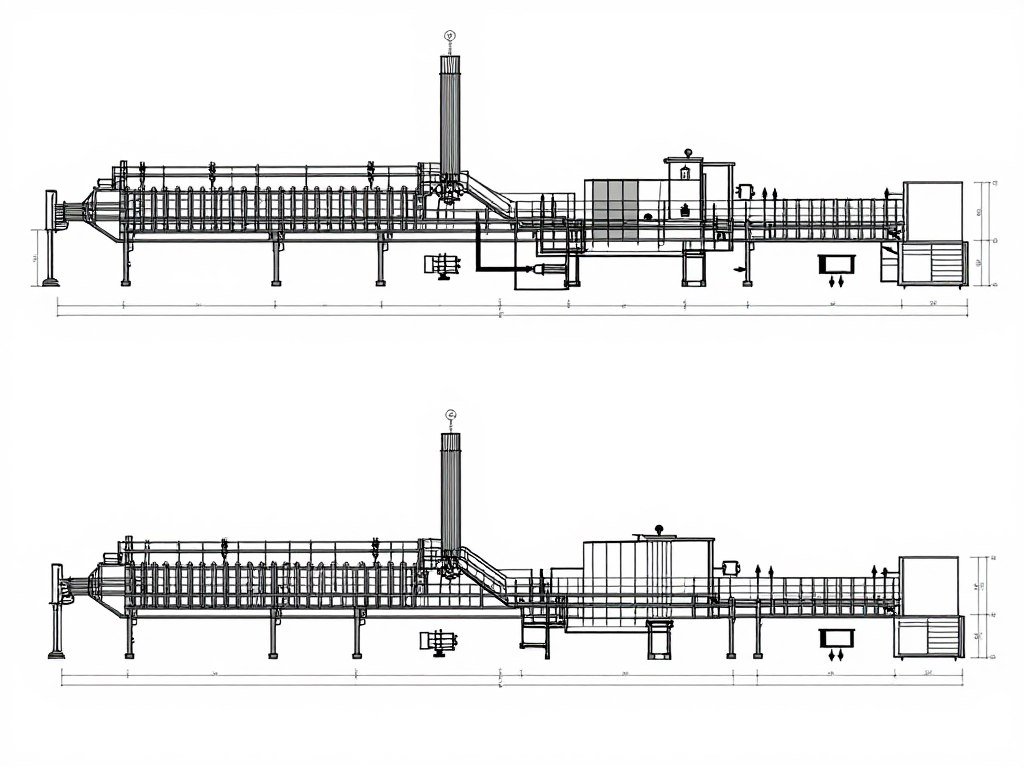
Raw Material Compatibility
MAIKONG aquatic feed production lines process diverse ingredients common in UK aquafeed formulations. Equipment design accommodates ingredients with varying flow characteristics, moisture contents, and processing requirements.
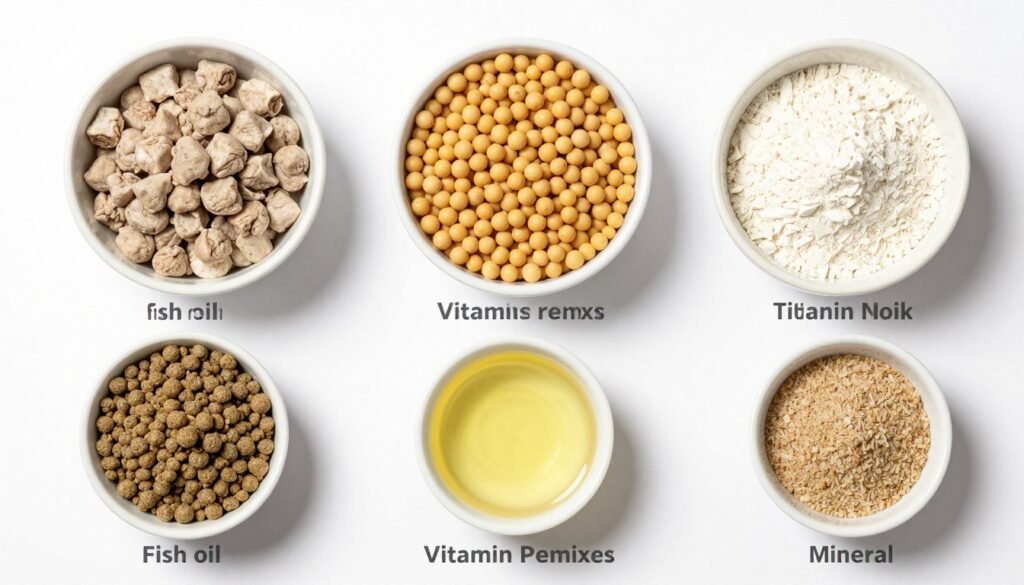
Protein Sources
- Fishmeal (anchovy, herring, menhaden)
- Soybean meal (various processing levels)
- Poultry by-product meal
- Blood meal
- Insect protein meals
- Single-cell proteins
Energy Sources
- Wheat flour and wheat middlings
- Maize/corn meal
- Rice bran and broken rice
- Tapioca/cassava
- Various cereal grains
- Fish oil and vegetable oils
Addressing Common Buyer Concerns and Technical Challenges
Purchasing aquatic feed production equipment represents significant capital investment. UK buyers consistently raise specific concerns during evaluation. MAIKONG’s experience across 130 countries provides insights into addressing these issues effectively.
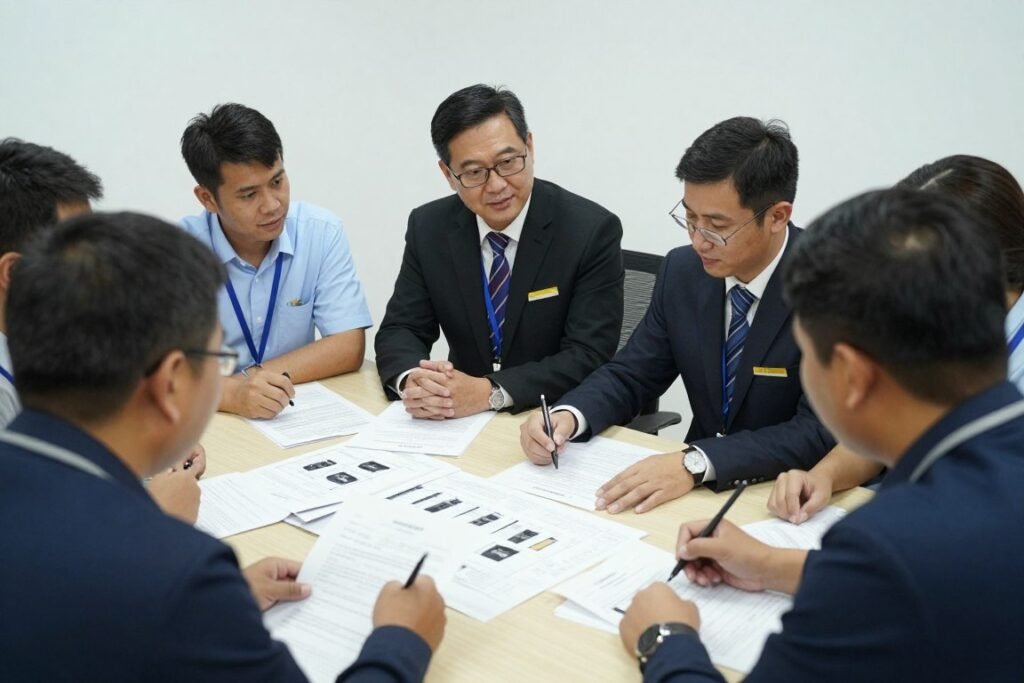
Concern 1: Material Blockages and Downtime
Material blockages cause production disruptions and lost revenue. Common blockage points include grinding screens, mixing chambers, conditioning units, pellet die holes, and conveying systems. MAIKONG equipment incorporates blockage-prevention features:
Prevention Measures Built Into Equipment
- Oversized discharge doors for rapid clearing
- Wear-resistant materials in high-friction areas
- Adjustable clearances throughout systems
- Automated monitoring with blockage detection
- Quick-release access panels for maintenance
- Self-cleaning mechanisms in critical areas
Operator Practices Required
- Proper raw material pre-cleaning
- Correct moisture content management
- Regular preventive maintenance schedules
- Appropriate formulation design
- Trained personnel following procedures
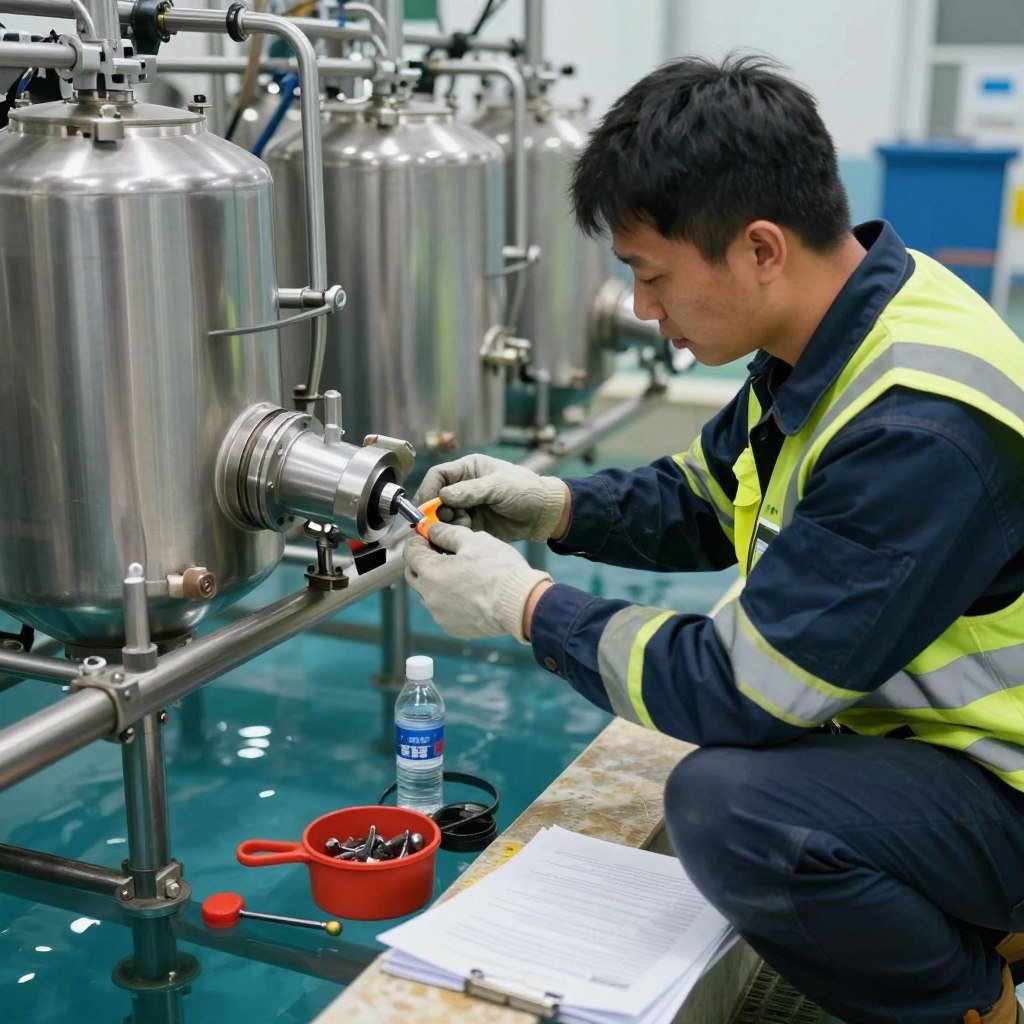
Concern 2: Pellet Powdering Rate (Fines Generation)
Excessive fines reduce saleable product yield, waste nutrients, and create dust problems. Target maximum fines content is 3% of finished product. Factors affecting fines generation include raw material particle size distribution, conditioning adequacy, die quality, cooling efficiency, and handling systems.
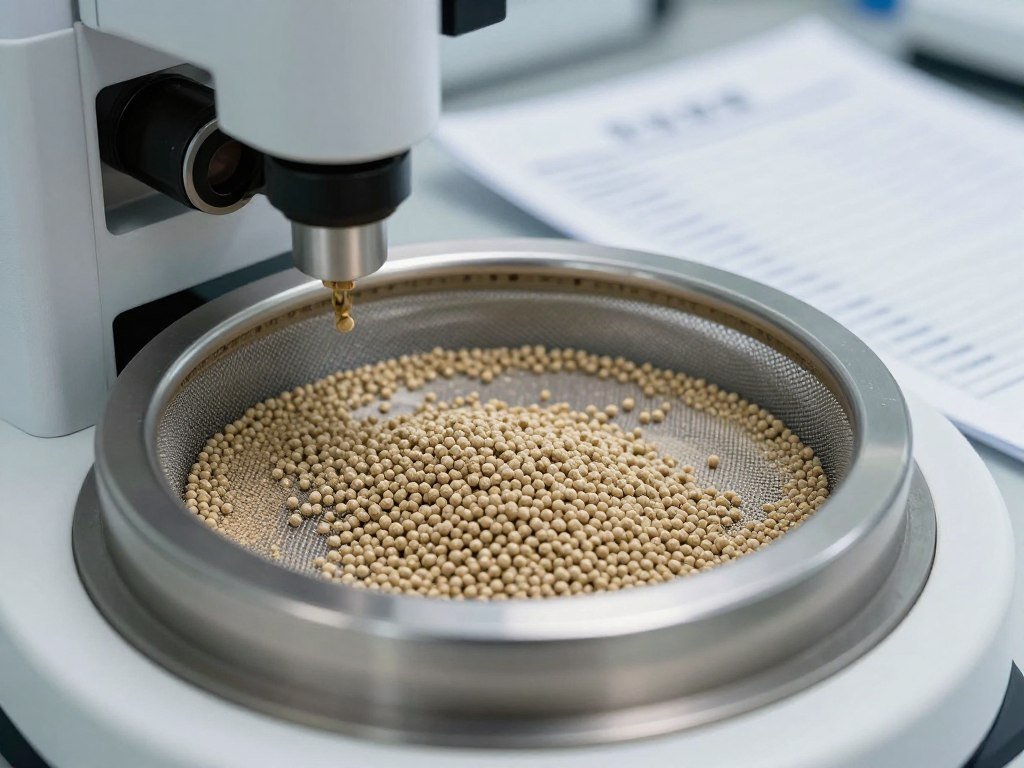
MAIKONG Solutions for Minimising Fines
- Precision grinding to optimal particle size distribution
- Extended conditioning time with proper steam injection
- High-quality hardened steel dies with precision drilling
- Gentle pellet handling throughout cooling and conveying
- Proper die compression ratio selection for formulation
- Adequate cooling preventing thermal shock damage
- Vibration dampening in conveying systems
Concern 3: Pellet Hardness and Water Stability
Insufficient pellet hardness leads to premature disintegration in water, nutrient loss, and water quality problems. Aquatic species require pellets maintaining integrity for feeding duration specific to their behaviour (surface feeders require shorter stability than bottom feeders).
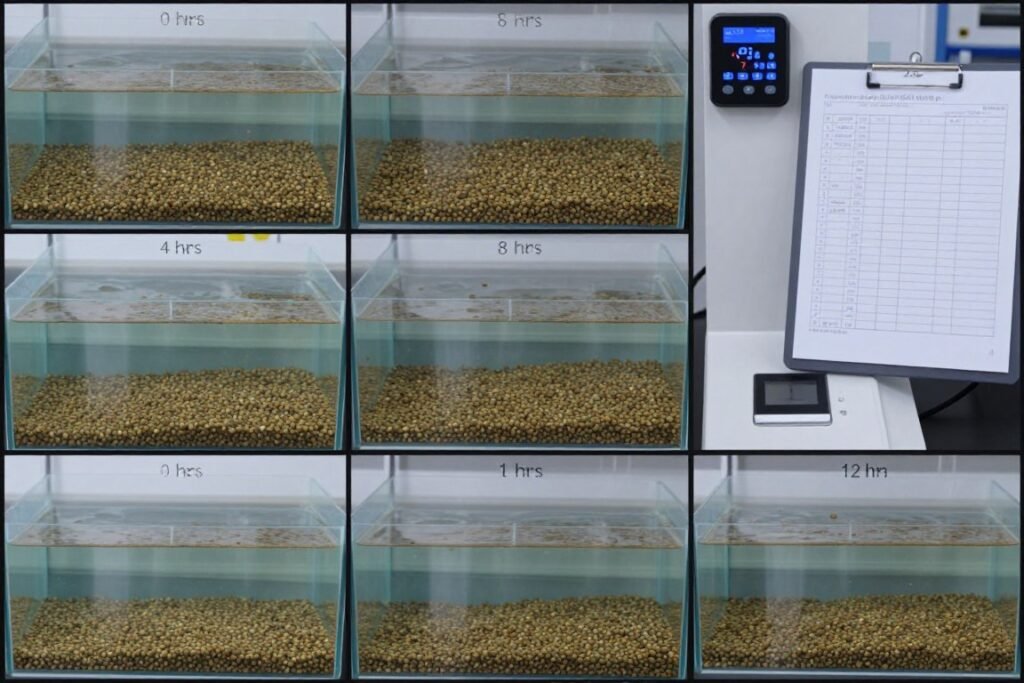
| Factor Affecting Hardness | Optimisation Strategy | Expected Impact |
| Starch content | Minimum 20% gelatinisable starch in formula | Provides natural binding |
| Conditioning temperature | Maintain 80-95°C with adequate retention | Maximises starch gelatinisation |
| Die compression ratio | Select appropriate ratio (typically 1:8 to 1:12) | Controls pellet density |
| Cooling rate | Controlled gradual cooling prevents shock | Maintains pellet integrity |
| Moisture content | Target 10-12% final moisture | Optimal hardness-stability balance |
Concern 4: Spare Parts Availability and After-Sales Support
Equipment reliability depends on rapid access to genuine spare parts. MAIKONG maintains comprehensive spare parts inventory at our GD Province facility with express shipping to UK destinations. Critical wear parts including pellet mill dies, hammers, screens, mixer ribbons, bearings, and seals ship within 48 hours of order confirmation.
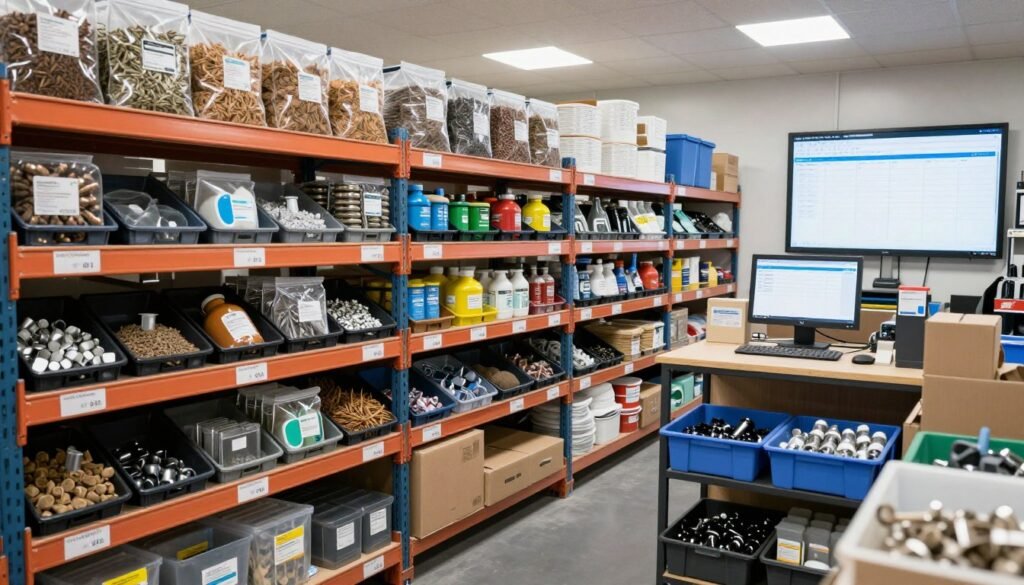
UK Technical Support Commitment: MAIKONG provides 24-month comprehensive warranty on all equipment with lifetime technical support. Our multilingual support team responds to inquiries within 4 business hours. Remote diagnostics capability allows rapid troubleshooting. On-site service available throughout UK and Europe with technicians dispatching within 72 hours for critical issues.
Concern 5: Shipping, Installation, and Commissioning
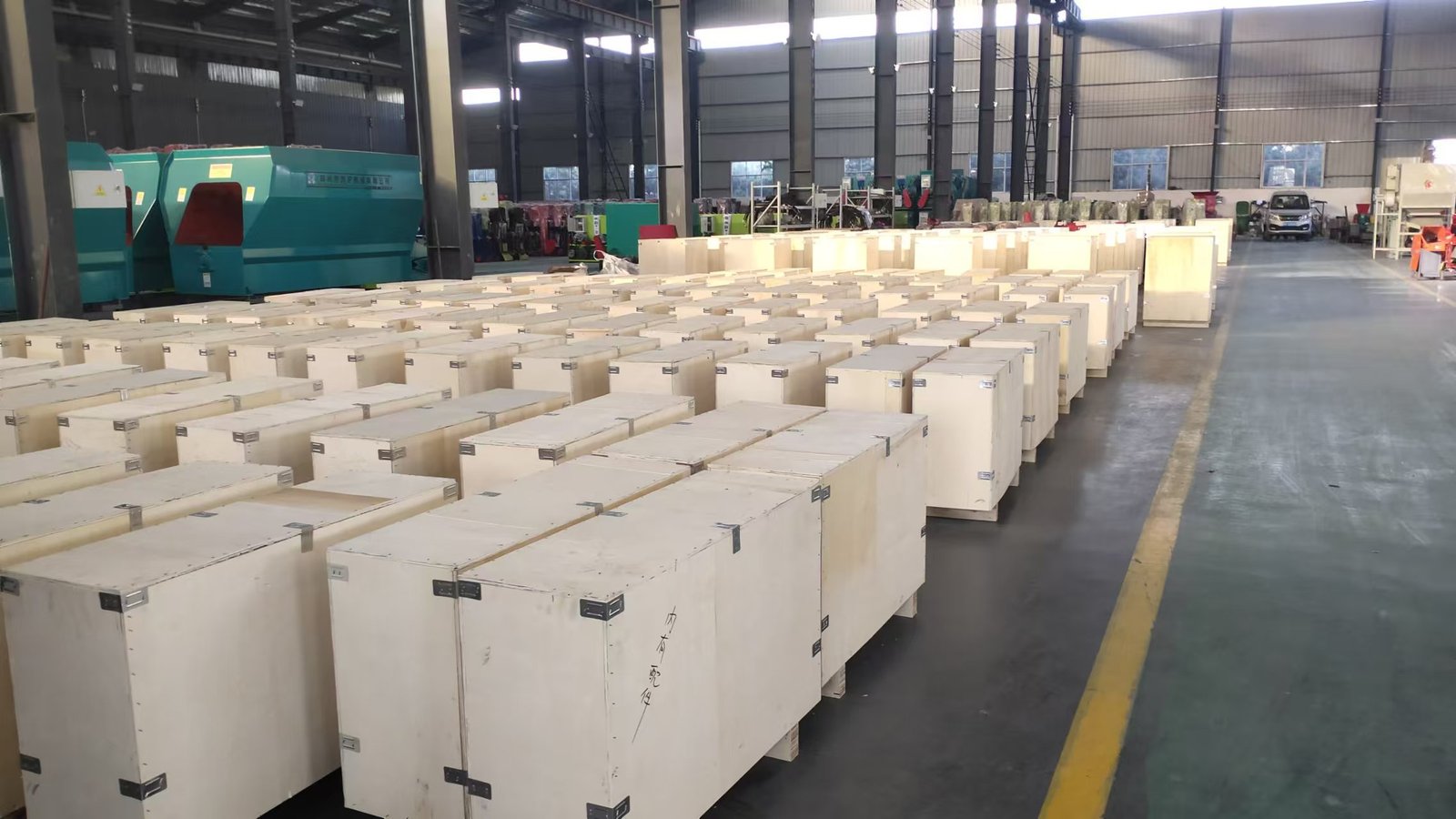
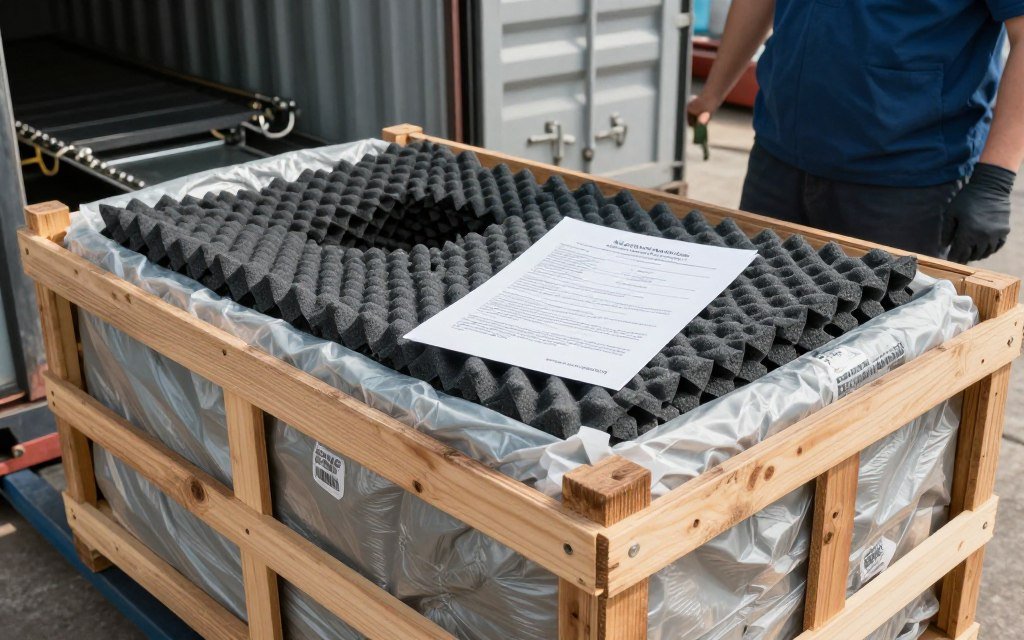
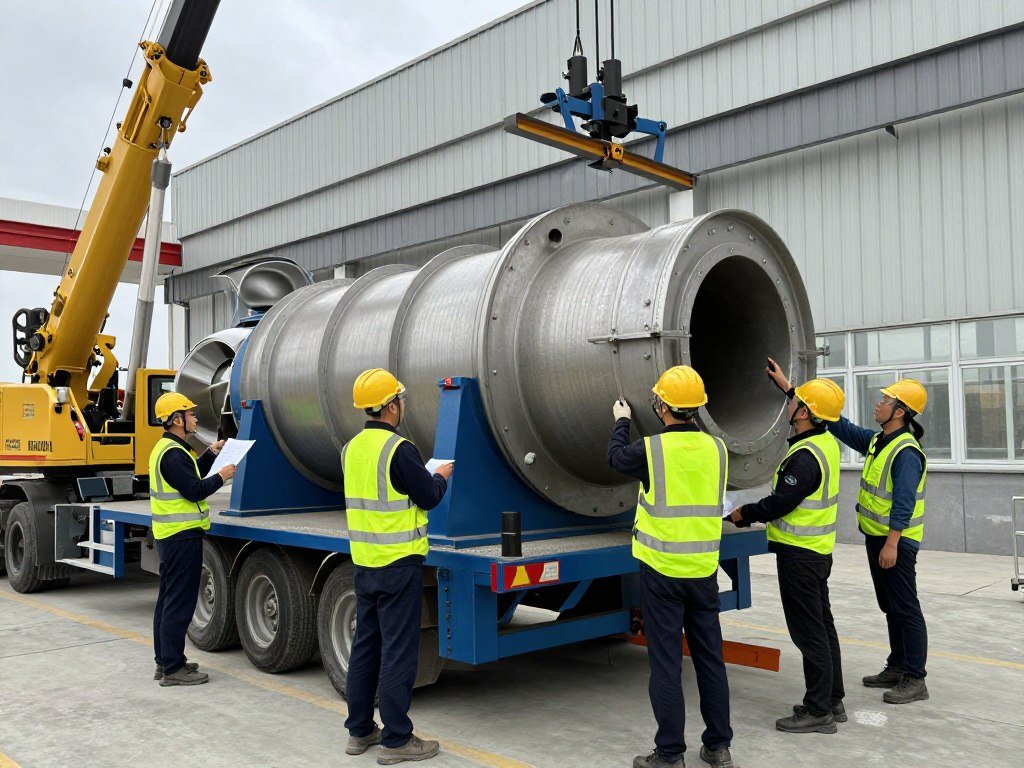
International equipment purchases involve logistics complexity. MAIKONG manages complete export process including professional packing, documentation preparation, shipping arrangements, customs clearance assistance, and on-site installation supervision.
Complete Installation Service Includes:
- Pre-shipment factory acceptance testing with client representatives invited
- Professional export packing meeting international shipping standards
- Documentation preparation (commercial invoice, packing list, certificates)
- Shipping arrangement to UK port or final destination
- Customs clearance guidance and documentation support
- On-site installation supervision by experienced technicians (typically 2-4 weeks)
- Mechanical and electrical commissioning
- Performance validation testing
- Operator training programme (5-10 days comprehensive training)
- Detailed operation and maintenance manuals in English
- Post-installation follow-up and optimisation support
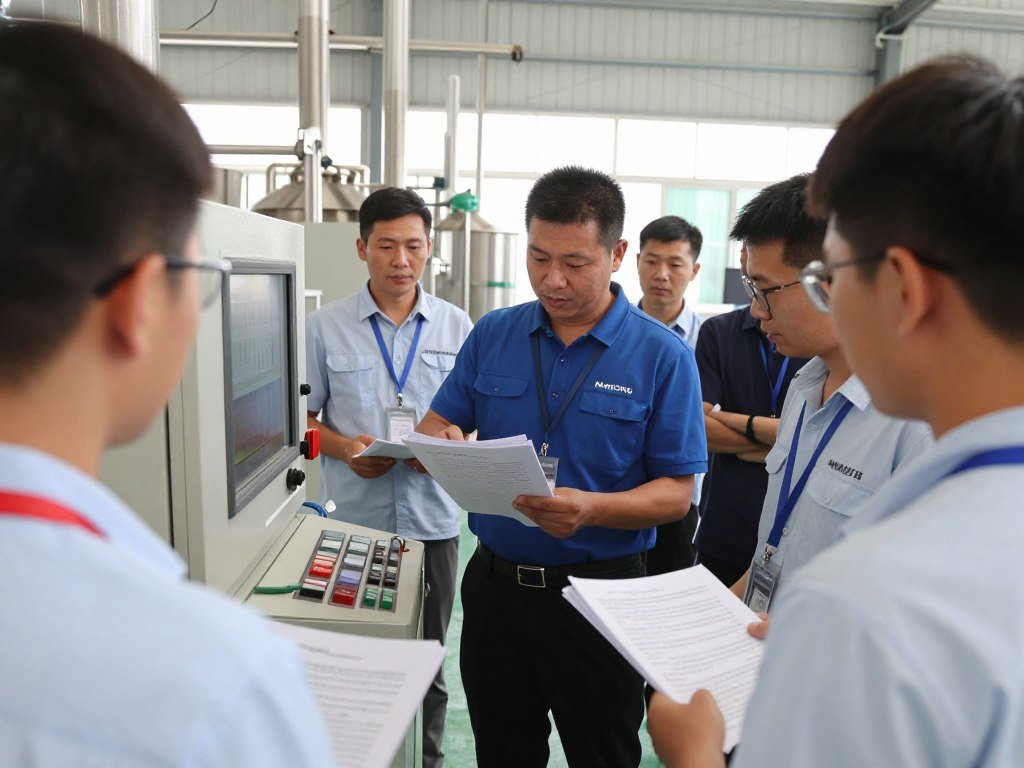
Concern 6: Total Cost of Ownership and ROI
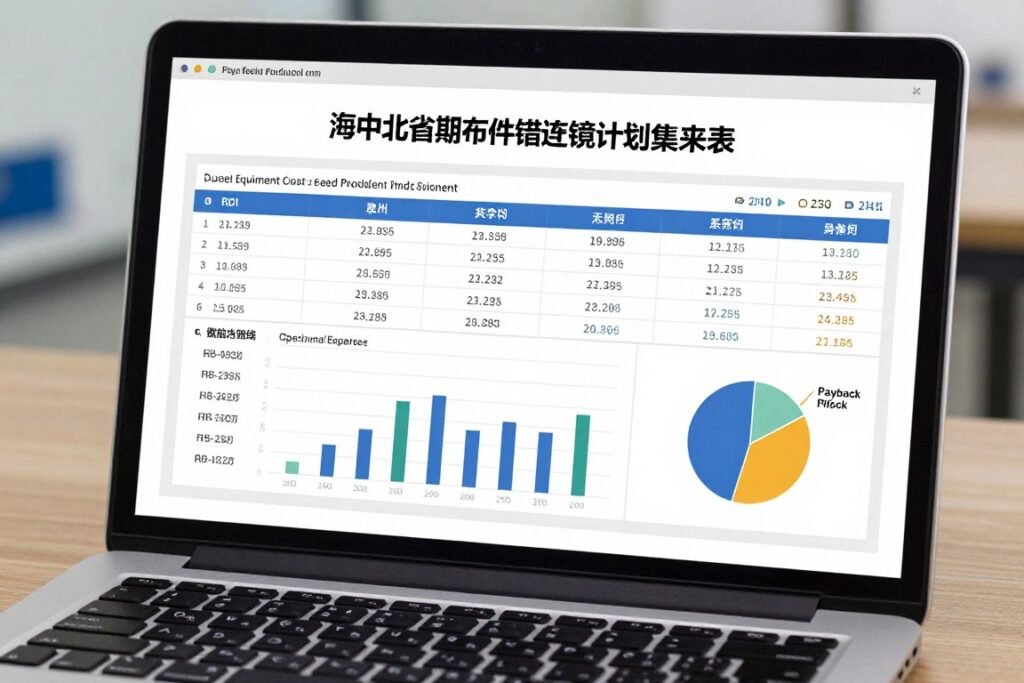
Purchase price represents only portion of total ownership costs. Comprehensive evaluation considers energy consumption, labour requirements, maintenance costs, spare parts expenses, and production efficiency. MAIKONG equipment delivers competitive total cost of ownership through energy-efficient design, high reliability reducing maintenance, and superior production rates maximising output per labour hour.
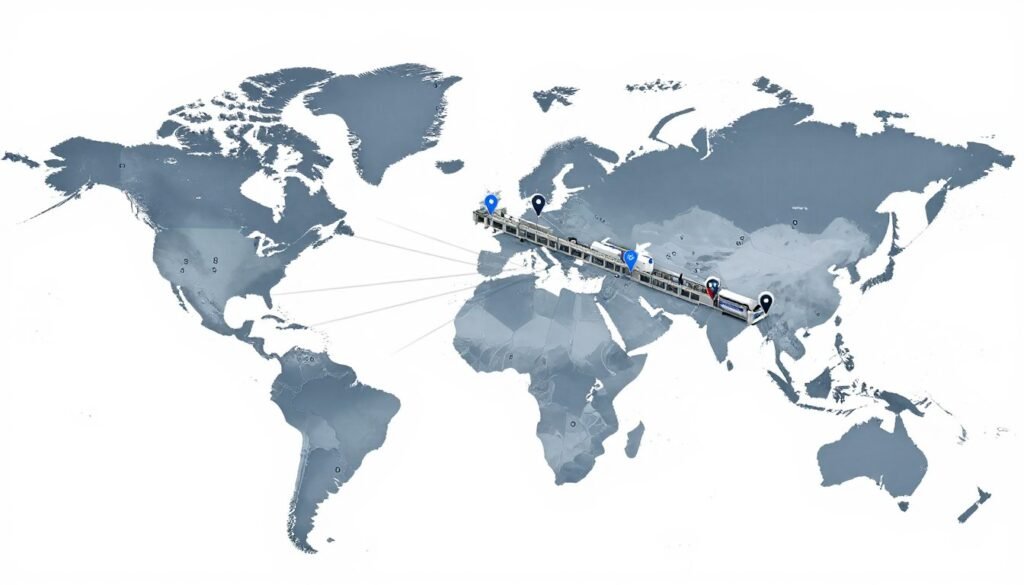
Proven Success: International Aquatic Feed Production Line Installations
MAIKONG’s 22-year history includes successful installations across diverse geographical markets and aquaculture contexts. Below are representative case studies demonstrating our capabilities serving operations similar to UK requirements.
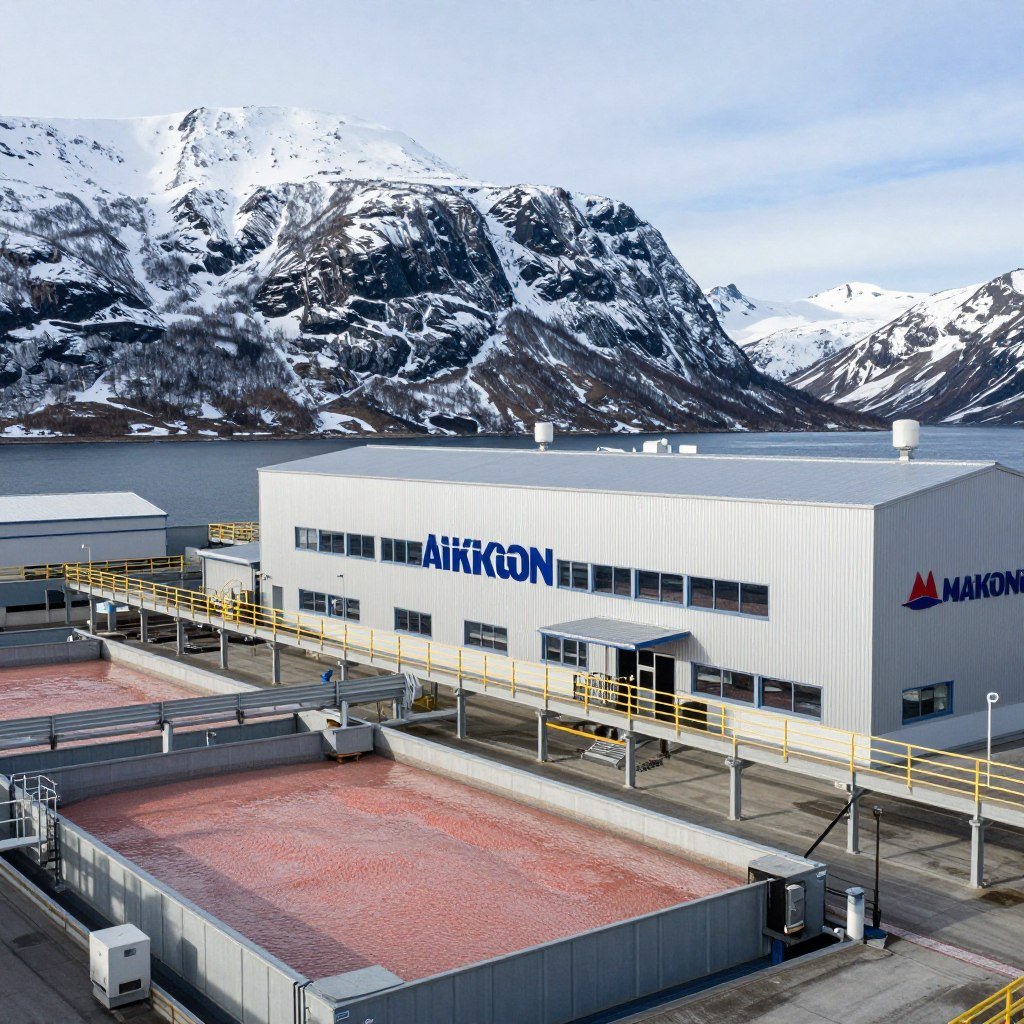
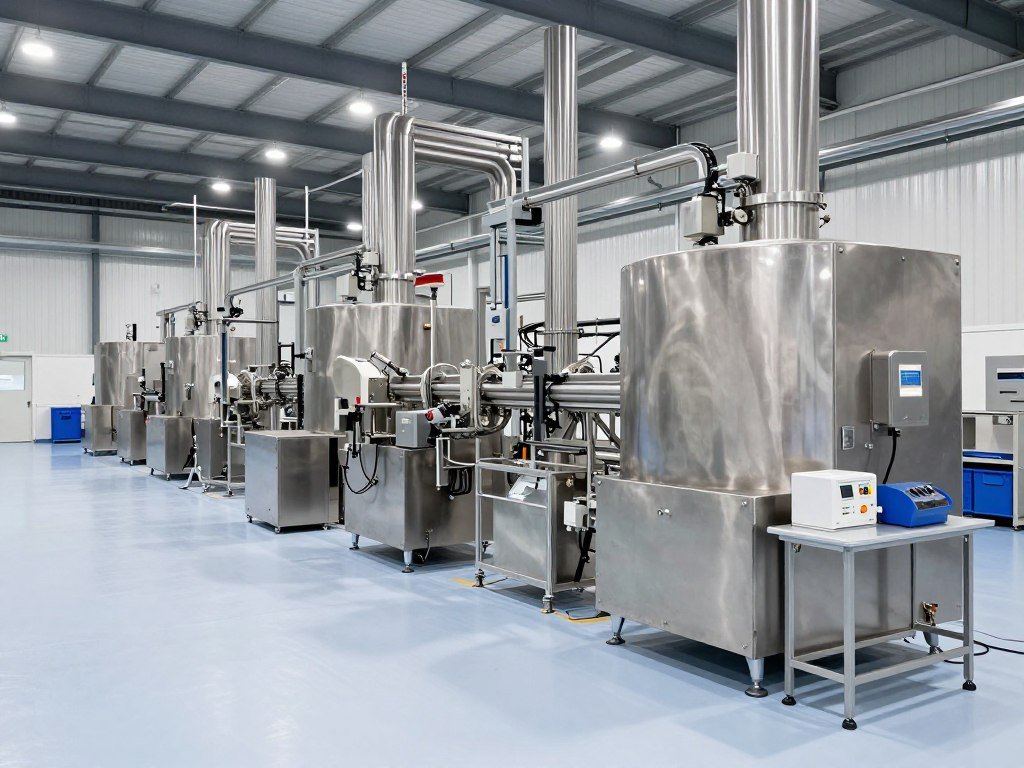
European Installation: Norway Salmon Feed Producer
A Norwegian salmon farming cooperative required a 12-tonne/hour shrimp feed production line capable of producing multiple pellet sizes for different salmon growth stages. MAIKONG designed and installed a complete system featuring automated recipe management, post-pelleting oil coating, and cold-climate adaptations.
Project Specifications:
- Capacity: 12 tonnes per hour
- Pellet sizes: 3mm, 4mm, 6mm, 9mm
- Installation duration: 6 weeks including commissioning
- Climate adaptations: Heated buildings, insulated piping
- Electrical: 400V, 50Hz compliant with EU standards
- Control system: Multi-language PLC with remote monitoring
Results Achieved:
- Production efficiency: 94% uptime first year
- Pellet quality: 96% PDI, 10-hour water stability
- Energy consumption: 42 kWh per tonne
- Labour: 3 operators per shift (reduced from 5 previously)
- ROI period: 3.2 years
Asian Installation: Thailand Shrimp Feed Manufacturer
A Thai shrimp feed company needed capacity expansion from 5 to 15 tonnes per hour whilst maintaining existing facility footprint. MAIKONG engineered a vertical layout optimising space utilisation with high-level storage silos and compact equipment arrangement.
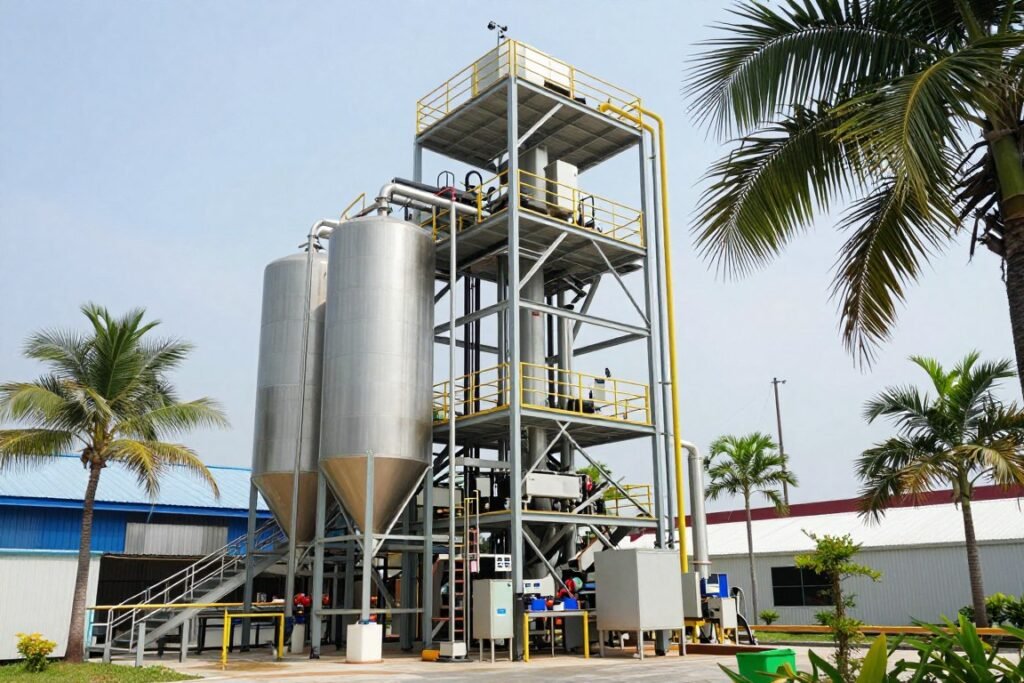
Tropical Climate Adaptations:
- Enhanced dehumidification systems throughout facility
- Stainless steel construction preventing corrosion
- Dust collection with tropical humidity compensation
- Cooling system capacity increased 30% above standard
- Pest-prevention measures in storage systems
American Installation: United States Catfish Feed Operation
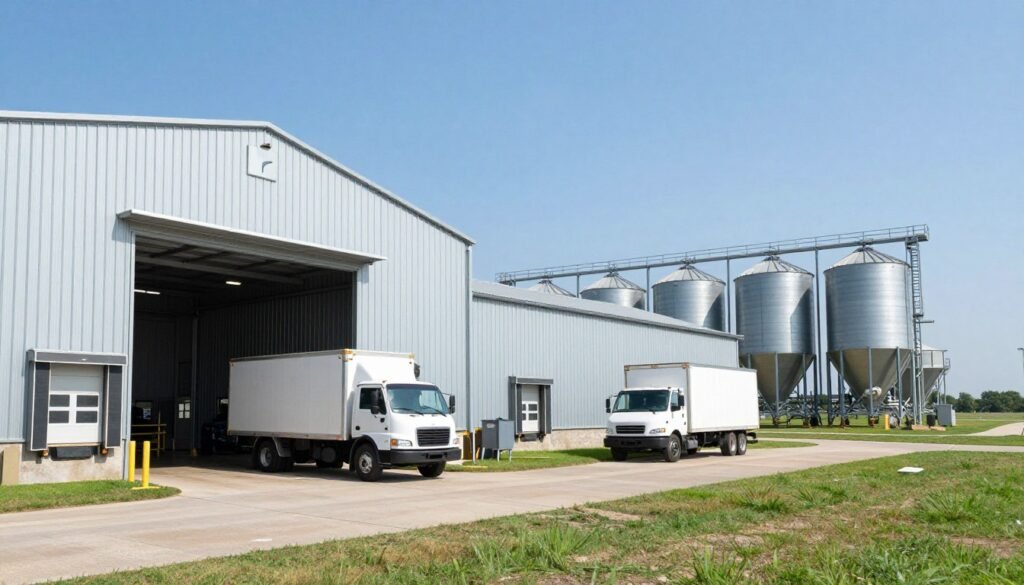
A Mississippi catfish farming operation invested in a 3-tonne/hour floating feed production system. MAIKONG supplied complete turnkey installation including building design consultation, equipment supply, installation, and comprehensive training.
African Installation: Tanzania Tilapia Farm Cooperative
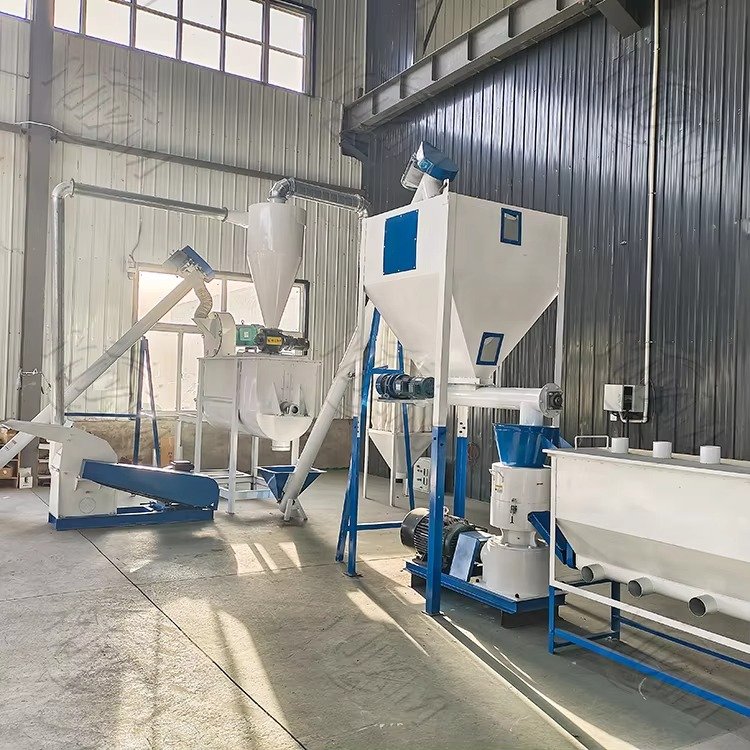
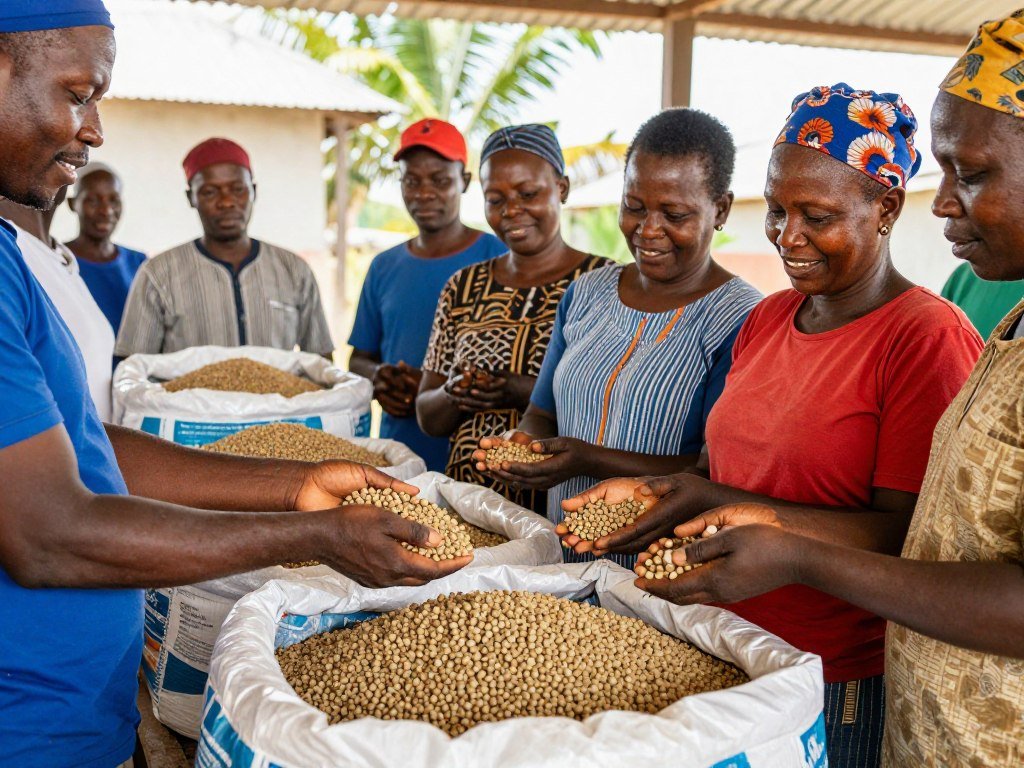
A Tanzanian tilapia farming cooperative comprising 47 member farms established centralised feed production serving member operations. MAIKONG designed a cost-optimised 1.5-tonne/hour system emphasising simplicity, reliability, and ease of operation by personnel with limited technical training.
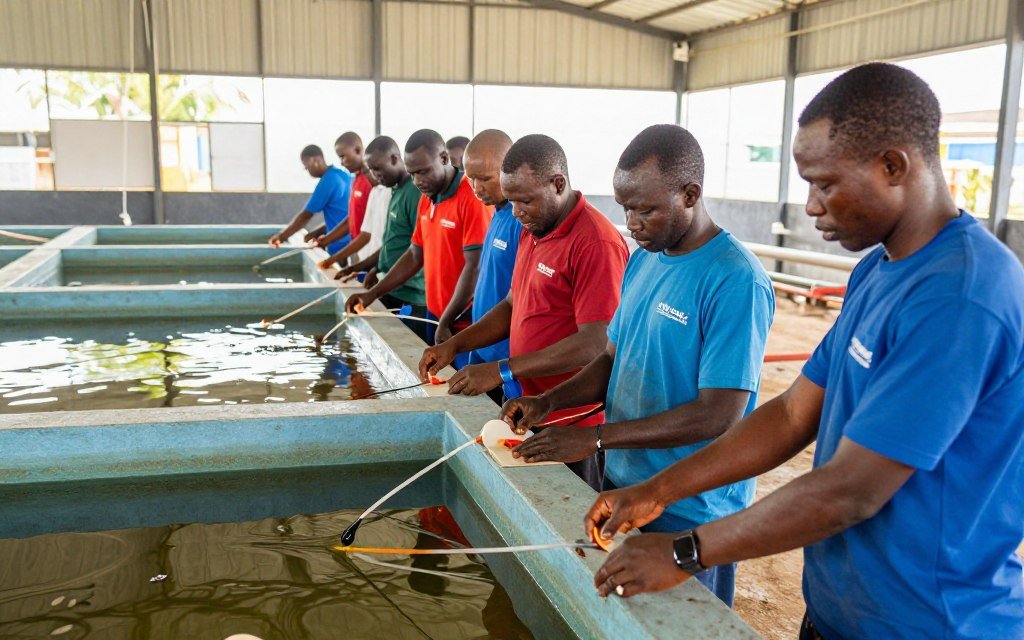
Project Impact:
- Feed cost reduction: 32% compared to purchased commercial feed
- Quality improvement: Consistent formulations, reduced disease
- Local employment: 12 permanent positions created
- Member farm profitability: Average 18% improvement
- Expansion capacity: System designed for future 3-tonne/hour upgrade
Energy Efficiency and Sustainable Production Practices
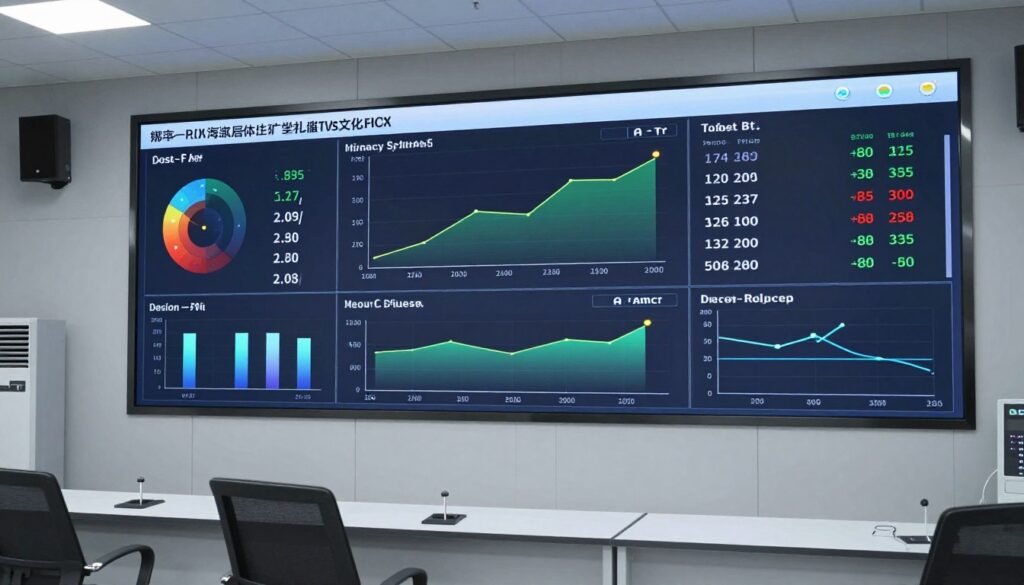
UK operations face increasing pressure to reduce energy consumption and environmental impact. Modern aquatic feed production technology delivers substantial efficiency improvements compared to older equipment generations.
Energy Consumption Optimisation Strategies
MAIKONG equipment incorporates multiple energy-saving technologies. Variable frequency drives on major motors adjust speed matching actual load rather than running continuously at full capacity. High-efficiency IE3 and IE4 motors reduce electrical consumption. Optimised grinding and pelleting processes minimise energy per tonne produced.
Grinding Energy Reduction
Advanced hammer mill design with aerodynamic housing and optimised hammer patterns reduces specific grinding energy consumption by 15-25% compared to conventional designs.
- Airflow optimisation reduces resistance
- Hammer tip speed calculation for efficiency
- Screen surface area maximisation
- Heat recovery from grinding process
Pelleting Energy Efficiency
Ring die pellet mills optimised for aquatic feed achieve 15-20% lower energy consumption through proper conditioning and die design matching formulation characteristics.
- Extended conditioning reduces die friction
- Die compression ratio matched to formula
- Roller-die gap precision adjustment
- Lubrication system optimisation
Cooling System Efficiency
Modern counterflow coolers with variable-speed fans adjust air volume matching actual pellet temperature rather than operating at constant maximum capacity.
- Temperature-based fan speed control
- Ambient air temperature compensation
- Heat recovery potential for facility heating
- Reduced pressure drop design
Compressed Air Management
Pneumatic conveying systems utilise high-efficiency blowers and optimised piping layouts reducing compressed air requirements by up to 30%.
- Piping diameter optimisation
- Bend radius minimisation
- Leak detection and elimination
- Demand-based compressor operation
Water Conservation Measures
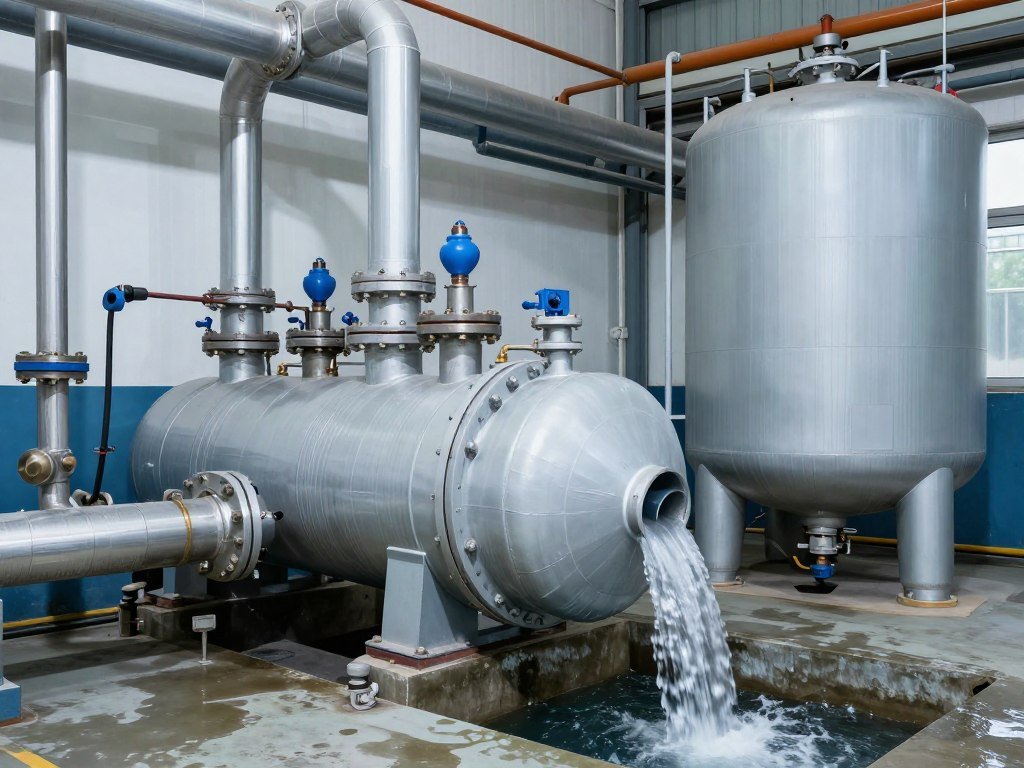
Aquatic feed production uses minimal water compared to many food processing operations. Water consumption occurs primarily in steam generation for conditioning. MAIKONG systems incorporate condensate recovery returning hot water to boiler feed, reducing both water consumption and energy for reheating.
Waste Reduction and Circular Economy Principles
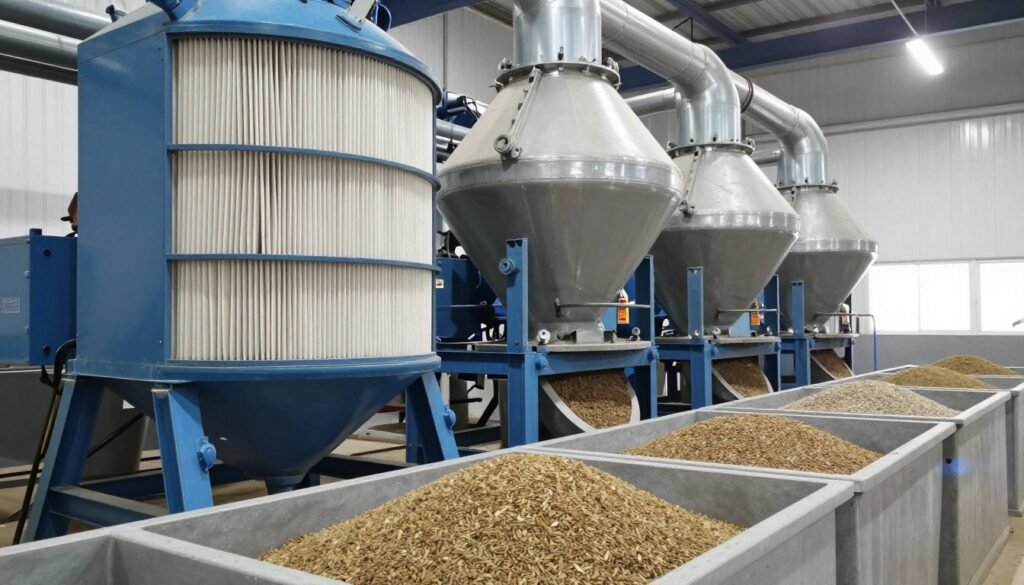
Properly designed systems minimise waste generation. Fines and off-specification material return to production rather than disposal. Dust collection systems capture airborne particles for reincorporation. Equipment design facilitates thorough cleaning preventing cross-contamination and product loss during formula changes.
Automation, Control Systems, and Industry 4.0 Integration
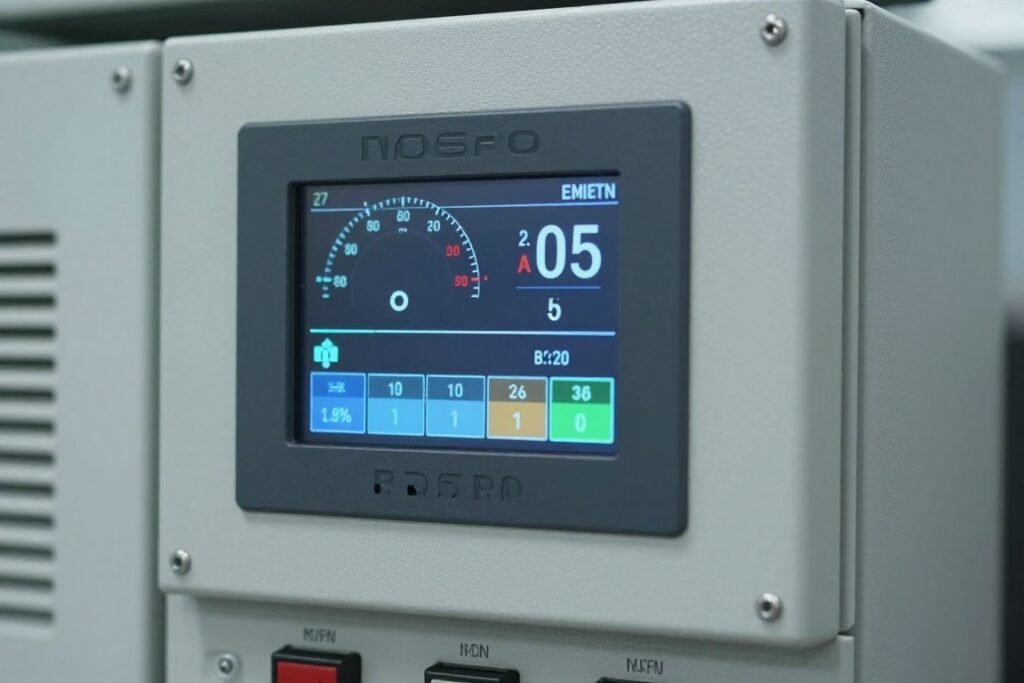
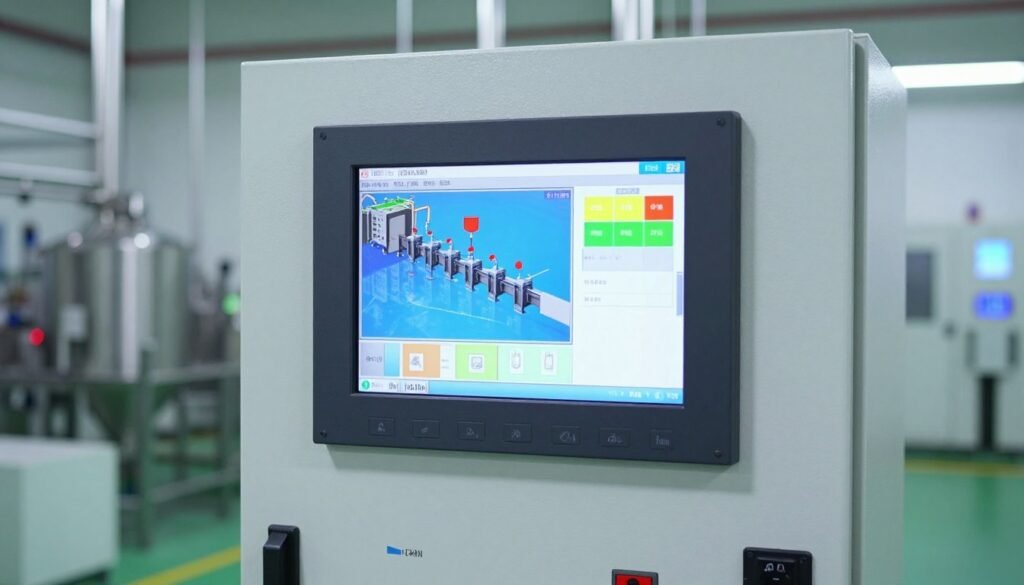
Modern aquatic feed production demands sophisticated automation balancing production efficiency with quality consistency. MAIKONG systems incorporate programmable logic controller (PLC) based automation with human-machine interface (HMI) touchscreens providing intuitive operation.
Standard Automation Features
- Recipe storage and automated batching for up to 100 formulations
- Automatic start-up and shutdown sequences
- Process interlocks preventing equipment damage
- Production reporting and batch tracking
- Alarm notification with historical logging
- Remote monitoring capability via network connection
- Integration with enterprise resource planning (ERP) systems
- Quality control data collection and analysis
Advanced Industry 4.0 Capabilities (Optional Upgrades)
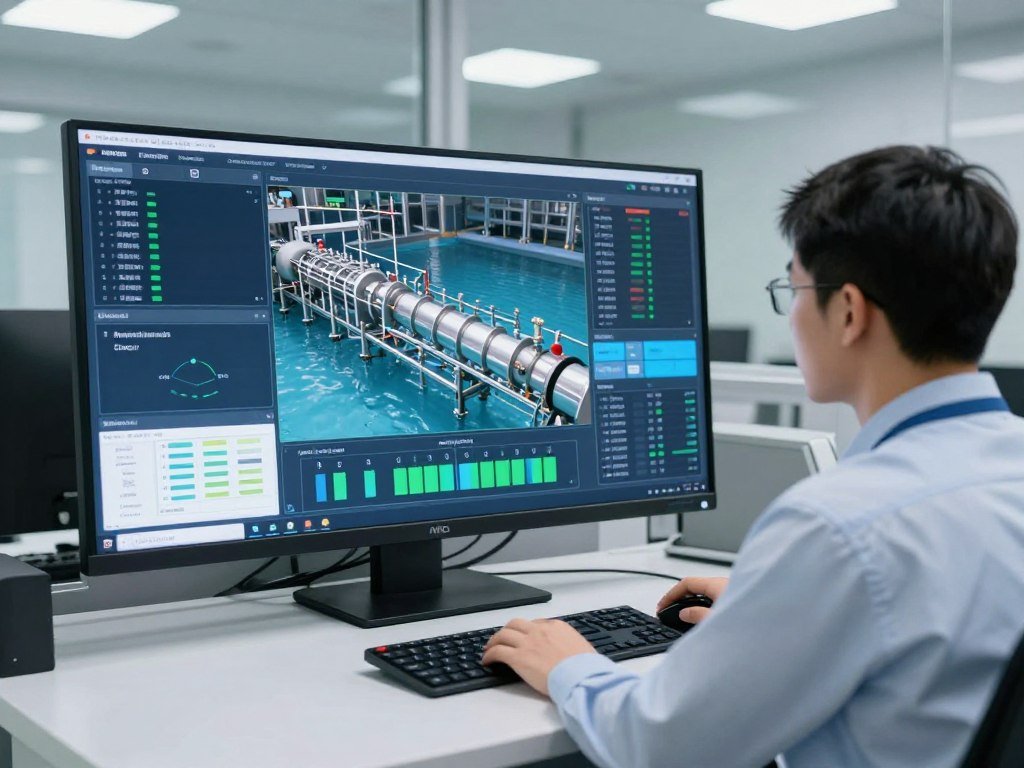
For operations pursuing digital transformation, MAIKONG offers advanced connectivity and data analytics features. These systems collect granular production data enabling predictive maintenance, process optimisation, and quality trend analysis.
Predictive Maintenance
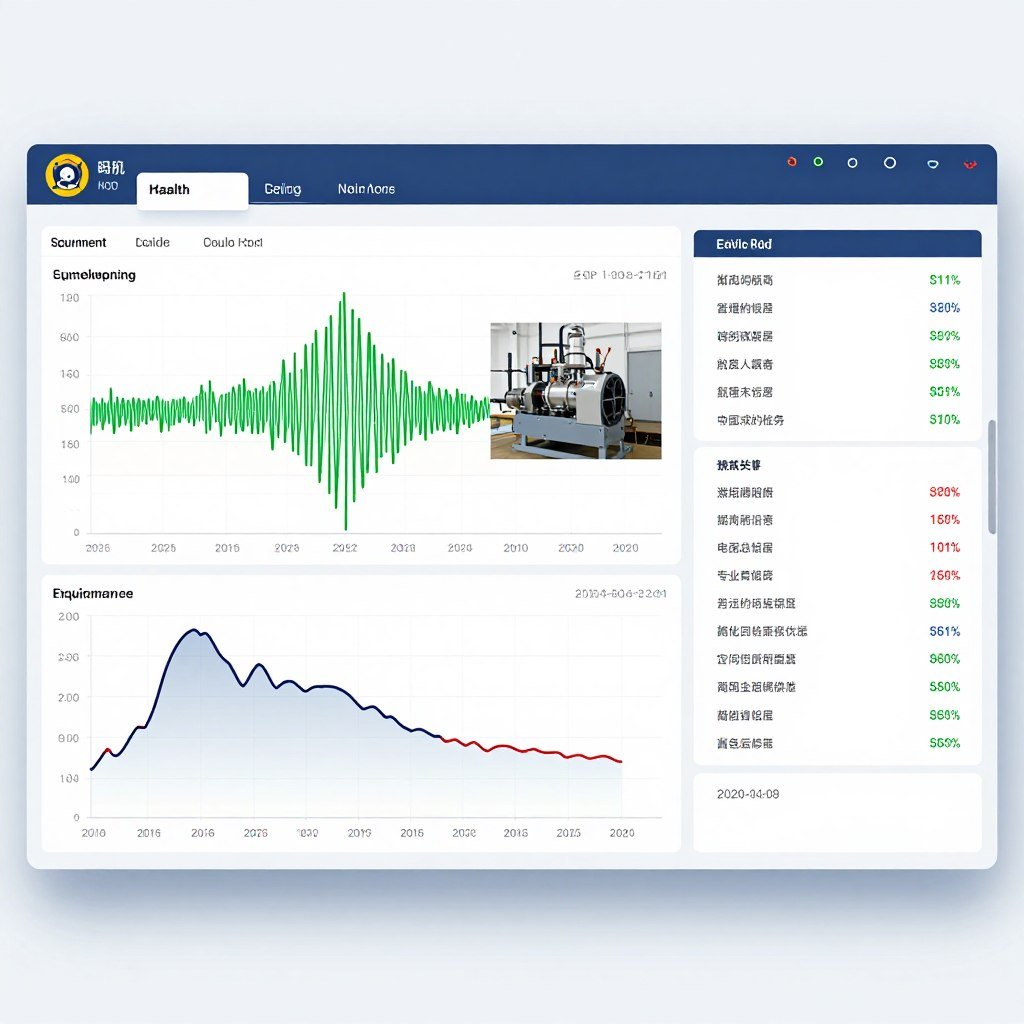
Sensor systems monitor equipment vibration, temperature, and performance parameters identifying developing problems before failures occur. Maintenance scheduling optimises uptime whilst preventing unexpected breakdowns.
Process Optimisation
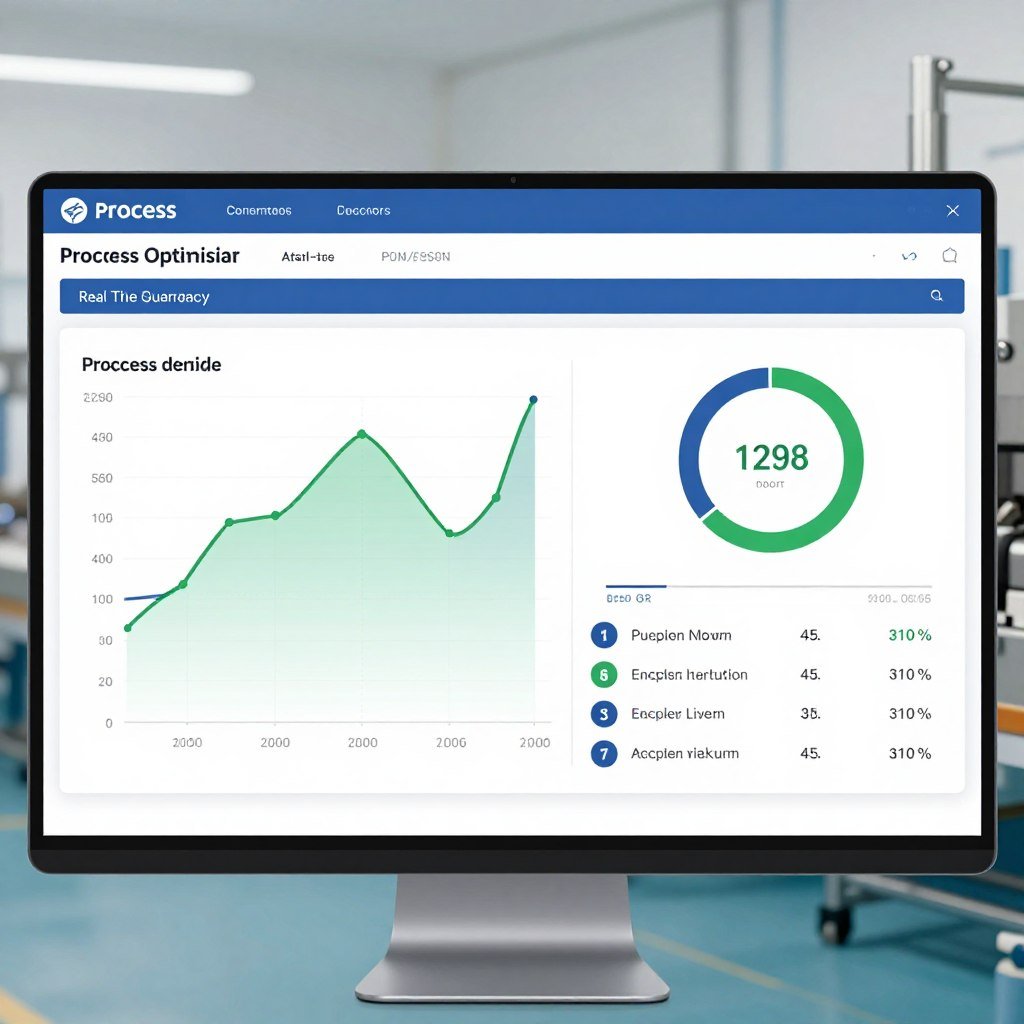
Machine learning algorithms analyse production data identifying opportunities to improve energy efficiency, reduce waste, and enhance product quality through parameter adjustments.
Quality Analytics
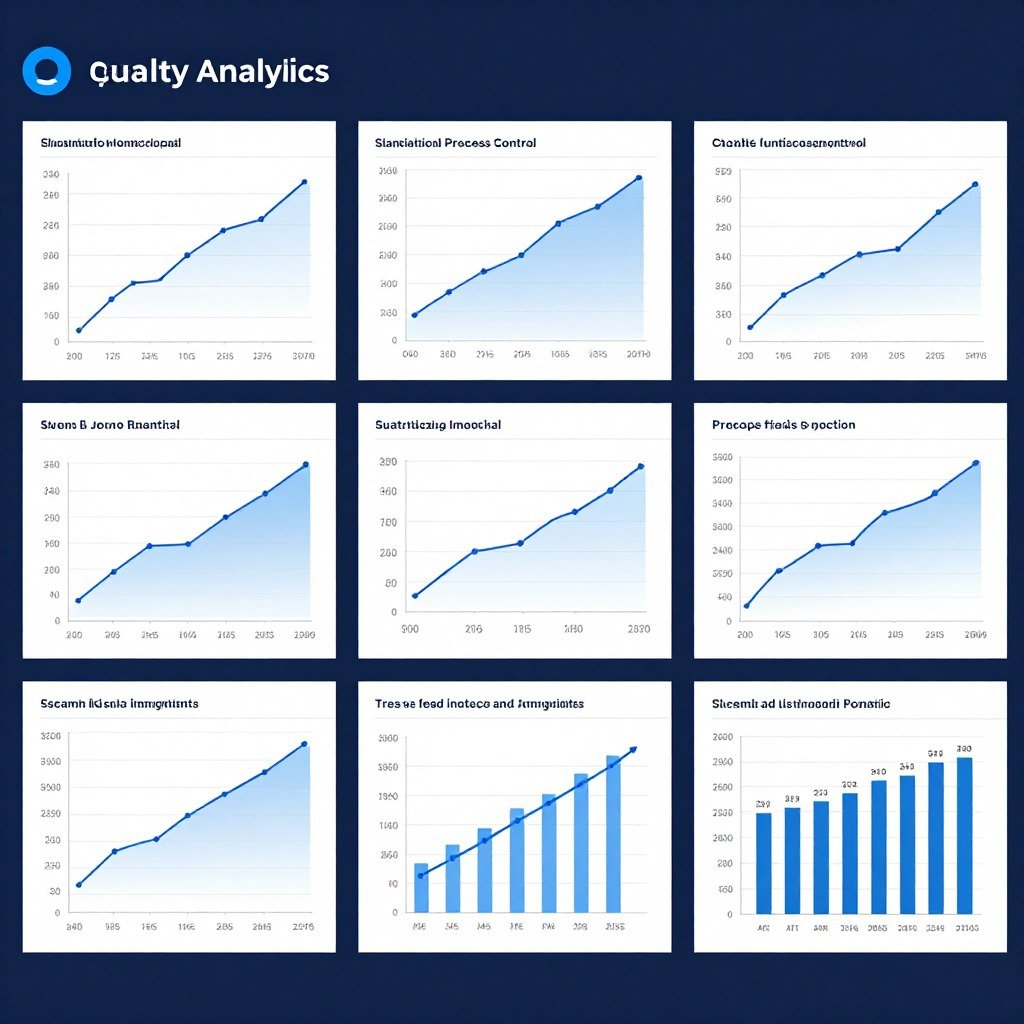
Statistical process control integrates laboratory quality data with production parameters establishing correlations and enabling proactive quality management preventing out-of-specification production.
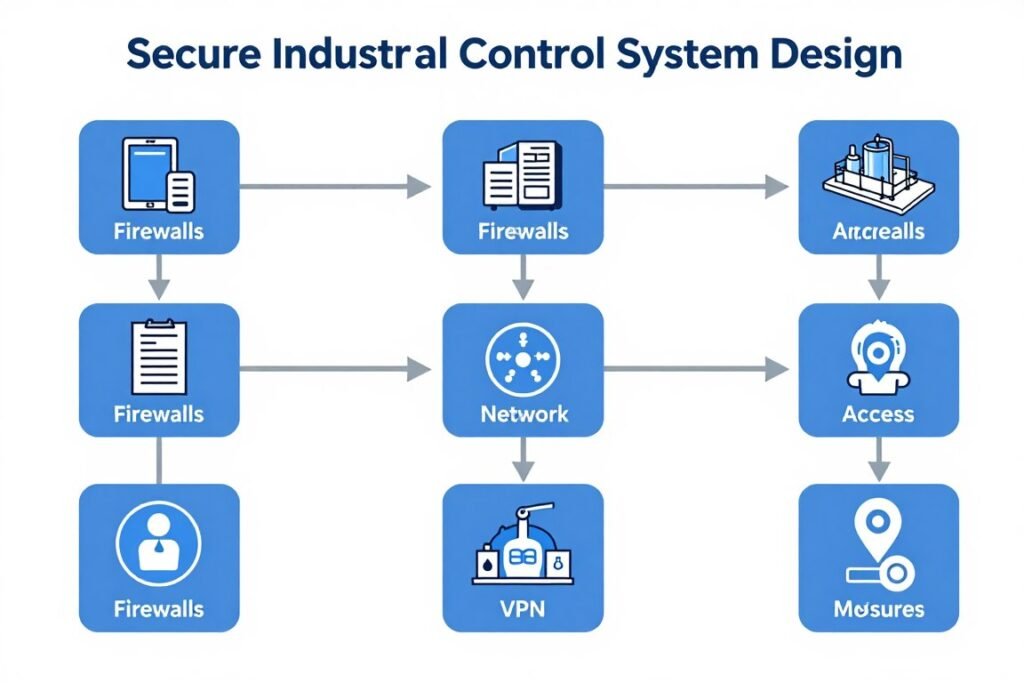
Cybersecurity Considerations
Connected systems require appropriate security measures. MAIKONG implements network segregation, secure authentication, and encrypted communications protecting production systems from cyber threats whilst maintaining remote support capabilities.
Regulatory Compliance and Certifications for UK Market
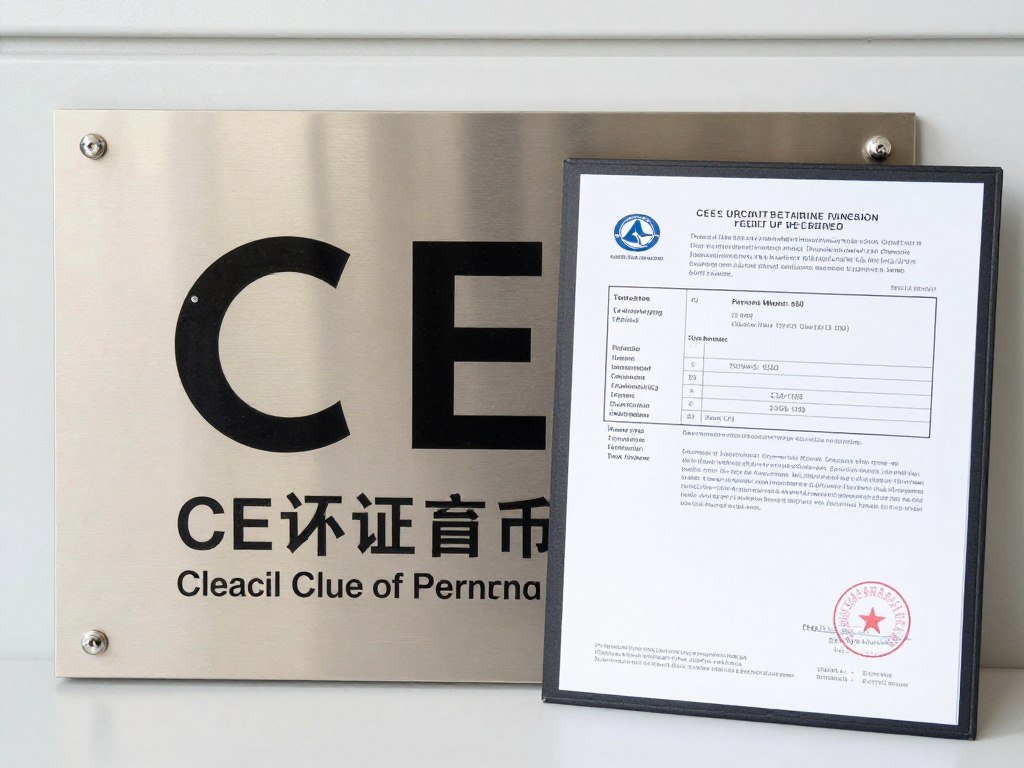
Equipment supplied to UK facilities must meet relevant British and European standards. MAIKONG ensures comprehensive compliance simplifying approval processes and ensuring safe operation.
Applicable Standards and Certifications
| Standard/Certification | Scope | Compliance Method |
| CE Marking | Machinery Safety Directive (2006/42/EC) | Third-party testing and certification |
| ISO 9001:2015 | Quality management systems | MAIKONG factory certification |
| BS EN 1127-1 | Explosive atmospheres prevention | Design review and documentation |
| BS EN ISO 12100 | Safety of machinery – General principles | Risk assessment and design incorporation |
| IEC 60204-1 | Electrical equipment of machines | Electrical design per standard |
| IP Protection Rating | Ingress protection (typically IP54 or IP65) | Enclosure design and testing |
Feed Safety and HACCP Compliance
Equipment design facilitates Hazard Analysis and Critical Control Points (HACCP) implementation. Sanitary design principles minimise contamination risks. Stainless steel contact surfaces, tool-free cleaning access, and self-draining configurations support hygiene protocols.
Environmental Compliance
UK operations must comply with environmental regulations regarding emissions, noise, and waste. MAIKONG equipment meets or exceeds requirements through integrated dust collection, noise dampening, and efficient waste handling systems.
Contact MAIKONG for Your Aquatic Feed Production Requirements
Our technical team stands ready to discuss your specific aquatic feed manufacturing requirements. Whether you need a compact system for specialised production or a large-scale automated facility, MAIKONG provides expertise developed across 22 years and installations in over 130 countries.

Get Your Custom Quotation Today
Request a detailed quotation for your aquatic feed production project. Provide your capacity requirements, species focus, raw materials, facility constraints, and timeline. Our engineering team will prepare a comprehensive proposal including equipment specifications, layout drawings, energy analysis, and investment breakdown.
Contact Person: Lucy | Email: Lucy@feedproductionline.uk
Company Website: https://feedproductionline.uk/
MAIKONG Manufacturing | GD Province, SZ City | Established 2003
Additional Resources and Support
Visit our comprehensive website for additional product information, technical resources, and customer success stories. Our about MAIKONG page details our company history, manufacturing capabilities, and quality commitment. The contact page provides multiple communication channels and office locations.
Related Product Lines
Beyond aquatic feed systems, MAIKONG manufactures complete production lines for diverse animal nutrition applications:
- Poultry feed production line – Chicken, duck, turkey feed systems
- Cattle feed production line – Dairy and beef cattle nutrition
- Pig feed production line – Swine feed manufacturing
- Pet feed production line – Dog and cat food extrusion
- Feed pellet production line – Multi-species configurations
- Animal feed production line guide – Comprehensive technical resource
- Feed production line price – Investment information
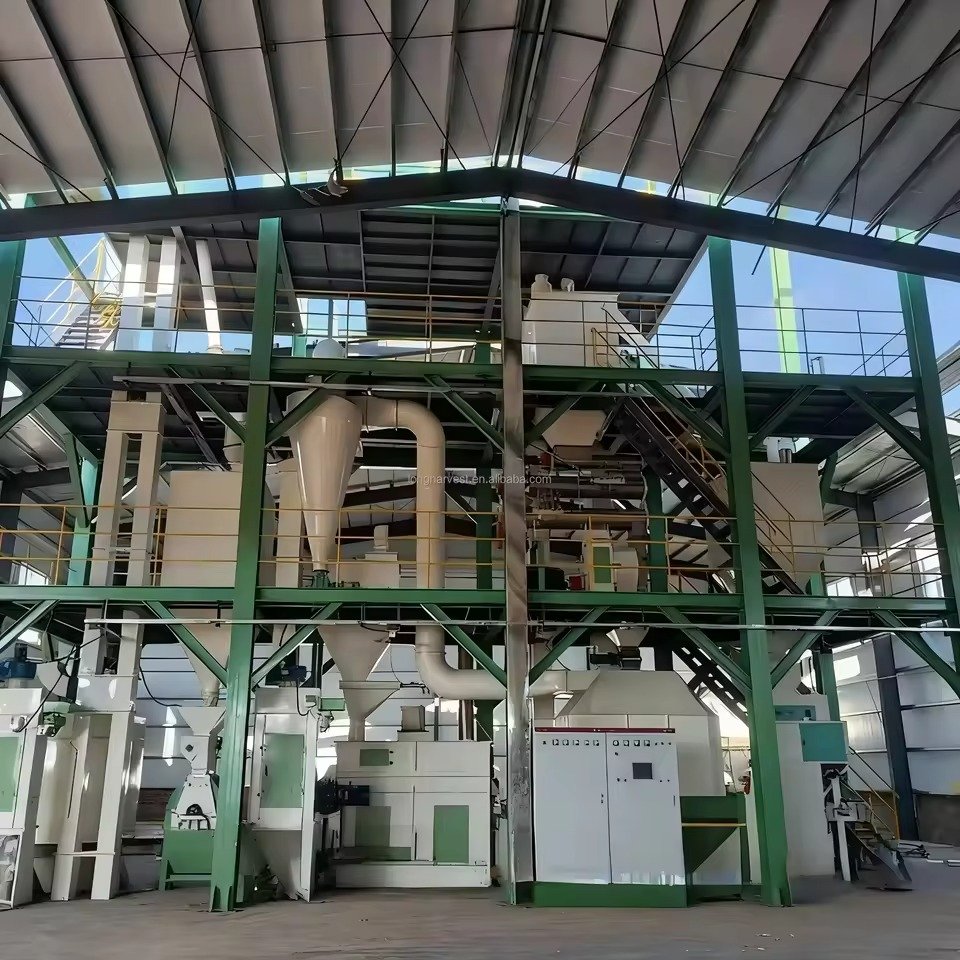
Partner with MAIKONG: Building Long-Term Success in Aquatic Feed Manufacturing
Selecting aquatic feed production equipment represents more than purchasing machinery. It establishes a long-term partnership between your operation and your equipment supplier. MAIKONG’s 22-year track record demonstrates our commitment to customer success through superior equipment quality, comprehensive technical support, and continuous innovation.
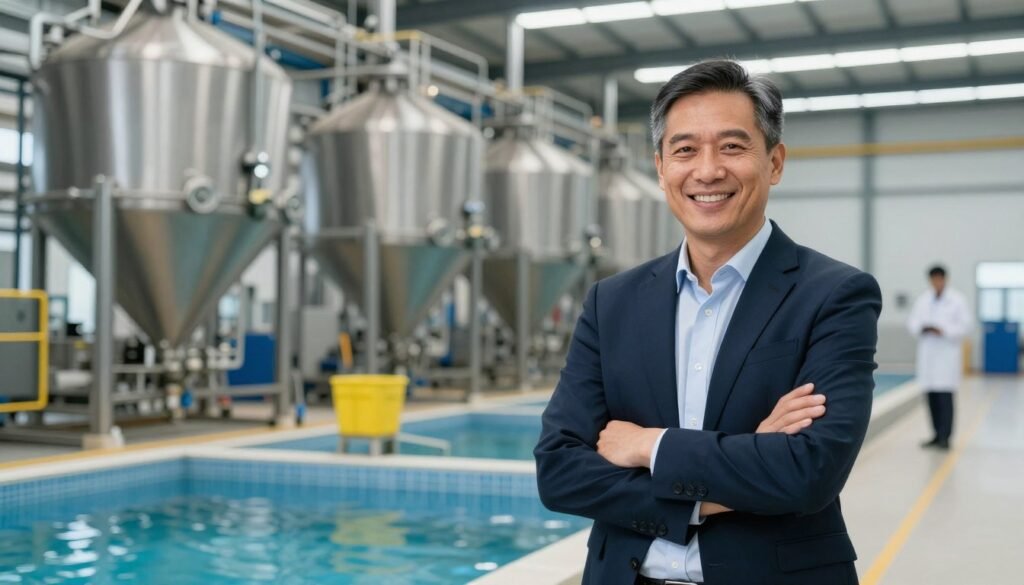
UK aquaculture operations face unique challenges including competitive markets, stringent quality requirements, and pressure to improve sustainability. Modern production technology addresses these challenges through improved efficiency, consistent quality output, and reduced environmental impact. The decision to invest in new equipment or upgrade existing facilities requires careful evaluation of suppliers, technologies, and long-term support capabilities.
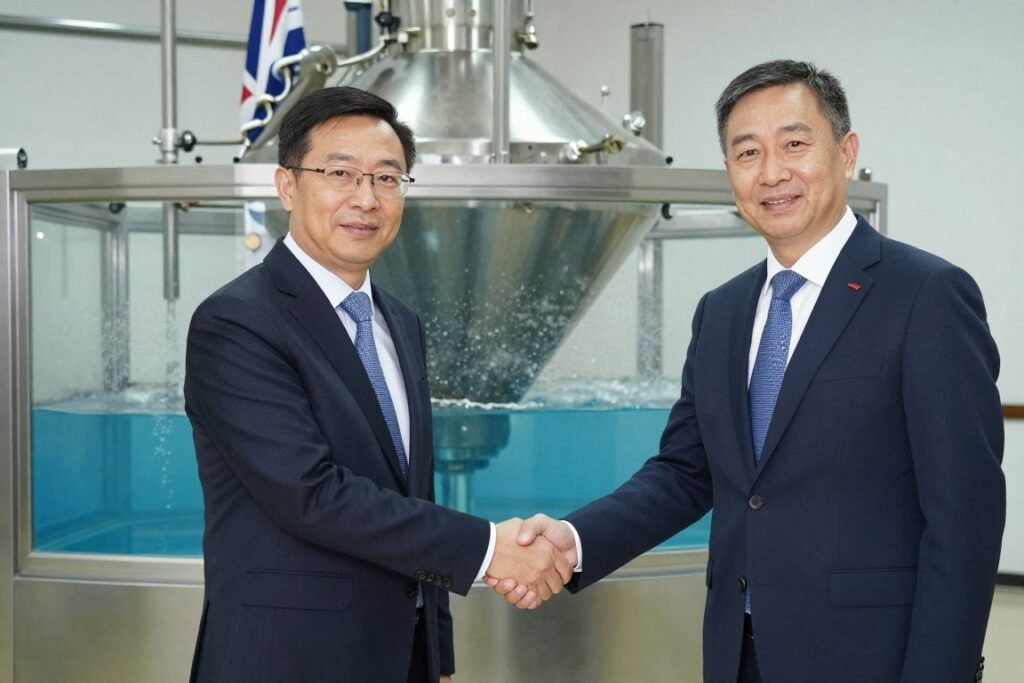
Our engineering team welcomes the opportunity to discuss your specific requirements, evaluate your current situation, and propose solutions matching your operational goals and budget parameters. Whether you operate a small specialist facility serving niche markets or plan a large commercial operation, MAIKONG provides scalable technology growing with your business.
Become a MAIKONG UK Distributor or Agent
MAIKONG actively seeks qualified UK distributors and regional agents to join our expanding European network. We offer attractive margins, comprehensive technical training, marketing support, and exclusive territorial rights. If you serve the aquaculture, animal feed, or agricultural equipment sectors and wish to represent industry-leading manufacturing technology, we invite your inquiry.
Why Choose MAIKONG for Your Aquatic Feed Production Investment?
Manufacturing Excellence
- 22+ years specialised experience in feed equipment manufacturing
- ISO 9001:2015 certified quality management systems
- Advanced manufacturing facility in GD Province, China
- Comprehensive testing before shipment
- Continuous product development and improvement
Global Experience
- Installations in 130+ countries worldwide
- Proven success in UK and European markets
- Understanding of regional requirements and regulations
- Multilingual technical support capabilities
- Experience with diverse aquaculture species and formulations
Comprehensive Support
- 24-month warranty on all equipment
- Lifetime technical support access
- Express spare parts shipping to UK destinations
- On-site installation and commissioning
- Thorough operator training programmes
- Remote diagnostics and troubleshooting
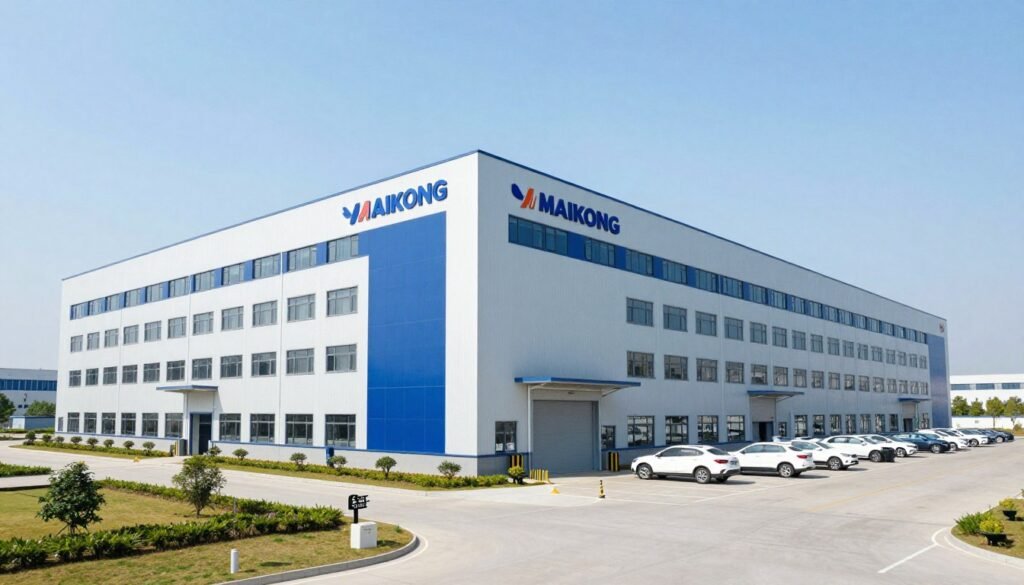
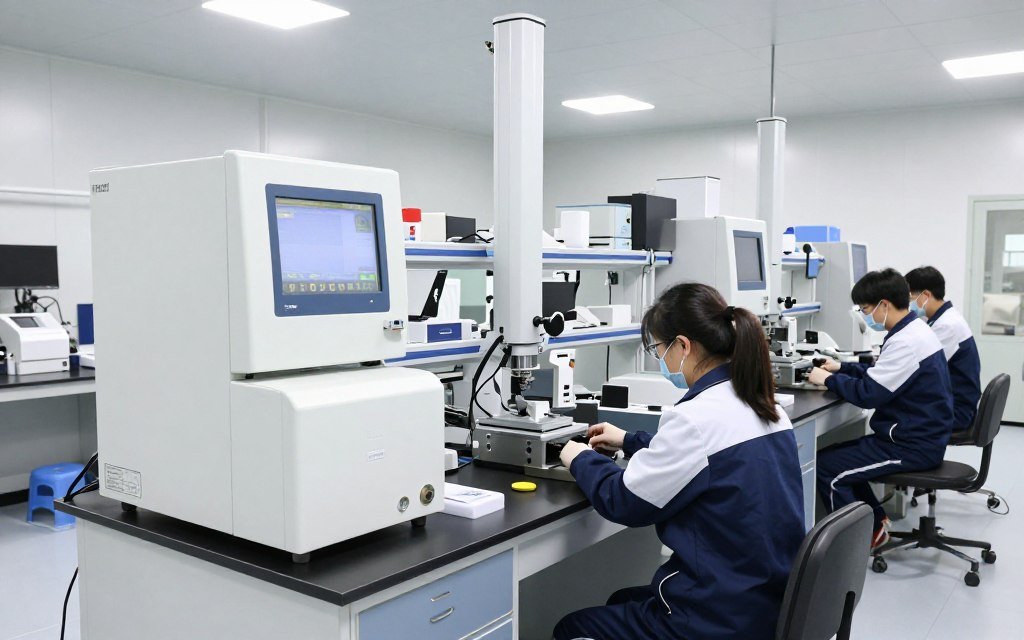
The aquaculture industry continues expanding to meet growing global protein demand. Efficient, reliable feed production represents a critical success factor for aquaculture operations of all scales. Investment in modern production technology delivers tangible benefits through improved feed quality, reduced production costs, enhanced operational efficiency, and competitive advantage in demanding markets.
We invite you to contact our team today to begin discussing how MAIKONG aquatic feed production technology can support your operational goals. Whether you require technical consultation, detailed quotations, site visits, or information about our UK distribution opportunities, our experienced professionals stand ready to assist.
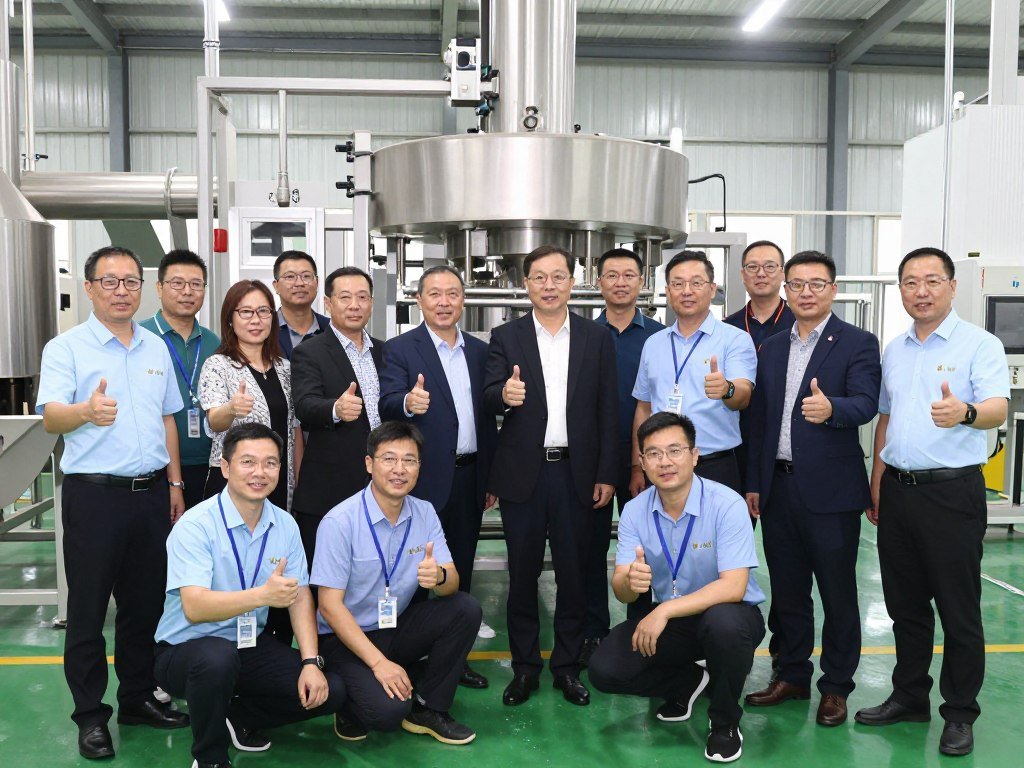
Ready to Transform Your Aquatic Feed Production?
Email: Lucy@feedproductionline.uk
MAIKONG Feed Production Equipment | Excellence in Manufacturing Since 2003