
This article examines wood pellet production line selection through the lens of long-term operational sustainability. We explore the hidden costs that emerge after installation, the critical spare parts that determine uptime, and the after-sales support structures that separate reliable suppliers from problematic ones. MAIKONG, with 22 years of manufacturing experience in GD province, has supplied wood pellet production lines to over 130 countries, including extensive UK and European installations.
The UK Wood Pellet Market Reality: What Distributors Actually Face
The United Kingdom wood pellet consumption reached 7.8 million tonnes in 2023. Commercial feed producers account for approximately 18% of this demand. Poultry feed manufacturers, cattle feed operations, and aquaculture facilities increasingly integrate wood pellet production lines to diversify revenue streams and reduce feed costs.
British distributors importing the best wood pellet production line equipment face distinct challenges compared to continental European counterparts. Longer shipping routes from Asian manufacturing hubs extend spare parts lead times. Brexit customs procedures add documentation complexity. UK electrical standards require voltage adaptation for imported machinery.
The average UK feed mill operates with tighter margin structures than American or Australian equivalents. Energy costs in Britain run 40-60% higher than comparable facilities in Poland or Spain. Equipment downtime directly impacts already narrow profitability windows. A single day of unplanned production stoppage costs between £2,000 and £5,000 for a mid-capacity operation.
Traditional Equipment Purchase Risks
- Manufacturers provide optimistic maintenance schedules that underestimate wear rates in continuous UK operations
- Spare parts catalogues list hundreds of components without clarity on which items require regular stocking
- Technical support operates on Asian time zones, creating 8-hour response delays for urgent issues
- Warranty terms exclude wear components that represent 70% of actual maintenance needs
- Instruction manuals translate poorly from Mandarin, leaving operators guessing at proper procedures
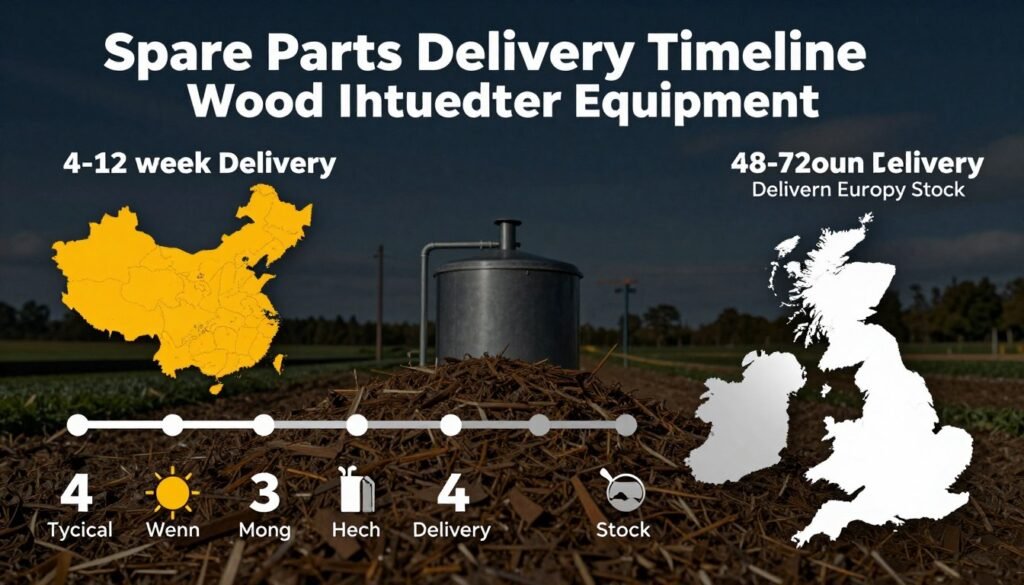
MAIKONG addresses these challenges through UK-focused support infrastructure. Our technical team maintains business hours overlap with British time zones. We stock critical spare parts for the best wood pellet production line models at European distribution centres, cutting replacement delivery times from 4-12 weeks to 48-72 hours.
UK Distributor Partnership Opportunity
MAIKONG seeks established agricultural equipment distributors and feed mill supply businesses to represent our wood pellet production line range across the United Kingdom. We offer protected territories, comprehensive technical training, attractive margin structures, and marketing support. Our 22-year manufacturing heritage and growing UK installation base provide a solid foundation for mutual business growth.
Critical Spare Parts That Determine Uptime
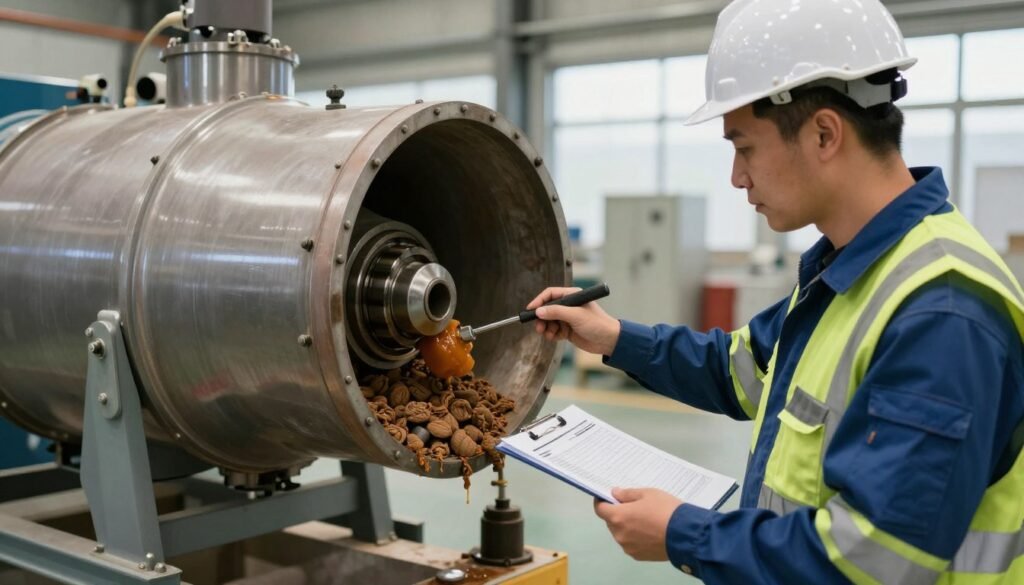
Not all spare parts carry equal importance for operational continuity. Distributors must understand which components fail most frequently and which failures halt production entirely. Strategic spare parts inventory management balances carrying costs against downtime risk.
Pellet Die: The Heart of Your Operation
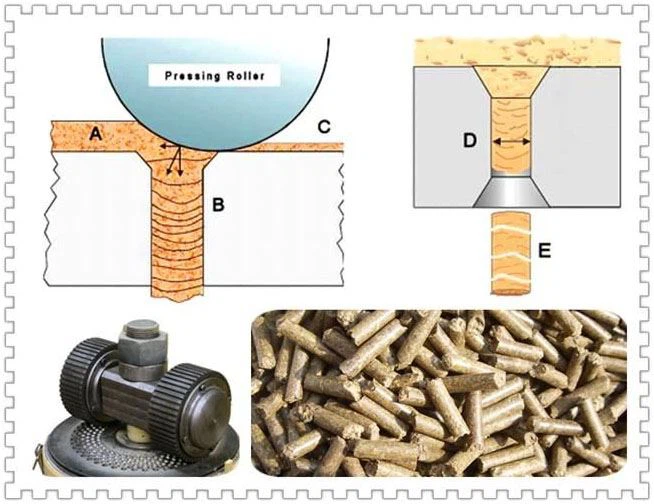
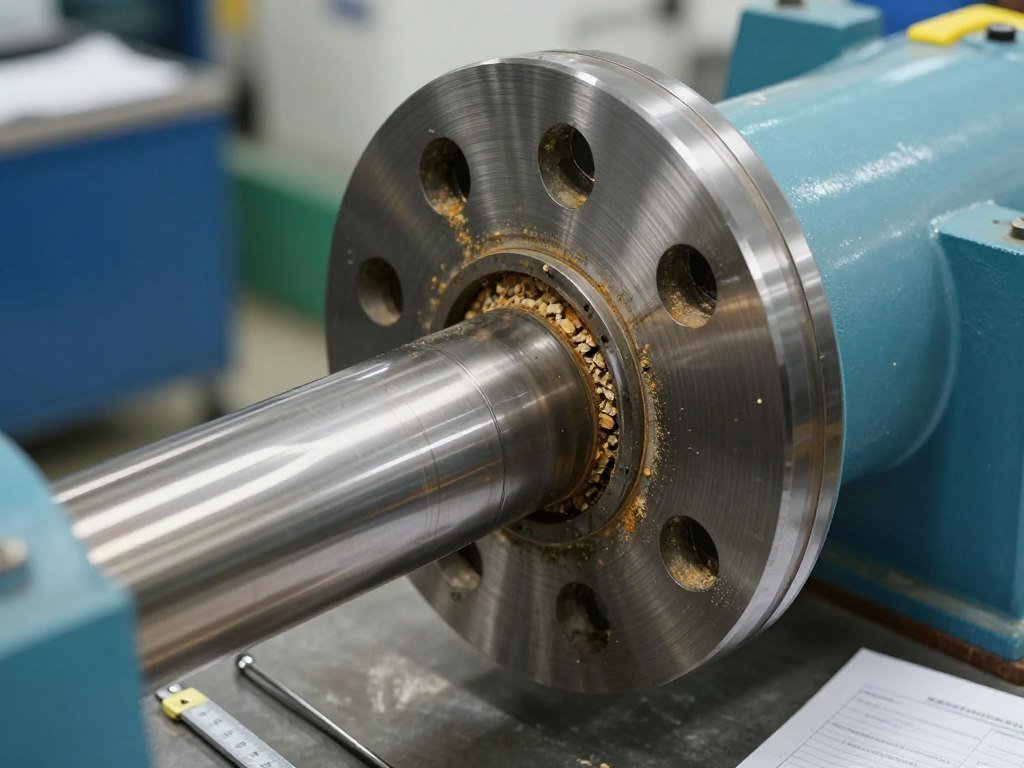
The pellet die represents the single most critical wear component in any best wood pellet production line. This precision-drilled steel component forces raw material through thousands of small holes, forming pellets through compression and friction.
Pellet dies typically last 1,200-2,000 operating hours in wood pellet applications, depending on raw material abrasiveness, moisture content, and operational parameters. A facility running 4,000 hours annually requires 2-3 die replacements. Each die costs £2,800-£4,200 for a mid-capacity pellet mill.
Die failure modes include hole wear (gradual), hole blockage (operational), and catastrophic cracking (sudden). Gradual wear reduces pellet quality and increases motor load. Blockage causes operational stoppages that clear with proper procedures. Cracking necessitates immediate replacement and represents the highest downtime risk.
Critical Point: Maintaining one spare die on-site eliminates 90% of die-related production loss. The die is heavy and expensive to ship rapidly. A 10-day lead time for emergency die replacement translates to £20,000-£50,000 in lost production for a commercial operation.
Rollers: Wear Partners to the Die
Pellet mill rollers work in conjunction with the die, compressing material into the die holes through rolling pressure. Rollers experience similar wear rates to dies but typically last 1.5-2 times longer due to their larger surface area.
Roller replacement requires more mechanical skill than die changes. The process involves bearing removal, shaft extraction, and precise reassembly. UK maintenance teams typically require 6-8 hours for roller replacement versus 2-3 hours for die changes.
Roller bearing failure represents a secondary risk. Bearing collapse allows roller misalignment, which accelerates die wear and can damage the pellet mill housing. Quality roller bearings designed for heavy radial loads cost £280-£450 per set.
High-Priority Spare Parts (Stock Required)
- Pellet die (minimum 1 spare)
- Roller assembly (1 complete set)
- Roller bearings (2 sets)
- Drive belts (2 sets)
- Conditioner steam nozzles (2 sets)
- Electrical contactors (critical sizes)
- Feeder screws (1 spare)
Medium-Priority Parts (Order as Needed)
- Gearbox seals and gaskets
- Cooler fan motors
- Pneumatic valve diaphragms
- Sensor replacements
- Control panel components
- Conveyor belt sections
- Dust collector filter bags
Bearings: The Foundation of Reliability
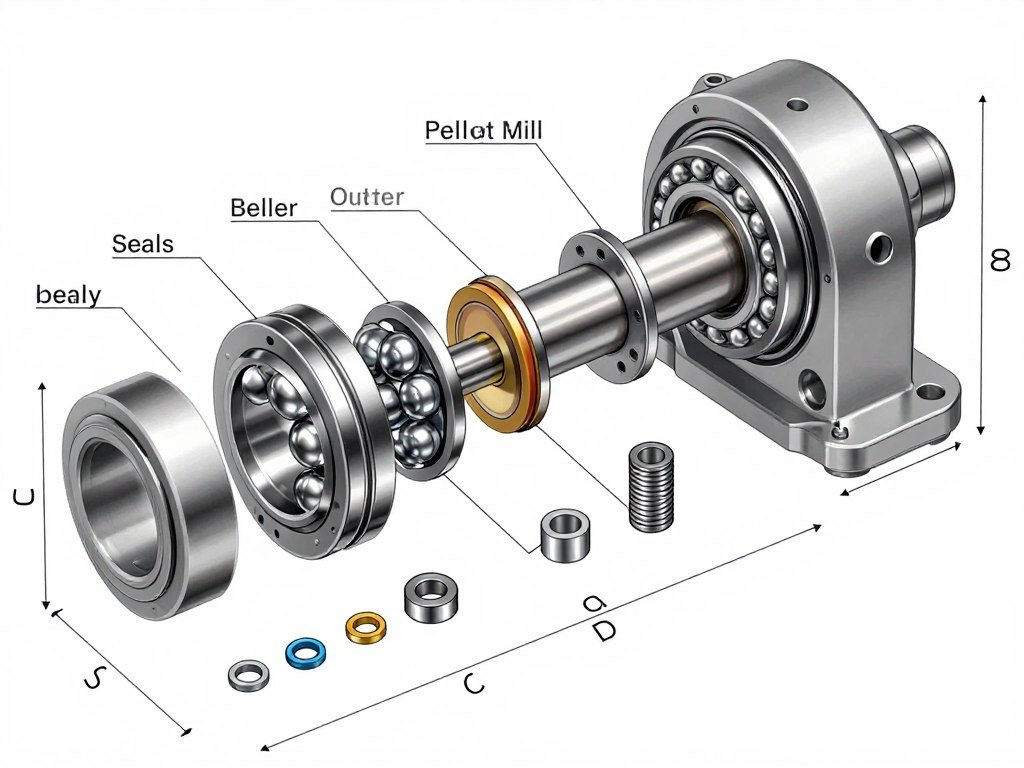
A complete wood pellet production line contains 40-80 bearings across crushers, pellet mills, coolers, and conveyors. Bearing failure represents the most common cause of unplanned equipment stoppages.
Different bearing types serve different functions. The main shaft bearings in pellet mills endure extreme radial loads and require heavy-duty spherical roller bearings. Conveyor bearings experience lighter loads but accumulate dust contamination. Cooler fan bearings operate at high speeds with continuous duty cycles.
British operating conditions challenge bearing longevity. Ambient moisture from coastal locations accelerates corrosion. Dust from material handling infiltrates bearing housings. Temperature variations between seasons affect lubrication viscosity.
MAIKONG specifies premium bearing brands for critical applications in our best wood pellet production line models. We use SKF, FAG, and NSK bearings in primary drive positions. These brands maintain extensive UK distribution networks, ensuring 24-48 hour replacement availability through local bearing suppliers.
Technical Support for Wood Pellet Production Line Maintenance
Facing a maintenance challenge with your wood pellet equipment? Our technical team provides guidance on troubleshooting, spare parts identification, and maintenance procedures. With 22 years of manufacturing experience, we understand the specific issues UK operations encounter.
Lubrication Systems: The Overlooked Critical Factor
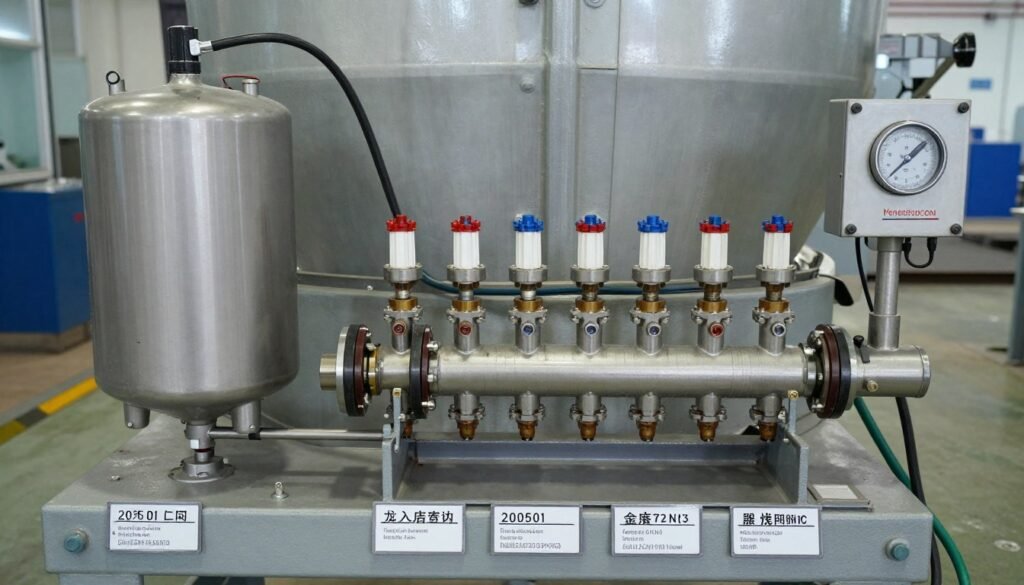
Inadequate lubrication causes 60% of bearing failures and accelerates wear on all rotating components. Yet lubrication receives insufficient attention during equipment specification and operator training.
The best wood pellet production line incorporates centralized automatic lubrication systems that deliver precise grease quantities to critical bearing points on programmed schedules. This eliminates reliance on operator memory and ensures consistent lubrication under all operating conditions.
Lubrication Frequency Requirements
Different components demand different lubrication intervals based on rotational speed, load, and operating environment. Pellet mill main shaft bearings require lubrication every 8 hours of operation. Gearbox oil requires changing every 2,000 hours. Conveyor chain lubrication intervals extend to 40-80 hours depending on length and load.
Manual lubrication introduces human error risk. Operators forget scheduled lubrication during busy production periods. They apply incorrect grease types. They over-lubricate some points while missing others entirely.
Automatic systems cost £3,500-£6,000 installed but deliver £12,000-£18,000 in annual savings through reduced bearing replacement and extended component life. The return on investment period typically runs 4-8 months.
Technical Note: Wood dust creates abrasive contamination challenges for lubrication systems. MAIKONG pellet mills use sealed bearing housings with labyrinth seals that exclude dust while retaining lubricant. This extends bearing life by 40-60% compared to open housing designs common in economy equipment.
Grease Selection for UK Climates
British temperature ranges require lubricants that perform across 0°C to 35°C ambient conditions. Many imported wood pellet machines ship with lubricants specified for Asian climates that perform poorly in UK winters.
Lithium complex greases with NLGI Grade 2 consistency suit most wood pellet line applications. Synthetic base oils provide better low-temperature pumpability for automatic systems. High dropping points above 250°C prevent washout in bearing housings near heated components.
We recommend Mobil Polyrex EM or Shell Gadus S2 V220 for general bearing applications. Both products are readily available through UK industrial suppliers and perform reliably across British seasonal variations.
Die Blockage Prevention and Resolution
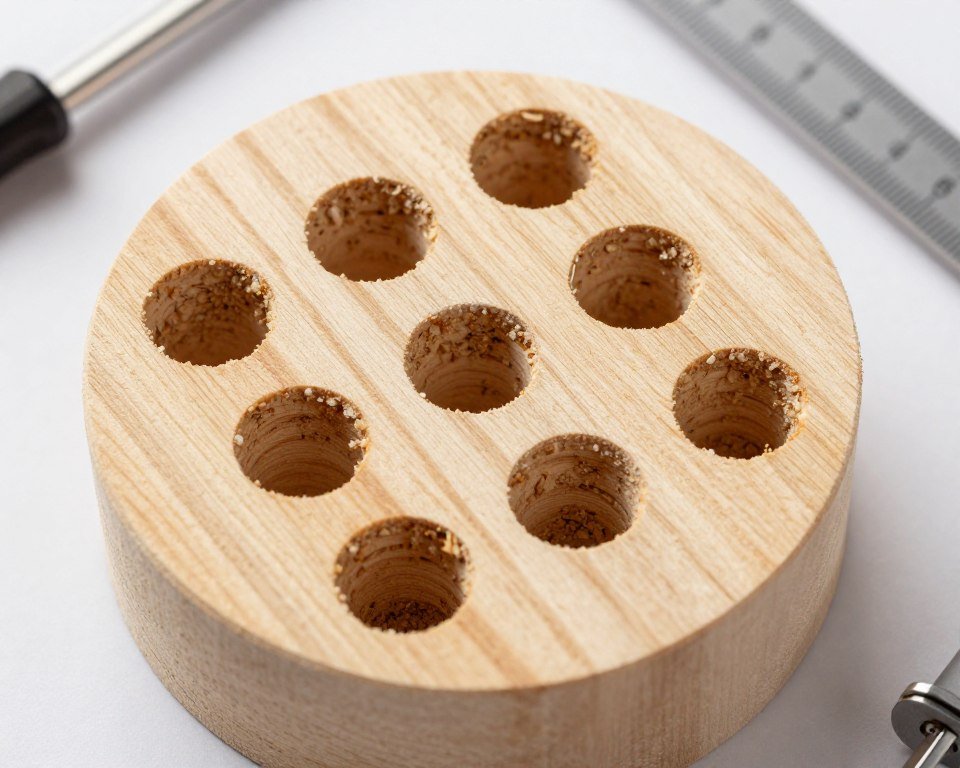
Die blockage represents the most frequent operational disruption in wood pellet production. While not a mechanical failure, blockage stops production immediately and requires skilled intervention to resolve without damaging the die.
Root Causes of Die Blockage
Raw material moisture content outside the optimal 14-16% range causes most blockages. Material too dry fails to bind properly and creates excessive friction. Material too wet produces steam pockets that collapse die holes.
Foreign material contamination ranks as the second-leading cause. Metal fragments, stones, or plastic pieces enter the feed stream and wedge in die holes. A single 8mm bolt can block 40-60 surrounding die holes.
Insufficient conditioning time leaves raw material inadequately prepared for pelleting. The material enters the die chamber without proper plasticization of lignin binders. This increases friction and creates localized blockages that propagate across the die face.
Blockage Prevention Checklist
- Test incoming raw material moisture content twice daily using calibrated moisture metres
- Maintain conditioner retention time at 20-30 seconds minimum for wood materials
- Verify steam pressure remains at 2-3 bar during operation
- Inspect magnetic separators weekly and clean when debris accumulates
- Monitor pellet mill amperage continuously; rising amperage indicates developing blockage
- Perform die inspection during scheduled shutdowns to identify partial blockage
- Train all operators on proper material handling to prevent contamination
Blockage Resolution Procedures
Never attempt to force blocked material through the die by increasing roller pressure. This approach damages die holes, cracks the die, and risks motor overload.
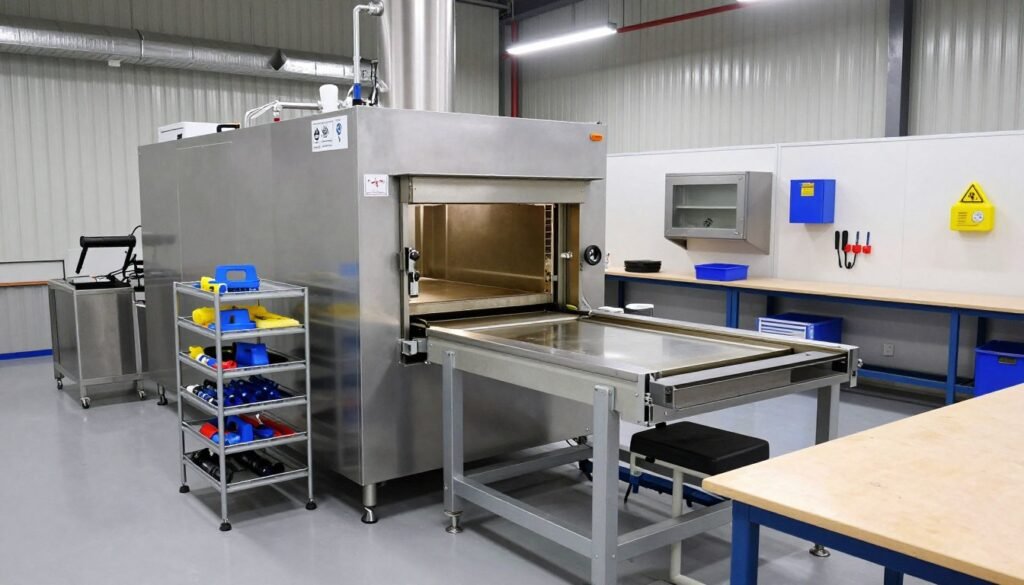
The proper procedure involves die removal, thermal cleaning, and mechanical clearing. Remove the die from the pellet mill and place it in a burn-off oven at 350-400°C for 2-3 hours. The heat carbonizes organic material without damaging the die steel. After cooling, use a die drill slightly smaller than hole diameter to clear any remaining debris.
MAIKONG best wood pellet production line models incorporate quick-change die systems that reduce die removal time from 45 minutes to 12 minutes. This minimizes production loss when blockage resolution becomes necessary.
Check Spare Parts Availability for Your Operation
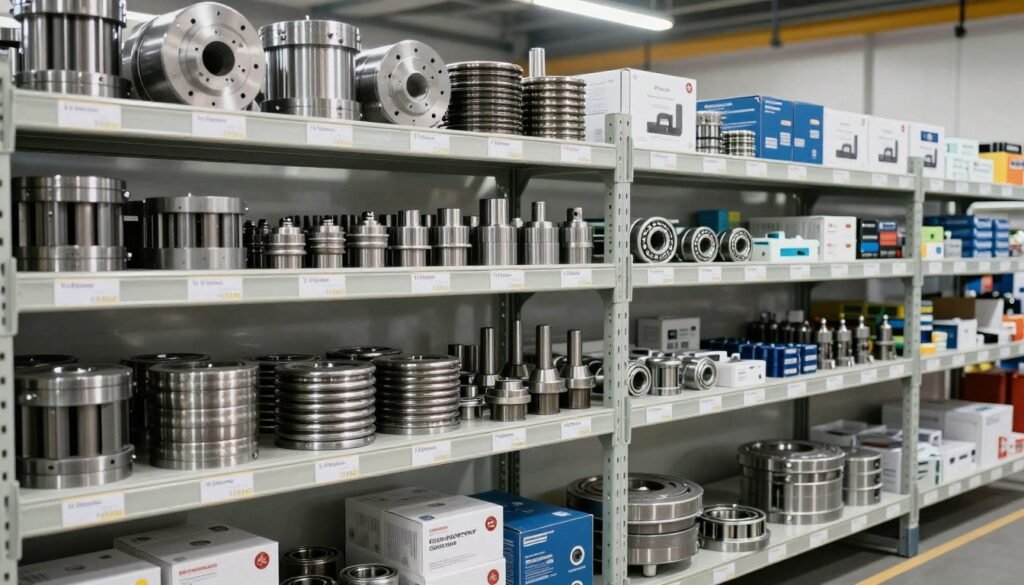
MAIKONG maintains spare parts inventory at European distribution centres for 48-72 hour delivery to UK locations. We stock critical wear components including dies, rollers, bearings, and drive components for all current and legacy model numbers. Eliminate long lead times that extend production stoppages.
Motor and Electrical System Reliability
Electric motors account for 85-90% of energy consumption in the best wood pellet production line installations. Motor reliability directly impacts production continuity and operating costs.
Main Drive Motor Specifications
Pellet mill main drive motors range from 75kW to 315kW depending on production capacity. UK electrical supply operates at 400V three-phase, 50Hz. Imported equipment specified for 380V or 415V systems requires verification of motor compatibility.
Motor efficiency classifications determine operating costs. IE3 efficiency motors reduce energy consumption by 8-12% compared to IE1 motors common in economy equipment. Over a 10-year operating life, the energy savings from IE3 motors exceed the initial price premium by a factor of 6-8.
MAIKONG specifies Siemens, ABB, or WEG motors for UK installations. These manufacturers maintain extensive British service networks. Motor repair or replacement can occur within 3-5 working days versus 3-4 weeks for less common brands.
Variable Frequency Drives
Variable frequency drives (VFDs) control motor speed and torque while reducing starting currents and enabling soft starts. VFDs cut starting current from 600-800% of running current to 150-200%, reducing stress on motors and gearboxes.
VFD failures typically stem from heat buildup, dust ingress, or power supply disturbances. Proper installation in ventilated enclosures with dust filtration extends VFD life from 5-7 years to 10-12 years.
When VFD failure occurs, standard industrial units mount in cabinets with straightforward replacement procedures. Proprietary VFD systems integrated into custom control panels create extended downtime while manufacturers ship replacement units from overseas.
Common Issue: Power factor correction capacitors interact poorly with VFD installations, creating harmonic distortion that damages both VFDs and motors. Ensure electrical contractors with VFD experience handle power quality analysis during installation.
Control System Architecture
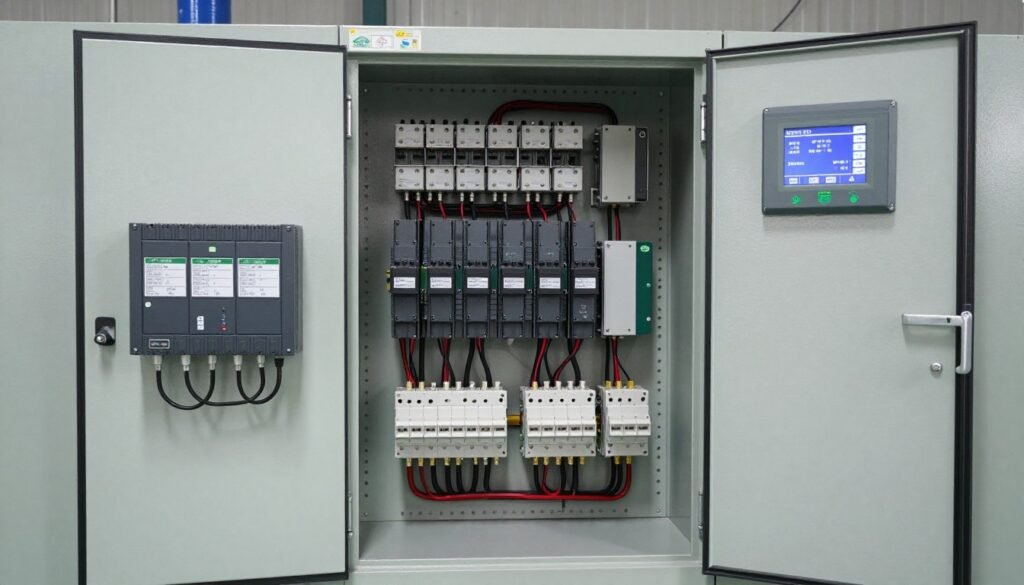
Modern wood pellet production lines use programmable logic controllers (PLCs) for automated operation and process monitoring. PLC selection affects long-term supportability and operator familiarity.
Siemens S7-1200 and Allen-Bradley CompactLogix PLCs dominate UK industrial installations. British electricians receive training on these platforms and parts availability through local distributors is excellent. Obscure Asian PLC brands save money initially but create support challenges later.
MAIKONG uses Siemens PLCs with standardized program architecture across our equipment range. This allows UK distributors to develop in-house programming expertise applicable across multiple customer installations.
Daily Inspection Routines That Prevent Major Failures
Systematic daily inspections identify developing problems before they cause production stoppages. A well-designed inspection routine requires 20-30 minutes per shift and prevents 70-80% of unplanned downtime incidents.
Pre-Start Inspection Checklist
Operators should complete this checklist before starting the best wood pellet production line each shift. Issues identified during pre-start inspection allow correction during non-production time rather than forcing mid-shift stoppages.
Visual Inspection Points
- Check all guards and safety interlocks for proper position and function
- Verify no material accumulation around equipment that could restrict airflow or create fire hazards
- Inspect drive belts for wear, cracks, or improper tension
- Look for oil or grease leaks from gearboxes, bearings, or hydraulic components
- Examine electrical cables for damage, exposed conductors, or improper routing
Operational Verification
- Test emergency stop buttons and verify they halt all equipment
- Confirm all motor rotation directions match directional arrows
- Verify conveyor tracking remains centred without edge contact
- Check pneumatic system pressure gauges show proper operating pressure
- Test all indicator lights and alarm functions on control panels
Lubrication Verification
- Verify automatic lubrication system pump cycles on schedule
- Check grease reservoir level and refill if below 25% capacity
- Confirm gearbox oil sight glasses show proper fill levels
- Inspect manual lubrication points and apply grease if scheduled
- Look for grease discharge at bearing housings indicating proper lubrication
Running Inspection During Operation
Certain problems only manifest during equipment operation under load. Operators should perform running inspections hourly during the first week of operation on new or rebuilt equipment, then reduce to once per shift for established equipment.
Listen for unusual noises indicating bearing wear, misalignment, or loose components. Properly functioning equipment produces consistent sound. Changes in pitch, volume, or rhythm signal developing problems.
Monitor vibration levels using handheld vibration metres or simply by placing a hand on equipment housings. Excessive vibration indicates imbalance, misalignment, or bearing wear. Record vibration readings weekly to establish trends.
Check bearing housing temperatures using infrared thermometers or temperature strips. Bearing temperatures normally stabilize 20-30°C above ambient. Temperatures exceeding 60°C above ambient indicate inadequate lubrication, overload, or bearing damage.

UK Poultry Feed Mill Case Study: Operational Reality
A Norfolk poultry feed producer installed a MAIKONG Model MK-L003 wood pellet production line in March 2022. This 8-tonne-per-hour system supplements their primary poultry feed operations with diversified wood pellet manufacturing for local heating fuel markets.
Installation Specifications
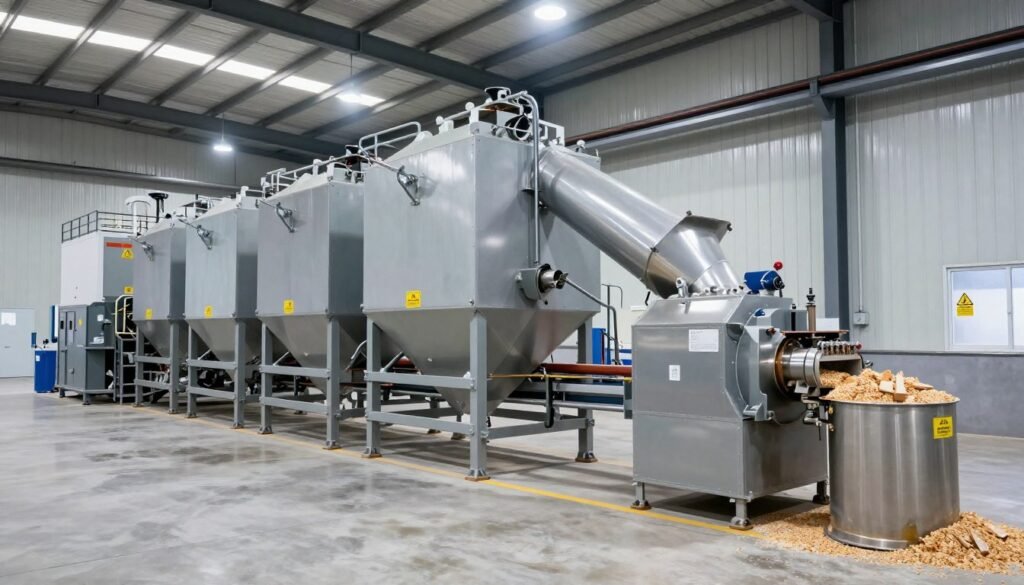
The facility processes mixed softwood sawdust and shavings sourced from three local timber mills. Raw material arrives at 45-55% moisture content requiring pre-drying before pelleting. The complete system includes a rotary dryer, hammer mill crusher, conditioner, Model MK-L003 pellet mill, counterflow cooler, and automatic bagging line.
Production capacity reaches 7.8 tonnes per hour of finished pellets when operating with properly dried material. The facility runs 16-18 hours daily during heating season (October through March) and reduces to 8-10 hours daily during summer months. Annual production totals approximately 4,200 tonnes.
| System Component | Model Number | Capacity | Motor Power | Notes |
| Rotary Dryer | MK-RD-2200 | 12 T/H wet material | 45 kW | Natural gas fired, reduces moisture to 12-14% |
| Hammer Mill | MK-HM-420 | 10 T/H | 110 kW | 3mm screen, processes dried wood |
| Pellet Mill | MK-L003 | 8 T/H | 250 kW | Ring die 508mm diameter, 6mm die holes |
| Counterflow Cooler | MK-CC-180 | 10 T/H | 7.5 kW | Reduces pellet temperature to ambient +5°C |
| Packaging System | MK-PKG-50 | 12 bags/min | 3 kW | Automatic weighing and bag filling |
First-Year Operational Experience
The Norfolk facility experienced typical commissioning challenges during the first six weeks of operation. Initial pellet quality issues stemmed from insufficient conditioning time and improper steam pressure. MAIKONG technical support provided remote video consultation to optimize conditioner settings, resolving quality concerns within three days.
The first pellet die lasted 1,850 hours before replacement became necessary due to hole wear. This exceeded our predicted 1,500-hour lifespan for mixed softwood applications. The facility now maintains two spare dies on-site following our recommendation.
One unplanned stoppage occurred in month seven when a roller bearing failed prematurely. Investigation revealed inadequate sealing allowed sawdust infiltration into the bearing housing. We supplied replacement bearings from European stock with 48-hour delivery. We also retrofitted improved bearing seals at no charge as this represented a design improvement applicable across our entire production line range.
Total maintenance costs during year one, including the bearing failure incident, totaled £18,200. This figure includes all consumables, spare parts, and contract maintenance labour. Energy costs ran £112,000 at an average industrial electricity rate of £0.31/kWh.
Request Quotation for Similar Wood Pellet Production Line Project
Planning a wood pellet production installation for your feed mill or distribution business? We provide detailed quotations including equipment specifications, installation requirements, commissioning support, and projected operating costs. Our project team assists with capacity planning, layout design, and utility requirement calculations.
Distributor Margin Structure and Business Model
UK agricultural equipment distributors require clear understanding of margin potential before committing to new product lines. The best wood pellet production line distribution arrangements balance attractive margins with realistic sales support requirements.
Standard Distributor Pricing Model
MAIKONG offers UK distributors 28-35% discount from published retail pricing depending on annual volume commitments and territory exclusivity. This margin structure aligns with established agricultural equipment distribution practices in the British market.
As an example, the Model MK-L003 wood pellet production line carries a recommended retail price of £185,000 for the complete pelleting system (excluding dryer, which customers often source separately or already own). UK distributor acquisition cost ranges from £120,250 to £133,200 depending on volume tier.
This margin supports distributor costs including:
- Sales and marketing activities targeting feed mills and biomass facilities
- Technical sales support and site surveys for prospective customers
- Installation supervision and commissioning assistance
- First-year warranty support coordination
- Spare parts inventory carrying costs
- Ongoing customer relationship management
Volume Incentive Structure
Distributors achieving annual sales exceeding five complete systems receive additional 3% volume rebate. This rebate applies retroactively to all units sold during the calendar year. Distributors selling ten or more systems annually qualify for 5% volume rebate plus extended payment terms.
We structure incentives to reward business growth rather than simply rewarding existing sales levels. New distributors receive the same base margins as established partners, ensuring competitive market entry opportunities.
Protected Territory Benefits
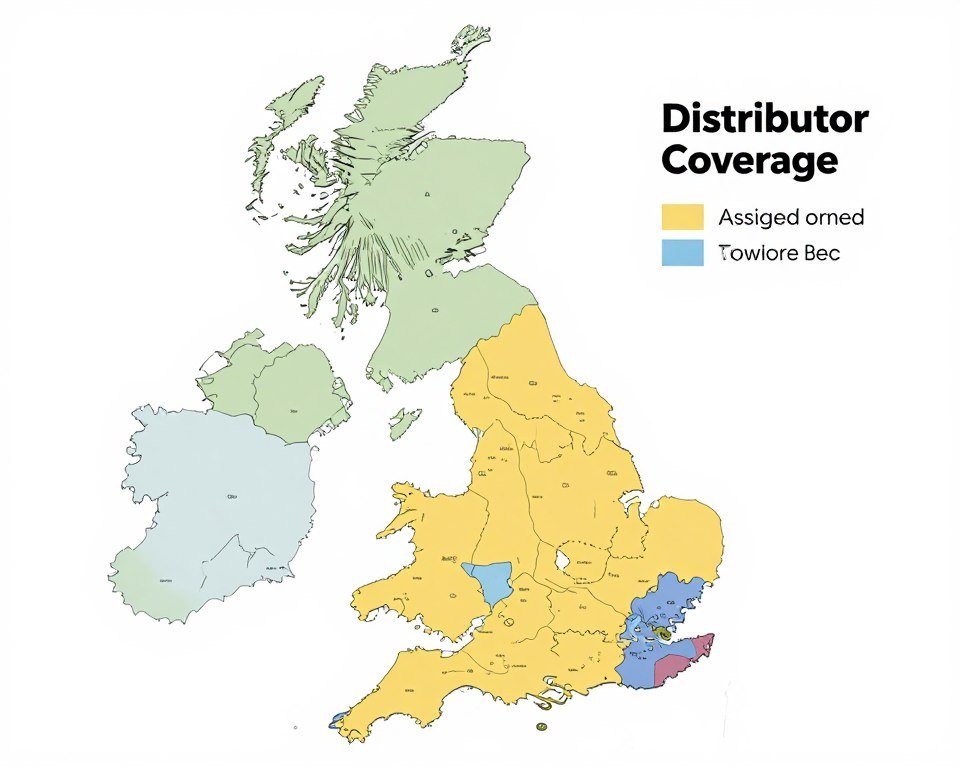
Distributors committing to minimum annual volume targets receive exclusive territory protection across defined UK regions. Protected territories prevent manufacturer direct sales and competing distributor appointments within the designated area.
Territory protection ensures your marketing investments generate returns without interference from competing MAIKONG representatives. We currently seek distributors for Scotland, Wales, Northern England, Midlands, East Anglia, and Southwest England territories.
Spare Parts Distribution Revenue
Ongoing spare parts sales generate recurring revenue streams for distributors. Typical wood pellet production line installations require £12,000-£18,000 in annual spare parts purchases over years 2-10 of operation. Distributors earn 40-45% margin on spare parts sales.
A distributor maintaining ten active customer installations generates £120,000-£180,000 in annual spare parts revenue. At 42% average margin, this produces £50,400-£75,600 in gross profit from the installed base alone.
MAIKONG supports distributor spare parts inventory through consignment arrangements for high-value items like pellet dies and roller assemblies. This reduces distributor capital requirements while ensuring rapid parts availability for customers.
After-Sales Support Infrastructure: What Distributors Actually Need
Inadequate manufacturer support creates distributor failures more frequently than pricing or product quality issues. UK distributors require responsive, knowledgeable support to maintain customer satisfaction and generate repeat business.
Technical Support Response Times
MAIKONG maintains technical support availability during UK business hours (8:00-18:00 GMT Monday-Friday). Our support team provides initial response to distributor enquiries within 2 hours during business hours, with 80% of issues resolved during the first contact.
Complex technical problems requiring engineering analysis receive formal response within 24 hours. We assign tracking numbers to all support requests and maintain shared online documentation accessible to distributors and their customers.
We distinguish between distributor support and end-customer support. Distributors receive direct access to senior technical personnel. End customers route support requests through their distributor unless emergency circumstances require manufacturer intervention.
Distributor Training Programs
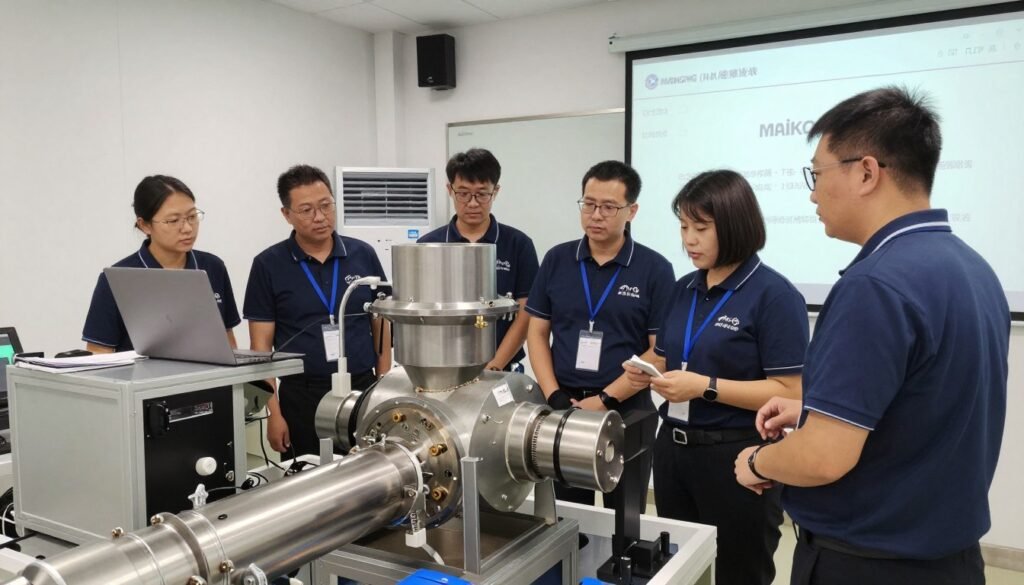
New distributor partners receive comprehensive training covering product specifications, installation requirements, commissioning procedures, maintenance protocols, and troubleshooting methodologies. Training occurs at our GD manufacturing facility over 5-7 days.
We cover travel and accommodation costs for two distributor personnel during initial training. This ensures distributor technical teams develop hands-on familiarity with equipment before customer installations begin.
We provide ongoing training through quarterly webinars covering new product releases, updated maintenance procedures, and common field issues. Webinar recordings remain available through our distributor portal for reference and new employee onboarding.
Marketing and Sales Support
MAIKONG supplies distributors with comprehensive marketing materials including technical brochures, specification sheets, case studies, and product photography. All materials are customizable with distributor contact information and branding.
We participate in joint customer presentations for significant projects. Our technical sales engineers travel to the UK for major prospective customer meetings when requested by distributors. We typically conduct 3-4 UK sales support visits per quarter.
Digital marketing support includes distributor listings on our website, social media promotion of distributor projects, and shared lead generation from UK-targeted online advertising campaigns.
Partner With MAIKONG for UK Wood Pellet Production Line Distribution
We seek established distributors with strong positions in UK agricultural equipment, feed production, or biomass markets. Ideal partners demonstrate technical sales capabilities, service infrastructure, and customer bases aligned with wood pellet production applications.
About MAIKONG: 22 Years of Feed Production Line Manufacturing Excellence
MAIKONG operates manufacturing facilities in SZ city, GD province, with 22 years of specialized experience in animal feed production equipment and biomass pellet machinery. Our product range serves poultry, livestock, aquaculture, and pet food industries across 130 countries.
We maintain ISO 9001 quality management certification and CE compliance for European market sales. Our engineering team holds 47 patents covering pellet mill designs, conditioning systems, and process control innovations.
Our Product Range
MAIKONG manufactures complete production line systems for diverse applications. Our core capabilities include:
Feed Production Lines
Complete systems for poultry feed production line, cattle feed production line, pig feed production line, and other livestock applications. Capacities range from 1 T/H to 100 T/H.
Aquatic Feed Systems
Specialized fish feed production line, shrimp feed production line, and aquatic feed production line equipment with extruders for floating and sinking pellets.
Pet Food Equipment
Complete pet feed production line systems for dog food, cat food, and specialty pet nutrition products with customized shapes and sizes.
Why UK Partners Choose MAIKONG
- Established Track Record: 22 years of continuous manufacturing with over 3,000 installations worldwide demonstrates stability and reliability
- European Market Focus: 35% of our annual production serves European customers, ensuring our designs meet EU standards and British expectations
- Technical Innovation: Continuous investment in R&D produces equipment improvements that reduce operating costs and improve reliability
- Customization Capabilities: Full OEM/ODM services allow branded products and custom specifications for distributor requirements
- Comprehensive Support: UK-hours technical support, European spare parts inventory, and distributor training programs
- Competitive Positioning: Quality standards exceeding economy Chinese suppliers while pricing below European manufacturers
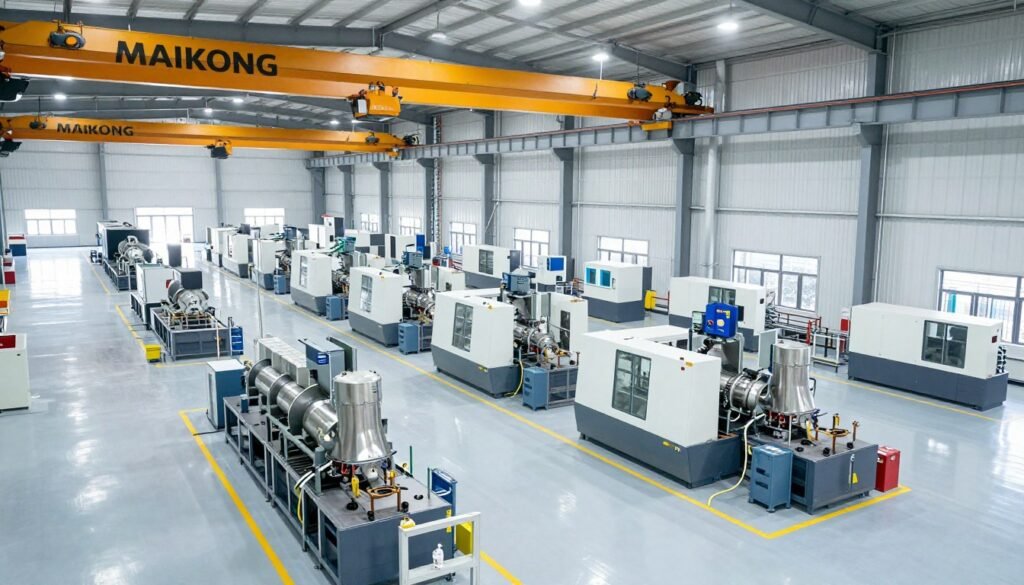
Our manufacturing facility occupies 48,000 square metres with dedicated production workshops for machining, fabrication, assembly, and testing. We maintain quality control laboratories for material testing and finished equipment validation.
Frequently Asked Questions About Wood Pellet Production Line Distribution
What is the typical lead time from order to delivery for a best wood pellet production line?
Standard configuration systems require 8-12 weeks from order confirmation to UK delivery. This includes 6-8 weeks manufacturing time and 2-4 weeks for shipping and customs clearance. Custom specifications or OEM requirements extend lead time to 10-14 weeks. We recommend placing orders during spring or summer for autumn installation to avoid peak season manufacturing backlogs.
How does MAIKONG support warranty claims for UK installations?
We provide 12-month comprehensive warranty covering manufacturing defects and material failures. Warranty claims process through UK distributors who perform initial diagnosis and parts identification. We supply replacement parts from European stock within 48-72 hours for warranty repairs. Wear components including pellet dies, rollers, and drive belts are excluded from warranty as they represent normal consumables. The warranty covers motors, gearboxes, structural components, and control systems.
What production capacity range does the MK-L003 model serve?
The Model MK-L003 pellet mill produces 6-8 tonnes per hour of finished wood pellets depending on raw material characteristics and pellet diameter specifications. This capacity suits commercial operations requiring 24,000-64,000 tonnes annual production running 16-20 hours daily. Smaller operations should consider our MK-L001 (2-3 T/H) or MK-L002 (4-5 T/H) models. Larger facilities requiring 10-15 T/H capacity use our MK-L005 model.
Can existing feed mill equipment integrate with MAIKONG pellet production systems?
Yes, we routinely integrate our pelleting equipment into existing feed mill operations. Most facilities already own crushers, mixers, and packaging equipment suitable for wood pellet production with minimal modification. We provide detailed integration specifications during the quotation process after reviewing your existing equipment. Our control systems interface with standard industrial protocols including Profibus, Modbus, and 4-20mA analog signals for seamless integration with existing SCADA systems.
What ongoing training does MAIKONG provide to distributor technical staff?
New distributor partners receive 5-7 day comprehensive training at our manufacturing facility covering installation, commissioning, operation, maintenance, and troubleshooting. We conduct quarterly webinar training sessions covering product updates and common field issues. Annual refresher training is available at our facility or during UK distributor meetings. We provide unlimited phone and email technical support to distributor technical teams. All training materials, manuals, and troubleshooting guides are accessible through our online distributor portal.
Making the Right Partnership Decision for Long-term Success
Selecting the best wood pellet production line supplier requires looking beyond initial equipment cost to evaluate total ownership experience. Maintenance requirements, spare parts availability, technical support quality, and distributor business model sustainability determine whether an equipment line generates profit or creates problems.
UK distributors face unique challenges serving British customers with equipment sourced from Asian manufacturers. Long shipping distances, customs procedures, time zone differences, and cultural communication gaps create friction points that frustrate customers and damage distributor reputations.
MAIKONG addresses these challenges through UK-focused support infrastructure, European spare parts inventory, comprehensive training programs, and partnership business models that align manufacturer and distributor interests. Our 22-year manufacturing track record and extensive European installation base provide the stability and expertise UK partners require.
The wood pellet production market continues growing as British businesses seek renewable energy solutions and feed producers diversify revenue streams. Distributors positioning themselves now with reliable equipment suppliers and robust support systems will capture this expanding market opportunity.
We invite established UK agricultural equipment distributors, feed mill suppliers, and industrial equipment specialists to explore partnership opportunities with MAIKONG. Whether you seek to add wood pellet production lines to an existing product portfolio or establish a specialized biomass equipment business, we provide the products, support, and business terms necessary for success.
Start Your MAIKONG Partnership Conversation Today
Connect with our UK partnership team to discuss distributor opportunities, territory availability, margin structures, and technical support programs. We provide detailed information packages including product specifications, pricing structures, case studies, and business development resources. No obligation, just straightforward information to help you evaluate whether MAIKONG wood pellet production line distribution fits your business strategy.