Professional Animal Feed Production Line Manufacturer For UK Market

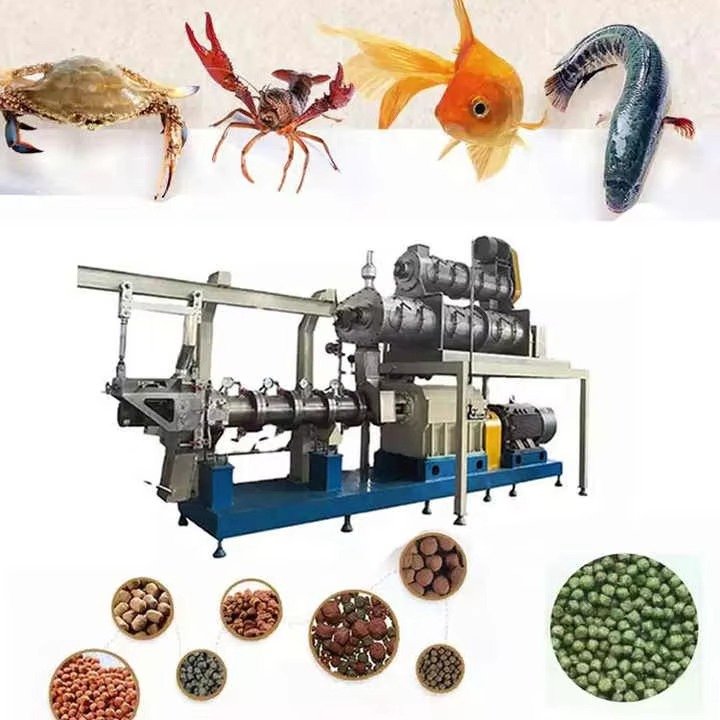
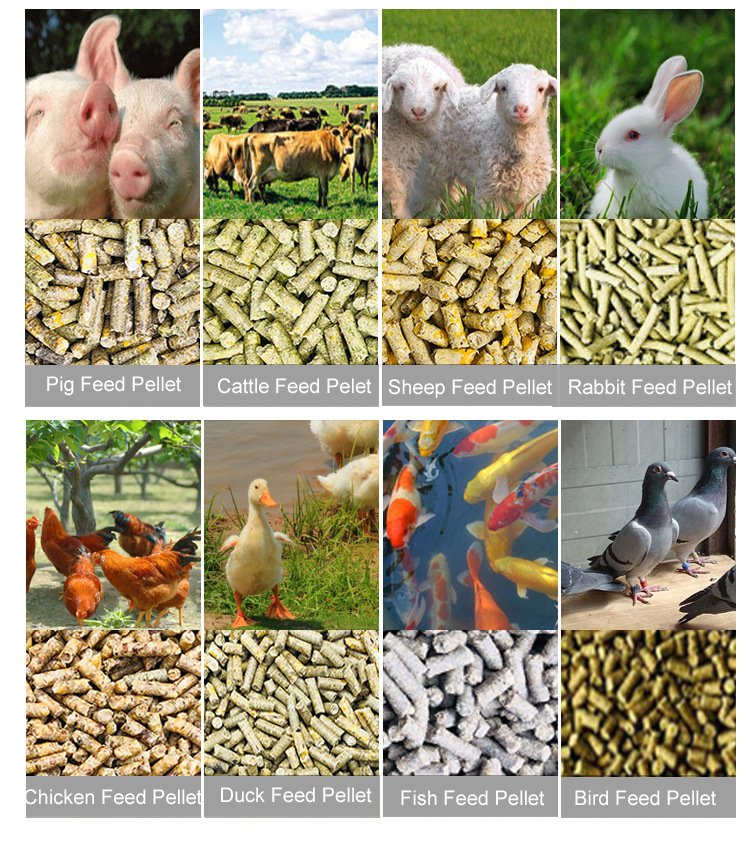
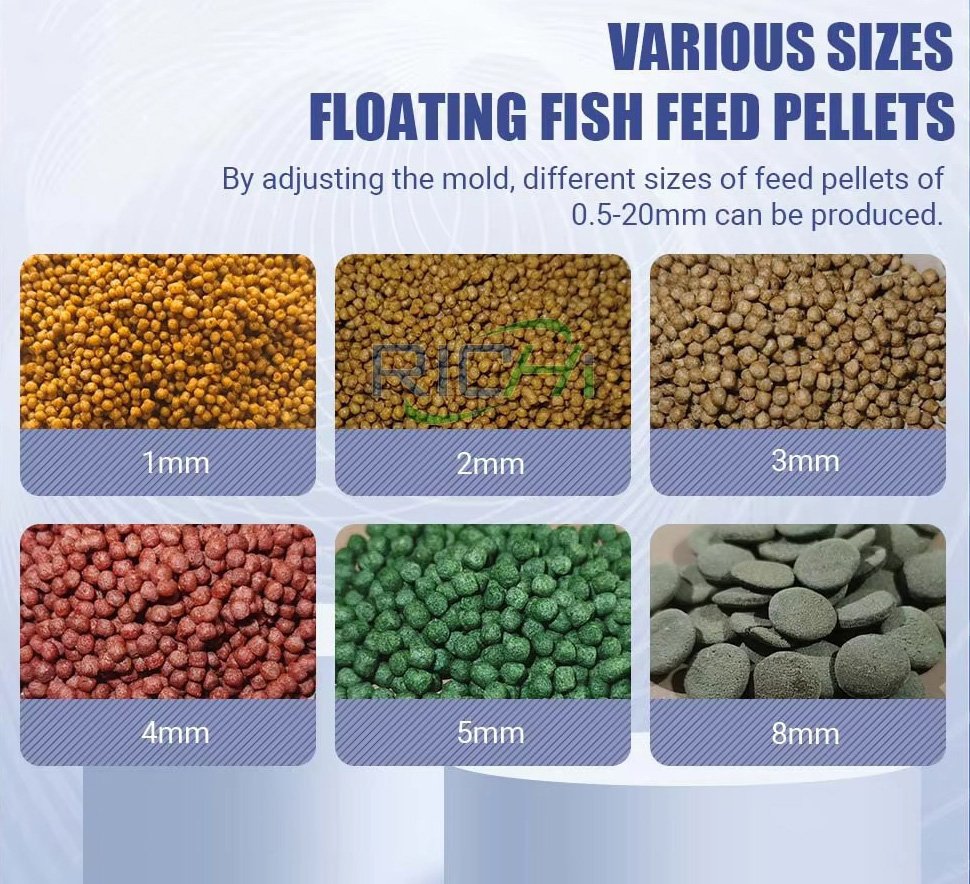
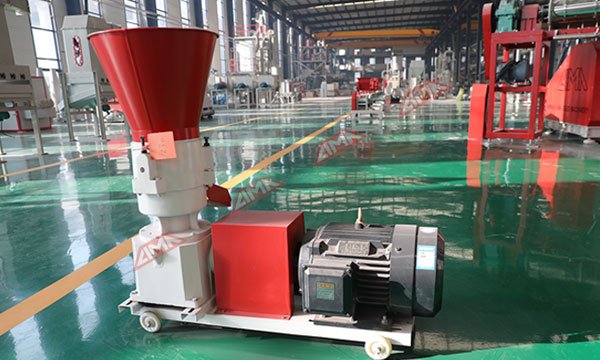
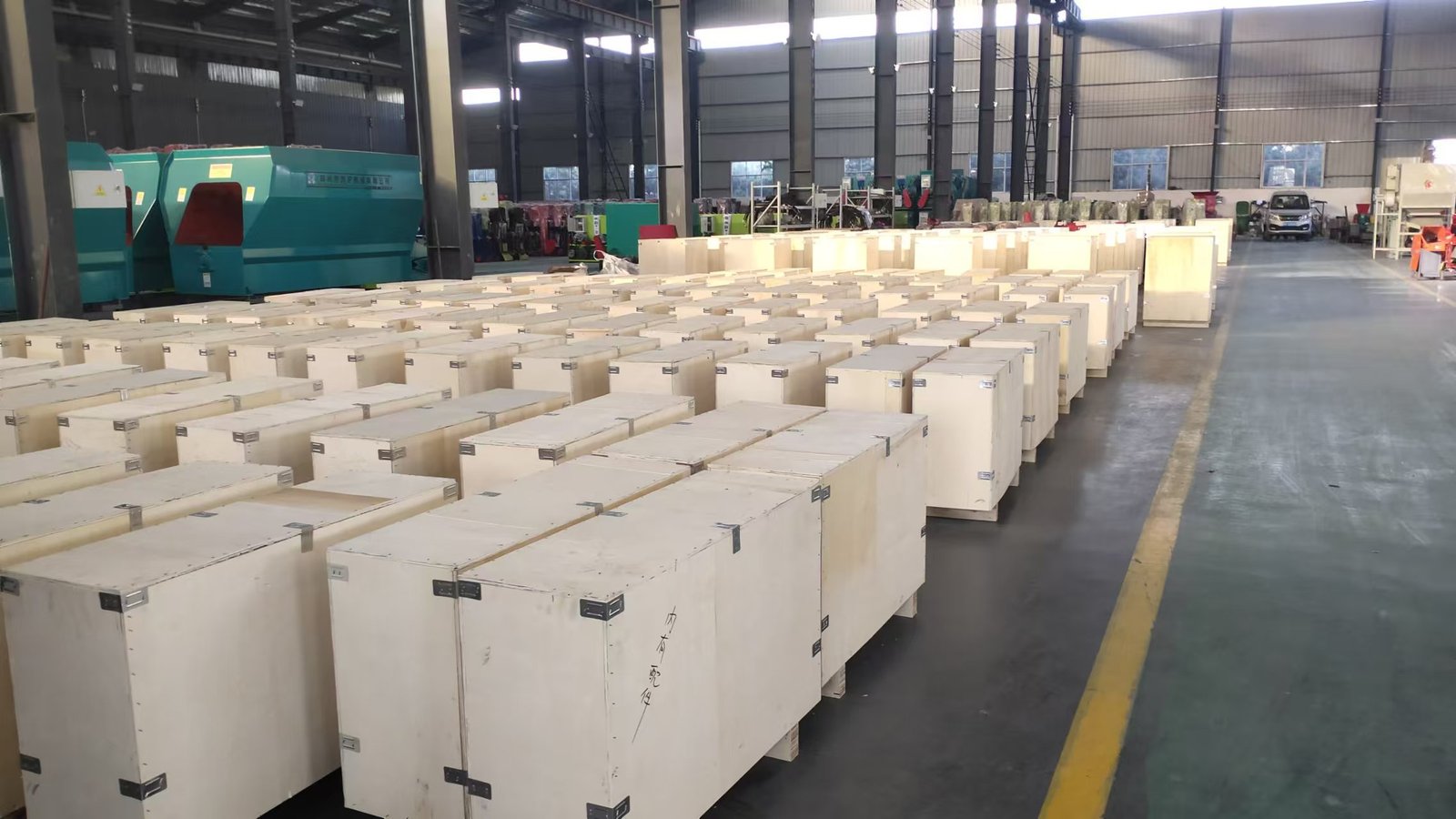
The aquaculture sector across the United Kingdom and Europe continues its remarkable growth trajectory. Feed producers face mounting pressure to deliver consistent, nutritionally balanced fish feed pellets whilst managing costs and meeting strict quality standards. A properly configured fish feed production line transforms raw ingredients into high-performance floating or sinking feed pellets that support healthy fish growth and maximise feed conversion ratios.This comprehensive guide examines every aspect of fish feed production line systems. Whether you operate an established feed mill seeking capacity expansion, manage an aquaculture operation considering in-house feed manufacturing, or represent a business evaluating equipment distribution opportunities, you’ll find actionable technical information and practical implementation guidance here.MAIKONG brings over 22 years of manufacturing excellence to the animal feed equipment sector. Our engineering team designs complete fish feed mill systems from 200 kilograms per hour through to 200 tonnes per hour capacity, serving tilapia farmers, salmon operations, ornamental fish breeders, and commercial aquaculture enterprises throughout Europe and beyond.
Fish Feed Production Line Systems and Applications
A fish feed production line represents an integrated manufacturing system that processes raw materials into finished feed products. These systems accommodate various fish species requirements, from high-protein carnivorous feeds to plant-based formulations for herbivorous species. The production line handles everything from ingredient receiving through to final packaging.
Core Components and System Architecture
Modern fish feed pellet production line installations comprise several interconnected processing modules. Each module performs specific functions within the overall manufacturing sequence. The typical configuration includes raw material storage, pre-processing equipment, dosing systems, mixing apparatus, pelleting or extrusion machinery, cooling equipment, screening units, and packaging stations.
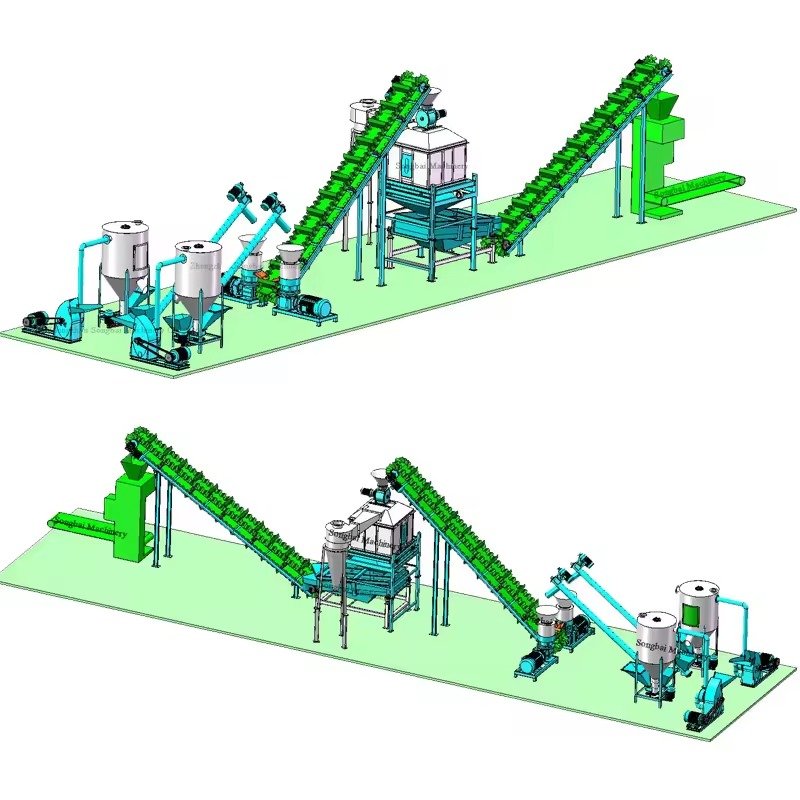
The selection between pelleting and extrusion technology depends entirely on your target fish species and feed specifications. Pelleted fish feed suits many applications and offers economical production. Extruded feed pellets float on water surfaces, making them ideal for species that feed at surface levels or in situations where farmers need to monitor feeding behaviour closely.
Production Capacity Planning
Capacity requirements vary dramatically across different operations. Small-scale fish farms might require just 200-500 kilograms per hour, whilst commercial feed mills often need 5-20 tonnes per hour or higher. MAIKONG designs systems across this entire spectrum, with our model MK-L003 offering flexible capacity configurations from 1 to 100 tonnes hourly.
Small-Scale Operations (200kg-2T/H)
- Farm-based feed production for own use
- Specialty ornamental fish feed manufacturers
- Research facilities and hatcheries
- Initial market entry for new feed brands
- Lower capital investment requirements
Commercial Feed Mills (5T/H-100T/H)
- Regional feed distribution networks
- Multi-species aquafeed production
- Export-oriented manufacturing facilities
- Integrated aquaculture operations
- Maximum production efficiency at scale
Feed Types and Formulation Considerations
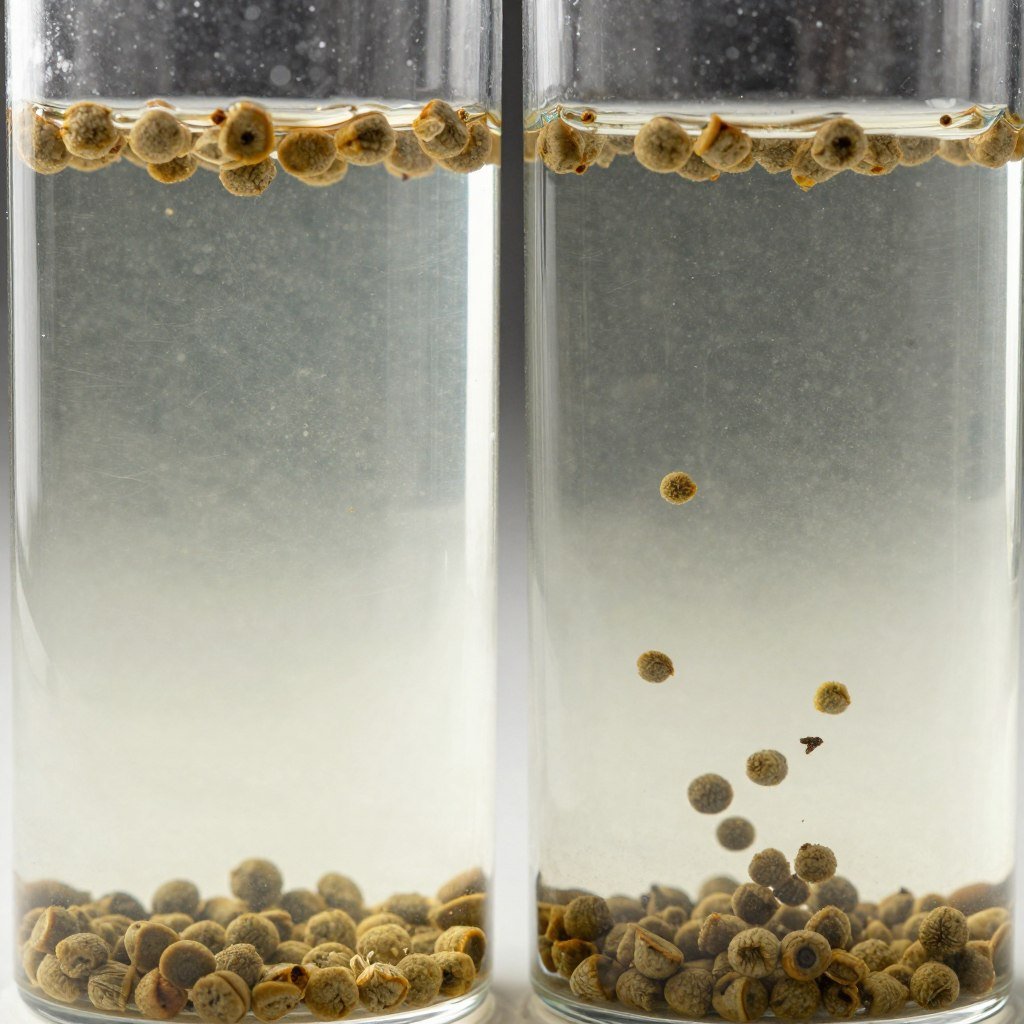
Different fish species demand distinct nutritional profiles and physical pellet characteristics. Floating fish feed remains popular for surface-feeding species like tilapia, catfish, and many ornamental varieties. These pellets maintain their structure and buoyancy for extended periods, allowing fish adequate feeding time whilst enabling farmers to observe intake patterns.
Sinking fish feed serves species that naturally feed at mid-water or bottom levels. Production of sinking pellets typically involves steam pelleting without the expansion step used in floating feed manufacture. The resulting denser pellets descend through the water column at controlled rates.
Technical Specifications: MAIKONG MK-L003 Fish Feed Production Line
The MAIKONG MK-L003 represents our flagship aqua feed production line platform, engineered specifically for the demanding requirements of modern fish feed manufacturing. This system delivers reliable performance across varying production scales whilst maintaining the flexibility to accommodate diverse feed formulations.
Core System Specifications
| Specification | MK-L003 Standard | Customisation Range |
| Production Capacity | 1-100 T/H | 200 KG/H – 200 T/H available |
| Control Mode | Automatic/Semi-Automatic/Manual | PLC with HMI touch screen option |
| Feed Pellet Size | 0.5mm – 12mm diameter | Custom die specifications available |
| Main Material | ABS components, stainless steel contact surfaces | Full stainless steel option |
| Power Supply | 380V/50Hz (Standard UK/EU) | Custom voltage configurations |
| Total Power Consumption | Varies by capacity (contact for specifics) | Energy audit provided with quotation |
| Installation Footprint | Depends on capacity and layout | Vertical or horizontal configuration |
| Colour Options | Industrial blue/grey | Custom colours for OEM partners |
| Warranty Coverage | 12 months comprehensive | Extended warranties available |
Production Performance Metrics
Understanding real-world performance helps you plan operations effectively. Our systems consistently achieve pellet durability index ratings above 95%, with fines generation typically below 3% after cooling. Feed conversion ratios for fish consuming properly manufactured pellets from MAIKONG equipment average 1.2-1.6 depending on species and life stage.
Water stability represents a critical parameter for fish feed. Floating pellets produced on our extrusion lines maintain structural integrity for 8-12 hours in water, whilst sinking pellets resist dissolution for 4-6 hours. These stability characteristics exceed industry standards and support optimal feeding practices.
Need Help Selecting the Right Capacity?
Our technical team can assess your production requirements, raw material specifications, and growth projections to recommend the optimal system configuration. We’ll provide detailed capacity calculations and energy consumption projections at no obligation.
Complete Fish Feed Production Line Process Design
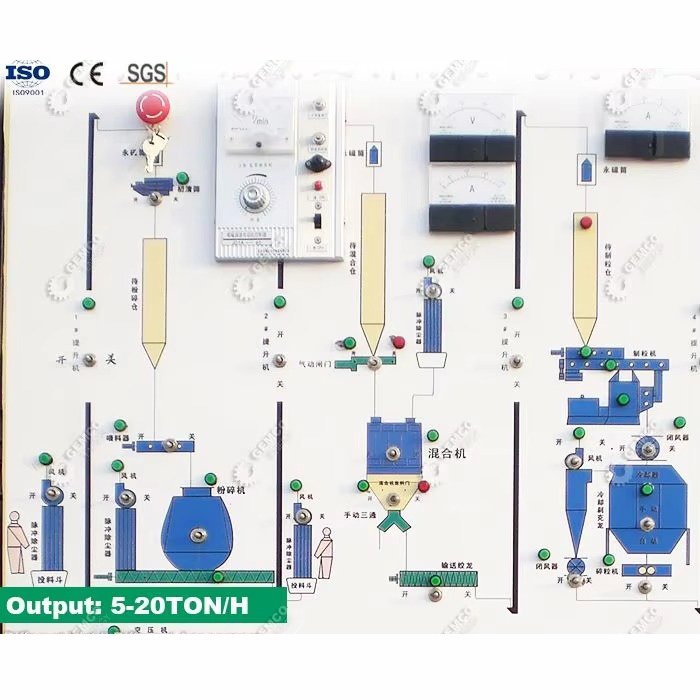
The production process for fish feed pellets involves multiple carefully sequenced stages. Each stage contributes essential characteristics to the final product. Understanding this workflow helps you identify potential bottlenecks, optimise efficiency, and maintain consistent quality output.
Stage 1: Raw Material Receiving and Storage
Raw materials arrive at your facility in various forms – whole grains, fishmeal in bags, liquid supplements in drums, and premixed components in bulk. The receiving system must accommodate these different formats whilst preventing contamination and preserving ingredient quality.
Proper storage protects ingredients from moisture, pests, and temperature extremes. MAIKONG systems typically integrate with storage silos sized for 3-7 days of production capacity. This inventory level balances ingredient freshness against operational flexibility.
Stage 2: Pre-Cleaning and Screening
Before processing begins, raw materials pass through cleaning equipment that removes foreign objects, dust, and contaminants. Pre-cleaning protects downstream equipment from damage whilst ensuring final feed safety. Our permanent magnet systems capture metallic particles, whilst vibrating screens separate oversized materials and debris.
Stage 3: Grinding and Particle Size Reduction
The hammer mill reduces ingredient particle size to optimal specifications for mixing and pelleting. Particle size directly impacts mixing uniformity, pellet quality, and nutrient digestibility. For fish feed production, target particle sizes typically range from 0.8mm to 2.5mm depending on final pellet diameter and fish species requirements.
MAIKONG hammer mills feature replaceable screens that control output particle size. Our mills process 3-25 tonnes hourly depending on model selection, with power requirements from 30kW to 160kW. Screen selection and hammer tip condition significantly affect grinding efficiency and particle size distribution.
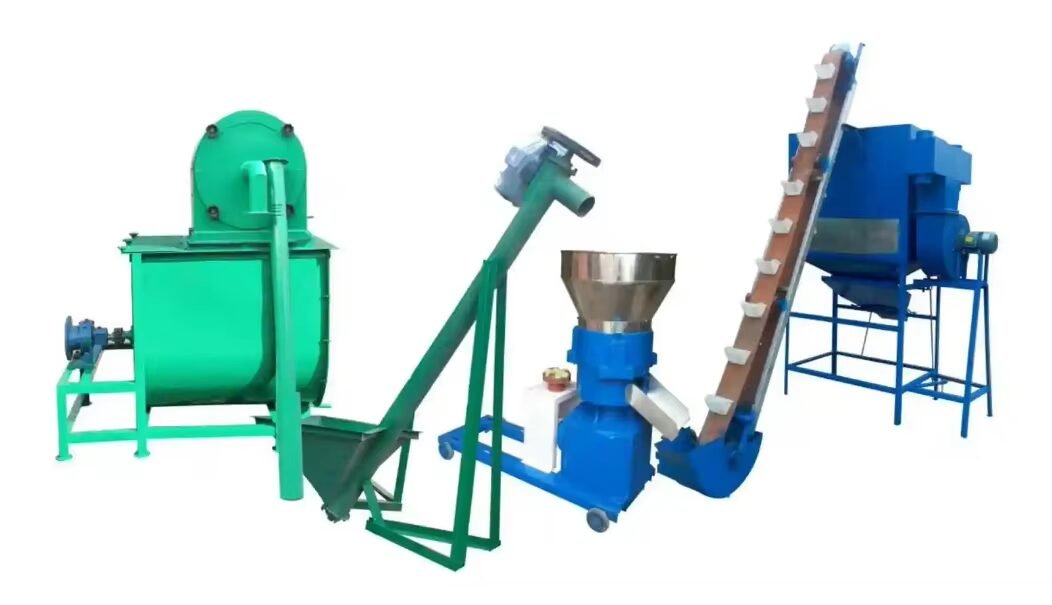
Stage 4: Batching and Weighing
Accurate batching ensures every batch meets your precise formulation specifications. Automated batching systems weigh each ingredient according to the recipe, typically achieving accuracy within ±0.5%. This precision proves essential when working with expensive protein sources, vitamins, and trace minerals.
Our batching systems handle 6-20 ingredients simultaneously, with individual hopper capacities from 250kg to 2000kg. Recipe storage and automatic sequencing reduce operator error whilst documenting production for quality assurance and traceability purposes.
Stage 5: Mixing
The mixer combines all ingredients into a homogeneous blend. Mixing quality determines the nutritional consistency of your final feed pellets. Inadequate mixing creates pellets with varying nutrient content, reducing feed performance and potentially causing health issues in fish populations.
MAIKONG offers paddle mixers and ribbon mixers, each suited to specific applications. Mixing cycles typically run 4-8 minutes, with coefficient of variation below 5% for properly maintained equipment. Liquid addition systems can incorporate fish oils, molasses, and other liquid supplements during this stage.
Stage 6: Conditioning (Pre-treatment)
Before pelleting or extrusion, the mixed feed passes through a conditioner that adds steam and sometimes water. This heat treatment activates starches, reduces pathogenic bacteria, and prepares the mixture for compression. Proper conditioning temperature (typically 80-90°C) and moisture content (15-17%) prove critical for pellet quality.
Stage 7: Pelleting or Extrusion
This stage transforms the conditioned mixture into formed pellets. The choice between pelleting and extrusion depends on whether you require sinking or floating feed.
Pelleting Process (Sinking Feed)
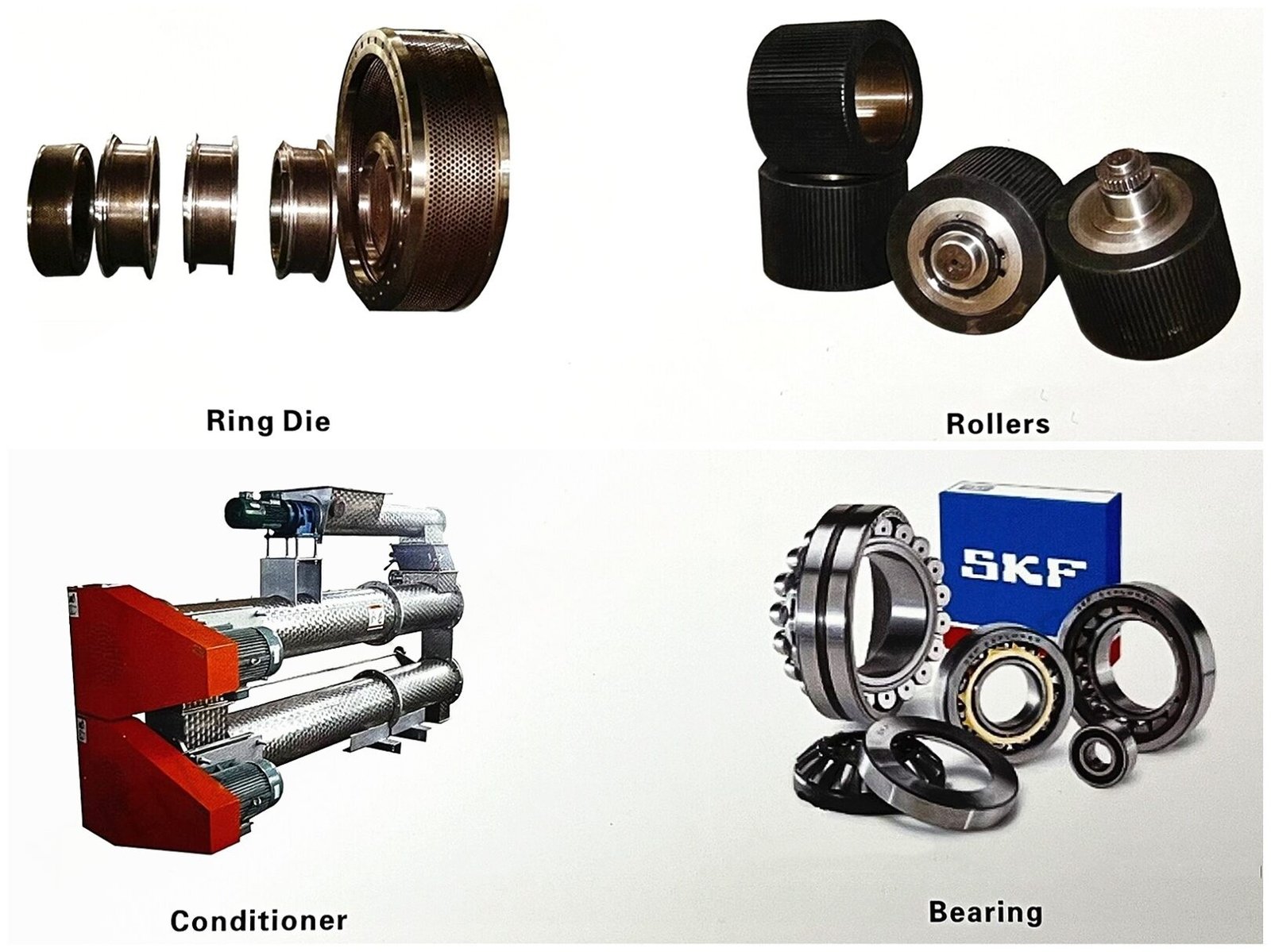
Ring die pellet mills force the conditioned material through die holes under high pressure. The friction generates additional heat whilst the die configuration determines pellet diameter and length. Our pellet mills range from 22kW to 315kW depending on capacity, producing 1-42 tonnes hourly.
Die specifications include hole diameter (2mm-12mm for fish feed), hole depth (affects pellet durability), and compression ratio (typically 1:8 to 1:12 for aquatic feeds). Die selection significantly impacts pellet quality, production rate, and power consumption.
Extrusion Process (Floating Feed)
Extruders apply higher temperature and pressure than pellet mills, actually cooking the feed mixture. This process gelatinises starches, creating the expanded structure that provides flotation. Our extrusion systems produce floating pellets with bulk densities from 300-450 kg/m³.
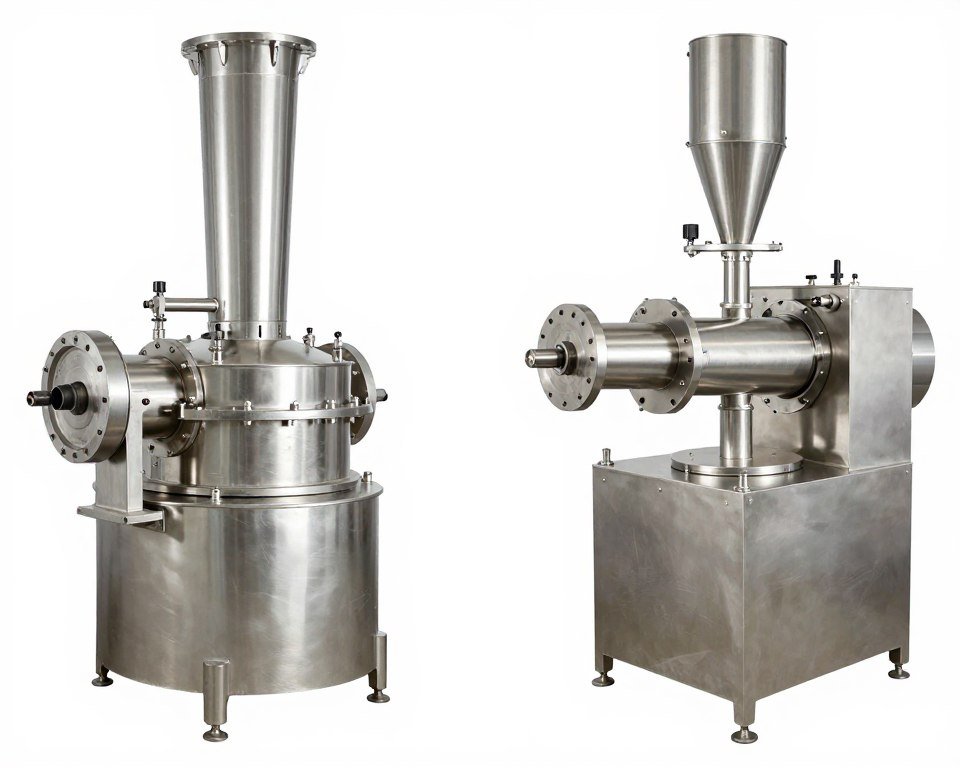
Twin-screw extruders offer superior control over pellet density, expansion, and cooking compared to single-screw designs. Variable-speed operation allows adjustment of pellet characteristics for different fish species and life stages.
Stage 8: Drying and Cooling
Fresh pellets emerge from the pellet mill or extruder at 75-90°C with elevated moisture content. Rapid cooling prevents mould growth, maintains pellet integrity, and prepares the product for storage. Counterflow coolers pass ambient air through the pellet bed, reducing temperature to within 5°C of ambient and moisture to 10-12%.
Cooling capacity must match pelleting capacity to prevent production bottlenecks. Insufficient cooling creates hot spots that promote mould whilst excessive cooling wastes energy. MAIKONG coolers handle 3-25 tonnes hourly with residence times of 8-15 minutes.
Stage 9: Screening and Crumbling
After cooling, pellets pass through vibrating screens that separate fines, intact pellets, and any oversized material. Fines typically return to the mixing stage for reprocessing. Some applications require crumbling – mechanically breaking pellets into smaller particles suitable for fry or fingerling feeding.
Screen selection depends on your pellet size and acceptable fines percentage. Properly adjusted screens remove fines efficiently whilst minimising pellet breakage. Our screening equipment processes 3-20 tonnes hourly with power requirements from 1.5kW to 5.5kW.
Stage 10: Coating (Optional)
Some producers apply liquid coatings – typically fish oils or vitamin solutions – after cooling and screening. Post-pelleting coating allows inclusion of heat-sensitive ingredients whilst improving pellet palatability and dust suppression. Vacuum coaters ensure even distribution whilst minimising waste.
Stage 11: Packaging
The final stage portions finished feed into bags or bulk containers. Automated packaging scales fill bags to precise weights (typically 20kg, 25kg, or 50kg for UK/European markets), then convey them to sewing or heat-sealing stations. Palletisers stack finished bags for efficient warehouse storage and shipping.
Packaging speed must match production capacity to prevent accumulation. Our packaging systems handle 6-12 bags per minute with accuracy of ±20-50 grams depending on target weight. Bulk feed production bypasses bagging entirely, loading directly into delivery trucks or on-site storage bins.
Complete Process Automation Benefits
- Reduced labour requirements (2-3 operators for most lines)
- Consistent product quality batch after batch
- Lower ingredient waste through precise control
- Comprehensive production data logging
- Remote monitoring and diagnostic capabilities
- Faster changeovers between feed formulations
Common Process Concerns Addressed
- Blockages prevented through proper conditioning and die maintenance
- Fines minimised via optimised pelleting parameters
- Pellet hardness controlled through die selection and moisture content
- Water stability ensured by proper cooking and cooling
- Dust controlled at transfer points with aspiration
- Energy efficiency maximised through process optimisation
Essential Equipment Components in Fish Feed Manufacturing
Each piece of equipment in your production line performs specific functions that contribute to overall system performance. Understanding these components helps you evaluate quotations, plan maintenance programmes, and optimise operations.
Crushing Equipment: Hammer Mills
The hammer mill reduces particle size of grains, fishmeal, and other ingredients. Quality hammer mills feature:
- Heavy-duty rotor construction for balanced operation at high speeds
- Replaceable hammer tips (typically lasting 500-2000 operating hours)
- Interchangeable screens for particle size control
- Air-assisted discharge to prevent heat buildup
- Magnetic protection against metallic contamination
MAIKONG hammer mills incorporate reinforced construction suitable for continuous operation. Screen replacement takes approximately 45 minutes, minimising downtime. Our models accommodate raw materials with up to 14% moisture content without excessive heat generation.
Mixing Equipment: Paddle and Ribbon Mixers
Mixer selection depends on your batch size, formulation characteristics, and liquid addition requirements. Paddle mixers suit most fish feed applications, offering:
- Rapid mixing cycles (4-6 minutes typical)
- Excellent liquid distribution capabilities
- Relatively low power consumption
- Easy cleaning between formulations
Ribbon mixers provide gentler mixing action suitable for fragile ingredients or when minimal particle size reduction is desired during mixing. Both designs from MAIKONG achieve coefficient of variation below 5% when properly operated.
Pelleting Equipment: Ring Die Pellet Mills
The pellet mill represents the heart of sinking feed production. Critical specifications include:
| Capacity Range | Ring Die Diameter | Motor Power | Typical Applications |
| 1-2 T/H | 250mm – 320mm | 22kW – 37kW | Small farm operations, specialty feeds |
| 3-5 T/H | 350mm – 420mm | 55kW – 90kW | Regional feed mills, medium operations |
| 8-12 T/H | 508mm – 558mm | 132kW – 160kW | Commercial feed production |
| 15-25 T/H | 678mm – 768mm | 220kW – 315kW | Large-scale commercial mills |
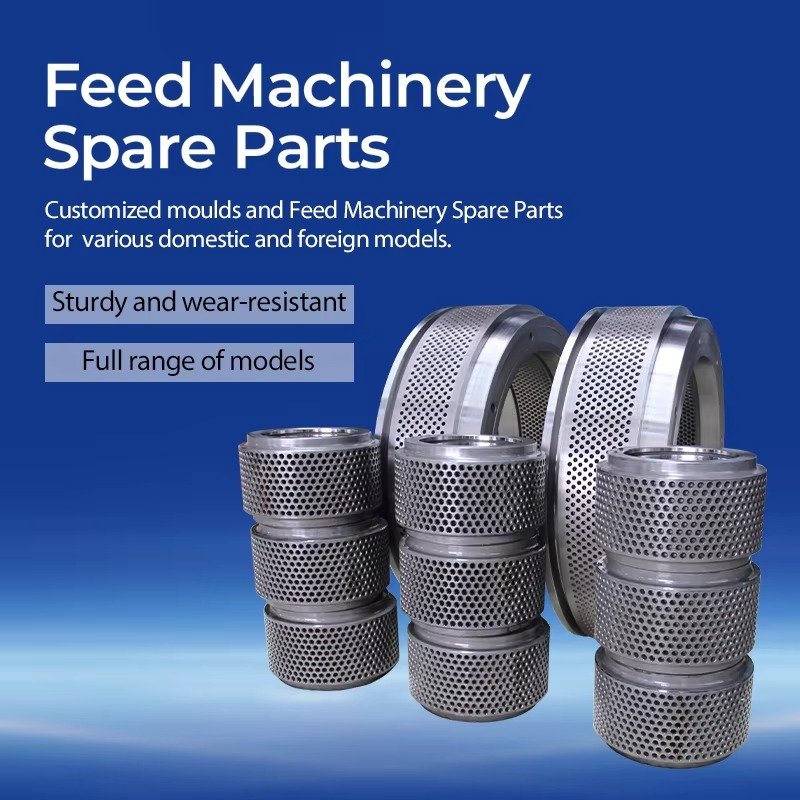
Die life varies considerably based on formulation abrasiveness and operating practices. Typical die life ranges from 1500-4000 operating hours. MAIKONG provides die boring and reconditioning services to extend die life and reduce operating costs.
Extrusion Equipment: Single and Twin-Screw Extruders
Producing floating fish feed requires extrusion equipment. Twin-screw extruders offer advantages for aquafeed production:
- Precise control over cooking temperature and residence time
- Ability to process high-starch and high-protein formulations
- Adjustable pellet density (floating, slow-sinking, fast-sinking)
- Production of complex pellet shapes if required
- Better handling of sticky or difficult formulations
Our extruders operate at screw speeds from 200-500 RPM depending on formulation and desired pellet characteristics. Variable frequency drives allow precise speed control and respond to process changes automatically.
Cooling Equipment: Counterflow Coolers
Effective cooling prevents quality deterioration in packaged feed. Counterflow design provides several advantages:
- Pellets contact coolest air at discharge point, maximising temperature reduction
- Natural moisture removal as pellets cool
- Even cooling across the entire pellet bed
- Minimal pellet breakage during cooling
Cooler sizing follows a simple rule: cooling capacity should match or slightly exceed pelleting capacity. Undersized coolers create production bottlenecks and quality problems. MAIKONG coolers feature adjustable air volume controls to accommodate varying ambient conditions and production rates.
Screening and Grading Equipment
Vibrating screens separate finished pellets from fines and broken pieces. Multi-deck screens can separate multiple size fractions simultaneously when producing crumbled feed for different fish life stages. Screen selection affects product quality and reprocessing requirements.
Packaging Systems
Manual bagging suits small operations producing less than 1 tonne hourly. Semi-automatic packaging scales weigh accurately whilst requiring operator placement and removal of bags. Fully automatic systems handle bag placement, filling, weighing, sewing or sealing, and can include palletising.
For commercial operations, packaging speed significantly impacts overall productivity. A 10 T/H production line filling 25kg bags requires packaging of 400 bags hourly – achievable only with fully automated systems.
Equipment Specification Questions?
Our engineering team can provide detailed equipment specifications, performance data, and maintenance requirements for any component in your planned fish feed production line. We’ll help you understand exactly what you’re purchasing and how it will perform in your specific application.
Advantages of Integrated Fish Feed Production Line Systems
Investing in a complete fish feed production line delivers multiple operational and financial advantages compared to purchasing feed from external suppliers or operating with inadequate equipment.
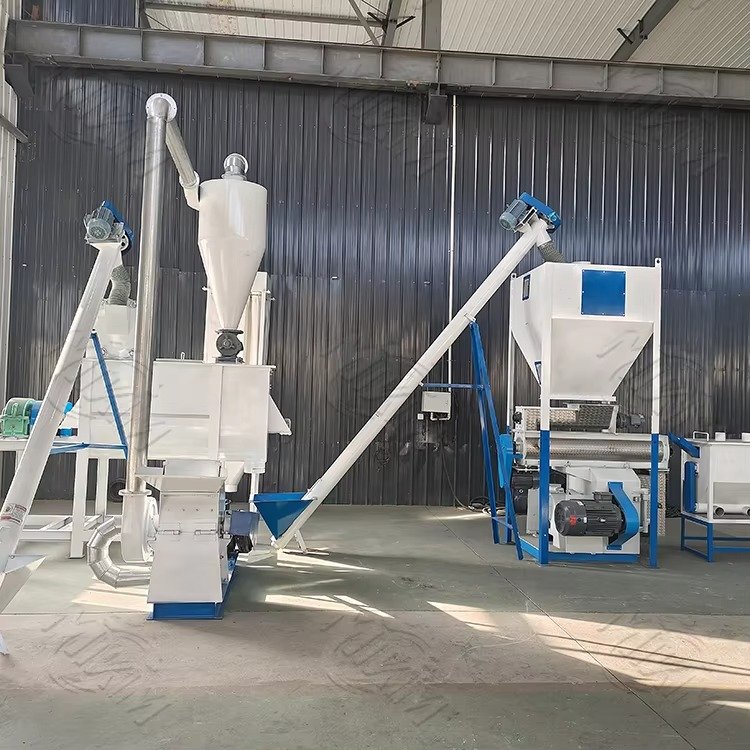
Enhanced Feed Quality and Consistency
Manufacturing your own fish feed allows complete control over ingredient selection and formulation. You specify protein sources, determine nutrient levels, and adjust formulations based on fish performance data. This control simply isn’t possible when purchasing commodity feeds.
Automated systems ensure every batch meets specifications. Once you establish proven formulations, the production line replicates them accurately batch after batch. This consistency translates directly into predictable fish growth rates and feed conversion ratios.
Significant Cost Reduction Per Tonne
Raw ingredient costs represent 70-85% of finished feed expenses. When you eliminate middleman markups, transportation costs, and supplier margins, per-tonne feed costs typically decrease 15-30%. For operations consuming 500 tonnes annually, this represents substantial savings that repay equipment investment relatively quickly.
Additional cost advantages emerge from reduced transportation expenses, elimination of minimum order quantities, and prevention of ingredient deterioration from extended storage at supplier facilities.
Production Flexibility and Response Speed
Your own production line allows immediate response to changing needs. Adjust formulations based on seasonal ingredient availability. Create specialty feeds for specific production phases. Test new ingredients or formulation strategies without waiting for custom manufacturing from suppliers.
This flexibility proves especially valuable for operations managing multiple fish species or production stages simultaneously. A pellet production line configured for aquaculture can produce multiple SKUs in a single day.
Improved Biosecurity and Traceability
Feed represents a potential vector for disease introduction into aquaculture systems. Manufacturing on-site with controlled ingredients reduces this risk substantially. You know exactly what enters your feed and can trace any issues immediately.
Complete production records document every batch – ingredients used, processing parameters, test results, and distribution. This traceability satisfies regulatory requirements whilst enabling rapid response to any quality concerns.
Sustainable Operations and Waste Reduction
Modern production equipment minimises waste throughout the manufacturing process. Precise batching eliminates overage. Efficient pelleting reduces fines generation. Proper cooling prevents spoilage. Together, these factors typically reduce ingredient waste to below 2% of total throughput.
Local production eliminates transportation impacts associated with purchasing feed from distant suppliers. Some operations integrate fish waste or processing byproducts into feed formulations, creating circular economy benefits.
Business Growth and Market Opportunities
Excess production capacity opens new revenue streams. Many farm-based feed mills begin supplying neighbouring operations, then expand into regional feed distribution. The ability to offer custom formulations or specialty feeds creates competitive advantages in local markets.
For existing feed manufacturers, adding fish feed capability expands your product portfolio into a growing sector. The global aquaculture industry grows faster than any other animal protein production segment, creating sustained demand for quality feed.
Key Operational Advantages
- Complete quality control from ingredients to finished product
- Rapid formulation adjustments based on performance data
- Elimination of supplier minimum orders and delivery schedules
- Enhanced biosecurity through controlled ingredient sourcing
- Opportunity to develop proprietary formulations
- Potential for feed sales to generate additional revenue
- Long-term cost reduction of 15-30% per tonne typical
Implementation Considerations
- Significant capital investment required (payback typically 2-4 years)
- Technical knowledge needed for formulation and operation
- Ongoing maintenance requirements and spare parts inventory
- Labour allocation for production operations
- Quality control systems and testing equipment needed
- Regulatory compliance for feed manufacturing
European Success Stories: Fish Feed Production Line Installations
MAIKONG has supplied fish feed production equipment to operations throughout Europe, including several successful installations serving UK and Continental aquaculture markets. These case studies demonstrate real-world performance and return on investment.
Scottish Salmon Farm Achieves Feed Independence
A salmon farming operation in Scotland invested in a 3 T/H extruded aqua fish feed production line in 2021. Previously purchasing 1,200 tonnes annually from external suppliers at £1,850 per tonne, the operation now produces equivalent feed at £1,320 per tonne including all operating costs.
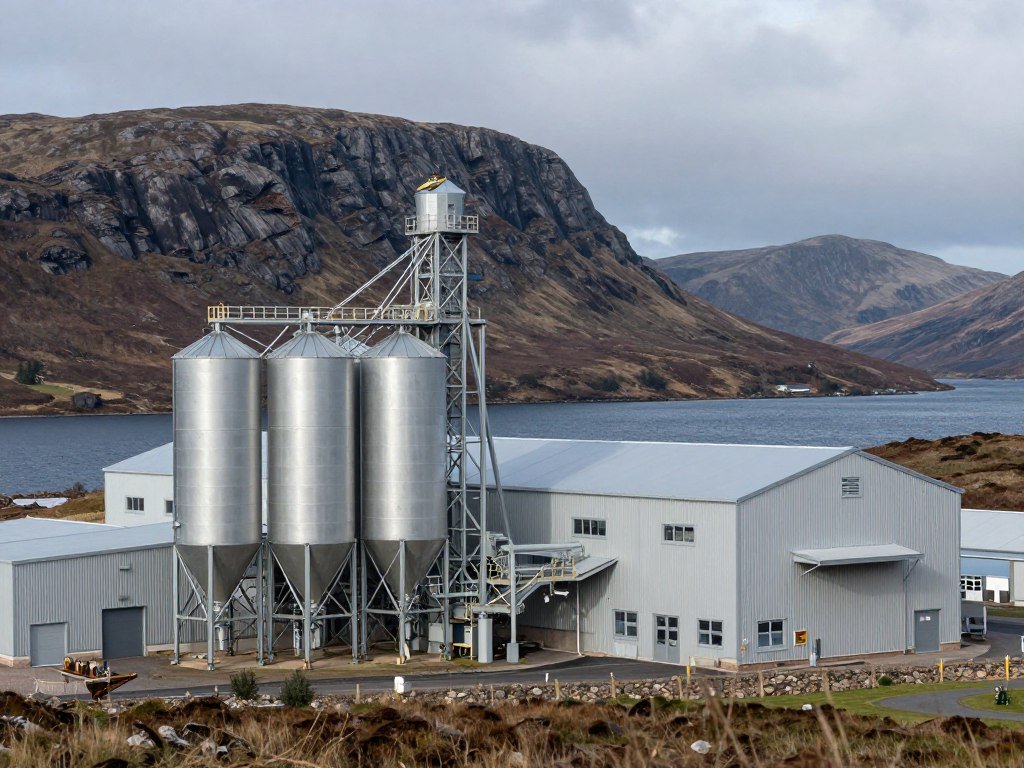
Annual savings of £636,000 provided a payback period of just 2.8 years. Beyond financial returns, the farm reports improved feed conversion ratios attributed to fresher feed with better pellet quality. The operation now also supplies two neighbouring farms, generating additional revenue.
Norwegian Fish Farm Cooperative Network
A cooperative of six Norwegian fish farms established a centralised 8 T/H production facility in 2020. The facility produces both floating and sinking feeds for Atlantic salmon, rainbow trout, and Arctic char operations.
Combined volume of 3,500 tonnes annually justified the larger investment. The cooperative structure allows cost sharing whilst each member farm maintains formulation control for their specific requirements. Feed costs decreased 22% whilst product quality metrics improved across all participating farms.
UK Aquaculture Hatchery and Grow-out Operation
An integrated UK aquaculture operation producing tilapia and perch installed a 1.5 T/H production line in 2022. The system produces multiple pellet sizes from 0.5mm for larvae through 6mm for market-size fish.
Previous reliance on imported specialty feeds created supply chain vulnerabilities exposed during pandemic disruptions. The in-house production line eliminated these concerns whilst reducing feed costs by 28%. The operation now maintains only two weeks of raw ingredient inventory rather than three months of finished feed storage.
German Ornamental Fish Feed Manufacturer
A German manufacturer of premium ornamental fish feeds expanded capacity by adding a MAIKONG 2 T/H production line in 2021. The company produces over 40 different formulations for koi, goldfish, tropical species, and pond fish.
The production line’s rapid changeover capability (under 30 minutes between formulations) proved essential for this product diversity. Automated recipe management ensures consistent quality across all SKUs. The company reports production efficiency improvements of 35% compared to their previous equipment.
Common Success Factors
- Thorough capacity planning matched to actual requirements
- Comprehensive operator training provided by MAIKONG
- Establishment of preventive maintenance programmes
- Quality control systems implemented from startup
- Gradual formulation optimisation based on performance data
Typical Investment Returns
- Payback periods: 2.5-4.5 years depending on scale
- Feed cost reductions: 15-30% per tonne
- Quality improvements measured through FCR reduction
- Operational flexibility valued beyond direct cost savings
- Secondary revenue opportunities in most cases
Installation Timelines
- Equipment manufacturing: 8-12 weeks typical
- Shipping to Europe: 4-6 weeks
- Installation and commissioning: 2-3 weeks
- Operator training: 1 week intensive
- Production optimisation: 4-8 weeks to full capacity
Important for UK Buyers: All MAIKONG equipment meets CE certification requirements for European markets. We provide complete technical documentation, safety compliance certificates, and electrical specifications conforming to UK standards. Our engineering team coordinates with your electrical contractors to ensure proper installation and compliance.
OEM/ODM Services and Complete Customisation Capabilities
MAIKONG’s 22 years of manufacturing expertise includes extensive OEM (Original Equipment Manufacturer) and ODM (Original Design Manufacturer) experience. We partner with equipment dealers, feed companies, and aquaculture integrators to deliver customised solutions bearing your brand or meeting your specific requirements.
Equipment Customisation Options
Nearly every aspect of our production lines can be modified to match your specifications:
- Capacity scaling: From 200kg/h pilot lines to 200 T/H commercial installations
- Voltage and electrical specifications: Configured for UK/European standards or other requirements
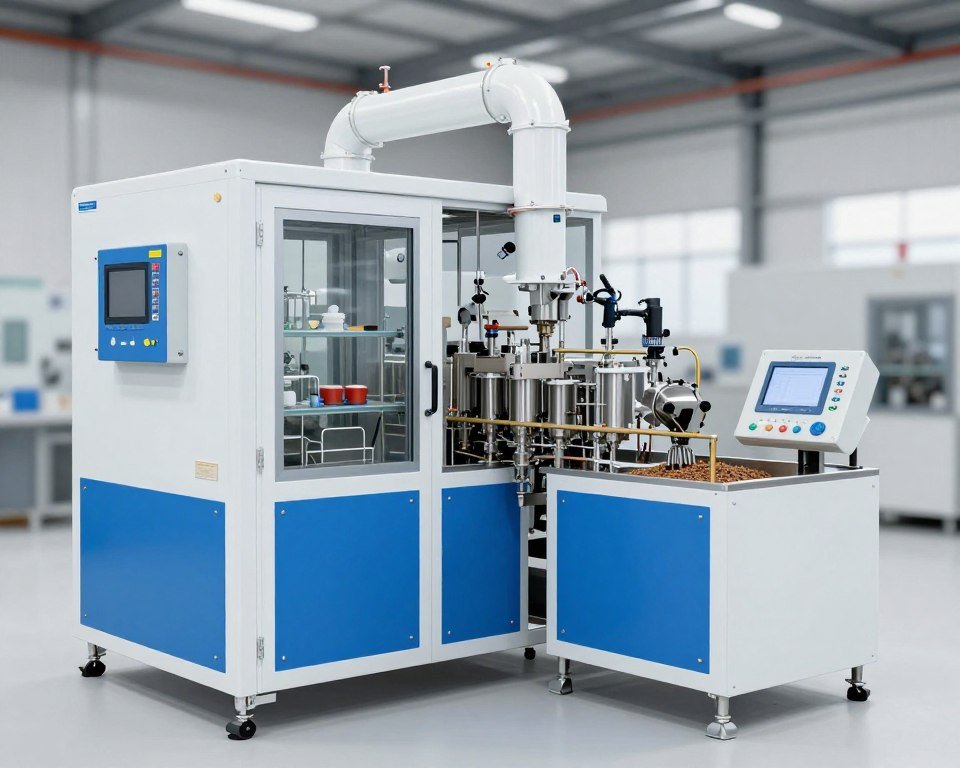
- Control systems: From basic manual operation through fully automated PLC control with remote monitoring
- Materials of construction: Standard carbon steel, stainless steel contact surfaces, or full stainless steel construction
- Layout design: Vertical space-saving configurations or horizontal flow layouts to match your facility
- Colour and branding: Custom equipment colours and branded control panels for OEM partners
- Special features: Integration with existing systems, custom discharge heights, explosion-proof electrical for specific applications
Complete Turnkey Project Services
Beyond equipment supply, MAIKONG provides comprehensive project services:
Engineering and Design Phase
- Facility layout design optimised for workflow and efficiency
- Structural calculations and foundation specifications
- Electrical system design and power requirement calculations
- Material flow analysis and equipment sizing
- 3D renderings and detailed equipment placement drawings
Installation and Commissioning
- Complete installation supervision by experienced technicians
- Mechanical and electrical installation coordination
- System testing and performance verification
- Process optimisation for your specific formulations
- Documentation of as-built specifications
Training and Knowledge Transfer
- Comprehensive operator training (typically one week intensive)
- Maintenance technician training on all equipment systems
- Formulation guidance and process parameter development
- Quality control procedures and testing protocols
- Troubleshooting training for common issues
- Ongoing technical support via phone, email, and video consultation
After-Sales Support and Spare Parts
Equipment longevity depends on proper maintenance and timely spare parts availability. MAIKONG maintains comprehensive spare parts inventory for all equipment models. Critical wear components typically ship within 48 hours to European destinations.
Common spare parts we stock include:
- Hammer mill screens and hammers
- Pellet mill dies and rollers
- Mixer paddles and seals
- Extruder screw elements and barrel segments
- Drive belts and bearings
- Control system components
- Sensors and monitoring equipment
- Gaskets and seal kits
- Pneumatic components
- Electrical contactors and controls
Technical Support Infrastructure
Our technical support team operates across time zones to provide responsive assistance. Support options include:
- Email technical support with typical response within 4 hours: Lucy@feedproductionline.uk
- Phone and WhatsApp support for urgent issues: +86 15815556422
- Video troubleshooting sessions via common platforms
- Remote diagnostic access where control systems permit
- On-site technical visits for complex issues (additional service available)
Dealer and Distributor Partnerships: MAIKONG actively seeks qualified dealers and distributors throughout the UK and Europe. Our partner programme includes competitive margins, technical training, marketing support, and protected territories. If you have established relationships in the aquaculture, animal feed, or agricultural equipment sectors, we’d welcome discussing partnership opportunities.
Become a MAIKONG Dealer or Distributor in the UK Market
The UK aquaculture sector continues expanding, with demand for locally produced fish increasing alongside recognition of aquaculture’s sustainability advantages. This growth creates substantial opportunities for equipment suppliers serving fish feed production needs.
MAIKONG seeks to establish partnerships with qualified dealers, distributors, and sales representatives throughout the United Kingdom. Our ideal partners understand the aquaculture industry, maintain relationships with fish farmers and feed producers, or currently serve the broader agricultural equipment market.

Why Partner with MAIKONG?
Established Manufacturing Excellence
Our 22 years of specialisation in feed production equipment provides the technical foundation your customers require. Manufacturing facilities in GD province employ over 300 skilled workers producing equipment that serves operations across 130+ countries. This track record demonstrates reliability and performance.
We hold comprehensive quality certifications including CE marking for European markets, ISO 9001 quality management systems, and product liability insurance. Your customers receive properly certified equipment backed by a manufacturer with genuine technical capabilities.
Complete Product Portfolio
Represent a manufacturer offering complete solutions from 200kg/h to 200 T/h capacity. This range allows you to serve everyone from small farm operations through large commercial feed mills. Products include:
- Fish feed pellet production line systems (sinking feed)
- Extrusion lines for floating fish feed
- Chicken feed pellet production line equipment
- Cattle feed pellet production line systems
- Individual equipment components for upgrades
Dealer Programme Benefits
Financial Advantages
- Competitive dealer margins protecting your profitability
- Volume incentives for larger partnerships
- Protected territory arrangements where appropriate
- Flexible payment terms for established partners
- Demonstration equipment programmes
Technical Support
- Comprehensive product training at our facility or your location
- Technical resources including specifications, CAD drawings, and performance data
- Engineering support for customer projects
- Assistance with system design and quotations
- Ongoing access to technical team
Marketing Support
- Product literature and technical brochures
- Digital marketing materials and product photography
- Case studies and reference installations
- Trade show support and joint exhibition opportunities
- Lead sharing from web inquiries in your territory
Ideal Partner Profile
We seek partners who bring:
- Industry knowledge: Understanding of aquaculture, animal feed production, or agricultural equipment markets
- Established relationships: Connections with fish farmers, feed mills, or agricultural cooperatives
- Technical capability: Ability to discuss equipment specifications and application requirements with customers
- Service commitment: Willingness to support customers through the purchasing process and beyond
- Business infrastructure: Registered UK business with capability to handle equipment sales and basic customer support
Partnership Development Process
Establishing a successful partnership follows a structured approach:
- Initial discussion: We learn about your business, market position, and goals whilst explaining our products and partnership programme
- Market assessment: Together we evaluate opportunities in your territory and develop a realistic business plan
- Agreement finalisation: We establish clear terms covering territory, pricing, support, and expectations
- Training and onboarding: Comprehensive product and sales training prepares you to represent MAIKONG effectively
- Launch support: We provide intensive support during your initial sales and installations
- Ongoing partnership: Regular communication, continuous support, and business development assistance
Explore UK Dealer Partnership Opportunities
If you maintain relationships in the aquaculture, feed production, or agricultural equipment sectors and seek a reliable manufacturing partner with proven products, we’d welcome discussing how MAIKONG can support your business growth. Our partnership programme offers genuine value for qualified dealers and distributors.
Please include information about your current business, market focus, and territory when inquiring about partnership opportunities.
Addressing Common Buyer Concerns About Fish Feed Production Equipment
Purchasing feed production equipment represents a significant investment decision. Understanding common concerns and how quality manufacturers address them helps you evaluate suppliers and make confident decisions.
Equipment Reliability and Downtime Prevention
Concern: “Will the equipment operate reliably, or will frequent breakdowns disrupt my production schedule?”
Equipment reliability stems from proper design, quality construction, and appropriate operation. MAIKONG addresses this through:
- Oversized critical components (bearings, drives, structures) operating below maximum ratings
- Premium materials in wear areas (hardened steel dies, wear-resistant liners)
- Comprehensive testing before shipment including loaded operation tests
- Clear maintenance schedules and procedures provided with all equipment
- Design following proven industry standards rather than experimental approaches
Typical uptime exceeds 95% for properly maintained systems. Scheduled maintenance windows handle routine service without impacting production schedules.
Die Blockage and Pelleting Problems
Concern: “What happens if the pellet mill or extruder blocks during production?”
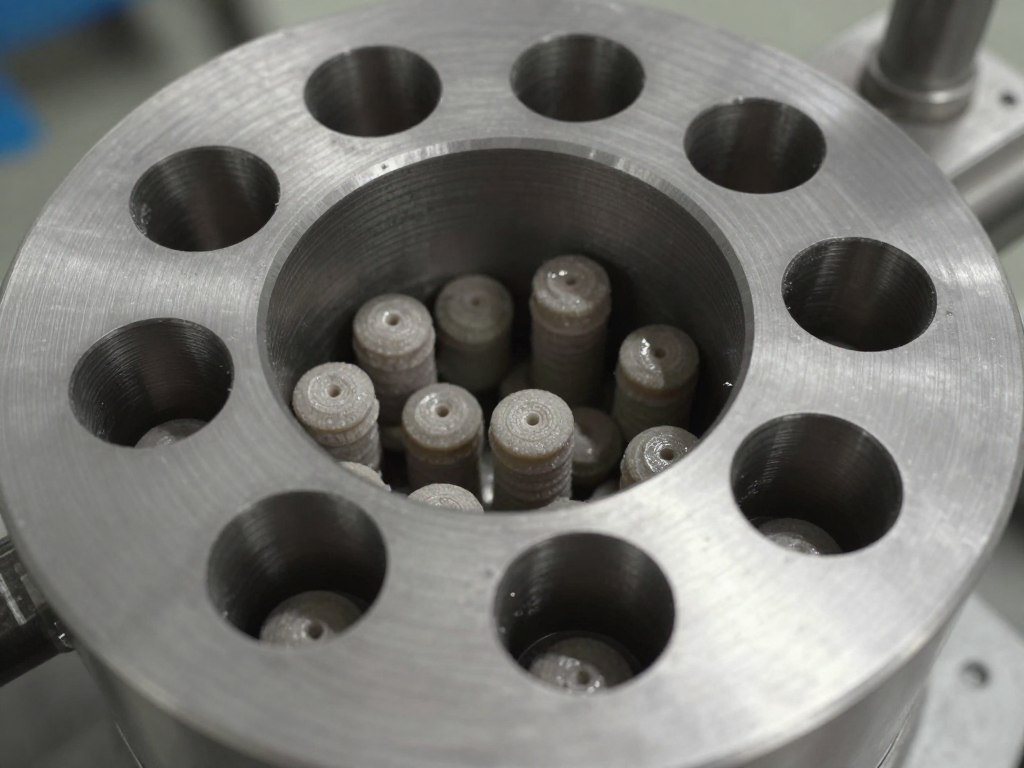
Blockages typically result from improper conditioning (insufficient moisture or temperature) or formulation issues rather than equipment defects. We prevent blockages through:
- Properly sized conditioning systems matched to production requirements
- Steam and moisture controls maintaining optimal parameters
- Formulation guidance identifying potential problem ingredients
- Die specifications selected for your specific formulations
- Training operators to recognise early warning signs
- Quick-release die systems when clearing is necessary
Most experienced operations encounter blockages rarely – perhaps once per several hundred operating hours, typically traced to raw material variations or process parameter drift.
Pellet Quality Issues: Fines and Durability
Concern: “Will the equipment produce high-quality pellets, or will excessive fines and breakage create waste?”
Pellet quality depends on multiple interrelated factors including formulation, conditioning, die specification, and cooling. MAIKONG ensures quality through:
- Proper conditioning equipment sized for adequate residence time
- Die specifications engineered for your formulations (compression ratio, L/D ratio)
- Cooling systems preventing thermal shock whilst achieving target temperature
- Formulation guidance addressing binding and durability
- Testing protocols to monitor and maintain pellet quality
Properly operated systems consistently achieve pellet durability index above 95% with fines below 3%. This meets or exceeds industry standards for quality fish feed.
Technical Support and Spare Parts Availability
Concern: “If problems occur or parts wear out, will I receive timely support from a Chinese manufacturer?”
This represents a legitimate concern when purchasing internationally. MAIKONG addresses it through:
- UK-based contact email (Lucy@feedproductionline.uk) for European customers
- English-speaking technical support team available during UK business hours
- Comprehensive spare parts inventory with 48-hour shipping to UK/Europe for critical components
- Video support capabilities for visual troubleshooting
- Detailed maintenance manuals in English with clear procedures
- Growing dealer network providing local support
Our support infrastructure recognises that Chinese manufacturing must be backed by genuine service capabilities to succeed in European markets.
Installation Complexity and Startup
Concern: “Can we actually install and commission this equipment successfully?”
Complete production lines involve mechanical, electrical, and process complexity. MAIKONG supports successful installation through:
- Detailed installation drawings with dimensions, anchor bolt locations, and connection specifications
- Installation supervision available (technician visit to your site)
- Clear electrical schematics conforming to UK standards
- Commissioning assistance via video or on-site depending on project scale
- Step-by-step startup procedures and initial production guidance
Most installations complete within 2-3 weeks from equipment delivery. Larger projects or complex installations might extend this slightly.
Return on Investment Uncertainty
Concern: “Will this equipment actually deliver the cost savings and performance improvements to justify the investment?”
ROI calculations should be conservative yet realistic. Typical outcomes include:
| Scale | Annual Production | Typical Investment | Annual Cost Reduction | Payback Period |
| Small farm (500kg/h) | 500-800 tonnes | £120,000-180,000 | £40,000-70,000 | 2.5-3.5 years |
| Medium mill (2-3T/h) | 2,000-3,500 tonnes | £280,000-420,000 | £140,000-250,000 | 2-3 years |
| Commercial (8-10T/h) | 8,000-12,000 tonnes | £650,000-950,000 | £450,000-750,000 | 1.5-2.5 years |
These calculations assume feed cost reduction of £250-350 per tonne compared to purchasing finished feed. Your specific situation may vary based on current feed costs, raw material prices, and operational efficiency.
Quality Assurance for Chinese Manufacturing
Concern: “How can I trust the quality of equipment manufactured in China?”
Quality varies dramatically among Chinese manufacturers, from poor-quality budget equipment through to world-class manufacturing. Evaluate quality through:
- Manufacturing history: MAIKONG’s 22-year track record demonstrates sustained competence
- Certifications: CE marking, ISO 9001, and product testing certificates indicate systems compliance
- Reference installations: Verifiable installations in demanding markets prove performance
- Technical depth: Detailed engineering capabilities and comprehensive documentation
- Materials specifications: Clear identification of component grades and materials
- Factory inspection: Virtual or in-person factory visits reveal actual manufacturing capabilities
Quality Chinese manufacturing delivers excellent value – advanced capabilities at prices significantly below European equivalents. The key lies in selecting established manufacturers with proven track records.
Important Due Diligence: Before committing to any equipment purchase, request reference contacts from existing customers in Europe or similar markets. Speak directly with operators using the equipment daily. Ask about actual performance, support quality, and whether they would purchase from the same manufacturer again. This provides invaluable insight beyond manufacturer claims.
Request Your Custom Fish Feed Production Line Quotation
Every operation has unique requirements based on capacity needs, fish species served, available space, budget parameters, and growth projections. MAIKONG’s engineering team will develop a customised proposal addressing your specific situation.
Complete this inquiry form with as much detail as possible. More information allows us to provide more accurate recommendations and quotations. Our team typically responds within 24 hours with initial feedback and any clarifying questions.

Prefer Direct Contact?
WhatsApp / Phone: +86 15815556422
Email: Lucy@feedproductionline.uk
Website: feedproductionline.uk
Moving Forward with Your Fish Feed Production Investment
Establishing in-house fish feed manufacturing capabilities represents a strategic decision with implications extending well beyond immediate cost savings. The right production equipment delivers consistent quality feed that supports optimal fish health and growth performance. Operational control over formulations allows rapid response to changing nutritional understanding and market conditions. Financial benefits accumulate year after year as you eliminate supplier margins whilst maintaining product quality.
MAIKONG’s experience across 340+ installations worldwide, including numerous successful European projects, provides the technical foundation and practical knowledge to support your success. Our fish feed pellet production line manufacturer capabilities span the complete range from compact systems suitable for farm operations through large commercial mills serving regional markets.
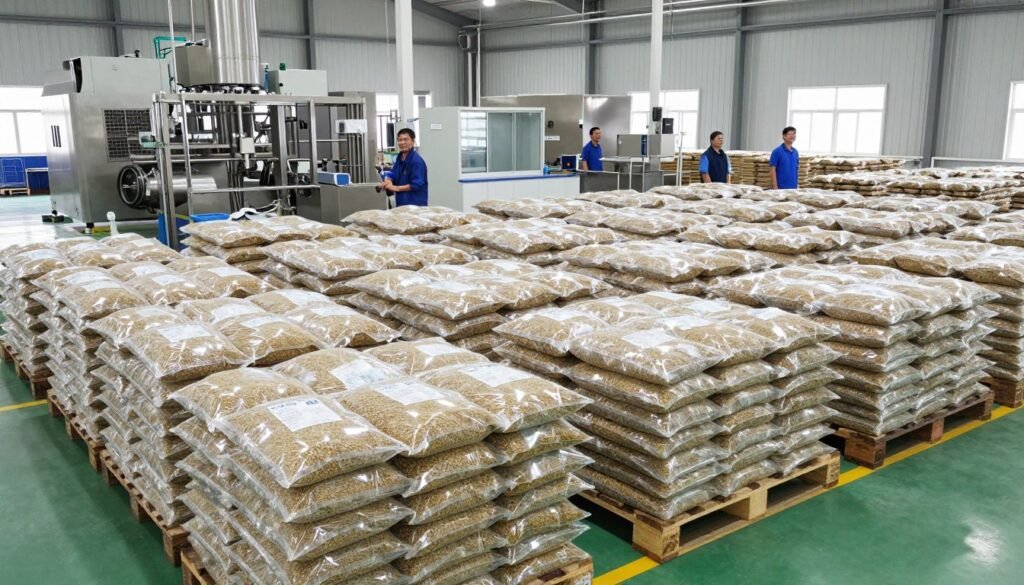
Whether you’re exploring initial feasibility, comparing equipment options, or ready to move forward with a specific project, our technical team stands ready to provide detailed information, transparent pricing, and honest guidance. We understand that equipment purchases of this scale require careful evaluation and confidence in your chosen supplier.
For operations seeking supplier partners, equipment dealers evaluating new product lines, or businesses considering UK distribution opportunities, MAIKONG offers proven products backed by genuine support infrastructure. Our commitment to long-term customer relationships extends far beyond initial equipment sale through comprehensive training, responsive technical support, and reliable spare parts availability.
The aquaculture sector’s continued growth trajectory creates sustained demand for quality feed production equipment. Positioning your operation with proper manufacturing capabilities now establishes competitive advantages that compound over time through cost efficiency, quality control, and operational flexibility.
We invite you to begin a conversation about your specific requirements and explore how MAIKONG can support your fish feed production goals. Contact our team via email at Lucy@feedproductionline.uk, phone or WhatsApp at +86 15815556422, or through our website at feedproductionline.uk.
Start Your Fish Feed Production Journey with MAIKONG
Transform your feed costs, quality, and operational control with a customised fish feed production line engineered to your exact requirements. Our 22 years of manufacturing excellence, comprehensive support infrastructure, and proven track record across Europe provide the foundation for your success.
MAIKONG Feed Production Equipment
GD Province, SZ City
United Kingdom Contact: Lucy@feedproductionline.uk
Global Support: +86 15815556422
Website: feedproductionline.uk
Serving aquaculture operations, feed manufacturers, and equipment dealers throughout the United Kingdom, Europe, and worldwide since 2001. Complete OEM/ODM services available for qualified partners.
Copy©2026-2030