
Shrimp Feed Production Line Plant: Complete Guide to High-Performance Aquatic Feed Manufacturing Solutions
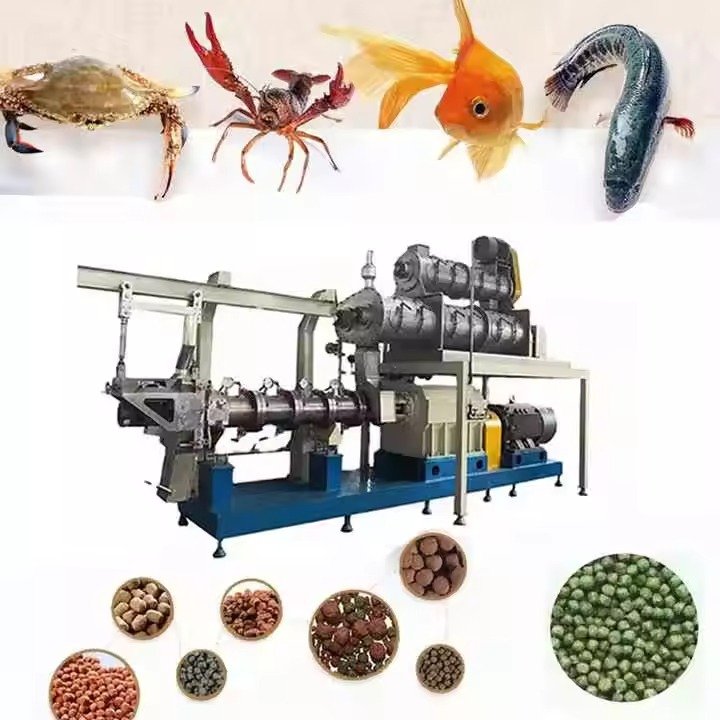
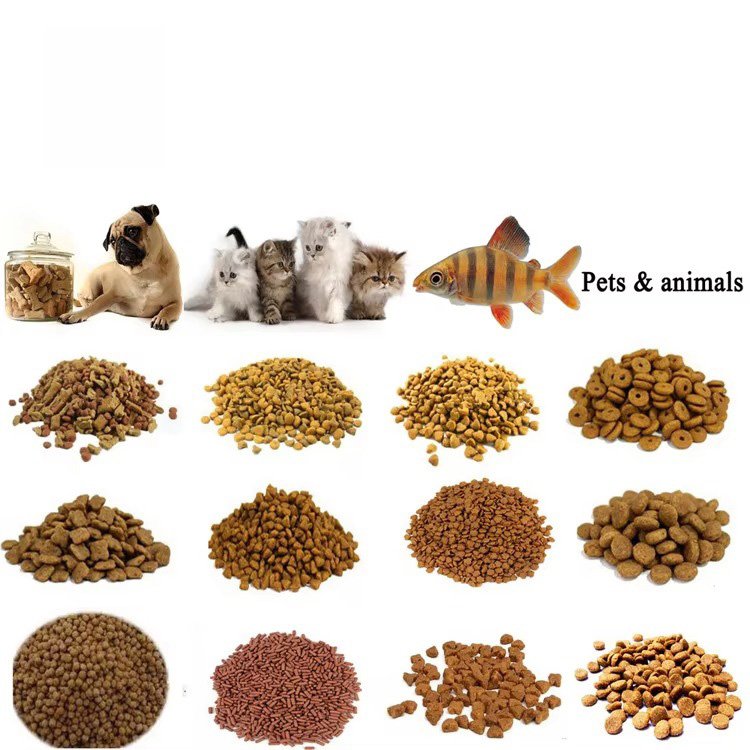 The global demand for farmed shrimp continues its upward trajectory, with the UK importing over 65,000 tonnes annually whilst European consumption exceeds 850,000 tonnes per year. This sustained market growth creates substantial opportunities for feed manufacturers who can deliver premium shrimp feed that meets stringent specifications for water stability, protein content, and pellet durability. However, achieving these quality standards requires sophisticated production equipment specifically engineered for the unique challenges of shrimp feed manufacturing.Unlike conventional livestock or poultry feed production, shrimp feed manufacturing demands precise control over particle size, exceptional water stability to prevent nutrient leaching, and the capability to process high-protein raw materials including fishmeal, krill meal, and specialised marine proteins. The production line must deliver micro-pellets with minimal powdering rates, consistent hardness levels, and extended water stability periods that align with shrimp feeding behaviour patterns.
What Is a Shrimp Feed Production Line Plant?
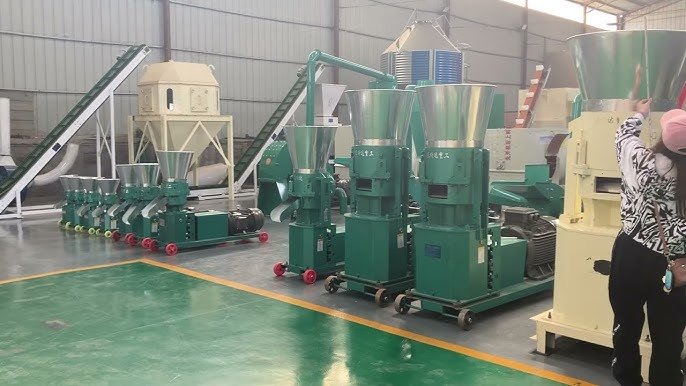
A shrimp feed production line plant comprises an integrated system of specialised feed processing equipment designed to transform raw ingredients into nutritionally balanced, water-stable pellets suitable for various shrimp species and growth stages. These production facilities range from compact 200kg per hour operations serving single farm operations to large-scale commercial plants processing 200 tonnes hourly for distribution across regional markets.
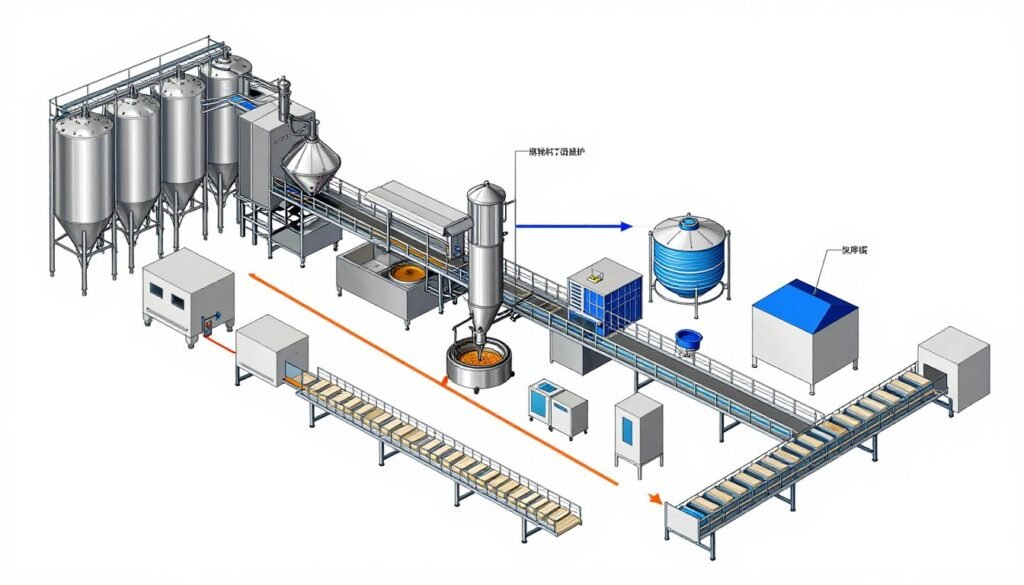
The production line orchestrates multiple sequential processes: raw material reception and storage, precise ingredient batching, fine grinding to achieve optimal particle sizes, thorough mixing to ensure nutritional uniformity, steam conditioning for improved digestibility, pellet forming through precision dies, controlled cooling to stabilise the pellets, accurate screening to remove fines and oversized particles, and finally packaging for distribution or storage.
Core Production Stages
Every shrimp feed production line plant incorporates several essential processing stages that work in harmony to deliver consistent product quality. The raw material handling system manages diverse ingredients from fishmeal and soybean meal to specialised marine proteins and micro-nutrients. Grinding equipment reduces particle size to 250-400 microns, substantially finer than livestock feed requirements, ensuring optimal digestibility for shrimp physiology.
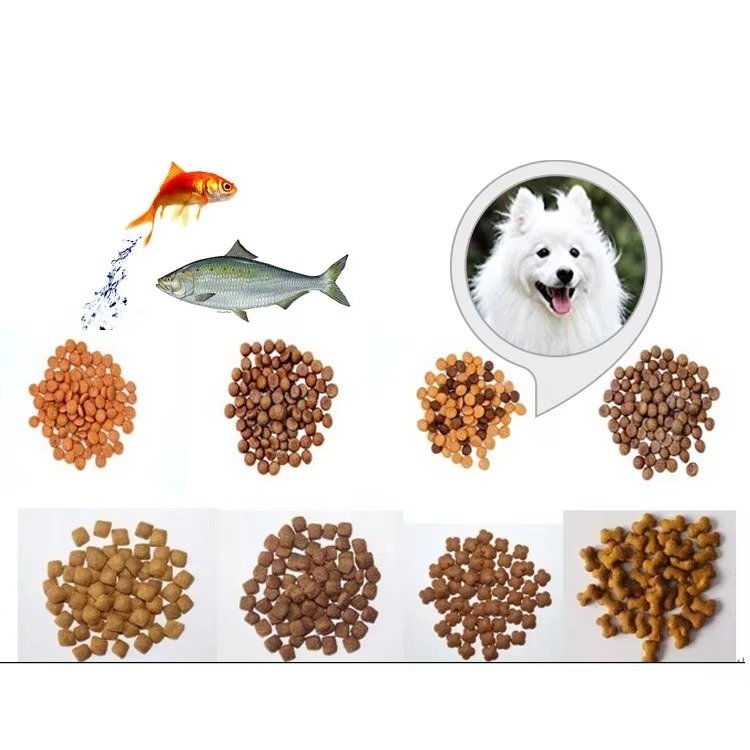
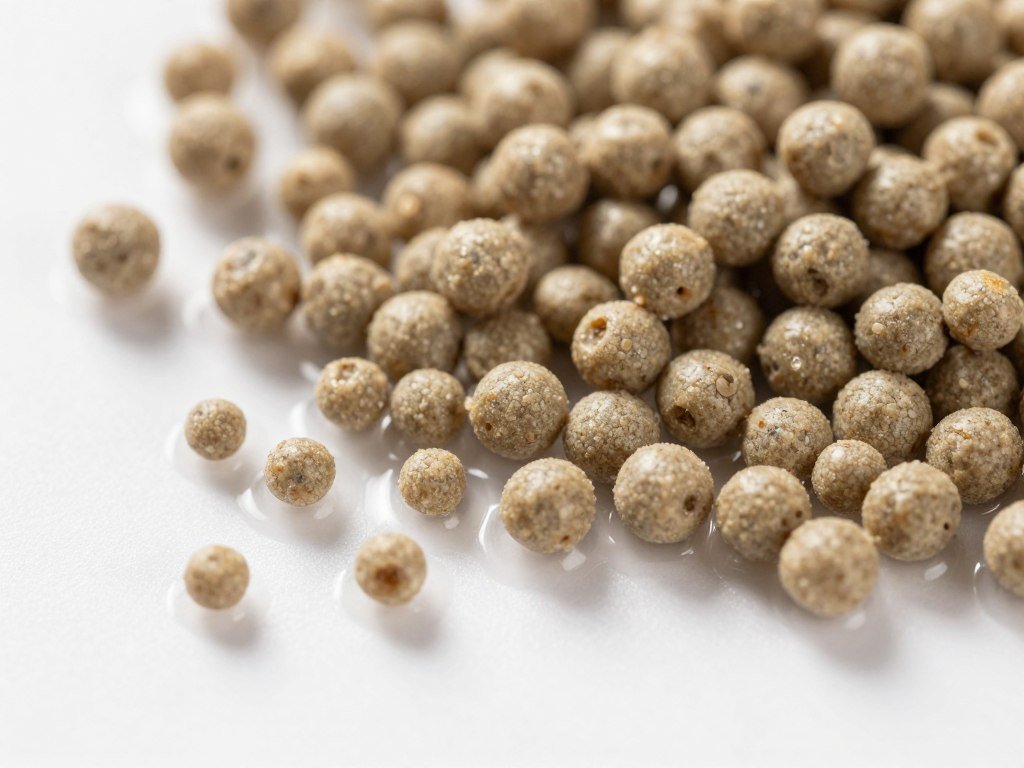
The mixing stage achieves homogeneity across macro and micro ingredients, with modern batch mixers delivering coefficient of variation below 5% even with micro-inclusions representing less than 0.5% of the formula. Steam conditioning prepares the mash for pelleting whilst initiating starch gelatinisation, improving water stability and pellet durability. The pelleting process forces conditioned mash through precision dies, creating pellets with diameters ranging from 0.5mm for post-larvae to 5mm for mature prawns.
Essential Equipment Components
The backbone of any shrimp feed production line plant consists of purpose-built machinery engineered for the demanding requirements of aquatic feed manufacturing. Each component plays a critical role in achieving the final product specifications that determine feed performance in aquaculture operations.
- Hammer Mills – Reduce raw materials to fine particles (250-400 microns) essential for shrimp digestion, with capacity ranging from 3 to 25 tonnes per hour depending on plant scale
- Batch or Continuous Mixers – Ensure homogeneous distribution of ingredients including micro-nutrients, vitamins, and specialised marine proteins throughout each batch
- Steam Conditioners – Pre-treat mash with controlled steam injection to optimise moisture content (typically 15-17%) and initiate starch gelatinisation for improved pellet binding
- Ring Die Pellet Mills – Form pellets through precision dies with holes sized for target pellet diameter, featuring wear-resistant alloys to handle abrasive high-protein formulations
- Counterflow Coolers – Rapidly reduce pellet temperature from 75-85°C to ambient plus 5°C whilst removing excess moisture to achieve target levels of 10-12% for optimal storage stability
- Vibrating Screeners – Separate finished pellets from fines and oversize particles, with typical efficiency exceeding 95% for specified pellet size ranges
- Automated Packaging Systems – Fill bags with precise weights (commonly 25kg or 50kg) at speeds of 6-12 bags per minute, integrating quality control checkweighers
- Dust Collection Systems – Capture airborne particles throughout the production process, maintaining workplace air quality whilst recovering valuable product
Get Your Custom Shrimp Feed Line Specification
Our engineering team at MAIKONG has designed and commissioned shrimp feed production lines across four continents over 22 years. Whether you require a compact 500kg/hour operation or a large-scale 50-tonne facility, we’ll develop a customised solution matching your exact production requirements, raw material characteristics, and budget parameters. Request your no-obligation technical specification and pricing today.
Production Capacity Considerations
Selecting appropriate production capacity represents a crucial decision that balances current demand against anticipated growth, whilst managing capital investment and operational efficiency. Shrimp feed production line plants span a broad capacity spectrum, from modest 200kg per hour systems suitable for integrated farm operations to industrial-scale facilities processing 200 tonnes hourly for regional or international distribution.
Small-scale plants (200kg to 2 tonnes per hour) typically serve individual large farms, cooperatives, or specialty feed producers focusing on premium segments. These operations benefit from flexibility in formulation adjustments and the ability to produce smaller batches of diverse pellet sizes without extensive changeover requirements. Mid-range facilities (3 to 20 tonnes per hour) represent the commercial sweet spot for regional feed manufacturers, balancing production efficiency with reasonable capital requirements and operational complexity.
Large industrial plants (25 to 200+ tonnes per hour) achieve economies of scale essential for competitive pricing in commodity feed markets. These sophisticated facilities incorporate extensive automation, multiple parallel processing lines, and advanced quality control systems that maintain consistency across high-volume production runs. However, they require substantial capital investment, larger operational teams, and generate sufficient volume to justify their scale.
Key Features of Professional Shrimp Feed Production Line Plant Systems
Professional shrimp feed manufacturing demands equipment engineered to address the unique challenges inherent in aquatic feed production. Unlike terrestrial animal feeds, shrimp pellets must maintain structural integrity whilst submerged in water for extended periods, resist dissolution to prevent nutrient leaching and water quality degradation, and deliver precise nutritional profiles across every pellet despite complex formulations incorporating 20 to 40 distinct ingredients.
Water Stability Engineering
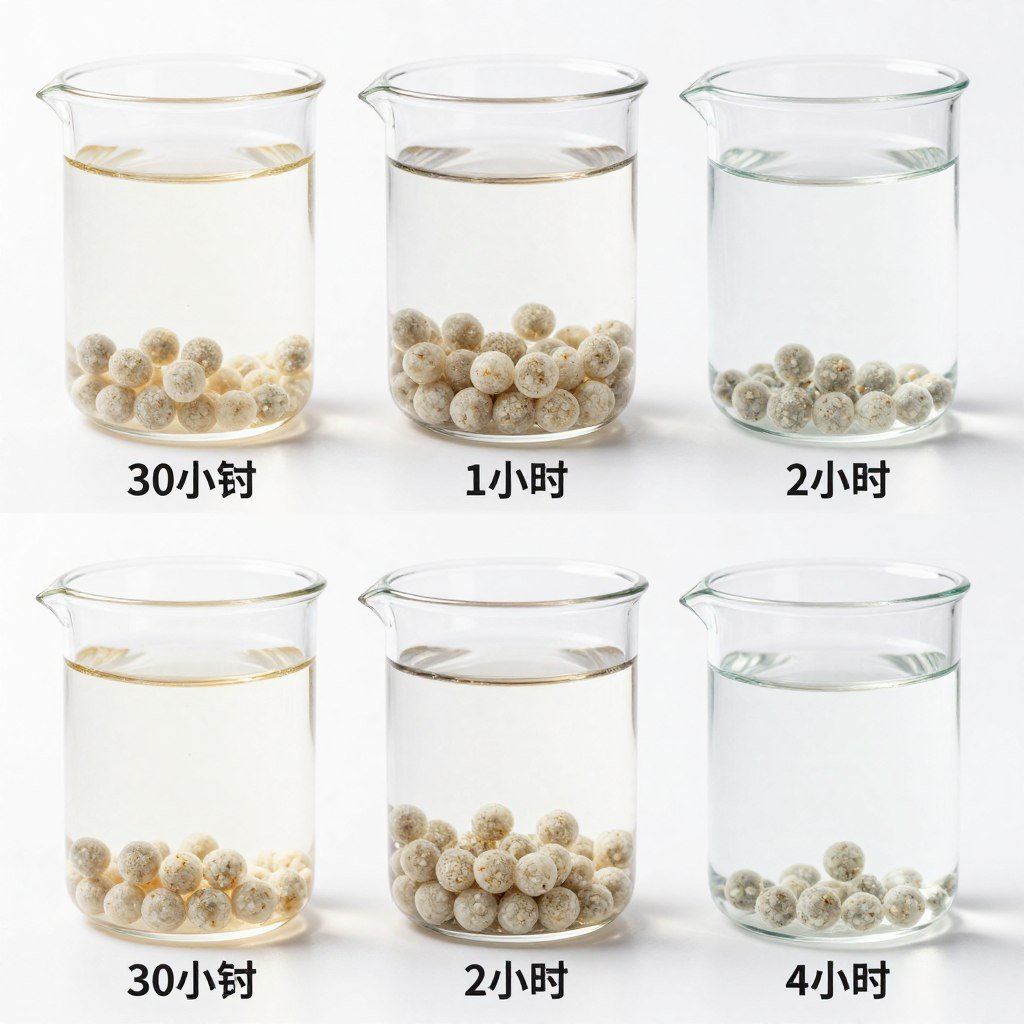
Water stability stands as the paramount quality criterion for shrimp feed, directly impacting feeding efficiency, nutrient delivery, and pond water quality management. Premium shrimp feed production line plants incorporate multiple design features specifically targeting enhanced water stability performance.
The conditioning system plays a critical role, with sophisticated units providing precise control over steam injection rates, retention time, and temperature profiles. Optimal conditioning typically targets mash temperatures of 75-85°C with moisture content elevated to 15-17%, creating conditions that promote starch gelatinisation and protein denaturation. These chemical changes significantly improve pellet binding strength, the foundation of water stability.
Die design represents another crucial factor, with professional aquatic feed mills utilising dies specifically engineered for shrimp feed applications. These dies feature smaller hole diameters (0.5mm to 5mm versus 3mm to 8mm for livestock feed), greater compression ratios (typically 1:10 to 1:14), and extended die channel lengths that increase compaction pressure and residence time. The result: denser pellets with reduced porosity and superior water resistance.
Post-pelleting oil application systems apply liquid ingredients (fish oil, lecithin, specialised binders) through precision spray coating technology. This creates a hydrophobic surface barrier whilst incorporating valuable lipid-soluble nutrients. Modern systems achieve coating uniformity within 2-3% variation, ensuring consistent water stability across production batches.
Fine Particle Processing Capabilities
Shrimp physiology necessitates substantially finer particle sizes compared to livestock or poultry feed applications. Whereas chicken feed might specify grind sizes of 800-1200 microns, optimal shrimp feed requires particle sizes between 250-400 microns to facilitate efficient digestion and nutrient absorption through the shrimp’s relatively simple digestive system.
Achieving these fine particle specifications demands specialised grinding equipment with specific design characteristics. High-performance hammer mills configured with fine screens (1.0mm to 1.5mm openings versus 3.0mm to 5.0mm for livestock applications) generate the required particle size distribution. However, fine grinding substantially increases energy consumption, with power requirements potentially doubling compared to coarse grinding operations.
Advanced shrimp feed production line plants address this challenge through multi-stage grinding strategies. Initial coarse grinding reduces raw materials to intermediate sizes, followed by selective fine grinding of only those ingredients requiring ultra-fine particles. This targeted approach optimises energy efficiency whilst maintaining final product specifications. Additionally, modern installations incorporate classifier systems that separate fine fractions for direct inclusion whilst returning oversized particles for additional grinding, improving overall grinding circuit efficiency.
High-Protein Raw Material Handling
Shrimp feed formulations typically incorporate 35-55% crude protein, substantially higher than most terrestrial animal feeds. This elevated protein content introduces several processing challenges that professional production line plants must address through appropriate equipment selection and process design.
High-protein ingredients, particularly marine protein sources like fishmeal, krill meal, and squid meal, exhibit different physical characteristics compared to carbohydrate-based ingredients. They tend toward greater abrasiveness, potentially accelerating wear on grinding equipment, mixer components, and pellet dies. Premium production lines specify wear-resistant alloys and replaceable wear parts in high-contact areas, extending operational intervals and reducing maintenance costs.
- Protein Source Variability – Different marine protein sources exhibit varying moisture contents, particle characteristics, and flowability properties requiring flexible batching systems with accurate micro-dosing capabilities
- Oil Content Management – High-protein ingredients often contain significant lipid fractions that can impact pellet mill performance; professional systems incorporate pre-pelleting oil management to maintain optimal fat levels
- Temperature Sensitivity – Excessive processing temperatures can denature valuable protein structures and destroy heat-sensitive vitamins; advanced lines include temperature monitoring and control throughout the process chain
- Oxidation Prevention – Marine proteins and oils are susceptible to oxidative rancidity; quality systems integrate inert gas blanketing in storage vessels and antioxidant application systems
+86 15815556422WhatsApp available for immediate technical consultation
Complete Shrimp Feed Production Line Plant Equipment Breakdown
Understanding the specific function and critical specifications of each equipment component enables informed decision-making when evaluating shrimp feed production line plant investments. This comprehensive breakdown examines the core machinery that forms the backbone of professional aquatic feed manufacturing operations.
Raw Material Reception and Storage Systems
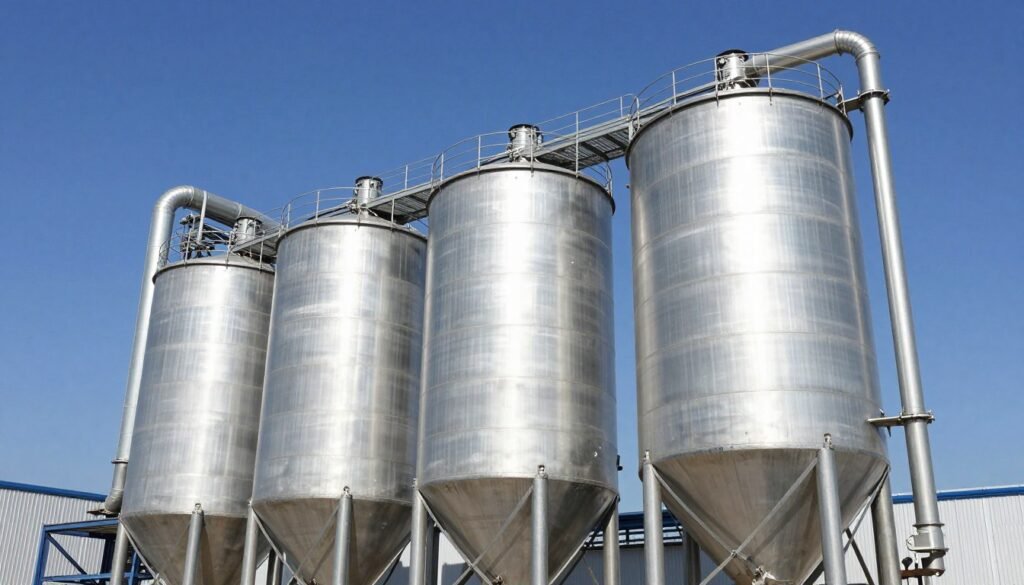
Efficient raw material handling establishes the foundation for consistent production performance. Professional installations incorporate dedicated reception facilities capable of handling diverse ingredient types from bulk trucks, containers, or super-sacks. Intake systems typically include pneumatic conveying for fine powders, mechanical conveyors for free-flowing materials like whole grains, and specialised handling for liquids including fish oil and molasses.
Storage capacity planning balances several competing factors: maintaining sufficient inventory to buffer supply chain disruptions, minimising capital tied up in ingredient stocks, providing adequate space for diverse formulation ingredients, and ensuring proper storage conditions to preserve ingredient quality. A typical commercial facility might maintain 7-14 days of ingredient inventory, translating to significant storage volumes for higher-capacity operations.
Batching and Weighing Systems
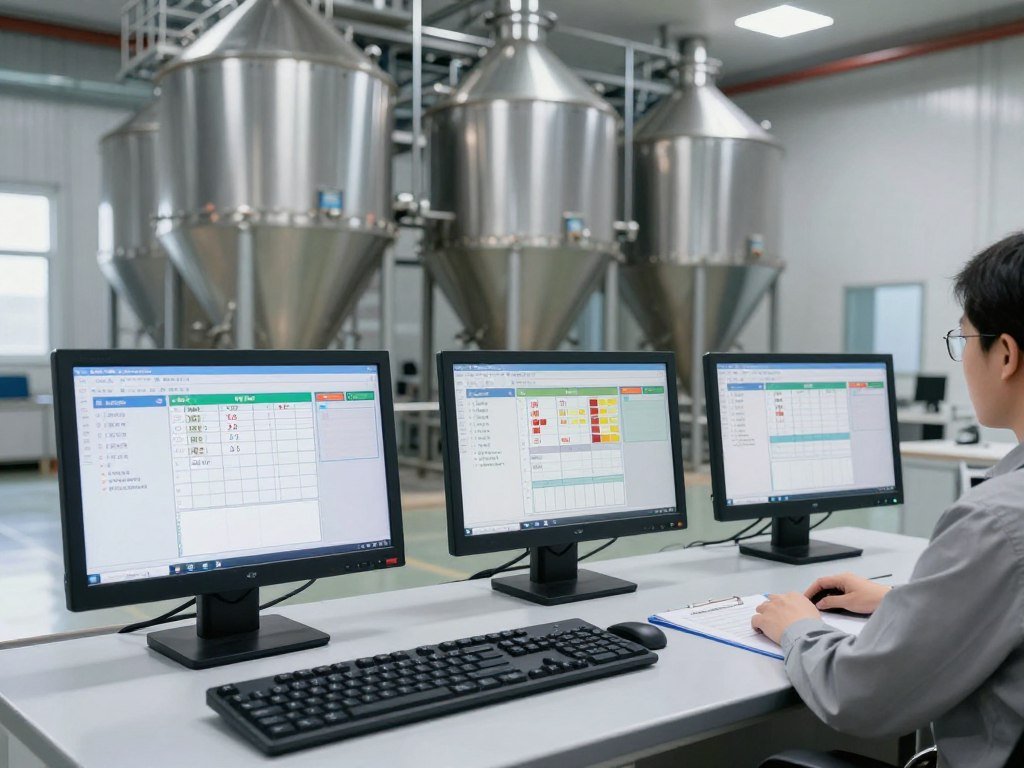
Precise ingredient batching forms the cornerstone of nutritional consistency, ensuring every production batch delivers the specified nutrient profile. Modern shrimp feed production line plants employ computerised batching systems that control multiple ingredient bins, each equipped with load cells providing weighing accuracy typically within 0.1-0.3% of target weight.
Batching system design must accommodate the full ingredient spectrum from major components like fishmeal and wheat flour, representing 10-40% of the formula, through to micro-ingredients including vitamins, minerals, and specialised additives that might constitute less than 0.1% of the final blend. This wide range necessitates multiple weighing scales: bulk scales handling 500-2000kg batches for major ingredients, intermediate scales managing 50-200kg quantities for moderate inclusions, and precision micro-dosing systems accurate to 50-100 grams for minor components.
Grinding Equipment Specifications
The grinding section reduces raw materials to particle sizes optimised for shrimp digestion whilst managing energy consumption and production throughput. For shrimp feed applications, hammer mills represent the predominant technology, offering the flexibility to achieve fine particle sizes across diverse ingredient types.
Critical hammer mill specifications include rotor diameter and width (determining throughput capacity), rotor speed (impacting particle size and energy consumption), screen hole size (controlling final particle size distribution), and installed motor power. A mid-range shrimp feed operation might specify a hammer mill with 600mm rotor diameter, operating at 3000 RPM, equipped with 1.0-1.5mm screens, and powered by a 75-132kW motor, delivering 3-5 tonnes per hour throughput depending on raw material characteristics and target fineness.
| Production Capacity | Hammer Mill Power | Screen Size | Typical Throughput | Energy Consumption |
| 1-2 T/H Plant | 37-55 kW | 1.0-1.5mm | 800-1,500 kg/h | 25-35 kWh/tonne |
| 3-5 T/H Plant | 75-110 kW | 1.0-1.5mm | 2,500-4,500 kg/h | 22-30 kWh/tonne |
| 8-10 T/H Plant | 132-185 kW | 1.0-1.8mm | 7,000-9,500 kg/h | 18-25 kWh/tonne |
| 15-20 T/H Plant | 220-280 kW | 1.2-2.0mm | 14,000-19,000 kg/h | 15-22 kWh/tonne |
Free Plant Design & Capacity Consultation
Selecting optimal equipment specifications requires deep understanding of your specific raw materials, formulation requirements, and production targets. MAIKONG’s engineering team provides complimentary plant design consultation services, analysing your requirements to recommend the ideal equipment configuration for your shrimp feed production line plant. Our expertise spans installations from 500kg/hour to 200 tonnes/hour across diverse markets.
Mixing Technology
The mixing stage homogenises the ground ingredients, ensuring uniform nutrient distribution throughout the batch. For shrimp feed applications demanding inclusion of micro-nutrients at levels below 0.5%, mixing efficiency becomes critical to product quality and regulatory compliance with nutritional labelling requirements.
Horizontal ribbon mixers dominate shrimp feed applications, offering excellent mixing performance with batch times typically ranging from 3 to 8 minutes to achieve coefficient of variation below 5%. These mixers feature twin contra-rotating ribbon agitators that create radial, axial, and tangential material movement, effectively dispersing even difficult-to-mix ingredients like oils, molasses, and micro-encapsulated additives.
Mixer capacity selection balances batch size against mixing efficiency and production flexibility. Oversized mixers operating at low fill levels exhibit reduced mixing efficiency, whilst undersized units limit maximum production capacity. Professional installations typically specify mixer working capacity at 70-85% of total volume, with common batch sizes ranging from 500kg for small operations to 5,000kg for large commercial facilities.
Pelleting Systems
The pellet mill transforms the mixed mash into dense, durable pellets through a combination of mechanical pressure, frictional heat, and steam conditioning. For shrimp feed applications, ring die pellet mills equipped with precision dies represent the industry standard, offering superior pellet quality and production consistency compared to flat die alternatives.
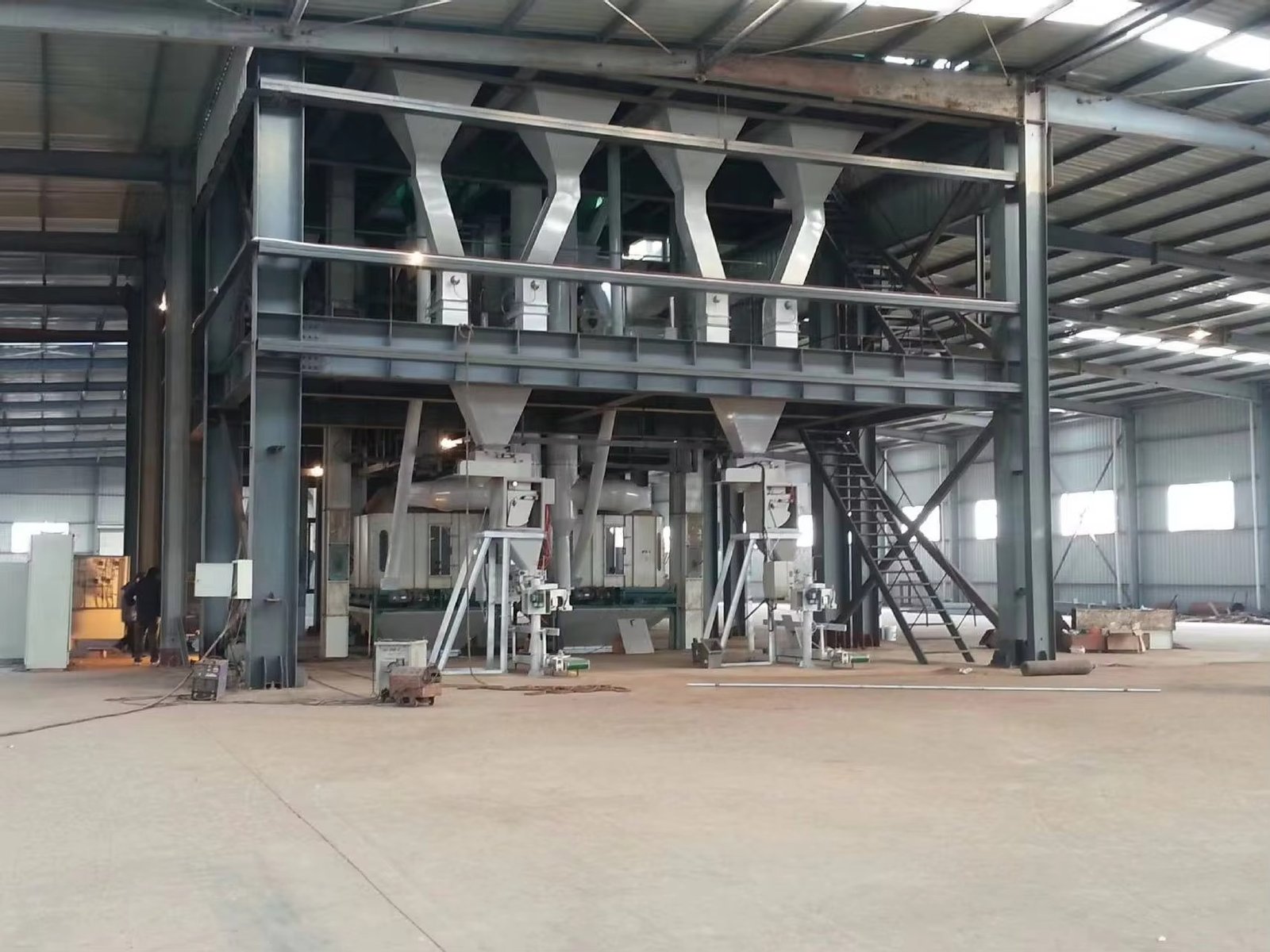
Critical pellet mill specifications include die diameter (affecting production capacity and mechanical advantage), die speed (impacting pellet density and mill throughput), conditioning chamber design (controlling steam application and retention time), and main drive power. A typical 5-tonne per hour shrimp feed line might employ a pellet mill with 420mm die diameter, operating at 250-320 RPM, equipped with a 90-110kW main drive motor.
Die selection represents a crucial decision point, with hole diameter determining final pellet size, compression ratio (die thickness divided by hole diameter) affecting pellet density and durability, and die material composition influencing wear life when processing abrasive high-protein formulations. Professional shrimp feed dies typically specify compression ratios between 1:10 and 1:14, compared to 1:8 to 1:10 for livestock feeds, delivering the enhanced compaction required for water stability.
Cooling and Drying Equipment
Pellets exit the pellet mill at temperatures of 75-85°C with moisture content of 15-17%, requiring rapid cooling and moisture reduction to achieve stable storage conditions. Counterflow coolers represent the preferred technology, introducing ambient air from the bottom of the cooling column whilst hot pellets descend from the top, maximising thermal efficiency and minimising pellet damage.
Cooling system capacity must match pellet mill production, with proper sizing ensuring adequate retention time for pellets to cool to ambient temperature plus 5°C and moisture to reduce to target levels of 10-12%. Undersized coolers create production bottlenecks and compromise pellet quality through insufficient cooling, whilst oversized units represent unnecessary capital expenditure. Modern installations typically specify counterflow coolers with retention times of 8-12 minutes, translating to substantial cooling column volumes for higher-capacity operations.
Screening and Grading Systems
The screening section separates finished pellets meeting size specifications from fines (undersize particles) and occasionally oversize pieces. Vibrating screeners employ multi-deck screen configurations, with the top deck removing any oversize material whilst the bottom deck captures fines for return to the mixing stage or separate fines product stream.
Screen selection considers pellet size range, production throughput requirements, and desired separation efficiency. For shrimp feed applications producing multiple pellet sizes (typically 0.5mm, 1.0mm, 1.5mm, 2.0mm, 3.0mm, and 5.0mm to accommodate different shrimp growth stages), the screening system must facilitate rapid changeovers between product specifications. Professional installations specify screening equipment delivering separation efficiency exceeding 95% at design throughput rates.
Packaging and Bagging Equipment
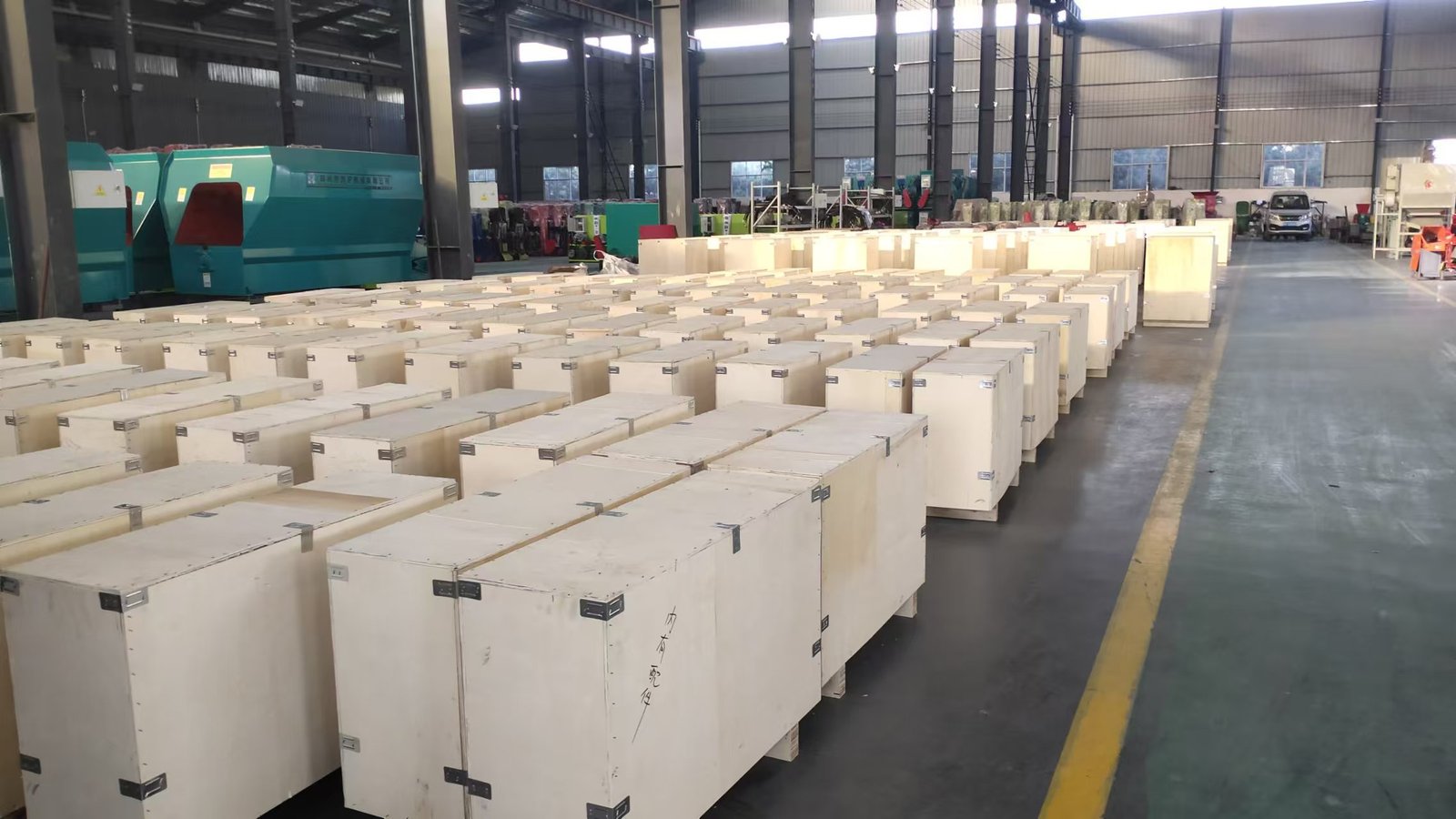
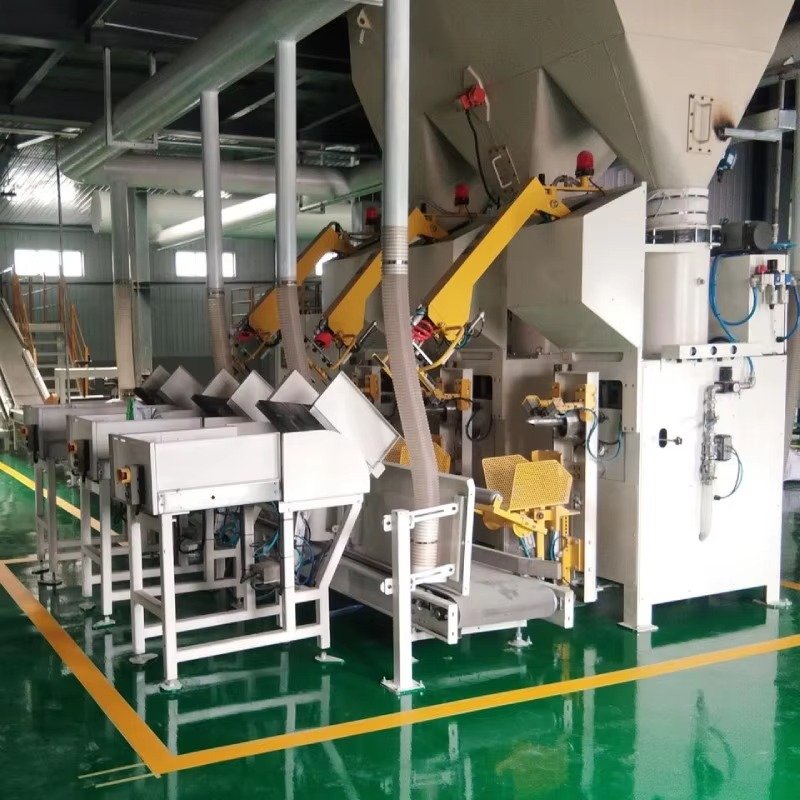
The final stage transfers finished pellets into retail or bulk packaging for distribution. Automated packaging systems integrate several components: product feed systems delivering consistent material flow to the packing station, electronic weighing scales providing accurate fill weights, bag placement and filling mechanisms, and bag sealing or sewing equipment for secure closure.
Packaging line capacity should match or slightly exceed upstream production capacity to avoid creating bottlenecks that limit overall plant throughput. Modern installations achieve packing speeds of 6-12 bags per minute for standard 25kg or 50kg bag sizes, with higher speeds possible for smaller package formats or bulk bag operations. Integration of checkweighing systems ensures regulatory compliance with package weight declarations whilst minimising product giveaway that erodes profitability.
MAIKONG MK-L003 Shrimp Feed Production Line Plant: Complete Specifications
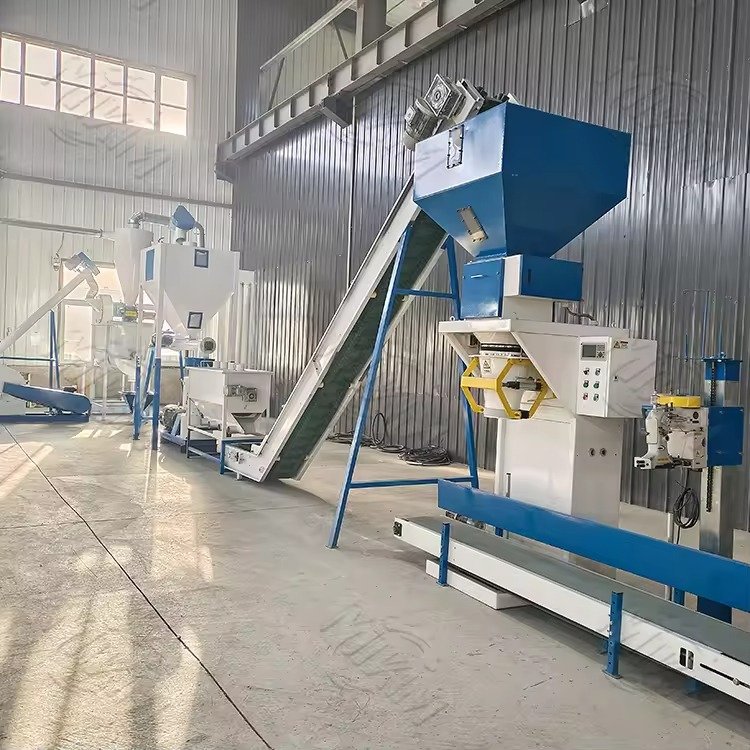
The MAIKONG MK-L003 represents our mid-capacity shrimp feed production line plant, engineered specifically for commercial feed manufacturers, large aquaculture operations, and regional distributors requiring production flexibility combined with professional-grade output quality. This turnkey system delivers 3-5 tonnes per hour capacity whilst maintaining the stringent quality standards demanded by premium shrimp feed applications.
MK-L003 Technical Specifications
| Model Number | MK-L003 |
| Production Capacity | 3-5 Tonnes/Hour |
| Total Installed Power | 185 kW |
| Voltage Configuration | 380V/50Hz (UK: 415V/50Hz available) |
| Overall Dimensions | 28m (L) × 12m (W) × 8m (H) |
| Equipment Weight | 18,500 kg |
| Pellet Size Range | 0.5mm – 5.0mm diameter |
| Material Construction | Stainless steel (food contact), Carbon steel (frame) |
| Control System | PLC with HMI touchscreen interface |
| Installation Period | 15-20 working days |
| Colour Options | Industrial Grey (standard), Custom RAL colours available |
| Warranty Period | 24 months parts, lifetime technical support |
Equipment Configuration
- Hammer Mill – MAIKONG SFSP66×80 model, 75kW motor, 1.0-1.5mm screens, 3-5 T/H capacity
- Horizontal Mixer – MAIKONG SLHJ2 ribbon mixer, 11kW motor, 1,500kg batch capacity, 5-minute cycle
- Ring Die Pellet Mill – MAIKONG SZLH420 model, 110kW main drive, 420mm die diameter, includes steam conditioning
- Counterflow Cooler – MAIKONG SKLN14×14 model, 7.5kW fan motor, 10-minute retention time
- Vibrating Screener – Dual-deck configuration, 3kW vibration motor, quick-change screen panels
- Packaging System – Electronic weighing, 8-10 bags/minute, 25kg/50kg bag capability
- Dust Collection – Cyclone separators plus bag filter, 98% collection efficiency
- Conveying Systems – Bucket elevators, screw conveyors, pneumatic transport as required
- Control Panel – Siemens PLC, 10-inch colour touchscreen HMI, production monitoring and recipe storage
Performance Specifications
The MK-L003 delivers professional-grade performance metrics that satisfy demanding shrimp feed quality requirements whilst maintaining operational efficiency essential for commercial profitability. Pellet water stability typically exceeds 2 hours with minimal leaching, meeting requirements for most shrimp farming operations. Pellet durability index reaches 95-97%, ensuring minimal fines generation during handling and transport.
Raw material moisture content flexibility accommodates ingredients ranging from 8% to 15% moisture without process adjustments, whilst final pellet moisture achieves target specifications of 10-12% consistently. Energy consumption averages 22-28 kWh per tonne produced, competitive with industry benchmarks for this capacity range. The production line operates with minimal labour requirements, typically 2-3 operators per shift managing the entire process from raw material intake through finished product packaging.
Customisation and OEM/ODM Capabilities
MAIKONG’s 22 years of manufacturing experience encompasses extensive customisation capabilities that adapt our standard production line designs to meet specific customer requirements. Our engineering team collaborates with clients to modify equipment specifications, adjust production capacity, integrate specialised processing features, or develop entirely custom solutions for unique applications.
Standard Customisation Options
- Voltage and frequency configuration for any global standard (220V/380V/415V/480V, 50Hz/60Hz)
- Production capacity adjustment from 200kg/hour to 200 tonnes/hour
- Specialised die configurations for specific pellet sizes and formulations
- Enhanced automation levels including automated batching, inline quality monitoring
- Material contact surfaces in food-grade stainless steel (304 or 316 grade)
- Integration with existing plant equipment or control systems
- Custom colour schemes and equipment branding for OEM applications
- Specialised dust collection and emission control for stringent environmental regulations
Global Installation Case Studies
MAIKONG shrimp feed production line plants operate successfully across diverse markets, climates, and regulatory environments. Our installation portfolio demonstrates proven performance in challenging applications and varying scale requirements.
European Union – Netherlands Installation
Project: 8 T/H shrimp and fish feed production line for major aquaculture feed distributor
Capacity: 8 tonnes per hour, dual product capability
Special Features: EU regulatory compliance, enhanced food safety protocols, automated batch record keeping
Timeline: Installation completed in 45 days, full commissioning achieved within 60 days
Results: Production efficiency exceeding 92%, pellet quality meeting all EU aquaculture feed standards, energy consumption 15% below client’s previous equipment
Asia – Thailand Shrimp Feed Factory
Project: Complete 15 T/H shrimp feed manufacturing facility for export-focused producer
Capacity: 15 tonnes per hour with expansion provision to 20 T/H
Special Features: High-humidity climate adaptation, enhanced corrosion protection, integrated liquid ingredient application
Timeline: Design to commissioning completed in 120 days
Results: Supporting daily production of 240 tonnes, achieving international export quality standards, operational uptime exceeding 95%
Africa – Tanzania Aquaculture Project
Project: 3 T/H turnkey shrimp and tilapia feed production line for integrated farming operation
Capacity: 3 tonnes per hour, flexible formulation capability
Special Features: Off-grid solar power compatibility, minimal water consumption design, simplified maintenance protocols
Timeline: Equipment delivery and installation within 75 days
Results: Enabling local feed production reducing import dependence, supporting 500-hectare aquaculture operation, creating 15 local employment positions
How to Select the Right Shrimp Feed Production Line Plant for Your Operation
Investing in a shrimp feed production line plant represents a significant capital commitment that will influence your operational efficiency, product quality, and business profitability for many years. Systematic evaluation of your specific requirements against available equipment options ensures optimal alignment between investment and business objectives.
Capacity Planning and Demand Analysis
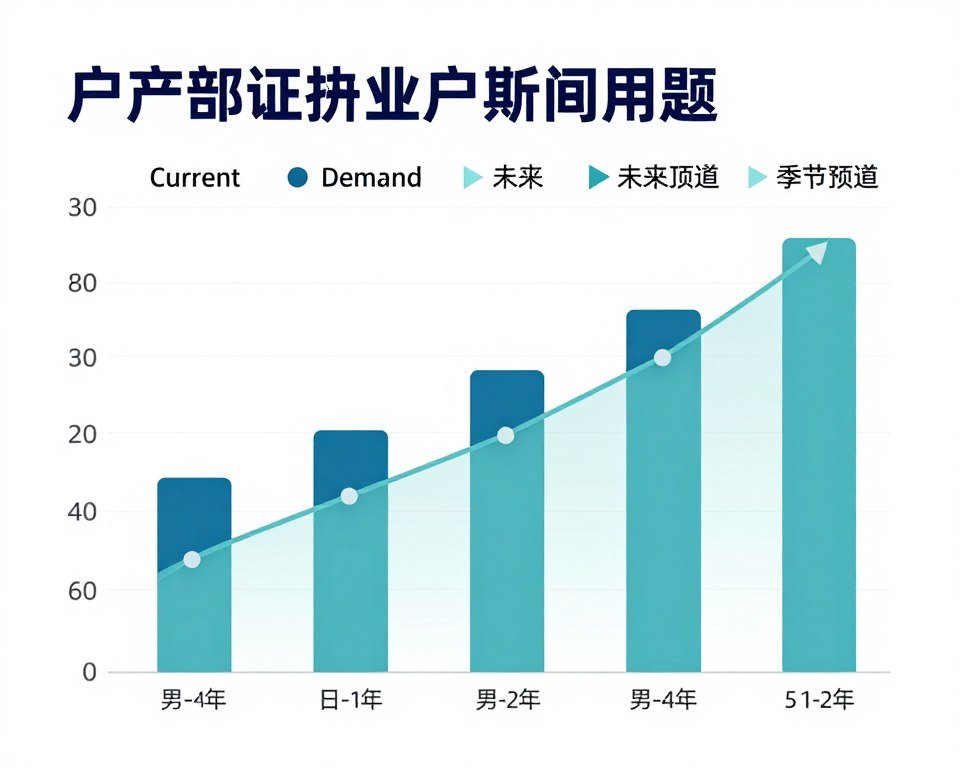
Accurate capacity planning begins with thorough analysis of current feed requirements and realistic projections for future demand growth. Many purchasers err by either under-specifying capacity, creating immediate production bottlenecks, or over-specifying, resulting in underutilised assets and poor capital efficiency.
Calculate your daily feed requirements based on current livestock populations, expected growth rates, and feeding protocols. Factor in seasonal demand variations common in aquaculture operations, allowing sufficient capacity to meet peak requirements without excessive overcapacity during slower periods. Consider anticipated business growth over the equipment’s expected operational life, typically 15-20 years with proper maintenance, whilst recognising that dramatic overcapacity incurs unnecessary capital and operational costs.
Capacity Selection Considerations
- Current Demand – Document existing feed consumption across all shrimp populations and growth stages
- Growth Projections – Evaluate realistic expansion plans over 3-5 year horizon based on market opportunities and capital availability
- Production Flexibility – Consider requirements for multiple pellet sizes or specialty formulations requiring production changeovers
- Operating Schedule – Determine available production hours (single shift, double shift, continuous operation) affecting required hourly capacity
- Buffer Capacity – Include margin above calculated requirements to accommodate equipment maintenance, unplanned downtime, and demand spikes
Budget Development and Total Cost Analysis
Comprehensive budget development extends beyond initial equipment purchase price to encompass total cost of ownership across the asset’s operational life. This holistic approach enables accurate return on investment calculations and informs financing decisions.
Initial capital requirements include equipment purchase price, installation costs (foundation work, utilities connection, equipment assembly), commissioning and operator training, initial spare parts inventory, and working capital for raw material inventory. Operational costs encompass energy consumption (a significant ongoing expense for grinding and pelleting operations), labour requirements, routine maintenance and wear part replacement, and quality control testing.
| Plant Capacity | Equipment Investment | Installation Costs | Annual Operating Costs | Energy Cost per Tonne |
| 1-2 T/H | £85,000-£145,000 | £12,000-£25,000 | £45,000-£65,000 | £8-£12 |
| 3-5 T/H | £145,000-£235,000 | £22,000-£38,000 | £75,000-£125,000 | £6-£9 |
| 8-10 T/H | £285,000-£485,000 | £45,000-£75,000 | £145,000-£245,000 | £5-£7 |
| 15-20 T/H | £485,000-£850,000 | £75,000-£135,000 | £285,000-£485,000 | £4-£6 |
Note: Investment figures represent approximate ranges for complete turnkey installations. Actual costs vary based on specific equipment specifications, site conditions, local labour rates, and required customisation. Energy costs assume UK industrial electricity rates of £0.15-£0.18 per kWh.
Raw Material Characteristics and Process Requirements
Your specific raw material profile significantly influences equipment selection, particularly regarding grinding equipment specifications, mixer design, and pelleting system capabilities. Thoroughly document the physical and chemical characteristics of your intended ingredient slate to ensure equipment compatibility.
Consider ingredient moisture content ranges, particle size and hardness (affecting grinding energy requirements), oil content (impacting pellet mill performance and requiring potentially oil management systems), protein content and sources (influencing equipment wear patterns), and any specialised ingredients requiring particular handling or processing protocols.
Quality Standards and Buyer Concerns
Professional shrimp feed manufacturers face stringent quality requirements that production line equipment must reliably deliver. Evaluate equipment capabilities against your specific quality targets and common industry challenges.
Critical Quality Indicators
- Water stability duration (typically 2-4 hours minimum)
- Pellet durability index (target 95-97%)
- Powdering rate (below 3% through supply chain)
- Pellet hardness consistency batch-to-batch
- Nutrient uniformity across production run
- Final pellet moisture content (10-12%)
Common Production Challenges
- Material clogging in transfer systems and equipment
- Excessive fines generation reducing saleable product
- Inconsistent pellet hardness across different formulations
- Spare parts availability and delivery timeframes
- After-sales technical support responsiveness
- International shipping damage and delivery delays
Supplier Evaluation Criteria
The equipment supplier relationship extends far beyond initial purchase transaction, encompassing commissioning support, operator training, ongoing technical assistance, and spare parts supply throughout the equipment’s operational life. Rigorous supplier evaluation protects your investment and ensures long-term operational success.
- Manufacturing Experience – Verify supplier’s operational history specifically in aquatic feed equipment (MAIKONG: 22+ years focused experience)
- Installation Portfolio – Review documented case studies in similar applications and capacity ranges, preferably including references contactable for independent verification
- Technical Capabilities – Assess engineering resources available for customisation, troubleshooting, and process optimisation support
- After-Sales Infrastructure – Confirm spare parts inventory systems, typical delivery timeframes, and technical support availability across time zones
- Training Programmes – Evaluate comprehensiveness of operator training, maintenance training, and ongoing technical education offerings
- Warranty Terms – Understand coverage scope, duration, response commitments, and exclusions in warranty agreements
- Compliance Certifications – Verify relevant quality management certifications (ISO 9001), safety standards (CE marking for European markets), and industry-specific accreditations
Configure Your Ideal Shrimp Feed Production Line
Every aquaculture operation presents unique requirements based on production scale, raw material availability, product specifications, and budget constraints. MAIKONG’s engineering team specialises in developing customised shrimp feed production line plant solutions precisely matched to your specific parameters. Schedule a confidential consultation where we’ll analyse your requirements and propose an optimised equipment configuration with transparent pricing and project timeline.
Installation, Commissioning, and Ongoing Technical Support
Successful shrimp feed production line plant implementation extends beyond equipment delivery to encompass professional installation, comprehensive commissioning, thorough operator training, and sustained technical support throughout the equipment’s operational life. MAIKONG’s turnkey approach manages these critical phases, ensuring your investment achieves optimal performance from day one and maintains that performance over decades of operation.
Pre-Installation Planning and Site Preparation
Thorough pre-installation planning establishes the foundation for smooth implementation and avoids costly delays or rework. Our engineering team provides detailed site requirement specifications covering building dimensions, structural loading requirements, utility connections (electrical power, water supply, compressed air, steam generation if required), material flow logistics, and regulatory compliance considerations.
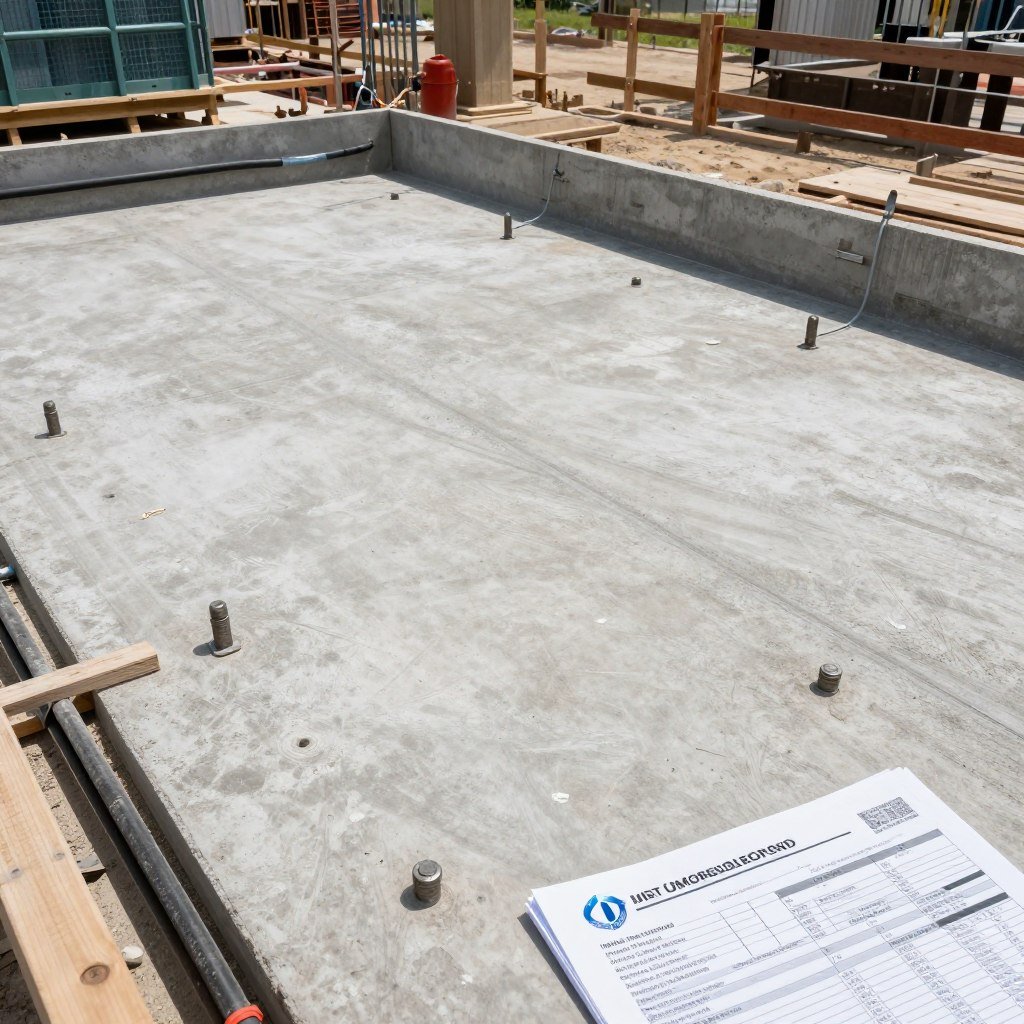
Typical site preparation encompasses foundation construction to specified load-bearing capacities (particularly critical for heavy equipment like pellet mills and storage silos), electrical infrastructure installation meeting equipment power requirements and control system specifications, installation of utility connections including water supply for steam generation and cooling systems, and creation of raw material receiving and finished product storage areas with appropriate capacity.
The pre-installation phase also addresses regulatory requirements including building permits, environmental compliance (particularly dust and noise management), food safety certifications if applicable, and electrical safety inspections. MAIKONG provides comprehensive documentation supporting regulatory approval processes, drawing on our experience across diverse international regulatory frameworks.
Equipment Installation Process
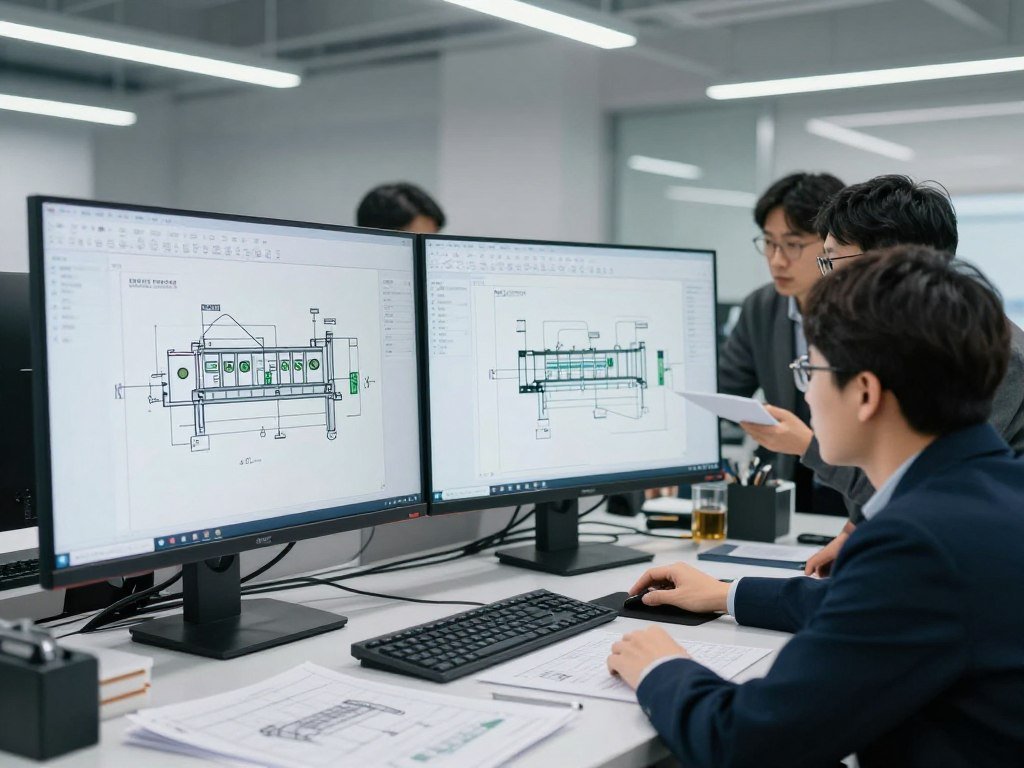
Professional installation by experienced technicians ensures equipment operates to specification and achieves design performance capabilities. MAIKONG’s installation service encompasses complete equipment assembly, precise alignment to manufacturer specifications, comprehensive electrical connections and control system integration, and thorough testing of all mechanical and electrical systems prior to commissioning.
Installation timeline varies with plant capacity and complexity, with our MK-L003 model typically requiring 15-20 working days from equipment arrival to mechanical completion. Larger installations naturally extend this timeline, whilst smaller systems may achieve faster completion. We maintain close communication throughout installation, providing regular progress updates and promptly addressing any site-specific considerations requiring engineering input.
Commissioning and Performance Verification
The commissioning phase validates that installed equipment delivers specified performance across all operational parameters. Our systematic commissioning protocol includes individual equipment testing verifying mechanical operation and electrical functions, integrated system testing confirming proper material flow through the complete production sequence, process parameter optimisation adjusting conditioning temperatures, pellet mill settings, and cooler airflow, and full-load production trials producing actual product batches whilst monitoring quality indicators.
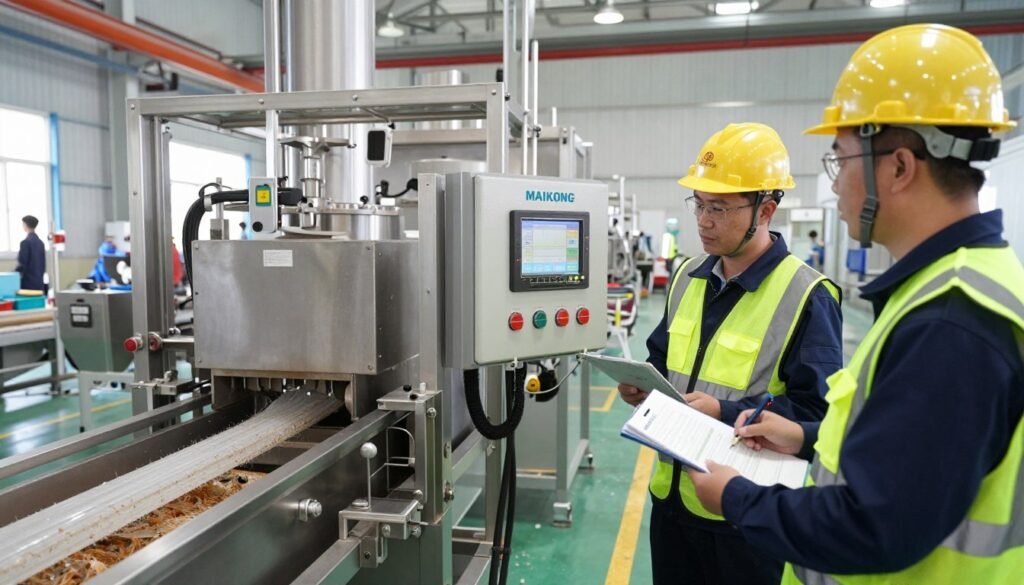
Commissioning concludes with documented performance verification demonstrating the production line achieves specified capacity, produces pellets meeting quality standards (water stability, durability, size uniformity), operates within energy consumption targets, and complies with all safety and environmental requirements. We provide comprehensive commissioning reports detailing test procedures, results, and any adjustments made during optimisation.
Operator Training Programmes
Competent equipment operation directly determines production efficiency, product quality, and equipment longevity. MAIKONG’s comprehensive training programme equips your team with knowledge and skills for proficient operation and routine maintenance, covering production process fundamentals, equipment-specific operating procedures, process control and optimisation techniques, routine maintenance protocols, basic troubleshooting, and safety procedures.
Training delivery combines classroom instruction covering theoretical principles with extensive hands-on practice operating equipment under supervision. We typically recommend training teams of 4-6 personnel to ensure operational coverage across shifts and provide backup capability during staff absence. Training duration varies with plant complexity, with our MK-L003 installation typically requiring 5-7 days of comprehensive instruction.
After-Sales Support and Technical Assistance
MAIKONG’s commitment to customer success extends throughout your equipment’s operational life through multiple support channels ensuring prompt assistance whenever questions or issues arise. Our technical support infrastructure includes remote assistance via telephone, email, and video conferencing for rapid troubleshooting, on-site service visits for complex issues requiring hands-on intervention, comprehensive spare parts supply with expedited delivery for critical components, and process optimisation consulting to enhance efficiency or adapt to formulation changes.
MAIKONG Support Advantages
- 22 years technical knowledge base
- Multi-lingual support team (English, Spanish, French, German, Mandarin)
- 24-hour emergency response commitment
- Comprehensive spare parts inventory for rapid dispatch
- Global logistics network ensuring timely delivery
- Lifetime technical consultation included with equipment purchase
- Regular customer training workshops and webinars
- Process optimisation site visits available
Typical Support Response Times
- Email inquiries: Response within 4 hours during business hours
- Urgent technical calls: Immediate response during UK business hours
- Spare parts quotation: Within 8 hours of request
- Critical spare parts dispatch: Same-day for stock items
- Standard spare parts delivery to UK: 5-7 working days
- Express delivery option: 48-72 hours to UK destinations
- On-site service visit scheduling: Within 14 days of request
- Emergency on-site support: Mobilisation within 72 hours
Spare Parts Management and Predictive Maintenance
Proactive spare parts management and predictive maintenance strategies minimise unplanned downtime whilst optimising maintenance expenditure. We recommend establishing initial spare parts inventory covering predictable wear items (hammer mill screens and hammers, mixer ribbon flights, pellet die and rollers, drive belts and chains, electrical contactors and sensors) with quantities based on equipment utilisation and historical wear patterns.
Our technical team provides guidance on predictive maintenance schedules, identifying optimal intervals for component inspection and replacement based on operating hours, production tonnage, and material characteristics. This proactive approach prevents unexpected failures that could halt production during critical periods whilst avoiding premature replacement of components with remaining useful life.
Technical Support Hotline
Direct line to MAIKONG engineering team | WhatsApp available
UK Distributor and Partnership Opportunities with MAIKONG
MAIKONG actively seeks partnerships with established distributors, equipment dealers, and agricultural technology providers throughout the United Kingdom and broader European markets. Our distributor programme offers attractive commercial terms combined with comprehensive technical and marketing support, creating profitable opportunities for businesses serving the expanding aquaculture and animal feed manufacturing sectors.
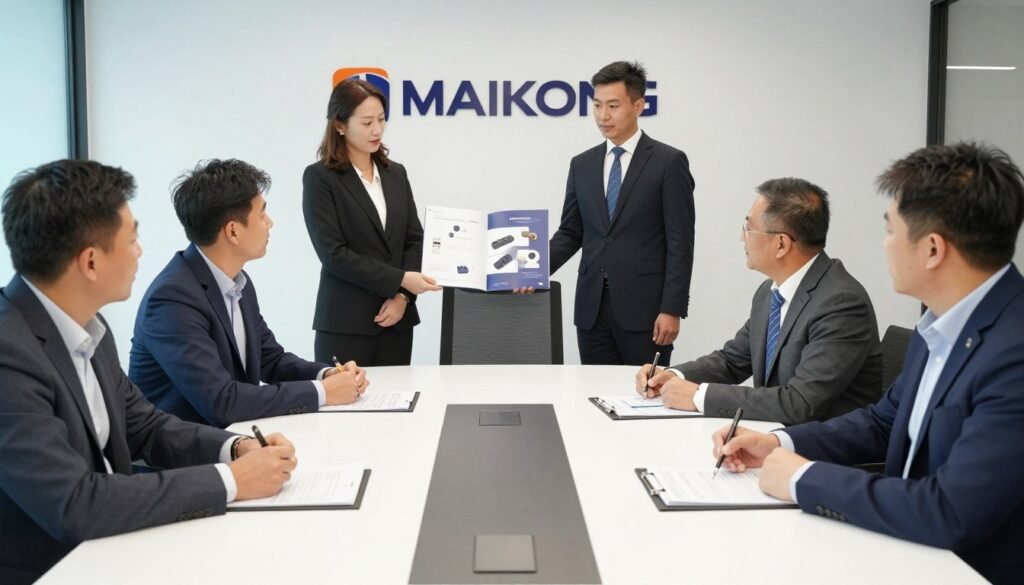
Why Partner with MAIKONG?
MAIKONG brings unique strengths to distributor partnerships that enhance your competitive position and support sustainable business growth. Our 22-year manufacturing heritage demonstrates proven staying power and accumulated expertise that newer market entrants cannot replicate. This experience translates into reliable product quality, comprehensive technical knowledge, and stable business relationships valued by end customers making significant capital equipment investments.
Distributor Programme Benefits
- Exclusive territory rights for committed partners in defined geographic regions
- Competitive distributor pricing with attractive margins supporting profitable operations
- Comprehensive product training ensuring your sales and technical teams can confidently represent our solutions
- Marketing support including product literature, technical documentation, and digital marketing assets
- Technical backup from factory engineers for complex applications or challenging installations
- Flexible OEM/ODM arrangements allowing private labelling for established brands
- Reasonable minimum order requirements recognising market development timelines
- Extended payment terms for qualified distributors with established credit
Ideal Distributor Profile
- Established business serving aquaculture, animal feed, or agricultural equipment markets
- Technical competence to provide pre-sale consultation and post-sale support
- Existing customer relationships in target markets (feed manufacturers, large farms, agricultural cooperatives)
- Service infrastructure supporting equipment installation and maintenance
- Financial stability to maintain inventory and provide customer financing if appropriate
- Commitment to representing MAIKONG brand professionally and growing market presence
- Willingness to invest in product knowledge and technical capability development
Market Opportunity in UK and European Markets
The United Kingdom and European Union represent substantial markets for aquaculture feed production equipment, driven by growing aquaculture production, increasing focus on sustainable protein sources, regulatory requirements favouring professionally manufactured feeds, and ongoing modernisation of feed production infrastructure. UK aquaculture production has grown steadily, with farmed fish and shellfish production exceeding 210,000 tonnes annually and representing over £1.4 billion in value.
This production growth creates corresponding demand for high-quality manufactured feeds, as professional operations increasingly recognise the production efficiency and quality advantages of scientifically formulated pelleted feeds versus traditional feeding approaches. Simultaneously, regulatory frameworks increasingly require professionally manufactured feeds meeting specified nutritional and safety standards, particularly for commercial operations selling into retail and export markets.
Existing feed production infrastructure often relies on older equipment with limited automation, higher energy consumption, and reduced product quality capabilities compared to modern systems. This creates substantial retrofit and upgrade opportunities where MAIKONG’s range of production capacities and flexible configurations offer attractive solutions.
Partnership Application Process
MAIKONG evaluates distributor partnership applications systematically, seeking alignment between prospective partners’ capabilities and our programme requirements. The partnership development process typically progresses through several stages designed to establish mutual understanding and confidence.
- Initial Inquiry – Express interest via email providing background on your business, target markets, current product lines, and preliminary interest in MAIKONG partnership
- Capability Assessment – We’ll review your profile and arrange an introductory call to discuss partnership structure, territory considerations, and programme terms
- Business Planning – Qualified candidates develop preliminary business plan outlining market approach, sales targets, support infrastructure, and investment commitments
- Agreement Negotiation – Both parties work toward mutually acceptable distributor agreement defining rights, responsibilities, pricing, and performance expectations
- Onboarding and Training – Newly appointed distributors receive comprehensive product training, sales support materials, and introduction to factory technical resources
- Launch and Ongoing Support – We maintain regular communication, provide ongoing technical and marketing support, and collaboratively address challenges whilst celebrating successes
OEM and Private Label Opportunities
Beyond standard distribution arrangements, MAIKONG offers sophisticated OEM and private labelling capabilities for established brands seeking to expand product portfolios or equipment dealers desiring house-brand offerings. Our OEM programme provides complete flexibility in equipment branding, custom colour schemes matching your corporate identity, and tailored product specifications meeting specific market requirements or differentiating your offering.
This approach allows established agricultural equipment brands to quickly enter the feed production equipment sector leveraging MAIKONG’s manufacturing expertise and proven designs whilst maintaining complete brand control in your markets. We maintain strict confidentiality regarding OEM relationships, ensuring your competitive positioning remains protected.
Conclusion: Investing in Your Aquaculture Feed Production Future
Selecting the right shrimp feed production line plant represents one of the most significant decisions facing aquaculture feed manufacturers, large farming operations, and agricultural entrepreneurs entering this dynamic sector. The equipment choice influences product quality, production efficiency, operational costs, and ultimately competitive success over the equipment’s multi-decade service life.
MAIKONG’s 22 years of focused experience in feed production equipment manufacturing positions us as a knowledgeable partner for businesses seeking reliable, high-performance solutions backed by comprehensive technical support. Our production line range spans capacity requirements from 200kg to 200 tonnes per hour, ensuring we can provide appropriately scaled solutions whether you’re establishing a farm-based feed operation or developing a regional commercial feed manufacturing facility.
The sophistication required for successful shrimp feed manufacturing demands equipment engineered specifically for aquatic feed applications, not generic feed machinery adapted from livestock feed production. Our designs incorporate water stability enhancement features, fine particle processing capabilities, high-protein ingredient handling, and quality control functions essential for competitive shrimp feed products.
Beyond equipment supply, MAIKONG provides complete project support encompassing plant design consultation, installation supervision, comprehensive commissioning, thorough operator training, and sustained technical assistance throughout your equipment’s operational life. This turnkey approach ensures your investment achieves design performance rapidly and maintains that performance through decades of productive operation.
Partner with MAIKONG: UK Distributor and Agent Opportunities
MAIKONG actively seeks partnerships with established distributors, equipment dealers, and agricultural technology providers throughout the United Kingdom and European markets. Our distributor programme offers attractive commercial terms, comprehensive technical support, and access to a complete range of feed production solutions spanning 200kg to 200 tonnes per hour capacity. If you serve aquaculture, animal feed manufacturing, or agricultural equipment markets and seek a reliable manufacturing partner with proven products and sustained commitment to the sector, we invite you to explore partnership possibilities with MAIKONG.
Contact MAIKONG:
Email: Lucy@feedproductionline.uk
Phone/WhatsApp: +86 15815556422 (Click for WhatsApp)
Website: https://feedproductionline.uk/
Connect with us to discuss your shrimp feed production line plant requirements or explore partnership opportunities. Our engineering team stands ready to support your aquaculture feed manufacturing success.
For immediate technical consultation, project quotations, or partnership discussions, reach out to the MAIKONG team through any of our contact channels. We’re committed to supporting your aquaculture feed manufacturing success through reliable equipment, expert guidance, and sustained partnership.