Professional Animal Feed Production Line Manufacturer For UK Market

Pellet Production Line UK | MAIKONG 200KG-200T Systems
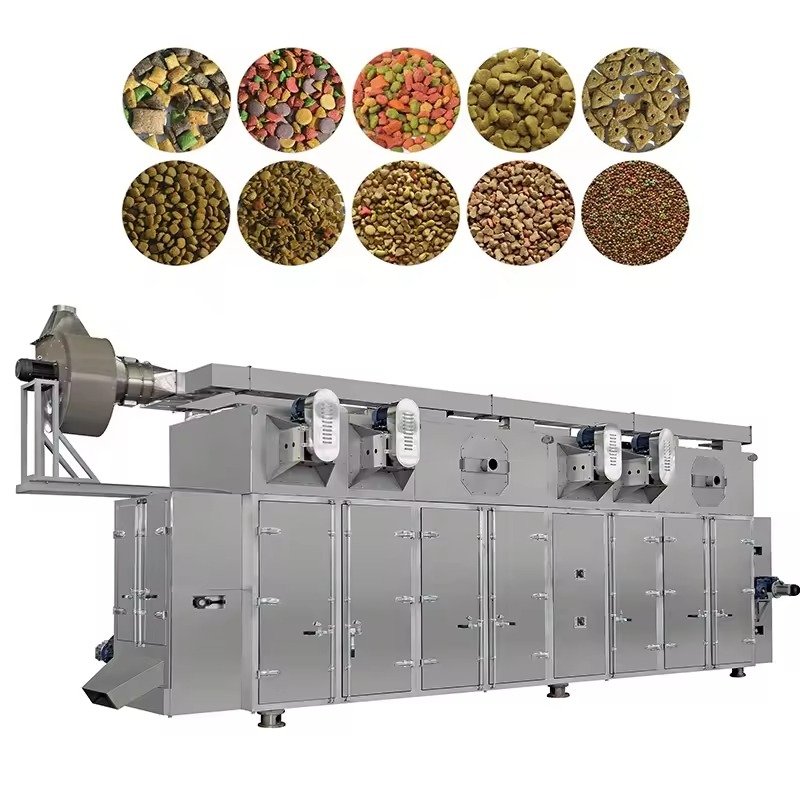
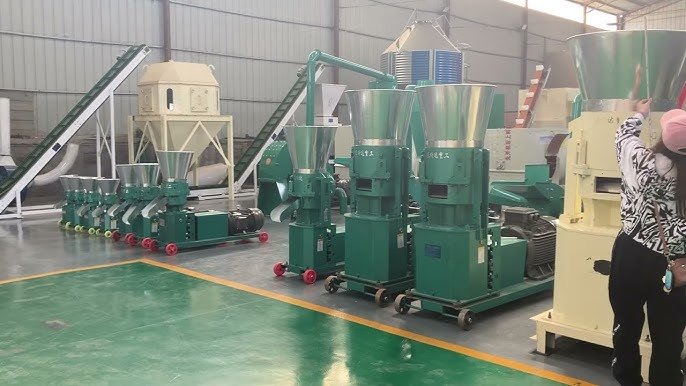
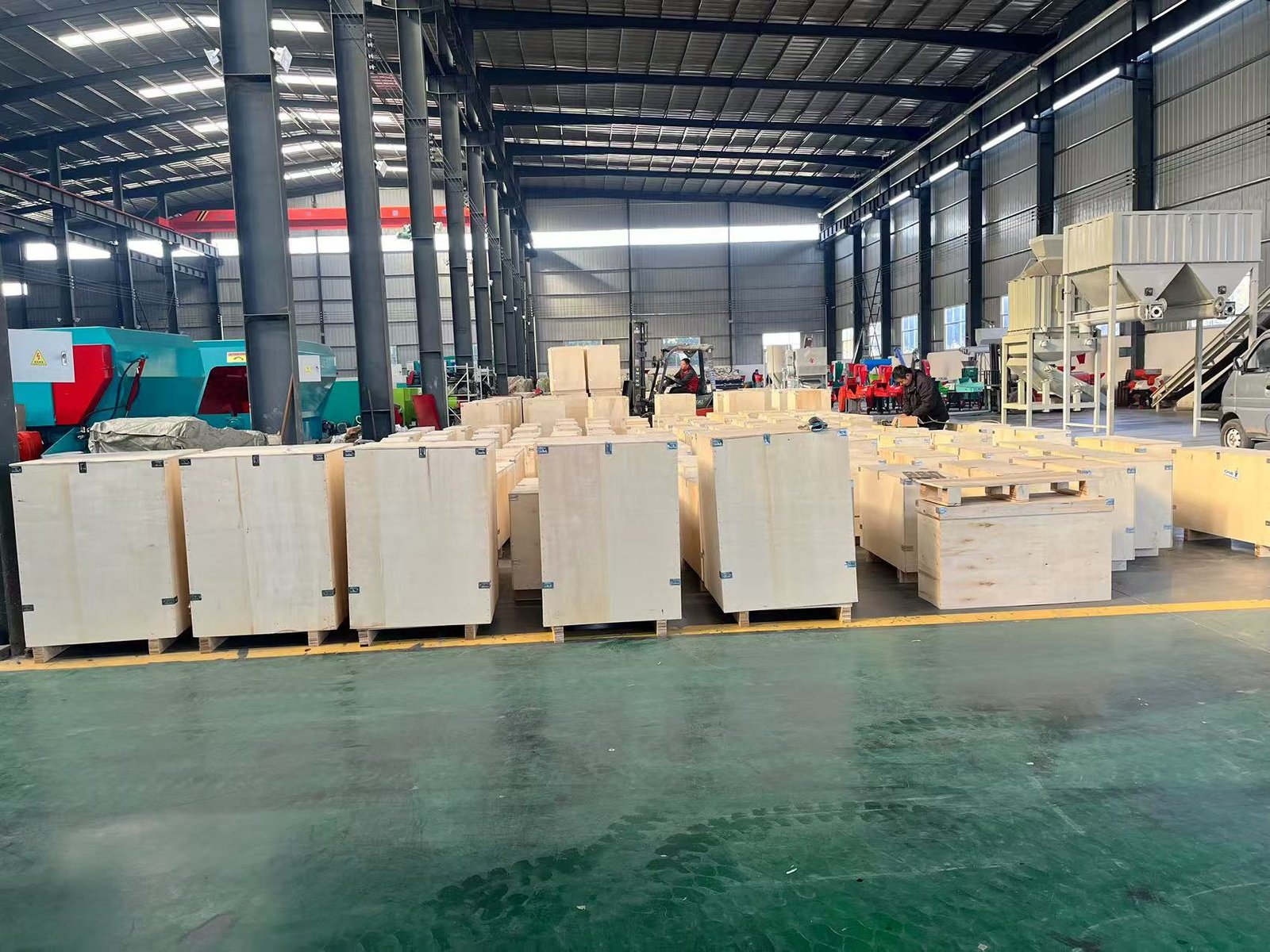
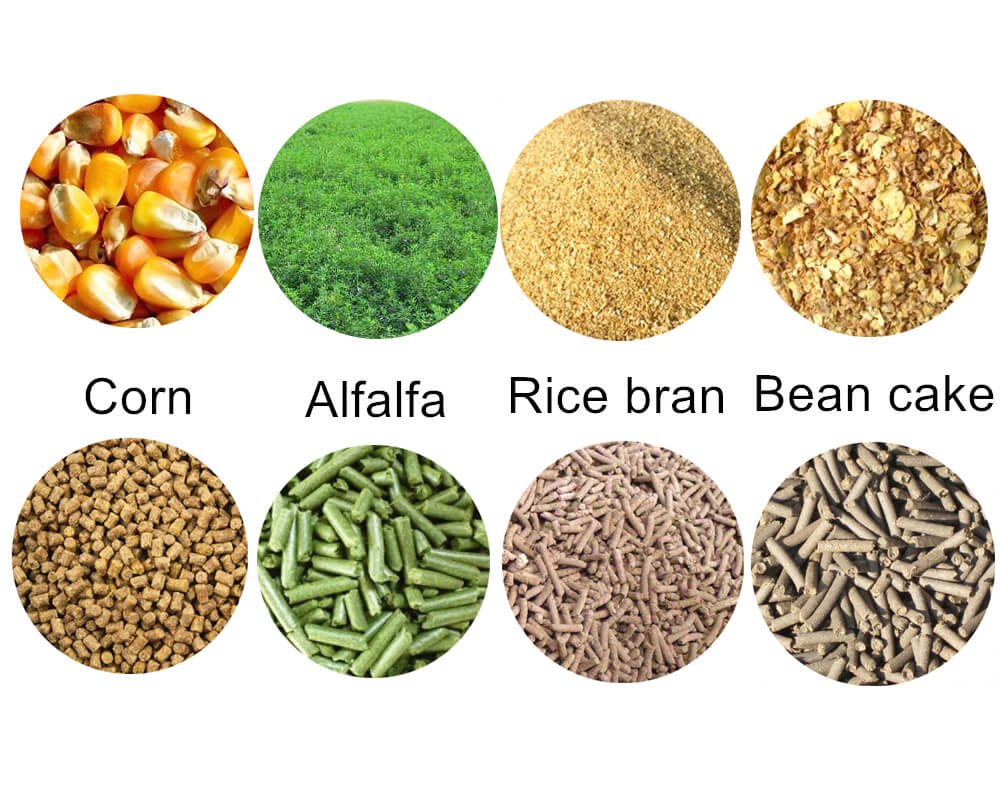
This comprehensive resource addresses critical buyer concerns: equipment reliability, customisation capabilities for specific animal types, production capacity selection, pellet quality parameters, return on investment calculations, and long-term technical support. We examine the complete pelleting process from raw material reception through final packaging, providing technical specifications and practical implementation guidance.
Understanding Pellet Production Line Components and Manufacturing Process
A complete pellet production line comprises interconnected equipment modules that transform raw materials into uniform, high-density pellets. Each component serves a specific function within the production sequence, and proper integration between modules directly impacts final pellet quality, production efficiency, and equipment longevity.
Core Equipment Modules in Modern Pellet Plants
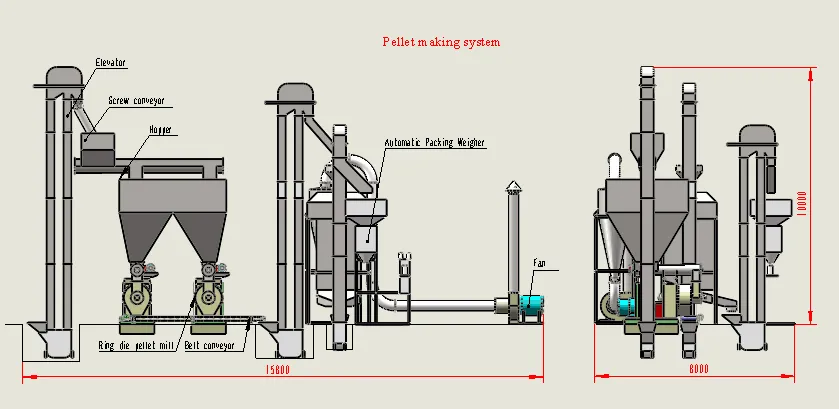
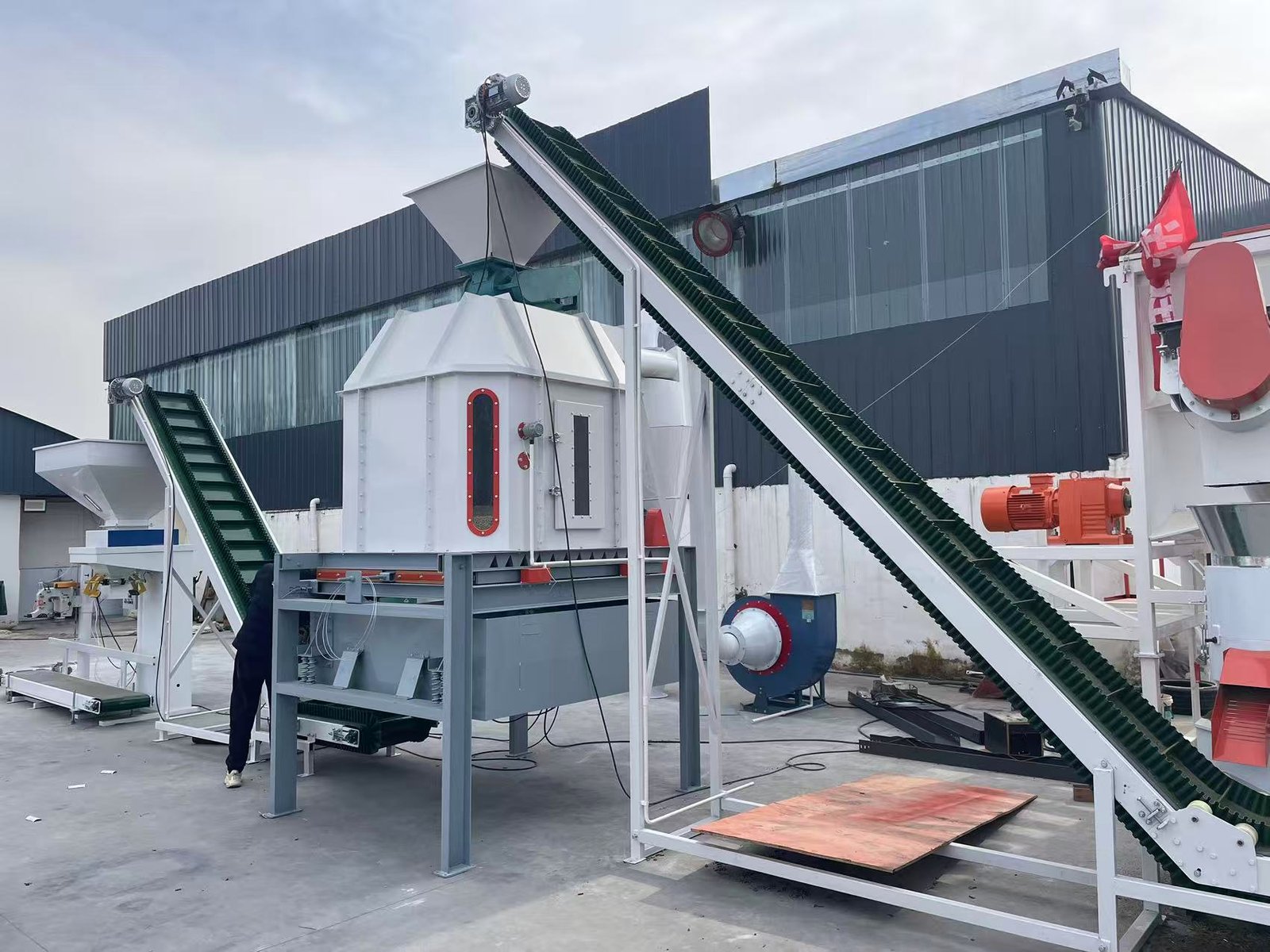
The fundamental components of an industrial pellet plant include material reception, size reduction, mixing, pelleting, cooling, screening, and packaging systems. MAIKONG’s integrated approach ensures seamless material flow between each processing stage, reducing bottlenecks and maintaining consistent production throughput.
Primary Processing Equipment
Raw material reception systems incorporate weighing equipment, magnetic separators, and preliminary cleaning mechanisms. These initial components remove metallic contaminants and oversized particles that could damage downstream equipment. Our MK-L003 systems feature automated reception conveyors with integrated quality control checkpoints.
The hammer mill represents the size reduction stage, pulverising raw materials to optimal particle dimensions. Proper grinding ensures uniform pellet density and reduces strain on the pellet machine. MAIKONG hammer mills process materials with up to 14% moisture content, achieving particle sizes between 2mm and 5mm depending on formula requirements.
Pelletising and Finishing Systems
The mixing section blends ground ingredients with micro-nutrients, vitamins, and binding agents. Horizontal ribbon mixers ensure 95% or greater homogeneity within 3-5 minute batch cycles. Proper mixing directly correlates with pellet durability and nutritional consistency across production runs.
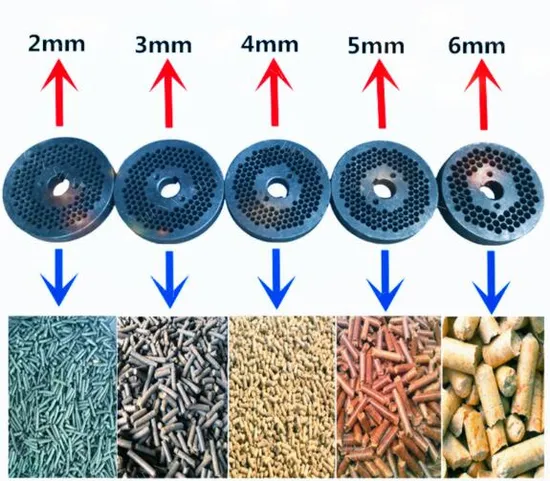
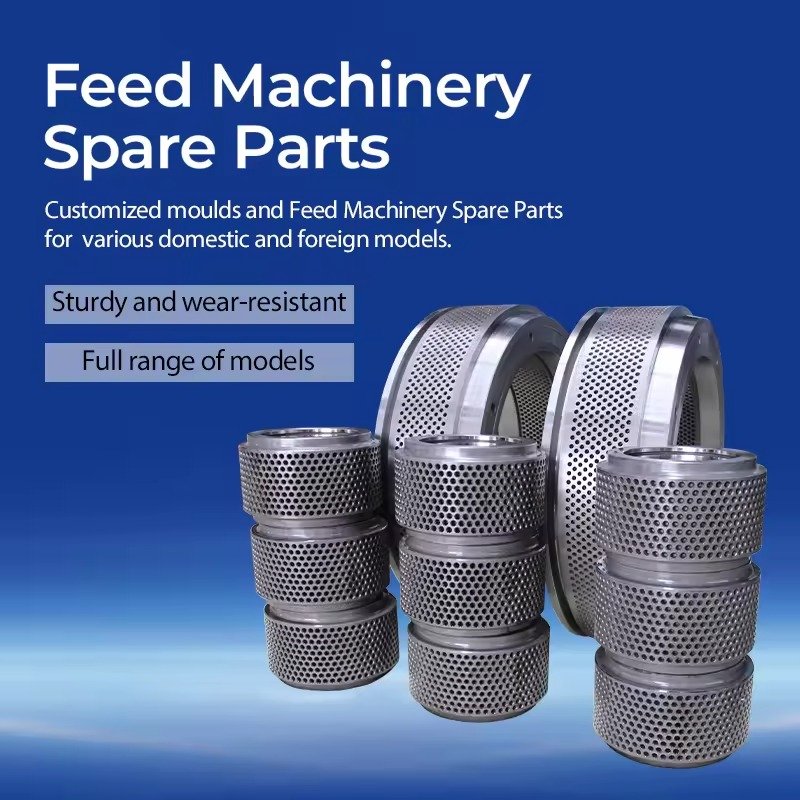
Ring die pellet mills form the heart of any pellet production line. These machines compress conditioned materials through die apertures using rotating rollers, generating friction heat that gelatinises starches and activates natural binding properties. MAIKONG pellet mills accommodate die specifications from 2mm to 12mm diameter, suitable for applications ranging from aquatic feed to biomass fuel production.
Material Flow and Process Integration
Efficient production requires carefully calculated material handling between processing stages. Bucket elevators provide vertical transport whilst screw conveyors manage horizontal movement. MAIKONG engineers design conveying systems based on material bulk density, flowability characteristics, and required throughput rates.
The conditioning chamber, positioned immediately before the pellet machine, adds steam and moisture to raw materials. This pre-treatment raises material temperature to 75-85°C, softening lignin bonds and improving pellet formation. Proper conditioning reduces energy consumption whilst increasing die and roller lifespan by 30-40% compared to systems without steam treatment.
| Processing Stage | Equipment Type | Key Function | Material Condition Change |
| Reception | Magnetic separator, screening | Remove contaminants | Raw → Cleaned |
| Size Reduction | Hammer mill | Particle size control | Cleaned → Ground (2-5mm) |
| Batching | Dosing system | Formula accuracy | Individual ingredients → Batch |
| Mixing | Ribbon mixer | Homogenisation | Batch → Blended (95%+ uniformity) |
| Conditioning | Steam conditioner | Moisture/heat addition | Blended → Conditioned (75-85°C, 15-17% moisture) |
| Pelleting | Ring die pellet mill | Pellet formation | Conditioned → Hot pellets (80-90°C) |
| Cooling | Counter-flow cooler | Temperature/moisture reduction | Hot pellets → Cooled pellets (ambient +3-5°C, 12-13% moisture) |
| Screening | Vibratory screen | Remove fines/oversized | Mixed sizes → Uniform pellets |
| Packaging | Bagging scale | Weight control/sealing | Bulk → Bagged product |
Cooling and Post-Pelleting Treatment
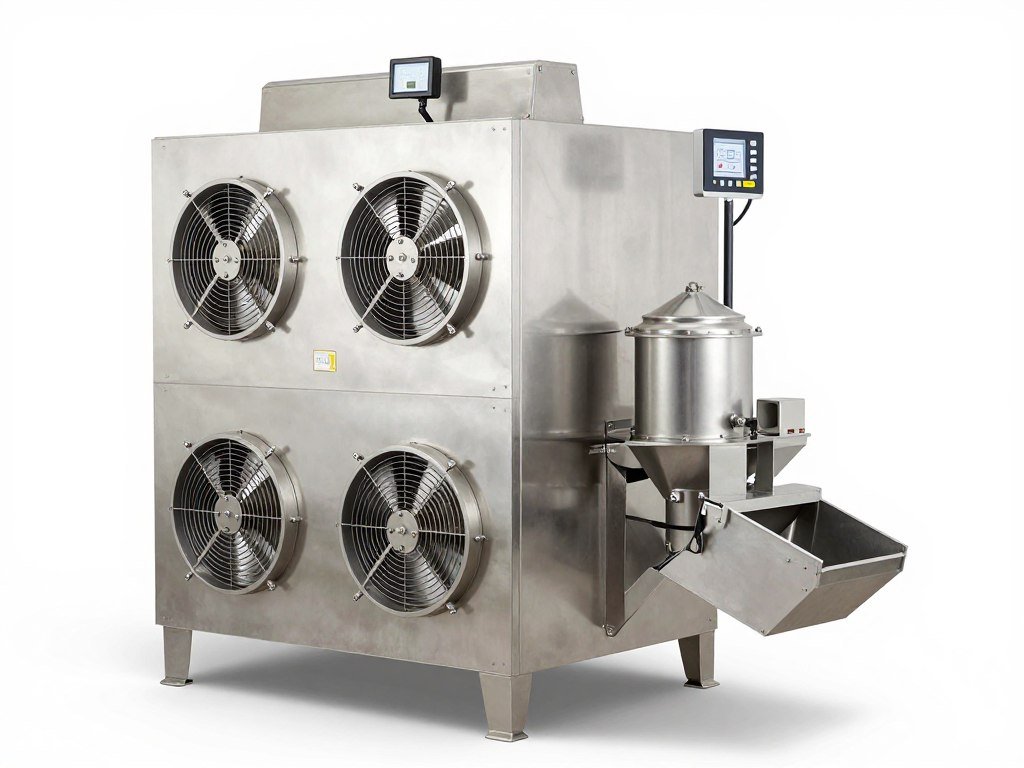
Counter-flow coolers reduce pellet temperature from 80-90°C to within 5°C of ambient conditions. Simultaneously, moisture content decreases from 15-17% post-pelleting to 12-13%, meeting storage stability requirements. Insufficient cooling results in condensation within packaging, promoting mould growth and mycotoxin development.
Vibratory screens separate acceptable pellets from fines generated during cooling and handling. Fines typically represent 2-5% of production and return to the mixing stage for reprocessing. High-quality pellet production line systems maintain fines below 3% through proper die specification and conditioning parameters.
MAIKONG MK-L003 Pellet Production Line: Technical Specifications and Customisation Options
The MK-L003 series represents MAIKONG’s modular approach to pellet production line design, offering scalable configurations from 200 kilograms per hour to 200 tonnes per hour. This flexibility accommodates diverse buyer requirements whilst maintaining consistent quality standards across all capacity ranges.
Standard Configuration and Core Components
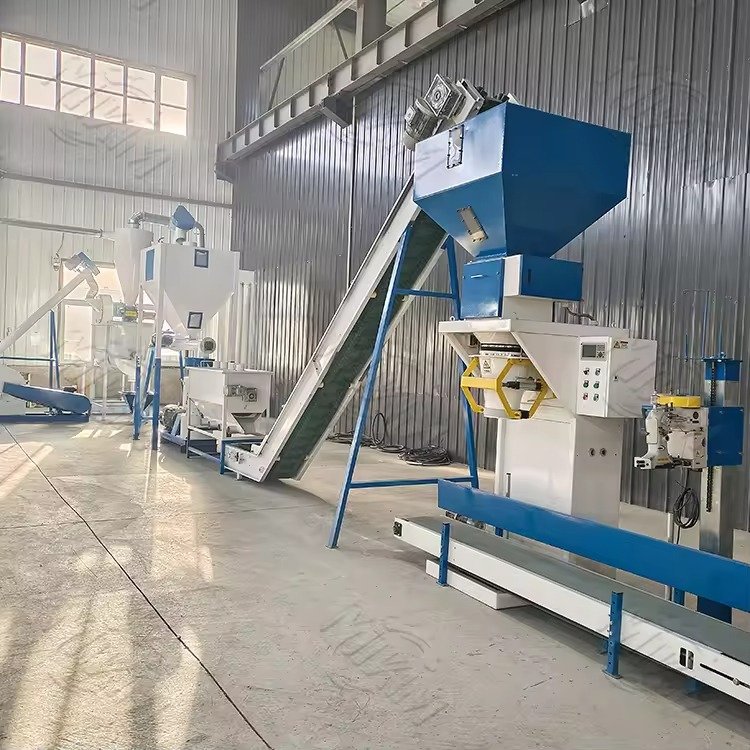
Our base MK-L003 system includes integrated crushing, batching, mixing, pelleting, cooling, and packaging modules. Each component features heavy-duty construction with critical wear parts manufactured from hardened alloy steel. The modular design allows capacity expansion without complete system replacement.
MK-L003 Standard Configuration
Model: MK-L003
Material: Industrial-grade ABS control panels, hardened steel processing components
Dimensions (L×W×H): 18m × 6m × 8m (compact layout) to 45m × 12m × 15m (high-capacity installation)
Weight Range: 8,500kg (200kg/h system) to 127,000kg (200t/h system)
Colour Options: Industrial grey (standard), custom RAL colours available
Stock Status: Core components maintained in UK warehouse; complete systems assembled within 6-8 weeks
Power Requirements: 220V/380V/415V three-phase (customisable to local specifications)
Capacity Range: 200kg/h – 200,000kg/h (200t/h)
Pellet Quality Parameters
- Pellet durability index: 96-98% (tested per ASAE S269.4 standard)
- Pellet forming rate: 92-96% (depending on raw material characteristics)
- Powdering rate: 1.8-3.2% (below industry average of 5%)
- Pellet density: 550-680 kg/m³ (animal feed); 600-750 kg/m³ (biomass)
- Final moisture content: 11.5-13% (stable for 6+ months storage)
- Pellet temperature at discharge: Ambient +3-5°C
- Size uniformity: 98% within ±0.5mm of target diameter
Customisation Capabilities
MAIKONG’s engineering team tailors each pellet production line to specific buyer requirements:
-
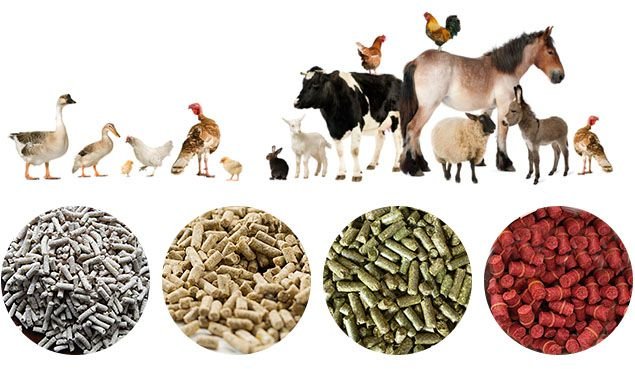
- Animal-Specific Configurations: Optimised die specifications and conditioning parameters for chicken feed, cattle feed, fish feed, shrimp feed, pig feed, duck feed, rabbit feed, and pet food applications
- Pellet Size Range: 2mm to 12mm diameter; custom die specifications manufactured within 3 weeks
- Voltage Adaptation: Single-phase 220V for small systems; three-phase 380V, 415V, or 480V for industrial installations
- Production Efficiency Scaling: Modular design allows 20-30% capacity increases through component upgrades rather than complete system replacement
- Material-Specific Modifications: Enhanced dust collection for fine materials; moisture addition systems for dry biomass; oil addition equipment for high-fat formulas
- Automation Levels: Manual batching to fully automated PLC-controlled systems with remote monitoring
Capacity Selection Guide for Different Operations
Determining optimal production capacity requires analysis of current demand, growth projections, operating hours, and raw material availability. Under-sizing equipment results in production bottlenecks whilst over-sizing increases unnecessary capital expenditure and operational costs.
Small-Scale Operations (200kg/h – 2t/h)
Suitable for small poultry farms, local feed retailers, and pilot production facilities. These compact systems occupy minimal floor space (18m × 6m) and operate efficiently at 6-8 hours per day, producing 1.2-16 tonnes daily.
Investment range: £35,000-£85,000 complete system. Power consumption: 45-120kW installed capacity. Labour requirements: 2-3 operators per shift.
Medium-Scale Plants (2t/h – 10t/h)
Ideal for regional feed manufacturers, agricultural cooperatives, and specialised feed producers serving multiple farms. These systems support continuous operation with minimal downtime.
Investment range: £95,000-£420,000. Power consumption: 180-580kW. Labour requirements: 3-5 operators per shift with supervisor oversight.
Industrial Operations (10t/h – 200t/h)
Designed for commercial feed mills supplying regional or national markets. High-capacity pellet plant installations feature redundant systems ensuring continuous production during maintenance activities.
Investment range: £450,000-£3,200,000+ depending on automation level and auxiliary equipment. Power consumption: 650kW-8,500kW. Labour requirements: 6-12 operators across multiple shifts.
MAIKONG’s largest installations incorporate dual pelleting lines with shared preprocessing equipment, providing production flexibility and risk mitigation. Automated quality control systems monitor pellet characteristics in real-time, triggering adjustments to maintain specification compliance.
Configure Your Custom Pellet Production Line
MAIKONG’s technical team provides free capacity assessment and equipment configuration recommendations tailored to your specific raw materials, target animal species, and production volume requirements. Receive detailed ROI projections and equipment specifications within 48 hours.
Raw Material Compatibility and Pellet Forming Performance
Successful pellet making depends critically on understanding raw material characteristics and their impact on processing parameters. Different materials exhibit unique binding properties, moisture absorption rates, and compression behaviours that influence final pellet quality.
Material Categories and Processing Considerations
Feed and biomass materials fall into distinct categories based on composition, particle structure, and binding characteristics. MAIKONG’s MK-L003 systems accommodate this diversity through adjustable processing parameters and interchangeable tooling.
Starch-Rich Materials (Corn, Wheat, Barley)
These grains contain 60-70% starch content that gelatinises during conditioning and compression, providing natural binding properties. Optimal processing occurs at 15-17% moisture content with conditioning temperatures between 75-82°C. Pellet durability typically exceeds 96% with minimal binder addition required.
Grinding fineness significantly impacts pellet quality for starch materials. Particles between 2.5-3.5mm diameter produce superior results compared to finer or coarser grinding. MAIKONG hammer mills achieve this specification across production rates from 200kg/h to 200t/h.
Protein-Rich Materials (Soybean Meal, Fish Meal, Meat Meal)
Protein sources exhibit different binding mechanisms than starches. Thermal denaturation during conditioning creates protein networks that hold pellets together. These materials often require higher conditioning temperatures (80-85°C) and benefit from 1-2% added binder such as bentonite clay or lignosulphonate.
Excessive protein content (above 40% in formula) can reduce pellet durability due to insufficient starch for binding. Balancing protein sources with starch-containing ingredients optimises both nutritional value and physical quality.
Fibrous Materials (Wheat Bran, Rice Husks, Grass Meal)
High-fibre materials present pelleting challenges due to their structural rigidity and low natural binding capacity. Successful processing requires fine grinding (below 2mm) to expose binding surfaces and typically necessitates 2-3% added binder.
The cattle feed pellet production line configuration specifically addresses fibrous roughage processing through reinforced dies, increased conditioning time, and optimised compression ratios. These modifications enable consistent pellet production from materials that standard equipment struggles to process.
Oil-Rich Seeds and Residues
Materials containing above 8% fat content (sunflower meal, cottonseed meal, distillers grains) require specialised handling. Excessive oil acts as a lubricant, preventing proper compression and causing die slippage. Fat content above 6% typically requires defatting or blending with low-fat materials.
MAIKONG systems can process formulas with up to 10% fat through die specification modifications and reduced production rates. For higher fat content, we recommend post-pelleting fat addition via coating systems.
Biomass Materials (Wood, Agricultural Residues)
The wood pellet production line requires distinct processing approaches compared to feed applications. Wood contains lignin that softens at 140-180°C, providing thermoplastic binding without added binders.
Sawdust moisture content critically affects wood pellet quality. Optimal range sits at 10-15%; below 8% produces dusty pellets whilst above 18% causes die blocking. MAIKONG systems incorporate moisture measurement and conditioning equipment maintaining precise moisture targets.
Different wood species require parameter adjustments. Softwoods (pine, spruce) pelletise more easily than hardwoods (oak, beech) due to higher lignin and resin content. Mixed wood requires formula consistency for stable production.
| Material Type | Optimal Moisture (%) | Conditioning Temp (°C) | Particle Size (mm) | Binder Required | Typical PDI (%) |
| Corn-based feed | 15-17 | 75-82 | 2.5-3.5 | None | 96-98 |
| Soybean meal | 16-18 | 80-85 | 2.0-3.0 | 1-2% | 94-96 |
| Wheat bran (high fibre) | 14-16 | 78-83 | 1.5-2.5 | 2-3% | 92-94 |
| Mixed poultry feed | 15-17 | 76-82 | 2.0-3.0 | 0-1% | 95-97 |
| Aquatic feed (sinking) | 18-22 | 85-95 | 1.5-2.5 | 2-4% | 97-99 |
| Wood sawdust (softwood) | 10-15 | 70-80 | 1.0-3.0 | None | 96-98 |
| Wood sawdust (hardwood) | 12-16 | 75-85 | 1.0-3.0 | None-1% | 94-96 |
| Rice straw pellets | 13-16 | 75-82 | 1.5-2.5 | 2-3% | 93-95 |
Pellet Forming Rate Optimisation Strategies
Achieving consistent forming rates above 92% requires systematic attention to multiple variables. MAIKONG provides comprehensive process optimisation support, addressing the following critical factors:
- Die specification selection: Compression ratio (die thickness to hole diameter ratio) must match material characteristics; typical ranges span 1:8 to 1:12
- Roller-to-die gap adjustment: Optimal clearance sits at 0.1-0.3mm; excessive gaps reduce compression whilst insufficient clearance causes overheating
- Conditioning effectiveness: Achieving uniform moisture and temperature distribution throughout material mass before pelleting
- Production rate balance: Operating at 85-95% of rated capacity optimises pellet quality; sustained operation above 95% reduces durability
- Die temperature management: Maintaining 65-75°C die surface temperature through proper cooling
Reducing Powdering Rate Through Process Control
Powder generation occurs during pelleting, cooling, and handling stages. Industry standards accept 5% powdering, but optimised pellet production line systems achieve 2-3% through:
- Proper cooling rate control: Rapid temperature reduction causes pellet surface cracking; MAIKONG coolers reduce temperature gradually over 8-12 minutes
- Die knife positioning: Sharp knives positioned at correct angles produce clean pellet breaks rather than crushed ends
- Minimised drop heights: Each metre of vertical drop generates approximately 0.3% additional fines; our systems limit drops below 2 metres
- Gentle conveying: Bucket elevator speed control and belt conveyor cushioning reduce mechanical shock
- Moisture balance: Pellets above 14% moisture or below 11% exhibit increased friability
Global Case Studies: MAIKONG Pellet Production Line Installations
MAIKONG has successfully commissioned pellet plant installations across four continents, addressing diverse production challenges and regulatory environments. These case studies demonstrate our technical capabilities and commitment to client success.
European Installation: Netherlands Poultry Feed Operation
A 5-tonne per hour chicken feed pellet production line commissioned in March 2022 serves 47 contract poultry farms across three Dutch provinces. The client required strict adherence to EU feed safety regulations whilst maintaining competitive production costs.
Project Specifications
- Model: MK-L003-5T configured for layer and broiler feeds
- Production capacity: 5,000kg/h (40,000kg per 8-hour shift)
- Pellet sizes: 2.5mm (chick starter), 3.2mm (grower), 4.0mm (layer)
- Power supply: 415V three-phase, 280kW installed capacity
- Floor space: 24m × 9m × 11m (including raw material storage)
- Automation level: PLC-controlled with batch recording for traceability
Results After 18 Months Operation
- Average pellet durability: 97.2% across all formulas
- Powdering rate: 2.4% (client’s previous line: 5.8%)
- Energy consumption: 42kWh per tonne (15% below projected)
- Production uptime: 96.7% (scheduled maintenance only)
- ROI achieved: 3.2 years (projected: 4.1 years)
The client reported feed conversion ratio improvements of 3-4% across their contract farms, attributed to consistent pellet quality reducing feed wastage. MAIKONG provided two on-site training sessions and maintains quarterly technical review calls.
Asian Installation: Vietnam Aquatic Feed Manufacturer
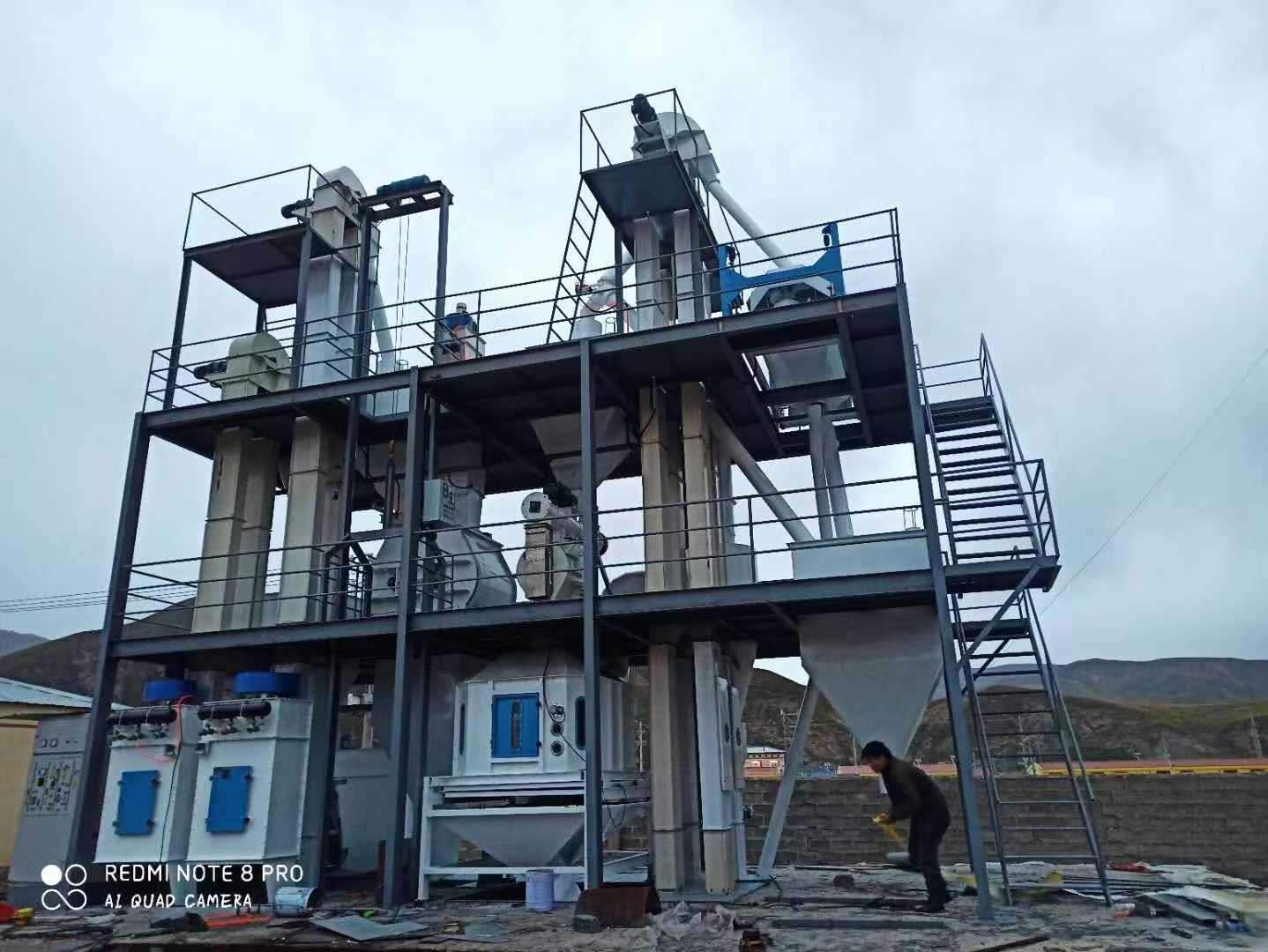
A specialised 3-tonne per hour fish feed pellet production line serves catfish and tilapia farms throughout the Mekong Delta region. This installation required high-moisture processing capabilities for sinking aquatic pellets and corrosion-resistant equipment due to coastal location.
“MAIKONG’s engineering team understood our unique requirements for high-protein, water-stable pellets. The customised die specifications and conditioning system deliver pellets that maintain integrity for 8+ hours in water, essential for our aquaculture customers. Production efficiency exceeded our projections by 12%.”
Key modifications included stainless steel construction for corrosion resistance, extended conditioning chamber for protein gelatinisation, and specialised dies producing 2.0-4.5mm sinking pellets. The installation demonstrates MAIKONG’s capability to engineer solutions for demanding applications beyond standard livestock feed.
American Installation: Texas Cattle Feed Supplement Producer
A 12-tonne per hour cattle feed pellet production line processes roughage-based supplements for beef cattle operations across five southwestern US states. This high-capacity system handles challenging fibrous materials including cotton gin trash, peanut hulls, and rice bran.
Client Benefits Achieved
- Processes 30% lower-cost fibrous ingredients previously unusable
- Pellet durability of 94% despite challenging raw materials
- Reduced transportation costs through higher bulk density
- Expanded market reach to 450km radius due to pellet stability
- Created value-added product from waste agricultural residues
Implementation Challenges Overcome
- Required reinforced dies and increased motor capacity for fibrous processing
- Extended commissioning period (3 weeks vs standard 10 days) for parameter optimisation
- Additional dust collection capacity needed for fine fibrous particles
- Operator training period extended due to material variability
African Installation: Kenya Poultry and Livestock Feed Mill
A versatile 2-tonne per hour multi-species feed pellet production line serves Kenya’s growing poultry and dairy sectors. This installation exemplifies MAIKONG’s approach to emerging markets: robust equipment suitable for variable power supply and limited technical support infrastructure.
The MK-L003-2T system produces chicken, layer, dairy cattle, and pig feeds using locally sourced ingredients including maize, sunflower cake, and fish meal from Lake Victoria. Equipment specifications included:
- Voltage stabilisation equipment handling ±15% power fluctuations
- Simplified maintenance procedures with locally available spare parts
- Three-week comprehensive operator training programme
- Remote diagnostic capabilities via mobile data connection
- Extended warranty covering two years parts and labour
After 14 months operation, the client reports 94% uptime despite challenging infrastructure conditions. MAIKONG conducted two follow-up site visits and provides ongoing WhatsApp technical support. The client has submitted preliminary inquiries for a second 3-tonne line to meet growing demand.
Return on Investment and Cost Analysis for Pellet Production Lines
Evaluating pellet production line investment requires comprehensive analysis beyond initial equipment costs. Buyers must consider operational expenses, production efficiency gains, market pricing advantages, and payback timelines to make informed decisions.
Capital Investment Components
Total project cost encompasses equipment, installation, facility modifications, initial spare parts inventory, and working capital. MAIKONG provides transparent pricing structures allowing accurate budget planning.
Complete System Investment Breakdown
For a representative 5-tonne per hour poultry feed system (MK-L003-5T):
- Core equipment (FOB price): £165,000
- Shipping and insurance: £8,500
- Installation and commissioning: £12,000
- Electrical infrastructure: £7,500
- Building modifications: £15,000
- Initial spare parts (6 months): £6,800
- Operator training: £3,200
- Working capital (raw materials): £25,000
Total project investment: £243,000
Financing options through UK and European agricultural development banks typically offer 4.5-6.5% interest rates over 7-10 year terms. MAIKONG assists clients with equipment specifications and technical documentation required for financing applications.
Quick ROI Estimate
Use these typical figures for preliminary calculations:
Revenue per tonne produced: £45-65 (depending on market positioning)
Raw material cost per tonne: £28-38
Operating cost per tonne: £8-12 (energy, labour, maintenance)
Net margin per tonne: £9-19
Annual production (5t/h, 280 days): 11,200 tonnes
Annual net profit: £100,000-213,000
Simple payback: 1.1-2.4 years
Operational Cost Analysis
Ongoing operational expenses significantly impact profitability. MAIKONG equipment delivers competitive operational costs through energy efficiency and reliability.
| Cost Category | Per Tonne (£) | Annual (5t/h, 280 days) | % of Operating Cost |
| Electrical energy (£0.14/kWh) | 5.88 | £65,856 | 54% |
| Labour (3 operators per shift) | 2.86 | £32,032 | 26% |
| Maintenance and spare parts | 1.45 | £16,240 | 13% |
| Quality control and testing | 0.45 | £5,040 | 4% |
| Packaging materials | 0.38 | £4,256 | 3% |
| Total Operating Cost | 11.02 | £123,424 | 100% |
Energy Efficiency Advantages
MAIKONG’s MK-L003 series achieves industry-leading energy consumption through optimised motor sizing, efficient pelleting chamber design, and reduced material handling stages. Typical energy requirements range from 38-45kWh per tonne produced, compared to industry averages of 48-55kWh per tonne.
This 15-25% energy advantage translates to £1.40-£2.10 per tonne cost savings. For a 5-tonne per hour operation producing 11,200 tonnes annually, energy efficiency delivers £15,680-£23,520 annual cost reduction compared to less efficient competitors.
Pelletising Benefits Versus Mash Feed Production
Converting from mash feed to pellet production provides multiple financial advantages beyond equipment costs:
- Feed conversion improvement: Animals achieve 8-15% better feed conversion ratios with pellets, reducing feed costs per kilogram of gain
- Reduced feed wastage: Pellets eliminate 40-60% of wastage compared to mash due to reduced spillage and selective feeding
- Transportation efficiency: 30-35% higher bulk density reduces transportation costs per tonne
- Extended storage stability: Properly cooled pellets store 6-9 months without quality degradation versus 3-4 months for mash
- Premium pricing: Pelleted feeds command 12-18% price premium in most markets
- Expanded market reach: Transportation cost advantages enable competitive pricing 200-300km beyond mash production economic radius
ROI Case Example: A UK egg producer converting from mash to pelleted layer feed achieved 11% improvement in feed conversion (from 2.18kg feed per dozen eggs to 1.94kg). With annual production of 850,000 dozen eggs and feed costs of £285 per tonne, this efficiency improvement saved £44,625 annually whilst simultaneously reducing feed purchasing volume by 173 tonnes.
Financing and Payment Structures
MAIKONG accommodates diverse payment requirements for UK and European clients:
- Standard terms: 30% deposit upon order confirmation, 60% before shipment, 10% upon successful commissioning
- Letter of credit: Accepted for orders above £150,000 through established UK banks
- Lease-purchase arrangements: MAIKONG works with third-party equipment financing providers offering 5-7 year terms
- Dealer stock financing: Special terms available for qualifying distributors establishing demonstration facilities
Calculate Your Specific ROI
MAIKONG provides customised financial analysis incorporating your raw material costs, local energy rates, target production volume, and market pricing. Our ROI calculator delivers accurate payback projections and cash flow forecasts for your specific circumstances.
Installation, Commissioning, and Ongoing Technical Support
Successful pellet plant implementation extends beyond equipment delivery. MAIKONG’s comprehensive support programme ensures smooth installation, operator competency development, and long-term operational success.
Installation Process and Timeline
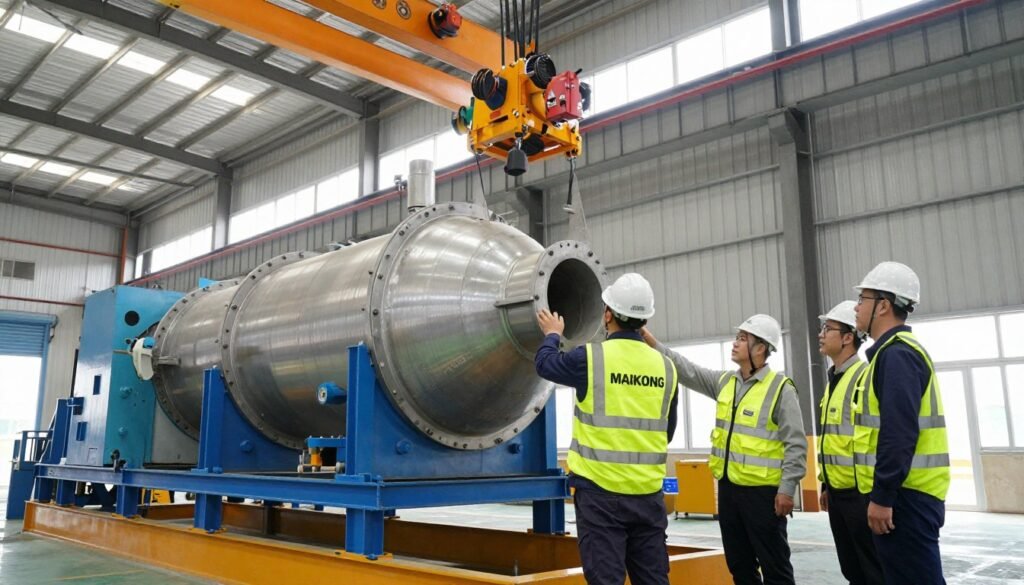
MAIKONG follows a structured installation methodology developed over 22 years and 130+ international projects. This systematic approach minimises commissioning time whilst ensuring safety and performance standards.
Pre-Installation Planning (3-4 Weeks Before Delivery)
Our project engineers provide detailed site preparation specifications including:
- Foundation drawings with load-bearing requirements for each equipment module
- Electrical specifications (voltage, phase, protective devices, cable sizing)
- HVAC requirements for dust control and equipment cooling
- Material flow diagrams for raw material and finished product handling
- Safety equipment specifications (fire suppression, emergency stops, guarding)
MAIKONG reviews client-prepared facilities via video conference, identifying potential issues before equipment shipment. This proactive approach prevents installation delays.
Equipment Delivery and Installation (2-3 Weeks)
Our installation team of 3-4 technicians supervises equipment positioning, module integration, electrical connections, and safety system verification. The client provides local labour for material handling and basic assembly tasks under MAIKONG supervision.
Installation sequence follows material flow: reception equipment first, followed by preprocessing, pelleting, and finishing systems. This methodology allows early-stage testing whilst later components undergo installation.
Commissioning and Performance Verification (1-2 Weeks)
Systematic commissioning procedures ensure each component meets specification before integrated testing:
- Individual equipment testing: Rotation verification, safety interlocks, control functionality
- Module integration testing: Material flow between components, conveying capacity verification
- Production trials: Processing client’s actual raw materials at increasing production rates
- Quality verification: Pellet durability testing, powdering rate measurement, moisture content confirmation
- Capacity confirmation: Sustained operation at rated capacity for 8+ hours
- Documentation completion: Operating manuals, maintenance schedules, as-built drawings
Commissioning concludes with client sign-off confirming equipment meets contractual specifications. MAIKONG provides comprehensive documentation in English including operation manuals, maintenance procedures, spare parts catalogues with exploded-view drawings, and troubleshooting guides.
Operator Training Programme
Competent operation directly impacts production efficiency and equipment longevity. MAIKONG’s structured training develops operational skills and maintenance capabilities.
Basic Operator Training (5 Days)
- Equipment overview and safety procedures
- Startup and shutdown sequences
- Normal operation monitoring and adjustments
- Quality control procedures and testing methods
- Basic troubleshooting and minor adjustments
- Daily cleaning and inspection routines
Advanced Technical Training (3 Days)
- Process parameter optimisation for different formulas
- Die and roller replacement procedures
- Preventive maintenance scheduling and execution
- Diagnostic techniques for common issues
- Spare parts inventory management
- Performance monitoring and record keeping
Training includes hands-on practice with actual production runs using client materials. MAIKONG provides training certificates for participants successfully completing the programme. Refresher training is available remotely or via additional site visits.
Warranty Coverage and Service Terms
MAIKONG pellet production line systems include comprehensive warranty protection:
Standard Warranty Terms
- Mechanical components: 18 months from commissioning or 24 months from delivery (whichever occurs first)
- Electrical components: 12 months from commissioning
- Wear parts (dies, rollers, hammers): 90 days or specified operating hours
- Coverage: Manufacturing defects and material failures; excludes damage from improper operation or maintenance
- Response time: Technical support within 24 hours; on-site service within 5 working days for UK/European installations
Ongoing Technical Support Infrastructure
MAIKONG maintains multi-channel technical support accessible to all clients regardless of system age or warranty status:
Remote Diagnostic Services
Modern MK-L003 systems include optional remote monitoring capabilities transmitting operational data via mobile or ethernet connection. This enables MAIKONG engineers to:
- Monitor production parameters in real-time
- Identify developing issues before causing downtime
- Recommend process optimisations based on actual operating data
- Verify proper maintenance execution
- Provide remote parameter adjustment guidance
Direct Communication Channels
Clients access MAIKONG technical support through multiple channels:
- WhatsApp technical support: +86 135 1090 7401 (typical response: under 2 hours during UK business hours)
- Email support: Lucy@feedproductionline.uk (detailed technical inquiries, documentation requests)
- Telephone consultation: Scheduled calls with senior engineers for complex issues
- Video support: Screen sharing and video calls for visual troubleshooting
Spare Parts Supply Chain
MAIKONG maintains strategic parts inventory in the UK ensuring rapid replacement of critical components:
- Emergency parts: Next-day delivery within UK for motors, bearings, control components
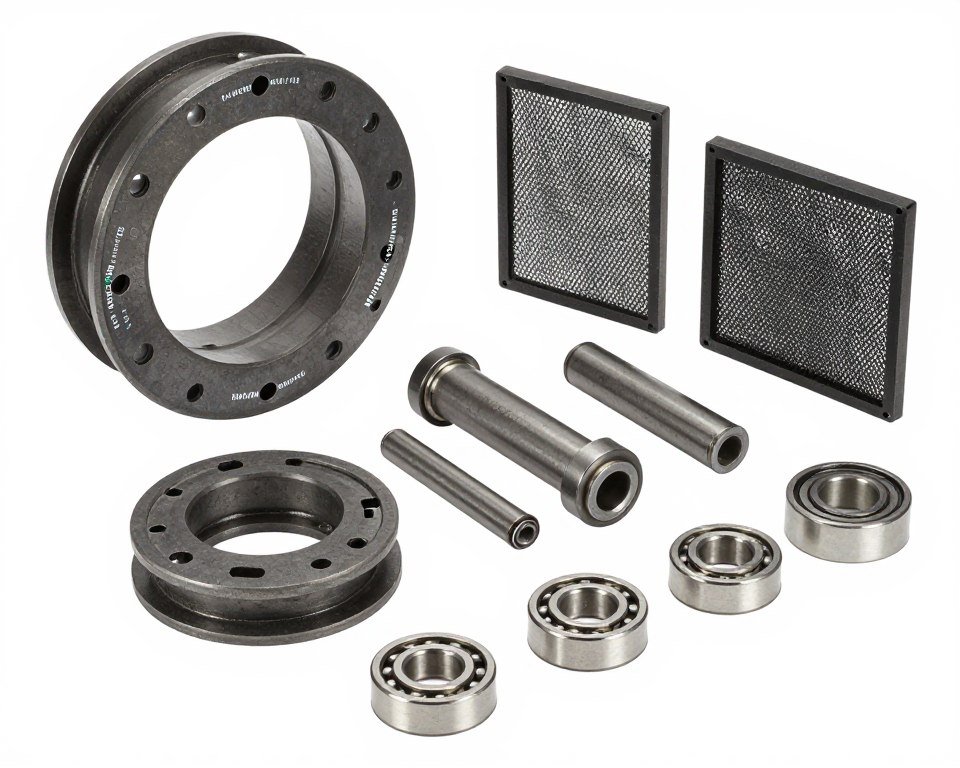
- Wear parts: Dies, rollers, hammers, and screens available from UK stock
- Standard components: 7-10 day delivery for non-critical parts
- Consumables: Bulk ordering programmes for high-volume users
All spare parts carry MAIKONG quality certification ensuring compatibility and performance. We strongly advise against using third-party substitutes for critical components such as dies and rollers, as these directly impact pellet quality and equipment longevity.
OEM/ODM Capabilities and UK Dealer Partnership Opportunities
MAIKONG welcomes partnerships with UK and European distributors, equipment dealers, agricultural cooperatives, and private label brands. Our 22 years manufacturing experience and flexible production capabilities support diverse partnership models.
Original Equipment Manufacturing (OEM) Services
Established brands seeking to expand product portfolios benefit from MAIKONG’s white-label manufacturing capabilities. We produce complete pellet production line systems under your brand identity.
OEM Partnership Benefits
- Brand customisation: Equipment labelling, colour schemes, control panel graphics reflecting your corporate identity
- Specification adaptation: Modifications to meet specific market requirements or complement existing product lines
- Technical documentation: Operation manuals, marketing materials, technical specifications in your company format
- Competitive pricing: Volume-based pricing structures rewarding partnership commitment
- Market exclusivity: Territorial protection for qualifying partners in defined regions
- Technical training: Comprehensive product training enabling your team to provide customer support
Minimum order quantities for OEM programmes typically begin at 5 complete systems annually, with preferential terms for higher volumes. MAIKONG maintains confidentiality regarding OEM relationships and does not market directly in partner territories.
Original Design Manufacturing (ODM) Services
Partners requiring unique specifications beyond standard configurations access MAIKONG’s engineering resources for custom development:
- Novel capacity requirements outside standard range
- Specialised material processing (unusual raw materials, extreme particle sizes)
- Integration with existing customer equipment or facilities
- Automation level customisation (manual to fully automated)
- Compliance with specific regional regulations or standards
- Unique material handling or safety requirements
ODM projects involve collaborative engineering between MAIKONG technical staff and partner engineers. Development timelines typically span 8-16 weeks depending on complexity, followed by prototype testing and refinement before production release.
UK Dealer and Distributor Programme
MAIKONG actively recruits qualified dealers and distributors throughout the United Kingdom and Europe. This programme provides market development support whilst allowing partners to build profitable businesses serving the growing feed manufacturing sector.
Dealer Requirements
- Established business serving agricultural or industrial equipment markets
- Technical capability for equipment installation and basic troubleshooting
- Adequate financial resources for inventory and working capital
- Commitment to MAIKONG product training and certification
- Showroom or demonstration facility for customer engagement
- Marketing capability within assigned territory
Dealer Support Programme
- Competitive dealer pricing with volume incentives
- Marketing materials (brochures, technical specifications, case studies)
- Lead generation assistance for qualified prospects
- Technical training for dealer personnel (UK-based programmes)
- Co-operative marketing fund for qualified activities
- Warranty administration support
- Demonstration equipment programmes
Market Opportunities in UK Feed Manufacturing Sector
The United Kingdom feed manufacturing industry represents significant commercial opportunity for equipment suppliers. Several market trends drive investment in modern pellet production infrastructure:
Market Growth Drivers
- UK compound feed production exceeded 15.2 million tonnes in 2022, with 3.8% annual growth projected through 2027
- Poultry sector expansion driven by domestic consumption growth and reduced imports
- Increased aquaculture production requiring specialised pelleted feeds
- Premium pet food segment growing at 8-12% annually, requiring smaller batch production flexibility
- Sustainability initiatives favouring local feed production over imports
Technology Upgrade Cycle
- Ageing equipment (15+ years) requiring replacement in established feed mills
- Capacity expansion projects among regional producers
- Feed safety regulations driving investment in traceability and quality control systems
- Energy efficiency improvements reducing operational costs
- Automation adoption addressing labour availability challenges
Competitive Advantages for Dealers
- MAIKONG pricing 15-25% below European manufacturers for equivalent specifications
- Customisation flexibility exceeding standardised product competitors
- Rapid delivery timelines (6-8 weeks versus 14-20 weeks for some European brands)
- Comprehensive technical support reducing dealer service burden
- 22-year manufacturing track record providing customer confidence
Partnership Inquiry Process
Prospective partners follow a structured evaluation process ensuring mutual compatibility and business success:
- Initial inquiry: Submit business overview, target markets, and partnership objectives to Lucy@feedproductionline.uk
- Qualification discussion: MAIKONG business development team reviews capabilities and market positioning (typically 45-60 minute video conference)
- Confidential evaluation: Both parties assess financial stability, technical capabilities, and market opportunity
- Dealer agreement development: Terms negotiation covering territory, pricing, support provisions, and performance expectations
- Technical training: Product familiarisation and certification for dealer technical staff
- Market launch support: Joint planning for introduction activities and initial customer engagement
MAIKONG seeks long-term partnerships with growth-oriented organisations. We invest substantially in dealer success through training, marketing support, and technical backup, expecting reciprocal commitment to market development and customer satisfaction.
Join MAIKONG’s UK Dealer Network
Expand your product portfolio with industry-leading pellet production equipment. MAIKONG offers exclusive territorial rights, competitive margins, comprehensive training, and ongoing technical support. Established dealers report 35-60% gross margins on complete system sales with strong repeat business in spare parts and accessories.
Current opportunities exist throughout Scotland, Wales, Northern England, and Southwest England regions. Contact our partnership team to discuss your market and evaluate mutual fit.
Biomass and Fertiliser Pellet Production Applications
Beyond animal feed manufacturing, MAIKONG pellet production line systems serve biomass energy and agricultural fertiliser markets. These applications require specialised processing approaches whilst sharing fundamental pelleting technology.
Wood Pellet Production for Renewable Energy
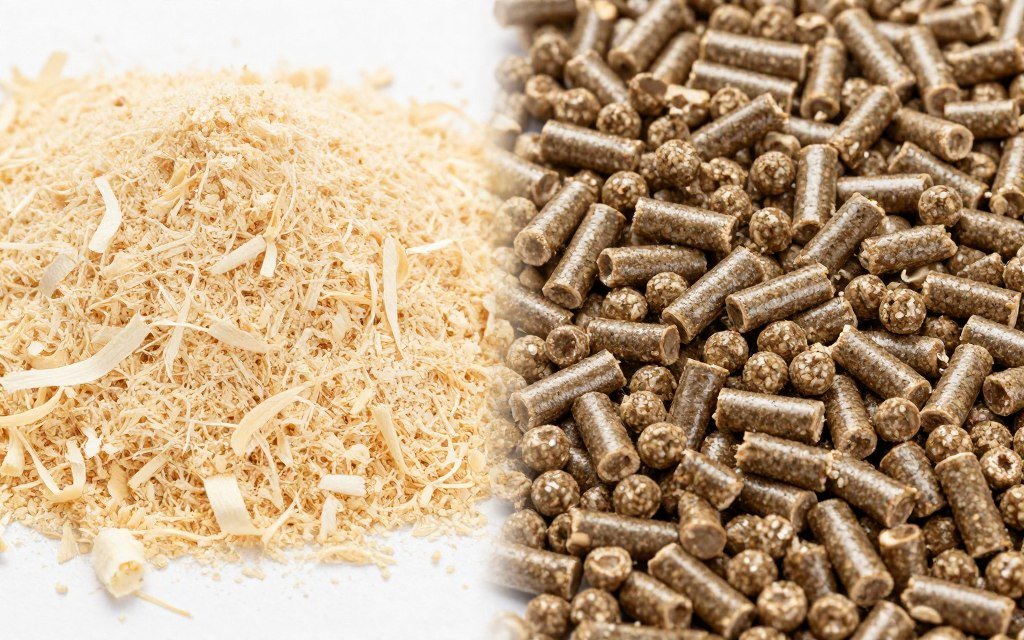
The wood pellet production line converts sawdust, wood chips, and forestry residues into dense fuel pellets for residential heating, commercial boilers, and industrial energy generation. United Kingdom demand for wood pellets exceeded 2.8 million tonnes in 2022, with domestic production meeting approximately 40% of consumption.
Wood Pellet Processing Considerations
Successful wood pellet production requires attention to species-specific characteristics and strict moisture control:
- Raw material preparation: Wood requires drying to 10-15% moisture; MAIKONG offers integrated rotary dryer systems for wet sawdust processing
- Particle size reduction: Hammer mills with 6-8mm screens produce optimal particle distribution for pelleting
- Pelleting parameters: Die temperatures of 70-80°C activate lignin binding without external binders
- Cooling requirements: Wood pellets require extended cooling (12-15 minutes) compared to feed pellets due to lower thermal conductivity
- Quality standards: ENplus certification requires specific durability (≥97.5%), ash content (≤0.7%), and heating value (≥16.5 MJ/kg) parameters
MAIKONG wood pellet systems accommodate both softwood and hardwood processing, with die specifications adjusted for material density differences. Softwoods (pine, spruce) typically produce higher throughput due to favourable lignin content, whilst hardwoods require more conditioning energy but produce denser pellets.
Biomass Pellet Market Opportunities
The biomass pellet production line extends beyond wood to agricultural residues including straw, corn stover, rice husks, and energy crops. These alternative biomass materials address sustainability objectives whilst creating value from waste streams.
UK government renewable heat incentive programmes and carbon reduction commitments drive investment in biomass pellet production infrastructure. MAIKONG clients operating biomass facilities report:
- Waste disposal cost elimination through converting agricultural residues to marketable fuel
- Premium pricing for certified sustainable biomass (15-25% above commodity wood pellets)
- Long-term supply contracts with industrial energy users seeking coal alternatives
- Environmental credits and carbon offset revenue in jurisdictions with cap-and-trade systems
Fertiliser Pellet Production
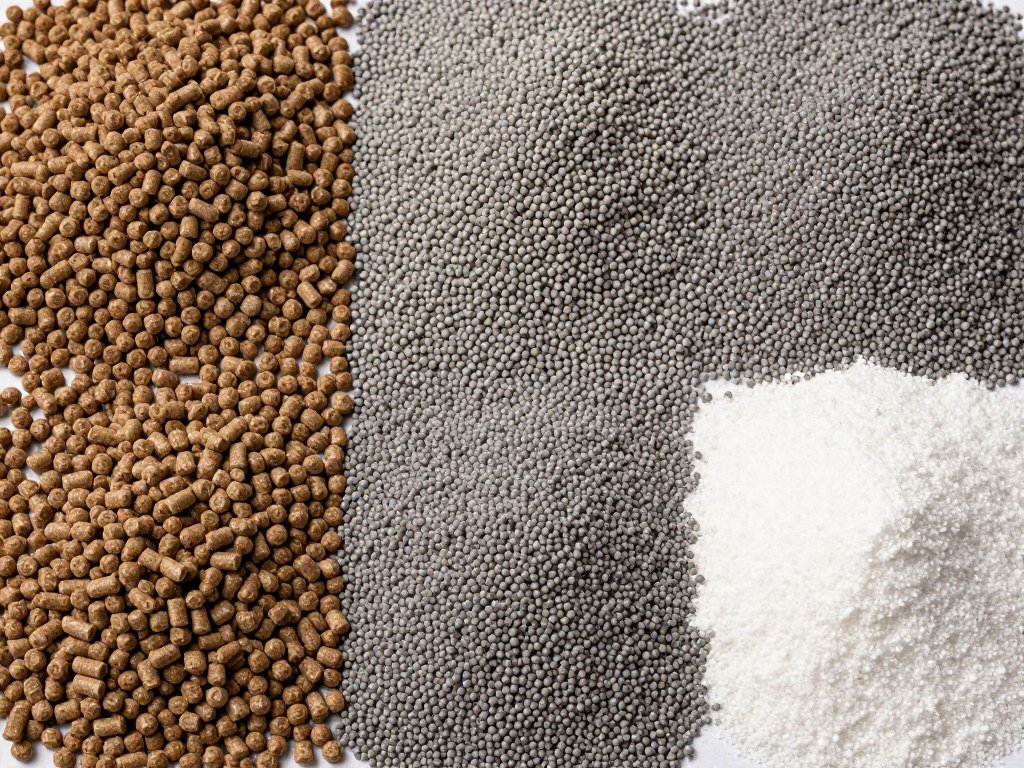
The fertiliser pellet production line converts powdered organic and inorganic nutrients into uniform pellets offering handling, application, and performance advantages over powder formulations.
Organic Fertiliser Pelleting
Composted manures, municipal biosolids, and food processing residues undergo pelleting to create premium organic fertiliser products. Pelleting provides several benefits:
- Reduced dust: Pellets eliminate airborne particles problematic in powder handling
- Improved spreadability: Uniform size enables precise application rates with commercial spreaders
- Controlled release: Pellet density moderates nutrient availability, reducing leaching losses
- Enhanced marketability: Bagged pelleted products command premium pricing in retail channels
- Extended storage: Lower moisture content (10-12%) prevents spontaneous heating in storage
Organic fertiliser formulations typically require 3-5% binding agent (bentonite clay, lignosulphonate) due to low inherent binding capacity. MAIKONG systems incorporate post-mixing binder addition ensuring uniform distribution.
Compound Fertiliser Pelleting
Blended NPK (nitrogen-phosphorus-potassium) fertilisers undergo pelleting to prevent segregation during handling and application. This ensures consistent nutrient ratios reach the soil rather than unbalanced application due to density differences between components.
MAIKONG fertilizer pellet production line systems accommodate corrosive and hygroscopic materials through stainless steel construction in critical contact areas. Special sealing systems prevent moisture ingress that could cause caking and equipment damage.
Frequently Asked Questions About Pellet Production Lines
What production capacity should I select for my operation?
Capacity selection depends on current demand, growth projections, and operating schedule. Calculate required capacity by dividing daily production target by available operating hours, then add 20-30% buffer for maintenance downtime and efficiency variations. For example, if you need 15 tonnes daily and operate 8 hours, base capacity is 1.875 t/h; selecting a 2.5 t/h system provides adequate buffer.
Consider future growth: equipment upgrades cost 40-60% of initial investment, so modest over-sizing (20-30% above immediate needs) often proves economical if expansion seems likely within 3-5 years. MAIKONG’s modular design allows incremental capacity increases through component upgrades.
Can one production line make pellets for different animals?
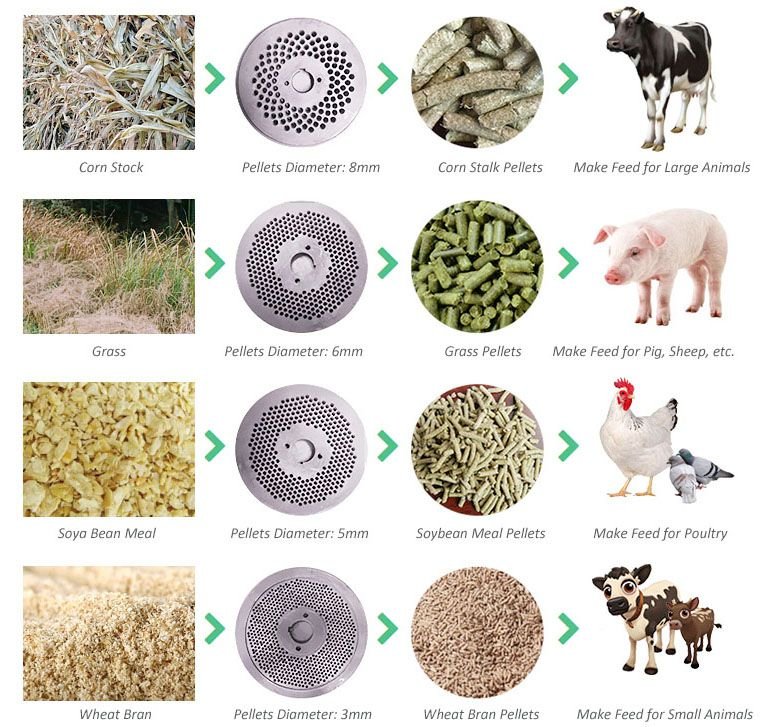
Yes, versatile pellet production line systems accommodate multiple species through die changes and parameter adjustments. A single line can produce chicken feed (2.5-4mm pellets), cattle feed (6-8mm pellets), and pig feed (4-6mm pellets) by changing dies.
Die changeover requires 2-4 hours including cooldown, die replacement, and startup. Plan production schedules in batches of similar pellet sizes to minimise changeover frequency. Keep spare dies for each formula to enable rapid switching. Most multi-species producers operate weekly or bi-weekly production cycles for each animal type.
What causes low pellet durability and how do I fix it?
Multiple factors influence pellet durability index (PDI). Common causes and solutions include:
- Insufficient conditioning: Increase steam addition or residence time to raise material temperature to 75-85°C
- Improper moisture content: Target 15-17% going into pellet mill; too dry or too wet both reduce durability
- Worn die or rollers: Replace when die holes show bellmouth wear or roller surfaces show flat spots
- Inadequate cooling: Ensure pellets reach within 5°C of ambient before packaging
- Formula composition: Formulas above 8% fat or below 40% starch often need 1-2% added binder
- Excessive production rate: Reduce throughput to 85-90% of rated capacity if PDI consistently falls below 94%
How often does the pellet die need replacement?
Die lifespan varies significantly based on material abrasiveness, production volume, and maintenance quality. Typical expectations:
- Standard feed formulas: 800-1,200 operating hours (approximately 3-6 months at 8 hours daily)
- Abrasive materials (rice bran, mineral supplements): 400-600 hours
- Wood pellets (softwood): 600-800 hours
- Wood pellets (hardwood): 400-600 hours
Monitor pellet quality indicators: declining throughput, increasing power consumption, and reduced durability signal approaching die replacement. MAIKONG recommends maintaining two spare dies per production line for immediate changeover capability. Dies can often be refurbished once through professional re-drilling, extending life by 60-70% of original capacity.
What electrical power requirements should I plan for?
Installed electrical capacity scales with production rate. MAIKONG systems require:
- 500kg/h system: 55-75kW
- 1t/h system: 90-120kW
- 2t/h system: 140-180kW
- 5t/h system: 280-350kW
- 10t/h system: 480-620kW
These figures represent total installed capacity; actual operating consumption runs 60-75% of installed capacity depending on material characteristics. UK installations typically use 415V three-phase supply. Ensure electrical service includes appropriate circuit protection, motor starters, and emergency stop circuits meeting UK electrical regulations.
How much space does a complete pellet production line require?
Facility requirements depend on production capacity and layout configuration:
- 500kg-1t/h: 15m × 5m × 7m (length × width × height) minimum
- 2-3t/h: 22m × 7m × 9m
- 5t/h: 28m × 9m × 11m
- 10t/h: 35m × 11m × 13m
These dimensions include processing equipment only. Add space for raw material storage (varies by inventory policy), finished product storage, maintenance access, and office facilities. MAIKONG provides 3D facility layouts during project planning showing equipment positioning, material flow, and access requirements. Vertical configurations reduce floor space by 30-40% where building height permits.
What ongoing maintenance does pellet production equipment require?
Systematic maintenance prevents unexpected downtime and extends equipment life. Follow this schedule:
Daily maintenance (15-20 minutes):
- Visual inspection of all equipment during operation
- Check bearing temperatures (should not exceed 70°C)
- Verify proper material flow through all stages
- Clean dust accumulation from motors and control panels
Weekly maintenance (2-3 hours):
- Lubricate all bearing points per lubrication chart
- Inspect and clean magnetic separators
- Check belt tensions and alignment
- Verify proper functioning of safety interlocks
- Clean conditioning chamber and die surfaces
Monthly maintenance (4-6 hours):
- Detailed bearing inspection and replacement of suspected units
- Check electrical connections for tightness
- Verify calibration of weighing systems
- Inspect structural components for wear or damage
- Test emergency stop functions
Quarterly maintenance (8-12 hours):
- Complete oil change in gearboxes
- Detailed die and roller inspection with replacement if needed
- Hammer mill screen inspection and replacement
- Mixer paddle wear assessment
- Comprehensive electrical system inspection
Can I produce floating fish feed with standard pellet equipment?
Standard ring die pellet mills produce sinking (high-density) pellets suitable for bottom-feeding fish and most aquaculture applications. Floating feed requires extrusion processing that expands and aerates the pellet structure, reducing density below 400kg/m³.
MAIKONG offers specialised extrusion equipment for floating fish feed and shrimp feed production. Extruders cook materials at 120-150°C under pressure, then release through shaped dies causing expansion. This equipment requires different configuration than standard pelleting lines.
Determine feed type requirements before equipment selection: sinking pellets suit catfish, tilapia, and most freshwater species; floating pellets benefit surface-feeding species and enable feeding observation. Consult MAIKONG aquatic specialists for application-specific recommendations.
Partner with MAIKONG for Your Pellet Production Success
Selecting the right pellet production line manufacturer determines your long-term operational success, profitability, and competitive positioning. MAIKONG’s 22-year commitment to engineering excellence, customer support, and continuous innovation provides the foundation for building a profitable feed manufacturing or biomass energy business.
Why UK and European Buyers Choose MAIKONG
- Proven reliability across 130+ countries with documented case studies and reference installations
- Comprehensive customisation from 200kg/h to 200-tonne capacity accommodating any project scale
- Superior energy efficiency delivering 15-25% operational cost savings versus competitors
- Complete turnkey solutions eliminating coordination complexity between multiple equipment suppliers
- Responsive technical support with UK-based communication and rapid spare parts availability
- Competitive pricing providing 15-25% cost advantage versus European manufacturers
- Flexible OEM/ODM partnerships enabling dealer business development
- Comprehensive warranty protection and long-term parts availability
Your Next Steps
MAIKONG’s technical team stands ready to discuss your specific requirements and develop tailored solutions meeting your production objectives, budget constraints, and timeline requirements.
For Production Line Inquiries:
- Share your target production volume, animal species or pellet type, and available raw materials
- Receive customised system configuration recommendations within 48 hours
- Review detailed technical specifications, pricing, and ROI projections
- Arrange video conference with application engineers to address specific questions
For Dealer Partnership Inquiries:
- Describe your current business, target markets, and partnership objectives
- Participate in qualification discussion with business development team
- Review dealer agreement terms and support provisions
- Plan technical training and market launch activities
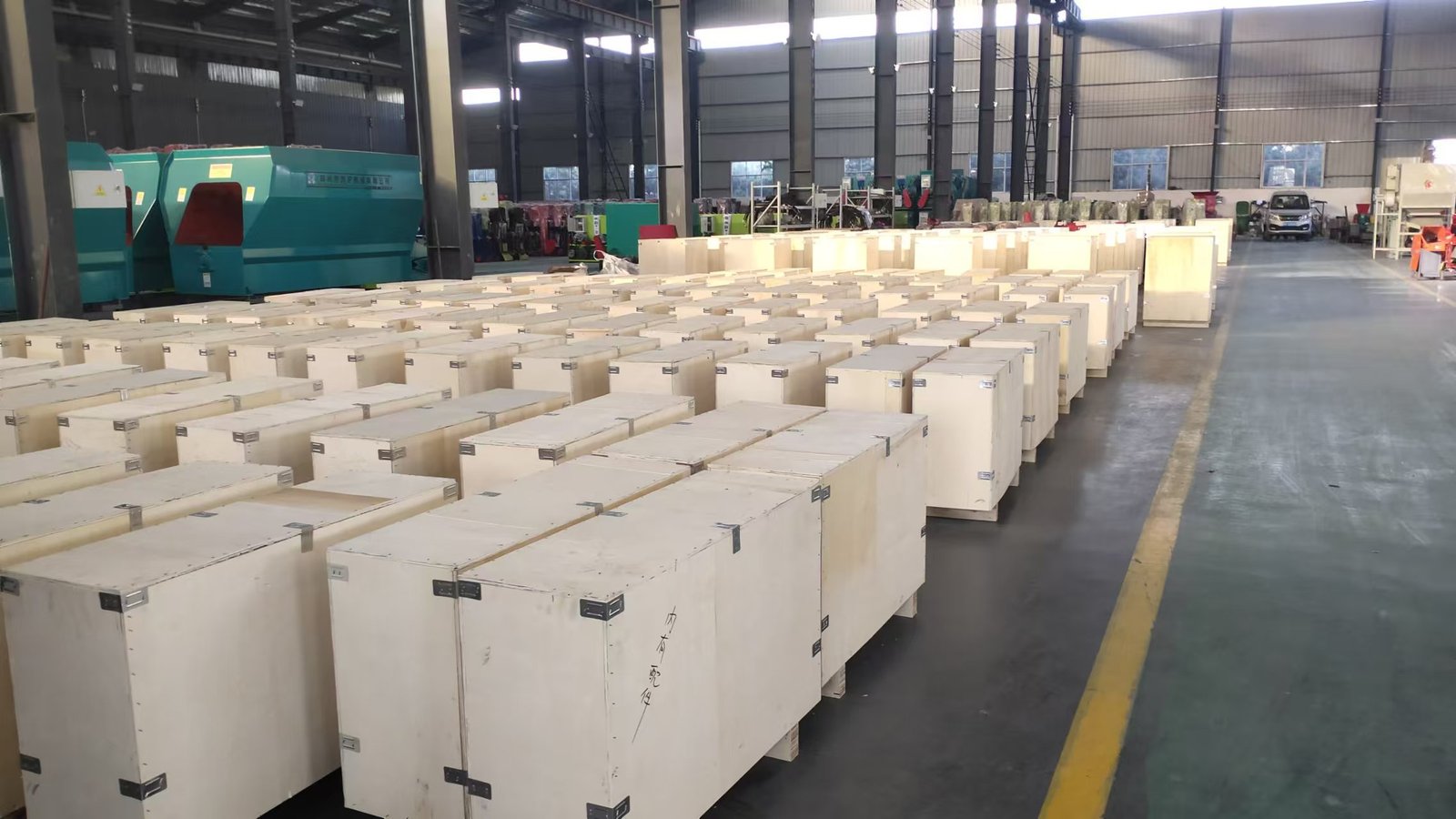
MAIKONG invites serious buyers and potential partners to visit our manufacturing facilities in GD Province, SZ City. Factory visits provide opportunity to observe production processes, inspect quality control procedures, witness equipment testing, and meet engineering staff. We arrange comprehensive facility tours including technical discussions tailored to your specific interests.
Join the growing network of satisfied MAIKONG clients throughout the United Kingdom, Europe, and globally who rely on our equipment for their feed production and biomass energy businesses. Whether you operate a small farm requiring 500kg/h capacity or manage an industrial feed mill demanding 50 tonnes per hour, MAIKONG delivers engineered solutions supporting your success.
Get Started with MAIKONG Today
Contact our UK support team to discuss your pellet production requirements. We provide free technical consultation, capacity assessment, and preliminary system design recommendations. Whether you need a complete turnkey installation or specific equipment components, MAIKONG delivers solutions matching your exact requirements.
MAIKONG UK Operations:
Manufacturing Location: GD Province, SZ City
Email: Lucy@feedproductionline.uk
Website: https://feedproductionline.uk/
Company Information: About MAIKONG
MAIKONG’s commitment extends beyond equipment sales to long-term partnership. We invest in your success through comprehensive training, responsive technical support, and continuous improvement of our products based on client feedback. Experience the MAIKONG difference – contact us today to begin your pellet production journey.
Copy©2026-2030