
Animal Feed Production Line: Complete UK Manufacturing Solutions for Feed Mills
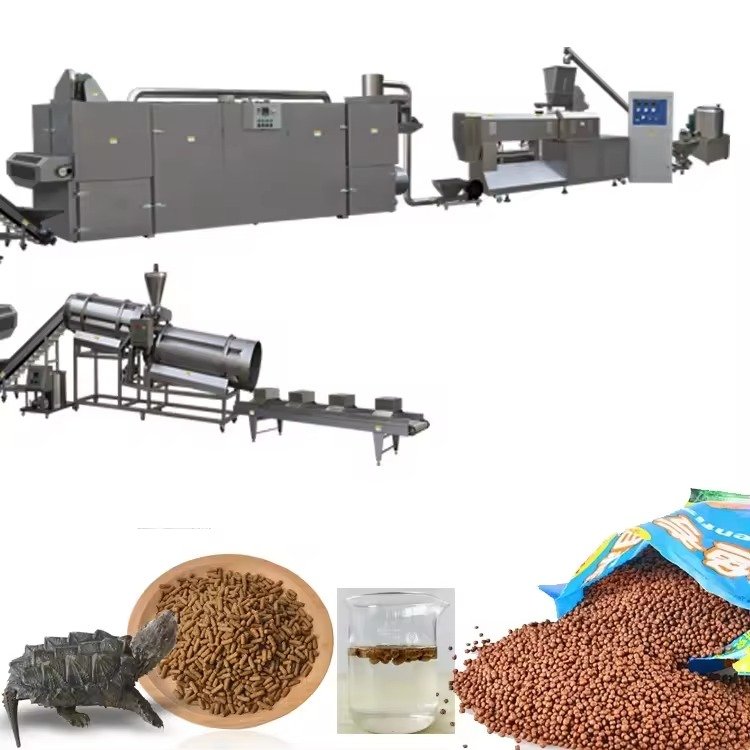
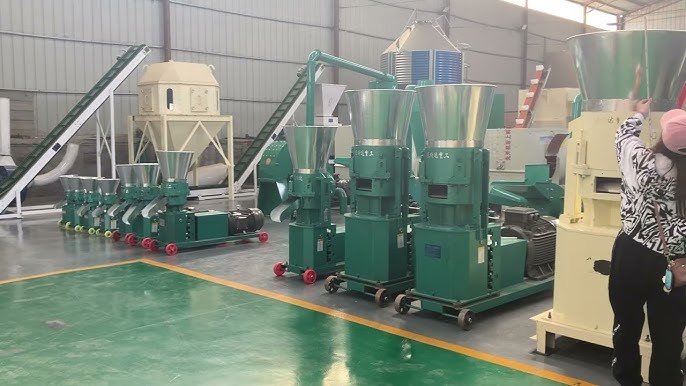
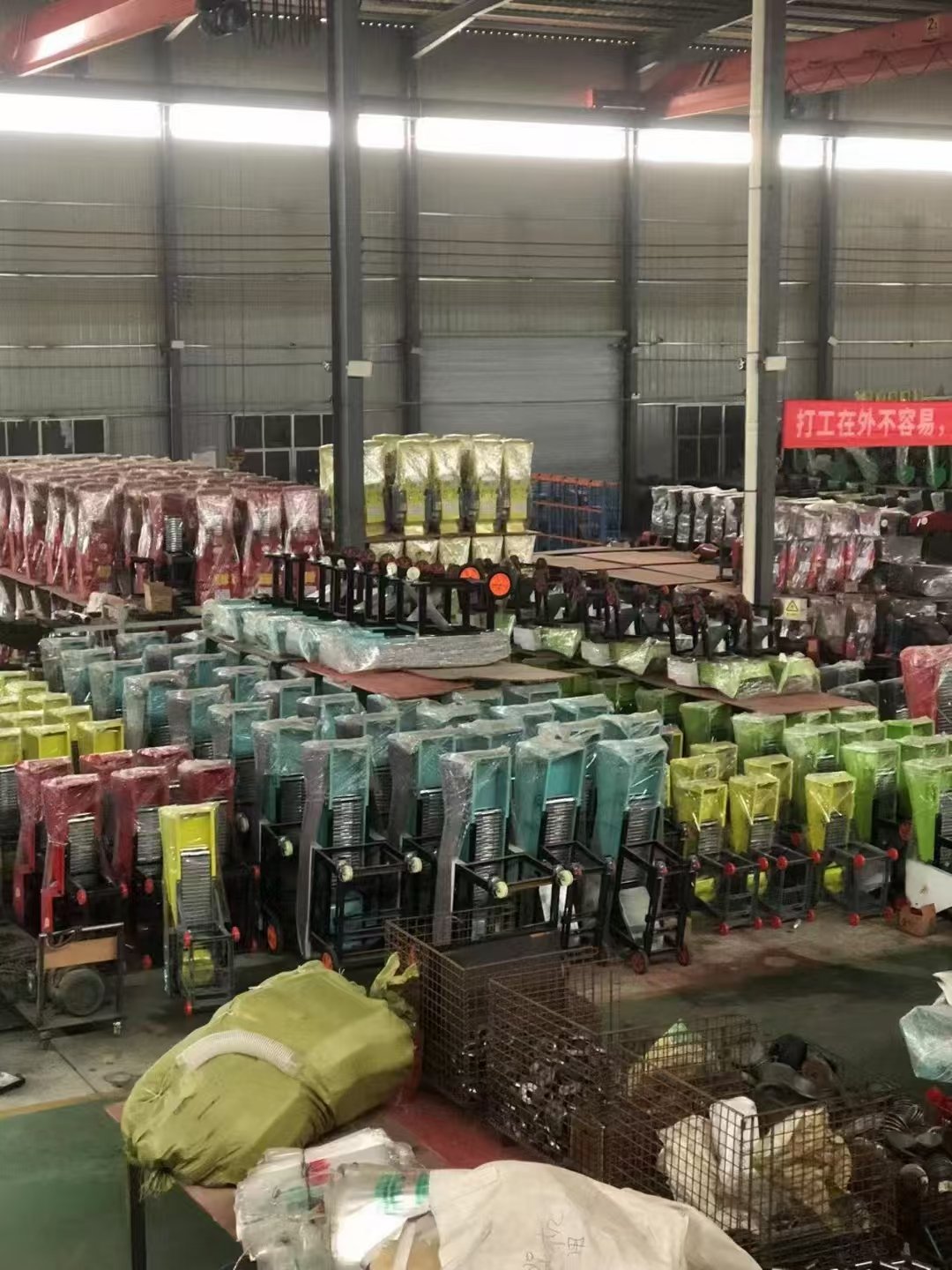
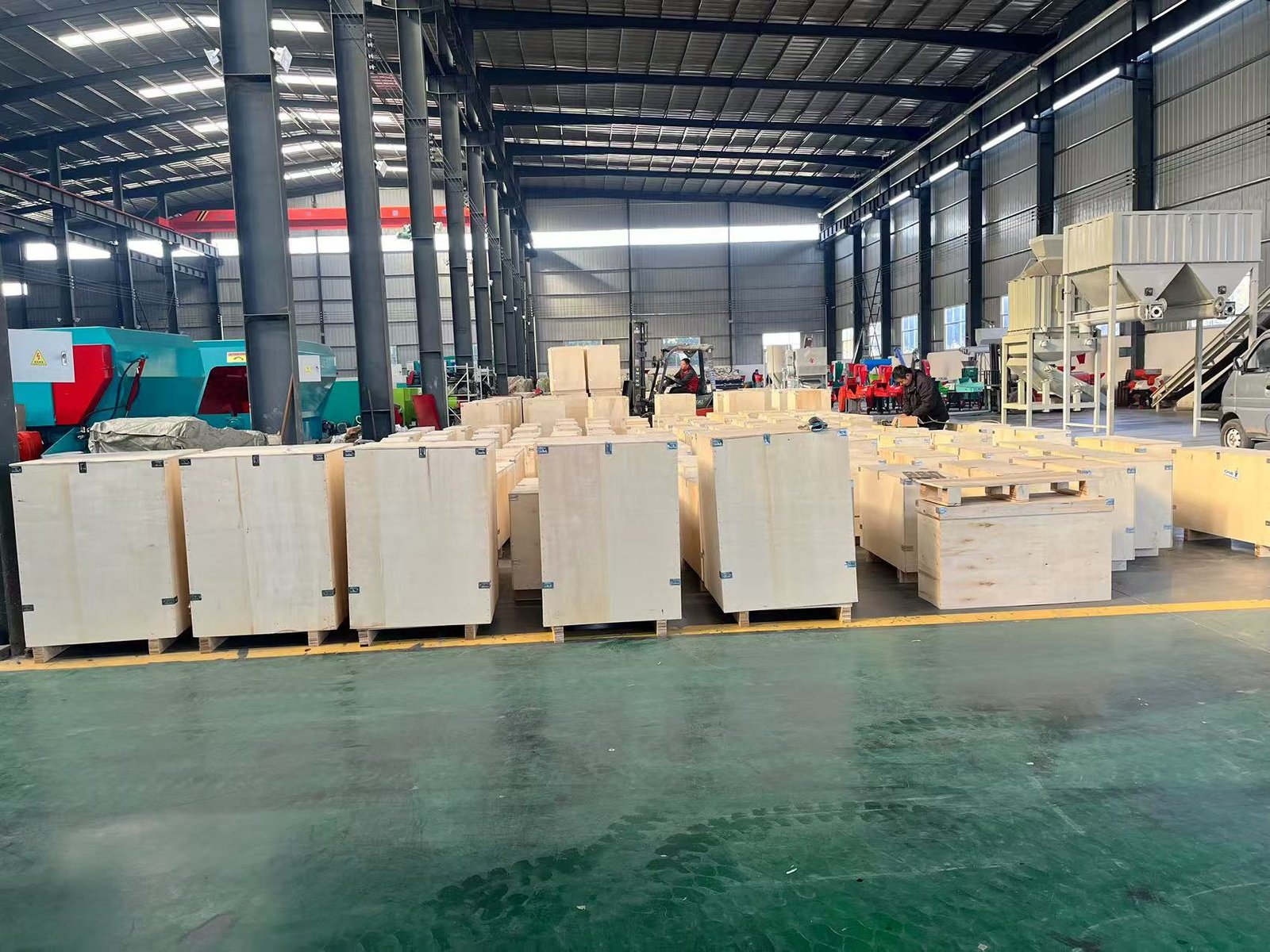 The global animal feed industry continues to grow. Demand for customised feed solutions has intensified. Feed mill operators now need production systems that accommodate multiple animal types without requiring complete equipment changeovers. This flexibility proves essential for businesses serving regional farming communities with varied livestock operations.MAIKONG brings over twenty-two years of manufacturing expertise to the animal feed production line sector. Our UK-based operation specialises in designing and delivering complete feed manufacturing systems scaled from small 200-kilogram-per-hour operations to large industrial facilities processing 200 tonnes hourly. This comprehensive guide examines the technical specifications, configuration options, and supplier considerations that matter most when investing in feed production equipment.
Get Your Custom Feed Line Quote Today
MAIKONG’s technical team will assess your specific capacity requirements, animal types, and raw material specifications to design an optimised production solution. Contact us for a detailed quotation tailored to your operation.
Animal Feed Production Line Systems
An animal feed production line represents an integrated manufacturing system. It transforms raw agricultural materials into nutritionally complete pellets, mash, or crumble feed products. Modern systems incorporate multiple processing stages. Each stage serves a specific function in achieving consistent feed quality and optimal nutritional delivery.
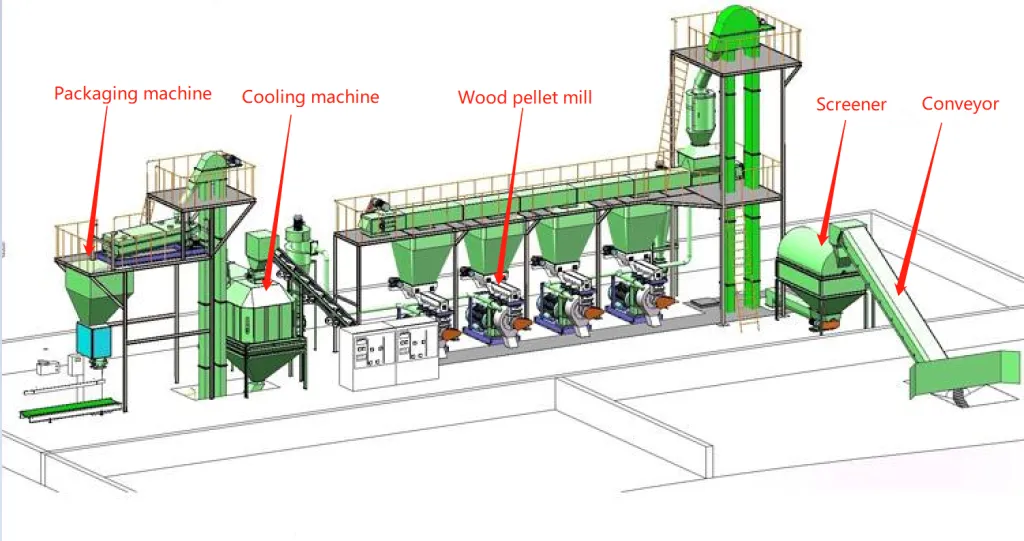
The fundamental purpose extends beyond simple ingredient mixing. Professional feed production lines ensure precise nutrient ratios. They control particle size distribution. They manage moisture content. They achieve pellet durability standards. These factors directly impact animal digestion efficiency, feed conversion rates, and ultimately, livestock performance metrics that matter to farmers.
Core Production Line Components
Every complete animal feed production line incorporates several essential equipment modules. Understanding these components helps buyers evaluate system completeness and identify potential bottlenecks before installation.
Pre-Processing Equipment
Raw material reception and cleaning systems remove foreign matter. Magnetic separators extract metal contaminants. Screening equipment eliminates oversized particles and debris. These initial steps protect downstream machinery from damage whilst ensuring product purity.
- Grain cleaning sieves with multiple screen sizes
- Permanent magnet separators for ferrous material removal
- Destoners for heavy particle separation
- Storage silos with controlled discharge systems
Primary Processing Equipment
Crushing and grinding equipment reduces particle size to specified ranges. Batching systems accurately proportion multiple ingredients according to nutritional formulations. Mixing equipment achieves homogeneous distribution of all feed components.
- Hammer mills with interchangeable screens (0.8mm to 6mm openings)
- Multi-hopper automatic batching scales
- Paddle or ribbon mixers with 3-5 minute cycle times
- Liquid addition systems for oils and molasses
Pelleting Equipment
Steam conditioning prepares feed mixture for pellet formation. Pellet mills compress material through dies to create dense, durable pellets. This stage significantly impacts final product quality and production energy consumption.
- Steam conditioners with adjustable retention time
- Ring die pellet mills (model-specific capacity ratings)
- Die and roller assemblies for various pellet diameters
- Pellet mill control systems monitoring amperage and temperature
Post-Processing Equipment
Cooling equipment rapidly reduces pellet temperature and moisture. Screening separates finished pellets from fines. Crumbling equipment breaks pellets into smaller particles when required. Packaging systems prepare products for storage and distribution.
- Counter-flow coolers reducing pellet temperature to ambient plus 5°C
- Vibrating screens with multiple deck configurations
- Crumblers for chick and specialty feed production
- Automatic bagging scales with sewing or heat-sealing
For comprehensive technical specifications on each component, refer to our detailed animal feed production line guide which examines equipment selection criteria based on production goals.
Capacity Ranges and Production Flexibility
Production capacity represents the most critical specification when evaluating feed manufacturing equipment. UK and European feed operations vary dramatically in scale. A poultry farm producing feed for 5,000 birds requires vastly different equipment than a commercial feed mill serving multiple large dairy operations.
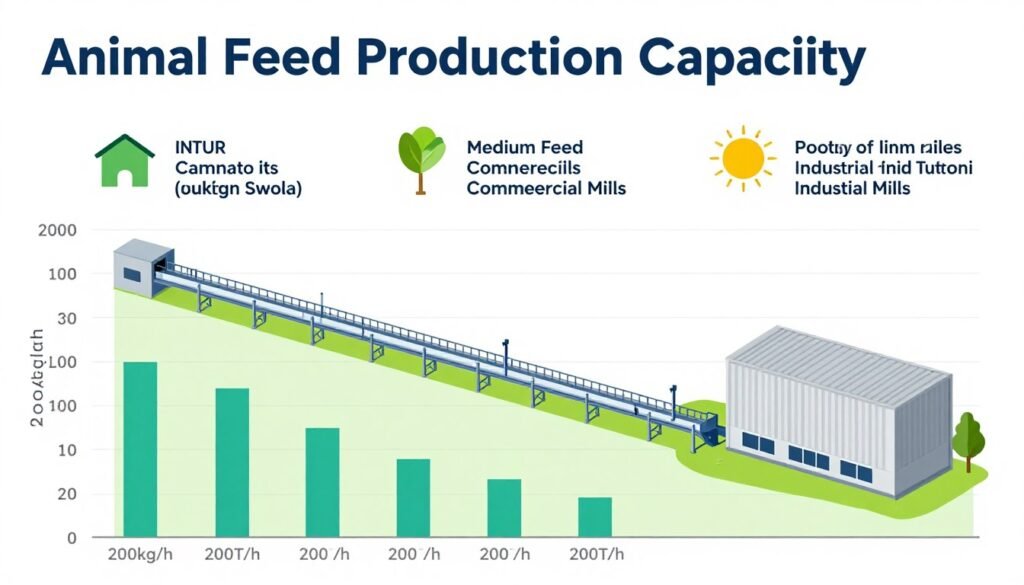
Small-Scale Operations: 200kg to 2 Tonnes Per Hour
Entry-level production systems suit individual farming enterprises and small commercial operations. These compact lines typically occupy 150 to 300 square metres. They require modest electrical infrastructure, often operating on standard three-phase supplies available at most UK agricultural properties.
Small-capacity animal feed production line configurations excel in environments requiring frequent formulation changes. A mixed livestock farm raising chickens, pigs, and sheep can produce different feed types daily. Equipment changeover procedures remain simple. Production runs of 500 kilograms to 2 tonnes accommodate typical weekly consumption rates for operations with 200 to 1,000 head of livestock.
| Capacity Range | Suitable Operations | Typical Layout | Power Requirements | Crew Size |
| 200-500 kg/h | Individual farms, small cooperatives | Single-level horizontal arrangement | 30-75 kW total | 1-2 operators |
| 500kg-1T/h | Medium farms, local feed suppliers | Two-level vertical structure possible | 75-120 kW total | 2-3 operators |
| 1-2 T/h | Agricultural cooperatives, regional distributors | Multi-level vertical recommended | 120-180 kW total | 3-4 operators |
Medium-Scale Commercial Lines: 2 to 20 Tonnes Per Hour
Commercial feed mills serving regional markets typically operate within this capacity range. These installations represent significant capital investments. They demand careful planning regarding building infrastructure, material handling systems, and quality control protocols.
A poultry feed production line processing 5 tonnes hourly can supply approximately 50,000 broiler chickens or 100,000 laying hens. Similar capacity serves 2,000 to 3,000 beef cattle or supports substantial pig finishing operations. Production scheduling becomes crucial. Mills typically run two shifts producing multiple formulations to serve diverse customer bases.
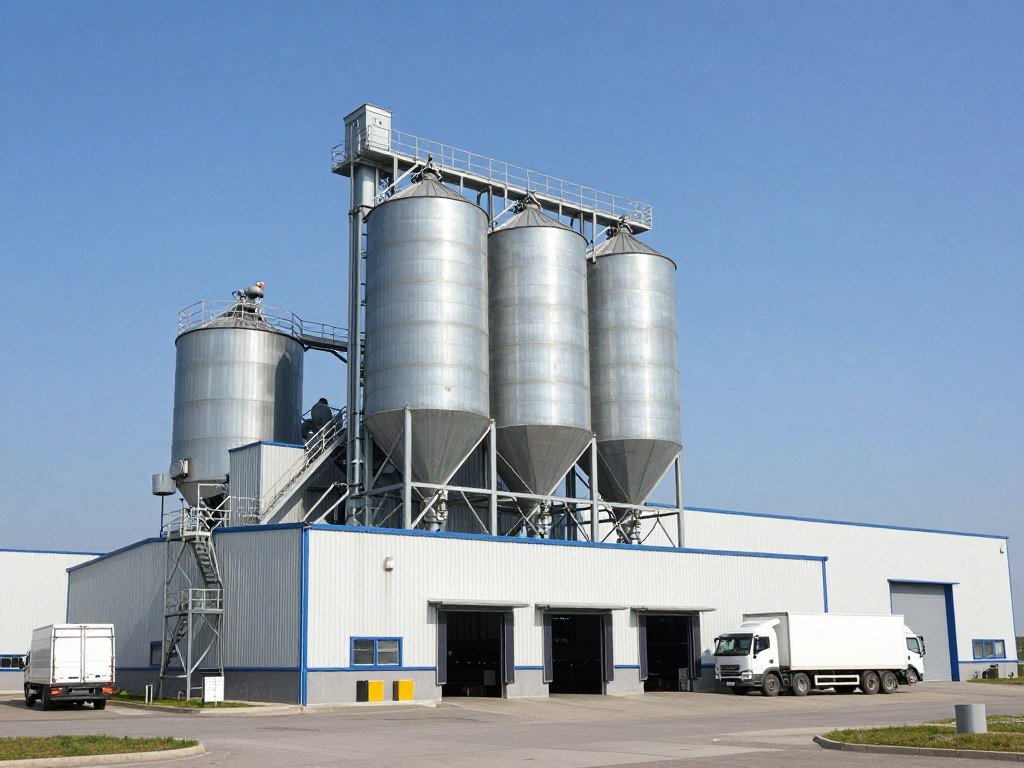
Equipment automation increases substantially at this scale. Computerised batching systems manage 10 to 20 ingredient bins. Automated quality control sampling occurs throughout production. Digital monitoring tracks throughput rates, energy consumption, and equipment performance metrics. These systems identify inefficiencies and predict maintenance requirements before failures occur.
Large Industrial Facilities: 20 to 200 Tonnes Per Hour
Industrial-scale installations supply major farming operations, export markets, and national distribution networks. Projects of this magnitude require comprehensive engineering design. They involve civil works for multi-storey production buildings. They necessitate sophisticated material handling including pneumatic conveying, bucket elevators, and automated truck loading systems.
Large facilities commonly produce 500 to 1,500 tonnes daily operating 16 to 24 hours. This output scale demands robust preventive maintenance programmes. Downtime carries substantial financial consequences. MAIKONG’s industrial feed production line systems incorporate redundant equipment for critical components. Parallel processing streams permit continued operation during maintenance cycles.
Scalability proves equally important as initial capacity. Successful feed mills often expand. Modular equipment design allows capacity increases without complete system replacement. A facility beginning at 10 tonnes hourly might add parallel pelleting lines, expand mixing capacity, or increase finished product storage to reach 20 or 30 tonnes hourly as market demand grows.
Discuss Your Specific Capacity Requirements
MAIKONG’s engineering team will analyse your current production needs and future growth plans to recommend optimal equipment sizing. Proper capacity selection avoids costly over-investment or insufficient throughput.
Raw Material Compatibility and Processing Requirements
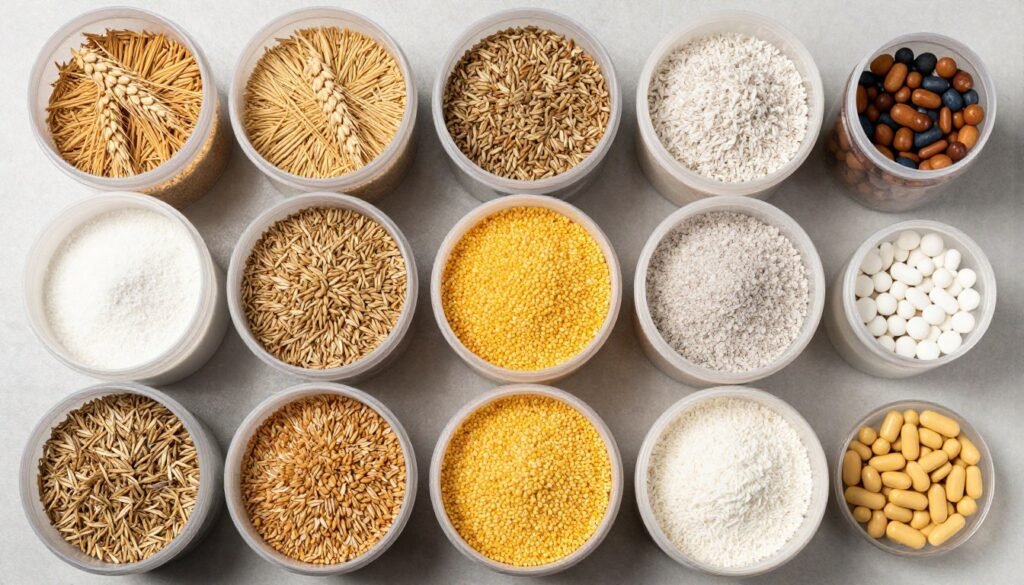
Feed production equipment must accommodate diverse raw materials. UK and European feed formulations incorporate cereals, protein meals, mineral supplements, and various additives. Each material presents unique handling and processing characteristics that influence equipment selection.
Cereal Grains and Energy Sources
Wheat, barley, maize, and oats form the energy foundation for most animal feed formulations. These ingredients typically comprise 40 to 70 percent of complete feeds. Grinding requirements vary substantially. Wheat and barley grind readily into fine particles. Maize proves harder and more abrasive, accelerating wear on hammer mill screens and grinding plates.
Moisture content significantly impacts processing efficiency. Grains arriving at 14 to 16 percent moisture process optimally through most equipment. Higher moisture levels cause material to compact in dies during pelleting. Lower moisture increases dust generation and may require conditioning system adjustments. Storage considerations matter equally. Bulk grain storage requires proper aeration to prevent spoilage and maintain quality throughout production cycles.
Protein Meals and Supplements
Soybean meal, sunflower meal, rapeseed meal, and fish meal provide essential amino acids. These materials arrive in various particle sizes. Some require additional grinding. Others incorporate directly into mixer feeds. Protein meals often prove dusty, necessitating effective dust collection systems to maintain workplace air quality and prevent material loss.
Fishmeal deserves special mention. Common in aquatic and pet feed formulations, fishmeal contains oils that affect pelleting characteristics. A fish feed production line typically incorporates enhanced steam conditioning and may use specialised die designs to achieve proper pellet formation with high fishmeal inclusion rates.
Minerals, Vitamins, and Micro-Ingredients
Limestone, dicalcium phosphate, salt, and trace mineral premixes constitute small percentages of formulations but prove critical for nutritional completeness. These materials often arrive in fine powder form. They require careful batching accuracy. Even small errors in micro-ingredient inclusion significantly impact feed quality and can lead to nutritional deficiencies or toxicities.
Modern animal feed production line systems incorporate dedicated micro-ingredient feeders. These devices meter small quantities with precision exceeding manual weighing accuracy. Computer-controlled systems record exact quantities added, creating quality assurance documentation required by regulatory authorities and quality certification programmes.
Liquid Ingredient Integration
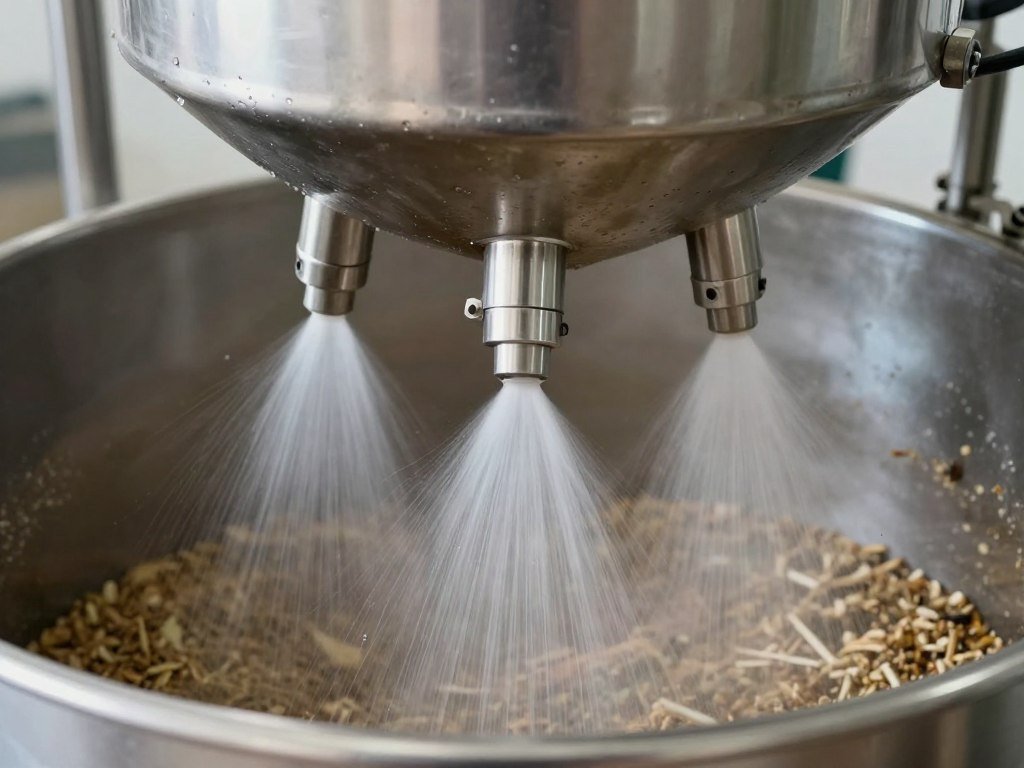
Vegetable oils, molasses, and liquid enzyme preparations increasingly feature in modern formulations. These materials improve pelleting efficiency. They reduce dust. They enhance palatability. However, liquid addition requires specialised equipment integrated into mixing or conditioning systems.
Oil inclusion typically ranges from 1 to 5 percent of total formula weight. Higher levels risk producing greasy pellets that cause downstream handling difficulties. Proper liquid distribution throughout the feed mixture demands correctly positioned spray nozzles and adequate mixing time post-application.
Handling Challenging Materials
Certain ingredients present processing challenges. Whole grains with high oil content like full-fat soybeans require specialised crushing equipment. Fibrous materials such as beet pulp or alfalfa meal need hammer mills with larger screen openings. Sticky ingredients like molasses-coated grains may cause bridging in bins and hoppers.
A well-designed cattle feed production line accommodates high-fibre materials common in ruminant diets. Equipment specifications differ from poultry systems primarily processing grains and protein meals. Discussing specific raw material profiles with equipment suppliers during system design prevents costly modifications after installation.
Pelleting Process: Detailed Technical Examination
Pellet formation represents the most technically demanding stage in feed manufacturing. This process determines final product quality including pellet durability, water stability (critical for aquatic feeds), and nutritional consistency. Understanding pelleting fundamentals helps buyers specify appropriate equipment and anticipate operational requirements.
Steam Conditioning Principles
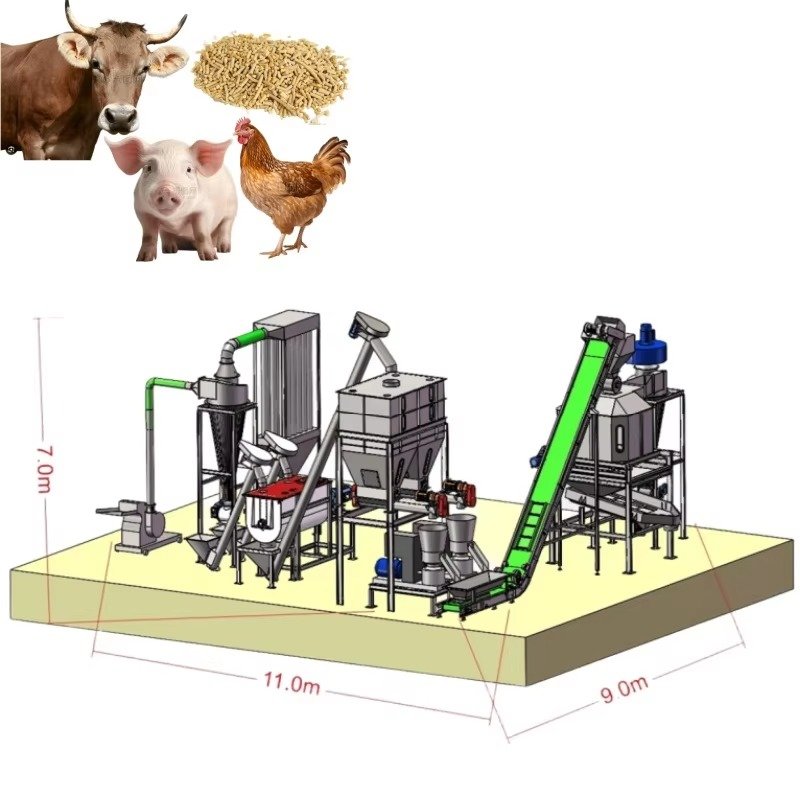
Prior to pelleting, feed mixture passes through a conditioning chamber. Saturated steam injects directly into the moving material. This treatment serves multiple purposes. It increases feed temperature to 70-85°C. It adds moisture raising content from approximately 12 percent to 16-17 percent. It initiates starch gelatinisation which improves pellet binding.
Conditioning time typically ranges from 30 to 90 seconds depending on formulation characteristics. Formulas high in starch (cereals) require shorter conditioning than high-protein or high-fibre mixtures. Insufficient conditioning produces weak pellets that crumble during handling. Excessive conditioning wastes energy and may degrade heat-sensitive vitamins.
Steam quality matters enormously. Dry, saturated steam at 2 to 4 bar pressure proves ideal. Wet steam containing water droplets causes uneven moisture distribution. Superheated steam fails to transfer heat efficiently. Proper boiler operation and steam distribution system design ensures consistent conditioning across all production runs.
Die and Roller Specifications
The pellet mill die represents a thick steel ring containing hundreds of precision-drilled holes. Material forced through these holes forms cylindrical pellets. Die hole diameter determines final pellet size ranging from 2mm for young poultry to 8mm or larger for cattle. Die thickness affects pellet length and production rate.
| Animal Type | Typical Pellet Diameter | Die Thickness Range | Production Considerations |
| Chicks, young poultry | 2.0-3.0 mm | 30-40 mm | Often crumbled from larger pellets |
| Growing poultry, layers | 3.0-4.0 mm | 40-50 mm | Standard production, good durability |
| Pigs (all stages) | 4.0-5.0 mm | 50-60 mm | Balance between intake and waste |
| Cattle, sheep | 6.0-8.0 mm | 60-75 mm | Larger diameters increase capacity |
| Aquatic species | 2.0-6.0 mm | 35-55 mm | Water stability critical requirement |
Compression rollers rotate against the die inner surface. Adjustable gap between rollers and die determines compression force. Proper gap settings balance production capacity against pellet quality and energy consumption. Worn rollers or dies reduce efficiency and pellet quality, necessitating regular inspection and timely replacement.
Common Pelleting Challenges and Solutions
Feed producers frequently encounter specific pelleting difficulties. Understanding common issues and their resolutions saves considerable troubleshooting time.
Common Problems
- Die blockage from insufficient conditioning or incorrect formulation
- Excessive fines production indicating poor pellet durability
- High pellet mill amperage suggesting mechanical issues or formulation problems
- Variable pellet length from inconsistent material flow or worn equipment
- Poor water stability in aquatic feeds from inadequate binding
Effective Solutions
- Adjust steam addition rate and conditioning time; verify formula includes adequate binders
- Increase conditioning temperature; add pellet binders; check die and roller wear
- Inspect roller and die clearances; verify formula grind size specifications
- Install or adjust pellet length control knives; check die hole wear patterns
- Extend conditioning time; increase temperature; use specialised aquatic feed binders
MAIKONG’s aquatic feed production line systems incorporate enhanced conditioning and die designs specifically engineered for high-stability pellets required in fish and shrimp production. Water stability testing confirms pellets maintain integrity for required immersion periods.
Energy Consumption Factors
Pelleting represents the highest energy-consuming stage in feed production. A typical pellet mill requires 10 to 30 kilowatt-hours per tonne of finished product. Multiple factors influence energy efficiency.
Formula composition significantly impacts energy demand. High-starch formulations pellet more easily than high-fibre or high-protein mixtures. Proper grinding ensures uniform particle size distribution which improves pelleting efficiency. Correct die and roller selection for specific formulations optimises throughput whilst minimising power consumption.
Regular maintenance reduces energy waste. Clean dies free from product buildup operate more efficiently. Properly adjusted roller-to-die gaps prevent excessive friction. Modern pellet mills incorporate variable frequency drives adjusting motor speed to match production demand, saving energy during reduced-capacity operation.
Cooling, Screening, and Finishing Operations
Pellets exit the mill at 75 to 85°C with moisture content of 16 to 17 percent. Immediate cooling proves essential. Hot pellets remain soft and easily damaged. Packaging hot product risks condensation inside bags leading to mould growth during storage. Professional feed production lines incorporate dedicated cooling equipment.
Counter-Flow Cooling Technology
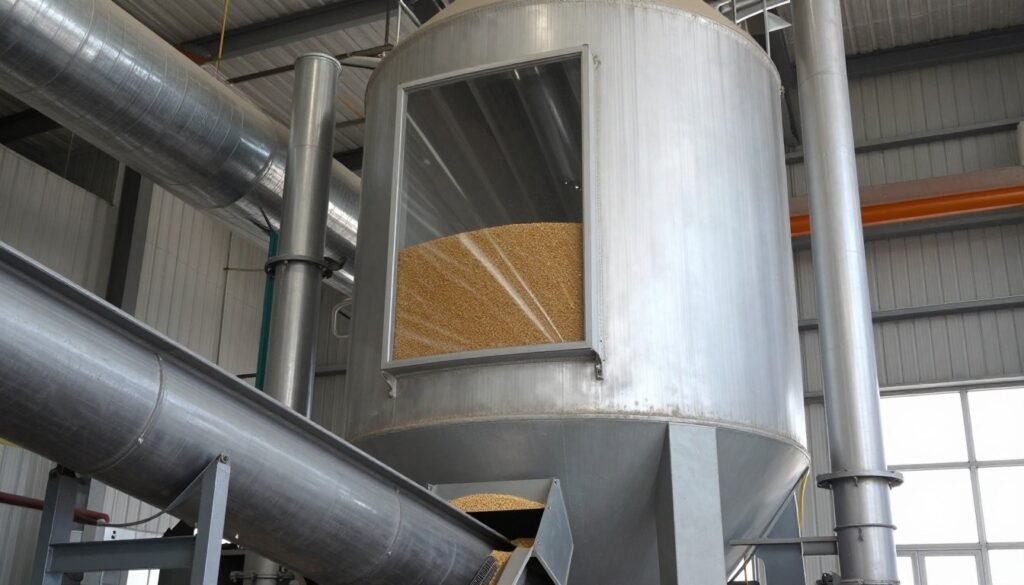
Counter-flow coolers provide the most efficient pellet cooling. Pellets enter at the top. They descend through a bed whilst ambient air flows upward from the bottom. This arrangement maximises heat transfer efficiency. Properly sized coolers reduce pellet temperature to ambient plus 3 to 5°C in 10 to 15 minutes residence time.
Cooling capacity must match production rate. Insufficient cooling creates bottlenecks limiting overall line throughput. Oversized coolers waste floor space and increase capital costs. MAIKONG’s engineering calculations account for ambient temperature variations throughout the year ensuring adequate cooling capacity even during summer peaks.
Effective dust extraction during cooling prevents fines from contaminating finished product. Fines reduce bulk density and may indicate excessive pellet breakage requiring pelleting process adjustments. Collected fines typically return to the mixer for incorporation into subsequent batches.
Screening and Crumbling
Vibrating screens separate cooled pellets by size. Properly formed pellets pass to finished product storage. Oversized materials including incompletely broken pellets return for re-processing. Undersized fines direct back to the mixer. Multi-deck screens can simultaneously separate three or more size fractions.
When producing crumbles for chicks or specialised feeds, pellets pass through crumbling rolls after screening. These corrugated rollers break pellets into smaller particles without creating excessive fines. Crumble size selection depends on animal age and species requirements. A chicken feed production line might produce starter crumbles of 1 to 2mm, grower pellets of 3mm, and finisher pellets of 4 to 5mm.
Quality Control Sampling
Automated sampling systems collect representative samples throughout production. Testing protocols typically assess pellet durability, moisture content, particle size distribution, and nutritional analysis. Durability testing using a Holmen or Ligno tester measures pellet resistance to mechanical handling. Standards typically require 95 percent durability or higher.
Laboratory facilities integrated into modern feed mills provide rapid results enabling real-time process adjustments. Near-infrared spectroscopy instruments analyse moisture, protein, fat, and fibre content in minutes. This technology identifies formulation errors or ingredient substitutions before large quantities of off-specification product accumulate.
Packaging and Bulk Handling Systems
Final packaging method depends on customer requirements and distribution logistics. Small-scale operations commonly produce bagged feed in 20 to 25 kilogram units suitable for individual farm collection. Large commercial mills serve major farming operations via bulk delivery trucks or install bulk bins directly at customer sites.
Automated Bagging Operations
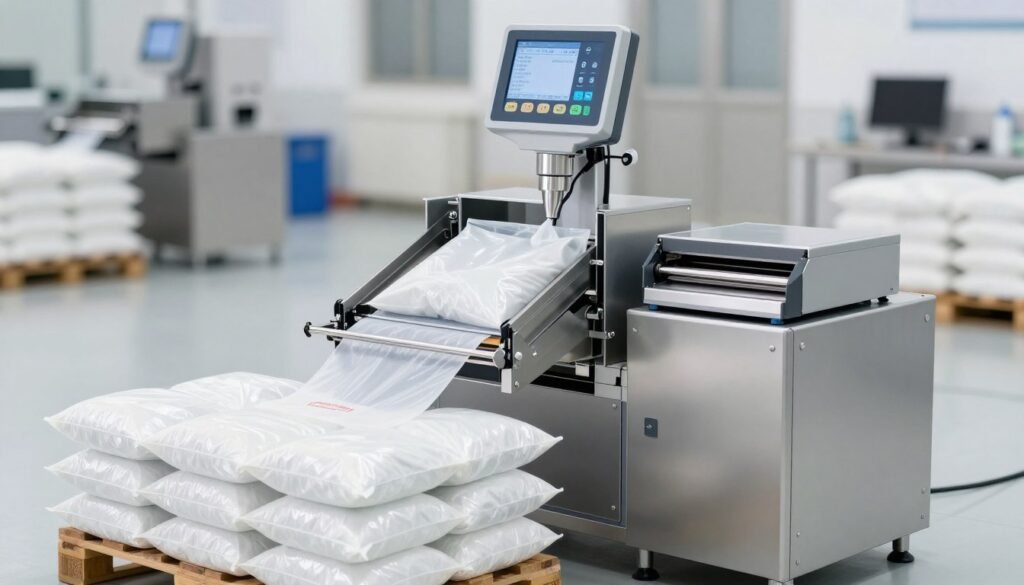
Modern automatic bagging scales achieve speeds of 6 to 12 bags per minute. Electronic load cells measure product weight with accuracy exceeding manual weighing. Programmable controllers allow rapid changeover between different bag sizes and target weights. This flexibility suits mills producing multiple products.
Bag closure methods include sewing machines or heat-sealing equipment. Sewn bags suit coarse products and withstand rough handling. Heat-sealed bags provide dust-tight closure and present a professional appearance valued by retail customers. Automatic bag palletising systems stack finished bags eliminating heavy manual labour and improving warehouse efficiency.
Bulk Storage and Distribution
Large installations incorporate substantial finished product storage. Flat-bottom bins constructed from corrugated steel sheets provide economical storage for several days’ production. Proper aeration and moisture monitoring prevent quality degradation during storage. Load-out systems fill bulk delivery trucks or railcars rapidly minimising vehicle waiting time.
Pneumatic conveying systems transport feed within the mill and load trucks. Whilst more expensive than mechanical conveyors, pneumatic systems prove gentler on pellets reducing breakage. They also allow flexible routing through complex building structures where traditional conveyors prove difficult to install.
Request Detailed System Configuration
MAIKONG provides complete specifications including equipment models, power requirements, building dimensions, and installation timelines. Our detailed proposals enable accurate project budgeting and facility planning.
Automation and Control Systems
Modern animal feed production lines incorporate sophisticated automation reducing labour requirements whilst improving consistency and traceability. The level of automation appropriate for a specific installation depends on production scale, product variety, and available technical support capabilities.
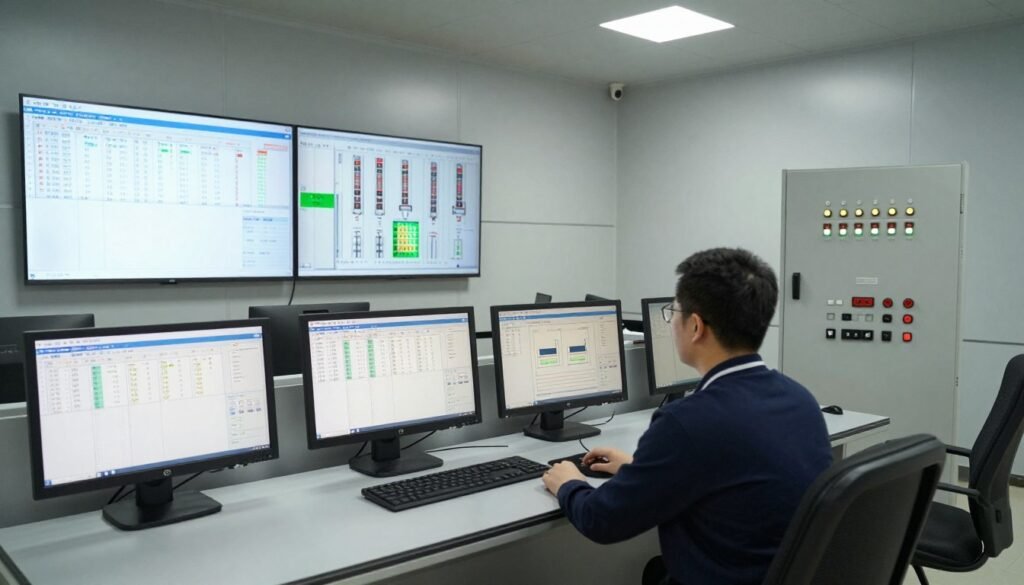
Batching and Formula Management
Computer-controlled batching systems store hundreds of formulations electronically. Operators select required products via touchscreen interfaces. The system automatically sequences ingredient addition ensuring correct quantities and order. Load cells continuously monitor weights providing real-time feedback and preventing overcharging.
Formula security features prevent unauthorised modifications protecting proprietary formulations. Batch records document exact quantities used creating traceability required by quality assurance programmes and regulatory authorities. This documentation proves invaluable during customer complaints or ingredient recall situations.
Process Monitoring and Data Collection
Sensors throughout the production line monitor critical parameters. Temperature probes in conditioners and pellet mills verify proper cooking. Moisture metres check product moisture before and after cooling. Amperage monitors on motor drives indicate equipment loading identifying developing mechanical problems before failures occur.
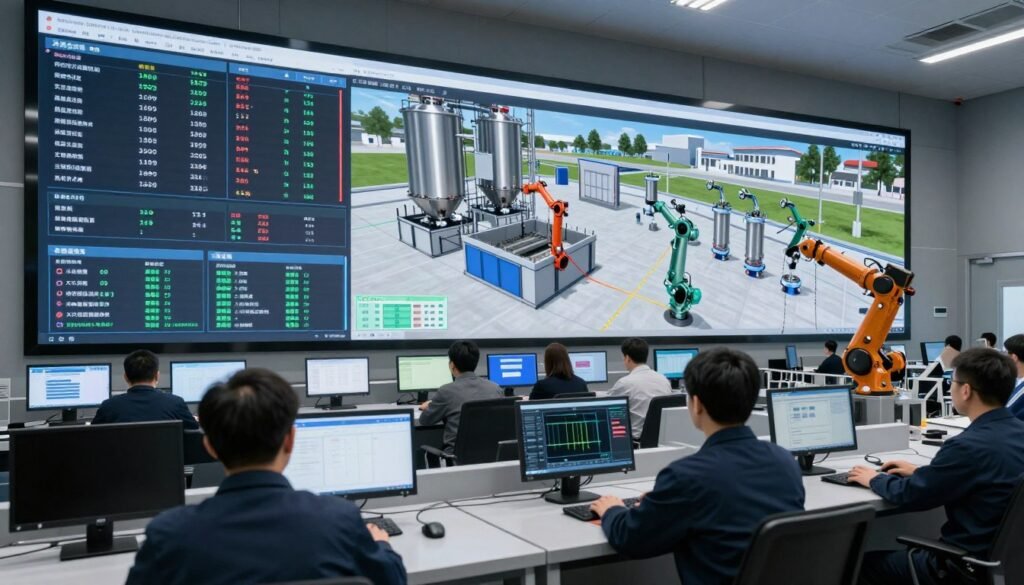
SCADA (Supervisory Control and Data Acquisition) systems collect and display this information in central control rooms. Operators view entire plant status from single locations. Alarm systems alert staff to out-of-specification conditions enabling rapid intervention. Historical data analysis identifies trends supporting maintenance planning and process optimisation.
Integration with Business Management Systems
Advanced installations integrate production control systems with inventory management and business software. Automatic ingredient consumption recording updates inventory levels. Production data feeds directly into costing and invoicing systems. This integration eliminates duplicate data entry reducing errors whilst providing real-time business information.
For pet feed production line operations where batch traceability and allergen control prove critical, integrated systems track specific ingredient lots through finished product. This capability facilitates targeted recalls if ingredient quality issues emerge post-production.
Facility Design and Layout Considerations
Successful animal feed production line installations begin with proper facility design. Building layout significantly impacts operational efficiency, material flow, maintenance accessibility, and potential for future expansion. These decisions affect costs throughout the facility’s operational life.
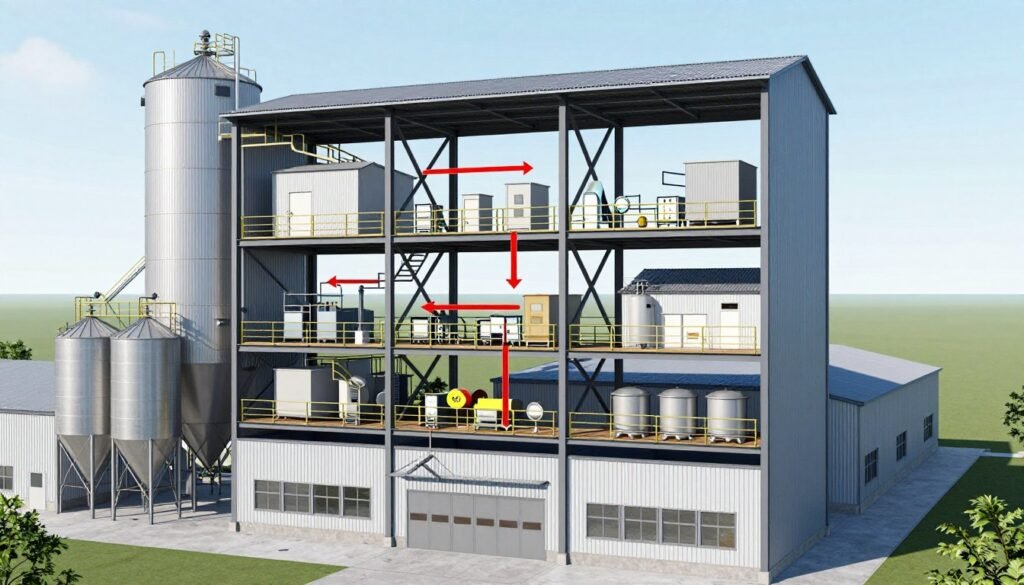
Vertical Versus Horizontal Layout
Small to medium capacity lines sometimes use horizontal layouts positioning all equipment on a single level. This arrangement minimises building costs and simplifies construction. However, it requires larger floor areas and extensive mechanical conveying between process stages increasing power consumption.
Larger facilities typically employ vertical designs. Raw materials receive at upper levels. Gravity flows material downward through processing stages. This arrangement reduces conveying costs and provides natural segregation between clean and dirty processes. Multi-storey construction costs more initially but offers superior long-term operational efficiency.
Building height becomes a consideration in some locations. Planning restrictions may limit structure height especially near residential areas or airports. MAIKONG’s design team evaluates site-specific constraints developing layouts optimising functionality within existing restrictions.
Dust Control and Environmental Compliance
Feed manufacturing generates substantial dust particularly during grinding and material transfer operations. Effective dust collection systems prove essential for worker health, equipment longevity, and environmental compliance. Modern installations incorporate cyclone separators or bag filter systems capturing airborne particles.
Collected dust generally returns to production preventing material waste. Filter cleaning systems remove accumulated material maintaining consistent airflow and collection efficiency. Properly designed systems achieve workplace dust concentrations well below regulatory limits creating comfortable working environments.
Noise control matters equally. Pellet mills, grinders, and pneumatic conveying generate significant noise levels. Acoustic enclosures around noisy equipment combined with sound-absorbing building materials reduce noise exposure for workers and nearby residents. UK workplace noise regulations require hearing protection programmes when exposure exceeds specific limits.
Material Receiving and Storage
Efficient raw material receiving prevents production bottlenecks. Truck unloading systems vary from simple gravity discharge into pits to pneumatic or mechanical unloading equipment. Unloading rates must accommodate typical delivery vehicle capacities without requiring excessive driver waiting time.
Ingredient storage capacity depends on delivery logistics and ingredient purchasing patterns. Operations receiving weekly bulk deliveries require substantial storage. Mills purchasing smaller quantities more frequently operate with reduced storage. Storage capacity calculations account for seasonal availability variations particularly for agricultural commodities harvested annually.
Proper ingredient segregation prevents cross-contamination. Separate bins for different cereal types, protein meals, and additive ingredients maintain product integrity. Clearly labelled bins with secure access controls prevent loading errors. For operations producing medicated or specialised feeds, dedicated equipment and storage prevent cross-contamination with non-medicated products.
Maintenance Requirements and Spare Parts Management
Reliable feed production depends heavily on proper equipment maintenance. Planned maintenance programmes prevent unexpected failures disrupting production schedules. Understanding maintenance requirements helps buyers evaluate total ownership costs extending beyond initial equipment purchase prices.
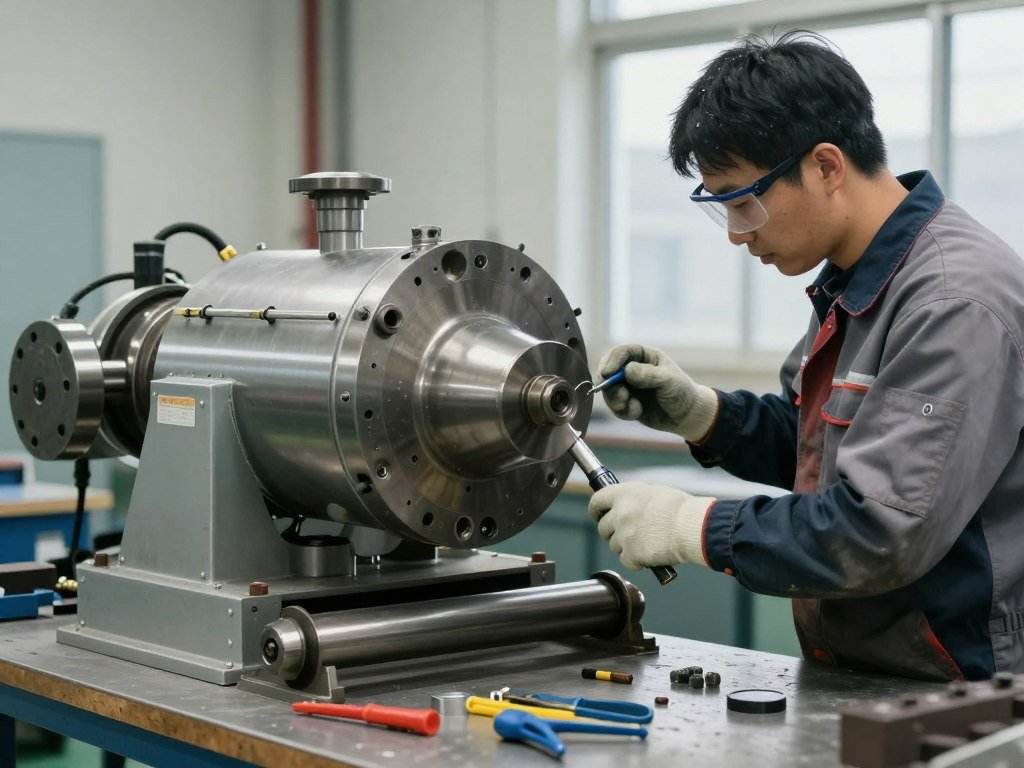
Routine Maintenance Protocols
Daily maintenance includes visual inspections checking for unusual noises, vibrations, or temperature increases. Operators verify proper operation of safety interlocks and emergency stops. Lubrication of bearings, chains, and moving parts occurs according to manufacturer specifications. Many modern systems incorporate automatic lubrication reducing manual labour whilst ensuring consistent application.
Weekly tasks typically include detailed inspection of wear components. Hammer mill screens require examination for holes or wear patterns indicating uneven impact. Mixer paddle clearances need verification ensuring adequate material movement. Belt tensions and chain alignments receive adjustment preventing premature failure and maintaining efficient power transmission.
Monthly maintenance addresses items requiring extended downtime. Complete equipment cleaning removes accumulated material that harbours pests or causes contamination. Electrical connections undergo inspection and re-tightening. Gearbox oil levels and condition assessment identifies developing problems before major damage occurs.
Critical Wear Components
Several components require regular replacement due to abrasive wear. Hammer mill screens and hammers wear continuously during operation. Screen life ranges from several hundred to several thousand tonnes depending on material hardness and screen hole size. Maintaining adequate screen inventories prevents production interruptions awaiting deliveries.
Pellet mill dies and rollers represent the highest-cost wear items. Die life varies enormously based on formula abrasiveness, pellet size, and die quality. Hardened dies in well-designed mills processing typical formulations might produce 3,000 to 10,000 tonnes before requiring replacement. Roller shells typically last through two or three die changes.
| Component | Typical Service Life | Replacement Indicators | Stock Recommendation |
| Hammer mill screens | 500-2000 tonnes | Holes, excessive wear, increased power draw | Minimum 2 complete sets |
| Hammer mill hammers | 2000-5000 tonnes | Reduced size, uneven wear patterns | One complete set |
| Pellet mill die | 3000-10000 tonnes | Increased amperage, poor pellet quality, worn holes | One spare for each pellet size |
| Pellet mill rollers | 6000-20000 tonnes | Grooves, flat spots, bearing noise | One set of shells |
| Mixer paddles | 8000-15000 tonnes | Excessive clearance, mixing time increase | Individual paddles as needed |
| Conveyor belts | 2-5 years | Fraying, holes, excessive stretch | Critical path spares only |
Spare Parts Inventory Strategy
Establishing appropriate spare parts inventories balances carrying costs against production risk. Critical components causing extended downtime merit on-site availability. Less critical items or those readily available from suppliers can be ordered as needed.
MAIKONG provides recommended spare parts lists categorised by replacement frequency and criticality. Initial commissioning packages include first-year wear parts ensuring uninterrupted operation during initial production. Subsequent parts ordering occurs based on actual wear patterns observed during operation rather than theoretical predictions.
For international installations, shipping lead times influence inventory requirements. A UK facility might receive emergency parts within days. Remote locations may require weeks for delivery. Sufficient on-site inventory prevents costly production interruptions whilst equipment awaits parts arrivals.
Quality Assurance and Testing Protocols
Feed quality directly impacts animal performance and customer satisfaction. Comprehensive quality assurance programmes verify production consistency and compliance with specifications. These systems encompass raw material inspection, in-process monitoring, finished product testing, and documentation protocols.
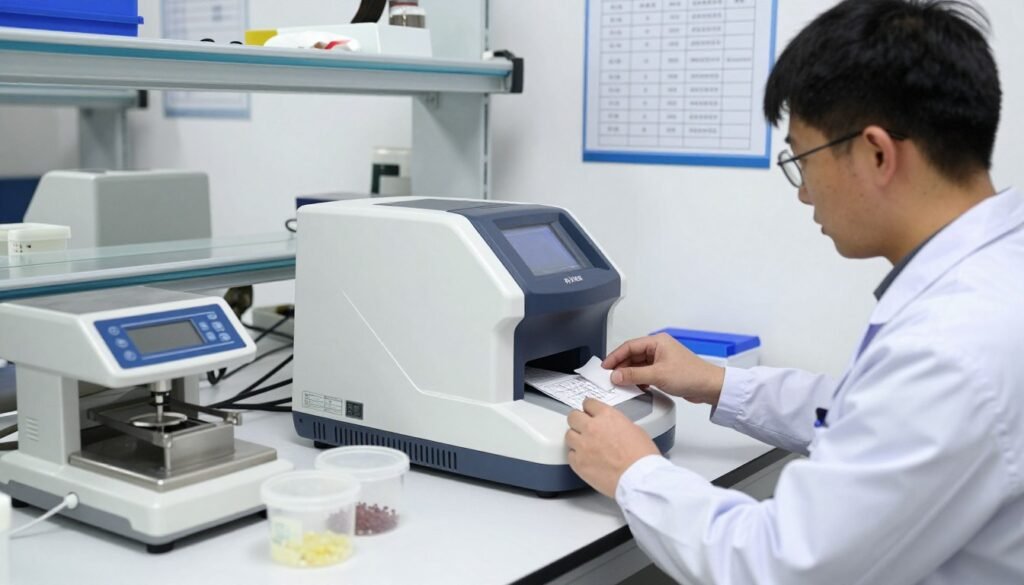
Raw Material Verification
Quality control begins at ingredient receiving. Visual inspection identifies obvious contamination, insect infestation, or quality issues. Moisture testing verifies proper storage conditions during shipping. Protein analysis of delivered meals confirms specifications match purchase orders. Detecting inferior ingredients before incorporation prevents costly finished product quality problems.
Larger operations maintain approved supplier lists. Ingredient suppliers undergo periodic audits verifying quality systems and production capabilities. This approach builds supply chain partnerships ensuring consistent ingredient quality rather than discovering problems after delivery.
In-Process Quality Checks
Monitoring during production identifies problems early when corrections prove simple and economical. Grind size verification after hammer mills confirms particle size meets formulation requirements. Mixing uniformity testing ensures adequate homogeneity before pelleting. Pellet temperature monitoring during cooling prevents hot product entering storage.
Modern animal feed production line systems incorporate inline sensors providing continuous monitoring. Automated alerts notify operators when parameters drift outside acceptable ranges. This real-time feedback enables immediate adjustments maintaining consistent product quality across entire production runs.
Finished Product Analysis
Comprehensive finished product testing validates production effectiveness. Standard tests include moisture content, pellet durability, and particle size distribution. Nutritional analysis verifies formula calculations match actual production. Microbiological testing when required confirms products meet safety standards for pathogenic bacteria.
Pellet durability proves particularly important for products subjected to handling and transportation. The Holmen durability tester subjects pellets to pneumatic conveying simulating typical distribution stresses. Pellets recovering intact after testing demonstrate resistance to breakage during normal handling. Target values typically exceed 95 percent durability.
For aquatic feeds, water stability testing measures pellet integrity after immersion. Test procedures simulate pond or tank conditions where pellets must remain intact whilst animals consume them. A properly configured shrimp feed production line produces pellets maintaining structural integrity for specified immersion periods ranging from 2 hours for surface-feeding fish to 24 hours for bottom-feeding shrimp.
European Installation Case Studies
MAIKONG’s twenty-two years manufacturing experience includes numerous successful installations across European markets. These case studies demonstrate our capability delivering complete feed production solutions meeting diverse operational requirements and regulatory standards.
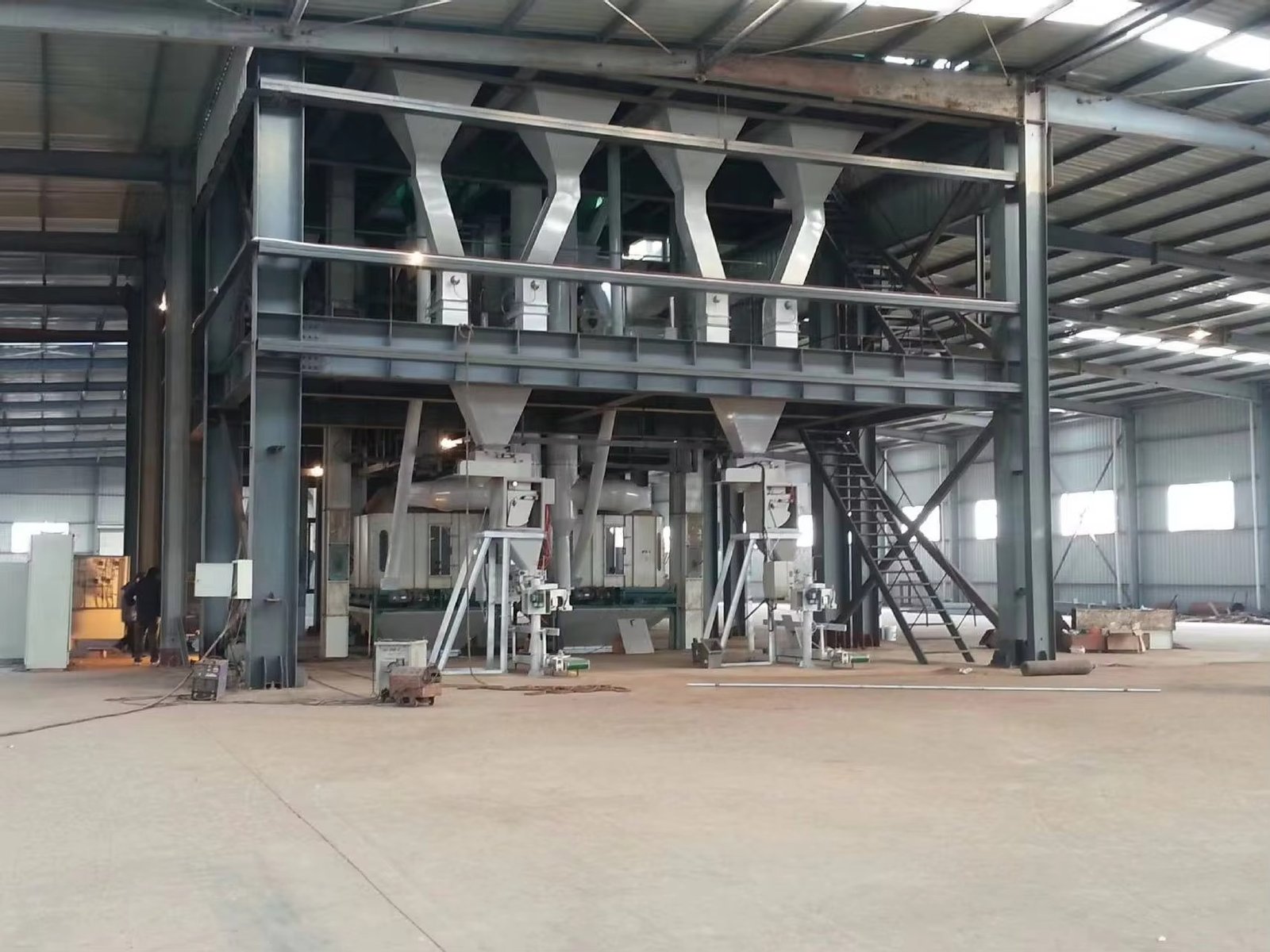
Case Study: UK Poultry Cooperative – 8 Tonnes Per Hour
A Midlands-based agricultural cooperative approached MAIKONG requiring expansion from manual mixing to automated pellet production. The cooperative serves 47 member farms raising approximately 850,000 broiler chickens annually. Previous manual operations limited production capacity and created inconsistent feed quality affecting bird performance.
MAIKONG designed a complete 8-tonne-per-hour system including raw material receiving, computerised batching for 12 ingredients, mixing, pelleting, cooling, and automatic bagging. The vertical layout maximised the existing 600-square-metre building footprint. Installation occurred during a planned two-week production shutdown minimising member disruption.
Results after twelve months operation demonstrated significant improvements. Feed consistency measured through coefficient of variation analysis improved from 8.2 percent to 2.1 percent. Pellet durability averaged 97.3 percent versus 88 percent for previous purchased feed. Most significantly, member farms reported feed conversion improvements of 0.08 points translating to substantial savings across the cooperative’s annual 12,000-tonne production.
Case Study: Netherlands Aquaculture Facility – 3 Tonnes Per Hour
A Dutch fish farm producing 800 tonnes of sea bass and bream annually required on-site feed production. Previous reliance on purchased feed limited formula flexibility and increased operational costs. The client specified exacting water stability requirements and the capability to produce multiple pellet sizes for different fish growth stages.
The MAIKONG MK-L003 aquatic feed production line incorporated enhanced steam conditioning and specialised die designs achieving 12-hour water stability. Multiple die sets enabled rapid changeover between 2mm starter, 4mm grower, and 6mm finisher pellets. The client formulates specialised diets based on seasonal requirements and fish health conditions impossible with purchased commercial feeds.
After installation, the facility achieved feed cost reductions of €180 per tonne compared to purchased alternatives. This saving translated to improved profitability of €144,000 annually on 800 tonnes production. Additionally, formula optimisation reduced feed conversion ratios improving fish growth rates and overall farm productivity.
Case Study: German Cattle Feed Mill – 15 Tonnes Per Hour
A Bavarian feed manufacturer supplying dairy and beef cattle operations required capacity expansion and equipment modernisation. Their existing 35-year-old facility suffered frequent breakdowns and lacked automation limiting production efficiency. The upgrade needed completion without extended shutdown periods disrupting customer deliveries.
MAIKONG implemented a phased installation strategy replacing individual equipment sections during scheduled maintenance periods. The project spanned six months achieving completion without production interruptions exceeding 48 hours. The modernised 15-tonne-per-hour pig feed production line capability incorporated computer batching, automated quality sampling, and bulk load-out facilities.
Energy consumption decreased by 22 percent through efficient equipment and variable-frequency drive installations. Labour requirements reduced from five operators per shift to three without sacrificing production capacity. Downtime for maintenance fell from an average 8 hours monthly to less than 2 hours. The client reported complete investment recovery in 3.7 years from operational savings alone.
Case Study: Spanish Pet Food Manufacturer – 5 Tonnes Per Hour
An emerging pet food brand in Valencia required production capability supporting their growth into European retail markets. Stringent quality requirements including allergen control and batch traceability demanded sophisticated production systems. The client also specified OEM capabilities allowing them to produce for other brands under contract manufacturing arrangements.
MAIKONG delivered a complete 5-tonne-per-hour system with dedicated equipment lines preventing cross-contamination between poultry-based and fish-based pet food formulations. Integrated traceability systems track ingredient lots through finished goods enabling targeted recalls if quality issues emerge. The system produces both standard pellets and extruded products meeting diverse product line requirements.
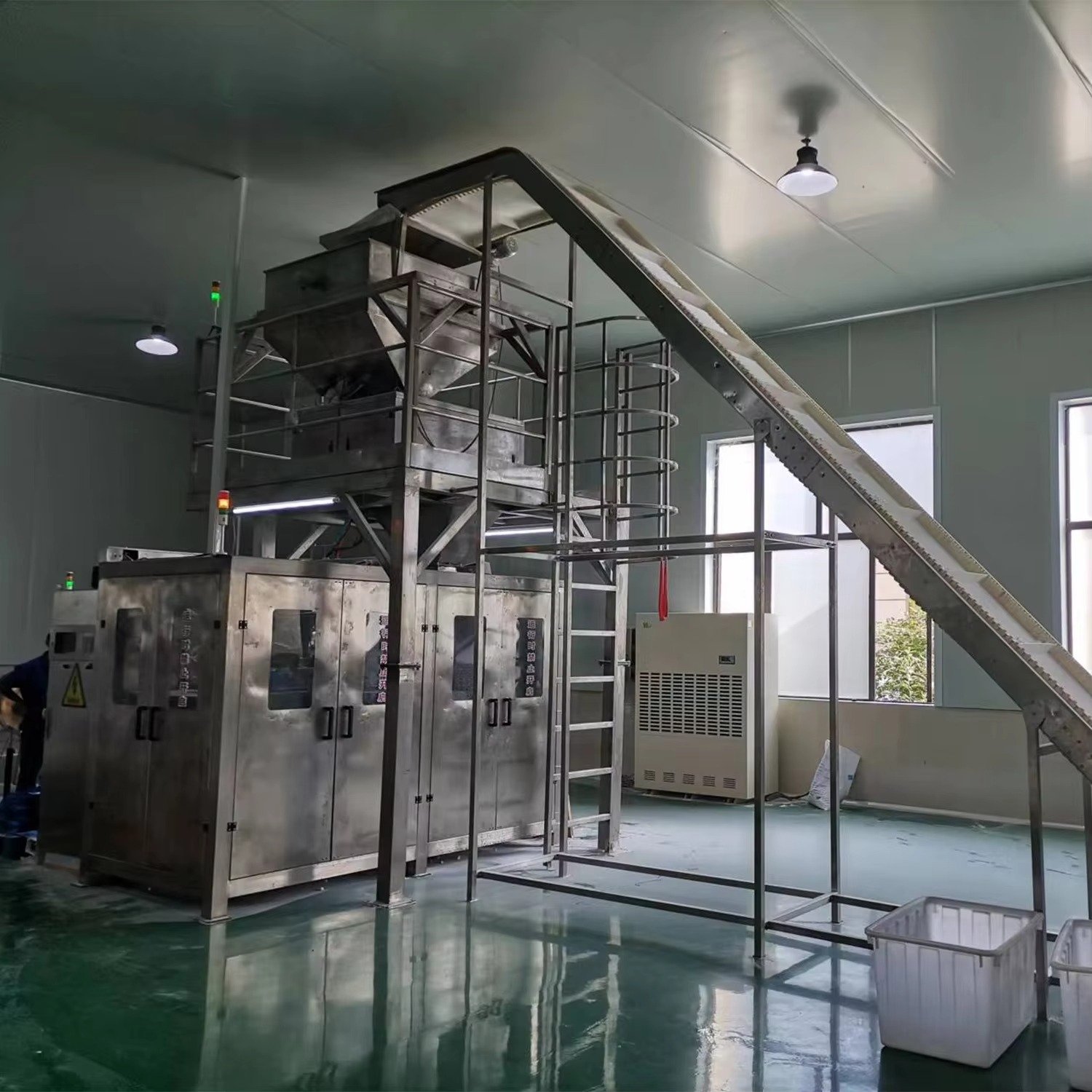
The facility achieved BRC (British Retail Consortium) certification within six months of operation demonstrating compliance with retail customer requirements. Contract manufacturing now represents 40 percent of production providing steady revenue whilst the company builds its retail brand. The client credits MAIKONG’s flexible system design with enabling this dual-purpose business model.
Investment Considerations and Financial Planning
Establishing or upgrading an animal feed production line represents substantial capital investment. Thorough financial planning evaluates costs, funding options, return on investment expectations, and break-even analysis. Understanding these factors enables sound business decisions balancing risk against growth opportunities.

Capital Cost Components
Total project costs extend significantly beyond equipment purchase prices. Comprehensive budgeting accounts for all expenses avoiding mid-project funding shortfalls. Major cost categories include equipment purchase, shipping and import duties, civil works and building construction, installation labour, utility connections, commissioning, and initial spare parts inventory.
Equipment costs vary with capacity and automation levels. A basic 1-tonne-per-hour system with manual controls might require £80,000 to £120,000. Mid-range 5-tonne systems with moderate automation typically cost £300,000 to £500,000. Large 20-tonne automated installations approach £1.5 million to £2.5 million. These figures represent equipment only excluding installation and building costs.
Building construction or renovation represents another major expense. Existing structures sometimes accommodate small systems with modest modifications. Larger installations require purpose-built facilities. Construction costs for feed mill buildings range from £800 to £1,500 per square metre depending on location, design complexity, and finish quality. A 15-tonne-per-hour mill might require 1,200 square metres suggesting building costs of £960,000 to £1.8 million.
Operating Cost Analysis
Ongoing operational expenses determine long-term profitability. Energy represents the largest variable cost. Electrical consumption for a 5-tonne system approximates 25 to 35 kilowatt-hours per tonne. At £0.15 per kWh, energy costs reach £3.75 to £5.25 per tonne. Labour requirements depend on automation level. Manually controlled systems might require 3 to 4 operators. Highly automated installations operate with 1 to 2 personnel per shift.
Maintenance costs typically range from 3 to 5 percent of equipment value annually. A £400,000 system suggests £12,000 to £20,000 yearly maintenance budgets. This covers routine labour, wear parts replacement, and periodic major overhauls. Unexpected repairs occasionally exceed these figures reinforcing importance of preventive maintenance programmes.
Return on Investment Calculations
Feed mills generate revenue through several models. Commercial mills charge customers per tonne covering production costs plus margin. Vertically integrated farming operations achieve savings replacing purchased feed. Cost reductions from on-site production versus buying finished feed typically range from £20 to £60 per tonne depending on scale and formulation complexity.
A poultry farm consuming 2,000 tonnes annually might save £80,000 yearly at £40 per tonne savings. A modest investment of £250,000 for equipment and building yields 3.1-year payback excluding financing costs. Larger operations with higher volumes achieve faster returns. A commercial mill producing 15,000 tonnes annually with £15 per tonne margin generates £225,000 annual gross profit potentially supporting investments exceeding £1 million.
Detailed financial modelling should account for growth trajectories, working capital requirements, and risk factors. MAIKONG assists clients developing realistic financial projections based on their specific circumstances and market conditions.
OEM and ODM Customisation Capabilities
MAIKONG’s extensive manufacturing experience enables comprehensive customisation supporting client-specific requirements. Our OEM (Original Equipment Manufacturer) and ODM (Original Design Manufacturer) services allow equipment dealers, brand owners, and unique application users to obtain tailored solutions beyond standard product offerings.
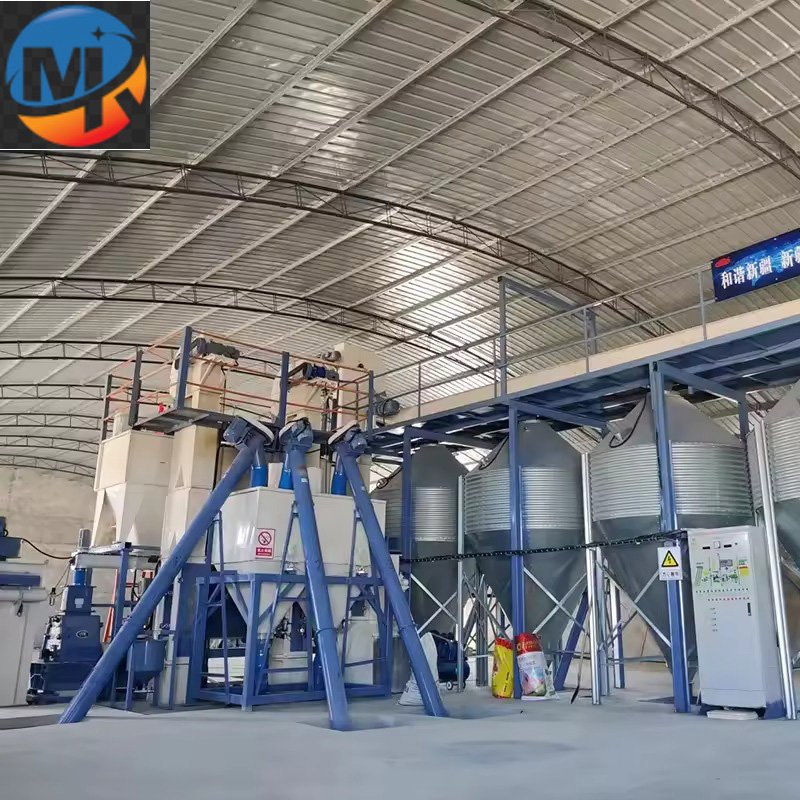
Brand Customisation for Equipment Dealers
Equipment distributors seeking to market feed production lines under their own brands benefit from MAIKONG’s OEM programmes. We supply complete systems featuring client branding on equipment enclosures, control panels, and documentation. This arrangement enables distributors to offer comprehensive solutions whilst maintaining brand consistency across their product portfolios.
OEM partnerships typically involve minimum order quantities ensuring economical production runs. MAIKONG handles manufacturing, testing, and export packaging. Distributors focus on local marketing, sales, and after-sales support leveraging their established customer relationships and market knowledge. This division of responsibilities creates mutually beneficial business relationships.
Technical Customisation for Unique Applications
Standard equipment sometimes cannot accommodate unusual raw materials or specific production requirements. ODM services address these situations through engineered modifications. Examples include specialised die designs for difficult-to-pellet formulations, explosion-proof electrical systems for hazardous material processing, or enhanced sanitation features for human food-grade production.
A recent ODM project involved developing a system processing insects for aquaculture feed. Standard equipment proved unsuitable for the high-protein, high-fat insect meals. MAIKONG engineers redesigned conditioning systems, modified die specifications, and adjusted cooling parameters achieving successful pellet production from this novel ingredient source.
Capacity and Configuration Flexibility
Clients sometimes require capacities between standard offerings or unique equipment arrangements addressing site constraints. MAIKONG’s design team evaluates specific requirements proposing optimised solutions. We might combine different capacity components, modify equipment layouts for unusual building shapes, or integrate client-supplied equipment into complete systems.
One pharmaceutical company needed a feed pellet production line manufacturer capable of producing small batches of medicated feeds with rigorous changeover cleaning between formulations. The customised system incorporated pharmaceutical-grade stainless steel construction, automated cleaning-in-place features, and documentation systems meeting GMP (Good Manufacturing Practice) standards.
Initiating OEM/ODM Discussions
Clients interested in customised solutions should contact MAIKONG’s technical team early in project planning. Initial discussions define requirements, establish feasibility, and outline preliminary specifications. Detailed technical proposals follow including drawings, specifications, pricing, and delivery schedules. This collaborative approach ensures customised systems meet exact needs whilst remaining economically viable.
Explore OEM/ODM Opportunities
MAIKONG welcomes enquiries from equipment dealers, brand owners, and unique application users seeking customised feed production solutions. Contact Lucy directly to discuss your specific requirements and explore partnership possibilities.
Installation Training and Technical Support
Successful equipment commissioning requires more than simply connecting power and starting machines. MAIKONG provides comprehensive installation support and operator training ensuring clients achieve optimal performance from their feed production systems. Our support continues throughout equipment life through technical assistance and troubleshooting guidance.
Pre-Installation Planning
Effective installations begin weeks before equipment arrives. MAIKONG provides detailed foundation drawings, utility requirements, and material flow diagrams enabling clients to prepare facilities. Our technical team reviews building plans identifying potential issues before construction begins. This proactive approach prevents costly modifications discovered during installation.
Foundation designs account for equipment weights, vibration isolation, and future maintenance access. Electrical specifications detail power supply requirements including voltage, phase, and cable sizing. Compressed air, steam, and water connections receive similar documentation ensuring utilities meet production demands without deficiencies discovered during commissioning.
On-Site Installation Supervision
MAIKONG installation teams travel to client sites overseeing equipment placement, connection, and initial startup. Typical installations for complete 5-tonne systems require 2 to 4 weeks depending on complexity and preparatory work completion. Our supervisors coordinate with local contractors handling civil works, electrical connections, and equipment rigging.
Installation proceeds systematically from raw material handling through finished product packaging. Each equipment section undergoes individual testing before integration into complete systems. This staged approach identifies and resolves problems efficiently rather than attempting entire system startup simultaneously overwhelming troubleshooting capabilities.
Operator Training Programmes
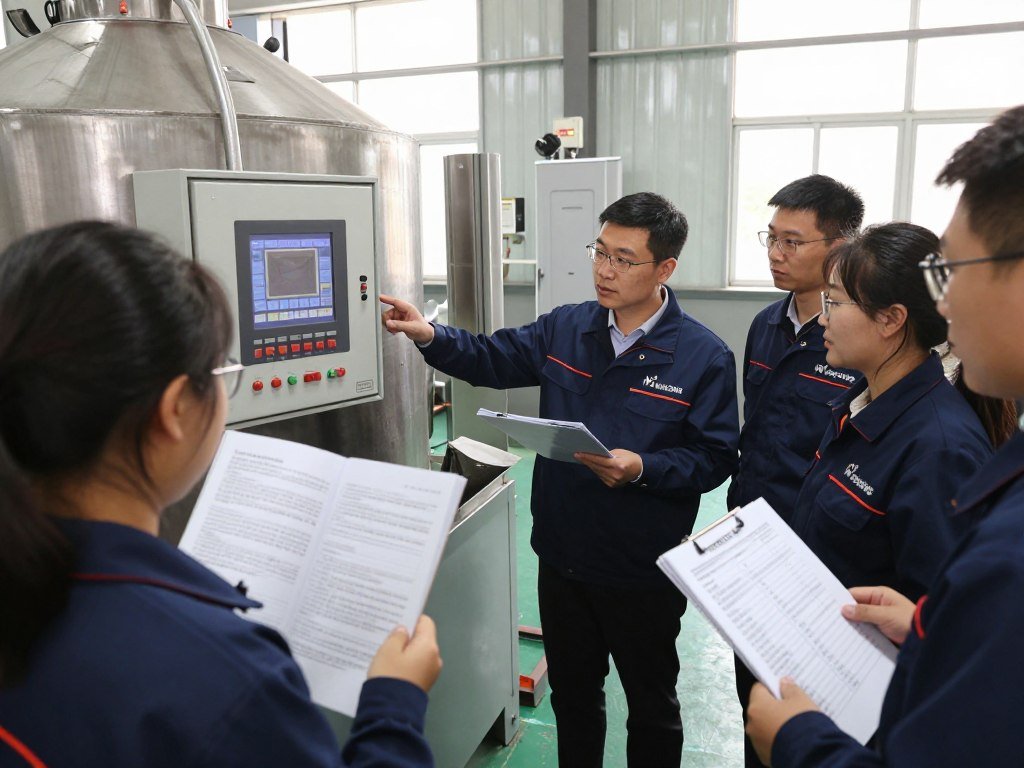
Comprehensive training prepares client personnel for safe, efficient equipment operation. Standard programmes span 5 to 10 days covering equipment operation, routine maintenance, quality control procedures, and basic troubleshooting. Training combines classroom instruction with hands-on operation producing actual feed products.
Operator manuals provided in English detail all equipment functions, safety procedures, and maintenance schedules. Manuals include troubleshooting guides addressing common problems and solutions. Electrical and mechanical drawings enable maintenance staff to understand system layouts facilitating repairs and modifications.
Advanced training for maintenance personnel covers equipment disassembly, wear component replacement, and calibration procedures. These skills enable clients to handle most maintenance internally reducing dependence on external service contractors and minimising downtime during routine service.
Remote Technical Support
Following installation, MAIKONG provides ongoing technical assistance via phone, email, and video conferencing. Experienced technicians help diagnose operational problems, recommend process adjustments, and guide clients through repairs. This remote support proves particularly valuable for installations in remote areas where on-site visits require extended travel.
Modern equipment incorporating PLC (Programmable Logic Controller) systems enables remote monitoring when clients establish internet connectivity. MAIKONG technicians can view operating parameters, download data logs, and sometimes adjust control settings remotely. This capability accelerates troubleshooting especially for complex automation systems.
Regulatory Compliance and Safety Standards
Feed production facilities must comply with numerous regulations ensuring worker safety, environmental protection, and product quality. UK and European operations face particularly stringent requirements compared to many global markets. Understanding compliance obligations prevents costly retrofits or operational restrictions discovered after installation.
Machinery Safety Directives
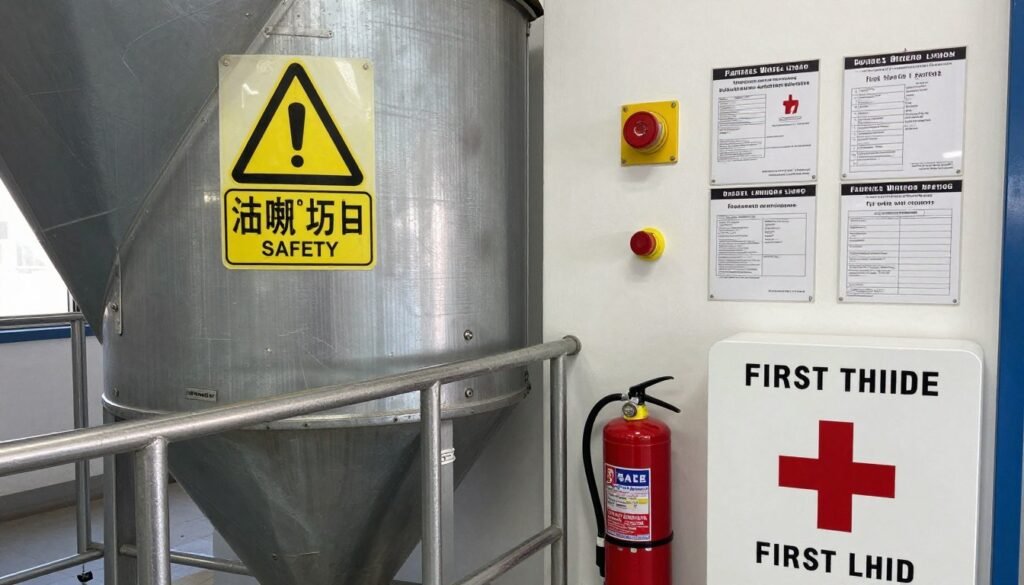
Equipment supplied for UK and EU markets must comply with Machinery Directive 2006/42/EC requirements. This directive specifies essential health and safety requirements for machinery design and construction. Compliance demonstrates through CE marking affixed to equipment. Manufacturers provide declarations of conformity and technical documentation supporting CE marking.
Key safety features include emergency stop systems accessible from all operating positions, guarding preventing access to moving parts during operation, interlocking systems preventing hazardous operations when guards open, and warning labels identifying residual risks. MAIKONG equipment incorporates these features as standard ensuring regulatory compliance.
Electrical Safety Standards
Electrical installations must comply with IEC (International Electrotechnical Commission) standards and national regulations. UK installations follow BS 7671 wiring regulations. Compliance addresses proper cable sizing, overcurrent protection, earthing systems, and installation methods. Licensed electricians should verify electrical installations meet all applicable standards.
Equipment operating in dusty environments requires consideration of explosive atmosphere potential. Grain dust can form explosive mixtures under certain conditions. Risk assessments determine if ATEX (Atmosphères Explosibles) rated equipment proves necessary. Proper dust collection and housekeeping typically prevent explosive atmosphere formation in well-designed facilities.
Feed Safety Regulations
Feed manufacturers must comply with Regulation (EC) No 183/2005 laying down requirements for feed hygiene. This regulation establishes HACCP (Hazard Analysis and Critical Control Points) principles for feed production. Facilities must implement systems identifying hazards and establishing control measures ensuring feed safety.
Registration with competent authorities proves mandatory before commencing operations. In England, the Animal and Plant Health Agency (APHA) oversees feed registration. Similar bodies operate in Scotland, Wales, and Northern Ireland. Registration processes verify facilities meet structural and operational requirements.
Traceability systems enabling tracking of ingredients through finished products represent key regulatory requirements. Comprehensive record-keeping documents ingredient sources, production dates, formulations used, and distribution destinations. These records facilitate rapid response during ingredient recalls or quality investigations.
Sustainability and Environmental Impact Considerations
Modern feed production increasingly emphasises environmental responsibility. Energy efficiency, waste reduction, and sustainable ingredient sourcing align with regulatory pressures and market expectations. Feed mills implementing sustainability initiatives often achieve cost savings alongside environmental benefits.
Energy Efficiency Improvements
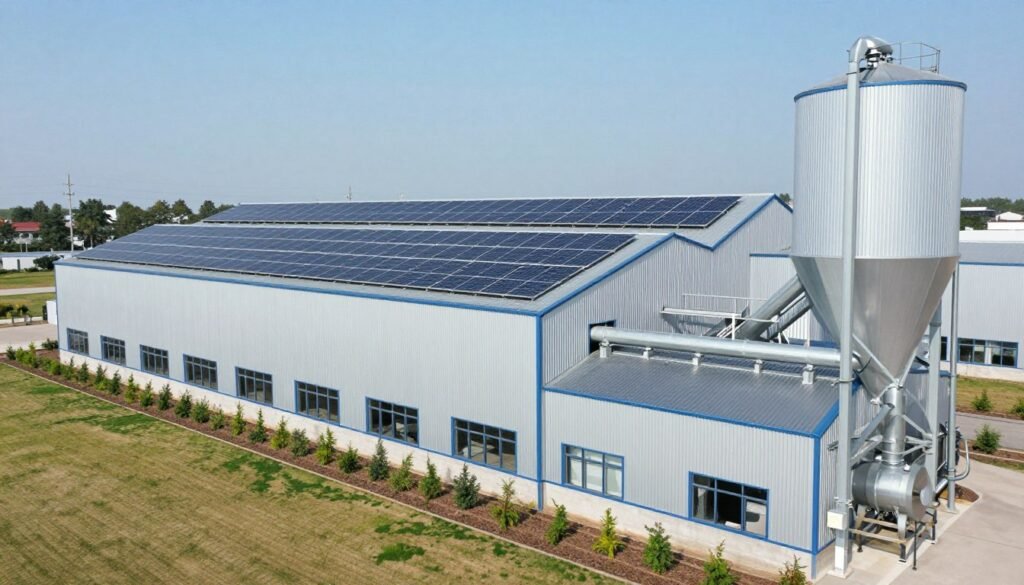
Feed production consumes substantial energy particularly during grinding and pelleting operations. Several strategies reduce consumption without sacrificing production capacity. Variable frequency drives on motors adjust speeds matching production demands reducing energy waste during partial-load operation. Studies demonstrate 15 to 25 percent energy savings from VFD installations.
Heat recovery systems capture waste heat from pellet coolers and steam systems. This recovered thermal energy preheats combustion air for boilers or provides building heating reducing auxiliary energy consumption. Larger installations may generate steam using biomass boilers fuelled by agricultural residues. This approach utilises renewable energy sources whilst creating markets for farm waste products.
LED lighting, improved building insulation, and efficient compressed air systems contribute incremental savings. Collectively, these measures significantly reduce operational costs and carbon footprints. MAIKONG can recommend energy-efficient equipment specifications and operational practices maximising sustainability benefits.
Waste Reduction and Circular Economy
Feed mills generate various waste streams including packaging materials, dust collection fines, and off-specification products. Progressive operations implement waste reduction and recycling programmes. Dust collection systems capture fine materials returning them to production preventing atmospheric release and material loss.
Ingredient packaging including bags and pallets should enter recycling streams. Arrangements with packaging suppliers sometimes enable return of reusable pallets and intermediate bulk containers. These practices reduce landfill waste whilst potentially lowering packaging costs through returnable systems.
Off-specification feed unsuitable for original purpose sometimes finds alternative uses. Product exceeding moisture specifications might sell as lower-grade feed rather than disposal. Pelleting fines can incorporate into subsequent batches. Creative problem-solving frequently identifies value in materials otherwise considered waste.
Sustainable Ingredient Sourcing
Ingredient selection impacts overall environmental sustainability. Locally sourced materials reduce transportation-related emissions. Formulation adjustments substituting regionally available ingredients for imported commodities improve sustainability whilst potentially reducing costs.
Novel protein sources including insects, algae, and microbial proteins offer environmental advantages over traditional fishmeals and soy products. Some research suggests insect protein production generates 90 percent less greenhouse gas emissions than conventional protein sources. As these ingredients become commercially viable, feed formulators incorporating them demonstrate environmental leadership.
Certification schemes like GLOBALG.A.P. or sustainability standards from major ingredient suppliers provide assurance regarding production practices. Customers increasingly value sustainability credentials. Feed mills articulating environmental commitments may achieve market differentiation and premium pricing.
Selecting the Right Animal Feed Production Line Supplier
Choosing an equipment supplier represents one of the most consequential decisions in feed mill development. The relationship extends years beyond initial installation through parts supply, technical support, and potential expansions. Evaluating suppliers thoroughly prevents regrets emerging after contracts sign and deposits transfer.

Manufacturing Experience and Track Record
Supplier longevity indicates stability and accumulated expertise. MAIKONG’s twenty-two years manufacturing animal feed production lines demonstrates sustained success navigating technological changes and market fluctuations. Established manufacturers typically maintain comprehensive parts inventories, updated technical documentation, and trained support personnel.
Reference installations provide valuable insights into supplier capabilities and support quality. Visiting operating mills using equipment under consideration reveals real-world performance. Conversations with existing customers uncover both positive experiences and problems encountered. Reputable suppliers readily provide reference contacts understanding this verification proves essential for major investments.
Technical Capability and Design Expertise
Feed production technology continuously evolves. Suppliers investing in research and development offer access to latest innovations. MAIKONG’s engineering team regularly incorporates advances in automation, energy efficiency, and process control. This technical capability ensures clients receive contemporary solutions rather than outdated designs.
Customisation ability proves equally important. Standard equipment suits many applications. However, unique requirements demand engineering flexibility. Suppliers with in-house design capabilities can modify equipment addressing specific needs. This responsiveness proves crucial for unusual applications or challenging site conditions.
After-Sales Support Infrastructure
Equipment support requirements extend throughout operational life. Suppliers must provide spare parts, technical assistance, and occasional on-site service. International suppliers like MAIKONG establish support networks in major markets. UK and European clients benefit from regional parts warehouses, technical representatives, and English-language support.
Response time during equipment problems significantly impacts operational costs. Suppliers offering 24-hour technical support and rapid parts shipping minimise downtime. Service level agreements sometimes formalize response time commitments providing customers with concrete performance expectations.
Financial Stability and Business Practices
Supplier financial health matters for long-term relationships. Companies experiencing financial difficulties may struggle fulfilling warranty obligations, maintaining parts inventory, or providing technical support. Researching supplier business standing through credit reports or trade references provides assurance of stability.
Transparent business practices including clear contract terms, realistic delivery schedules, and honest capability discussions build trust. Suppliers overpromising capabilities or understating complexity often disappoint customers during implementation. MAIKONG’s approach emphasises realistic expectations and thorough planning preventing unpleasant surprises during project execution.
Why UK Feed Producers Choose MAIKONG
MAIKONG has established itself as a preferred supplier for animal feed production line systems across UK and European markets. Our competitive advantages stem from manufacturing experience, technical capabilities, customer focus, and comprehensive support services distinguishing us from alternative suppliers.
Twenty-Two Years Manufacturing Excellence
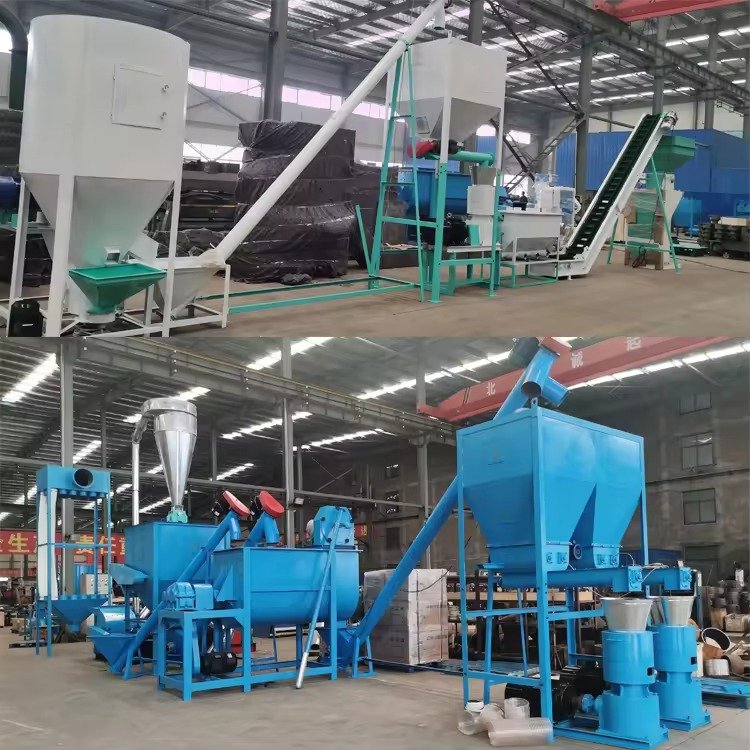
Since 2002, MAIKONG has specialised in feed production equipment design and manufacturing. This focused expertise translates to refined designs, proven reliability, and deep understanding of customer needs. Our experience encompasses installations in over 130 countries exposing us to diverse requirements, raw materials, and operating conditions.
Continuous improvement initiatives incorporate lessons learned from thousands of installations. Design modifications address field issues, enhance reliability, and improve operational efficiency. This evolutionary development process yields equipment benefiting from decades of refinement rather than unproven new designs.
Comprehensive Product Range
MAIKONG offers complete systems spanning capacity ranges from 200 kilograms to 200 tonnes hourly. This breadth ensures optimal equipment sizing for specific applications avoiding undersized systems limiting throughput or oversized investments wasting capital. Our product line includes:
- Complete turnkey systems from raw material receiving through finished product packaging
- Individual equipment components for facility upgrades or expansions
- Specialised systems for poultry, cattle, pig, aquatic, and pet feed production
- Automation and control systems ranging from manual to fully computerised operation
- Material handling equipment including conveyors, bucket elevators, and pneumatic systems
- Ancillary equipment for dust collection, steam generation, and quality testing
Engineering and Customisation Capabilities
In-house engineering teams design custom solutions addressing unique requirements. Computer-aided design systems develop detailed layouts optimising material flow and equipment placement. Finite element analysis verifies structural integrity of critical components. This technical depth enables confident customisation beyond standard product offerings.
OEM and ODM services support equipment dealers and brand owners. We manufacture complete systems featuring client branding and specifications. This flexibility enables business relationships beyond direct equipment sales creating mutually beneficial partnerships.
Quality Manufacturing and Testing
Modern manufacturing facilities equipped with CNC machining centres, automated welding systems, and precision fabrication equipment produce consistent, high-quality components. Quality control inspection occurs throughout production verifying dimensional accuracy and material specifications.
Comprehensive factory testing precedes shipment. Complete systems undergo trial runs producing actual feed pellets. This testing identifies and resolves issues before equipment reaches customer sites simplifying field installation and commissioning. Test reports document performance verifying specifications achievement.
Installation and Training Support
MAIKONG installation teams provide on-site supervision ensuring proper equipment assembly and commissioning. Comprehensive operator training prepares client personnel for safe, efficient operation. Technical manuals and troubleshooting guides support ongoing operations.
Remote technical support continues throughout equipment life. Experienced engineers assist via phone, email, and video conferencing. This accessibility provides reassurance particularly for clients operating in locations distant from major service centres.
Competitive Pricing and Value
Direct factory pricing without excessive distribution markups offers competitive rates. Efficient manufacturing and economies of scale enable attractive pricing whilst maintaining quality standards. Transparent quotations detail all costs preventing surprise charges during project execution.
Value extends beyond purchase price. Reliable equipment minimises operating costs through reduced downtime and maintenance. Energy-efficient designs lower utility bills. Durable construction provides extended service life. These factors contribute to superior total cost of ownership compared to cheaper alternatives requiring frequent repairs and premature replacement.
UK Dealer and Distributor Partnership Opportunities
MAIKONG actively seeks qualified distributors and dealers across the United Kingdom and European markets. We recognise successful market penetration requires local partnerships combining our manufacturing expertise with regional market knowledge, sales capabilities, and customer support networks.

Distributor Benefits and Support
MAIKONG distributor partnerships offer substantial business opportunities. Feed production equipment represents high-value capital goods generating significant revenue per transaction. Ongoing spare parts and service revenue creates recurring income streams supporting long-term business sustainability.
Comprehensive distributor support includes technical training enabling effective product presentation and basic customer consulting. Marketing materials including brochures, technical specifications, and case studies facilitate professional customer interactions. Competitive pricing structures provide adequate margins whilst remaining attractive to end users.
Exclusive territory arrangements protect distributor investments by preventing direct competition from other MAIKONG representatives within defined geographic areas. Clear territory boundaries and customer allocation policies prevent conflicts ensuring productive relationships.
Ideal Distributor Profile
Successful distributors typically possess existing relationships within agricultural, feed production, or equipment supply sectors. Established customer bases provide immediate sales opportunities. Technical competence enables credible discussions with sophisticated buyers evaluating complex equipment systems.
Service capabilities including installation coordination and after-sales support strengthen distributor value propositions. Customers favour suppliers capable of providing complete solutions rather than equipment-only transactions. Distributors offering these services command premium pricing and build lasting customer relationships.
Financial stability ensuring adequate working capital for inventory, demonstrations, and customer financing support facilitates business growth. Equipment dealerships often require patient capital as sales cycles can extend several months from initial contact through order placement.
Application Process and Requirements
Prospective distributors should contact MAIKONG describing their business background, market focus, and partnership interests. Initial discussions evaluate alignment between distributor capabilities and MAIKONG requirements. Suitable candidates receive detailed distributor agreements outlining terms, conditions, pricing structures, and support provisions.
Territory discussions define geographic coverage and customer segments. MAIKONG seeks comprehensive UK coverage through multiple distributors each serving distinct regions or market niches. This approach maximises market penetration whilst preventing excessive distributor overlap.
Join MAIKONG’s UK Distribution Network
MAIKONG invites qualified equipment dealers, agricultural suppliers, and feed industry professionals to explore distributor partnerships. Represent a proven manufacturer with 22 years’ experience and comprehensive product range. Territories available throughout the United Kingdom.
Future Trends in Feed Production Technology
Animal feed manufacturing continues evolving driven by technological advances, changing market demands, and sustainability imperatives. Understanding emerging trends helps buyers specify systems accommodating future requirements rather than solving only current needs. Forward-looking equipment investments extend useful life and protect against premature obsolescence.
Increased Automation and Data Integration
Feed production automation continues advancing beyond basic batching and sequencing. Artificial intelligence systems analyse production data identifying optimisation opportunities. Machine learning algorithms predict equipment maintenance requirements based on operating patterns preventing unexpected failures.
Integration with farm management systems enables data flow between feed mills and livestock operations. Nutritionists adjust formulations based on actual animal performance rather than theoretical calculations. This closed-loop approach optimises feed efficiency translating to improved profitability for integrated operations.
Blockchain technology promises enhanced traceability tracking ingredients from farm origin through finished feed. This transparency addresses food safety concerns and supports premium product marketing. Early adopters may gain competitive advantages as traceability requirements intensify.
Alternative Protein Sources
Environmental concerns and resource limitations drive exploration of novel protein ingredients. Insect meals, single-cell proteins, and algae-based products increasingly supplement or replace traditional fishmeal and soy products. Feed production equipment must accommodate these materials’ unique processing characteristics.
MAIKONG maintains awareness of ingredient trends ensuring our equipment specifications remain compatible with emerging materials. Processing protocols and equipment modifications address challenges these novel ingredients present enabling clients to reformulate as new materials become commercially available.
Precision Nutrition and Micro-Feeding
Advanced nutritional understanding enables increasingly precise formulations targeting specific animal genetics, production stages, and performance goals. This precision demands accurate micro-ingredient dosing and thorough mixing ensuring uniform nutrient distribution. Modern control systems facilitate formulation complexity impractical with manual systems.
Some operations explore real-time formulation adjustment based on ingredient nutritional analysis. Near-infrared spectroscopy determines protein, energy, and moisture content of received ingredients. Computer systems automatically adjust formulations maintaining consistent nutrition despite ingredient variability. This technology reduces safety margins built into formulations to accommodate ingredient variation.
Sustainability and Circular Economy Principles
Environmental pressures intensify across food production chains. Feed manufacturing faces scrutiny regarding energy consumption, waste generation, and carbon footprints. Future-focused operations implement renewable energy systems, waste reduction programmes, and sustainable ingredient sourcing.
Circular economy concepts value waste as resource inputs for other processes. Feed mill by-products might fuel biogas generation or fertiliser production. Co-locating feed mills with biogas facilities creates synergies where waste becomes valuable input. Such integrated systems demonstrate environmental leadership whilst potentially generating revenue from materials previously regarded as disposal costs.
Getting Started: Inquiry and Project Development Process
Developing a new feed production facility or expanding existing operations represents complex undertakings requiring careful planning and phased execution. Understanding typical project progression helps set realistic expectations regarding timelines, information requirements, and decision points. MAIKONG guides clients through each stage ensuring smooth project development from initial inquiry through successful commissioning.

Initial Inquiry and Requirements Definition
Projects commence with clients contacting MAIKONG describing their objectives. Initial discussions address fundamental questions: animal types served, production capacity required, raw material availability, site constraints, and budget considerations. This information enables preliminary equipment recommendations and feasibility assessment.
Questionnaires systematically collect detailed information. These structured documents ensure all relevant factors receive consideration preventing critical oversights discovered later requiring expensive modifications. Completed questionnaires enable MAIKONG engineers to develop accurate, comprehensive proposals.
Proposal Development and Technical Review
Based on defined requirements, MAIKONG prepares detailed technical proposals. These documents specify recommended equipment including models, capacities, and key specifications. Process flow diagrams illustrate material movement through the system. Preliminary layouts show equipment arrangements within available space.
Proposals include equipment pricing, shipping costs, installation estimates, and commissioning timelines. This comprehensive information enables informed decision-making and budget development. Clients frequently request modifications or alternative configurations. Iterative discussions refine proposals ensuring optimal solutions emerge.
Contract Negotiation and Order Placement
Following proposal acceptance, formal contracts document all terms including technical specifications, pricing, payment schedules, delivery timelines, and warranty provisions. Clear contracts prevent misunderstandings ensuring both parties share common expectations.
Payment terms typically structure instalments around project milestones. Initial deposits launch manufacturing. Progress payments occur during production and prior to shipping. Final payments complete upon successful commissioning. This staged approach balances risk between supplier and customer.
Manufacturing and Quality Assurance
Equipment manufacturing commences following order confirmation and deposit receipt. Production timelines vary with system complexity. Standard configurations may require 8 to 12 weeks. Custom systems or large installations can extend to 16 to 20 weeks. Regular progress updates keep clients informed throughout manufacturing.
Factory acceptance testing occurs before shipment. Clients sometimes travel to MAIKONG facilities witnessing testing and inspecting equipment before shipping authorisation. This step provides confidence ensuring equipment meets specifications before international transport.
Installation and Commissioning
Equipment arrives at client sites requiring systematic installation. MAIKONG supervisors coordinate installation activities ensuring proper assembly and connection. Testing proceeds incrementally verifying each component before system integration. Comprehensive commissioning produces actual feed confirming system performance meets specifications.
Operator training occurs during commissioning. Practical experience producing feed under supervision builds operator confidence. Training addresses normal operation, routine maintenance, and basic troubleshooting. Competent operators prove essential for ongoing success.
Ongoing Support and Optimisation
Relationships continue beyond commissioning through technical support, parts supply, and performance optimisation. MAIKONG remains engaged helping clients maximise equipment value throughout operational life. Periodic contact identifies potential improvements, upgrades, or expansion opportunities supporting client growth and success.
Partner with MAIKONG for Your Feed Production Solution
Establishing or upgrading animal feed production capabilities represents significant investment and strategic importance for livestock operations and commercial feed manufacturers. Equipment selection, supplier relationships, and system design decisions impact operational efficiency and product quality for decades. These choices deserve thorough evaluation and expert guidance.
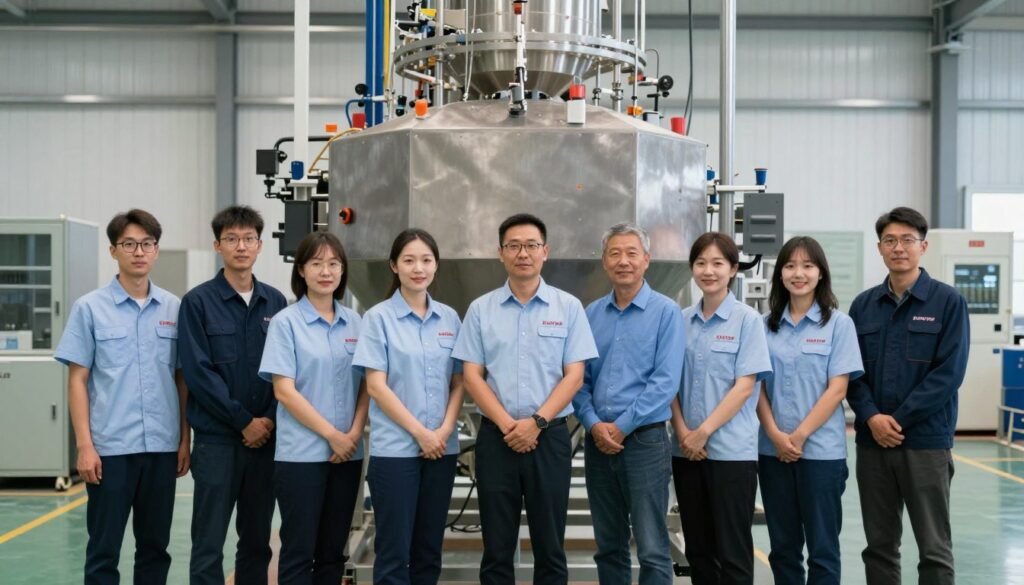
MAIKONG brings twenty-two years’ specialised experience to animal feed production line design, manufacturing, and support. Our comprehensive capabilities encompass systems ranging from compact 200-kilogram-per-hour units serving individual farms to large 200-tonne-per-hour industrial facilities supplying regional markets. This breadth ensures optimal equipment sizing for your specific application.
Technical expertise enables confident customisation addressing unique raw materials, animal types, site constraints, or processing requirements. Our engineering team collaborates with clients developing solutions precisely matching their needs rather than forcing compromise with ill-fitting standard products. OEM and ODM capabilities support equipment dealers and brand owners seeking customised solutions.
Comprehensive support throughout project lifecycles distinguishes MAIKONG from alternative suppliers. From initial consultations through installation, training, and ongoing technical assistance, we remain engaged ensuring your success. Our commitment extends beyond equipment sales to genuine partnerships supporting your business objectives.
UK and European markets represent strategic priorities for MAIKONG. We actively seek distributor partnerships with qualified organisations possessing agricultural equipment sales experience, technical capabilities, and customer service commitment. Exclusive territory arrangements protect distributor investments whilst comprehensive support enables effective market penetration.
Complete System Solutions
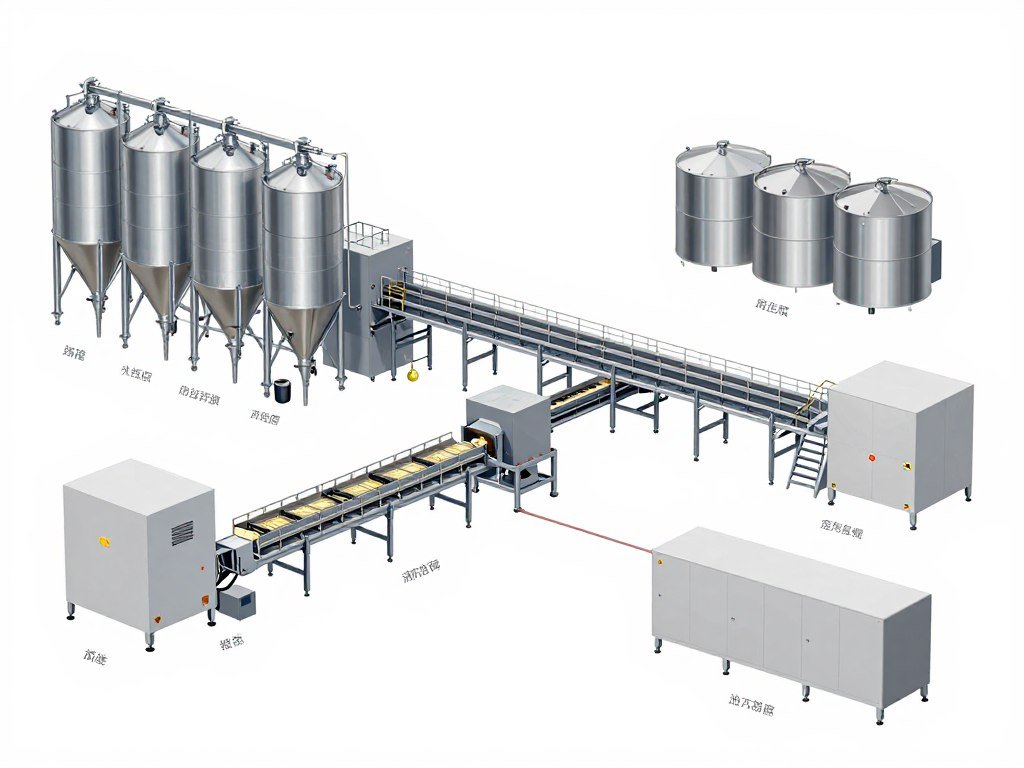
Turnkey installations from raw material receiving through finished product packaging. Capacity ranges from 200kg/h to 200T/h serving all animal types including poultry, cattle, pigs, aquatic species, and pets.
- Comprehensive equipment packages
- Integrated automation systems
- Complete technical documentation
- Installation supervision and training
OEM/ODM Customisation
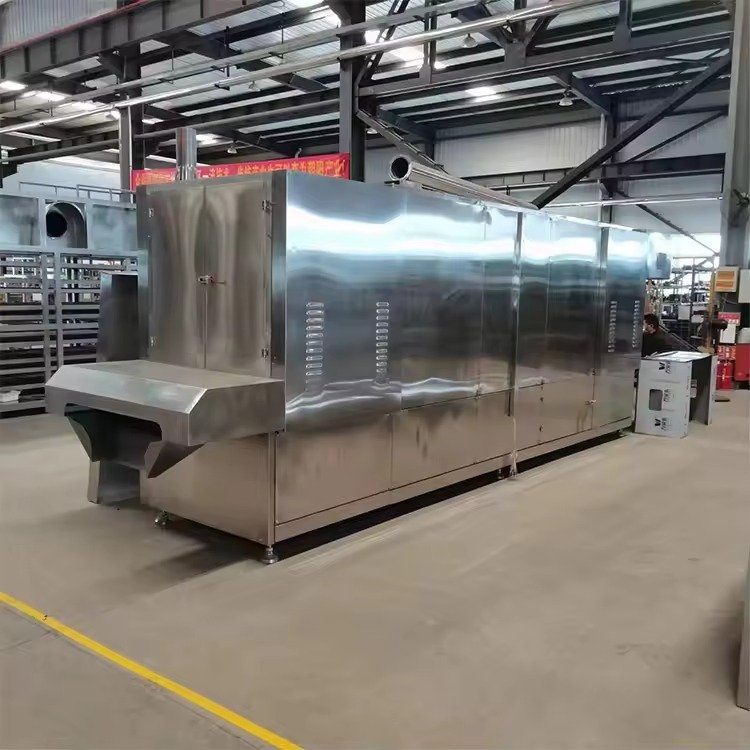
Brand customisation and technical modifications addressing unique requirements. Equipment dealers, brand owners, and specialised applications benefit from our flexible manufacturing capabilities.
- Client-specific branding options
- Technical specification modifications
- Unique capacity configurations
- Specialised material processing
UK Distributor Opportunities
Join our growing network of successful distributors across the United Kingdom. Represent proven equipment backed by comprehensive technical and marketing support. Exclusive territory arrangements available.
- Attractive margin structures
- Comprehensive technical training
- Marketing materials provided
- Ongoing business support
Comprehensive Contact Options
MAIKONG’s UK-focused team responds promptly to all inquiries. Multiple contact channels ensure convenient communication regardless of your preference or urgency. Our technical staff understand British business practices and communicate in clear, professional English.
For equipment inquiries, capacity assessments, or technical questions, email remains the preferred initial contact method enabling detailed information exchange and documentation sharing. WhatsApp proves valuable for quick questions or international communications. Phone conversations address complex discussions benefiting from real-time interaction.
Distributor applicants should contact Lucy directly via email. Initial discussions address your business background, market focus, and partnership objectives. This information enables productive conversations regarding potential distributor arrangements.
Contact MAIKONG Today
Start your feed production project or explore partnership opportunities with MAIKONG’s experienced team.
Visit our comprehensive website for additional technical resources, case studies, and product information: feedproductionline.uk
Whether you operate a small farm requiring on-site feed production, manage a commercial feed mill planning expansion, or represent an equipment dealership seeking quality suppliers, MAIKONG provides solutions matching your requirements. Our twenty-two years’ manufacturing experience, comprehensive product range, technical expertise, and commitment to customer success create partnerships delivering lasting value.
Contact MAIKONG today to discuss your animal feed production line requirements. Our team looks forward to understanding your specific needs and demonstrating how our solutions can support your operational objectives and business growth.