
Poultry Feed Production Line Price: Complete UK Investment Guide for 2026


 Poultry Feed Production Line Price-Investing in a poultry feed production line represents a significant decision for UK poultry farm operators and feed mill entrepreneurs. Understanding the true cost extends far beyond the initial equipment purchase price.
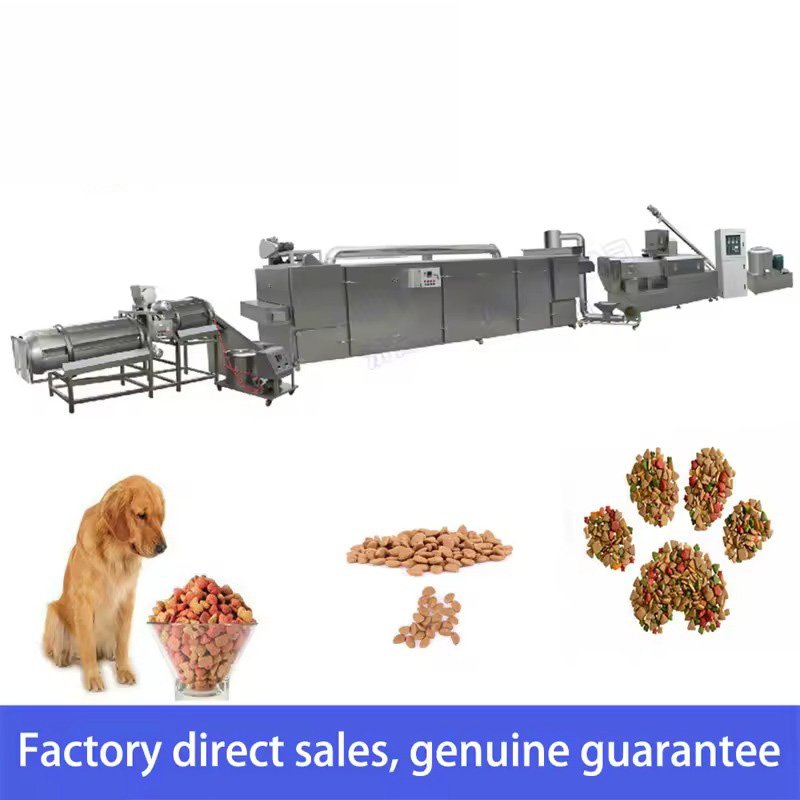
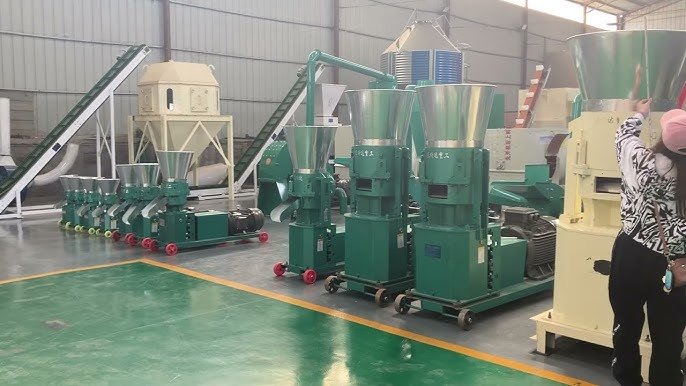
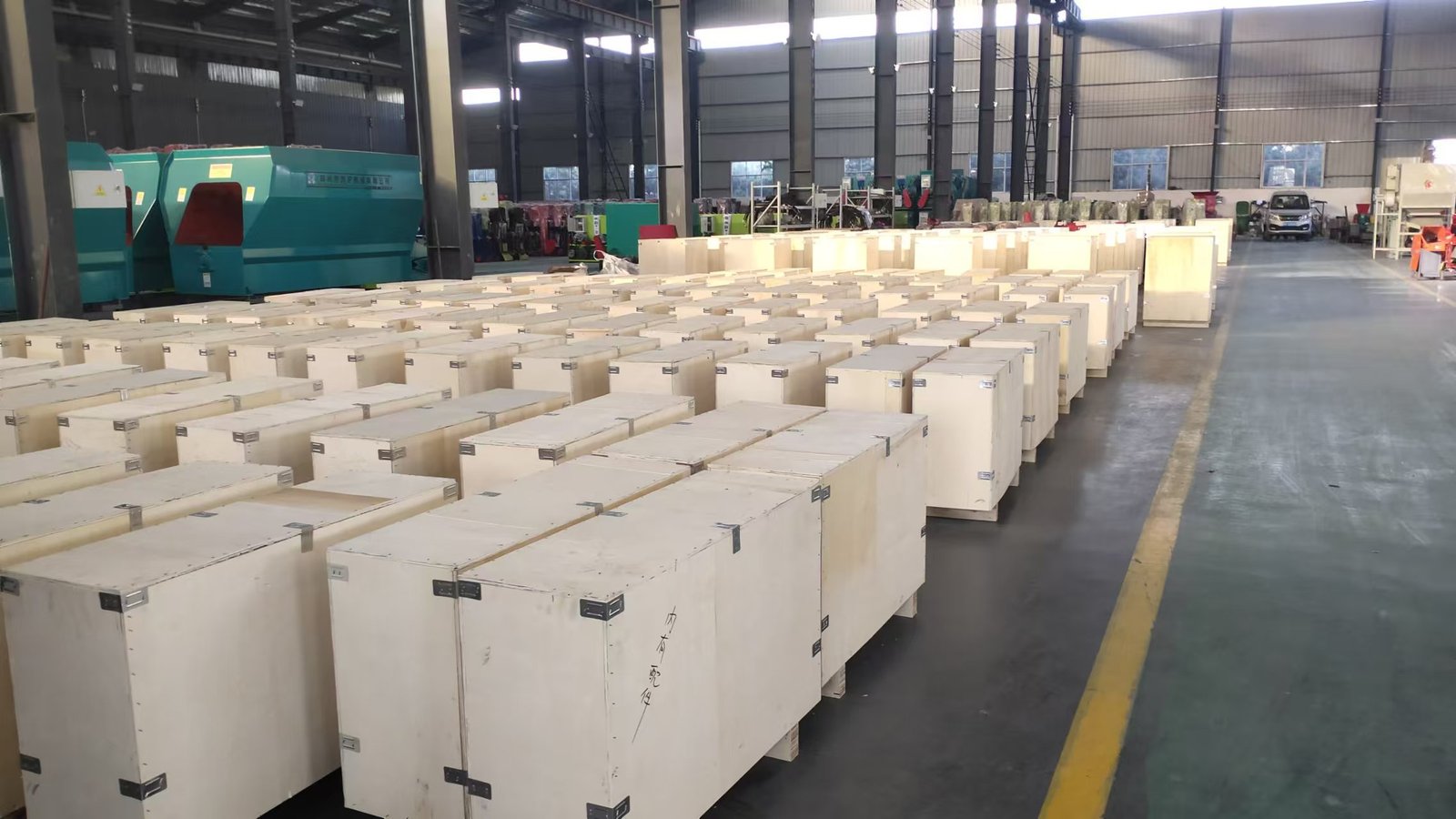
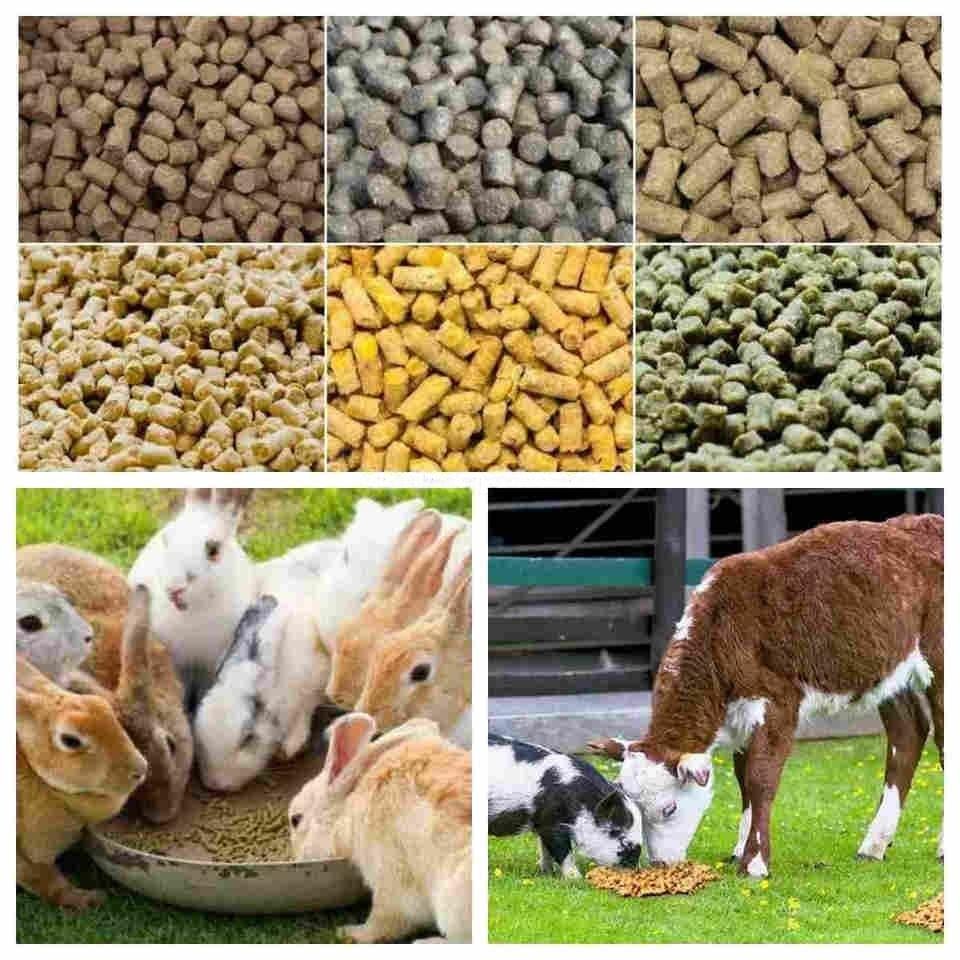
 Poultry Feed Production Line Price-Investing in a
 This comprehensive guide examines every factor that influences poultry feed production line pricing. We break down capacity tiers, equipment configurations, installation requirements, and operational costs specific to the UK market.
Whether you’re a poultry farm planning vertical integration or an agricultural entrepreneur exploring feed production line opportunities, you’ll discover the real investment requirements. We cover production capacities from 200kg to 200 tonnes per hour, with transparent pricing for each tier.
MAIKONG has delivered 47 successful poultry feed production installations across Europe since 2002. Our 22 years of manufacturing excellence means we understand UK voltage requirements, compliance needs, and the specific challenges British operators face.
Get Your UK-Specific Pricing Guide
Download our comprehensive 2024 price breakdown including equipment costs, installation estimates, and ROI calculations tailored for UK poultry feed operations.
Poultry Feed Production Line Pricing Factors
The price of a poultry feed production line varies dramatically based on several critical factors. Production capacity represents the primary price determinant, but equipment quality, automation level, and customisation requirements significantly impact the final investment.
Primary Cost Components
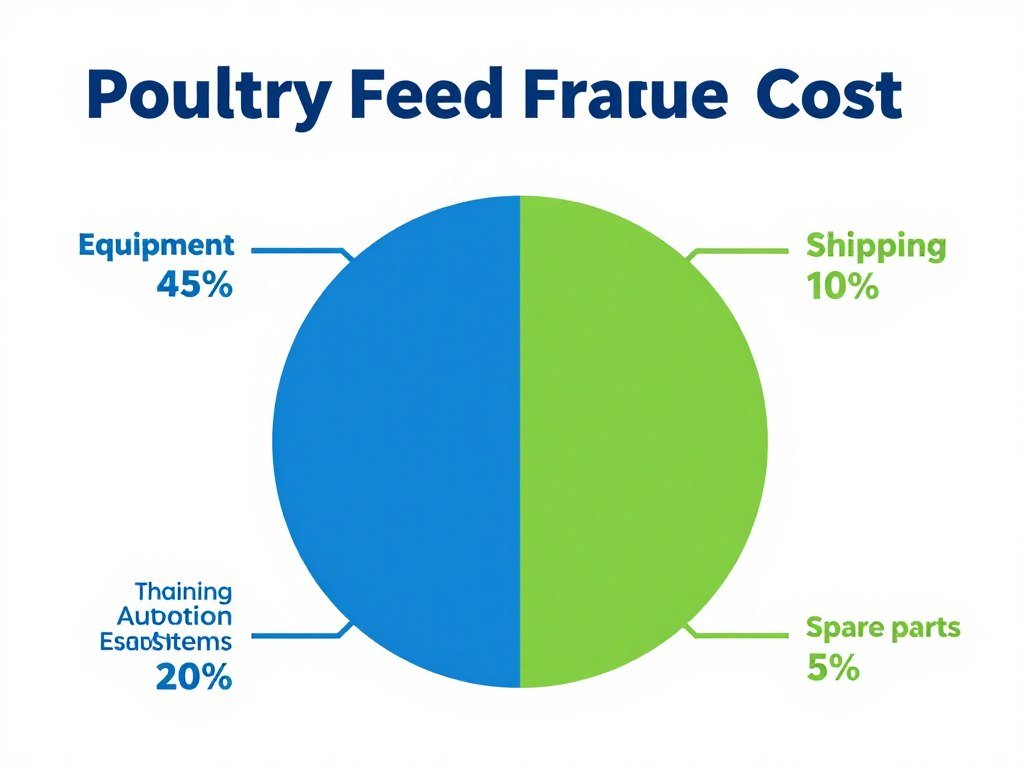
Every poultry feed mill line investment includes multiple expense categories. Equipment represents 40-50% of total project cost. Installation and commissioning typically account for 12-18% of the budget.
Core Equipment Costs
The main machinery forms the largest investment component. Crusher units for raw material processing range from £8,000 to £45,000 depending on throughput capacity.
- Feed crusher machines (hammer mills or roller mills)
- Mixing equipment for ingredient homogenisation
- Pellet mills for feed formation
- Cooling systems for pellet stabilisation
- Screening equipment for quality control
- Packaging machinery for finished product
Supporting Infrastructure
Beyond core equipment, successful operations require extensive supporting systems. These components ensure smooth material flow and operational efficiency.
- Conveying systems (bucket elevators, screw conveyors)
- Batching and weighing systems for accuracy
- Dust collection equipment for environmental compliance
- Control systems for automation
- Electrical installation specific to UK 230V standards
- Building modifications or construction
Capacity-Based Price Ranges
Production capacity directly correlates with equipment size, power consumption, and system complexity. A 1 tonne per hour line serves small farm operations, whilst 20+ tonnes per hour systems support commercial feed manufacturing.
| Capacity Range | Typical Application | Power Requirement | Equipment Price Range (GBP) | Total Project Cost (GBP) |
| 200-500 kg/h | Small poultry farms | 35-55 kW | £18,000 – £32,000 | £25,000 – £48,000 |
| 1-2 T/h | Medium farm operations | 47-75 kW | £45,000 – £85,000 | £65,000 – £125,000 |
| 3-5 T/h | Regional feed producers | 85-165 kW | £95,000 – £180,000 | £140,000 – £265,000 |
| 8-10 T/h | Commercial feed mills | 125-410 kW | £195,000 – £385,000 | £285,000 – £560,000 |
| 15-20 T/h | Large-scale feed manufacturing | 358-620 kW | £365,000 – £685,000 | £520,000 – £980,000 |
Automation Level Impact on Price
The degree of automation substantially affects both initial investment and long-term operational costs. Manual systems require more labour but lower upfront expense. Fully automated lines reduce staffing needs whilst increasing equipment sophistication.
Semi-automatic systems represent the middle ground for most UK operations. They balance affordable investment with reasonable labour requirements. Basic PLC control systems add £15,000-£35,000 to project costs.
Advanced SCADA systems with remote monitoring capabilities increase investment by £45,000-£85,000. However, they dramatically reduce operational errors and enable real-time production optimisation.
Detailed Equipment Specifications and Individual Pricing
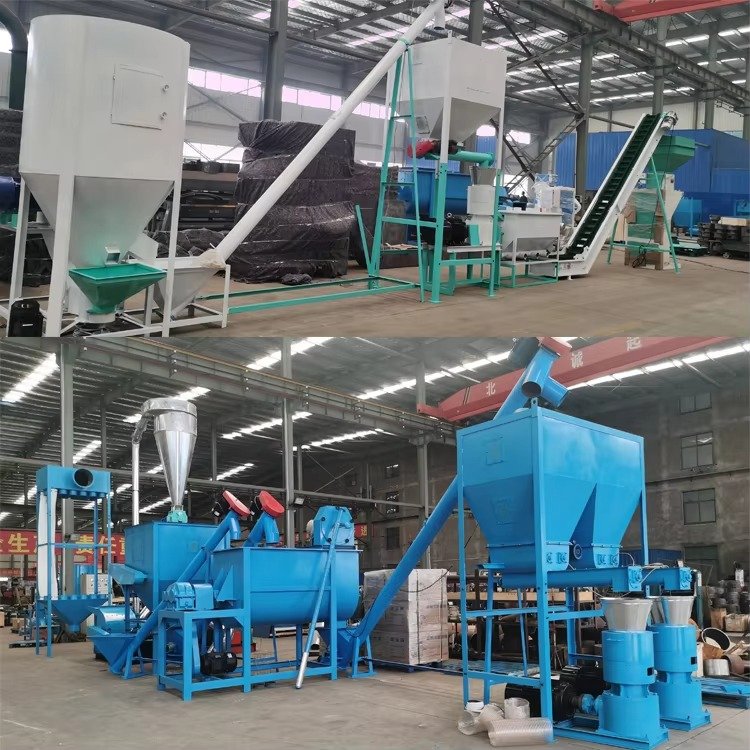
Understanding individual equipment specifications helps operators make informed decisions about poultry feed production line cost. Each component serves a specific function within the complete production process.
Feed Crushing Equipment
The crusher represents the first major processing stage. Raw materials enter with varying particle sizes and moisture content. The crusher reduces everything to consistent dimensions suitable for mixing and pelleting.
Hammer Mill Crushers
Hammer mills dominate poultry feed applications due to their versatility and efficiency. They handle diverse raw materials from whole grains to fibrous ingredients.
Price Range: £12,000 – £48,000
Capacity: 1-25 T/h
Power: 30-160 kW
- Multiple screen sizes for particle control
- Easy screen replacement system
- Robust construction for continuous operation
- Magnetic separator integration option
Roller Mill Crushers
Roller mills offer superior energy efficiency for grain processing. They produce more uniform particle size distribution compared to hammer mills.
Price Range: £18,000 – £65,000
Capacity: 2-30 T/h
Power: 22-132 kW
- Lower energy consumption per tonne
- Reduced heat generation during crushing
- Adjustable roller gap for precise particle size
- Longer operational lifespan for grain processing
Mixing Systems
Mixing equipment ensures uniform distribution of all ingredients throughout the batch. Poor mixing leads to nutritional inconsistency and reduced flock performance. High-quality mixers deliver coefficient of variation below 5%.
Paddle Mixers suit most chicken feed production line applications. They handle diverse ingredient characteristics including liquids, powders, and granules. Prices range from £8,500 to £42,000 depending on batch size.
Ribbon Mixers provide gentle mixing action ideal for delicate ingredients. They work well for premix production and vitamin integration. Investment ranges from £11,000 to £52,000 for production-scale units.
Pelleting Equipment
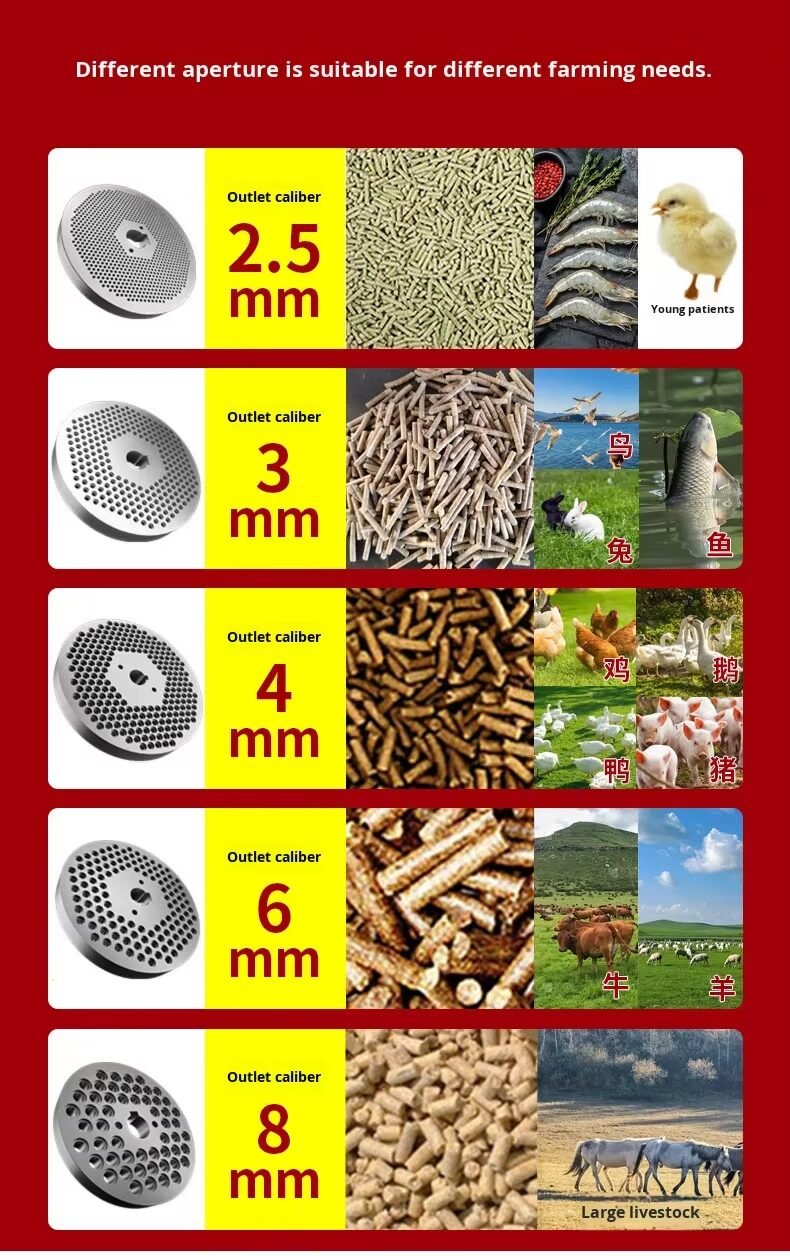
The pellet mill transforms mixed feed into compact, durable pellets. This critical equipment determines final product quality, production efficiency, and energy consumption.
| Model | Capacity | Main Motor Power | Die Diameter | Price Range (GBP) |
| MK-250 | 0.5-1 T/h | 22 kW | 250 mm | £15,000 – £22,000 |
| MK-320 | 1-2 T/h | 37 kW | 320 mm | £22,000 – £32,000 |
| MK-350 | 2-3 T/h | 55 kW | 350 mm | £28,000 – £38,000 |
| MK-420 | 3-5 T/h | 90 kW | 420 mm | £38,000 – £52,000 |
| MK-508 | 5-8 T/h | 132 kW | 508 mm | £52,000 – £72,000 |
| MK-678 | 10-15 T/h | 220 kW | 678 mm | £85,000 – £125,000 |
Cooling and Screening Equipment
Fresh pellets exit the mill at 75-85°C with 15-17% moisture content. Immediate cooling prevents mould growth and maintains pellet integrity. Counter-flow coolers reduce temperature to within 5°C of ambient whilst lowering moisture to 12-13%.
Cooling equipment pricing ranges from £12,000 for small systems to £65,000 for high-capacity installations. Proper cooling capacity ensures consistent product quality and extended shelf life.
Vibrating screens remove fines and oversized particles. This quality control step ensures consistent pellet size for end users. Screening equipment costs £4,500 to £18,000 depending on capacity and screen surface area.
Packaging Equipment
Automated packaging systems dramatically improve labour efficiency whilst ensuring consistent bag weights. Modern systems achieve 6-12 bags per minute with ±0.2% weighing accuracy.
Semi-automatic packaging scales suitable for small operations cost £8,500-£15,000. Fully automated systems with bag placement, filling, weighing, and sewing capabilities range from £22,000 to £58,000.
Request Detailed Equipment Specifications
Receive technical datasheets, power requirements, and installation footprints for equipment matched to your production capacity needs.
Selecting the Right Production Capacity for Your Operation
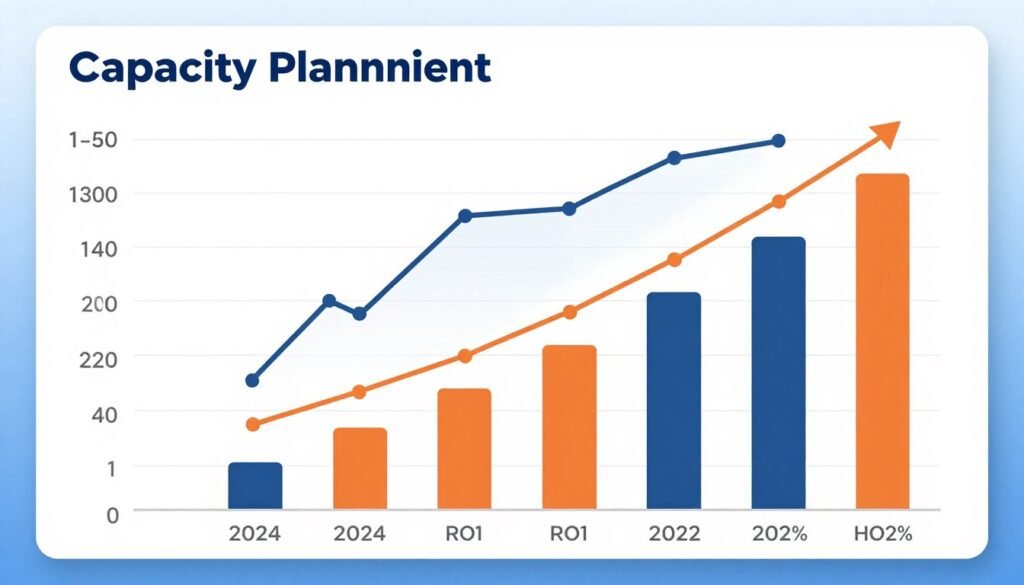
Choosing appropriate production capacity requires careful analysis of current needs and future growth projections. Undersized systems create bottlenecks and limit profitability. Oversized installations waste capital and increase operational costs.
Capacity Calculation Methodology
Start with your current poultry flock size and feed consumption rate. Layer chickens consume approximately 110-120g per bird daily. Broilers require 4.5-5.5kg total feed from hatch to market weight.
Calculate daily feed requirements then multiply by 1.3 to account for production flexibility and future growth. This provides your target daily production capacity. Divide by operational hours to determine required hourly throughput.
Small Farm Capacity (200kg – 1T/h)
These systems serve 5,000-15,000 layer operations or 10,000-30,000 broiler placements per cycle. Perfect for farms pursuing vertical integration or local feed supply independence.
Typical Daily Production: 1.6 – 8 tonnes
Flock Size Supported:
- Layers: 5,000 – 15,000 birds
- Broilers: 10,000 – 30,000 birds per cycle
- Mixed poultry operations under 20,000 total birds
Investment Range: £25,000 – £65,000
Medium Commercial Capacity (2-5T/h)
Medium-scale systems support larger farm operations or small regional feed distribution businesses. These installations balance production capability with manageable capital investment.
Typical Daily Production: 16 – 40 tonnes
Flock Size Supported:
- Layers: 30,000 – 80,000 birds
- Broilers: 60,000 – 150,000 birds per cycle
- Multiple farm supply operations
Investment Range: £95,000 – £265,000
Large-Scale Feed Manufacturing (8-20T/h)
These installations serve commercial feed mills supplying multiple farms across regions. They require significant infrastructure including bulk storage, quality laboratories, and dedicated logistics.
Production at this scale demands professional mill management, quality control systems, and regulatory compliance procedures. However, economies of scale dramatically improve per-tonne production costs.
- Support 150,000+ layer operations or 300,000+ broilers per cycle
- Enable multiple formulation production for different poultry types
- Justify dedicated nutritionist and quality control staff
- Require 2,000-5,000 m² facility space
- Investment ranges £285,000 – £980,000 for complete installation
Flexibility and Expansion Considerations
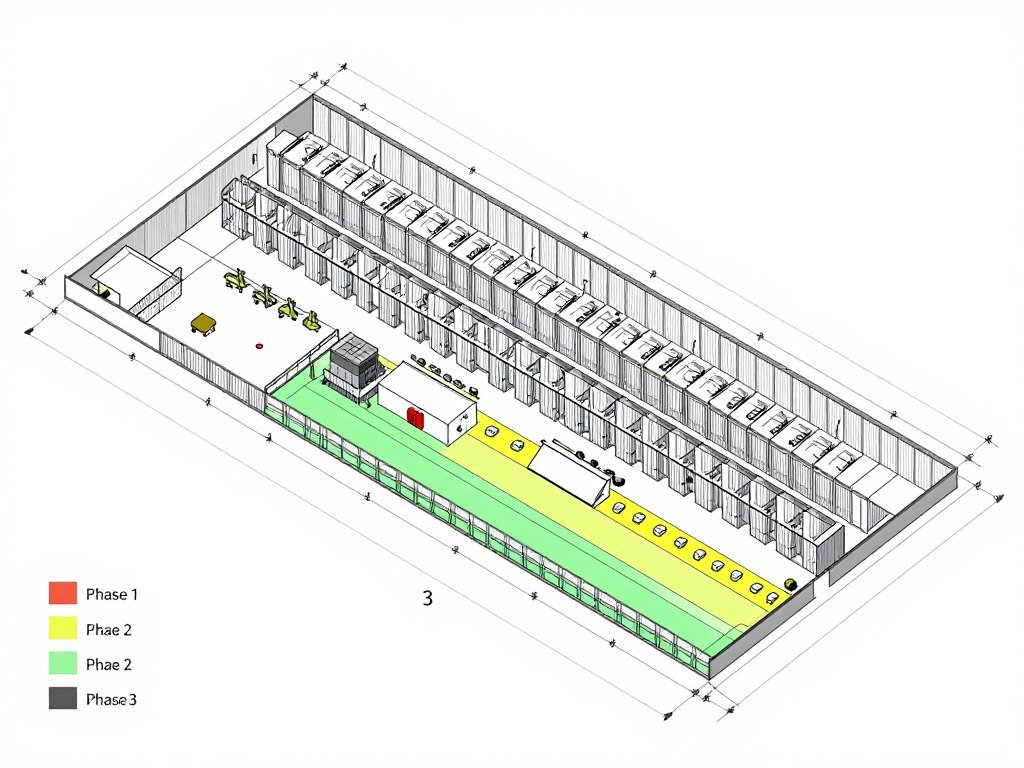
Design your initial installation with expansion capability. Modular equipment layouts allow capacity increases without complete system replacement. Plan electrical infrastructure, building space, and material handling systems to accommodate 30-50% capacity growth.
Many operators start with a 3-5 T/h base system then add parallel processing lines as demand grows. This approach spreads capital investment whilst maintaining production during expansions.
Raw Material Requirements and Their Impact on Equipment Selection
Raw material characteristics significantly influence equipment specifications and processing efficiency. Moisture content, particle hardness, fibre content, and ingredient diversity all affect poultry feed production line performance.
Common Poultry Feed Ingredients
Typical poultry feed formulations contain 8-15 different ingredients. Maize forms the primary energy source at 45-60% of the formula. Soybean meal provides protein at 18-30% inclusion rates.
Energy Sources
- Maize (corn) – 50-60%
- Wheat – 10-30%
- Sorghum – 20-40%
- Rice bran – 5-15%
- Vegetable oils – 1-4%
Protein Sources
- Soybean meal – 18-30%
- Fishmeal – 2-8%
- Rapeseed meal – 5-10%
- Sunflower meal – 5-12%
- Meat and bone meal – 3-8%
Supplements & Additives
- Limestone – 7-10%
- Dicalcium phosphate – 1-2%
- Salt – 0.3-0.5%
- Vitamin premix – 0.25%
- Mineral premix – 0.25%
- Enzymes and amino acids – 0.1-0.5%
Moisture Content Management
Optimal moisture content for pelleting ranges between 14-16%. Raw materials arriving too dry require conditioning steam addition. Excessively wet ingredients need pre-drying before processing.
UK climate conditions mean grain moisture often exceeds optimal levels during autumn harvest. Drying equipment adds £25,000-£85,000 to system costs but proves essential for consistent pellet quality.
Ingredient Particle Size Requirements
Most poultry feed formulations require crushing to 2.5-4.0mm particle size before mixing. This ensures uniform ingredient distribution and optimal pelleting performance.
Fibrous materials like wheat bran and sunflower hulls challenge crusher capacity. Operators processing high-fibre formulations need 15-20% additional crusher capacity versus grain-heavy recipes.
| Ingredient Type | Initial Particle Size | Target Ground Size | Processing Difficulty | Energy Consumption |
| Maize | Whole kernels | 2.5-3.5 mm | Easy | 15-18 kWh/tonne |
| Wheat | Whole kernels | 2.0-3.0 mm | Easy | 12-15 kWh/tonne |
| Soybean meal | 3-8 mm | 1.5-2.5 mm | Moderate | 8-12 kWh/tonne |
| Sunflower meal | 5-15 mm | 2.5-3.5 mm | Difficult | 22-28 kWh/tonne |
| Limestone | 2-20 mm | 1.0-2.0 mm | Very difficult | 35-45 kWh/tonne |
Special Processing Requirements
Heat-sensitive ingredients like vitamins and enzymes require special handling. These components typically enter the process post-pelleting through liquid or powder coating systems.
Liquid ingredient addition systems for oils and molasses cost £8,500-£28,000. They dramatically improve palatability and reduce dust whilst adding complexity to the production process.
Installation, Commissioning and Hidden Costs
Equipment purchase represents only 55-65% of total project investment. Installation, commissioning, training, and supporting infrastructure consume the remainder of your budget.
Site Preparation Requirements
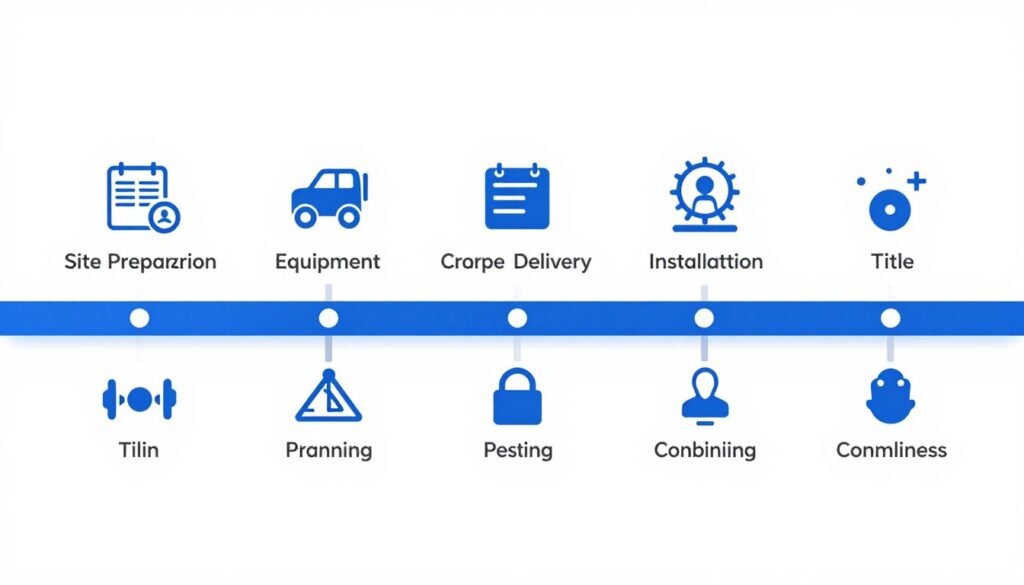
Most feed production plant installations require substantial site preparation. Concrete foundations for heavy equipment like pellet mills and mixers must cure for 14-21 days before equipment installation.
Building modifications or construction typically cost £180-£350 per square metre. A 500m² facility for a 3-5 T/h system requires £90,000-£175,000 for basic structure. This includes roof, walls, concrete floor, and basic utilities.
- Concrete foundation work – £12,000 to £45,000
- Electrical infrastructure and distribution – £18,000 to £65,000
- Dust collection ductwork – £8,500 to £32,000
- Bulk storage bins or silos – £25,000 to £120,000
- Finished product storage – £15,000 to £55,000
- Office and laboratory space – £22,000 to £85,000
Shipping and Logistics
International shipping from MAIKONG’s manufacturing facility to UK ports costs £8,500-£35,000 depending on equipment quantity and container requirements. Most small to medium systems ship in 2-4 forty-foot containers.
Customs clearance, import duties, and UK inland transport add another £5,500-£18,000. Total logistics typically represent 8-12% of equipment cost for UK deliveries.
Installation Labour and Timeline
Professional installation ensures optimal performance and longevity. MAIKONG provides supervised installation with our engineering team guiding local contractors. This approach reduces costs whilst maintaining quality standards.
Small System Installation (1-2 T/h)
Duration: 15-25 days
Labour Cost: £12,000 – £22,000
- Equipment positioning and alignment
- Electrical connections and testing
- Dust collection system setup
- Control system programming
- Initial commissioning and adjustment
Medium System Installation (3-5 T/h)
Duration: 25-45 days
Labour Cost: £28,000 – £52,000
- Complex equipment rigging and placement
- Extensive conveying system installation
- Automation system integration
- Safety system commissioning
- Performance testing and optimisation
Training and Knowledge Transfer
Comprehensive operator training prevents costly mistakes and maximises equipment lifespan. MAIKONG includes 5-10 days of on-site training covering operation, basic maintenance, and troubleshooting.
Training covers formulation loading, production monitoring, routine maintenance procedures, and common problem resolution. We provide English-language training materials and video resources for ongoing reference.
Spare Parts and Consumables Initial Stock
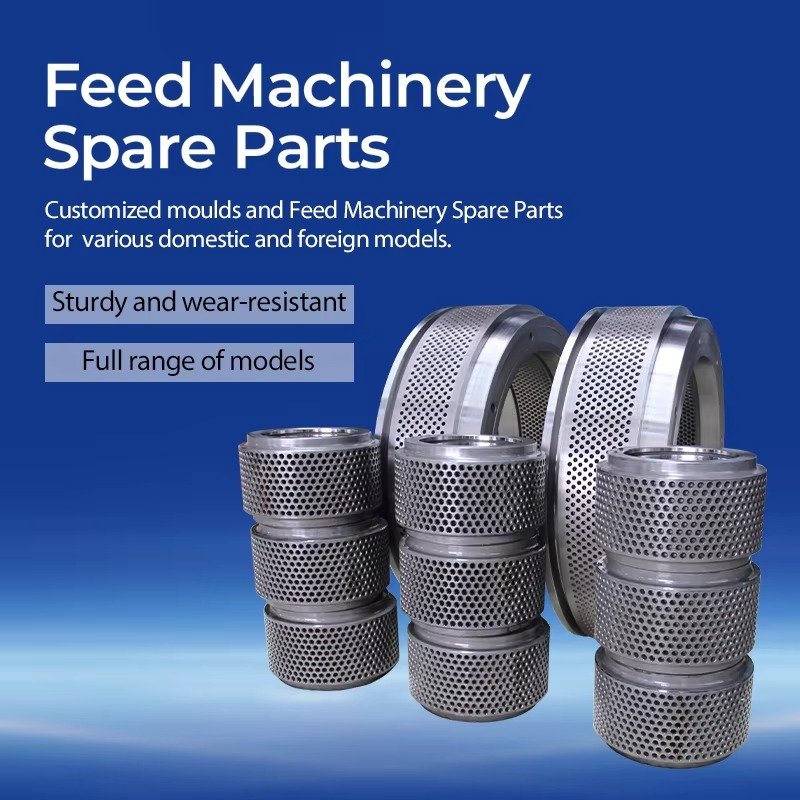
Every feed mill plant requires critical spare parts inventory. Dies, rollers, hammers, screens, and bearings need regular replacement. Initial spare parts investment typically equals 8-12% of equipment cost.
Recommended initial inventory for a 3-5 T/h system costs £12,000-£18,000. This provides 6-12 months of replacement parts for normal wear items.
Get Your Complete Project Cost Breakdown
Receive a detailed quotation including equipment, installation, training, spare parts, and all hidden costs for your specific capacity and location.
Operational Costs and Return on Investment Analysis
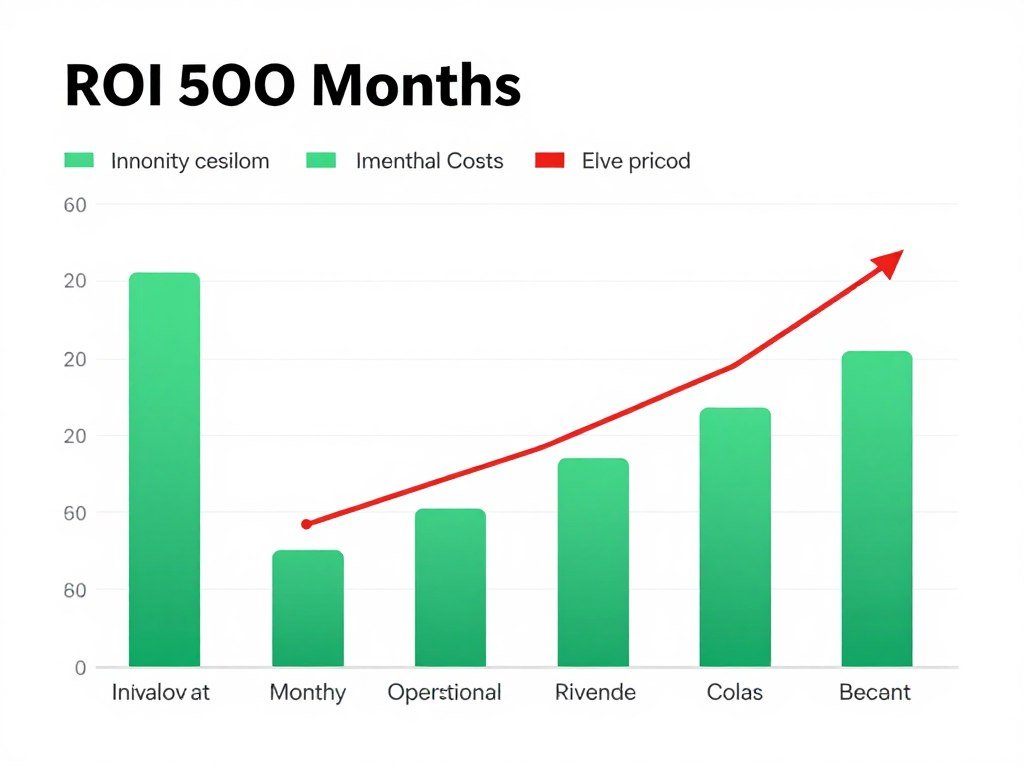
Understanding ongoing operational costs proves crucial for accurate ROI calculation. Energy consumption, labour requirements, maintenance costs, and raw material pricing all impact profitability.
Energy Consumption and Costs
Electricity represents the largest ongoing operational expense. UK industrial electricity rates average £0.18-£0.25 per kWh depending on usage volume and supplier contracts.
A 3-5 T/h system consuming 85-165 kW running 8 hours daily uses approximately 680-1,320 kWh per production day. At £0.22/kWh, daily energy cost ranges £150-£290.
| Capacity | Total System Power | Energy per Tonne | Daily Production | Daily Energy Cost | Monthly Energy Cost |
| 1-2 T/h | 47-75 kW | 35-45 kWh/T | 8-16 T | £62-£132 | £1,360-£2,900 |
| 3-5 T/h | 85-165 kW | 28-38 kWh/T | 24-40 T | £150-£290 | £3,290-£6,380 |
| 8-10 T/h | 125-410 kW | 22-32 kWh/T | 64-80 T | £310-£580 | £6,820-£12,760 |
Labour Requirements and Costs
Staffing needs scale with production capacity and automation level. Small semi-automatic systems operate with 2-3 workers per shift. Large fully-automated installations require 4-6 personnel including supervisors and quality control staff.
UK agricultural sector wages average £24,000-£32,000 annually for production operators. Skilled maintenance technicians command £32,000-£42,000. Supervisory roles range £38,000-£52,000.
A 3-5 T/h operation running single shift with 3 operators plus 1 part-time maintenance technician incurs £95,000-£125,000 annual labour cost.
Maintenance and Replacement Parts
Regular maintenance prevents costly breakdowns and extends equipment life. Planned maintenance costs typically represent 3-5% of equipment value annually.
- Pellet mill die replacement every 800-1,500 tonnes – £2,200-£8,500 per die
- Pellet mill roller shells every 1,500-2,500 tonnes – £1,800-£6,500 per set
- Hammer mill hammers every 2,000-4,000 tonnes – £850-£2,200 per set
- Mixer paddle replacement annually – £650-£2,800
- Bearing replacements as needed – £350-£1,500 per bearing assembly
- Belt and chain replacements – £220-£850 per component
Raw Material Costs and Feed Pricing
Raw material costs fluctuate seasonally and with global commodity markets. UK poultry feed production costs typically range £280-£380 per tonne depending on formulation and ingredient sourcing.
Commercial poultry feed sells for £340-£480 per tonne in the UK market. Own-farm production eliminates distributor margins, saving £45-£85 per tonne versus purchased feed.
ROI Calculation Example
Consider a 3-5 T/h system producing 30 tonnes daily, 22 days monthly (660 tonnes monthly). Total project investment: £180,000.
Monthly Cost Breakdown
- Raw materials: 660 T × £315/T = £207,900
- Energy: £4,800
- Labour: £10,400 (4 staff)
- Maintenance & parts: £2,200
- Total monthly cost: £225,300
Revenue and Margin
- Market feed price: £420/T
- Monthly revenue: 660 T × £420 = £277,200
- Monthly gross profit: £51,900
- Annual gross profit: £622,800
- Simple payback period: 3.5 months
This example demonstrates why feed production represents attractive economics for medium to large poultry operations. The ability to control formulation quality whilst eliminating distributor margins creates substantial value.
UK Regulatory Compliance and Certification Requirements
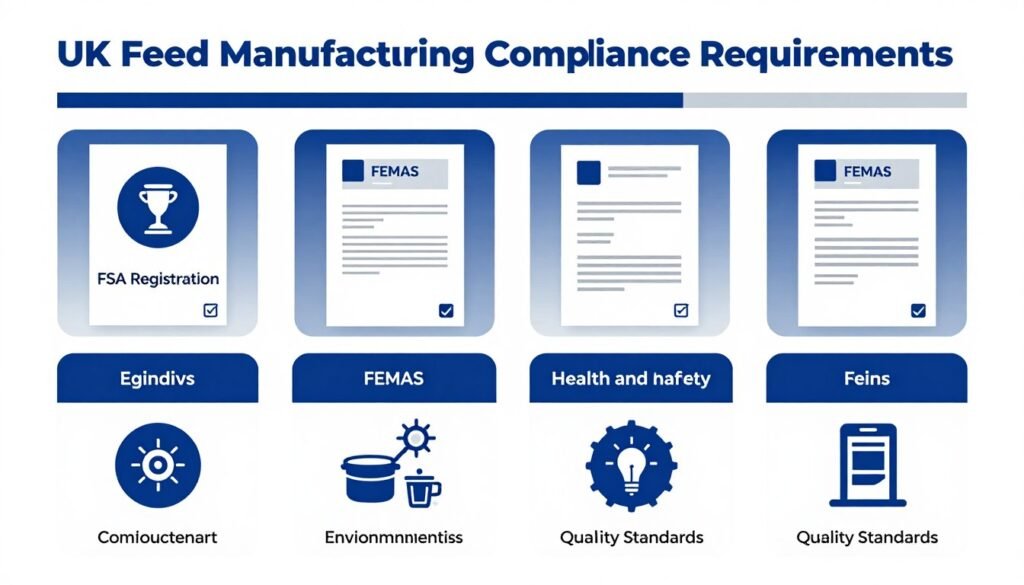
Operating a feed manufacturing plant in the UK requires compliance with multiple regulatory frameworks. Understanding these requirements prevents costly delays and potential operational shutdowns.
Food Standards Agency Registration
All UK feed manufacturers must register with the Food Standards Agency (FSA). This process establishes your operation within the official regulatory framework and enables inspections.
Registration requires detailed information about production capacity, ingredient sources, formulations, and quality control procedures. The FSA charges no registration fee, but you must demonstrate compliance with feed hygiene regulations.
FEMAS Certification
The Feed Materials Assurance Scheme (FEMAS) represents the UK feed industry standard. Whilst voluntary, major poultry producers increasingly require FEMAS certification from feed suppliers.
FEMAS certification costs £800-£2,200 annually depending on production scale. The certification process involves documentation review, facility inspection, and ongoing compliance audits.
Health and Safety Compliance
Feed manufacturing involves significant machinery hazards, dust explosion risks, and manual handling challenges. Health and Safety Executive (HSE) regulations mandate comprehensive safety programs.
- COSHH assessment for dust and chemical hazards
- DSEAR compliance for dust explosion prevention
- Noise assessment and hearing protection programme
- Machinery guarding and lockout/tagout procedures
- Emergency response and first aid provisions
- Regular safety training and competency assessment
Environmental Permits and Controls
Larger animal feed production line installations may require environmental permits from the Environment Agency. Dust emissions, noise, and potential water contamination represent primary concerns.
Effective dust collection systems prove essential for both regulatory compliance and workplace safety. Modern bag filter systems capture 99.5%+ of particulates, maintaining emissions well below regulatory limits.
Quality Management Systems
Implementing ISO 9001 quality management systems, whilst not mandatory, demonstrates professional operation and facilitates customer confidence. Many UK poultry integrators specify ISO 9001 certification for feed suppliers.
MAIKONG production lines include control systems and documentation templates designed to support ISO 9001 implementation. Our 22 years of experience means we understand quality requirements across diverse markets.
Why Choose MAIKONG as Your UK Poultry Feed Production Partner
Selecting the right equipment supplier impacts not just initial investment but long-term operational success. MAIKONG combines manufacturing excellence with comprehensive support specifically tailored for UK operators.
22 Years of Manufacturing Excellence
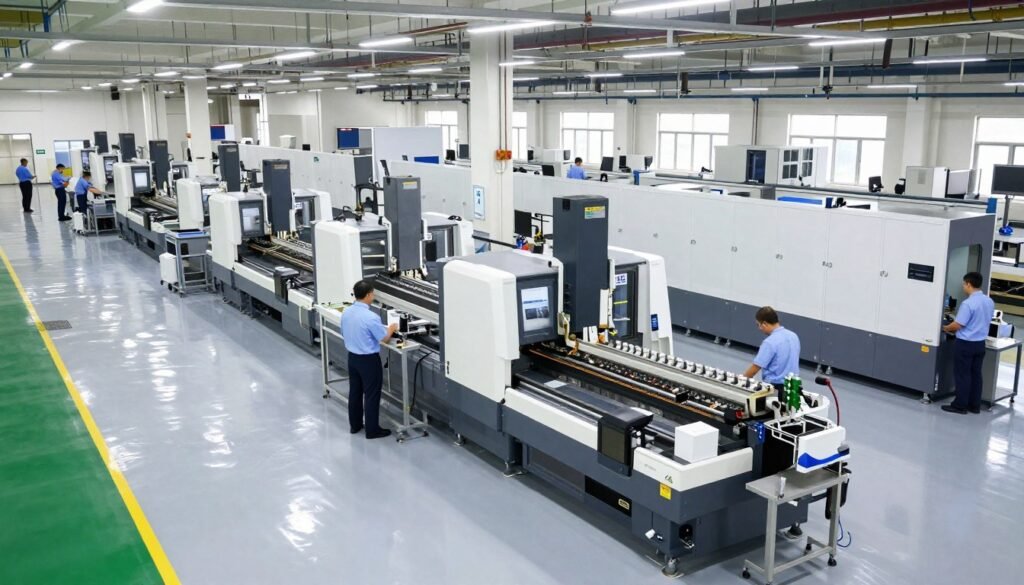
Since 2002, MAIKONG has delivered feed production solutions to operators across 48 countries. Our engineering team holds deep expertise in poultry, livestock, aquatic, and pet feed production line design and manufacture.
We maintain ISO 9001 certification and CE compliance for all equipment exported to European markets. Quality control procedures ensure every component meets exacting standards before shipment.
UK Market Specialisation
MAIKONG understands UK-specific requirements that many manufacturers overlook. We provide:
- 230V single-phase and 400V three-phase electrical configurations
- CE marking and UK compliance documentation
- British Standard bolt and fastener specifications
- English-language control systems and HMI interfaces
- UK-focused training materials and support documentation
- Metric measurements and UK unit conversions
- Support during FSA registration and FEMAS certification
- Understanding of UK raw material characteristics
- Awareness of British Health & Safety requirements
- Experience with UK climate conditions and their impact on operations
Comprehensive OEM and ODM Capabilities
MAIKONG supports full customisation for distributors and private label customers. Our OEM/ODM services include:
Custom Branding
Equipment nameplates, control panel graphics, and packaging carry your brand identity. We support UK distributors building their market presence with professional branded solutions.
Specification Modification
Adapt equipment to unique requirements including special voltage configurations, alternative materials for specific ingredients, or capacity modifications for niche applications.
Complete Line Design
Our engineering team designs entire production lines optimised for your facility constraints, raw materials, target formulations, and production philosophy.
Testing and Quality Assurance
Every MAIKONG production line undergoes rigorous factory testing before shipment. We run your actual formulations through the system, adjusting parameters to achieve optimal performance with your specific ingredients.
Customers receive detailed test reports including particle size analysis, pellet durability index, energy consumption measurements, and production rate verification. This factory acceptance testing eliminates surprises during commissioning.
Installation Support and Training
MAIKONG provides comprehensive installation supervision and operator training. Our engineers guide your installation contractors, ensuring proper equipment setup and optimal performance.
Training programmes cover:
- Formulation programming and recipe management
- Production start-up and shutdown procedures
- Parameter adjustment for different formulations
- Routine maintenance procedures and schedules
- Troubleshooting common issues
- Die and roller replacement procedures
- Quality control sampling and testing methods
After-Sales Support and Spare Parts
MAIKONG maintains comprehensive spare parts inventory for rapid UK delivery. Critical wear components ship within 48 hours. Technical support operates during UK business hours with English-speaking engineers.
We provide remote diagnostic support via video calls and control system access. Most issues resolve quickly without site visits, minimising production disruption.
Discuss Your Project with Our UK Technical Team
Schedule a consultation to review your specific requirements, site conditions, and formulation goals. Our engineers provide frank assessment and practical recommendations.
UK and European Poultry Feed Production Line Success Stories
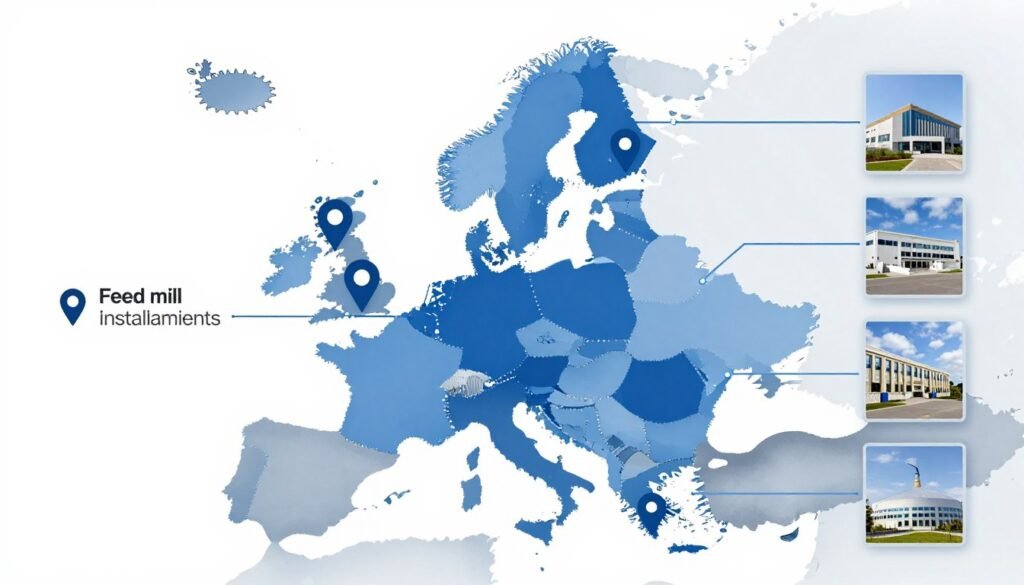
MAIKONG has delivered 47 successful poultry feed production installations across Europe. These case studies demonstrate our capability to support diverse operational scales and production philosophies.
Scotland Free-Range Egg Producer – 2 T/h Installation
A 35,000-hen free-range operation near Inverness sought vertical integration to control feed costs and quality. They faced challenges with commercial feed suppliers unable to meet their organic ingredient requirements.
Project Specifications
- Capacity: 2 tonnes per hour
- Daily production: 14 tonnes (7-hour operation)
- Formulations: Layer feed with 60% organic ingredients
- Total investment: £98,000 including installation
- Timeline: 6 weeks from order to production
Results Achieved
- Feed cost reduction from £385/T to £295/T
- Payback period: 8.5 months
- Improved egg production rates (3% increase)
- Better flock health and reduced mortality
- Marketing advantage from organic feed control
Welsh Poultry Cooperative – 5 T/h Shared Facility
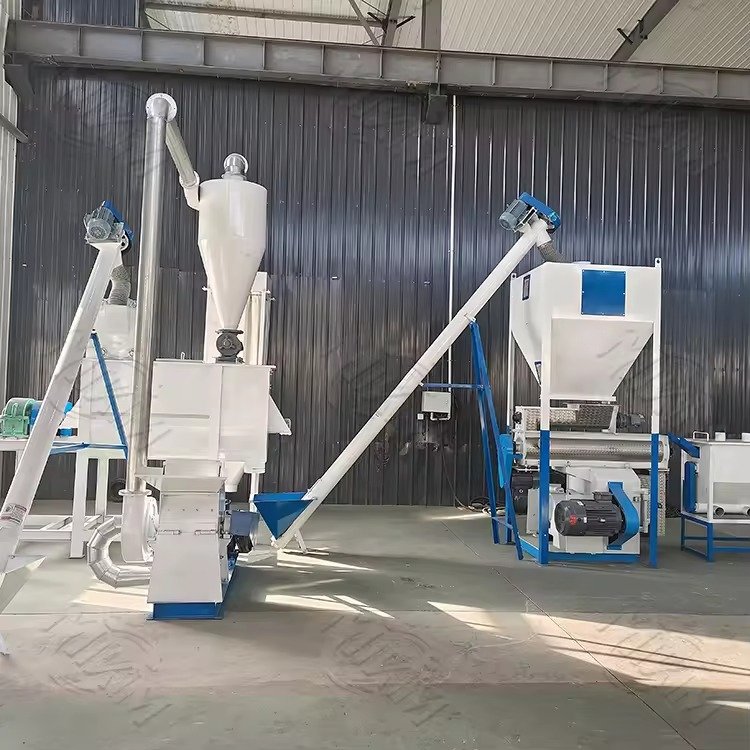
Six independent poultry farms in Carmarthenshire formed a cooperative to share feed production infrastructure. Their combined 180,000 broilers per cycle created economies of scale whilst maintaining individual farm independence.
System Configuration
The cooperative installed a versatile system producing multiple formulations:
Starter Feed
High protein (23%) with specialised amino acids for first 10 days
- Fine grind (1.8-2.2mm)
- Crumbled pellets
- Vitamin-enriched
Grower Feed
Balanced nutrition (20% protein) for primary growth phase
- Medium grind (2.5-3.0mm)
- 3mm pellets
- Energy-optimised
Finisher Feed
Cost-effective formulation (18% protein) for final weeks before processing
- Coarse grind (3.0-3.5mm)
- 4mm pellets
- Fat-supplemented
Total cooperative investment: £235,000 (£39,200 per farm)
Results: £68/tonne cost saving versus commercial feed, 14-month payback period
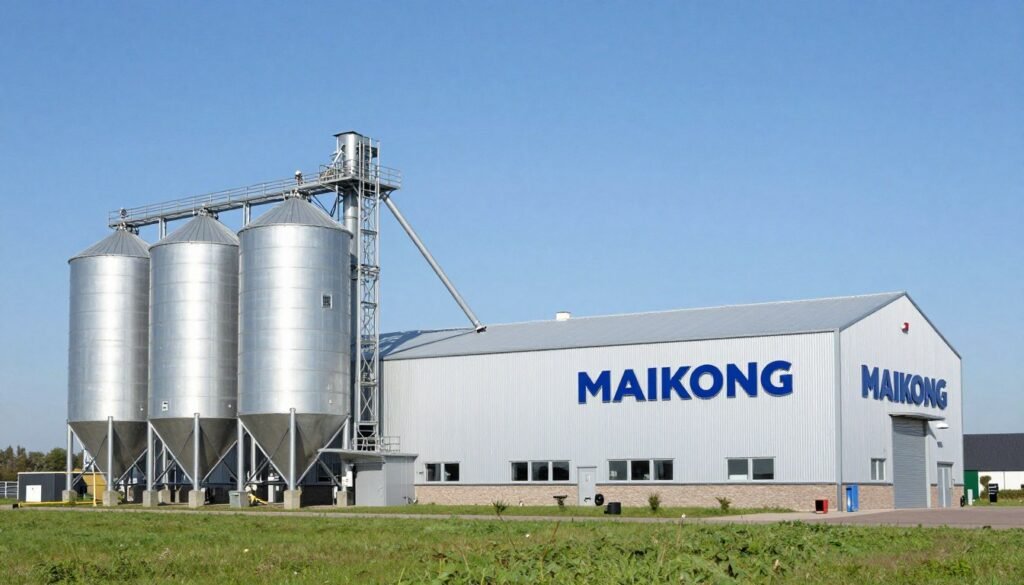
Netherlands Organic Poultry Producer – 8 T/h Facility
A large organic poultry operation in Noord-Brabant required high-capacity production to support 280,000 layers. Strict organic certification demanded detailed traceability and contamination prevention.
Advanced Features Implemented
- Separate organic and conventional ingredient handling (dual line capability)
- Full traceability system with batch coding and ingredient tracking
- Advanced dust collection exceeding EU environmental standards
- Automated quality control sampling at multiple process stages
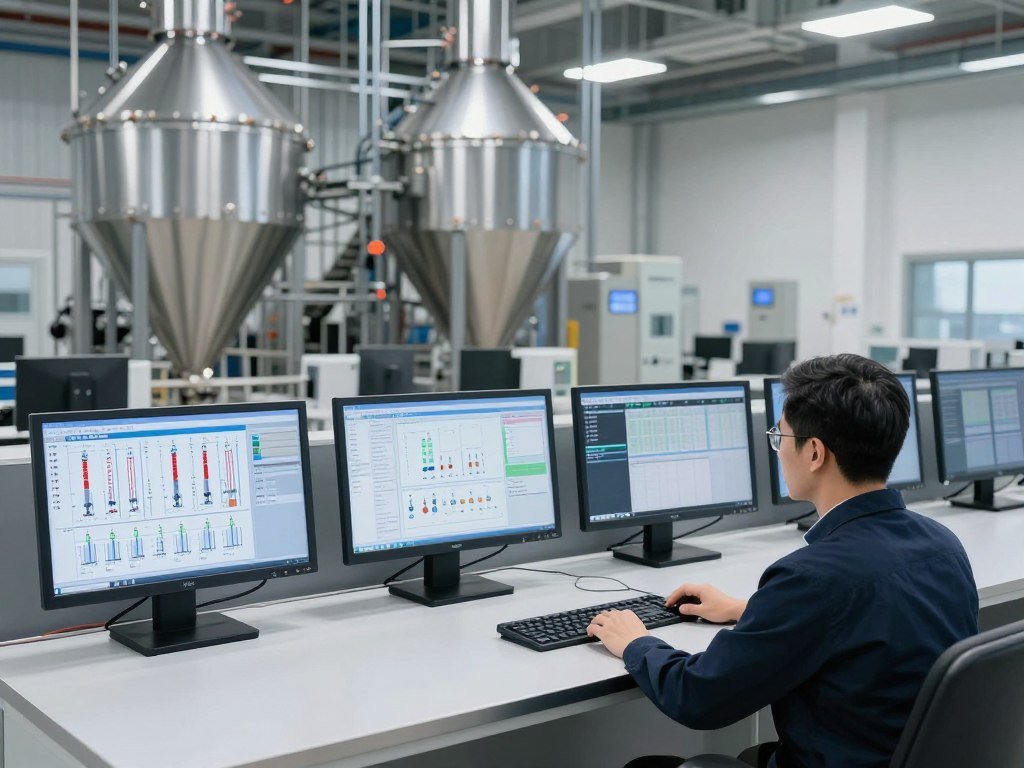
- SCADA system with remote monitoring and production reporting
- Dedicated allergen-free production capability for speciality formulations
This installation demonstrates MAIKONG’s capability to support sophisticated quality and compliance requirements demanded by premium markets.
German Poultry Integrator – 15 T/h Central Mill
A vertically-integrated poultry company in Niedersachsen centralised feed production for contract growers across the region. The facility supplies 850,000 broilers per cycle with precise formulations for each growth stage.
System Highlights
This large installation showcases enterprise-scale capabilities:
- Production capacity: 15 tonnes per hour across two parallel lines
- Bulk storage: 1,200 tonnes across eight silos
- Formulations: 12 different recipes produced weekly
- Automation level: Fully automated from ingredient receipt to truck loading
- Quality systems: NIR analyser for real-time nutrient verification
- Distribution: Integrated bulk delivery fleet serving 35 contract farms
- Investment: £680,000 complete facility
The facility achieved full capacity within three months of commissioning and maintains 96% uptime. Feed quality consistency improved flock performance by 4.8% compared to previous commercial feed sourcing.
Addressing Common UK Buyer Concerns About Feed Production Investment
UK operators considering poultry feed production line price investments share common concerns. Addressing these questions helps potential buyers make confident decisions.
Equipment Reliability and Downtime Risk
Production interruptions directly impact poultry operations. Feed shortages disrupt feeding schedules and harm flock performance. Buyers rightfully question equipment reliability.
MAIKONG designs redundancy into critical components. Dual crusher configurations allow continued operation during maintenance. Modular construction means component replacement occurs quickly without complete system shutdown.
Design Features for Reliability
- Heavy-duty bearings rated for continuous operation
- Hardened steel wear surfaces on high-contact areas
- Easy-access maintenance points for routine service
- Comprehensive lubrication systems
- Quality sensors preventing overload damage
MAIKONG Support for Uptime
- Critical spare parts shipped within 48 hours UK-wide
- Remote diagnostic support during UK business hours
- Video-guided repair assistance
- Comprehensive maintenance training
- Preventive maintenance scheduling support
Pellet Quality and Consistency Concerns
Poor pellet quality causes multiple problems. Excessive fines create waste and dust issues. Soft pellets crumble during handling. Inconsistent pellet size frustrates automatic feeding systems.
MAIKONG pellet mills incorporate proven design elements ensuring consistent quality:
- Conditioning chambers provide 30-45 seconds steam contact time
- Precise die and roller gap adjustment maintains optimal compression
- Variable speed feeders prevent mill surging and inconsistent pellet formation
- Proper cooling removes heat and moisture for pellet stability
- Hardened alloy steel dies deliver 800-1,500 tonnes service life
Energy Efficiency and Operating Costs
UK electricity prices make energy efficiency crucial for profitability. Inefficient equipment erodes margins through excessive power consumption.
MAIKONG equipment achieves superior energy efficiency through:
Efficient Design Features
- High-efficiency motors with variable frequency drives
- Optimised crushing chamber geometry
- Advanced conditioning for reduced pelleting power
- Streamlined material flow reducing conveying power
- Proper equipment sizing avoiding oversized motors
Typical Energy Consumption
- Small systems (1-2 T/h): 35-45 kWh per tonne
- Medium systems (3-5 T/h): 28-38 kWh per tonne
- Large systems (8-10 T/h): 22-32 kWh per tonne
- Enterprise systems (15-20 T/h): 18-28 kWh per tonne
- Continuous improvement programmes reduce consumption annually
Technical Support and Spare Parts Availability
Concerns about international supplier support prove valid. Language barriers, time zone differences, and long shipping distances complicate support relationships.
MAIKONG addresses these concerns through UK-focused support infrastructure:
Our UK Support Commitment
- English-speaking technical team available during UK business hours (9:00-17:00 GMT)
- Email response within 4 hours for technical queries
- Critical spare parts warehoused in European distribution centre for rapid delivery
- Video support capability for visual troubleshooting and guided repairs
- Annual maintenance visits available for large installations
- Comprehensive documentation in English with clear diagrams and procedures
- Training video library accessible 24/7 for operator reference
Return on Investment Timeline Uncertainty
Buyers need confidence their investment delivers acceptable returns within reasonable timeframes. Multiple variables affect payback period including raw material costs, production efficiency, and feed sales prices.
Typical payback periods by operation type:
- Own-farm production (vertical integration): 8-18 months based on feed cost savings
- Commercial feed mill (selling to third parties): 18-36 months based on production margin
- Cooperative shared facility: 12-24 months with investment split across multiple farms
- Contract manufacturing: 24-42 months depending on utilisation rates and contract terms
Conservative financial planning should assume longer payback periods accounting for ramp-up time, market development, and potential commodity price fluctuations.
UK Distributor and Agent Partnership Opportunities with MAIKONG
MAIKONG actively seeks strategic partnerships with established UK agricultural equipment distributors and agents. The growing UK demand for on-farm feed production line price competitive solutions creates substantial opportunity.

Why Partner with MAIKONG
The UK animal feed equipment market continues expanding as farmers pursue vertical integration and feed cost control. MAIKONG offers partners comprehensive support for successful market penetration.
Competitive Pricing Structure
Distributor pricing enables healthy margins whilst remaining competitive. Direct manufacturer relationship eliminates middleman markups affecting other brands.
Comprehensive Product Range
Beyond poultry feed lines, MAIKONG manufactures equipment for cattle feed, pig feed, aquatic feed, and pet food production. Diverse product portfolio supports broad market coverage.
Technical Training and Support
Partners receive comprehensive product training, sales support materials, and technical resources. We equip distributors to confidently specify and support installations.
OEM and Private Label Options
Established distributors can develop branded product lines. MAIKONG supports custom branding, specification modifications, and market-specific adaptations.
Protected Territory Rights
Committed partners receive territorial protection preventing direct competition from other MAIKONG distributors. Build your business with confidence in your market position.
Marketing Support Materials
Professional brochures, technical datasheets, case studies, and digital marketing content provided. MAIKONG supports your promotional efforts with quality collateral.
Ideal Partner Profile
MAIKONG seeks partners with established presence in UK agricultural markets. Ideal distributors possess:
- Existing customer base in poultry, livestock, or agricultural equipment sectors
- Technical staff capable of equipment specification and basic support
- Service infrastructure for installation coordination and after-sales support
- Financial stability to maintain spare parts inventory
- Commitment to professional representation and brand standards
- Geographic coverage across specific UK regions (Scotland, Wales, Northern Ireland, regional England)
Partnership Support Structure
MAIKONG provides multi-level support ensuring partner success:
Initial Partnership Phase
- Comprehensive product training (in-person or virtual)
- Market analysis and opportunity identification
- Pricing structure and margin explanation
- Sales collateral and technical documentation
- Sample equipment for demonstration purposes
- Joint customer visits for major opportunities
Ongoing Partnership Support
- Regular product updates and new model introductions
- Technical support for customer specifications
- Quotation preparation assistance
- Installation supervision availability
- Warranty administration support
- Quarterly business reviews and planning
Regional Opportunities
MAIKONG particularly seeks partners in these UK regions:
| Region | Market Opportunity | Priority Level | Preferred Partner Type |
| Scotland | Growing free-range egg sector, organic production expansion | High | Agricultural equipment distributor |
| Wales | Cooperative farming initiatives, small-medium broiler operations | High | Farm supply cooperative or distributor |
| Northern Ireland | Established poultry sector, feed cost sensitivity | Medium | Poultry equipment specialist |
| East Anglia | Large poultry concentration, commercial feed mills | High | Industrial equipment distributor |
| South West | Free-range and organic production, tourism farm diversification | Medium | Sustainable agriculture specialist |
Explore UK Partnership Opportunities with MAIKONG
Join our growing network of European partners successfully serving the agricultural feed production market. We’re specifically seeking committed partners in Scotland, Wales, and Northern Ireland.
Frequently Asked Questions About Poultry Feed Production Line Pricing
What is the minimum investment for a functional poultry feed production line?
A basic functional system producing 200-500kg per hour costs £25,000-£48,000 including essential equipment and installation. This entry-level capacity suits small farms with 5,000-10,000 laying hens or similar poultry populations.
This investment includes crusher, mixer, pellet mill, cooler, and basic conveying equipment. Higher budgets enable automation features, increased capacity, or additional quality control equipment.
How does production capacity affect the overall cost per tonne of feed produced?
Larger capacity systems achieve significantly better cost efficiency. A 1 T/h system might cost £35-45 per tonne in fixed costs (equipment depreciation, labour, maintenance), whilst a 10 T/h system reduces this to £12-18 per tonne.
This economy of scale occurs because many fixed costs don’t increase proportionally with capacity. Larger systems spread these costs across higher production volumes.
What ongoing operational costs should I budget beyond the initial equipment purchase?
Operational costs include electricity (£35-£65 per tonne), labour (varies by capacity and automation), maintenance and spare parts (3-5% of equipment value annually), and raw materials (£280-£380 per tonne depending on formulation).
Most operators achieve total production costs of £320-£395 per tonne compared to commercial feed prices of £380-£480 per tonne, generating £60-£85 per tonne savings.
Does MAIKONG provide financing options for UK customers?
MAIKONG works with established UK agricultural finance providers who understand feed production equipment investments. We can introduce customers to appropriate lending partners offering equipment finance, agricultural development loans, or leasing arrangements.
Many UK operators successfully finance feed production investments through farm business loans, DEFRA growth programmes, or equipment leasing structures. Contact us to discuss financing pathways specific to your situation.
How long does installation and commissioning typically take?
Installation timelines vary by capacity: Small systems (1-2 T/h) require 15-25 days. Medium systems (3-5 T/h) need 25-45 days. Large installations (8-10 T/h) take 45-75 days from equipment arrival to full production.
These timelines include equipment positioning, electrical connections, control system programming, commissioning, testing, and operator training. Site preparation time before equipment arrival adds 2-6 weeks depending on existing facilities.
Can I produce multiple formulations with one production line?
Yes, properly designed systems easily produce multiple formulations. Change-over between formulations typically requires 15-30 minutes for cleaning and recipe reprogramming. Many operators produce starter, grower, and finisher feeds on the same equipment.
Computer-controlled batching systems store unlimited formulations, enabling quick switching. Die changes for different pellet sizes add 45-90 minutes but aren’t required for every formulation change.
What voltage and power requirements are needed for UK installations?
MAIKONG supplies equipment configured for UK electrical standards: 230V single-phase for small equipment and 400V three-phase for main production equipment. Total power requirements range from 47kW for small systems to 620kW for large commercial installations.
Your local electrical contractor will verify adequate supply capacity. Most rural three-phase supplies accommodate systems up to 5 T/h. Larger installations may require supply upgrades coordinated with your electricity provider.
How does MAIKONG pricing compare to other manufacturers?
MAIKONG provides competitive pricing through direct manufacturer relationships without distributor markups inflating costs. Our pricing typically sits 15-25% below European manufacturers whilst exceeding quality standards of budget Asian suppliers.
We compete on total value including equipment quality, comprehensive support, rapid spare parts supply, and UK-specific customisation rather than simply offering the lowest initial price.
What warranty coverage does MAIKONG provide?
MAIKONG provides 12-month comprehensive warranty covering manufacturing defects and premature component failure. Wear parts (dies, rollers, hammers, screens) carry 90-day warranty as their lifespan depends heavily on operational factors.
Extended warranty options up to 36 months are available for additional investment. Warranty includes parts replacement and remote technical support. On-site service for warranty issues can be arranged at additional cost.
Can existing buildings accommodate feed production equipment or is new construction required?
Many operators successfully install equipment in existing agricultural buildings. Requirements include adequate floor space (300-2,000m² depending on capacity), sufficient ceiling height (4-8 metres for vertical conveying), proper electrical supply, and structural capacity for equipment weight.
MAIKONG engineers assess existing structures and provide honest evaluation of suitability. Modifications like reinforced floors, dust collection vents, or electrical upgrades typically cost £15,000-£45,000 versus £90,000-£175,000 for complete new construction.
Making Your Poultry Feed Production Investment Decision
Understanding poultry feed production line price encompasses far more than equipment costs. Successful investments balance initial capital requirements with long-term operational efficiency, quality control capabilities, and support infrastructure.
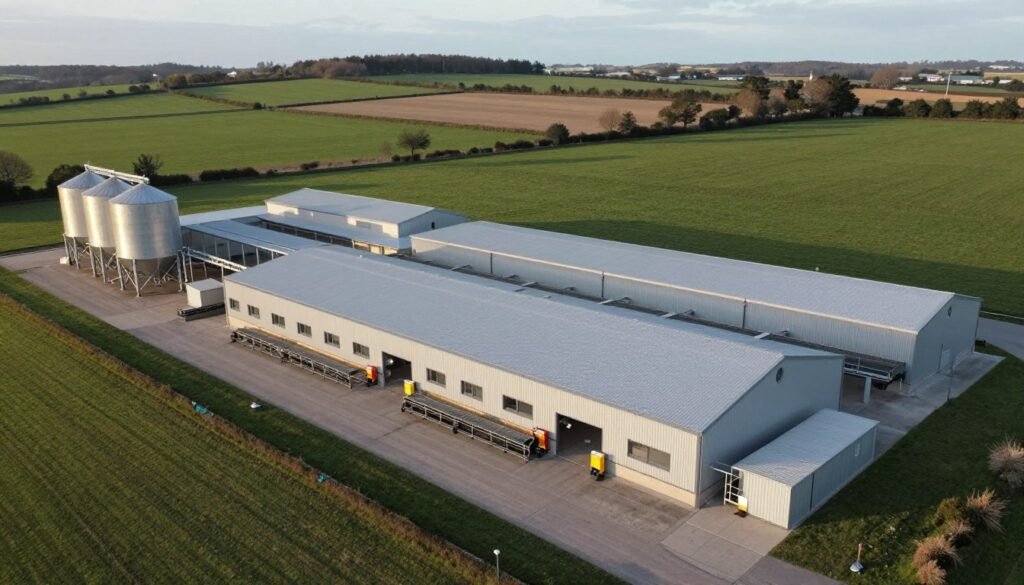
UK poultry operators face unique challenges including high feed costs, strict regulatory requirements, and demanding quality standards. Vertical integration through on-farm feed production provides control over these critical variables whilst generating substantial cost savings.
Key Investment Considerations
Your investment decision should weigh several crucial factors:
Financial Factors
- Current annual feed expenditure
- Available capital or financing capacity
- Target payback period expectations
- Cash flow impact during project implementation
- Tax implications and capital allowances
- Potential for additional revenue streams
Operational Factors
- Current flock size and growth projections
- Existing facility infrastructure
- Staff capabilities and training requirements
- Raw material sourcing and logistics
- Quality control capabilities and standards
- Regulatory compliance requirements
Why MAIKONG Represents Your Best UK Partner Choice
MAIKONG combines 22 years of manufacturing excellence with specific understanding of UK market requirements. Our comprehensive approach addresses not just equipment supply but total project success.
MAIKONG Advantages
- Direct manufacturer pricing without distributor markups
- UK-specific electrical and compliance configurations
- Comprehensive testing with your actual formulations
- English-speaking technical support during UK hours
- Rapid European spare parts delivery (48-hour critical items)
- Full OEM/ODM capabilities for private label partners
- Proven European installation track record (47 successful projects)
- Complete documentation and training in English
- Active UK distributor/agent recruitment and support
- ISO 9001 and CE certification compliance
Considerations to Address
- International shipping adds 6-8 weeks to project timeline
- Initial setup requires coordination with local contractors
- Cultural and business practice differences require patience
- Payment terms may differ from UK domestic suppliers
- Site visits incur travel time and expenses
Next Steps Toward Your Feed Production Investment
Moving forward with your poultry feed production line investment requires methodical planning and expert guidance. MAIKONG’s experienced team helps navigate each stage from initial concept through successful operation.
Immediate Actions (Next 2 Weeks)
- Calculate your current annual feed expenditure and costs
- Assess available facility space and infrastructure
- Determine realistic production capacity requirements
- Review financial capacity and financing options
- Contact MAIKONG for preliminary technical discussion
Planning Phase (Weeks 3-8)
- Receive and review detailed quotation from MAIKONG
- Conduct site surveys with engineering team
- Finalise equipment specifications and capacity
- Secure financing if required
- Obtain necessary regulatory approvals and permits
- Develop project timeline and implementation plan
Implementation Phase (Months 3-6)
- Complete site preparation and building modifications
- Order and receive equipment shipments
- Coordinate installation contractors
- Commission equipment under MAIKONG supervision
- Complete operator training programmes
- Begin production with technical support available
Start Your Poultry Feed Production Journey Today
MAIKONG’s 22 years of expertise, comprehensive UK support, and proven European installation success make us your ideal partner. Whether you’re a poultry farm pursuing vertical integration or an entrepreneur exploring feed manufacturing opportunities, we provide the equipment, knowledge, and support for success.
Available Monday-Friday 9:00-17:00 GMT for immediate technical consultation
Special Partnership Opportunity: We’re actively recruiting dedicated UK distributors and agents. Enquire about exclusive territory rights and comprehensive partnership support.
The UK poultry industry faces continuing pressures from feed costs, supply chain disruptions, and quality demands. Taking control through on-farm or regional feed production provides competitive advantage, cost savings, and operational independence.
MAIKONG stands ready to support your success with world-class equipment, comprehensive training, responsive support, and genuine partnership. Our growing European customer base proves that smart UK operators choose quality, value, and reliability.
Contact us today to begin your journey toward feed production independence and enhanced profitability.