
Technical Support: +86 15815556422
WhatsApp Available for Immediate Assistance
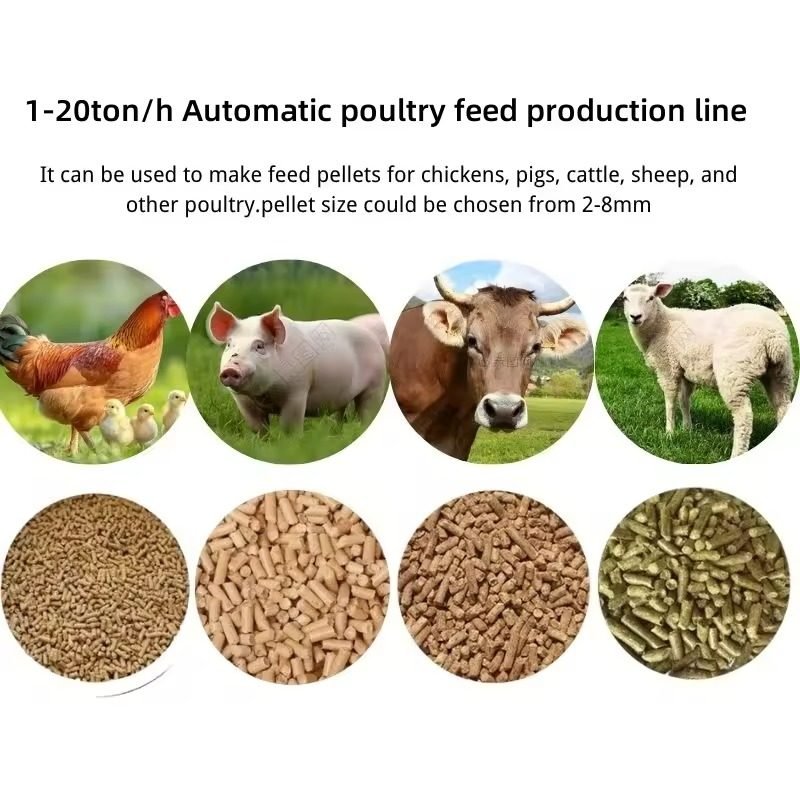
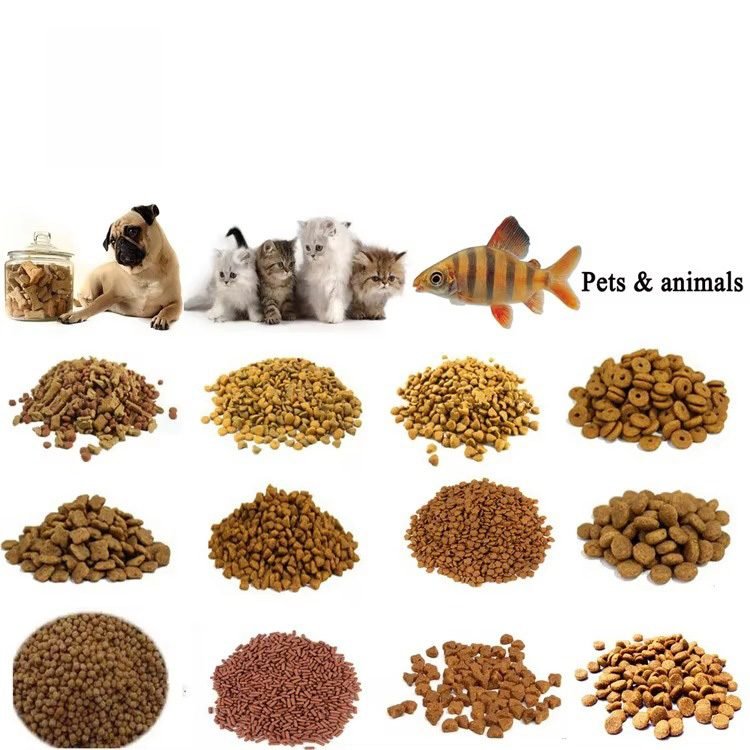
The Current State of Spare Parts Management in British Feed Mills
The UK feed industry operates under unique pressures. Brexit has reshaped import timelines. Energy costs have climbed dramatically since 2021. Supply chain disruptions have become routine rather than exceptional.
Feed manufacturers running poultry feed production line operations report average downtime costs between £3,200 and £8,500 per hour when pellet mills stop unexpectedly. These figures reflect lost production, wasted labour, and contractual penalties for delayed deliveries.
Brexit Impact on Pellet Production Line Component Sourcing
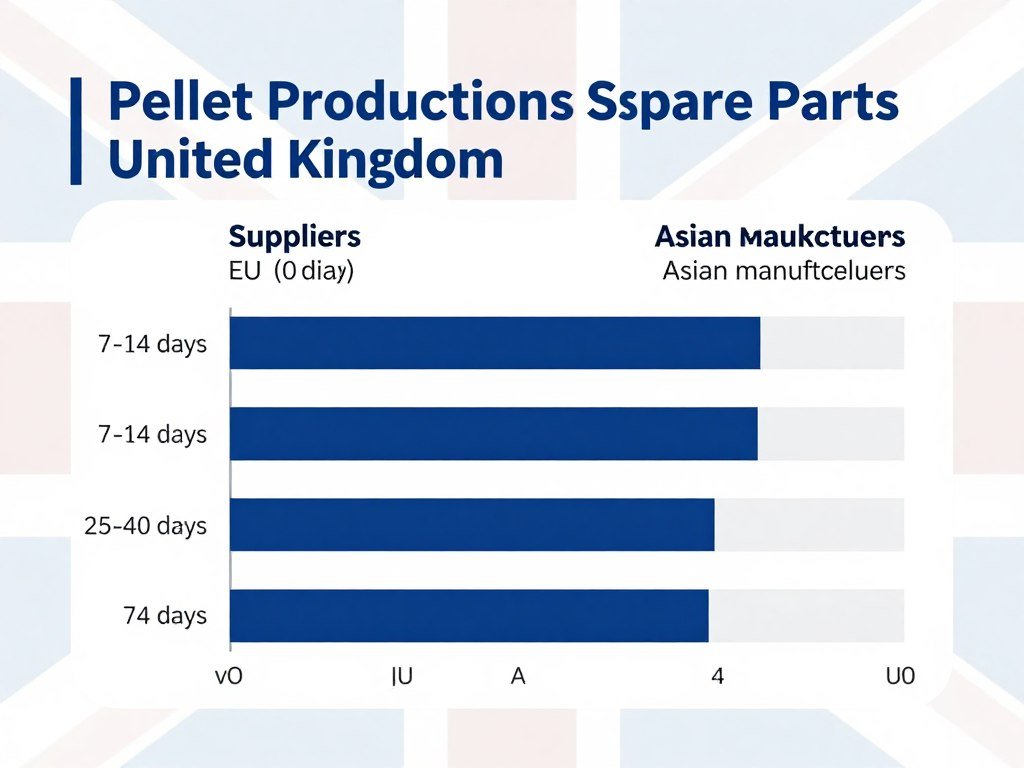
Since January 2021, UK feed mills importing pellet production line components from the European Union face new documentation requirements. Lead times have extended by an average of seven to fourteen days.
Chinese suppliers, including MAIKONG with 22 years of manufacturing experience, now represent competitive alternatives. However, planning becomes essential when shipment times range from 25 to 40 days depending on freight routes and customs clearance.
Energy Costs and Operational Efficiency Pressures
British feed producers face electricity costs nearly triple those of 2020 levels. This economic reality makes every minute of feed pellet production line operation count.
Unplanned downtime wastes energy in two ways. First, restart procedures consume significant electricity bringing systems back to operational temperature. Second, idle equipment still draws baseline power whilst producing nothing.
Mills operating at capacities from 2 to 15 tonnes per hour report that having correct spare parts immediately available reduces restart time from 4-6 hours to under 90 minutes.
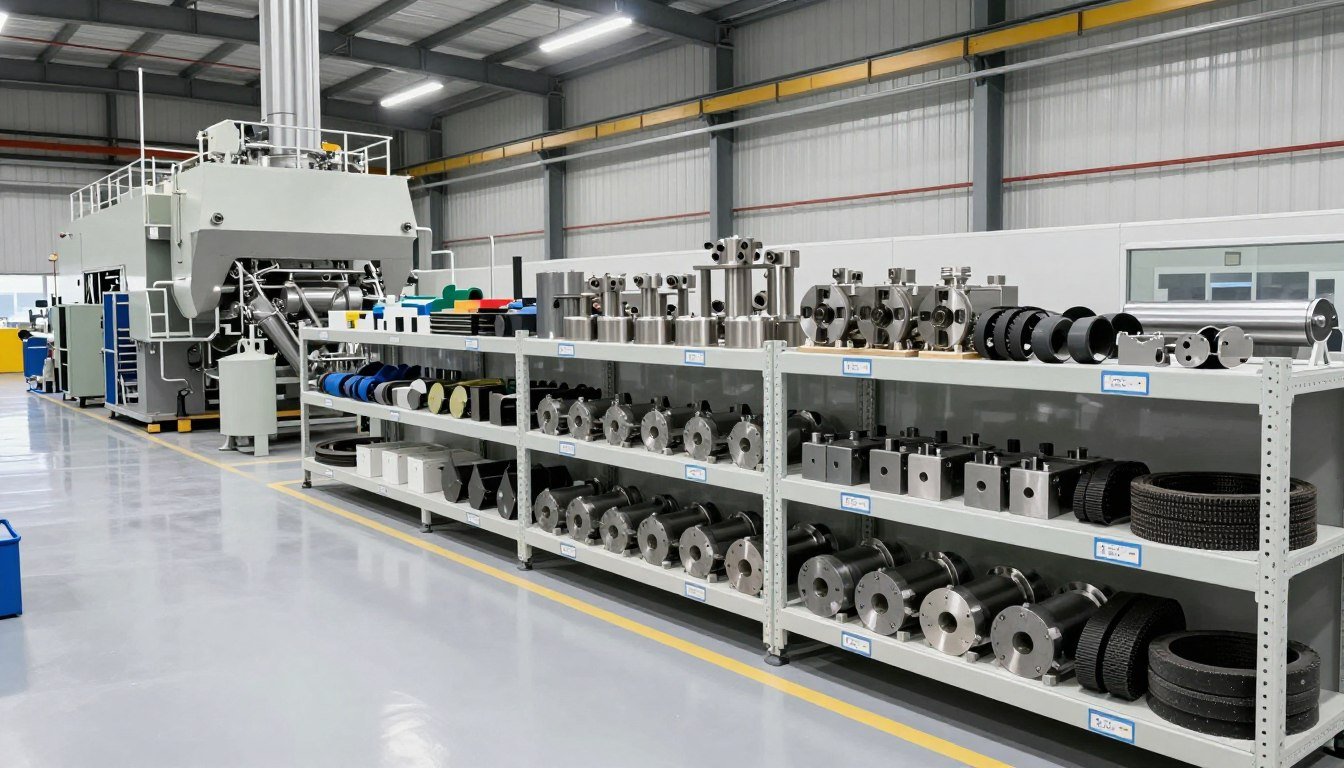
Critical Spare Parts: Dies, Rollers and Belts
Three component categories determine whether your pellet production line runs or stops. Understanding their failure patterns helps predict replacement needs.
Pellet Dies: The Heart of Formation
Dies compress raw materials into uniform pellets. Their working lifespan varies dramatically based on raw material abrasiveness and production volume.
Poultry feed formulations containing fish meal wear dies faster than straight grain-based cattle feeds. Mills producing aquatic feed production line output experience the shortest die life due to high mineral content.
Expected Die Lifespan by Feed Type
- Standard poultry mash: 800-1200 production hours
- Cattle feed pellets: 1200-1800 production hours
- Fish feed (high protein): 400-700 production hours
- Pig feed formulations: 900-1400 production hours
Warning Signs of Die Failure
- Inconsistent pellet length across production batches
- Increased fines percentage in finished product
- Rising amperage draw on pellet mill motor
- Unusual vibration patterns during operation
Rollers: Maintaining Compression Force
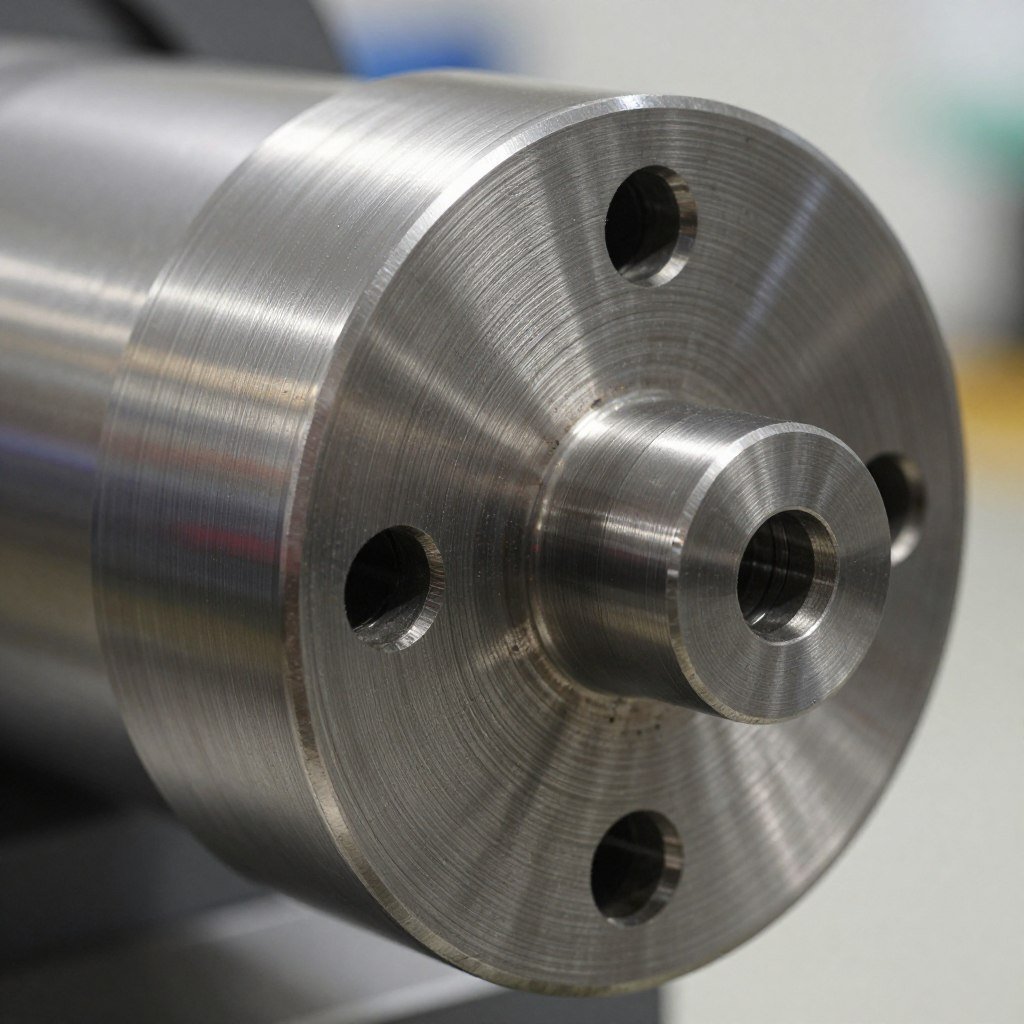
Rollers work in direct contact with dies, applying pressure that forms pellets. Their bearing assemblies and surface hardness determine operational life.
British mills running continuous shifts typically replace rollers every 1500 to 2500 production hours. However, facilities processing abrasive materials like shrimp feed production line formulations see shorter intervals.
Roller Maintenance Indicators
Temperature monitoring provides early warning of roller bearing degradation. Thermal imaging during operation should show uniform heat distribution. Hot spots indicate bearing failure beginning.
Vibration analysis catches roller imbalance before catastrophic failure. Mills using predictive maintenance report 60% fewer emergency stoppages compared to reactive approaches.
Belts: The Often Overlooked Component
Drive belts and conveyor belts receive less attention than dies and rollers. Yet their failure stops production just as completely.
The MAIKONG pellet machine uses industrial-grade belts rated for continuous operation. Even quality components wear under Britain’s variable temperature conditions and continuous production demands.
| Belt Type | Typical Lifespan (Hours) | Warning Signs | Replacement Cost Impact |
| Main Drive Belt | 3000-4500 | Glazing, cracking, tension loss | Low (£180-£350) |
| Conveyor Belt (feed intake) | 4000-6000 | Edge fraying, tracking issues | Medium (£420-£780) |
| Elevator Belt | 5000-7500 | Splice separation, bucket wear | Medium (£520-£950) |
| Discharge Conveyor Belt | 4500-6500 | Material buildup, speed variation | Medium (£380-£720) |
Building Your Spare Parts Inventory: A Practical Framework
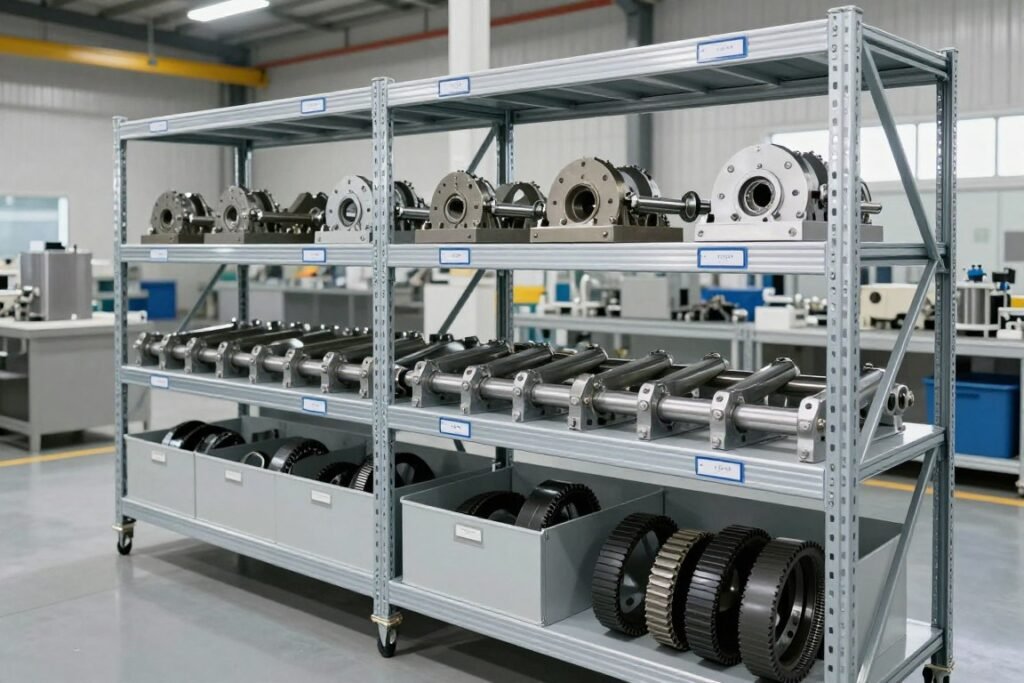
Effective inventory planning balances three competing demands. You need sufficient stock to prevent production stoppages. You must avoid excess capital tied up in unused parts. You require storage space that could otherwise generate revenue.
The 80/20 Rule Applied to Pellet Mill Components
Analysis of British feed mill maintenance records reveals a consistent pattern. Approximately 20% of component types account for 80% of unplanned downtime incidents.
For feed production line operations, this critical 20% consistently includes pellet dies, roller assemblies, drive belts, and bearing sets. Focusing inventory investment on these items delivers maximum downtime prevention.
Calculating Minimum Stock Levels by Production Capacity
Your production volume determines appropriate inventory depth. Mills running single-shift operations face different risk profiles than continuous 24-hour facilities.
Production Volume Categories
Small-scale operations process 200kg to 2 tonnes per hour. These facilities typically run single or double shifts serving local markets.
Medium-capacity mills handle 2 to 10 tonnes hourly. They often supply regional distribution networks and face contractual delivery obligations.
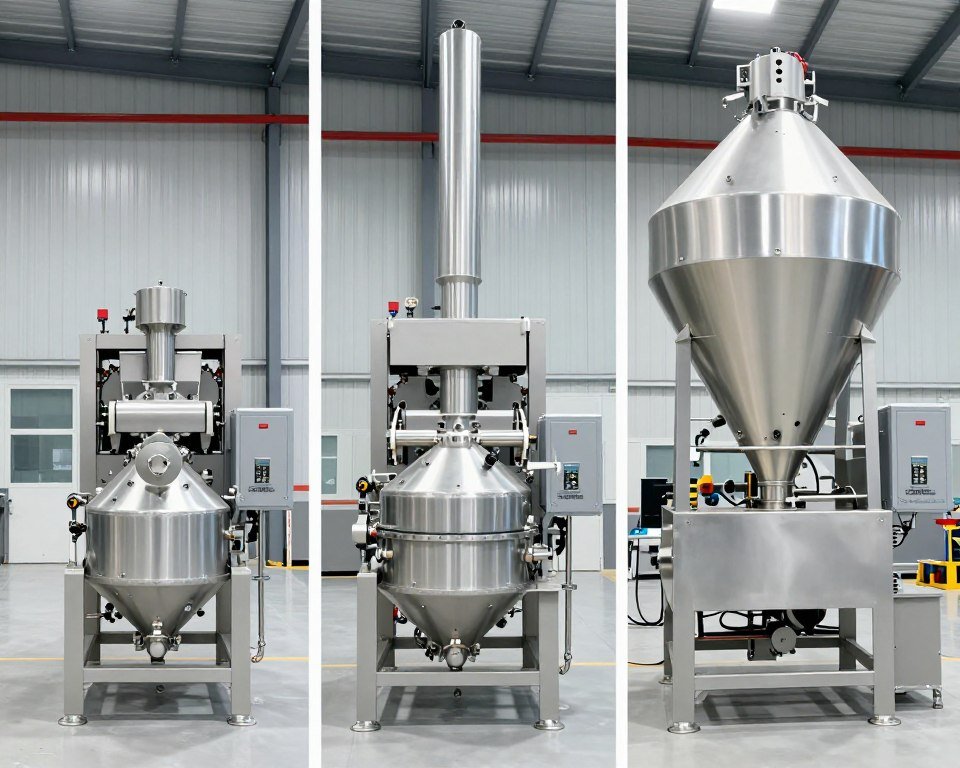
Large industrial plants exceed 10 tonnes per hour, sometimes reaching 50+ tonnes. These operations supply national markets where production delays create significant financial exposure.
Recommended Minimum Stock Levels
For small operations under 2 tonnes per hour:
- One complete spare die set
- One roller assembly (full set)
- Two sets of critical drive belts
- One complete bearing kit
Medium facilities (2-10 tonnes hourly) should maintain:
- Two spare die sets (different specifications if running varied formulations)
- Two complete roller assemblies
- Three sets of all belt types
- Two bearing kits plus individual high-wear bearings
Large operations exceeding 10 tonnes per hour require:
- Three to four die sets covering all production specifications
- Three roller assemblies minimum
- Four to six sets of each belt type
- Three complete bearing kits plus extensive individual bearing stock
Accounting for Lead Time Variables
Brexit created new complexity in spare parts procurement. Understanding current lead time realities helps set appropriate stock levels.
European suppliers previously delivered within 3-7 days. Current timelines range from 10-21 days accounting for customs procedures and documentation requirements.
Asian manufacturers like MAIKONG in GD province, SZ city offer competitive pricing but require planning for 25-40 day delivery windows. Sea freight remains most economical for heavy components like dies and roller assemblies.
Need Help Planning Your Spare Parts Inventory?
Our technical team provides free consultation for UK feed producers. With 22 years of pellet production line manufacturing experience, we help you determine optimal stock levels based on your specific production capacity, formulations, and operational patterns.
The Complete Spare Parts Planning Checklist for British Feed Mills
This practical checklist helps you audit current inventory against operational requirements. Each section addresses specific component categories essential for pellet production line operations.
Dies and Pressing Components
Essential Die Inventory
- Primary die specification for main production (minimum 1 spare)
- Alternative hole size die for seasonal formulation changes
- Die mounting hardware and securing bolts
- Die alignment tools and measurement instruments
- Cleaning and maintenance brushes specific to die hole diameter
Roller Assembly Components
- Complete roller assemblies matching your pellet machine model
- Individual roller shells for emergency replacement
- Roller bearing sets (inner and outer races)
- Roller shaft seals and gaskets
- Roller adjustment mechanisms and fasteners
Pressing System Extras
- Feeder screws and auger components
- Conditioning chamber steam nozzles
- Temperature and pressure sensors
- Pellet knife assemblies and blades
- Die housing gaskets and seals
Drive System and Power Transmission
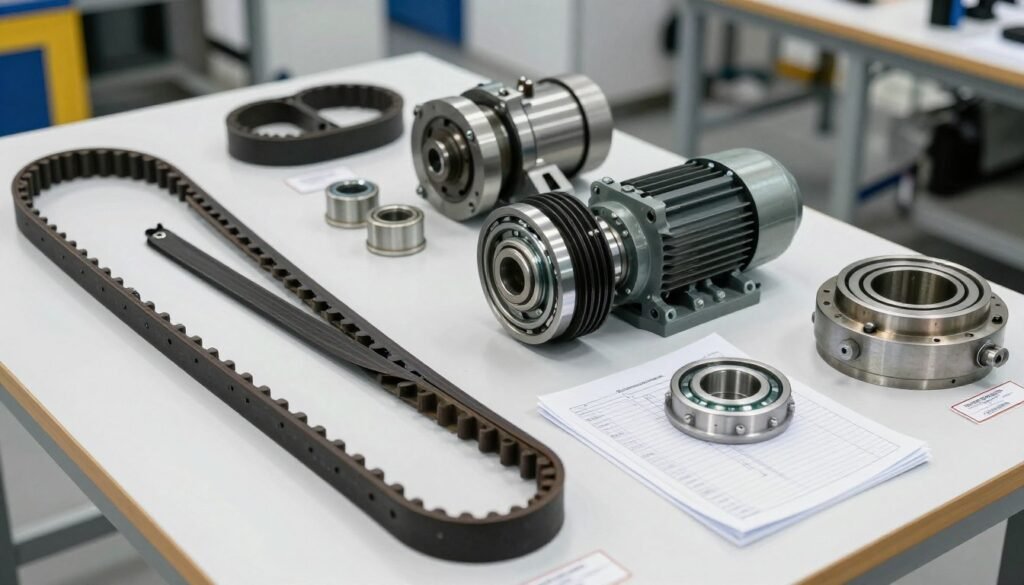
Drive system failures account for approximately 30% of unplanned stoppages in chicken feed production line facilities. Maintaining adequate belt and coupling inventory prevents most of these incidents.
V-Belt Inventory
Modern pellet mills use multiple belt configurations. Stock all sizes present in your system.
- Main drive belts (motor to gearbox)
- Auxiliary equipment belts (feeders, conveyors)
- Fan and cooling system belts
- Belt tensioning tools and alignment gauges
Couplings and Connections
Flexible couplings absorb vibration and protect motors. Keep spares for critical junctions.
- Motor to gearbox coupling assemblies
- Gearbox to pellet mill shaft couplings
- Coupling spider inserts and hardware
- Alignment shims and adjustment components
Bearing Inventory
Bearings support rotating components throughout the system. Standardise where possible.
- Main shaft bearings (pellet mill)
- Roller support bearings
- Motor bearings for critical drives
- Conveyor roller bearings
Gearbox Components
Gearbox maintenance prevents costly failures. Stock key wear items.
- Gearbox oil seals and gaskets
- Input and output shaft seals
- Breather caps and fill plugs
- Recommended lubricant (sufficient quantity)
Conveying and Material Handling
Material flow interruptions stop production just as effectively as pellet mill failures. Conveyor systems moving raw materials into and finished pellets out of the cattle feed production line require specific spare parts attention.
Belt Conveyor Essentials
- Conveyor belting matching width and specification of each system section
- Belt fasteners, clips and splicing materials
- Conveyor rollers and idlers for all conveyor types
- Belt tracking guides and adjustable supports
- Conveyor drive motors and gearboxes (for critical conveyors)
Elevator and Bucket Systems
Bucket elevators lift materials between process stages. Their failure creates immediate production stoppage.
- Elevator belting with bucket mounting capabilities
- Replacement buckets (plastic or metal depending on system)
- Elevator head and boot shaft bearings
- Belt tracking and tensioning components
- Safety switches and sensor replacements
Featured Equipment: MAIKONG Model MK-L003 Pellet Production System
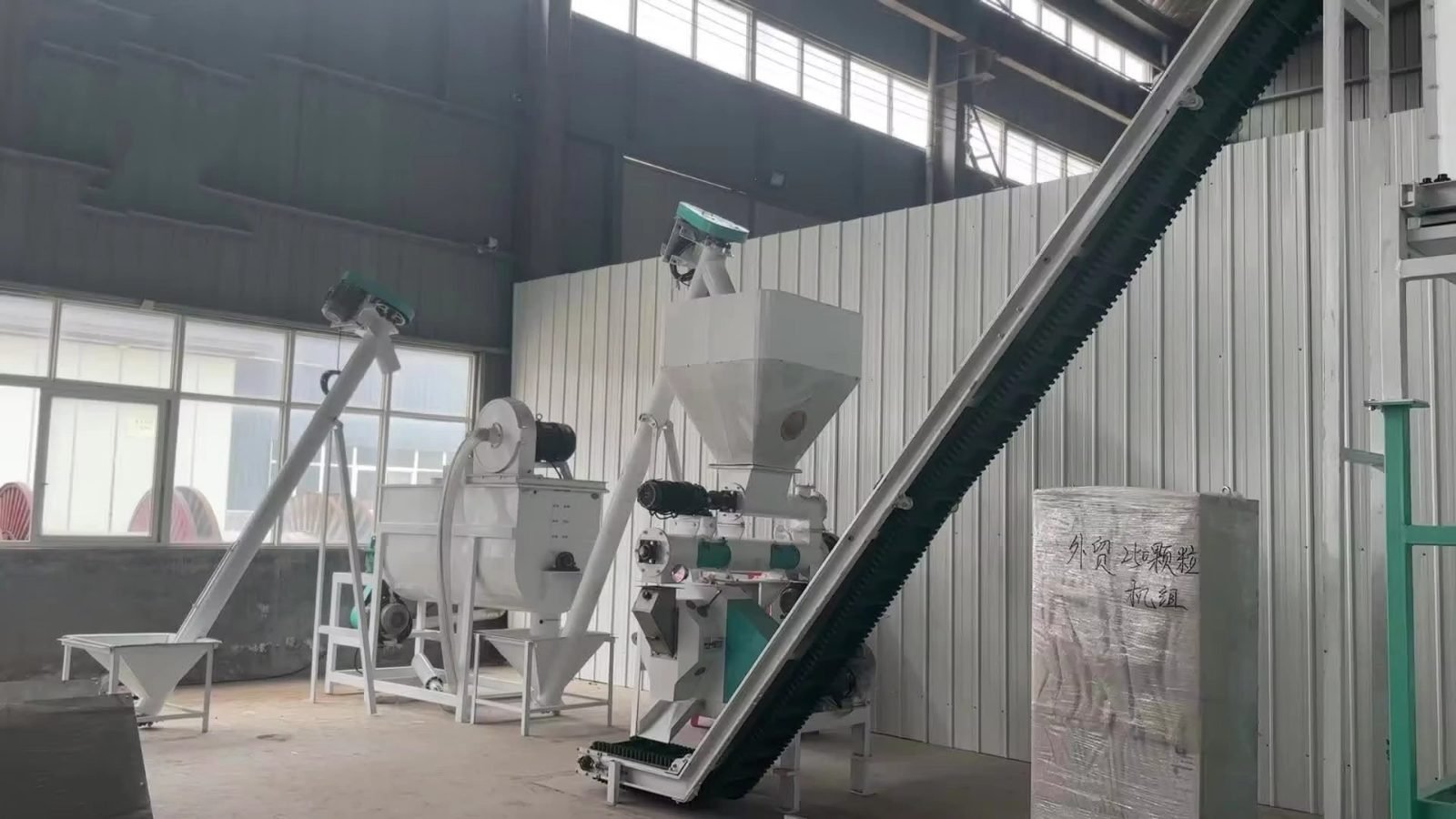
MK-L003 Complete Pellet Production Line
| Model Number | MK-L003 |
| Production Capacity | 3-5 tonnes per hour |
| Main Motor Power | 55 kW (customisable for UK 400V supply) |
| Dimensions (L×W×H) | 12.5m × 4.2m × 6.8m |
| System Weight | 8,750 kg (complete line) |
| Control System | Automatic PLC with manual override |
| Material | Industrial steel frame, ABS control housing |
| Colour Options | Industrial grey (standard), custom colours available |
| Typical Price Range | £45,000-£62,000 (depending on configuration) |
| Stock Availability | Standard models: 30-45 days delivery to UK |
System Components Included
- Raw material crusher (hammer mill type)
- Automatic batching and mixing system
- Conditioning chamber with steam injection
- Ring die pellet mill (replaceable die system)
- Counterflow pellet cooler
- Vibrating screen and crumbler
- Automated packaging system
- Complete electrical control cabinet
The MK-L003 serves medium-capacity British feed mills producing poultry feed production line output, pig feed production line formulations, and general livestock feeds. Its modular design simplifies spare parts replacement and maintenance scheduling.
Spare Parts Inventory ROI: Calculating the True Cost of Downtime
British feed mill operators face a financial decision. Investment in spare parts inventory ties up working capital. Yet inadequate inventory creates downtime costs that dwarf parts expenses.
Quantifying Downtime Expenses in UK Feed Manufacturing
True downtime costs extend beyond obvious production losses. A comprehensive calculation includes direct and indirect impacts.
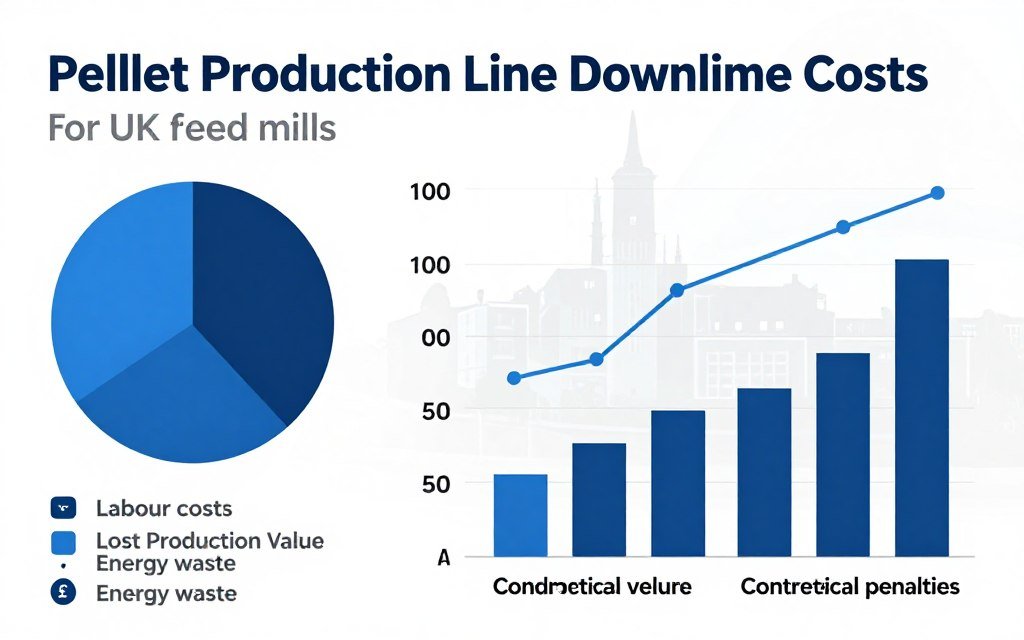
Direct Cost Components
Lost production value represents the most visible expense. A mill running at 5 tonnes per hour producing poultry feed valued at £280 per tonne loses £1,400 in product value for each hour stopped.
Labour costs continue during stoppages. Maintenance technicians work overtime. Production staff wait idly. A typical 8-person shift at average UK manufacturing wages costs approximately £240 per hour regardless of output.
Energy waste occurs as equipment cools then requires reheating. Pellet conditioning systems need steam. Start-up procedures consume electricity without producing finished goods. Mills report 2-4 hours of productive capacity lost to thermal cycling after unplanned stops.
Indirect Financial Impacts
Contractual penalties affect mills supplying supermarket chains or large integrators. Delivery commitments carry financial consequences. Late penalties typically range from 5-15% of order value.
Customer confidence erodes with unreliable delivery performance. Feed mills operate in competitive markets. Buyers remember supply failures when contracts renew.
Emergency freight costs spike when production delays require expedited shipping to meet commitments. Standard pallet delivery costs £120-£180 within the UK. Emergency same-day freight reaches £450-£750 per pallet.
Real-World Case Study: Norfolk Poultry Feed Producer
A 6-tonne-per-hour facility experienced roller bearing failure on a Friday afternoon. No spare assembly existed in inventory. Weekend emergency sourcing proved impossible. Production resumed Tuesday morning.
Total downtime: 64 hours (Friday 2pm through Tuesday 6am)
Financial impact breakdown:
- Lost production: 384 tonnes × £265 per tonne = £101,760
- Continued labour costs: £18,240
- Emergency roller assembly (air freight): £3,850
- Contractual penalties (two customers): £8,400
- Emergency delivery freight: £2,100
Total cost: £134,350
A spare roller assembly costs approximately £2,800. The ROI on that inventory investment becomes obvious.
Building the Business Case for Strategic Inventory
Finance directors question spare parts spending. They see capital tied up in components sitting unused. Presenting downtime costs in clear financial terms shifts the conversation.
| Production Capacity | Recommended Spare Parts Investment | Single Downtime Event Cost (24 hours) | ROI Timeline |
| 2-3 tonnes/hour | £12,000-£18,000 | £28,000-£42,000 | One prevented incident |
| 4-6 tonnes/hour | £22,000-£35,000 | £52,000-£78,000 | One prevented incident |
| 8-12 tonnes/hour | £45,000-£72,000 | £98,000-£147,000 | One prevented incident |
| 15-20 tonnes/hour | £85,000-£125,000 | £182,000-£243,000 | One prevented incident |
These figures demonstrate that preventing a single major downtime event justifies the entire recommended spare parts investment. Most mills experience 2-4 such incidents annually without adequate inventory.
Managing Supplier Relationships for Reliable Spare Parts Access
Component availability depends on supplier relationships. British feed mills benefit from diversified sourcing strategies that balance cost, delivery speed, and technical support.
European Suppliers: Speed vs. Cost Trade-offs
European manufacturers offer faster delivery to the UK compared to Asian sources. Current lead times range from 10-21 days including Brexit customs procedures.
Price premiums typically run 25-40% higher than Chinese manufacturers. However, reduced freight costs and faster response partially offset component price differences.
Technical support benefits from similar time zones and language. Phone consultations occur during normal business hours. Cultural familiarity smooths communication.
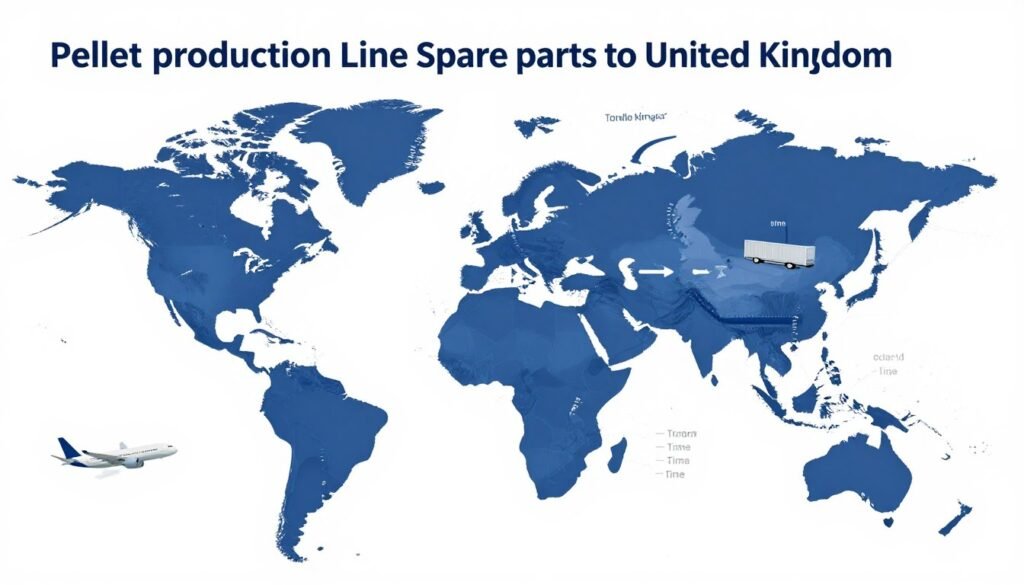
Asian Manufacturers: Long-term Strategic Partnerships
Chinese suppliers like MAIKONG offer significant cost advantages. Component pricing runs 30-45% below European equivalents. This matters when stocking multiple die sets and roller assemblies.
Delivery timelines require advance planning. Sea freight takes 25-40 days from GD province, SZ city to UK ports. Air freight reduces transit to 5-8 days but costs increase dramatically.
Successful Asian supplier relationships require clear communication and detailed specifications. MAIKONG’s 22 years of manufacturing experience means technical staff understand international feed mill requirements. Email communication at Lucy@feedproductionline.uk connects directly with experienced technical support.
Building Effective Multi-Supplier Strategies
Smart mills use both supplier types strategically. Critical components requiring immediate availability come from European sources. Standard parts ordered in planned cycles arrive from Asian manufacturers at lower cost.
Recommended European Sourcing
- Emergency replacement dies (keep one local)
- Critical bearings for main shaft assemblies
- Specialty sensors and electronic components
- Custom formulation-specific die specifications
Recommended Asian Sourcing
- Standard die sets (planned replacements)
- Complete roller assemblies
- Belting and conveyor components
- Bulk bearing orders and maintenance supplies
- Complete equipment upgrades or expansions
Quality Verification and Compatibility Assurance
Not all replacement parts perform identically to originals. Quality variations affect production output and component lifespan.
Requesting material certifications helps verify component specifications. Dies should specify steel grade and hardness. Bearings need load ratings and dimensional tolerances. Belts require tensile strength and temperature range data.
Compatibility confirmation prevents costly mistakes. Pellet production line components from different manufacturers may share similar specifications without being directly interchangeable. Dimensional drawings and model-specific part numbers ensure correct fitment.
MAIKONG provides detailed technical specifications for all feed pellet production line components. Their engineering team assists with compatibility verification before orders ship. This reduces returns and prevents installation problems.
Predictive Maintenance: Reducing Emergency Spare Parts Needs
Proper maintenance scheduling extends component life and reduces unexpected failures. British mills adopting predictive approaches report 40-60% fewer emergency spare parts requirements.
Condition Monitoring Technologies
Modern sensors and analysis tools identify developing problems before component failure occurs. This shifts maintenance from reactive to planned.
Vibration Analysis for Rotating Components
Vibration sensors detect bearing wear, shaft misalignment, and imbalance conditions. Mounting accelerometers on pellet mill housings, roller assemblies, and motor frames provides continuous monitoring.
British mills using portable vibration analysers perform monthly inspections. Data trends reveal gradual degradation. Maintenance schedules around production demands rather than emergency stoppages.
Typical vibration monitoring equipment costs £2,800-£6,500. The investment pays back within months through prevented downtime.
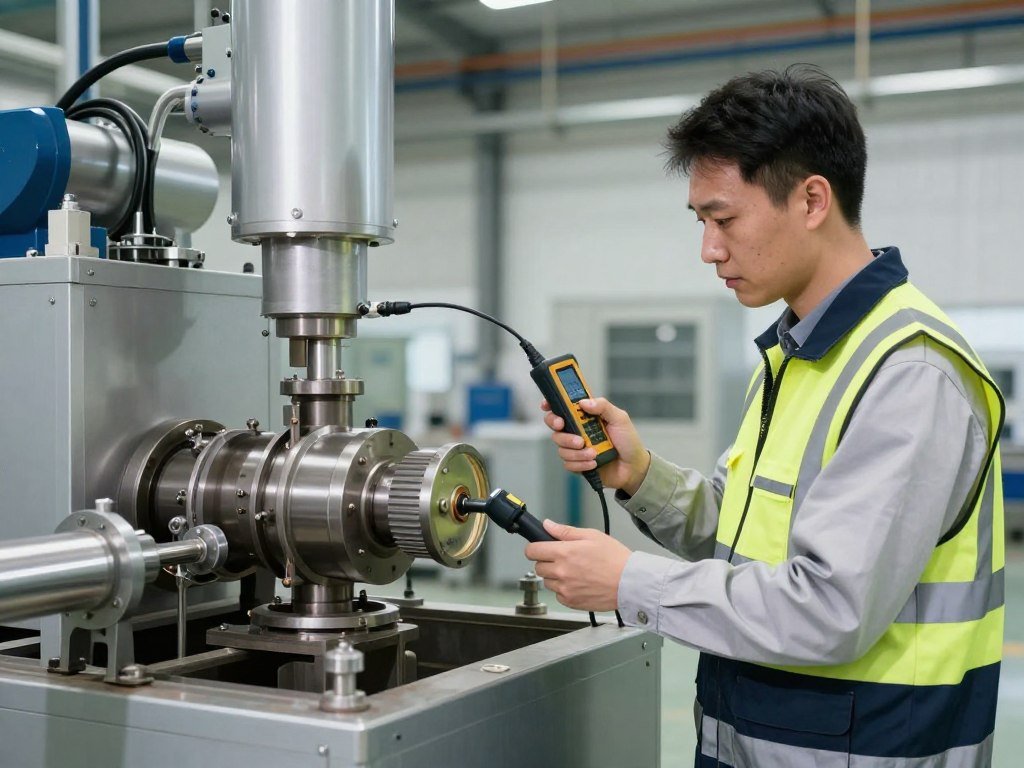
Thermal Imaging for Early Problem Detection
Temperature variations indicate developing mechanical problems. Overheating bearings, binding rollers, and electrical connection issues show clear thermal signatures.
Thermal imaging cameras costing £1,200-£4,800 allow quick system scans. Monthly thermal surveys during operation reveal problems invisible to visual inspection.
Hot spots on roller assemblies indicate bearing degradation. Temperature differences across die surfaces show uneven wear patterns. Electrical panel surveys catch loose connections before failures.
Scheduled Component Replacement Programs
Replacing components on planned schedules prevents unexpected failures. This approach suits high-value parts with predictable wear patterns.
| Component | Inspection Frequency | Replacement Interval | Advance Planning Time |
| Pellet Dies | Weekly visual | Every 800-1200 hours | 4-6 weeks |
| Roller Assemblies | Monthly detailed | Every 1500-2500 hours | 6-8 weeks |
| Drive Belts | Weekly tension check | Every 3000-4500 hours | 2-3 weeks |
| Main Shaft Bearings | Monthly vibration analysis | Every 5000-7000 hours | 6-8 weeks |
| Conveyor Belts | Weekly visual | Every 4000-6000 hours | 3-4 weeks |
Production hours tracking proves essential for scheduled replacement programs. Most animal feed production line control systems include hour meters. Manual logs work for facilities without automated tracking.
Documentation and Historical Records
Maintenance records reveal patterns that improve spare parts planning. Tracking component failures by type, location, and operating conditions identifies chronic issues.
British mills maintaining detailed records discover formulation-specific wear patterns. Dies processing high-mineral aquatic feeds wear faster. Rollers handling abrasive ingredients need more frequent replacement.
Digital maintenance management systems cost from £800-£3,200 depending on functionality. Even simple spreadsheet tracking delivers valuable insights. Record minimum details including component type, installation date, removal date, failure mode, and operating hours.
Proper Spare Parts Storage and Handling Procedures
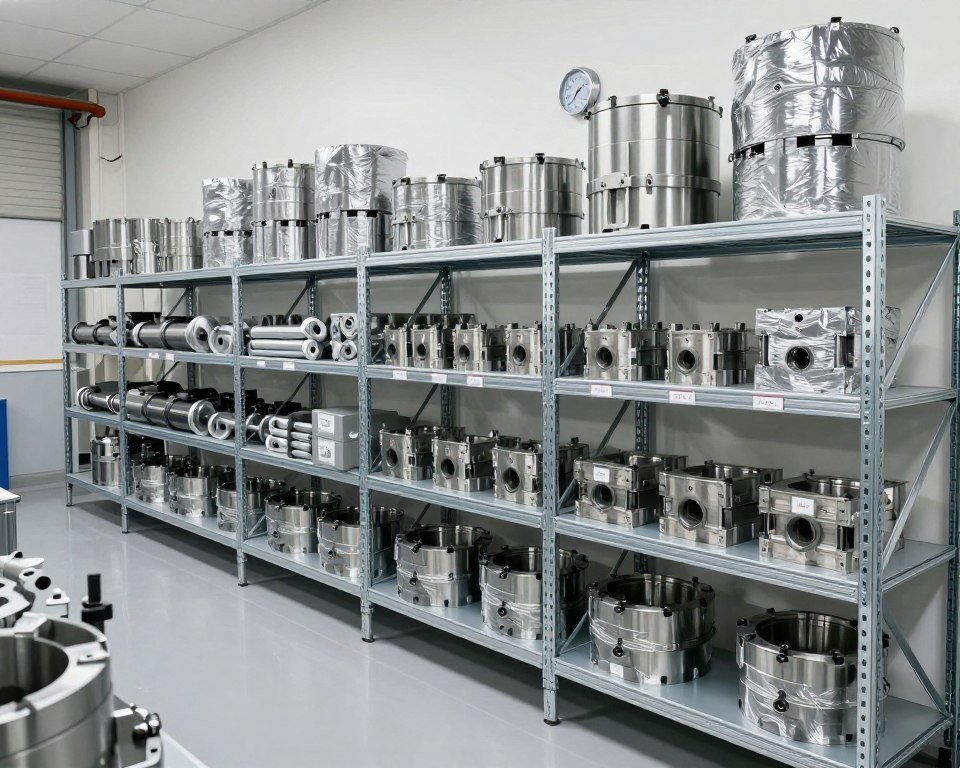
Quality components deteriorate through improper storage. British climate conditions create specific challenges for metal parts and rubber products.
Environmental Control Requirements
Dies and rollers resist corrosion through proper storage. Clean, dry environments prevent rust formation that damages precision surfaces.
Temperature and Humidity Management
UK facilities experience significant seasonal humidity variation. Summer months bring moisture that accelerates corrosion. Winter heating creates dry conditions that degrade rubber components.
Ideal storage maintains 40-60% relative humidity and 15-25°C temperature. This range preserves metal components whilst preventing rubber hardening.
Dies should receive light coating of preservative oil before storage. This barrier prevents oxidation during shelf life. Remove preservative with solvent before installation.
Bearing Storage Protocols
Bearings arrive with protective packaging that prevents contamination. Leave them sealed until installation. Once opened, bearings exposed to airborne particles lose precision rapidly.
Store bearings horizontally to prevent distortion. Vertical storage of large bearings creates internal stress over time. Rotate stock using first-in-first-out methods to prevent shelf-life expiry.
Belt and Rubber Component Care
Rubber deteriorates through environmental exposure. Drive belts and conveyor belts require specific storage attention.
Avoid hanging belts over bars or hooks. This creates stress concentrations that weaken fibres. Store flat or loosely coiled on shelves. Support coils to prevent flattening that causes permanent deformation.
Keep rubber components away from electric motors, fluorescent lights, and welding equipment. Ozone generated by electrical arcing accelerates rubber degradation. Ultraviolet exposure hardens and cracks rubber surfaces.
Temperature extremes damage belt materials. Cold below 5°C makes rubber brittle. Heat above 30°C accelerates aging. Maintain storage areas within 10-25°C for maximum component life.
Inventory Organization and Accessibility
Emergency situations require immediate parts access. Organization systems that work during normal operations may fail under pressure.
Effective Labeling Systems
- Large, clear labels visible from 2 metres distance
- Part numbers matching equipment manuals
- Application notes (which equipment uses each part)
- Installation date if component has shelf life
- Quantity remaining for items stocked in multiples
Physical Organization Principles
- Group parts by equipment type (pellet mill, conveyors, etc.)
- Place frequently needed items at convenient heights
- Reserve lower shelves for heavy components
- Maintain clear floor space for emergency access
- Keep installation tools near corresponding parts
Photograph your storage system. Distribute copies to all maintenance staff and management. During midnight emergencies, clear visual references help locate components quickly.
MAIKONG UK Distributor and OEM Partnership Opportunities
The British feed industry continues expanding. Rising demand for pet feed production line capacity and aquatic feed production line installations creates opportunities for equipment distributors and technical service providers.
Why British Feed Mills Choose MAIKONG Equipment
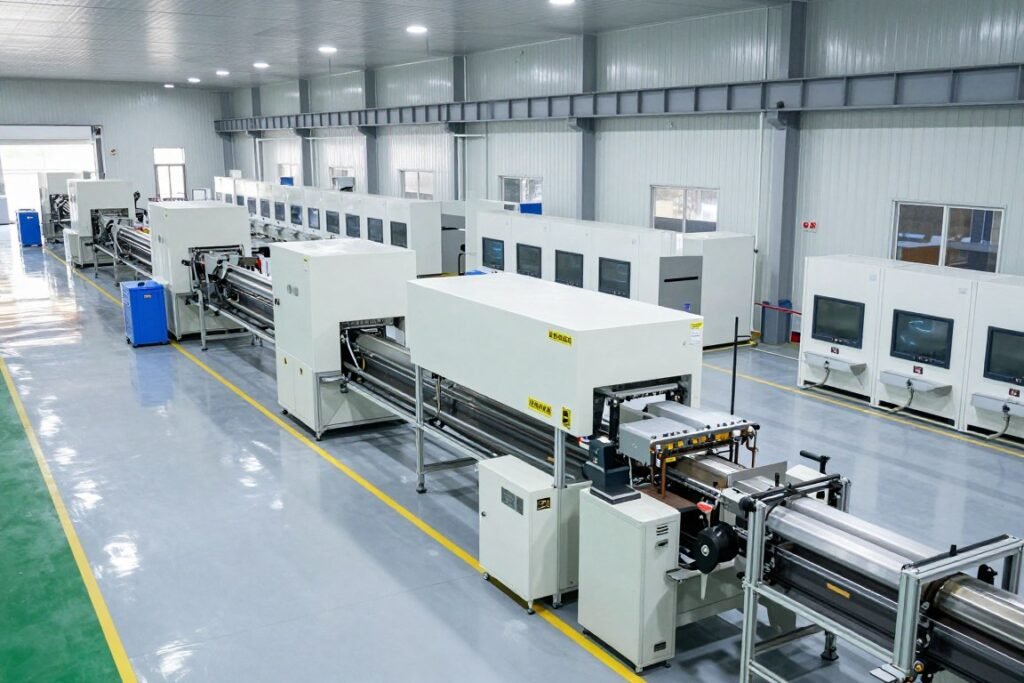
MAIKONG brings 22 years of feed production line manufacturing experience. Their facility in GD province, SZ city produces complete systems from 200kg to 200 tonnes per hour capacity.
Quality control procedures meet international standards. Each feed production line undergoes testing before shipment. Performance verification ensures equipment meets specified capacity and efficiency targets.
Product Range Suitable for UK Markets
Complete Production Lines
- Poultry feed systems (200kg to 50 tonnes/hour)
- Livestock feed lines for cattle, pigs, sheep
- Aquatic feed production (fish, shrimp formulations)
- Pet food manufacturing systems
- Specialty feeds (rabbits, game birds, exotic species)
Individual Equipment
- Hammer mills and crushers (various capacities)
- Pellet mills (ring die and flat die models)
- Mixers and batching systems
- Coolers and drying equipment
- Packaging and bagging machinery
Spare Parts Supply
- Dies for all pellet mill models
- Roller assemblies and components
- Screens and hammers for crushers
- Wear parts and replacement components
- Electrical and control system parts
Technical Support and After-Sales Service
Equipment purchases represent long-term relationships. MAIKONG provides ongoing technical assistance that supports customer success.
Installation support includes detailed manuals, assembly drawings, and video guidance. Technical staff assist via email and video calls during commissioning. Complex installations can include on-site technician visits.
Training programs help customers maximize equipment performance. Operating procedures, maintenance schedules, and troubleshooting guidance ensure mills run efficiently.
Spare parts availability distinguishes MAIKONG from competitors. Their spare parts inventory ships quickly. Common components leave the factory within 3-5 business days. Custom items require 2-3 weeks production time.
OEM and ODM Customization Capabilities
British distributors serving specialized markets benefit from MAIKONG’s customization services. Equipment modifications address unique requirements.
Electrical System Customization
UK power supply operates at 400V three-phase. MAIKONG configures motors, control panels, and electrical systems to British standards. CE marking certification ensures compliance with UK safety regulations.
Capacity and Configuration Options
Feed formulations vary by species and production philosophy. Organic producers need different specifications than conventional operations. MAIKONG engineers customize systems matching specific requirements.
Pellet size ranges from 2mm for small fish to 12mm for cattle. Die configurations adapt to formulation density and ingredient characteristics. Mills processing high-moisture ingredients receive enhanced conditioning systems.
Branding and Private Label Programs
Distributors building brand recognition benefit from OEM arrangements. MAIKONG applies customer logos, colours, and identification to equipment. Control panels, nameplates, and documentation carry distributor branding.
This positions distributors as equipment manufacturers whilst leveraging MAIKONG’s production expertise. Margins improve compared to simple resale arrangements.
Become a MAIKONG Distributor in Britain
We seek established feed equipment distributors and technical service providers to represent MAIKONG in the UK market. Our partnership program includes competitive pricing, technical training, marketing support, and spare parts programs. With 22 years of manufacturing excellence and complete customization capabilities, MAIKONG provides the foundation for successful distribution businesses.
Success Stories: UK Feed Mills Optimizing Spare Parts Planning
Real-world examples demonstrate how strategic spare parts management improves operational reliability across different production scales.
Case Study: Welsh Poultry Feed Cooperative
This cooperative operates a 4-tonne-per-hour poultry feed production line supplying 85 member farms across South Wales. Previous reactive maintenance created frequent stoppages affecting delivery reliability.
The Challenge
Monthly production interruptions averaged 18-24 hours. Emergency parts sourcing cost premium prices. Customer confidence declined as delivery delays became routine.
Financial analysis revealed downtime costs exceeding £145,000 annually. Yet management hesitated committing capital to spare parts inventory.
The Solution
Working with MAIKONG technical support, the cooperative implemented a strategic inventory program:
- Two complete die sets for their primary formulations
- One spare roller assembly maintained installation-ready
- Complete belt inventory for all conveying systems
- Bearing kits covering all critical rotating equipment
- Monthly vibration analysis monitoring program
Total investment: £28,400 in spare parts plus £3,200 for vibration analysis equipment.
Results After 18 Months
Achieved Benefits
- Unplanned downtime reduced to 4 hours over 18 months
- Emergency parts purchases eliminated completely
- Delivery reliability improved to 99.7%
- Customer retention increased
- Annual downtime costs dropped from £145,000 to £8,200
- ROI achieved within 3 months
Implementation Challenges
- Initial capital approval required board presentation
- Storage space reorganization needed weekend work
- Staff training on vibration analysis took 2 months
- Documentation procedures required cultural change
Case Study: Scottish Aquaculture Feed Manufacturer
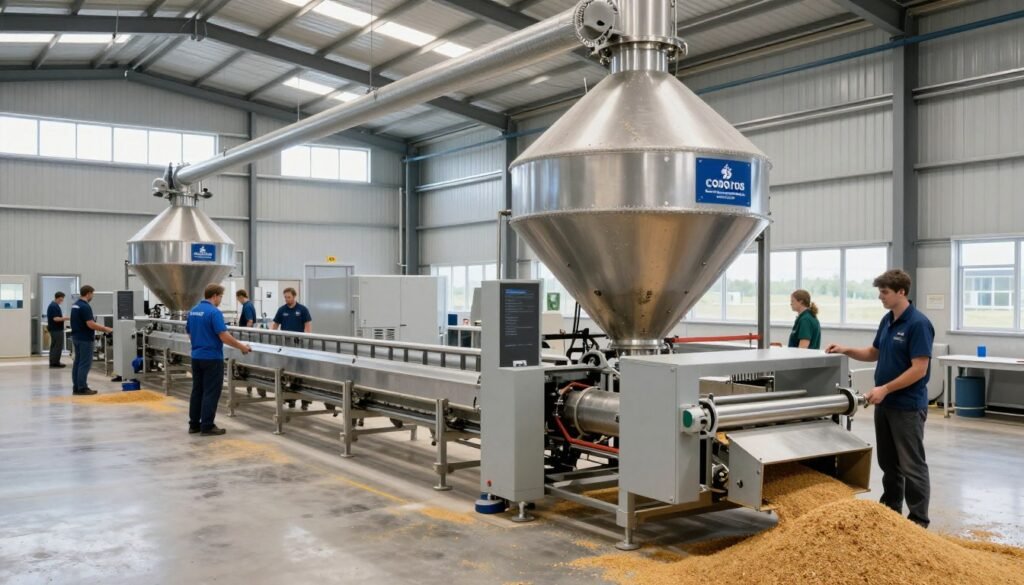
This specialized producer creates high-protein feeds for salmon farming operations throughout Scotland. Their fish feed production line runs 20 hours daily during peak season.
Unique Operational Demands
Aquaculture feeds contain marine proteins and oils that accelerate equipment wear. Die life averages only 400-600 hours compared to 800-1200 for poultry formulations.
Seasonal production patterns create intense demand from March through October. Equipment failures during peak season create severe financial consequences as salmon feeding schedules cannot be delayed.
Customized Spare Parts Strategy
MAIKONG worked with the facility to develop specialized solutions:
- Four die sets in rotation (two in use, two as immediate spares)
- Dies manufactured from enhanced steel alloy resisting marine protein corrosion
- Three complete roller assemblies allowing rapid replacement
- Pre-season inventory buildup during winter months
- Direct shipping arrangement reducing lead times to 18 days
Operational Improvements
The specialized approach delivered measurable results. Peak season downtime dropped from 140 hours annually to 12 hours. Die costs actually decreased despite higher-grade materials because extended life offset price premium.
The facility now schedules die changes during planned weekly maintenance windows. Predictable replacement prevents emergency stops during critical production periods.
Frequently Asked Questions About Pellet Production Line Spare Parts
How long do pellet dies typically last in UK feed production environments?
Die lifespan varies significantly based on formulation characteristics and production volume. Standard poultry feeds yield 800-1200 operating hours per die. Cattle feed formulations extend this to 1200-1800 hours due to lower abrasiveness. However, aquatic feeds containing fish meal and marine proteins wear dies much faster, typically 400-700 hours. High-mineral formulations for specialized applications may see even shorter lifespans.
UK feed mills should track production hours and pellet quality metrics to establish replacement schedules specific to their formulations. Dies showing inconsistent pellet length, increased fines production, or rising motor amperage require immediate replacement regardless of hours.
What spare parts inventory should a new 5-tonne-per-hour feed mill maintain?
A 5-tonne-per-hour operation represents medium capacity requiring comprehensive spare parts coverage. Recommended minimum inventory includes two complete die sets matching your primary formulations, two roller assemblies ready for installation, three sets of all drive belts, two complete bearing kits plus individual high-wear bearings, and complete conveyor belt stock for all system conveyors.
Additionally, maintain electrical components including contactors, overload relays, sensors, and control panel fuses. This inventory level, typically costing £25,000-£38,000, prevents most unplanned stoppages whilst representing less than three days of lost production value.
Can I use generic replacement parts instead of manufacturer-specific components?
Generic parts carry risks that often outweigh cost savings. Dies must match precise specifications for hole diameter, thickness, and material hardness. Incorrect dies produce inconsistent pellets affecting animal performance and customer satisfaction. Roller assemblies require exact dimensional matching to maintain proper die clearance. Generic rollers may cause premature die wear or produce poor-quality pellets.
However, certain components like standard bearings, common belt sizes, and electrical items safely accept generic alternatives if specifications match exactly. MAIKONG technical support helps customers identify which components accept generic substitution and which require original specifications. The guidance prevents costly mistakes whilst optimizing parts budgets.
How does Brexit affect spare parts delivery times from EU suppliers?
Brexit added 7-14 days to previous delivery timelines from European suppliers. Customs documentation, border inspections, and VAT processing create delays absent before January 2021. Previously reliable 3-5 day deliveries now require 10-21 days planning.
This makes Chinese suppliers like MAIKONG increasingly competitive. Whilst sea freight requires 25-40 days, the timeline difference from EU sources narrowed considerably. Air freight from Asia delivers in 5-8 days, comparable to current EU ground transport. Additionally, component costs from Asian manufacturers run 30-45% below European pricing, offsetting freight expenses for larger orders.
What ROI should I expect from investing in predictive maintenance equipment?
Vibration analysis equipment costing £2,800-£6,500 typically pays for itself within 3-6 months through prevented downtime. Thermal imaging cameras at £1,200-£4,800 show similar returns. The technology identifies developing problems before component failure, allowing scheduled replacement during convenient maintenance windows rather than emergency stops during production.
British mills using predictive maintenance report 40-60% reduction in unplanned downtime. For a 5-tonne-per-hour operation where downtime costs £6,500 per day, preventing just two emergency stops annually justifies the equipment investment. Most facilities prevent 4-8 incidents yearly, delivering substantial ongoing returns beyond initial payback.
Request Your Spare Parts Assessment and Quotation
MAIKONG technical specialists provide free spare parts planning consultation for UK feed mills. Our assessment considers your production capacity, formulations, operating schedule, and budget constraints.
Our technical team responds within 24 hours on business days
Alternative Contact Methods
Direct Phone/WhatsApp
Immediate technical questions? Our support line operates during UK business hours with evening availability.
Email Correspondence
Detailed technical inquiries, distributor applications, and OEM discussions receive thorough written responses.
Include equipment details and specific requirements for fastest response
Conclusion: Strategic Spare Parts Planning Delivers Operational Excellence
British feed manufacturers operate in an increasingly challenging environment. Energy costs pressure margins. Supply chain complexity creates uncertainty. Customer expectations demand consistent delivery reliability.
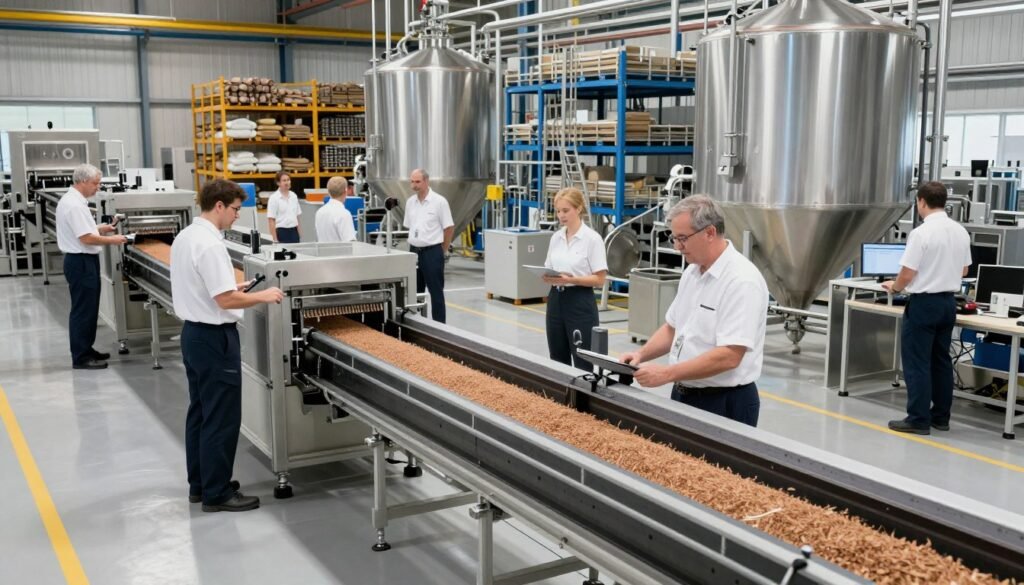
Strategic spare parts planning addresses these pressures directly. Adequate inventory prevents production stoppages that destroy profitability. Predictive maintenance extends component life whilst reducing emergency situations. Supplier relationships balance cost efficiency against delivery reliability.
The financial case proves compelling. Investment in comprehensive spare parts inventory pays for itself through a single prevented downtime event. Ongoing benefits accumulate as reliable production builds customer confidence and market reputation.
MAIKONG supports British feed industry success through quality equipment, technical expertise, and responsive service. Our 22 years of pellet production line manufacturing experience serves mills from 200kg to 200 tonnes per hour capacity.
Whether you operate established facilities requiring spare parts support or plan new feed production line installations, our technical team provides guidance matching your specific requirements. Custom solutions address unique formulations, production schedules, and operational constraints.
UK distributor opportunities remain available for qualified partners. We seek established equipment suppliers and technical service providers ready to represent quality manufacturing in British markets. Partnership programs include competitive pricing, training support, and marketing assistance.
Contact our team today to discuss your spare parts requirements or explore partnership opportunities. Together, we’ll build the operational reliability your business demands.
Ready to Optimize Your Spare Parts Strategy?
Connect with MAIKONG technical specialists for personalized consultation on spare parts planning, inventory optimization, and maintenance scheduling. We help British feed mills achieve maximum uptime through strategic component management and predictive maintenance programs.
MAIKONG | 22+ Years Manufacturing Excellence
GD Province, SZ City | Serving UK Feed Industry
Phone/WhatsApp: +86 15815556422
Website: feedproductionline.uk