
Pet feed manufacturers across the United Kingdom face a difficult calculation. When does patching up ageing equipment cost more than investing in modern pellet plant technology? This decision affects profit margins, product quality, customer relationships, and competitive positioning in an industry where efficiency separates thriving operations from struggling ones.
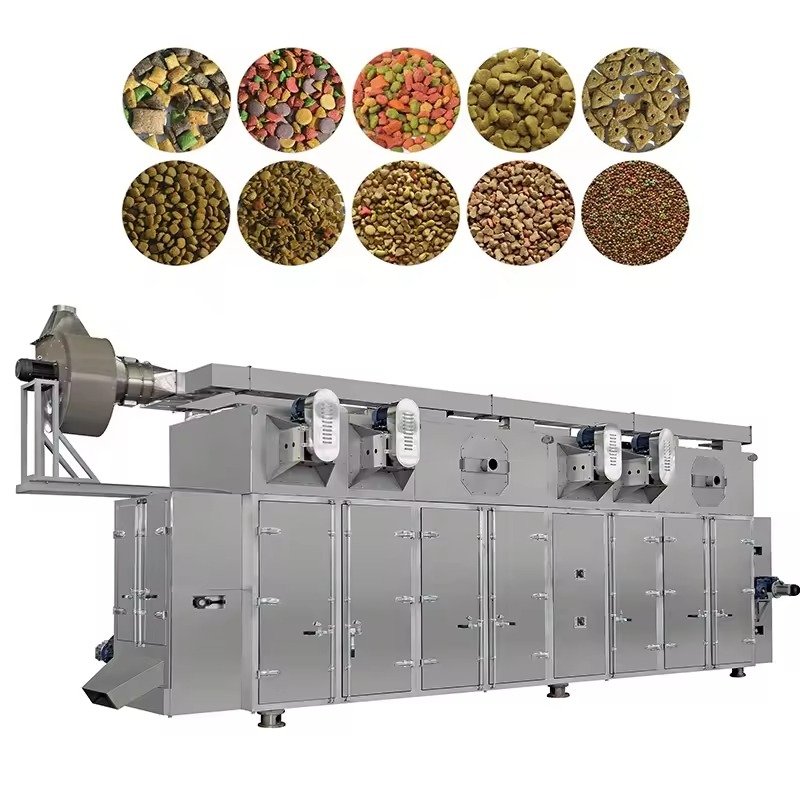
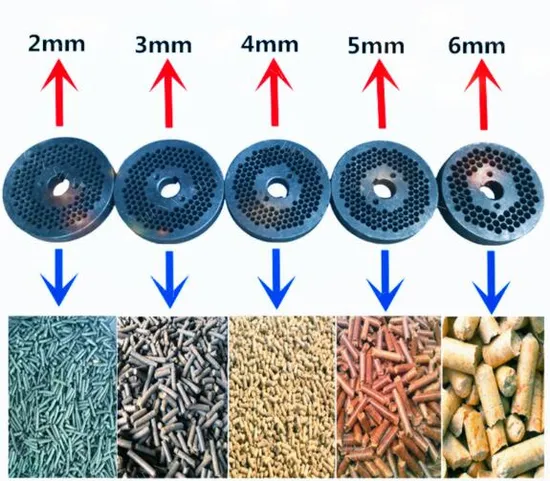
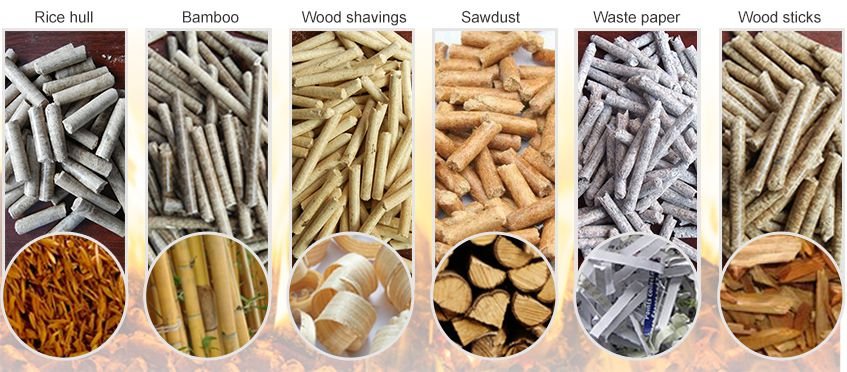
MAIKONG, with twenty-two years manufacturing experience in feed production systems, has observed this pattern countless times. Factory owners delay replacement decisions, hoping their existing pet feed production line will survive another season. Meanwhile, maintenance expenses climb, energy bills soar, and production capacity shrinks.
This article examines specific warning signals that indicate your maintenance spending has crossed into uneconomical territory. We focus particularly on pet food pellet production, where ingredient costs, shape consistency, hygiene standards, and packaging requirements create unique operational demands.
The decision to replace equipment represents significant capital expenditure. Understanding when repairs transform from sensible maintenance into wasteful spending helps UK factory owners make informed financial choices that protect their businesses.
Is Your Maintenance Budget Out of Control?
UK pet feed producers: Calculate whether your repair spending has exceeded replacement economics. MAIKONG provides free ROI assessments comparing your current costs against modern feed pellet production line efficiency.
Recognising the Financial Tipping Point
Pellet production equipment doesn’t fail suddenly in most cases. Deterioration happens gradually. A bearing wears, output drops by three percent, then five, then twelve. The hammer mill takes longer to crush ingredients. The cooling system struggles during summer months. Each issue seems manageable individually.
The cumulative effect, however, transforms profitability. A pellet machine operating at seventy-eight percent capacity versus ninety-four percent design specification doesn’t just reduce output. It increases energy consumption per tonne, stresses connected components, generates more dust, and requires more frequent intervention.
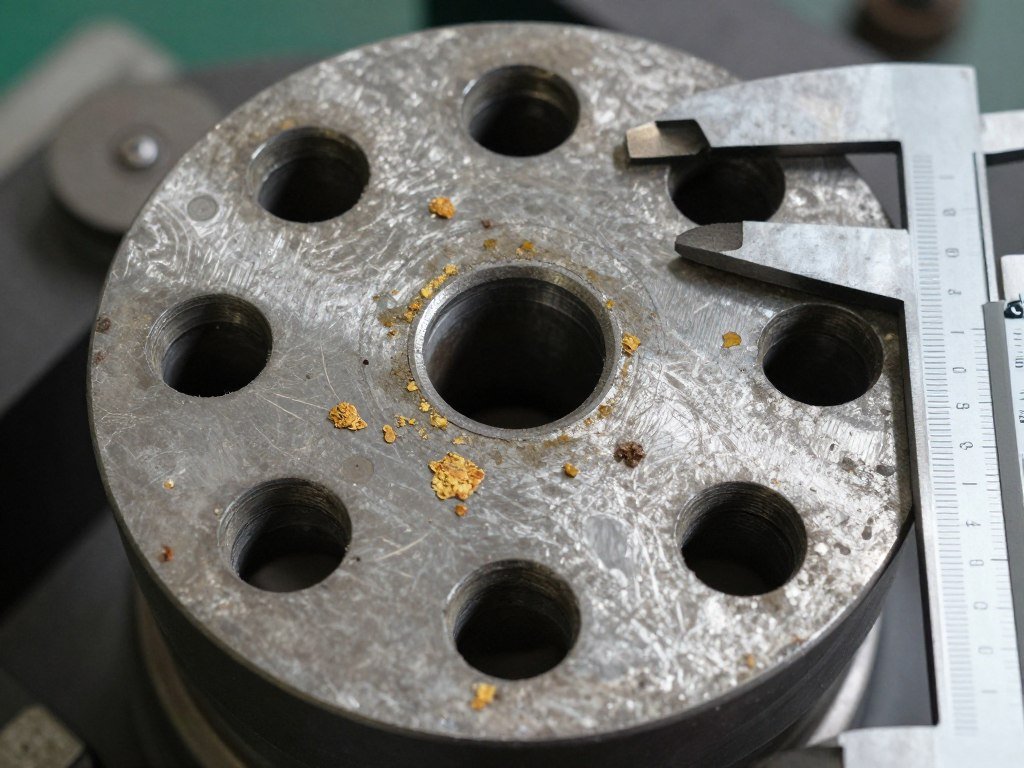
Pet food production adds complexity. Shape matters—consumers expect consistent kibble appearance. Texture affects palatability. Contamination risks require strict hygiene protocols. These factors mean that pellet line performance directly impacts product quality, not just quantity.
British feed manufacturers face additional pressures. Energy prices in the UK exceed European averages. Labour costs continue rising. Supply chain disruptions since 2020 have extended spare parts lead times. These realities compress the timeline when replacement becomes financially necessary.
The sections below detail specific indicators. Each signal alone might not justify replacement. Multiple simultaneous symptoms, however, typically indicate that continuing with existing equipment costs more than upgrading to modern pellet production technology.
Maintenance Frequency Escalation
Monthly Service Visits Becoming Weekly Interventions
Your service contract specified quarterly preventive maintenance. Then you added monthly checks. Now the engineer visits twice weekly. This progression reveals fundamental system degradation that routine maintenance cannot address.
Modern animal feed production line systems from manufacturers like MAIKONG incorporate predictive maintenance sensors. Temperature monitoring, vibration analysis, and load measurement alert operators before failures occur. Equipment from the 2008-2012 generation lacks these capabilities.

Consider the mathematics. If weekly service visits cost £380 each (conservative estimate including parts and labour), annual maintenance expenses reach £19,760. A new pellet mill might cost £45,000-£65,000 depending on capacity. Your payback period shrinks when comparing ongoing maintenance against capital investment.
Emergency Repairs Outnumbering Scheduled Maintenance
Planned maintenance happens during scheduled downtime. Emergency repairs interrupt production. The distinction matters because unplanned stoppages cascade through operations. Raw materials spoil. Delivery schedules slip. Staff wait idly whilst mechanics troubleshoot.
When emergency interventions exceed scheduled maintenance visits, your equipment has moved beyond reliable service life. This pattern indicates component fatigue, where fixing one problem stresses adjacent systems that then fail.
Scheduled Maintenance Characteristics
- Predictable timing
- Parts ordered in advance
- Work completed during planned downtime
- Lower labour costs (regular rates)
- Minimal production disruption
Emergency Repair Characteristics
- Unpredictable timing
- Rush parts delivery (premium pricing)
- Interrupts active production runs
- Higher labour costs (call-out fees, overtime)
- Significant operational disruption
Spare Parts Procurement Difficulties
Obsolescence creeps quietly. Manufacturers discontinue older models. Parts suppliers consolidate. What once arrived next-day now requires three weeks shipped from Asia. Some components become unavailable entirely, forcing expensive custom fabrication.
UK importers face particular challenges post-Brexit. Customs delays add days to delivery schedules. Paperwork errors create holds. Small parts orders don’t justify air freight, but sea shipping stretches timelines to six or eight weeks.
When sourcing replacement parts takes longer than the actual repair work, your pellet production line has entered its end-of-life phase. This situation worsens over time as more components reach obsolescence.
Escalating Repair Costs
Parts Pricing Inflation Beyond General Rates
Standard inflation in the UK averaged 4.2% annually from 2015-2020, then spiked to 9.1% in 2022. If your pellet machine parts costs are increasing fifteen or twenty percent yearly, you’re experiencing component scarcity pricing, not inflation.
This happens when manufacturers discontinue product lines. Remaining inventory becomes precious. Suppliers charge premium rates because they know desperate factory owners will pay to avoid production stoppages.
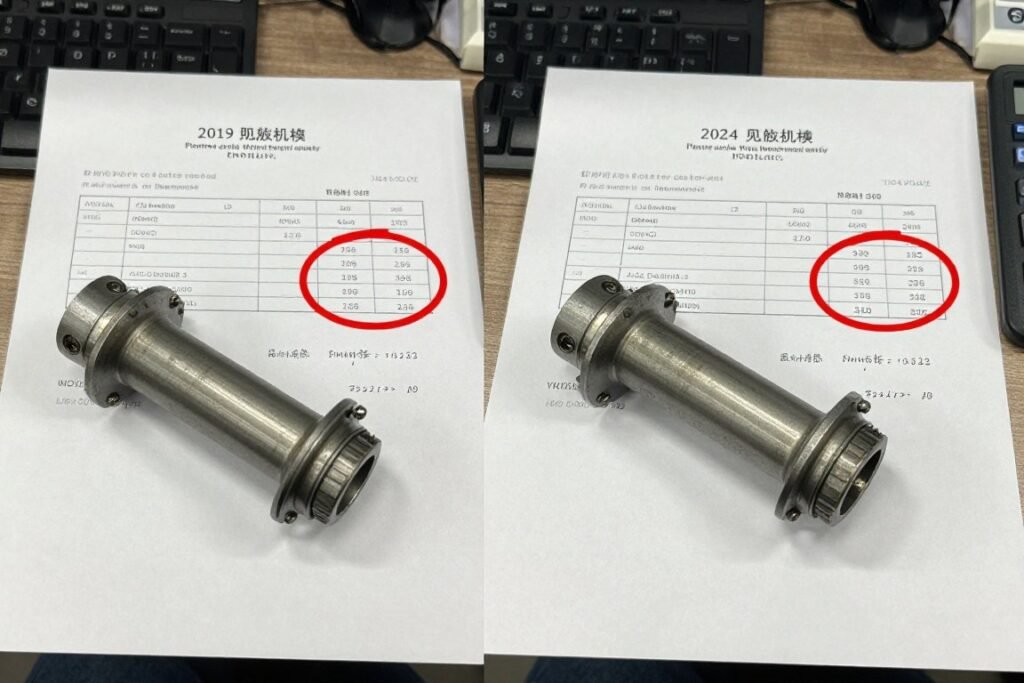
| Component | 2019 Cost | 2024 Cost | Increase % |
| Pellet die (350mm) | £2,400 | £4,100 | 71% |
| Main drive motor (75kW) | £3,800 | £6,200 | 63% |
| Roller assembly | £1,650 | £2,900 | 76% |
| Gearbox rebuild | £4,200 | £7,800 | 86% |
| Control system module | £980 | £1,950 | 99% |
Labour Costs Rising Due to Complexity
Ageing equipment takes longer to repair. Technicians spend hours diagnosing problems because documentation is poor or systems have been modified over years. Custom fixes for discontinued components require fabrication time. Complexity drives labour hours upward.
A bearing replacement that once took ninety minutes now requires four hours. Not because mechanics work slower, but because accessing the component involves dismantling layers of subsequent modifications and adaptations accumulated over a decade of operation.
British labour rates for industrial mechanics range from £45-£75 per hour depending on specialisation and location. When repair times double, labour costs double. When jobs require two technicians instead of one, costs double again. These multipliers quickly erode any savings from delaying equipment replacement.
Repeat Failures Within Short Intervals
You replaced the feeder motor three months ago. It failed again last week. The refurbished gearbox lasted seven months. These patterns indicate systemic issues—misalignment, vibration, contamination—that component replacement cannot resolve.
Repeat failures within warranty periods suggest that the overall system can no longer support proper component function. Perhaps bearing temperatures run too high. Maybe vibration exceeds design tolerances. Possibly contamination from worn seals damages new parts.
When replacement parts fail prematurely, the host system has deteriorated beyond the point where component-level fixes provide lasting solutions. This situation demands comprehensive equipment replacement rather than continued patching.
Compare Your Current Line Against Modern Specifications
MAIKONG’s MK-L003 pellet production line manufacturer design delivers 30-40% energy savings versus 2010-era equipment. Reduced maintenance requirements, improved pellet quality, and higher output capacity. Discover what modern technology means for your operation.
Production Efficiency Decline
Output Capacity Reduction
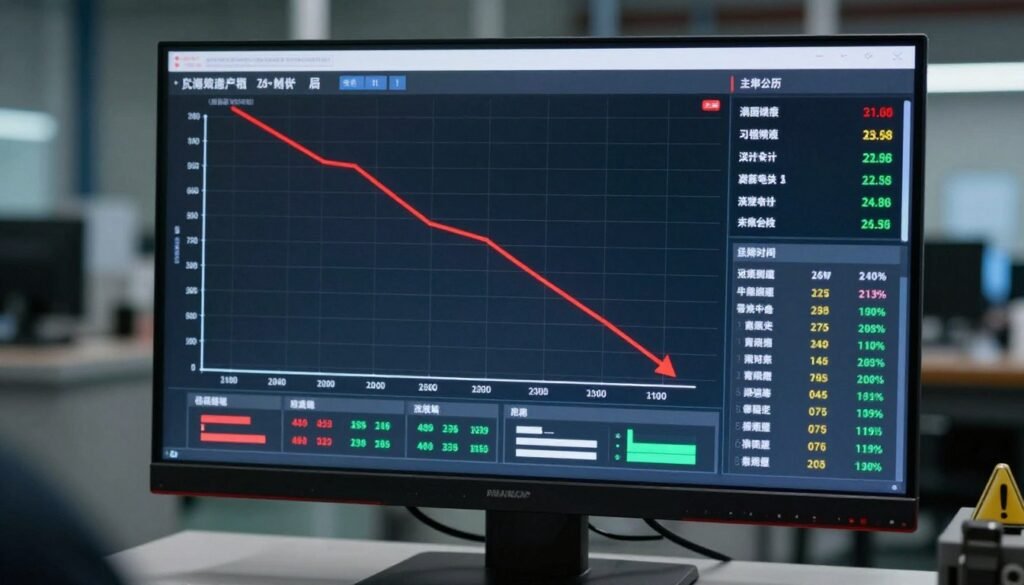
Your pellet line nameplate capacity reads 5 tonnes per hour. Current actual output averages 3.8 tonnes hourly. The twenty-four percent capacity loss didn’t happen overnight. It accumulated gradually as dies wore, motors weakened, and systems degraded.
Capacity loss creates hidden costs. You still pay facility rent, utilities, insurance, and staffing for the full facility, but you produce only seventy-six percent of design output. Your cost per tonne increases proportionally. Profitability erodes even if sales prices remain constant.
Pet food producers face particular sensitivity to capacity constraints. Demand fluctuates seasonally. Christmas periods, summer months, and promotional campaigns create output surges. When your baseline capacity has eroded, you cannot meet peak demand without overtime shifts that multiply labour costs.
Energy Consumption Increases Per Unit Output
Electricity costs represent fifteen to twenty-five percent of pelleting operating expenses depending on ingredient characteristics and pellet specifications. When your kilowatt-hours per tonne increase, something is wrong. Motors work harder due to wear, drives slip, inefficient processes waste energy.
Modern pellet production lines incorporate variable frequency drives, optimised die designs, and improved heat recovery. A new MAIKONG system typically uses thirty-eight to forty-two percent less energy per tonne than equipment manufactured before 2015.
Energy Efficiency Calculation
Compare your current consumption against baseline to identify degradation:
- Record monthly electricity usage
- Record monthly production tonnage
- Calculate kWh per tonne
- Compare against manufacturer specifications
- Track trend over rolling twelve months
If consumption per tonne has increased by more than fifteen percent since installation, efficiency deterioration is costing you money every production hour.
Quality Inconsistencies and Rejection Rates
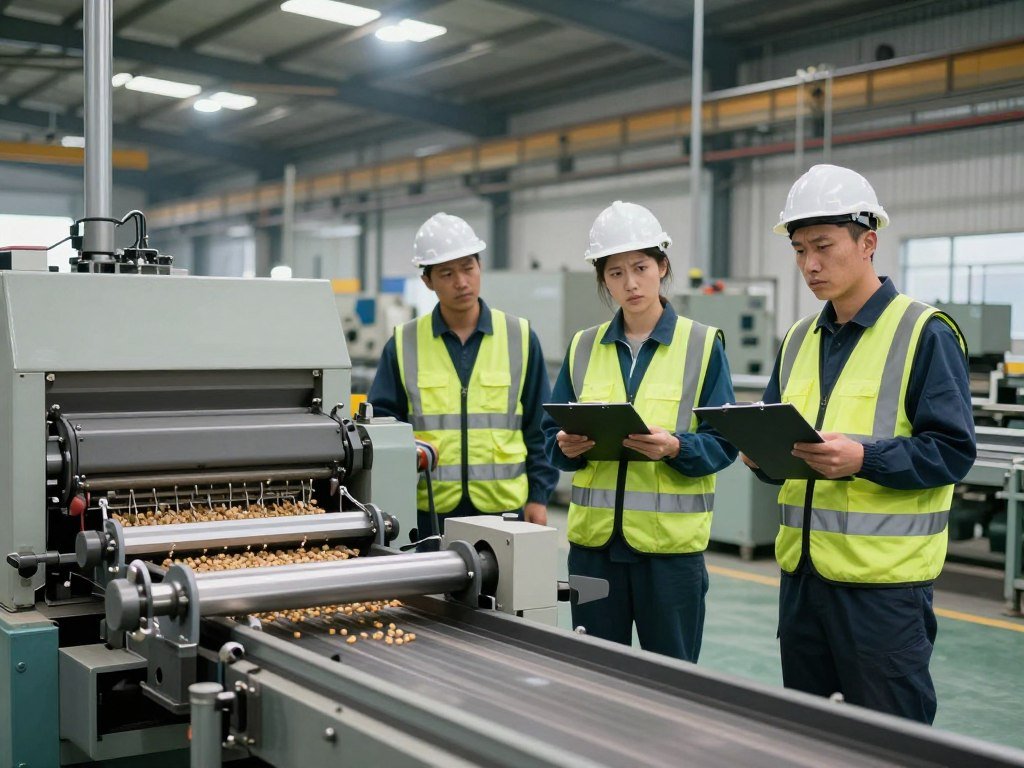
Pet owners notice when kibble shapes vary. Retailers reject shipments with excessive fines or broken pellets. Quality inconsistencies damage brand reputation and create costly rework.
Worn dies produce irregular pellets. Temperature control problems affect binding. Inconsistent ingredient mixing causes density variations. These quality issues multiply as equipment ages because multiple failing components compound their effects.
A two percent rejection rate versus a six percent rate might seem modest. Consider the mathematics on an annual basis. If you produce eight thousand tonnes yearly, the difference represents 320 tonnes of rejected product. At £650 average ingredient cost per tonne, that’s £208,000 in wasted materials annually. Recovery through rework adds labour and energy costs.
Downtime Costs and Lost Opportunities
Unplanned Production Stoppages
Scheduled maintenance happens overnight or during planned outages. Unplanned breakdowns occur Tuesday afternoon when you’re running three days behind schedule. The timing difference creates cascading costs.
Calculate your true downtime cost. Include lost production margin, staff wages during idle time, rush charges for parts, overtime to catch up schedules, expedited shipping to customers, and penalty clauses for late deliveries. The total typically exceeds £800-£1,400 per hour for operations running 3-8 tonne hourly capacity.
UK pet food retailers impose strict delivery windows. Miss your slot at the distribution centre, and you wait until the next available booking—perhaps three days later. Your product sits in your warehouse whilst competitors’ stock fills the shelf space you should occupy.
Customer Relationship Damage
Late deliveries erode trust. Customers diversify suppliers to reduce dependency on unreliable sources. Once you lose primary supplier status, regaining it requires months of perfect performance. Revenue never fully recovers because order volumes decrease permanently.
This commercial damage exceeds the immediate financial impact of a late shipment. Your sales pipeline weakens. Profit projections drop. Business valuation decreases if you ever consider selling.
Opportunity Costs of Constrained Capacity
A packaging company approaches you about contract manufacturing. The opportunity would add £120,000 annual revenue at thirty-two percent gross margin. You decline because your existing capacity barely meets current commitments.
Opportunity cost—the profit you could earn but cannot because capacity limits prevent growth—represents the most expensive consequence of maintaining underperforming equipment. These foregone opportunities never appear on your profit and loss statement, but they determine your competitive trajectory.
Modern poultry feed production line systems from MAIKONG offer capacity flexibility. Modular designs allow incremental expansion. Automation reduces labour dependency. Reliability supports customer commitments that drive business growth rather than constrain it.
MAIKONG MK-L003 Pet Feed Production Line
Purpose-Built for UK Pet Food Manufacturers
MAIKONG’s MK-L003 system represents twenty-two years of manufacturing refinement specifically targeting pet food production requirements. Unlike generic pellet lines, this configuration addresses shape consistency, texture control, hygiene standards, and package-ready output that pet food brands demand.
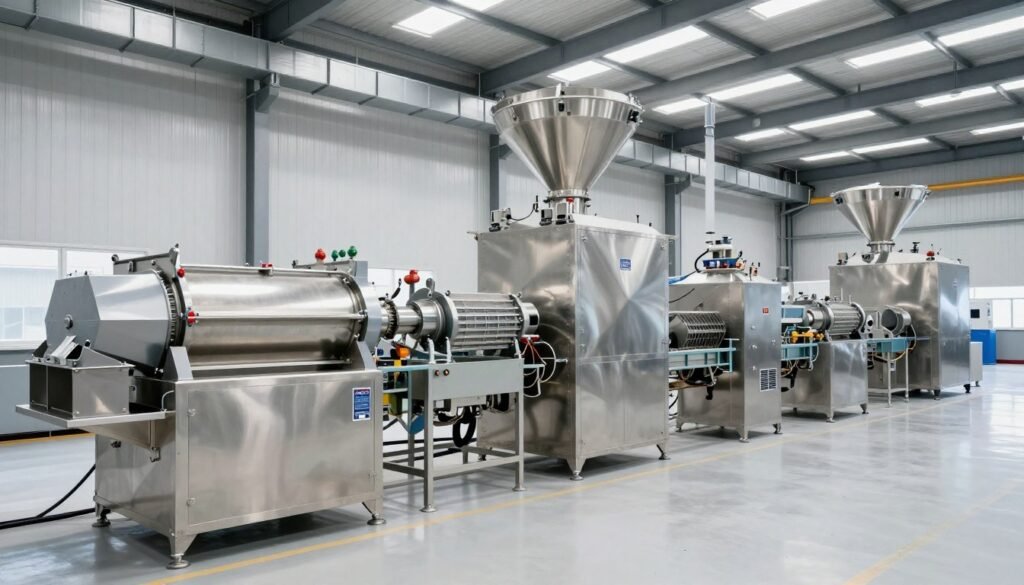
The system handles capacity ranges from 200 kilogrammes to 100 tonnes per hour depending on configuration. This flexibility accommodates start-up pet food brands through established manufacturers. Voltage specifications match UK standards (400V, 50Hz three-phase) with CE certification for European compliance.
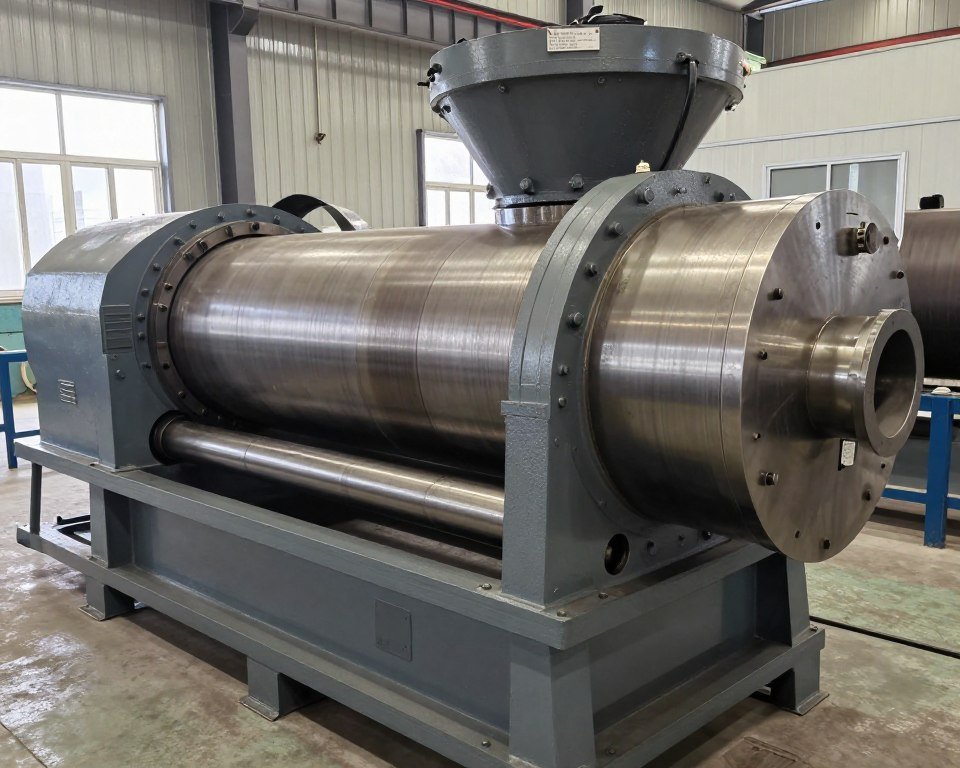
Technical Specifications
- Model: MK-L003
- Capacity: 3-5 tonnes/hour (pet feed)
- Main Motor: 110kW (150HP)
- Die Diameter: 450mm
- Pellet Sizes: 2mm, 3mm, 4mm, 6mm
- Material: Stainless steel contact surfaces
- Control: PLC with HMI touchscreen
- Dimensions: 4200mm × 1800mm × 2400mm
- Weight: 3,850kg
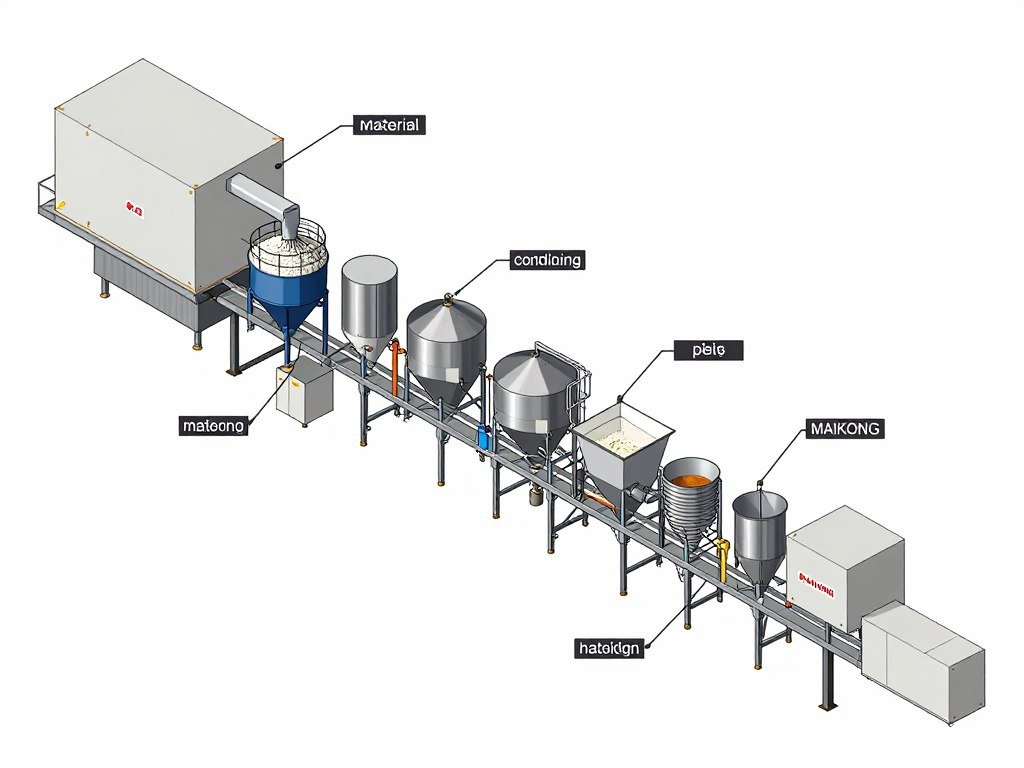
Complete System Components
- Hammer mill crusher (grain and protein)
- Horizontal ribbon mixer (batch or continuous)
- Steam conditioning system
- Ring die pellet mill
- Counter-flow cooler
- Crumbler (for small pellet sizes)
- Vibrating screener
- Automatic weighing and bagging
- Dust collection system
- Central PLC control
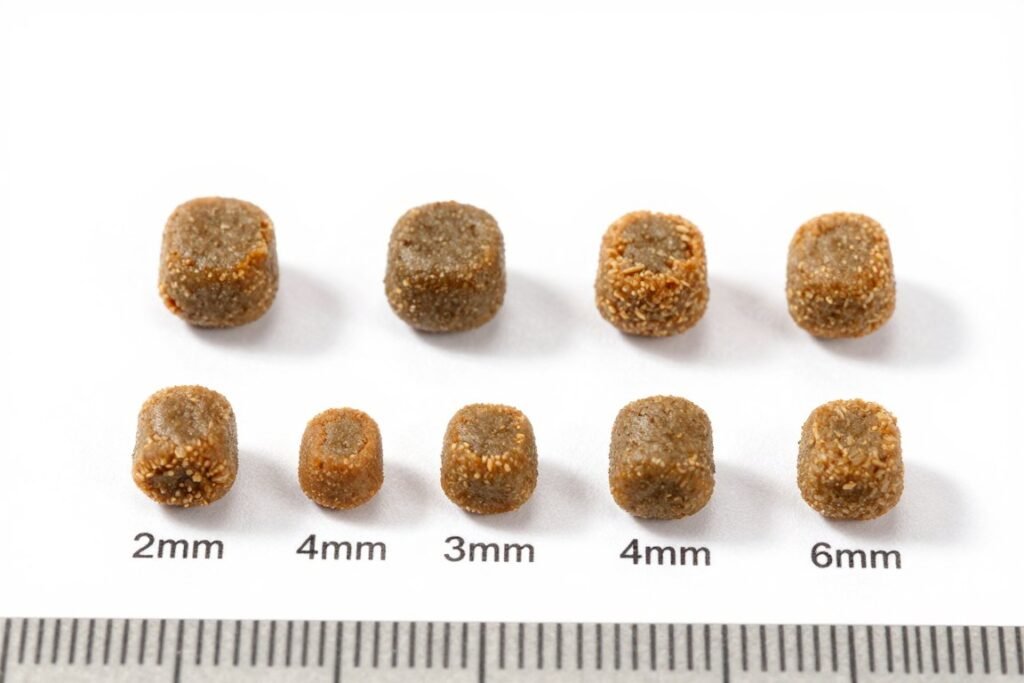
Pet Food Advantages
- Shape consistency (±0.2mm tolerance)
- Density control for texture preferences
- Low temperature processing (nutrients preserved)
- Minimal fines (
- Hygienic design (easy cleaning protocols)
- Multiple recipes stored in control system
- Colour and inclusion compatibility
- Package-ready output quality
UK-Specific Advantages
British manufacturers require suppliers who understand local operating conditions. MAIKONG provides English-language documentation, metric specifications, and support aligned with UK business hours. Technical consultations occur via phone, email, or WhatsApp without language barriers that complicate equipment purchases from Asia.
Installation and Commissioning
MAIKONG coordinates with UK-based installation contractors familiar with British building codes, electrical standards, and health and safety regulations. Factory acceptance testing occurs before shipping. Site acceptance testing verifies performance after installation.
Commissioning includes operator training (3-5 days on-site), process optimisation for your specific formulations, and documentation handover. Your team becomes self-sufficient for routine operations whilst MAIKONG remote support remains available.
Spare Parts and Service
Critical spares ship with initial equipment. MAIKONG maintains UK inventory for fast-moving consumables (dies, rollers, bearings). Lead times for standard parts range from 5-7 working days rather than 6-8 weeks typical for obsolete equipment.
Service contracts provide scheduled maintenance, remote diagnostics, and priority support. Annual inspection visits ensure optimal performance. Two-year comprehensive warranty covers parts and labour (return-to-factory basis or on-site depending on issue).
Return on Investment Calculation
Compare your existing maintenance costs, energy waste, and capacity constraints against MK-L003 economics. Typical payback periods range from 2.8 to 4.5 years depending on current equipment condition and production volume.
| Cost Factor | Current System (Annual) | MK-L003 System (Annual) | Savings |
| Maintenance & Repairs | £28,400 | £6,200 | £22,200 |
| Energy Costs | £47,800 | £29,500 | £18,300 |
| Product Rejection/Rework | £12,600 | £2,800 | £9,800 |
| Downtime Lost Margin | £18,900 | £3,400 | £15,500 |
| Total Annual Savings | — | — | £65,800 |
Investment cost for MK-L003 complete system configured for 3-5 tonne hourly pet feed capacity: £185,000-£220,000 depending on optional features and installation requirements. Payback period: 2.8-3.3 years based on savings above. Ten-year equipment life expectancy provides seven years of improved profitability after payback.
Custom Pet Feed Configuration for UK Factories
MAIKONG designs systems matching your specific recipes, capacity needs, and facility constraints. OEM/ODM capability allows private-label manufacturing for pet food brands. Capacity range from 200kg to 100 tonnes hourly accommodates businesses at any scale.
European Pet Food Producer Success Story
Background and Challenge
A Netherlands-based premium pet food manufacturer faced mounting pressures in 2022. Their pellet line, installed in 2009, required three major repairs within eight months. Maintenance costs exceeded €31,000 annually. Energy consumption had increased twenty-eight percent since installation. Most concerning, pellet quality variations led to two retailer complaints about inconsistent product.
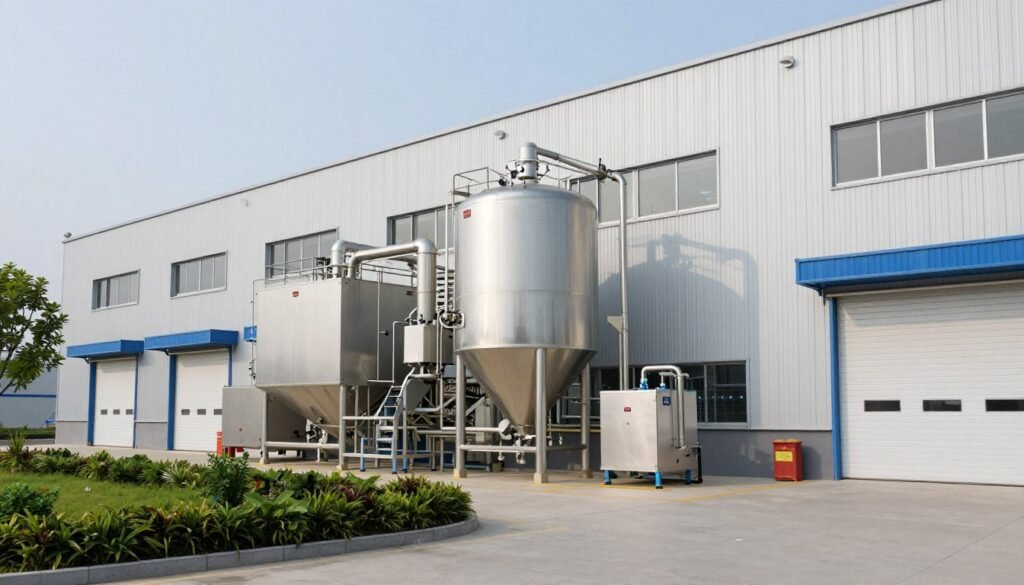
The company considered refurbishment versus replacement. Analysis revealed that comprehensive refurbishment would cost €78,000 with uncertainty about long-term reliability. MAIKONG proposed MK-L003 system customised for their premium product formulations requiring gentle processing to preserve nutritional integrity.
Implementation Process
Installation occurred during their annual August shutdown. MAIKONG coordinated with Dutch mechanical contractors for foundation work and equipment positioning. Electrical integration followed European standards. Commissioning took six days including operator training.
The facility resumed production in September 2022. Initial runs required recipe optimisation to achieve target pellet characteristics. MAIKONG technical support provided remote guidance and one follow-up site visit. By October, the line operated at full capacity with superior quality output.
Measured Results After Eighteen Months
Operational Improvements
- Production capacity increased from 3.2 to 4.8 tonnes/hour
- Energy consumption reduced 34% per tonne
- Pellet quality rejection rate dropped from 4.7% to 0.8%
- Unplanned downtime decreased from 127 to 9 hours annually
- Maintenance costs fell to €6,800 yearly (78% reduction)
Financial Impact
- Annual operating cost savings: €58,200
- Revenue increase from capacity gain: €142,000
- System investment: €198,000
- Payback achieved: 14.8 months
- Five-year ROI projection: 287%
The manufacturer reported additional benefits beyond financial metrics. Customer satisfaction improved. They accepted a contract manufacturing opportunity previously declined due to capacity constraints. Staff morale increased because reliable equipment reduced workplace frustration.
Relevance for UK Producers
This Netherlands case parallels challenges facing British pet food manufacturers. Energy costs, labour expenses, and quality expectations remain similar across European markets. Equipment aging trajectories follow comparable patterns. The financial analysis framework applies regardless of location.
UK producers benefit from proximity advantages. Shipping from MAIKONG’s manufacturing facility to British ports takes marginally less time than to Rotterdam. Post-Brexit customs procedures add steps but remain manageable with proper documentation. The investment economics work even more favourably in UK due to higher energy prices making efficiency gains more valuable.
Decision Framework: Repair or Replace?
Assessment Checklist
Use this systematic evaluation to determine whether your animal feed production line guide requires replacement or can continue with repairs. Score each category, then calculate your total replacement urgency score.
| Assessment Category | Low Priority (1 point) | Medium Priority (3 points) | High Priority (5 points) |
| Annual Maintenance Cost | Under 8% of equipment value | 8-15% of equipment value | Over 15% of equipment value |
| Capacity Loss | 0-10% below design | 10-20% below design | Over 20% below design |
| Unplanned Downtime | Under 40 hours/year | 40-80 hours/year | Over 80 hours/year |
| Energy Efficiency Decline | 0-10% increase per tonne | 10-20% increase per tonne | Over 20% increase per tonne |
| Parts Availability | All parts readily available | Some parts on extended lead time | Multiple critical parts obsolete |
| Product Quality Issues | Rejection rate under 2% | Rejection rate 2-4% | Rejection rate over 4% |
| Equipment Age | Under 10 years | 10-15 years | Over 15 years |
| Technology Gap | Modern control systems | Basic automation | Manual/obsolete controls |
Score Interpretation
- 8-16 points: Continue with preventive maintenance. Monitor trends quarterly.
- 17-28 points: Develop replacement plan within 18-24 months. Begin budget allocation.
- 29-40 points: Replacement economically justified now. Delaying wastes money monthly.
Financial Justification Process
Present equipment replacement proposals to management or investors using structured financial analysis. The framework below helps quantify both hard costs and opportunity costs that justify capital expenditure.
Step 1: Baseline Current Costs
Document twelve months of actual expenses:
- Maintenance labour and parts
- Energy consumption
- Product rejection/rework
- Downtime lost production margin
- Rush delivery charges
- Customer penalties
Total these to establish your true operating cost baseline.
Step 2: Project Future Trajectory
Based on historical trends, estimate costs for next three years if equipment continues:
- Apply deterioration rate (typically 15-25% annual increase)
- Factor parts availability challenges
- Include probability of catastrophic failure
- Account for lost business opportunities
This projection reveals total cost of delay.
Step 3: Calculate New Equipment Economics
Determine costs and savings from replacement:
- Capital cost (equipment + installation)
- Financing costs if applicable
- New equipment operating costs
- Capacity increase revenue potential
- Tax considerations (capital allowances)
Step 4: Compare Scenarios
Present decision-makers with clear comparison:
- Total cost of continuing current equipment (3 years)
- Total cost of replacement including financing (3 years)
- Difference = financial benefit
- Payback period calculation
- Risk assessment (old equipment failure probability)
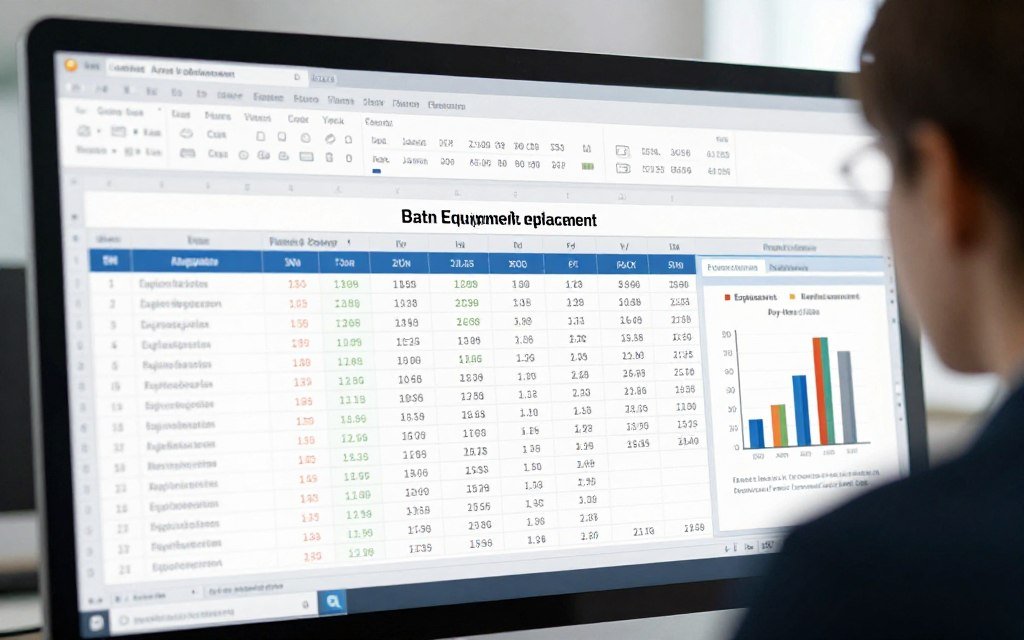
Timing Considerations
Once replacement becomes financially justified, timing affects total cost. Consider these factors when scheduling equipment replacement:
Optimal Timing Factors
- Low seasonal demand periods (easier installation)
- Tax year boundaries (capital allowance optimisation)
- Before critical customer contract renewals
- When current equipment still has trade-in value
- During planned facility upgrades (combined projects)
- Before parts become completely unavailable
Poor Timing Scenarios
- Peak production season (disruption cost)
- Cash flow constraints (financing becomes expensive)
- After catastrophic failure (emergency premium pricing)
- During facility uncertainty (lease expiry, relocation)
- Without proper planning (rushed decisions cost more)
- When key personnel unavailable for commissioning
British pet food manufacturers typically find autumn (September-October) or late winter (February-March) optimal for equipment replacement. These periods avoid Christmas peak demand and summer holiday staffing challenges whilst aligning with financial planning cycles.
Join 130+ Feed Producers in 45 Countries Using MAIKONG Systems
UK delivery, CE certification, English-language support, and proven reliability in European operations. MAIKONG’s twenty-two years manufacturing experience ensures your investment performs as specified. Discuss your project timeline and receive detailed technical proposal within 48 hours.
Implementation Planning for Equipment Replacement
Pre-Installation Phase (8-12 Weeks)
Successful equipment replacement requires thorough planning. Rushing installation creates problems that diminish ROI. The timeline below outlines essential steps for smooth implementation.
| Week | Activity | Responsibility | Deliverable |
| 1-2 | Technical specification finalisation | Customer + MAIKONG engineering | Approved equipment specification |
| 2-3 | Site survey and layout design | MAIKONG + local contractor | Installation drawings |
| 3-4 | Foundation and utility preparations | Local contractor | Ready installation site |
| 4-10 | Equipment manufacturing | MAIKONG factory | Factory acceptance test |
| 10-11 | Shipping and customs clearance | MAIKONG logistics + customer | Equipment at site |
| 11-12 | Installation and integration | Installation contractor + customer | Installed equipment |
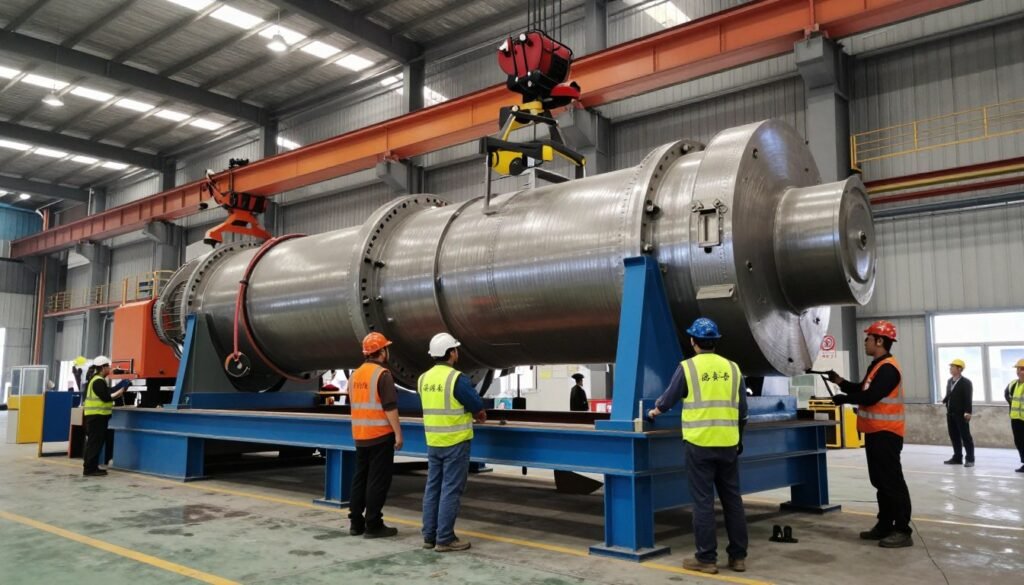
Commissioning and Training (1-2 Weeks)
MAIKONG commissioning engineers verify installation quality, perform system integration, and optimise settings for your specific formulations. This phase includes comprehensive operator training ensuring your team achieves self-sufficiency.
Training Programme Content
- Equipment operation procedures
- Start-up and shutdown protocols
- Recipe parameter adjustment
- Routine maintenance tasks
- Troubleshooting common issues
- Safety procedures and emergency stops
- Quality control sampling and testing
- Production reporting and documentation
Training includes classroom instruction, hands-on practice, and supervised production runs. Each operator receives a training manual in English with your specific system configuration.
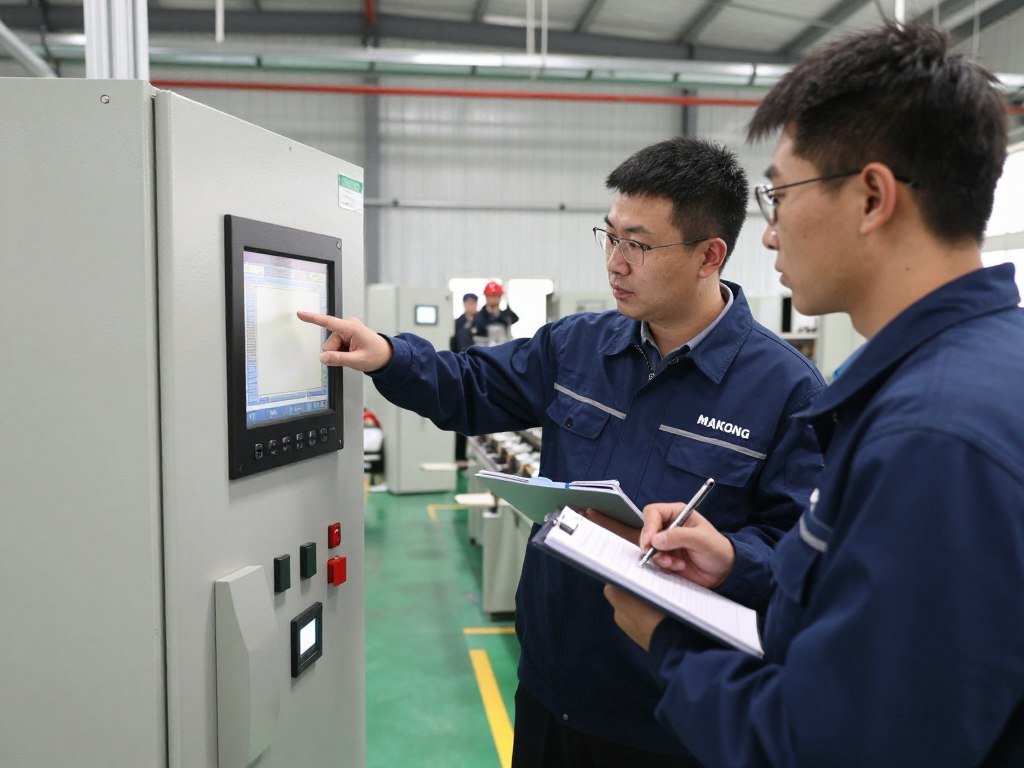
Post-Commissioning Support
The first three months after commissioning establish long-term performance patterns. MAIKONG provides intensive support during this period to address questions, optimise processes, and ensure your team gains confidence operating the new system.
Remote support via phone, email, and video conference addresses most issues within 24 hours. On-site visits occur if remote solutions prove insufficient. Scheduled follow-up after 30, 60, and 90 days verifies performance against specifications and identifies optimisation opportunities.
Why UK Pet Food Manufacturers Choose MAIKONG
Twenty-Two Years Manufacturing Excellence
MAIKONG commenced feed equipment manufacturing in 2002. Over 130 countries now operate our systems. This longevity demonstrates technical competence, manufacturing quality, and support reliability that newer suppliers cannot claim.
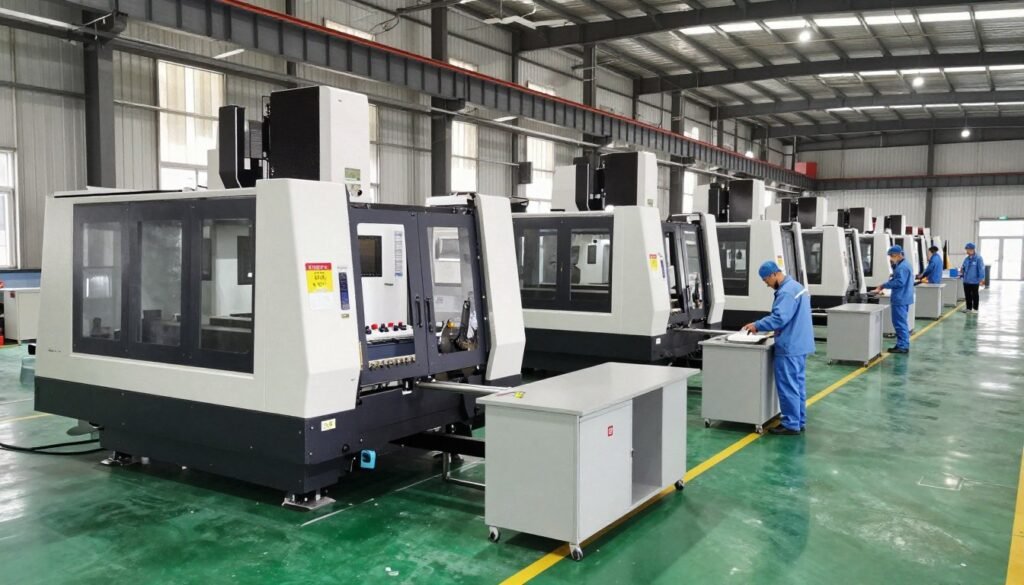
Experience matters particularly when producing pet food. Unlike commodity animal feed, pet nutrition requires precise control over shape, texture, nutrient retention, and palatability. Our engineers understand these requirements because we’ve solved them repeatedly for brands across five continents.
Customisation and OEM Capability
Every pet food formulation presents unique challenges. Meat content affects binding characteristics. Grain types influence pelleting temperature requirements. Inclusion levels determine die sizing. Off-the-shelf equipment rarely performs optimally for specialised recipes.
MAIKONG offers complete OEM/ODM services. We modify dies, adjust conditioning systems, reconfigure screens, and customise controls to match your exact requirements. Private-label pet food manufacturers particularly value this flexibility because their production must replicate brand-specific attributes precisely.
Standard Customisations
- Voltage and frequency matching
- Capacity scaling (200kg to 100T/H)
- Pellet size configurations
- Material specifications (stainless steel grades)
- Control system language and units
- Documentation in English
- CE marking for European compliance
Advanced Customisations
- Recipe-specific die designs
- Colour coating systems
- Shaped pellet capabilities
- Cold extrusion for heat-sensitive ingredients
- Integration with existing equipment
- Special packaging line connections
- SCADA system integration
UK Market Understanding
British pet food manufacturers operate under specific pressures. Energy costs exceed continental European averages. Labour availability challenges require automation. Retailers impose strict delivery windows and quality standards. Brexit created customs procedures affecting parts supply chains.
MAIKONG’s UK customer base has taught us these realities. We design systems that minimise energy consumption because we know British electricity prices. We emphasise reliability because we understand delivery penalties. We maintain parts inventory because we’ve experienced post-Brexit logistics delays.
This market-specific knowledge differentiates MAIKONG from generic Asian manufacturers who view UK as just another export destination. We tailor solutions to British operating conditions rather than offering one-size-fits-all equipment.
UK Distributor Partnership Opportunity
Expanding MAIKONG’s British Presence
MAIKONG seeks established UK distributors and agents to expand our presence in the British pet feed and poultry feed production line manufacturer markets. We offer exclusive territorial rights, comprehensive technical support, attractive commercial terms, and marketing assistance to qualified partners.

Ideal Partner Profile
We seek partners who understand feed manufacturing, maintain relationships with pet food producers or agricultural businesses, and possess technical sales capabilities. Experience selling industrial equipment, particularly to food manufacturers, provides advantage.
Partner Requirements
- Established UK business (minimum 3 years trading)
- Technical sales team or capability to build one
- Existing customer relationships in feed/food manufacturing
- Workshop or service facility (preferred, not mandatory)
- Financial stability to maintain parts inventory
- Commitment to MAIKONG brand representation
MAIKONG Provides
- Exclusive territory protection
- Technical training and certification
- Marketing materials and lead generation support
- Competitive wholesale pricing structure
- After-sales technical backup
- Co-branded promotional campaigns
Revenue Potential
- Equipment margins: 18-25% depending on project size
- Spare parts margins: 30-40%
- Service contracts: 35-45%
- Installation supervision fees
- Ongoing customer support retainers
- OEM project facilitation commissions
Support and Training
MAIKONG invests in partner success. Initial partnership includes factory visit to China (expenses covered), comprehensive product training, sales methodology workshops, and marketing launch support. Ongoing programmes provide technical updates, seasonal promotions, and customer case study materials.
We assign dedicated account managers to each distributor. Your team has direct access to MAIKONG engineering, sales, and logistics departments. This structure ensures you can serve customers effectively without delays waiting for international response times.
Market Opportunity
The UK pet food manufacturing sector continues growing. Premium products, natural ingredients, and speciality diets drive investment in production capacity. Many existing facilities operate equipment installed 2005-2015 now approaching replacement age.
Simultaneously, the chicken feed production line and aquatic feed production line markets show similar replacement cycles. MAIKONG’s product range addresses these sectors, providing distributors multiple revenue streams within related industries.
Post-Brexit dynamics favour partnerships with Asian manufacturers who establish strong UK distribution. Customers value local technical support, faster parts delivery, and relationships with distributors who understand British business culture. This environment creates opportunity for well-positioned partners.
Become MAIKONG’s UK Distribution Partner
Exclusive territories, technical training, marketing support, and attractive margins await qualified distribution partners. Expand your portfolio with proven feed production line manufacturer technology. Twenty-two years manufacturing excellence, 130+ countries served, and growing UK market demand.
Frequently Asked Questions
What is the typical payback period for replacing an older pellet production line with MAIKONG equipment?
Payback periods typically range from 2.8 to 4.5 years depending on your current equipment condition, production volume, and operational costs. Factories experiencing high maintenance expenses, significant energy waste, and capacity constraints often achieve payback under three years.
Calculate your specific scenario by totalling annual maintenance costs, energy overconsumption, product rejection expenses, and downtime lost profits. Compare this against new equipment operating costs plus financing charges. Most UK pet feed manufacturers find replacement becomes cash-flow positive within 30-36 months whilst simultaneously improving production capacity and product quality.
How does importing feed production equipment from China to the UK work post-Brexit?
MAIKONG manages the export process including documentation, customs declarations, and logistics coordination. Equipment ships to UK ports (typically Felixstowe or Southampton) with all necessary paperwork prepared in advance. Customs clearance typically requires 3-5 working days.
You’ll need to provide your VAT registration and EORI number. Import duties apply based on equipment classification (usually 0-2.7% for industrial machinery). VAT at 20% is payable. MAIKONG provides commercial invoices, packing lists, certificates of origin, and technical documentation meeting UK import requirements. Total shipping timeline from factory to your site averages 6-8 weeks including sea freight and customs procedures.
What spare parts should I stock for a new pellet production line, and how quickly can MAIKONG deliver additional parts?
MAIKONG recommends stocking critical wear items including one spare pellet die, roller set, main bearings, drive belts, and basic electrical components. This inventory costs approximately £8,000-£12,000 depending on your system configuration and ensures you can handle routine maintenance without production delays.
Additional parts delivery from MAIKONG’s UK stock (maintained for common components) takes 5-7 working days. Items requiring factory shipment average 3-4 weeks including customs clearance. We provide detailed spare parts recommendations during commissioning and offer inventory management support to optimise your stock levels against carrying costs.
Can MAIKONG systems handle the specific requirements of premium pet food production including shaped kibble and cold extrusion?
Yes, MAIKONG provides specialised configurations for premium pet food manufacturing. Shaped kibble production uses custom dies engineered to your exact specifications (bone shapes, rings, triangles, etc.). Cold extrusion systems preserve heat-sensitive nutrients whilst achieving desired texture.
Our pet feed systems accommodate high meat inclusion formulations (up to 65% fresh meat), handle inclusion of vitamins and supplements without degradation, and produce consistent pellet quality meeting retailer specifications. OEM capability allows us to replicate specific brand attributes when you’re manufacturing private-label products. Technical consultations during design phase ensure the system matches your exact recipe requirements.
What is the energy consumption comparison between a 2010-era pellet line and modern MAIKONG equipment?
Modern MAIKONG systems typically consume 38-42% less energy per tonne compared to equipment manufactured 2008-2012. This improvement comes from variable frequency drives, optimised die designs, improved heat recovery, and efficient motor specifications.
For a facility producing 8,000 tonnes annually, this translates to approximately 185,000-220,000 kWh savings yearly. At current UK industrial electricity rates averaging £0.23/kWh, that’s £42,550-£50,600 annual energy cost reduction. Over ten years of equipment life, energy savings alone can approach £500,000, substantially offsetting initial capital investment whilst reducing your carbon footprint.
Making the Replacement Decision
Equipment replacement represents significant capital expenditure. The decision requires careful analysis of current costs, future projections, and alternative scenarios. However, delaying replacement when maintenance expenses have exceeded economic thresholds wastes money every production day.
British pet food manufacturers face intensifying competitive pressures. Retailers demand consistent quality, reliable delivery, and competitive pricing. Energy costs continue rising. Labour availability remains constrained. These realities compress margins whilst punishing inefficiency.
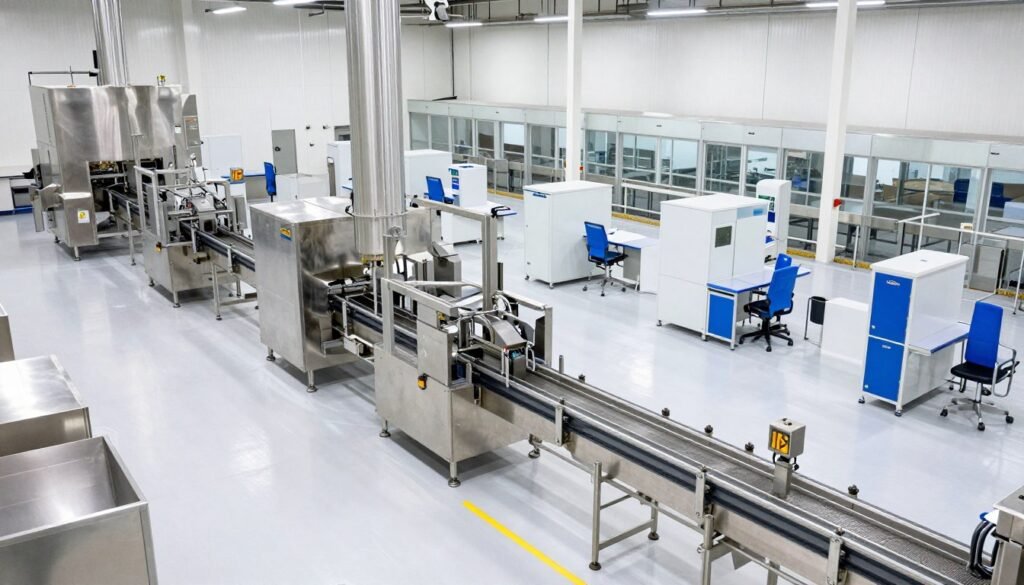
Your pellet production line determines your competitive position. Reliable, efficient equipment enables you to serve customers profitably. Ageing, troublesome machinery erodes margins whilst damaging customer relationships through late deliveries and inconsistent quality.
MAIKONG’s twenty-two years manufacturing experience serves pet feed producers worldwide. Our MK-L003 system addresses specific requirements of pet food production including shape consistency, gentle processing, hygiene standards, and package-ready output quality. Capacity flexibility from 200 kilogrammes to 100 tonnes hourly accommodates operations at any scale.
UK manufacturers benefit from our understanding of British operating conditions. We design for high energy efficiency because we know UK electricity prices. We emphasise reliability because we understand delivery penalties. We maintain parts support because we’ve experienced post-Brexit logistics challenges.
If your maintenance costs have climbed into the warning zones discussed throughout this article, analyse whether continuing with existing equipment makes financial sense. Calculate total ownership costs over the next three years. Compare against modern equipment economics. The mathematics typically reveal that replacement protects profitability better than continued patching of deteriorating systems.
MAIKONG welcomes enquiries from UK pet food manufacturers evaluating equipment replacement. We provide detailed technical assessments, customised proposals, and ROI calculations specific to your operation. Our goal is helping you make informed decisions that strengthen your competitive position whilst delivering reliable return on investment.
Contact us to discuss your specific situation, request technical specifications, or arrange a consultation. For businesses interested in representing MAIKONG equipment in the UK market, we offer attractive distributor partnerships with exclusive territories and comprehensive support.
Contact MAIKONG
Get Your Customised Pellet Production Line Proposal
MAIKONG technical team will analyse your current costs, capacity requirements, and recipe specifications. Receive detailed proposal including equipment configuration, performance projections, investment costs, and ROI calculations within 48 hours of enquiry.
Technical Enquiries
Email: Lucy@feedproductionline.uk
Phone/WhatsApp: +86 135-1090-7401
WhatsApp Direct: Click to Message
Website: feedproductionline.uk
Technical consultations available Monday-Friday, 9:00-18:00 GMT (China office hours 17:00-02:00 GMT accommodate UK business day)
Distributor Partnerships
Email: Lucy@feedproductionline.uk
Subject Line: “UK Distributor Partnership Enquiry”
Include in your enquiry: company background, current product lines, customer base description, geographic coverage, and technical service capabilities. MAIKONG partnership team will respond within 24 hours with detailed information pack and next steps.
About MAIKONG
MAIKONG is a UK-registered brand with manufacturing facilities in GD province, SZ city, China. With twenty-two years of experience in feed production equipment design and manufacturing, we serve over 130 countries worldwide. Our product range includes animal feed production line, feed pellet production line, pet feed production line, and specialised systems for poultry, aquatic, and livestock feed manufacturing.
We offer complete OEM/ODM services, support distributors worldwide, and provide comprehensive after-sales technical support. MAIKONG equipment meets CE standards for European markets and incorporates British electrical specifications for UK installations.
Visit our website at feedproductionline.uk or contact our technical team to learn more about how MAIKONG can support your feed production requirements.