
Best Cattle Feed Pellet Production Line: Distributor Margins & Risks
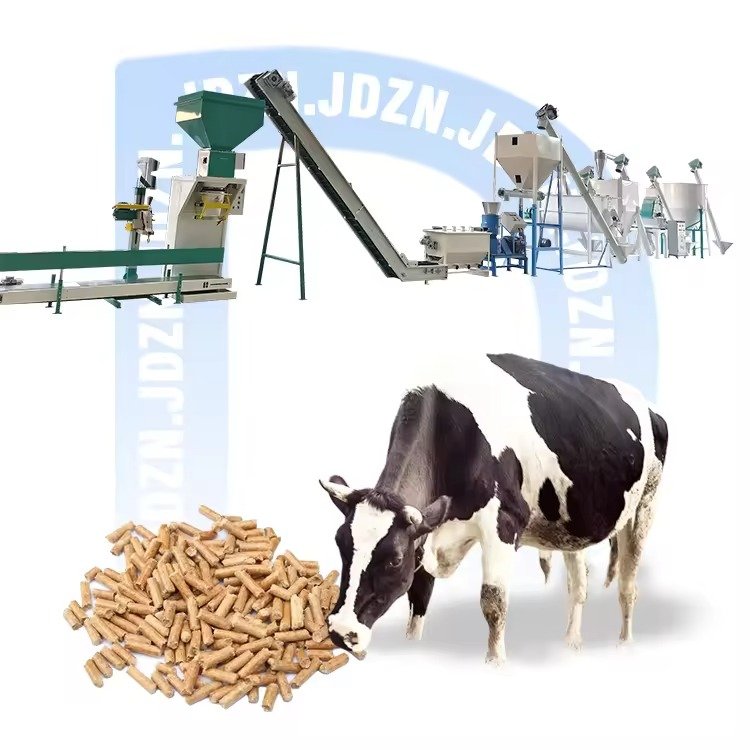
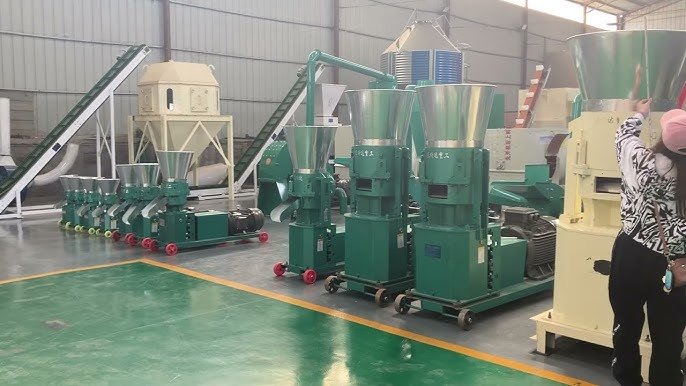
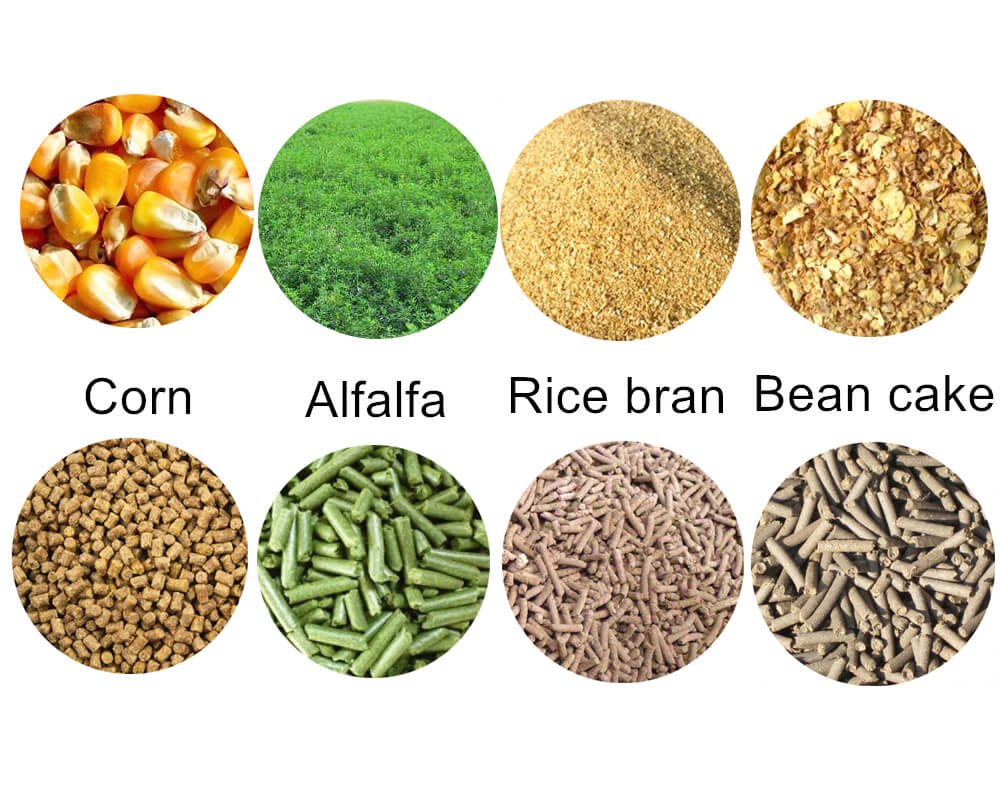
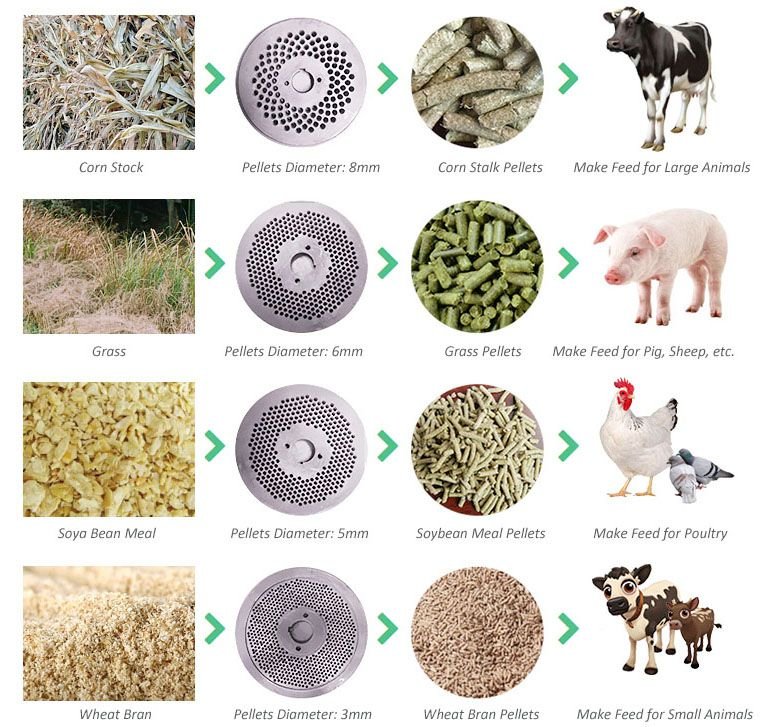
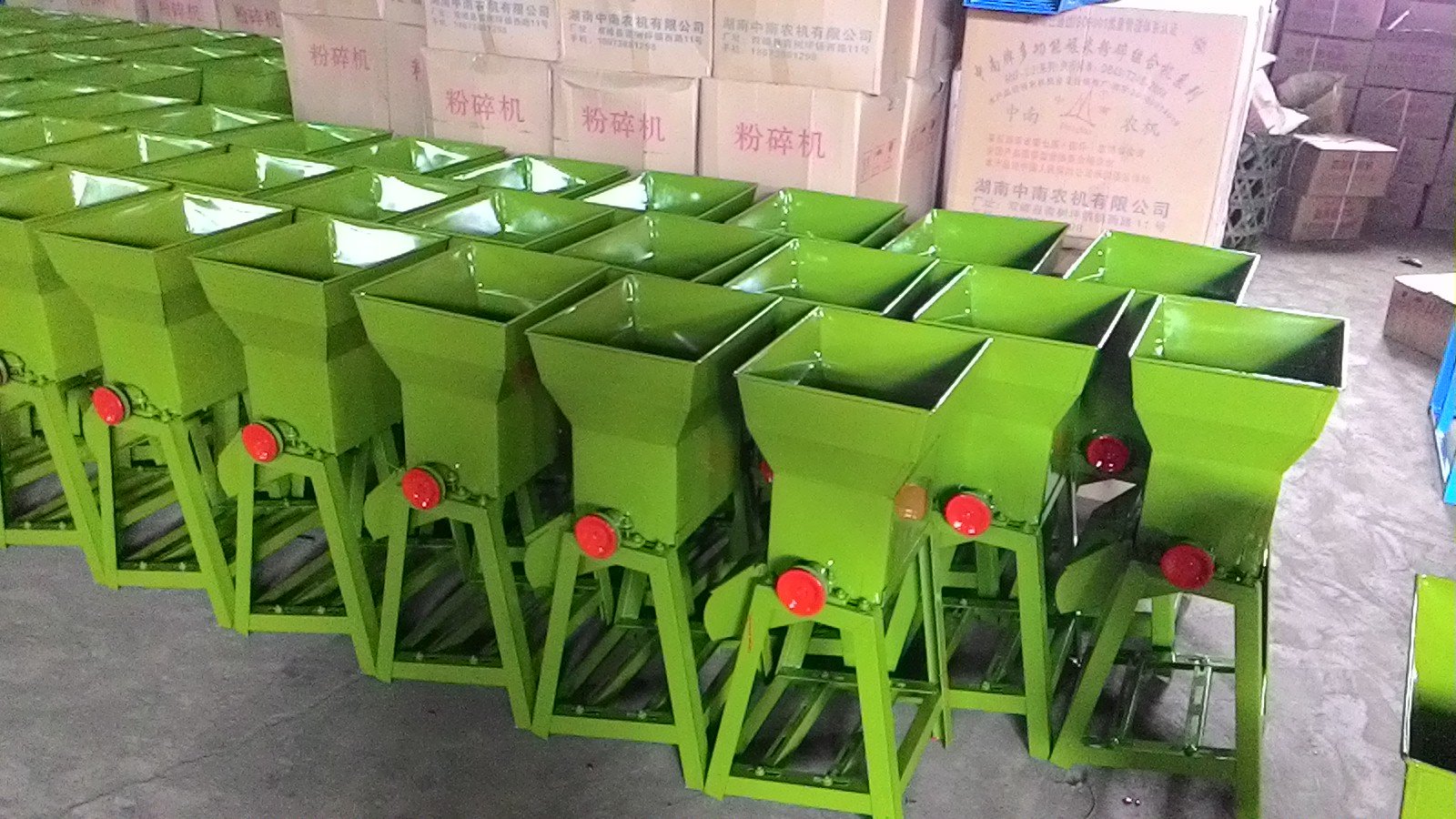
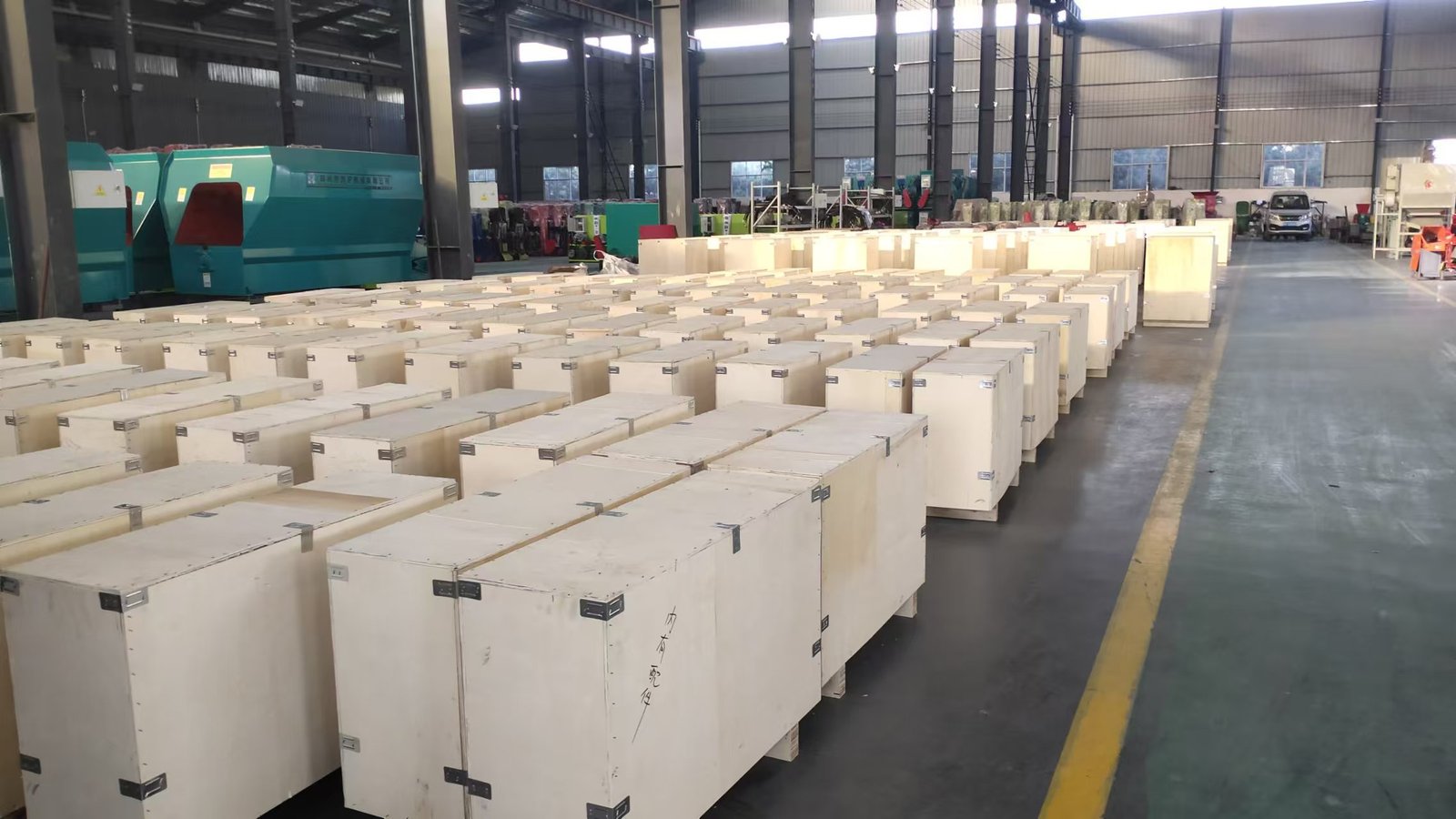 Operating a cattle feed production line in the United Kingdom presents unique challenges that extend well beyond the initial equipment purchase. Rising energy costs, supply chain disruptions, and the increasing demand for consistent pellet quality have pushed many feed mill owners and distributors to reconsider their equipment sourcing strategies.Over the past eighteen months, conversations with UK-based feed mill operators reveal a common pattern. The initial excitement of acquiring a high-capacity production line quickly gives way to concerns about maintenance downtime, spare parts availability, and the actual profitability of the operation.
This analysis draws from real-world operational data, maintenance logs, and financial performance metrics from UK feed operations. For distributors evaluating partnership opportunities or mill owners assessing long-term equipment viability, understanding the complete cost picture becomes essential.
MAIKONG has supplied animal feed production equipment to UK operations for over twenty-two years. Our experience with European feed mills provides insight into the maintenance challenges and margin considerations that distinguish successful long-term installations from problematic ones.
Understanding the UK Feed Production Landscape
The United Kingdom feed manufacturing sector faces distinct operational pressures compared to other European markets. Energy costs per ton of feed produced have increased by forty-three percent since early 2022. This shift fundamentally changes the economics of best cattle feed pellet production line operations.
Energy Consumption Reality
A typical five tph animal feed pellet production line operating at full capacity consumes between sixty-five and eighty-five kilowatt-hours per ton of finished feed. When electricity costs reach industrial rates of eighteen to twenty-two pence per kilowatt-hour, energy becomes the second-largest variable cost after raw materials.
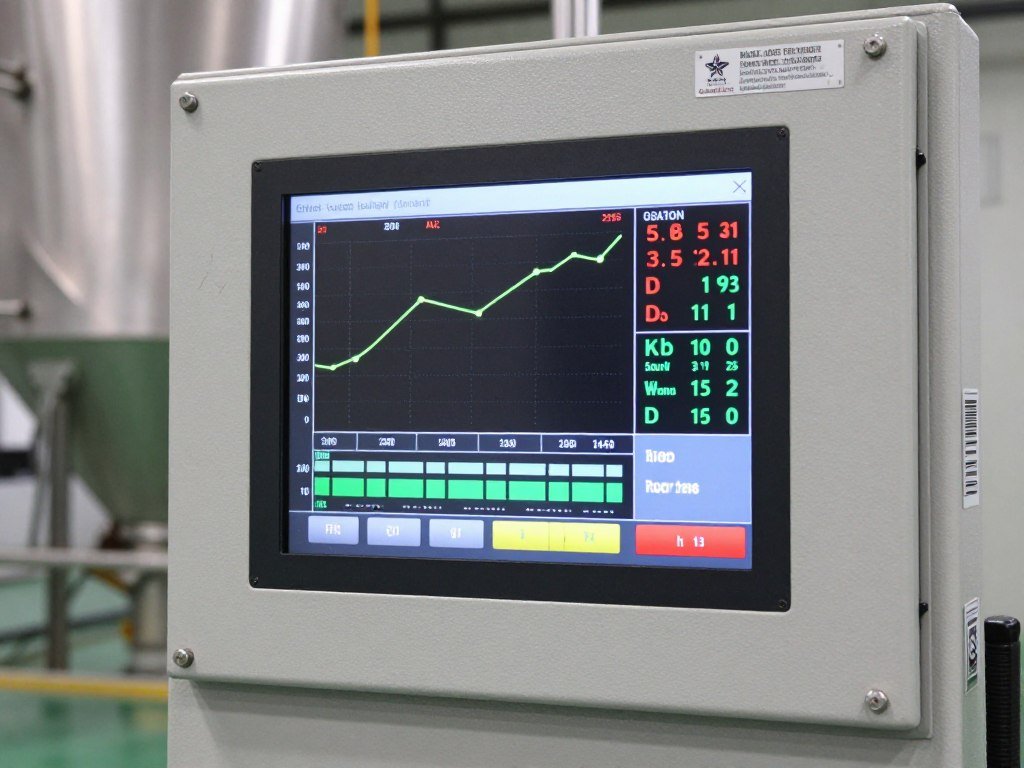
Mills running older equipment often see energy consumption exceed ninety kilowatt-hours per ton. The difference between efficient modern systems and aging equipment translates directly to margin erosion of eight to twelve pounds per ton produced.
Supply Chain Dependencies
Brexit introduced customs complexities for spare parts sourcing. Components that previously arrived within five business days now face customs clearance delays averaging nine to fourteen days. For critical wear parts like pellet dies and roller shells, this extended timeline increases the risk of production stoppages.
Traditional Import Challenges
- Extended shipping times from Asian suppliers
- Customs documentation complexity post-Brexit
- Minimum order quantities forcing excess inventory
- Quality variance between shipments
- Limited technical support during installation
MAIKONG UK Support Model
- Strategic parts inventory positioned in UK warehouse
- Simplified customs pre-clearance for registered distributors
- Flexible ordering matched to actual consumption patterns
- Consistent manufacturing standards across all shipments
- Remote and on-site technical assistance available
Distributors who maintain local spare parts inventory gain competitive advantage. Feed mills increasingly prioritize supplier relationships that minimize downtime risk over marginal purchase price differences.
True Maintenance Costs for Cattle Feed Pellet Plants
Maintenance expenses for feed pellet production line systems fall into three distinct categories: scheduled preventive maintenance, wear part replacement, and unplanned repair interventions. Each category carries different risk profiles and cost implications.
Scheduled Preventive Maintenance
A properly maintained five tph animal feed production line requires approximately forty-two hours of scheduled maintenance per thousand tons of production. This includes lubrication routines, bearing inspections, alignment checks, and electrical system verification.
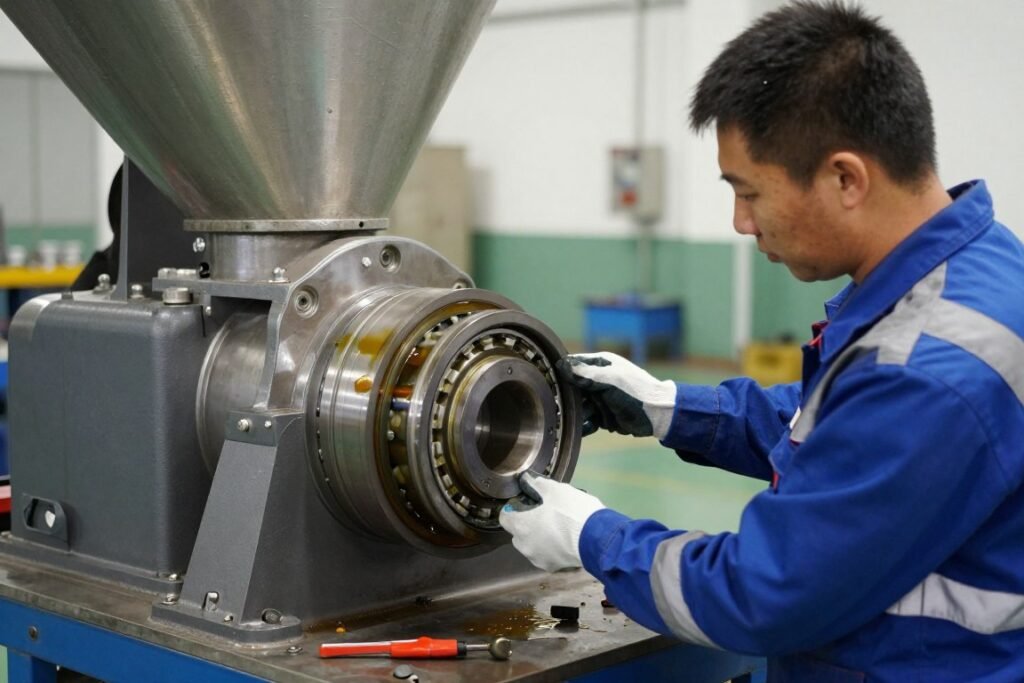
Labour costs vary significantly across UK regions. A maintenance technician in the Midlands may cost forty-five to fifty-five pounds per hour including overhead. In the Southeast, the same skilled labour reaches sixty-five to seventy-eight pounds per hour.
| Maintenance Activity | Frequency | Time Required | Labour Cost (Southeast) |
| Bearing lubrication (all points) | Every 500 hours | 3.5 hours | £245 |
| Pellet die inspection and cleaning | Every 200 hours | 2.0 hours | £140 |
| Roller shell assessment | Every 400 hours | 1.5 hours | £105 |
| Motor and gearbox inspection | Every 1000 hours | 4.0 hours | £280 |
| Electrical system verification | Every 800 hours | 2.5 hours | £175 |
| Hammer mill screen replacement | Every 600 hours | 1.0 hours | £70 |
These scheduled activities prevent catastrophic failures. Mills that defer preventive maintenance typically experience unplanned downtime costs three to five times higher than the maintenance expense they attempted to avoid.
Wear Part Replacement Economics
The pellet mill represents the highest wear part cost center. A quality pellet die operating with cattle feed formulations typically achieves eight hundred to twelve hundred operating hours before requiring replacement. Dies manufactured from inferior alloy steel may fail at four hundred to six hundred hours.
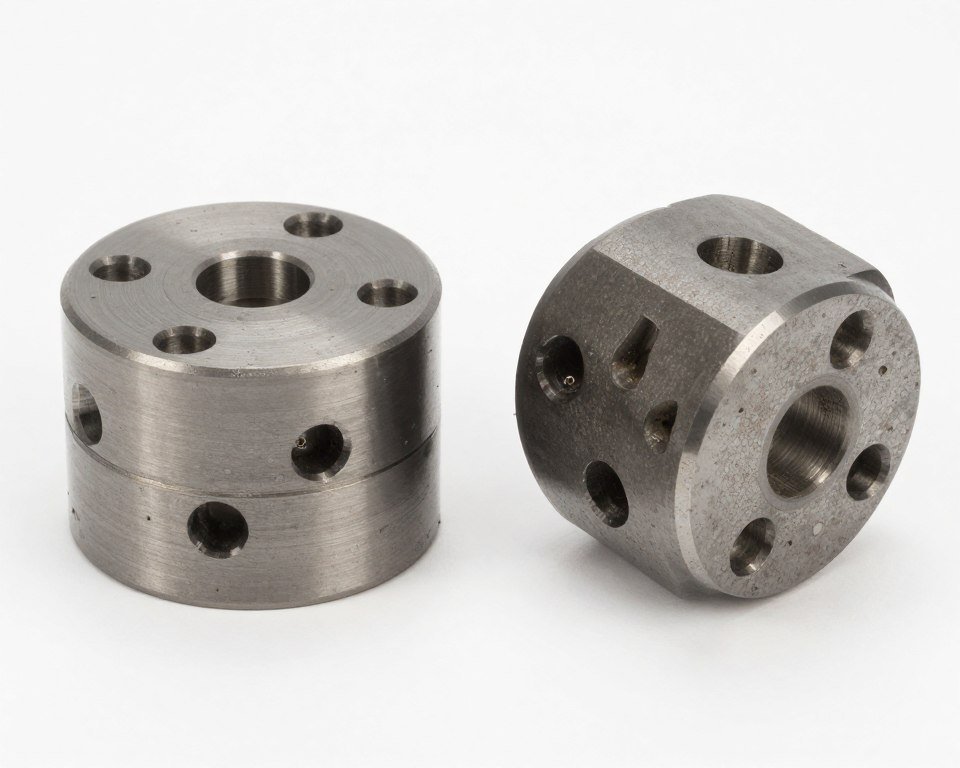
A replacement die for a common cattle feed pellet machine costs between six hundred eighty and nine hundred twenty pounds depending on specification and supplier. Over five thousand hours of annual operation, die replacement alone costs three thousand eight hundred to seven thousand six hundred pounds.
Roller shells follow a similar replacement cycle. Premium roller shells achieve nine hundred to thirteen hundred hours. Budget alternatives may require replacement at five hundred to seven hundred hours. Each roller shell costs four hundred fifty to six hundred eighty pounds.
Reduce Maintenance Downtime Risk
MAIKONG provides UK distributors with detailed maintenance planning tools and guaranteed spare parts availability. Request our maintenance cost calculator and twenty-four-month parts consumption forecast for your specific production volume.
Unplanned Repair Intervention Costs
Unplanned failures create the most severe financial impact. A bearing failure in the main pellet mill shaft can halt production for eighteen to thirty-six hours depending on parts availability and technician scheduling.
Consider a five tph animal feed pellet production line running two eight-hour shifts daily. Each hour of downtime represents ten tons of lost production capacity. If the mill operates on a twenty-eight pound per ton margin, one day of downtime costs five thousand six hundred pounds in lost margin contribution.
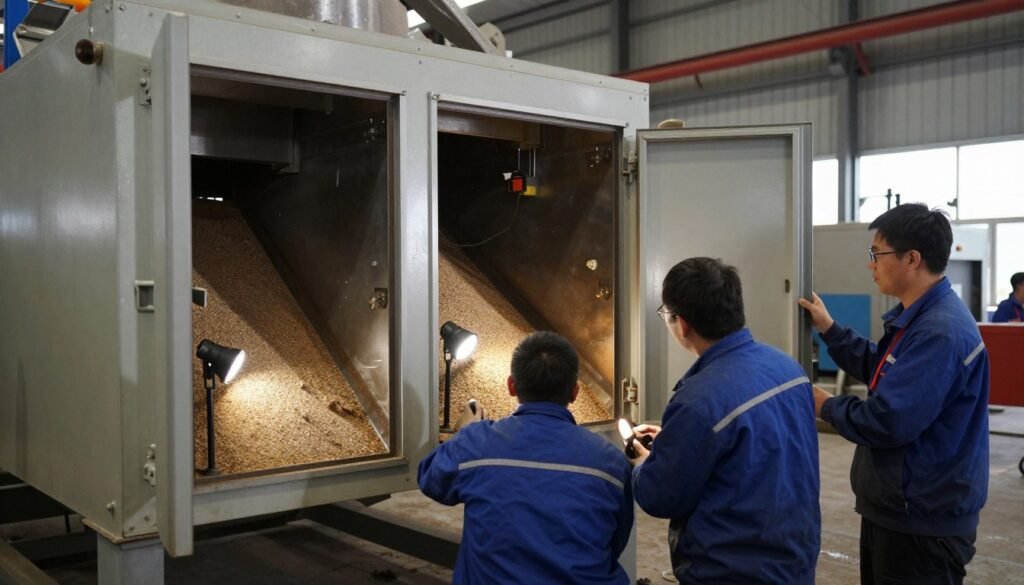
This calculation excludes customer relationship damage from missed delivery commitments. Several UK feed mills report losing major farm accounts after repeated delivery failures caused by equipment reliability issues.
Spare Parts Sourcing Strategy for Best Cattle Feed Pellet Production Line
Spare parts availability determines operational continuity. The difference between a well-supported best cattle feed pellet plant installation and a problematic one often comes down to parts logistics rather than equipment quality.
Critical Spare Parts Inventory
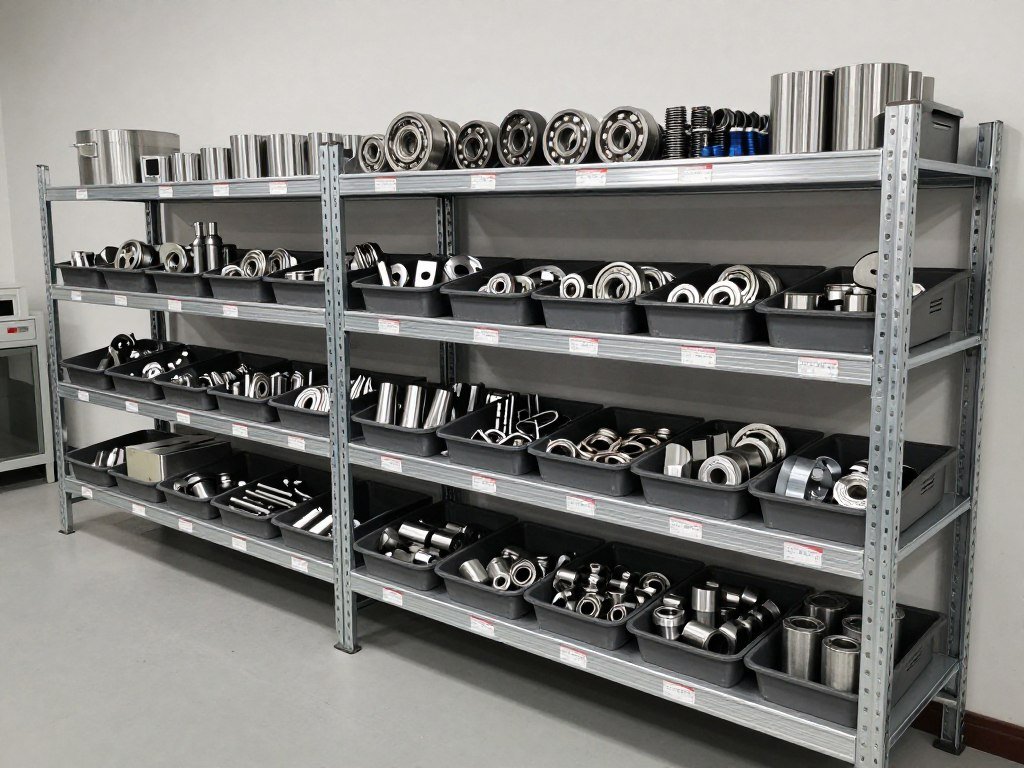
Experienced UK feed mill operators maintain strategic inventory of high-failure-risk components. This approach requires capital investment but prevents catastrophic downtime scenarios.
Minimum Recommended Spare Parts Inventory
For a single five tph production line operating five thousand hours annually, maintaining these spare parts provides reasonable downtime protection:
- One complete spare pellet die (primary specification)
- One set of roller shells
- Two sets of main shaft bearings
- One spare hammer mill screen (most common mesh size)
- Complete belt set for all conveyors
- Two spare motors (most common sizes in the system)
- Electrical contactors and relays (full set)
- Lubrication consumables (grease, oil) for six months
This inventory typically costs eight thousand to twelve thousand pounds. The investment protects against margin loss from downtime that could easily exceed fifty thousand pounds annually.
Supplier Lead Time Comparison
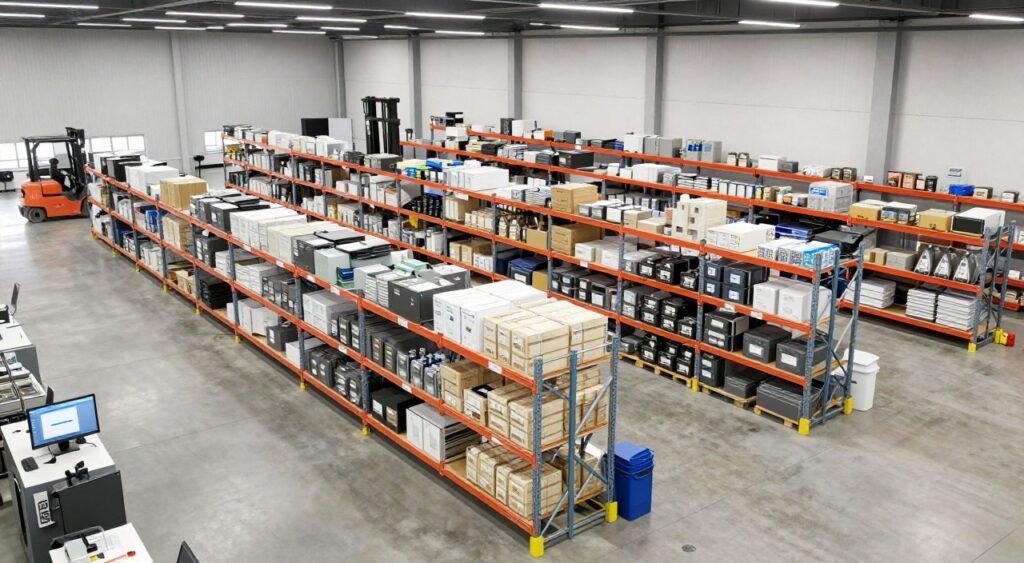
Lead times for critical components vary dramatically based on supplier location and inventory practices. UK distributors evaluating animal feed production line partnerships should assess parts delivery capabilities as carefully as equipment specifications.
| Component Type | Direct China Import | European Supplier | UK Warehouse Stock |
| Pellet die (standard spec) | 28-42 days | 12-18 days | 1-2 days |
| Roller shell set | 28-42 days | 14-21 days | 1-2 days |
| Main shaft bearing | 21-35 days | 7-12 days | Same day |
| Hammer mill screen | 18-28 days | 8-14 days | 1-2 days |
| Drive motor (common size) | 35-56 days | 10-16 days | 2-3 days |
| Electrical components | 14-21 days | 5-9 days | Same day |
MAIKONG maintains UK warehouse inventory for the fifteen highest-consumption spare parts across our best cattle feed pellet machine range. This inventory commitment reduces average parts delivery time from four weeks to two business days for registered UK distributors.
Parts Quality Verification
The UK market has seen an influx of counterfeit spare parts for popular feed production equipment. These components often appear identical to genuine parts but fail prematurely due to inferior materials or manufacturing tolerances.
One Gloucestershire feed mill reported receiving “genuine” pellet dies that failed at three hundred operating hours compared to the expected eight hundred to twelve hundred hours. Investigation revealed the dies contained forty-two percent less chromium than specification required. The metallurgical analysis cost six hundred pounds, but it prevented the mill from purchasing twelve thousand pounds of additional counterfeit inventory.
Distributors who source components through verified supply chains protect their customers from these quality failures. MAIKONG provides material certification and dimensional inspection reports with all wear parts shipments to UK operations.
Distributor Margin Structure for Feed Production Equipment
Understanding margin potential helps distributors evaluate the financial viability of representing best cattle feed pellet production line manufacturers. The margin structure differs significantly from consumer goods distribution and requires longer-term relationship development.
Equipment Sales Margin Reality
Initial equipment sales typically generate margins between eighteen and twenty-eight percent depending on the complexity of the installation and the level of technical support required. A complete five tph cattle feed pellet production line with auxiliary equipment represents a transaction value of sixty-five thousand to ninety-five thousand pounds.
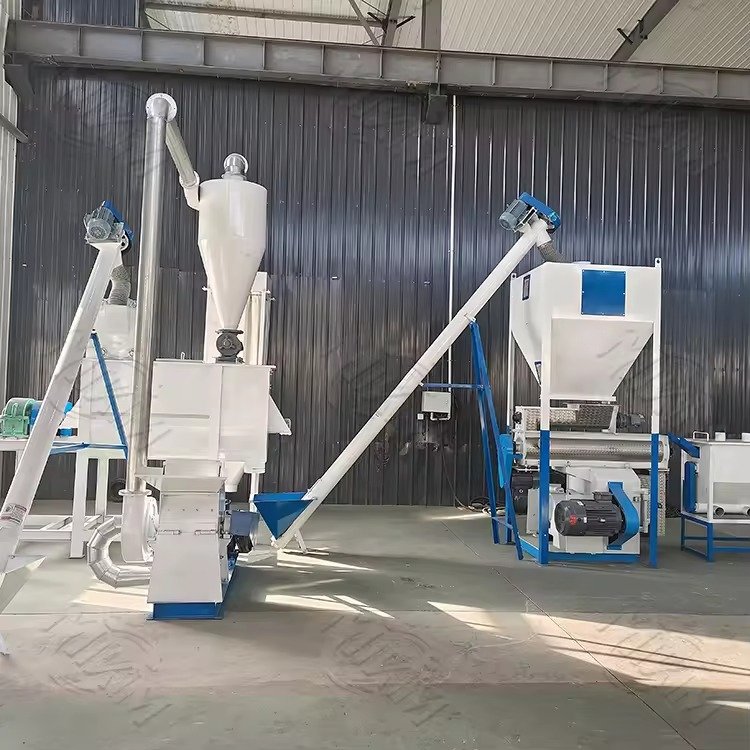
At a twenty-three percent average margin, this generates fourteen thousand nine hundred fifty to twenty-one thousand eight hundred fifty pounds gross profit per installation. However, the sales cycle for equipment purchases ranges from four to nine months from initial contact to commission.
Pre-sale technical support, site surveys, customer mill visits, and proposal development consume significant resources before any revenue materializes. Distributors must structure their cost base to sustain this extended sales cycle.
Recurring Revenue from Spare Parts and Consumables
The more predictable and often more profitable revenue stream comes from ongoing spare parts and consumables supply. A typical five tph operation running five thousand hours annually consumes twelve thousand to eighteen thousand pounds in replacement parts and consumables.
| Revenue Category | Annual Value (5 TPH) | Typical Margin | Gross Profit |
| Pellet dies and roller shells | £6,200 – £8,800 | 32% – 38% | £1,984 – £3,344 |
| Bearings and seals | £1,800 – £2,600 | 28% – 34% | £504 – £884 |
| Hammer mill screens | £1,200 – £1,800 | 35% – 42% | £420 – £756 |
| Belts and conveyors | £900 – £1,400 | 25% – 31% | £225 – £434 |
| Electrical components | £800 – £1,300 | 22% – 28% | £176 – £364 |
| Lubrication and consumables | £1,100 – £1,600 | 30% – 36% | £330 – £576 |
| Total Annual Recurring | £12,000 – £17,500 | 29% – 35% | £3,639 – £6,358 |
A distributor supporting fifteen active feed mill customers generates fifty-four thousand five hundred to ninety-five thousand three hundred seventy pounds in annual gross profit from parts and consumables alone. This recurring revenue stream provides business stability independent of new equipment sales volatility.
Technical Service Revenue Potential
Many UK distributors develop technical service capabilities as an additional revenue stream. Providing installation supervision, commissioning support, operator training, and ongoing maintenance services creates margin opportunities while strengthening customer relationships.
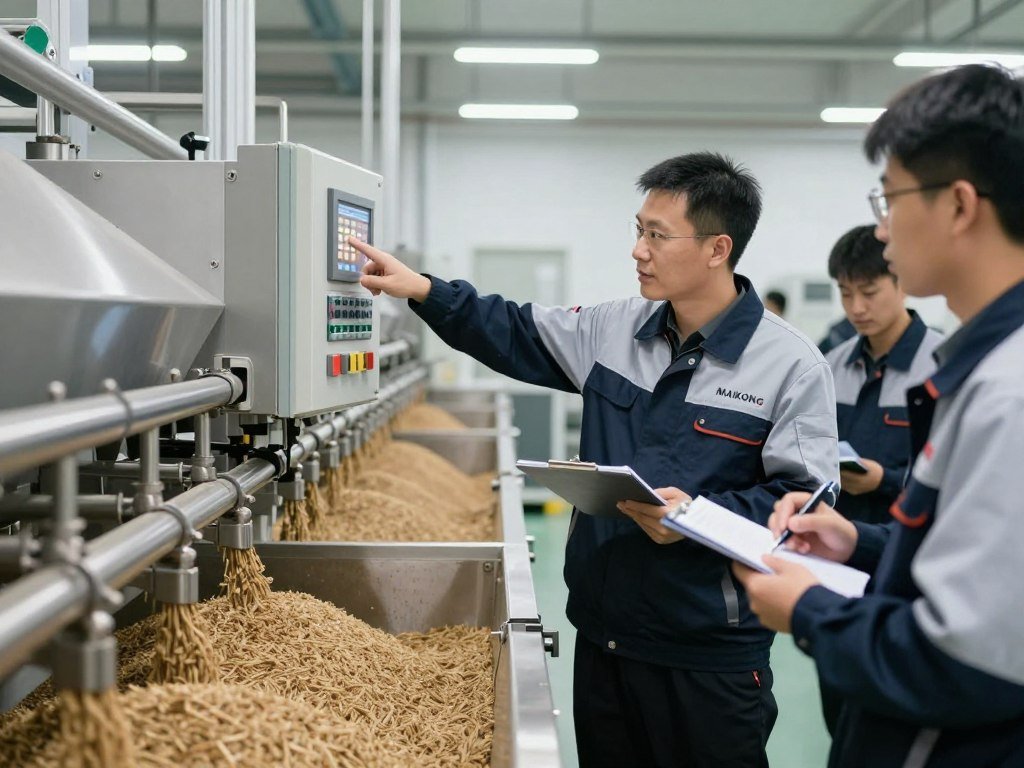
Service rates for qualified feed production technicians range from eighty-five to one hundred twenty-five pounds per hour depending on expertise level and regional market conditions. A distributor generating five hundred billable service hours annually adds forty-two thousand five hundred to sixty-two thousand five hundred pounds in revenue.
Service work typically carries margins of forty-five to fifty-five percent after technician labour costs, generating nineteen thousand one hundred twenty-five to thirty-four thousand three hundred seventy-five pounds in additional gross profit.
Explore UK Distributor Partnership Opportunity
MAIKONG seeks qualified distributors in key UK regions to represent our cattle feed pellet production line range. We provide comprehensive technical training, marketing support, and protected territory agreements. Our distributor partners benefit from UK spare parts inventory, competitive margin structures, and twenty-two years of manufacturing reliability.
After-Sales Support Risk Assessment
The quality of after-sales support determines long-term equipment viability. UK feed mills increasingly recognize that purchase price represents only twenty to thirty percent of total cost of ownership over a ten-year equipment lifespan.
Common After-Sales Failure Scenarios
Analysis of UK feed mill experiences with imported production equipment reveals consistent patterns of after-sales support breakdown. Understanding these failure modes helps distributors differentiate their value proposition.
Most Frequent After-Sales Complaints from UK Feed Mills
- Unresponsive technical support – Email inquiries receive automated responses but no substantive technical guidance. Phone calls route to sales staff unfamiliar with equipment operation.
- Language and time zone barriers – Technical support available only during Asian business hours with communication challenges degrading problem resolution effectiveness.
- Generic troubleshooting advice – Support staff provide manual excerpts rather than specific guidance addressing the actual problem conditions.
- Extended spare parts delivery – Critical components promised in “seven to ten days” arrive after four to six weeks, causing extended production downtime.
- Installation and commissioning gaps – Equipment arrives with insufficient installation guidance, requiring expensive local engineering consultation to achieve proper operation.
One Norfolk poultry feed operation reported three months of sub-optimal pellet quality after installing new equipment. The overseas supplier provided email troubleshooting suggestions that failed to resolve the issue. Eventually, the mill hired an independent consultant who identified a motor speed mismatch causing inadequate conditioning. The consultant’s fee of four thousand two hundred pounds, combined with three months of reduced production efficiency, cost the operation approximately thirty-eight thousand pounds.

MAIKONG UK After-Sales Support Structure
MAIKONG addresses these common support failures through a structured UK-focused support framework. Our approach recognizes that technical support quality directly impacts distributor success and customer retention.
Technical Support Channels
- UK business hours phone support (English-speaking technical staff)
- WhatsApp direct messaging for urgent troubleshooting (8613-51090-74-01)
- Email technical support with guaranteed response within four business hours (Lucy@feedproductionline.uk)
- Remote diagnostic capabilities for electrical and control systems
- On-site technical visits available within seventy-two hours for critical failures
Preventive Support Resources
- Comprehensive installation and commissioning documentation
- Video library covering common maintenance and troubleshooting procedures
- Quarterly preventive maintenance check-lists customized to equipment configuration
- Annual technical training sessions for distributor technicians
- Direct access to engineering team for complex technical challenges
This support structure costs approximately eight to twelve percent of initial equipment value over a five-year period. However, it prevents downtime scenarios that can easily cost five to ten times the support investment.
Warranty and Performance Guarantee Framework
MAIKONG provides structured warranties covering manufacturing defects and performance guarantees addressing operational outcomes. This dual framework protects both distributors and end customers from equipment underperformance scenarios.
| Component Category | Warranty Period | Coverage Scope | Performance Guarantee |
| Structural components | 36 months | Manufacturing defects, material failures | N/A |
| Motors and drives | 24 months | Manufacturing defects, premature failure | Rated power output ±3% |
| Pellet mill assembly | 18 months | Manufacturing defects excluding wear parts | Rated capacity at specified formulation |
| Electrical and control | 24 months | Component failures, programming errors | Function as specified |
| Wear parts (dies, rollers) | 90 days or rated hours | Manufacturing defects only | Minimum rated operating hours |
| Complete system | 12 months operation | System integration, performance | Achieve rated output and quality specs |
The performance guarantee proves particularly valuable for UK operations. If a five tph animal feed pellet production line fails to achieve rated capacity with properly formulated feed, MAIKONG commits to equipment modification or component replacement until performance specifications are met.
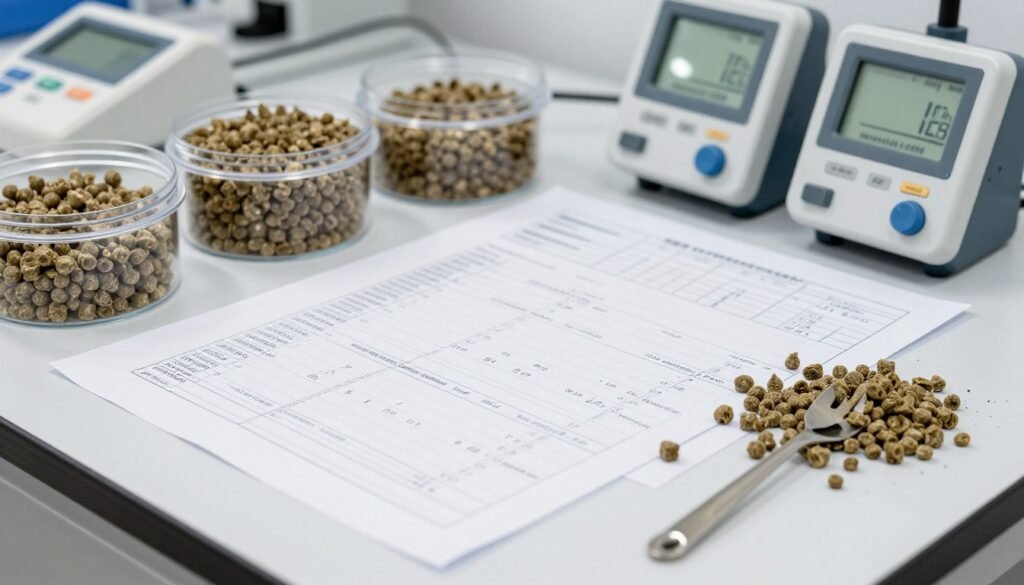
This guarantee transfers performance risk from the customer and distributor back to the manufacturer. One Devon feed mill leveraged this guarantee when their newly installed line achieved only four point two tph instead of the specified five tph. MAIKONG engineering identified a die specification error and replaced the component at no cost, restoring full performance within nine days.
Technical Specifications: MAIKONG MK-L003 Cattle Feed Production Line
The MK-L003 represents MAIKONG’s most popular configuration for UK cattle feed operations. This system balances production capacity, energy efficiency, and operational flexibility suitable for medium-scale feed manufacturing.
Core System Specifications
| Specification Category | Parameter | Value/Range |
| Model Designation | Model Number | MK-L003 |
| Production Capacity | Rated Output | 3-5 TPH (tonnes per hour) |
| Control System | Operation Mode | Automatic/Semi-Automatic/Manual |
| Power Requirements | Total Installed Power | 142 kW (380V/50Hz UK standard) |
| Energy Consumption | Per Ton Feed Produced | 68-78 kWh per ton |
| Pellet Specifications | Pellet Diameter Range | 2mm – 8mm (cattle feed typically 6mm) |
| Feed Form Output | Product Types | Mash, Pellets, Crumbles |
| System Footprint | Length × Width × Height | 18m × 6.5m × 8.2m |
| Material Construction | Contact Surfaces | Food-grade stainless steel (304) |
| Control Panel | Material/Protection | ABS housing, IP54 rated |
| Weight (Complete) | Shipping Weight | 14,800 kg |
| Availability | Stock Status | Build-to-order (6-8 weeks delivery) |
| Colour Options | Standard Finish | Industrial grey, custom colours available |
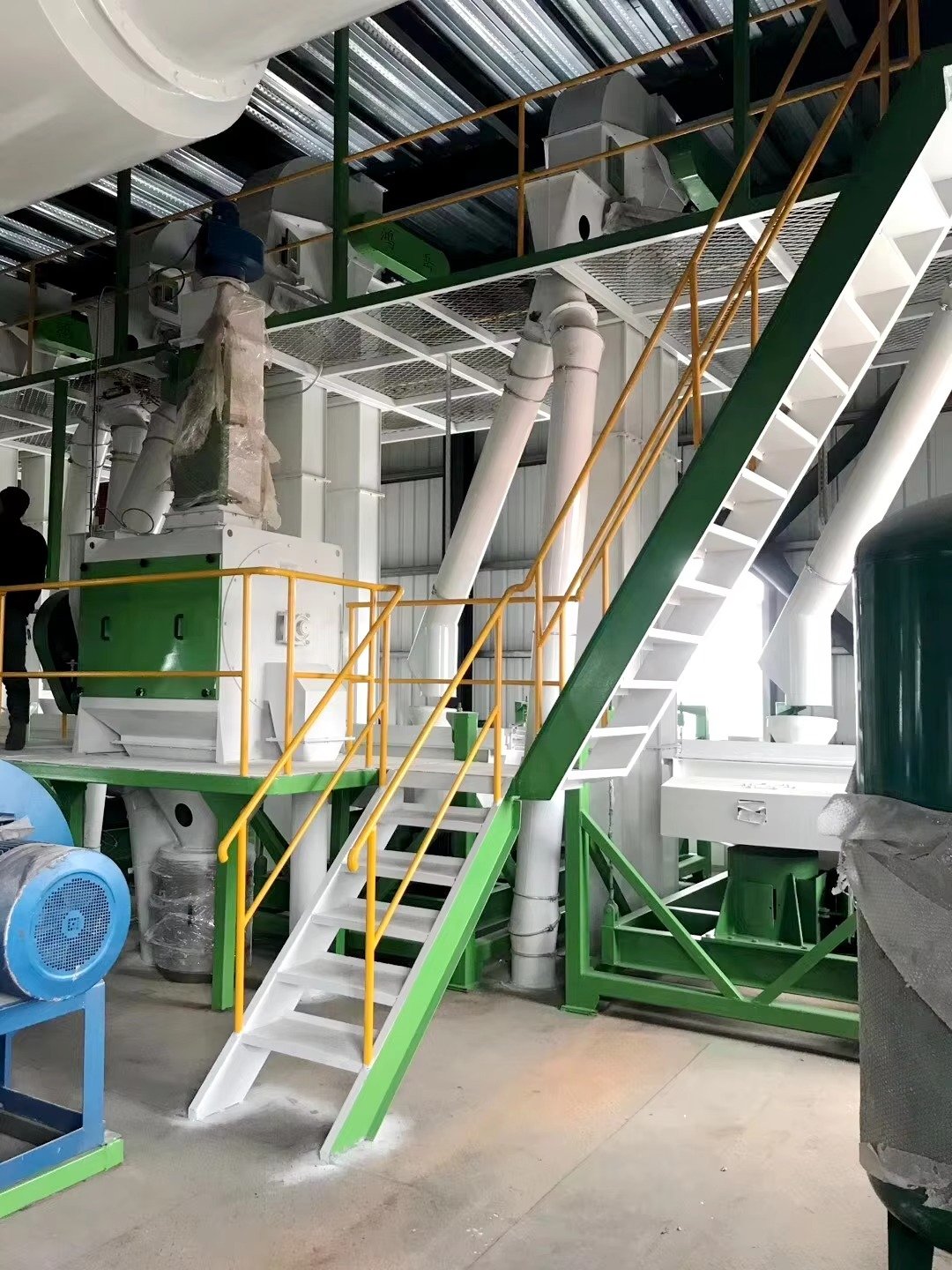
Major Component Breakdown
The MK-L003 system integrates six primary processing stages, each contributing to final pellet quality and consistent output. Understanding component interaction helps operators optimize performance and troubleshoot quality deviations.
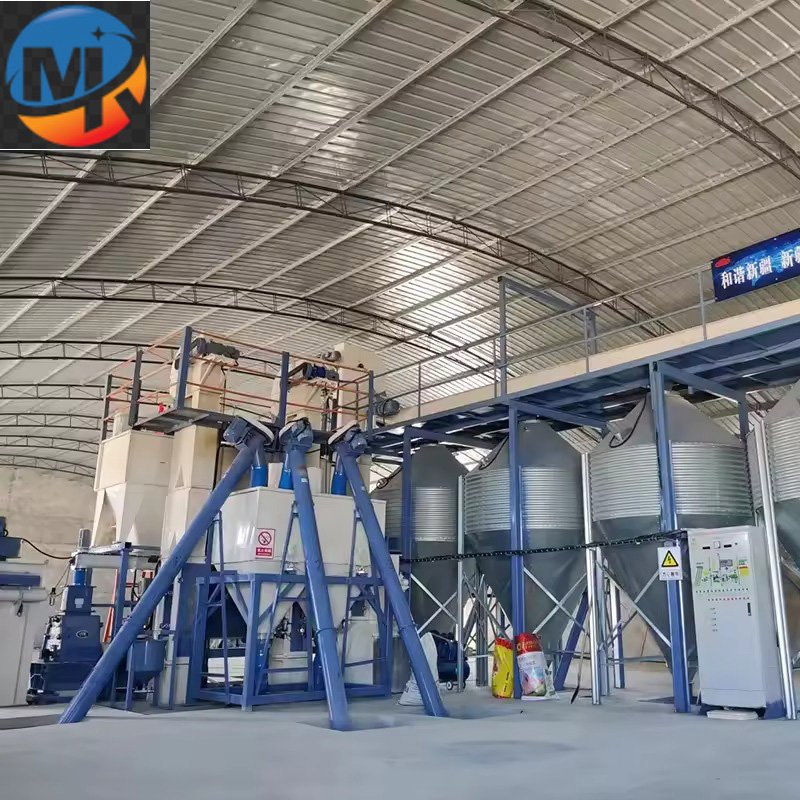
Crushing Section
SFSP series hammer mill with variable screen mesh. Achieves particle size reduction to required specification for optimal pelleting. Processes materials up to six tph at eighty-five percent through-screen efficiency.
- Motor power: 37 kW
- Screen options: 2mm to 6mm mesh
- Material: High-chromium hammers
- Noise level: 82 dB(A) at 1m
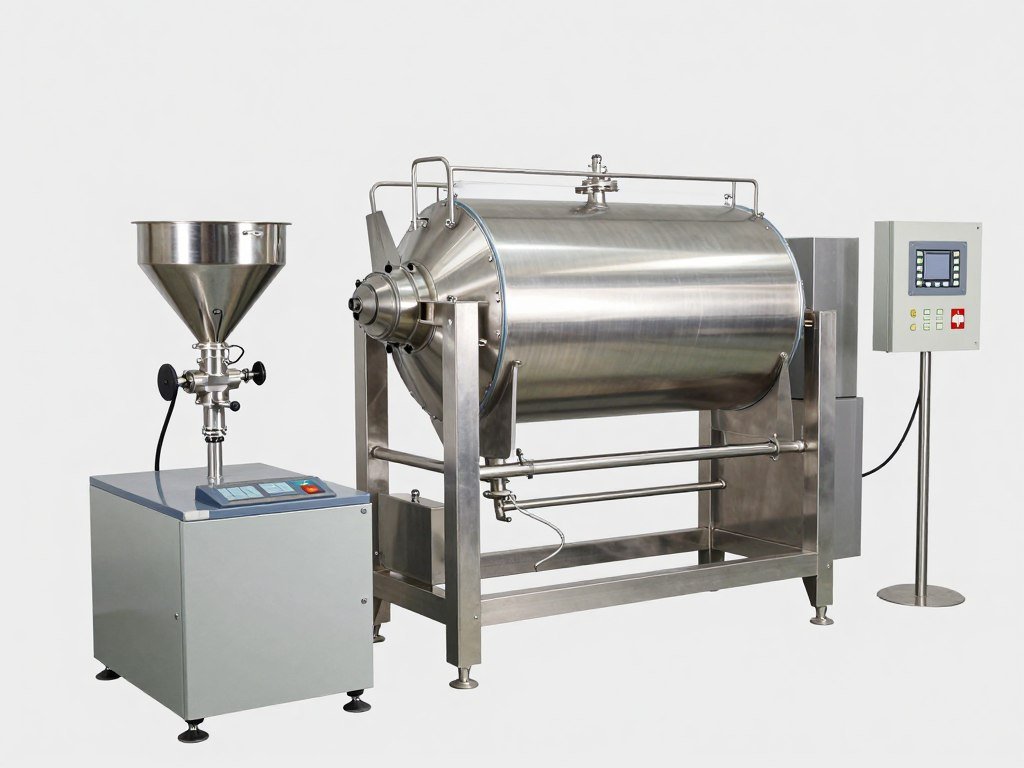
Batching and Mixing
Automated batching system with electronic load cells achieving plus-or-minus zero point three percent accuracy. Double-shaft paddle mixer ensures coefficient of variation below five percent in ninety seconds mixing time.
- Mixer motor: 11 kW
- Batch size: 500 kg to 1200 kg
- Mixing uniformity: CV ≤5%
- Cycle time: 4-6 minutes complete
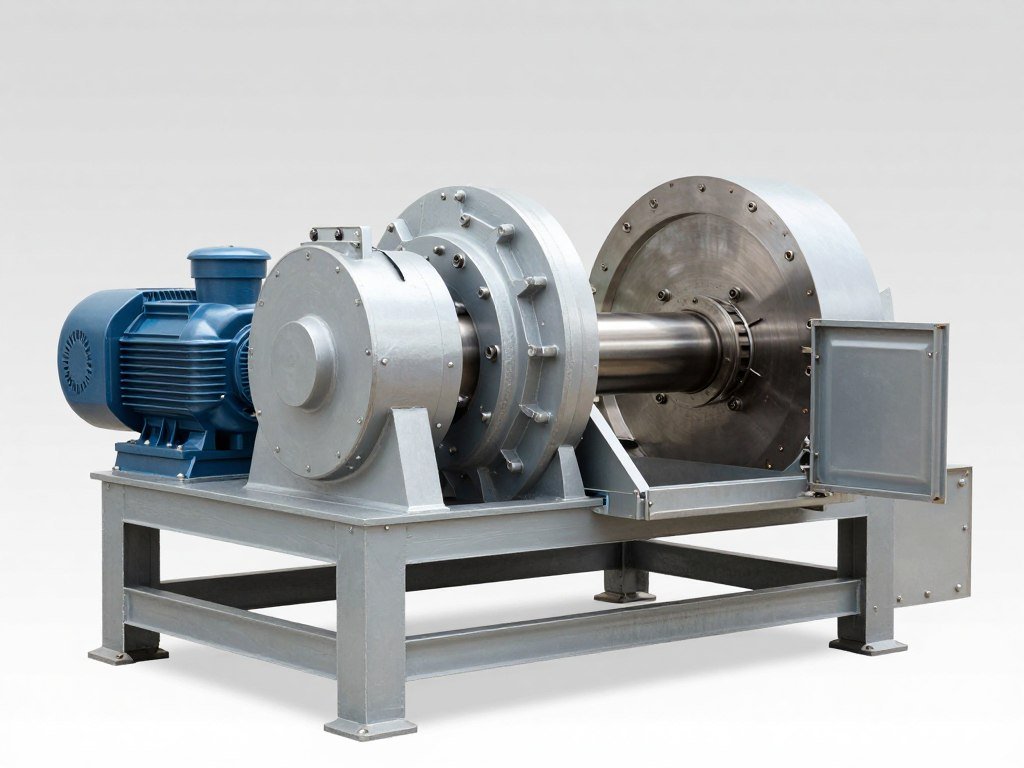
Pelleting Section
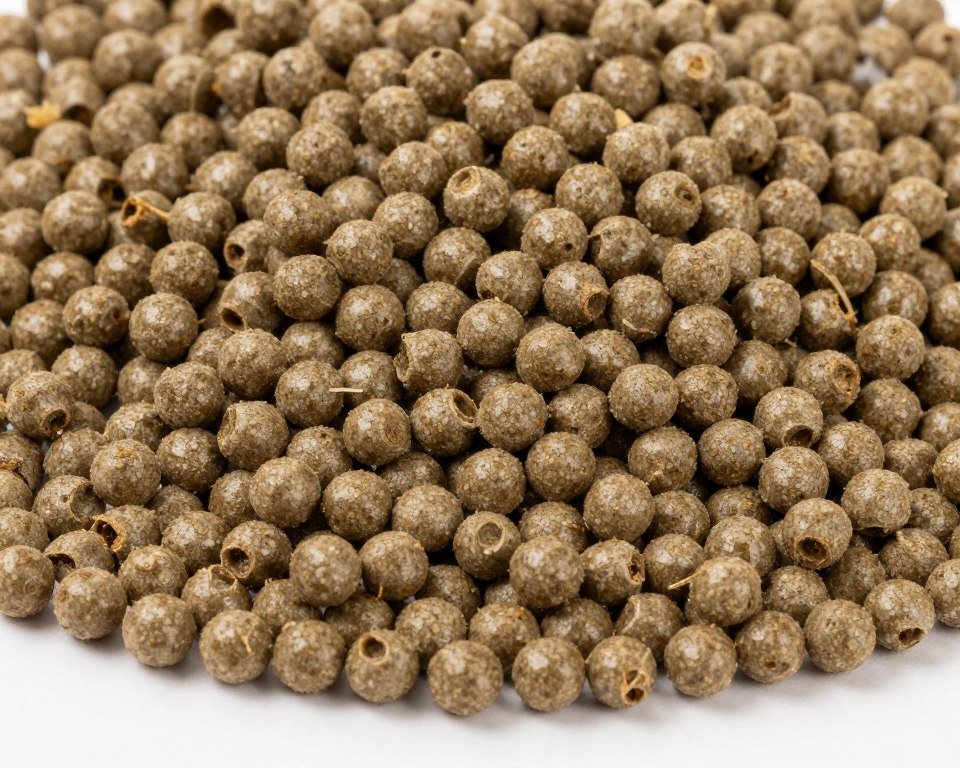
Ring die pellet mill with variable frequency drive. Steam conditioning achieves seventy-five to eighty-five degrees Celsius mash temperature before pelleting. Produces five tph of consistent six-millimeter cattle feed pellets.
- Main motor: 75 kW with VFD
- Die specification: 420mm diameter
- Roller configuration: 2 rollers
- Pellet durability: >95% PDI
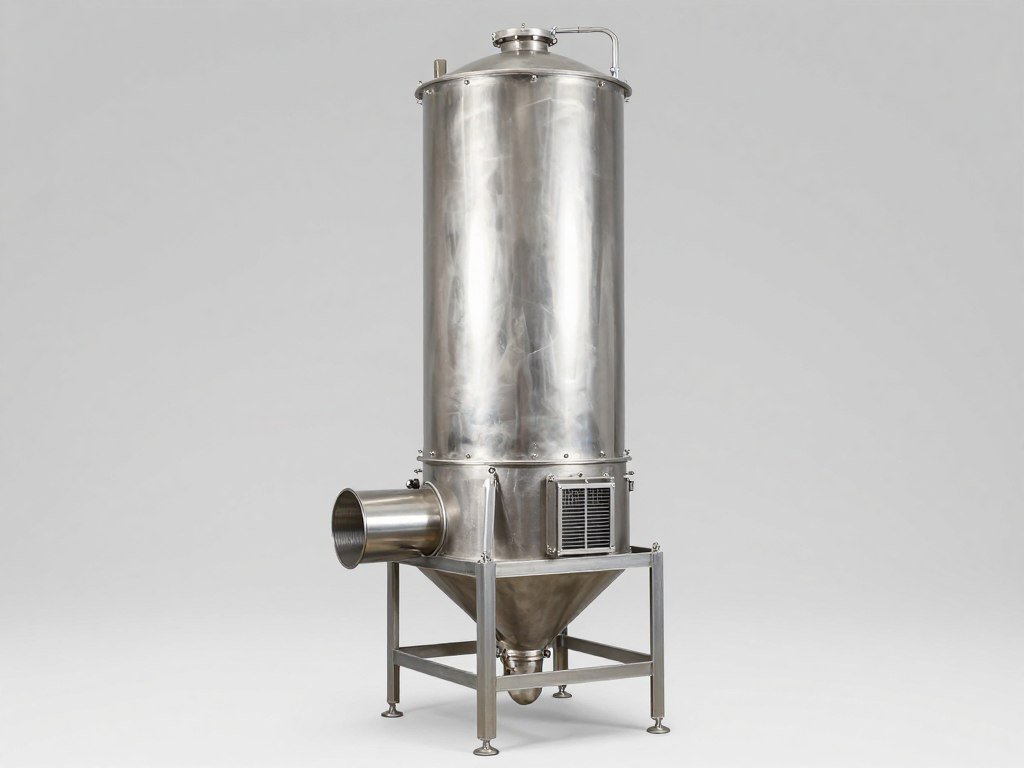
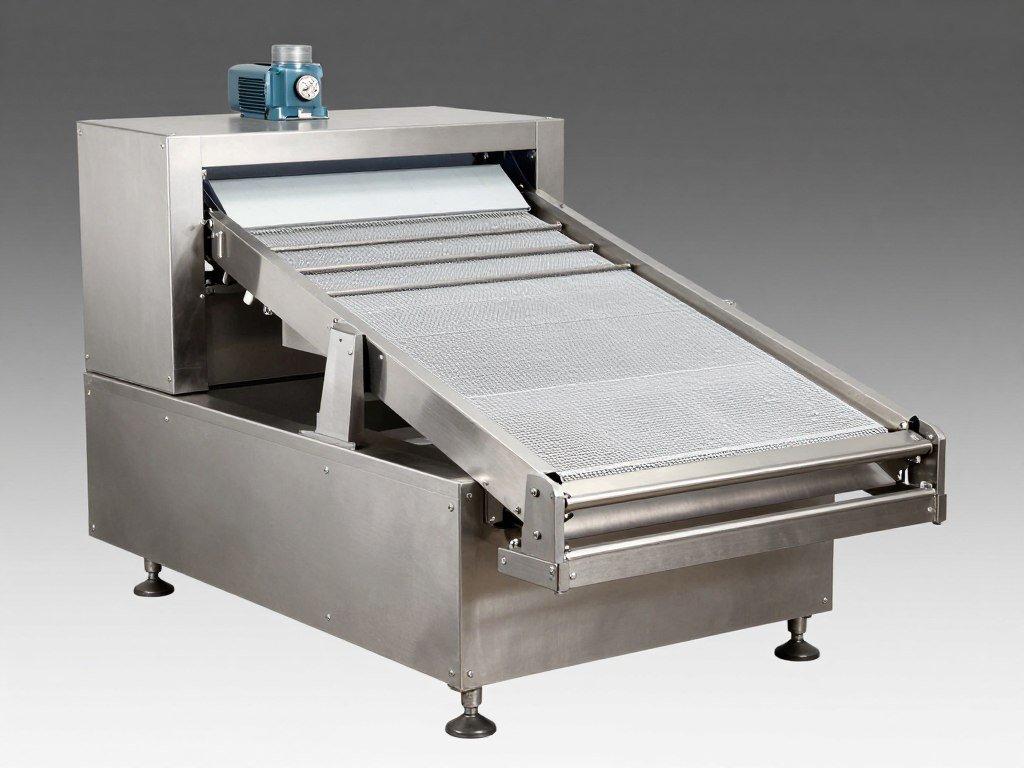
Cooling System
Counterflow cooler reduces pellet temperature from eighty-five degrees to ambient plus five degrees Celsius. Air circulation design ensures uniform cooling without pellet damage. Cooling capacity matches pelleting output.
- Cooling capacity: 5-6 TPH
- Retention time: 8-12 minutes
- Final moisture:
- Temperature reduction: 60-65°C
Screening and Grading
Vibratory screen separates fines and oversized particles. Returns off-spec material to pelleting for reprocessing. Ensures consistent pellet size distribution meeting cattle feeding requirements.
- Screen area: 1.8 m²
- Vibration motor: 1.5 kW
- Screening efficiency: >92%
- Capacity: 6-8 TPH
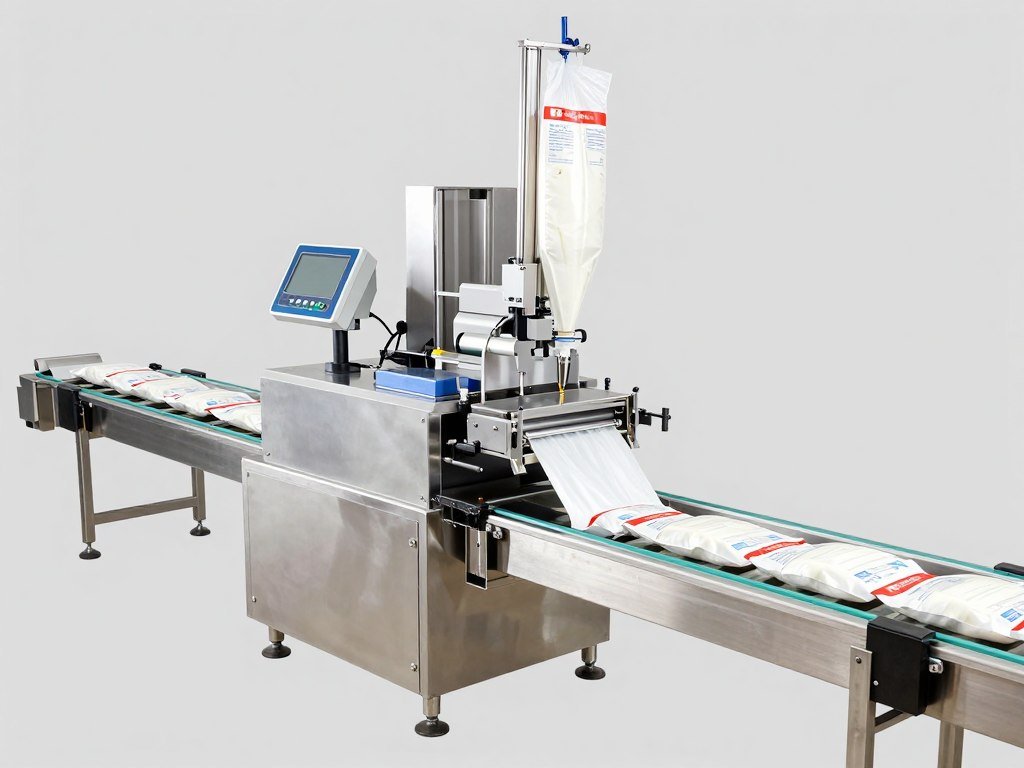
Packaging Section
Electronic weighing and bagging system handles twenty-five to fifty kilogram bags. Automatic bag placement, filling, and sealing achieves six to eight bags per minute. Integrated bag sewing or heat sealing options available.
- Weighing accuracy: ±0.15%
- Bag range: 10kg to 50kg
- Speed: 6-8 bags/minute
- Automation level: Semi-automatic
Performance Rating Assessment
Independent evaluation of the MK-L003 system by UK feed operations provides real-world performance data across multiple operational parameters.
These ratings reflect performance across diverse UK operating conditions including varying raw material specifications, different production schedules, and multiple facility types from dedicated cattle feed mills to multi-species operations.
European Installation Case Studies
Real-world performance data from European poultry feed production line installations demonstrates equipment reliability and support effectiveness across different operating environments.
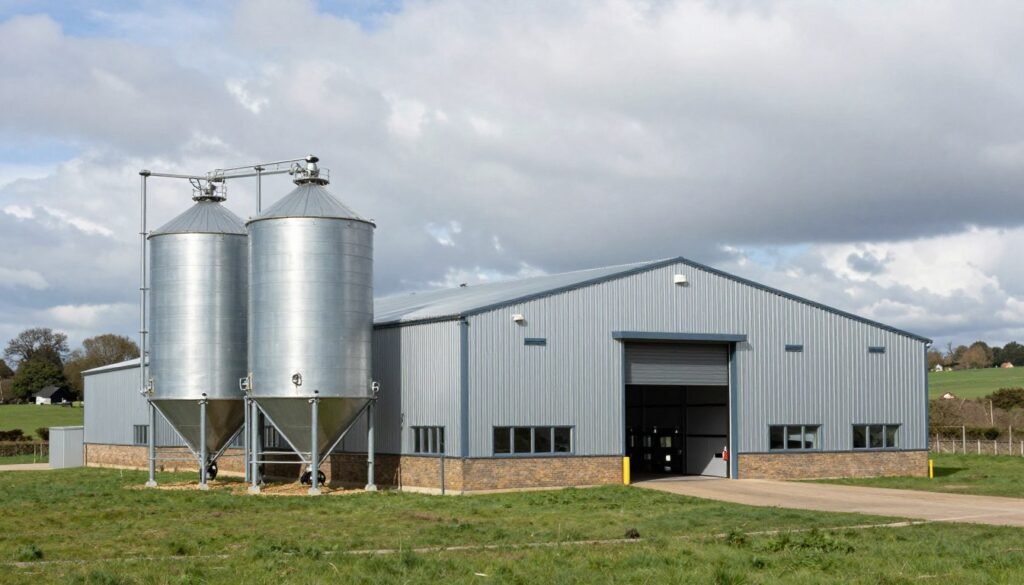
Case Study: Hertfordshire Cattle Feed Operation
A family-operated cattle farm in Hertfordshire expanded into commercial feed production in late 2021. The operation supplies feed to thirty-eight local cattle farmers within a forty-mile radius.
Installation Details
- Equipment: MAIKONG MK-L003 complete line
- Commissioning: January 2022
- Operating schedule: Single shift, five days weekly
- Annual production: 4,200 tonnes
- Primary product: 6mm cattle grower pellets
- Secondary products: Dairy concentrate, finishing feed
Performance Outcomes
After eighteen months of operation, the facility achieved consistent four point eight tph output with pellet durability index averaging ninety-six point two percent. Energy consumption stabilized at seventy-one kilowatt-hours per ton, slightly below projected levels.
The operation experienced two unplanned stoppages during this period. The first involved a bearing failure in a bucket elevator at month seven. MAIKONG UK warehouse delivered replacement bearings within thirty-six hours. Total downtime: fourteen hours.
The second stoppage occurred at month thirteen when the pellet die developed premature wear after four hundred eighty hours operation instead of the expected eight hundred hours minimum. Analysis identified excessive moisture in incoming corn as the cause. MAIKONG replaced the die under warranty and provided revised conditioning parameters to prevent recurrence.
“The MAIKONG system delivered exactly what we needed – reliable production without constant attention. When we did have issues, support response was faster than our previous UK-made equipment supplier. The warranty die replacement saved us nearly two thousand pounds.”
Case Study: Belgian Multi-Species Feed Cooperative
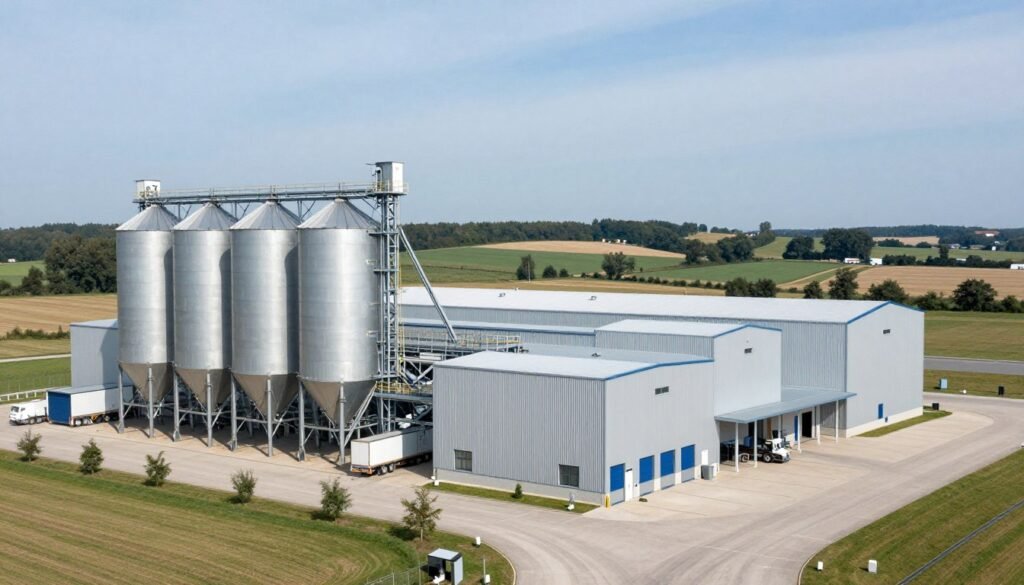
A farming cooperative in Belgium operates a regional feed mill serving one hundred twenty-three member farms raising cattle, pigs, and poultry. The facility produces eighteen different feed formulations across three species.
| Metric | Year One | Year Two | Year Three |
| Annual production (tonnes) | 8,600 | 9,400 | 10,200 |
| Average pellet quality (PDI %) | 94.8 | 95.6 | 96.1 |
| Energy consumption (kWh/ton) | 76 | 73 | 71 |
| Unplanned downtime (hours) | 42 | 28 | 19 |
| Maintenance cost per ton (€) | €2.40 | €2.15 | €1.95 |
| Member satisfaction score | 8.2/10 | 8.7/10 | 9.1/10 |
The cooperative’s experience demonstrates the learning curve effect common in feed production operations. Operational efficiency improved as staff gained experience with equipment optimization and preventive maintenance routines.
Case Study: Netherlands Organic Cattle Feed Specialist
An organic certification specialist in the Netherlands produces certified organic cattle feed for premium dairy operations. The facility processes organic grains and protein sources with strict contamination prevention requirements.
Unique Operating Requirements
- Complete line cleaning between batches to prevent cross-contamination
- Organic certification compliance documentation for all ingredients
- Lower processing temperatures to preserve nutritional integrity
- Smaller batch sizes (300-500 kg) with frequent formula changes
- Enhanced quality control with laboratory testing of each batch
MAIKONG Customization Solutions
- Modified cleaning access points for rapid changeover
- Temperature monitoring at six process points
- Reduced batch size capability with maintained mixing uniformity
- Enhanced traceability system tracking ingredients through production
- Stainless steel contact surfaces exceeding organic certification standards
This installation demonstrates MAIKONG’s OEM and customization capabilities. The equipment meets specialized organic production requirements while maintaining core production efficiency and reliability.

Daily and Weekly Maintenance Check-list for Best Cattle Feed Pellet Production Line
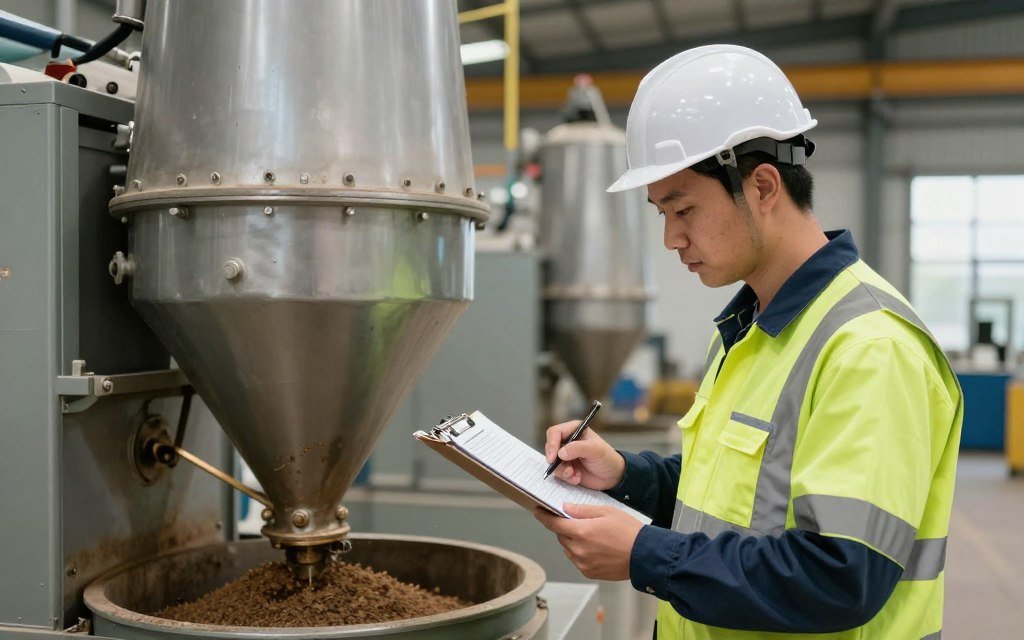
Systematic maintenance prevents the majority of unplanned production stoppages. This check-list reflects best practices from high-performing UK and European feed operations using MAIKONG equipment.
Daily Pre-Start Inspection Routine
Perform these checks before starting production each day. Total time required: twelve to eighteen minutes.
Crushing Section
Visual and auditory assessment of hammer mill operation and material flow.
- Check hammer mill screen for damage or blockage
- Verify hammer condition through inspection port
- Confirm all access doors properly secured
- Listen for unusual noise during no-load operation
- Check magnet separator and remove collected metal
Mixing Section
Ensure proper batching accuracy and mixing uniformity before production.
- Verify scale zero calibration on all weigh hoppers
- Check mixer discharge gate for proper sealing
- Inspect mixer paddles for material buildup
- Confirm liquid addition system functioning (if equipped)
- Test batch sequence through control system
Pelleting Section
Critical pre-start checks preventing die and roller damage during startup.
- Inspect pellet die for cracks or damage
- Verify roller shell surface condition
- Check main drive belt tension
- Confirm steam supply pressure and temperature
- Test conditioner paddle rotation and steam injection
- Verify pellet mill feeder operation
General Systems
Overall system readiness verification ensuring safe and efficient operation.
- Check all emergency stop buttons functional
- Verify all safety guards in place
- Inspect all conveyor belts for damage
- Confirm adequate raw material inventory
- Check dust collection system operation
- Review previous shift’s production log for issues
Weekly Detailed Maintenance Tasks
Allocate three to four hours each week for these more thorough maintenance activities. Schedule during production downtime or reduced-capacity periods.
- Lubrication service (all bearing points) – Apply specified lubricant to all bearing housings per lubrication schedule. Use grease gun with pressure gauge to ensure proper fill without over-greasing. Record lubrication in maintenance log.
- Belt tension verification and adjustment – Check tension on all drive belts using tension meter. Adjust to manufacturer specification. Replace any belts showing cracking, glazing, or uneven wear.
- Electrical connection inspection – Verify tightness of all power connections, particularly at motors and control panels. Check for signs of overheating (discoloration, burning smell). Test ground fault protection functionality.
- Pellet quality assessment – Collect samples from production and perform pellet durability testing. Measure fines percentage. Verify pellet dimensions. Document results and investigate any quality deviations.
- Dust collection system maintenance – Empty dust collection bins. Check filter condition and clean or replace as needed. Verify proper airflow at all collection points.
- Calibration verification – Test weighing system accuracy using certified weights. Verify temperature sensors reading correctly. Check moisture meter calibration if equipped.
- Detailed visual inspection – Thoroughly inspect all equipment for unusual wear, loose fasteners, leaking seals, or developing problems. Address minor issues before they escalate.
Maintenance Record Documentation
Maintain detailed records of all maintenance activities including dates, observations, measurements, and corrective actions taken. These records serve multiple purposes:
- Establish maintenance history supporting warranty claims
- Identify recurring problems indicating needed equipment modifications
- Demonstrate regulatory compliance for food safety audits
- Support predictive maintenance scheduling based on actual wear patterns
- Provide training documentation for new maintenance personnel
Monthly Comprehensive Maintenance Program
Schedule six to eight hours monthly for comprehensive maintenance beyond weekly routines. Consider engaging MAIKONG technical service for annual detailed inspection.
Pellet Die and Roller Measurement
Measure die hole wear using precision gauge. Assess roller shell thickness at multiple points. Document measurements to predict replacement timing. Plan replacement before quality degradation occurs.
Motor and Gearbox Service
Check motor winding insulation resistance. Verify proper motor operating temperature under load. Inspect gearbox oil level and condition. Sample oil for contamination analysis on critical drives.
Structural and Safety Inspection
Inspect all structural supports for cracks or stress. Verify proper function of all safety interlocks. Test emergency shutdown systems. Ensure all safety signage remains visible and legible.
Download Comprehensive Maintenance Check-list
MAIKONG provides detailed maintenance check-lists customized to your specific equipment configuration. Our check-lists include measurement specifications, lubrication schedules, and troubleshooting guidance. Request your customized maintenance package including printable check-lists and digital tracking tools.
Common Operational Issues and Solutions
Even well-maintained best cattle feed pellet plant systems encounter occasional operational challenges. Understanding common problems and effective solutions minimizes downtime impact.
Pellet Quality Problems
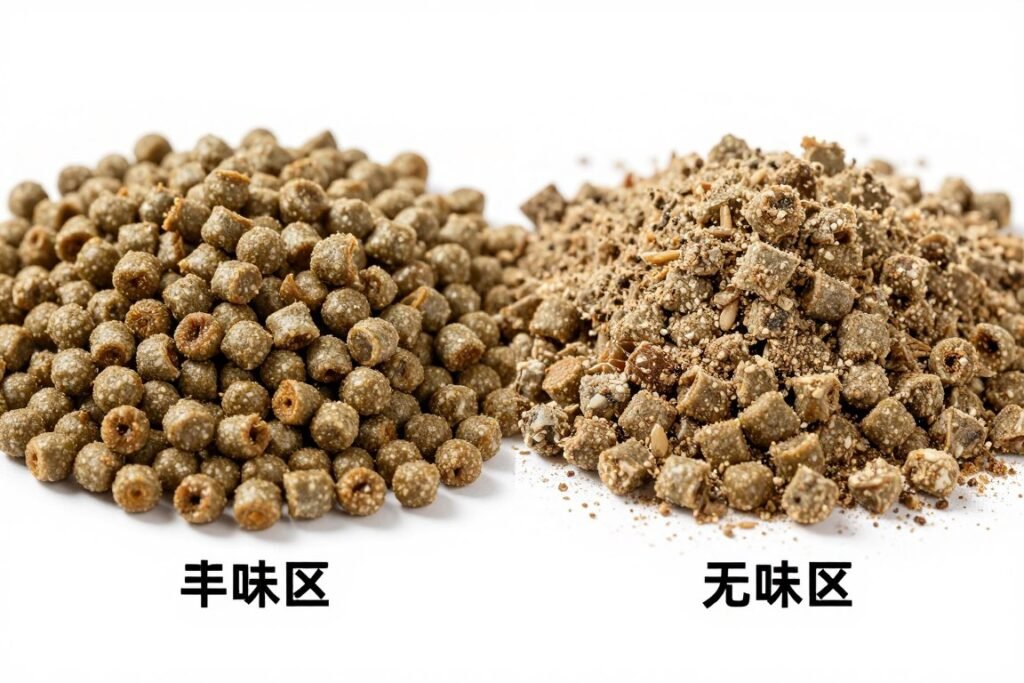
Inconsistent pellet quality manifests as excessive fines, poor durability, variable pellet size, or pellet binding within the die. Each symptom indicates specific underlying causes.
Problem: Excessive Fines Production (More Than Eight Percent)
Likely causes and solutions:
- Insufficient conditioning temperature – Verify steam pressure reaches specification (2.8 to 3.2 bar). Check steam quality (should be dry saturated steam, not wet steam). Increase conditioning retention time if possible.
- Incorrect die specification – Die compression ratio may not match formulation characteristics. Cattle feed typically requires 1:8 to 1:12 compression ratio. Consult MAIKONG technical support for die selection guidance.
- Worn die or rollers – Measure die hole wear and roller shell thickness. Replace components approaching end of service life before quality deteriorates.
- Excessive cooling rate – Rapid temperature change causes pellet cracking. Reduce cooler airflow rate. Ensure pellets spend adequate time (8-12 minutes) in cooler.
Problem: Die Blockage During Operation
Immediate action: Stop pellet mill immediately when amperage rises or production drops suddenly. Continuing operation with blocked die damages rollers and motor.
Blockage causes and prevention:
- Insufficient steam conditioning – Mash entering the die must reach seventy-five to eighty-five degrees Celsius. Lower temperatures prevent proper pellet formation causing die plugging.
- Excessive moisture in raw materials – Incoming grain moisture above fourteen percent creates pelleting difficulties. Test and reject over-moisture materials or adjust conditioning parameters.
- Foreign material contamination – Rocks, metal, or plastic fragments block die holes. Ensure magnetic separators function properly. Inspect screens for damage allowing oversized material through.
- Start-up procedure errors – Never start pellet mill with empty die. Always pre-fill with mash before engaging main drive. Use proper start-up sequence per operating manual.
Clearing blocked die: Remove die from mill. Use proper-sized drill bits to carefully clear blocked holes. Do not use excessive force risking hole damage. For severely blocked dies, professional re-drilling service may be required.
Problem: Variable Pellet Diameter or Length
Causes and corrections:
- Inconsistent raw material particle size – Verify hammer mill screen condition and replacement frequency. Test ground material for particle size distribution. Target eighty-five percent through 2mm screen for cattle feed.
- Uneven die wear – Dies wear unevenly causing some holes to produce oversized pellets while others produce undersized. Replace die when hole wear exceeds twenty percent of original diameter.
- Variable feed rate to pellet mill – Feeder malfunction or inconsistent material flow causes pellet size variation. Check feeder calibration. Ensure adequate material supply to prevent surging.
- Knife adjustment issues – Pellet length determined by knife-to-die clearance. Adjust knife position to achieve desired pellet length (typically 1.5 to 2.5 times pellet diameter for cattle feed).
Equipment Performance Issues
Performance problems affect production capacity, energy consumption, or equipment reliability. Systematic diagnosis prevents minor issues from escalating to major failures.
Problem: Production Capacity Below Rated Output
Diagnostic approach:
- Measure actual throughput over thirty-minute period to confirm capacity shortfall
- Monitor pellet mill amperage – should reach eighty-five to ninety-five percent of rated motor current at full capacity
- Check all upstream equipment (crusher, mixer, conditioner) for capacity bottlenecks
- Verify material characteristics match equipment design specifications
Common capacity-limiting factors:
- Undersized die specification – Die with too few holes or holes too small cannot achieve rated capacity. Verify die hole count and diameter match capacity requirements.
- Inadequate conditioning – Insufficient steam or conditioning time reduces pelleting efficiency. Increase steam pressure or modify conditioner retention time.
- Worn components reducing efficiency – Replace worn dies, rollers, and hammers even if not completely failed. Worn components significantly reduce throughput.
- Formulation characteristics – Some ingredients pellet more easily than others. High-fiber low-energy formulations may not achieve the same throughput as high-energy formulas.
Problem: Excessive Energy Consumption Per Ton
Energy consumption analysis:
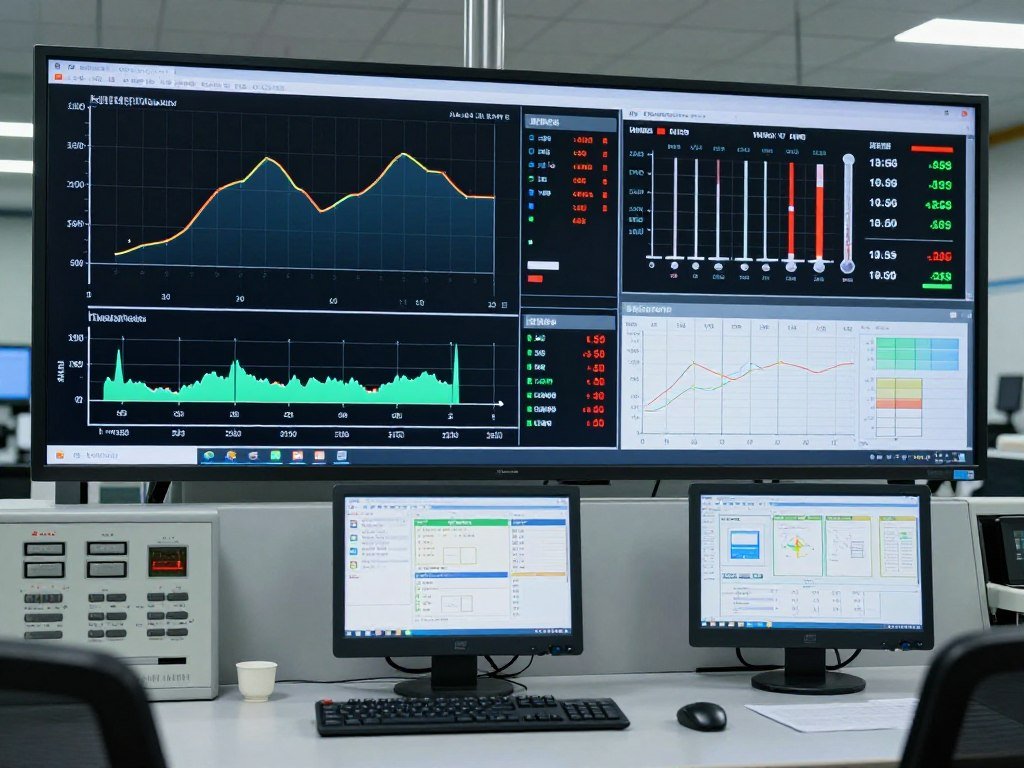
Normal energy consumption for cattle feed production ranges from sixty-eight to seventy-eight kilowatt-hours per ton. Consumption exceeding eighty-five kilowatt-hours indicates efficiency problems requiring investigation.
Energy waste sources:
- Excessive grinding – Over-crushing material wastes energy and may actually reduce pellet quality. Use appropriate screen size for formulation requirements.
- Equipment operating below optimal capacity – Running equipment at fifty percent capacity increases energy cost per ton. Adjust production scheduling to run equipment at or near rated capacity.
- Mechanical inefficiency from worn components – Worn bearings, misaligned drives, and damaged belts increase power consumption. Regular maintenance preserves energy efficiency.
- Improper die selection – Dies with incorrect compression ratio require excessive force increasing energy consumption. Consult technical guidance for proper die specification.
MAIKONG energy efficiency audit: Our technical team provides comprehensive energy consumption analysis identifying specific improvement opportunities. Request energy audit for operations consuming above seventy-eight kilowatt-hours per ton.
Problem: Frequent Bearing Failures
Bearing failure investigation:
Bearings failing before expected service life indicate underlying problems requiring correction. Simply replacing bearings without addressing root causes results in repeated failures.
Bearing failure root causes:
- Contamination – Dust, feed material, or moisture contamination destroys bearing lubrication. Improve sealing at bearing housings. Verify dust collection system effectiveness.
- Improper lubrication – Too much grease causes overheating. Too little grease causes metal-to-metal contact. Follow specified lubrication intervals and quantities exactly.
- Misalignment – Shaft or pulley misalignment creates side loads destroying bearings prematurely. Verify alignment using precision alignment tools during installation and after any maintenance involving shaft work.
- Excessive vibration – Unbalanced rotors, loose mountings, or structural resonance creates destructive vibration. Perform vibration analysis to identify and correct vibration sources.
- Incorrect bearing installation – Improper heating, pressing, or mounting damages bearings during installation. Use proper bearing installation tools and procedures.
Retain failed bearings for analysis. Failure patterns (pitting, spalling, discoloration, cage damage) reveal specific failure causes guiding corrective action.
For technical support addressing operational issues not covered here, contact MAIKONG technical service via WhatsApp (8613-51090-74-01) or email (Lucy@feedproductionline.uk). Our UK-based support team provides guidance during your operating hours, typically responding within four hours.
Return on Investment Analysis for UK Feed Operations
Understanding complete financial performance helps distributors and mill operators make informed equipment investment decisions. This analysis uses real UK operating data from MAIKONG installations.
Capital Investment Breakdown
A complete five tph best cattle feed pellet machine installation requires investment beyond equipment purchase price. Comprehensive budget planning prevents cost surprises during implementation.
| Investment Category | Cost Range (GBP) | Percentage of Total |
| Equipment (MK-L003 complete line) | £68,000 – £82,000 | 48% – 52% |
| Shipping and import duties | £6,800 – £9,200 | 5% – 6% |
| Installation and commissioning | £12,500 – £16,800 | 9% – 11% |
| Building modifications | £15,000 – £28,000 | 11% – 18% |
| Electrical infrastructure | £8,500 – £12,000 | 6% – 8% |
| Initial spare parts inventory | £8,000 – £12,000 | 6% – 8% |
| Operator training | £2,200 – £3,500 | 2% – 2% |
| Working capital (first 60 days) | £12,000 – £18,000 | 9% – 12% |
| Total Investment Required | £133,000 – £181,500 | 100% |
These figures represent typical UK installation costs. Actual costs vary based on site-specific requirements, building condition, and local labour rates.

Operating Cost Structure
Understanding the complete cost per ton of feed produced enables accurate pricing and margin analysis. These costs reflect typical UK operating conditions for a facility producing four thousand tonnes annually.
Variable Costs Per Ton Produced
| Cost Element | GBP per Ton |
| Raw materials | £242 – £268 |
| Energy (electric) | £13.60 – £17.20 |
| Steam generation (gas) | £4.20 – £5.80 |
| Packaging materials | £8.50 – £11.20 |
| Wear parts/consumables | £3.00 – £4.40 |
| Total Variable Cost | £271.30 – £306.60 |
Fixed Costs (Annual, 4000 Tonnes)
| Cost Element | Annual Cost |
| Labour (2 operators) | £62,000 |
| Supervision/management | £28,000 |
| Maintenance labour | £18,500 |
| Insurance | £4,200 |
| Property/facility | £12,000 |
| Regulatory compliance | £3,800 |
| Total Fixed Costs | £128,500 |
| Fixed Cost Per Ton | £32.13 |
Total cost per ton combines variable costs (£271.30 to £306.60) plus fixed cost per ton (£32.13) resulting in £303.43 to £338.73 complete cost of production. Selling price of £332 to £368 per ton generates operating margins of £28.57 to £29.27 per ton or approximately eight point six percent.
Payback Period Calculation
A facility producing four thousand tonnes annually at £28.90 average margin per ton generates £115,600 annual gross profit. After subtracting fixed costs of £128,500, the operation shows negative cash flow in year one.
However, many UK cattle feed operations serve their own farming operations plus local sales. The value calculation must include:
- Feed cost savings versus purchasing commercial feed (£45 to £68 per ton saved)
- Improved cattle performance from fresh, customized feed formulations
- Revenue from sales to local farmers
- Reduced feed waste from fresher product
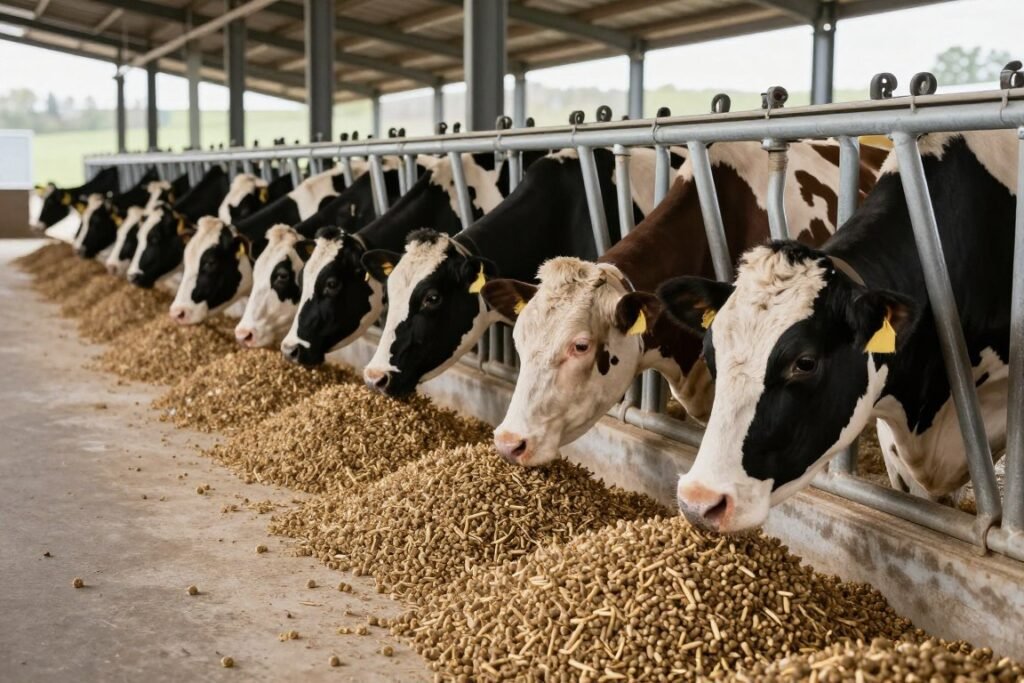
When including these factors, most UK installations achieve positive cash flow in year one and full capital recovery within three point two to four point eight years depending on production volume and margin realization.
Financial Benefits of On-Site Feed Production
- Feed cost reduction of twelve to eighteen percent versus purchased feed
- Complete formulation control optimizing nutrition and costs
- Improved feed freshness enhancing palatability and performance
- Revenue opportunity selling to neighboring farms
- Independence from commercial feed supply disruptions
- Ability to utilize alternative ingredients reducing costs
Financial Challenges and Risks
- Significant capital requirement (£133,000 to £181,500)
- Technical expertise needed for operation and maintenance
- Working capital tied up in raw material inventory
- Market price volatility in raw ingredients
- Regulatory compliance costs and complexity
- Capacity utilization challenges at startup
MAIKONG UK Distributor Partnership Structure
MAIKONG actively develops distributor partnerships across the United Kingdom to provide local support for our best cattle feed pellet production line customers. Our distributor model balances territory protection with performance expectations.
Distributor Support Package
MAIKONG provides comprehensive support enabling distributors to successfully represent our equipment and service existing installations.
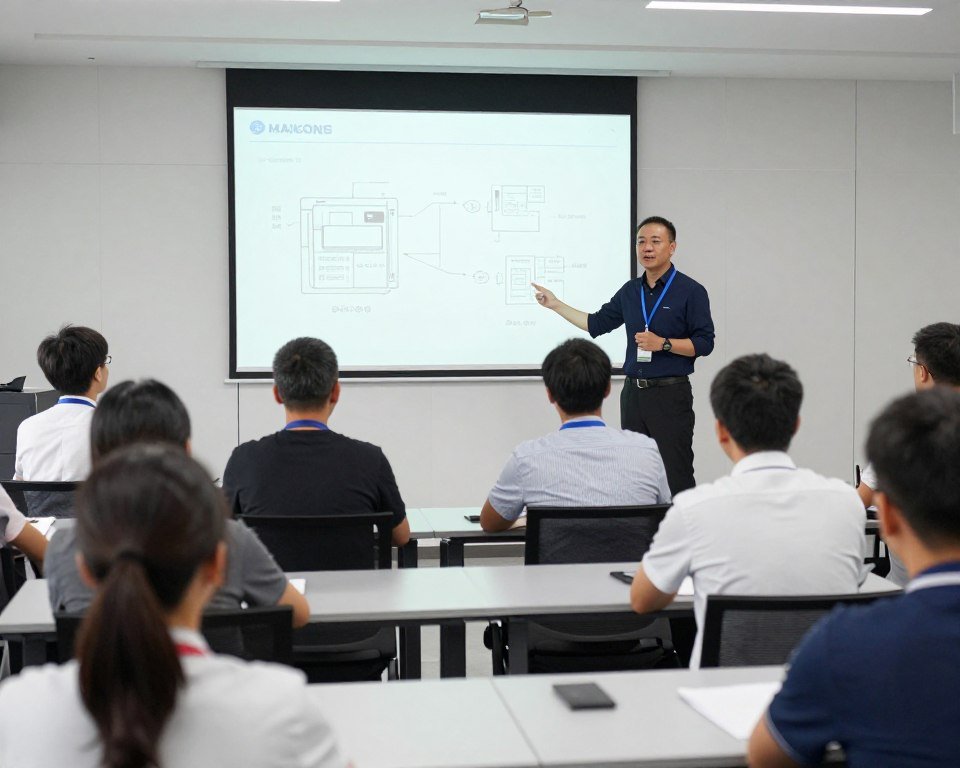
Initial Distributor Support
- Five-day comprehensive product and technical training at MAIKONG facility
- Complete technical documentation library (installation, operation, maintenance, troubleshooting)
- Marketing materials including brochures, specifications, case studies, photography
- Demo equipment access for customer demonstrations
- Initial spare parts inventory package (consignment basis)
- Protected territory agreement preventing direct competition
Ongoing Distributor Support
- Technical hotline access to engineering team
- Remote diagnostic support for customer issues
- Annual product update and technical training
- Co-op marketing fund (based on sales volume)
- Lead sharing for opportunities within territory
- Warranty administration support
Revenue Opportunity Structure
Distributor revenue develops through three channels: equipment sales, spare parts supply, and technical services. This multi-channel approach provides both transaction-based and recurring revenue streams.
Equipment Sales Revenue
Standard distributor margin on equipment ranges from eighteen to twenty-eight percent depending on installation complexity and support requirements. Complete five tph system sale generates £12,240 to £22,960 gross profit.
- Target: 3-6 systems annually (established distributor)
- Annual equipment gross profit: £36,720 to £137,760
- Sales cycle: 4-9 months average
Spare Parts Revenue
Recurring parts revenue provides stable income. Standard parts margin ranges from twenty-five to forty-two percent. Each active customer generates £3,600 to £6,400 annual parts gross profit.
- Target: 12-20 active customers (established territory)
- Annual parts gross profit: £43,200 to £128,000
- Predictable recurring revenue stream
Technical Service Revenue
Installation, commissioning, training, and maintenance services generate additional revenue. Service margins typically reach forty-five to fifty-five percent after direct labour costs.
- Installation services: £2,500 to £4,200 per system
- Annual maintenance contracts: £1,800 to £3,200 per customer
- Training services: £850 to £1,400 per session
An established distributor with fifteen active customers and four new system sales annually achieves total gross profit of approximately £95,000 to £185,000. This revenue supports one to two technical staff plus sales/administration resources.
Ideal Distributor Profile
MAIKONG seeks distributors with specific capabilities ensuring successful partnership outcomes for both parties.
Required Capabilities
- Existing relationships in UK feed manufacturing or agricultural sectors
- Technical staff capable of equipment installation and commissioning
- Warehouse facility for spare parts inventory
- Financial stability to support working capital requirements
- Commitment to customer service and technical support excellence
Preferred Qualifications
- Experience selling capital equipment to agricultural customers
- Mechanical or agricultural engineering background
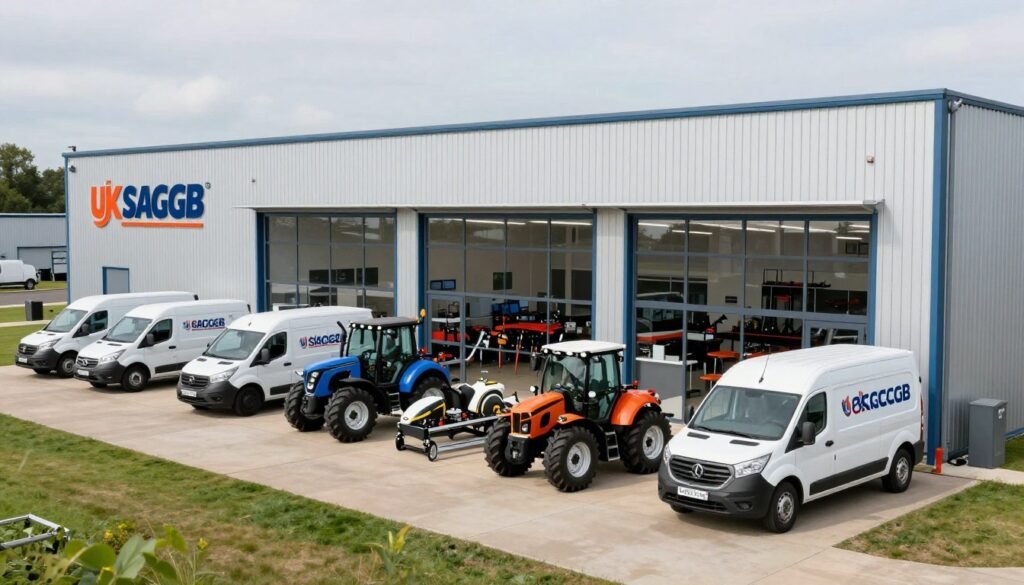
- Service vehicle and mobile maintenance capability
- Established service business generating recurring revenue
- Multi-person organization with sales and technical resources
Available UK Territories
MAIKONG currently seeks qualified distributors in these UK regions where we do not have established representation:
Available Territories
- Southwest England (Cornwall, Devon, Somerset)
- Wales (North and Mid-Wales regions)
- Northern England (Northumberland, Cumbria)
- Scotland (Central and Northeast Scotland)
- Northern Ireland (all regions)
Protected Existing Territories
- Southeast England (established distributor)
- East Anglia (established distributor)
- Midlands (established distributor)
- South Wales (established distributor)
Territory assignments protect distributor investment in market development while ensuring adequate customer coverage. MAIKONG reserves right to appoint additional distributors in large territories if market opportunity exceeds single distributor capacity.
Frequently Asked Questions About Cattle Feed Production Lines
These questions reflect common inquiries from UK feed mill operators and distributors evaluating best cattle feed pellet production line investments.
What production capacity do I need for my cattle operation?
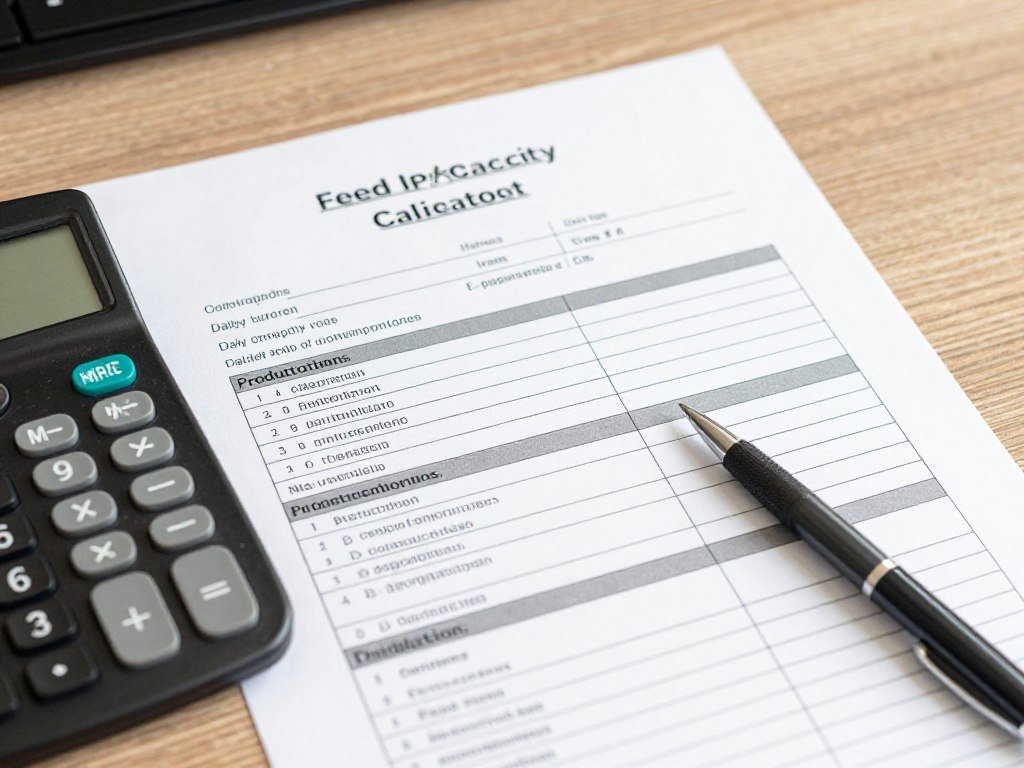
Calculate required capacity based on daily feed consumption and production schedule. A typical dairy cow consumes twenty-two to twenty-eight kilograms of feed daily. A beef finishing animal consumes twelve to sixteen kilograms daily.
For a one hundred head dairy operation, daily feed requirement reaches approximately 2,500 kilograms. If producing feed two days weekly, each production run must generate 8,750 kilograms (8.75 tonnes). A five tph production line completes this in under two hours of operation, allowing time for setup, cleanup, and formula changes.
Most operations benefit from installing capacity exceeding minimum requirements. This provides production flexibility, accommodates growth, and allows for diversification into selling feed to neighboring farms.
How long does installation and commissioning take?
Complete installation timeline from equipment arrival to full production operation typically spans four to seven weeks. This includes:
- Week 1: Equipment delivery and uncrating. Site preparation verification. Component inventory check.
- Weeks 2-3: Mechanical installation of all equipment. Structural supports and platforms. Conveyor systems and interconnections.
- Week 4: Electrical installation and control system wiring. Safety system installation. Instrumentation and sensor calibration.
- Week 5: System commissioning and testing. No-load operation testing. Loaded operation trials. Performance verification.
- Weeks 6-7: Operator training. Formula optimization. Production documentation. Final adjustments and acceptance.
Timeline varies based on facility readiness and installation complexity. Pre-installation planning reduces actual installation time.
What are the most critical spare parts to keep in inventory?
Maintain inventory of components whose failure halts production and whose replacement requires extended delivery time. Critical spares include:
- Pellet die (primary specification): Single most important spare. Die failure stops production immediately. Replacement lead time can exceed three weeks.
- Roller shells (complete set): Roller failure less common than die wear but equally production-stopping. Keep one spare set.
- Main shaft bearings: Bearing failure requires immediate replacement. Keep two sets for pellet mill main shaft.
- Drive belts (full set): Belt failure common and relatively inexpensive. Keep complete spare set for entire system.
- Hammer mill screen (most common specification): Screens wear predictably. Keep two spare screens for primary grind specification.
This minimum inventory costs approximately £8,000 to £12,000 but prevents production losses potentially exceeding £50,000 annually from extended downtime.
Can the system produce different pellet sizes for different cattle types?
Yes, the MK-L003 accommodates different pellet sizes through die changes. Common cattle feed pellet sizes include:
- 4mm diameter: Young calves (pre-weaning to three months)
- 6mm diameter: Growing cattle and most dairy applications (most common)
- 8mm diameter: Finishing cattle and mature breeding stock
Die changes require approximately forty-five to ninety minutes including die removal, installation, and test operation. Many operations maintain dies for two or three specifications allowing production flexibility.
Each die costs £680 to £920 depending on specification. For operations producing multiple pellet sizes, invest in multiple dies rather than attempting to use a single compromise specification.
What technical support does MAIKONG provide to UK customers?
MAIKONG provides multi-channel technical support specifically structured for UK customer needs:
Remote Support Channels
- Email technical support (Lucy@feedproductionline.uk) with four-hour response commitment during UK business hours
- WhatsApp direct messaging (8613-51090-74-01) for urgent troubleshooting
- Phone support during UK business hours (English-speaking technical staff)
- Remote diagnostic access for control systems
- Video consultation for complex issues
On-Site Support Services
- Installation supervision and commissioning
- Operator training programs
- Preventive maintenance services
- Performance optimization visits
- Emergency breakdown response (available within 72 hours)
Our distributor network provides local service capability reducing response time for routine maintenance and most troubleshooting scenarios.
Making the Right Equipment Partnership Decision
Selecting the best cattle feed pellet production line supplier involves evaluating factors beyond initial purchase price. Long-term success depends on equipment reliability, spare parts availability, technical support quality, and supplier financial stability.
UK feed operations face unique challenges including high energy costs, post-Brexit supply chain complexity, and increasingly stringent regulatory requirements. Equipment suppliers who understand these specific challenges and provide tailored solutions deliver greater value than those treating the UK as simply another export market.
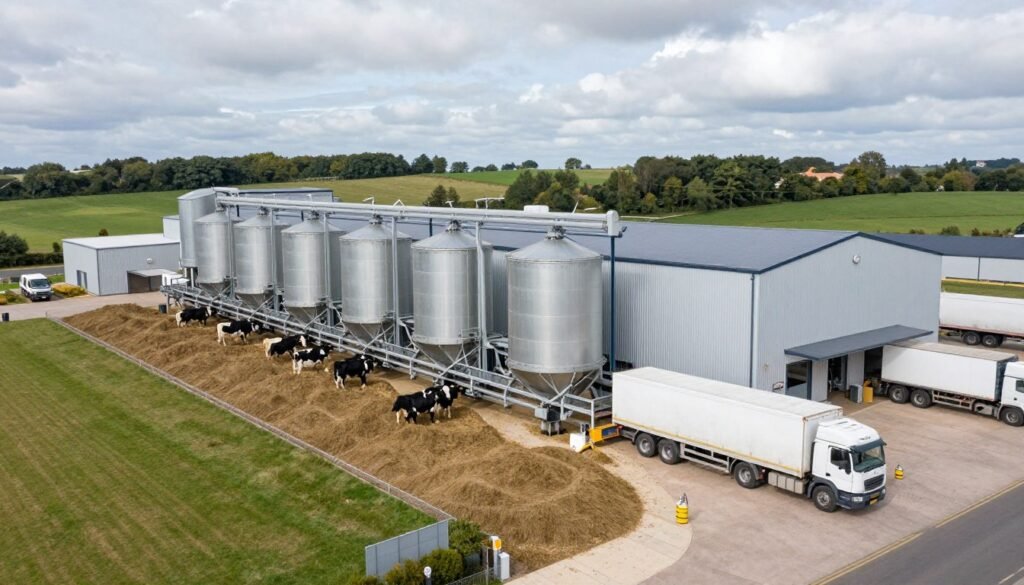
MAIKONG’s twenty-two years of manufacturing experience combined with our UK-focused support structure addresses the critical success factors identified by existing feed mill operators. Our approach recognizes that equipment purchase represents the beginning of a long-term relationship rather than a one-time transaction.
Key Decision Factors
Evaluate potential equipment suppliers across these critical dimensions:
Equipment Quality and Performance
Does the equipment consistently achieve rated capacity with your specific formulations?
- Request performance data from existing installations
- Verify energy consumption specifications
- Assess build quality and component selection
- Review warranty terms and performance guarantees
Spare Parts and Support
Can the supplier deliver critical components when you need them?
- Verify UK inventory for critical wear parts
- Assess supplier financial stability and longevity
- Test technical support responsiveness before purchase
- Evaluate distributor service capabilities in your region
Total Cost of Ownership
What are the complete costs over a ten-year equipment lifespan?
- Calculate energy costs at current UK electricity rates
- Estimate annual maintenance and wear parts costs
- Factor in productivity from reliable operation
- Consider resale value and equipment longevity
Business Partnership Quality
Is the supplier committed to your long-term success?
- Assess supplier responsiveness during sales process
- Verify commitment to ongoing product development
- Evaluate training and knowledge transfer quality
- Confirm alignment with your business objectives
Next Steps for Prospective Customers
Whether you operate an existing feed mill evaluating equipment upgrades or plan to enter feed manufacturing, MAIKONG provides resources supporting informed decision-making.
Connect with MAIKONG for Detailed Information
Our UK support team provides personalized consultation addressing your specific production requirements, facility constraints, and financial objectives. We offer site assessments, detailed quotations, ROI analysis, and access to reference customers in similar applications.
For Technical Inquiries:
Discuss your production requirements, capacity needs, formulation challenges, or technical specifications.
Email: Lucy@feedproductionline.uk
For Distributor Partnership:
Explore protected territory opportunities, support structure, and revenue potential in your region.
Website: feedproductionline.uk
MAIKONG remains committed to supporting UK feed manufacturing with reliable equipment, responsive service, and genuine partnership. Our success depends entirely on your operational success. We look forward to discussing how we can support your feed production objectives.