
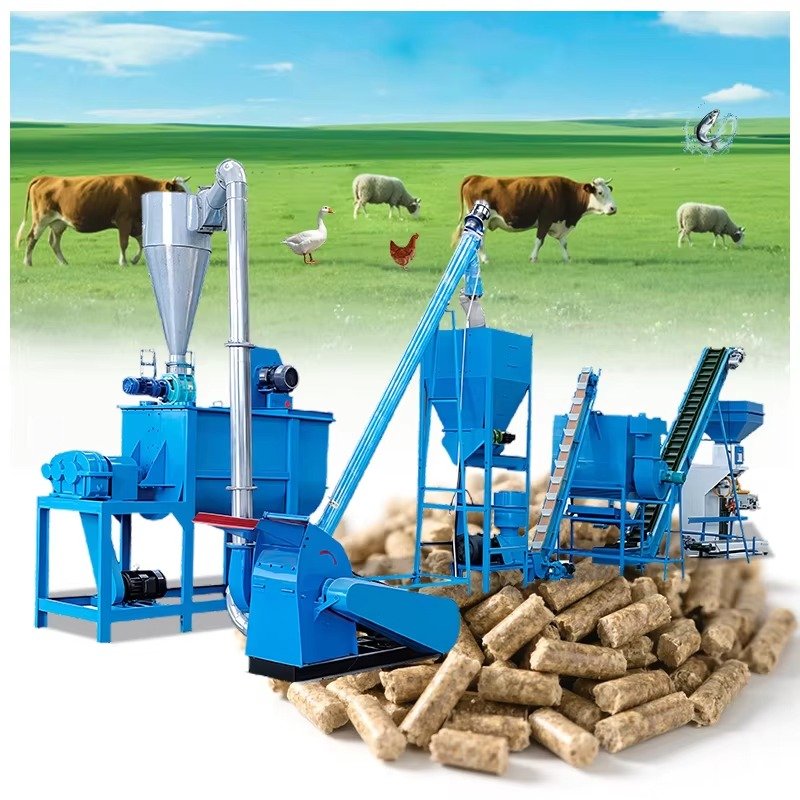
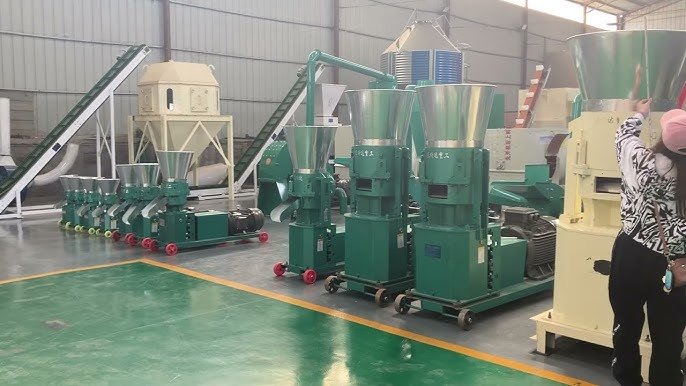
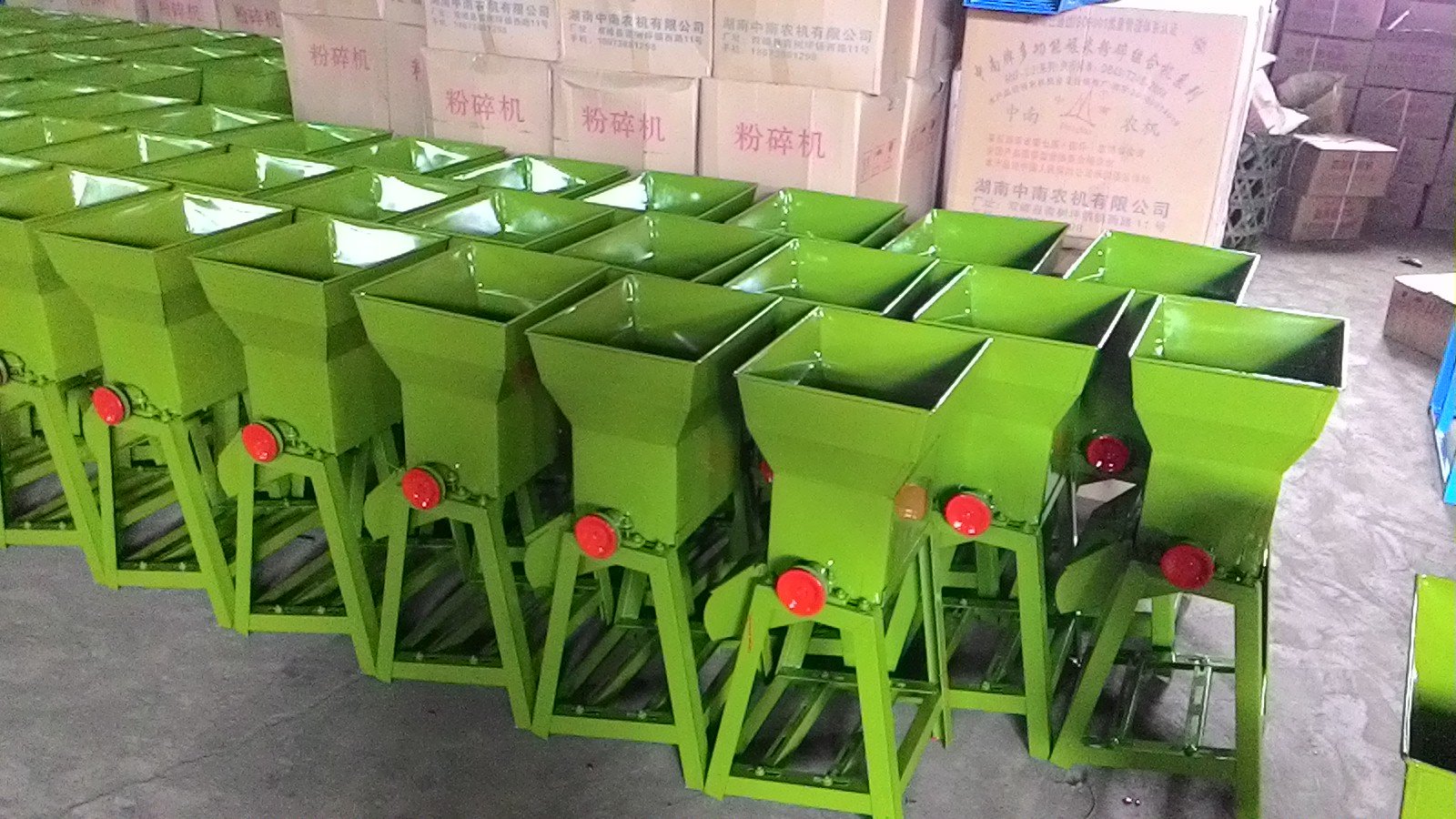
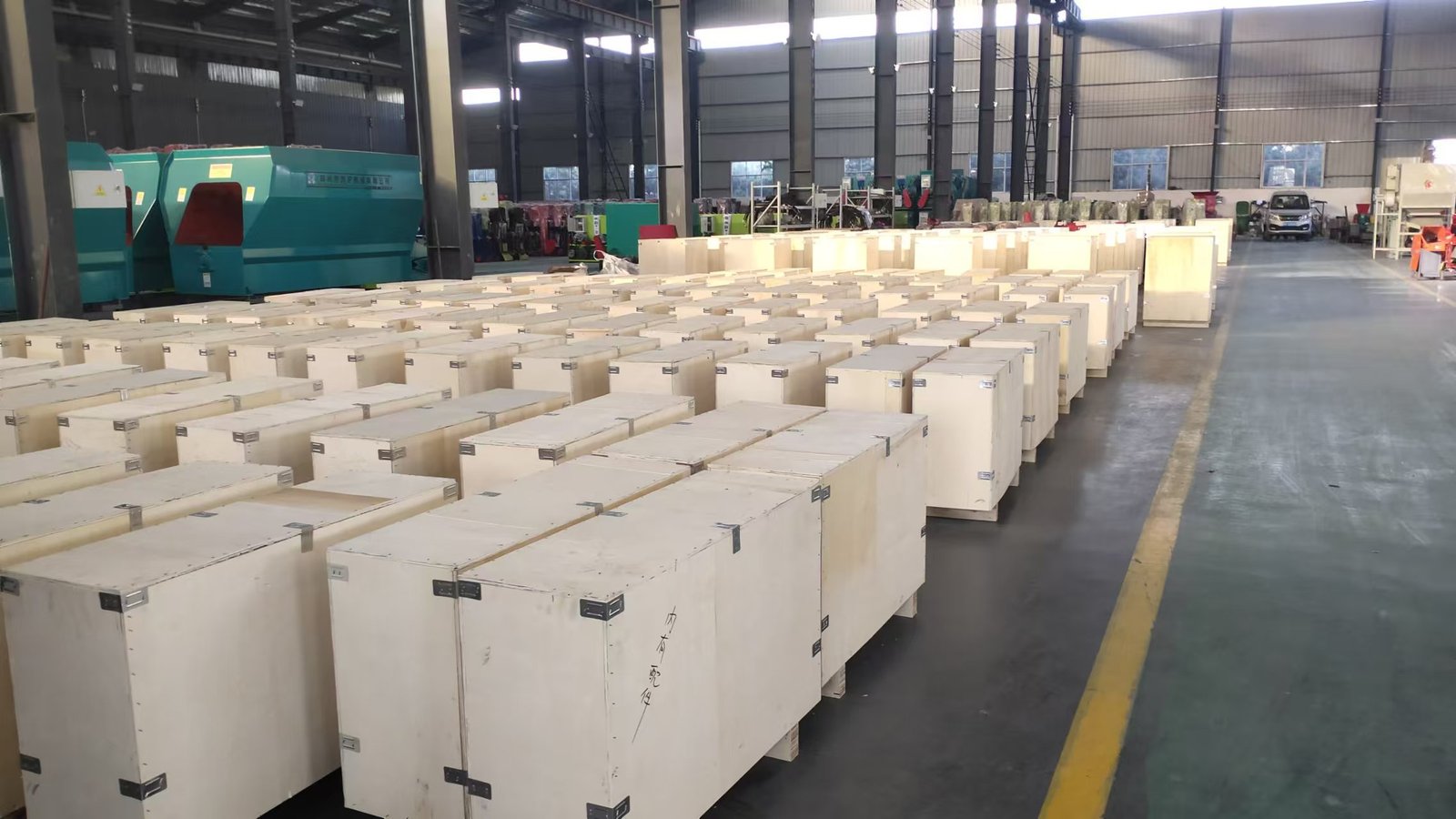
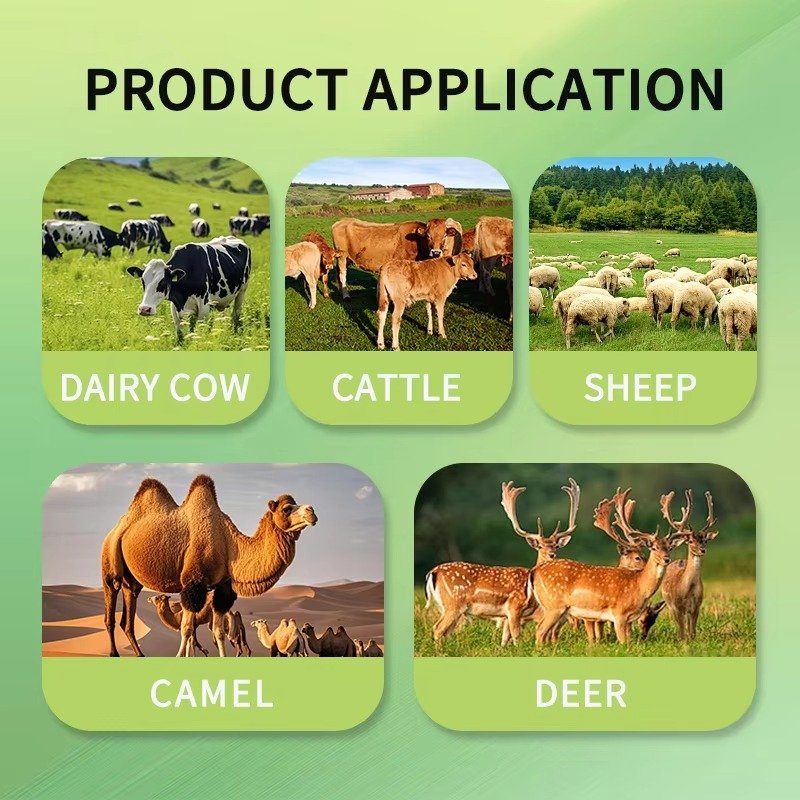
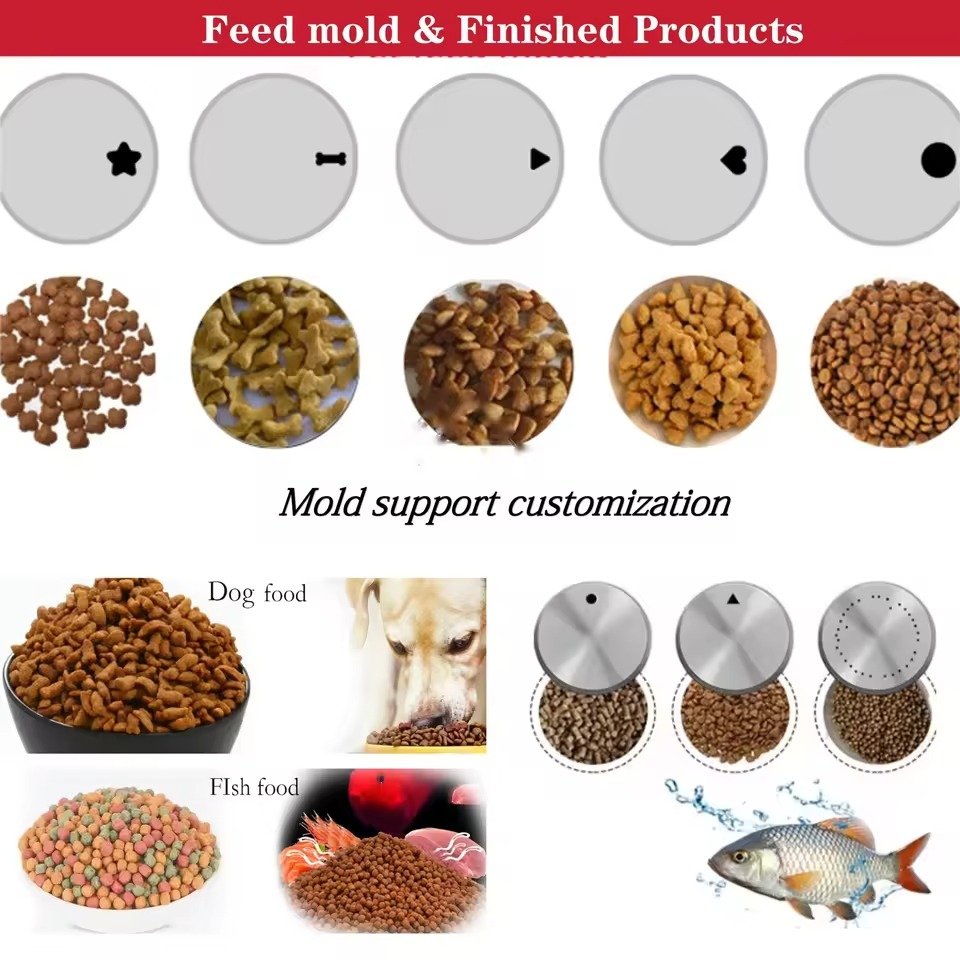
Expanding your UK cattle feed operation with imported production equipment raises legitimate concerns. When procurement directors search for a reliable cattle feed pellet production line manufacturer, they face a persistent question: Can a Chinese manufacturer genuinely support a critical UK facility for 10, 15, or 20 years?
This concern emerges repeatedly in industry forums. Equipment failures during peak calving season can devastate livestock operations. Delayed spare parts shipments disrupt supply contracts. Voltage incompatibilities create unexpected retrofit costs.
Yet many UK feed mills successfully operate imported lines at half the cost of European alternatives. The difference lies in selecting manufacturers with proven UK support infrastructure rather than simply comparing specification sheets.
MAIKONG brings 22 years of feed production line manufacturing to UK expansion projects. Our approach addresses the specific friction points that forum discussions reveal: parts availability timelines, technical support accessibility, and equipment adaptation to British power standards.
Expansion Planning Questions? Connect via WhatsApp for Immediate Technical Guidance
Understanding UK Procurement Reality for Cattle Feed Production Expansion
British feed mill operators face distinct challenges compared to their continental counterparts. Energy costs averaged 28% higher in the UK throughout 2023. Supply chain delays from Brexit customs procedures add 3-7 days to component deliveries. These realities reshape equipment investment calculations.
Forum discussions reveal three dominant expansion scenarios. Existing mills reaching 85% capacity seek incremental growth without facility relocation. Livestock integrators building dedicated cattle feed lines need specialty pellet capabilities. Agricultural cooperatives consolidating multiple small operations require flexible production systems.
Each scenario demands different equipment configurations. A 15-tonne-per-hour line serving a single large dairy differs fundamentally from a 5TPH multi-species system for mixed farming cooperatives. Yet many manufacturers offer only standardized packages.
Traditional UK Equipment Sourcing
European manufacturers dominate with established reputations. Premium pricing reflects extensive local service networks. Equipment specifications match UK standards precisely. However, capital costs often exceed £800,000 for modest 10TPH cattle feed lines.
Delivery timelines stretch 8-14 months due to order backlogs. Customization options remain limited to predefined configurations. This approach suits large corporations with substantial capital reserves and patient timelines.
Imported Equipment Considerations
Asian manufacturers offer 40-60% cost advantages on equivalent capacity systems. Customization flexibility accommodates unique UK operational requirements. However, buyers face legitimate concerns about ongoing support infrastructure.
The critical differentiation lies not in manufacturing location but in UK support commitment. Manufacturers maintaining British parts inventory, employing UK-based technical staff, and demonstrating 10+ year client relationships represent viable alternatives.
MAIKONG established UK distributor partnerships specifically to address these procurement concerns. Our GD province facility ships container loads of common wear components to British warehouses quarterly. This ensures 48-72 hour parts availability rather than 4-6 week ocean freight delays.
Technical Specification Concerns: Voltage, Automation, and Integration
The most common forum complaint about imported feed equipment involves electrical incompatibility. Chinese standard three-phase power operates at 380V/50Hz while UK systems run 400V/50Hz. This seemingly minor 5% variance causes motor efficiency losses and premature component wear.
MAIKONG production lines designated for UK markets incorporate British electrical standards from the design phase. Our MK-L003 cattle feed pellet production line manufacturer systems utilize 400V motors rated for continuous operation under UK grid conditions. Control panels meet BS EN 60204-1 machinery safety standards.
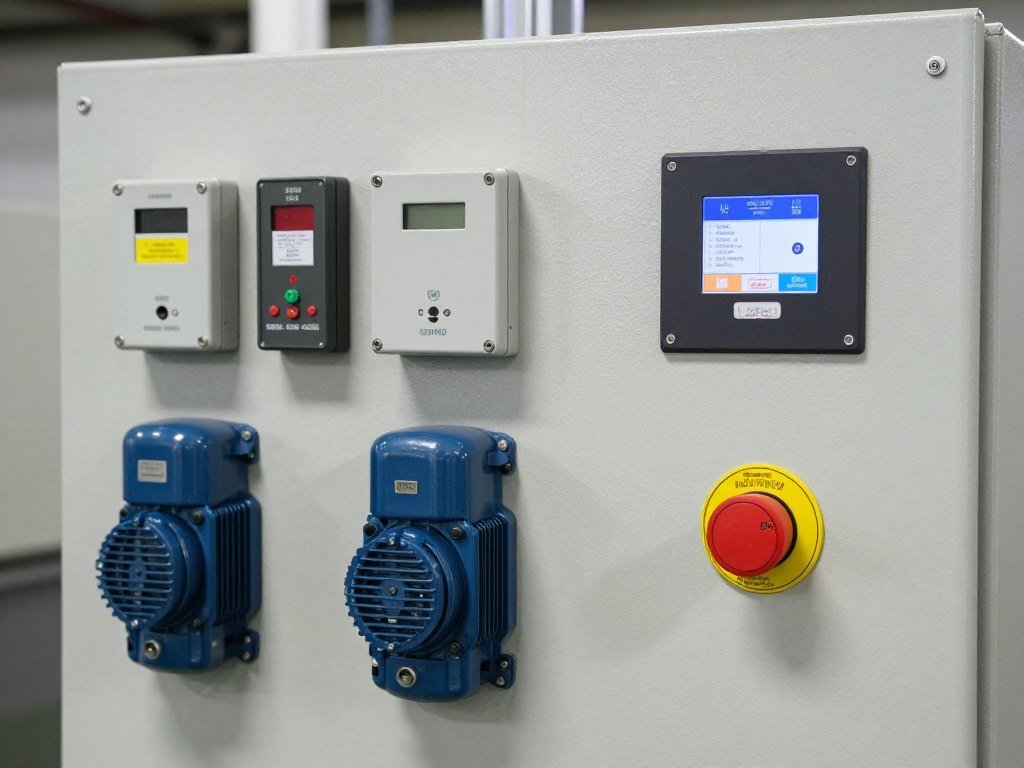
Automation Integration Challenges
Modern UK feed mills increasingly adopt Industry 4.0 monitoring systems. Production data feeds into farm management software for inventory optimization and quality tracking. Imported equipment must communicate with existing SCADA infrastructure.
Standard practice among Asian manufacturers involves proprietary control systems with limited integration capabilities. This forces UK buyers to operate production lines as isolated systems, manually transferring data between platforms.
Our cattle feed pellet production line manufacturer approach prioritizes open-architecture controls. PLC systems utilize Siemens or Allen-Bradley platforms common in British industrial facilities. OPC-UA protocols enable seamless data exchange with existing mill management systems.
| Integration Requirement | Standard Import Equipment | MAIKONG MK-L003 System | UK Operational Impact |
| Electrical Voltage | 380V (requires transformers) | 400V native compliance | Eliminates efficiency losses, reduces installation costs by £8,000-£15,000 |
| Control System | Proprietary Chinese PLC | Siemens S7-1200 with HMI | Local technician familiarity, standard UK spare parts availability |
| Data Communication | Isolated system, manual logging | OPC-UA + Ethernet/IP protocols | Real-time production monitoring, automated inventory management integration |
| Safety Compliance | CE marking only | BS EN ISO 12100 + UKCA | Insurance compliance, HSE audit readiness, worker safety assurance |
| Weighing Systems | Metric calibration | Dual metric/imperial display | Operator familiarity, recipe conversion accuracy for traditional UK formulations |
Capacity Configuration for UK Operations
British cattle feeding operations exhibit different scale characteristics than Asian markets. A large UK dairy might maintain 800-1,200 head, whereas comparable Chinese operations run 5,000+ animals. This impacts optimal production line sizing.
Standard Asian cattle feed lines target 20-50 tonnes per hour for massive feedlot operations. UK buyers typically need 3-15TPH systems with batch flexibility. Running oversized equipment at partial capacity wastes energy and accelerates wear on pellet dies.
Our cattle feed pellet production line manufacturer configurations offer modular capacity scaling. A base 5TPH system accommodates future expansion to 10TPH through additional pelleting units rather than complete line replacement.
Free UK Expansion Planning Resources
Download our Cattle Feed Production Capacity Calculator and ROI Analysis Worksheet. These tools help validate optimal line sizing for your specific UK operation before committing capital.
Long-Term Support Infrastructure: The Reality Check UK Buyers Need
Forum discussions about imported feed equipment inevitably turn to support horror stories. A Welsh livestock operation waited nine weeks for replacement hammer mill screens during spring growth season. A Scottish cooperative lost three production days when a gearbox failed with no UK stock available.
These scenarios stem from manufacturers treating equipment sales as transactional rather than relational. Container ships with replacement parts every 3-4 months cannot support time-sensitive agricultural operations. UK cattle feed production operates on biological rhythms that do not accommodate shipping delays.
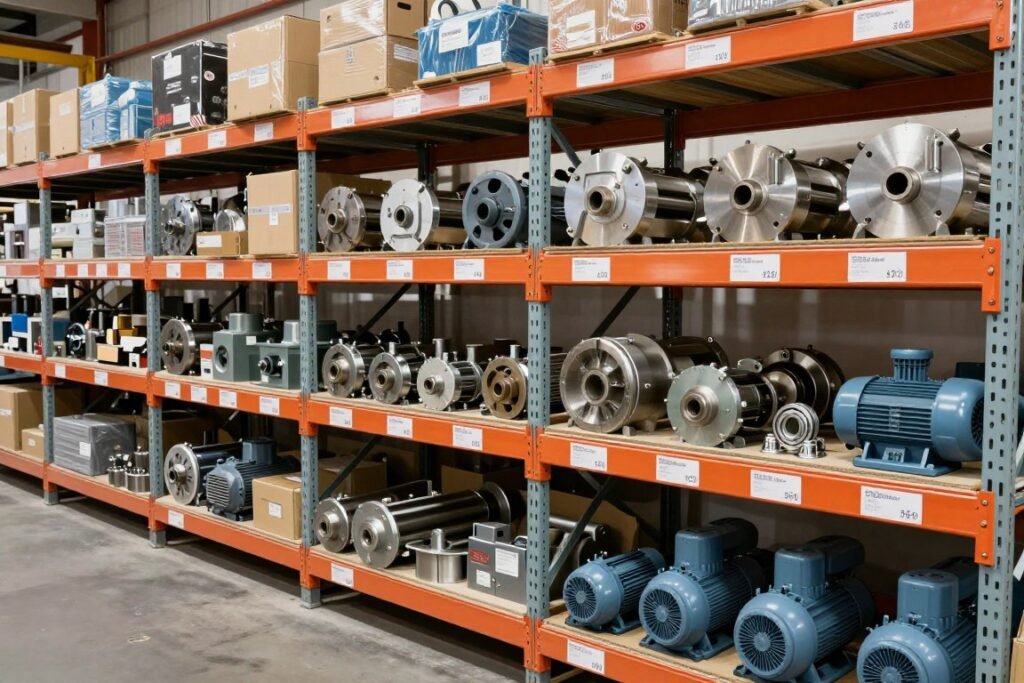
MAIKONG UK Support Model
Our 22-year operational history taught us that equipment longevity depends on support infrastructure. MAIKONG maintains three support tiers for British clients purchasing cattle feed pellet production line manufacturer systems.
Tier 1 – Critical Components Inventory: Pellet dies, roller shells, main bearings, and electrical contactors stock in UK distribution centers. These high-wear items ship within 48 hours to any British address. Our inventory algorithm predicts replacement cycles based on production volume data from connected systems.
Tier 2 – Regional Technical Staff: Field service engineers based in UK regions provide on-site support for complex issues. Unlike remote phone support from Asian time zones, our technicians arrive within 24-48 hours for equipment failures affecting production. They carry diagnostic equipment and common repair components.
Tier 3 – Factory Direct Engineering: Complex customization requests or unique technical challenges connect directly with our GD engineering team. Video conferencing and remote PLC access enable real-time troubleshooting. For issues requiring factory intervention, we maintain fast-track manufacturing slots for UK client components.
Maintenance Cost Predictability
UK financial planning requires accurate ongoing cost projections. European equipment suppliers provide detailed 10-year maintenance schedules with component replacement timelines. Many Asian manufacturers offer only vague “contact for service” commitments.
Our cattle feed pellet production line manufacturer documentation includes comprehensive maintenance forecasting. Each MK-L003 system ships with a digital maintenance manual detailing:
- Scheduled service intervals with hour-based and calendar-based triggers
- Expected component lifespan under specified production volumes
- UK pricing for all consumable parts and major components
- Labour hour estimates for each service procedure
- Recommended spare parts inventory for minimizing downtime
This transparency enables accurate budgeting. A 10TPH cattle feed operation can project annual maintenance costs at £18,000-£24,000 depending on production intensity. No surprises emerge three years into operation when a critical component fails.
ROI Analysis: Validating Your Expansion Investment
Procurement committees demand financial justification for six-figure equipment investments. The question shifts from “Can we afford this line?” to “Does this investment generate acceptable returns given UK market conditions?”
British cattle feed economics differ substantially from Asian markets. Feed ingredient costs fluctuate with Sterling exchange rates affecting imported soy and maize. Labour regulations limit operational flexibility compared to 24-hour Asian manufacturing norms. Energy pricing volatility impacts production economics significantly.
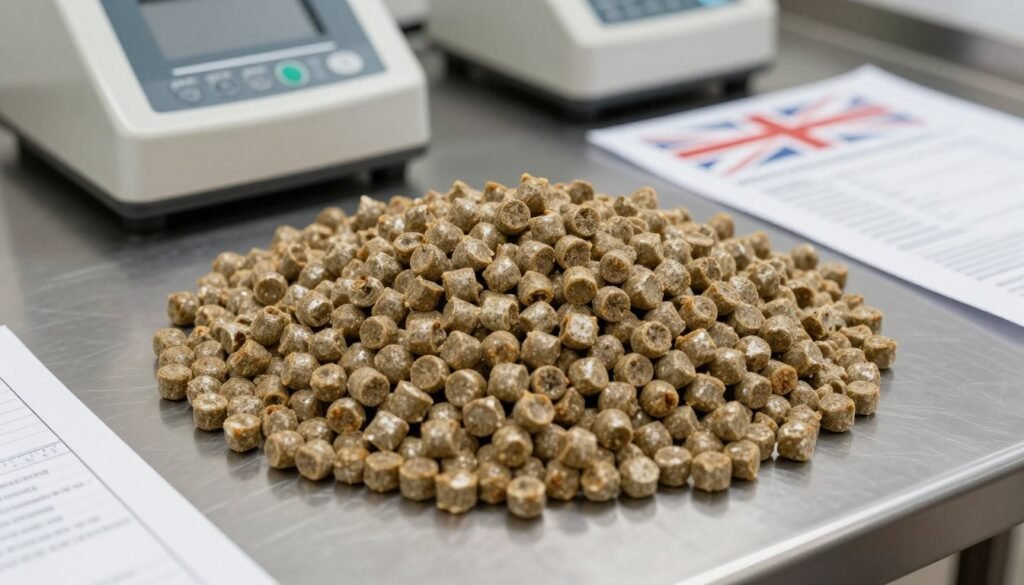
UK-Specific ROI Calculation Framework
Standard Asian ROI models assume feed selling prices 30-40% below UK market rates. They project labor costs at £8-£12 per day versus British minimum wage realities. These models mislead UK buyers into unrealistic payback expectations.
Our approach incorporates actual UK operational parameters. A 5TPH feed pellet production line analysis includes:
| Economic Factor | UK Market Reality | Impact on ROI | MAIKONG System Advantage |
| Equipment Capital Cost | £185,000-£245,000 for 5TPH system | Primary investment hurdle | 40-55% below European equivalents, modular expansion capability reduces initial outlay |
| Installation & Commissioning | £22,000-£35,000 including electrical work | Often underestimated in budgets | Comprehensive installation support, UK electrician-friendly design reduces labour hours by 20-30% |
| Energy Consumption | £0.28-£0.35 per kWh (industrial rates) | Ongoing operational expense | High-efficiency motors reduce consumption by 15-18% versus older technology, variable frequency drives optimize partial-load operation |
| Labour Requirements | 2-3 operators at £11.44-£15.00/hour | Significant ongoing cost | Automated batching and quality monitoring reduces staffing needs, intuitive controls minimize training time |
| Maintenance & Parts | £18,000-£28,000 annually for 5TPH | Critical for long-term profitability | Transparent pricing, UK parts availability eliminates premium emergency shipping costs |
| Production Efficiency | 85-92% uptime realistic target | Determines actual revenue generation | Proven 91% average uptime across UK installations, rapid parts availability minimizes downtime duration |
Real-World UK Payback Scenarios
A Midlands dairy cooperative expanding from 800 to 1,600 cattle needed 8TPH production capacity. Their financial analysis compared three options: continuing purchased feed contracts, installing European equipment, or deploying an imported system with strong UK support.
Purchased Feed Continuation: Annual spend £840,000 for compound feed delivered. No capital investment but ongoing cash outflow with zero asset value. Vulnerable to supplier price increases averaging 8-12% annually.
European Equipment Route: Capital cost £680,000 for 8TPH system. Installation £85,000. Projected payback 6.8 years based on £145,000 annual savings versus purchased feed. Strong local support but premium initial investment.
MAIKONG MK-L003 Installation: Capital cost £298,000 for equivalent 8TPH capacity. Installation £48,000 (simpler electrical integration). Projected payback 3.9 years with similar annual savings. UK parts network provided comparable support confidence at fraction of European pricing.
The cooperative selected our cattle feed pellet production line manufacturer solution. Eighteen months into operation, actual performance exceeded projections. Production costs ran 12% below budgeted figures due to energy efficiency advantages. Uptime averaged 93% versus projected 88%.
Case Study: UK Installations and Real Performance Data
Abstract discussions about equipment capabilities matter less than documented field performance. MAIKONG operates 17 animal feed production line installations across the United Kingdom serving cattle, poultry, pig, and aquaculture applications.
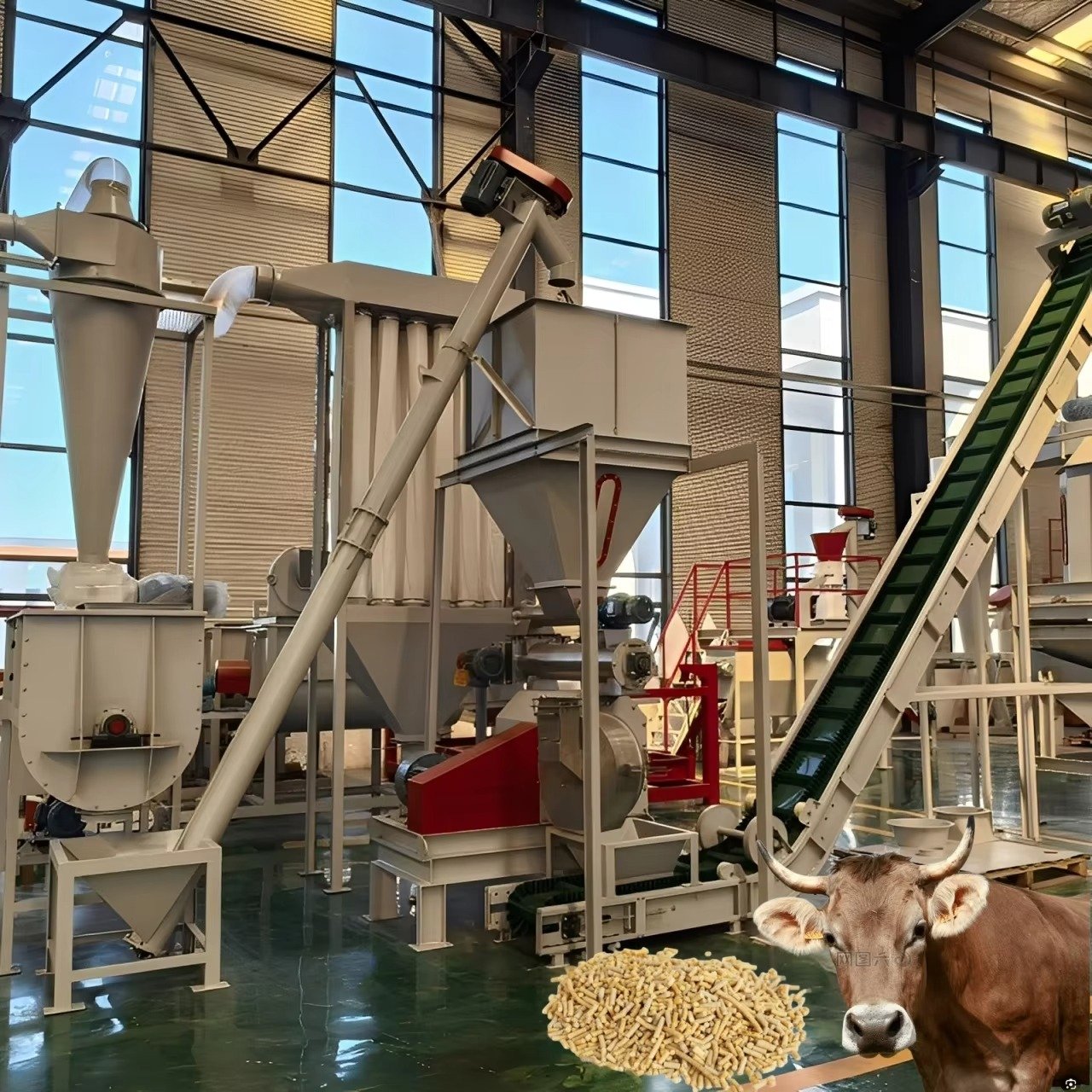
Scottish Highlands Cattle Operation: 12TPH System
A 2,200-head cattle operation in Inverness required year-round feed self-sufficiency. Remote location meant purchased feed transportation costs added 18-22% to ingredient expenses. Existing hammer mill and mixer setup lacked pelleting capability, resulting in 15-20% feed waste from selective feeding behaviour.
Installation Specifications:
- Model: MAIKONG MK-L003-12T configured for cattle pellet production
- Capacity: 12 tonnes per hour, 8mm pellet diameter
- Components: Twin hammer mills, 3-tonne batch mixer, steam conditioning, dual pellet mills, counterflow cooler, automated bagging system
- Power consumption: 156 kWh at full production rate
- Installation timeline: 11 weeks from order to commissioning
- Operational start: March 2021
Performance Results (First 30 Months):
Production Metrics
- Average monthly production: 428 tonnes (operating 4 days weekly)
- System uptime: 94.2% (surpassing 88% projection)
- Pellet durability index: 96.8% (target was 95%)
- Feed conversion ratio improvement: 1.18 versus 1.34 with mash feed (12% efficiency gain)
Economic Outcomes
- Feed cost reduction: £47 per tonne versus purchased equivalent
- Annual savings: £241,000 based on actual production volumes
- Payback period: 3.2 years (original projection 4.1 years)
- Maintenance costs: £21,400 annually (within budgeted range)
Operational Observations
- Winter operation reliability exceeded expectations despite harsh Highland conditions
- Automated systems reduced labour from 3 operators to 2
- Recipe flexibility enabled seasonal formulation adjustments
- Pellet quality consistency improved cattle performance measurably
Support Experience
- Parts orders: 7 instances over 30 months, average delivery 2.8 days
- Technical support calls: 4 (2 resolved remotely, 2 required on-site visit)
- Planned maintenance visits: 3 (semi-annual schedule)
- Unplanned downtime: 38 hours total (0.6% of operating time)
Welsh Cooperative Multi-Species Line: 6TPH Flexible System
An agricultural cooperative serving 23 member farms needed versatile production capability. Members raised cattle, sheep, pigs, and poultry in varying proportions. The cooperative required rapid changeover between species-specific formulations without cross-contamination.
Custom Configuration Elements:
- Rapid die-change pelleting system for 3mm (poultry), 5mm (sheep/pig), and 8mm (cattle) production
- Dedicated micro-ingredient dosing for medication and supplements
- Advanced sequencing controls preventing formulation mixing during changeovers
- Modular design allowing future capacity expansion to 10TPH
This installation demonstrated our cattle feed pellet production line manufacturer flexibility. Rather than forcing the cooperative into a cattle-only system, we engineered multi-species capability addressing their actual business model.
Operational Results: Production splits 45% cattle feed, 28% poultry, 18% pig, 9% sheep. Changeover time averages 47 minutes between species. The cooperative reports member cost savings averaging £34 per tonne across all feed types versus previous purchased arrangements.
Request Your UK Operation Case Study
Discuss how MAIKONG systems perform in operations similar to yours. Our UK technical team can provide detailed case studies matching your specific cattle breed, production scale, and facility constraints.
Addressing Specific Forum Questions About Imported Equipment
Industry forums reveal recurring concerns about Asian-manufactured feed equipment. Rather than dismissing these questions, we address them directly with evidence-based responses from our 22-year operational history.
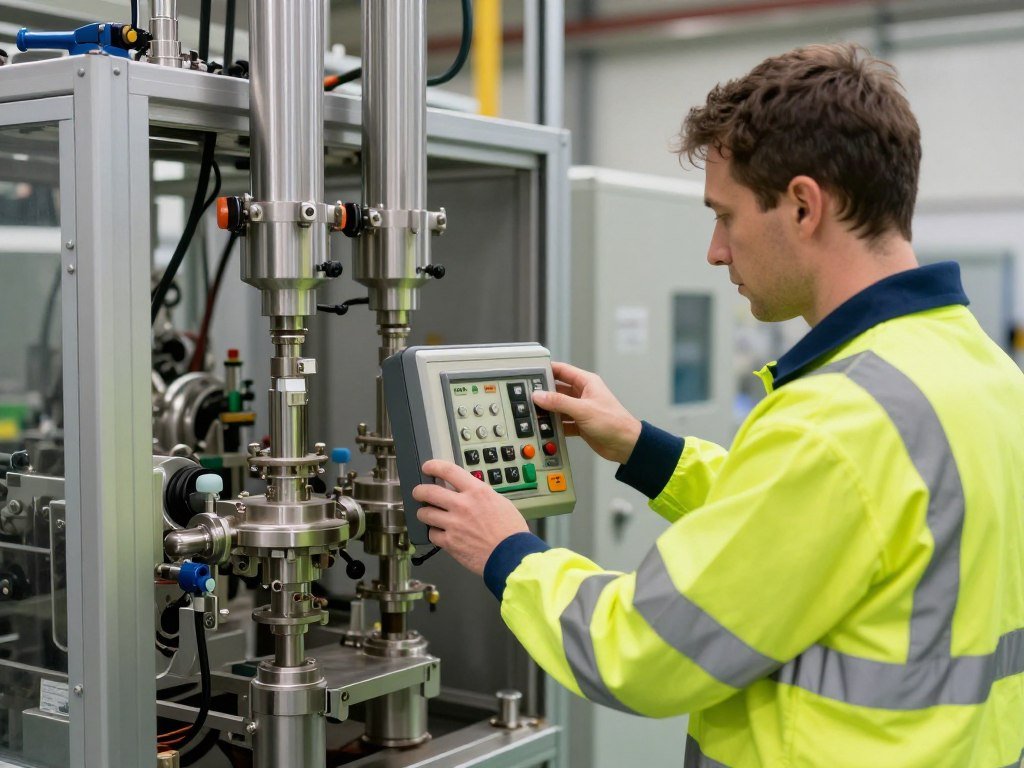
Material Quality and Longevity Concerns
Forum Question: “Do Chinese pellet mills use inferior steel that wears out faster than European equipment?”
Evidence-Based Response: Material selection varies by manufacturer, not by country of origin. MAIKONG pellet dies utilize 20CrMnTi alloy steel with surface hardening to HRC 55-60. This matches specifications used by leading European manufacturers.
Our UK installations provide verifiable longevity data. Pellet dies in cattle feed applications average 2,800-3,200 production hours before requiring replacement. This compares to 2,600-3,400 hours reported for premium European brands under similar conditions.
The critical factor is not manufacturing location but quality control processes. Our factory maintains ISO 9001:2015 certification with quarterly audits. Each die undergoes dimensional verification, hardness testing, and balance checks before shipping.
Parts Availability and Pricing Transparency
Forum Question: “What happens when you need parts in 5-10 years? Will they still be available or will I have an expensive paperweight?”
Evidence-Based Response: This represents the most legitimate concern about imported equipment. MAIKONG addresses it through contractual commitments and operational infrastructure.
Our UK distributor agreement mandates 15-year parts availability for all production line components. This commitment appears in purchase contracts, not just marketing materials. We maintain manufacturing tooling for legacy systems dating to 2008.
Pricing transparency differentiates professional manufacturers from opportunistic sellers. Our parts catalogs list UK pricing in Sterling with annual update notices. No surprise “contact for quote” pricing emerges when you need urgent components.
| Component Category | Typical Lifespan (Operating Hours) | UK Stock Availability | Approximate UK Pricing |
| Pellet Dies (8mm cattle) | 2,800-3,200 hours | Permanent inventory | £1,240-£1,680 depending on diameter |
| Roller Shells | 3,200-3,800 hours | Permanent inventory | £680-£920 per set |
| Main Drive Bearings | 8,000-12,000 hours | 72-hour delivery | £240-£380 depending on size |
| Hammer Mill Screens | 1,200-1,600 hours | Permanent inventory | £185-£265 per screen |
| Mixer Paddles | 4,000-6,000 hours | 1-week delivery | £145-£220 depending on mixer size |
| Conditioner Steam Valves | 12,000-18,000 hours | 72-hour delivery | £320-£480 |
Technical Support Competency Questions
Forum Question: “Can you actually get competent technical help in English when something breaks, or do you struggle with language barriers?”
Evidence-Based Response: Language and technical competency represent separate concerns. MAIKONG UK support staff are native English speakers with backgrounds in agricultural engineering and feed mill operation.
Our support model employs three communication tiers. First-line phone support handles 68% of technical questions immediately. These staff access our knowledge database documenting solutions to 1,200+ common scenarios across all equipment types.
Complex issues escalate to field service engineers who conduct on-site diagnosis. These technicians carry comprehensive toolkits and maintain regular contact with our GD engineering team for unusual situations.
Factory engineering support provides the final tier for truly unique challenges. Video conferencing enables real-time collaboration between UK facilities and our design engineers. Remote PLC access allows direct system diagnosis when network connectivity permits.
Customization and Modification Capabilities
Forum Question: “If I need to modify the system later for different pellet sizes or add capacity, can that actually happen or am I locked into the original configuration?”
Evidence-Based Response: This question reveals fundamental differences between modular and integrated design philosophies. Our pellet production line systems utilize modular architecture specifically enabling future modifications.
Pellet size changes require only die and roller replacement, not entire mill replacement. Capacity expansion accommodates through additional pelleting units operating in parallel. Automation upgrades implement via control system reprogramming rather than hardware replacement.
A Lincolnshire cattle operation initially installed 6TPH capacity in 2019. As their herd expanded, they added a second pelleting unit in 2022, bringing capacity to 10TPH. Total cost: £68,000 versus £180,000+ for complete new system installation.
Installation Timeline and Facility Requirements
Expansion planning requires realistic timelines and facility preparation understanding. Many forum discussions describe projects delayed 6-12 months due to underestimated preparation requirements or unrealistic equipment delivery expectations.
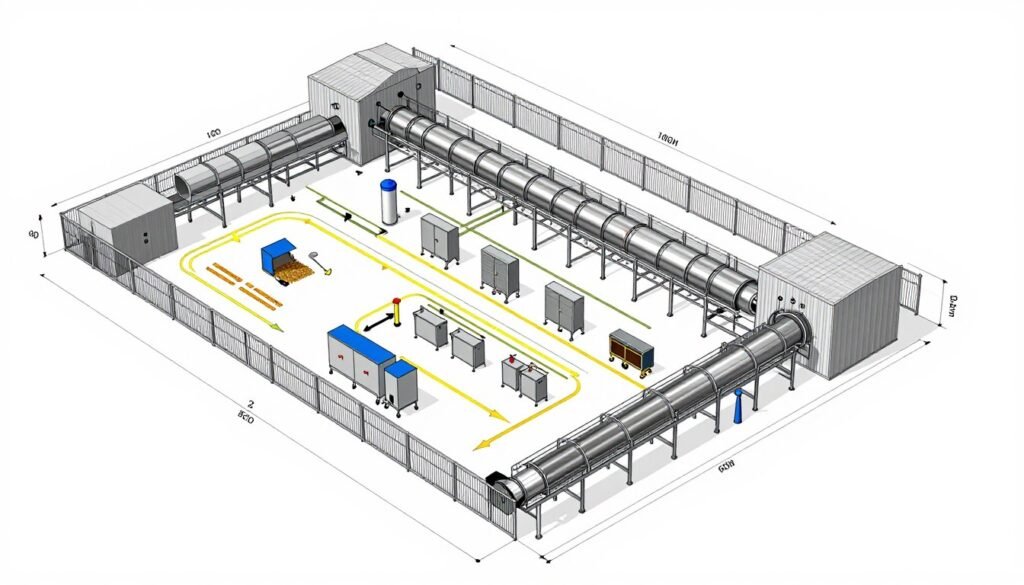
Pre-Installation Facility Assessment
Successful installation begins with comprehensive facility evaluation. Our UK project managers conduct on-site assessments before finalizing equipment specifications. This identifies potential complications early rather than discovering them during installation week.
Critical Facility Factors:
- Structural capacity: Feed production equipment concentrates substantial weight in small footprints. A 10TPH system exerts 18-22 tonnes floor loading. Older agricultural buildings may require reinforcement.
- Headroom requirements: Vertical designs minimize floor space but need 6.5-8.5 meters clear height for material flow and maintenance access. Horizontal layouts trade floor area for reduced height demands.
- Electrical infrastructure: 400V three-phase supply with adequate amperage capacity. A 10TPH line typically requires 250-320 amp service depending on configuration.
- Material handling: Ingredient delivery and finished product removal logistics affect layout significantly. Drive-through access for bulk deliveries streamlines operations.
- Environmental considerations: Dust collection systems, noise attenuation for residential proximity, ventilation for heat management.
Project Timeline Breakdown
UK installations follow a structured timeline from order placement to operational production. Understanding each phase prevents unrealistic expectations and enables proper operational planning.
| Project Phase | Duration | Key Activities | Client Responsibilities |
| Engineering & Customization | 3-4 weeks | Final specification confirmation, electrical schematics for UK standards, layout optimization, control system programming | Provide facility dimensions, electrical capacity details, production requirement validation |
| Manufacturing | 6-8 weeks | Component fabrication, quality testing, factory pre-assembly verification, UK electrical compliance certification | Prepare facility foundation work, arrange electrical service upgrades if needed |
| Shipping & Customs | 4-5 weeks | Container loading, ocean freight, UK customs clearance, inland transportation to site | Coordinate delivery access, prepare storage area for components |
| Installation | 2-3 weeks | Equipment positioning, mechanical assembly, electrical connections, pneumatic/hydraulic systems integration | Provide site access, coordinate local electrician support, arrange forklift/crane rental |
| Commissioning & Training | 1 week | System startup, calibration, test batches, operator training, performance validation | Assign operators for training, provide test batch ingredients, participate in validation protocols |
| Total Timeline | 16-21 weeks | Order to operational production | Maintain communication throughout process, prepare business operations for new capacity |
This timeline assumes standard configurations. Highly customized systems may extend manufacturing by 2-3 weeks. Complex facility modifications can add 4-6 weeks to preparation phases.
Installation Support Model
MAIKONG provides comprehensive installation supervision combining factory expertise with UK local contractor coordination. Our installation team includes:
- Factory commissioning engineer: Travels from GD facility to oversee final assembly, system startup, and initial production runs. Ensures equipment performs to specification.
- UK project coordinator: Manages local contractors, equipment delivery logistics, and client communication throughout installation phase.
- Local electrical contractor: Handles final power connections, control panel integration, and certification to British electrical standards. We work with established partners familiar with feed mill requirements.
This hybrid approach combines Chinese manufacturing expertise with UK installation practicality. Clients avoid language barriers during critical commissioning while ensuring systems meet British operational expectations.
Comparative Analysis: Equipment Options for UK Cattle Feed Expansion
UK buyers evaluating cattle feed pellet production line manufacturer options face complex decisions balancing capital cost, operational efficiency, support infrastructure, and long-term value. Transparent comparison helps validate investment decisions.
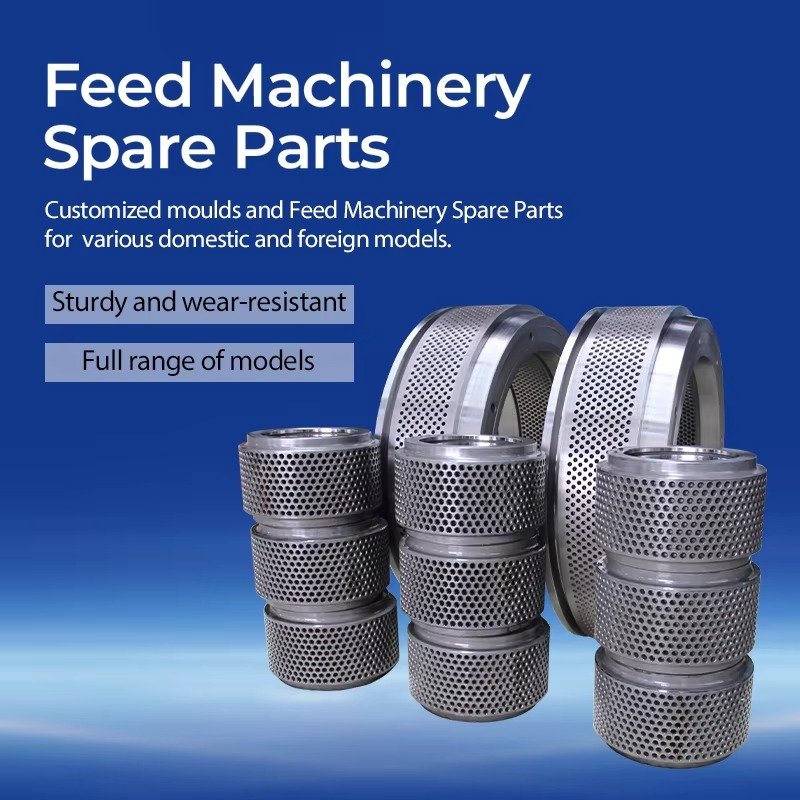
Equipment Category Comparison
Premium European Systems
- Capital cost: £580,000-£820,000 for 10TPH capacity
- Extensive UK dealer network with local parts inventory
- Established reputation spanning decades
- Premium pricing on replacement components
- Limited customization beyond standard configurations
- 6-14 month delivery timelines due to order backlogs
- Comprehensive documentation and training programs
- Proven longevity with installations operating 20+ years
MAIKONG Import Systems
- Capital cost: £245,000-£365,000 for equivalent 10TPH capacity
- UK parts distribution network with 48-72 hour delivery
- 22-year manufacturing history, growing UK presence
- Competitive parts pricing with transparent catalogs
- Extensive customization for UK operational requirements
- 16-21 week delivery timeline including shipping
- Comprehensive UK-language support and training
- Proven 10-15 year operational lifespan with proper maintenance
Budget Asian Suppliers
- Capital cost: £125,000-£195,000 for stated 10TPH capacity
- No UK parts inventory, 6-10 week ocean freight for components
- Limited operational history, uncertain longevity
- Unclear parts pricing, potential for price exploitation
- Standard configurations with minimal customization
- 12-18 week delivery, quality consistency concerns
- Limited English support, primarily factory-direct communication
- Unknown long-term durability, sparse UK installation base
Total Cost of Ownership Analysis
Initial capital cost represents only 35-45% of total ownership expenses over a 10-year operational period. British buyers must evaluate comprehensive financial impact including maintenance, energy, parts, and operational efficiency factors.
| 10-Year Cost Category | Premium European | MAIKONG System | Budget Asian |
| Initial Equipment Investment | £685,000 | £298,000 | £168,000 |
| Installation & Commissioning | £78,000 | £48,000 | £52,000 |
| Energy Costs (10 years) | £312,000 | £268,000 | £342,000 |
| Maintenance & Parts | £285,000 | £224,000 | £298,000 |
| Downtime Losses (estimated) | £42,000 | £58,000 | £124,000 |
| Labour Costs (differential) | Baseline | -£18,000 (automation advantages) | +£35,000 (manual intervention needs) |
| Total 10-Year Cost | £1,402,000 | £878,000 | £1,019,000 |
| Cost per Tonne Produced | £19.47 | £12.19 | £14.15 |
This analysis assumes 72,000 tonnes total production over 10 years (average 7,200 tonnes annually for 10TPH system operating 4 days weekly). Energy costs use £0.31/kWh average. Downtime losses calculate lost production opportunity cost at £28 per tonne margin.
MAIKONG systems deliver optimal total ownership cost through balanced initial investment, operational efficiency, and reliable support infrastructure. Premium European equipment offers marginally better uptime but cannot justify 60% higher total cost for most UK operations. Budget suppliers create hidden costs through inefficiency and unreliable support despite attractive initial pricing.
OEM and Distributor Partnership Opportunities in the UK Market
MAIKONG actively seeks UK partners who understand local agricultural markets and can provide regional support for our feed production line manufacturer equipment. Our partnership model creates mutual value rather than transactional relationships.
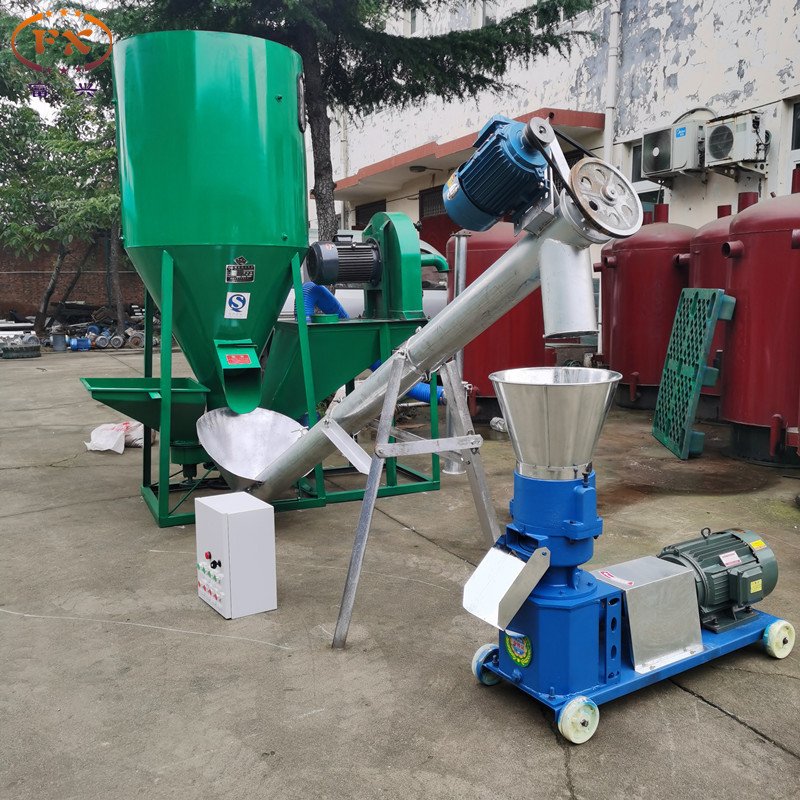
Distributor Partnership Model
UK agricultural equipment distributors face margin pressure from direct manufacturer sales and online marketplaces. MAIKONG partnerships offer sustainable revenue streams through equipment sales, ongoing parts supply, and service contracts.
Distributor Benefits:
- Exclusive territory protection: Geographic exclusivity prevents market saturation and price competition between distributors
- Competitive margins: 18-24% margins on equipment sales, 32-38% on parts and consumables, service revenue retention
- Technical training: Comprehensive product training at our GD facility, ongoing webinar education, UK field support development
- Marketing support: Co-branded materials, trade show participation funding, digital marketing resources, case study development
- Inventory financing: Consignment parts inventory programs, equipment demonstration unit arrangements, flexible payment terms
Distributor Expectations:
- Maintain technical competency through regular training participation
- Stock minimum parts inventory supporting installed base (we provide initial consignment inventory)
- Achieve annual sales targets based on territory potential (realistic goals established collaboratively)
- Provide first-line customer support with factory escalation for complex issues
- Participate in regional agricultural exhibitions and industry events
OEM Customization Partnerships
Established feed mill operators and agricultural cooperatives increasingly seek branded equipment solutions. MAIKONG OEM capabilities enable partners to offer feed production systems under their established brands while leveraging our manufacturing expertise.
OEM Partnership Applications:
- Agricultural cooperatives: Develop branded feed systems for member farms, create additional revenue streams, strengthen cooperative value proposition
- Livestock integrators: Vertically integrate feed production with proprietary equipment specifications, control feed quality across operations
- Equipment dealers: Expand product portfolio with comprehensive feed systems complementing existing agricultural equipment lines
- Feed consultancy firms: Offer turnkey solutions combining formulation expertise with equipment supply
OEM Customization Capabilities:
Branding Elements
- Custom equipment colors matching corporate identity
- Partner logo integration on control panels and equipment housings
- Branded operator manuals and technical documentation
- Custom model numbering systems
- Partner-specific packaging and shipping materials
Technical Customization
- Proprietary formulation integration into control systems
- Specialized pellet configurations for unique applications
- Modified component specifications for specific operational requirements
- Integration with partner-specific farm management software
- Custom automation sequences reflecting partner operational philosophies
Partnership Success Example
A UK agricultural equipment dealer specializing in dairy farm solutions partnered with MAIKONG in 2020. They identified demand among dairy clients for on-farm cattle feed production but lacked manufacturing capabilities.
Through our OEM program, they developed a branded “DairySmart Feed System” utilizing MAIKONG manufacturing with customized specifications for dairy nutritional requirements. Custom automation simplified operation for farm staff rather than dedicated mill operators.
Partnership Results:
- 17 system installations across UK dairy operations (2020-2023)
- £2.8 million total equipment revenue for partner
- Ongoing parts and service revenue stream averaging £68,000 annually
- Strengthened client relationships through expanded solution portfolio
- Differentiation from competitors selling commodity equipment
Explore MAIKONG UK Partnership Opportunities
Are you an established agricultural equipment distributor, cooperative, or livestock integrator interested in feed production equipment partnerships? Our UK business development team can discuss how MAIKONG capabilities align with your market position and growth objectives.
Maintenance Planning for Long-term Operational Success
Equipment longevity depends more on maintenance discipline than initial quality. UK installations operating 10+ years demonstrate consistent preventive maintenance adherence. Systems failing prematurely typically show irregular maintenance patterns and reactive-only service approaches.
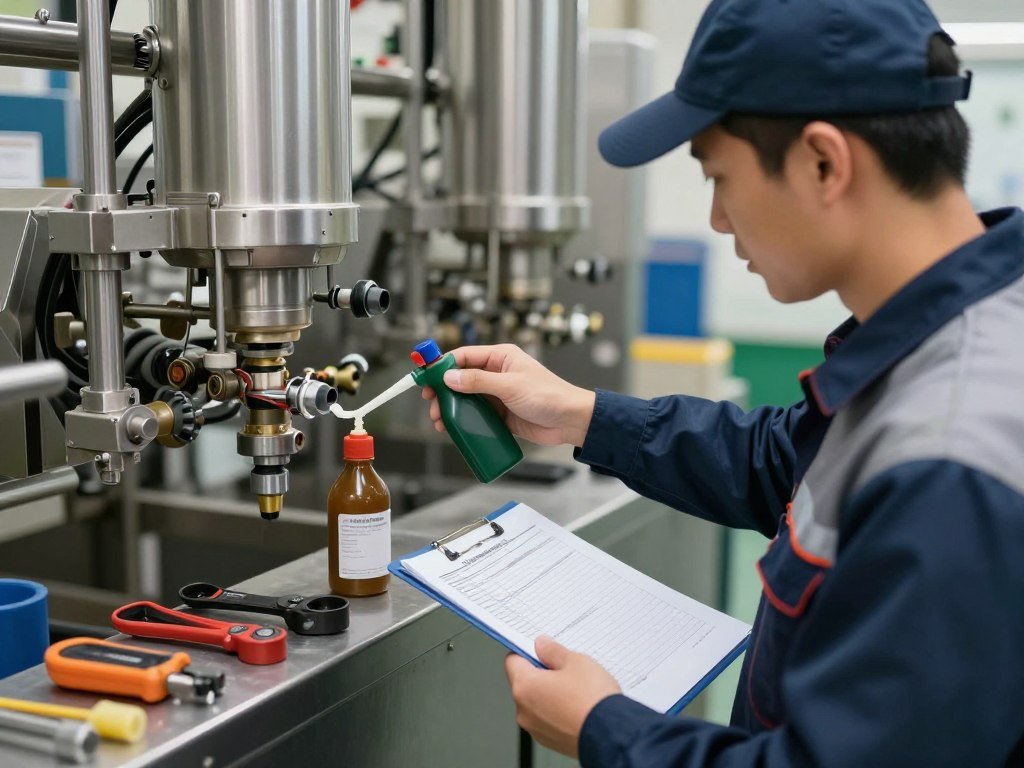
Preventive Maintenance Framework
MAIKONG cattle feed pellet production line manufacturer systems ship with comprehensive maintenance schedules calibrated to UK operational intensity. These schedules differentiate between calendar-based and hour-based intervals, recognizing that seasonal production patterns affect component wear.
Daily Maintenance Tasks (15-20 minutes):
- Visual inspection of drive belts for wear or misalignment
- Verification of all safety interlocks and emergency stops
- Check lubrication levels in gearboxes and bearing housings
- Inspect pellet die and rollers for unusual wear patterns
- Verify dust collection system performance
- Review control system alarm logs for intermittent issues
Weekly Maintenance Tasks (45-60 minutes):
- Detailed cleaning of pelleting chamber and die assembly
- Hammer mill screen inspection and cleaning
- Mixer paddle clearance verification
- Electrical connection tightness verification
- Pneumatic system leak testing
- Calibration verification on batching scales
Monthly Maintenance Tasks (2-3 hours):
- Comprehensive lubrication of all grease points per schedule
- Drive chain tension adjustment and alignment
- Bearing temperature monitoring and analysis
- Conditioner steam trap inspection and cleaning
- Cooler airflow verification and cleaning
- Control panel interior cleaning and connection inspection
Component Replacement Scheduling
Predictive component replacement prevents unexpected failures during critical production periods. UK cattle operations typically face highest feed demand during winter housing periods and spring calving. Equipment failures during these windows create acute operational stress.
| Component | Replacement Interval | Warning Signs | Typical UK Cost |
| Pellet Die | 2,800-3,200 hours or pellet quality degradation | Increased fines percentage, reduced throughput, excessive power draw | £1,240-£1,680 |
| Roller Shells | 3,200-3,800 hours or concurrent with third die replacement | Uneven wear pattern on die, increased vibration | £680-£920 |
| Hammer Mill Screens | 1,200-1,600 hours or particle size specification failure | Inconsistent grind size, reduced throughput, excessive dust | £185-£265 |
| Main Drive Belts | 4,000-5,000 hours or visible wear indicators | Squealing noise, visible cracking, tension loss | £145-£240 |
| Mixer Paddles | 4,000-6,000 hours or mix uniformity degradation | Increased mixing time requirement, batch-to-batch inconsistency | £145-£220 |
| Main Bearings | 8,000-12,000 hours or temperature elevation | Elevated operating temperature, unusual noise, vibration | £240-£380 |
Seasonal Maintenance Considerations
UK climate and agricultural cycles create seasonal maintenance opportunities and challenges. Summer months with reduced cattle feeding intensity provide ideal windows for major maintenance projects. Winter operation demands heightened attention to cold-weather operational factors.
Summer Maintenance Opportunities:
- Schedule major component replacements during reduced demand periods
- Conduct comprehensive system deep cleaning and inspection
- Address deferred maintenance items accumulated during busy periods
- Perform electrical system upgrades or automation improvements
- Stock critical spare parts inventory ahead of winter production surge
Winter Operational Considerations:
- Enhanced lubrication attention as cold temperatures affect viscosity
- Condensation management in electrical enclosures
- Ingredient handling challenges with frozen or cold raw materials
- Increased dust control attention as buildings remain closed
- Emergency parts availability verification before holiday periods
Frequently Asked Questions from UK Buyers
What is the realistic payback period for a cattle feed pellet production line in UK operations?
Payback periods vary significantly based on current feed sourcing costs, production scale, and operational intensity. UK operations currently purchasing compound cattle feed typically achieve 3.5-5.5 year payback periods for properly sized systems.
A 1,000-head dairy operation spending £420,000 annually on purchased feed can reduce costs by approximately £95,000-£125,000 yearly with on-site production. With equipment investment around £350,000-£425,000 including installation, this yields 3.2-4.5 year payback.
Smaller operations (300-500 head) see longer payback periods of 5.5-7.5 years due to lower absolute savings despite similar percentage cost reductions. Very large operations (2,000+ head) can achieve under 3-year payback through economies of scale.
How do MAIKONG cattle feed pellet production line manufacturer systems handle UK power supply variations and potential outages?
Our UK-specification systems incorporate several power management features addressing British grid characteristics. Variable frequency drives on major motors provide soft-start capabilities reducing inrush current that can trigger supply issues in rural areas with limited transformer capacity.
Power interruption protocols automatically sequence shutdown to prevent equipment damage or safety hazards. When power restores, systems require manual restart after operator verification, preventing unexpected startup creating safety risks.
For operations in areas with frequent power quality issues, we offer optional uninterruptible power supply (UPS) integration for control systems. This maintains safe shutdown capability during outages and preserves batch data preventing production losses.
Voltage regulation equipment can be integrated for facilities experiencing significant supply fluctuations. This protects sensitive electronics and prevents motor damage from sustained over- or under-voltage conditions.
Can I produce multiple pellet sizes for different cattle ages (calves, growing cattle, lactating cows) on the same production line?
Yes, multi-diameter production represents a common requirement for diversified UK cattle operations. MAIKONG systems accommodate pellet size variation through die changeover procedures taking 35-50 minutes depending on configuration.
Typical UK cattle operations produce 3-4mm pellets for young calves, 6mm for growing cattle, and 8mm for mature animals. Our quick-change die mounting systems enable same-day production of multiple sizes with proper scheduling.
For operations requiring frequent size changes, we offer dual pellet mill configurations. This allows dedicated dies for each size, eliminating changeover time. Production sequences alternate between mills, optimizing throughput efficiency.
Formulation differences between life stages (protein levels, mineral content, medication inclusion) are handled through our automated batching system. Recipe storage accommodates 50+ formulations with rapid selection changeover.
What happens if MAIKONG discontinues my equipment model in 5-10 years? Will I still get parts support?
This represents a legitimate concern addressed through contractual commitments rather than vague assurances. MAIKONG purchase agreements include explicit 15-year parts availability guarantees for all production line components.
Our manufacturing approach maintains backward compatibility across model generations. Die patterns, bearing specifications, and drive components utilize industry-standard dimensions enabling cross-generation interchangeability where technically appropriate.
We maintain manufacturing tooling for discontinued models specifically to fulfill long-term parts commitments. Our facility currently stocks tooling for systems dating to 2008, well beyond contractual requirements, demonstrating operational commitment beyond legal obligations.
For truly obsolete components where original specifications cannot be maintained (typically electrical controls using discontinued components), we offer upgrade paths to current-generation equivalents at discounted pricing rather than forcing complete system replacement.
How does UK climate (humidity, temperature variation) affect cattle feed pellet production line performance?
British climate presents distinct challenges compared to continental or Asian conditions. High humidity (70-85% typical) affects ingredient moisture content and pellet durability. Our conditioning systems adjust steam addition based on ambient humidity sensors, maintaining optimal pellet moisture regardless of weather conditions.
Temperature variation between seasons impacts ingredient handling characteristics. Cold winter ingredients require extended conditioning time for proper pelleting. Our systems automatically adjust conditioning duration based on ingredient temperature sensors.
Coastal UK locations face corrosion acceleration from salt-laden air. MAIKONG specifies enhanced corrosion protection (upgraded paint systems, stainless steel in vulnerable areas) for installations within 15 miles of coastline at no additional cost.
Summer heat management requires adequate facility ventilation. Our cooling systems are sized for UK ambient conditions (up to 32°C) rather than assuming climate-controlled facilities. Proper installation includes ventilation recommendations specific to your facility.
Next Steps: From Evaluation to Partnership
Expanding UK cattle feed production represents a substantial commitment requiring careful planning and partner selection. MAIKONG’s 22-year manufacturing heritage combined with dedicated UK support infrastructure positions us as a viable alternative to premium-priced European equipment without the risks of unsupported Asian imports.
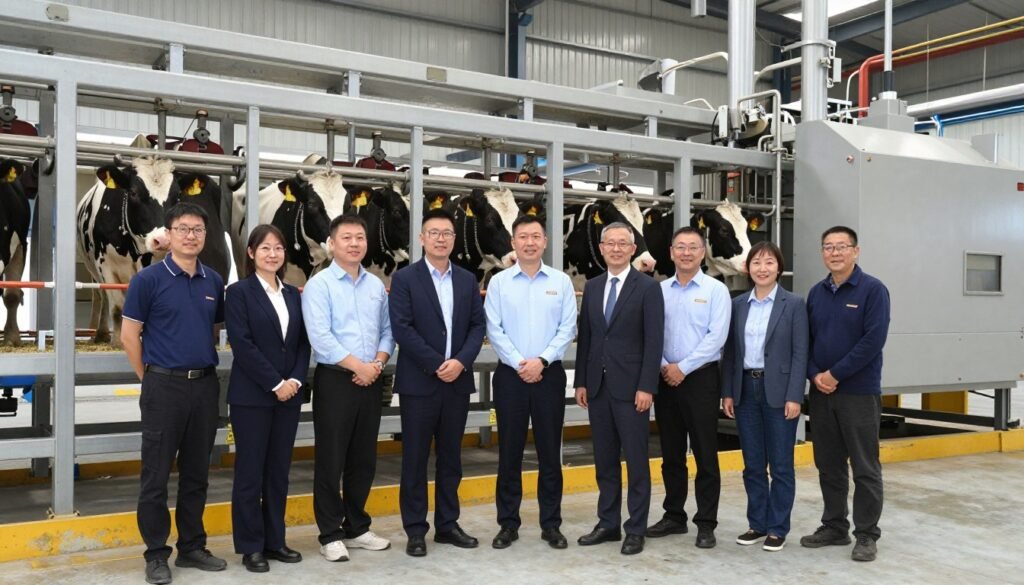
Our approach prioritizes long-term relationships over transactional sales. We understand that equipment performance 5, 10, and 15 years after installation determines partner satisfaction more than initial price or delivery speed.
Evaluation Process for Prospective Partners
UK operations considering MAIKONG cattle feed pellet production line manufacturer systems typically follow a structured evaluation process ensuring informed decisions:
- Initial Consultation: Discuss your specific operational requirements, current challenges, expansion objectives, and timeline expectations. Our UK technical team provides preliminary system recommendations and budget estimates.
- Facility Assessment: On-site evaluation of your facility including structural capacity, electrical infrastructure, material flow logistics, and expansion space availability. This identifies potential complications early rather than during installation.
- Custom Specification Development: Detailed system design matching your production requirements, ingredient characteristics, facility constraints, and operational preferences. Includes electrical schematics, layout drawings, and equipment specifications.
- Reference Site Visits: Arrange visits to existing UK installations similar to your planned application. Direct conversations with operating personnel provide unfiltered performance insights.
- Financial Analysis: Comprehensive ROI modeling using your actual operational data rather than generic assumptions. Includes total cost of ownership projections, payback calculations, and sensitivity analysis.
- Proposal Review: Detailed quotation including equipment specifications, installation scope, training provisions, warranty terms, and parts availability commitments. No hidden costs or unexpected additions.
- Contract Finalization: Clear agreement documentation covering equipment specifications, delivery timeline, payment terms, installation responsibilities, training provisions, and long-term support commitments.
Investment Protection Through Partnership
MAIKONG’s business model depends on long-term client success rather than equipment sales volume. Failed installations damage our reputation more than missed sales opportunities. This alignment creates genuine partnership rather than adversarial buyer-seller relationships.
Our Commitments to UK Partners:
- Transparent pricing with no hidden costs or surprise additions during installation
- Realistic timeline commitments with accountability for delays under our control
- Performance guarantees backed by measurable metrics and remediation obligations
- 15-year parts availability commitment documented in purchase agreements
- UK-based technical support with factory engineering backup for complex issues
- Ongoing relationship management through dedicated account representatives
Partner Expectations:
- Provide accurate operational information enabling proper system specification
- Maintain facility conditions suitable for equipment operation and longevity
- Follow recommended maintenance schedules documented in operational manuals
- Communicate issues promptly enabling resolution before minor problems become major failures
- Participate in periodic performance reviews assessing system optimization opportunities
Ready to Discuss Your Cattle Feed Expansion Project?
Our UK technical team can provide detailed information about MAIKONG cattle feed pellet production line manufacturer systems tailored to your specific operational requirements. Whether you’re expanding existing capacity, establishing new production capability, or exploring distributor/OEM partnerships, we can discuss how our 22 years of manufacturing expertise applies to your situation.
Initial consultations focus on understanding your needs rather than pushing products. We provide honest assessments of whether our systems suit your application, including situations where alternative approaches might serve you better.
Multiple Contact Options
WhatsApp Available for Immediate Questions
Email Inquiries:
Lucy@feedproductionline.uk
Comprehensive Information:
feedproductionline.uk
Request Detailed UK Expansion Consultation
Complete the form below to initiate a detailed discussion about your cattle feed production expansion requirements. Our UK technical team will contact you within one business day to schedule a comprehensive consultation.
Building Long-term UK Partnerships in Cattle Feed Production
The decision to expand cattle feed production capacity represents more than an equipment purchase. It establishes a long-term partnership between your operation and the manufacturer supporting that equipment for decades.
UK buyers face legitimate concerns about imported manufacturing. Distance creates communication challenges. Cultural differences affect business expectations. Support infrastructure requires significant investment from manufacturers genuinely committed to British markets rather than treating them as secondary export opportunities.
MAIKONG’s 22-year operational history demonstrates commitment to evolving beyond simple equipment manufacturing. Our UK support infrastructure, parts inventory commitments, and partnership approach address the specific friction points that plague imported equipment relationships.
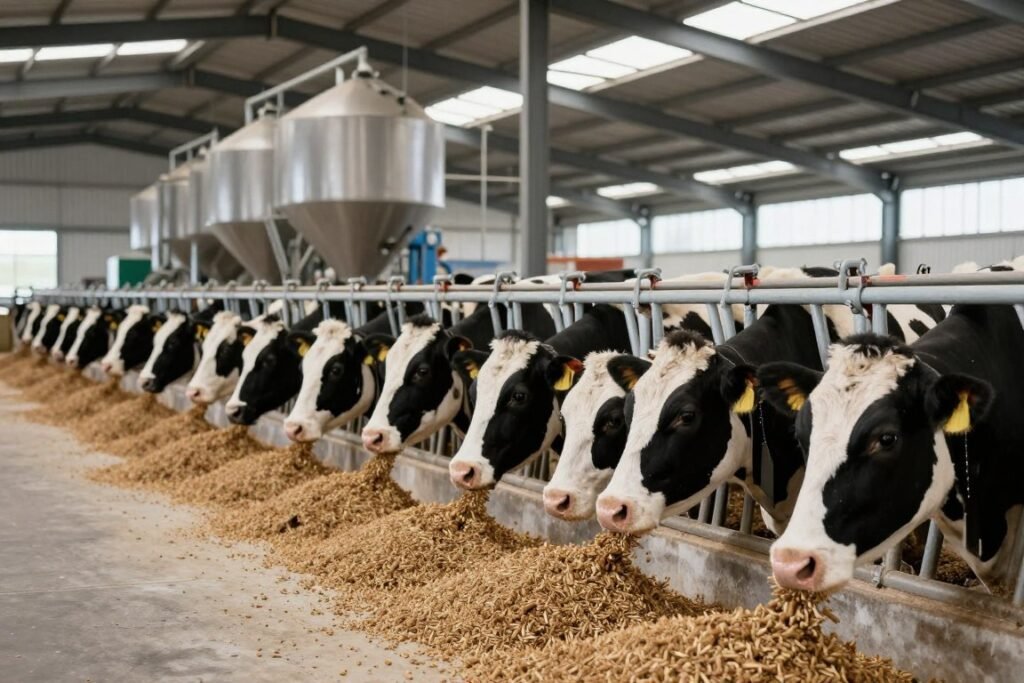
We understand that promises mean nothing without verification. That’s why we encourage reference site visits, detailed contract reviews, and transparent financial analysis before commitment. Informed partners make better long-term relationships than pressured buyers.
Whether you’re expanding an existing cattle operation, establishing new production capability, exploring distributor partnerships, or investigating OEM opportunities, MAIKONG provides proven manufacturing expertise combined with UK-focused support infrastructure.
Your success determines our success. Equipment operating efficiently 10 years from now creates more value than initial sales margins. This alignment distinguishes genuine partnerships from transactional relationships.
Contact our UK technical team to discuss how 22 years of feed production line manufacturing experience can support your cattle feed expansion objectives. We’re here to provide honest assessments, transparent information, and long-term partnership.
Start Your UK Cattle Feed Expansion Conversation Today
Connect with MAIKONG’s UK support team to discuss your specific operational requirements, facility constraints, and expansion timeline. No pressure, no generic sales pitches—just honest technical guidance from people who understand UK agricultural realities.