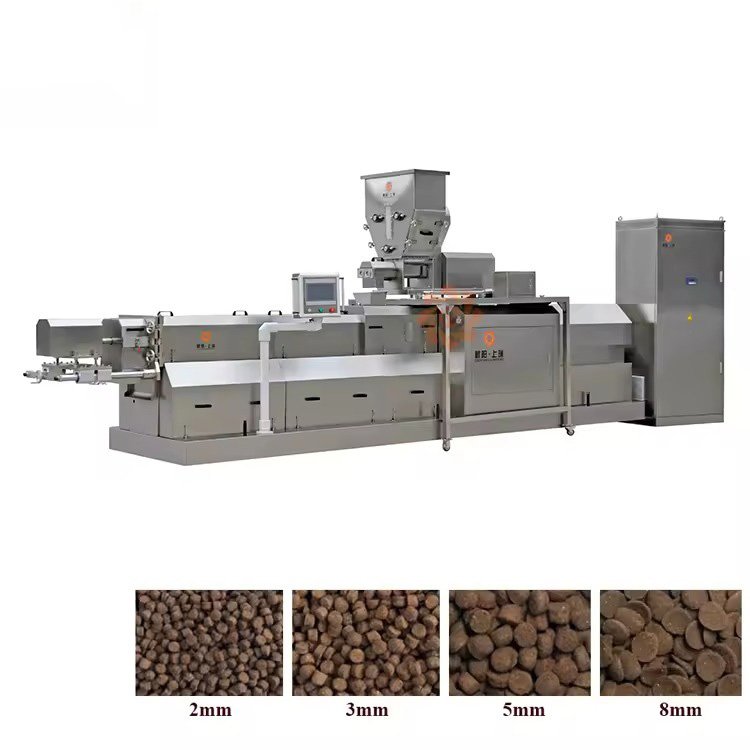
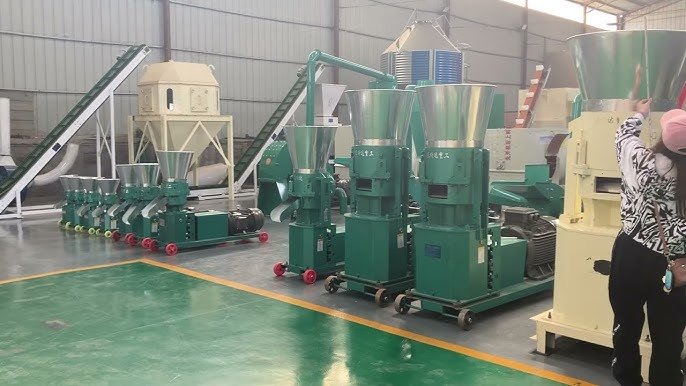
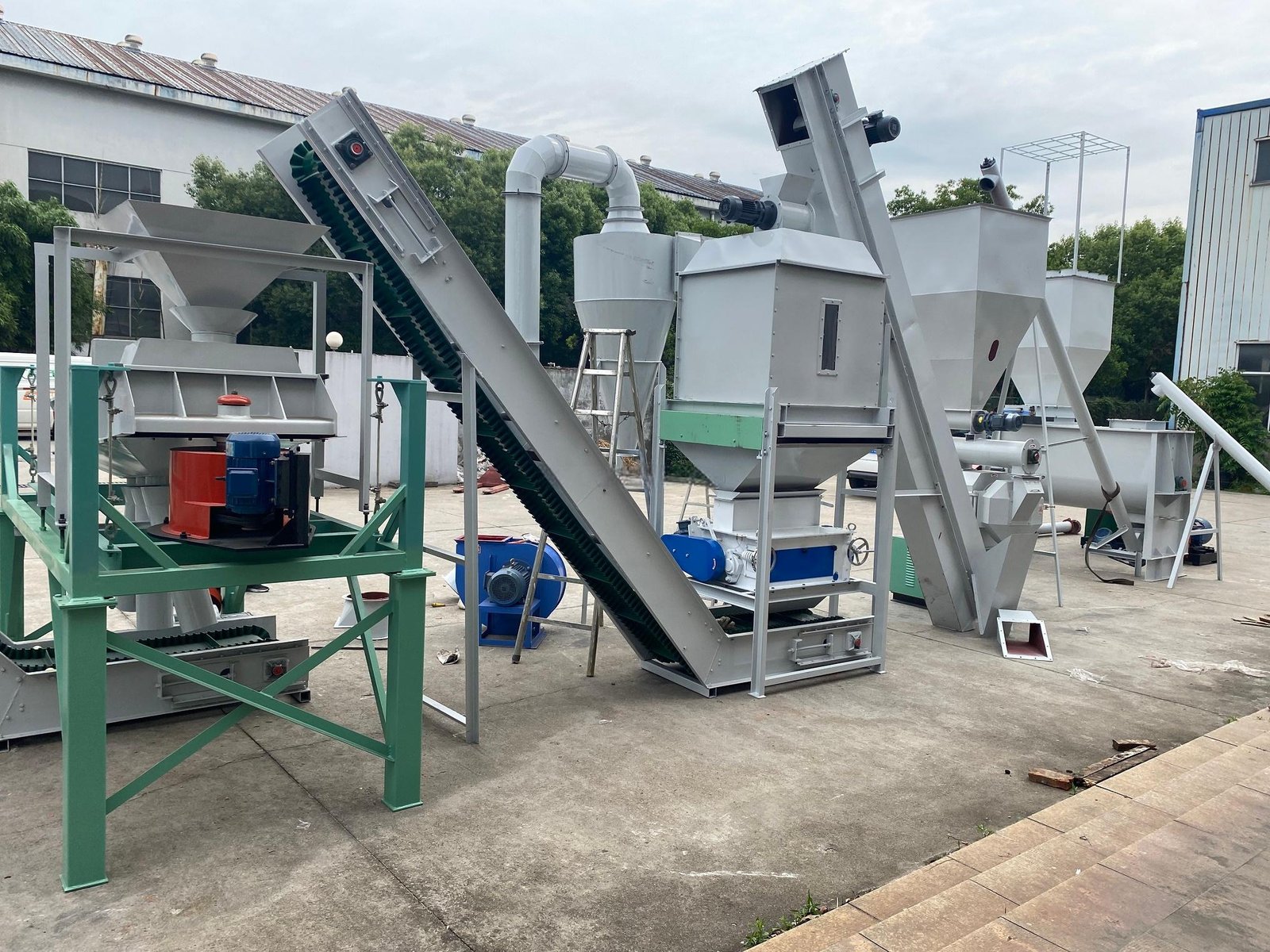
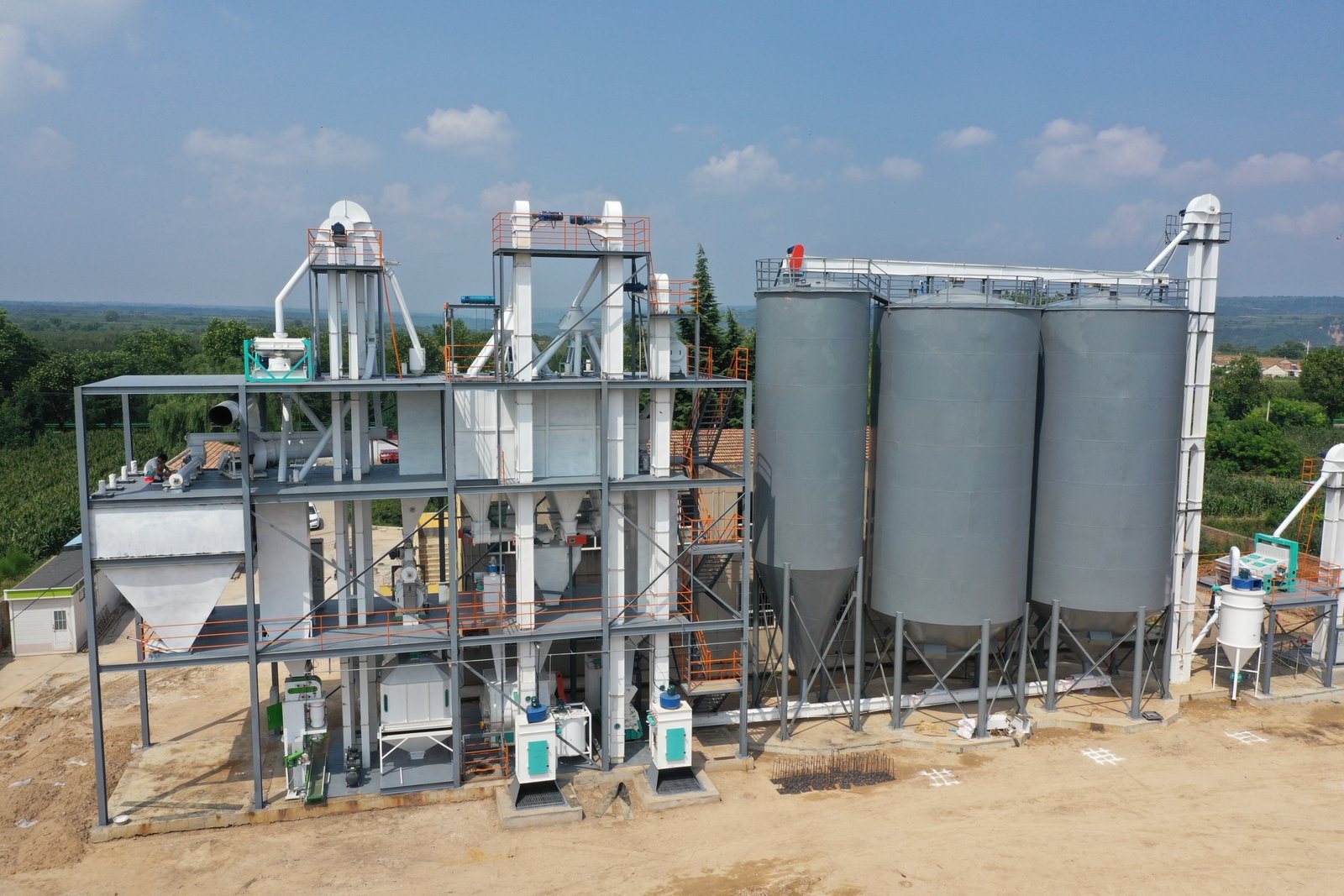
When the third bearing seizure happened within six months at a Yorkshire cattle operation, the farm manager rang me at half past seven on a Tuesday morning. His cattle feed pellet production line had stopped cold. Two hundred head of cattle needed feeding within three hours. The nearest spare bearing? Currently sitting in a container somewhere between Shenzhen and Felixstowe, delayed another week due to port congestion.
That conversation cost him roughly £4,200 in emergency sourcing, expedited shipping, and lost production time. It also revealed the uncomfortable reality many UK distributors face when importing industrial feed equipment from overseas manufacturers. The purchase price tells only a fraction of the true story.
Over twenty-two years working with feed production equipment across the UK and European markets, I have watched countless distributors enter this sector with optimism about margins, only to discover that after-sales support and spare parts logistics can transform a profitable line into a persistent headache. The cattle feed sector presents particular challenges. Unlike poultry operations that might tolerate brief shutdowns, cattle feeding schedules are rigid. Downtime accumulates costs rapidly.
This article examines the financial and operational realities of distributing cattle feed pellet equipment in the British market. We shall explore actual margin structures, spare parts supply chain vulnerabilities, maintenance cost patterns, and the after-sales support burden that determines whether a distributorship succeeds or struggles. The perspective comes from direct experience supporting UK operations, managing parts inventory, and training maintenance teams across various feed production environments.
Understanding the UK Cattle Feed Equipment Market Landscape
The British cattle feed manufacturing sector operates under pressures distinct from other European markets. Energy costs per tonne of processed feed run approximately 18-22% higher than the EU average following recent price increases. Livestock farmers demand consistent pellet quality because cattle feed conversion ratios directly impact profitability. When a cattle feed pellet plant produces inconsistent pellet hardness or generates excessive fines, farmers notice immediately through reduced feed efficiency.
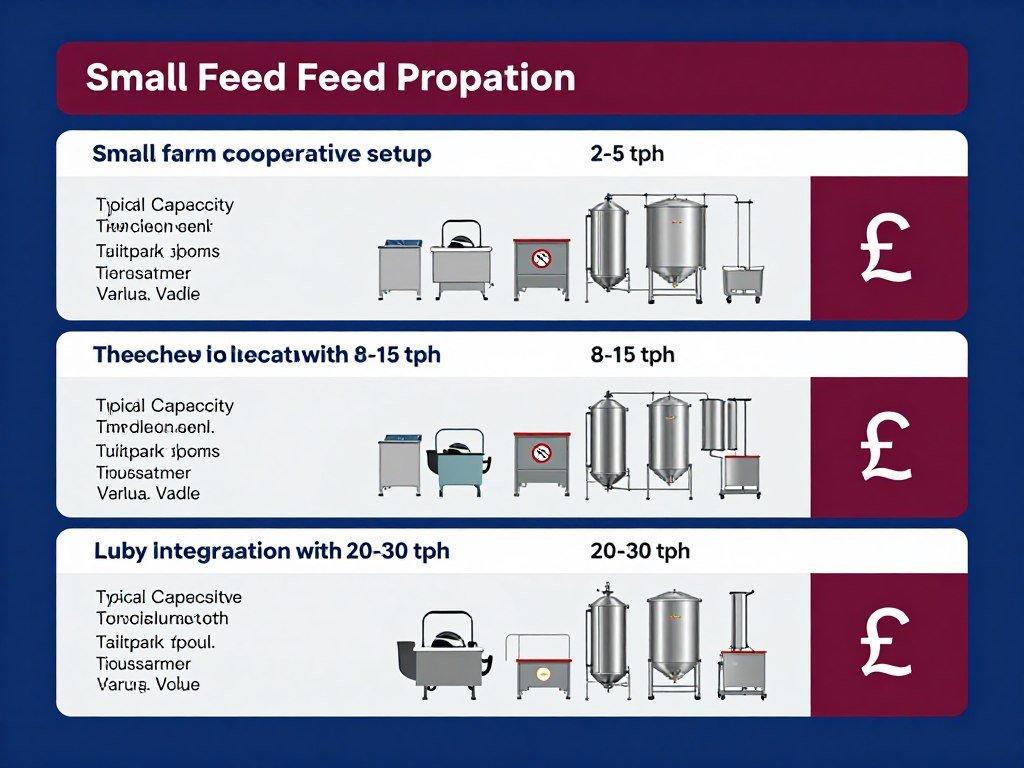
Equipment buyers in this market typically fall into three categories. Medium-sized feed mills producing 8-15 tonnes per hour seek reliable automation with minimal labour requirements. Large integrated livestock operations running 20-30 tonnes per hour need maximum uptime and rapid parts availability. Smaller farm cooperatives operating 2-5 tonne systems prioritise simplicity and low-cost maintenance.
Market Segment Characteristics
Each buyer category approaches equipment acquisition differently. The medium mills focus heavily on energy efficiency and automation because labour costs in the UK frequently exceed £32,000 annually per skilled operator. Large operations evaluate total cost of ownership over seven to ten years, factoring maintenance labour, parts replacement cycles, and production downtime risks.
Small cooperatives often operate with limited technical expertise. They require equipment that tolerates operator error and provides clear diagnostic feedback when issues arise. These operations cannot afford to employ dedicated maintenance staff, so equipment reliability and support accessibility become critical purchase factors.
Competitive Pressure and Pricing Dynamics
European manufacturers maintain strong presence in the UK market, particularly German and Dutch suppliers. Their equipment typically commands 25-35% price premiums over Asian imports. That premium purchases local service networks, rapid parts delivery, and English-language technical support. For distributors representing overseas manufacturers, that gap creates opportunity but also defines the support standard customers expect.
The post-Brexit landscape complicated import logistics. Lead times stretched from typical 6-8 weeks to 10-14 weeks for container shipments. Customs documentation increased complexity. Parts shipments valued under £135 used to flow smoothly through postal channels; now they require formal customs declarations. These changes affect distributor working capital requirements and customer satisfaction.
Buyers increasingly request energy consumption data and carbon footprint calculations. The UK agricultural sector faces pressure to reduce emissions intensity. Feed mills that demonstrate lower energy use per tonne of processed feed gain competitive advantage. This trend pushes equipment specifications toward variable frequency drives, efficient motor selections, and improved insulation on conditioning chambers.
Distributor Margin Reality: Beyond the Initial Sale
The factory quote arrives showing a complete 10 tph cattle feed pellet machine system at £87,000 FOB Shenzhen. Shipping, insurance, and import duties add £14,500. Installation materials, electrical work, and commissioning require another £8,200. Your total landed cost reaches £109,700. You quote the customer £142,600, believing that 30% gross margin looks reasonable.
Then reality intervenes.
Visible Margin Erosion Factors
Pre-sale technical site surveys and consultation (40-60 hours)
Customs clearance delays requiring storage fees (£380-650 per week)
Software updates and control system troubleshooting
Documentation translation and UK safety compliance updates
When factoring these elements accurately, that apparent 30% gross margin compresses to 16-19% net margin on the equipment sale itself. The truly profitable distributors recognise that margins must come from the total customer relationship, not merely the initial equipment transaction.
Experiencing Equipment Downtime?
Our UK technical support team provides rapid assistance for cattle feed pellet production line maintenance issues. We maintain comprehensive spare parts inventory and can arrange emergency delivery within 24-48 hours across most of Britain.
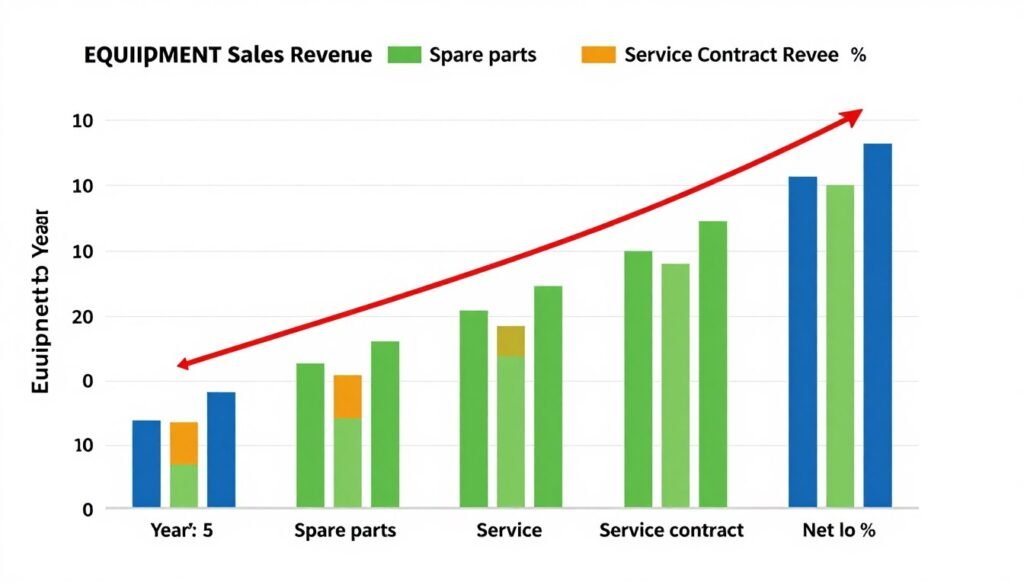
Successful distribution businesses build margin across multiple touchpoints. The initial equipment sale generates 16-19% after true cost accounting. Spare parts sales typically yield 28-35% margins because customers accept premium pricing for rapid availability. Service contracts for annual preventive maintenance produce 22-26% margins with predictable revenue streams.
Training programmes present another margin opportunity. A three-day intensive maintenance training course for customer staff, priced at £2,400-3,200, costs roughly £980 to deliver (instructor time, materials, facility). That produces healthy margins whilst building customer capability and reducing future support burden.
Revenue Stream
Typical Gross Margin
Annual Revenue Potential (per customer)
Effort Required
Initial Equipment Sale
16-19%
One-time (£140,000-180,000)
High (120-180 hours)
Spare Parts Supply
28-35%
£8,500-14,200
Medium (30-50 hours)
Annual Service Contracts
22-26%
£6,400-9,800
Low (24-32 hours)
Maintenance Training
58-65%
£2,800-4,200
Low (16-24 hours)
Emergency Callouts
45-52%
£1,800-3,600
Variable (8-40 hours)
The mathematics shift considerably when viewing customer relationships across five to seven years. A single large installation might generate £142,000 initial equipment revenue with £27,000 net margin. Over subsequent years, spare parts, service contracts, training, and occasional emergency support add £95,000-140,000 cumulative revenue with £38,000-56,000 additional net margin. The long-term relationship nearly doubles the initial transaction margin.
The Spare Parts Challenge: Logistics, Inventory and Customer Expectations
A farmer in Cumbria rang at quarter past nine on Friday evening. His pellet mill die had cracked during production. He needed replacement by Monday morning to maintain feeding schedules. The standard die for his 350mm cattle feed pellet production line weighs 84 kilograms, costs £2,840 from the manufacturer, and requires 18-22 days shipping from China under normal circumstances.
This scenario repeats regularly across the UK market. Customers expect distributor-held inventory for critical wear components. The alternative—waiting three weeks for parts from Asia—creates unacceptable business risk for feed operations.
Critical Components Requiring Local Inventory
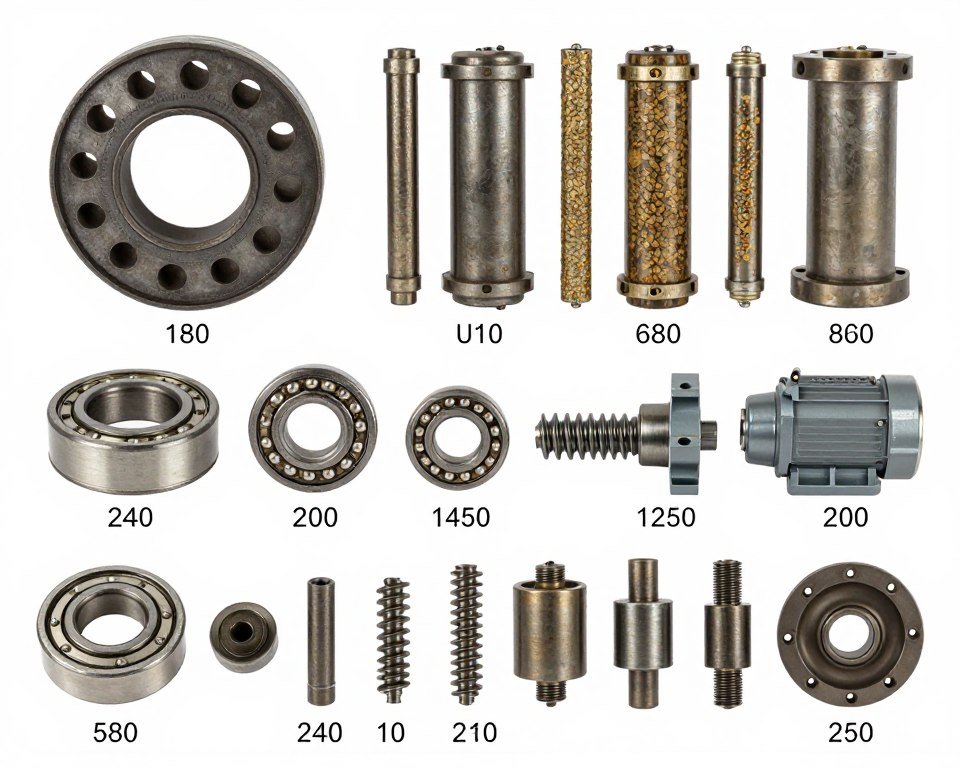
Experience across multiple installations reveals which components fail most frequently and require immediate availability. The pellet mill ring die represents the highest-cost wear item, typically requiring replacement every 1,200-1,800 operating hours depending on formulation abrasiveness and production intensity. Each die costs £2,400-3,600 depending on hole pattern and material specification.
Roller shells follow as the second critical wear component. A 10 tph system uses two rollers, each costing £780-1,140 for replacement shells. These typically last 1,800-2,400 hours. Bearings in the pellet mill main shaft and roller assemblies fail less predictably, with lifespan ranging from 2,000-4,000 hours based on lubrication practices and material quality.
High-Priority Inventory Items
These components require immediate availability because their failure stops production completely:
Ring dies (at least one spare per installation)
Roller shells (complete set per installation)
Main shaft bearings (two sets minimum stock)
Drive belts or coupling assemblies
Feeder screw segments
Conditioner paddle sets
Medium-Priority Inventory Items
These components allow 5-10 day lead times but should be readily accessible:
Discharge chute wear plates
Hammer mill screens (various mesh sizes)
Mixer shaft seals and bearings
Control system relays and contactors
Temperature and pressure sensors
Pneumatic valve diaphragms
Low-Priority Stock Items
These components can be sourced from UK industrial suppliers or tolerate longer lead times:
Standard metric fasteners and hardware
Common motor sizes (UK stock available)
Standard industrial bearings (UK suppliers)
Electrical components meeting UK standards
Lubrication fittings and oil seals
Pneumatic tubing and fittings
Custom Components Requiring Planning
These items require long lead times and cannot be easily stocked:
Custom die patterns for specialty formulations
Non-standard roller diameters
Modified hopper and chute assemblies
Specialised conditioning systems
Control system motherboards
Gearbox assemblies
Inventory Investment Requirements
Supporting five to eight active installations of 8-12 tph capacity requires approximately £28,000-42,000 in spare parts inventory. This covers one complete die set per installation type, adequate roller shells, bearing stocks, and common wear items. The working capital remains tied up until parts sell, creating cash flow pressure for smaller distributorships.
Parts turnover varies significantly by component type. Ring dies might turn 1.2-1.8 times annually (slow but necessary). Bearings and smaller wear items turn 3-5 times yearly. The blended inventory turn for a well-managed spare parts stock typically reaches 2.2-2.8 times annually.
Some distributors establish relationships with UK-based precision engineering firms to manufacture certain wear components domestically. Ring dies can be remanufactured by skilled British machine shops, though costs run 15-25% higher than Asian imports. This strategy reduces lead times to 10-14 days and provides emergency production capacity.
Roller shells present similar remanufacturing opportunities. A few UK specialists possess the equipment to rebore worn shells and install new compression surfaces. This costs 60-70% of new roller prices but delivers 5-7 day turnaround. For emergency situations, this capability proves invaluable.
Standard bearings and motors increasingly come from European or UK suppliers. British industrial bearing distributors maintain extensive stocks of metric bearings. While premium-priced versus Asian components, the immediate availability and established warranty support justify the cost difference. Motors meeting UK electrical standards are readily available from several domestic suppliers.
Maintenance Patterns and Downtime Cost Reality
The afternoon shift supervisor noticed the pellet mill vibration increasing gradually over three days. Rather than shut down for inspection, production continued because the feeding schedule demanded output. On the fourth day, a bearing seized completely. The resulting damage included a destroyed bearing, scored shaft, damaged die, and eight hours of emergency repairs. Total cost: £3,240 in parts plus £1,680 in overtime labour, exceeding £4,900.
Had the supervisor stopped the line when vibration first appeared, a £180 bearing replacement would have required ninety minutes downtime. The maintenance-versus-production tension creates risk in every feed operation.
Common Failure Modes and Prevention
Die blockage ranks as the most frequent disruption in cattle feed pellet mills. Feed formulations containing high fat content or insufficient moisture create conditions for material to pack inside die holes. This typically occurs during recipe transitions or when conditioning parameters drift from optimal settings. Prevention requires strict moisture control (14-16% optimal), proper steam conditioning temperature (75-85°C), and gradual feed formulation transitions.
Bearing failures follow as the second most common maintenance issue. Main shaft bearings in the pellet mill experience severe radial and thrust loads. Inadequate lubrication, contamination from feed dust, or excessive operating temperatures accelerate wear. British operations often underestimate the dust sealing challenge because many UK facilities lack climate control. Ambient humidity variations affect dust behaviour and seal performance.
Failure Mode
Typical Frequency
Downtime Duration
Average Repair Cost
Prevention Strategy
Die blockage (partial)
Every 180-240 hours
45-90 minutes
£120-280 (labour only)
Moisture control, gradual recipe changes
Main shaft bearing failure
Every 2,000-3,000 hours
4-6 hours
£640-920
Lubrication schedule, temperature monitoring
Roller shell wear (excessive)
Every 1,800-2,200 hours
3-4 hours
£1,240-1,680
Regular gap inspection, proper die-roller clearance
Die cracking/breaking
Every 1,200-1,600 hours
2-3 hours
£2,840-3,200
Proper conditioning, avoid production interruptions
Motor coupling failure
Every 4,000-5,000 hours
2-3 hours
£380-560
Alignment verification, vibration monitoring
Control system faults
Every 800-1,200 hours
1-4 hours
£240-840
Environmental protection, regular testing
Preventive Maintenance Economics
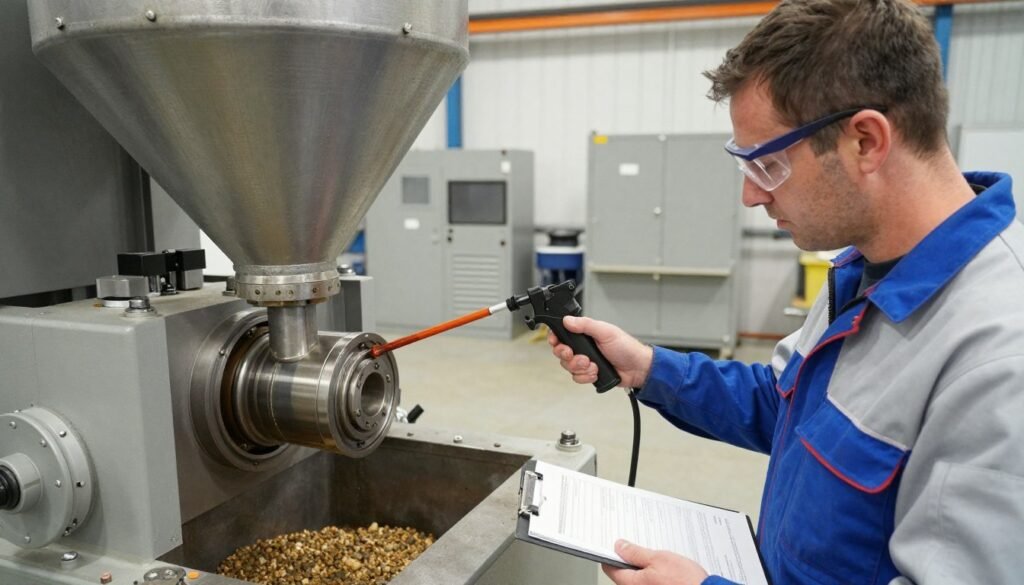
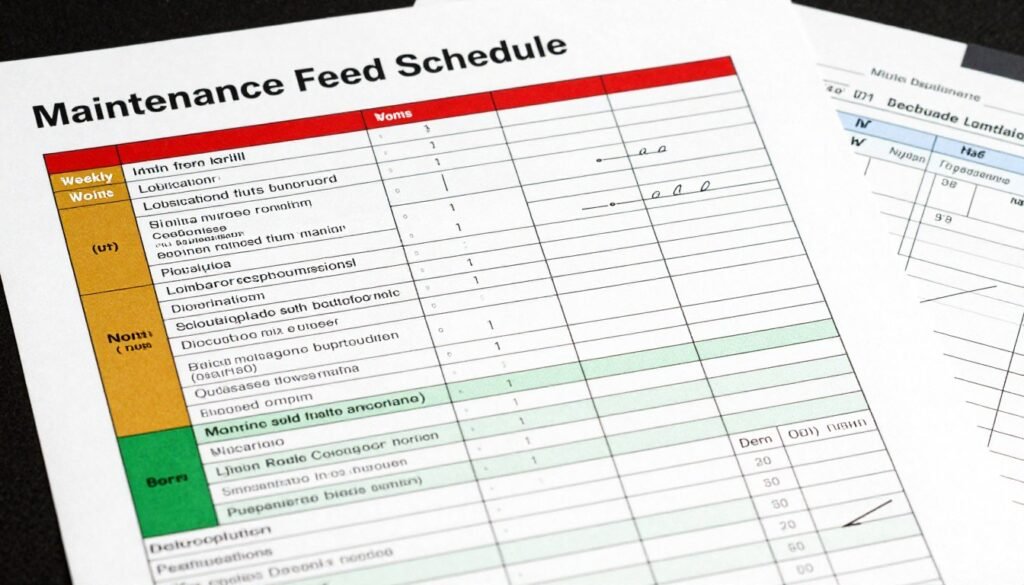
A structured preventive maintenance programme costs approximately £180-260 per month in labour and consumables for a 10 tph system. This includes weekly lubrication routines, monthly detailed inspections, quarterly deep cleaning, and biannual major component checks. The annual cost reaches £2,160-3,120.
Without preventive maintenance, the same system typically experiences 3-4 major failures annually, each averaging £2,400-3,800 in emergency repair costs. Annual reactive maintenance costs thus reach £7,200-15,200. The economic case for preventive maintenance appears compelling, yet many operations struggle to implement consistent programmes.
The challenge lies not in technical complexity but in operational discipline. Feed mills operate under constant production pressure. Taking equipment offline for preventive work conflicts with immediate feeding demands. Successful operations schedule maintenance windows during low-demand periods, maintain backup production capacity, or run extended production shifts to create maintenance time.
Operator Training Impact on Reliability
Installations with properly trained operators experience 40-55% fewer maintenance incidents compared to operations relying solely on general industrial workers. The difference stems from early problem recognition and appropriate response. A trained operator identifies abnormal vibration, temperature rise, or power consumption changes immediately. They understand when to shut down versus when to monitor and report.
Training investment for a three-person shift team typically requires 24-32 hours of instruction covering operation principles, routine maintenance tasks, troubleshooting procedures, and safety protocols. At £85-120 per hour for qualified instruction, the total training cost reaches £2,040-3,840 per team. This investment returns value within the first year through reduced emergency repairs and improved equipment longevity.
British cattle feeding patterns create seasonal maintenance windows. Spring and early summer typically see reduced cattle feed pellet production as many operations transition cattle to pasture grazing. This period provides optimal timing for major maintenance activities including die replacement, roller servicing, and deep system cleaning.
Winter months bring peak production demands but also increased component stress. Colder ambient temperatures affect conditioning efficiency and increase motor loads. Condensation from temperature differentials can compromise electrical systems. Many experienced operators increase inspection frequency during winter whilst maintaining more conservative production parameters to reduce failure risk.
After-Sales Support Burden: The Distributor’s Ongoing Commitment
The phone rings at six in the morning. A feed mill in Scotland has lost pellet quality overnight. The cattle feed pellets crumble excessively, creating unacceptable fines. The farmer is threatening to return the entire delivery. The mill operator needs immediate troubleshooting assistance despite being 420 miles from your office.
This defines the after-sales support reality for equipment distributors. Customers expect accessibility, rapid response, and effective problem resolution regardless of distance, time, or complexity. The support burden extends well beyond warranty periods because customers view the distributor relationship as ongoing, not transactional.
Technical Support Infrastructure Requirements
A credible cattle feed pellet plant distributor maintains several support capabilities. First-level telephone and email support provides troubleshooting guidance for common issues including recipe adjustments, conditioning parameter optimisation, and routine maintenance questions. This requires staff with genuine feed production experience, not merely sales personnel reading technical manuals.
Second-level support involves remote diagnostic capabilities. Modern control systems allow secure remote access for parameter review, alarm history analysis, and control logic verification. This capability resolves many issues without site visits, reducing costs and response time. However, it requires initial setup, secure network configuration, and ongoing access management.
Basic Support Package
Telephone support (business hours)
Email technical assistance (48-hour response)
Standard spare parts at list pricing
Annual on-site inspection (8 hours)
Access to maintenance documentation
Software updates as released
Annual Cost: £2,400-3,200 per installation
Suitable For: Operations with competent in-house maintenance staff
Premium Support Package
24/7 emergency telephone support
Email response within 4 hours
Priority spare parts at 15% discount
Quarterly on-site preventive maintenance
Remote diagnostic access and monitoring
Annual operator refresher training
Production optimisation consultations
Annual Cost: £6,800-9,200 per installation
Suitable For: High-capacity operations requiring maximum uptime
Enterprise Support Package
Dedicated support engineer assigned
Guaranteed 4-hour emergency response
Spare parts at 25% discount with priority delivery
Monthly on-site preventive maintenance
Continuous remote monitoring and alerts
Comprehensive training programme (32 hours annually)
Recipe development and optimisation services
Performance reporting and improvement recommendations
Annual Cost: £14,400-18,600 per installation
Suitable For: Critical operations or multiple installations
Geographic Coverage Challenges
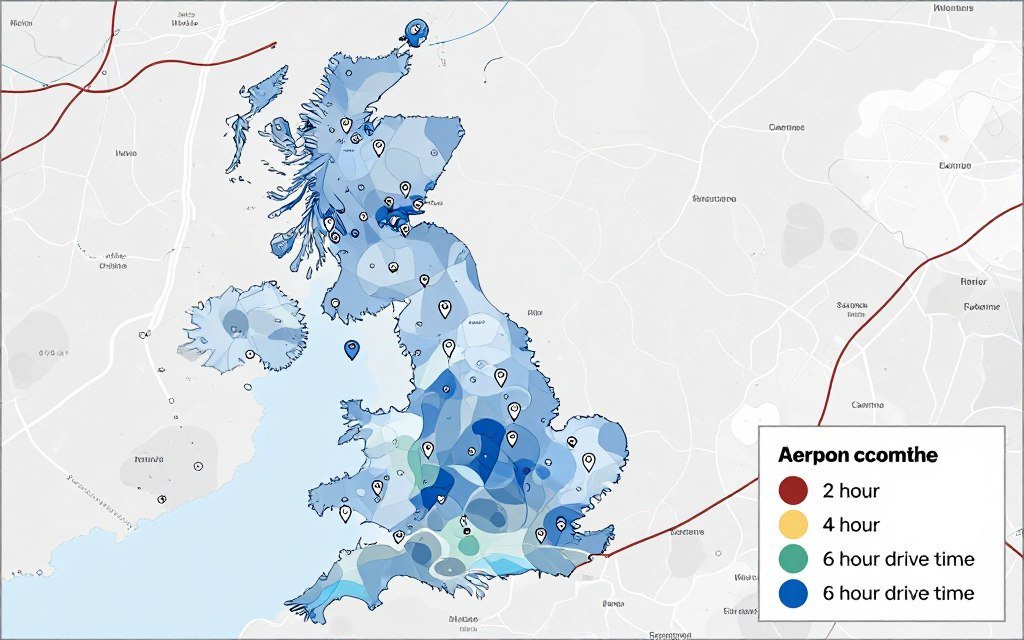
The UK’s geographic spread creates service territory challenges. A distributor based in the Midlands faces 4-6 hour drive times to reach installations in Scotland or Cornwall. Emergency site visits become expensive propositions involving overnight accommodation, extended travel time, and vehicle costs. Many distributors establish regional service partnerships or employ field service engineers in distant territories.
Some distributors utilise independent industrial maintenance contractors in remote areas for routine service work. This requires training these contractors on equipment specifics and maintaining quality control over their work. The approach reduces travel costs whilst providing customers with more accessible local support.
Documentation and Knowledge Management
Effective after-sales support requires comprehensive documentation systems. Every installation should have complete as-built drawings, electrical schematics, parts lists, maintenance schedules, and operating procedures. This documentation must be accessible to support staff immediately when troubleshooting calls arrive.
Knowledge accumulation from resolved issues creates competitive advantage. A well-maintained support database containing common problems, diagnostic procedures, and successful solutions allows faster problem resolution. New support staff can leverage this institutional knowledge rather than learning everything through direct experience.
Video recordings of maintenance procedures, training sessions, and equipment demonstrations provide valuable resources. A customer facing an unfamiliar maintenance task can review a procedure video whilst on the telephone with support staff, increasing first-time fix rates.
Return on Investment Analysis for UK Distributors
A prospective distributor evaluates entering the cattle feed equipment market. The analysis must account for all investment categories including initial inventory, demonstration equipment, support infrastructure, staff training, and working capital for ongoing operations. The complete picture determines whether the opportunity justifies commitment.
Initial Investment Components
Establishing credible market presence requires demonstration capability. A functional demonstration unit sized at 3-5 tph costs approximately £42,000-58,000 installed in your facility. This allows prospective customers to witness operation, evaluate pellet quality, and gain confidence in the equipment. The demonstration unit also serves as training equipment and backup production capacity for urgent customer needs.
Initial spare parts inventory supporting 3-5 installations requires £18,000-28,000 investment. Marketing materials, website development, trade show participation, and initial promotional activities add £8,000-14,000. Staff training on equipment operation, maintenance, and troubleshooting costs £4,000-7,000 for a two-person technical team.
Investment Category
Minimum Investment
Recommended Investment
Purpose
Demonstration Equipment
£42,000
£58,000
Customer evaluation, training, backup capacity
Initial Spare Parts Stock
£18,000
£28,000
Support 3-5 active installations
Marketing & Promotion
£8,000
£14,000
Website, materials, trade shows, advertising
Staff Training
£4,000
£7,000
Technical competency development
Tools & Test Equipment
£3,200
£5,800
Installation, service, diagnostics
Working Capital Reserve
£15,000
£25,000
Cover operating expenses during ramp-up
Total Initial Investment
£90,200
£137,800
Complete distributor establishment
Revenue Projection Scenarios
A realistic first-year target involves securing 2-3 equipment installations along with aftermarket support for these units. Conservative average selling price of £145,000 per installation generates £290,000-435,000 equipment revenue. At 18% net margin, this produces £52,200-78,300 equipment margin.
First-year spare parts sales typically remain modest at £6,000-12,000 total revenue with 30% margin (£1,800-3,600 contribution). Service contracts may generate £4,800-8,400 revenue with 24% margin (£1,150-2,000 contribution). The first year focuses primarily on establishing market presence and building the customer base.
Year two projections assume 3-4 additional installations with growing aftermarket revenue from the expanding installed base. Equipment sales reach £435,000-580,000, generating £78,300-104,400 margin. Spare parts sales increase to £18,000-28,000 (£5,400-8,400 margin). Service contracts grow to £14,400-22,000 (£3,450-5,280 margin).
Break-Even Analysis
Assuming total initial investment of £115,000 (mid-range scenario) and annual operating costs of £48,000 (staff, facility, vehicles, insurance, marketing), the distributor requires approximately £140,000 annual gross margin to break even. This translates to roughly 2.5 equipment installations plus moderate aftermarket activity.
Most distributors achieve break-even between months 16-24. The timeline depends heavily on initial market penetration speed and effectiveness of sales efforts. Distributors with existing customer relationships in adjacent equipment categories accelerate this timeline. Those building customer bases from zero experience longer ramp-up periods.
After achieving break-even, margin expansion occurs through aftermarket growth. The installed base generates recurring parts and service revenue with improving margins as operational efficiency increases. By year four, successful distributors typically derive 35-45% of total gross margin from aftermarket activities rather than equipment sales.
Risk Factors and Mitigation Strategies for UK Distributors
Every business opportunity carries risk. Understanding specific risk factors in the cattle feed equipment distribution sector allows prospective distributors to prepare appropriate mitigation strategies. Some risks prove controllable through planning and operational discipline. Others require acceptance as inherent business conditions.
Supply Chain Vulnerability
Extended supply chains connecting UK distributors to Asian manufacturers create multiple vulnerability points. Container shipping disruptions, port congestion, customs delays, and logistics capacity constraints all impact equipment and parts delivery. Recent years demonstrated how quickly normal 8-week lead times can extend to 16-20 weeks during supply chain stress.
Mitigation approaches include maintaining larger inventory buffers for critical items, establishing secondary suppliers for generic components, and building UK manufacturing relationships for emergency production. Some distributors also negotiate consignment inventory arrangements with manufacturers, reducing working capital requirements whilst ensuring stock availability.
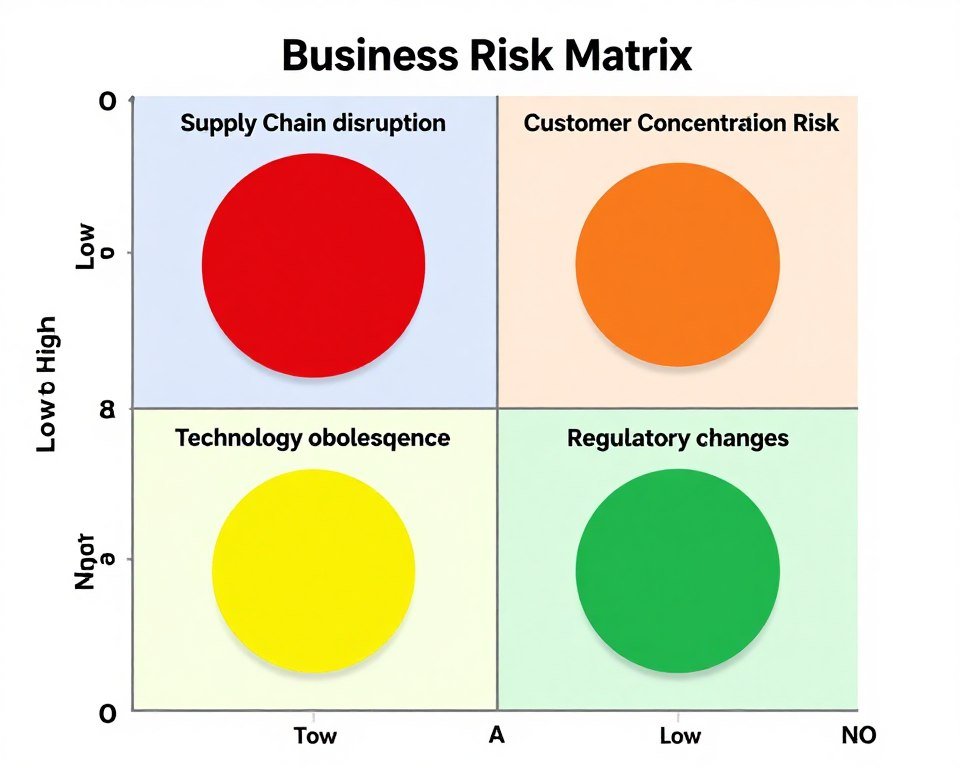
Major Risk Categories
Supply chain disruption: Extended lead times, shipping delays, parts unavailability
Regulatory changes: Evolving UK safety, environmental, or trade regulations
Risk Mitigation Strategies
Inventory management: Strategic stock levels balancing availability and capital
Currency hedging: Forward contracts or natural hedges through pricing
Service partnerships: Regional service networks and contractor relationships
Differentiation focus: Emphasise service quality over price competition
Payment terms discipline: Clear credit policies and progress payments
Compliance monitoring: Active tracking of regulatory developments
Technology Obsolescence Risk
Feed processing equipment undergoes continuous technological evolution. Control systems transition from relay logic to PLC to IoT-connected systems. Energy efficiency improvements emerge through motor technology and process optimisation. Demonstration equipment purchased today may appear dated within 5-7 years.
This risk requires balancing demonstration capability investment against obsolescence concerns. Some distributors lease demonstration equipment rather than purchasing outright, reducing capital exposure whilst maintaining current technology. Others accept demonstration unit depreciation as a necessary business cost, similar to vehicle fleets.
Customer Concentration Risk
Distributors building businesses around a few large customers face revenue concentration risk. Losing a major account to competitor conversion, business failure, or relationship deterioration creates significant impact. A customer representing 35-40% of annual revenue has disproportionate influence over business viability.
Risk mitigation involves conscious customer diversification efforts. Rather than focusing exclusively on large installations offering maximum individual revenue, successful distributors cultivate relationships across various operation sizes. Smaller customers provide stability and steady aftermarket revenue whilst reducing dependence on any single large account.
Manufacturer Relationship Stability
Distributor businesses depend fundamentally on manufacturer relationships. Territory protection, pricing structures, technical support access, and warranty backing all flow from these agreements. Manufacturer decisions to alter distribution strategy, add competing distributors, or pursue direct sales can severely impact distributor businesses.
Mitigation requires clear written agreements specifying territory rights, minimum support commitments, pricing protection, and relationship duration. Successful distributors also develop multi-manufacturer portfolios when possible, reducing dependence on any single supplier. However, this approach increases complexity and inventory requirements.
Why UK Distributors Choose MAIKONG for Cattle Feed Equipment
MAIKONG brings twenty-two years of manufacturing experience specifically focused on animal feed production equipment. Our cattle feed pellet production line designs reflect continuous improvement based on real-world operational feedback from installations across Europe, Asia, Americas, and Africa. We understand that equipment reliability and distributor support determine long-term success in this market.
Comprehensive Distributor Support Infrastructure
We recognise that distributor success depends on manufacturer backing. Our UK distributor programme provides extensive support including technical training at our facility (5-day comprehensive programme covering operation, maintenance, troubleshooting, and installation), ongoing remote technical assistance through dedicated support channels, and access to complete technical documentation including CAD drawings, electrical schematics, and maintenance procedures.
Spare parts logistics receive particular attention. We maintain consolidated parts packages for common wear items, reducing shipping costs and lead times. Critical components ship via express courier when needed, typically reaching UK addresses within 5-7 working days. Our parts identification system uses clear nomenclature and exploded diagram references, simplifying ordering accuracy.
Technical Resources
Complete installation manuals
Maintenance procedure videos
Troubleshooting decision trees
Parts identification guides
Electrical schematic packages
Recipe formulation guidance
Business Support
Protected territory agreements
Competitive pricing structures
Marketing material provision
Lead generation assistance
Demonstration unit programmes
Customer reference access
Operational Assistance
Remote diagnostic access
Warranty claim processing
Technical training updates
Engineering modification support
Customer training programmes
Installation supervision available
OEM and ODM Capabilities for Market Differentiation
Many successful UK distributors develop their own brand identity rather than representing overseas manufacturer brands directly. MAIKONG’s OEM (Original Equipment Manufacturer) and ODM (Original Design Manufacturer) programmes enable this strategy. We manufacture equipment carrying your brand labelling, allowing you to build market recognition under your company identity.
ODM services extend further, accommodating custom specifications to meet particular market requirements. Perhaps your customers require specific electrical standards, control system preferences, or unique capacity configurations. Our engineering team works with you to develop appropriate modifications whilst maintaining manufacturing efficiency and cost competitiveness.
This flexibility proves valuable when competing against established European suppliers. Rather than being perceived as merely representing a Chinese manufacturer, you present yourself as a British equipment company with competitive manufacturing partnerships. The distinction matters significantly in customer perception and loyalty development.
Model MK-L003 Specification Overview
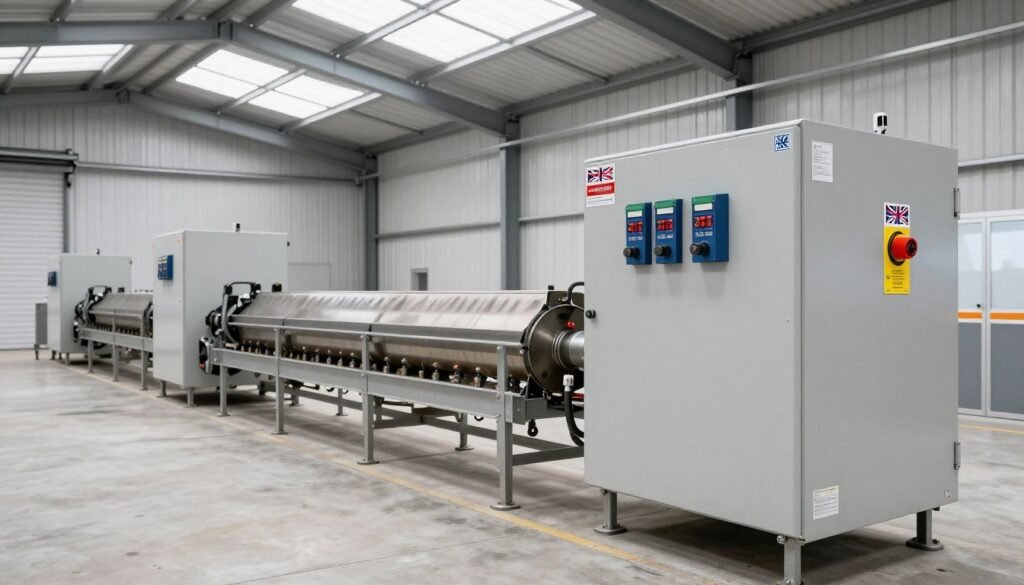
Our Model MK-L003 represents our most popular configuration for UK cattle feed operations. This system processes 8-12 tonnes per hour depending on formulation density and pellet size selection. The complete production line includes:
Liquid addition system, variable mixing time, coefficient of variation
Steam Conditioner
2.5m length, 8-12 second retention
Adjustable paddle configuration, temperature monitoring, steam pressure control
Ring Die Pellet Mill
132 kW motor, 420mm die diameter
Quick die change system, automatic lubrication, overload protection, variable frequency drive
Counterflow Cooler
12m² cooling area, 8-10 minute retention
Temperature reduction to ambient +5°C, moisture control, discharge regulation
Pellet Screener
Two-deck vibrating design
Separates fines and oversize, adjustable screen angles, quick screen changes
Automated Bagging System
6-8 bags per minute, 25-50kg bag range
Electronic weighing, automatic bag filling, optional palletiser integration
Control System
Siemens PLC with 10″ HMI touchscreen
Recipe management, production monitoring, alarm logging, remote access capability
Physical Specifications: Overall system footprint approximately 18m × 8m × 12m (length × width × height). Total installed power: 285 kW. Weight: 14,200 kg complete system. Electrical requirements: 400V three-phase, 50Hz (UK standard). Colour: Equipment grey with safety yellow guards (customisable). Primary construction material: Mild steel with stainless steel contact surfaces.
Performance Parameters: Production capacity 8-12 t/h (cattle feed formulation dependent). Pellet sizes available: 3mm, 4mm, 5mm, 6mm diameter. Energy consumption: 18-22 kWh per tonne of processed feed. Pellet durability index (PDI): typically 96-98%. Fines production:
European Market Success Stories
Our installations across Europe demonstrate equipment reliability and our support capability. A Scottish cattle operation installed a 10 t/h system in 2019, producing feed for 1,400 head of beef cattle. The system operates 16-18 hours daily during winter feeding periods. Over four years of operation, availability has exceeded 96%, with all maintenance performed on scheduled basis. The customer reports energy costs 12% below their previous Italian-manufactured equipment.
In Ireland, a feed cooperative serving member farms across three counties operates two of our systems producing cattle, sheep, and poultry feed. They particularly value the flexibility to switch between species formulations rapidly. Recipe changeover requires only 15-20 minutes including flush-through material. The control system stores 180 distinct formulations, allowing them to serve diverse customer requirements efficiently.
A Netherlands dairy operation producing feed for 800 milking cows emphasises the consistency our equipment delivers. Milk production correlates directly with feed quality. Variations in pellet hardness or nutritional uniformity affect milk yield within days. Their system maintains coefficient of variation below 4% across production runs, meeting the strict quality requirements of modern dairy production.
Explore MAIKONG UK Distribution Partnership Opportunities
We are actively seeking qualified distributors across the United Kingdom to represent our cattle feed pellet production line systems. Our comprehensive distributor programme provides technical training, marketing support, protected territories, competitive pricing, and ongoing business development assistance. Join our network of successful European partners serving the feed manufacturing sector.
Frequently Asked Questions About Cattle Feed Equipment Distribution
What typical margin can UK distributors expect on cattle feed pellet production line sales?
Initial equipment sales typically generate 16-19% net margin after accounting for all costs including shipping, customs, installation supervision, training, and first-year support. However, total customer lifetime margin improves significantly when including aftermarket revenue. Over a 5-7 year relationship, spare parts sales (28-35% margin), service contracts (22-26% margin), and training programmes (58-65% margin) often contribute equal or greater total margin than the initial equipment sale. Successful distributors view equipment sales as establishing customer relationships rather than standalone transactions.
How much inventory investment is required to support cattle feed equipment customers adequately?
Supporting 5-8 active installations of 8-12 t/h capacity typically requires £28,000-42,000 in spare parts inventory. This covers critical wear items including at least one ring die per installation type (£2,400-3,600 each), roller shell sets (£1,560-2,280 per set), main shaft bearing stocks, drive components, and common wear parts. High-priority items requiring immediate availability include dies, rollers, main bearings, and drive belts. Medium-priority items like mixer seals, sensors, and control components can tolerate 5-10 day lead times. Standard components like common bearings and motors often source from UK industrial suppliers, reducing inventory burden. Inventory turnover typically reaches 2.2-2.8 times annually for well-managed spare parts operations.
What are the most common maintenance issues causing downtime in cattle feed pellet mills?
Die blockage ranks as the most frequent disruption, typically occurring every 180-240 operating hours when moisture control or conditioning parameters drift from optimal settings. Prevention requires maintaining 14-16% moisture content and proper steam conditioning at 75-85°C. Main shaft bearing failures follow as the second common issue, usually appearing every 2,000-3,000 hours when lubrication or dust sealing proves inadequate. Die cracking or breaking occurs every 1,200-1,600 hours depending on formulation abrasiveness and production consistency. Roller shell excessive wear becomes apparent every 1,800-2,200 hours. Preventive maintenance programmes costing £180-260 monthly typically reduce emergency repairs by 60-70%, providing strong economic return. Properly trained operators identify developing problems early, often reducing repair costs by 40-55% compared to untrained staff.
How long does it typically take for a new cattle feed equipment distributor to reach profitability?
Most distributors achieve break-even between months 16-24 depending on initial market penetration and sales effectiveness. Assuming mid-range initial investment of £115,000 and annual operating costs of £48,000, distributors require approximately £140,000 annual gross margin to break even. This translates to roughly 2.5 equipment installations plus moderate aftermarket activity in the first year. Distributors with existing customer relationships in adjacent equipment categories often accelerate this timeline. After achieving break-even, margin expansion occurs primarily through aftermarket growth as the installed base generates recurring revenue. By year four, successful distributors typically derive 35-45% of total gross margin from parts and service rather than equipment sales, creating more stable and predictable revenue streams.
What differentiates successful cattle feed equipment distributors from those who struggle?
Successful distributors recognise that after-sales support quality determines long-term business viability more than initial sales capability. They invest in technical competency development, maintain adequate spare parts inventory, respond rapidly to customer issues, and view customer relationships across multi-year horizons rather than transactional terms. Strong distributors build comprehensive service offerings including preventive maintenance programmes, operator training, and production optimisation consultations rather than focusing solely on equipment sales. They diversify customer bases across various operation sizes to reduce revenue concentration risk. Geographic service coverage receives attention through regional partnerships or field service engineers. Documentation systems and knowledge management allow efficient problem resolution. Finally, successful distributors maintain realistic margin expectations, understanding that sustainable profits emerge from total customer relationships rather than individual equipment margins.
Building Sustainable Distribution Business in UK Cattle Feed Equipment
The cattle feed pellet production line distribution opportunity in the UK market offers genuine potential for businesses willing to commit to customer support excellence and long-term relationship building. Equipment sales provide initial revenue and margin, but sustainable profitability emerges from aftermarket activities and the recurring revenue they generate.
Understanding true margin structures, spare parts logistics requirements, maintenance patterns, and after-sales support demands separates realistic business planning from optimistic projections. The investment requirements extend beyond initial inventory to encompass demonstration capability, technical competency development, support infrastructure, and working capital reserves.
Risks exist across supply chain vulnerabilities, currency fluctuations, customer concentration, and manufacturer relationship stability. Successful distributors implement appropriate mitigation strategies whilst accepting certain risks as inherent business conditions. Market differentiation comes through service quality, technical expertise, and genuine commitment to customer success rather than price competition alone.
MAIKONG’s distributor programme provides comprehensive manufacturer support including technical training, business development assistance, OEM/ODM capabilities, and responsive parts logistics. Our twenty-two years of manufacturing experience translates into equipment reliability and practical understanding of distributor needs. We seek partners sharing our long-term perspective and commitment to customer support excellence.
For UK businesses evaluating this market opportunity, the path forward involves honest assessment of your technical capabilities, financial resources, and commitment level. Equipment distribution requires more than sales talent. It demands technical competency, service orientation, and patience during business development. The rewards come to those viewing this as relationship business rather than transactional commerce.
The British cattle feed manufacturing sector continues evolving with increasing focus on efficiency, automation, and sustainability. Equipment offering genuine operational advantages and backed by responsive support will find receptive customers. The opportunity exists for distributors prepared to invest appropriately and commit to customer success.
Begin Your UK Distributor Partnership Discussion with MAIKONG
We invite qualified UK businesses to explore distributor partnership opportunities with MAIKONG. Our comprehensive programme supports your success through technical training, marketing assistance, competitive pricing structures, and ongoing business development support. Whether you bring existing customer relationships in agricultural equipment or feed manufacturing, or you are building market presence from foundation, we provide the manufacturer backing required for sustainable growth.
Contact our UK partnership team to discuss territory availability, investment requirements, support provisions, and programme details. We prefer substantive discussions with serious prospective partners rather than superficial enquiries. Please prepare to discuss your business background, technical capabilities, market knowledge, and growth objectives.
Direct Contact Information
For immediate discussion of UK distributor opportunities, contact our partnership development team directly:
Our partnership team operates Monday through Friday, 09:00-17:30 GMT. We accommodate telephone discussions outside standard hours by appointment for serious prospective partners.
We look forward to exploring how MAIKONG can support your business growth in the UK cattle feed equipment market. Together, we can build a successful partnership serving British feed manufacturers with reliable equipment and exceptional support.