Feed Production Line Price Guide 2026 | MAIKONG UK
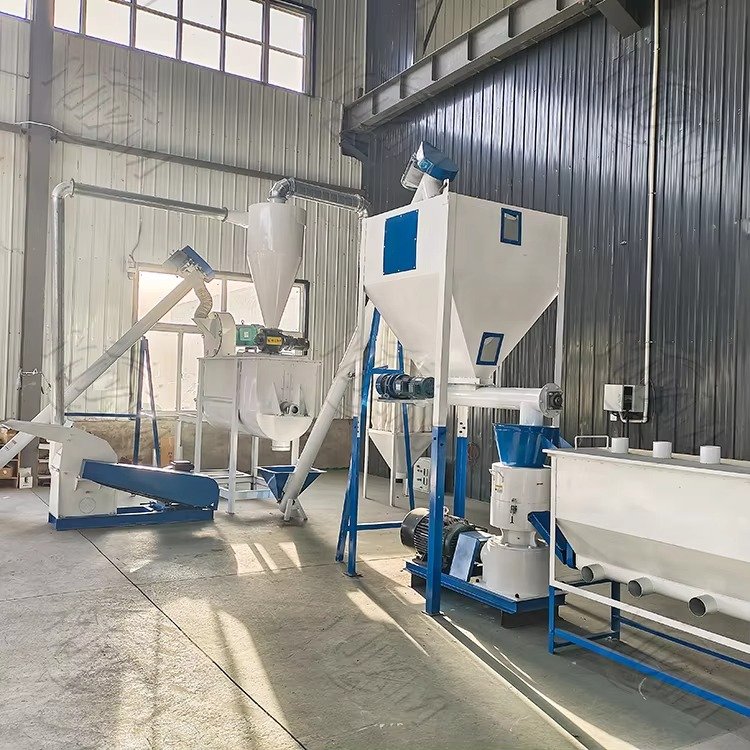
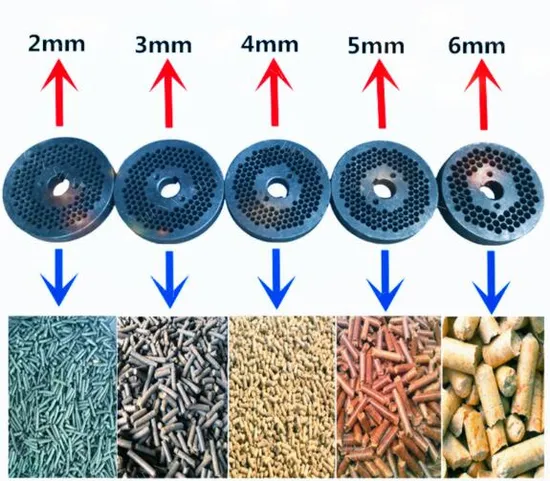
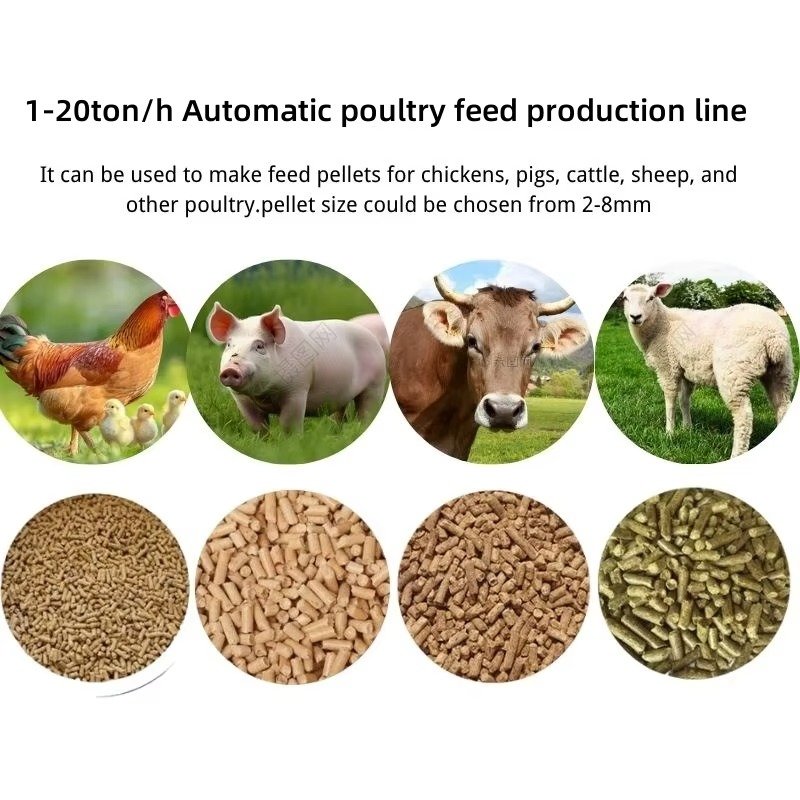
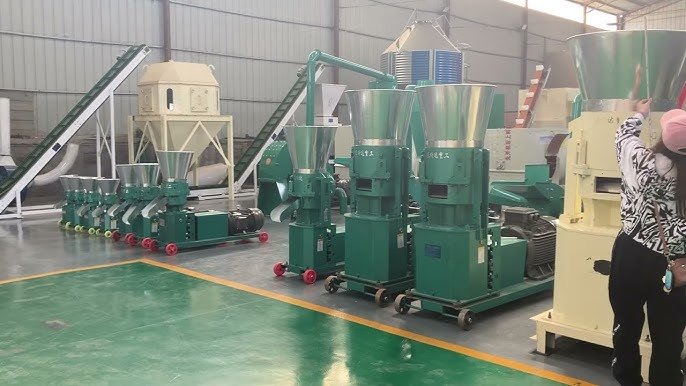
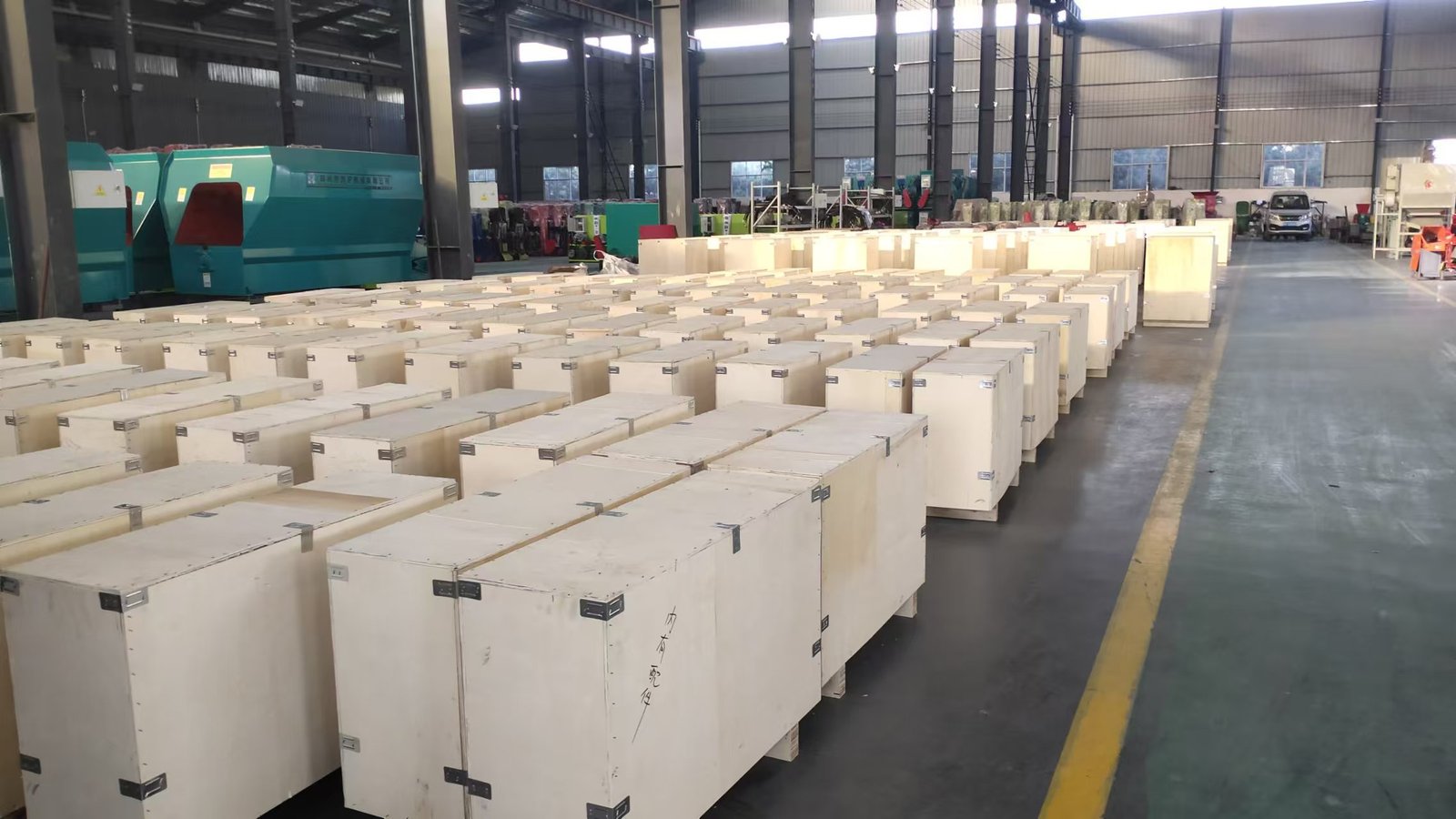
 Making an informed decision about a feed production line price requires understanding dozens of variables that affect your total investment. British feed manufacturers and European agricultural businesses face unique considerations when selecting equipment suppliers. This comprehensive guide examines every cost factor—from basic 200KG/hour starter systems to industrial 200-tonne operations—helping you make confident purchasing decisions.The feed production line market has evolved substantially over the past decade. Modern automated systems offer remarkable efficiency gains compared to manual processing. Yet many prospective buyers struggle to evaluate quotes from different suppliers or understand why similar-capacity systems carry vastly different price tags.MAIKONG brings 22 years of manufacturing experience to UK and European markets. Our engineering team has installed successful operations across four continents. We manufacture complete turnkey solutions from 200 kilogram to 200 tonne hourly capacities. This guide draws from actual project data, verified installation costs, and real-world operational feedback from our client base.
Request Your Custom Feed Production Line Quote
Speak directly with our UK technical team about your specific capacity requirements, animal feed types, and budget parameters. We provide detailed breakdowns within 24 hours.
Understanding Feed Production Line Price Components and Variables
The feed production line cost encompasses far more than equipment purchase prices. Successful project planning requires accounting for installation expenses, electrical infrastructure, operator training, initial spare parts inventory, and commissioning services.
Production capacity represents the single largest price determinant. A basic 500KG/hour system suitable for small poultry operations differs dramatically from an automated 20-tonne installation serving commercial livestock operations. Each capacity tier requires proportionally larger motors, heavier structural components, and more sophisticated control systems.
Core Equipment Categories and Their Cost Implications
Every complete animal feed production line includes several essential processing stages. Understanding each component helps buyers evaluate quotations and identify where suppliers may cut corners or offer superior quality.
Grinding and Crushing Systems
The hammer mill crusher reduces raw materials to appropriate particle sizes. This equipment directly impacts feed quality and production efficiency.
- Motor power ranges from 7.5KW to 200KW based on capacity
- Screen hole diameter affects particle consistency
- Hammer material quality determines replacement intervals
- Magnetic separation protects downstream equipment
Mixing and Blending Equipment
Horizontal ribbon mixers ensure uniform ingredient distribution throughout each batch. Poor mixing creates nutritional inconsistencies.
- Batch sizes from 250KG to 5000KG per cycle
- Mixing uniformity coefficient should exceed 95%
- Stainless steel construction prevents contamination
- Liquid addition systems integrate oils and molasses
Pelleting and Forming Systems
The feed pellet production line ring die pellet mill transforms mixed ingredients into durable pellets through heat and pressure.
- Ring die specifications affect pellet diameter and length
- Compression ratio determines pellet durability
- Conditioning systems improve starch gelatinization
- Die and roller materials impact operational lifespan
Cooling and Drying Systems
Counterflow coolers reduce pellet temperature and moisture content immediately after formation. This step prevents mold growth during storage.
- Cooling capacity must match pellet mill output
- Discharge temperature should be 5-8°C above ambient
- Final moisture content targets 12.5% or below
- Air distribution affects cooling uniformity
Additional systems include screening equipment to remove fines, crumbling machines for smaller pellet sizes, automated packaging scales, and comprehensive conveying networks. Each component adds incremental costs but also improves operational efficiency and product quality.
Feed Production Line Price Ranges by Production Capacity
British and European buyers typically select capacity based on daily production requirements, target animal populations, and growth projections. The following price ranges reflect complete turnkey installations including all processing equipment, electrical systems, installation services, and initial operator training.
Small-Scale Operations: 200KG to 2 Tonnes Per Hour
These systems suit small farms, specialized organic producers, and businesses testing market demand. Poultry feed production line installations at this scale typically serve 5,000 to 50,000 birds.
| Capacity Range | Typical Investment | Suitable Operations | Monthly Output |
| 200-500 KG/H | £45,000-£75,000 | Small poultry, rabbit farms | 120-300 tonnes |
| 500KG-1 Tonne/H | £75,000-£125,000 | Medium poultry, small pig operations | 300-600 tonnes |
| 1-2 Tonnes/H | £125,000-£185,000 | Large poultry, cattle supplementation | 600-1200 tonnes |
These systems typically operate single-shift schedules. Small-scale buyers often start with basic automation and upgrade control systems as production volumes increase. Manual batching reduces initial investment but increases labor costs and ingredient accuracy variations.
Medium-Scale Operations: 3 to 10 Tonnes Per Hour
Commercial feed mills serving regional markets typically operate in this capacity range. These installations justify advanced automation, computerized recipe management, and sophisticated quality control systems.
A cattle feed production line producing 5 tonnes hourly can supply 15,000 to 25,000 beef cattle or 5,000 to 8,000 dairy cows. Systems at this scale require substantial electrical infrastructure and experienced operators.
- Investment ranges from £185,000 to £450,000 for complete installations
- Fully automated batching systems improve accuracy to ±0.1%
- Multi-product capability allows different formulations without cross-contamination
- PLC control systems log production data for quality assurance
- Liquid addition systems handle molasses, oils, and vitamin premixes
- Dust collection systems meet environmental regulations
Medium-scale operators typically run two shifts daily with periodic maintenance windows. Spare parts inventory becomes critical at this production level. Unexpected downtime costs £2,000 to £5,000 per day in lost production and labor inefficiency.
Large-Scale Industrial Operations: 10 to 200 Tonnes Per Hour
These installations serve major agricultural regions, export markets, or integrated livestock operations. Investment requirements reflect the sophisticated engineering, structural complexity, and automation sophistication these systems demand.
Projects at this scale require 18 to 36 months from initial planning through full commissioning. Site preparation alone may consume £150,000 to £500,000 for foundations, steel structures, and electrical substations. MAIKONG has successfully delivered systems across this entire capacity spectrum to clients in Eastern Europe, the Middle East, and Southeast Asia.
| Capacity | Base Equipment | Installation & Civil | Total Project |
| 10-20 T/H | £450,000-£850,000 | £180,000-£340,000 | £630,000-£1,190,000 |
| 20-50 T/H | £850,000-£1,800,000 | £340,000-£720,000 | £1,190,000-£2,520,000 |
| 50-100 T/H | £1,800,000-£3,200,000 | £720,000-£1,280,000 | £2,520,000-£4,480,000 |
| 100-200 T/H | £3,200,000-£5,500,000 | £1,280,000-£2,200,000 | £4,480,000-£7,700,000 |
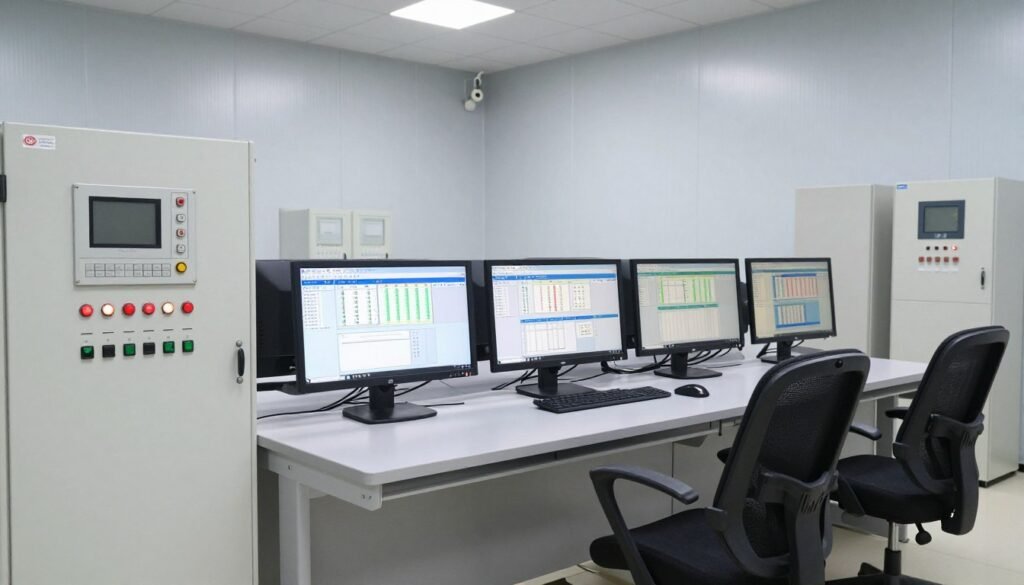
Large installations incorporate redundant systems for critical components. Twin pellet mills allow continued production during maintenance. Backup generators prevent production losses during power interruptions. Advanced SCADA systems provide real-time monitoring and predictive maintenance alerts.
Technical Specifications That Drive Feed Mill Line Costs
Two feed production line quotation documents may list similar capacity ratings yet differ by 30% to 50% in total price. Understanding specification differences helps buyers evaluate true value rather than simply comparing bottom-line figures.
Automation and Control System Sophistication
Basic systems use manual batching with mechanical scales and simple on-off motor controls. Operators weigh each ingredient, pour materials into mixers, and monitor processes visually. This approach minimizes initial investment but increases labor costs and introduces human error.
Mid-level automation incorporates programmable logic controllers that execute stored recipes, automated batching systems that weigh ingredients pneumatically, and touchscreen interfaces that simplify operator training. These systems cost 15% to 25% more than manual operations but reduce labor requirements by 40% to 60%.
Advanced installations feature fully integrated SCADA systems connecting every component. Remote monitoring allows technical staff to diagnose issues without site visits. Production data flows directly into enterprise resource planning systems. Predictive maintenance algorithms schedule service before failures occur.
Die Specifications and Material Quality
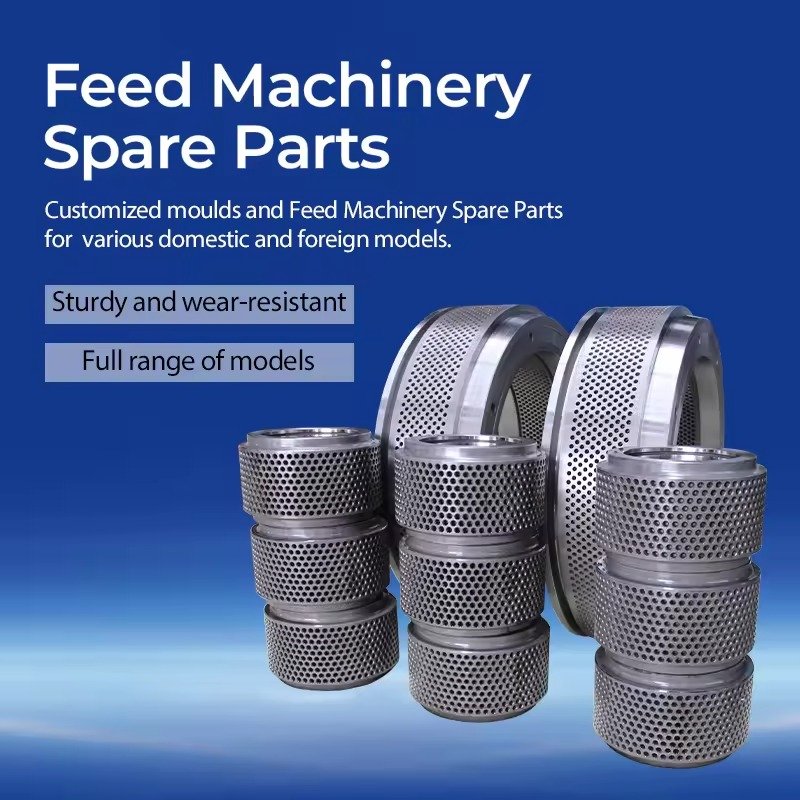
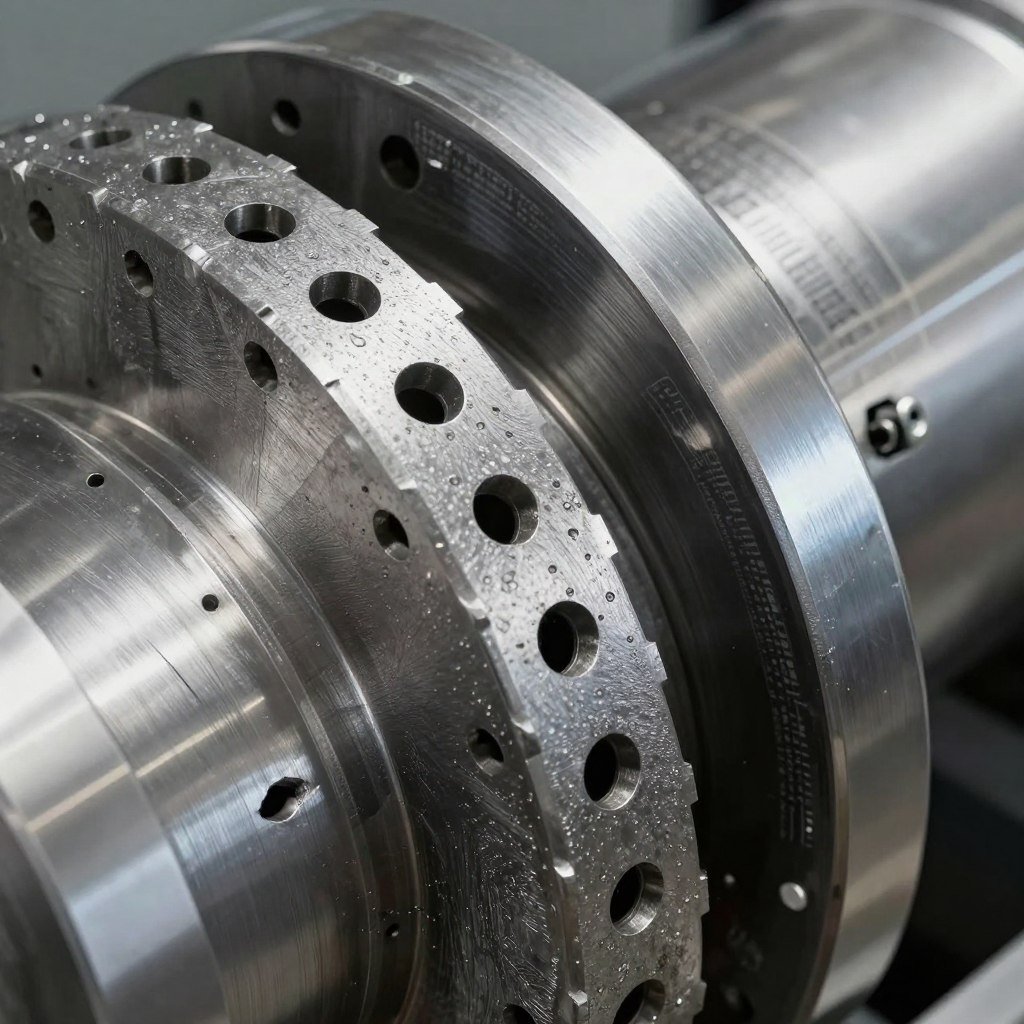
The pellet mill ring die represents a critical wear component requiring periodic replacement. Die specifications dramatically affect both initial equipment costs and ongoing operational expenses.
Standard carbon steel dies suit general poultry and livestock feeds. These typically last 400 to 600 production hours before requiring replacement. Stainless steel dies increase initial costs by 40% to 60% but extend service life to 800 to 1,200 hours when processing abrasive aquatic feeds.
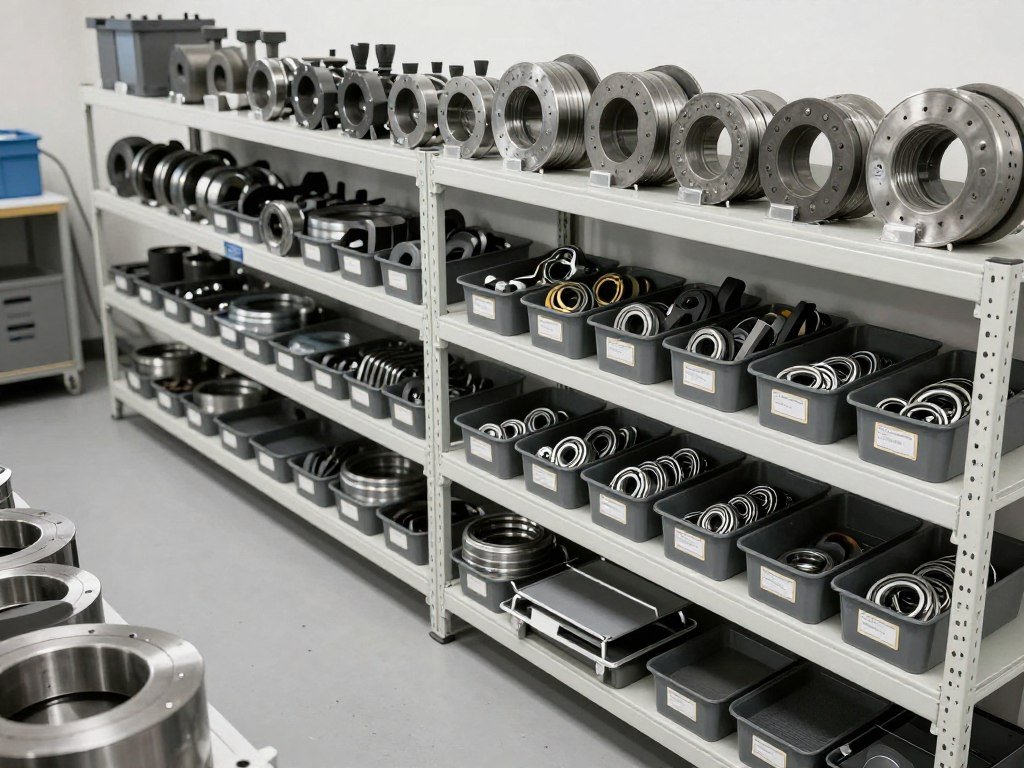
Hole diameter, compression ratio, and hole pattern density all influence pellet quality and production efficiency. Custom die specifications optimize performance for specific formulations. MAIKONG maintains extensive die libraries covering fish, shrimp, poultry, cattle, pig, rabbit, and pet food applications.
Raw Material Characteristics and Processing Requirements
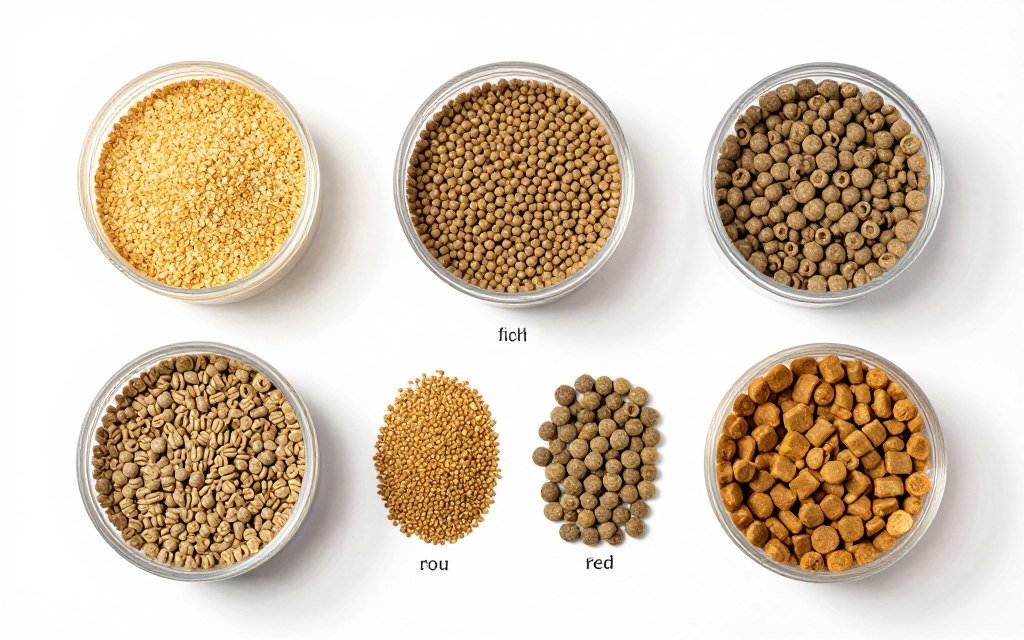
Different animal feeds present unique processing challenges that affect equipment selection and costs. Aquatic feed production line equipment must handle higher moisture content and produce water-stable pellets through specialized extrusion processes.
High-fiber cattle rations require more powerful grinding equipment than poultry feeds. Aquatic formulations containing fish meal demand stainless steel contact surfaces to prevent corrosion. Pet food production often incorporates meat and bone meal requiring specialized pathogen reduction systems.
- Poultry feeds: Standard equipment configuration, moderate grinding power
- Cattle and ruminant feeds: Heavy-duty grinders, fiber processing capability
- Pig feeds: Precise particle size control, liquid addition systems
- Aquatic feeds: Water stability enhancement, extrusion or expansion technology
- Pet foods: Palatability enhancement, specialized coating systems
- Premix concentrates: Small-batch accuracy, cross-contamination prevention
Multi-species operations require versatile equipment configurations. Changeover procedures between species must prevent cross-contamination while minimizing downtime. MAIKONG engineers design flexible systems accommodating diverse product portfolios.
Return on Investment Analysis and Payback Period Calculations
British agricultural businesses evaluate equipment investments through detailed financial modeling examining payback periods, internal rates of return, and net present value calculations. Understanding the relationship between premix feed production line price and potential profit margins helps justify capital expenditure.
Revenue Generation Potential by Market Segment
Feed manufacturing profitability varies substantially based on target markets, formulation complexity, and competitive positioning. Commercial operations selling to third-party farms typically achieve different margins than integrated operations producing for captive livestock populations.
| Market Segment | Typical Margin | Monthly Revenue (5T/H) | Annual Profit Potential |
| Basic poultry feeds | £45-£75 per tonne | £108,000-£180,000 | £1,296,000-£2,160,000 |
| Premium livestock feeds | £75-£125 per tonne | £180,000-£300,000 | £2,160,000-£3,600,000 |
| Specialized aquatic feeds | £125-£220 per tonne | £300,000-£528,000 | £3,600,000-£6,336,000 |
| Pet food production | £220-£380 per tonne | £528,000-£912,000 | £6,336,000-£10,944,000 |
These figures assume 80% capacity utilization accounting for maintenance, formula changes, and market demand fluctuations. Actual results depend on raw material costs, market positioning, distribution efficiency, and operational excellence.
Competitive Advantages of In-House Production
Integrated livestock operations that manufacture feed for captive animal populations realize different economic benefits than commercial feed mills. Cost savings rather than gross margins drive investment decisions for these businesses.
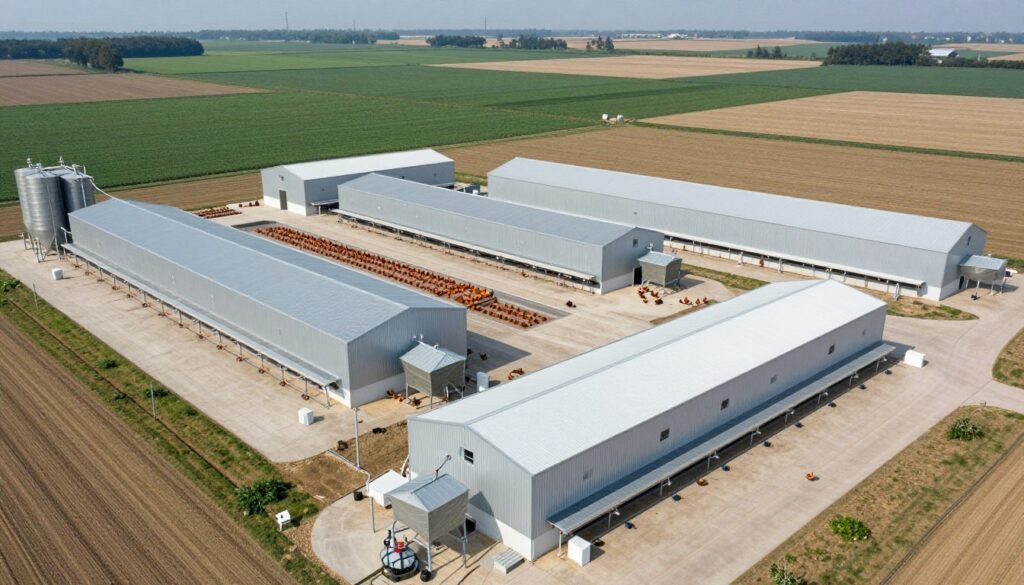
A poultry operation housing 500,000 layers consumes approximately 3,500 to 4,000 tonnes of feed monthly. Purchasing complete feed from commercial suppliers costs £320 to £380 per tonne. In-house production reduces costs to £240 to £280 per tonne including raw materials, labor, utilities, and equipment depreciation.
- Monthly savings of £280,000 to £400,000 on this scale
- Annual cost reduction of £3,360,000 to £4,800,000
- Equipment investment payback in 18 to 30 months
- Formula customization improves bird performance and egg quality
- Elimination of supply chain disruptions and delivery delays
- Quality control over ingredient sourcing and storage
Similar economics apply to large cattle operations, pig production facilities, and aquaculture farms. The decision threshold typically occurs when monthly feed consumption exceeds 800 to 1,200 tonnes. Below this volume, purchasing from commercial suppliers often proves more economical than capital investment in production equipment.
Case Study: European Poultry Integration
A UK poultry integration operating 1.2 million broilers annually evaluated feed production options in 2022. Commercial feed suppliers quoted £365 per tonne delivered. The operation consumed 14,500 tonnes annually creating total feed costs of £5,292,500.
MAIKONG designed a 3-tonne per hour chicken feed production line with automated batching, computerized recipe management, and comprehensive operator training. Total project investment reached £285,000 including equipment, installation, and commissioning.
In-house production costs stabilized at £268 per tonne including raw materials, labor, utilities, maintenance, and depreciation. Annual savings reached £1,406,500. Equipment investment achieved full payback in 7.7 months. Five years after installation, the system continues operating at design capacity with minimal unscheduled downtime.
This client subsequently became a MAIKONG distributor, providing installation and service support for additional feed mills throughout the Midlands region. Their operational success and technical expertise help prospective buyers evaluate investment decisions with confidence.
Customization Options and OEM Manufacturing Capabilities
Standard equipment configurations suit most applications, but unique requirements sometimes demand custom engineering. MAIKONG maintains in-house design teams, fabrication facilities, and testing capabilities supporting extensive customization without the premium pricing typical of specialized manufacturers.
Formula-Specific Process Modifications
Different feed formulations present unique processing challenges. High-fat rations require specialized mixing sequences and liquid addition systems. Aquatic feeds demand steam conditioning and expansion technology. Pet foods often incorporate meat inclusion and palatability enhancement coating.
Our engineering team evaluates your specific formulations during quotation development. We recommend equipment modifications, process sequence adjustments, and component specifications optimized for your products. This consultative approach ensures systems perform efficiently from initial commissioning rather than requiring costly post-installation modifications.
Specialized Applications We Support
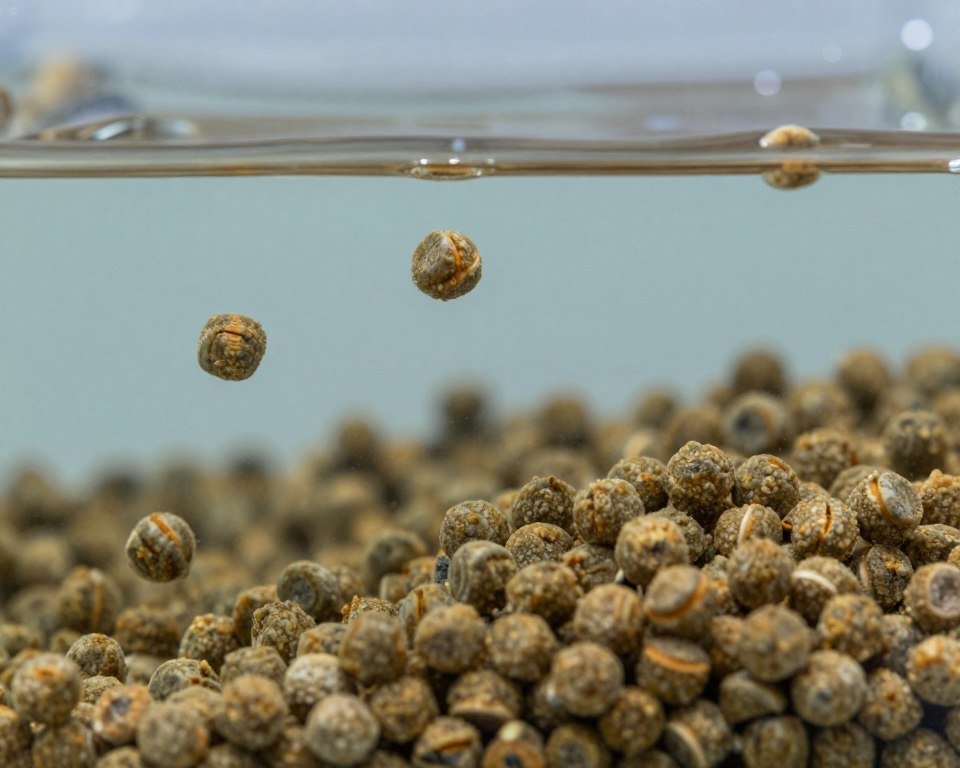
- Fish and shrimp feeds: Water stability enhancement, slow-sinking or floating pellets, minimal fines generation
- Organic certified production: Complete segregation from conventional ingredients, validated cleaning procedures, documentation systems
- Medicated feeds: Precise micro-ingredient dosing, segregated storage, batch traceability
- High-energy rations: Liquid fat addition up to 8%, homogeneous distribution, no separation during storage
- Textured feeds: Multiple particle sizes, visual appeal for premium pet foods
- Extruded products: Starch gelatinization, digestibility enhancement, novel shapes
Each application requires specific equipment modifications, control system programming, and operator training. MAIKONG has delivered specialized systems across all these categories to clients in 130 countries over 22 years of manufacturing experience.
OEM and Private Label Manufacturing
Equipment distributors, agricultural cooperatives, and consulting firms often seek OEM partnerships for equipment supply. MAIKONG offers comprehensive OEM programs including custom branding, modified specifications, and distributor support services.
Our OEM capabilities include custom nameplates and equipment colors matching your brand identity, modified control panel graphics and startup screens, customized operating manuals and technical documentation, and private-labeled spare parts packaging. We provide technical training for your service personnel and ongoing engineering support for client installations.
OEM pricing depends on order volumes, customization extent, and support service requirements. Contact our business development team at Lucy@feedproductionline.uk to discuss partnership opportunities and evaluate program benefits for your organization.
Discuss Your Custom Requirements
Whether you need specialized processing for unique formulations or seek OEM partnership opportunities, our engineering team provides detailed technical consultation and accurate project quotations.
Successful Feed Production Line Installations Across Four Continents
MAIKONG has delivered turnkey feed mill line installations to clients in 130 countries since 2002. These projects span small family farms to major agricultural corporations, demonstrating our technical versatility and commitment to client success.
European Market Projects
European installations must meet strict EU regulations covering food safety, environmental impact, worker safety, and animal welfare. Our equipment designs incorporate these requirements from initial engineering through final commissioning.
Poland: 8T/H Multi-Species Feed Mill
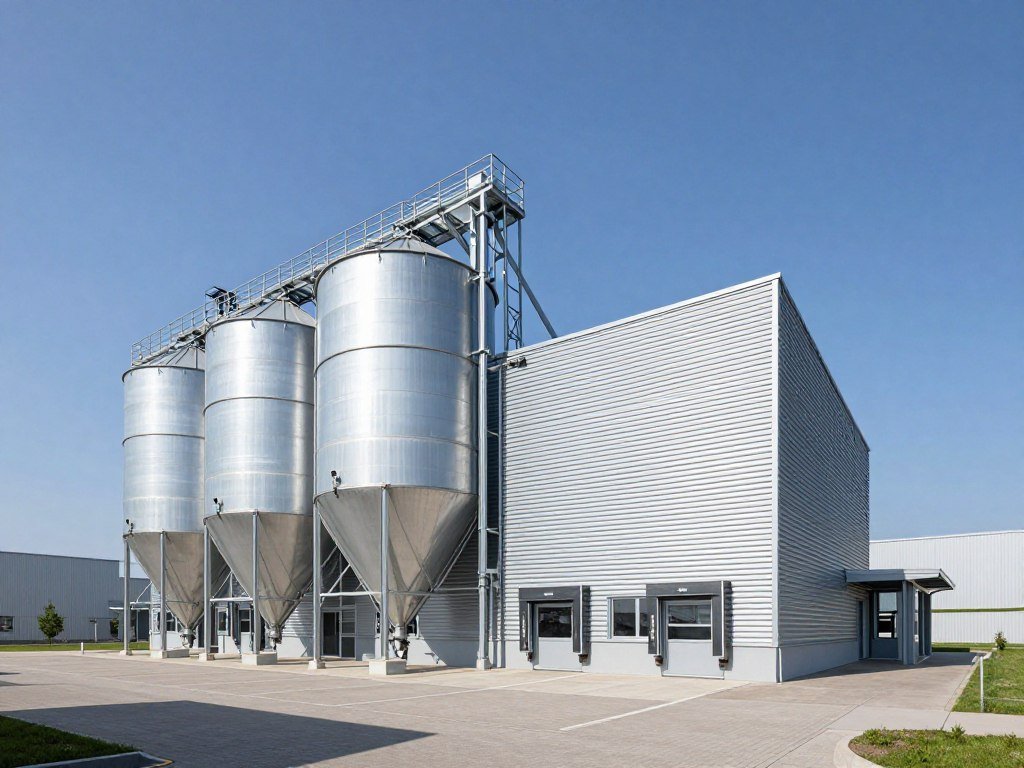
A family-owned agricultural cooperative in central Poland required flexible capacity serving both their captive poultry population and commercial feed sales to regional farms. The installation produces layer feeds, broiler rations, pig feeds, and cattle supplements.
Key specifications: 8 tonne per hour capacity, automated batching system with 12 ingredient bins, twin pellet mills for production continuity, comprehensive dust collection system, 3,000 tonne bulk storage.
Results: System achieved design capacity within two weeks of commissioning. Third-party feed sales grew 180% over three years following installation. The client recently ordered a second production line for their new facility in Gdansk.
Netherlands: Organic Certification System
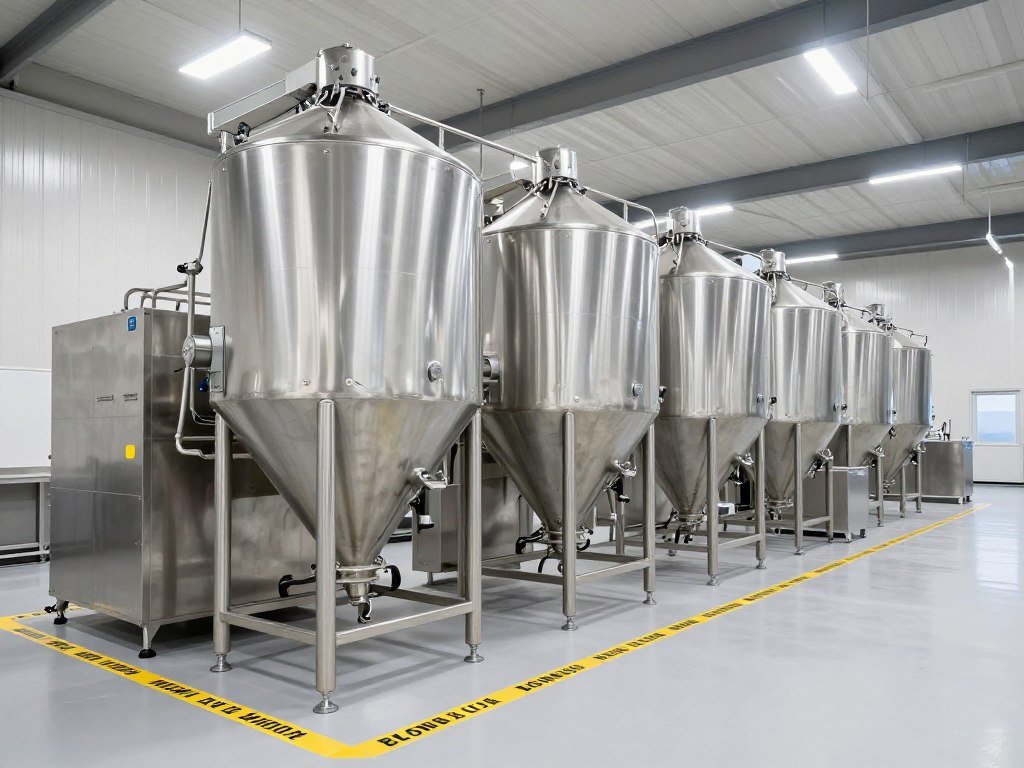
An organic poultry producer needed certified organic feed production capability with absolute segregation from conventional ingredients. The system includes dedicated storage, processing equipment, and validated cleaning procedures meeting EU organic standards.
Key specifications: 2 tonne per hour capacity, complete stainless steel construction, automated cleaning sequences, batch traceability software, organic certification documentation.
Results: Facility achieved organic certification on first inspection. Production costs decreased 32% compared to purchasing certified organic feeds. The client supplies premium organic poultry products to major European retailers.
Scotland: Salmon Feed Production
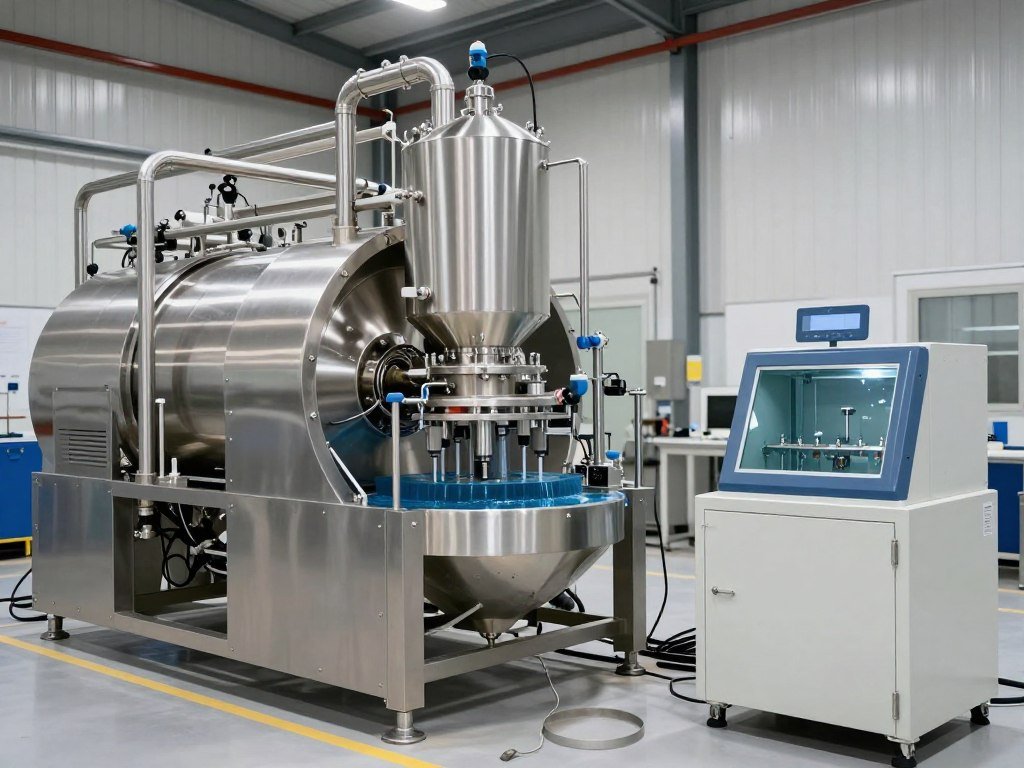
A Scottish salmon farming operation required specialized fish feed production line capability producing high-energy, water-stable pellets for marine cage farming. The system incorporates expansion technology and specialized coating equipment.
Key specifications: 4 tonne per hour capacity, twin-screw extruder, vacuum coating system, low-temperature drying, comprehensive quality testing laboratory.
Results: Feed conversion ratios improved 12% compared to previous commercial feeds. Pellet water stability exceeds 8 hours with minimal leaching. The operation expanded production 40% based on improved fish performance.
Asian Market Installations
Asian agricultural operations often operate at massive scale with sophisticated automation and integration. These projects demonstrate MAIKONG’s capability delivering complex installations meeting demanding technical specifications.
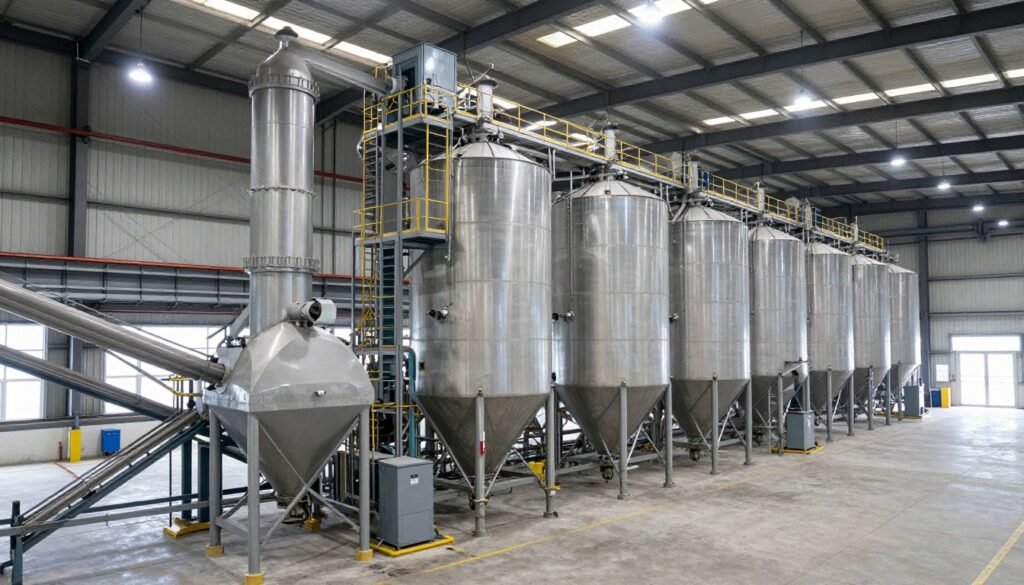
A Vietnamese shrimp farming corporation operates a 35-tonne per hour shrimp feed production line producing specialized larval, juvenile, and growout formulations. The installation includes separate production lines for each life stage, preventing cross-contamination and optimizing equipment specifications for particle size requirements.
Total project investment reached £4.2 million including equipment, building construction, electrical infrastructure, and water treatment systems. The facility produces 25,000 tonnes monthly serving 8,500 hectares of shrimp ponds. Feed production costs decreased 18% compared to previous commercial suppliers while improving shrimp growth rates and survival percentages.
Middle Eastern and African Projects
Hot climates, limited water availability, and challenging logistics characterize many Middle Eastern and African installations. Equipment specifications must account for extreme temperatures, dust infiltration, and irregular power quality.
A Saudi Arabian dairy operation installed a 12-tonne per hour cattle feed production line manufacturer system serving 15,000 Holstein cows. The facility operates in ambient temperatures exceeding 45°C requiring specialized cooling systems for electrical components and bearing lubrication.
Dust storms common in the region demanded sealed electrical enclosures, heavy-duty filtration, and robust sealing systems throughout the production line. The installation has operated continuously for four years with 98.7% uptime despite challenging environmental conditions.
An Ethiopian agricultural development project combined feed production with grain processing and livestock integration. The 6-tonne per hour system produces both commercial feeds and value-added products from local grain crops. This installation serves as a regional training center demonstrating modern agricultural processing technology to smallholder farmers throughout East Africa.
MAIKONG Model MK-L003 Complete System Specifications
The MK-L003 represents our most popular mid-capacity system suitable for commercial feed mills and large integrated livestock operations. This turnkey solution includes all processing equipment, control systems, and installation services required for immediate production.
Technical Specifications and Performance Parameters
| Parameter | Specification | Notes |
| Model Number | MK-L003 | Standard configuration |
| Production Capacity | 5 tonnes per hour | Based on standard poultry feed |
| Installed Power | 185 KW | 400V 3-phase 50Hz |
| Operational Power | 135-150 KW | Average during production |
| System Dimensions | 28m L × 12m W × 16m H | Including support structure |
| Total System Weight | 38,500 kg | Excluding foundations |
| Material | Carbon steel / Stainless steel | Food contact surfaces stainless |
| Control System | Siemens PLC | Touchscreen HMI interface |
| Batching Accuracy | ±0.2% | For major ingredients |
| Mixing Uniformity | CV ≤ 5% | Coefficient of variation |
| Pellet Durability | ≥ 97.5% | PDI after cooling |
| Final Moisture Content | ≤ 12.5% | After cooling |
| Stock Availability | Available | 8-12 week delivery |
| Warranty Period | 18 months | From commissioning date |
| Investment Range | £285,000-£340,000 | Complete turnkey installation |
Complete Equipment Package Components
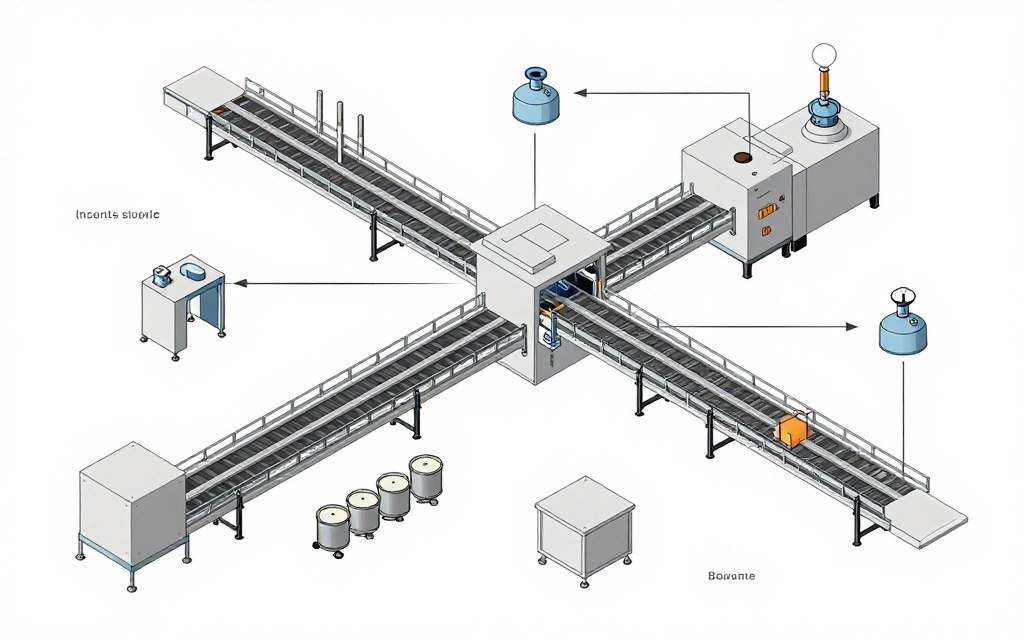
The MK-L003 system includes comprehensive equipment covering every processing stage from raw material reception through finished product packaging. This complete solution eliminates the complexity of coordinating multiple suppliers or integrating incompatible components.
Raw Material Handling
- Grain receiving pit with grating
- Bucket elevator (15 m height)
- Rotary distributor (8 outlets)
- Permanent magnetic separator
- Pulse dust collector
- Screw conveyors (multiple sections)
Processing Equipment
- Hammer mill crusher (75 KW)
- Horizontal ribbon mixer (2000 kg batch)
- Steam conditioner
- Ring die pellet mill (90 KW)
- Counterflow cooler (5 T/H capacity)
- Crumbler (optional particle size)
Automation and Control
- Siemens S7-1200 PLC
- 10-inch color touchscreen HMI
- Automated batching system (12 bins)
- Recipe management software
- Production data logging
- Remote monitoring capability
Finishing and Packaging
- Vibrating screening machine
- Finished product elevator
- Packaging scale (25-50 kg bags)
- Bag closing machine
- Metal detector system
- Pallet conveyor system
Support Systems
- Complete electrical panel
- Motor starter assemblies
- Safety interlock systems
- Emergency stop circuits
- Lighting system
- Grounding and bonding
Installation Package
- Equipment installation services
- Electrical connection
- System commissioning
- Operator training (10 days)
- Operating manuals
- Maintenance documentation
This comprehensive package ensures seamless integration and immediate production capability. MAIKONG provides complete project management from initial design through final commissioning, eliminating coordination headaches and ensuring optimal system performance.
Addressing Common Buyer Concerns About Feed Mill Equipment
Two decades of international sales experience taught us that buyers share remarkably similar concerns regardless of geographic location or business scale. Understanding and addressing these worries directly helps customers make confident investment decisions.
Material Flow Issues and Blockage Prevention
Equipment blockages create costly downtime, potential safety hazards, and product quality issues. Poorly designed systems suffer frequent material bridging in hoppers, plugged conveyors, and jammed pellet mills.
MAIKONG engineering incorporates multiple design features preventing flow problems. Hopper angles exceed material angle of repose by 10-15 degrees ensuring gravity flow. Vibratory assistance activates automatically when sensors detect reduced flow rates. Properly sized conveyors operate at 60-70% capacity providing headroom for density variations.
Flow Optimization Features
- Steep hopper angles (65-70 degrees)
- Automated vibratory assistance
- Oversized conveyor capacities
- Strategic access doors for clearing
- Flow monitoring sensors
- Material level detection
- Smooth polished interior surfaces
- Consistent particle size distribution
Common Design Mistakes
- Insufficient hopper angles
- Undersized conveyor systems
- Sharp corners and transitions
- Inadequate access for maintenance
- Missing flow assistance devices
- Poor material distribution
- Inconsistent particle preparation
- Improper equipment sequencing
Proper material preparation prevents most flow issues. Consistent grinding, appropriate moisture content, and uniform particle distribution ensure reliable flow through all system components. MAIKONG systems incorporate comprehensive material conditioning preventing problems before they occur.
Pellet Quality Concerns: Durability and Fines Generation
Poor pellet durability creates multiple problems including nutritional segregation, increased dust exposure, reduced animal performance, and handling difficulties. Excessive fines represent wasted processing costs and reduced revenue.
Pellet durability depends on formulation characteristics, conditioning effectiveness, die specifications, and cooling procedures. Our technical team evaluates your formulations during system design, recommending die specifications and processing parameters optimized for your products.
Conditioning systems apply steam and moisture under controlled conditions before pelleting. This hydrothermal treatment gelatinizes starches, denatures proteins, and improves particle binding. Proper conditioning increases pellet durability by 20-35% compared to inadequate systems. MAIKONG conditioning chambers provide 30-45 second retention time with precise temperature and moisture control.
Die specifications dramatically affect pellet quality. Compression ratio, hole length, hole diameter, and hole pattern all influence durability. Our engineering database contains specifications for hundreds of formulation types developed through decades of production experience and laboratory testing.
Spare Parts Availability and Long-Term Support
Equipment purchasers rightfully worry about parts availability years after installation. Manufacturers that exit the market, change ownership, or discontinue product lines create expensive problems for equipment owners.
MAIKONG has manufactured feed production equipment continuously since 2002. Our 22-year operational history demonstrates stability and commitment to long-term customer support. We maintain comprehensive parts inventory for all equipment manufactured during our entire history.
Standard components ship within 48 hours to UK addresses. Critical wear parts including dies, rollers, hammers, screens, and bearings stock in multiple locations for rapid delivery. Custom-engineered components typically require 2-3 weeks for fabrication and delivery.
Our parts pricing remains stable and competitive throughout equipment service life. We do not inflate prices for obsolete components or discontinued models. Fair pricing and reliable availability reflect our commitment to long-term customer relationships rather than short-term profit maximization.
Remote Diagnostic Capability: Modern MAIKONG systems include optional remote monitoring connections allowing our technical team to diagnose issues, adjust parameters, and update software without site visits. This capability substantially reduces downtime and support costs for international installations.
After-Sales Service and Technical Support
Complex industrial equipment requires knowledgeable technical support throughout its operational life. Language barriers, time zone differences, and geographic distance create support challenges for international equipment purchases.
MAIKONG maintains UK-based technical support staff fluent in English and familiar with British business practices. Phone and email support operates during UK business hours. WhatsApp messaging at +86 135-1090-7401 provides rapid response for urgent technical questions.
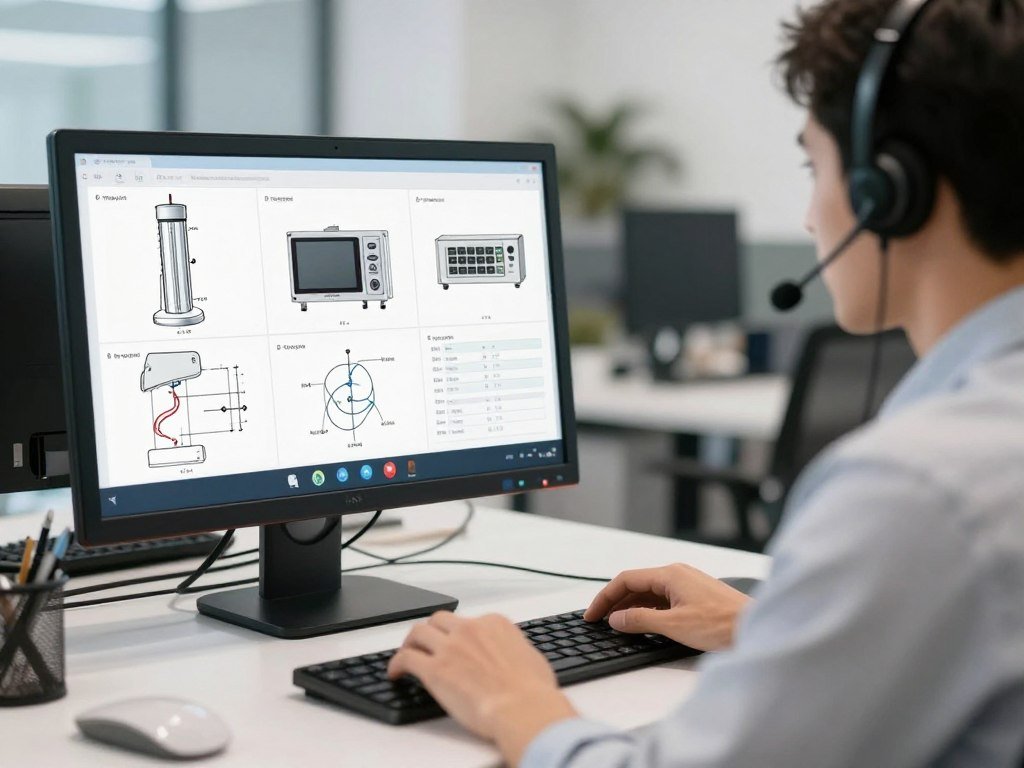
Video conferencing technology enables remote troubleshooting and visual diagnosis. Customers photograph or video issues, technical staff diagnose problems, and solutions implement without expensive site visits. This approach resolves 75-85% of technical questions without engineer dispatch.
When on-site service proves necessary, MAIKONG maintains relationships with qualified service technicians throughout Europe. These independent contractors receive factory training and maintain current knowledge of our equipment designs and troubleshooting procedures.
Equipment Purchase Process and Project Timeline
Understanding the complete purchasing process and realistic timelines helps buyers plan effectively and coordinate facility preparation, financing arrangements, and production startup.
Initial Consultation and Needs Assessment
The purchasing process begins with detailed consultation covering your specific requirements, production objectives, and site constraints. This conversation typically occurs via email, phone, or video conference and addresses several key topics.
- Production Requirements: Target capacity, animal species, formulation types, daily operating hours, growth projections
- Site Conditions: Available floor space, building height, electrical service capacity, structural load capacity
- Product Specifications: Pellet sizes, special processing requirements, quality parameters, regulatory compliance
- Budget Parameters: Total available investment, financing requirements, payback expectations
- Timeline Constraints: Desired commissioning date, construction schedule, seasonal considerations
This consultation informs our engineering team’s system design and ensures quotations accurately reflect your specific situation. Thorough needs assessment prevents expensive misunderstandings and modification requirements after equipment manufacture.
Quotation Development and Technical Specifications
Following initial consultation, our engineering team develops detailed technical proposals including equipment specifications, layout drawings, performance guarantees, and comprehensive pricing. This process typically requires 5-7 business days for standard configurations or 10-15 days for specialized systems.
Quotation documents include equipment lists with specifications, general arrangement drawings showing layout, electrical load calculations and requirements, performance guarantees for capacity and efficiency, complete pricing breakdown including equipment and installation, delivery timeline, payment terms, and warranty coverage details.
We encourage customers to review proposals carefully and request clarification on any unclear items. Comparing multiple quotations proves difficult when suppliers use different terminology or omit critical components. We provide detailed explanations helping you evaluate competing proposals on equivalent basis.
Contract Execution and Production Scheduling
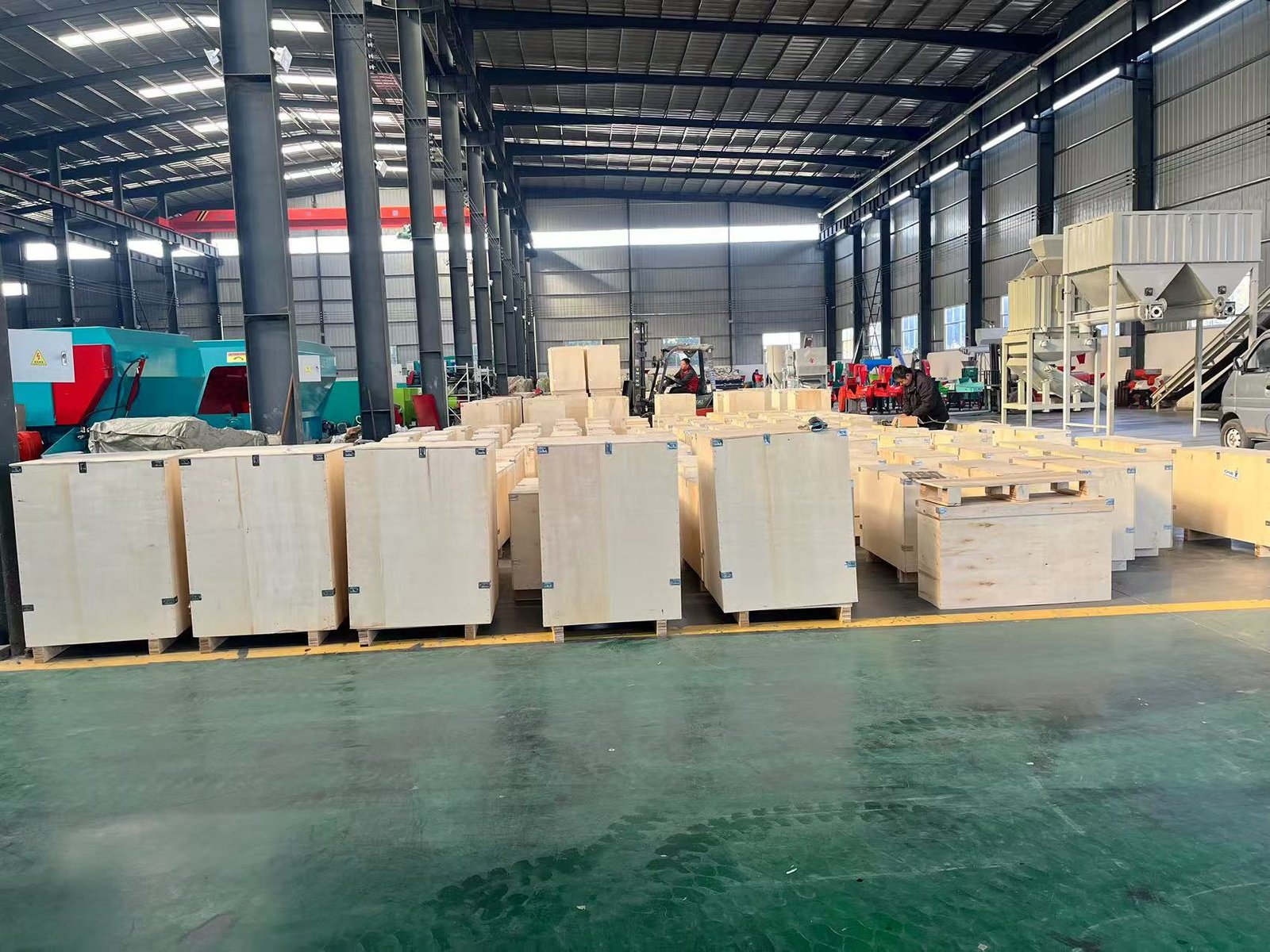
After quotation acceptance and contract signing, equipment manufacture begins according to agreed delivery schedule. Standard systems typically require 8-12 weeks for complete manufacture. Specialized configurations may extend to 12-16 weeks depending on custom component requirements.
MAIKONG maintains detailed production planning ensuring on-time delivery. Customers receive regular progress updates including manufacturing status, quality inspection results, and shipping preparation activities. This transparency allows coordination of site preparation, utility installation, and facility readiness.
Payment terms typically follow 30% deposit at contract signing, 40% upon completion of manufacture, 20% upon equipment delivery to site, and final 10% following successful commissioning. These staged payments protect both parties and align financial obligations with project milestones.
Lead Time Planning: Current manufacturing lead times range from 8-16 weeks depending on capacity and specifications. Busy seasonal periods may extend timelines. We recommend initiating purchase discussions 6-9 months before desired production startup to accommodate manufacturing, shipping, installation, and commissioning requirements.
Shipping, Installation, and Commissioning
International shipping typically requires 4-6 weeks from Chinese manufacturing facilities to UK ports. Equipment ships in reinforced export packaging protecting components during ocean transport. Complete documentation accompanies shipments facilitating customs clearance.
Installation duration depends on system complexity and site readiness. Small systems require 2-3 weeks, medium installations need 4-8 weeks, and large projects may extend 12-24 weeks for complete mechanical installation, electrical connection, and systematic testing.
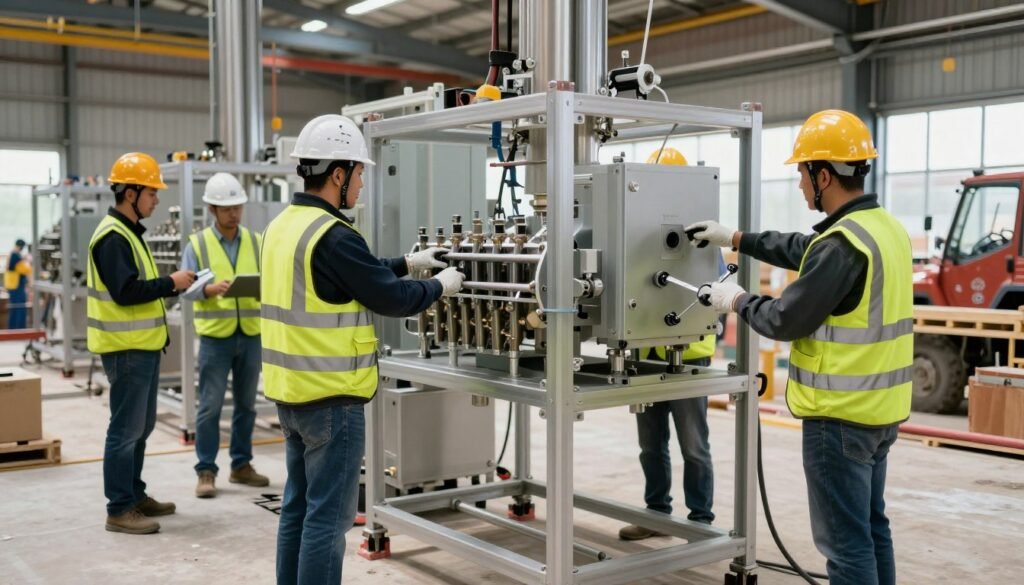
MAIKONG installation teams work efficiently, respecting site schedules and coordinating with other trades. We maintain comprehensive safety protocols meeting UK construction site requirements. Daily progress meetings ensure schedule adherence and prompt resolution of any issues.
Commissioning begins after mechanical installation completion. Our technical team systematically tests each component, calibrates control systems, verifies safety interlocks, and conducts test runs using actual production materials. This comprehensive approach identifies and resolves issues before production startup.
MAIKONG UK Dealer and Distribution Partnership Opportunities
MAIKONG actively recruits qualified dealers and distributors throughout the United Kingdom and broader European market. Our partnership program offers attractive margins, comprehensive technical support, and marketing assistance helping distribution partners build profitable businesses.
Why Partner with MAIKONG
Our 22-year manufacturing history demonstrates stability and commitment to the agricultural equipment sector. Unlike companies that treat feed equipment as secondary product lines, MAIKONG focuses exclusively on feed and biomass processing technology.
This specialization creates several advantages for distribution partners. Our engineering team provides exceptional technical depth supporting complex sales and troubleshooting situations. Manufacturing facilities produce consistent quality across our entire product range. Comprehensive parts inventory ensures rapid fulfillment for dealer orders.
Dealer Program Benefits
- Competitive dealer pricing with attractive margins
- Protected territories in designated regions
- Comprehensive technical training programs
- Sales support and quotation assistance
- Marketing materials and lead generation
- Factory tours for customer visits
- Installation training and certification
- Warranty administration support
- Parts and service revenue opportunities
Ideal Partner Profile
- Agricultural equipment sales experience
- Technical understanding of livestock production
- Established relationships with feed mills or farms
- Service capabilities for equipment support
- Financial stability for inventory investment
- Professional sales and administrative staff
- Commitment to customer satisfaction
- Long-term business perspective
- Market development initiative
We seek partners who share our commitment to quality, customer service, and long-term relationships. Short-term profit maximization through aggressive sales tactics does not align with our business philosophy or market positioning.
Partnership Application Process
Organizations interested in MAIKONG distribution partnership should contact our business development team with information about your current business, target markets, technical capabilities, and growth objectives.
Our evaluation process examines business history, financial stability, technical competence, market reputation, and strategic fit with MAIKONG values and positioning. We prefer established businesses with proven track records rather than startup ventures.
Approved partners receive comprehensive onboarding including product training, sales methodology education, technical support procedures, and administrative processes. This preparation ensures successful partnership launch and rapid market development.
Become a MAIKONG Authorised Dealer in the UK
Join our growing network of successful equipment distributors serving the British and European agricultural markets. Download our dealer information packet or schedule a confidential partnership discussion.
Business Development Direct Line:
Feed Manufacturing Industry Trends and Technology Evolution
The global animal feed industry continues evolving driven by changing livestock production methods, consumer preferences for sustainable agriculture, and regulatory requirements addressing environmental impact and animal welfare.
Sustainability and Environmental Considerations
European markets increasingly demand sustainable feed production addressing carbon emissions, water consumption, and waste generation. Modern pellet production line designs incorporate energy-efficient motors, heat recovery systems, and comprehensive dust control minimizing environmental impact.
Alternative protein sources including insect meal, single-cell proteins, and fermentation products challenge traditional feed formulations. Processing equipment must accommodate these novel ingredients while maintaining product quality and safety.
MAIKONG actively develops processing solutions for emerging ingredients. Our research partnerships with agricultural universities and feed technology institutes ensure our equipment designs remain current with industry evolution.
Automation and Data Integration
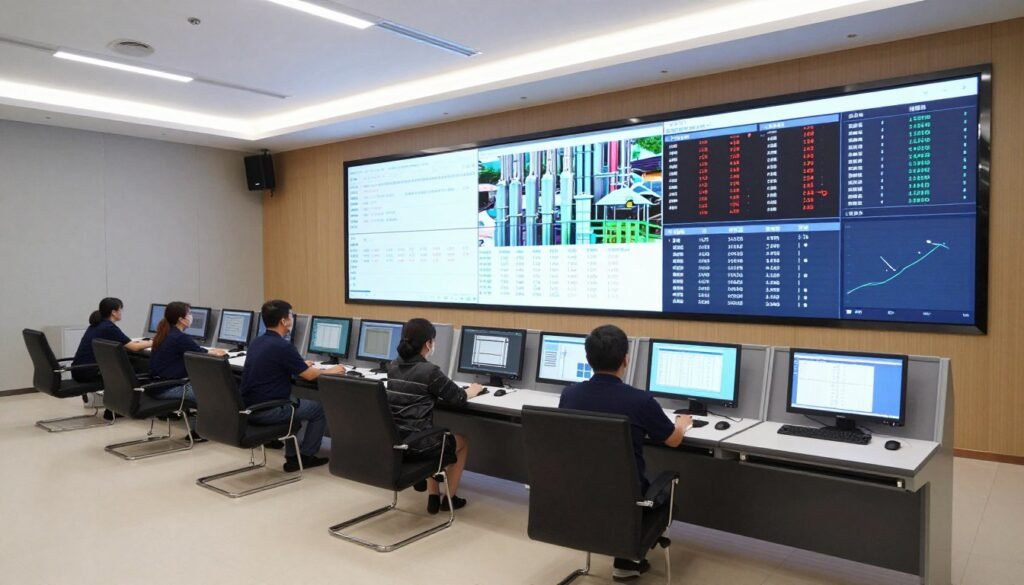
Feed manufacturers increasingly implement sophisticated data systems connecting production equipment with enterprise resource planning, inventory management, and quality assurance platforms. This integration improves efficiency, enhances traceability, and supports regulatory compliance.
Modern control systems collect detailed production data including ingredient usage, batch composition, process parameters, energy consumption, and equipment performance. This information supports continuous improvement initiatives and provides documentation for quality certifications.
MAIKONG systems incorporate industry-standard communication protocols enabling integration with customer management systems. Open architecture designs prevent vendor lock-in and support long-term system evolution.
Making Informed Feed Production Line Investment Decisions
Selecting appropriate feed manufacturing equipment requires careful evaluation of production requirements, technical specifications, supplier capabilities, and total ownership costs. This guide provided comprehensive information supporting confident investment decisions.
The feed production line price represents only one component of total investment. Installation costs, operator training, spare parts inventory, maintenance expenses, and energy consumption substantially affect profitability over equipment service life.
MAIKONG’s 22-year manufacturing history demonstrates commitment to the agricultural equipment sector and long-term customer support. Our engineering team provides technical depth supporting complex applications across diverse animal species and formulation types.
Recommended Action Steps
Prospective equipment buyers should begin the evaluation process well in advance of required production startup. We recommend the following sequence:
- Define Requirements: Clearly establish production capacity needs, product specifications, budget parameters, and timeline constraints
- Request Quotations: Contact multiple suppliers with identical requirement specifications enabling direct comparison
- Evaluate Proposals: Assess technical specifications, supplier capabilities, warranty coverage, and total ownership costs
- Visit References: Speak with current customers about equipment performance and supplier support quality
- Plan Site Preparation: Coordinate building construction, utility installation, and equipment delivery schedules
- Arrange Financing: Complete financial arrangements well before equipment delivery
- Schedule Installation: Confirm installer availability and site readiness before equipment shipping
Thorough planning prevents expensive mistakes and ensures smooth project execution. MAIKONG technical staff provides guidance throughout the evaluation and implementation process.
Partner with MAIKONG: 22 Years of Feed Production Excellence
Contact our UK technical team to discuss your specific feed manufacturing requirements. We provide detailed consultations, accurate quotations, and comprehensive project support from initial design through successful commissioning.
Direct Contact Information:
WhatsApp/Phone: +86 135-1090-7401
Email: Lucy@feedproductionline.uk
Website: feedproductionline.uk
MAIKONG welcomes enquiries from feed manufacturers, livestock operations, agricultural cooperatives, equipment distributors, and OEM partners throughout the United Kingdom and European markets. Our experienced team provides prompt, professional responses to all technical and commercial questions.
Whether you operate a small family farm requiring starter equipment or manage a major agricultural corporation planning large-scale installations, MAIKONG offers appropriate solutions backed by proven performance and comprehensive support.
Investment in modern feed production equipment represents a strategic decision affecting operational efficiency, product quality, and profitability for years. We appreciate the trust customers place in MAIKONG and remain committed to delivering exceptional value through superior equipment, expert technical support, and responsive customer service.