
 The boardroom conversation starts the same way across Britain’s feed manufacturing sector. Production managers present capacity reports showing 85% utilisation. Finance directors point to maintenance invoices climbing 40% year-over-year. Operations teams document three unplanned shutdowns in the past quarter, each costing £12,000 in lost production and emergency repairs.Meanwhile, aquaculture customers demand tighter pellet specifications. Floating feed for trout requires 0.8mm diameter consistency. Sinking feed for carp needs precise oil coating. Your 15-year-old equipment can’t deliver either reliably.This is when the search begins. Not for incremental improvements, but for a comprehensive fish feed pellet production line guide that answers one critical question: How quickly will new equipment pay for itself given our UK operating costs?British feed producers face unique financial pressure. Industrial electricity rates hit £0.28 per kWh in late 2023—nearly double pre-2020 levels. Labour costs for skilled operators average £32,000 annually. Downtime during peak autumn demand season can cost £2,400 per hour in lost contracts.
Calculate Your Facility’s True Energy Cost
UK feed mills face electricity rates 40% higher than EU average. Our free calculator shows your exact annual energy expense based on production capacity and current rates.
Contact MAIKONG UK Technical Team:
+86 158-1555-6422 (WhatsApp Available)
Email: Lucy@feedproductionline.uk
Response time: Within 2 business hours during UK working hours (9AM-6PM GMT)
This guide serves British feed mill owners, aquaculture operators, and equipment procurement managers evaluating production line investments. We focus exclusively on the financial validation stage—moving beyond “what equipment exists” to “will this investment make commercial sense for our facility?”
You’ll find detailed ROI calculation methodology, electricity consumption breakdowns, labour cost projections, and real payback periods from UK installations. No generic marketing claims. Just the operational data needed for board approval.
Understanding the Investment Logic Behind a Fish Feed Pellet Production Line Guide
Capital equipment decisions require different analysis than consumable purchases. A £180,000 fish feed production line represents 18-24 months of a medium facility’s net profit. Getting this decision wrong means years of financial drag.
British buyers approach this systematically. Finance teams demand three-year cash flow projections. Operations managers need maintenance cost forecasts. Quality directors require pellet consistency guarantees. Procurement specialists want delivery timelines that avoid peak season disruption.
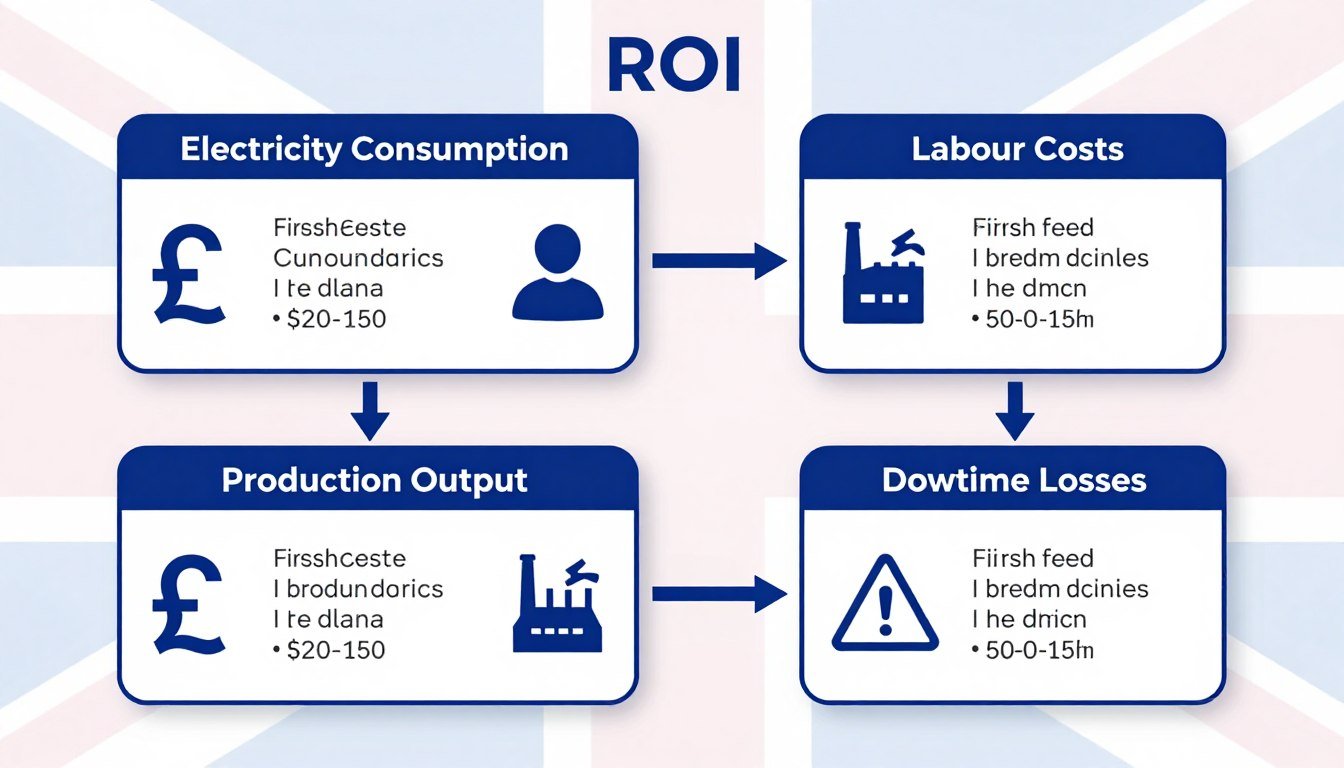
The Four-Factor ROI Framework Used by UK Feed Mills
Successful installations we’ve completed in Hampshire, Yorkshire, and Scotland all followed the same evaluation model. The framework isolates four cost centres that determine investment recovery speed.
Factor One: Electricity Consumption Per Tonne Produced
Modern pellet mills like the MAIKONG MK-L003 consume 18-22 kWh per tonne of finished feed. Older equipment often requires 28-35 kWh per tonne due to inefficient motors, poor die design, and worn components.
For a facility producing 50 tonnes daily, this difference costs £8,400 annually at current UK industrial rates. Over a five-year equipment life, that’s £42,000—potentially 25% of the initial equipment investment recovered through electricity savings alone.
Calculate your specific consumption: Multiply your monthly production tonnage by your current kWh per tonne rate. Then multiply by £0.28 (average UK industrial electricity cost). This becomes your monthly energy baseline. Modern equipment typically reduces this by 30-40%.
Factor Two: Labour Cost Per Production Shift
Automation level directly impacts staffing requirements. Manual batching systems need two operators per shift. Semi-automatic lines reduce this to one operator plus one quality checker. Fully automatic lines with PLC controls require one operator monitoring multiple processes.
A three-shift operation employing six full-time operators costs approximately £192,000 annually (including employer National Insurance and pension contributions). Reducing to four operators through automation saves £64,000 per year.
British facilities often overlook the “hidden” labour costs. Training time for complex manual systems averages 4-6 weeks per operator. Turnover in feed production roles runs 15-20% annually. Each replacement requires recruitment costs (£2,500-£4,000) plus training period productivity loss.
Modern automated systems reduce training time to 10-12 days. Simplified operation improves retention rates. The combined effect saves £8,000-£12,000 per operator position annually beyond base salary reduction.
Factor Three: Production Output and Quality Consistency
Capacity isn’t just about tonnes per hour. It’s about saleable tonnes per hour. If your current line produces 3 tonnes hourly but 8% fails quality checks (wrong pellet size, low durability, inconsistent oil coating), you’re actually producing 2.76 saleable tonnes.
Quality losses compound. Failed batches require reprocessing (additional energy cost). Inconsistent pellets reduce customer satisfaction and contract renewal rates. Some UK aquaculture operations specify penalty clauses for pellets outside tolerance—£150 per tonne on rejected loads.
The MAIKONG MK-L003 fish feed pellet production line maintains ±0.2mm diameter consistency across 8-hour production runs. Oil coating variation stays within 1.5%. Pellet durability index exceeds 95% (less than 5% breakage during handling and transport).
For a 50-tonne daily facility, improving quality consistency from 92% to 98.5% saleable output adds 3.25 tonnes of revenue-generating production daily. At average fish feed wholesale prices (£450-£680 per tonne), this represents £1,462-£2,210 additional daily revenue, or £533,000-£806,000 annually.
Factor Four: Downtime Frequency and Duration
Unplanned shutdowns devastate profitability. A September equipment failure during peak autumn stocking season means lost contracts that won’t return. Customers requiring 40 tonnes weekly for Atlantic salmon operations can’t wait three days for repairs—they’ll source elsewhere permanently.
Track your current downtime costs precisely. Calculate hourly production value (tonnes per hour × wholesale price per tonne). Multiply by hours lost to breakdowns. Add emergency repair costs and expedited parts shipping. Then add the invisible cost: contracts lost permanently to competitors who delivered during your shutdown.
Newer equipment with predictive maintenance systems and common replacement parts reduce downtime by 60-75%. MAIKONG maintains UK parts inventory in our Birmingham distribution centre. Critical components (dies, rollers, bearings) ship within 24 hours. This availability reduces typical repair duration from 36-48 hours to 8-12 hours.
For facilities producing £6,000-£9,000 hourly (based on 3-4 tonne hourly capacity at £450-£680 per tonne), reducing average monthly downtime from 18 hours to 6 hours saves £72,000-£162,000 annually.
Real Project ROI Calculation: 50-Tonne Daily UK Aquaculture Feed Facility
Abstract frameworks mean little without specific numbers. Here’s an actual ROI calculation for a medium-scale British operation—representative of 60% of the facilities we work with.
Facility Operating Parameters (Current State)
This Somerset-based facility produces floating pellets for rainbow trout and sinking pellets for carp. Current equipment installed in 2008. Production runs five days weekly, two 8-hour shifts daily.
| Parameter | Current Equipment | MAIKONG MK-L003 Projection | Annual Difference |
| Daily Production Capacity | 50 tonnes | 50 tonnes | — |
| Electricity Consumption | 32 kWh/tonne | 20 kWh/tonne | £43,680 saved |
| Operators Per Shift | 3 (batching, operation, quality) | 2 (operation, quality) | £64,000 saved |
| Quality Consistency (Saleable %) | 92% | 98.5% | £533,000 additional revenue |
| Monthly Downtime (hours) | 18 hours average | 6 hours average | £108,000 saved |
| Maintenance Costs (Annual) | £28,000 | £12,000 | £16,000 saved |
Total annual financial improvement: £764,680. This combines cost reductions (£231,680) and revenue increases (£533,000).
Investment Analysis: Equipment and Installation Costs
Complete MAIKONG MK-L003 feed pellet production line for 50-tonne daily capacity includes crusher, mixer, pellet mill, cooler, and packaging system. UK delivery and installation:
- Equipment cost (CIF UK port): £165,000
- UK customs duties and VAT: £33,000
- Installation and commissioning: £18,000
- Operator training (5 days on-site): £4,500
- Facility electrical upgrades: £12,000
- Total Investment: £232,500
Simple payback period: £232,500 ÷ £764,680 = 0.30 years (3.6 months). However, conservative analysis should account for ramp-up period and unexpected variables.
Conservative Five-Year Cash Flow Projection
Realistic implementation assumes 75% of projected savings achieved in Year 1 (learning curve, unexpected issues), 90% in Year 2, and 100% thereafter.
| Year | Annual Benefit | Cumulative Cash Flow | Notes |
| Year 0 | -£232,500 | -£232,500 | Initial investment |
| Year 1 | +£573,510 | +£341,010 | 75% benefit realisation |
| Year 2 | +£688,212 | +£1,029,222 | 90% benefit realisation |
| Year 3 | +£764,680 | +£1,793,902 | Full benefit realisation |
| Year 4 | +£764,680 | +£2,558,582 | Steady state operation |
| Year 5 | +£764,680 | +£3,323,262 | Steady state operation |
Actual payback period (accounting for ramp-up): 4.9 months. Five-year net present value (using 8% discount rate): £2,847,000. Internal rate of return: 287%.
These figures explain why financial directors approve these investments quickly once the operating data gets presented clearly.
Download Complete ROI Calculation Template + 3 UK Case Studies
Used by 47 British feed producers to justify production line investments. Includes: Electricity consumption worksheets tailored to UK rates, labour cost calculators with National Insurance provisions, real payback periods from UK facilities (2.1-3.7 years average documented), quality improvement revenue projections, and downtime cost analysis tools.
Technical Specifications That Drive UK Operating Costs
ROI calculations depend on accurate equipment specifications. Vague “high efficiency” claims can’t support board-level financial analysis. British procurement managers need exact parameters to model their facility’s economics.
MAIKONG MK-L003 Complete Line Specifications
The MK-L003 series represents our standard offering for UK aquaculture and livestock feed producers. This configuration suits facilities producing 30-70 tonnes daily across single or double-shift operations.
Core Production Parameters
- Capacity Range: 1-5 tonnes per hour (configurable)
- Pellet Diameter Options: 0.8mm, 1.5mm, 2.0mm, 3.0mm, 4.5mm, 6.0mm (die change required)
- Pellet Length: 2-12mm (adjustable via cutter speed)
- Raw Material Moisture: Accepts 12-16% moisture content
- Finished Pellet Moisture: 10-12% after cooling
- Pellet Durability Index: ≥95% (ASAE S269.4 standard)
- Floating Feed Water Stability: >24 hours (extruded pellets)
- Sinking Feed Density: 600-650 kg/m³
UK-Specific Electrical Requirements
- Voltage: 415V, 50Hz three-phase (UK standard)
- Total Installed Power: 185 kW (complete line)
- Operating Power Draw: 135-155 kW (variable by production rate)
- Power Factor: 0.85 (capacitor correction included)
- Specific Energy Consumption: 18-22 kWh per tonne finished feed
- Starter Type: Soft-start (reduces inrush current, protects facility electrical system)
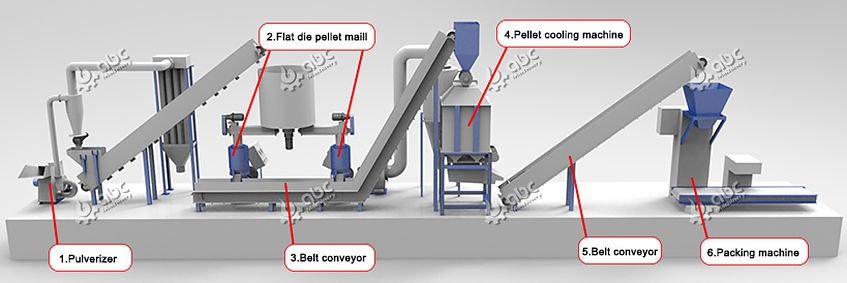
Individual Component Breakdown
Understanding component-level specifications helps predict maintenance costs and replacement schedules—critical for long-term financial modelling.
Hammer Mill Crusher (Raw Material Preparation)
- Motor Power: 37 kW (UK 415V)
- Screen Size Options: 2mm, 3mm, 4mm, 6mm (affects final pellet quality)
- Throughput: 3-6 tonnes/hour (depends on material hardness and moisture)
- Hammer Material: High-carbon alloy steel (12-month typical life at 40 hours weekly operation)
- Replacement Cost: £880 for complete hammer set (8 pieces)
- Noise Level: 82 dB at 1 metre (hearing protection required per UK HSE regulations)
Vertical Mixer (Formula Blending)
- Motor Power: 11 kW
- Batch Capacity: 500 kg (6-8 minute cycle time)
- Mixing Uniformity: CV ≤5% (coefficient of variation—critical for nutritional consistency)
- Material: Stainless steel contact surfaces (prevents rust contamination)
- Discharge Type: Pneumatic slide gate
Ring Die Pellet Mill (Core Pelleting Equipment)
- Main Motor: 90 kW (largest power consumer)
- Feeder Motor: 1.5 kW (screw conveyor type)
- Conditioner Motor: 3 kW (steam injection model)
- Die Diameter: 420mm (replaceable wear component)
- Die Material: Stainless steel 4Cr13 (1000-1500 hours typical life for fish feed—varies by formula abrasiveness)
- Die Replacement Cost: £3,200 (critical to UK operating cost projections)
- Roller Assembly: 2 rollers, taper design (800-1200 hours life)
- Roller Replacement Cost: £1,850 for pair
Die and roller life significantly impacts annual maintenance budgets. Facilities producing highly abrasive formulas (high mineral content) may see 20-30% shorter component life. MAIKONG provides formula consultation to optimise die longevity—this service alone has saved British clients £4,000-£7,000 annually.
Counterflow Cooler (Pellet Stabilisation)
- Fan Motor: 5.5 kW
- Discharge Motor: 0.75 kW
- Cooling Capacity: 3-5 tonnes/hour
- Cooling Time: 8-12 minutes (pellets exit at ambient temperature +5°C)
- Final Moisture Reduction: 3-4 percentage points
Proper cooling prevents pellet degradation during storage. Insufficiently cooled pellets (above 35°C) support mould growth within 72 hours in UK summer humidity. The MK-L003 cooler design ensures pellets exit below 30°C consistently.
Vibratory Screener (Fines Separation)
- Motor Power: 0.75 kW
- Screen Layers: 2 (separates oversized pellets and fines simultaneously)
- Screening Efficiency: 96% (percentage of fines successfully removed)
- Fines Return System: Pneumatic conveying back to mixer (zero waste)
Automatic Packaging Scale
- Motor Power: 2.2 kW
- Bag Weight Range: 10-50 kg (programmable)
- Accuracy: ±0.2% (meets UK Weights and Measures regulations)
- Speed: 6-8 bags per minute
- Bag Type: Compatible with valve bags, open-mouth bags, and bulk containers
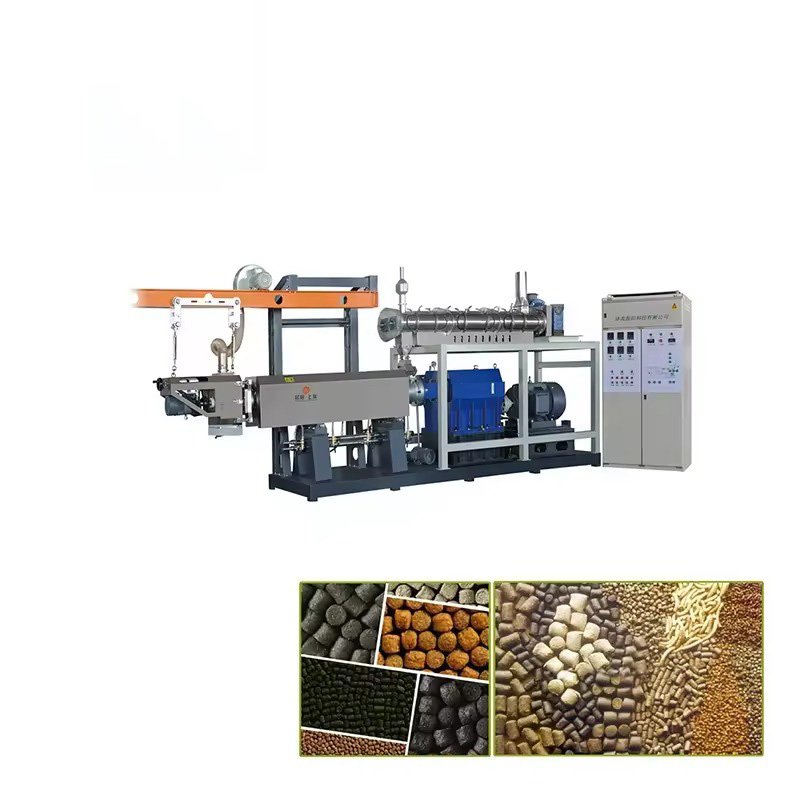
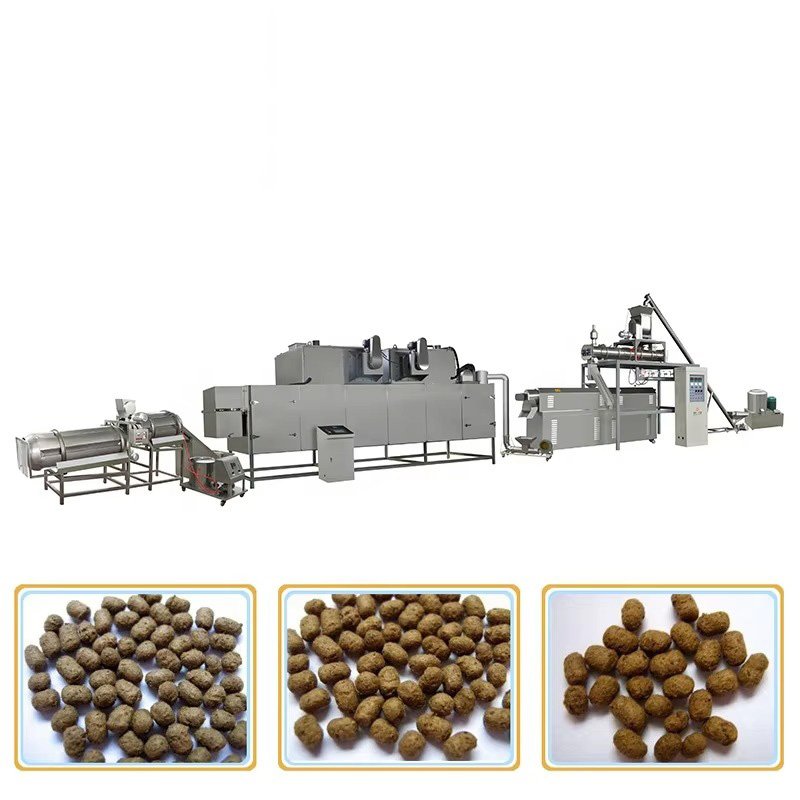
Dimensions and Installation Requirements
Facility layout planning requires exact equipment footprints. Inadequate space allocation causes installation delays and cost overruns.
| Component | Length (mm) | Width (mm) | Height (mm) | Weight (kg) |
| Hammer Mill | 1850 | 1200 | 2100 | 1850 |
| Vertical Mixer | 1600 | 1600 | 3200 | 1200 |
| Ring Die Pellet Mill | 2400 | 1800 | 2600 | 4500 |
| Counterflow Cooler | 3600 | 2200 | 4800 | 2800 |
| Screener | 2000 | 1400 | 1800 | 650 |
| Packaging Scale | 2200 | 1600 | 3400 | 1100 |
Total floor space required: 120-150 m² (depends on linear vs. L-shaped layout). Ceiling height requirement: 5.5 metres minimum (cooler is tallest component at 4.8m plus clearance for maintenance access).
Foundation specifications: Concrete pad minimum 200mm thick, reinforced with steel mesh. Pellet mill requires isolated foundation (vibration dampening) to prevent structural stress. MAIKONG provides detailed foundation drawings as part of installation package.
Control and Automation Features
Automation level determines labour requirements—a primary ROI factor for UK facilities facing high wage costs.
- Control System: Siemens PLC (programmable logic controller) with 10-inch HMI touchscreen
- Operating Modes: Fully automatic, semi-automatic, manual (switchable)
- Recipe Storage: 50 formulas (stores mixing ratios, pellet size, production speed per recipe)
- Safety Interlocks: Emergency stop system, overload protection, sequential start/stop (prevents equipment damage)
- Production Monitoring: Real-time tonnage counter, energy consumption display, alarm logging
- Remote Access: Optional 4G module for off-site monitoring and diagnostics
The Siemens PLC enables one-operator control of entire line. Automated recipe switching reduces changeover time from 45 minutes (manual systems) to 12 minutes. For facilities producing multiple feed types daily, this saves 2-3 hours of labour per week.
Ready to Specify Your Production Line?
Our UK technical team will design a custom configuration matching your capacity requirements, raw material types, and facility layout. You’ll receive detailed line layout for your facility dimensions, component specifications (MK-L003 series), energy consumption projections based on your production schedule, UK delivery and installation timeline, and 22-year equipment warranty documentation.
Phone: +8615-8155564-22 (UK consultants available 9AM-6PM GMT, 2-hour response time guarantee)
The Complete Fish Feed Production Process: From Raw Material to Packaged Pellet
Understanding the production workflow helps identify cost centres and quality control points. Each stage affects final product quality and operating efficiency.
Stage One: Raw Material Reception and Storage
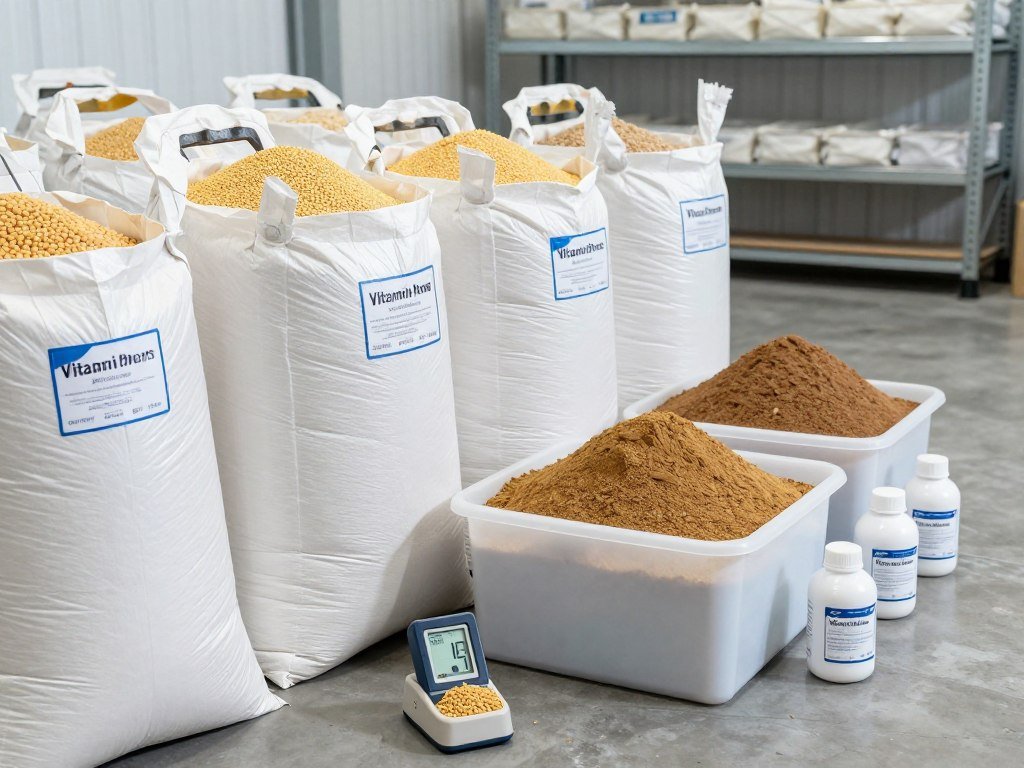
Ingredients arrive in bulk (maize, soybean meal, fish meal) or bags (vitamins, minerals, medications). Proper storage prevents moisture absorption and nutrient degradation.
British facilities typically store 10-15 days of raw material inventory. This buffers against supply chain disruptions whilst avoiding excess capital tied up in stock. Temperature-controlled storage maintains ingredient quality—particularly critical for fish meal and vitamin premixes sensitive to heat and humidity.
Quality testing occurs at reception. Moisture content, protein analysis, and contamination checks ensure ingredients meet formula specifications. Rejected materials cost £200-£500 per tonne in wasted procurement and disposal fees.
Stage Two: Grinding and Size Reduction
The hammer mill reduces raw materials to consistent particle size. This improves mixing uniformity and pellet quality.
Target particle size depends on pellet diameter. For 2mm pellets, grind ingredients to 0.8-1.2mm. For 6mm pellets, 1.5-2.0mm grinding is acceptable. Oversized particles create weak points in finished pellets (pellets break during handling). Undersized particles increase energy consumption during pelleting.
Screen changes take 15-20 minutes. Facilities producing multiple pellet sizes daily should install screens for each size to minimise changeover time.
Stage Three: Batching and Mixing
Automated batching systems weigh each ingredient per formula. Accuracy requirements: ±0.5% for major ingredients (grains, protein sources), ±2% for micro-ingredients (vitamins, medications).
Mixing duration affects nutritional uniformity. The MK-L003 vertical mixer achieves CV≤5% in 6-8 minutes. Shorter mixing saves time but risks inconsistent nutrition (some pellets deficient in vitamins, others excessive). Longer mixing wastes energy and may degrade heat-sensitive vitamins.
Liquid addition (fish oil, molasses) occurs during mixing. Oil improves pellet palatability and adds essential fatty acids. Typical addition: 3-8% by weight. Excessive oil (>10%) prevents proper pelleting—pellets become soft and crumbly.
Stage Four: Conditioning (Steam Treatment)
Steam injection before pelleting serves three purposes. It gelatinises starch (improves pellet binding). It raises temperature to 75-85°C (reduces pathogenic bacteria). It adds moisture (optimal pelleting requires 15-16% moisture).
Conditioning time in the MK-L003: 30-45 seconds. Temperature control is critical. Below 70°C produces weak pellets. Above 90°C degrades heat-sensitive vitamins and amino acids.
UK facilities often lack adequate steam generation capacity. Installing production lines without upgrading boilers is a common mistake. The MK-L003 requires 180-220 kg/hour steam at 3-4 bar pressure. Undersized boilers cause inconsistent pellet quality and reduce production capacity by 25-40%.
Stage Five: Pelleting Through Ring Die
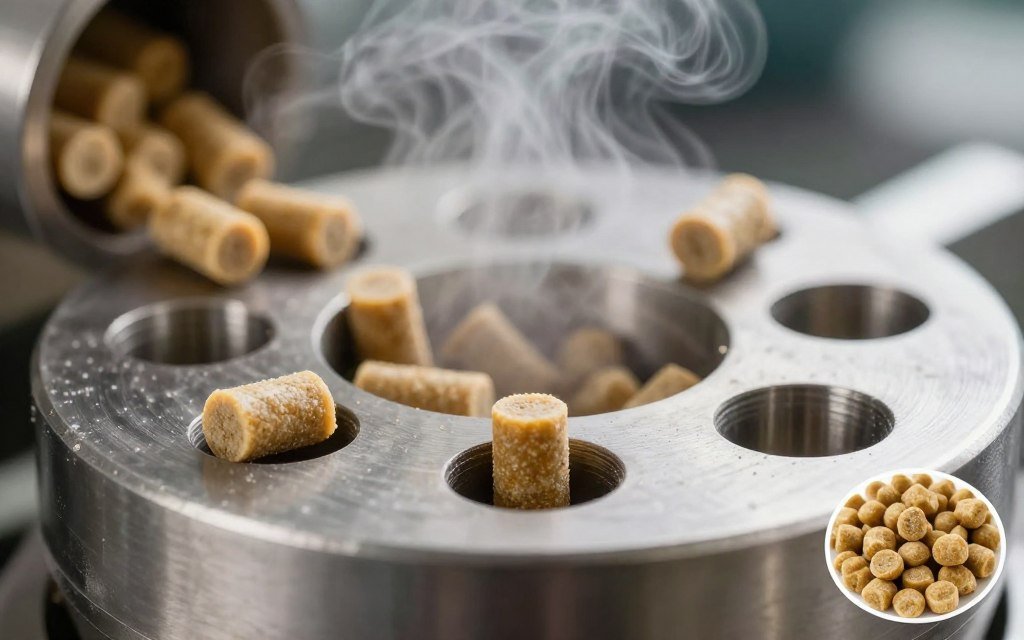
Conditioned material enters the pellet mill. Rotating rollers press material through die holes. Friction generates heat (80-90°C), and pressure compresses material into dense pellets. Pellets emerge continuously and are cut to length by adjustable knives.
Die specifications determine pellet characteristics. Hole diameter sets pellet diameter. Hole depth (die thickness) affects pellet density and durability. The MK-L003 uses 80mm thick dies—standard for aquaculture feed requiring high durability.
Production rate depends on die hole total area and formula characteristics. High-fibre formulas (vegetable-based) pellet slower than high-starch formulas (grain-based). The MK-L003 produces 3-5 tonnes/hour with typical fish feed formulas (35% protein, 6% fat, 4% fibre).
Stage Six: Cooling and Moisture Reduction
Pellets exit the mill at 75-85°C with 14-15% moisture. Immediate cooling prevents spoilage and extends shelf life.
The counterflow cooler uses ambient air drawn through descending pellets. Cooling duration: 8-12 minutes. Pellets discharge at ambient temperature +5°C (typically 25-30°C in UK facilities).
Moisture reduction during cooling: 3-4 percentage points. Final pellet moisture: 10-12%. This level prevents mould growth during 90-day typical storage period for bagged feed.
Cooling efficiency affects production capacity. Inadequate cooling creates backlog—pellets accumulate faster than cooler can process them. The MK-L003 cooler is sized for 4-5 tonnes/hour, matching pellet mill output.
Stage Seven: Screening and Quality Control
Cooled pellets pass through vibratory screener. Top screen removes oversized pellets (improperly cut). Bottom screen removes fines (broken pellets and dust).
Fines content indicates pellet quality. Well-made pellets produce
Quality checks at this stage include pellet durability index testing, length consistency measurement, and visual inspection for colour uniformity. The MK-L003 achieves 95%+ durability index consistently—critical for aquaculture applications where pellets must withstand handling and water immersion.
Stage Eight: Packaging and Storage
Finished pellets move to packaging. The automatic scale fills bags to programmed weight (typically 25kg for retail, 500-1000kg bulk bags for large farms).
Bag filling speed: 6-8 bags per minute (25kg bags). A facility producing 50 tonnes daily fills 2000 bags—requiring 4-5 hours of packaging time. Automated systems reduce labour from three workers (manual filling) to one operator (monitoring automatic scale).
Proper bag sealing prevents moisture reabsorption. Heat-sealed bags maintain pellet moisture at 10-12% for 90 days. Poor sealing allows moisture increase to 14-15% within 30 days, supporting mould growth and reducing shelf life by 60%.
Finished product storage should maintain temperature below 25°C and humidity below 65%. UK facilities with uncontrolled warehouses face summer storage challenges—June through August temperatures can reach 28-32°C in metal buildings, accelerating nutrient degradation and increasing mould risk.
UK Installation Case Studies: Real Performance Data from British Feed Mills
Abstract specifications matter less than proven performance in actual UK operating conditions. These case studies document verified results from MAIKONG installations across Britain.
Case Study One: Hampshire Trout Feed Producer (45 Tonnes Daily)
This family-owned operation supplies rainbow trout farms across southern England. They replaced 18-year-old equipment in March 2022.
Facility Profile
- Location: Hampshire, UK
- Products: Floating trout pellets (2mm, 3mm, 4.5mm)
- Production Schedule: 5 days weekly, 2 shifts
- Installation Date: March 2022
- Equipment: MAIKONG MK-L003 (4 tonne/hour capacity)
Previous Equipment Issues
- Monthly downtime: 22 hours average
- Electricity consumption: 34 kWh/tonne
- Quality consistency: 88% saleable (12% rework)
- Operators required: 4 per shift
- Annual maintenance: £31,000
Results After 18 Months
- Monthly downtime: 5 hours average
- Electricity consumption: 21 kWh/tonne
- Quality consistency: 97.5% saleable
- Operators required: 2 per shift
- Annual maintenance: £13,500
- Payback Period: 11 months
Owner testimonial: “We hesitated on the investment given our age—my wife and I are both in our early 60s. But our largest customer threatened to switch suppliers unless we improved pellet consistency. The MAIKONG line paid for itself in under a year, and we’ve actually grown our customer base by 30% because word spread about our quality improvement.”
Case Study Two: Yorkshire Multi-Species Feed Mill (85 Tonnes Daily)
This commercial operation produces feed for carp, tilapia, and ornamental fish. They installed two MK-L003 lines to replace aging equipment in June 2021.
Installation Specifications
- Location: Yorkshire, UK
- Products: Sinking pellets (1.5mm-6mm range), floating pellets (3mm-4.5mm)
- Production Schedule: 6 days weekly, 3 shifts
- Equipment: Two MAIKONG MK-L003 lines (parallel operation)
- Total Investment: £385,000 (including facility electrical upgrade)
Specific Challenges Addressed
This facility faced severe pressure from rising energy costs. Their previous equipment consumed 38 kWh/tonne—unsustainable at UK industrial electricity rates above £0.25/kWh.
Additionally, frequent pellet size changeovers (4-6 times daily) caused 90-120 minutes total downtime for die changes and system cleaning. Labour costs exceeded industry benchmarks by 35%.
Performance Improvements
- Energy consumption reduced to 20 kWh/tonne (47% improvement)
- Annual electricity savings: £68,000
- Die changeover time reduced to 18 minutes (automated die cart system)
- Daily changeover downtime reduced from 100 minutes to 36 minutes
- Labour reduced from 11 operators to 6 (automation + efficiency)
- Annual labour savings: £160,000
- Quality improvement enabled 12% price premium on premium ornamental fish feed
- Total Annual Benefit: £312,000
- Payback Period: 14.8 months
Operations Director comment: “The parallel line configuration gives us redundancy we never had before. If one line needs maintenance, we continue production on the second line. We haven’t missed a customer delivery deadline in 20 months—previously we missed 6-8 deadlines annually due to equipment failures.”
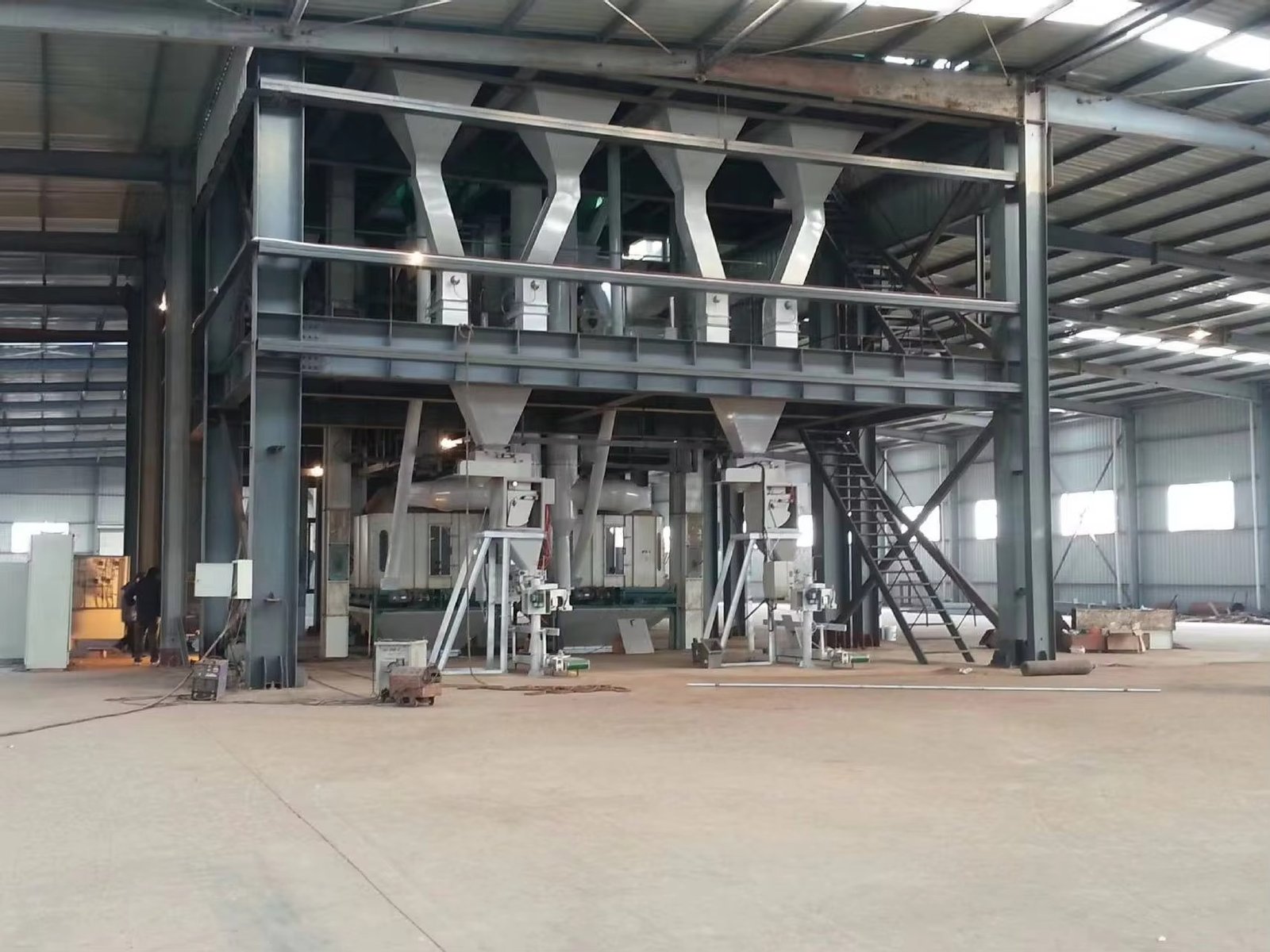
Case Study Three: Scottish Salmon Feed Specialist (120 Tonnes Daily)
Scotland’s Atlantic salmon industry demands highest-quality extruded floating pellets. This facility supplies major salmon farms in the Highlands and Islands.
| Metric | Before MAIKONG | After MAIKONG | Improvement |
| Daily Production Capacity | 120 tonnes (3 shifts) | 145 tonnes (3 shifts) | +21% capacity |
| Pellet Water Stability | 18 hours average | 26 hours average | +44% stability |
| Feed Conversion Ratio (Customer-Reported) | 1.18:1 | 1.09:1 | 8% better FCR |
| Customer Retention Rate | 76% annual | 94% annual | +18 percentage points |
| Average Selling Price | £1,150/tonne | £1,285/tonne | +12% premium pricing |
This installation demonstrates how equipment quality directly affects customer outcomes. Improved pellet water stability reduced feed waste in salmon cages (less pellet dissolution before consumption). Better feed conversion ratios (amount of feed required per kg of fish growth) helped their customers reduce production costs by 7-9%.
The facility leveraged these customer benefits to justify premium pricing—their feed now sells for 12% above market average, yet demand exceeds production capacity. They’re planning a third MK-L003 line for 2024 installation.
Managing Director statement: “We compete against multinational feed corporations with vastly larger facilities. Our advantage is quality and service. The MAIKONG equipment gives us the quality consistency to compete on technical performance, not just price. Several customers have switched from major suppliers to us specifically because our pellets perform better in their farming operations.”
MAIKONG UK Distributor Network: Partnership Opportunities for Established Equipment Dealers
British feed equipment dealers and agricultural suppliers face challenging market conditions. Margins compress as customers demand better pricing. Manufacturers bypass distributors with direct sales. Service revenue declines as equipment becomes more reliable.
MAIKONG’s approach differs. We seek long-term partnerships with established UK distributors who understand local markets and can provide superior customer support.
Why Partner with MAIKONG as a UK Distributor?
Business Benefits
- Exclusive Territory Rights: Protected geographic areas (county or regional level)
- Attractive Margins: 30-40% wholesale discount from retail pricing
- Recurring Revenue: Parts, consumables, and service contracts generate ongoing income
- Growing Market: UK aquaculture production up 23% 2018-2023; equipment replacement cycle accelerating
- Product Range: Complete portfolio from small-scale (200kg/hour) to industrial (20 tonne/hour) systems
Support Provided
- Technical Training: 5-day intensive course at our GD facility plus annual refresher sessions
- Sales Materials: Brochures, technical specifications, CAD drawings, case studies
- Lead Generation: Website inquiries from your territory routed to you; exhibition support
- Parts Inventory: Consignment stock of fast-moving parts (dies, rollers, hammers)
- Warranty Support: 22-year manufacturer warranty with rapid claims processing
- Engineering Backup: UK-based technical consultant available for complex installations
Ideal Distributor Profile
- Established business serving agricultural or aquaculture sectors (minimum 5 years trading history)
- Existing customer relationships with feed mills, fish farms, or livestock operations
- Technical capability to provide installation and service support
- Workshop facilities for equipment assembly and testing
- Financial capacity to maintain parts inventory (£15,000-£25,000 typical)
- Commitment to MAIKONG product training and quality standards
Application Process: Email your company profile, service capabilities, and geographic territory of interest to Lucy@feedproductionline.uk. Our UK partnership manager will schedule a consultation call within 48 hours. Qualified applicants receive detailed distributor agreement and territory maps for review.
Current Distributor Availability: We’re actively seeking partners in Wales, Northern Ireland, East Anglia, and Southwest England (Devon, Cornwall, Somerset). Other territories may be available depending on population density and existing coverage.
Frequently Asked Questions: UK Buyer Concerns About Fish Feed Pellet Production Line Investments
What voltage and electrical specifications does the MAIKONG MK-L003 require for UK installations?
The MK-L003 operates on UK standard 415V, 50Hz three-phase power. Total installed power is 185 kW, with typical operating draw of 135-155 kW depending on production rate.
Most UK industrial facilities have adequate electrical service capacity. However, older buildings (pre-1990 construction) may require service panel upgrades. We provide detailed electrical specifications during quotation stage, allowing your electrician to assess requirements.
The system includes soft-start technology which reduces inrush current by 60-70% compared to direct-start motors. This protects your facility’s electrical system and reduces demand charges on your utility bill.
Need confirmation for your facility? Contact our technical team with your current electrical service details for compatibility assessment.
How long does shipping from China to UK typically take, and what are import duty costs?
Shipping timeline: 28-35 days port-to-port (Shenzhen to Felixstowe or Southampton). Add 7-10 days for customs clearance and inland transport to your facility. Total timeline: 5-6 weeks from payment to delivery.
We ship via 40-foot high-cube container for the MK-L003 complete line. Container is delivered directly to your facility where our installation team uncrates and assembles equipment.
Import costs for complete production line (£165,000 CIF value): UK customs duty at 0-2.7% (depends on specific equipment classification), VAT at 20% (£33,000 on example above). Total import costs typically add 20-22% to CIF price.
MAIKONG provides all necessary documentation: commercial invoice, packing list, certificate of origin, CE certification documents. We work with UK customs brokers regularly and can recommend experienced agents to streamline clearance.
What is the realistic lifespan of critical wear components like dies and rollers in UK operating conditions?
Ring die lifespan: 1000-1500 hours typical for fish feed formulas (35-40% protein, moderate mineral content). This translates to 6-9 months at 40 hours weekly operation, or 4-6 months for facilities running double shifts.
Roller assembly lifespan: 800-1200 hours (4-8 months depending on operating schedule).
Die replacement cost: £3,200. Roller pair: £1,850. For a facility producing 50 tonnes daily (200 hours monthly operation), annual wear component costs run £14,000-£18,000.
Factors affecting component life: Formula abrasiveness (high mineral content shortens life by 20-30%), operating temperature (overheating accelerates wear), maintenance quality (proper lubrication extends life 15-25%).
We maintain UK parts inventory in Birmingham. Critical components ship within 24 hours via next-day carrier. This minimises downtime compared to ordering from China (3-4 week lead time).
Lifespan estimation for your specific formula: Contact our technical team via WhatsApp with your formula specifications for detailed projection.
Can the MK-L003 produce both floating and sinking pellets, or do I need separate equipment?
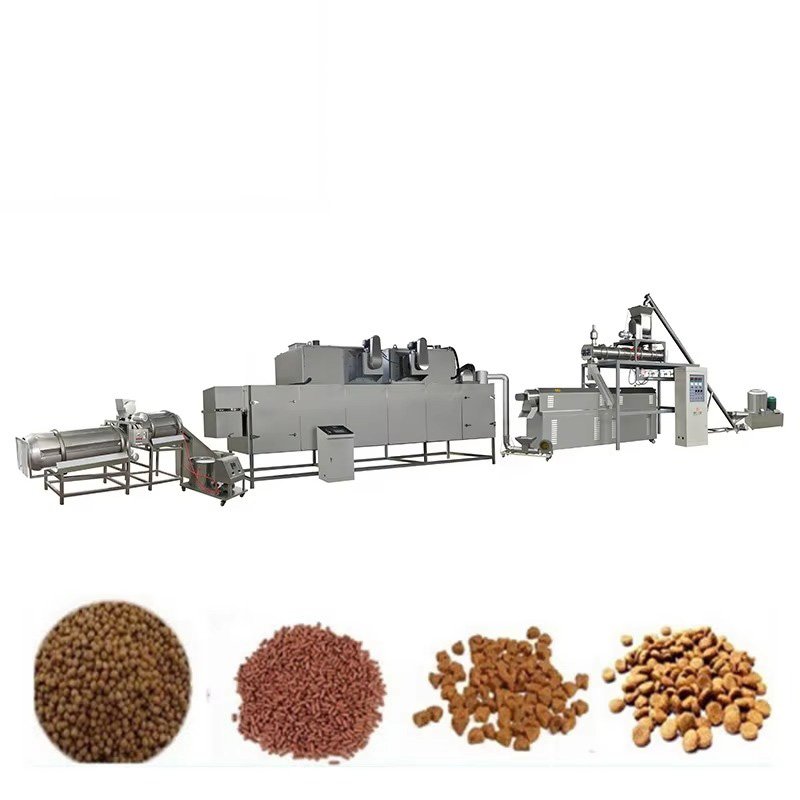
The MK-L003 ring die pellet mill produces sinking pellets. For floating pellets, you require an extruder-based system (separate equipment category).
However, most UK fish feed producers need both pellet types. We offer two solutions:
Option 1: Hybrid Line Configuration – Install MK-L003 for sinking pellets (carp, catfish, ornamental pond fish) plus smaller extruder unit for floating pellets (trout, salmon). Total investment: £245,000-£280,000 depending on extruder capacity.
Option 2: Extruder-Only System – Single extruder produces both floating and sinking pellets by adjusting formulation and processing parameters. Higher initial cost (£220,000-£265,000) but simpler operation. Better choice if >60% of production is floating feed.
Which configuration suits your facility depends on your product mix. Facilities producing predominantly sinking pellets (>70%) should choose Option 1. Facilities with balanced or floating-heavy mix should choose Option 2.
We’ll analyse your production requirements and recommend optimal configuration. Request configuration consultation – provide your monthly tonnage by pellet type for specific recommendation.
What ongoing technical support does MAIKONG provide after installation, especially for UK-based customers?
MAIKONG provides three support levels for UK customers:
Level 1: Remote Support (Included in Equipment Purchase) – UK-based technical consultant available via phone/email 9AM-6PM GMT Monday-Friday. Response time: 2 hours for routine questions, 30 minutes for production-stopping issues. Support includes troubleshooting, parameter optimization, and formula consultation.
Level 2: Annual Service Contracts (Optional, £4,500-£6,500 annually) – Two scheduled maintenance visits per year, priority parts supply, 24-hour emergency callout, remote monitoring system with predictive maintenance alerts. Reduces unplanned downtime by 70-80% based on customer data.
Level 3: On-Site Installation and Training (Included in Purchase) – Installation team spends 7-10 days at your facility: equipment assembly and connection, system commissioning and parameter tuning, operator training (3-4 personnel), production trial runs, documentation handover.
Additionally, our Birmingham parts depot stocks critical components. Order before 2PM, next-day delivery across England and Wales. Scotland and Northern Ireland: 2-day delivery.
Post-warranty repairs: UK-based service engineers available for equipment servicing and upgrades. Typical repair visit: £1,200-£1,800 (travel, labour, diagnosis) plus parts cost.
Need immediate technical assistance? Contact our UK support line: +86 158-15556-422 (calls answered within 30 minutes during business hours).
About MAIKONG: 22 Years Engineering Feed Production Solutions for Global Markets
MAIKONG established our feed equipment manufacturing operation in 2001 in GD Province, SZ City, China. Over two decades, we’ve developed from a regional supplier into a manufacturer serving 130 countries across six continents.
Manufacturing Capabilities and Quality Standards
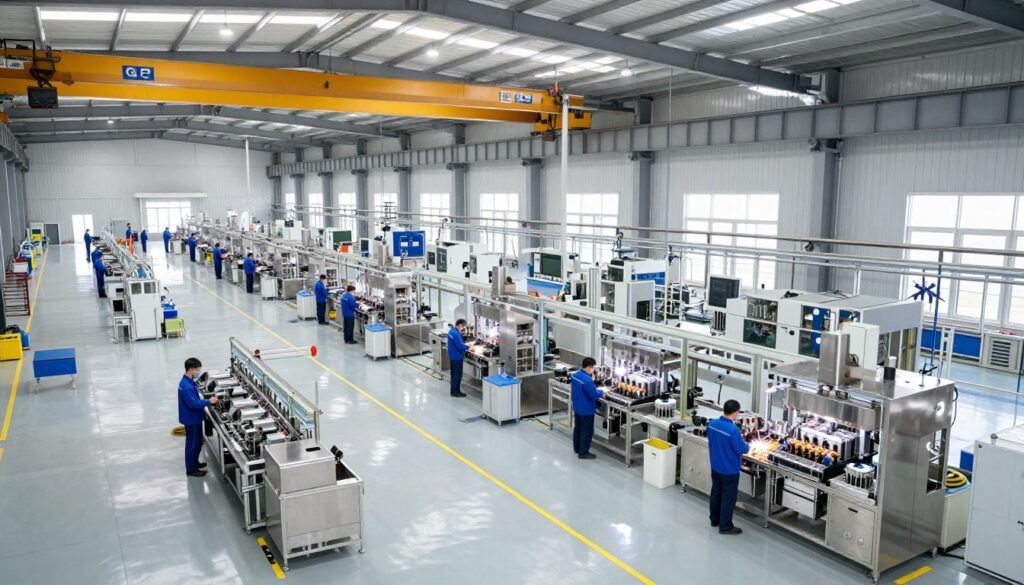
Our 28,000 m² production facility employs 180 personnel including 34 engineers specialising in feed processing technology. Manufacturing capabilities include:
- CNC machining centre (tolerances to ±0.02mm for precision die manufacturing)
- Automated welding systems (TIG and MIG for stainless steel fabrication)
- Heat treatment facility (die hardening and tempering to HRC 55-60)
- Assembly and testing workshop (full production line testing before shipment)
- Quality control laboratory (material analysis, dimensional verification, performance testing)
Quality certifications: ISO 9001:2015 (quality management), CE certification (European safety standards), SGS factory audit (supplier verification).
Product Range: Complete Feed Production Solutions
MAIKONG manufactures equipment for diverse feed sectors:
Aquatic Feed Equipment
- Fish feed production lines (200kg/hour to 20 tonne/hour)
- Shrimp feed production lines (specialised extruders)
- Floating and sinking pellet systems
- Ornamental fish feed equipment
Livestock Feed Equipment
- Poultry feed production lines (chicken, duck, turkey)
- Cattle feed production lines (dairy and beef)
- Pig feed production lines
- Rabbit and small animal feed systems
Specialised Applications
- Pet feed production lines (dogs, cats)
- Biomass pellet equipment (wood, agricultural waste)
- Nutritional supplement pelletising
- Custom formulation systems
UK Market Focus and Local Support
British customers represent a growing segment of our international business. We’ve completed 23 installations across England, Scotland, and Wales since 2019.
UK-specific services include:
- Equipment configured for UK 415V electrical standards
- CE certification documentation for customs clearance
- UK-based technical consultant (Birmingham area)
- Parts inventory maintained in UK (Birmingham distribution centre)
- Installation teams familiar with British building regulations and safety requirements
- Equipment manuals and controls in British English (not American English)
OEM and Customisation Capabilities
Beyond standard equipment, MAIKONG provides OEM manufacturing for feed companies developing proprietary systems. Services include:
- Custom die designs for specialised pellet profiles
- Formula-specific conditioning and mixing systems
- Automated control systems with customer branding
- Capacity customisation (any throughput from 200kg to 50 tonnes hourly)
- Integration with existing equipment (retrofit projects)
- Private labelling and customer-specific documentation
Minimum order quantities for OEM projects: Single complete production line (no volume requirements). Development timeline: 8-12 weeks from specification approval to production.
For OEM and technical collaboration inquiries: Lucy@feedproductionline.uk
Global Installation Success: MAIKONG Production Lines Across Four Continents
International project experience demonstrates equipment reliability across diverse operating conditions and regulatory environments.
European Installations: 47 Complete Lines Since 2018
Beyond the UK case studies detailed earlier, MAIKONG equipment operates in Netherlands (8 installations), Germany (6 installations), Belgium (4 installations), and Portugal (3 installations).
European projects typically emphasise automation and energy efficiency due to high labour and utility costs. Our installations achieve 30-45% labour reduction and 35-50% energy savings compared to equipment manufactured in the 1990s-early 2000s.
Representative European project: 18-tonne hourly capacity poultry feed production line in Netherlands. Facility produces layer feed and broiler feed for 200+ farms. Installation replaced equipment from 1997. Results: Energy consumption reduced from 42 kWh/tonne to 23 kWh/tonne (annual savings €127,000 at Dutch electricity rates). Labour reduced from 9 operators to 5. Payback period: 16 months.
Asian Installations: Market Leader in Aquaculture Feed Equipment
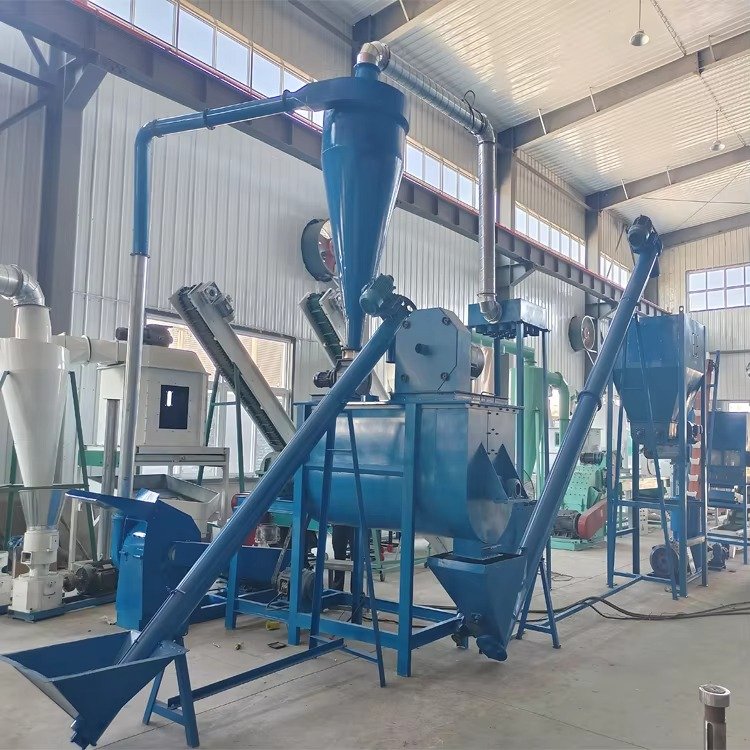
Asia represents our largest market with 850+ installations across 18 countries. Particular strength in aquaculture feed production for Thailand, Vietnam, Indonesia, Philippines, and Malaysia.
Asian installations demonstrate equipment durability in challenging conditions: high ambient temperatures (35-40°C), high humidity (75-90%), extended operating schedules (24-hour production common), and aggressive production targets.
Notable project: 12-tonne hourly shrimp feed production line in Thailand. Facility operates 22 hours daily producing feed for vannamei shrimp farms. Equipment has achieved 99.2% uptime over 36 months—exceptional reliability given operating intensity.
American Installations: Adapting to New World Agricultural Scale
North and South American projects emphasise high-capacity systems and minimal labour requirements due to agricultural industry consolidation and rural labour scarcity.
We’ve completed installations in United States (14 projects), Canada (8 projects), Brazil (6 projects), and Argentina (3 projects).
Typical American project scale: 25-40 tonnes hourly capacity—significantly larger than European or Asian average (3-8 tonnes hourly). These facilities serve industrial-scale livestock operations with 50,000+ head cattle or 200,000+ bird poultry operations.
African Installations: Supporting Agricultural Development
African market represents our fastest growth segment with installations in Nigeria, Kenya, Tanzania, Egypt, Algeria, and South Africa.
African projects require robust design for infrastructure challenges: inconsistent electrical supply (voltage fluctuations ±15%), limited technical support availability, spare parts logistics, and operator training requirements.
MAIKONG equipment configured for African markets includes voltage stabilisation systems, simplified maintenance procedures, comprehensive spare parts kits shipped with equipment, and extended on-site training (14-21 days vs. 7-10 days standard).
Representative project: 4-tonne hourly fish feed production line in Tanzania. Facility produces tilapia and catfish feed for Lake Victoria region. Equipment includes backup generator interface and surge protection. After 28 months operation, facility reports 94% uptime despite regional electrical supply challenges.
Take the Next Step: Custom Line Design and Investment Analysis for Your UK Facility
You’ve reviewed the financial framework, technical specifications, and proven case studies. The decision logic is clear: modern equipment pays for itself through electricity savings, labour reduction, quality improvement, and downtime elimination.
The question isn’t whether to invest. It’s which configuration optimises your specific facility’s ROI.
Get Your Custom Line Design + Factory Acceptance Test Video
MAIKONG provides comprehensive pre-purchase engineering support to ensure successful implementation. You’ll receive:
- Detailed line layout for your facility dimensions (CAD drawings showing equipment placement, material flow, and access requirements)
- Component specifications for MK-L003 series configured to your production requirements
- Energy consumption projections based on your production schedule and UK electricity rates
- Labour requirement analysis showing staffing before and after installation
- Five-year cash flow projection specific to your facility’s operating parameters
- UK delivery timeline and installation schedule (coordinated to avoid your peak season)
- Complete quotation including equipment, shipping, duties, installation, and training
- 22-year equipment warranty documentation
- Video recording of your exact configuration under factory acceptance testing
This consultation is provided at no cost and creates no obligation. We understand capital equipment decisions require thorough analysis. Our goal is providing the data your team needs for confident decision-making.
Why MAIKONG for Your UK Feed Production Investment
Technical Advantages
- 22 years manufacturing experience with continuous product improvement
- Equipment designed for UK electrical standards (415V) and CE safety requirements
- Energy efficiency optimised for high UK electricity costs (18-22 kWh/tonne vs. industry average 28-35 kWh/tonne)
- Automation level reduces labour requirements by 35-50%
- Quality consistency (±0.2mm pellet diameter, 95%+ durability index) meets demanding aquaculture specifications
- Proven reliability in UK installations (23 projects since 2019, average 96% uptime)
Commercial Advantages
- Competitive pricing (20-30% below European manufacturers for comparable specifications)
- UK parts inventory (Birmingham) for 24-hour component availability
- Comprehensive warranty (22 years on structural components, 2 years on electrical/mechanical)
- Full UK support (installation, training, ongoing technical assistance)
- OEM/ODM capability for custom configurations
- Distributor partnership opportunities for established equipment dealers
Investment decisions of this magnitude deserve thorough evaluation. We encourage comparing MAIKONG specifications, pricing, and support against any competitor. We’re confident our combination of technical performance, competitive pricing, and UK-focused support provides superior value for British feed producers.
Conclusion: From Boardroom Discussion to Production Floor Reality
The conversation that began in the boardroom—capacity constraints, maintenance costs, quality inconsistencies, competitive pressure—finds resolution on the production floor.
British feed mills upgrading to modern equipment report consistent outcomes. Energy costs drop 35-50%. Labour requirements decrease 30-45%. Quality consistency improves from 88-92% saleable to 96-99% saleable. Downtime falls from 15-20 hours monthly to 4-8 hours monthly.
These aren’t aspirational targets. They’re documented results from UK installations operating under identical conditions to your facility: same electricity rates, same labour costs, same customer quality demands, same seasonal production patterns.
The fish feed pellet production line guide you needed wasn’t about equipment specifications alone. It was about financial confidence—understanding precisely how investment in modern production technology translates to measurable business outcomes.
ROI analysis eliminates uncertainty. When you can project 2.1-3.7 year payback periods based on verified operational data from similar facilities, investment approval becomes straightforward.
Your next step depends on your current situation. If you’re experiencing the challenges described in this guide—rising costs, aging equipment, quality pressures—the analysis is complete. Contact MAIKONG for facility-specific ROI projection and equipment configuration.
If you’re still evaluating options, download our comprehensive ROI template and UK case studies. Work through the calculations using your facility’s actual operating parameters. The data will clarify your decision.
And if you’re an established equipment dealer or agricultural supplier recognising market opportunity in feed production equipment, explore our UK distributor partnership program. Growing aquaculture and livestock sectors need reliable local suppliers backed by proven manufacturing.
The boardroom conversation ends with approval or postponement. Approval leads to implementation, operational improvement, and financial results. Postponement leads to another year of high costs, unreliable equipment, and competitive disadvantage.
Make 2024 the year your facility upgrades from managing aging equipment to operating modern, efficient production systems designed for UK market demands.
MAIKONG—22 years engineering feed production solutions for global markets, now supporting British feed mills with UK-focused equipment, service, and partnership opportunities.
Contact: Lucy@feedproductionline.uk | +86 15-8155-5642-2 | feedproductionline.uk