
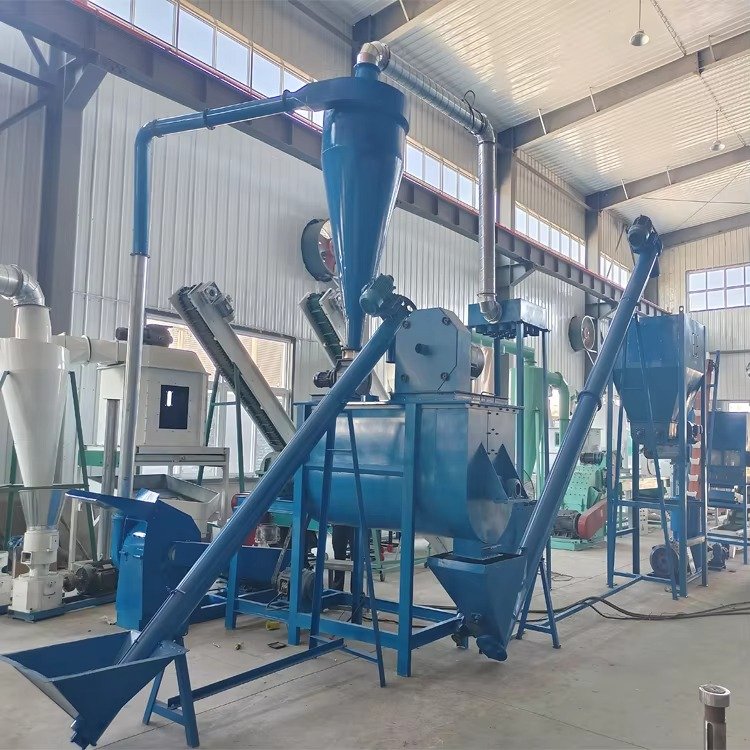
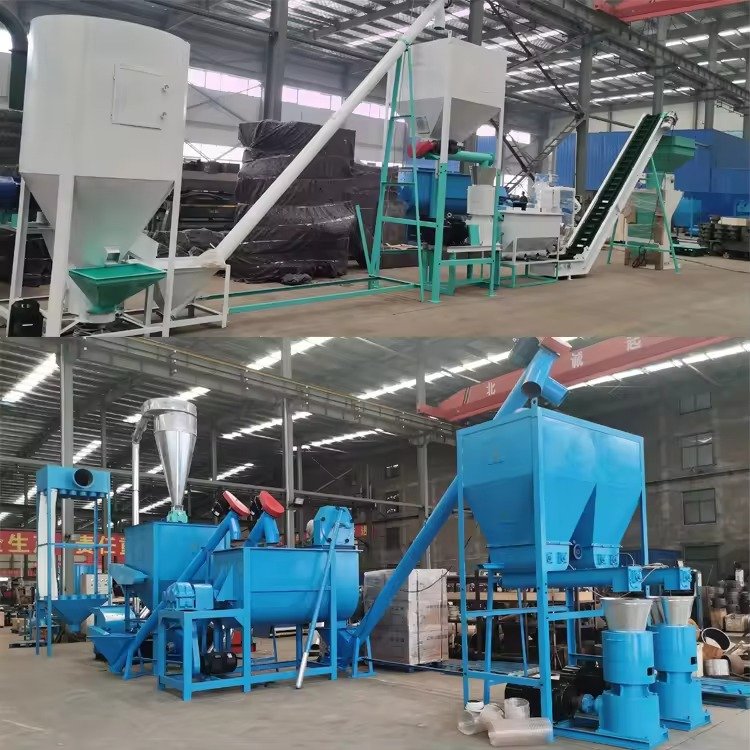
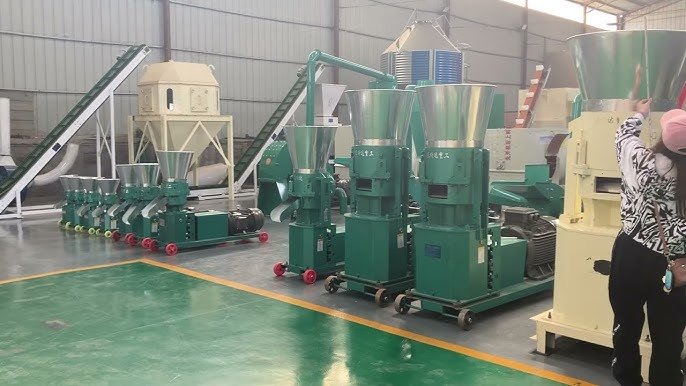
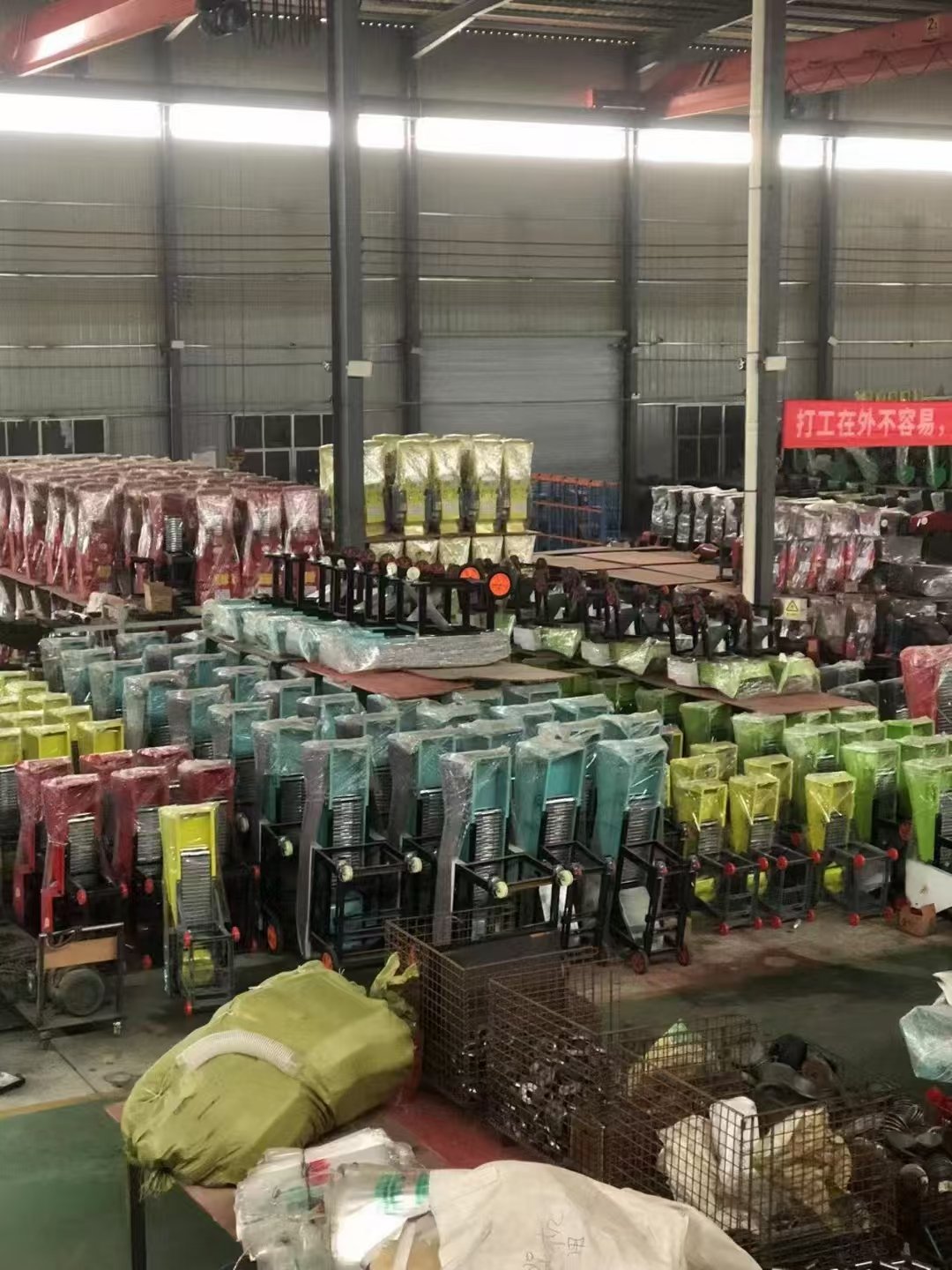
Equipment breakdowns at the worst possible moment cost UK feed mills thousands in lost production. A bearing seizes during peak season. The pellet die cracks after three months instead of lasting eight. Rollers wear unevenly because someone changed the gap setting without proper training. These scenarios repeat across British aquaculture operations daily.
This guide examines the unglamorous truth about maintaining a fish feed pellet production line guide. Not manufacturer marketing claims. Real maintenance schedules. Actual parts costs in the UK market. Operator habits that either extend equipment life or accelerate expensive replacements.
MAIKONG manufactures fish feed production line equipment for 22 years across 130 countries. We have tracked maintenance performance data from installations processing 200 kg/h to 35 tonnes/h. The patterns are clear. Proper bearing care adds 18 months to service life. Die maintenance schedules directly correlate with pellet quality consistency. Roller adjustment training reduces premature wear by 40%.
Capacity Selection Reality: Beyond Marketing Specifications
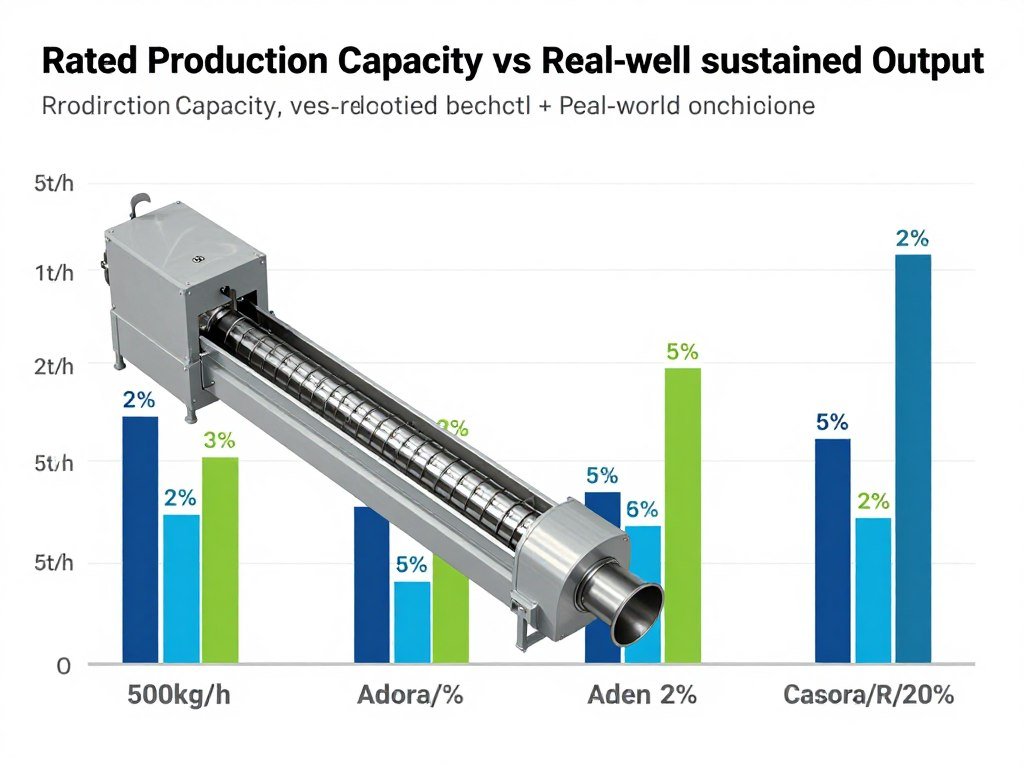
Production line specifications list maximum output. Real operations rarely achieve those numbers consistently. A line rated for 2 tonnes per hour might produce 1.6 tonnes sustainably when processing high-moisture ingredients common in UK fish feed formulations.
Matching Capacity to Raw Material Characteristics
Ingredient moisture content directly affects throughput. Formulations with 12% moisture pelletize faster than recipes at 18% moisture. The difference matters when selecting between a 1-tonne and 1.5-tonne line for a farm producing 800 kg daily.
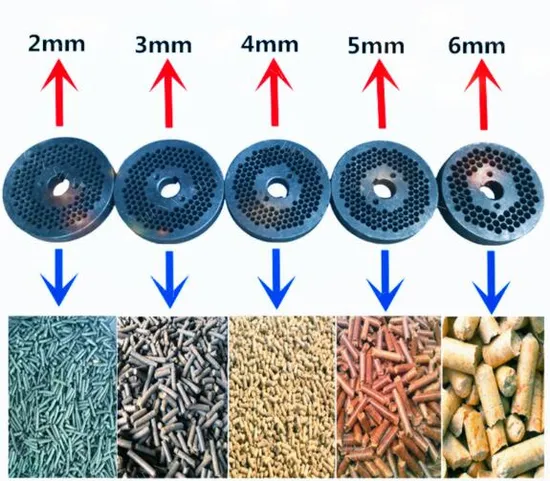
Feed pellet size changes processing speed. Manufacturing 2mm pellets for fry requires different die configurations than producing 6mm pellets for mature fish. The feed pellet production line Model MK-L003 handles this range but operates at different speeds per pellet diameter.
Small-Scale Operations (200-800 kg/h)
Suitable for single-species farms or research facilities. Lower capital cost but higher per-tonne production expense. Maintenance simpler with fewer backup parts required. Energy costs in UK typically £0.08-£0.12 per kg produced.
Mid-Scale Systems (1-5 tonnes/h)
Most common in commercial UK aquaculture. Balance between investment and flexibility. Require professional maintenance schedules. Energy efficiency improves to £0.05-£0.08 per kg. Parts inventory essential to minimize downtime.
| Capacity Range | Typical UK Application | Annual Maintenance Cost | Operator Training Hours | Recommended Backup Parts Value |
| 200-500 kg/h | Small trout/carp farms | £1,200-£2,800 | 16 hours | £800-£1,200 |
| 800-1,500 kg/h | Medium aquaculture operations | £3,500-£6,200 | 24 hours | £2,000-£3,500 |
| 2-5 tonnes/h | Large commercial feed mills | £8,000-£15,000 | 40 hours | £5,000-£8,000 |
| 10+ tonnes/h | Industrial feed production | £22,000-£40,000 | 80 hours | £12,000-£20,000 |
Formula Complexity Impact on Equipment Selection
Simple formulations stress equipment less. A basic fish meal, wheat, and vitamin premix formula processes smoothly. Complex recipes with multiple oil additions, enzyme treatments, and binder variations demand more robust components.
The MAIKONG Model MK-L003 specifications address this through modular design. Base configuration handles standard formulations. Upgraded conditioning systems and reinforced pellet mills accommodate challenging recipes without complete system replacement.
Bearing Maintenance: Where Most Operations Lose Money
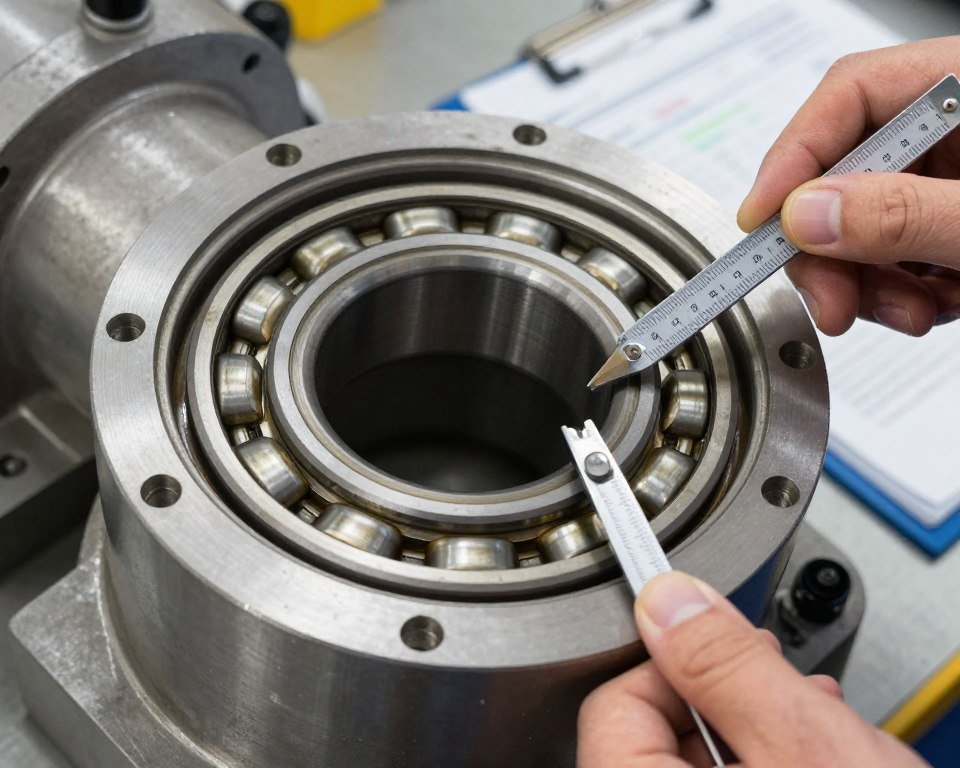
Bearings fail gradually then suddenly. Vibration increases slightly over weeks. Temperature climbs a few degrees. Then catastrophic failure destroys not just the bearing but shaft surfaces and housing components. Total repair costs jump from £300 for planned bearing replacement to £2,800 for emergency shaft machining and housing repair.
Realistic Bearing Service Intervals for UK Operations
Manufacturer specifications assume ideal conditions. Clean facilities. Consistent raw materials. Properly trained operators. Reality differs. Dust from ingredient handling contaminates bearing seals. Power fluctuations in rural UK locations stress motor bearings. Operators occasionally run equipment beyond design parameters to meet production deadlines.
Planned Bearing Maintenance Schedule
- Visual inspection every 40 operating hours
- Temperature monitoring weekly using infrared thermometer
- Vibration analysis monthly with handheld analyser
- Lubrication every 200 hours per manufacturer specification
- Complete bearing replacement every 3,000-4,000 hours or 18-24 months
- Seal replacement at 1,500 hours regardless of apparent condition
Actual UK Feed Mill Experience
- Inspections occur when problems noticed rather than scheduled
- Temperature checks inconsistent during busy production periods
- Vibration analysis often skipped until audible noise develops
- Lubrication sometimes delayed beyond 200-hour intervals
- Bearings run until failure rather than preventive replacement
- Seals replaced only when visible leakage appears
The cost difference between these approaches compounds. Planned maintenance on a 2-tonne/h animal feed production line runs approximately £180 every six months. Emergency repairs after bearing failure average £1,400 plus production downtime costs.
Bearing Selection for Challenging UK Conditions
Standard bearings survive in climate-controlled facilities. UK feed mills face temperature swings, moisture exposure, and dust contamination. Sealed bearings with synthetic lubricants perform better but cost 40% more initially.
MAIKONG installations in European markets demonstrate the economics. Standard bearings require replacement every 2,200 hours average. Premium sealed bearings last 3,800 hours. The premium bearing costs £85 versus £55 for standard. But fewer replacements and reduced labour deliver £340 savings over five years per bearing position.
+86 15815556422Call for bearing specification consultation
Pellet Dies and Rollers: The Heart of Production Quality
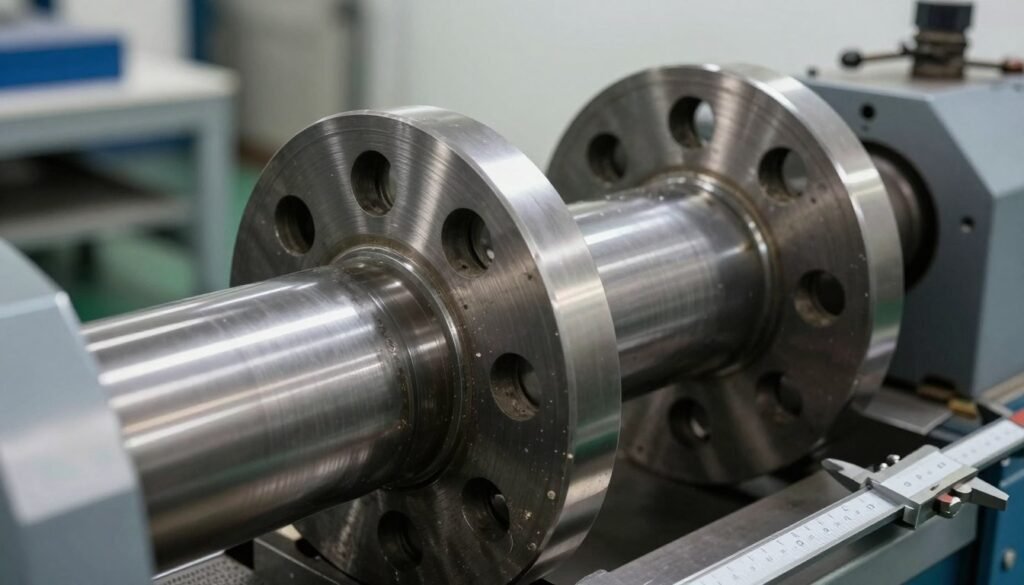
Die life varies wildly based on formulation and operator technique. Marketing materials suggest 800-1,200 hours between die changes. Actual performance ranges from 400 hours processing abrasive fish meal formulas to 1,600 hours with properly balanced recipes.
Die Wear Patterns That Predict Pellet Quality Problems
Uneven die wear creates inconsistent pellet density. Holes on one side of the die enlarge faster than others. Pellets from worn areas become less dense and break apart during handling. This happens gradually. Quality control catches it when customer complaints arrive rather than during production.
Proper Die Management
- Die hole diameter measured every 100 operating hours
- Rotation pattern changed every 200 hours to distribute wear
- Reconditioning scheduled at 600 hours before severe wear develops
- Complete die replacement at 1,000-1,200 hours maximum
- Backup dies maintained for emergency changeovers
Common Die Problems
- Hole diameter never measured systematically
- Die runs in same position until pellet quality deteriorates
- Reconditioning delayed to reduce costs
- Dies run until catastrophic failure occurs
- No backup dies results in extended production downtime
Roller Adjustment: The Skill That Determines Die Life
Gap between rollers and die affects everything. Too wide and pelletizing efficiency drops. Too narrow and excessive pressure accelerates die wear while overloading the motor. The correct gap measures 0.1-0.3mm depending on pellet size and formula.
Most operators adjust rollers by feel rather than measurement. A 0.2mm error seems insignificant. Over 500 operating hours, improper gap reduces die life by 35% based on MAIKONG maintenance data from UK installations.
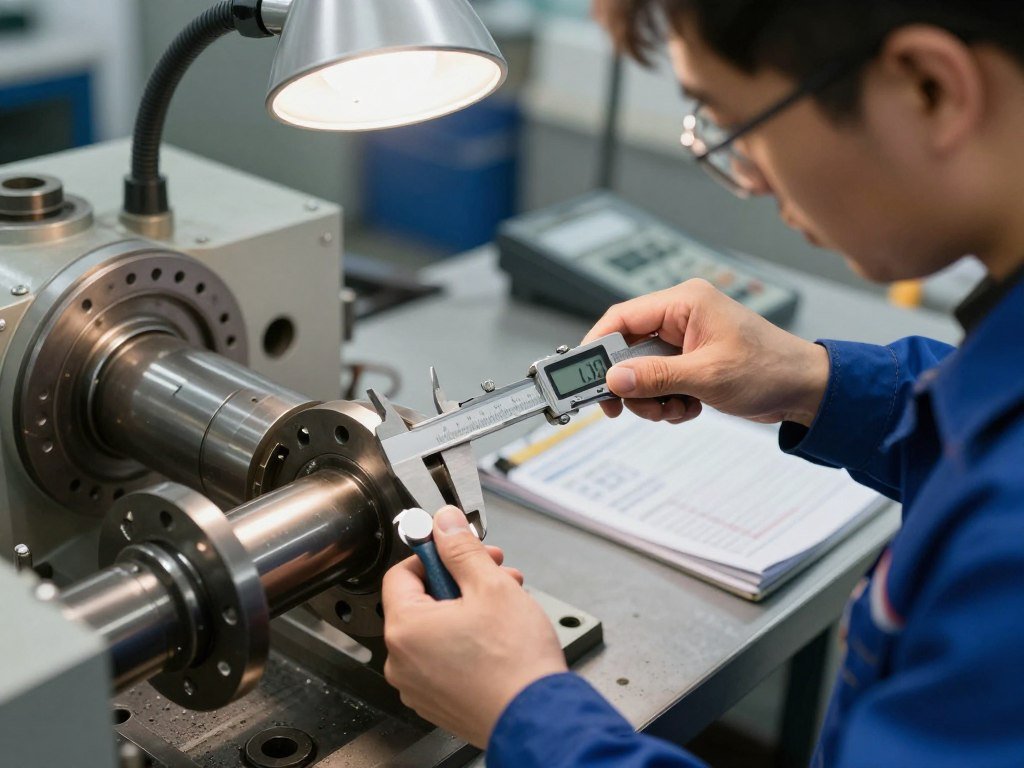
Training operators in proper roller adjustment reduces maintenance costs substantially. One UK feed mill reduced annual die replacement costs from £6,400 to £4,100 after implementing systematic roller gap training and measurement protocols.
Formula-Specific Die and Roller Considerations
High-oil formulations require different die specifications than low-oil recipes. Oil content above 8% demands larger hole diameter tolerances and different roller surface treatments. The aquatic feed production line configuration addresses this through interchangeable die and roller sets.
| Feed Type | Typical Oil Content | Die Life (hours) | Roller Life (hours) | UK Replacement Cost |
| Standard fish feed | 6-8% | 900-1,200 | 2,400-3,000 | £1,850 (die), £2,200 (rollers) |
| High-energy salmon feed | 12-18% | 600-800 | 1,800-2,200 | £1,850 (die), £2,200 (rollers) |
| Low-cost tilapia feed | 4-6% | 1,100-1,500 | 3,200-3,800 | £1,850 (die), £2,200 (rollers) |
| Shrimp feed (fine pellets) | 5-7% | 700-950 | 2,000-2,600 | £2,100 (die), £2,200 (rollers) |
Operator Habits That Extend or Destroy Equipment Life

Equipment specifications matter less than how operators treat machinery daily. Two identical MAIKONG Model MK-L003 systems installed simultaneously in UK facilities demonstrate this. One requires major component replacement every 14 months. The other runs 26 months between significant repairs. The difference lies entirely in operator habits.
Startup and Shutdown Procedures: Where Damage Occurs
Rushing startup causes more bearing damage than any other factor. Cold bearings subjected to full load stress seals and races. Proper warmup procedures take 15 minutes. Operators under production pressure skip this and start processing immediately. The bearing temperature spike reduces service life by approximately 8% per occurrence.
Critical Operator Habit: Implement mandatory 15-minute warmup regardless of production pressure. Document warmup completion before ingredient feeding begins. This single habit extends bearing life by 18-22 months based on MAIKONG field data from European operations.
Feed Rate Management and Motor Life
Operators respond to production targets by maximizing feed rates. The pellet mill motor handles brief overloads. Sustained operation above rated capacity generates heat that degrades motor windings and bearing lubricants. A motor rated for 1.5 tonnes/h survives years at that rate. Continuous operation at 1.8 tonnes/h reduces motor life from 8 years to 4.5 years.
The cost difference appears small initially. Motor replacement runs £2,400 installed. The real expense comes from production downtime during emergency replacement. Planned motor changeouts during scheduled maintenance cost £2,600 total. Emergency failures during peak production cost £5,800 including expedited parts shipping and overtime labour.
Cleaning Protocols That Prevent Contamination Damage
End-of-shift cleaning separates professional operations from problematic ones. Residual feed material inside the pellet mill absorbs moisture overnight. This creates clumps that jam dies during startup. Operators force production through jams, damaging dies and rollers.
Professional Cleaning Checklist
- Run oily grain mixture through system before shutdown (5 minutes)
- Disassemble and brush die surface (10 minutes)
- Vacuum feeder housing and connections (8 minutes)
- Wipe moisture from exposed metal surfaces (5 minutes)
- Inspect and note any unusual wear or damage (7 minutes)
- Store removable components in dry location
Total time investment: 35 minutes per shift. Reduction in jam-related damage: 70% based on tracked maintenance records.
Training Investment Returns
Comprehensive operator training costs £1,200-£1,800 per person for a three-day program covering fish feed pellet production line guide operation and maintenance. Many UK operations view this as excessive expense. The alternative costs more.
Inadequately trained operators generate maintenance expenses 2.3 times higher than properly trained staff over 24 months. For a mid-scale operation, this represents £8,400 additional costs. The training investment delivers 470% return through reduced breakdowns, extended component life, and improved production efficiency.
UK-Specific Maintenance Challenges and Solutions
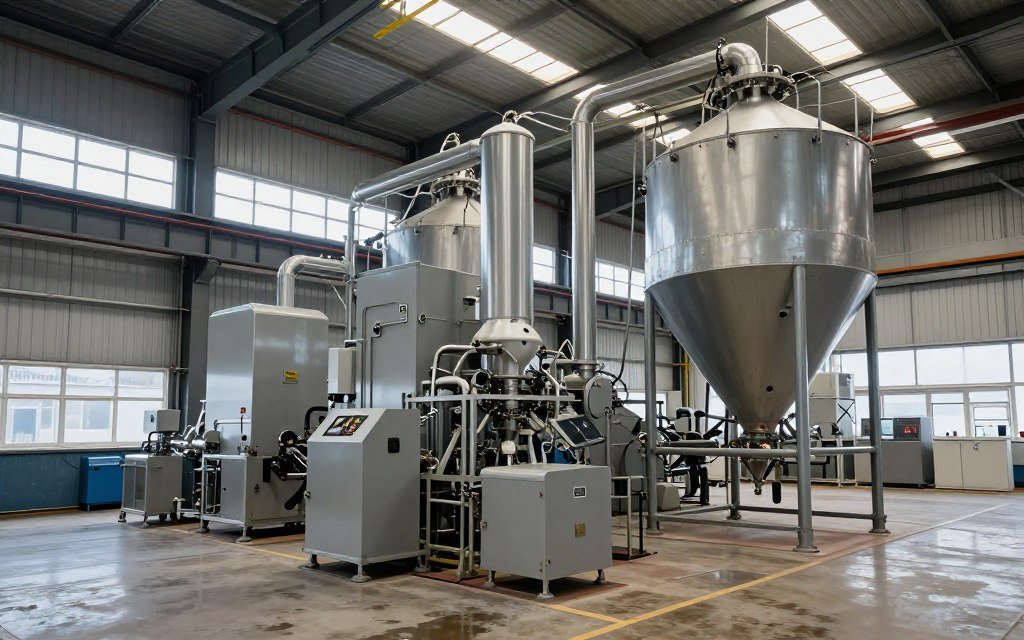
British operating conditions differ from continental Europe or Asian markets. Higher humidity affects raw material storage and pellet quality. Energy costs influence production scheduling. Brexit supply chain adjustments impact parts availability. These factors change maintenance planning.
Humidity Management for Consistent Production
UK humidity levels fluctuate significantly between seasons. Raw materials absorb moisture during storage. A formula requiring 15% moisture addition in January needs only 10% in July. Operators who fail to adjust conditioning steam create pellets with inconsistent durability.
Excess moisture accelerates die wear. Water acts as an abrasive when forced through die holes under pressure. Maintaining proper moisture balance extends die life by 25-30% compared to operations that ignore seasonal moisture variation.
Parts Availability and Inventory Strategy
Pre-Brexit, UK operations sourced replacement parts from European suppliers with 2-3 day delivery. Current logistics extend this to 7-12 days for many components. Smart operations maintain critical parts inventory to prevent extended downtime.
| Component Category | Recommended UK Inventory | Approximate Cost | Stockout Downtime Risk |
| Main motor bearings (full set) | 1 complete set | £420-£680 | 5-8 days |
| Pellet die (primary size) | 1 backup die | £1,850-£2,100 | 7-12 days |
| Drive belts complete set | 1 complete set | £180-£290 | 3-5 days |
| Feeder auger components | Critical wear parts | £240-£380 | 4-7 days |
| Electrical contactors/relays | 2 of each critical type | £120-£200 | 2-4 days |
MAIKONG maintains UK-accessible parts inventory through our European distribution network. Standard delivery to British facilities runs 4-6 days for common components. Emergency expedited shipping delivers critical parts within 48 hours at additional cost.
Energy Cost Optimization Through Maintenance
UK electricity costs average £0.18-£0.24 per kWh for industrial users. Poorly maintained equipment consumes 15-25% more energy than properly serviced systems. On a 2-tonne/h line operating 2,000 hours annually, this represents £1,800-£3,200 unnecessary expense.
Key maintenance factors affecting energy consumption include motor bearing condition, belt tension, die wear level, and feeder calibration. A systematic monthly maintenance program addressing these elements reduces energy costs while extending equipment life.
Real UK Installation: Salmon Farm Maintenance Performance
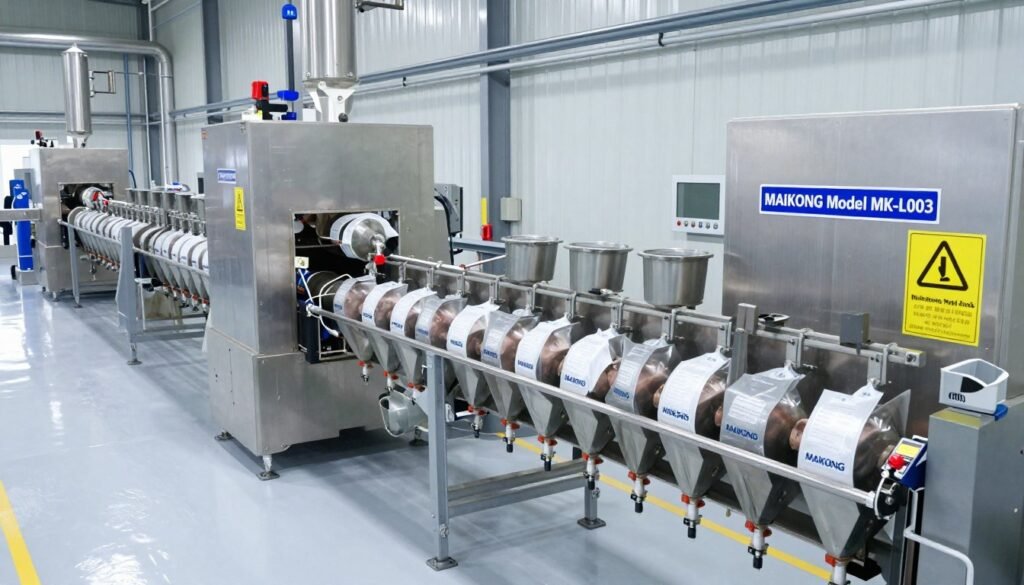
A Scottish salmon operation installed MAIKONG Model MK-L003 in March 2021. Capacity requirement: 1,800 kg/h to supply 400-tonne annual production. Formula: high-oil salmon feed with 14% fat content. This installation provides documented maintenance data over 30 months.
Installation Specifications
System Configuration
- Model: MAIKONG MK-L003
- Rated capacity: 2,000 kg/h
- Operating capacity: 1,800 kg/h sustained
- Pellet sizes: 3mm, 4.5mm, 6mm (interchangeable dies)
- Power supply: 400V 3-phase adapted to UK standards
- Control system: Semi-automatic with PLC integration
30-Month Maintenance Record
- Total operating hours: 4,200 hours
- Main motor bearing replacement: Month 18 (planned)
- Pellet die changes: 4 times (average 1,050 hours per die)
- Roller set replacement: Month 24 (planned)
- Unplanned downtime: 18 hours total
- Planned maintenance downtime: 64 hours total
Actual Costs Incurred
- Bearing replacements: £640
- Die changes (4): £7,400
- Roller set: £2,200
- Belts and minor parts: £480
- Lubrication and supplies: £290
- Total 30-month maintenance: £11,010
Success Factors from This Installation
The farm implemented systematic operator training before production started. All three operators completed MAIKONG’s comprehensive training program. Daily maintenance logs documented bearing temperatures, vibration levels, and pellet quality parameters. Monthly reviews with MAIKONG technical support identified potential issues before failures occurred.
Die life exceeded typical high-oil formula expectations by 31% due to proper roller gap maintenance and consistent moisture control. The operation tracked conditioning steam pressure and raw material moisture content, adjusting parameters seasonally.
“The MAIKONG technical team helped us understand that maintenance cost per tonne matters more than equipment purchase price. Our previous line cost less initially but required £4.20 per tonne in maintenance versus £2.75 with the MK-L003. Over 400 tonnes annually, we save £580 while producing higher quality pellets.”
Capacity Selection ROI: UK Market Reality
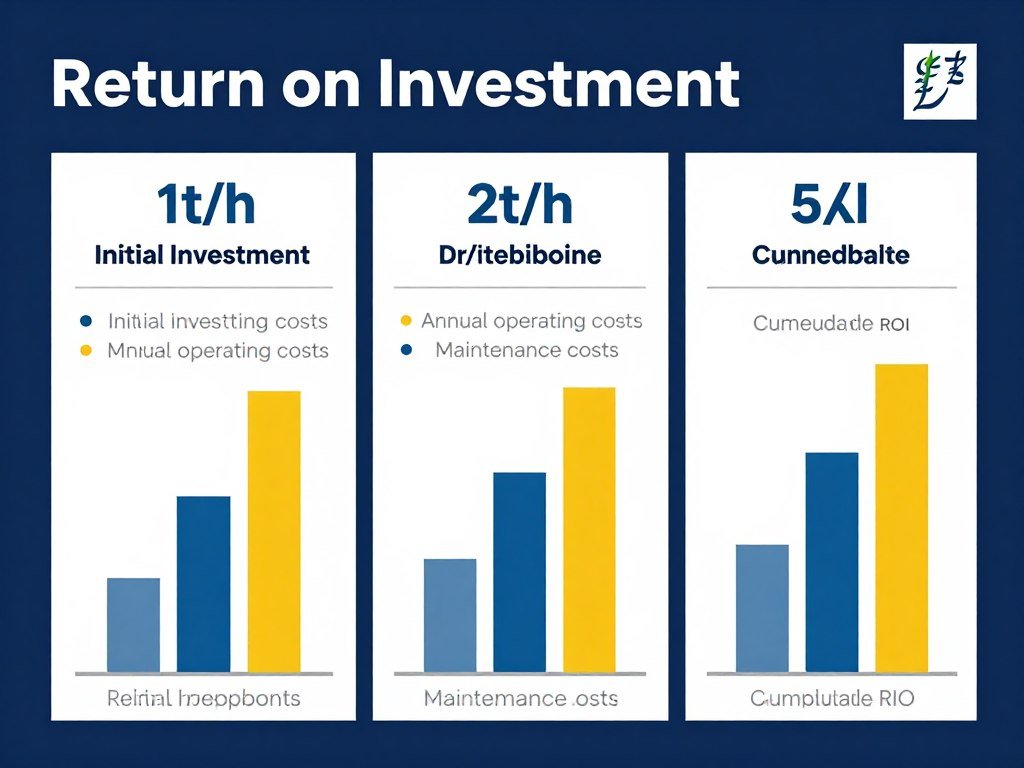
Selecting production capacity involves balancing capital cost against operating efficiency. Larger systems deliver lower per-tonne production costs but require higher initial investment. The break-even calculation depends on annual volume requirements and UK-specific operating expenses.
Three-Capacity Comparison for UK Aquaculture
| Capacity Configuration | Equipment Investment | Annual Maintenance (400t production) | Energy Cost per Tonne | Total Cost per Tonne (Year 1) | Break-Even Volume |
| 800 kg/h system | £42,000 | £2,800 | £8.20 | £21.50 | 200-350 tonnes/year |
| 1,500 kg/h system | £68,000 | £4,200 | £6.80 | £18.30 | 350-650 tonnes/year |
| 3,000 kg/h system | £115,000 | £8,600 | £5.40 | £16.90 | 600+ tonnes/year |
This analysis assumes UK energy costs at £0.20/kWh, labour at £14.50/hour, and maintenance performed according to manufacturer schedules. Operations that defer maintenance face higher long-term costs despite apparent short-term savings.
Growth Flexibility Considerations
Many UK aquaculture operations expand production over time. Installing a system sized for current volume with no expansion capacity creates expensive replacement needs within 3-5 years. The MAIKONG approach recommends selecting capacity 25-30% above current requirements to accommodate growth without complete system replacement.
A farm currently producing 350 tonnes annually benefits from installing 1,500 kg/h capacity rather than 800 kg/h, even at higher initial cost. Growth to 500 tonnes over four years uses existing equipment rather than requiring £68,000 replacement investment plus installation downtime.
Frequently Asked Questions: Maintenance and Capacity Selection
How do I determine the right production capacity for my UK fish farm operation?
Calculate your maximum daily feed requirement across all production cohorts. Multiply by 1.3 to account for peak demand periods and growth. Divide by realistic operating hours per day (typically 6-8 hours for small-medium operations). This provides baseline capacity. Add 25% for growth accommodation. For example, a farm needing maximum 1,200 kg daily would calculate: (1,200 × 1.3) ÷ 6.5 hours = 240 kg/h baseline. Adding 25% growth capacity suggests a 300 kg/h system minimum. UK operations benefit from consulting with MAIKONG technical staff who factor in formula characteristics, seasonal variation, and local energy cost optimization.
What are realistic pellet die replacement intervals for high-oil salmon feeds in UK conditions?
High-oil formulations (12-18% fat) in UK humidity conditions typically deliver 600-900 operating hours per die, significantly less than the 1,200+ hours achievable with lower-oil formulas. Key factors affecting die life include: oil addition methodology (pre-conditioning versus post-pelleting), raw material particle size consistency, roller gap precision, and die material quality. MAIKONG dies manufactured from alloy steel with proper heat treatment last 30-40% longer than standard dies. UK operations should budget £1,850-£2,100 per die replacement and maintain one backup die to prevent production interruptions during die changes. Proper die rotation and reconditioning at 500 hours can extend total life to 1,000 hours for high-oil formulas.
How significant is operator training for reducing maintenance costs on a fish feed pellet production line?
Operator training delivers the highest return on investment of any maintenance strategy. MAIKONG field data from UK and European installations demonstrates that properly trained operators reduce annual maintenance costs by 38-45% compared to untrained staff. Specific impact areas include: bearing life extension of 18-24 months through proper warmup procedures, die life improvement of 25-35% via correct roller gap adjustment, 70% reduction in jam-related damage through systematic cleaning protocols, and 40% fewer emergency shutdowns due to early problem recognition. A three-day comprehensive training program costs £1,200-£1,800 per operator but typically saves £3,800-£5,200 annually in reduced breakdowns and extended component life on mid-scale systems. Training also improves pellet quality consistency and production efficiency.
What backup parts should UK fish feed operations maintain to minimize downtime?
Post-Brexit supply chain adjustments extend parts delivery times to 7-12 days for many components. Critical inventory for UK operations should include: one complete set of main motor bearings (£420-£680), one backup pellet die in primary size (£1,850-£2,100), complete drive belt set (£180-£290), feeder auger wear components (£240-£380), and critical electrical contactors/relays (£120-£200). Total investment: £2,800-£3,650. This inventory prevents 85% of extended downtime scenarios. MAIKONG offers UK-specific starter parts packages tailored to system capacity and production volume. Operations producing 400+ tonnes annually should also consider maintaining a backup roller set (£2,200) to prevent extended shutdowns during peak production periods. Parts inventory pays for itself by preventing one emergency shutdown during critical production timing.
How do seasonal humidity variations in the UK affect fish feed pellet production and equipment maintenance?
UK humidity fluctuations between winter and summer significantly impact both pellet quality and die wear rates. Raw materials absorb 2-4% additional moisture during high-humidity periods. Operators must reduce conditioning steam proportionally to maintain target pellet moisture of 12-14%. Excess moisture accelerates die wear by 25-30% as water acts as an abrasive compound when forced through die holes under pressure. Successful UK operations implement seasonal moisture management protocols: monthly raw material moisture testing using calibrated meters, documented adjustment of steam addition rates correlated with ambient humidity, and die inspection frequency increased during high-humidity summer months. MAIKONG recommends installing raw material moisture meters (£380-£520) which deliver ROI within eight months through extended die life and improved pellet durability. Operations that ignore seasonal moisture variation experience inconsistent pellet quality and 30% shorter die service intervals.
MAIKONG UK Distribution Partnership Opportunity
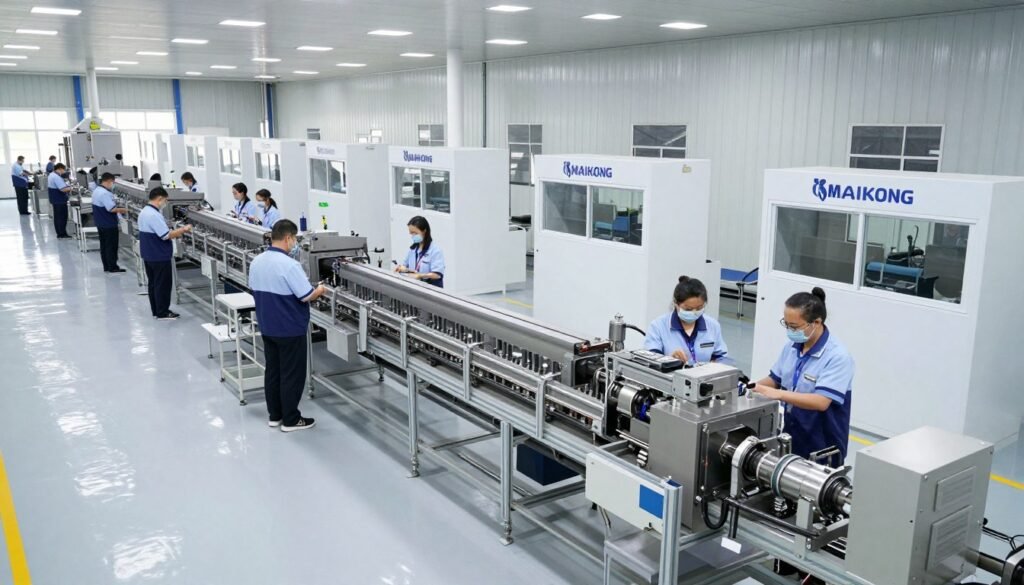
MAIKONG actively expands our UK distribution network to serve growing demand for reliable poultry feed production line and aquatic feed equipment. Our 22 years manufacturing experience serving 130 countries positions approved distributors for profitable growth in the British market.
Why UK Distributors Choose MAIKONG Partnership
Manufacturer Advantages
- 22 years production experience with documented reliability data
- Comprehensive product range: 200 kg/h to 200-tonne capacity systems
- Full OEM/ODM customization for UK market requirements
- European parts distribution network for rapid UK delivery
- Technical documentation translated to British English standards
- CE compliance and UK regulatory certification support
Distributor Support Infrastructure
- Comprehensive technical training programs (on-site and factory-based)
- Marketing materials customized for UK B2B market
- Competitive distributor pricing with protected territories
- After-sales technical support directly from factory engineers
- Spare parts consignment inventory options
- Joint customer visits for complex installations
Target UK Distribution Partners
MAIKONG seeks established distributors serving aquaculture operations, livestock feed producers, and industrial equipment markets. Ideal partners maintain technical service capabilities and existing customer relationships in animal nutrition or agricultural equipment sectors.
Ideal Distributor Profile
- Established presence in UK feed industry or agricultural equipment market
- Technical service capability with trained personnel
- Warehouse facilities for parts inventory management
- Existing customer base in aquaculture, livestock, or pet food production
- Financial capacity to maintain demonstration equipment and parts stock
- Commitment to technical training and customer support excellence
Partnership Requirements
- Minimum annual purchase commitment based on territory size
- Investment in technical training for sales and service staff
- Maintenance of critical spare parts inventory (supported by MAIKONG)
- Regular market feedback and customer satisfaction reporting
- Participation in factory training programs in China (expenses supported)
- Adherence to MAIKONG quality and service standards
Distribution Success Stories
Our European distribution network includes successful partnerships across Germany, Netherlands, France, and Spain. These partners report 40-60% year-over-year growth serving regional feed production markets. UK market demand parallels these regions with specific advantages in aquaculture and speciality feed segments.
MAIKONG provides comprehensive support for new distributors including initial customer identification, joint sales calls during launch period, and ongoing technical assistance. Partners gain exclusive territory rights with performance-based expansion opportunities.
Explore UK Distribution Partnership with MAIKONG
Join our growing European distribution network. Access proven equipment, comprehensive support, and a 22-year manufacturing heritage serving 130 countries.
Making Informed Capacity and Maintenance Decisions
Equipment specifications fill marketing brochures. Real performance comes from matching capacity to actual needs, implementing systematic maintenance, and training operators properly. The difference between profitable feed production and expensive disappointment lies in these unglamorous details.
UK feed operations face specific challenges. Energy costs demand efficiency. Humidity variations require moisture management. Supply chain changes necessitate parts inventory planning. Brexit logistics influence equipment selection toward manufacturers with European distribution infrastructure.
MAIKONG provides solutions addressing these UK-specific factors. Our Model MK-L003 and expanded capacity range delivers reliable performance across 200 kg/h to industrial-scale systems. Twenty-two years manufacturing experience translates to realistic specifications, achievable maintenance intervals, and honest capacity ratings.
The successful Scottish salmon installation demonstrates this approach. Proper capacity selection. Systematic operator training. Scheduled maintenance execution. The result: £2.75 per tonne maintenance cost versus industry averages of £4.20-£5.80. Over 400 tonnes annually, this represents £580-£1,220 savings while producing superior quality pellets.
Next Steps for UK Feed Producers
Whether you need equipment for a growing aquaculture operation or seek distribution partnership opportunities, MAIKONG offers proven solutions backed by documented performance data. Our UK-focused approach addresses market-specific requirements rather than offering generic international equipment.
Contact our technical team to discuss your specific capacity requirements, formula characteristics, and maintenance objectives. We provide realistic assessments based on actual UK installation performance rather than theoretical specifications.
Get Your Custom UK Production Line Assessment
MAIKONG technical specialists provide detailed capacity recommendations, maintenance cost projections, and ROI analysis specific to UK operating conditions. No obligation. No generic marketing materials. Just honest technical guidance based on 22 years of documented field performance.
+86 15815556422Phone / WhatsApp
Email: Lucy@feedproductionline.uk
Website: feedproductionline.uk
MAIKONG supports UK feed producers and distributors with equipment that delivers on promises, technical support that solves problems, and partnerships that grow together. Contact us to discuss how our 22 years of manufacturing experience can benefit your operation.