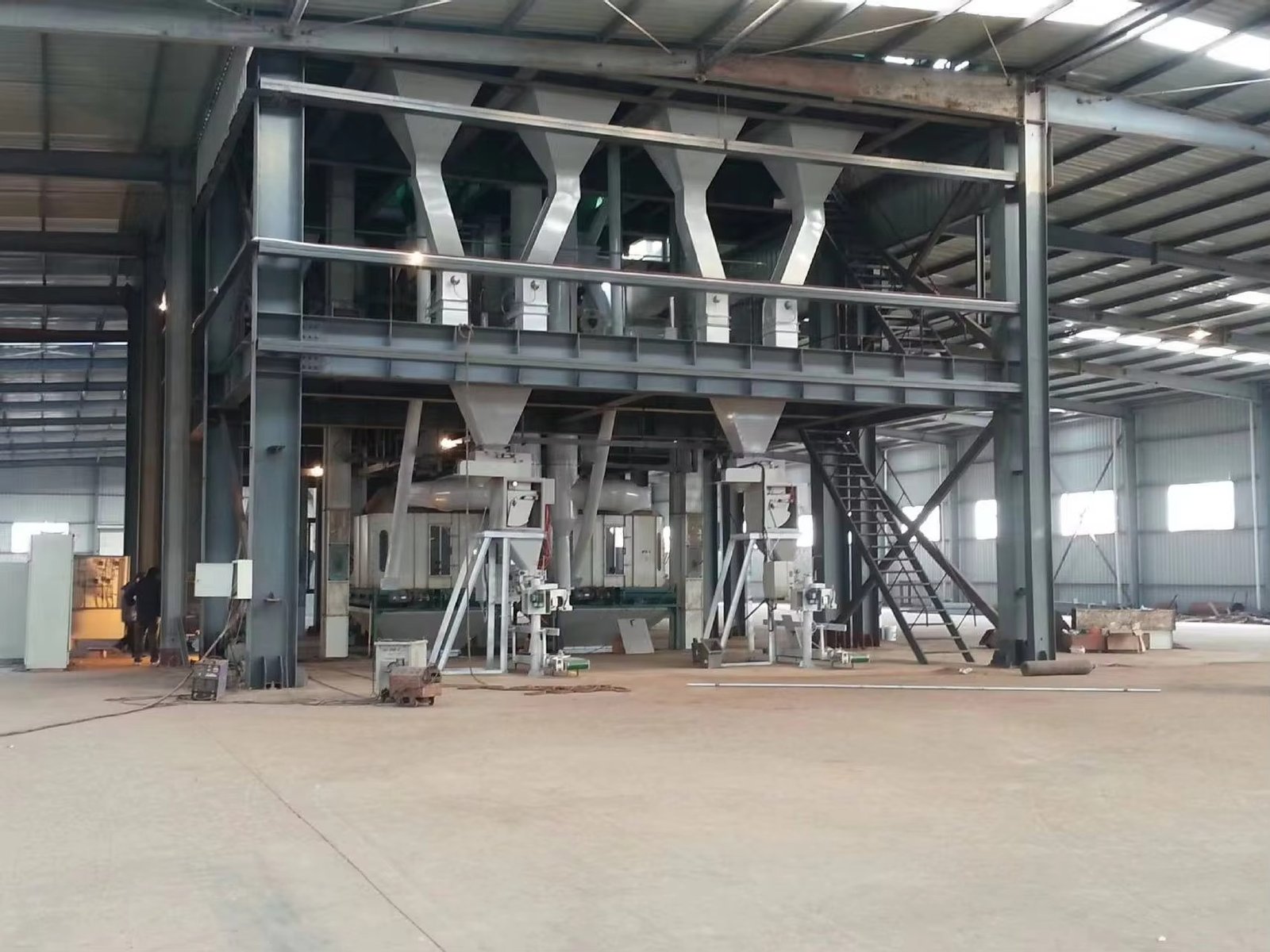
A Distributor’s View of Cattle Feed Pellet Production Line Manufacturer: Margin, Spare Parts and After-sales Risk
When a feed mill in Lincolnshire recently faced three days of unplanned downtime due to a failed pellet die, the financial impact exceeded £18,000 in lost production and emergency freight costs for replacement parts from China. This scenario repeats itself across the UK every month. For distributors and direct buyers evaluating a cattle feed pellet production line manufacturer, understanding the complete picture beyond initial equipment cost determines long-term profitability and operational reliability.
The UK market for animal feed production equipment faces unique challenges in 2024. Brexit has complicated supply chains, energy costs remain elevated, and farm consolidation drives demand for higher-capacity systems. Yet the conversation around equipment procurement still focuses heavily on upfront capital expenditure whilst underestimating the lifetime cost implications of maintenance, spare parts logistics, and manufacturer support quality.
UK Distributor & Agent Opportunity with MAIKONG
Established manufacturers seek qualified UK partners for feed production equipment distribution. Competitive margins, technical support, and comprehensive after-sales programme available for the right regional distributors.
This analysis draws from operational data across European installations, distributor margin structures, and maintenance records from cattle feed facilities ranging from 2 tonnes per hour to 25 tonnes per hour capacity. We examine the critical factors that separate profitable long-term equipment investments from costly operational headaches.
Understanding the True Cost Structure Beyond Purchase Price
A common procurement mistake involves focusing exclusively on the capital expenditure for a cattle feed pellet production line whilst underestimating operational expenses over the equipment’s working life. Industry data suggests the initial purchase represents only 35-40% of total ten-year ownership costs for most feed production line installations.
Breakdown of Ten-Year Total Cost of Ownership
Cost Category
Percentage of Total
Annual Average (5 TPH System)
Primary Variables
Initial Equipment Purchase
35-40%
N/A (one-time)
Capacity, automation level, customization
Routine Maintenance & Consumables
18-22%
£8,400-£12,200
Operating hours, material abrasiveness, maintenance discipline
Spare Parts & Replacements
15-20%
£6,800-£10,500
Component quality, parts availability, freight costs
Energy Consumption
12-16%
£5,200-£8,800
UK electricity rates, system efficiency, operating schedule
Unplanned Downtime
8-12%
£3,600-£6,400
Maintenance quality, parts logistics, technical support response
Labour for Operation & Maintenance
6-8%
£2,800-£4,200
Automation level, system complexity, staff skill level
For UK operators, energy costs deserve particular attention. A 5 TPH cattle feed pellet plant operating 2,000 hours annually typically consumes 140,000-180,000 kWh. At current UK industrial electricity rates averaging £0.31-£0.38 per kWh, annual energy expenditure can reach £43,400-£68,400 for larger installations.
The Hidden Cost of Downtime in Feed Production
Unplanned stoppages create cascading financial impacts beyond immediate lost production. When a pellet machine fails during peak autumn demand, consequences multiply rapidly.
Direct Downtime Costs
Lost production value (£250-£450 per hour for 5 TPH system)
Fixed overhead costs continue during stoppage
Labour costs for troubleshooting and repair
Emergency freight for replacement parts (£800-£2,400 from China)
A Somerset-based dairy feed producer documented their downtime costs over 18 months. Three separate failures of critical components resulted in combined downtime of 11 days. Total financial impact exceeded £64,000 when accounting for all direct and indirect costs. The equipment itself had cost £180,000 initially.
Critical Wear Components and Replacement Cycles in Cattle Feed Systems
Every feed pellet production line manufacturer uses consumable components that wear at predictable rates. Understanding these replacement cycles allows accurate budgeting and prevents surprise maintenance expenses.
Primary Wear Components in Cattle Feed Pellet Lines
Component
Typical Service Life
Replacement Cost (MK-L003)
Failure Warning Signs
Pellet Die (Ring Die)
800-1,200 operating hours
£2,400-£3,800
Declining throughput, increased fines, higher motor amperage, uneven pellet quality
Roller Shells
800-1,200 operating hours
£1,600-£2,200 (set of 2)
Excessive noise, vibration, visual surface deterioration, temperature rise
Hammer Mill Screens
600-900 hours
£180-£320
Inconsistent particle size, reduced throughput, increased energy draw
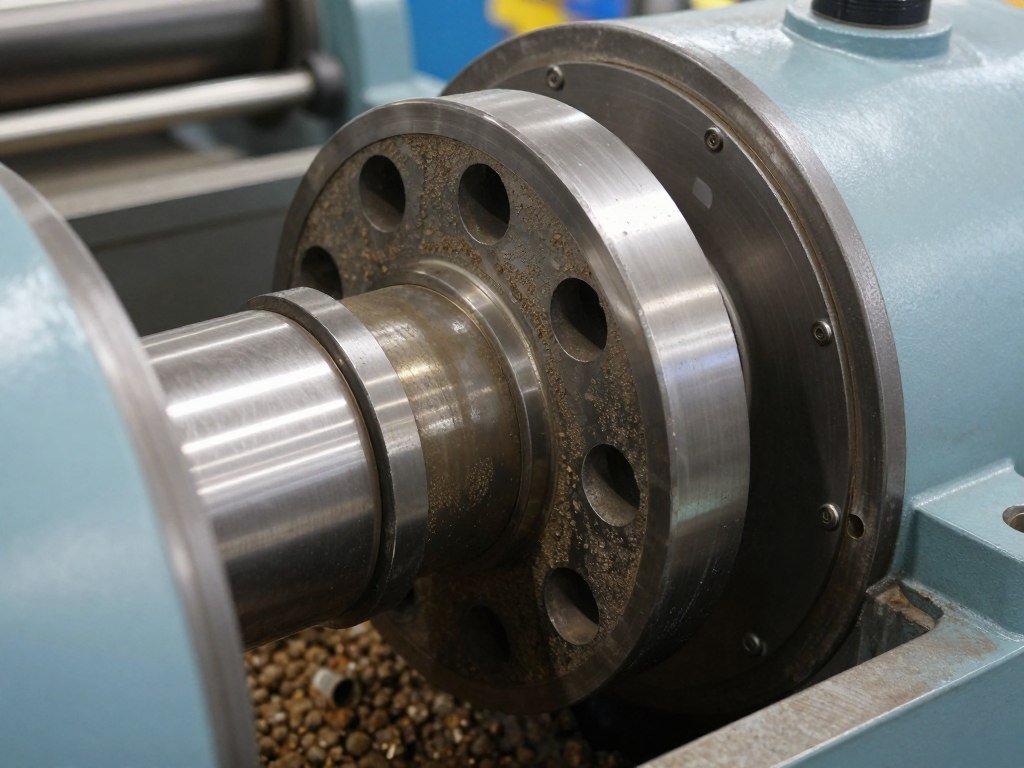
The pellet die and roller assembly represents the highest-cost consumable in any cattle feed pellet production line. Material composition significantly affects service life. Premium alloy steel dies can extend working hours by 30-45% compared to standard materials, though initial cost increases proportionally.
Variables Affecting Component Lifespan
Service life figures above assume typical cattle feed formulations with moderate abrasiveness. Several factors accelerate or extend component replacement intervals.
Material Characteristics
Abrasive ingredients like ground limestone or mineral supplements wear dies and screens more rapidly. Formulations exceeding 8% mineral content can reduce die life by 25-35%.
Operating Practices
Consistent feed formulation, proper conditioning temperature, and correct die compression ratio all influence wear rates significantly.
Maintenance Quality
Regular lubrication, alignment checks, and early intervention when warning signs appear can extend component life by 15-25%.
Environmental Conditions
Dust levels, ambient temperature, and humidity all affect component degradation rates in UK facilities.
Spare Parts Logistics and Inventory Strategy for UK Operations
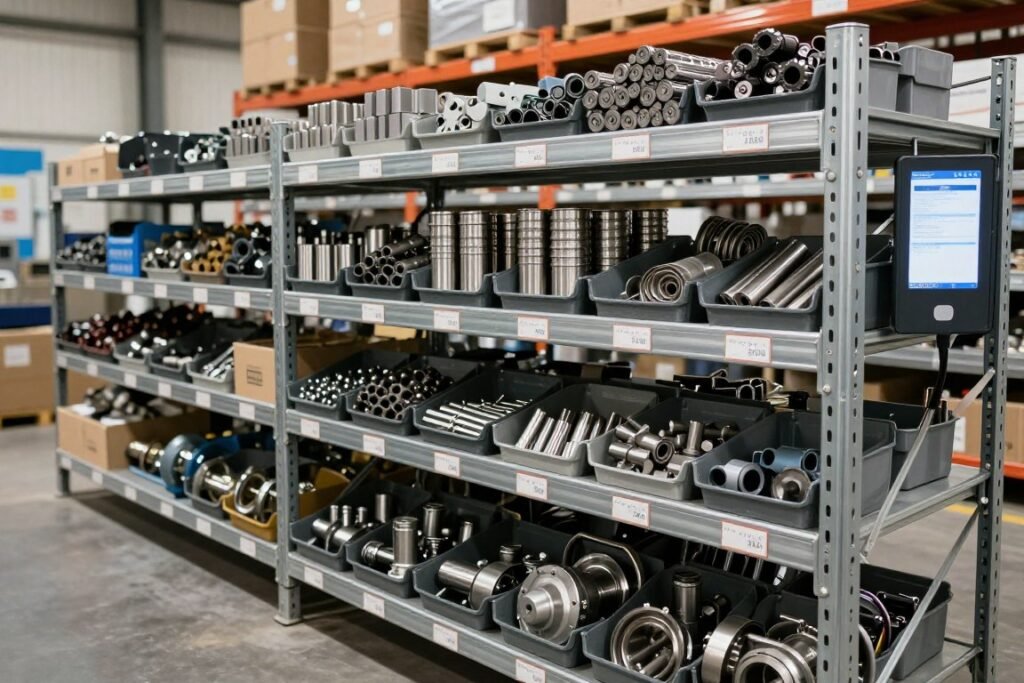
Geographic distance between UK feed mills and Chinese manufacturing bases creates inventory challenges. Balancing tied-up capital against downtime risk requires careful analysis of critical components, lead times, and failure probability.
Recommended Spare Parts Inventory for 5 TPH Cattle Feed System
Critical Spares (Keep On-Site)
One complete pellet die assembly
One set of roller shells
Two hammer mill screen sets
Complete hammer mill hammer set
Three sets of drive belts (main and auxiliary)
Conditioner steam seals (two sets)
Main motor contactors and overload relays
Control panel circuit breakers
Secondary Spares (Regional Distributor Stock)
Mixer ribbon blade assemblies
Cooler deck screen sections
Bucket elevator belts and buckets
Screw conveyor flights
Pneumatic valve assemblies
Bearing assemblies (standard sizes)
Electrical sensors and proximity switches
PLC input/output modules
Non-Critical (Order as Needed)
Structural guards and covers
Access platforms and handrails
Instrumentation cables
Standard fasteners and hardware
Paint and protective coatings
Inspection ports and sight glasses
Standard electrical components
Documentation and manuals
Total investment in recommended critical spares inventory for a 5 TPH system typically ranges from £12,800 to £18,500. This represents approximately 8-11% of equipment capital cost but can prevent downtime costs exceeding £50,000 annually.
Request Spare Parts Catalogue & Lead Time Schedule
MAIKONG maintains comprehensive spare parts inventory for all equipment models. UK distributors receive priority allocation and expedited shipping on critical components.
Regulatory changes since January 2021 have complicated spare parts logistics for equipment sourced outside the UK. Three specific challenges affect animal feed production line spare parts procurement.
Customs Documentation Requirements
All shipments require detailed commercial invoices, commodity codes, and country of origin declarations. Incomplete paperwork adds 3-5 days to clearance times.
HS commodity code classification for each component
Certificate of origin documentation
Safety data sheets for lubricants and chemicals
Value declaration for duty assessment
Duty and VAT Calculations
Most feed processing equipment components face 0-3.7% import duty, but VAT at 20% applies to the combined value of goods, shipping, and duty.
Standard 20% VAT on total landed cost
Potential duty rates of 0-3.7% depending on classification
Handling fees from freight forwarders (£75-£180)
Possible inspection fees for certain components
Shipping Time Variability
Express air freight from major Chinese manufacturing regions to UK typically requires 5-8 working days door-to-door, whilst economy sea freight extends to 35-45 days.
Air express: 5-8 working days (£18-£32 per kg)
Air economy: 8-14 working days (£8-£15 per kg)
Sea freight LCL: 35-45 days (£180-£340 per cubic metre)
Customs clearance adds 1-3 days to all methods
Strategic Stockholding Solutions
Working with a cattle feed pellet production line manufacturer that maintains UK or EU distributor stock eliminates most import delays for common components.
MAIKONG operates a structured spare parts programme with regional distribution centres. UK customers benefit from stockholding arrangements that maintain critical components within 24-48 hours delivery radius, significantly reducing emergency freight costs and downtime duration.
Preventive Maintenance Protocols to Minimize Unplanned Downtime
Systematic maintenance schedules dramatically reduce unexpected failures. Data from European installations shows facilities following structured protocols experience 60-75% fewer unplanned stoppages than those relying on reactive maintenance approaches.
Daily Operational Checks for Cattle Feed Pellet Systems
These inspections require 15-20 minutes and should occur before production start-up each day. Operators must document findings in maintenance logs.
Visual Inspection Points
Check all guarding is secure and properly positioned
Inspect drive belts for tracking, tension, and visible damage
Examine bearing housings for oil leakage or heat discoloration
Review pneumatic system pressure gauges (should be 5.5-6.5 bar)
Verify all emergency stop buttons function correctly
Operational Parameter Verification
Record main drive motor amperage during normal operation
Check conditioning temperature reaches 75-85°C within 5 minutes
These tasks require 2-3 hours of dedicated maintenance time and should occur during scheduled production breaks rather than disrupting operations.
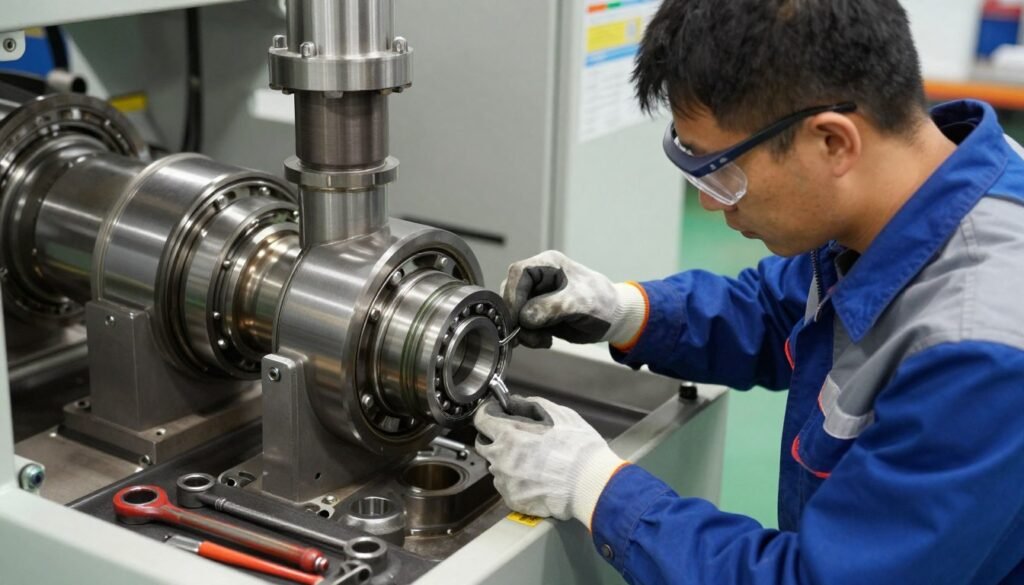
Pellet Die and Roller Inspection: Remove accumulation guard and visually inspect die surface and roller condition. Look for uneven wear patterns, blocked holes, or surface scoring. Clean any material buildup from feeder box area. Expected time: 25-30 minutes.
Hammer Mill Screen and Hammer Examination: Open access door and inspect screen for tears, holes, or excessive wear. Check hammer condition and rotation pattern. Verify all hammers swing freely without binding. Expected time: 20-25 minutes.
Mixer Inspection and Cleaning: Enter mixer chamber (following lockout-tagout procedures) and inspect ribbon or paddle condition. Remove any ingredient buildup on chamber walls or shaft. Check discharge gate seals for wear. Expected time: 35-45 minutes.
Drive System Inspection: Check all drive belt tensions using manufacturer specifications. Inspect sheaves for wear and proper alignment. Verify all set screws are secure. Measure belt temperatures during operation. Expected time: 30-35 minutes.
Electrical System Review: Inspect control cabinet for dust accumulation. Check all electrical connections for tightness. Review motor starter contacts for pitting or burning. Verify ground connections. Expected time: 20-25 minutes.
Dust Collection System Service: Empty or replace filter bags as needed. Check fan bearing temperature and vibration. Verify airflow rates meet design specifications. Inspect ductwork for leaks or damage. Expected time: 25-30 minutes.
Monthly Deep Maintenance Activities
Schedule these comprehensive checks during planned production downtime. Many facilities conduct monthly maintenance on the final weekend of each month.
Maintenance Activity
Equipment Component
Time Required
Special Tools/Materials
Complete die and roller removal, cleaning, measurement
Maintenance Record Keeping: Detailed documentation proves essential for warranty claims, insurance purposes, and troubleshooting recurring issues. Digital maintenance management systems now cost £40-£85 monthly and provide significant value through automated scheduling, parts inventory tracking, and historical analysis capabilities.
Evaluating Manufacturer Technical Support Models
When selecting a cattle feed production line manufacturer, the quality and accessibility of technical support often matters more than minor price differences. Three support models dominate the market, each with distinct advantages and limitations for UK operators.
Factory-Direct Support Model
Some manufacturers provide support exclusively from their home country facilities. This approach offers certain advantages but creates challenges for UK time zones and language preferences.
Advantages of Factory-Direct Support
Direct access to design engineers and product specialists
Comprehensive technical knowledge of all system components
Ability to authorize warranty coverage decisions quickly
Lower support costs reflected in equipment pricing
Consistent technical guidance across all customers
Limitations of Factory-Direct Support
Time zone differences delay real-time communication (China 7-8 hours ahead of UK)
Language barriers can complicate technical discussions
Cultural differences in communication directness and urgency
Limited understanding of UK-specific regulatory requirements
Regional Distributor Support Model
Manufacturers working through established UK or European distributors typically provide more accessible support. MAIKONG employs this model, combining factory expertise with local technical resources.
Distributor Support Capabilities
Quality distributors maintain technical staff with factory training and hands-on experience across multiple installations. Support typically includes telephone troubleshooting, on-site service visits, and parts supply coordination.
Response expectations for distributor support:
Telephone/email response: Within 4 working hours
Remote diagnostics session: Same or next working day
On-site service visit: Within 24-48 hours for emergencies
Routine service scheduling: Within 5-7 working days
Evaluating Distributor Technical Competence
Not all distributors provide equivalent support quality. Assess potential suppliers using these criteria:
Number of factory-trained technicians on staff
Geographic coverage area and travel time to your facility
Availability of 24/7 emergency support contact
Local spare parts inventory maintained
Customer references from similar-sized operations
Years of experience with the specific manufacturer
Ability to perform warranty repairs locally
Hybrid Support Model
The most effective arrangement combines local distributor first-response with factory escalation paths for complex issues. This structure provides immediate assistance whilst maintaining access to engineering expertise when needed.
Schedule a Technical Consultation with MAIKONG Engineering
Our UK-based technical team provides comprehensive support backed by 22 years of manufacturing experience. Discuss your specific operational challenges and maintenance concerns with qualified specialists.
Understanding Distributor Economics and Margin Structures
For potential UK distributors evaluating partnerships with feed production line manufacturers, comprehending the complete financial picture determines business viability. Equipment distribution involves more complexity than simple buy-sell margin calculations.
Typical Margin Structure in Feed Equipment Distribution
Gross margins on animal feed production line equipment typically range from 18% to 35% depending on system complexity, customization level, and competitive intensity in the region. However, substantial costs reduce net profitability significantly.
Financial Element
Percentage Range
Notes
Gross Equipment Margin
18-35%
Higher for customized systems, lower for standard configurations
Sales Commission (if applicable)
3-8%
For external sales representatives or agents
Pre-delivery Inspection & Testing
1.5-3%
Labour and facility costs for receiving/testing equipment
Installation Support
4-9%
Technical supervision, commissioning assistance, initial training
Warranty Reserve
2-4%
Provision for warranty service costs during guarantee period
A concrete example illustrates the economics. A distributor sells a 5 TPH cattle feed pellet production line for £165,000 including installation supervision and initial training. The manufacturer’s price to the distributor is £120,000.
Example Distribution Economics
Customer Price: £165,000
Distributor Cost from Manufacturer: £120,000
Gross Margin: £45,000 (27.3%)
Less Distribution Costs:
Sales commission (5%): £8,250
Pre-delivery inspection: £2,800
Installation support (2 technicians, 5 days): £6,200
Warranty reserve: £4,800
Working capital cost: £1,800
Marketing allocation: £4,200
Total Distribution Costs: £28,050
Net Operating Profit: £16,950 (10.3% of customer price)
Spare Parts Business Economics
Ongoing spare parts and consumables sales provide more attractive margins than equipment sales whilst requiring less working capital. Successful distributors build substantial parts businesses alongside equipment sales.
Parts Business Advantages
Higher gross margins (30-45% typical)
Faster inventory turnover (4-8 times annually)
Lower sales costs (existing customer base)
Recurring revenue from installed base
Less competitive pricing pressure
Smaller average transaction size reduces payment risk
Parts Business Requirements
Inventory investment (£15,000-£45,000 for comprehensive stock)
Technical knowledge to identify correct components
Efficient order processing and logistics
Strong relationship with manufacturer for replenishment
Systematic customer communication programme
Competition from direct factory purchases
Data from established European distributors shows spare parts and consumables typically contribute 25-40% of total revenue but 45-60% of net profit within three years of launching an equipment distribution business.
European Installation Case Study: Welsh Dairy Feed Producer
Examining a specific installation provides practical insights into equipment selection, implementation challenges, and operational outcomes. This case study follows a family-owned dairy feed operation in Carmarthenshire that upgraded from a 30-year-old 3 TPH system to a modern MAIKONG MK-L003 configuration rated at 6 TPH.
Project Background and Requirements
The operation serves 18 dairy farms across West Wales with custom cattle rations. Annual production volume reaches approximately 9,500 tonnes. The existing equipment suffered from unreliable performance, excessive energy consumption, and frequent breakdowns that damaged customer relationships.
Primary Objectives
Increase reliable capacity to 6 TPH
Reduce energy consumption per tonne
Improve pellet quality consistency
Minimize unplanned downtime
Specific Challenges
Limited installation window (14 days maximum)
Existing building height restrictions
Three-phase power upgrade required
Dust control system modernization
Budget Parameters
Total project budget: £185,000
Equipment: £142,000
Installation: £28,000
Building modifications: £15,000
Timeline Requirements
Equipment delivery: 12 weeks from order
Installation completion: 14 days
Commissioning: 3 days
Operator training: 5 days
Equipment Configuration Selected
The MK-L003 system included these major components configured specifically for dairy cattle feed production:
Steam conditioner: 90-second retention, jacketed design for consistent temperature
Ring die pellet mill: 132 kW main drive, 420mm die diameter, quick-change die system
Counter-flow cooler: 12 cubic metre capacity, automatic discharge
Packaging system: 10-50 kg bags, 8 bags per minute capacity
Control system: PLC-based with touchscreen interface, recipe management for 50 formulations
Dust collection: Central system serving all process points, 99.5% filtration efficiency
Implementation and Commissioning Experience
Equipment arrived in three shipments over a ten-day period. The installation team consisted of two MAIKONG technicians working alongside four local contractors coordinated by the UK distributor.
Key Challenge Encountered: Building headroom proved 400mm less than drawings indicated due to ceiling beam placement. The cooler discharge required re-engineering to fit within the available vertical space. MAIKONG engineering provided revised drawings within 18 hours, and local fabrication of modified components added three days to the schedule but remained within the 14-day installation window.
Commissioning revealed minor issues with the pneumatic control system requiring pressure regulator adjustment. Initial pellet quality met specifications after optimizing conditioning temperature and die compression settings for the specific formulation.
Operational Results After 18 Months
4.6
Overall System Performance
Production Capacity Achievement
4.6/5
Energy Efficiency vs. Old System
4.4/5
Pellet Quality Consistency
4.8/5
Reliability/Uptime
4.5/5
Technical Support Quality
4.7/5
Quantified outcomes after 18 months of operation demonstrate strong return on investment:
Performance Metric
Target
Actual Result
Annual Financial Impact
Production Capacity
6.0 TPH
5.8 TPH average
93% additional production vs. old system: +£142,000 revenue
Energy Consumption
28 kWh per tonne
26.4 kWh per tonne
£18,200 annual energy savings
Unplanned Downtime
Less than 2%
1.4%
£28,400 avoided lost production vs. old system (7.8% downtime)
Total quantified annual benefit reached £192,400 against a £185,000 total project investment, delivering payback in 11.5 months. The operation reports high satisfaction with both equipment performance and supplier support quality.
Lessons Learned and Recommendations
“The critical success factor was working with a manufacturer and distributor team that understood our specific operational constraints. The headroom issue could have derailed the entire project, but engineering support solved it within a day. That responsiveness proved the value of choosing an established supplier with proper UK representation rather than just buying on lowest price.”
— Operations Director, Welsh dairy feed producer
Key recommendations from this installation experience:
Verify all building measurements personally rather than relying on historical drawings, particularly ceiling heights and electrical service capacity.
Build three days of schedule contingency into installation timelines for unexpected issues.
Establish clear communication protocols between manufacturer technicians, local contractors, and distributor coordinators before mobilization.
Plan for 5-7 days of reduced production during commissioning rather than expecting immediate full capacity.
Invest in comprehensive operator training even if staff have experience with similar equipment; each manufacturer’s systems have unique characteristics.
Frequently Asked Questions About Cattle Feed Pellet Production Lines
What is the realistic lifespan of a quality cattle feed pellet production line with proper maintenance?
Well-maintained systems from reputable manufacturers typically deliver 15-20 years of productive service before major rebuilding becomes necessary. The pellet mill itself often requires refurbishment or replacement at 12-15 years, whilst support equipment like mixers, conveyors, and packaging systems can last 20-25 years. Critical factors affecting lifespan include maintenance discipline, operating hours per year, material abrasiveness, and environmental conditions. Systems operating in high-dust environments or processing highly abrasive mineral-supplemented feeds experience faster wear. MAIKONG equipment in European installations averages 18 years before major capital investment becomes necessary, with several systems exceeding 22 years through systematic component replacement programmes.
How does pellet die hole diameter and pattern affect cattle feed quality and production efficiency?
Die configuration significantly influences both product characteristics and manufacturing efficiency. For cattle feed, common die hole diameters range from 4mm to 8mm depending on animal age and feeding system. Larger holes (6-8mm) suit mature cattle and reduce production energy by 15-20% compared to smaller diameters, but create pellets that may be too large for young calves. Die hole depth (compression ratio) typically runs 8:1 to 12:1 for cattle feeds; higher ratios produce denser, more durable pellets but increase motor load and wear rates. Hole pattern density affects throughput capacity – dies with 8-10mm hole spacing produce 20-30% more output than those with 12-15mm spacing, but wear faster due to reduced land area between holes. MAIKONG engineering assists customers in selecting optimal die specifications based on specific formulation characteristics and production objectives.
What conditioning temperature and moisture targets work best for cattle feed pelleting?
Optimal conditioning parameters depend on formulation composition, but most cattle feeds perform best with mash temperature of 75-85°C entering the pellet mill and moisture content of 15-16.5% during pelleting. Steam conditioning serves multiple purposes: it gelatinizes starches for binding, softens fibrous materials for better compaction, and reduces the energy required for extrusion through the die. Insufficient conditioning (below 70°C or under 14% moisture) results in poor pellet durability, excessive fines production, and increased die wear. Excessive conditioning (above 90°C or over 18% moisture) can denature heat-sensitive nutrients and produces pellets that are difficult to cool and prone to mould during storage. Temperature uniformity matters as much as average temperature – variation exceeding ±3°C indicates poor steam distribution or conditioning retention time issues requiring adjustment.
How much electrical power capacity does a complete cattle feed pellet production line require?
Total connected load varies with system capacity and configuration, but typical requirements for complete lines are: 2 TPH system requires 85-110 kW connected load (main pellet mill 37-55 kW); 5 TPH system requires 180-230 kW connected load (main pellet mill 90-132 kW); 10 TPH system requires 340-420 kW connected load (main pellet mill 185-250 kW). These figures include hammer mill, mixer, pellet mill, cooler fans, conveyors, and auxiliary equipment. Actual operating load typically runs 65-75% of connected load depending on formulation density and hardness. UK installations must account for three-phase 400V supply, though MAIKONG can configure equipment for other voltage standards if required. Power factor correction equipment often proves cost-effective for larger installations, reducing demand charges by 8-15% and improving electrical system efficiency.
What are the implications of importing Chinese-manufactured equipment post-Brexit for UK buyers?
Since January 2021, UK imports from China face additional administrative requirements but remain commercially viable. Key considerations include customs documentation (HS codes, origin certificates, commercial invoices require accuracy to avoid clearance delays), duty assessment (most feed processing equipment components carry 0-3.7% duty rates; verify specific classifications), VAT application (20% VAT applies to combined value of goods, shipping, insurance, and duty), and clearance timing (proper documentation enables 1-2 day customs clearance; errors can extend this to 5-8 days). Working with experienced freight forwarders minimizes complications. MAIKONG’s UK distributor network handles import procedures for customers, including documentation preparation and customs liaison. For ongoing spare parts, having a UK-based distributor maintaining stock eliminates most import delays and simplifies procurement significantly. The regulatory changes have not materially affected equipment costs when working through established distribution channels.
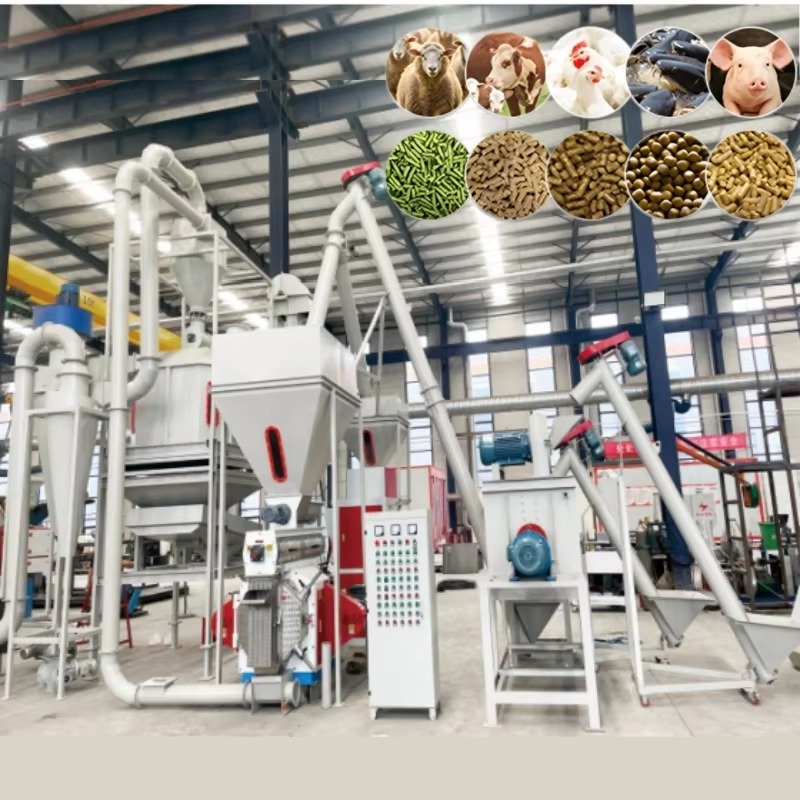
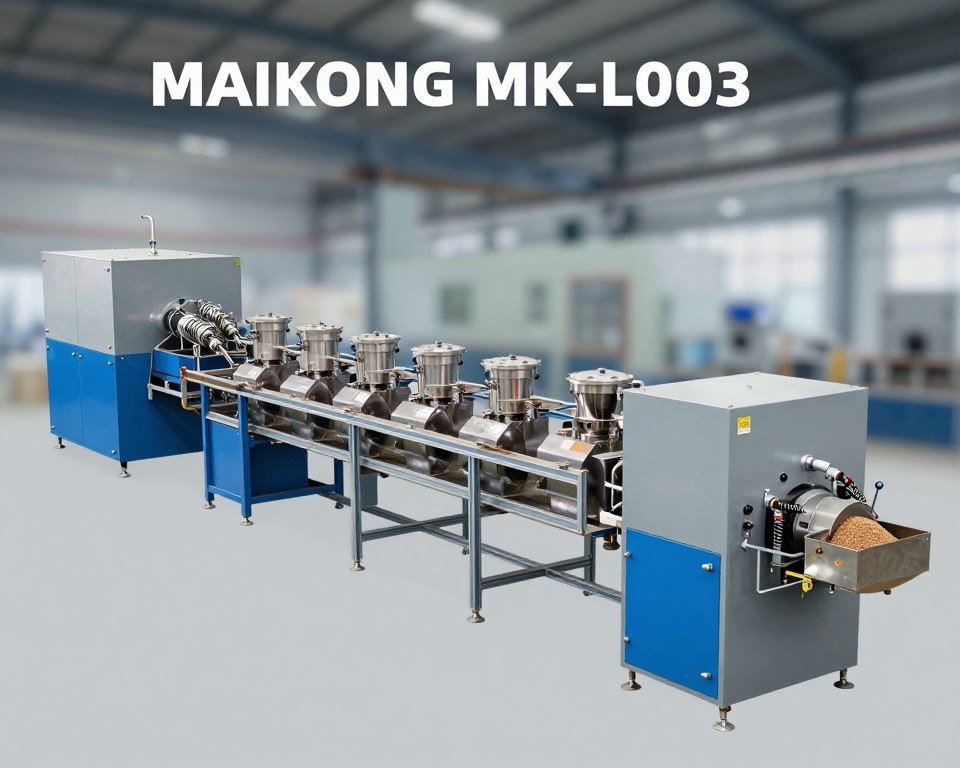
MAIKONG MK-L003 Cattle Feed Pellet Production Line Specifications
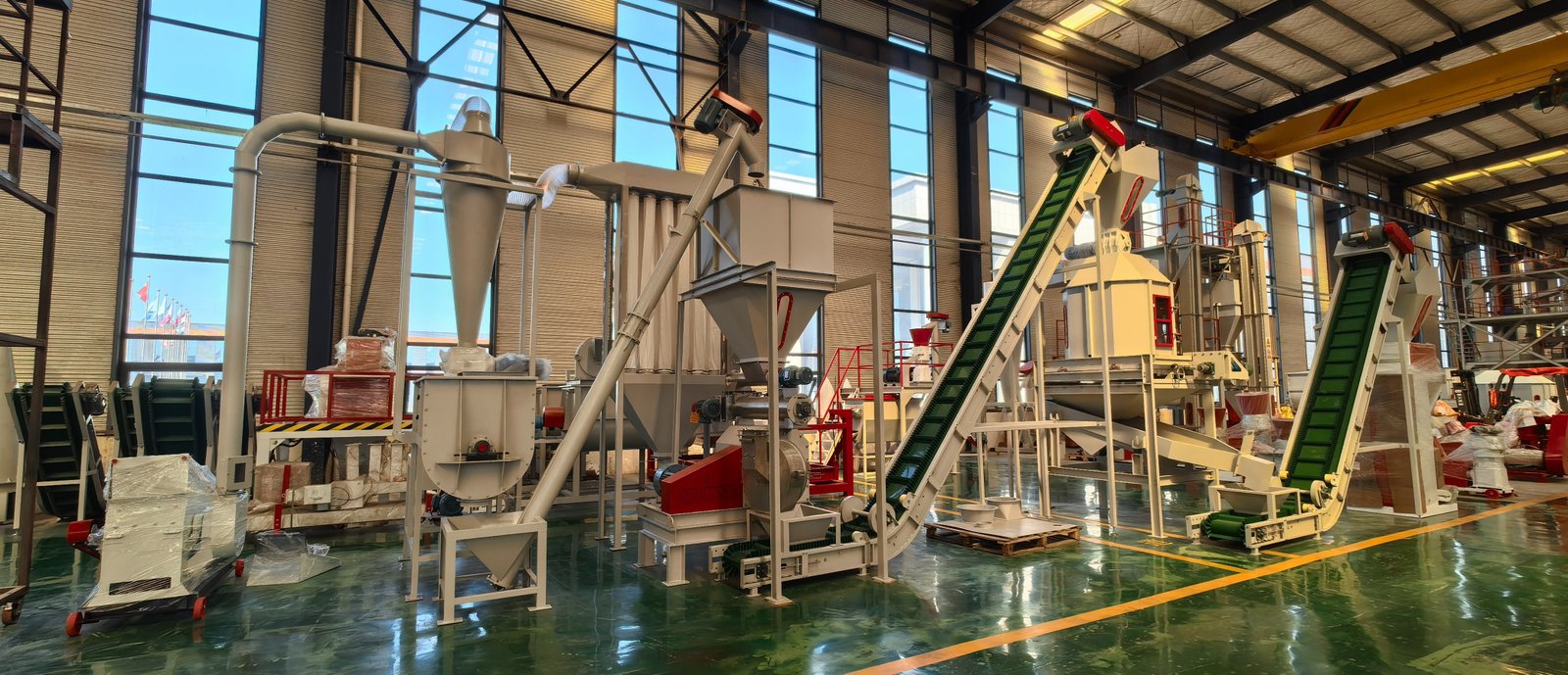
The MK-L003 represents MAIKONG’s purpose-designed configuration for medium-capacity cattle feed production. This system balances production capability, operational efficiency, and capital cost for operations producing 8,000-15,000 tonnes annually.
Technical Specifications – MK-L003 System
Specification Category
Parameter
Value/Range
Overall System
Model Number
MK-L003
Production Capacity
4-6 TPH (tonnes per hour)
Control Mode
Automatic / Semi-Automatic / Manual
Hammer Mill
Main Motor Power
55 kW (75 HP)
Rotor Speed
2,950 RPM
Screen Options
3mm, 4mm, 6mm, 8mm (interchangeable)
Capacity
5-7 TPH (depending on screen size and material)
Vertical Mixer
Batch Capacity
1,500 kg
Motor Power
15 kW
Mixing Time
4-6 minutes (CV ≤ 5%)
Discharge Type
Pneumatic slide gate
Material
Stainless steel contact surfaces
Ring Die Pellet Mill
Main Motor Power
132 kW (177 HP)
Die Diameter
420 mm
Die Speed
Variable 280-350 RPM
Pellet Diameter Options
4mm, 5mm, 6mm, 8mm
Production Capacity
4-6 TPH (cattle feed formulations)
Drive Type
Belt drive with overload clutch protection
Counter-flow Cooler
Cooling Capacity
5-7 TPH
Cooling Area
12 cubic metres
Fan Motor
7.5 kW
Discharge Temperature
Ambient +5-8°C
Packaging System
Bag Size Range
10-50 kg
Packing Speed
6-8 bags per minute
Accuracy
±0.2% (static weighing)
Physical Dimensions
Overall Length
18.5 metres
Overall Width
8.2 metres
Overall Height
9.8 metres (including top bin discharge)
Total System Weight
Approximately 28,500 kg
Electrical Requirements
Total Connected Load
220 kW
Operating Voltage
400V, 3-phase, 50Hz (UK standard) or customizable
Control System
Siemens PLC with 10-inch touchscreen HMI
Standard Features and Options
Standard Equipment Includes
Dust collection system (99.5% efficiency)
Magnetic separator before pellet mill
Emergency stop system (5 locations)
Automatic lubrication system
Recipe management (50 formulations)
Production monitoring and logging
Spare parts kit (3 months operation)
Common Optional Upgrades
Liquid addition system (molasses, oils)
Automatic bag sewing and palletizing
Remote monitoring capability
Premium alloy steel pellet die
Steam boiler integration
Bulk loadout system
Laboratory pellet quality tester
Customization Capabilities
Voltage/frequency adaptation
Building footprint optimization
Capacity scaling (200kg-200T/H range)
Material contact surface specifications
Control system language options
Color scheme matching
OEM branding available
Pricing and Commercial Terms
The MK-L003 system carries a base price of £138,000-£156,000 FOB Chinese port depending on specification options selected. This pricing includes standard features, factory testing, and English-language documentation. Installation supervision, commissioning support, and operator training can be arranged separately or as part of a complete turnkey package.
International Freight: £8,400 (sea freight, approximate)
UK Import Duty (2.7% average): £3,920
VAT (20% on total): £31,464
Total Landed Cost: £188,784
Installation & Commissioning: £18,000-£28,000 (depending on site conditions)
Complete Installed Price Range: £206,784-£216,784
MAIKONG offers flexible payment terms for qualified buyers, typically 30% deposit with order, 60% upon shipment readiness, and 10% after successful commissioning. Equipment lead time from order confirmation to shipment readiness averages 10-12 weeks for standard configurations.
UK Distributor and Agent Programme with MAIKONG
MAIKONG actively seeks qualified distribution partners throughout the United Kingdom to expand our feed production line market presence and provide superior local support for customers. Our distributor programme offers comprehensive support whilst maintaining attractive commercial terms for committed partners.
Ideal Distributor Profile
We seek partners with existing relationships in the UK agricultural equipment or animal feed sectors who can leverage our product range whilst providing quality technical support. Ideal characteristics include:
Business Capabilities
Established presence in agricultural equipment or feed industry
Technical staff with mechanical or agricultural engineering background
Ability to provide installation supervision and commissioning support
Financial capacity for inventory investment (£25,000-£60,000)
Existing customer relationships in feed manufacturing or livestock sectors
Workshop or service facility for equipment preparation
Market Coverage
Geographic territory with minimum 200 commercial feed operations
Strong relationships with farm cooperatives or buying groups
Access to livestock industry networks and trade associations
Participation in regional agricultural shows and exhibitions
Digital marketing capability (website, social media presence)
Willingness to attend factory training programmes in China or Europe
Distributor Support Programme
MAIKONG provides comprehensive backing to ensure distributor success. Our 22-year manufacturing experience informs support structures designed to enable effective market development.
Technical Training
Five-day intensive factory training programme (China or EU location)
Comprehensive technical manuals and service documentation
Online technical resource library with troubleshooting guides
Quarterly product update webinars
Direct access to engineering team for complex issues
Marketing Support
Professional product photography and technical specifications
Customizable brochures and presentation materials
Case study documentation from European installations
Trade show support (booth materials, technical specialists)
Co-operative advertising programmes available
Commercial Terms
Competitive distributor pricing with volume incentives
Protected territory agreements for qualified partners
Reasonable minimum order commitments
Spare parts stocking support and return privileges
Demonstration equipment programmes for qualified territories
OEM and Private Label Opportunities
Beyond standard distribution, MAIKONG offers comprehensive OEM and private label manufacturing for qualified partners. This allows established brands to expand product offerings without capital investment in manufacturing facilities.
OEM capabilities include custom color schemes, branded control panels, specification modifications, and complete rebranding of equipment. Minimum order quantities and specific requirements vary by customization extent; contact our OEM team for detailed discussion of your requirements.
Explore MAIKONG UK Distribution Partnership Opportunities
We invite qualified agricultural equipment distributors, feed industry specialists, and established commercial organizations to discuss partnership possibilities. Our distributor programme combines attractive margins with comprehensive support structures that enable successful market development.
Choosing a cattle feed pellet production line manufacturer requires analysis extending far beyond initial capital cost. The total cost of ownership over a system’s working life depends critically on component quality, spare parts availability, technical support responsiveness, and the manufacturer’s long-term commitment to the UK market.
For distributors evaluating partnership opportunities, the economics extend beyond simple equipment margins. Successful distribution businesses build recurring revenue through spare parts supply, service contracts, and repeat equipment sales to satisfied customers. This requires manufacturer partners who support distributors with comprehensive technical training, responsive engineering backup, and fair commercial terms that enable profitable growth.
MAIKONG’s 22-year manufacturing history demonstrates sustained commitment to product quality and customer support. Our UK distributor network provides local technical resources whilst maintaining direct factory connection for complex engineering support. This hybrid model delivers responsive service without compromising access to manufacturer expertise.
Next Steps for Equipment Buyers
If you operate a cattle feed production facility and are evaluating equipment upgrades or capacity expansion:
Request detailed specifications and pricing for systems matching your capacity requirements
Arrange facility visits to operating installations in the UK or nearby European countries
Discuss your specific formulations and production objectives with technical specialists
Obtain comprehensive spare parts catalogues and replacement schedules
Clarify warranty coverage, technical support response commitments, and training provisions
Next Steps for Potential Distributors
If you represent an established organization exploring feed production line distribution opportunities:
Schedule a detailed discussion regarding your market coverage and customer base
Review our complete product range across poultry, livestock, aquaculture, and pet feed systems
Discuss commercial terms, territory protection, and support programme details
Arrange factory visit to assess manufacturing capabilities and quality systems
Develop a mutual business plan for successful market development
MAIKONG welcomes enquiries from serious buyers and qualified distribution partners. Our team responds to all technical and commercial questions with the detailed information needed to make informed decisions.
Contact MAIKONG for Detailed Information
Whether you require equipment specifications, technical consultation, spare parts information, or wish to discuss distribution partnership possibilities, our team stands ready to assist with comprehensive information and responsive communication.
Our technical and commercial teams maintain office hours aligned with UK business schedules, ensuring convenient communication for British customers and partners. We look forward to discussing how MAIKONG equipment and partnership opportunities can support your business objectives in the UK animal feed production sector.