
A Distributor’s View of Cattle Feed Pellet Production Line Guide: Margin, Spare Parts and After-sales Risk
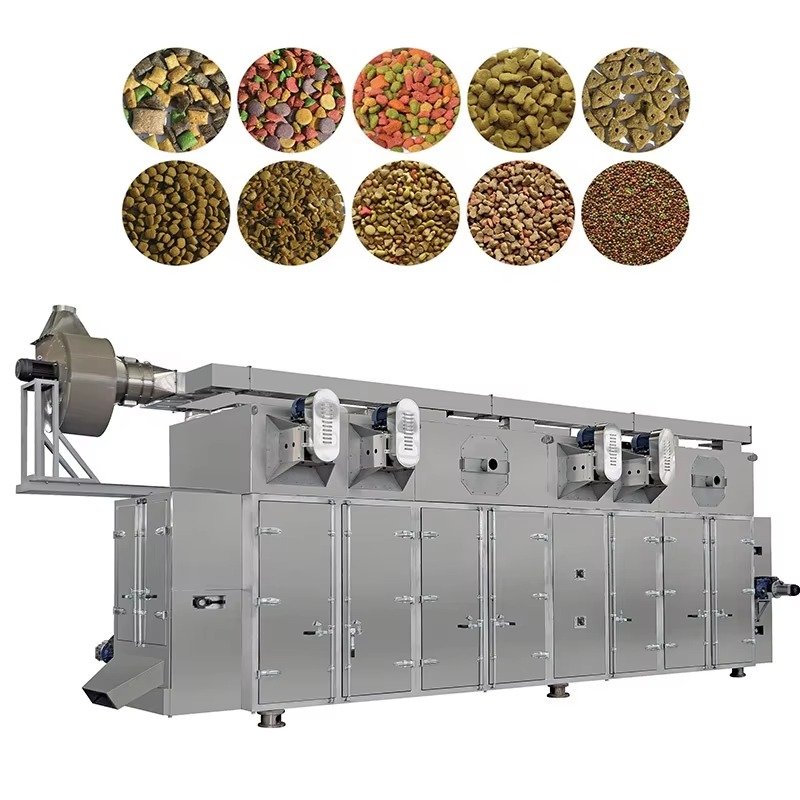
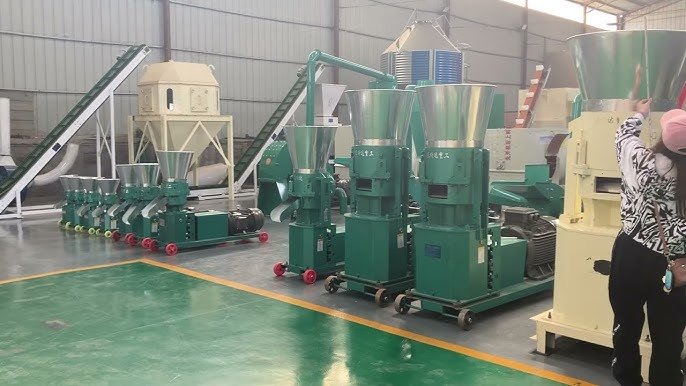
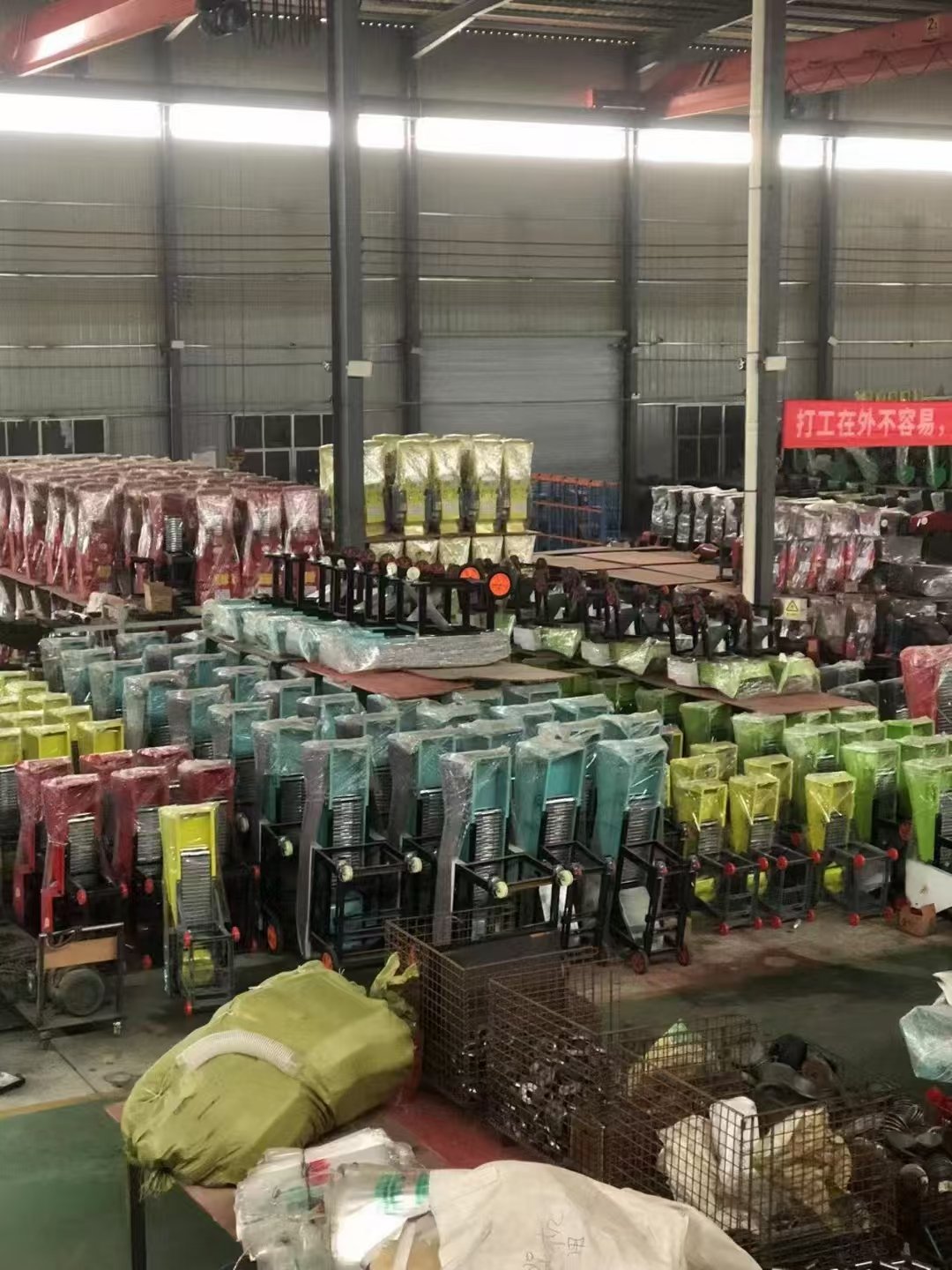
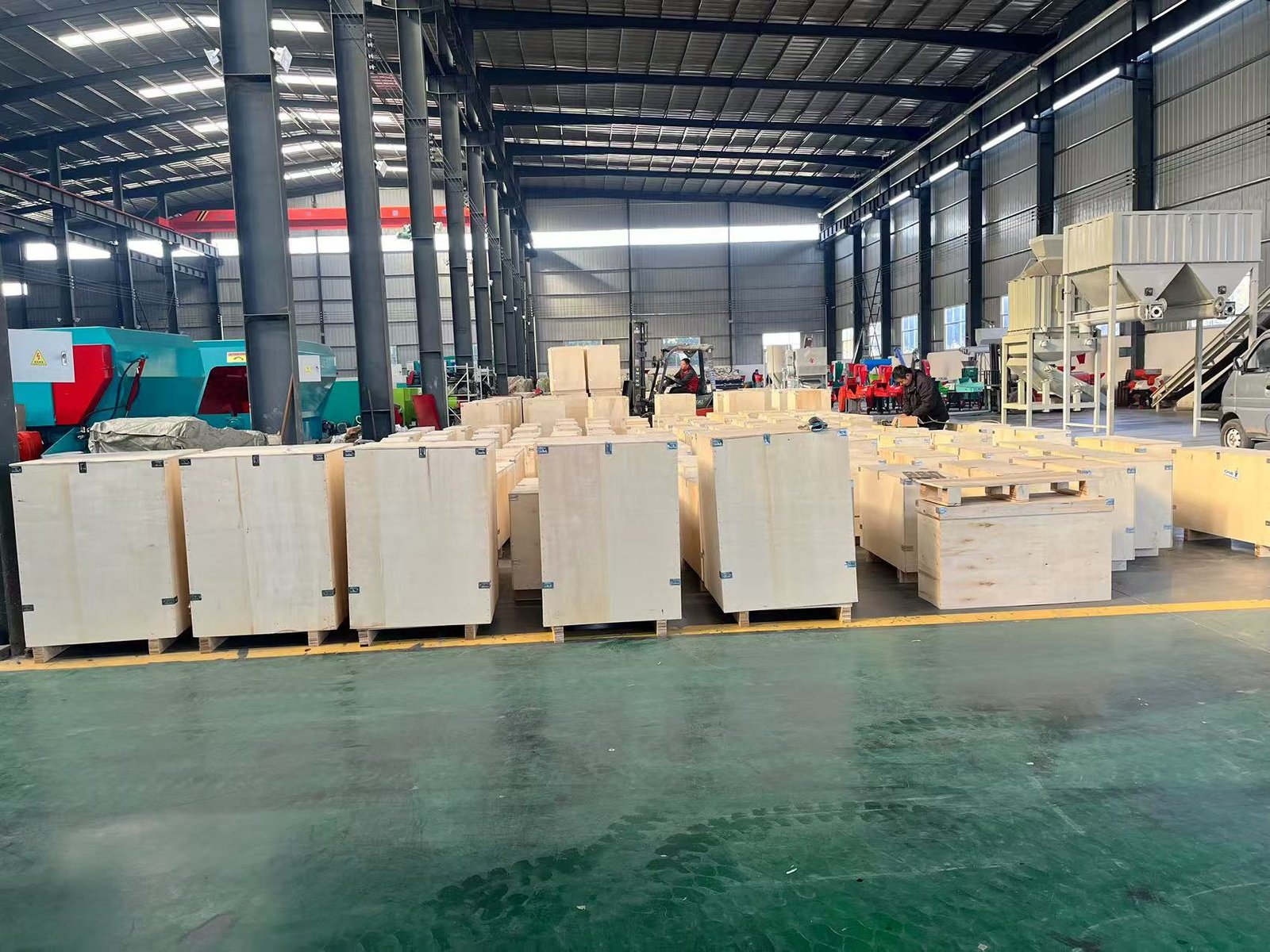
Running a cattle feed production line involves more than purchasing equipment and starting production. The hidden costs emerge months after installation when your first pellet die needs replacement or a bearing fails at 2 AM during peak season.
This guide examines cattle feed pellet production from a distributor’s perspective. We discuss the realities UK importers face regarding margins, spare parts availability, and after-sales support.
Most manufacturers present polished brochures showing pristine production lines. Few discuss what happens when your hammer mill screen cracks or your pellet cooler fan motor burns out.
MAIKONG has supplied animal feed production line equipment across 130 countries over 22 years. This experience taught us that honest conversations about maintenance costs and spare parts logistics build stronger partnerships than sales pitches alone.
The Maintenance Reality Nobody Discusses in Sales Meetings
Equipment salespeople focus on throughput capacity, energy efficiency, and automation features. Maintenance costs receive brief mentions, usually buried in technical appendices.
A 5-ton-per-hour cattle feed pellet production line operates roughly 5,000 hours annually in typical UK operations. This generates considerable wear on critical components.
Component Lifespan in Real-World Conditions
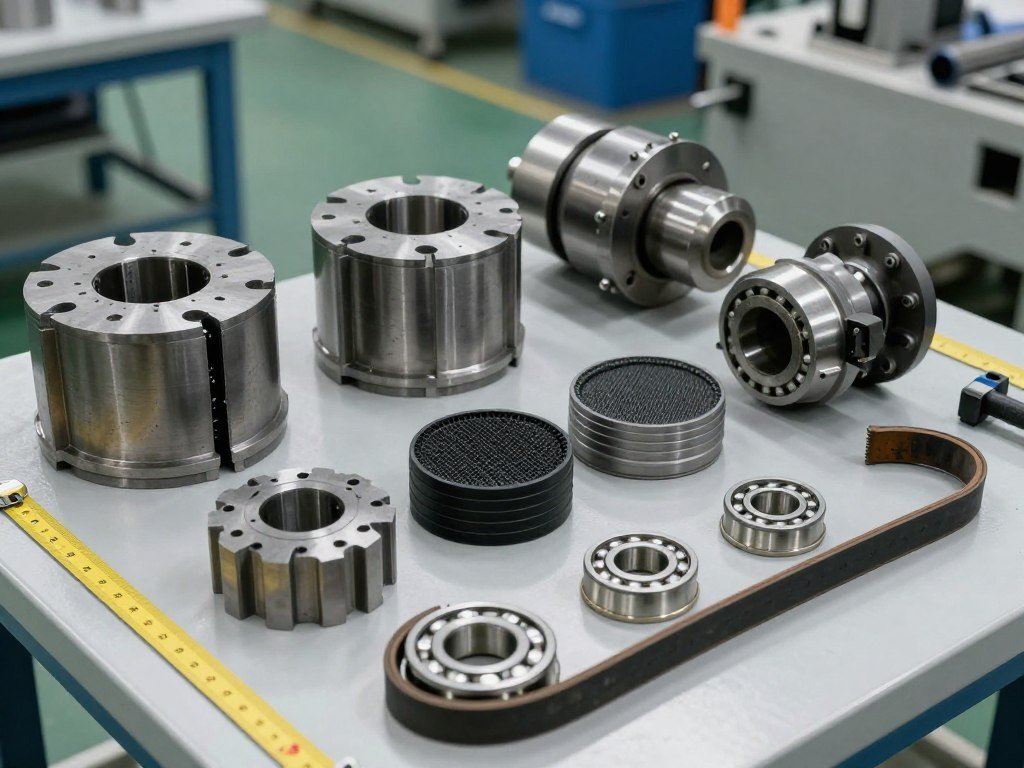
The following table shows typical replacement intervals for key components based on actual UK feed mill operations:
| Component | Expected Lifespan (Hours) | Replacement Cost (GBP) | Annual Frequency |
| Pellet Die | 1,200-1,500 | £850-£1,400 | 3-4 times |
| Roller Shells | 1,500-2,000 | £600-£950 | 2-3 times |
| Hammer Mill Screens | 800-1,000 | £180-£280 | 5-6 times |
| Main Bearings | 8,000-10,000 | £320-£580 | 0.5-1 times |
| Drive Belts | 3,000-4,000 | £95-£165 | 1-2 times |
| Cooler Fan Motor | 15,000-20,000 | £420-£680 | 0.25 times |
These figures assume proper lubrication schedules and operation within design parameters. Neglected maintenance reduces component life by 30-50%.
Hidden Downtime Costs
Component failure costs extend beyond part replacement. A 5-ton-per-hour line produces roughly 40 tonnes daily. Unplanned downtime costs accumulate quickly:
- Lost production value: £800-£1,200 per day (depending on feed type and margins)
- Rush delivery charges for emergency spare parts: £150-£400 from China to UK
- Overtime labour for weekend/evening repairs: £400-£800 per incident
- Customer delivery delays and potential penalties: Variable but significant
- Production line inefficiency during restart and adjustment: 2-3 days at reduced capacity
A Yorkshire feed mill operator shared that their single pellet die failure during peak cattle feeding season cost £4,800 in total losses. The die itself cost only £1,100.
This demonstrates why spare parts strategy matters more than initial equipment purchase price.
Spare Parts Economics for UK Distributors
Distributors face a challenging balancing act. Stock too few spare parts and customers suffer downtime. Stock too many and working capital gets tied up in slow-moving inventory.
The True Cost Structure
When evaluating cattle feed pellet production line suppliers, examine the complete spare parts cost structure:
Manufacturer Component Costs
Factory pricing from Chinese manufacturers typically represents 35-45% of UK retail pricing. A pellet die retailing at £1,200 in the UK costs approximately £420-£540 from the factory.
However, this baseline cost excludes several critical factors that affect total landed cost and margin viability.
Complete Landed Cost Analysis
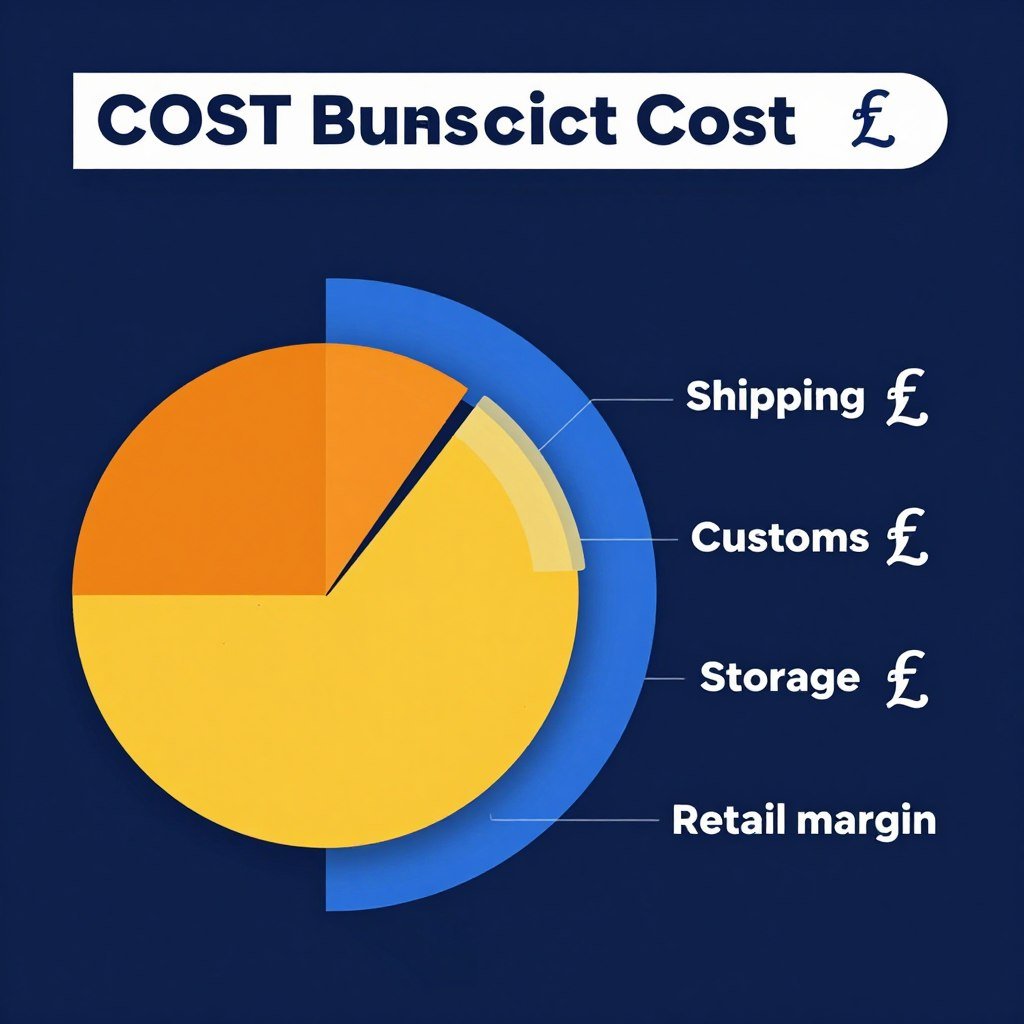
The following breakdown shows realistic costs for a £1,200 retail pellet die:
Cost Components
- Factory cost: £480 (40%)
- International shipping: £85 (7%)
- UK customs duty: £48 (4%)
- VAT (paid by end customer): £204 (17%)
- Storage and handling: £36 (3%)
- Distributor margin: £347 (29%)
Margin Protection Strategies
- Negotiate volume discounts at 100+ unit orders
- Consolidate shipments to reduce per-unit freight costs
- Stock high-turnover items only
- Offer maintenance contracts for predictable revenue
- Partner with manufacturers offering consignment stock
Risk Factors
- Exchange rate fluctuation (GBP/CNY)
- Shipping delays affecting customer satisfaction
- Inventory obsolescence for slow-moving parts
- Competition from direct-import customers
- Warranty claim processing complexity
MAIKONG addresses these distributor concerns through several mechanisms. Our UK distributor programme includes consignment stock arrangements for high-turnover components. This reduces distributor capital requirements whilst ensuring parts availability.
We also maintain a 48-hour emergency parts shipment commitment for critical components. This allows distributors to carry minimal safety stock without risking customer downtime.
Download UK Spare Parts Price List
Access our comprehensive spare parts catalogue with UK distributor pricing, availability timelines, and technical specifications. Includes margin analysis tools for business planning.
Maintenance Protocols That Actually Prevent Breakdowns
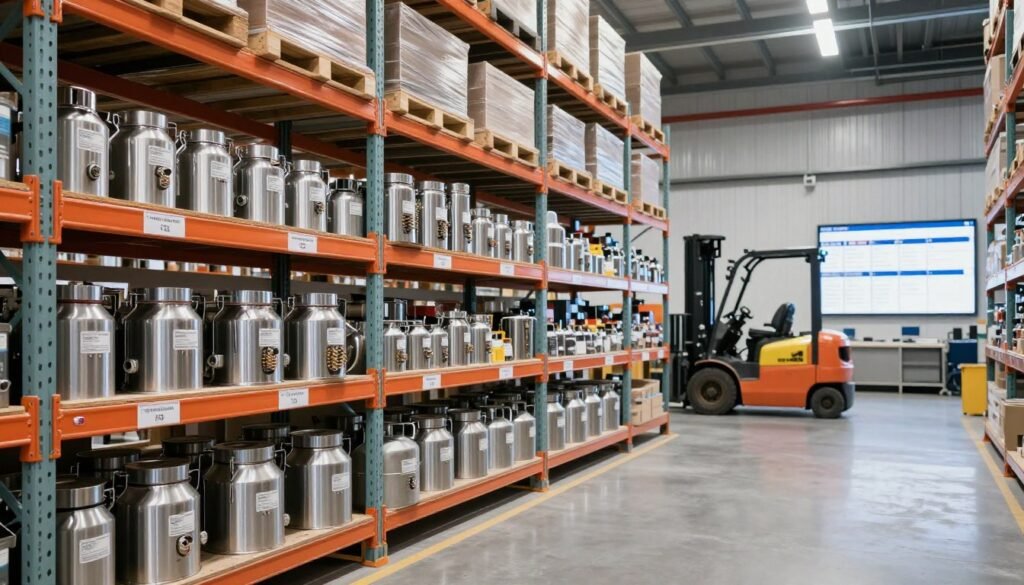
Manufacturers provide maintenance schedules in equipment manuals. Few operators follow them consistently. The gap between recommended maintenance and actual practice causes most premature failures.
Critical Daily Checks (15 Minutes)
These daily inspections prevent 60-70% of unplanned downtime:
- Pellet die inspection – Check for cracks, uneven wear patterns, or blockages in die holes. A small crack detected early prevents catastrophic die failure.
- Bearing temperature monitoring – Touch test main bearings on pellet mill and hammer mill. Temperatures exceeding 70°C indicate lubrication issues or bearing degradation.
- Drive belt tension – Proper tension allows 12-15mm deflection when pressed at belt centre. Loose belts cause slippage and overheating.
- Cooler airflow verification – Reduced cooling efficiency indicates fan motor issues or blocked air passages. This causes pellet quality problems before complete failure.
- Unusual noise identification – New grinding, rattling, or knocking sounds signal developing problems. Address immediately rather than waiting for failure.
Weekly Maintenance Tasks (45-60 Minutes)
Lubrication Points
- Pellet mill main shaft bearings – high-temperature lithium grease
- Roller shell bearings – specialized feed mill bearing grease
- Hammer mill rotor bearings – general-purpose bearing grease
- Mixer shaft bearings – food-grade lubricant if required
- Screw conveyor bearings – light machine oil
- Bucket elevator drive and tension bearings – general grease
Visual Inspections
- Electrical connections for corrosion or looseness
- Pneumatic lines for leaks or damage
- Structural mounts and bolts for loosening from vibration
- Dust collection system for blockages or wear
- Control panel displays for error codes or warnings
- Safety interlocks and emergency stop functionality
Monthly Deep Maintenance (4-6 Hours)
Schedule these tasks during planned downtime to avoid emergency stops:
| Task | Equipment | Time Required | Critical Notes |
| Die and roller disassembly and deep clean | Pellet Mill | 90 minutes | Remove buildup that reduces pellet quality |
| Hammer mill screen replacement assessment | Hammer Mill | 45 minutes | Replace before holes exceed 110% of design size |
| Cooler distribution plate cleaning | Pellet Cooler | 60 minutes | Ensures even airflow across pellet bed |
| Mixer paddle and ribbon wear measurement | Mixer | 30 minutes | Replace when clearance exceeds 6mm |
| Electrical cabinet cleaning and inspection | Control System | 45 minutes | Dust causes overheating and component failure |
| Calibration verification of weighing and batching systems | Batching System | 60 minutes | Ensures feed formulation accuracy |
Quarterly Professional Inspections
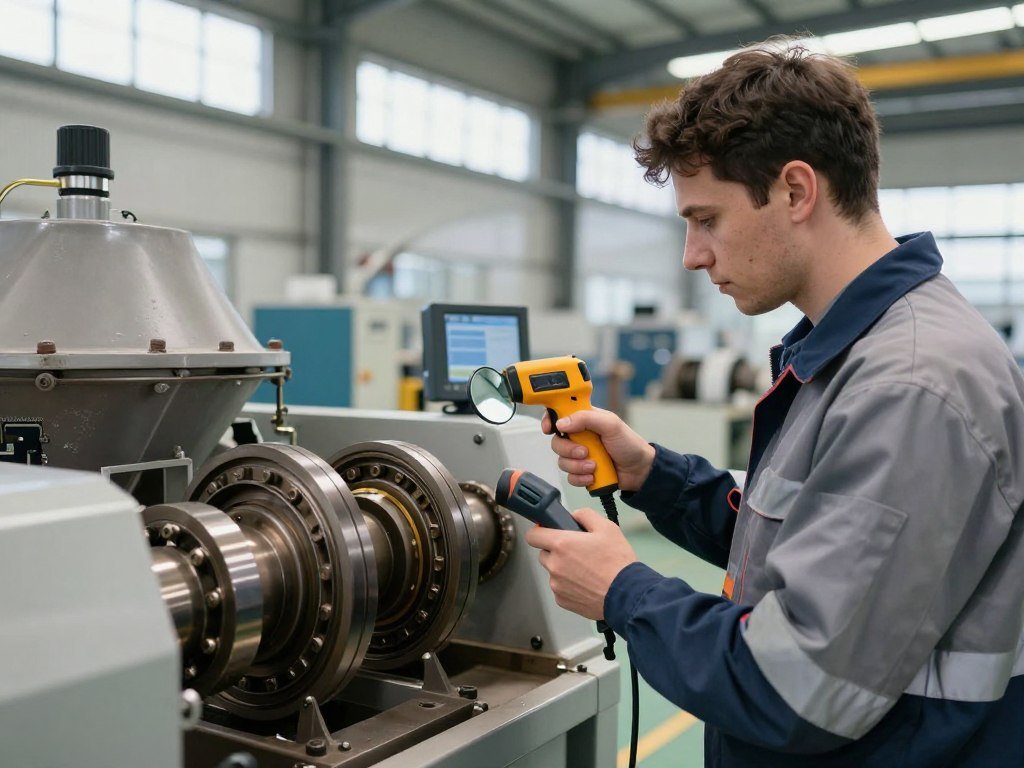
Some maintenance tasks require specialist knowledge and equipment. Contract these to qualified service providers:
- Motor vibration analysis to detect rotor imbalance or bearing wear
- Electrical system thermographic inspection for hot spots indicating connection problems
- Gearbox oil analysis to detect contamination or excessive wear particles
- Control system software updates and backup verification
- Complete safety system testing including emergency stops and interlocks
MAIKONG offers quarterly inspection services for UK customers through our authorized service partners. These inspections include detailed reporting with component lifespan predictions and recommended action timelines.
Free 30-Minute Maintenance Planning Consultation
Discuss your specific operation with our technical team. We will review your current maintenance practices and identify cost-saving opportunities whilst reducing breakdown risks. Available for UK feed producers and equipment importers.
Distributor Margin Analysis: Making the Numbers Work
Equipment distribution for feed production line systems presents unique margin challenges compared to standard industrial equipment. The capital intensity, technical support requirements, and spare parts obligations create significant overhead costs.
Revenue Stream Breakdown
Successful distributors develop multiple revenue streams beyond initial equipment sales:
Equipment Sales
Initial cattle feed pellet production line sales generate 18-25% gross margins for distributors. This margin must cover sales costs, technical support during commissioning, and warranty obligations.
A complete 5 TPH system retailing at £85,000 generates £15,300-£21,250 gross profit. After direct costs, net margin typically reaches 8-12%.
Spare Parts Supply
Ongoing spare parts sales offer 35-45% gross margins with lower sales costs. A customer spending £12,000 annually on spare parts generates £4,200-£5,400 gross profit.
Spare parts also provide recurring revenue that smooths cash flow during slow equipment sales periods.
Service Contracts
Annual maintenance contracts generate 40-55% gross margins with predictable revenue. Typical contracts cover quarterly inspections, priority spare parts supply, and technical support access.
A £3,600 annual contract generates £1,440-£1,980 gross profit with minimal variable costs once established.
Cost Structure Reality
Understanding true operational costs helps distributors set realistic pricing and margin expectations:
| Cost Category | Annual Amount | Percentage of Revenue | Notes |
| Technical staff salaries | £85,000-£120,000 | 12-18% | Requires experienced feed mill engineers |
| Spare parts inventory | £40,000-£75,000 | 6-11% | Working capital tied up in stock |
| Demonstration equipment | £15,000-£25,000 | 2-4% | Depreciation and maintenance of demo units |
| Marketing and exhibitions | £18,000-£35,000 | 3-5% | Trade shows, technical seminars, materials |
| Warranty support | £12,000-£22,000 | 2-3% | Parts replacement and labour during warranty period |
| Vehicle and travel | £15,000-£28,000 | 2-4% | Site visits, installations, service calls |
| Insurance and compliance | £8,000-£15,000 | 1-2% | Product liability, professional indemnity, CE compliance |
These figures assume a distributor achieving £650,000-£850,000 annual revenue. Smaller operations face higher percentage costs due to lack of scale economies.

Manufacturer Support That Protects Margins
MAIKONG’s UK distributor programme addresses the cost challenges outlined above through several support mechanisms:
MAIKONG Distributor Advantages
- Consignment stock programme reduces inventory capital requirements by 40-60%
- Technical training at UK locations eliminates China travel costs
- Extended warranty periods (24-36 months) reduce distributor warranty exposure
- Marketing cost-sharing for exhibitions and technical seminars
- Territory protection provisions preventing direct sales competition
- Demonstration equipment at reduced cost (60% of retail)
- 24-hour technical support line direct to factory engineers
- Priority production slots for distributor customer orders
Common Distributor Challenges
- Initial capital requirement for stock and demo equipment (£45,000-£85,000)
- 18-24 month ramp-up period before profitability
- Technical knowledge development requires significant training investment
- Competition from direct imports and online suppliers
- Customer expectations for local stock availability
- Currency fluctuation risks on inventory held in GBP
The most successful MAIKONG distributors develop service capabilities that create competitive barriers. Customers value rapid response times and local technical expertise more than marginal price differences.
One Midlands distributor increased their revenue 340% over three years by emphasizing same-day emergency parts delivery and 24-hour service call response. Their premium pricing (8-12% above competitors) became acceptable because downtime costs exceeded the price premium.
Become a MAIKONG UK Distributor
We are expanding our UK distribution network and seeking qualified partners with feed industry connections. Our distributor programme offers protected territories, technical training, marketing support, and margin protection mechanisms. Investment required: £65,000-£95,000 including initial inventory and demo equipment.
UK Case Study: Yorkshire Poultry Feed Operation
Examining real-world implementation provides insights beyond theoretical discussions. This case study details a Yorkshire-based poultry feed production line installation that addressed the maintenance and spare parts concerns discussed throughout this guide.
Installation Overview
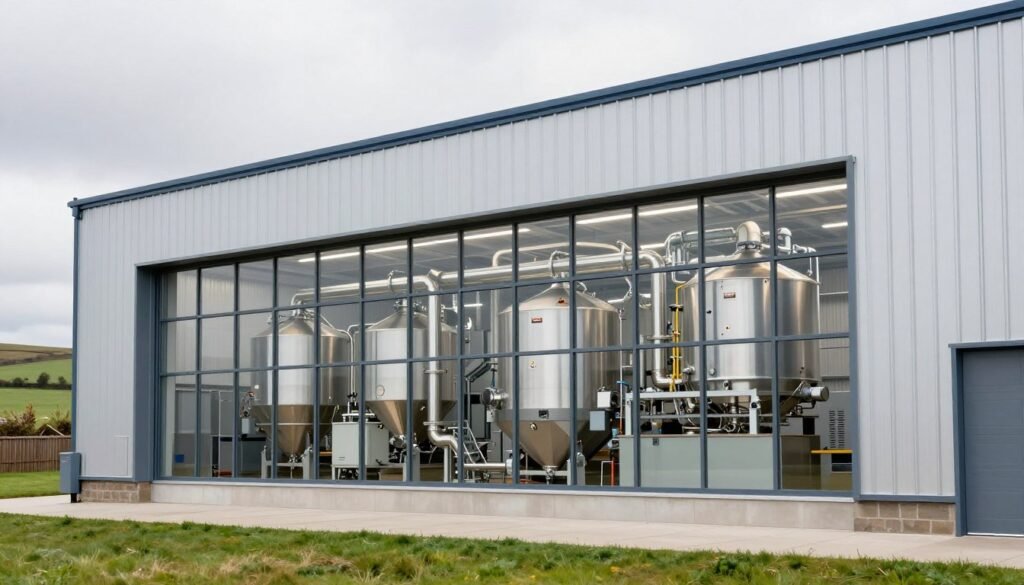
- Location: North Yorkshire, United Kingdom
- System: MAIKONG MK-L003 8 TPH complete line
- Installation Date: March 2022
- Product Mix: Layer feed (40%), broiler feed (35%), cattle supplement (25%)
- Operation Schedule: 18 hours daily, 6 days weekly
- Annual Production: Approximately 7,200 tonnes
Pre-Installation Concerns
The operator had experienced significant difficulties with their previous equipment from a different supplier. Key pain points included:
- Pellet die failures every 600-800 hours (50% shorter than expected)
- Spare parts shipments taking 6-8 weeks from overseas supplier
- No local technical support resulting in extended downtime
- Poor communication with manufacturer regarding warranty claims
- Annual maintenance costs exceeding initial projections by 180%
These issues convinced the operator to prioritize after-sales support over initial equipment cost when replacing the system.
MAIKONG Solution Implementation
Our approach addressed each concern specifically:
- Pre-installation site assessment: MAIKONG engineers visited the site to evaluate installation conditions, power supply, and operational requirements before equipment shipment.
- Customized die specifications: We analyzed their feed formulations and adjusted die compression ratios to match their specific raw material characteristics.
- Local spare parts buffer stock: Critical components (dies, roller shells, screens) stocked at UK distributor location for next-day delivery.
- Comprehensive training: Five days on-site training for three operators covering operation, routine maintenance, and basic troubleshooting.
- Maintenance scheduling system: Digital maintenance tracking system implemented to ensure consistent preventive maintenance.
Performance Results After 20 Months Operation
| Metric | Previous Equipment | MAIKONG MK-L003 | Improvement |
| Average die lifespan | 650 hours | 1,420 hours | +118% |
| Unplanned downtime (annual) | 156 hours | 31 hours | -80% |
| Spare parts costs (annual) | £18,400 | £11,200 | -39% |
| Average parts delivery time | 6.5 weeks | 2.1 days | -95% |
| Maintenance labour hours (annual) | 420 hours | 285 hours | -32% |
| Energy consumption per tonne | 22.4 kWh | 18.7 kWh | -17% |
The operator reports total cost of ownership reduction of 34% compared to their previous equipment. This figure includes initial capital cost, spare parts, maintenance labour, and downtime losses.
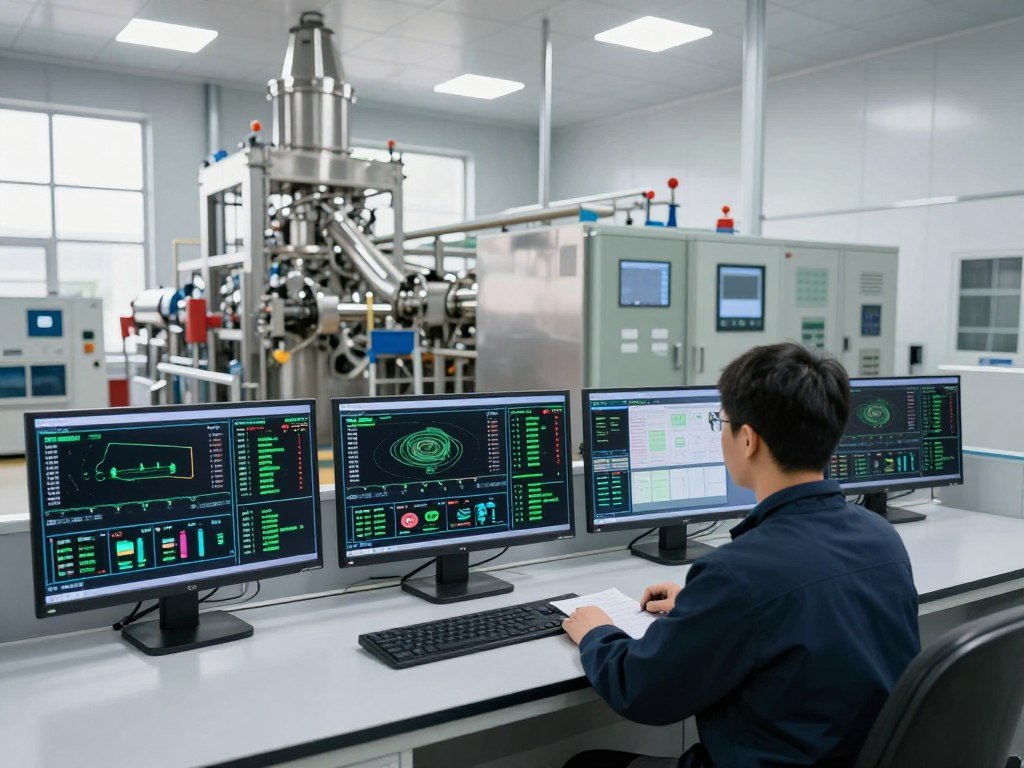
“The difference is remarkable. Our previous supplier disappeared after installation. MAIKONG’s UK distributor visits quarterly for inspections and their technical team responds within hours when we have questions. The spare parts availability alone justifies choosing them – we receive critical components within 48 hours instead of waiting two months.”
Key Success Factors
Several elements contributed to this successful implementation:
Critical Success Elements
- Equipment design matched to application: Die specifications, motor sizing, and control systems configured specifically for their product mix and raw materials.
- Comprehensive operator training: Investment in proper training reduced operator errors that cause premature component wear.
- Preventive maintenance discipline: Digital tracking system ensures maintenance tasks occur on schedule rather than when convenient.
- Local support infrastructure: UK-based distributor provides rapid response that overseas-only support cannot match.
- Quality components: Higher-grade materials in wear components (dies, rollers, screens) extend replacement intervals substantially.
- Ongoing technical relationship: Regular contact with MAIKONG engineers allows continuous optimization of operating parameters.
This case demonstrates that total cost of ownership extends far beyond initial purchase price. The Yorkshire operation paid 12% more for the MAIKONG system compared to competing quotations. However, the 34% reduction in total operating costs recovered the price premium within 11 months.
After-Sales Support Framework for International Equipment
Purchasing feed production equipment from overseas manufacturers creates inherent support challenges. Distance, time zones, language barriers, and shipping logistics complicate post-installation support.
Effective after-sales frameworks address these challenges through structured systems rather than relying on informal arrangements.
Multi-Layer Support Structure
MAIKONG implements a three-tier support system for UK customers:
Tier 1: UK Distributor
Response Time: 4 hours (business days)
Capabilities:
- First-level technical support via phone/email
- On-site visits within 24-48 hours
- Spare parts supply from UK stock
- Routine maintenance services
- Basic troubleshooting and repairs
Limitations: Complex electrical issues, software problems, or major mechanical failures requiring specialized expertise.
Tier 2: Regional Technical Team
Response Time: 24 hours
Capabilities:
- Remote diagnostics via control system connection
- Detailed technical guidance for complex issues
- Engineering support for modifications or upgrades
- Warranty evaluation and approval
- On-site visits for major problems (72-96 hour deployment)
Coverage: European technical center in Netherlands with engineers serving UK, Ireland, and Nordic markets.
Tier 3: Factory Engineering Team
Response Time: 48 hours
Capabilities:
- Specialist engineering consultation
- Custom parts manufacturing for unique situations
- Equipment modification design
- Process optimization guidance
- Production of replacement components not in standard spare parts inventory
Access: Direct communication via WeChat, email, and video calls with Chinese factory engineers.
Documentation and Knowledge Transfer
Comprehensive documentation reduces support dependencies and empowers customers to resolve minor issues independently:
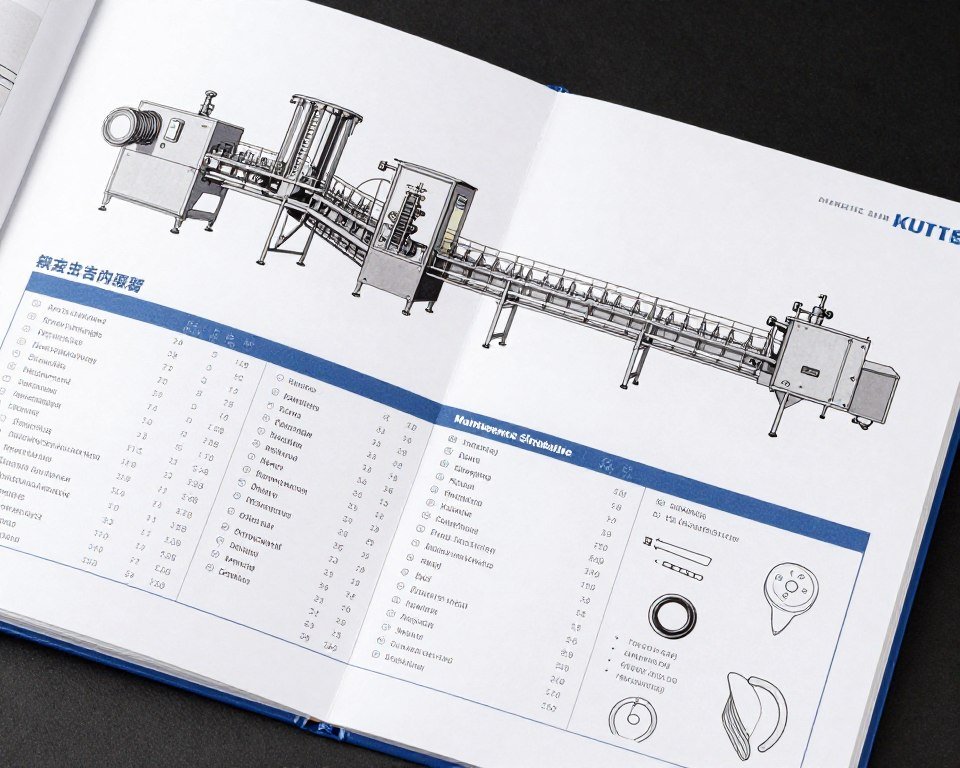
Standard Documentation Package
- Complete operation manual (English)
- Illustrated spare parts catalogue with part numbers
- Electrical schematics and PLC program documentation
- Lubrication chart with specifications and schedules
- Troubleshooting guide organized by symptom
- Video library covering routine maintenance procedures
Warranty Structure
Clear warranty terms prevent disputes and establish realistic expectations:
MAIKONG Standard Warranty Terms
Main Equipment Coverage: 24 months from commissioning date or 30 months from shipment (whichever occurs first)
Wear Parts Exclusions: Dies, roller shells, screens, belts, and other consumables covered for manufacturing defects only (not normal wear)
Coverage Includes:
- Replacement parts for manufacturing defects
- Reasonable labour costs for warranty repairs
- Technical support for covered issues
- Shipping costs for warranty parts under £500 value
Extended Warranty Option: Available for purchase – extends coverage to 36 or 48 months with annual inspection requirement
Common Warranty Exclusions
- Damage from improper installation or operation outside design parameters
- Failures resulting from inadequate maintenance or use of non-approved lubricants
- Modifications or repairs performed by unauthorized personnel
- Normal wear and tear on consumable components
- Damage from power supply issues (voltage fluctuations, phase imbalance)
- Corrosion damage from humid or corrosive environments
Technical Training Programme
Effective operation requires properly trained personnel. MAIKONG provides structured training at multiple levels:
| Training Level | Duration | Content Focus | Target Audience |
| Basic Operation | 2 days | Start-up procedures, normal operation, shutdown, basic troubleshooting | Production operators |
| Maintenance Fundamentals | 3 days | Preventive maintenance tasks, wear component replacement, lubrication procedures | Maintenance technicians |
| Advanced Troubleshooting | 4 days | Electrical diagnostics, PLC programming basics, complex mechanical repairs | Senior maintenance staff |
| Process Optimization | 2 days | Feed formulation effects, die selection, process parameter adjustment for quality | Production managers, nutritionists |
Training occurs both at installation (2-5 days on-site) and at UK training centers for more advanced topics. MAIKONG also provides annual refresher training and new employee training at no additional cost.
Risk Mitigation Strategies for UK Importers
Importing animal feed pellet production line equipment from China involves several categories of risk beyond the technical considerations already discussed.
Payment and Financial Risk
Large capital equipment purchases create financial exposure throughout the transaction process:
Common Payment Terms
Standard payment structures for equipment orders of £50,000-£200,000:
- 30% deposit upon contract signing
- 60% payment before shipment (after factory inspection)
- 10% retention after commissioning and acceptance
Risk Protection Mechanisms
Methods to reduce financial exposure:
- Letter of Credit through established UK banks
- Payment through Alibaba Trade Assurance
- Inspection services before final payment release
- Performance bonds for large installations
Currency Fluctuation Risk
Extended manufacturing timelines (3-4 months) expose importers to exchange rate changes:
- Fix exchange rates at contract signing
- Use forward contracts for payment instalments
- Price contracts in GBP rather than USD/CNY
- Build 2-3% currency buffer into budgets
MAIKONG Financial Terms
We offer several protective arrangements:
- Reduced deposits (20%) for repeat customers
- Extended payment terms for established distributors
- GBP pricing options for UK buyers
- Transparent price breakdowns with no hidden fees
Quality Assurance and Inspection
Distance makes quality verification challenging. Implement formal inspection processes:
Pre-Shipment Inspection Checklist
- Visual inspection: Check for shipping damage, proper packaging, completeness of all components
- Dimensional verification: Confirm equipment matches approved drawings and specifications
- Functional testing: Witness equipment operation at factory before shipment
- Quality documentation: Review material certificates, test reports, and compliance declarations
- Spare parts verification: Confirm initial spare parts package matches order
- Documentation completeness: Ensure all manuals, drawings, and certificates accompany equipment
MAIKONG encourages customers to visit our factory for final inspection or engage third-party inspection services. We provide video documentation of factory testing for customers unable to travel.

Shipping and Logistics Risk
International shipping introduces delays, damage risks, and customs complications:
Common Shipping Challenges
- Port congestion delays (current average: 2-3 weeks)
- Container shortages during peak seasons
- Damaged equipment from improper container loading
- Customs holds for documentation issues
- Unexpected duty or VAT charges
- Missing components or accessories
MAIKONG Shipping Practices
- FOB, CFR, or CIF terms available (customer choice)
- Professional export packaging meeting UK standards
- Detailed packing lists and photographic documentation
- Marine insurance arranged when requested
- Customs documentation prepared by experienced export team
- Container loading supervision with video documentation
Installation and Commissioning Risk
Improper installation causes ongoing problems that complicate warranty claims and create operational issues:
Installation Support Options
Option 1 – Factory Engineer Installation: MAIKONG engineer travels to UK for installation supervision and commissioning. Duration: 7-12 days. Cost: £4,200-£6,800 including travel and accommodation.
Option 2 – Remote Installation Support: UK distributor or customer’s contractor performs installation with remote guidance from MAIKONG engineers via video calls. Cost: Included in equipment price.
Option 3 – Turnkey Installation: MAIKONG arranges complete installation through UK contractors we supervise. Cost: Variable based on site conditions.
Recommendation: Factory engineer installation recommended for first-time buyers or complex installations. Remote support suitable for experienced customers or simple setups.
Regulatory Compliance
UK and EU regulations require specific certifications and documentation:
- CE Marking: Required for equipment sold in UK (despite Brexit, CE still accepted until further notice). MAIKONG provides CE declarations and technical files.
- UKCA Marking: Future UK requirement (transition period ongoing). We monitor regulatory changes and will provide UKCA when mandatory.
- Electrical Safety: Equipment meets BS EN 60204-1 standards for electrical safety of machinery.
- Machinery Directive Compliance: Risk assessments, safety guards, and emergency stops conform to machinery safety requirements.
- Noise Emissions: Sound pressure levels documented and conform to Noise at Work Regulations 2005.
MAIKONG maintains updated technical files for UK compliance and works with UK distributors to ensure proper documentation for end customers.
MAIKONG MK-L003 Cattle Feed Pellet Production Line Guide Specifications
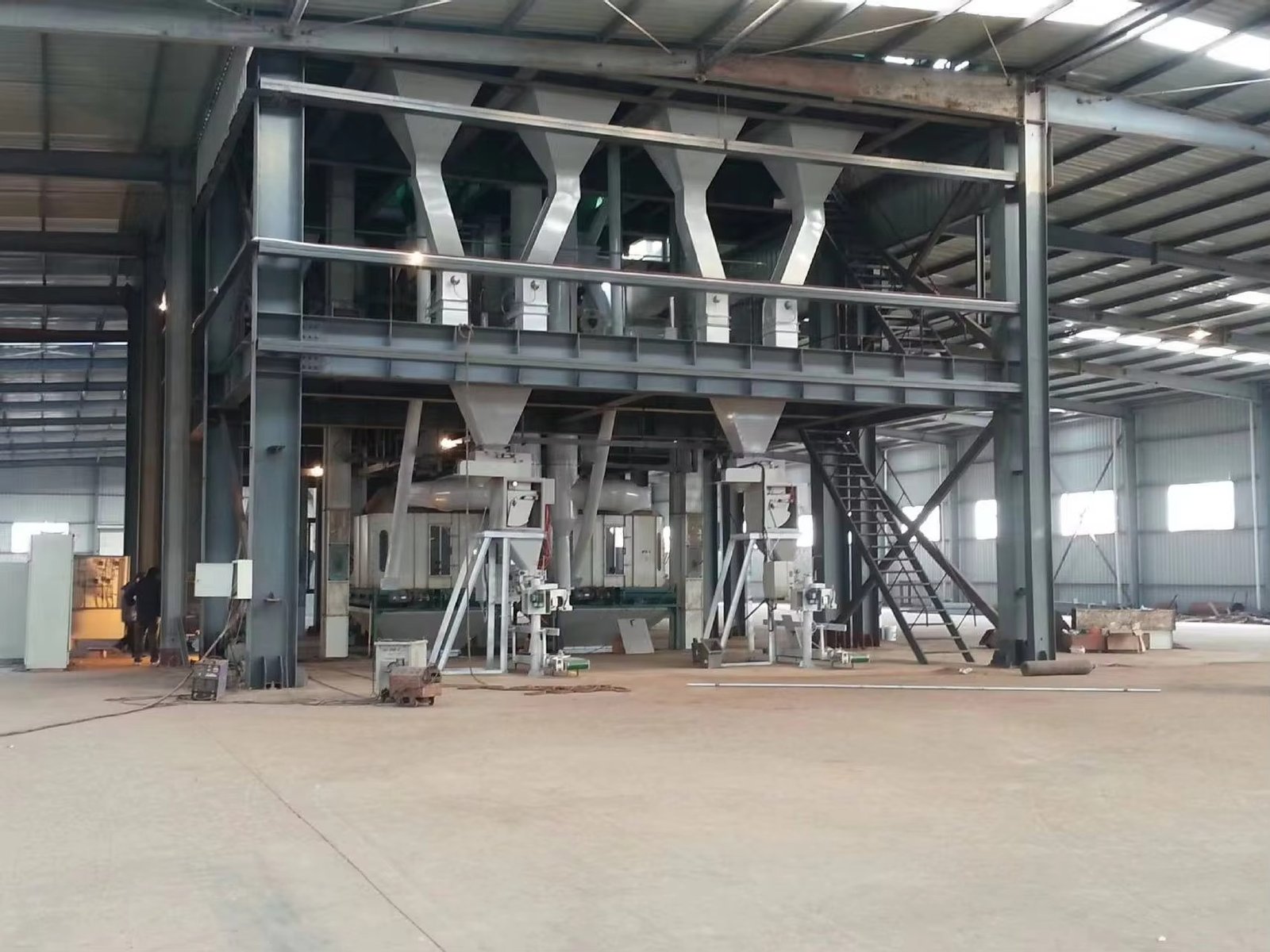
The MAIKONG MK-L003 represents our mid-range cattle feed pellet production line model, designed specifically for operations requiring 3-8 tonnes per hour capacity with flexibility for multiple feed types.
Technical Specifications
| Parameter | Specification | Notes |
| Model Number | MK-L003 | Mid-range capacity system |
| Production Capacity | 3-8 tonnes/hour | Varies by feed formulation and pellet size |
| Control Mode | Automatic/Semi-Automatic/Manual | PLC-based control system |
| Power Requirement | 380-415V, 50Hz, 3-Phase | UK standard electrical supply |
| Total Installed Power | 185-220 kW | Actual consumption 60-70% of installed |
| Feed Size Output | Powder/Mash/2-6mm Pellets | Die change for different pellet sizes |
| Floor Space Required | 18m (L) × 8m (W) × 12m (H) | Includes silos and auxiliary equipment |
| Total Weight | 22,500 kg | Approximate shipping weight |
| Material | Carbon steel with stainless steel contact surfaces | Food-grade materials for product contact |
| Colour Options | Industrial grey (standard), custom colours available | RAL colour chart options |
| Noise Level | 75-82 dB(A) at 1 meter | Meets UK workplace noise regulations |
| Price Range (UK) | £78,000-£95,000 | Varies by configuration and installation requirements |
System Components
The complete MK-L003 line includes the following major equipment sections:
Raw Material Reception
- Intake pit with grating (4m × 2m)
- Bucket elevator (15m height)
- Vibrating screen cleaner
- Magnetic separator
Grinding Section
- Hammer mill (37 kW, 8-10 TPH)
- Cyclone dust collector
- Rotary distributor
- Ground material silo (10 tonne capacity)
Batching and Mixing
- Multi-bin batching system (8 bins)
- Electronic weighing scales (±0.2% accuracy)
- Ribbon mixer (1000 kg batch, 5 minutes)
- Liquid additive system (optional)
Pelleting Section
- Steam conditioning chamber
- Ring die pellet mill (90 kW)
- Counterflow cooler (10-12 minutes retention)
- Crumbler (optional for smaller sizes)
Finished Product Handling
- Vibrating screening system
- Finished product silos (2 × 15 tonne)
- Electronic packaging scale
- Bag sewing machine
Auxiliary Systems
- Dust collection system
- Pneumatic conveying network
- Electrical control cabinet
- HMI touchscreen interface
Optional Equipment
- Fat/molasses coating system
- Bulk loading system
- Automated palletizing
- SCADA remote monitoring
Safety Features
- Emergency stop system
- Overload protection
- Temperature monitoring
- Access interlocks
Customization Capabilities
MAIKONG offers extensive customization to match specific operational requirements:
Production Customization
- Capacity scaling: Systems available from 200 kg/hour to 200 tonnes/hour
- Feed type specialization: Optimized configurations for fish, poultry, cattle, pig, rabbit, pet, or aquaculture feeds
- Pellet size range: Dies available for 1.5mm to 12mm pellets
- Formulation flexibility: Batching systems configured for 4-20 ingredients
- Coating systems: Fat or molasses application post-pelleting
Installation Customization
- Voltage adaptation: 220V, 380V, 415V, or custom voltage requirements
- Layout optimization: Horizontal or vertical configurations based on building constraints
- Climate adaptation: Tropical, temperate, or cold climate specifications
- Automation level: Manual, semi-automatic, or fully automatic operation
- Integration: Interface with existing equipment or ERP systems
Contact MAIKONG technical team to discuss customization requirements for your specific application. We provide detailed engineering layouts and cost estimates at no charge for serious enquiries.
Frequently Asked Questions About Cattle Feed Pellet Production Line Maintenance
What is the realistic annual maintenance cost for a 5 TPH cattle feed pellet production line in the UK?
Realistic annual maintenance costs for a 5 TPH cattle feed pellet production line operating 5,000 hours yearly range from £11,000 to £16,500. This includes:
- Spare parts (dies, rollers, screens, belts, bearings): £7,200-£10,500
- Lubrication and consumables: £800-£1,200
- Maintenance labour (assuming in-house staff): £2,400-£3,600
- Annual professional inspection and calibration: £600-£1,200
These figures assume proper preventive maintenance practices. Neglected maintenance can increase costs by 40-60% due to premature component failure and increased downtime. Higher-capacity lines or systems producing abrasive feeds (high mineral content) experience higher costs.
How quickly can I receive critical spare parts for MAIKONG equipment in the UK?
MAIKONG provides multi-tier spare parts availability for UK customers:
- Stock items (dies, roller shells, screens): Next business day delivery from UK distributor warehouse
- Standard parts not in stock: 7-10 days via air freight from China
- Custom or specialized components: 3-4 weeks including manufacturing and shipping
- Emergency service: 48-hour courier delivery available for critical situations (premium charges apply)
We recommend maintaining a spare parts kit including one complete die set, one set of roller shells, three hammer mill screens, and critical bearings. This kit costs approximately £3,200-£4,800 depending on machine model and provides protection against unexpected component failures.
What are the most common causes of unplanned downtime in cattle feed pellet production lines?
Analysis of downtime data from UK feed mills shows these primary causes:
- Pellet die blockage or failure (28% of incidents): Usually caused by incorrect die selection for feed formulation, inadequate conditioning, or foreign material damage. Prevention: Match die specifications to formulation, maintain proper steam conditioning, implement effective magnetic separation.
- Electrical issues (22%): Motor failures, control system faults, or power supply problems. Prevention: Regular electrical inspection, proper voltage regulation, dust control in electrical cabinets.
- Bearing failures (18%): Inadequate lubrication or contamination causes premature bearing wear. Prevention: Follow lubrication schedules strictly, use specified lubricants, monitor bearing temperatures.
- Hammer mill screen wear (15%): Screens wear through or crack, reducing efficiency and causing downstream problems. Prevention: Replace screens before holes exceed 110% of design diameter, inspect for cracks weekly.
- Material flow blockages (17%): Bins, chutes, or conveyors block due to material bridging or buildup. Prevention: Install flow aids, clean buildup regularly, maintain proper material moisture levels.
Implementing comprehensive preventive maintenance reduces unplanned downtime by 70-80% compared to reactive maintenance approaches.
Is it better to import feed production equipment directly from China or purchase through a UK distributor?
Both approaches have merits depending on your situation:
Direct Import Advantages:
- Lower initial cost (eliminate distributor margin of 15-25%)
- Direct communication with manufacturer engineers
- Potentially faster customization decisions
Direct Import Disadvantages:
- No local technical support for troubleshooting
- Spare parts delivery times of 3-6 weeks
- You manage all import documentation, customs, installation coordination
- Warranty claims require international negotiation
- Time zone and language communication challenges
UK Distributor Advantages:
- Local technical support with 24-48 hour site visit capability
- Spare parts availability from UK stock (next-day delivery)
- Simplified procurement and installation coordination
- Warranty support through local entity
- UK-specific regulatory guidance and documentation
Recommendation: First-time buyers benefit substantially from distributor support. Experienced feed mill operators with technical staff may successfully manage direct imports. Consider total cost of ownership including support costs, not just initial purchase price.
What profit margins can UK distributors expect when selling cattle feed pellet production equipment?
UK distributor margins for feed production equipment vary by business model:
Equipment Sales: 18-25% gross margin on complete systems. Net margin after direct costs: 8-12%. A £90,000 system sale generates £7,200-£10,800 net profit after accounting for sales costs, installation support, and warranty obligations.
Spare Parts: 35-45% gross margin. Higher margins reflect inventory carrying costs and emergency availability value. Annual spare parts revenue from an installed base of 15-20 systems: £180,000-£240,000 generating £63,000-£108,000 gross profit.
Service Contracts: 40-55% gross margin on annual maintenance agreements. Predictable recurring revenue with minimal variable costs once established. Typical contract value: £3,000-£5,000 per system annually.
Installation and Commissioning: 20-35% margin on installation services. Labour-intensive with weather and site condition risks.
Most profitable distributors develop all four revenue streams rather than relying solely on equipment sales. The spare parts and service revenue provides stable cash flow during slow equipment sales periods whilst generating superior margins.
Making Informed Decisions About Cattle Feed Production Equipment
Purchasing a cattle feed pellet production line guide system represents a significant capital investment with long-term operational implications. The considerations extend far beyond initial equipment cost.
This guide examined the realities of maintenance costs, spare parts economics, and after-sales support from a distributor’s perspective. These factors determine total cost of ownership and operational success more than purchase price alone.
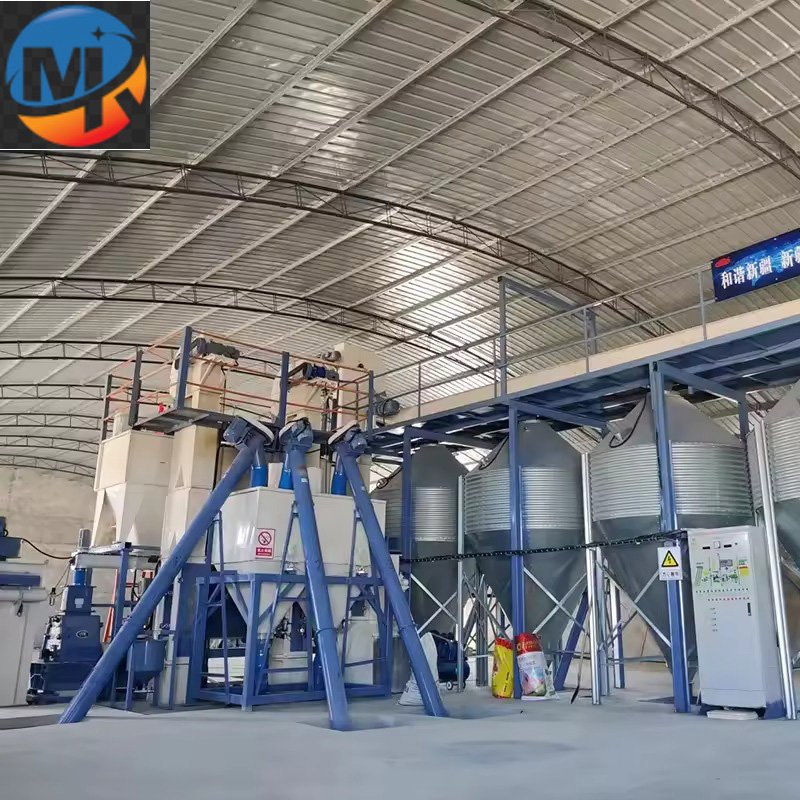
Key takeaways for equipment buyers:
- Annual maintenance costs represent 8-12% of equipment value when properly managed
- Spare parts availability affects downtime costs more than component pricing
- Local technical support infrastructure justifies distributor margins for most buyers
- Preventive maintenance reduces total costs substantially compared to reactive approaches
- Supplier selection should emphasize long-term support capability over lowest price
For distributors and importers evaluating partnership opportunities:
- Equipment sales alone provide insufficient margins – develop spare parts and service revenue streams
- Manufacturer support infrastructure determines your ability to serve customers effectively
- Initial capital requirements of £65,000-£95,000 needed for viable distribution operation
- Territory protection and consignment stock arrangements improve margin viability
- Technical training investment pays returns through reduced support costs and increased customer satisfaction
MAIKONG UK Partnership Opportunity
MAIKONG seeks qualified UK distributors to expand our European presence. Our 22 years manufacturing experience across 130 countries provides proven equipment designs and established support systems.
We offer distributors:
- Protected territories with no direct sales competition
- Consignment stock reducing capital requirements by 45-60%
- Comprehensive technical training at UK locations
- Extended 24-36 month warranty periods
- Marketing support and cost-sharing for exhibitions
- 48-hour emergency parts commitment
- Direct factory engineering support
- Flexible OEM and ODM customization
- Competitive factory pricing protecting your margins
- Demonstration equipment at reduced cost
- Priority production scheduling
- Ongoing technical and business development support
Contact MAIKONG for Equipment Enquiries or Partnership Discussions
Whether you need a complete cattle feed pellet production line for your operation or wish to discuss UK distributor opportunities, our team provides detailed information and transparent pricing. We manufacture systems from 200 kg/hour to 200 tonnes/hour with customization for all feed types.
Business Hours: Monday-Saturday 08:00-18:00 UK time (GMT/BST)
Email: Lucy@feedproductionline.uk
Website: feedproductionline.uk
MAIKONG operates from GD Province, SZ City, China with European technical support based in the Netherlands. Our UK distribution network provides local support infrastructure matching the requirements discussed throughout this guide.
We manufacture complete systems for fish, chicken, duck, cattle, rabbit, pet, shrimp, and aquatic feeds with capacities from small farm-scale operations to industrial production facilities. All systems include OEM customization capabilities for pellet size, voltage requirements, and production specifications.
The transparency throughout this guide reflects our business philosophy. Honest discussions about costs, challenges, and realistic expectations build stronger partnerships than optimistic sales presentations. We succeed when our customers and distributors succeed over the long term.