
Best Pellet Production Line: UK Distributor Margin & Parts Risk
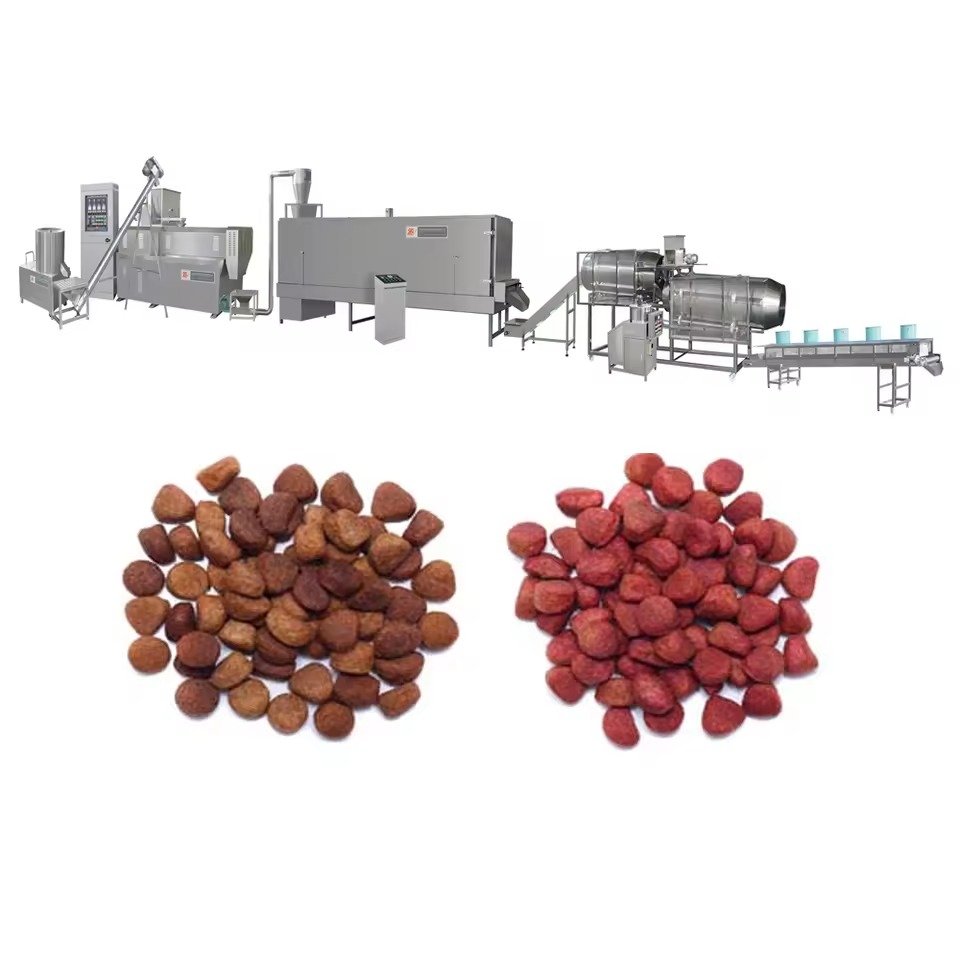
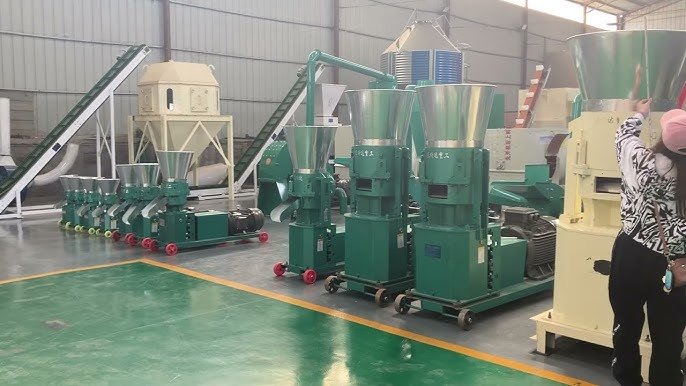
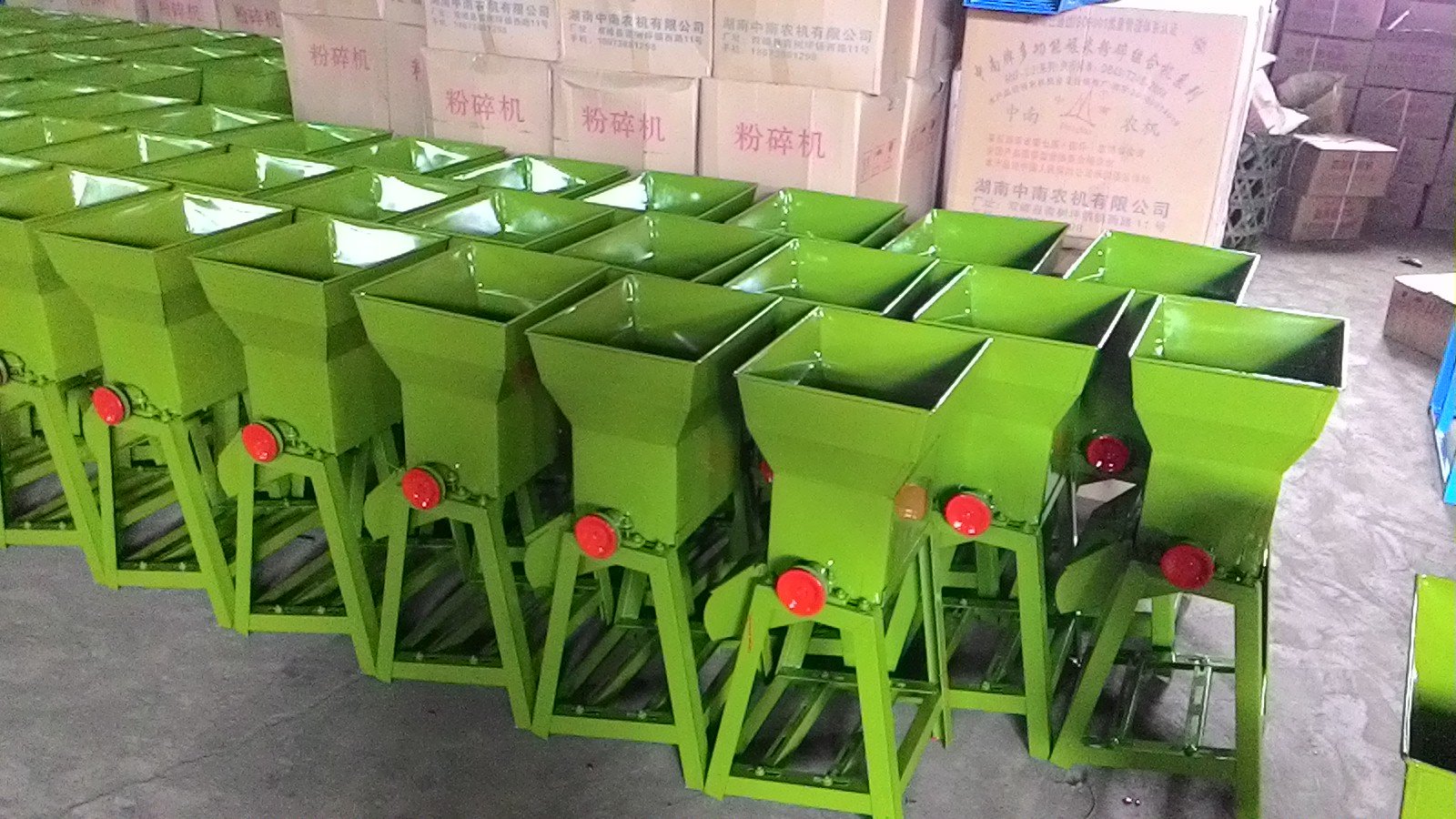
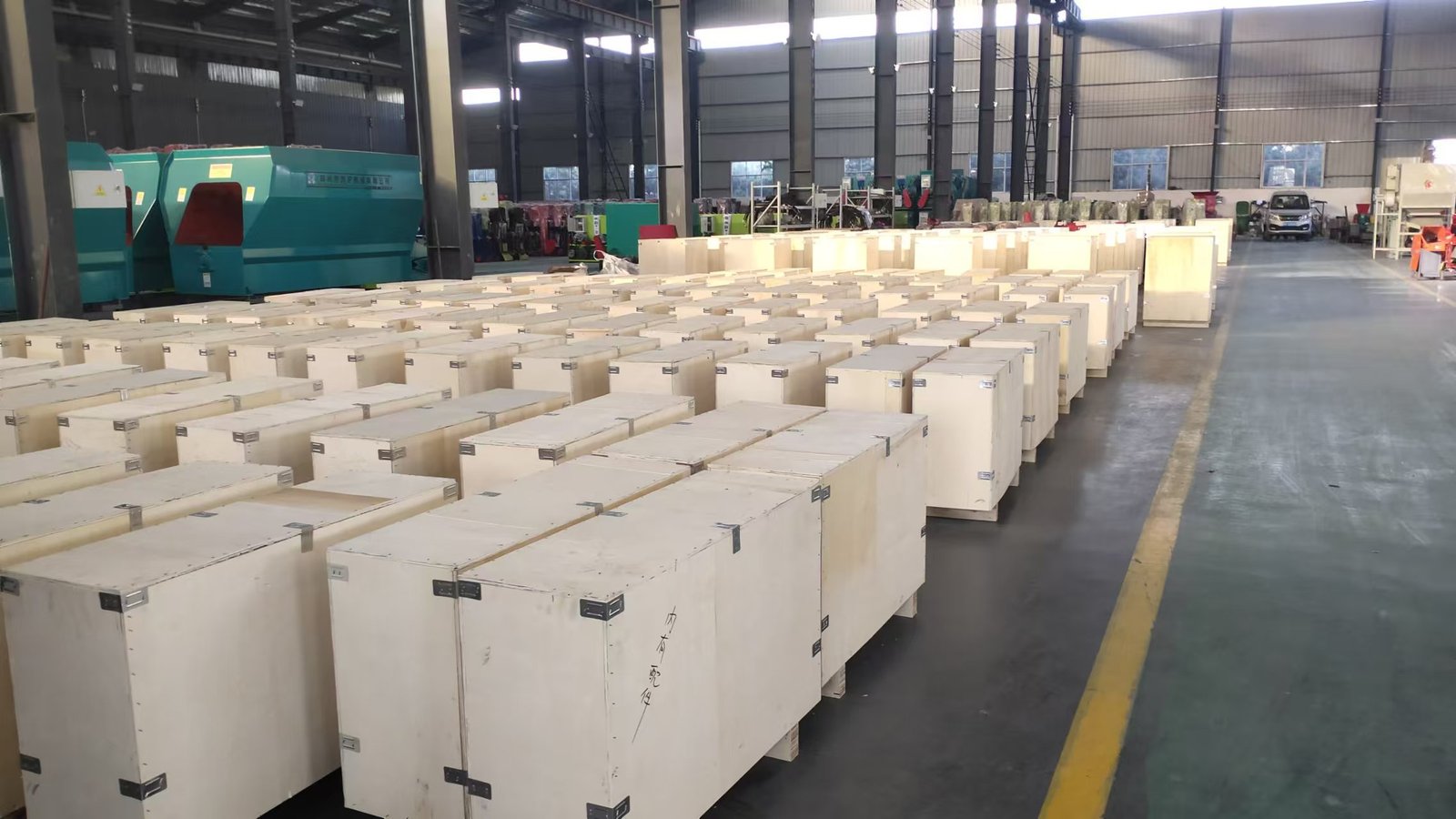
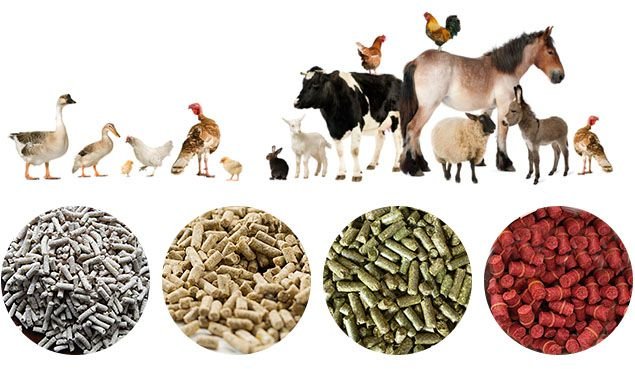
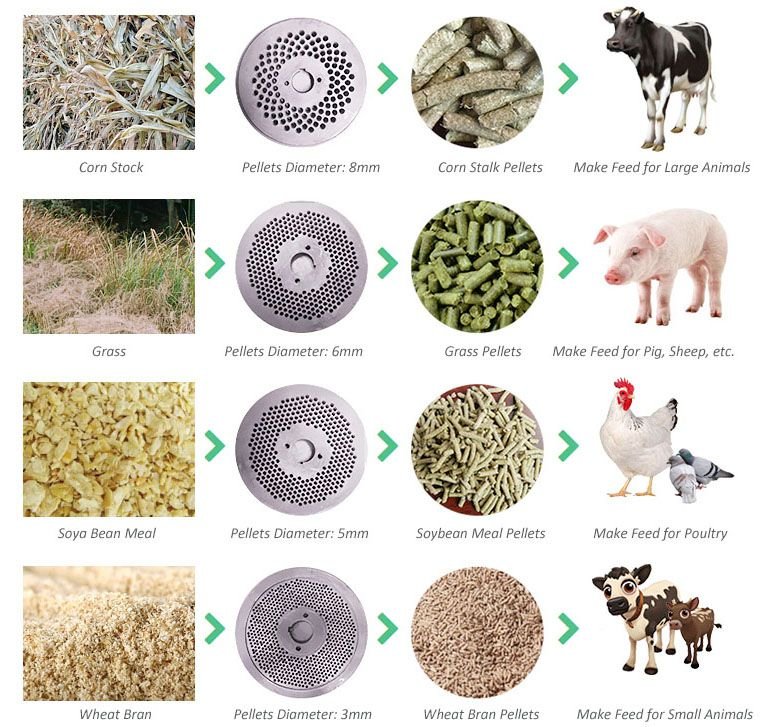
This reality became clear to a Yorkshire-based poultry feed distributor in January 2024. Their newly installed pellet line stopped abruptly when a ring die cracked during peak production. The replacement part took three weeks to arrive from overseas. The resulting production loss exceeded £47,000, and two major clients switched to competitors who could guarantee continuous supply.The incident highlights what many UK importers discover too late. After-sales support quality determines whether a pellet production line becomes a profit centre or a liability. This analysis examines the hidden costs, maintenance realities, and distributor considerations that separate successful investments from expensive mistakes.
Understanding the UK Pellet Production Line Market Reality
The United Kingdom feed production sector operates under unique pressures that directly impact equipment selection decisions. Energy costs in the UK rank among Europe’s highest, making production efficiency non-negotiable. Brexit has introduced customs complexity and delivery unpredictability for imported equipment and spare parts.
British feed manufacturers typically process between 500kg and 20 tonnes per hour, depending on operation scale. Small to medium enterprises dominate the market, representing approximately 68% of feed producers according to 2023 Agricultural and Horticultural Development Board data. These businesses cannot absorb extended downtime periods without severe financial consequences.
Primary UK Buyer Concerns
UK distributors and feed manufacturers prioritise different factors than their continental European counterparts. Understanding these priorities helps explain why certain production line configurations succeed in British markets while others struggle despite competitive pricing.
- Spare parts availability within 48-72 hours maximum
- UK-compatible electrical specifications (415V three-phase standard)
- Energy consumption per tonne of finished pellets
- Compliance with UK HSE machinery safety regulations
- Technical support accessible during GMT business hours
- Clear warranty terms covering labour and parts separately
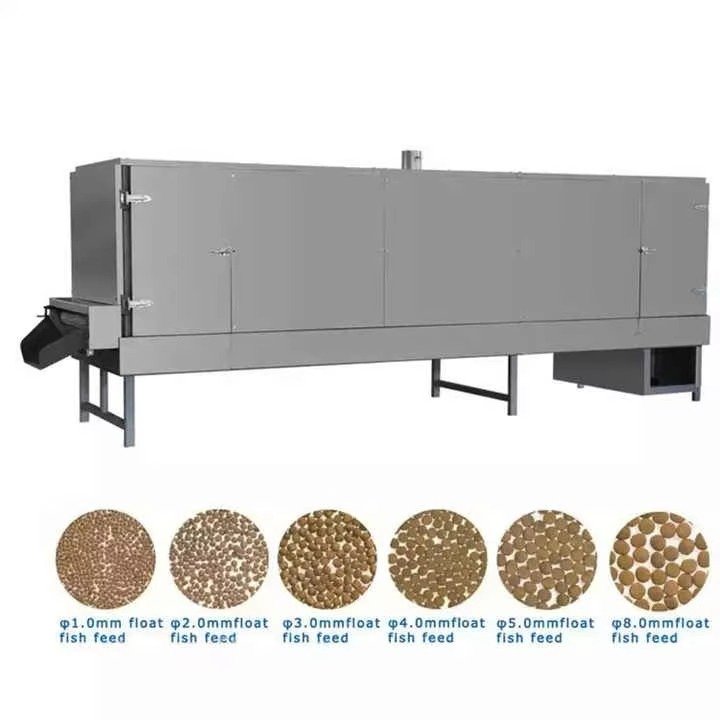
The feed pellet production line market in the UK has matured considerably since 2020. Buyers now conduct detailed total cost of ownership calculations rather than focusing solely on capital expenditure. This shift reflects painful lessons learned from equipment that delivered attractive purchase prices but generated excessive operational costs.
Import Challenges Affecting Equipment Decisions
Importing pellet production equipment from China to the UK involves navigating several practical obstacles. Container shipping lead times fluctuate between 35 and 65 days depending on global logistics conditions. Customs clearance adds another 5-10 working days when documentation is complete and accurate.
Real-World Import Timeline Example: A Lincolnshire-based cattle feed producer ordered a 5-tonne-per-hour animal feed production line in March 2024. The equipment left the Chinese port on 18th March, arrived at Felixstowe on 2nd May, cleared customs on 14th May, and was delivered to site on 21st May. Total elapsed time: 64 days from departure to installation readiness.
These extended timelines create vulnerability if critical spare parts require emergency shipment. Air freight reduces transit to 7-10 days but multiplies costs by factors of 8-12 compared to sea shipping. The economics force difficult decisions during production emergencies.
UK Distributor Partnership Opportunities with MAIKONG
MAIKONG actively seeks qualified UK distributors and agents who understand the British feed production market. The company offers comprehensive support structures designed specifically for partners serving UK and European clients. This partnership model addresses the after-sales concerns that plague many imported equipment relationships.
Become a MAIKONG UK Distribution Partner
MAIKONG provides UK distributors with competitive margins, technical training, spare parts inventory support, and direct factory access. Partners receive priority service on client inquiries and exclusive territory protection in designated UK regions. Our 22+ years manufacturing experience translates into reliable products that protect your reputation with end clients.
What MAIKONG Offers UK Distribution Partners
The distributor partnership programme includes several elements that address common pain points experienced when representing imported equipment brands. MAIKONG has structured these benefits based on feedback from existing European partners about what actually matters in daily operations.
Technical Support Access
Direct communication channel to factory engineering team with response commitments within 24 hours for urgent technical queries. Video call support available for complex troubleshooting situations.
Spare Parts Programme
Preferential pricing on spare parts inventory with suggested stock lists based on equipment models. Partners can order parts at distributor rates and stock locally to serve clients faster.
Training Resources
Comprehensive operation and maintenance training materials in English, including video tutorials covering common service procedures. Factory visits available for partner technical staff.
MAIKONG’s OEM and ODM capabilities allow UK distributors to develop private-label offerings that differentiate their market position. This flexibility particularly benefits established distributors with existing brand recognition who want to expand into feed production line equipment without competing directly against their own suppliers.
Spare Parts Availability: The Hidden Cost Driver
Spare parts strategy determines whether a pellet production line delivers acceptable total cost of ownership or becomes a financial burden. UK operators quickly discover that the cheapest equipment often carries the highest lifetime parts costs due to poor availability, non-standard components, and monopolistic supplier pricing.
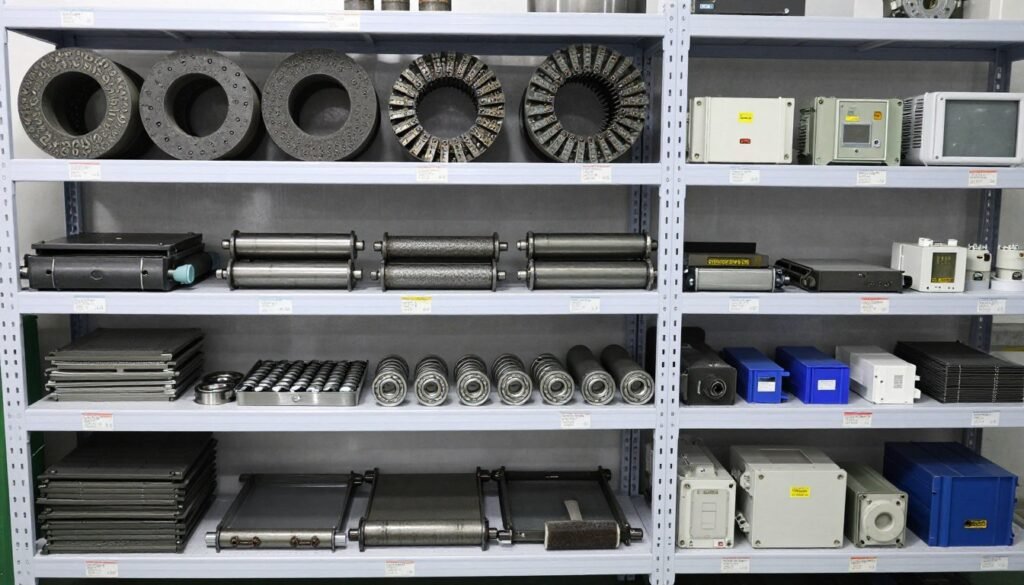
Critical Wear Components in Pellet Production Lines
Every poultry feed production line contains components that wear predictably and require scheduled replacement. Understanding these items and their replacement frequencies enables accurate operational budgeting and prevents surprise capital outlays.
| Component | Typical Lifespan | Replacement Cost Range (£) | Stock Recommendation |
| Ring Die (pellet mill) | 800-1,200 operating hours | £2,400-£8,500 | 1 spare on-site minimum |
| Pressure Rollers (pellet mill) | 600-900 operating hours | £1,800-£4,200 | 1 set spare recommended |
| Hammer Mill Hammers | 300-500 operating hours | £850-£1,600 (full set) | 2 sets for continuous operation |
| Hammer Mill Screens | 400-600 operating hours | £320-£780 | 1 spare per active screen size |
| Main Bearing Assembly (pellet mill) | 8,000-12,000 operating hours | £3,200-£9,800 | Not typically stocked (long lead time item) |
| Drive Belts (various locations) | 1,200-2,000 operating hours | £145-£520 each | 1 spare per belt type in line |
| Mixer Paddles/Ribbons | 2,000-3,500 operating hours | £680-£1,950 | Monitor thickness, stock when 50% worn |
| Pellet Cooler Screens | 1,500-2,500 operating hours | £420-£1,100 | 1 spare for critical production |
These lifespan estimates assume proper operation, appropriate raw material characteristics, and adherence to recommended maintenance procedures. Actual wear rates vary based on production volume, material abrasiveness, and operational practices. A fish feed production line processing materials with high mineral content will experience accelerated wear compared to standard poultry feed formulations.
Building a Practical Spare Parts Strategy
UK operations face a fundamental choice regarding spare parts inventory. Stocking critical components locally ties up capital but prevents extended downtime. Ordering parts as needed reduces inventory costs but creates vulnerability to supply chain disruptions.
Recommended UK Stocking Approach
A balanced strategy stocks the highest-wear, longest-lead-time items while accepting some risk on readily available components. This approach minimizes capital tied up in inventory while providing reasonable protection against production interruptions.
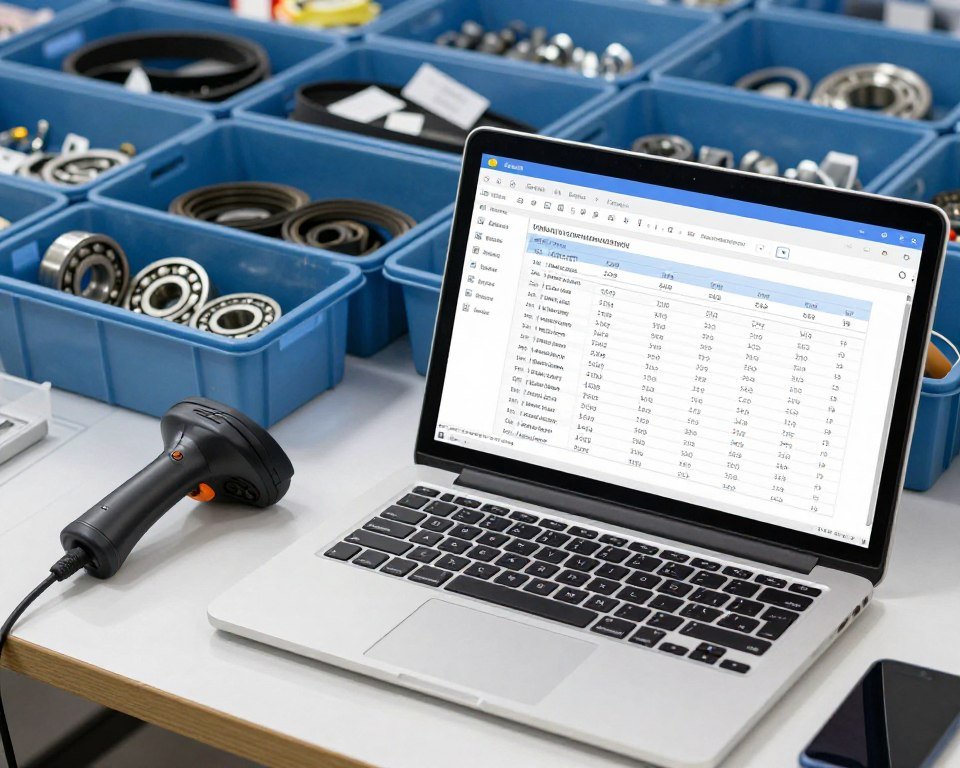
MAIKONG maintains detailed specifications for all components in our animal feed production line equipment. This documentation enables UK partners to source certain standardized items (bearings, belts, motors) from local suppliers when emergency situations demand faster delivery than international shipping permits.
Critical Planning Point: Ring dies and pressure rollers represent the highest-value wear items with the longest replacement lead times (typically 25-35 days from order to UK delivery for custom specifications). UK operations running continuously should maintain at least one spare ring die on-site to prevent catastrophic production interruptions if the primary die fails unexpectedly.
Genuine Parts Versus Third-Party Alternatives
The temptation to purchase cheaper third-party spare parts becomes strong when facing unexpected replacement costs. This decision involves trade-offs that extend beyond the immediate price difference.
- Genuine MAIKONG parts carry specifications matched precisely to original equipment design tolerances, ensuring proper fit and performance
- Third-party alternatives may use inferior materials or incorrect dimensions, potentially damaging other components or reducing production efficiency
- Warranty coverage typically excludes failures caused by non-genuine parts, creating additional risk exposure
- Quality control on genuine parts prevents the “cheap part bought twice” scenario common with budget alternatives
- Some standardized components (standard bearings, common belts) can be safely sourced from reputable third-party suppliers when specifications are verified
MAIKONG provides detailed component specifications to authorized distributors, enabling informed decisions about when third-party sourcing presents acceptable risk and when genuine parts remain essential. This transparency helps UK partners manage client expectations and costs effectively.
Request Spare Parts Availability Information
Obtain detailed spare parts catalogs, pricing, and lead time information for specific pellet production line models. MAIKONG provides UK distributors with comprehensive parts documentation to support client operations and minimize downtime risks.
True Maintenance Costs in UK Operations
Maintenance expenses for a best
pellet production line extend well beyond spare parts replacement. Labour costs in the UK average £35-55 per hour for qualified technicians with industrial equipment experience. Routine maintenance requires scheduled downtime that reduces productive capacity.
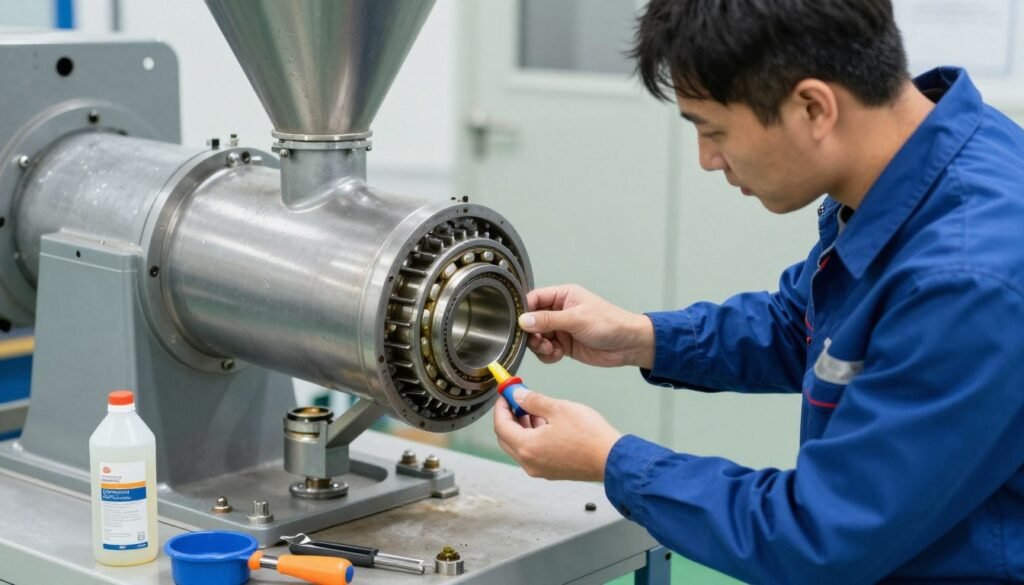
Annual Maintenance Budget Expectations
UK feed producers should budget for ongoing maintenance as a percentage of production line capital cost. Industry experience suggests annual maintenance costs typically fall between 4% and 8% of original equipment value for properly maintained lines. This percentage increases significantly for equipment operated beyond recommended capacity or with inadequate preventive care.
| Production Line Capacity | Estimated Annual Maintenance Cost | Primary Cost Components |
| 1-3 tonnes/hour | £6,800-£12,500 | Wear parts, lubrication, scheduled inspections, minor repairs |
| 3-5 tonnes/hour | £11,200-£19,800 | Wear parts, lubrication, scheduled inspections, electrical maintenance |
| 5-10 tonnes/hour | £18,500-£34,200 | Wear parts, major component replacements, specialist inspections |
| 10-20 tonnes/hour | £32,000-£58,000 | Extensive wear parts, bearing replacements, motor maintenance, controls updates |
These estimates assume normal operating conditions with appropriate raw material quality and proper operator training. Actual costs vary based on production hours, material abrasiveness, and maintenance quality. A cattle feed production line processing heavily mineralized formulations will experience higher wear rates than standard poultry feed operations.
Preventive Versus Reactive Maintenance Economics
The financial case for preventive maintenance becomes compelling when downtime costs are calculated properly. A mid-sized UK feed producer operating at 5 tonnes per hour generates approximately £180-240 per operating hour in gross margin contribution. Unplanned downtime lasting 48 hours costs £17,000-23,000 in lost contribution before considering customer dissatisfaction and potential contract penalties.
Preventive Maintenance Benefits
- Scheduled downtime during planned low-production periods minimizes revenue impact
- Early detection of wear prevents catastrophic failures that damage multiple components
- Predictable maintenance budgets enable accurate financial planning
- Extended equipment lifespan reduces capital replacement frequency
- Improved product quality consistency through properly maintained equipment
Reactive Maintenance Consequences
- Unplanned downtime occurs during production periods, maximizing financial impact
- Emergency parts ordering incurs premium shipping and expedited processing charges
- Catastrophic failures often cause secondary damage requiring additional repairs
- Unpredictable cost spikes disrupt financial planning and cash flow
- Rushed repairs under production pressure increase likelihood of improper reassembly
MAIKONG provides detailed preventive maintenance schedules for all pet feed production line configurations. These schedules identify inspection points, lubrication requirements, and component replacement intervals based on operating hours and production volumes. Following these recommendations substantially reduces unexpected failure risk.
Lubrication Programme Critical Success Factors
Proper lubrication represents the single most cost-effective maintenance intervention for pellet production equipment. Inadequate or incorrect lubrication causes approximately 60% of bearing failures and accelerates wear on moving components throughout the production line.
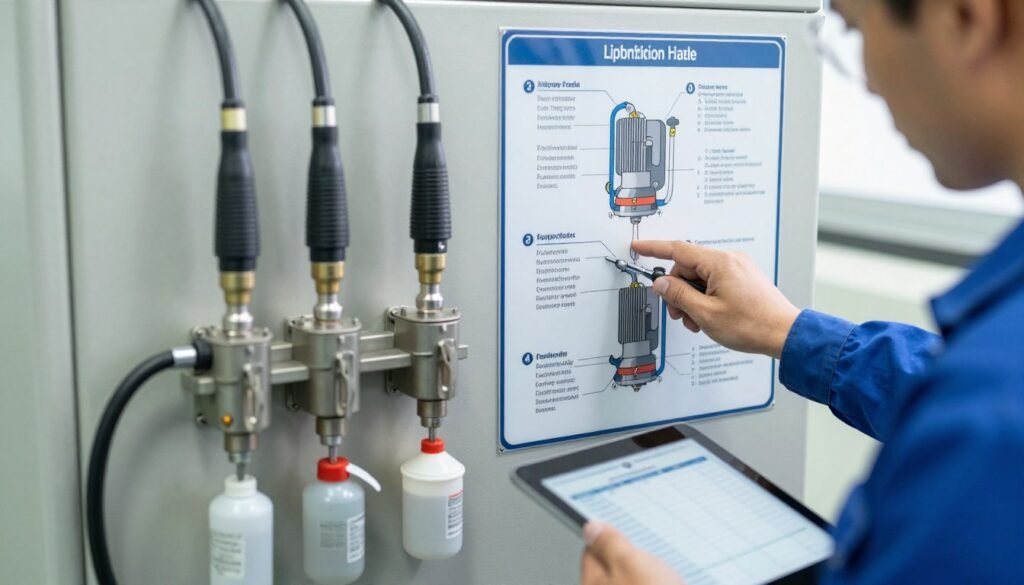
Essential Lubrication Requirements
Different components within a pellet production line require specific lubricant types and application frequencies. Using incorrect lubricants or deviating from recommended intervals accelerates wear and can void warranty coverage.
| Component | Lubricant Type | Application Frequency | Special Considerations |
| Pellet Mill Main Bearing | High-temperature lithium complex grease, NLGI Grade 2 | Every 100 operating hours | Monitor temperature; increase frequency if exceeding 75°C |
| Pellet Mill Roller Bearings | High-temperature lithium complex grease, NLGI Grade 2 | Every 50 operating hours | Critical wear point; requires consistent attention |
| Hammer Mill Bearings | Standard lithium grease, NLGI Grade 2 | Every 200 operating hours | Ensure grease fitting access during design phase |
| Mixer Shaft Bearings | Food-grade lithium grease, NLGI Grade 2 | Every 300 operating hours | Food-grade requirement for feed safety compliance |
| Conveyor Chain | Chain and cable lubricant spray or food-grade chain oil | Every 100 operating hours | Avoid over-lubrication attracting dust accumulation |
| Gearbox (various locations) | Industrial gear oil ISO VG 220 or manufacturer specification | Check level every 500 hours; change every 2,000 hours | Monitor for contamination; change if discoloured |
Temperature monitoring at lubrication points provides early warning of developing problems. Bearing temperatures exceeding normal operating ranges by 15°C or more indicate inadequate lubrication, mechanical misalignment, or bearing deterioration requiring investigation.
Automatic Lubrication System Benefits
Automatic lubrication systems eliminate the human error factor and ensure consistent lubricant delivery to critical components. These systems represent worthwhile investments for production lines operating multiple shifts or facilities with limited maintenance staff expertise.
Automatic Lubrication Advantages
- Consistent lubricant delivery eliminates missed lubrication events
- Reduces labour requirements for routine maintenance tasks
- Delivers precise lubricant quantities, preventing over-lubrication waste
- Enables continuous operation during lubrication cycles
- Particularly valuable for hard-to-access lubrication points
- Extends component life through optimal lubrication consistency
System Implementation Considerations
- Initial capital cost of £3,200-8,500 for typical installations
- Requires proper system design matching lubricant requirements
- System itself requires periodic inspection and maintenance
- Pump or distribution failures can affect multiple lubrication points simultaneously
- Not always practical for retrofit installations with access constraints
MAIKONG can specify automatic lubrication systems during initial feed production line configuration or provide retrofit options for existing installations. System design considers the specific equipment arrangement and accessibility requirements of individual facilities.
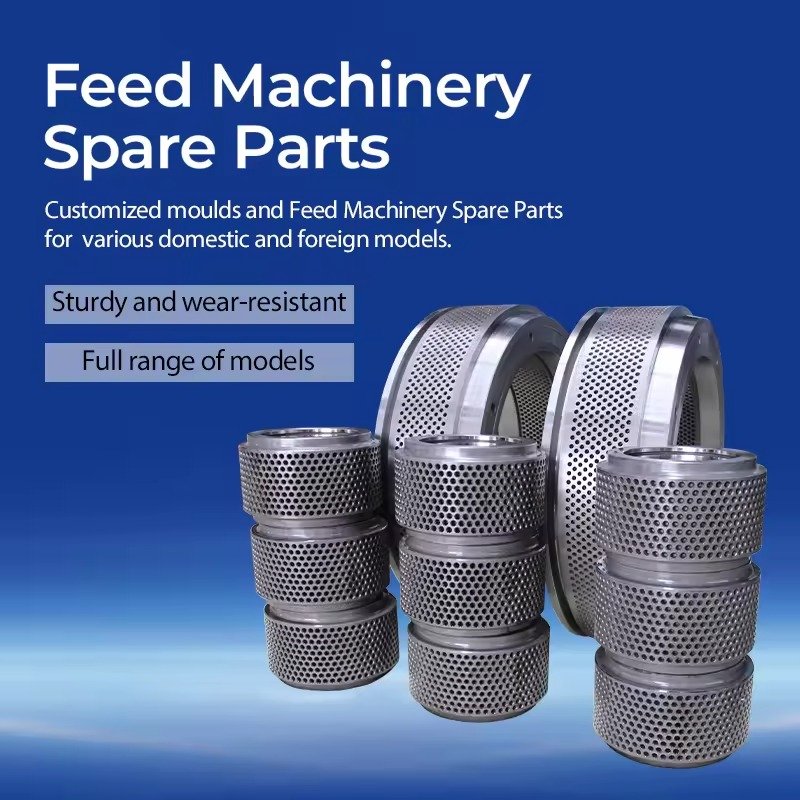
Managing Die Blockage Risk and Resolution
Die blockage represents one of the most frustrating operational challenges in pellet production. Blockages halt production immediately, require time-consuming clearing procedures, and risk die damage if handled improperly. Understanding blockage causes enables prevention strategies that minimize occurrence frequency.
Primary Die Blockage Causes
Die blockages rarely occur randomly. Specific conditions create environments where blockage probability increases substantially. Recognizing these conditions allows operators to implement corrective actions before blockages develop.
- Insufficient Moisture Content: Raw material entering the pellet mill with moisture content below 12% creates excessive friction and inadequate binding, leading to plugged die holes. Conditioning systems must deliver consistent moisture levels.
- Inadequate Steam Conditioning: Steam injection during conditioning softens starches and enables pellet formation. Insufficient steam temperature (below 80°C) or inadequate retention time prevents proper material preparation.
- Improper Raw Material Particle Size: Material ground too coarsely (above 3mm for most applications) cannot pass through die holes effectively. Excessively fine grinding (below 0.5mm) can create paste-like consistency blocking dies.
- Cold Die Starts: Starting production with a cold die increases blockage risk substantially. Proper warm-up procedures bring die temperature to optimal operating range before full production begins.
- Feed Formula Changes: Switching between formulations with different binding characteristics without proper die cleaning creates layering that promotes blockages. Fibrous materials particularly require transition management.
- Worn Rollers or Dies: Excessively worn rollers fail to generate adequate pressure for material extrusion. Dies worn beyond service limits allow material to pack in enlarged holes rather than extruding cleanly.
Blockage Prevention Best Practices
Preventing die blockages proves far more efficient than clearing them after occurrence. UK operations implementing comprehensive prevention protocols report 70-85% reductions in blockage frequency compared to reactive approaches.
Operational Prevention Measures
- Monitor and control raw material moisture content within specified range (typically 12-16% depending on formulation)
- Verify steam conditioning temperature reaches minimum 80°C with 15-30 second retention time
- Maintain proper die temperature through gradual warm-up procedures before production start
- Implement transition protocols when changing between formulations with different characteristics
- Schedule regular die and roller inspections to identify wear before it causes operational problems
- Train operators to recognize early warning signs of developing blockage conditions
- Maintain consistent production rates avoiding frequent starts and stops that disrupt thermal stability
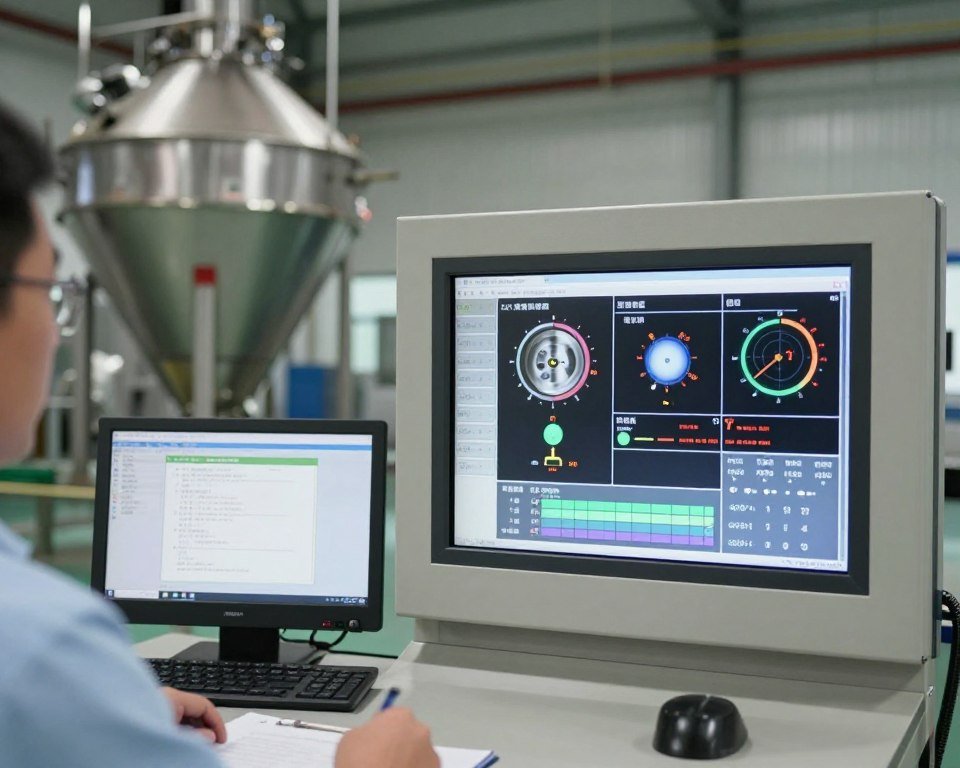
MAIKONG chicken feed production line equipment includes monitoring systems that alert operators when parameters drift outside optimal ranges. These early warning systems enable corrective action before conditions deteriorate to the point of causing blockages.
Proper Blockage Clearing Procedures
Despite best prevention efforts, blockages occasionally occur. Using correct clearing procedures minimizes downtime and prevents die damage. Improper clearing attempts frequently cause expensive die damage requiring replacement rather than simple blockage removal.
Critical Safety Warning: Never attempt to clear die blockages while equipment remains energized. Lockout/tagout procedures must be followed completely before any personnel access pellet mill interior spaces. Unexpected equipment start during clearing procedures can cause severe injury or death.
| Blockage Severity | Recommended Clearing Method | Typical Time Required |
| Minor (less than 25% of die holes blocked) | Reverse pellet mill rotation with manual assistance using wooden or brass tools. Never use hardened steel tools that can damage die holes. | 15-30 minutes |
| Moderate (25-60% of die holes blocked) | Die removal may be required. Use proper extracting tools to avoid die damage. Clean blocked holes with appropriate diameter drill bits slightly undersized to die hole specification. | 1-2 hours |
| Severe (more than 60% of die holes blocked) | Die removal required. Professional die drilling service may be necessary to restore proper hole geometry. Consider die replacement if extensive wear contributed to blockage. | 2-4 hours plus potential die refurbishment time |
UK operations should maintain relationships with die refurbishment services capable of restoring blocked or damaged dies to proper specifications. Die replacement costs of £2,400-8,500 make professional refurbishment at £400-900 economically attractive when die structure remains sound.
Bearing and Motor Maintenance Protocols
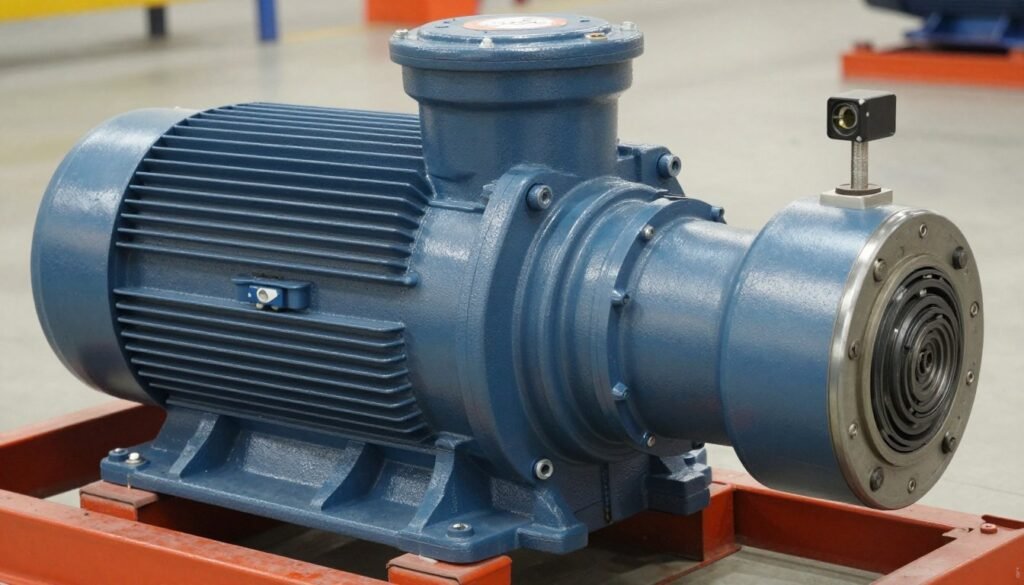
Bearings and motors represent critical components whose failure causes immediate production cessation. Proper maintenance extends service life substantially and enables predictive replacement before catastrophic failures occur.
Bearing Failure Warning Signs
Bearings provide clear advance warning before complete failure when monitoring systems detect developing problems. Recognizing these warning signs enables scheduled replacement during planned maintenance rather than emergency repairs during production periods.
Temperature Increase
Normal operating temperature for properly functioning bearings ranges from 40-70°C depending on load and speed. Temperature increases of 10°C or more above established baseline indicate developing problems requiring investigation.
Abnormal Noise
Bearings operating normally produce minimal noise. Grinding, squealing, or rhythmic knocking sounds indicate internal damage, inadequate lubrication, or contamination requiring immediate attention.
Vibration Changes
Increased vibration levels detected through monitoring equipment or operator observation suggest bearing wear, misalignment, or developing imbalance requiring correction.
Lubricant Contamination
Discoloured lubricant, metal particles in grease, or unusual odours during lubrication procedures indicate bearing deterioration progressing toward failure.
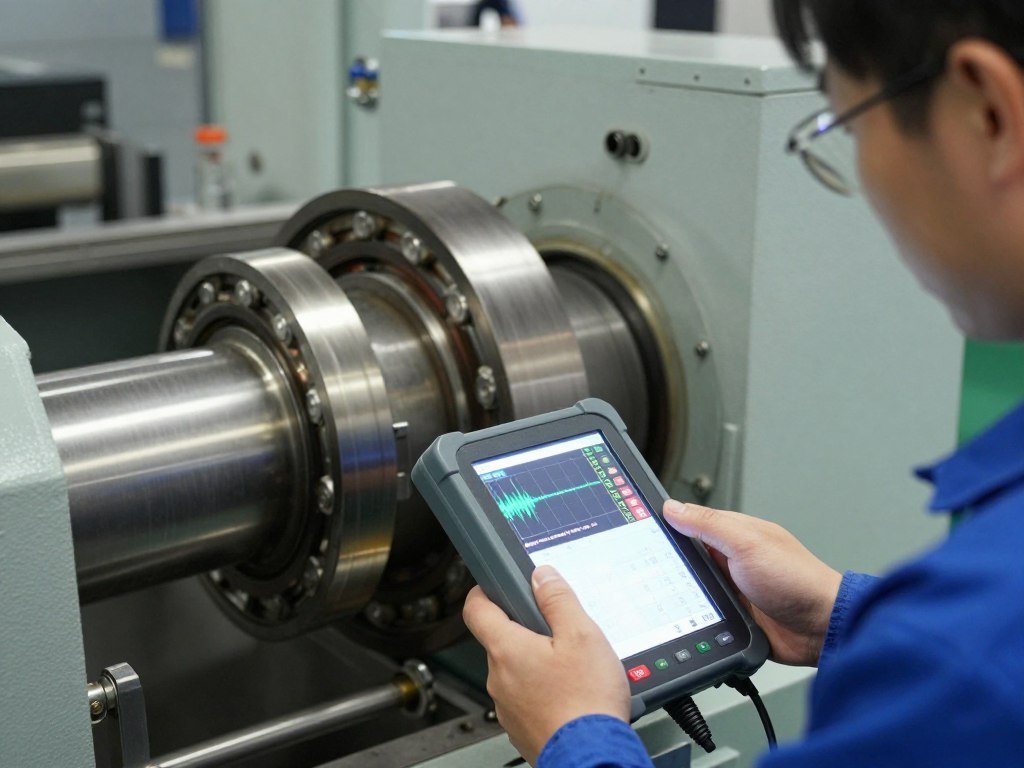
MAIKONG recommends implementing condition monitoring programmes for critical bearings in aquatic feed production line equipment. Vibration analysis and thermal imaging provide objective data supporting predictive replacement decisions rather than relying on scheduled intervals alone.
Motor Maintenance Requirements
Electric motors driving pellet production equipment operate under demanding conditions with frequent starting cycles, dust exposure, and extended run times. Proper motor maintenance prevents failures and extends service life beyond rated expectations.
- Maintain clean motor exterior surfaces to ensure proper cooling. Dust accumulation insulates motor housings and accelerates winding deterioration from excessive temperature.
- Verify proper ventilation around motor installations. Restricted airflow increases operating temperature and shortens motor life substantially.
- Monitor motor current draw during operation. Increases above rated full-load amperage indicate mechanical overload, supply voltage problems, or developing motor faults.
- Inspect motor mounting bolts and alignment quarterly. Vibration gradually loosens mounting hardware and misalignment accelerates bearing wear.
- Test insulation resistance annually using megohmmeter. Declining insulation resistance values warn of winding deterioration before failure occurs.
- Maintain proper bearing lubrication following manufacturer specifications. Motor bearing failures account for approximately 50% of motor replacements in feed production applications.
UK electrical standards require motor installations comply with BS 7671 wiring regulations and relevant Machinery Directive safety requirements. MAIKONG provides motors suitable for UK 415V three-phase supply with appropriate protection ratings for dusty environments typical in feed production facilities.
Predictive Maintenance Technology
Modern condition monitoring technology enables data-driven maintenance decisions that optimize component replacement timing. These systems reduce both unexpected failures and premature component replacement based solely on operating hours.
Monitoring Technologies
- Vibration Analysis: Identifies bearing wear, misalignment, imbalance, and mechanical looseness before failures occur
- Thermal Imaging: Detects abnormal temperature patterns indicating lubrication problems, electrical issues, or mechanical friction
- Motor Current Analysis: Evaluates motor condition and mechanical load issues through current waveform examination
- Oil Analysis: Identifies wear particles and contamination in gearboxes and hydraulic systems
- Ultrasonic Testing: Detects bearing lubrication adequacy, steam leaks, and electrical arcing
Implementing comprehensive condition monitoring for a typical 5-tonne-per-hour production line costs £8,500-15,000 initially. Annual programme operating costs including technician time and analysis services range from £2,800-4,500. Cost justification comes from prevented failures and optimized component replacement timing.
Essential Daily Inspection Procedures
Daily inspections represent the foundation of effective maintenance programmes. These brief procedures performed at production start detect developing problems before they cause failures or product quality issues.
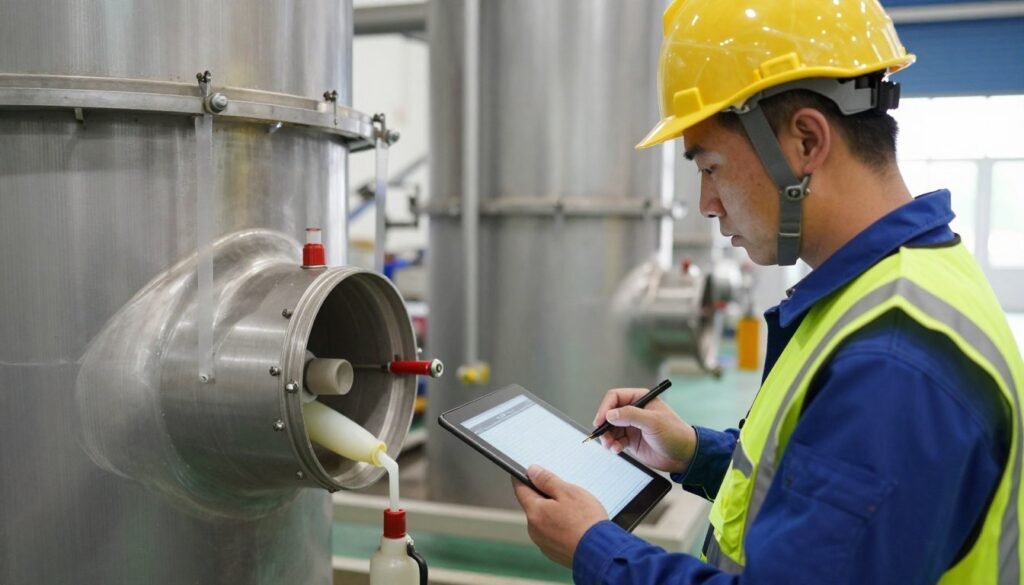
Pre-Start Inspection Checklist
Comprehensive pre-start inspections require only 15-20 minutes but prevent many of the most common production disruptions. UK operations implementing rigorous daily inspection protocols report 40-60% reductions in unplanned downtime compared to facilities without formal inspection procedures.
Visual Inspection Points
- Verify all safety guards and covers are properly installed and secured
- Check for material accumulation that could interfere with equipment operation
- Inspect drive belts for proper tension, wear, and damage
- Examine visible bearings for lubrication leakage or contamination
- Verify emergency stop systems are accessible and functional
- Check electrical connections for looseness, corrosion, or damage
- Inspect product contact surfaces for foreign material contamination
Functional Verification
- Test emergency stop function before production start
- Verify all pressure gauges and temperature indicators are operational
- Check steam supply pressure and temperature meet specifications
- Confirm lubrication systems are delivering proper lubricant flow
- Test interlocks preventing unsafe operating sequences
- Verify proper motor rotation direction if equipment was serviced
- Check control system displays for error messages or warnings
Operating Parameter Review
- Record bearing temperatures at key locations for trending analysis
- Document motor current draw values during unloaded operation
- Note any unusual noises or vibration patterns
- Verify raw material moisture content is within specified range
- Check finished pellet quality meets specifications
- Review production logs from previous shift for reported issues
- Confirm spare parts inventory for critical wear items
MAIKONG provides customizable inspection checklists specific to each shrimp feed production line configuration. These checklists can be implemented on paper forms or integrated into digital maintenance management systems for automated tracking and trend analysis.
During-Production Monitoring
Continuous monitoring during production enables early detection of developing problems before they cause failures or quality issues. Operators should maintain awareness of key parameters and investigate any deviations from normal operating ranges.
| Parameter | Normal Range | Action if Outside Range |
| Pellet Mill Motor Current | 75-90% of rated full-load amperage | Below range: insufficient material feed or worn die/rollers. Above range: overload condition requiring investigation. |
| Die Temperature | 75-95°C during normal production | Below range: inadequate conditioning. Above range: excessive friction from lubrication problems or wear. |
| Main Bearing Temperature | 50-75°C during normal operation | Above range: lubrication inadequacy or bearing deterioration requiring investigation. |
| Production Rate | Within 10% of target capacity | Below target: identify limiting factor (material supply, conditioning, die condition, or mechanical issues). |
| Pellet Durability Index | Specification-dependent, typically >85% | Below specification: review conditioning parameters, die condition, and formulation characteristics. |
Modern pig feed production line installations include automated monitoring systems that track these parameters continuously and alert operators when values drift outside acceptable ranges. These systems enable rapid response to developing problems before they impact production or quality.
Download Comprehensive Maintenance Checklist
MAIKONG provides detailed maintenance checklists, lubrication schedules, and inspection procedures specific to each equipment configuration. These resources help UK operations implement effective preventive maintenance programmes that minimize downtime and extend equipment life.
UK Distributor Margin and Profitability Considerations
Understanding achievable margins and profit drivers enables UK distributors to build sustainable businesses representing imported pellet production equipment. Successful distributors recognize that margins come from comprehensive value delivery rather than simply reselling hardware.
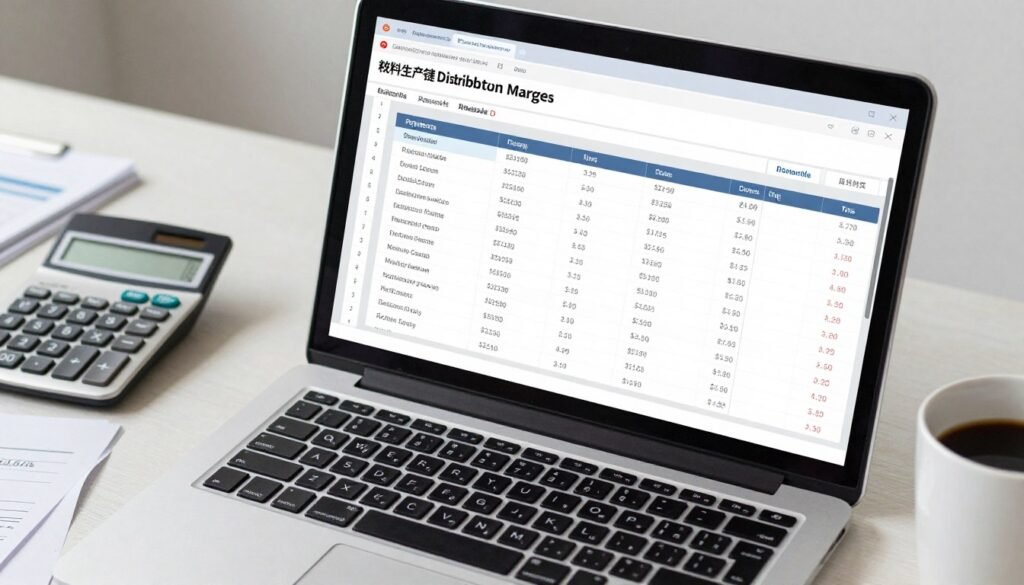
Revenue Stream Composition
Profitable UK distributors develop multiple revenue streams rather than depending solely on initial equipment sales. This diversified approach creates recurring revenue and strengthens client relationships through ongoing engagement.
| Revenue Stream | Typical Margin Range | Volume Potential | Required Capabilities |
| Initial Equipment Sales | 18-28% gross margin | Project-dependent, typically 2-8 installations annually for mid-sized distributors | Sales expertise, technical knowledge, project management, installation coordination |
| Spare Parts Supply | 35-55% gross margin | Recurring from installed base; £15,000-45,000 annually per installation | Inventory management, logistics, technical identification of correct parts |
| Maintenance Contracts | 25-40% gross margin | 20-40% of installed base clients purchase annual contracts | Qualified service technicians, vehicle fleet, tools and diagnostic equipment |
| Installation Services | 30-45% gross margin | Typically bundled with equipment sales; standalone opportunities for competitive installations | Installation expertise, lifting equipment access, electrical/mechanical contractors |
| Training Services | 60-75% gross margin | Initial training with installations plus refresher programmes; £1,200-2,800 per session | Experienced trainers, training facilities or mobile capability, documentation materials |
| Technical Consultation | 65-80% gross margin | Project-based; production optimization, troubleshooting, capacity expansion planning | Deep technical expertise, industry experience, analytical capability |
MAIKONG distributor partners benefit from competitive pricing on equipment and preferential spare parts rates that enable sustainable margins across all revenue streams. The company’s 22+ years of manufacturing experience translates into reliable products that minimize warranty claims and post-sale support costs that can erode profitability.
Cost Structure Realities
UK distributors must account for several cost categories beyond simple product acquisition. Understanding complete cost structure enables accurate pricing that maintains profitability while remaining competitive.
- Product acquisition costs including equipment purchase price, international shipping, import duties (currently 0% for most feed production equipment from China under current UK Global Tariff), and customs clearance fees
- Inventory carrying costs for spare parts stock including warehouse space, insurance, inventory financing costs, and obsolescence risk
- Technical support infrastructure including qualified personnel, training programmes, diagnostic tools, and technical reference materials
- Sales and marketing expenses encompassing website development, trade show participation, advertising, and sales staff compensation
- Administrative overhead including business insurance, professional services (accounting, legal), office space, and general operating expenses
- Service delivery capabilities requiring service vehicles, tools, lifting equipment, and technician training investments
Successful UK distributors typically target 35-45% gross margin on initial equipment sales to cover these overhead costs while maintaining adequate net profitability. Higher-margin spare parts and service revenue contribute disproportionately to bottom-line profitability once the installed equipment base reaches critical mass.
Market Positioning Strategies
UK distributors must differentiate their offerings in a competitive market where price-focused competitors create margin pressure. Several positioning strategies enable premium pricing through enhanced value delivery.
Technical Expertise Positioning
Demonstrate superior technical knowledge through published content, case studies, and consultation services. Clients pay premiums for distributors who solve problems rather than simply supplying equipment. Investment in staff technical training pays returns through reduced post-sale support costs and enhanced reputation.
Service Excellence Differentiation
Compete on response time, spare parts availability, and maintenance quality rather than initial price. Guaranteed service response within specified timeframes justifies premium pricing. Local spare parts inventory provides competitive advantage over distributors operating on extended lead times.
Total Cost of Ownership Focus
Educate buyers about lifecycle costs rather than capital expenditure alone. Demonstrate how slightly higher initial investment delivers lower total cost through superior reliability, efficiency, and support. Provide detailed ROI calculations considering production uptime, energy consumption, and maintenance costs.
MAIKONG supports distributor differentiation through comprehensive technical documentation, training resources, and responsive factory support. Partners leveraging these resources effectively create value that justifies premium positioning versus price-focused competitors.
Managing After-Sales Risk Exposure
After-sales service quality determines long-term distributor success more than any other factor. Satisfied clients generate recurring spare parts revenue, maintenance contracts, and referrals. Dissatisfied clients create warranty costs, reputation damage, and lost future business.
Primary After-Sales Risk Categories
UK distributors face several categories of after-sales risk that require different management approaches. Understanding these risks enables proactive mitigation rather than reactive damage control.
Technical Support Risks
Inadequate technical capability to resolve client problems creates frustration and damages relationships. Clients experiencing extended downtime due to distributor inability to provide effective troubleshooting support will seek alternative suppliers for future requirements.
Mitigation Strategies:
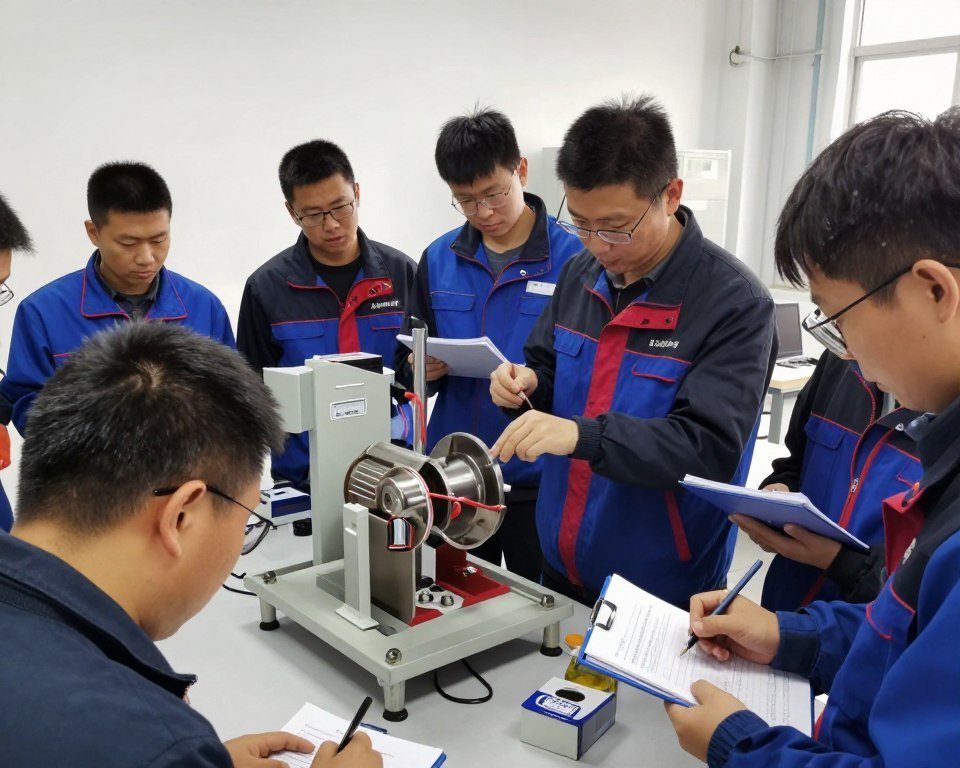
- Invest in comprehensive technician training including factory visits and hands-on experience
- Maintain direct communication channels to MAIKONG factory engineering support for complex issues
- Develop thorough documentation libraries covering common problems and solutions
- Build relationships with specialized contractors for areas outside internal expertise
Spare Parts Availability Risks
Inability to supply critical spare parts promptly causes client production losses and relationship damage. Parts shortages force clients to source alternatives, potentially discovering preferred suppliers in the process.
Mitigation Strategies:
- Maintain strategic spare parts inventory based on installed equipment base and historical consumption patterns
- Establish relationships with expedited shipping providers for emergency parts requirements
- Implement inventory management systems that trigger reordering before stockouts occur
- Communicate realistic lead times rather than promising availability that cannot be delivered
- Develop networks with other distributors for emergency parts sharing arrangements
Warranty Claim Risks
Equipment failures during warranty periods create direct costs and opportunity costs from service resource diversion. Excessive warranty claims indicate product quality issues or installation problems requiring systematic correction.
Warranty Management Critical Point: Thorough installation verification and comprehensive operator training prevent the majority of warranty claims. Most “equipment failures” during warranty periods actually result from improper operation, inadequate maintenance, or installation errors rather than manufacturing defects. Investing in installation quality and training delivers direct warranty cost reduction.
MAIKONG provides clear warranty terms distinguishing between manufacturing defects covered by warranty and operational issues resulting from improper use or maintenance. This clarity prevents disputes and enables professional resolution when legitimate warranty situations occur.
Client Expectation Management
Many after-sales problems stem from misaligned expectations rather than actual performance failures. Establishing realistic expectations during the sales process prevents disappointment and conflict during operation.
| Expectation Area | Common Unrealistic Expectation | Realistic Expectation to Communicate |
| Equipment Reliability | “Trouble-free operation with minimal maintenance” | Reliable operation requires adherence to preventive maintenance schedules. Expect normal wear item replacement at specified intervals. |
| Spare Parts Availability | “All parts available for next-day delivery” | Common wear items available within 48 hours from UK stock. Specialized components may require 25-35 days from factory. |
| Technical Support Response | “Immediate on-site service for any problem” | Phone/video support available within 4 business hours. On-site service scheduled based on severity and technician availability, typically within 48-72 hours for non-emergency situations. |
| Production Capacity | “Continuous operation at maximum rated capacity” | Rated capacity represents optimal conditions. Actual production varies based on raw material characteristics, formulation, and operating practices. Budget for 85-92% of rated capacity in planning. |
| Energy Consumption | “Estimated energy costs will be exact” | Energy consumption depends on raw material characteristics, formulation, ambient conditions, and operating practices. Estimates represent typical conditions; actual costs may vary ±15%. |
Clear communication of realistic expectations during sales discussions prevents many post-installation disappointments. MAIKONG provides detailed specification sheets and performance documentation that enable accurate expectation setting rather than optimistic claims that create later problems.
Return on Investment Analysis for UK Buyers
UK feed producers evaluating best pellet production line investments require comprehensive ROI analysis considering all cost and revenue factors. Simple payback calculations based solely on equipment cost and production volume miss critical variables affecting actual financial performance.

Complete Cost Consideration
Total investment extends beyond equipment purchase price to include installation, auxiliary systems, training, initial spare parts inventory, and working capital requirements.
| Cost Category | Typical Range (% of Equipment Cost) | Example for £180,000 Equipment Package |
| Equipment Purchase Price | 100% | £180,000 |
| Shipping and Import | 8-12% | £14,400-21,600 |
| Installation and Commissioning | 12-18% | £21,600-32,400 |
| Building Modifications | 5-15% | £9,000-27,000 |
| Electrical Supply Upgrades | 3-8% | £5,400-14,400 |
| Initial Spare Parts Inventory | 4-7% | £7,200-12,600 |
| Training and Start-up | 2-4% | £3,600-7,200 |
| Working Capital (raw materials, first production runs) | 8-15% | £14,400-27,000 |
| Total Investment Required | 142-179% | £255,600-322,200 |
Accurate financial planning accounts for complete investment requirements rather than budgeting for equipment cost alone. Undercapitalized projects frequently encounter financial stress during installation and commissioning phases when unexpected expenses emerge.
Revenue and Cost Savings Quantification
ROI comes from multiple sources depending on whether the installation represents new production capability, replacement of existing equipment, or capacity expansion. Each scenario generates different financial benefits requiring separate analysis.
New Production Capability
Facilities establishing new pellet production capability capture margin between purchased pellet costs and internal production costs, plus potential revenue from selling excess capacity to other producers.
- Eliminate purchased pellet costs (typically £280-380 per tonne depending on specification and volume)
- Capture production margin (£45-85 per tonne for most applications)
- Enable custom formulation flexibility improving animal performance
- Create potential third-party production revenue opportunities
Equipment Replacement
Replacing aging equipment generates financial benefits through improved efficiency, reduced maintenance costs, and decreased downtime frequency.
- Reduce energy consumption by 15-25% through modern efficient equipment
- Decrease maintenance costs by 30-50% versus aging equipment
- Minimize unplanned downtime reducing production losses
- Improve product quality consistency enabling premium pricing
Capacity Expansion
Expanding production capacity enables volume growth that improves overhead absorption and captures market opportunities.
- Reduce per-unit production cost through higher volume and better overhead absorption
- Capture revenue growth from expanded market service capability
- Improve delivery reliability through excess capacity buffering demand variability
- Enable strategic customer acceptance without capacity constraints
Process Automation
Automated production lines reduce labour requirements while improving consistency and enabling extended operating hours.
- Reduce direct labour requirements by 40-65% versus manual systems
- Enable extended operating hours without proportional labour cost increases
- Improve batch consistency reducing waste and quality complaints
- Free skilled staff for higher-value tasks rather than routine production
Realistic Payback Period Expectations
Payback periods for pellet production line investments vary significantly based on production volume, operating hours, existing situation, and market conditions. UK operations should expect realistic timeframes rather than optimistic projections that create disappointment.
Typical UK Payback Scenarios:
High-volume replacement (15+ hours daily operation): 2.5-3.5 years payback
Medium-volume new capability (10-12 hours daily operation): 3.5-5 years payback
Lower-volume capacity expansion (6-8 hours daily operation): 5-7 years payback
Seasonal or intermittent operation (variable schedule): 7-10 years payback
MAIKONG provides ROI calculation tools and case study data enabling realistic financial projections based on actual operating conditions rather than theoretical maximums. UK distributors working with MAIKONG access these resources to support client decision-making with accurate financial analysis.
UK and European Installation Case Studies
Real-world examples from UK and European MAIKONG installations demonstrate practical outcomes and provide realistic performance expectations. These case studies illustrate both successes and challenges encountered during implementation and operation.
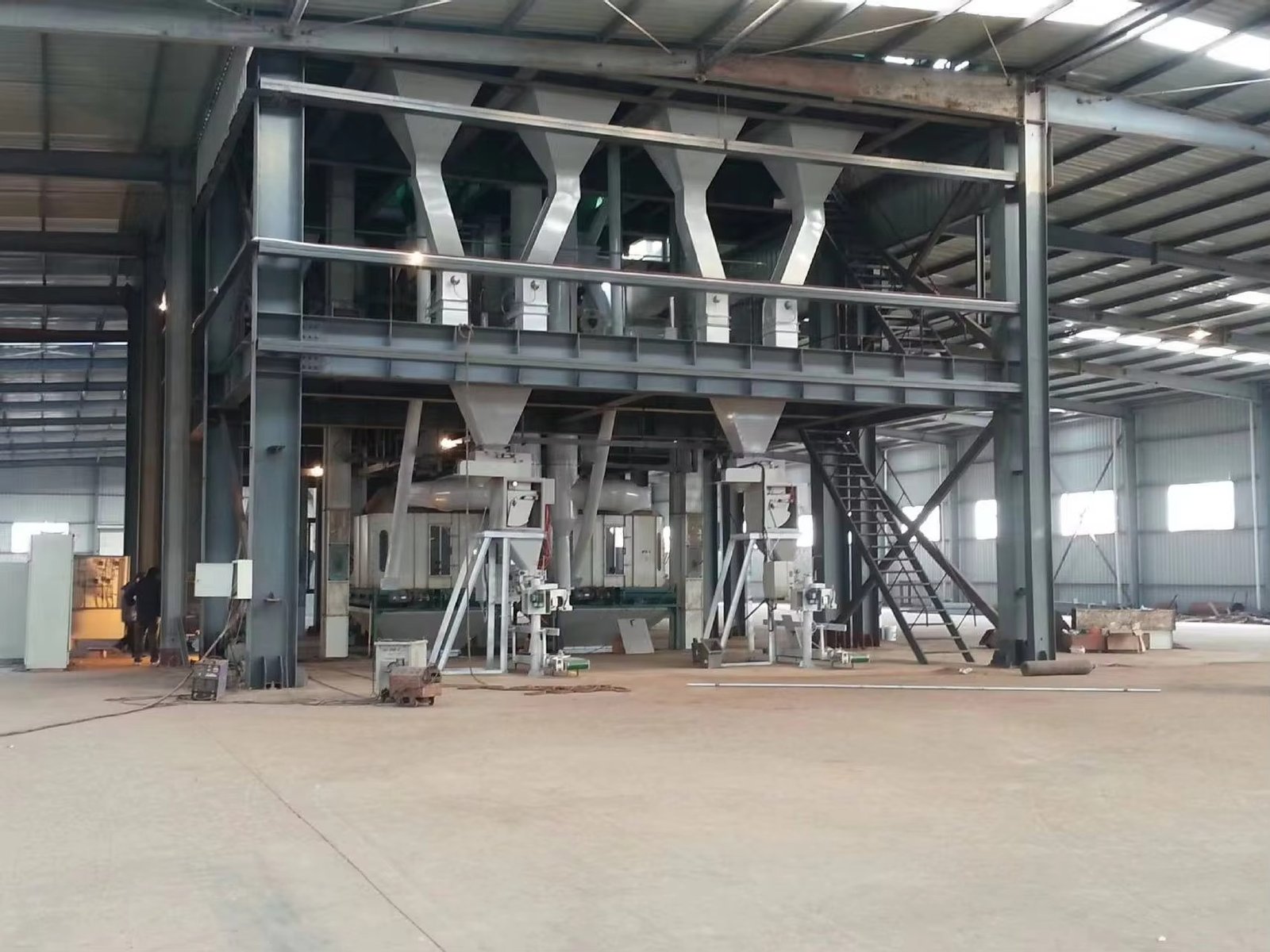
Case Study 1: East Midlands Poultry Feed Producer
A Nottinghamshire-based poultry feed producer serving local egg and broiler farms installed a MAIKONG MK-L003 5-tonne-per-hour poultry feed production line in March 2023. The installation replaced 30-year-old equipment that had become increasingly unreliable and inefficient.
| Parameter | Previous Equipment | MAIKONG Installation | Improvement |
| Production Capacity | 3.2 tonnes/hour (degraded from 4 tonnes/hour rating) | 4.8 tonnes/hour (96% of 5 tonnes/hour rating) | +50% actual capacity |
| Energy Consumption | 48 kWh per tonne produced | 32 kWh per tonne produced | -33% energy cost per tonne |
| Unplanned Downtime | 18-22 days annually | 3 days annually (first 18 months) | -86% downtime frequency |
| Maintenance Labour | 520 hours annually | 180 hours annually | -65% maintenance time |
| Pellet Durability Index | 82-88% (inconsistent) | 91-94% (consistent) | Improved quality consistency |
The installation achieved 31-month payback based on actual operating results. Primary financial benefits came from increased production capacity enabling additional client service (generating £68,000 additional annual revenue), reduced energy costs (saving £22,400 annually), and decreased maintenance expenses (saving £18,600 annually).
Key Success Factors: Comprehensive operator training, commitment to preventive maintenance schedule, local spare parts inventory for critical items, and responsive distributor support during initial operation period.
Case Study 2: Scottish Aquaculture Feed Supplier
A Scottish supplier serving salmon farms installed a MAIKONG 3-tonne-per-hour aquatic feed production line in September 2022. This installation represented new production capability, as the company previously purchased all pellets from external suppliers.
Installation Challenges Encountered
- Building electrical service required upgrade from 200A to 400A capacity at additional cost of £8,200
- Floor loading capacity needed reinforcement under pellet cooler requiring £4,800 structural work
- Initial commissioning took longer than expected due to raw material moisture variability
- Operator training required extended period due to lack of previous pellet production experience
Operational Results After 18 Months
- Producing 85% of rated capacity (2.55 tonnes/hour average) due to high-protein formulations requiring longer conditioning
- Pellet quality exceeds specifications with 96% durability index and minimal fines
- Production cost of £312 per tonne versus previous purchase cost of £445 per tonne
- Generated £186,000 cost savings in first 18 months of operation
- On track for 3.8-year payback despite higher-than-expected installation costs
Lessons Learned: Budget conservatively for installation costs including building modifications and electrical upgrades. Extended operator training proves worthwhile for organizations new to pellet production. Raw material quality and consistency significantly impact production efficiency and product quality.
Case Study 3: Dutch Cattle Feed Cooperative
A Netherlands-based agricultural cooperative installed a MAIKONG 8-tonne-per-hour cattle feed production line in January 2023. The cooperative serves 240 member dairy farms requiring approximately 45,000 tonnes of pellet feed annually.
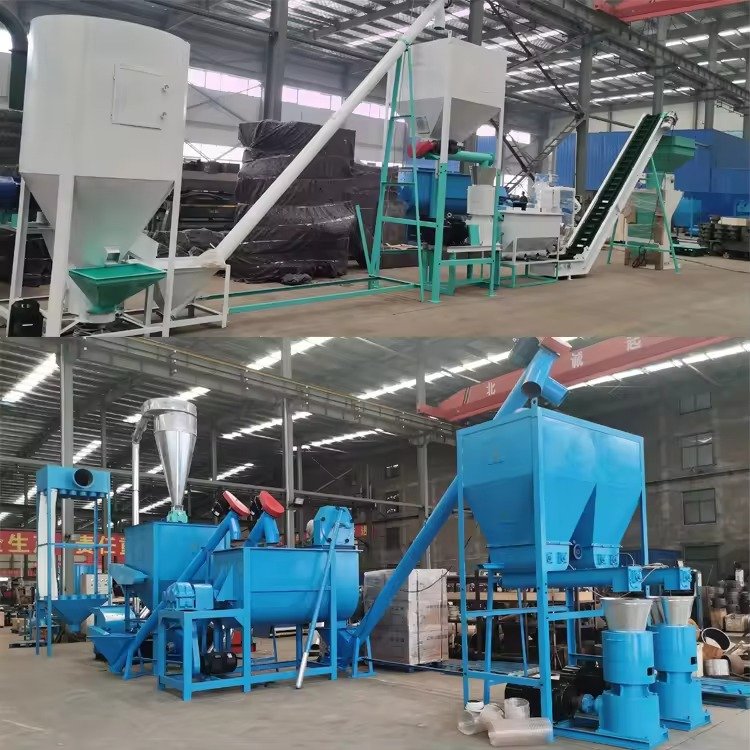
This installation replaced a 1990s-era production line that had reached the end of its economic life. The cooperative prioritized reliability and automation to reduce labour requirements while increasing production capacity to meet member growth.
Performance Highlights: Achieved 7.3 tonnes/hour average production rate (91% of rated capacity). Reduced labour requirements from 4.5 FTE to 2.0 FTE through automation. Energy consumption 28% lower than previous equipment. Unplanned downtime totaling only 4.5 days in first 14 months of operation.
Improvement Opportunities Identified: Spare parts lead times from Asia occasionally exceed expectations, prompting cooperative to increase local inventory investment. Technical support response times adequate but could improve with European-based service centres. Documentation translation quality variable across different manuals.
About MAIKONG Feed Production Line Manufacturing
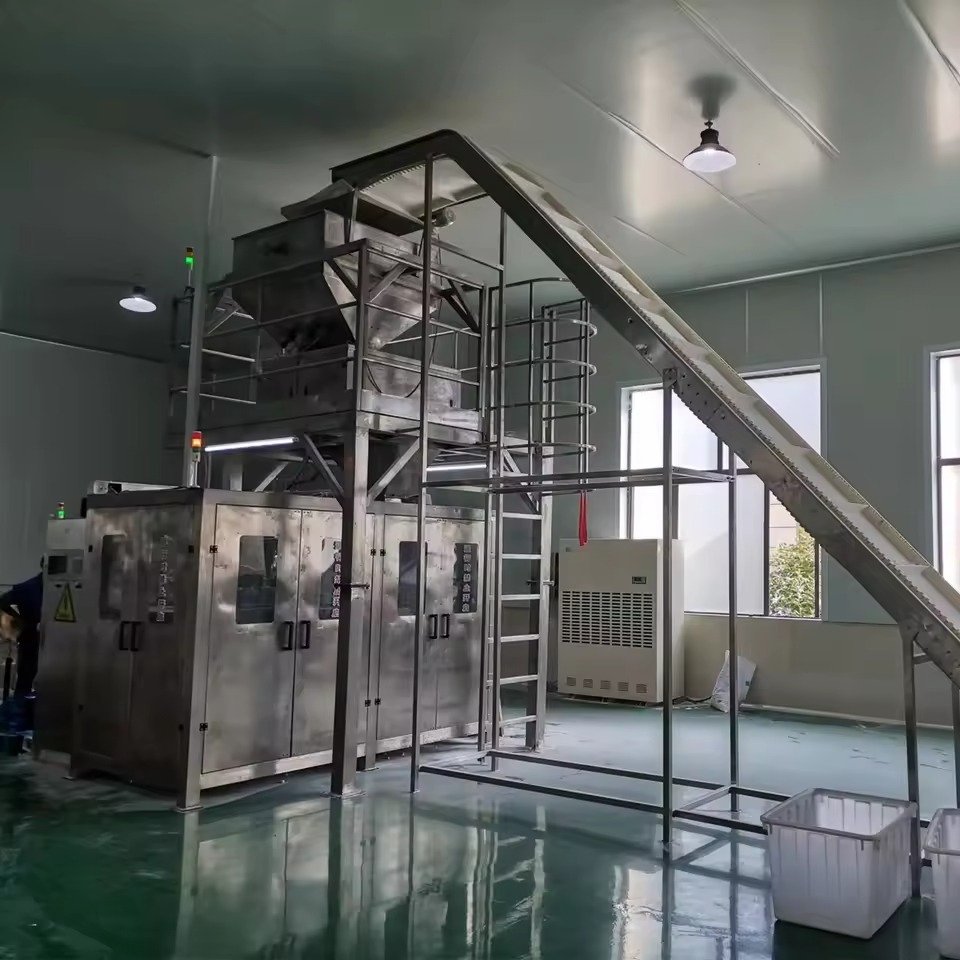
MAIKONG brings over 22 years of specialized experience in designing and manufacturing feed production line equipment for global markets. The company operates from advanced manufacturing facilities in Guangdong Province, China, with engineering and quality control systems developed specifically for export markets including the United Kingdom and European Union.
Core Competencies and Capabilities
MAIKONG specializes in complete turnkey feed production solutions from individual equipment components to fully integrated production lines. The company’s product range covers capacity requirements from small farm-scale operations (200kg per hour) to large commercial installations (200 tonnes per hour).
Product Portfolio
Manufacturing Standards
- ISO 9001:2015 certified quality management systems
- CE marking compliance for European market requirements
- UK machinery safety directive conformity
- Food-grade material specifications for product-contact components
- Comprehensive factory acceptance testing before shipment
- Full technical documentation in English
Global Export Experience
- Equipment installations in 130+ countries worldwide
- Extensive European market experience including UK, Netherlands, Germany, Belgium, Portugal
- Understanding of UK electrical standards and safety requirements
- Proven logistics coordination for UK imports
- Multilingual technical support capabilities
OEM and ODM Partnership Programmes
MAIKONG offers comprehensive OEM (Original Equipment Manufacturer) and ODM (Original Design Manufacturer) partnership arrangements enabling UK distributors to develop private-label product offerings. These programmes provide flexibility for established distributors to leverage MAIKONG manufacturing capabilities while maintaining their own brand identity.
| Partnership Type | Capabilities Provided | Minimum Order Requirements | Customization Options |
| Standard Distribution | MAIKONG-branded equipment with standard specifications and configurations | No minimum order quantities | Limited to standard options (voltage, control configuration, accessory selection) |
| OEM Partnership | Partner branding on standard MAIKONG designs and specifications | Typically 3-5 units for initial order | Partner branding, colour schemes, control panel customization, documentation customization |
| ODM Partnership | Custom equipment design and engineering to partner specifications | Project-dependent, typically 5-10 units minimum | Extensive customization including capacity modifications, automation level, integration requirements, unique features |
UK distributors interested in OEM or ODM partnerships can contact MAIKONG directly at Lucy@feedproductionline.uk to discuss specific requirements and capabilities. The company maintains dedicated project management resources for partner development programmes ensuring consistent communication and delivery.
Technical Support Infrastructure
MAIKONG provides multi-level technical support designed to address the needs of both distributors and end users. This structured approach ensures appropriate expertise addresses each inquiry type efficiently.
- Distributor Technical Support: Direct access to factory engineering team for complex technical questions, design consultation, and troubleshooting assistance requiring factory-level expertise
- Installation Support: Remote guidance during installation and commissioning phases including video consultation, documentation review, and parameter verification
- Operator Training Materials: Comprehensive training programmes covering equipment operation, routine maintenance, basic troubleshooting, and safety procedures
- Spare Parts Technical Support: Detailed parts identification assistance, compatibility verification, and application guidance for replacement components
- Preventive Maintenance Guidance: Customized maintenance schedules based on equipment configuration, production volume, and material characteristics
Support communications are managed through multiple channels including email (primary documentation), WhatsApp (rapid consultation), and scheduled video calls (complex troubleshooting). MAIKONG commits to initial response within 24 hours for urgent technical inquiries from UK and European partners.
Frequently Asked Questions: UK Distributor Perspective
What spare parts should UK distributors maintain in local inventory to support installed MAIKONG pellet production lines?
UK distributors should stock wear items with the shortest lifespan and longest replacement lead times to minimize client downtime. Priority inventory includes pellet mill ring dies (one spare per common die size), pellet mill pressure rollers (one set per common configuration), hammer mill hammers and screens (two sets each for common specifications), drive belts for all positions, and standard bearing sizes used across multiple locations. Additional consideration should be given to pellet mill conditioning components (steam injectors, retention time extensions) and mixer paddle sets. Total inventory investment typically ranges from £12,000-28,000 for distributors supporting 10-15 installed production lines. Inventory selection should be guided by actual installed base rather than attempting to stock all possible parts. MAIKONG provides detailed parts consumption data based on operating hours to help distributors optimize inventory investment.
How do import duties and Brexit regulations affect pellet production line equipment purchases from China to the UK?
Feed production equipment currently enters the UK duty-free under the UK Global Tariff schedule. Most pellet production line components classify under HS codes 8437 (machinery for cleaning, sorting, or grading seeds, grain, or dried leguminous vegetables) or 8479 (machines and mechanical appliances having individual functions), which carry 0% import duty. VAT at 20% applies to the combined value of equipment, shipping, and insurance, though UK businesses can typically reclaim VAT through normal procedures. Brexit introduced additional documentation requirements including customs declarations, safety and conformity declarations, and potentially phytosanitary certification depending on whether equipment had previous exposure to agricultural materials. Import processing times increased by approximately 5-7 days compared to pre-Brexit procedures. UK importers should budget for customs broker fees of £150-400 per shipment and ensure suppliers provide complete commercial documentation including detailed packing lists, commercial invoices showing HS codes, and CE conformity declarations. MAIKONG maintains experienced export documentation staff familiar with UK import requirements to minimize customs clearance complications.
What are realistic expectations for technical support response times when UK operations experience production problems?
UK operations should expect initial technical support contact within 4-24 hours depending on inquiry timing relative to Chinese business hours. MAIKONG technical team operates Monday-Friday 9:00-18:00 China Standard Time (GMT+8), which corresponds to 01:00-10:00 GMT during UK winter months and 02:00-11:00 BST during summer months. This time difference means inquiries submitted during UK afternoon/evening hours typically receive response the following UK morning. For urgent production-stopping issues, WhatsApp contact (+86 158-1555-6422) enables faster initial response, often within 2-3 hours even outside normal business hours. However, detailed troubleshooting requiring engineering analysis or documentation review requires standard business hours. UK distributors can provide more responsive support to end clients by developing internal technical capabilities for common issues. MAIKONG provides comprehensive training to distributor technical staff enabling resolution of approximately 70-80% of field issues without factory involvement. For issues requiring factory engineering support, video consultation appointments can typically be scheduled within 24-48 hours. On-site factory visits for major problems can be arranged but involve 7-10 day mobilization periods plus travel time.
How does pellet production line energy efficiency compare between different capacity models, and what are typical UK operating costs?
Energy efficiency improves moderately as production line capacity increases due to better motor loading percentages and reduced proportional overhead consumption. Small production lines (1-3 tonnes/hour) typically consume 38-45 kWh per tonne of finished pellets. Medium capacity lines (3-8 tonnes/hour) achieve 32-38 kWh per tonne. Large installations (8-20 tonnes/hour) operate at 28-33 kWh per tonne under optimal conditions. However, actual energy consumption varies significantly based on raw material characteristics (moisture content, particle size, fibrous content), formulation (high-protein feeds require more energy than grain-based feeds), and die specifications (smaller die holes increase energy requirements). UK electricity costs for industrial users average £0.18-0.24 per kWh as of 2024, making energy costs £5.75-9.90 per tonne for small lines, £5.05-8.35 per tonne for medium lines, and £4.65-7.30 per tonne for large installations. Natural gas costs for steam generation add approximately £1.20-2.40 per tonne depending on conditioning temperature and retention time requirements. UK operations can reduce energy costs through proper equipment maintenance (worn dies increase energy consumption by 15-30%), optimal die selection for specific applications, and raw material preparation that minimizes pellet mill load. MAIKONG can provide detailed energy consumption projections based on specific formulations and operating parameters during equipment selection.
What warranty coverage does MAIKONG provide for UK installations, and what exclusions should distributors and buyers understand?
MAIKONG provides standard 12-month warranty coverage from equipment commissioning date or 18 months from factory departure date, whichever occurs first. Warranty covers manufacturing defects in materials and workmanship but excludes normal wear items (dies, rollers, hammers, screens, belts, bearings), damage from improper operation or maintenance, modifications performed without factory approval, and use outside specified operating parameters. Warranty covers replacement parts FOB Chinese port; shipping costs and installation labour for warranty repairs remain buyer responsibility. Extended warranty periods can be negotiated for specific projects, typically at 2-4% of equipment value per additional year. UK distributors should clearly communicate warranty terms during sales discussions to prevent misunderstandings. Most “equipment failures” during warranty periods actually result from operational issues (improper raw material preparation, inadequate maintenance, operator error) rather than manufacturing defects. Thorough operator training and adherence to preventive maintenance schedules prevents the majority of problems. Warranty claims require detailed documentation including operating records, maintenance logs, and photographic evidence of failure conditions. MAIKONG processes legitimate warranty claims promptly, typically shipping replacement parts within 5-7 working days of claim approval. Distributors adding local service and extended warranty coverage as value-added offerings create meaningful differentiation and additional revenue opportunities while protecting client relationships.
UK Distributor and Dealer Partnership Enquiries
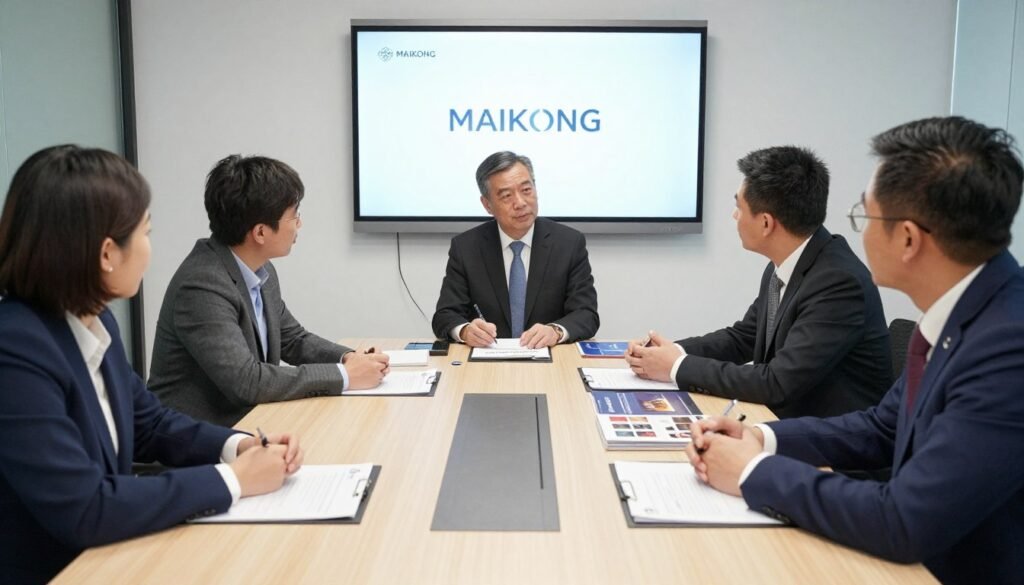
MAIKONG actively develops partnerships with qualified UK distributors, dealers, and agents who can represent our feed production line equipment throughout United Kingdom markets. The company seeks partners who combine technical capability, market knowledge, and commitment to client service excellence.
Ideal Partner Characteristics
MAIKONG partnership programme works best with organizations that bring existing market presence and technical capabilities to the relationship. The company provides substantial support but expects partners to maintain professional standards and market development commitment.
Partner Qualifications
- Existing presence in UK agricultural, aquaculture, or pet food manufacturing markets
- Technical staff capable of equipment installation, commissioning, and basic service
- Financial stability to maintain spare parts inventory and support client credit terms
- Facilities for equipment demonstration or client visits when possible
- Commitment to represent MAIKONG brand professionally and ethically
- Willingness to invest in staff training and market development activities
What MAIKONG Provides Partners
- Competitive distributor pricing enabling sustainable margins
- Exclusive or preferred territory protection in designated UK regions
- Comprehensive technical training including factory visits when practical
- Marketing support materials including brochures, specifications, and case studies
- Direct factory access for technical support and custom quotations
- Spare parts at preferential distributor rates
- Assistance with complex projects requiring factory engineering input
Partnership Application Process
Organizations interested in MAIKONG distribution partnerships should initiate contact through the partnership enquiry process. This structured approach ensures efficient evaluation and provides clear information to both parties.
- Initial Contact: Submit partnership enquiry via email to Lucy@feedproductionline.uk including brief company introduction, current product lines represented, geographic coverage, and specific interest areas (product categories, capacity ranges, market segments).
- Information Exchange: MAIKONG provides detailed partnership programme information including territory options, pricing structures, support provisions, and requirements. Prospective partners provide additional company information including technical capabilities, market presence, and business references.
- Capability Assessment: Discussion of technical capabilities, market knowledge, and business approach to ensure good mutual fit. Video calls or in-person meetings arranged when practical.
- Agreement Development: For qualified partners, formal distribution agreement drafted covering territory, product scope, pricing, support commitments, and performance expectations.
- Onboarding Process: New partners receive comprehensive training, technical documentation, marketing materials, and introduction to factory support resources.
The partnership development process typically requires 4-8 weeks from initial contact to signed agreement depending on complexity and due diligence requirements from both parties.
Start Your MAIKONG Partnership Discussion
UK companies interested in representing MAIKONG feed production line equipment should contact our partnership development team. We welcome discussions with qualified organizations seeking reliable manufacturing partners with proven products and comprehensive support infrastructure. Territory opportunities remain available in several UK regions for the right partners.
Making Informed Pellet Production Line Investment Decisions
Selecting the best pellet production line for UK operations requires comprehensive analysis extending far beyond initial capital cost comparison. The equipment choice impacts profitability for years through energy consumption, maintenance requirements, spare parts costs, and production reliability.

Successful UK operations recognize that the cheapest equipment rarely delivers the lowest total cost of ownership. Equipment that appears attractively priced during purchase often generates excessive operational costs through poor efficiency, high maintenance requirements, or inadequate reliability. Conversely, premium-priced equipment doesn’t automatically deliver proportional value if specifications exceed actual requirements or if supplier support infrastructure fails to meet operational needs.
Critical Decision Factors
UK buyers should evaluate pellet production line investments across multiple dimensions rather than optimizing for any single factor.
- Supplier Stability and Support: Choose manufacturers with proven track records, established support infrastructure, and realistic commitments rather than promising everything but delivering inconsistently.
- Specification Appropriateness: Match equipment capacity, automation level, and features to actual operational requirements rather than aspirational maximums that increase cost without delivering value.
- Total Cost of Ownership: Calculate complete lifecycle costs including energy consumption, maintenance requirements, spare parts expenses, and expected lifespan rather than focusing solely on purchase price.
- Spare Parts Accessibility: Verify realistic parts availability and lead times rather than accepting general assurances. Local distributor parts inventory provides significant operational risk reduction.
- Technical Support Quality: Evaluate supplier and distributor technical capabilities through references and past performance rather than accepting marketing claims at face value.
- Installation and Commissioning: Budget adequately for professional installation, proper commissioning, and comprehensive operator training. Cutting corners during implementation creates operational problems that persist throughout equipment life.
MAIKONG’s 22+ years of manufacturing experience, comprehensive product range, and growing UK distributor network position the company as a credible option for UK operations seeking reliable feed production line equipment. The company’s commitment to technical transparency, realistic performance claims, and responsive support aligns with UK buyer preferences for straightforward business relationships.
Next Steps for UK Buyers and Distributors
Organizations evaluating pellet production line investments or distribution opportunities should take systematic approaches to decision-making rather than rushing into commitments based on incomplete information.
For UK Feed Producers
- Define specific requirements including capacity, raw materials, formulations, and operating schedule
- Calculate complete total cost of ownership over realistic equipment lifespan (typically 15-20 years)
- Contact multiple suppliers including MAIKONG for detailed quotations and specifications
- Request and check references from similar operations in UK or Europe
- Visit operating installations when possible to observe actual performance
- Evaluate distributor/supplier technical support capabilities and spare parts accessibility
- Budget adequately for installation, commissioning, training, and initial spare parts inventory
For Potential UK Distributors
- Assess market opportunity in target regions and product segments
- Evaluate technical capability requirements and gaps requiring development
- Calculate investment requirements for inventory, training, and market development
- Contact MAIKONG partnership team to discuss territory availability and programme details
- Review product specifications, quality standards, and support infrastructure
- Develop business plan including sales projections, investment requirements, and profitability timelines
- Consider factory visit to assess manufacturing capabilities and establish relationships
The UK feed production equipment market offers substantial opportunities for both feed manufacturers seeking reliable production solutions and distributors building businesses on quality products and service excellence. MAIKONG welcomes discussions with qualified buyers and distributors seeking manufacturing partners committed to long-term success.
Contact MAIKONG for Your Specific Requirements
Whether you’re a UK feed producer evaluating pellet production line options or a potential distributor exploring partnership opportunities, MAIKONG provides responsive, detailed information to support informed decision-making. Our team brings extensive experience helping UK and European clients achieve their production goals through appropriate equipment selection and comprehensive support.
Email: Lucy@feedproductionline.uk
WhatsApp/Phone: +86 158-1555-6422
Website: feedproductionline.uk