Professional Animal Feed Production Line Manufacturer For UK Market

Maximizing Efficiency in Your Feed Production Line
August 10, 2026
Maximizing efficiency in your feed production line involves optimizing several key components: the machinery, the process flow, and the materials used. At MAIKONG, we recognize that improved efficiency translates into increased production capability, reduced costs, and improved product quality. We'll explore strategies that can make a significant difference in your feed production operation, focusing on actionable steps you can implement right away.
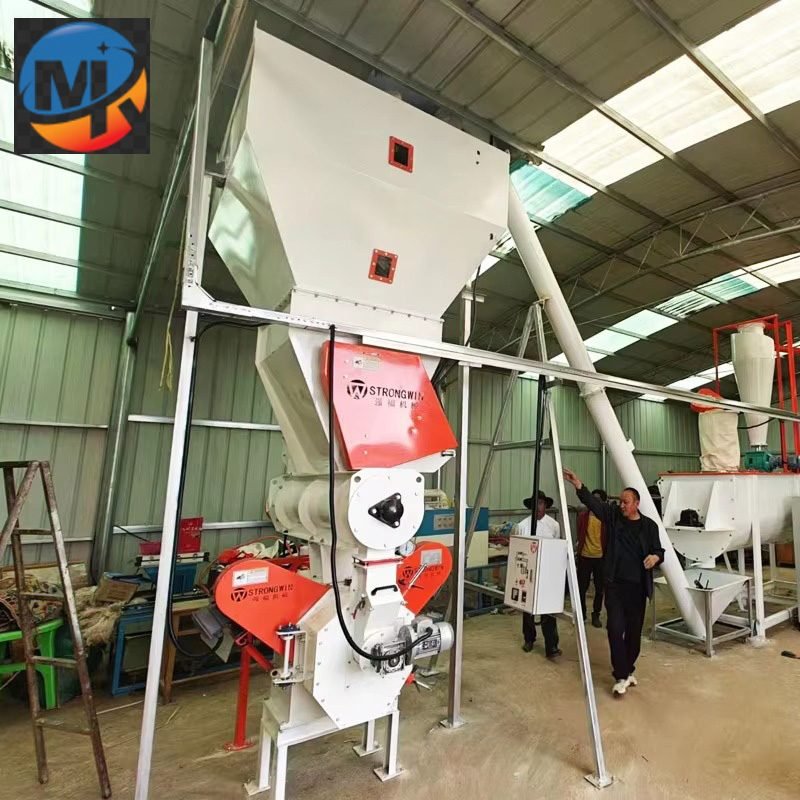
What is the Importance of Choosing the Right Equipment?
Choosing the right equipment is paramount for feed production efficiency. The machinery you select influences both the quality of the product and the throughput of the production line. High-efficiency machinery, like MAIKONG’s energy-efficient models, ensures minimal energy wastage and maximizes output.
For instance, efficient pellet mills can improve production throughput significantly. Look for features like variable frequency drives that allow precise control over the pelletizing process. Per ISO 9001, adherence to quality management systems in manufacturing ensures reliability and consistency, reinforcing the importance of using certified equipment.
Selecting the appropriate machinery also means considering factors such as maintenance requirements and compatibility with existing systems. Investing in automated systems, such as MAIKONG’s Premix Feed Production Line featuring Automated Systems, can further enhance efficiency by reducing human error and downtime.
How Does Process Optimization Impact Feed Line Efficiency?
Process optimization is critical for achieving maximum efficiency. This involves streamlining your production processes to minimize waste and bottlenecks. A well-optimized process ensures that material flow is continuous and smooth.
One effective strategy is the implementation of a robust predictive maintenance program. As per manufacturers' recommendations, regular equipment Checks & Calibration against standards can prevent unexpected failures. This ensures machines operate at optimal efficiency consistently. A minor investment in regular maintenance can prevent costly downtimes and extend machinery lifespan.
Additionally, employing real-time monitoring systems allows for quick identification and correction of inefficiencies. Using sensors and IoT technology to monitor equipment status and product variables can provide actionable data, leading to process improvements and increased production rates.
How Can Energy Efficiency Be Enhanced in Feed Production?
Enhancing energy efficiency is a significant component of optimizing productivity. At MAIKONG, the implementation of energy-efficient machinery is a core principle. For instance, our Poultry Feed Production Line With Energy-Efficient Machinery illustrates the gains possible through energy-saving technologies.
Energy-saving features, such as regenerative drive systems and improved motor technologies, can drastically reduce power consumption. Designs that include energy recuperation systems, which recapture and reuse energy within the system, also contribute to lowered operational costs.
According to the CE marking standards, energy-efficient designs not only reduce costs but also lessen environmental impact, which is increasingly important given today's regulatory environment. MAIKONG’s commitment to sustainability in design and operations is evident in our pursuit to meet these standards.
What Role Does Raw Material Quality Have in Production Line Efficiency?
The quality of raw materials significantly impacts the efficiency and effectiveness of feed production lines. High-quality materials reduce the incidence of production line jams and ensure consistent pellet quality.
Using feed additives and pre-treatment processes to ensure consistency can mitigate irregularities in raw material quality that might otherwise impede efficient operation. Adhering to standards such as ISO 22000 for food safety management in supply chain processes ensures the raw materials’ integrity.
Cost-efficient raw materials sourced from reliable suppliers minimize downtime related to adjustments and cleaning, directly impacting throughput and quality.
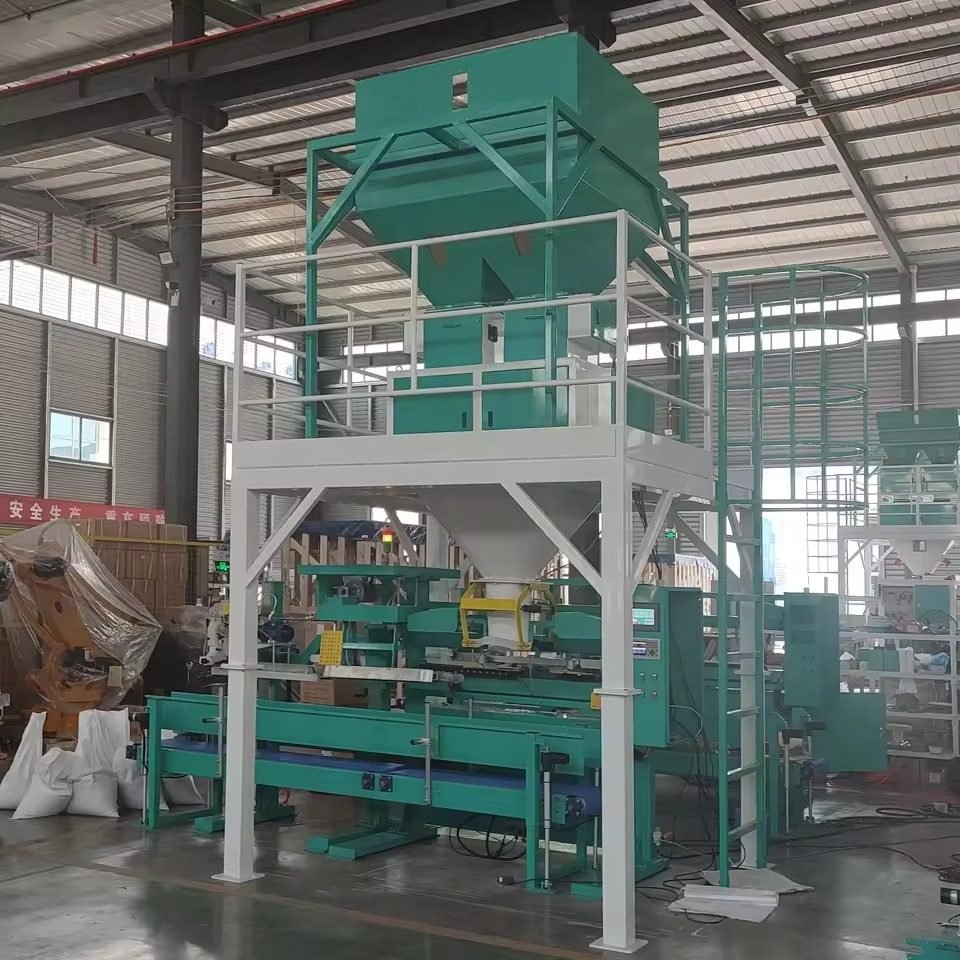
What Maintenance Strategies Can Extend Equipment Life?
Effective maintenance strategies are crucial for extending the lifespan of feed production equipment, thus ensuring prolonged operational efficiency. Regularly scheduled inspections and maintenance at optimal intervals prevent unexpected breakdowns.
Regular cleaning and lubrication, adherence to manufacturer-recommended maintenance protocols, and using genuine replacement parts are vital components of a comprehensive maintenance strategy. According to ISO 9001 standards, maintaining detailed maintenance records also helps track performance and plan future upgrades or replacements.
Moreover, MAIKONG advocates for redundant systems or backup processes, particularly in high-volume operations, to maintain production continuity in case of primary system failures.
How Can You Integrate Automation for Improved Efficiency?
Integrating automation within your feed production line leads to significant gains in both efficiency and product consistency. Automated systems, like the ones found in our Production Line Feeding System, reduce the need for manual intervention, which decreases error rates and speed variances in production cycles.
Automation options include smart feeders that adjust flow rates based on real-time data and automated bagging systems connected to centralized control systems. Implementing such systems leads to faster changeovers and better data analytics, facilitating continuous process improvement.
Decision Checklist for Maximizing Your Feed Production Line Efficiency
| Key Factor | Description |
|---|---|
| Equipment Selection | Choose energy-efficient, low-maintenance machinery. |
| Process Optimization | Implement predictive maintenance and real-time monitoring. |
| Energy Efficiency | Use machinery with regenerative drives. |
| Material Quality | Ensure high-quality raw materials to prevent blockages. |
| Maintenance | Schedule regular maintenance and keep detailed records. |
| Automation | Integrate smart systems to streamline operations. |
To maximize efficiency, focus on a holistic approach encompassing equipment, processes, and material quality. By following this checklist, you can systematically improve the operational efficiency of your feed production line.
Conclusion
Efficient feed production begins with the right strategy encompassing equipment, process optimization, and high-quality materials. MAIKONG provides state-of-the-art solutions tailored to meet varying needs, ensuring your production line operates at peak performance. For more information on equipment and process optimization, explore our resources or contact a MAIKONG expert to find the best solution for your specific needs.
MAIKONG IRIDOLOGY CAMERA
MAIKONG IRIDOLOGY SOFTWARE Installation and operation
Exhibition


Company Certificates


Contact US Online WHATSAPP:

Maybe you like also
Copy©2026-2030