Professional Animal Feed Production Line Manufacturer For UK Market

Choosing the Best Pet Feed Pellet Production Equipment Supplier in the UK
August 18, 2026
Selecting the right supplier for pet feed pellet production equipment in the UK is crucial for ensuring quality, efficiency, and compliance in your pet food manufacturing operations. MAIKONG Industry Co.,Ltd, a company established in 2004, stands out as a specialized partner in this field, catering specifically to the needs of UK distributors and pet food manufacturers. This article explores key factors involved in choosing the best supplier, including technical specifications, standards, service offerings, and what sets MAIKONG apart in the marketplace.
What Technical Specifications Matter in Pet Feed Equipment?
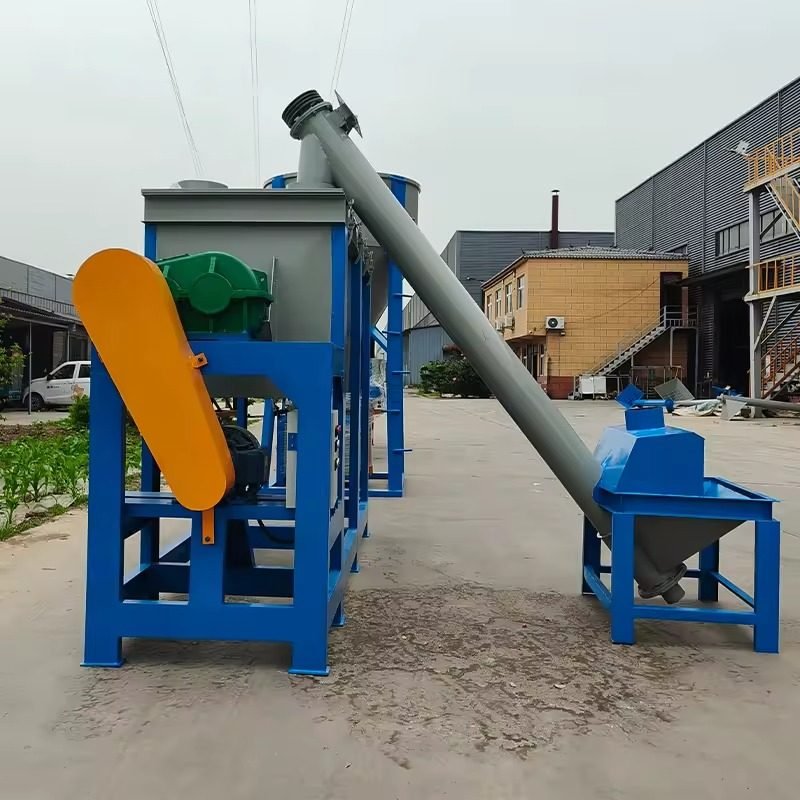
Technical specifications for pet feed pellet production equipment directly influence efficiency and quality. Key specs include motor power, production capacity, pellet diameter range, and durability of materials.
Motor power, typically measured in kilowatts (kW), determines the volume of raw material that can be processed. Pelleting machines often range from 20 kW to over 200 kW, depending on the production scale. For instance, larger pet food factories might require machinery on the higher end of this spectrum to ensure adequate throughput.
Production capacity is measured in tons per hour (TPH) or kilograms per hour (kg/h). A standard figure for mid-sized operations ranges from 500 kg/h to 2 TPH. Manufacturers like MAIKONG design equipment with capacity options fitting various scales of pet food production.
Durability of materials is crucial, especially in components exposed to mechanical forces and moisture, like screws and dies. Machines constructed from stainless steel often feature prominently, meeting robustness and hygiene standards. Equipment durability is compliant with ISO 9001 standards, ensuring longevity and operational efficiency.
How Do Certifications and Standards Affect Supplier Choice?
Certifications assure quality and regulatory compliance. The most relevant standards for pet feed production equipment include ISO 9001 and CE marking.
ISO 9001 Certification
ISO 9001 focuses on quality management systems, ensuring that products consistently meet customer and regulatory requirements while demonstrating continuous improvement. For companies like MAIKONG, ISO 9001 certification is a testament to their commitment to quality.
CE Marking
CE marking is mandatory for products entering the European Union, verifying compliance with health, safety, and environmental protection standards. Machinery from EU-certified suppliers such as MAIKONG ensures reliability and conformity, a critical factor for UK buyers targeting the EU market.
What Role Does After-Sales Support Play?
After-sales support is a critical component when selecting equipment suppliers. It often comprises installation assistance, maintenance services, and technical support during product lifecycle.
Installation and Training
High-quality suppliers offer comprehensive installation services and operator training, ensuring seamless integration into existing production lines. MAIKONG provides these services to facilitate a smooth start-up phase.
Maintenance and Repairs
Regular maintenance extends product lifespan and ensures consistent performance. Suppliers should offer scheduled maintenance based on equipment working hours or use metrics, ensuring early detection of wear and tear. MAIKONG’s commitment to service is reflected in its maintenance offerings, securing a long-term partnership with clients.
How Does MAIKONG Ensure Equipment Customization?
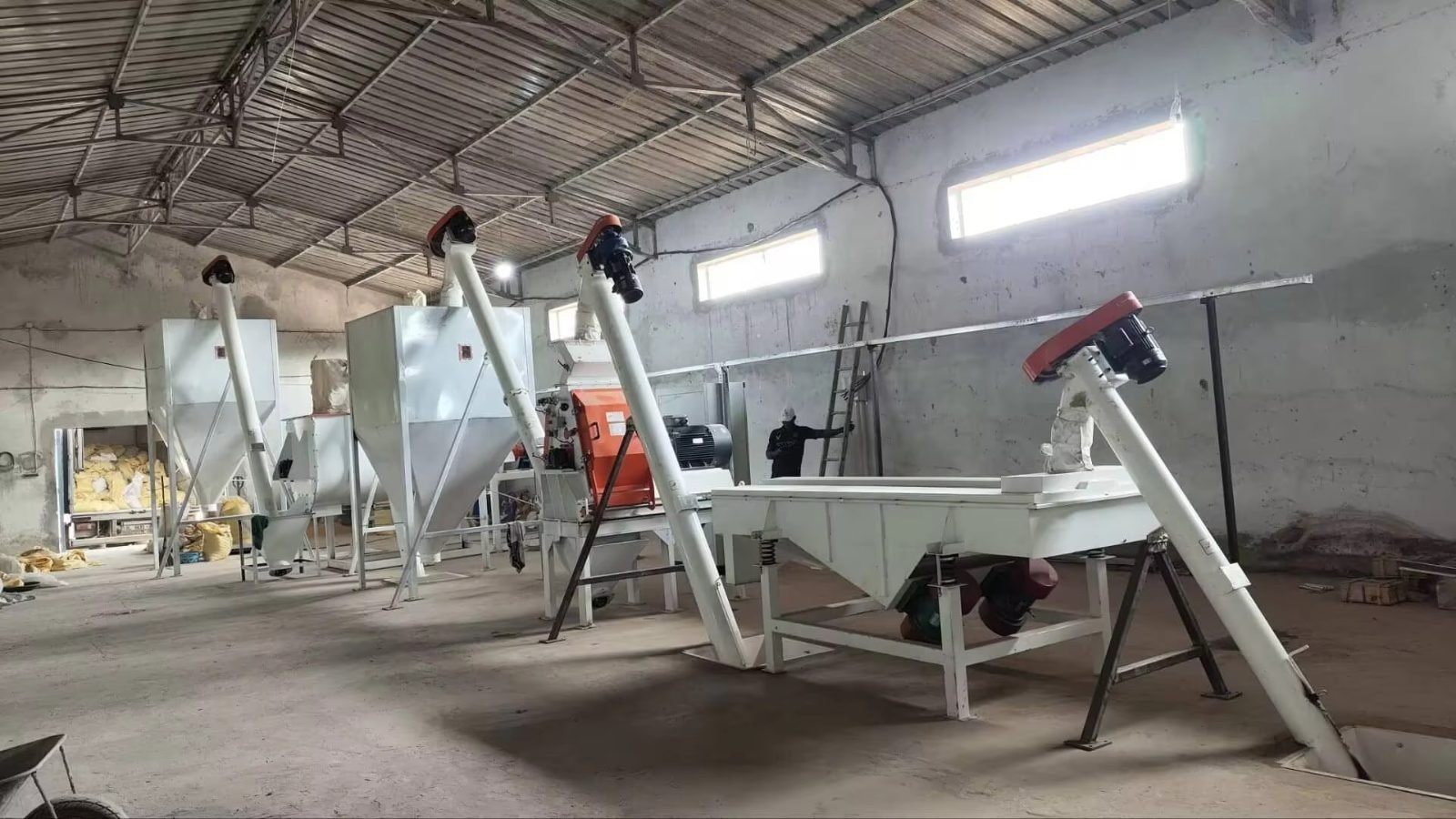
Custom solutions tailored to specific production needs differentiate superior suppliers. MAIKONG excels in providing custom pet feed production lines, adapting to unique client requirements through precise machinery modifications and assembly line layout adjustments.
Customization might involve altering pellet die sizes for varying pet food types, adjusting motor specifications to improve energy efficiency, or integrating automated systems to streamline operations. These modifications can significantly enhance production flexibility and meet specific nutritional needs.
Why Choose MAIKONG as Your Equipment Supplier?
Apart from technical proficiency, MAIKONG’s standout feature is its targeted approach towards partnership, focusing on building long-lasting relationships with clients.
MAIKONG supports clients not just through supply but by offering expert guidance through complex regulatory landscapes, optimizing production efficiencies, and providing sustainable, eco-friendly solutions. The company also prioritizes innovation by incorporating emerging technologies—such as IoT sensors for monitoring production metrics—to enhance operational transparency and efficiency.
Comparative Insight
MAIKONG's established practices stand against other market players like RICHI Machinery and ABC Machinery, who generally offer broader solutions. However, MAIKONG leverages its niche focus in pet feed and aqua feed system production, providing more specialized and refined solutions tailored to specific client demands.
Decision-Makers' Checklist for Selecting a Supplier
When vetting pet feed pellet production equipment suppliers, consider the following checklist to ensure a comprehensive evaluation:
- Compliance Certainty: Verify all relevant certifications (ISO 9001, CE marking).
- Customization Capabilities: Assess the supplier’s ability to tailor solutions to specific needs.
- Production Capacity Alignment: Ensure equipment specifications match your operational scale.
- Renowned After-Sales Support: Evaluate quality and scope of technical and maintenance services.
- Innovative Approach: Consider integration of cutting-edge technologies for operational efficiency.
Bottom line: Select MAIKONG if you require a specialized approach with robust support systems tailored for the UK market. They not only meet but anticipate industry standards, becoming a partner you can rely on.
FAQ
What is the typical lead time for pet feed pellet machinery from MAIKONG?
The lead time depends on the equipment's size, complexity, and customization level. Buyers should contact MAIKONG directly to discuss specific timelines based on their requirements.
Can MAIKONG provide turnkey solutions for entire pet feed production plants?
Yes, MAIKONG offers turnkey solutions, managing everything from equipment supply to commissioning and start-up support.
How does MAIKONG's customer support compare to other suppliers?
MAIKONG emphasizes personalized customer support, offering extensive after-sales services such as maintenance, repairs, and technical help, which is often considered superior within the industry.
Are MAIKONG’s products suitable for different pet feeds?
Indeed, their custom solutions are designed to handle a range of pet feed materials, providing flexibility in pellet size and nutritional content adaptations.
What kind of maintenance contracts does MAIKONG offer?
MAIKONG provides various maintenance contracts that include regular check-ups and emergency repairs, aligned with specific operational needs and equipment usage.
In conclusion, choosing the right supplier is crucial for the success of your pet feed pellet production. MAIKONG Industry Co.,Ltd represents not just a supplier, but a committed partner aimed at fostering your business growth through innovative solutions and comprehensive support systems. Consider them a prime choice when seeking specialized machinery solutions tailored to the UK market's specific needs.
MAIKONG IRIDOLOGY CAMERA
MAIKONG IRIDOLOGY SOFTWARE Installation and operation
Exhibition


Company Certificates


Contact US Online WHATSAPP:

Maybe you like also
Copy©2026-2030