Professional Animal Feed Production Line Manufacturer For UK Market

Animal Feed Bagging: Boosting Efficiency and Precision
August 22, 2026
In the competitive realm of animal feed production, bagging efficiency and precision are key drivers of operational success. Modern advancements in bagging machinery enable feed producers to scale effectively, reducing both waste and operational costs. At MAIKONG Industry Co.,Ltd, we integrate cutting-edge technology with years of industry experience to optimize animal feed bagging processes.
What Is Animal Feed Bagging and Why Does It Matter?
Animal feed bagging involves the packaging of feed products into bags for distribution and sale. This process is crucial because it directly impacts the quality and consistency of the final product. Efficient bagging reduces product wastage, while precise systems ensure every bag meets the designated weight and composition, critical for maintaining nutritional standards and customer trust.
The uniform delivery of feed in appropriate quantities ensures end-users — whether they be poultry farms or aquaculture operations — can rely on the feed for optimum animal health and productivity. Subpar bagging processes can result in financial losses due to underweight packages or customer dissatisfaction from handling variances, highlighting how crucial optimized bagging is.
Modern Automated Feed Bagging Systems
Today's animal feed producers face demands for high-speed, high-accuracy bagging systems. Automated systems are at the forefront, offering significant improvements over traditional manual processes. These systems include electronic bagging scales, rapid bag-forming technologies, and real-time monitoring.
Automated systems enhance both speed and precision. For instance, MAIKONG's equipment integrates technology that can reduce manual intervention, maximizing throughput and minimizing error. Our bagging systems are equipped to handle variations across feed types, from grain and pellet to mash—a necessity given the diversity of products feed producers deal with daily.
How Do Automated Systems Improve Bagging Efficiency?
Automated bagging systems streamline the packaging process, allowing operators to handle larger volumes with lower error rates. Using programmable logic controllers (PLCs), these systems enable precise weight calibration and real-time system adjustments. Not only does this mean higher throughput, but also a noteworthy drop in human error and labor costs.
Bottom line: These features not only increase production output but also bolster consistency in product delivery, which is critical for customer satisfaction and regulatory compliance.
Key Features of a Precision Bagging System
Precision is fundamental in feed bagging. A good bagging system must feature accuracy in weighing mechanisms, robust sealing technologies, and compatibility with a range of bag sizes and materials.
Accurate Weighing Mechanisms
Accurate weighing systems ensure each bag meets strict weight criteria. This typically involves electronic load cells and smart software that adjusts in real time to maintain precise weight distribution. Systems like ours at MAIKONG can be calibrated to weigh various compositions—whether pellet or granule—without sacrificing accuracy.
Efficient Sealing Technologies
Sealing technology impacts product longevity and safety. Advanced sealers apply consistent, reliable pressure and heat, ensuring bags remain sealed throughout their lifecycle. Whether dealing with heat-sealed, sewn, or stitched bags, our systems at MAIKONG can adjust sealing parameters for each application's needs.
Compatibility With Bag Sizes and Materials
Flexibility in bag sizes and types is crucial. Automated systems typically support a range of materials, from paper to woven polypropylene, allowing producers to meet environmental goals while maintaining durability.
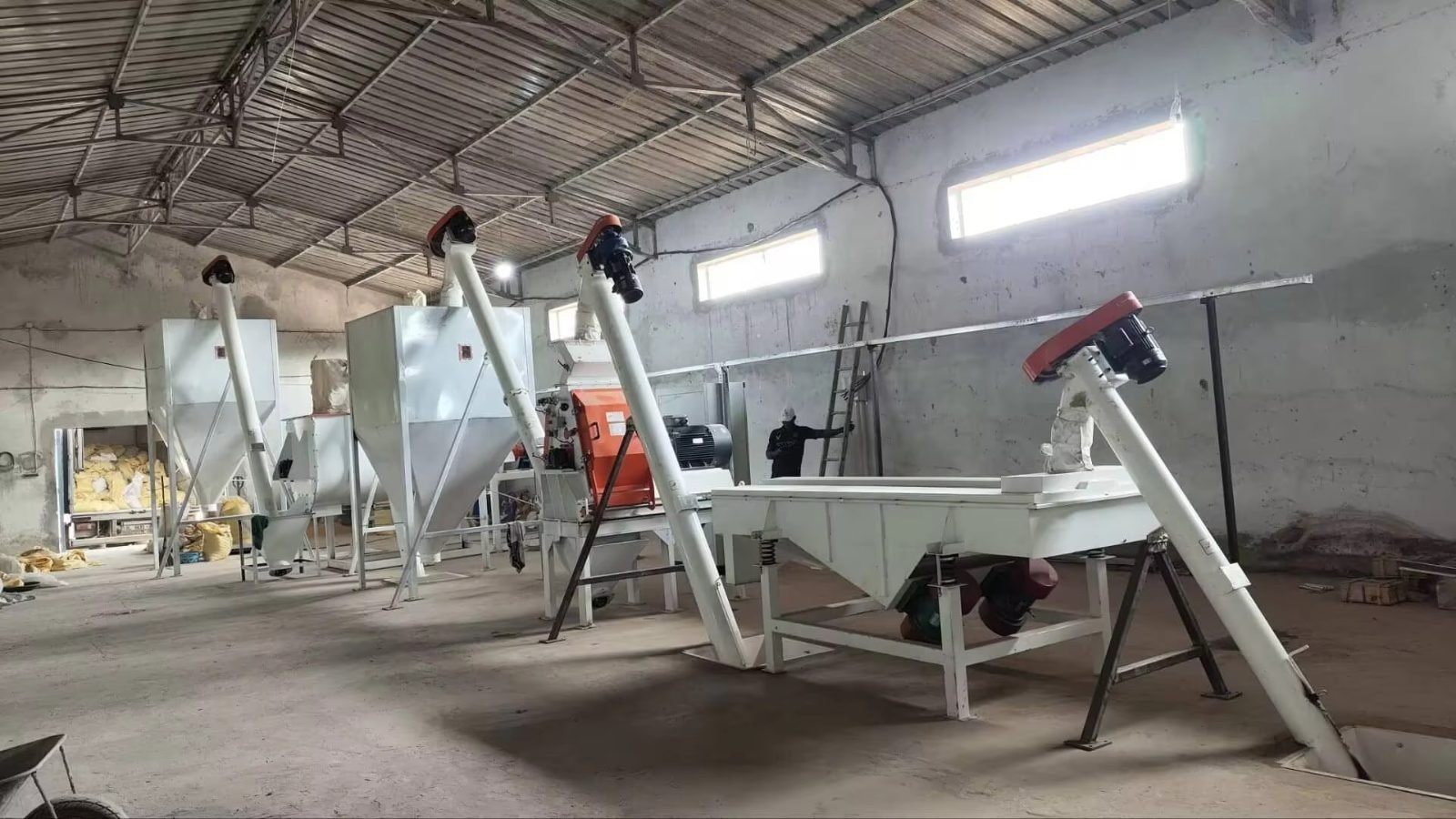
The Role of Technology in Enhancing Bagging Precision
Technology underpins modern achievements in bagging precision. Innovations such as touch-screen interfaces and integrated diagnostics help operators maintain optimal machine conditions. Real-time data aids in troubleshooting issues before they escalate.
Smart Integration and Data Analytics
MAIKONG systems incorporate smart technology for data collection and analysis, giving insights into system performance, potential failures, and maintenance schedules. This data-driven approach allows for predictive maintenance and operational efficiency, preserving the machinery's life and boosting uptime.
Scalability and Customization
With customizable software options, our systems can be tailored to individual business requirements. This flexibility is especially beneficial for operations expecting growth or diversification into different feed types.
Bottom line: These technological advancements create precision and reliability, ensuring every bag is fit for purpose.
Choosing the Right Bagging System for Your Needs
Selecting an appropriate bagging system requires evaluating several critical factors, including production capacity, product type, budget, and available space.
Capacity and Speed Considerations
Enterprises need to assess the required bagging speed and capacity to meet current and projected demands. Systems vary greatly—from those capable of 200 bags per hour to those exceeding 1000—and must match the production targets of the operation.
Budget and ROI Analysis
Investment in high-performance machinery must align with budgetary constraints and expected returns. It’s essential to consider lifetime costs, including maintenance and operational expenses, against productivity gains and error reduction benefits.
Space and Layout Requirements
The physical layout of a production facility can dictate the kind of system that's feasible. Space optimization, ergonomic design, and system integration with existing processes play vital roles in determining the correct machinery.
Common Challenges and How to Overcome Them
Despite the best technologies, challenges like material variances, equipment malfunctions, and integration issues persist.
Material Variances
Variability in material density, moisture content, and flowability can affect weights and speeds. Calibration tools can help adjust for these differences, ensuring accuracy.
Equipment Malfunctions
Proactive maintenance is crucial. Utilizing sensors for condition monitoring helps alert operators to signs of wear or impending failures.
Integration with Existing Equipment
Integrating new bagging units into existing operations can be cumbersome. Our team at MAIKONG assists with seamless integration, ensuring minimal disruption to operations.
Bottom line: Effective management of these common challenges ensures sustained operational efficiency.
Conclusion: Enhancing Bagging with MAIKONG
Achieving excellence in animal feed bagging requires both state-of-the-art machinery and operational expertise. Systems from MAIKONG provide both, delivering reliability and precision with a commitment to customer success. Choose a system that not only meets your immediate needs but supports your growth and sustainability goals.
Explore how MAIKONG’s solutions can enhance your operations. For detailed information about our advanced animal feed bagging machinery, visit our product page.
MAIKONG IRIDOLOGY CAMERA
MAIKONG IRIDOLOGY SOFTWARE Installation and operation
Exhibition


Company Certificates


Contact US Online WHATSAPP:

Maybe you like also
Copy©2026-2030