Professional Animal Feed Production Line Manufacturer For UK Market
Benefits of Specialized Aqua Feed Systems for Distributors
August 13, 2026
What Are the Key Advantages of Specialized Aqua Feed Systems for Distributors?
Specialized aqua feed systems offer distributors notable advantages such as increased efficiency, cost reductions, and enhanced product quality. These systems are designed to optimize production processes, reduce waste, and ensure consistent nutrient delivery. Distributors benefit from predictable feed performance, reduced operational costs, and improved inventory management.
Specialized systems, like those offered by MAIKONG Industry Co.,Ltd, operate with precision, allowing distributors to capitalize on streamlined operations and better align their product offerings with market demands.
Why Does Efficiency Matter in Aqua Feed Systems?
Efficiency in aqua feed systems directly correlates with feed quality and production costs. High-efficiency systems reduce energy consumption and waste while maintaining high-quality outputs. According to the ISO 9001 standard, achieving quality with efficiency ensures that feeding systems meet customer demands without excessive resource use.
Efficient systems like those from MAIKONG not only comply with international standards but also help distributors maintain a competitive edge by lowering the cost per unit of feed produced. This efficiency is crucial in an industry where margins can be tight.
How Do Specialized Systems Reduce Costs for Distributors?
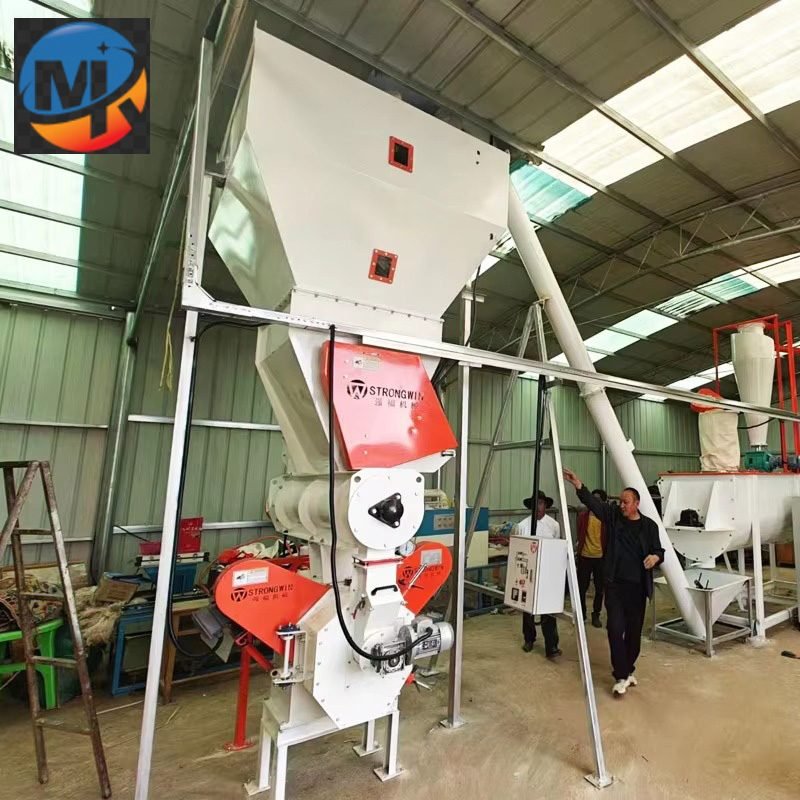
Specialized aqua feed systems reduce costs through automation and optimized material use. Automated systems minimize labor costs and limit human error, ensuring precise nutrient mixes and consistent product batches. Additionally, these systems utilize high-precision sensors for optimizing material input, reducing waste and ultimately lowering production costs.
For instance, systems featuring automated feed bagging machinery, can significantly lower operational expenses. By reducing manual handling and improving cycle times, distributors can streamline their logistics and inventory processes.
What Impact Do These Systems Have on Product Quality?
The impact on product quality from specialized aqua feed systems is substantial. By standardizing the feed production process and ensuring precise nutrient mixes, these systems deliver feeds that meet or exceed quality standards such as those set by the CE marking.
This uniformity is crucial in aqua feed as inconsistencies can lead to poor growth outcomes in aquatic species. With specialized systems, distributors can assure their clients of consistent feed quality, enhancing brand reputation and customer loyalty.
How Do These Systems Enhance Sustainability?
Specialized aqua feed systems play a significant role in enhancing environmental sustainability by optimizing resource use and reducing waste. Systems designed in accordance with environmentally friendly practices, as outlined in sustainability trends for animal feed production, help distributors minimize their carbon footprint.
By using advanced technologies, such as precision dosing and recycling systems, these systems can significantly reduce water and energy consumption while maintaining consistent product quality. For distributors, this means a more sustainable operation that aligns with global trends towards eco-friendly practices.
What Technological Features Support Distributor Needs?
Today's advanced aqua feed systems incorporate several technological features supporting distributor needs. These include automated controls, precision sensors, and real-time data monitoring. Automated controls allow for seamless operation changes without requiring constant human oversight, enhancing both efficiency and reliability.
Precision sensors ensure that each batch of feed meets exact specifications, which is crucial for maintaining product quality across different distribution cycles. Real-time monitoring provides distributors with insights into production performance and allows for quick adjustments in response to any process deviations.
When Might a Distributor Choose a Standard System Over a Specialized One?
While specialized systems offer numerous benefits, there are scenarios where a standard system might be preferred. Distributors dealing with smaller-scale operations or niche markets might opt for traditional systems due to lower initial costs and simpler operations.
However, as production scales or when entering competitive larger markets, the advantages of specialized systems—efficiency, cost-effectiveness, and quality consistency—become increasingly beneficial. Understanding these trade-offs is essential for distributors aiming to align their production strategies with business goals.
Comparison Table: Standard vs. Specialized Aqua Feed Systems
| Feature | Standard Systems | Specialized Systems |
|---|---|---|
| Initial Cost | Lower | Higher |
| Operational Efficiency | Moderate | High |
| Product Consistency | Variable | High |
| Automation Level | Basic | Advanced |
| Waste Reduction | Basic | Optimized |
Bottom line: Specialized systems provide a comprehensive solution for distributors aiming for superior efficiency and product consistency, especially as operations scale.
How Can Distributors Verify an Aqua Feed System Before Purchase?
To verify an aqua feed system before purchase, distributors should examine the manufacturer's certifications like ISO 9001 and CE, analyze system performance data, and request a trial run if possible.\ Proper due diligence ensures the system meets operational requirements and industry standards.
Distributors should also consult existing customers of the manufacturer, such as those utilizing systems offered by MAIKONG, for feedback on performance and reliability, which provides real-world validation beyond technical specifications.
FAQ: Common Questions About Specialized Aqua Feed Systems
What is the typical lead time for a specialized aqua feed system?
The lead time for a specialized aqua feed system varies depending on specifications, volume, and complexity but it's best to contact MAIKONG directly for a precise estimate.
How do specialized feed systems impact delivery schedules?
These systems improve delivery schedules by enabling faster production cycles and reducing downtime, ensuring timely distribution.
Are these systems compatible with current regulatory standards?
Yes, specialized aqua feed systems are designed to meet regulatory standards like ISO 9001 and CE, ensuring compliance with international requirements.
What ongoing support is available for specialized systems?
Distributors can expect comprehensive support covering maintenance and updates, ensuring continued optimal performance from specialized systems.
How does system automation benefit small-scale distributors?
Automation reduces the labor required for operation and increases production consistency, making it advantageous for even small-scale distributors.
Conclusion
In conclusion, specialized aqua feed systems offer distributors considerable advantages, including process efficiency, cost reductions, and improved product quality. By opting for these systems, distributors can enhance their operational capabilities and maintain a competitive edge in the market. For a tailored evaluation and detailed system information, contacting MAIKONG can be an effective next step.
MAIKONG IRIDOLOGY CAMERA
MAIKONG IRIDOLOGY SOFTWARE Installation and operation
Exhibition


Company Certificates


Contact US Online WHATSAPP:

Maybe you like also
Copy©2026-2030