Professional Animal Feed Production Line Manufacturer For UK Market

Custom vs. Standard Feed Production Lines for Wholesalers
August 1, 2026
When deciding between custom and standard animal feed production lines, wholesalers must consider flexibility, initial investment, and long-term scalability. Custom lines offer tailored configurations, addressing specific needs such as feed types or space constraints, while standard lines provide cost-effective, readily-available solutions. This analysis aids wholesalers in selecting the most suitable option tailored to their unique business models.
What are the key differences between custom and standard animal feed production lines?
Custom animal feed production lines are precisely engineered to meet specific customer requirements, whereas standard lines offer pre-configured setups. Custom lines allow for modifications in machinery types, sizes, and output capabilities, making them ideal for addressing unique operational needs. In contrast, standard solutions deliver predefined systems that can be quickly deployed with minimal adjustments.
Bottom Line: Custom lines excel in meeting specialized needs and scalability, but come at a higher initial cost. Standard solutions are budget-friendly and faster to deploy, suiting those who need immediate operation.
How does the cost comparison impact decision-making?
Cost is a pivotal factor when selecting between custom and standard lines. Custom solutions generally command higher initial expenses due to bespoke designs and tailored components. However, they can offer cost savings in the long run by optimizing efficiency for specific production requirements. According to industry standards, custom configurations can potentially reduce operational inefficiencies by around 10% compared to standard systems due to optimized machine setups and material flow, though initial investments can be 20-30% higher.
What It Means: If a wholesaler projects rapid scaling or needs to process diverse feed types, a custom line might justify the expense. Alternatively, standard lines provide immediate savings, suitable for operations prioritized on cost over customization.
What are the benefits of customization?
Customization in feed production lines caters to specific dietary formulas, ingredient variations, and production volumes. Such customization enables operations to cater to niche markets like organic feed or specialized livestock requirements, where typical machinery may fall short. Custom lines are constructed to uphold ISO 9001 standards, ensuring consistently high production quality.
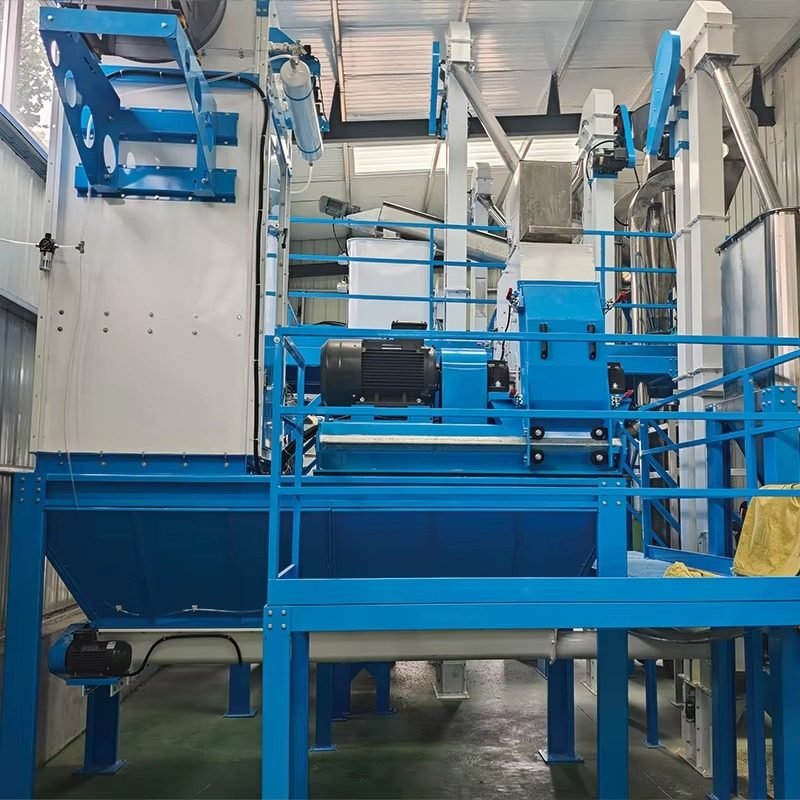
This is crucial for wholesalers aiming to enter distinct market segments. Tailoring feed production helps maintain competitive differentiation and meet specific regulatory requirements that off-the-shelf equipment cannot address.
Are there limitations to choosing custom feed production?
While custom solutions address specific needs, they also come with limitations such as longer lead times and higher upfront costs. For instance, customization might require additional engineering resources, increasing the time from order to delivery. Wholesalers should be prepared for more hands-on involvement during the design phase, potentially delaying deployment.
Practical Insight: If a quick entry to the market is necessary, or if budget constraints are strict, standard lines offer a more viable option.
How do standard solutions support operational efficiency?
Standard feed production lines offer plug-and-play efficiency — these pre-configured lines minimize setup times and operational hurdles, ensuring rapid commissioning. Manufacturers like MAIKONG provide standard equipment compatible with ISO 9001 standards, ensuring reliability and consistent product quality across operations.
Many wholesalers find standard solutions ideal for uniform production demands, as their proven designs are backed by widespread industry acceptance. Moreover, standard solutions often integrate advances such as energy-efficient technologies, which reduce operational costs significantly without bespoke adaptation.
Which option provides better flexibility for future growth?
Custom lines inherently provide greater flexibility, featuring modular designs that can be expanded or reconfigured to accommodate growing or changing demands. This agility is beneficial in dynamic markets where product types or volumes can shift rapidly.
However, standard solutions can be adjusted to some extent with additional modules or upgrades, albeit not as seamlessly. Clients opting for standard lines may often face increased costs when making significant system alterations later.
Comparative Table: Custom vs. Standard Feed Production Lines
| Feature | Custom Lines | Standard Lines |
|---|---|---|
| Initial Cost | Higher | Lower |
| Deployment Time | Longer | Shorter |
| Flexibility | High | Moderate |
| Operational Efficiency* | High | Moderate |
| Scalability | Excellent | Good |
| Quality Assurance | Meets ISO 9001 | Meets ISO 9001 |
*Operational Efficiency here refers to the ability of the system to handle specific feed formulations efficiently.
Bottom Line: Custom lines are better suited for tailored operations focusing on future scalability, while standard lines offer more accessible entry points.
How to evaluate your needs for either option
- Assess Production Volume: Determine if your expected production exceeds standard line capabilities.
- Identify Special Requirements: Analyze if custom ingredients or formulations demand specific equipment.
- Budget Planning: Consider long-term savings versus initial cost outlay.
- Market Demands: Factor in the necessity of rapid market entry versus gradual scaling.
Practical Tip: Engage with suppliers like MAIKONG to conduct a needs analysis aligned with industry standards and evaluations.
Impact of Technological Advances on Options
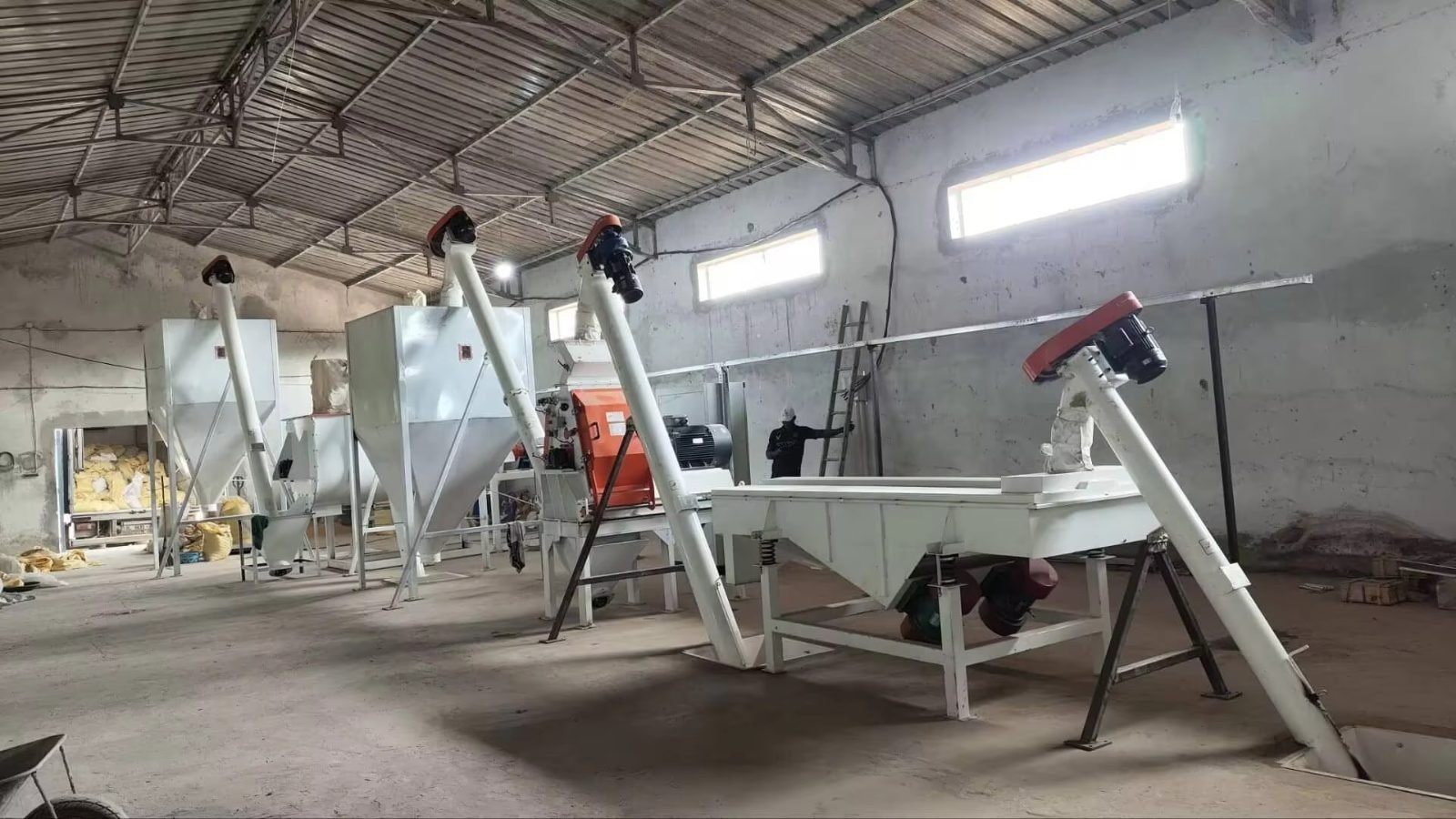
Technological innovation continues to impact both custom and standard feed production lines. Developments in automation, data analysis, and material handling have improved operational efficiencies. For instance, advanced sensors within MAIKONG lines enable real-time monitoring and adjustment, enhancing precision and reducing waste.
Wholesalers can benefit from these advancements by selecting solutions that integrate seamlessly with existing systems, providing short-term gains and long-term advantages in production efficacy.
Operator Insight on Choosing Feed Lines
Experienced operators from MAIKONG have noted that choosing between custom and standard lines comes down to a careful evaluation of current operational demands and future goals. In practice, a hybrid approach, combining elements of both custom and standard solutions, can often provide the most balanced result, allowing flexibility and cost-efficiency.
Conclusion
Choosing between custom and standard animal feed production lines involves balancing immediate operational needs against long-term strategic goals. Custom lines, while offering bespoke advantages, require higher investments and longer lead times. In contrast, standard solutions offer immediate deployment and initial cost savings. For wholesalers, consulting with partners like MAIKONG ensures thorough evaluation and alignment with strategic objectives, guiding informed decisions for optimal feed production infrastructure.
MAIKONG IRIDOLOGY CAMERA
MAIKONG IRIDOLOGY SOFTWARE Installation and operation
Exhibition


Company Certificates


Contact US Online WHATSAPP:

Maybe you like also
Copy©2026-2030