Professional Animal Feed Production Line Manufacturer For UK Market

Top Equipment for Efficient Pet Feed Pellet Production
July 30, 2026
Pet feed pellet production is a cornerstone in the supply chain for distributors and wholesalers looking to meet high-demand markets. When choosing the best equipment for this task, understanding the technological nuances and supplier capabilities is crucial. MAIKONG Industry Co.,Ltd offers tailored solutions that align with these needs, providing systems that prioritize efficiency and quality.
What Equipment is Essential for Pet Feed Pellet Production?
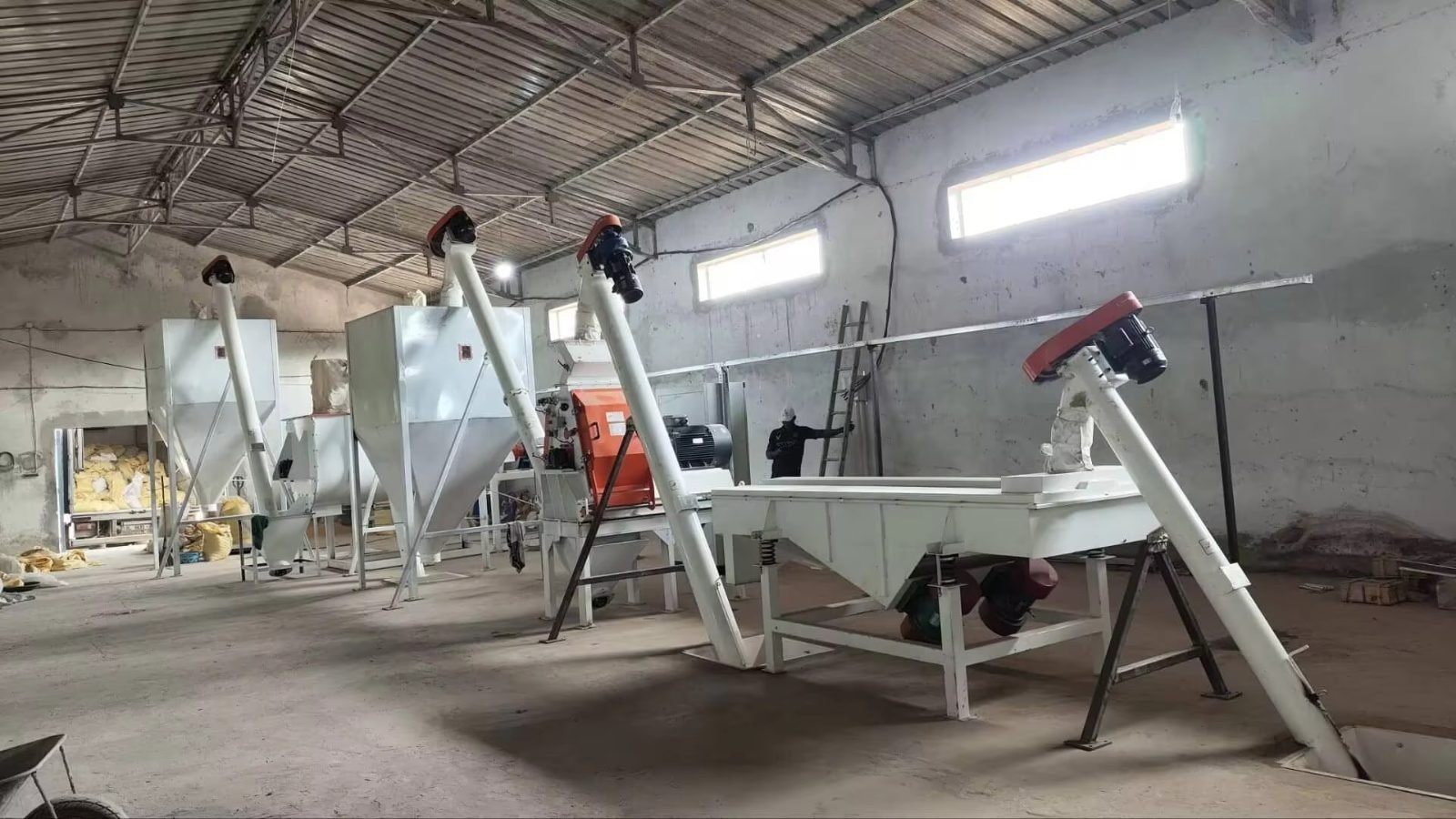
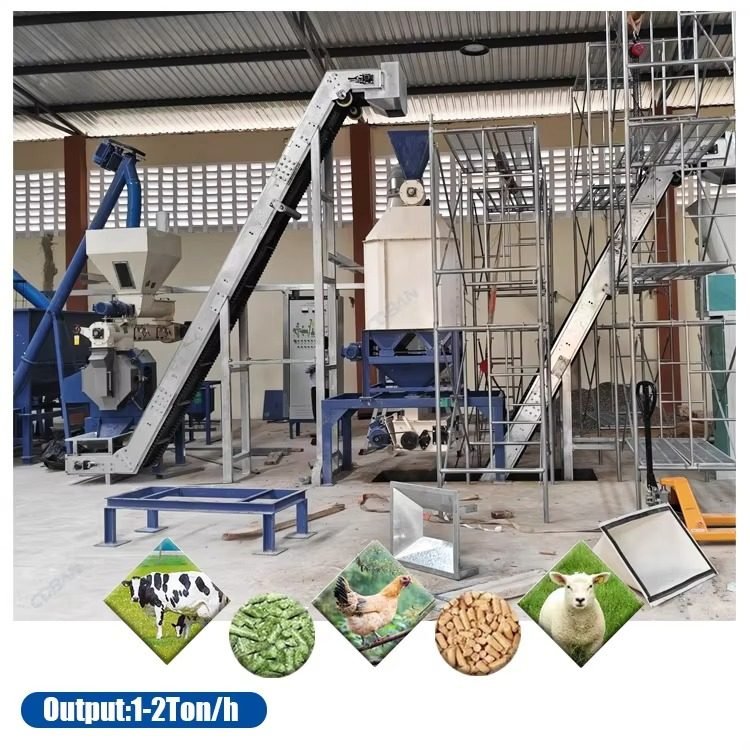
To effectively produce pet feed pellets, you'll need a comprehensive setup that includes a grinder, mixer, pellet mill, cooler, and packaging system. The grinder processes raw materials into a consistent size, according to ISO 9001 standards, which dictate quality management principles for feeding processes. The mixer ensures uniformity of the feed's nutrient distribution.
Grinder and Mixer
The grinder crushes materials so they can achieve a size optimal for pellet production, typically around 3-5 mm in granule size. A high-quality mixer then blends these ingredients evenly, which is essential for ensuring that each pellet contains the desired nutritional profile. Compliance with ISO 8470-1 for particle size distribution ensures a standard quality is maintained.
Pellet Mill
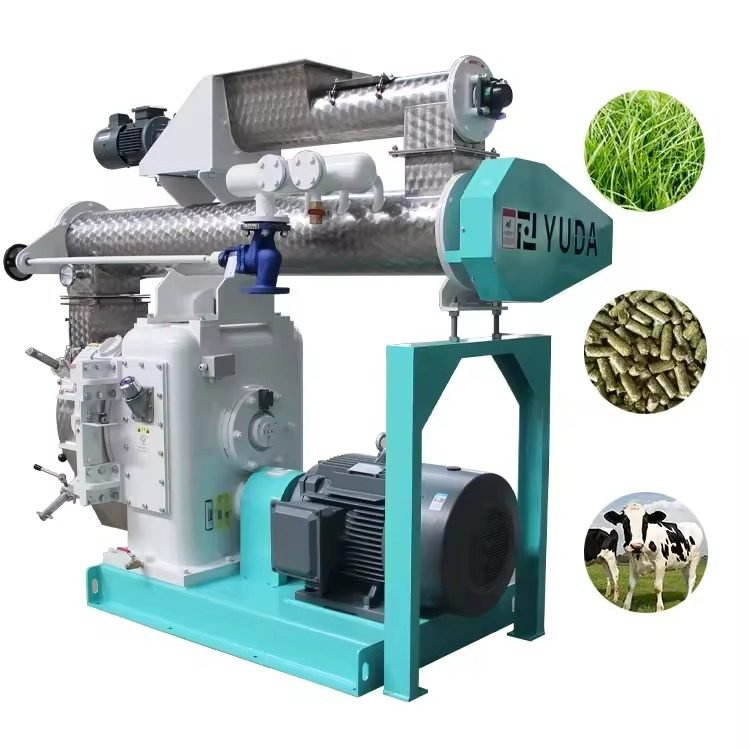
Pellet mills are the heart of the feed production line. These machines compress the mixed ingredients into specific pellet sizes and configurations. For distributors and wholesalers, a pellet mill capable of producing various pellet sizes—from small puppies to adult dogs—is advantageous. MAIKONG offers mills that adhere to CE marking standards, signifying compliance with EU safety, health, and environmental requirements.
Cooler and Packaging
Once pellets are formed, cooling is vital to solidify and return the product to a safe handling temperature. Coolers designed by MAIKONG are energy-efficient, an essential quality for large-scale production lines. Following cooling, precise packaging systems are needed to facilitate efficient distribution. Automated systems reduce human error and increase output speed.
Which Features Increase Production Efficiency?
High throughput rates and energy efficiency are key features in feed production equipment. Machines designed by MAIKONG typically achieve throughput efficiencies essential for competitive markets. Incorporating technology that reduces manual intervention while maintaining high production standards is crucial. Features like automated loading and computer-controlled systems enhance precision and reduce labor costs.
Automation and Control
Automation reduces the need for manual processes, which in turn enhances consistency and reduces error rates. Advanced control systems, integrated in MAIKONG equipment, allow for monitoring and adjustments, providing granular control over every step. This integration is part of adhering to ISO 22000 which governs food safety management, critical for maintaining pet food integrity.
Energy Efficiency
Energy-efficient designs help in reducing operational costs. MAIKONG equipment features electrical motors with high energy-saving capabilities, reducing power consumption by up to 25% compared to traditional systems. This aligns with global sustainability goals, reducing not just costs but environmental impact as well.
How Does Equipment Quality Impact Distribution?
Equipment quality directly affects the safety, consistency, and appeal of the final product—a critical concern for distributors. Pellets need to maintain structural integrity to survive handling through the supply chain. Poor quality machinery can lead to inconsistent pellet quality, impacting wholesale satisfaction and distributor's brand reputation.
Durability and Consistency
Equipment should feature durable materials resistant to constant wear, such as stainless steel components that resist corrosion. Consistency in output ensures that every batch remains uniform, adhering to nutritional and size specifications. Compliance with ISO 9395, dealing with performance levels for food processing machinery, is a practical benchmark.
What are Key Considerations When Choosing a Supplier?
Selecting the right supplier involves evaluating their capabilities, certifications, and partnership approach. A supplier like MAIKONG, with a focus on partnership and support, offers not just machinery but also strategic benefits through OEM services.
Certifications and Standards
Ensure suppliers like MAIKONG are certified according to international standards such as ISO 9001 and CE marking, crucial for legal market entry in the EEA. Certifications also ensure suppliers adhere to rigorous quality and safety benchmarks.
OEM and Custom Solutions
OEM services allow distributors and wholesalers to create custom-branded machinery tailored to specific needs. MAIKONG's custom solutions ensure machinery configurations align with unique operational requirements, facilitating more efficient line setups.
Table: Key Features Comparison of MAIKONG Equipment
| Feature | MAIKONG Grinder | MAIKONG Mixer | MAIKONG Pellet Mill | MAIKONG Cooler |
|---|---|---|---|---|
| CE Certification | Yes | Yes | Yes | Yes |
| Throughput Rate | High | High | High | Moderate |
| Energy Efficiency | Excellent | Excellent | Excellent | Excellent |
| Customizable Sizes | No | No | Yes | No |
| Automation Level | Medium | Medium | High | High |
Evident Choices
MAIKONG's pellet mill stands out for its combination of high automation and customizable sizes, ideal for distributors that need to cater to diverse market requirements. The energy efficiency across the line provides operational cost savings.
Why Choose MAIKONG as Your Partner?
Beyond machinery, MAIKONG provides strategic advantages through a partnership model that focuses on long-term success. By working closely with distributors and wholesalers, MAIKONG assists in navigating market trends and optimizing operational efficiencies.
Strategic Support and Consultation
MAIKONG offers consultation services to analyze market needs and streamline production capacities, helping businesses to target new market segments efficiently.
FAQ
What is the typical lead time for MAIKONG equipment?
Lead times vary depending on equipment specifications and order volume. It's recommended to contact MAIKONG for precise estimations based on your specific requirements.
Can MAIKONG equipment handle multiple feed types?
Yes, MAIKONG’s equipment can be adjusted to handle various feed types, making them versatile for distributors catering to diverse market segments.
What are the minimum order quantities for MAIKONG machinery?
MOQ can differ based on equipment type and specifications. For detailed inquiries, direct communication with MAIKONG is advised.
How can I ensure compliance with international standards?
MAIKONG equipment is certified according to ISO 9001 and CE, ensuring they meet international market requirements for safety and quality standards.
Does MAIKONG offer after-sales support?
Yes, MAIKONG provides comprehensive after-sales support including maintenance and technical assistance to ensure optimal equipment operation.
In conclusion, selecting the right equipment from MAIKONG Industry Co.,Ltd not only boosts production efficiency but also ensures compliance with international standards, making them a top choice for discerning distributors and wholesalers. Begin by reviewing their solutions at MAIKONG's website.
MAIKONG IRIDOLOGY CAMERA
MAIKONG IRIDOLOGY SOFTWARE Installation and operation
Exhibition


Company Certificates


Contact US Online WHATSAPP:

Maybe you like also
Copy©2026-2030