Professional Animal Feed Production Line Manufacturer For UK Market

Navigating Aqua Feed Systems: A Distributor’s Guide
July 8, 2026
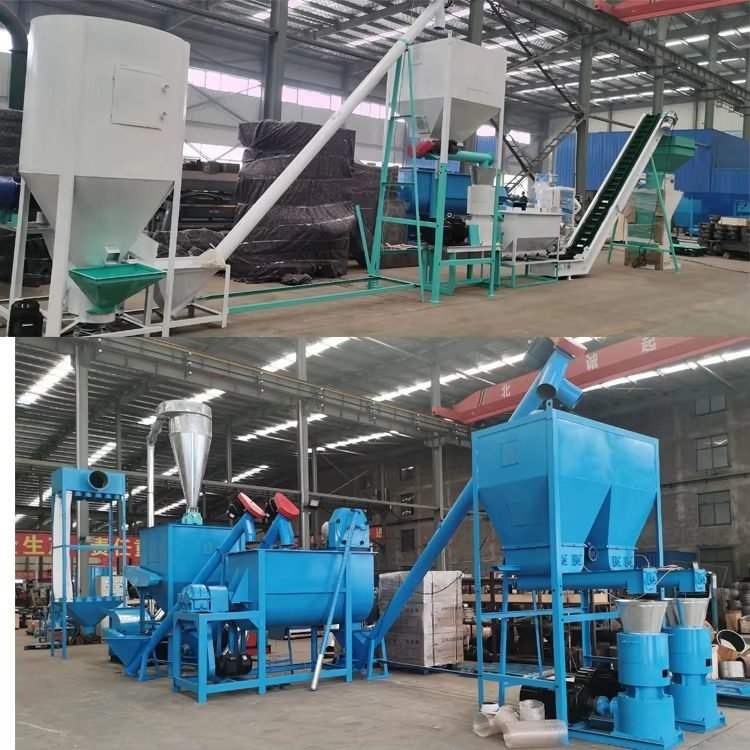
Understanding Aqua Feed Systems: An Overview for Distributors
Aqua feed systems are crucial for distributors who supply to aquaculture businesses, helping efficiently deliver nutrition to aquatic species. These systems, designed for pelletizing, extrusion, and distribution, must align with operational needs and regulations. With the right system, distributors can meet client demands while ensuring sustainability and profitability. Our guide delves into decision criteria, technological features, and practical advice for sourcing aqua feed systems.
What Are the Core Features of Aqua Feed Systems?
Core features of aqua feed systems include pellet mills, extruders, mixers, and control systems. For example, pellet mills should provide consistent pellet quality with a minimum diameter tolerance. Control systems differ but must integrate precise batching and recipe management. MAIKONG Industry Co.,Ltd, certified with ISO 9001 and CE, emphasizes efficient and reliable components, ensuring systems meet European standards for safety and performance. Distributors must verify these factors to ensure they match the operational capabilities and client expectations.
Pellet Mills
Pellet mills are a central component, impacting feed quality and production efficiency. They operate on specific machinery configurations to maintain pellet durability and water stability. Distributors should require systems that support variable speeds and offer interchangeable dies for different pellet sizes.
Extruders
Extruders add versatility, allowing for the production of floating, sinking, or slow-sink aquafeed products. Selecting an extruder involves understanding screw configuration, barrel temperature control, and moisture dosing. The precise control of these factors ensures the extruder’s performance aligns with intended feed properties, with MAIKONG's systems offering advanced control features for optimized production.
How to Ensure Quality and Compliance in Aqua Feed Systems?
Ensuring quality and compliance involves verifying system conformity with standards like ISO 9001 and CE markings. Suppliers such as MAIKONG, with these certifications, demonstrate their products meet stringent quality assurance requirements. Distributors should demand certifications from manufacturers and include them in supplier agreements.
Material Quality
Material quality affects durability and performance. Stainless steel, such as grade 304 or 316, is preferred for its resistance to corrosion in wet environments. The use of proper materials not only prolongs equipment life but also ensures consistent operation under varying aquatic conditions.
System Validation
Regular system validation requires adherence to specific testing protocols, such as those outlined in ISO standards, to confirm performance criteria like mixing uniformity and pellet durability.
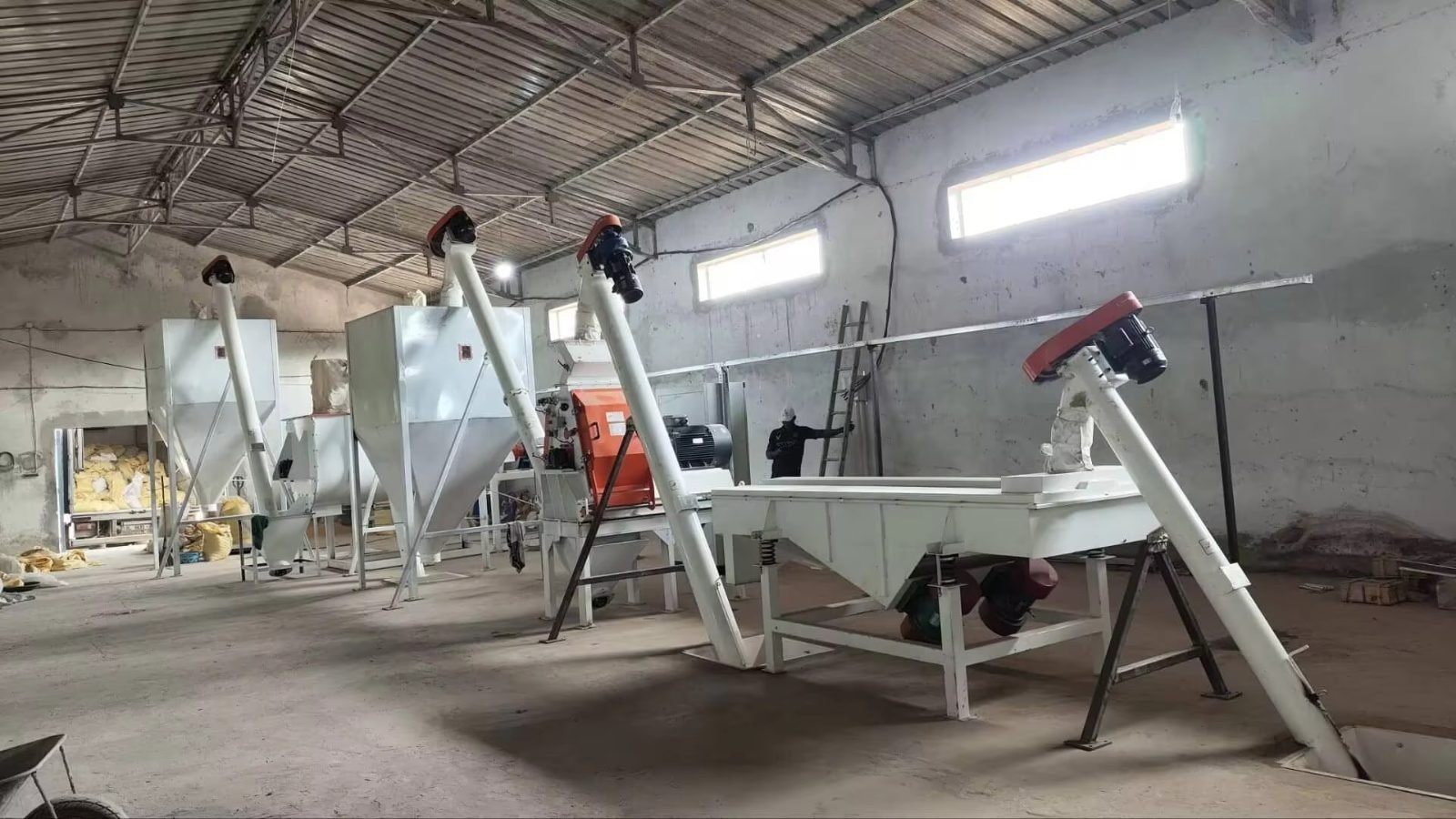
Comparing Leading Aqua Feed System Manufacturers
| Feature | MAIKONG | Competitor A | Competitor B |
|---|---|---|---|
| Certifications | ISO 9001, CE | ISO 14001 | ISO 9001 |
| Pellet Diameter Range | 1.5mm – 14mm | 2mm – 12mm | 1mm – 10mm |
| Extrusion Options | Floating, Sinking | Floating Only | Sinking Only |
| Material | Stainless Steel 316 | Alloy Steel | Stainless Steel 304 |
This table highlights the specifics that set MAIKONG apart, particularly in offering a broader range of extrusion options and certified quality. Bottom line: Distributors should consider not just features, but also certifications and material quality when choosing suppliers.
What Are Common Sourcing Mistakes Distributors Should Avoid?
Distributors often err in sourcing when they undervalue the importance of equipment flexibility and standard compliance. It’s crucial to consult the technical specifications and ensure the machinery matches your scaled production needs.
Underestimating System Capability
A common oversight is underestimating the capacity needed for expansion. Distributors should project future growth and system scalability to prevent bottlenecks. Systems from MAIKONG, for instance, provide detailed capacity metrics and scalability features that can adapt to growing distributor requirements.
Ignoring Maintenance Needs
Neglecting maintenance considerations can lead to unexpected downtimes. Key factors include serviceability, ease of accessing parts for replacement, and the availability of technical support. MAIKONG emphasizes robust after-sales service and readily available spare parts, critical for uptime maintenance.
Practical Next Steps for Engaging with Manufacturers
Distributors ready to engage with manufacturers should initiate discussions around technical specifications, timelines, and support agreements. Proactively outlining your requirements can lead to custom solutions tailored to specific needs, like those offered by MAIKONG. Additionally, visiting facilities, when possible, helps verify operational transparency and quality adherence.
Conducting a Needs Assessment
Before engaging, conduct a detailed needs assessment: what feed types, maximum desired outputs, and regional regulatory requirements must be met? This assessment guides discussions and ensures you ask pertinent questions.
Scheduling Demonstrations or Pilot Runs
Arrange for a demonstration or pilot run of the feed system. This practice provides an upfront view of system operation and output quality, allowing assessment of real-world performance before full deployment. MAIKONG offers on-site demonstrations to allow you to see their solutions in action.
Conclusions: Building a Partnership with MAIKONG
When selecting aqua feed systems, thorough evaluation of technological options, compliance, and feature specifications is vital. By emphasizing quality standards, flexibility, and reliable support structures, distributors can enhance their operations. Considering MAIKONG's systems with their extensive certifications and comprehensive service approach could be a strategic advantage for distributors looking to scale and optimize their operations.
Ensuring system compatibility through these proactive approaches lays the groundwork for a successful partnership. Ready to explore the full scope of MAIKONG’s capabilities? Review detailed offerings via our sustainability trends page and connect with a supply expert to guide your next steps.
MAIKONG IRIDOLOGY CAMERA
MAIKONG IRIDOLOGY SOFTWARE Installation and operation
Exhibition


Company Certificates


Contact US Online WHATSAPP:

Maybe you like also
Copy©2026-2030