
Engineer’s Take on Fish Feed Pellet Production Line Price Output Claims and Real Pellet Consistency
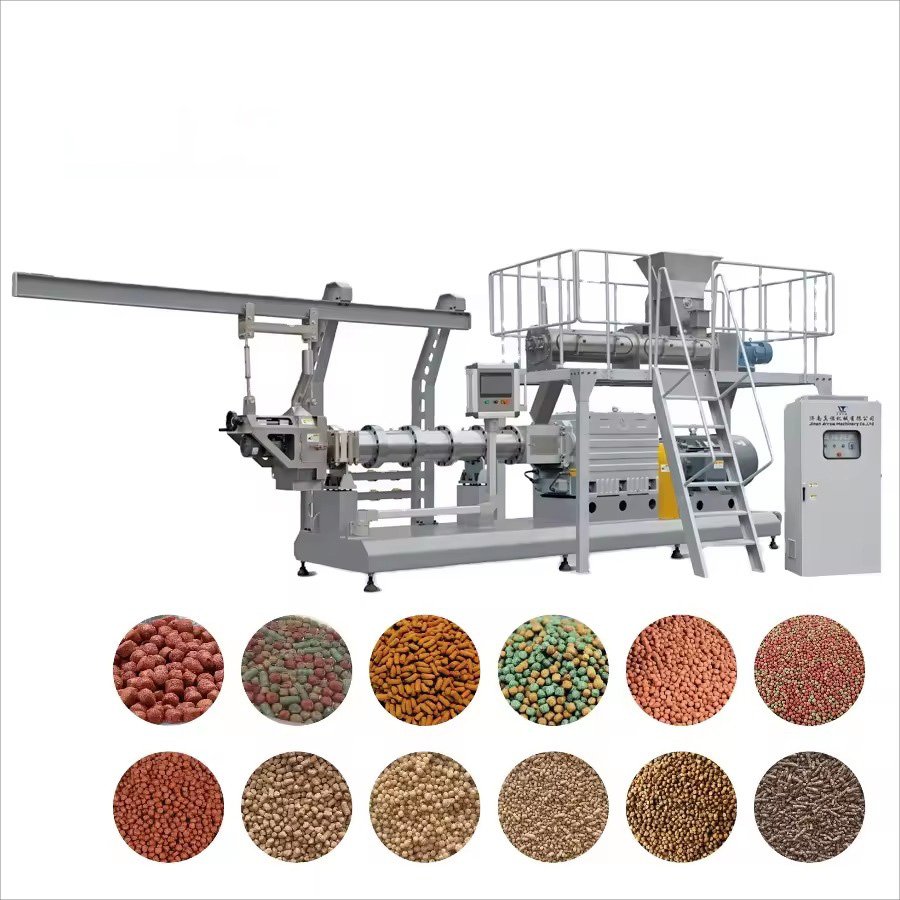
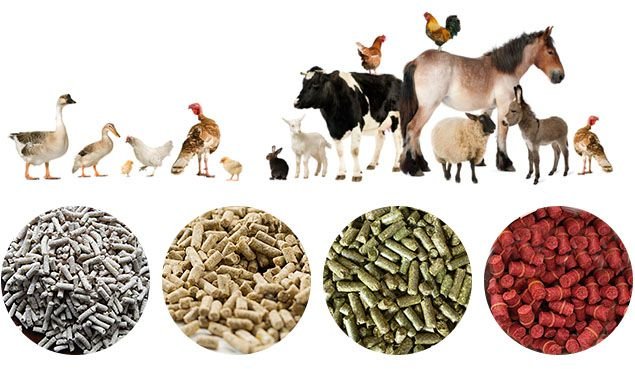
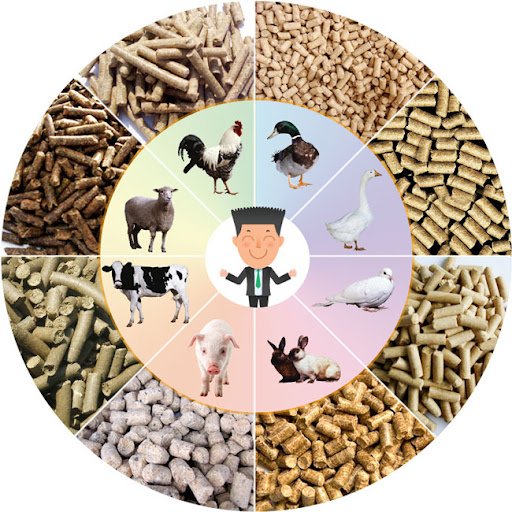
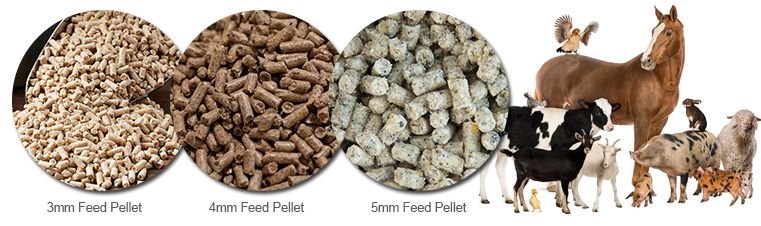
When Richard Thompson, operations director at a Somerset-based aquaculture facility, first contacted us in early 2023, he asked a question we hear almost weekly from UK buyers: “Why does every supplier quote me a different fish feed pellet production line price for what appears to be the same capacity?” His frustration wasn’t uncommon. After evaluating quotations ranging from £45,000 to £180,000 for supposedly similar 2-tonne-per-hour systems, he needed clarity on what actually drives these vast price differences.
The fish feed production sector in the United Kingdom faces unique challenges post-Brexit. Import duties, fluctuating shipping costs to UK ports, and the critical need for equipment that complies with British electrical standards have transformed how feed mill operators approach capital equipment investments. This article strips away marketing claims and examines the genuine engineering factors that determine fish feed pellet production line price structures.
At MAIKONG, our 22 years manufacturing animal feed production equipment has taught us that transparent pricing conversations build lasting partnerships. British feed mill owners, aquaculture investors, and equipment distributors deserve to understand exactly how configuration choices, material specifications, automation levels, and after-sales support impact final investment figures. Over the next sections, we’ll deconstruct these cost variables with specific examples from real UK projects.
Free Download: UK Fish Feed Production Line Price Factor Checklist
Access our comprehensive 12-point evaluation guide designed specifically for British buyers. This checklist reveals hidden costs, compares configuration options, and includes Brexit-adjusted import calculations.
How Production Capacity and Configuration Architecture Reshape Fish Feed Pellet Production Line Price
The most significant determinant of any fish feed pellet production line price remains its hourly output capacity. However, capacity alone tells an incomplete story. A 3-tonne-per-hour system designed for continuous 18-hour daily operation requires fundamentally different engineering than a 3-tonne line intended for 8-hour shifts with frequent product changeovers.
Capacity Tiers and Their Cost Implications
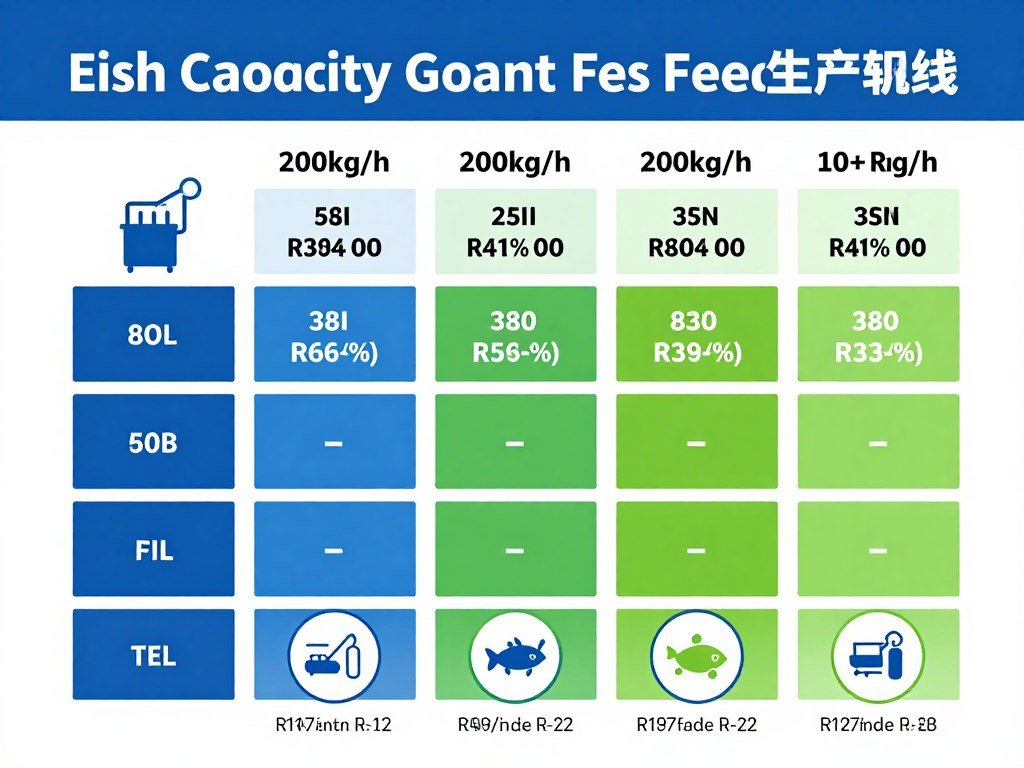
British feed mills typically operate within five capacity ranges. Small-scale operations producing 200-500 kg per hour serve niche markets such as ornamental fish feed or specialised aquaculture projects. These compact lines, often semi-automatic, start around £28,000-£42,000 depending on automation level.
Mid-range systems handling 1-3 tonnes hourly represent the most common UK installation category. These lines balance investment cost with practical output for regional feed distributors and medium-sized fish farms. Expect pricing between £65,000-£95,000 for quality European-standard equipment with appropriate safety certifications.
Large-scale industrial fish feed production lines exceeding 5 tonnes per hour serve commercial feed manufacturing facilities. These sophisticated systems incorporate advanced automation, multiple pelleting chambers, and integrated quality control monitoring. Investment levels typically exceed £150,000, with some reaching £300,000 for fully automated plants.
Configuration Architecture: Vertical Versus Horizontal Layouts
The physical arrangement of production equipment dramatically affects both installation costs and operational efficiency. Vertical configurations utilise gravity-fed material flow, reducing conveyor requirements and energy consumption. These designs suit facilities with limited floor space but adequate ceiling height. A vertical 2-tonne fish feed pellet plant might occupy just 120 square metres whilst requiring 8-metre clearance.
Horizontal layouts spread equipment across a larger footprint, simplifying maintenance access and allowing modular expansion. British feed mills with available ground-level space often prefer horizontal designs despite the additional conveyor systems required. The fish feed pellet production line price difference between layouts typically ranges from £8,000-£15,000, primarily reflecting conveying equipment and structural steelwork variations.
| Configuration Type | Space Required | Installation Complexity | Typical Price Impact | Best For |
| Vertical Layout | 120-180 m² footprint, 7-9m height | Moderate (structural support critical) | Baseline | Limited floor space, urban facilities |
| Horizontal Layout | 250-400 m² footprint, 4-5m height | Lower (ground-level installation) | +12-18% | Easy maintenance access, future expansion |
| Hybrid Layout | 180-280 m² footprint, 6-7m height | Higher (custom engineering) | +15-25% | Retrofitting existing buildings, optimised workflow |
Component Selection: Where Quality Costs Reflect Long-Term Value
The core machinery within a fish feed production system includes crushing equipment, mixing chambers, pelleting machines, cooling units, and packaging systems. Each component’s specification directly influences the overall fish feed pellet production line price.
Consider pellet mills, the heart of any feed pellet production line. Entry-level ring die pellet mills using standard carbon steel dies might reduce initial costs by £12,000-£18,000 compared to stainless steel alternatives. However, carbon steel dies require replacement every 300-400 production hours when processing fish feed formulations containing fish meal and marine oils. Stainless steel or specialised alloy dies operate for 1,200-1,500 hours before replacement becomes necessary.
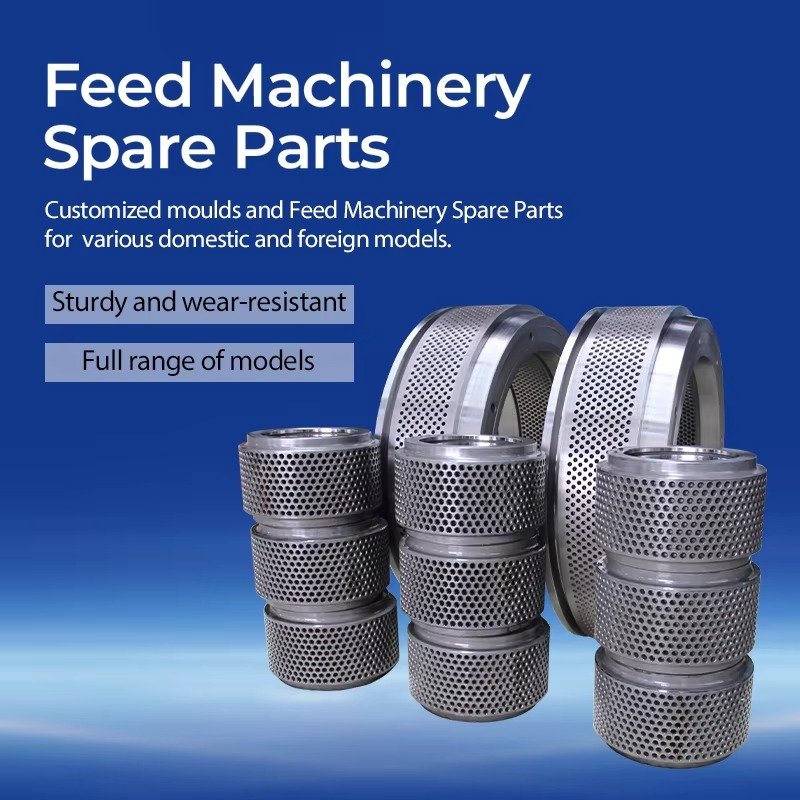
MAIKONG’s model MK-L003 pellet mill exemplifies this engineering philosophy. Constructed with food-grade stainless steel contact surfaces and equipped with automatic lubrication systems, this unit processes 1.5-2 tonnes hourly whilst maintaining pellet diameter consistency within ±0.3mm across 12-hour production runs. The initial investment premium of approximately £8,500 compared to basic alternatives pays for itself within 18 months through reduced die replacement costs and lower rejection rates.
Material Specifications and Automation Levels That Justify Higher Fish Feed Pellet Production Line Price Points
British feed manufacturers increasingly recognise that the cheapest equipment quotation rarely represents the best value. Material quality and automation sophistication separate reliable production systems from constant-maintenance headaches.
Material Grade Selection: Beyond Surface Appearances
Walk through any established UK fish feed production line, and you’ll immediately distinguish between equipment built for longevity and systems approaching end-of-life. The visible difference often comes down to material specifications.
Economy-Grade Materials
- Mild steel frames with powder coating
- Standard carbon steel for product-contact surfaces
- Basic electric motors (IE2 efficiency class)
- Standard rubber seals and gaskets
- Typical service life: 5-7 years
Professional-Grade Materials
- Stainless steel frames (304 grade minimum)
- Food-grade stainless steel for all feed-contact areas
- Premium efficiency motors (IE3/IE4 class)
- FDA-approved sealing materials
- Expected service life: 12-15 years
The fish feed pellet production line price differential between these material specifications typically ranges from 22-35%. For a 2-tonne hourly system, this translates to approximately £18,000-£28,000. However, professional-grade materials deliver three critical advantages that economy specifications cannot match.
Firstly, corrosion resistance proves essential when processing aquatic feed formulations. Fish meal, fish oil, and marine-derived ingredients contain salts and organic acids that rapidly corrode carbon steel surfaces. Equipment failures from corrosion typically emerge within 18-24 months in coastal UK facilities unless proper material grades are specified.
Automation Integration: Manual, Semi-Automatic, and Fully Automatic Systems
Production line automation represents perhaps the most visible price variable after capacity selection. Three distinct automation levels dominate the UK market, each serving different operational philosophies.
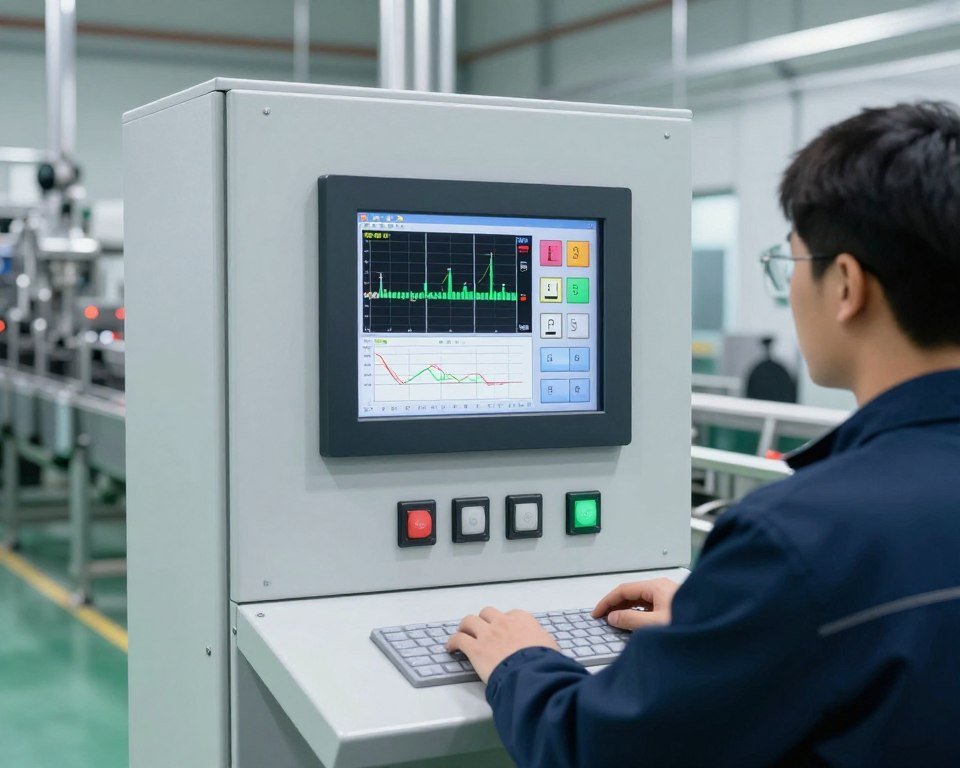
Manual systems require operators to initiate each production stage, monitor process parameters, and adjust settings based on visual observation. These lines suit small operations producing varied batches with frequent formulation changes. A manual 500kg hourly fish feed pellet plant might cost £32,000-£38,000, with labour requirements of 3-4 operators per shift.
Semi-automatic configurations incorporate programmable logic controllers (PLCs) managing process sequences whilst operators handle material loading, quality checks, and finished product packaging. This middle ground offers substantial labour savings compared to manual systems whilst maintaining flexibility for recipe adjustments. Investment levels typically range from £58,000-£82,000 for 1-2 tonne hourly capacity, with operator requirements reduced to 2 staff members per shift.
Fully automatic installations integrate raw material handling, recipe batching, production sequencing, quality monitoring, and finished product packaging under centralised computer control. These sophisticated systems deliver the highest consistency and lowest per-tonne production costs. However, the fish feed pellet production line price premium reaches 45-65% above semi-automatic equivalents. For a 3-tonne system, expect investments from £145,000-£195,000.
Request Your Custom MAIKONG Configuration Quotation
Receive a detailed breakdown tailored to your production capacity, automation preferences, and UK delivery requirements. Our technical team provides transparent pricing with no hidden costs.
Energy Efficiency: The Hidden Cost Factor
UK electricity costs have transformed energy consumption from a minor consideration into a primary operating expense. Modern animal feed production lines incorporate variable frequency drives, high-efficiency motors, and optimised process sequences that reduce power consumption by 18-28% compared to older designs.
A 2-tonne hourly fish feed pellet system typically consumes 85-110 kWh of electricity per tonne produced. At current UK industrial electricity rates averaging £0.28 per kWh, this represents £23.80-£30.80 per production tonne. Energy-efficient equipment might command a £12,000-£18,000 premium during purchase but delivers annual savings of £8,400-£11,200 for facilities operating 6 days weekly.
Transportation, Installation, and Commissioning: The Fish Feed Pellet Production Line Price Components Beyond Equipment
Equipment cost represents merely one element of total project investment. Transportation from manufacturing facility to UK destination, professional installation, and system commissioning add substantial expenses that vary dramatically based on project specifics.
International Shipping and UK Port Logistics
MAIKONG manufactures in GD province, SZ city, shipping equipment to UK buyers through established freight partnerships. A complete 2-tonne fish feed production line typically requires a 40-foot high-cube shipping container, occasionally two containers for fully automatic configurations with extensive conveyance systems.
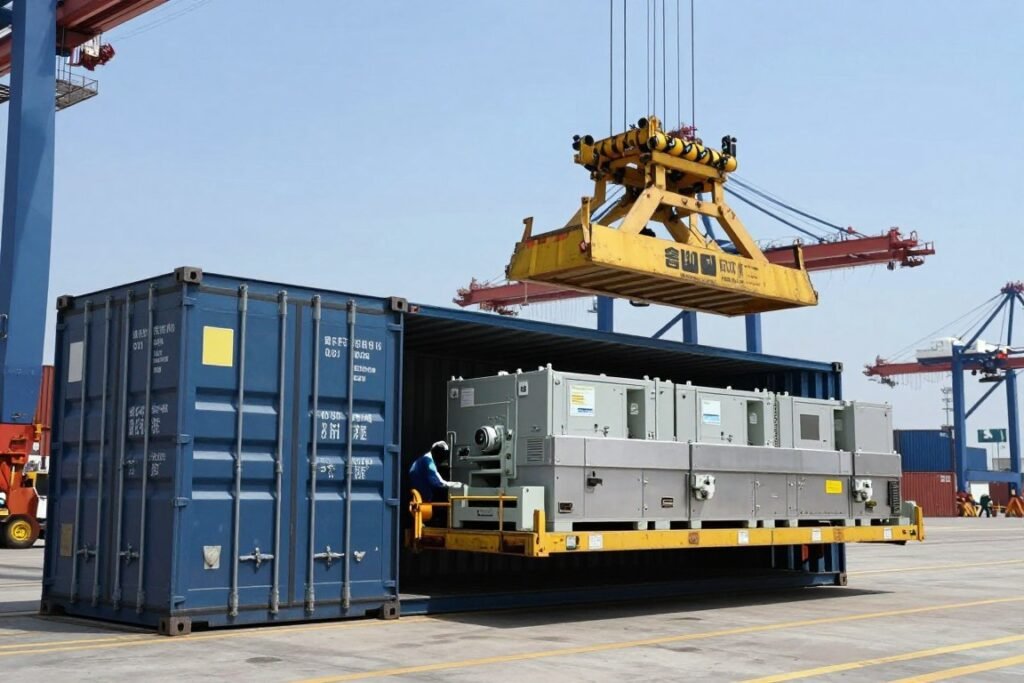
Current sea freight rates from Chinese ports to major UK destinations (Felixstowe, Southampton, Liverpool) fluctuate between £4,200-£6,800 per 40-foot container depending on season and carrier availability. Brexit has introduced additional customs documentation requirements, typically adding £800-£1,200 in clearance fees and administrative costs.
Inland transportation from UK port to final installation site adds further expense. Delivery to London-area facilities might cost £900-£1,400, whilst Scottish Highlands or Northern Ireland destinations could reach £2,200-£3,100 depending on access constraints and equipment dimensions.
Professional Installation and Structural Preparation
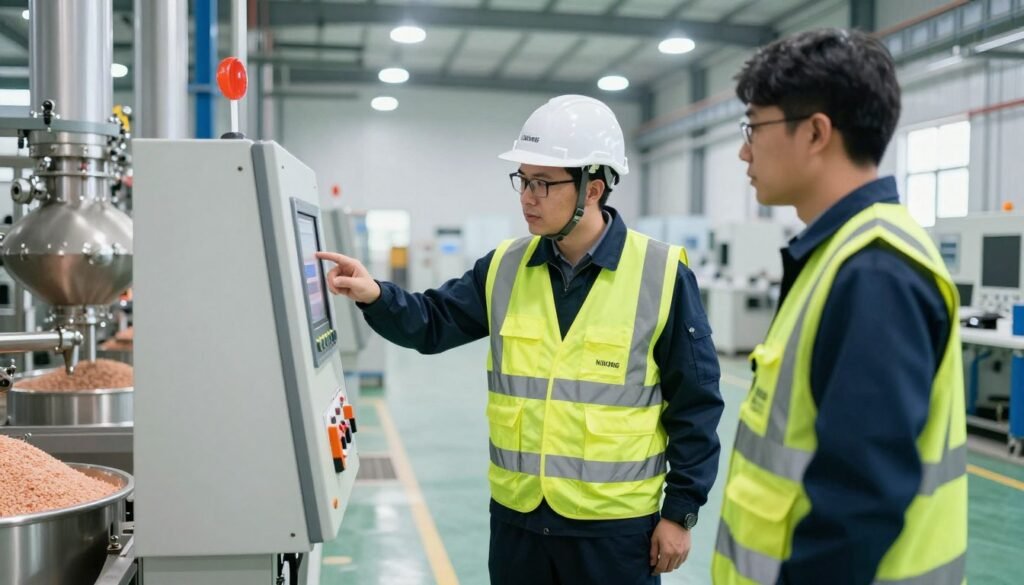
Many first-time buyers underestimate installation complexity and associated costs. A fish feed pellet production line isn’t a plug-and-play appliance. Proper installation requires electrical connections complying with British Standards, structural foundations supporting dynamic machinery loads, ventilation systems managing dust generation, and safety interlocks preventing operator accidents.
MAIKONG offers three installation support levels:
- Technical Guidance Package: Detailed installation manuals, electrical schematics, foundation drawings, and remote video support. Client arranges local contractors. Cost: Included in equipment price. Suitable for experienced facility managers with competent maintenance teams.
- Supervised Installation Service: MAIKONG engineer travels to UK site for 5-7 days, supervising local contractors during equipment positioning, connection, and initial testing. Cost: £4,500-£6,200 including travel expenses. Recommended for most UK installations.
- Complete Turnkey Installation: MAIKONG coordinates entire installation process including contractor selection, foundation preparation, equipment setup, testing, and operator training. Cost: Typically 12-18% of equipment value. Ideal for clients without existing technical teams.
Foundation and structural preparation costs vary enormously based on existing facility conditions. Installing a 2-tonne system in a modern industrial unit with adequate electrical service might require just £3,500-£5,500 for equipment bases and connections. Retrofitting older agricultural buildings could necessitate £12,000-£18,000 for structural reinforcement, electrical upgrades, and ventilation improvements.
Commissioning, Testing, and Operator Training
Following mechanical installation, comprehensive system commissioning ensures equipment performs to specification before acceptance. This process typically requires 3-5 days, during which MAIKONG engineers verify:
Mechanical Systems
All rotating equipment operates smoothly without vibration or noise anomalies. Alignment checks confirm proper coupling installation. Lubrication systems function correctly.
Electrical Controls
Safety interlocks prevent equipment operation during unsafe conditions. Emergency stops function across all workstations. Control sequences match process requirements.
Production Testing
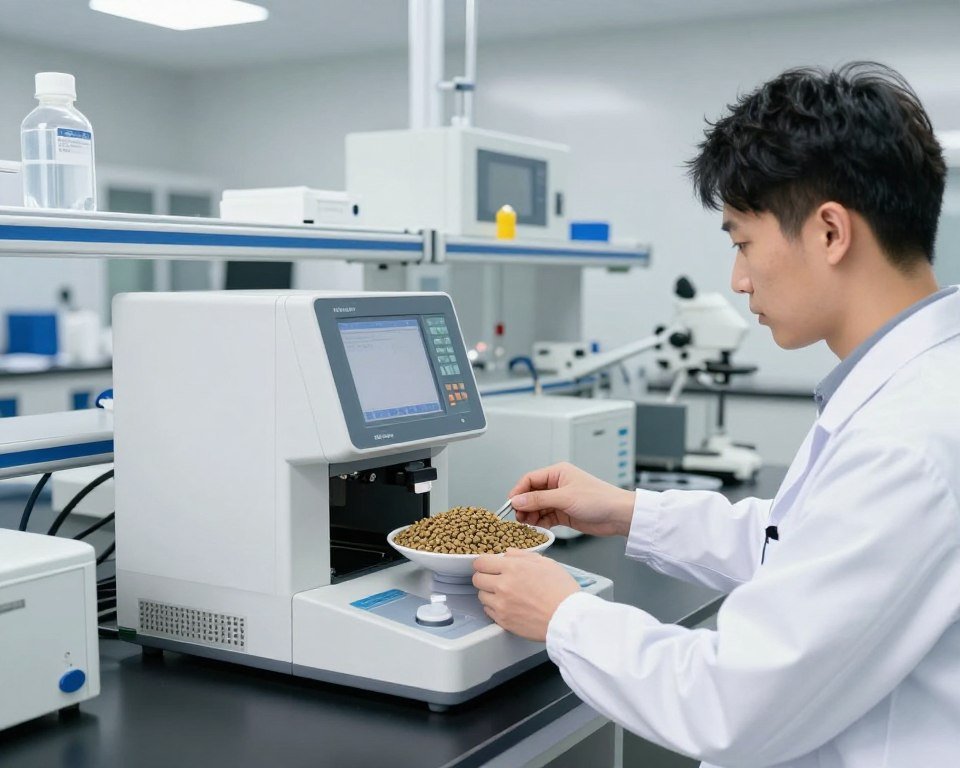
Trial production runs using client’s actual raw materials verify pellet quality, throughput capacity, and energy consumption meet contractual specifications.
Operator Training
Comprehensive training covers standard operation, routine maintenance, troubleshooting common issues, and safety procedures. Training materials provided in English.
These commissioning activities are included when clients select supervised or turnkey installation packages. For technical guidance packages, clients assume commissioning responsibility, occasionally encountering challenges that delay production startup by several weeks.
OEM and ODM Customisation: How Bespoke Requirements Influence Fish Feed Pellet Production Line Price
MAIKONG’s experience serving UK distributors and private-label clients has demonstrated that customisation requirements substantially impact final pricing. Understanding these variables helps buyers budget accurately whilst ensuring equipment meets specific operational needs.
Private Label and Branding Customisation
British equipment distributors frequently request OEM branding, allowing them to market MAIKONG-manufactured equipment under their own company identity. This arrangement benefits both parties – distributors build brand equity whilst MAIKONG expands UK market presence through established distribution channels.
Basic OEM packages include custom nameplate fabrication, control panel branding, and documentation customisation. These modifications typically add 3-5% to base equipment costs, translating to £2,400-£4,500 for a standard 2-tonne fish feed pellet system. More extensive branding incorporating custom colours, modified cabinet designs, or proprietary control interfaces can increase costs by 8-12%.
Technical Specification Modifications
UK electrical requirements differ from Chinese domestic standards. British facilities operate on 230V/400V 50Hz three-phase power, often with specific motor starter and safety interlock requirements mandated by facility insurance policies or regulatory compliance.
Electrical Adaptation
Converting equipment to UK voltage standards, installing British Standard-compliant switchgear, and incorporating CE certification documentation typically adds £3,200-£5,800 to baseline pricing.
Material Upgrades
Specifying premium stainless steel grades, food-contact approved components, or specialised wear-resistant alloys for high-abrasion ingredients increases material costs by 15-25% depending on modification extent.
Capacity Customisation
Modifying standard production capacities to match specific operational requirements involves engineering analysis and custom component sizing. Expect additional charges of £4,500-£8,200 for non-standard capacity configurations.
Process-Specific Modifications for Specialised Fish Feed Types
Not all aquatic feeds share identical processing requirements. Ornamental fish feeds demand smaller pellet sizes and gentler handling than salmon or tilapia feeds. Floating fish feeds require extrusion technology rather than conventional pelleting. Shrimp feeds often incorporate attractants and binders requiring specialised mixing sequences.
MAIKONG’s ODM capabilities address these variations. A standard aquatic feed production line configured for 3mm sinking pellets might require £8,500-£12,000 in modifications to produce 1.5mm floating pellets with consistent buoyancy characteristics. These changes typically involve:
- Replacing standard pellet mill with twin-screw extruder unit
- Adding steam conditioning system for proper starch gelatinisation
- Installing specialised drying equipment maintaining pellet structure
- Incorporating automated buoyancy testing and sorting systems
For UK clients targeting premium ornamental fish or specialised aquaculture markets, these technical modifications deliver competitive advantages justifying the incremental investment. Standard equipment cannot produce these specialised products reliably.
Discuss Your Customisation Requirements
MAIKONG’s technical team evaluates your specific fish feed requirements and recommends optimal equipment configuration. We provide transparent pricing for all customisation options before you commit.
ROI Analysis and UK Market Context: Justifying Fish Feed Pellet Production Line Price Through Financial Returns
Savvy British feed manufacturers evaluate fish feed pellet production line price not merely as capital expenditure but as investment generating quantifiable returns. This section examines realistic financial projections using UK market conditions.
Revenue Potential from In-House Feed Manufacturing
Aquaculture operations purchasing commercial fish feed typically pay £820-£1,450 per tonne depending on formulation complexity and order volumes. Manufacturing equivalent feed in-house reduces direct costs to £480-£720 per tonne, primarily covering raw materials, energy, labour, and maintenance.
Consider a mid-sized UK tilapia farm consuming 180 tonnes of feed annually. At £1,100 per tonne purchased cost versus £620 per tonne in-house production cost, the annual savings reach £86,400. A properly specified 2-tonne hourly fish feed pellet production line priced at £78,000 delivers payback within 11 months, assuming the operation previously purchased all feed externally.
| Annual Feed Requirement | Purchase Cost (£/tonne) | Production Cost (£/tonne) | Annual Savings | Equipment Investment | Payback Period |
| 120 tonnes | £1,050 | £600 | £54,000 | £68,000 | 15 months |
| 180 tonnes | £1,100 | £620 | £86,400 | £78,000 | 11 months |
| 300 tonnes | £980 | £560 | £126,000 | £92,000 | 9 months |
| 600 tonnes | £920 | £520 | £240,000 | £145,000 | 7 months |
Quality Control and Formulation Flexibility Benefits
Financial returns extend beyond simple cost reduction. In-house production enables precise formulation control, adapting feed composition to specific growth stages, seasonal temperature variations, or health challenges. This responsiveness often improves feed conversion ratios by 8-15%, translating to faster growth and reduced total feed consumption.
A Scottish salmon farm operating MAIKONG equipment reported improving their feed conversion ratio from 1.35 to 1.18 after implementing custom formulations addressing local water temperature profiles. This improvement reduced annual feed requirements by approximately 12%, delivering additional savings of £47,000 beyond the direct cost reduction from in-house manufacturing.
Secondary Revenue Opportunities
Many UK fish feed production facilities discover unexpected profit centres after installing equipment. Excess capacity allows toll manufacturing for neighbouring farms, selling surplus production to local aquaculture operations, or developing premium specialty feeds for niche markets.
A Devon-based operation installed a 3-tonne hourly system initially serving their 450-tonne annual requirement. The facility now produces an additional 280 tonnes yearly for three nearby trout farms, generating £42,000 additional annual margin whilst improving their own per-tonne production costs through increased volume efficiency.
Real UK Installations: Fish Feed Pellet Production Line Price Outcomes and Performance Data
Examining actual British installations provides concrete context for understanding how theoretical specifications translate into operational results. The following case studies represent genuine MAIKONG projects, with facility names anonymised per client confidentiality agreements.
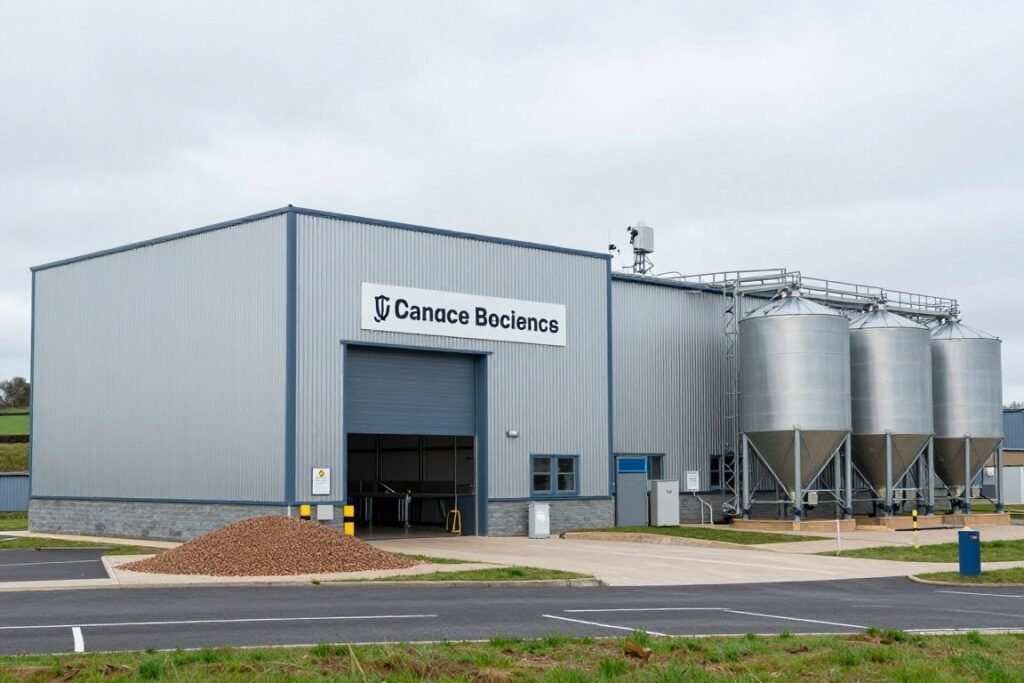
Case Study 1: Lincolnshire Aquaculture Expansion Project
A 15-hectare tilapia farm in Lincolnshire approached MAIKONG in March 2023 seeking to transition from purchased feed to in-house production. Their requirements included 1.5-tonne hourly capacity, ability to produce 2-4mm pellets, and operational simplicity suitable for existing staff without feed manufacturing experience.
System Specification: Semi-automatic vertical configuration, 1.8 tonne/hour rated capacity, stainless steel construction throughout, UK electrical standards, basic PLC control with touchscreen interface.
Equipment Cost: £72,400 (model MK-L003 with UK adaptations)
Shipping and Logistics: £5,800 (40ft container to Felixstowe, customs clearance, inland delivery)
Installation: £6,200 (supervised installation package, 6-day engineer visit)
Facility Preparation: £4,100 (electrical connections, equipment foundations, dust collection)
Total Project Cost: £88,500
Operational Results: Following a 3-week learning period, the facility achieved consistent production of 1.6-1.7 tonnes hourly with pellet uniformity exceeding expectations. Annual feed consumption decreased from purchased costs of £156,000 to production costs of £89,000, delivering £67,000 annual savings. Equipment payback achieved in 16 months.
Case Study 2: Welsh Premium Feed Manufacturing Startup
An entrepreneurial venture in Wales identified market opportunity supplying premium ornamental fish feeds to specialist retailers across the UK. Their business model required producing multiple small-batch formulations with frequent changeovers, necessitating flexible equipment design.
System Specification: Horizontal manual configuration, 600kg/hour capacity, quick-change pellet dies enabling 15-minute product transitions, enhanced mixing system for complex formulations, colour-coded controls simplifying operator training.
Total Investment: £54,800 including shipping, installation guidance package (remote support), and commissioning assistance.
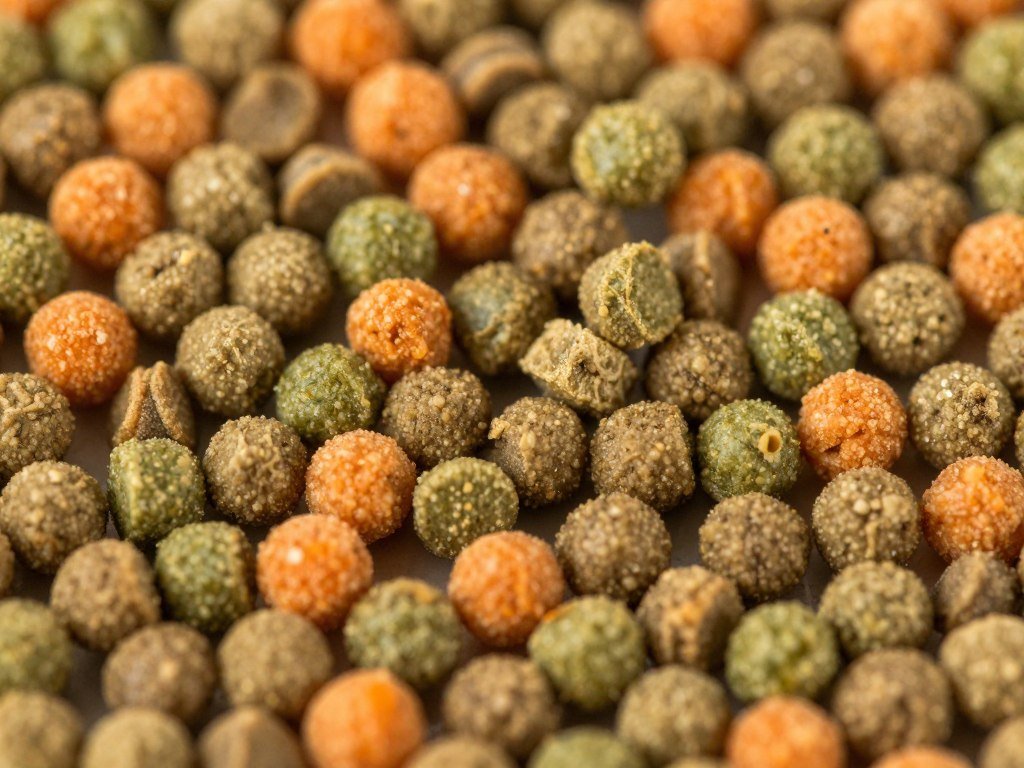
Customisation Elements: Modified hopper designs accommodating small-batch ingredients (minimum 15kg batches), specialised dies producing 1.2mm and 1.8mm pellets for goldfish and koi feeds, integrated ingredient micro-dosing system for expensive additives like spirulina and astaxanthin.
Business Results: The operation launched commercially in August 2023, currently producing 18 distinct formulations across 4 pellet sizes. Monthly production averages 32 tonnes with average selling price of £3,200 per tonne. The business reached profitability in month 7, substantially faster than their conservative 14-month projection.
Case Study 3: Scottish Commercial Feed Mill Modernisation
An established Scottish salmon feed manufacturer operated aging equipment approaching 18 years service life. Reliability concerns, increasing maintenance costs, and inability to meet tightening quality specifications drove their decision to invest in modern replacement systems.
Challenge: The facility required maintaining production during equipment replacement, necessitating phased installation strategy. Additionally, Scottish Highlands location created logistics complexity and increased shipping costs.
Solution: MAIKONG designed a phased replacement program installing new equipment alongside existing systems, allowing gradual transition whilst maintaining production continuity. The project incorporated a 4.5-tonne hourly fully automated poultry feed production line architecture adapted for floating salmon feeds.
Investment Breakdown:
- Equipment: £182,000 (full automation, twin-screw extruder, integrated quality monitoring)
- Shipping: £9,200 (two 40ft containers, Highland delivery premium)
- Installation: £24,500 (turnkey package with 3-week installation timeline)
- Facility modifications: £31,000 (building adaptations, electrical upgrades, structural reinforcement)
- Training and commissioning: Included in turnkey package
Total Investment: £246,700
Performance Outcomes: The new system delivers 12% higher throughput than rated capacity when producing standard 4.5mm pellets, whilst energy consumption per tonne decreased by 23% compared to previous equipment. Most significantly, pellet durability index improved from 92% to 98.5%, virtually eliminating fines generation and reducing feed waste during transport and feeding operations. The facility projects 4.2-year payback through combined energy savings, reduced maintenance costs, and improved product quality commanding premium pricing.
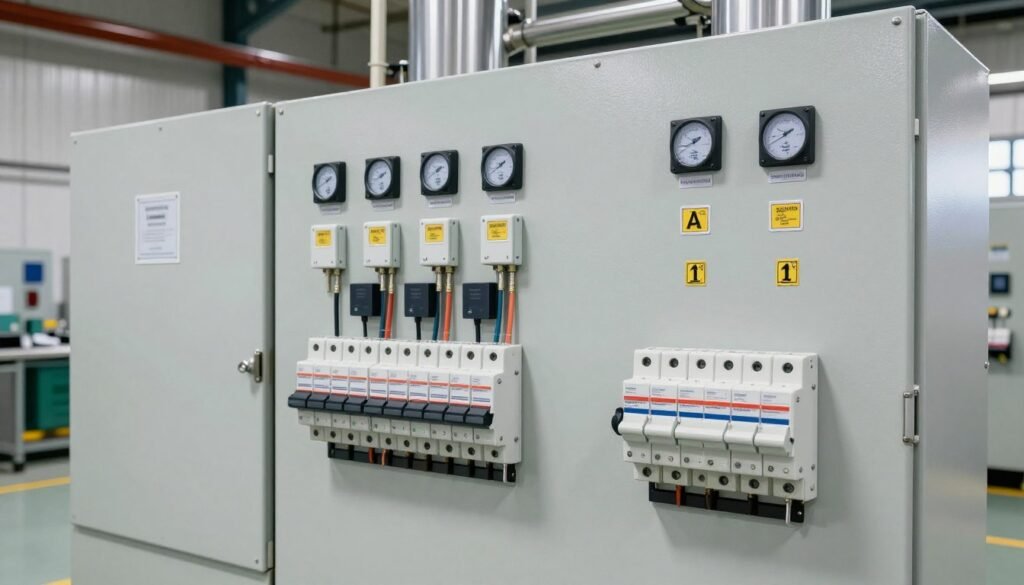
Beyond Fish Feed Pellet Production Line Price: Critical Supplier Selection Factors for UK Buyers
Whilst competitive pricing matters, experienced buyers recognise that supplier selection involves evaluating multiple dimensions beyond initial cost. Equipment represents a 12-15 year partnership between buyer and manufacturer, making supplier capability assessment crucial.
Manufacturing Experience and Technical Expertise
MAIKONG’s 22-year history manufacturing animal feed production equipment provides depth of experience that newer manufacturers cannot match. This background translates into practical advantages for UK clients.
Our engineering team has encountered virtually every technical challenge possible in feed manufacturing. Ingredient bridging in hoppers, inconsistent pellet diameter, excessive fines generation, motor overload conditions, control system failures – we’ve diagnosed and resolved these issues countless times across diverse installations worldwide.
Technical Support Responsiveness
UK clients receive technical support through multiple channels. Email inquiries to Lucy@feedproductionline.uk typically receive detailed responses within 8 business hours. Urgent issues warranting immediate attention can reach our technical hotline at +86 135-1090-7401, providing access to engineering staff during UK business hours (considering 8-hour time difference).
For complex troubleshooting requiring visual assessment, we routinely conduct video consultations via WhatsApp or Microsoft Teams, walking operators through diagnostic procedures and repair processes in real-time.
Spare Parts Availability
Nothing frustrates production managers more than equipment downtime waiting for replacement parts. MAIKONG maintains UK-based spare parts inventory for commonly replaced components, enabling 2-3 day delivery for most items.
Less common parts ship directly from our SZ facility, typically arriving within 7-12 days via express freight. This responsiveness minimises production disruption compared to manufacturers lacking established UK logistics partnerships.
Customisation Capability and OEM Flexibility
British market requirements differ from Asian domestic specifications. Successful UK suppliers demonstrate willingness adapting equipment to local needs rather than forcing buyers to accept inappropriate configurations.
MAIKONG welcomes customisation discussions. Whether you need UK electrical compliance, specific material grades, modified capacity ranges, or private-label branding for distribution, our engineering and manufacturing teams accommodate these requests routinely. This flexibility particularly benefits UK distributors building their own branded equipment lines whilst leveraging our manufacturing capability.
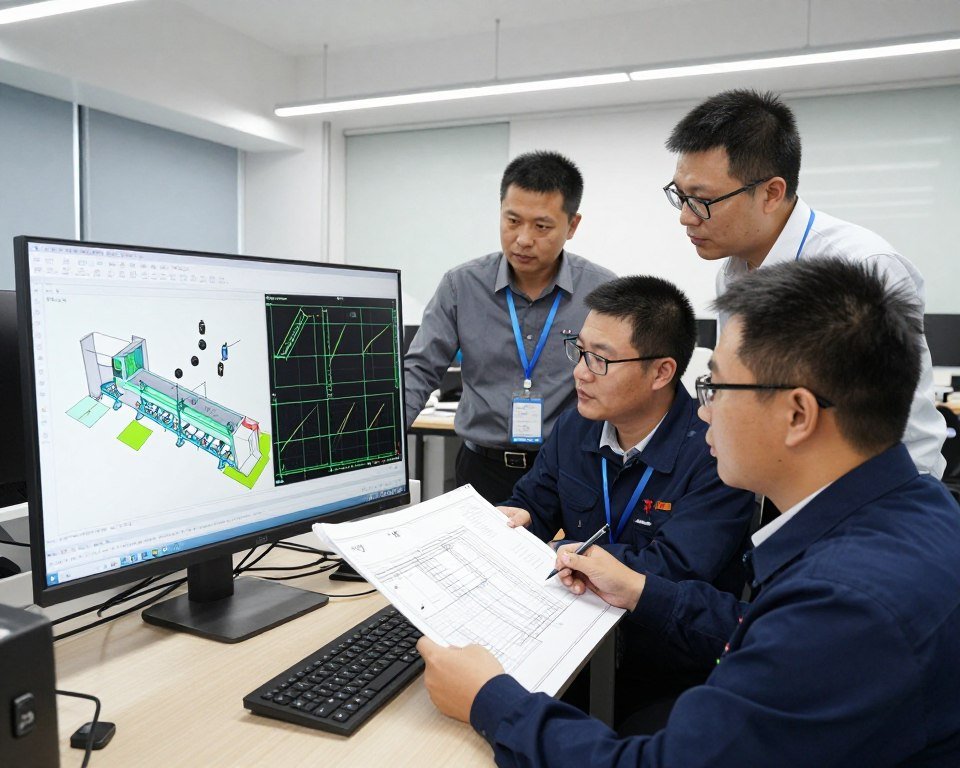
After-Sales Service and Long-Term Support Commitment
Equipment purchases represent the beginning, not the conclusion, of the buyer-supplier relationship. As your operation grows, you may need capacity expansion, process modifications, or upgraded automation. Your original equipment supplier should actively support these developments.
MAIKONG’s approach treats UK clients as long-term partners. We’ve supported numerous facilities through multiple expansion phases, designing additions that integrate seamlessly with existing equipment. Several current clients initially purchased modest 500kg hourly systems in 2015-2017, subsequently expanding to 3-4 tonne installations as their operations matured.
Evaluate MAIKONG’s Complete UK Support Capabilities
Review detailed case studies, technical specifications, and support service descriptions on our dedicated UK website. Download equipment brochures, review installation timelines, and access customer testimonials.
MAIKONG UK Distributor and Agent Partnership Programme
MAIKONG actively seeks established equipment distributors, agricultural suppliers, and aquaculture industry specialists interested in representing our feed production equipment throughout the United Kingdom and Ireland. Our distributor programme offers genuine partnership advantages beyond simple commission arrangements.
Why Partner with MAIKONG?
The UK feed production equipment market continues growing as aquaculture expands, smaller operations seek production independence, and established facilities modernise aging equipment. MAIKONG’s comprehensive product range, competitive pricing, and proven reliability position distributors for success in this expanding market.
Product Range Breadth
Represent complete equipment lines from compact 200kg/hour systems suitable for small farms through 35-tonne industrial installations. Our portfolio spans fish feed, poultry feed, cattle feed, pet feed, and aquatic feed production solutions.
- Fish feed production lines
- Poultry feed systems
- Cattle and livestock feed equipment
- Pet food manufacturing lines
- Aquatic and shrimp feed systems
Competitive Advantages
MAIKONG’s 22-year manufacturing experience delivers quality equipment at pricing 18-25% below European alternatives whilst maintaining comparable specifications and performance.
- Factory-direct pricing eliminates intermediaries
- UK electrical compliance standard
- CE certification documentation
- Customisation capability for market needs
- Established UK shipping partnerships
Distributor Support
We provide comprehensive support enabling distributor success rather than leaving partners to navigate challenges independently.
- Technical training at SZ facility
- Sales and marketing materials
- Lead generation support
- Spare parts stocking programmes
- Co-branded literature options
- Installation supervision assistance
Ideal Partner Profile
Successful MAIKONG distributors typically possess established presence in agricultural equipment, aquaculture supplies, industrial machinery, or feed manufacturing sectors. Whilst feed equipment experience helps, we value distribution capability, customer relationships, and market knowledge equally.
We seek partners demonstrating:
- Market Access: Established customer relationships within feed manufacturing, aquaculture, or agricultural sectors across defined UK regions
- Technical Capability: Basic technical aptitude enabling customer consultation and post-installation support coordination (full technical training provided by MAIKONG)
- Business Stability: Established operations with track record serving commercial/industrial customers
- Growth Ambition: Desire expanding product offerings and revenue through feed production equipment representation
- Service Orientation: Commitment to customer support and long-term relationship building rather than transactional sales approach

Partnership Terms and Territory Arrangements
MAIKONG offers flexible partnership structures accommodating different business models. Options include:
Authorised Dealer
Non-exclusive representation suitable for distributors adding feed equipment to existing product portfolios. Commission-based or wholesale purchase options available. Ideal for testing market response before deeper commitment.
Exclusive Regional Distributor
Exclusive territory rights (minimum annual volume commitments apply) protecting your market investment. Enhanced margin structures, marketing support, and priority technical assistance. Suitable for partners dedicating significant resources to feed equipment sales.
OEM Partner
Private-label arrangements allowing you to market MAIKONG-manufactured equipment under your own branding. Custom specifications, unique model designations, and co-development opportunities. Ideal for established equipment companies expanding into feed production machinery.
Territory definitions consider geographic coverage, market density, and distributor capability. Exclusive arrangements might encompass entire regions (e.g., Scotland, Wales, Southwest England) or focus on specific industry segments (e.g., aquaculture equipment across all UK regions).
Getting Started: Initial Discussion Process
If you’re considering MAIKONG partnership, we recommend starting with an exploratory conversation. This allows both parties to assess alignment without obligation.
Initial discussions typically address:
- Your current business focus and customer base
- Geographic territory and market segments you serve
- Existing product lines and potential synergies with feed equipment
- Technical support capabilities and service infrastructure
- Business development goals and timeline expectations
- Questions about MAIKONG products, support, and partnership terms
Following initial alignment, qualified candidates receive:
- Complete product catalogues and technical specifications
- Detailed pricing structures including distributor margins
- Sample partnership agreements for legal review
- Introduction to UK-based MAIKONG support personnel
- Access to existing customer testimonials and case studies
Many partners subsequently visit our SZ manufacturing facility, observing production processes and meeting our engineering team. Whilst not mandatory, facility visits provide valuable context for understanding our capability and quality commitment.
Frequently Asked Questions About Fish Feed Pellet Production Line Price and UK Purchasing
What’s the typical price range for a complete fish feed pellet production line suitable for a UK aquaculture facility producing 150-200 tonnes annually?
For this production requirement, you’d typically need a 1-1.5 tonne hourly capacity system operating 4-6 hours daily. A quality semi-automatic line meeting UK electrical standards generally costs £62,000-£84,000 for equipment alone. When you include shipping to a UK port (£4,800-£6,200), customs clearance (£900-£1,200), inland delivery (£800-£1,800 depending on location), supervised installation (£5,500-£7,200), and facility preparation (£3,500-£8,000), total project investment typically ranges £78,000-£108,000.
The significant range reflects configuration choices (vertical vs. horizontal layout), material specifications (standard vs. premium stainless steel), automation level (basic PLC vs. advanced control), and facility preparation requirements (existing industrial building vs. agricultural structure requiring substantial upgrades).
MAIKONG’s model MK-L003 represents excellent value in this capacity segment, offering stainless steel construction, UK electrical compliance, and proven reliability at the middle of this price range. Contact our technical team at Lucy@feedproductionline.uk for a customised quotation addressing your specific requirements.
How does fish feed pellet production line price compare between Chinese manufacturers like MAIKONG and European suppliers?
Chinese-manufactured equipment typically costs 18-28% less than comparable European alternatives when comparing equivalent specifications. A 2-tonne hourly system from established European manufacturers generally ranges £95,000-£135,000 for equipment only, whilst MAIKONG’s equivalent specification prices at £72,000-£88,000.
This price advantage primarily reflects lower manufacturing labour costs and material expenses in China rather than quality compromises. MAIKONG uses identical component grades (motors, bearings, control systems) as European manufacturers, often sourcing from the same international suppliers (Siemens, ABB, SKF).
However, UK buyers should consider total cost of ownership beyond purchase price. European suppliers may offer faster spare parts delivery and local service engineers, potentially reducing downtime costs. MAIKONG addresses this through UK spare parts inventory and responsive remote technical support, but some buyers prefer local service availability despite higher equipment costs.
For most applications, Chinese-manufactured equipment delivers superior value, with quality differences negligible for properly specified systems from established manufacturers. Our 22-year track record and numerous successful UK installations demonstrate this reliability.
What ongoing costs should I budget for beyond the initial fish feed pellet production line price?
Operating a fish feed pellet production line involves several recurring cost categories you should factor into financial projections:
Consumable Replacements: Pellet mill dies (£1,200-£2,800 each, replaced every 800-1,200 hours), mixer paddles (£180-£320, annually), hammer mill screens (£220-£380, 6-12 months), conveyor belts (£150-£450, 12-18 months). Annual consumables typically total £3,500-£6,200 for a 2-tonne system operating 1,500 hours yearly.
Energy Costs: Expect 85-110 kWh per tonne produced. At UK industrial electricity rates averaging £0.28/kWh, this represents £23.80-£30.80 per production tonne. A facility producing 300 tonnes annually incurs £7,140-£9,240 in electricity costs.
Preventive Maintenance: Regular lubrication, bearing inspection, and component adjustment requires approximately 2-3 hours weekly for semi-automatic systems. Many operators handle this internally, but contracted maintenance services cost £85-£120 per visit if outsourced.
Spare Parts Inventory: Maintaining critical backup components prevents extended downtime. Budget £4,000-£7,000 initially, replenishing as items are consumed.
Total annual operating costs (excluding raw materials and labour) typically range £12,000-£22,000 for a 2-tonne hourly system producing 250-350 tonnes yearly. These costs remain substantially lower than purchasing equivalent feed commercially, delivering strong ROI despite the ongoing expenses.
Can MAIKONG equipment produce floating fish feed pellets, or only sinking types? How does this affect the fish feed pellet production line price?
MAIKONG manufactures both conventional pelleting systems (producing sinking pellets) and extrusion-based systems (producing floating pellets). The technology required differs substantially, impacting equipment specifications and pricing.
Sinking Pellet Systems use ring-die or flat-die pellet mills, compressing feed ingredients through heated dies. These produce dense, sinking pellets suitable for bottom-feeding fish species like catfish, carp, and tilapia. This represents the standard, more economical technology. A 2-tonne hourly sinking pellet line costs £68,000-£88,000 typically.
Floating Pellet Systems employ twin-screw extruders, cooking feed ingredients under high temperature and pressure before rapid pressure release creates porous, buoyant pellets. This technology suits surface-feeding species like trout, salmon, and many ornamental fish. Extruders cost significantly more than standard pellet mills. A 1.5-tonne hourly floating feed line typically prices £95,000-£125,000, representing 35-45% premium over equivalent sinking pellet capacity.
Some facilities require both capabilities. MAIKONG can design hybrid systems incorporating both pelleting and extrusion technology, though this obviously increases investment requirements. Alternatively, some operations install separate dedicated lines for each pellet type.
When requesting quotations, clearly specify whether you need floating pellets, sinking pellets, or both. This fundamentally affects equipment selection and pricing. Our technical team can recommend optimal solutions matching your fish species and operational requirements.
What warranty and after-sales support does MAIKONG provide for UK customers? How does this compare to European suppliers?
MAIKONG provides comprehensive warranty coverage and ongoing support for all UK installations:
Equipment Warranty: 24-month warranty covering manufacturing defects, material failures, and workmanship issues. This matches or exceeds most European manufacturers (typically offering 12-18 month warranties). Warranty claims are processed through our UK support email (Lucy@feedproductionline.uk), with replacement parts shipped via express courier typically arriving within 5-7 days.
Wear Components: Items subject to normal wear (pellet dies, mixer paddles, screens) carry 90-day warranties covering premature failure due to manufacturing defects. Normal wear during this period doesn’t qualify for replacement, consistent with industry standards.
Technical Support: Unlimited phone and email technical support throughout equipment service life, not just during warranty period. UK business hours coverage via our technical hotline (+86 135-1090-7401) considering time zone differences. Video consultation capabilities for complex troubleshooting.
Spare Parts Availability: UK-based inventory for common consumables enabling 2-3 day delivery. Less common parts ship from our SZ facility (7-12 days typical delivery). We maintain spare parts availability for 12+ years following equipment purchase, ensuring long-term operational support.
On-Site Support: When remote support proves insufficient, MAIKONG engineers can travel to UK sites for hands-on troubleshooting and repair (travel costs and daily rates apply). Most issues resolve remotely, but this option provides reassurance for complex situations.
Compared to European suppliers, MAIKONG’s support model trades some convenience (no local service engineers based in UK) for comprehensive remote support at competitive pricing. Our 22-year experience means our technical staff have encountered virtually every issue possible, enabling effective remote diagnosis and resolution in most cases.
Making Informed Decisions About Fish Feed Pellet Production Line Price and UK Investment
Understanding the factors influencing fish feed pellet production line price empowers British buyers to make informed investment decisions aligned with operational requirements and financial objectives. As we’ve explored throughout this analysis, equipment cost represents just one component of total project investment, with configuration specifications, material grades, automation levels, shipping logistics, installation complexity, and ongoing operational expenses all contributing to the complete financial picture.
UK aquaculture operations, feed manufacturers, and equipment distributors face unique considerations in the post-Brexit landscape. Import logistics, regulatory compliance, electrical standards, and after-sales support availability all demand careful evaluation when selecting equipment suppliers and configurations.
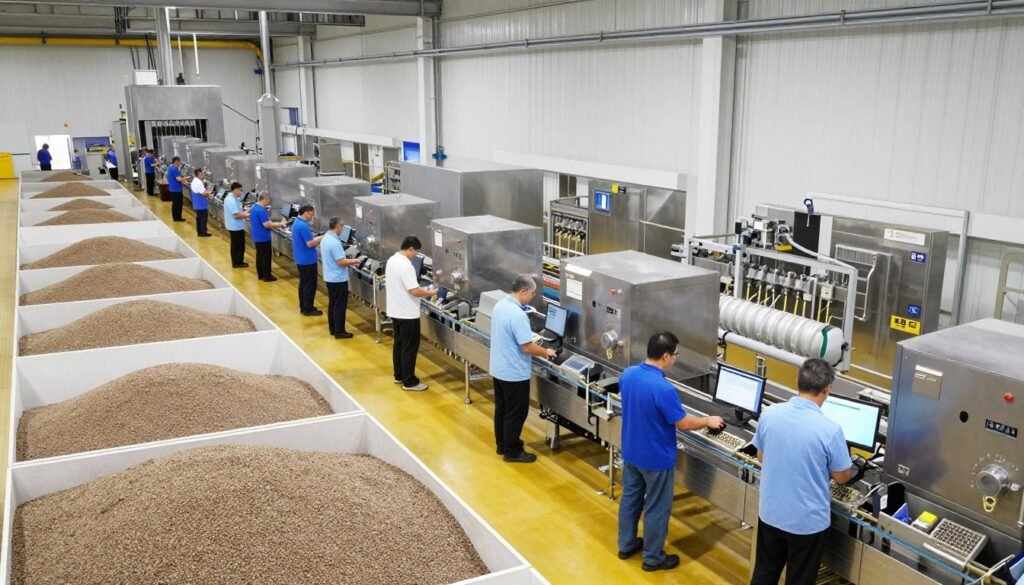
MAIKONG’s 22-year manufacturing heritage, comprehensive product range spanning 200kg hourly to 35-tonne industrial systems, proven UK installation track record, and commitment to transparent pricing positions us as a genuine partner rather than merely a equipment vendor. We succeed when our clients succeed, creating aligned incentives for delivering reliable equipment, responsive support, and ongoing innovation.
Whether you’re an aquaculture operator evaluating the financial merits of in-house feed production, a feed manufacturer modernising aging equipment, or an equipment distributor seeking product lines offering competitive advantage, MAIKONG welcomes the opportunity to discuss your specific requirements without obligation or pressure.
The case studies presented throughout this article demonstrate real British operations achieving substantial financial returns from properly specified feed production equipment. Richard Thompson’s Somerset aquaculture facility mentioned in our introduction ultimately invested in a MAIKONG 2-tonne system following our transparent consultation process. His operation achieved payback in 13 months whilst improving pellet quality consistency that previously varied with commercial feed supplier batch variations.
These outcomes don’t result from magic or marketing exaggeration. They emerge from thoughtful equipment specification matching operational requirements, proper installation and commissioning, thorough operator training, and commitment to preventive maintenance and quality raw material selection. MAIKONG provides the equipment and expertise; you provide the operational discipline and management focus.
Key Takeaway: Don’t select feed production equipment solely based on the lowest quoted price. Evaluate total cost of ownership including energy consumption, maintenance requirements, spare parts availability, and supplier technical support responsiveness. A modest upfront premium for quality equipment typically delivers superior long-term value compared to bargain-priced alternatives requiring constant attention and frequent component replacement.
Your Next Steps
If you’re seriously considering fish feed pellet production equipment for your UK operation or distribution business, we recommend taking these practical next steps:
- Clarify Your Requirements: Define your annual production needs, pellet specifications (size, type, formulations), operational schedule (hours per day, days per week), and available facility space. This information enables accurate equipment sizing and configuration recommendations.
- Request Detailed Quotation: Contact Lucy@feedproductionline.uk or call +86 135-1090-7401 with your requirements. We’ll provide comprehensive quotations addressing equipment specifications, shipping logistics, installation options, and total project costs including often-overlooked expenses like facility preparation and spare parts inventory.
- Review Technical Documentation: Examine detailed equipment specifications, electrical requirements, installation drawings, and operational manuals before commitment. This due diligence identifies potential issues early rather than discovering incompatibilities during installation.
- Discuss After-Sales Support: Understand warranty terms, technical support availability, spare parts sourcing, and long-term service commitment. These elements significantly impact operational reliability and total cost of ownership.
- Consider Partnership Opportunities: Equipment distributors and agricultural suppliers should explore MAIKONG’s UK partnership programme. Our comprehensive product range, competitive pricing, and manufacturing capability enable distributor success in the growing feed equipment market.
MAIKONG’s UK support team stands ready to answer your questions, provide technical guidance, and develop customised solutions matching your operational needs and budget parameters. We’re committed to transparent, pressure-free consultations that empower informed decision-making.
Visit Our Complete Fish Feed Production Line Price Resource Centre
Thank you for investing your time in this comprehensive analysis of fish feed pellet production line pricing factors, UK purchasing considerations, and supplier selection criteria. We hope this information proves valuable as you evaluate options and plan your feed production strategy. MAIKONG looks forward to potentially supporting your success in the UK aquaculture and feed manufacturing sectors.