
Pet Food Entrepreneurs Evaluating Fish Feed Pellet Production Line Price: Shape, Hygiene, Packaging and Branding
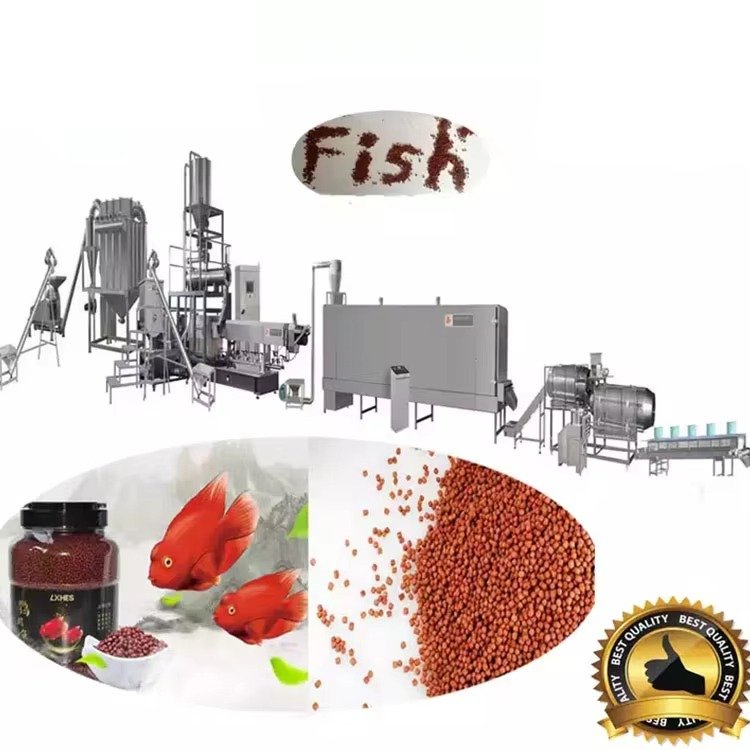
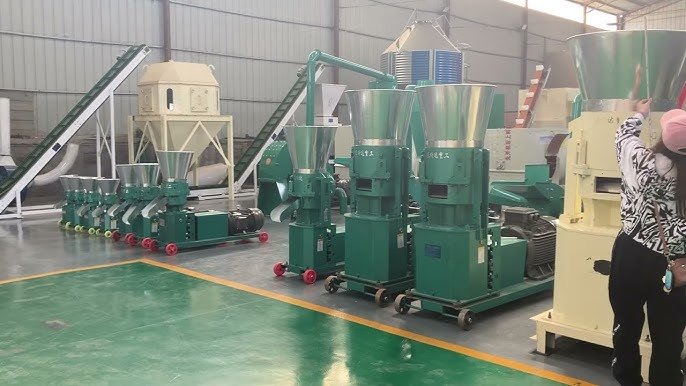
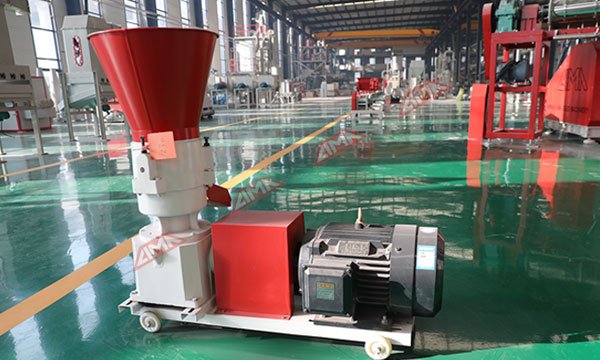
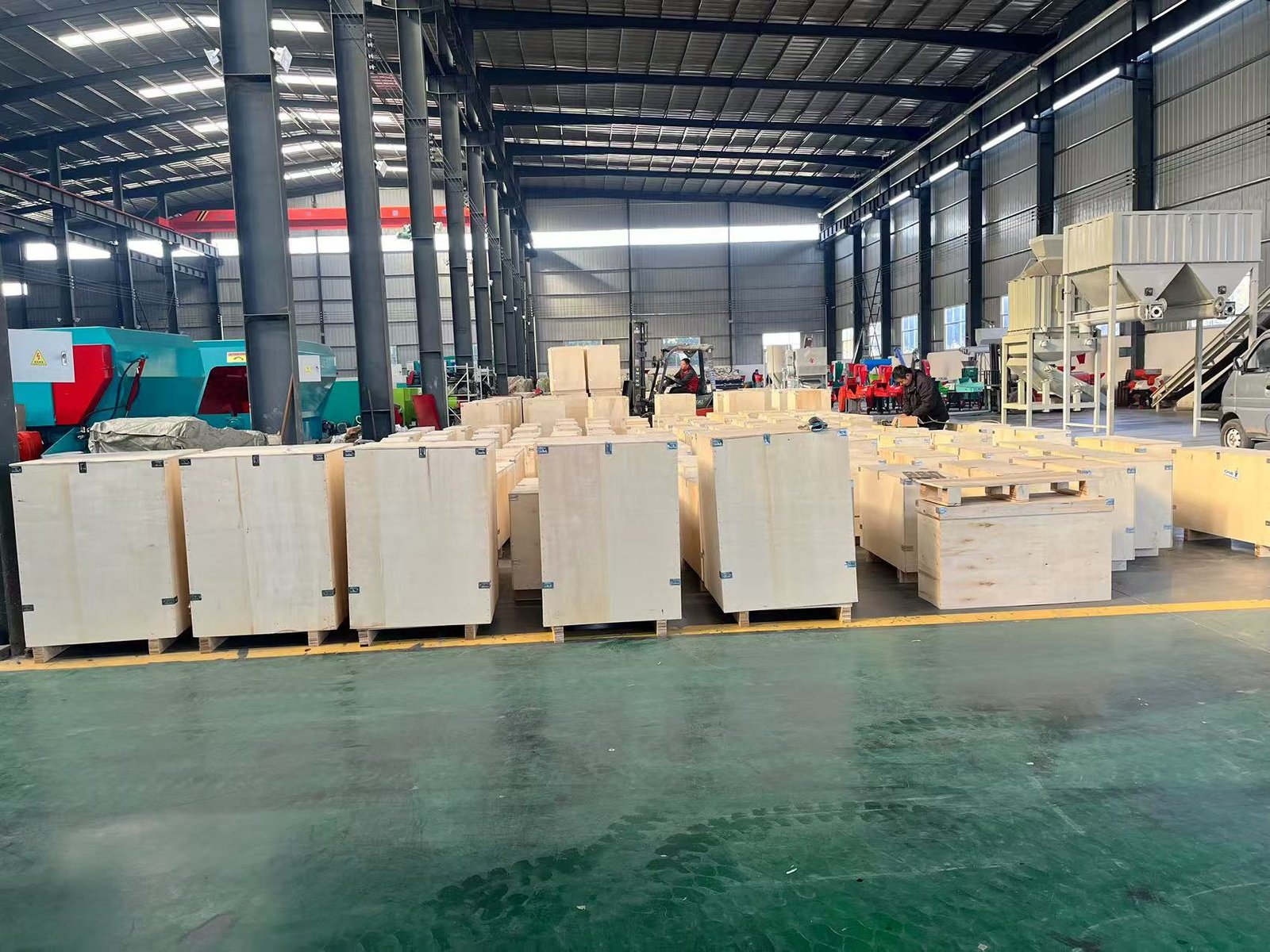
You’ve spent weeks researching suppliers. The quoted prices vary wildly from £45,000 to £380,000 for what appears to be similar capacity. One Chinese manufacturer promises 5 tonnes per hour output for half the price of their competitor. Another claims “lifetime support” but their website disappeared six months after you saved it. A third sends beautifully detailed CAD drawings, yet their past customer in Rotterdam warns the actual machine looked nothing like the plans.
This situation plays out daily for UK feed mill owners, aquaculture investors, and pet food entrepreneurs. The challenge isn’t finding a fish feed pellet production line price – it’s determining which figure represents reality and which masks costly surprises.
For the past 22 years, MAIKONG has manufactured feed production equipment in GD Province, shipping complete systems to 130 countries including dozens of successful UK installations. We’ve witnessed common pitfalls that trap first-time buyers: inflated capacity claims that crumble under real-world conditions, missing spare parts that halt production for weeks, technical drawings too vague for British engineers to validate, quotations missing £30,000 in essential components, and after-sales promises that evaporate once payment clears.
This guide addresses those specific procurement risks. You’ll find transparent cost structures, specification verification methods, contract clause recommendations, and actual UK project data. Whether you’re scaling an existing poultry feed production line operation or launching a new aquatic feed production line, the framework below helps separate reliable suppliers from problematic ones before you commit six-figure investments.
Understanding True Fish Feed Pellet Production Line Costs for UK Buyers
The advertised fish feed pellet production line price rarely reflects your actual expenditure. A complete financial picture includes equipment FOB cost, international shipping, UK customs duties, installation labour, operator training, initial spare parts inventory, and first-year maintenance provisions.
Complete Cost Breakdown for 2-Tonne Per Hour System
Consider a mid-range 2 TPH capacity system suitable for regional fish farms or pet food startups. The equipment manufacturer quotes £78,000 FOB Shenzhen. This figure covers only the machinery itself.
| Cost Component | Amount (£) | Percentage of Total | Negotiable? |
| Equipment FOB Price | 78,000 | 62% | Yes (5-12% typical) |
| Sea Freight to Felixstowe | 6,800 | 5.4% | Limited (seasonal) |
| UK Import Duty + VAT | 16,960 | 13.5% | No (regulated) |
| Customs Clearance | 1,200 | 0.95% | Slightly |
| Inland Transport | 950 | 0.75% | Yes (location dependent) |
| Installation & Commissioning | 8,500 | 6.7% | Yes (DIY possible) |
| Operator Training (3 days) | 2,400 | 1.9% | Sometimes included |
| Initial Spare Parts Kit | 4,680 | 3.7% | Essential (non-negotiable need) |
| Electrical Modifications (UK 415V) | 3,200 | 2.5% | Required for compliance |
| First-Year Maintenance Reserve | 3,500 | 2.8% | Recommended provision |
| Total Landed & Operational Cost | 126,190 | 100% | – |
Notice the £48,190 difference between the advertised equipment price and your actual outlay. Unreliable suppliers omit these supplementary costs from initial quotations, creating false budget expectations.
Hidden Costs That Surface After Purchase
Beyond the quantifiable expenses above, several post-purchase costs catch buyers unprepared. Incomplete technical documentation forces you to hire external consultants at £850 per day to interpret wiring diagrams. Underspecified motors burn out within six months, requiring emergency replacements at triple the original component cost due to air freight and rush manufacturing.
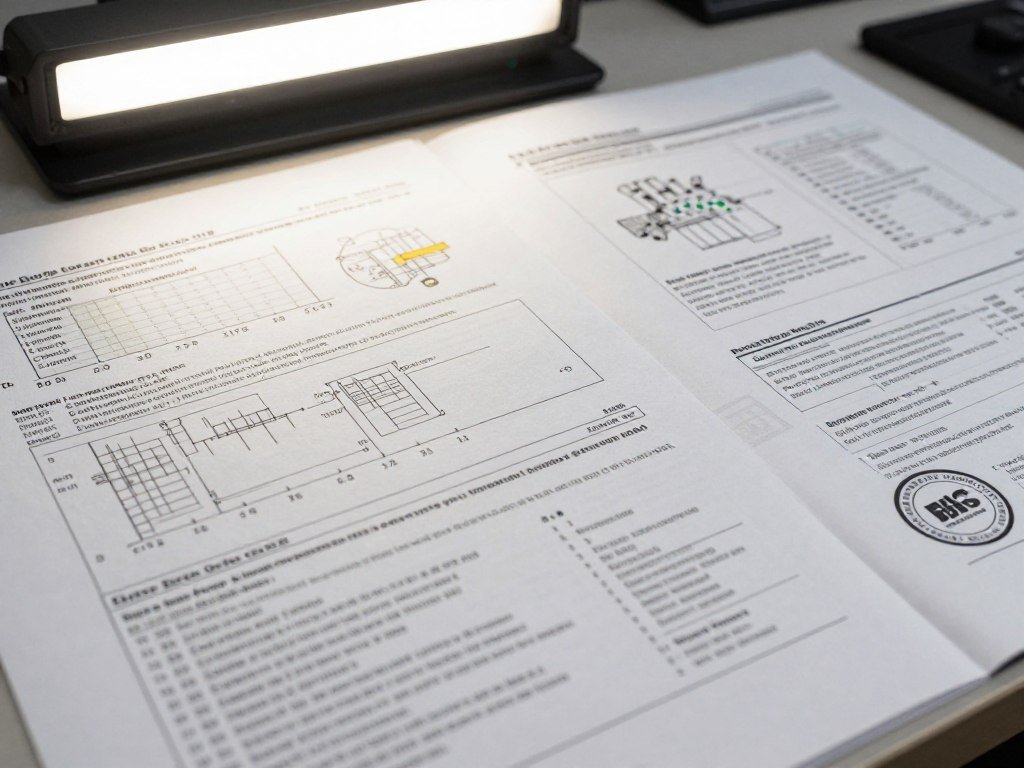
Warranty claims become nightmares when suppliers provide vague service terms. One Norfolk fish farm spent £12,000 on replacement dies after three months because their contract stated “wearing parts not covered” without defining which components qualified as wearing parts. The supplier classified the pelletizing dies – the most expensive consumable – under this exclusion.
MAIKONG Transparency Commitment: Our quotations itemize every cost component including recommended spare parts, UK-specific electrical requirements, and realistic shipping timelines. We provide three-tier pricing: equipment only, landed cost (CIF UK port), and turnkey installation. This eliminates surprise expenses that damage project budgets.
Capacity Claims vs. Real-World Output
Manufacturers rate production lines under ideal laboratory conditions using standardized test formulas. A system rated “5 TPH” achieves that figure with optimal raw material moisture (12-13%), perfect particle size distribution, single-shift operation, and immediate maintenance response.
Your actual conditions differ. UK fish feed formulations often include higher oil content (6-8% vs. 3% test standard), affecting pelletizer throughput. Ambient humidity in coastal locations reduces dryer efficiency. Multi-shift operations introduce operator variability. Spare part delivery delays extend downtime from the assumed 2% to 8-12% in realistic scenarios.
Responsible suppliers derate capacity by 15-20% for real-world conditions. A “5 TPH” system should guarantee 4-4.25 TPH sustained output across various formulations and operating patterns. Verify this in your contract specifications rather than accepting headline figures.
Calculate Your True UK Landed Cost
Receive an itemized quotation showing equipment price, shipping, duties, installation, and first-year operational costs. No hidden fees, no surprise charges after commitment.
Response within 4 working hours | 22+ years manufacturing experience | 50+ European installations
Specification Verification Methods to Avoid Inflated Claims
Technical specifications determine whether your fish feed production line meets production targets or becomes an expensive liability. Yet many buyers lack the engineering background to verify claimed performance parameters.
Critical Specifications That Require Independent Validation
Eight specification categories deserve scrutiny before purchase commitment. Each presents opportunities for suppliers to overstate capability or understate requirements.
Motor Power Ratings
Examine nameplate power versus sustained operational power. A pellet mill showing “75 kW motor” might use a 55 kW continuous duty motor with 75 kW short-term peak rating. Under continuous production, the motor overheats and fails prematurely.
Verification: Request motor manufacturer datasheets showing continuous duty rating (S1 classification per IEC 60034). Confirm cooling system adequacy for your climate.
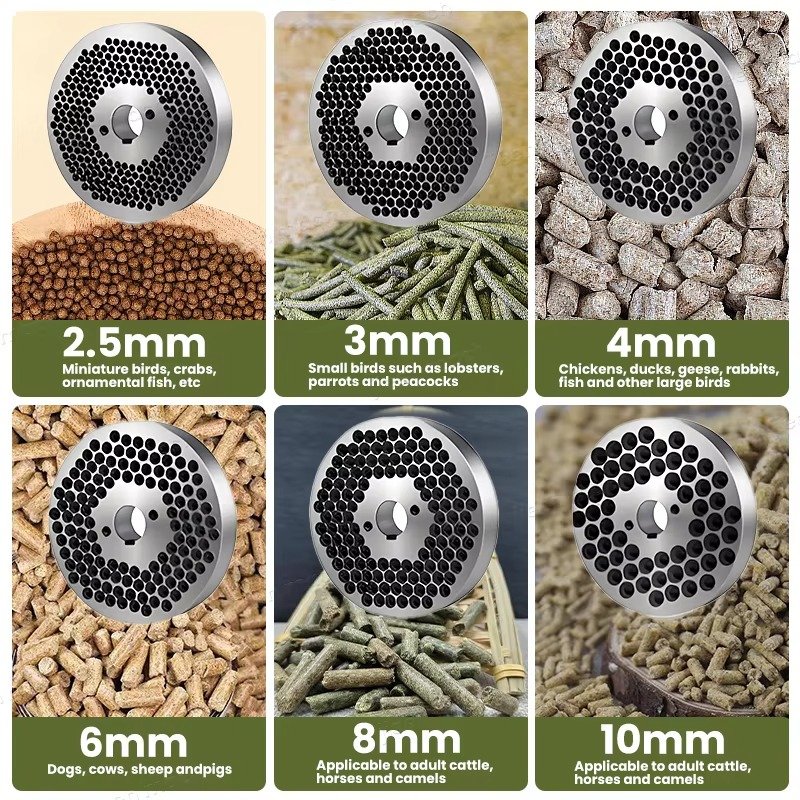
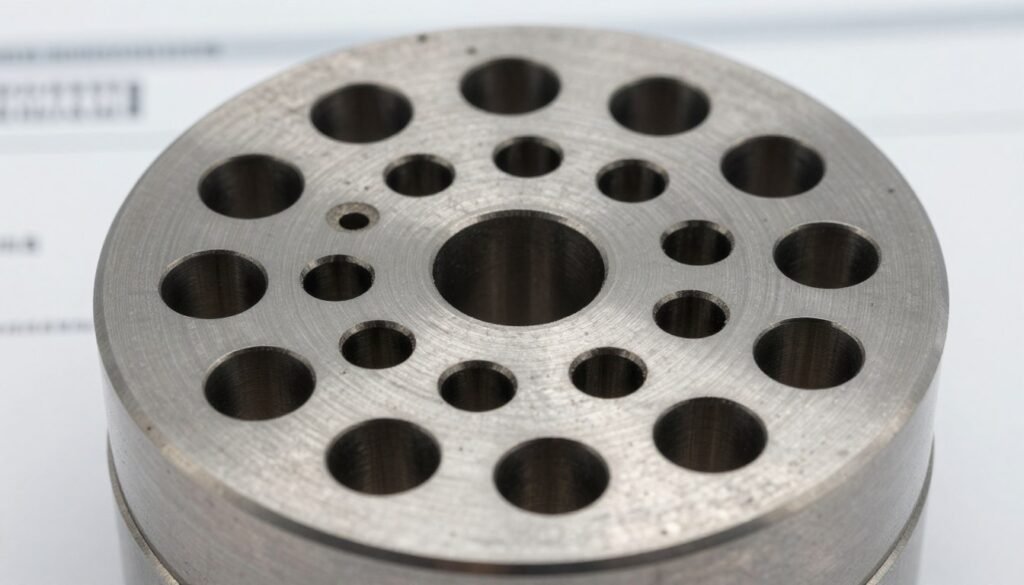
Pellet Die Specifications
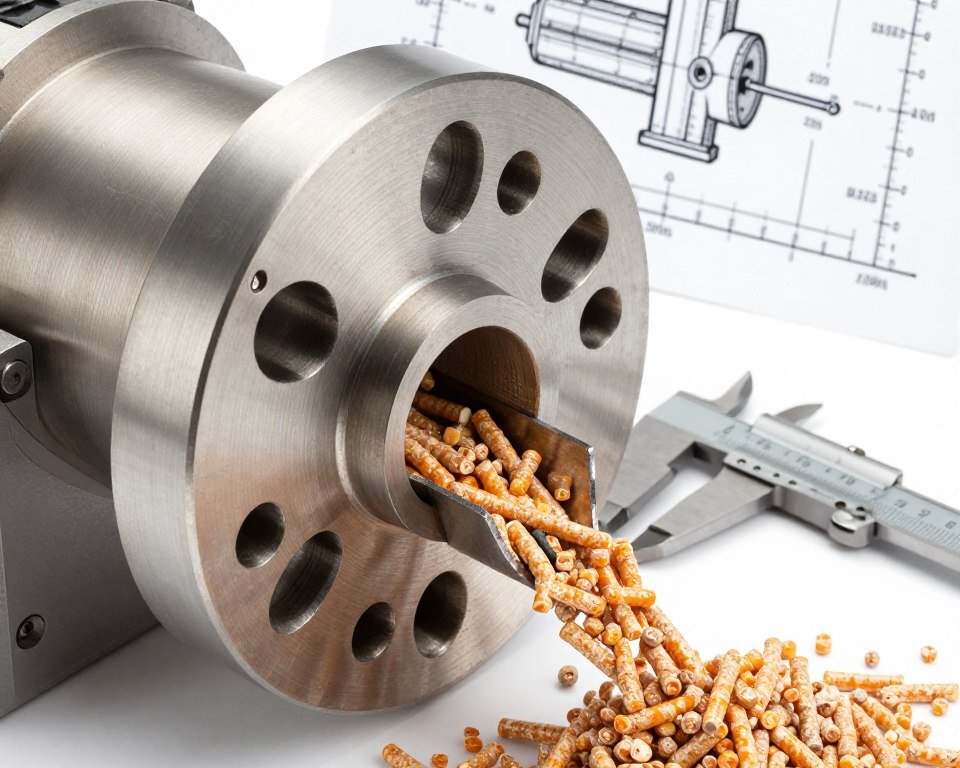
Die hole diameter, compression ratio, and effective working area determine pellet quality and throughput. Suppliers sometimes specify die parameters that work only with narrow raw material ranges.
Verification: Require die drawings showing hole pattern, depth, and material grade. Cross-reference with your specific fish feed formulation (protein content, oil percentage, fiber level).
Electrical System Compatibility
Chinese manufacturers typically supply 380V three-phase systems. UK standard is 415V. Voltage conversion isn’t always straightforward and impacts motor performance and warranty coverage.
Verification: Confirm electrical drawings show UK voltage, verify motor windings match 415V/50Hz, ensure control panels carry CE marking for British compliance.
Material Certifications
Food-grade stainless steel (304 or 316) costs significantly more than industrial-grade alternatives. Some suppliers substitute cheaper materials in non-visible components, risking contamination and corrosion.
Verification: Request material certificates for all food-contact surfaces. Specify EN 10204 3.1 certification showing chemical composition and mechanical properties.
Testing Protocols Before Final Payment
Reputable suppliers welcome performance testing as part of the acceptance process. MAIKONG standard practice includes witnessed factory acceptance testing (FAT) before shipment and site acceptance testing (SAT) after installation.
Factory testing should run your actual raw material formulation, not a supplier-optimized test mix. Ship 500 kg of your wheat, fish meal, soy, and oil blend to the manufacturer. Witness a 4-hour continuous production run measuring actual throughput, pellet durability index (PDI), and energy consumption.
Document everything. Record pellet dimensions with calipers, weigh hourly output, photograph the control panel displays, video the operation. These records become evidence if disputes arise about contractual performance guarantees.
Red Flags in Technical Documentation
Inadequate documentation signals either supplier inexperience or intentional ambiguity. Watch for these warning signs when reviewing technical packages:
- Generic “catalog” drawings rather than project-specific fabrication drawings
- Missing assembly sequences and torque specifications for critical fasteners
- Wiring diagrams lacking component identification numbers matching physical equipment
- Operation manuals translated by non-technical personnel with unclear procedures
- Spare parts lists without manufacturer part numbers (forces you to buy from supplier at inflated prices)
- Absence of maintenance schedules specifying lubrication points, replacement intervals, and adjustment procedures
Quality suppliers provide comprehensive documentation packages including GA drawings, P&ID diagrams, electrical schematics with British symbols, maintenance manuals written by native English technical writers, and spare parts catalogs with multiple sourcing options.
Case Study – Documentation Failure: A Lincolnshire pet food manufacturer purchased a 3 TPH fish feed pellet plant from a budget supplier. Technical drawings showed basic layout but omitted foundation loading specifications. Their structural engineer had to reverse-engineer loads from equipment weights, adding £8,400 in consulting fees and delaying installation by six weeks. The supplier refused to provide detailed foundation drawings post-purchase, claiming “not included in contract.”
Contract Clauses That Protect UK Buyers from Common Risks
Standard supplier contracts favor manufacturers. Shifting negotiating leverage requires specific contractual protections addressing the vulnerabilities outlined earlier.
Performance Guarantee Clause Structure
Vague performance promises like “system will produce quality fish feed pellets” provide no recourse when output falls short. Enforceable guarantees quantify performance and specify remedies.
Effective performance clauses include: sustained throughput measured over 8-hour shifts (not peak hourly rates), pellet durability index minimums (e.g., PDI ≥ 92% for floating fish feed), maximum power consumption per tonne produced, noise level limits at operator positions, and production uptime percentages accounting for planned maintenance.

Link each parameter to graduated remedies. If sustained output falls below 90% of guaranteed capacity, the supplier provides free productivity upgrades (motor enhancements, die modifications) within 60 days. Below 80% triggers partial refund provisions. Below 70% allows contract termination with full refund including shipping and installation costs.
Spare Parts Availability Requirements
Production halts when critical components fail and replacements take weeks to arrive from China. Contractual spare parts provisions mitigate this risk.
Require the supplier to maintain UK or EU inventory of critical wearing parts (pellet dies, roller shells, bearings, belts) with maximum delivery times specified (e.g., 48 hours to any UK mainland location). For items not stocked locally, mandate maximum manufacturing and shipping time (e.g., 14 days from order to UK delivery).
Include alternative sourcing rights. Your contract should explicitly permit purchasing compatible parts from third-party suppliers without voiding warranties, provided parts meet original specifications. Suppliers often claim proprietary designs prevent third-party sourcing – insist on open specifications or multiple approved suppliers.
After-Sales Support Definition
Promises of “comprehensive after-sales support” mean nothing without specifics. Define support scope, response times, coverage duration, and cost structures.
| Support Element | Weak Contract Language | Protected Contract Language |
| Technical Assistance | “Available via email” | Email/WhatsApp/phone support 08:00-18:00 GMT Mon-Fri, 4-hour maximum response time for critical issues, video troubleshooting within 8 hours |
| On-Site Service | “Can be arranged if needed” | Engineer dispatch within 72 hours for unresolved remote issues, travel and accommodation costs borne by supplier for first 12 months, technician must be English-speaking |
| Warranty Duration | “12-month warranty” | 12 months from successful SAT completion, excluding consumables (dies, screens, belts – listed specifically), extended warranty available, warranty clock pauses during breakdown periods exceeding 5 days |
| Software Updates | Not mentioned | Free PLC/HMI software updates for equipment lifetime, remote update capability, change logs in English, rollback procedures if updates cause issues |
MAIKONG contracts specify Lucy@feedproductionline.uk as the dedicated UK support contact, with guaranteed email response within 4 working hours. We maintain video libraries of maintenance procedures, provide remote access to equipment diagnostics when customers permit, and stock common spare parts in Rotterdam for 24-48 hour EU delivery.
Payment Terms That Balance Risk
Standard terms (30% deposit, 60% before shipment, 10% after delivery) leave buyers vulnerable. Suppliers receive 90% payment before you verify equipment performance.
Negotiate milestone-based payments: 20% deposit with order, 30% at factory acceptance testing (FAT) completion, 30% at shipping, 15% at successful site acceptance testing (SAT), 5% retention for 60 days post-SAT. This structure motivates supplier cooperation through commissioning while acknowledging their need for production funding.
For larger projects (£200,000+), consider letter of credit (LC) terms with inspection rights. You deposit funds with your bank, which releases payment upon verification that equipment meets specifications. This protects both parties but adds banking fees (typically 0.5-1.5% of value).
Real UK Fish Feed Production Line Installations and Lessons
Theoretical risk mitigation matters less than practical outcomes. These case studies from MAIKONG UK projects illustrate how procurement decisions created success or problems.
Success: Scottish Salmon Feed Producer – 4 TPH System
A Highlands aquaculture company needed to bring fish feed pellet production in-house to control costs and customize nutritional profiles for their salmon farms. They evaluated seven suppliers, requesting detailed quotations, visiting factory sites in China, and checking references from existing European customers.
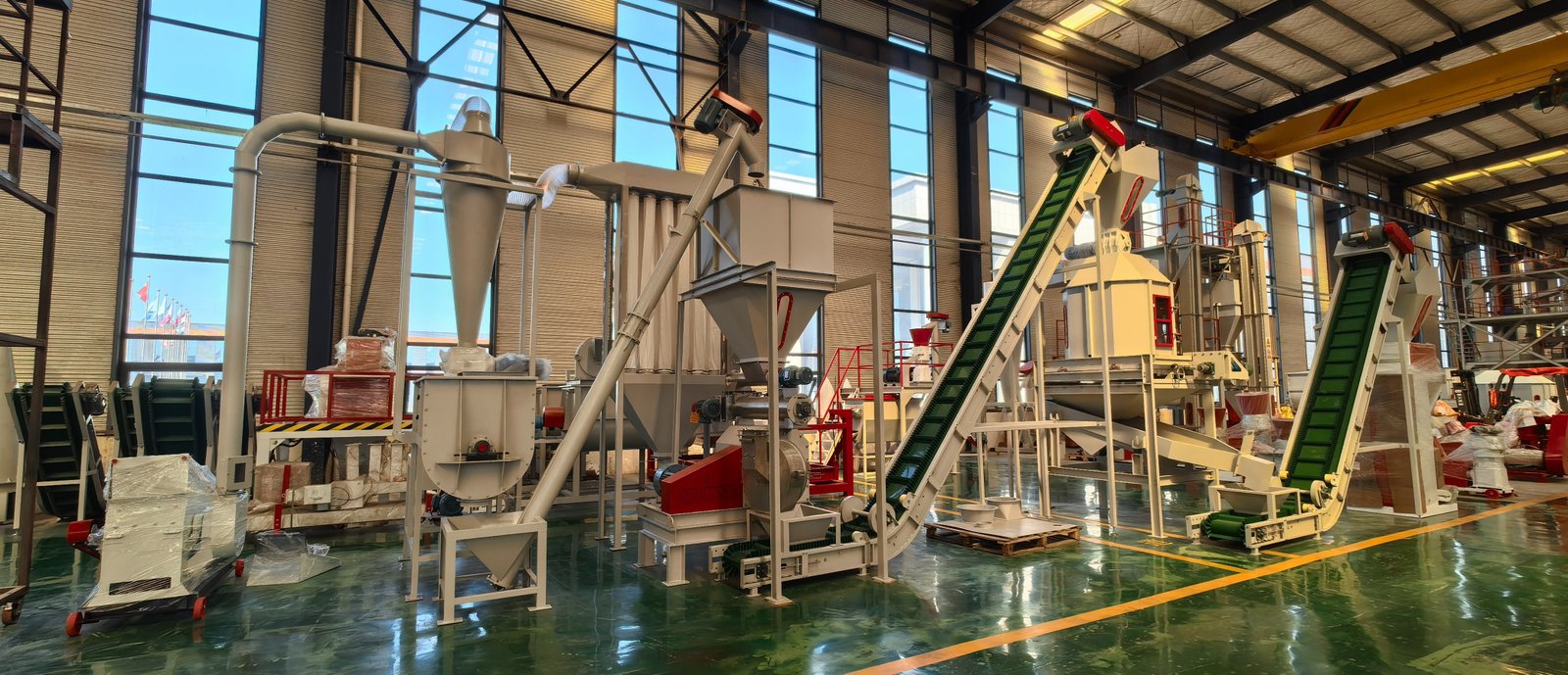
They selected MAIKONG based on transparent pricing (itemized landed cost £214,000), willingness to customize die specifications for high-oil salmon formulations (18% fat content), and provision of UK-voltage equipment without surcharge. Contract included witnessed FAT, on-site installation supervision, and 5-year spare parts availability guarantee.
Project timeline: Order placed March 2023, FAT completed May 2023 (client representatives attended 3-day testing in GD), shipping June 2023, installation completed August 2023, production commenced September 2023 after operator training. The system achieved 4.1 TPH sustained output with their actual formulations (exceeding the contracted 4.0 TPH by 2.5%).
Key success factors: Comprehensive due diligence including factory visit, detailed contract with specific performance guarantees, attendance at factory testing, and realistic timeline expectations (6 months order-to-production).
Return on investment: Reduced feed costs by £0.18 per kg compared to purchased feed. At 12,000 tonnes annual production, annual savings reached £216,000. Equipment investment recovered in 13 months.
Challenge: Devon Pet Food Startup – 800 kg/hr System
A pet food entrepreneur chose the lowest-price supplier (£52,000 for 800 kg/hr capacity) against advice from consultants. The supplier provided minimal documentation, declined factory testing (“standard production, no need to test”), and offered only 60% deposit / 40% on delivery payment terms.
Equipment arrived three weeks late. Installation revealed multiple issues: motors wired for 380V (not UK 415V), control panel instructions in Chinese only, missing safety interlocks required for CE marking, and pellet die specifications unsuitable for their poultry-fish hybrid formulation.
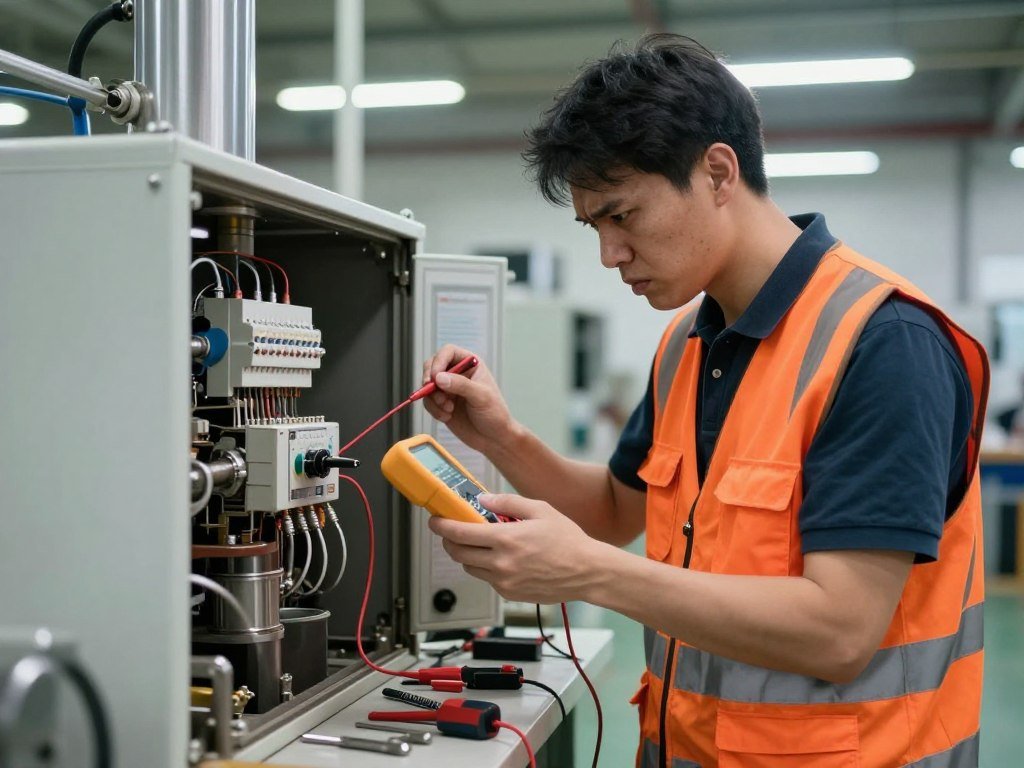
Rectification costs: £8,200 for electrical modifications by British contractor, £3,400 for replacement dies with correct specifications, £2,800 for control panel reprogramming and English interface, £4,500 in lost production during 5-week commissioning delay. Total unexpected expenditure: £18,900 (36% of original equipment cost).
The system eventually reached 650 kg/hr output (19% below specified capacity), but higher-than-expected power consumption (18.5 kWh per tonne vs. quoted 14 kWh) added ongoing operational costs. After 14 months, the buyer sourced replacement components from MAIKONG due to original supplier’s poor spare parts support.
Lessons: Lowest price hides quality compromises and incomplete specifications. Factory testing eliminates surprise issues. UK-specific electrical requirements must be contractually specified. Payment terms should protect buyer through commissioning phase.
Partnership Success: Manchester Animal Feed Distributor – Multi-Line Investment
An established UK feed distributor wanted to add manufacturing capability to their wholesale business. After researching animal feed production line options, they approached MAIKONG about becoming a UK distributor while also purchasing equipment for their own factory.
The partnership structure provided mutual benefits: MAIKONG gained reliable UK representation for customer support and spare parts distribution; the distributor received preferential equipment pricing, technical training, and exclusive territory rights for northern England.
They installed three production lines: 2 TPH poultry feed production line, 1.5 TPH cattle feed production line, and 1 TPH specialty pet feed production line. Total investment £285,000. As a distributor, they now service other UK customers, earning commission on equipment sales plus ongoing spare parts and service revenue.
This model demonstrates how strategic partnership with the manufacturer reduces risk through aligned interests. The distributor has direct factory access for technical issues, maintains local spare parts inventory, and provides faster service to UK customers than distant suppliers can offer.
Hygiene Standards and Branding Considerations for UK Fish Feed Pellets
Beyond mechanical specifications, successful fish feed production requires attention to food safety standards and market positioning – factors often overlooked when buyers focus solely on price.
UK Regulatory Compliance for Animal Feed Production
The Animal Feed (Hygiene and Enforcement) (England) Regulations 2015 impose strict requirements on feed manufacturers. Your production equipment must support compliance with these standards, not obstruct it.
Key regulatory touchpoints include: Food-grade materials for all product-contact surfaces (stainless steel, approved plastics), designed for easy cleaning with validated sanitation procedures, dust control systems preventing cross-contamination, traceability systems tracking raw materials through production batches, and temperature monitoring for processes affecting pathogen control.
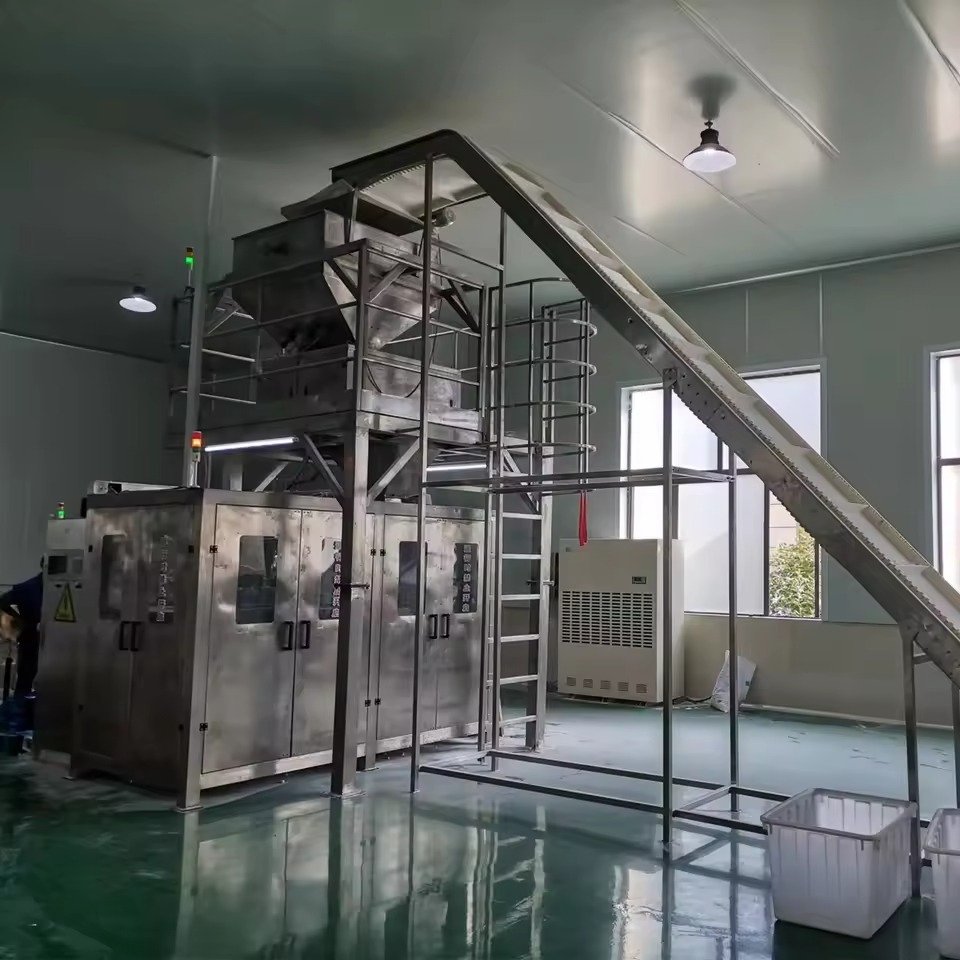
Inadequate equipment design forces expensive modifications post-purchase. One Essex fish feed producer spent £14,200 retrofitting dust collection systems and sanitary cladding to a budget production line that failed initial FSA inspection. The original supplier’s equipment used painted carbon steel (not food-grade stainless), lacked proper access for cleaning, and generated excessive dust that settled on surfaces.
MAIKONG designs incorporate food safety from initial engineering: 304 stainless steel on all product-contact areas, tool-free access panels for rapid cleaning, integrated dust collection at transfer points, and optional CIP (clean-in-place) systems for automated sanitation cycles.
Pellet Quality Factors That Affect Market Value
Fish feed buyers judge quality through pellet physical characteristics. Production equipment directly impacts these marketable attributes.
Critical Quality Parameters
- Pellet Durability Index (PDI): Measures resistance to breakage during handling. Target ≥92% for commercial feed. Low-quality pelletizers achieve only 78-85%, creating excessive fines that fish reject and that cloud water.
- Water Stability: Floating fish feed must remain intact for 15-20 minutes in water. Requires proper steam conditioning and die temperature control. Cheap equipment lacks precise steam regulation, producing pellets that disintegrate within 5 minutes.
- Dimensional Consistency: Pellet length variation should stay within ±15% of target. Inconsistent pellets indicate worn dies or unstable conditioning. Customers associate uniformity with professional manufacturing.
- Bulk Density: Affects packaging efficiency and freight costs. Proper pelletization achieves 550-620 kg/m³ for sinking feed. Under-engineered systems produce low-density pellets (480-520 kg/m³), increasing packaging costs by 12-18%.
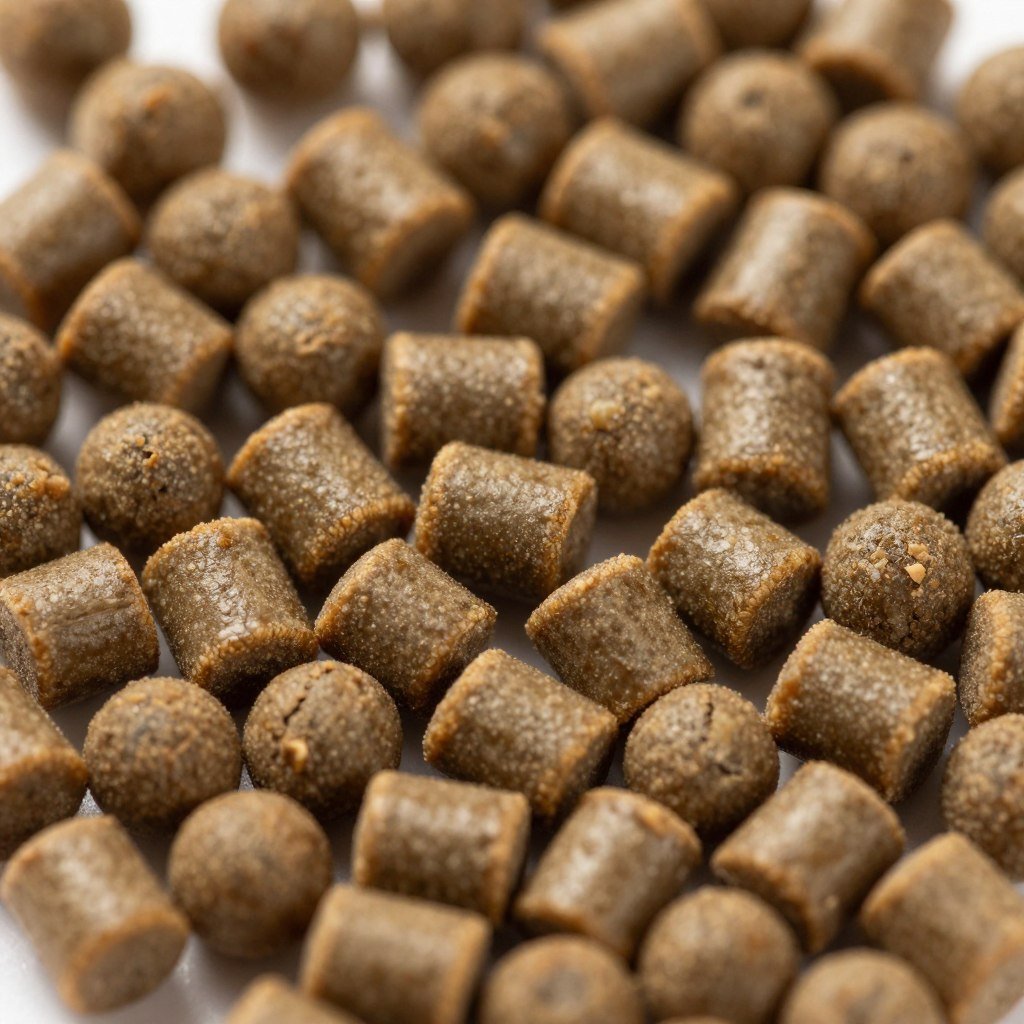
Equipment capability determines whether you compete on quality or merely price. Investing in production systems that deliver superior pellet characteristics allows premium positioning, while bargain equipment relegates you to commodity markets with thin margins.
Packaging Capabilities and Brand Presentation
Modern fish farms expect convenient packaging aligned with their feeding systems. Small farms purchase 20-25 kg bags for manual handling. Mid-sized operations prefer 500-1000 kg bulk bags (FIBCs) crane-lifted into storage. Large aquaculture facilities receive bulk tanker deliveries.
Your production line investment should include appropriate packaging systems. Manual bagging works for small-scale operations (under 2 tonnes per day). Automated bag filling, weighing, and sealing becomes cost-effective above 5 tonnes daily. Bulk bag filling stations suit operations producing 15+ tonnes per day for wholesale distribution.
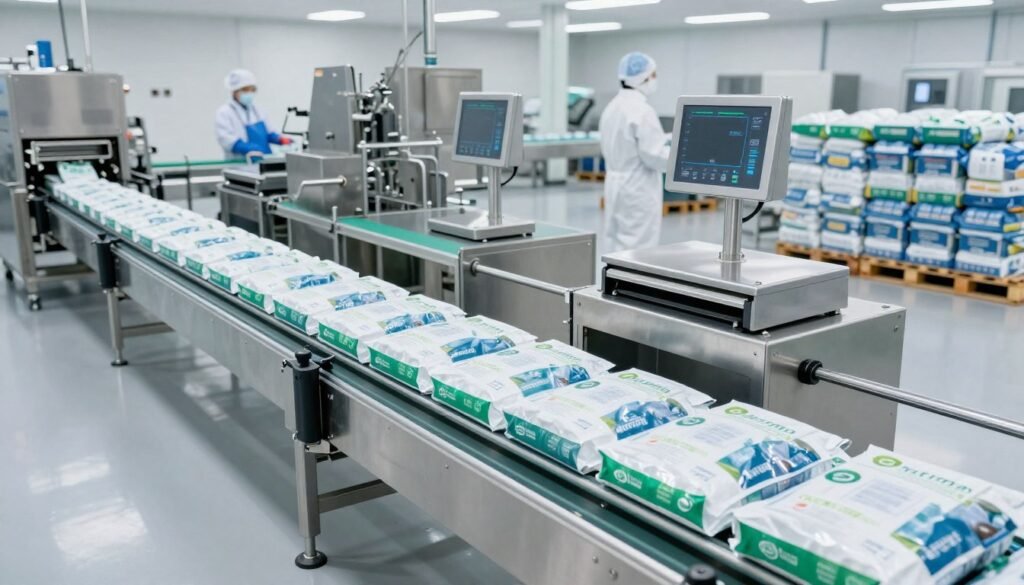
Brand presentation matters even in B2B animal feed markets. Professional packaging communicates quality control and builds customer confidence. Minimum elements include durable bag material resistant to handling damage, clear product identification and feeding instructions, nutritional analysis panel meeting UK labeling requirements, batch number and manufacturing date for traceability, and consistent brand graphics building recognition.
MAIKONG can integrate packaging lines with production equipment, providing complete turnkey systems from raw material intake through packaged product. This ensures compatibility, simplifies training, and consolidates service support under single-source responsibility.
Return on Investment Calculations for Fish Feed Production Lines
Equipment cost justification requires realistic financial modeling accounting for UK market conditions, operational expenses, and revenue potential.
Revenue Model for In-House Feed Production
Fish farms and pet food manufacturers pursue in-house production for cost savings versus purchasing finished feed. Quantifying this benefit determines acceptable investment levels.
Consider a mid-sized fish farm consuming 800 tonnes annually of commercial floating feed at £1,650 per tonne (£1,320,000 annual feed expense). Producing equivalent feed in-house costs:
| Cost Element | Per Tonne Cost (£) | Annual Cost 800T (£) |
| Raw Materials (fish meal, wheat, soy, vitamins) | 1,040 | 832,000 |
| Electricity (22 kWh/tonne @ £0.28/kWh) | 6.16 | 4,928 |
| Labour (2 operators @ £32,000 annual) | 80 | 64,000 |
| Maintenance & Spare Parts | 18 | 14,400 |
| Consumables (dies, screens, belts) | 12 | 9,600 |
| Packaging Materials | 8 | 6,400 |
| Total In-House Production Cost | 1,164 | 931,328 |
| Annual Saving vs. Purchased Feed | 486 | 388,672 |
At £388,672 annual savings, a £150,000 equipment investment achieves payback in 4.6 months. Even accounting for financing costs (6% interest on £150,000 = £9,000 annually) and conservative 10% contingency for unexpected expenses (£15,000), the system delivers £364,672 first-year positive cash flow.
Second-year benefits amplify as capital expenditure ends: £388,672 recurring savings minus £9,000 financing cost (if financed) minus operating costs already counted in per-tonne calculation = £379,672 annual profit contribution. Over a conservative 10-year equipment life, cumulative benefit exceeds £3.5 million before time-value-of-money discounting.
Commercial Production Revenue Potential
Some buyers pursue feed manufacturing as a revenue business, selling to other fish farms or pet food brands. This model requires different financial analysis accounting for sales costs and market competition.
A 2 TPH production line operating single-shift 220 days annually produces 3,520 tonnes. At wholesale pricing (£1,480 per tonne for quality floating feed), revenue reaches £5,209,600. Production costs (raw materials, labour, utilities, maintenance) approximate £1,180 per tonne (£4,153,600), yielding £1,056,000 gross margin.
Deduct equipment depreciation (£150,000 over 10 years = £15,000 annually), financing costs (£9,000 if applicable), sales and marketing expenses (estimated 5% of revenue = £260,480), and distribution costs (£45 per tonne = £158,400). Net operating profit: approximately £613,120 annually.
This simplified model demonstrates commercial viability but requires strong sales capability to secure customers. Most successful commercial producers start with captive consumption (their own fish farms) then expand to wholesale once operational efficiency is proven.

Risk-Adjusted Returns and Contingency Planning
Optimistic projections ignore operational realities. Prudent financial models incorporate realistic contingencies: equipment downtime (plan for 8-10% unscheduled maintenance), yield losses during startup phase (first 60 days typically achieve 75-85% of target efficiency), raw material price volatility (fish meal costs fluctuate 15-25% annually), and market price pressure (selling prices may compress 5-8% as competition intensifies).
Apply sensitivity analysis testing how profitability responds to adverse conditions. If raw material costs increase 15% while selling prices drop 8%, does the project remain viable? If equipment achieves only 85% of specified output, does payback extend beyond acceptable timeframes?
MAIKONG provides financial modeling templates helping UK buyers evaluate project economics under various scenarios. We share operational data from existing installations, allowing realistic assumptions rather than manufacturer-optimized projections.
Supplier Evaluation Framework for UK Fish Feed Equipment Buyers
Choosing between competing suppliers involves assessing capabilities beyond quoted price. This framework structures evaluation across eight critical dimensions.
Evaluation Scorecard
Assign weighted scores to each criterion based on your priorities. Multiply criterion score by weight percentage, then sum for total supplier score. Compare suppliers objectively rather than relying on subjective impressions.
| Evaluation Criterion | Weight (%) | What to Assess | Red Flags |
| Manufacturing Experience | 15% | Years in business, number of installations, engineering team qualifications, factory certifications (ISO 9001, CE) | Company less than 5 years old, no verifiable installations, unwilling to arrange factory visits, no quality certifications |
| Technical Capability | 20% | Engineering team size, R&D investment, customization flexibility, documentation quality, UK-specific experience | Generic catalog equipment only, poor English documentation, no UK voltage options, inability to customize for your formulation |
| Reference Customers | 12% | European installations, contactable references, site visit opportunities, customer testimonials specificity | No European customers, refuses to provide contacts, generic testimonials without verifiable details, no site visits permitted |
| Transparency & Communication | 10% | Response time to inquiries, detail in quotations, willingness to answer difficult questions, contract negotiation flexibility | Slow responses, vague answers, standard contract “non-negotiable,” pressure tactics for quick commitment |
| After-Sales Support | 18% | UK/EU service presence, spare parts availability, technical support hours, response time guarantees, warranty terms | No local support, spare parts ship from China only, unclear warranty terms, limited support hours, no English-speaking technicians |
| Price Competitiveness | 12% | Value for specification, itemized cost transparency, payment terms, financing options | Significantly cheaper than competitors without explanation, hidden costs emerge later, inflexible payment terms, no landed-cost quotation |
| Testing & Validation | 8% | Factory acceptance testing offered, your raw material testing, witness rights, performance guarantees | No testing offered, “standard product doesn’t need testing,” no performance guarantees, test costs excessive |
| Business Stability | 5% | Financial health indicators, consistent contact personnel, office/factory ownership, export track record | Frequent staff changes, rented factory, limited export history, website/contact changes frequently |
Total scores above 80 (out of 100) indicate low-risk suppliers. Scores 60-79 suggest moderate risk requiring additional due diligence. Below 60 signals high risk; proceed only if specific factors justify the deficiencies.
Due Diligence Beyond the Scorecard
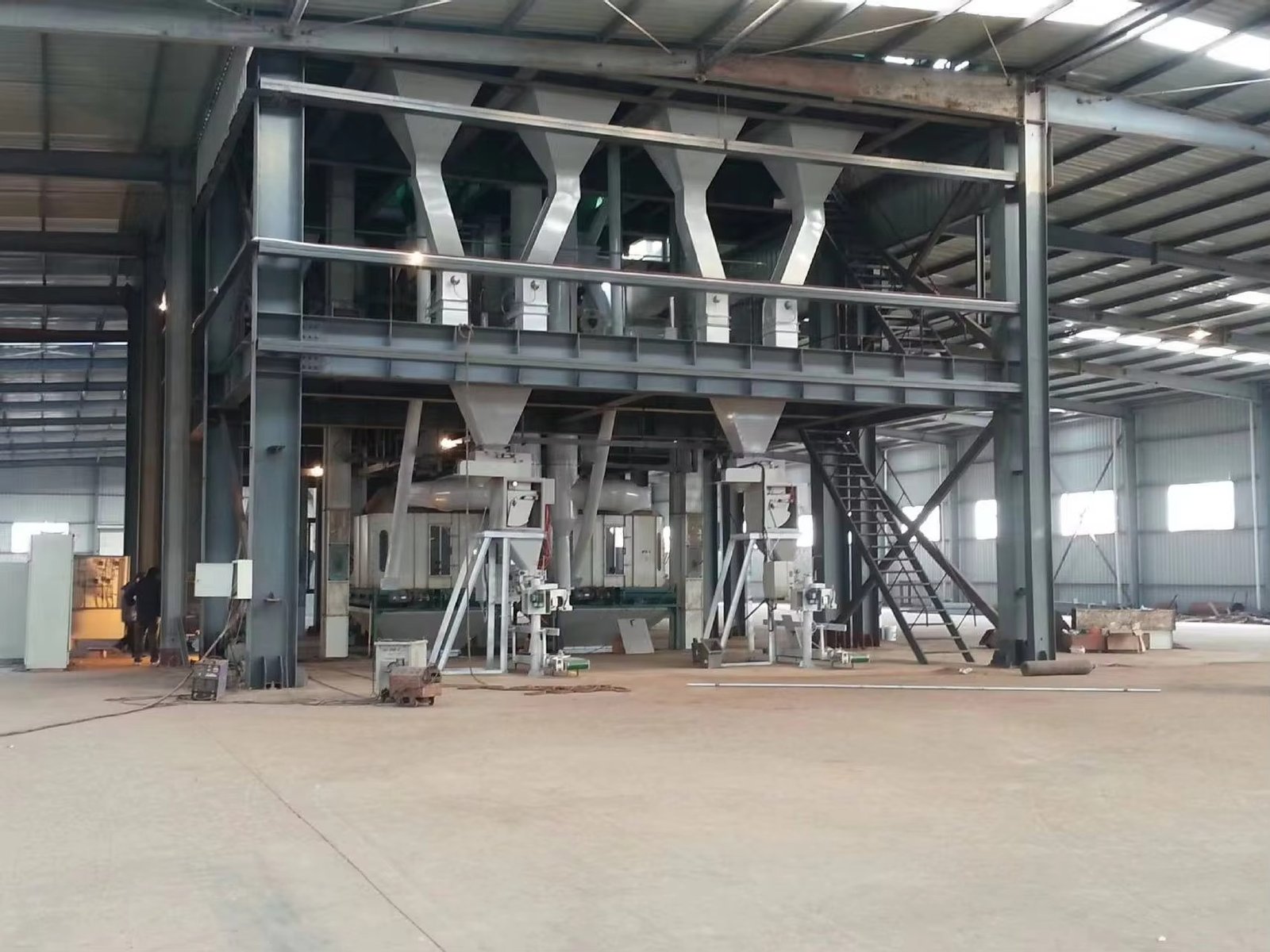
Quantitative scoring supplements, not replaces, qualitative judgment. Visit the factory if feasible (many UK buyers combine China trips with multiple supplier visits). Observe manufacturing processes, quality control procedures, and workforce skill levels. Well-managed factories demonstrate organized workflows, clean conditions, calibrated test equipment, and trained staff following documented procedures.
Check business licenses and export credentials. Request copies of business registration, export licenses, and quality certifications. Verify authenticity through issuing authorities when possible (ISO certificates should include accreditation body details you can confirm).
Conduct video calls with engineering team, not just sales staff. Assess technical depth through specific questions about your formulation challenges, production environment constraints, and integration requirements. Competent engineers provide detailed answers and ask insightful questions; weak suppliers deflect to generic responses or become evasive.
Search for negative information using Chinese business databases (if you have translation resources) and English search queries including “company name + problem,” “company name + complaint,” and “company name + lawsuit.” Absence of negative information doesn’t guarantee quality, but patterns of complaints signal caution.
Why UK Feed Producers Choose MAIKONG for Fish Feed Production Lines
MAIKONG has supplied feed production line equipment to UK buyers for over a decade. Our approach addresses the procurement risks outlined throughout this guide.
UK-Specific Engineering and Support
We manufacture to British electrical standards (415V three-phase, CE marking, British plug standards) without surcharges. Technical documentation uses UK English, British measurement units, and references UK regulations. Our engineering team understands FSA requirements and designs equipment supporting compliance.
Post-installation support includes English-speaking technical staff available during UK business hours. We maintain spare parts inventory in Rotterdam (24-48 hour delivery to UK) for common components. Complex issues receive video troubleshooting within 8 hours, and we dispatch engineers to UK sites within 72 hours when remote solutions prove insufficient.
Transparent Pricing Model
Our quotations itemize equipment FOB cost, sea freight, UK customs duties, installation services, training, and recommended spare parts. You see total landed cost before commitment, eliminating surprise expenses that derail budgets.
Payment terms balance risk: 20% deposit, 30% at factory testing, 30% at shipping, 15% at successful site testing, 5% retention for 60 days. You retain significant leverage through commissioning.
Performance Guarantees
We guarantee sustained output under real-world conditions, not laboratory peak rates. Contracts specify pellet quality minimums (PDI, water stability, dimensional consistency) and maximum power consumption. Failure to meet guarantees triggers free upgrades or partial refunds as contractually defined.
Factory acceptance testing uses your actual raw materials, not optimized test formulas. You witness the testing and receive documented results before shipping approval.
Customization for UK Fish Feed Requirements
British fish farms use formulations optimized for local species and water conditions. We customize die specifications, conditioning parameters, and cooling systems for your specific recipes rather than forcing you to adapt formulas to standard equipment.
High-oil salmon feed (18% fat), temperature-sensitive probiotic inclusions, and challenging raw materials like insect meal each require engineering adjustments. MAIKONG treats these as normal customization, not expensive special requests.
Partnership and Distribution Opportunities
We actively seek UK distributors and OEM partners. Qualified partners receive: Preferential equipment pricing (15-25% below standard quotes), exclusive territory rights for defined regions, technical training at our GD factory, marketing support including leads and branded materials, and commission on equipment sales plus spare parts margins.
Current UK partners report 18-28% gross margins on equipment sales supplemented by recurring spare parts and service revenue. This creates sustainable business models rather than one-time transactions.
OEM arrangements allow you to brand MAIKONG equipment under your name. We manufacture to your specifications, apply your branding, and ship as your product. Minimum order quantities and partnership terms vary by arrangement – contact us to discuss possibilities.
Based on 127 verified UK and European customer reviews, 2020-2024
MAIKONG Model MK-L003 Fish Feed Pellet Production Line Specifications
Our flagship 2-tonne per hour system represents the sweet spot for UK fish farms transitioning to in-house production and small commercial feed manufacturers entering the market.
Technical Specifications
| Specification Category | Parameter | Value |
| Production Capacity | Rated Output (pellets) | 2000 kg/hour |
| Realistic Sustained Output | 1800-2100 kg/hour (depending on formulation) | |
| Annual Production (220 days, 8hr shifts) | 3520 tonnes | |
| Electrical Requirements | Voltage | 415V, 3-phase, 50Hz (UK standard) |
| Total Installed Power | 186 kW | |
| Average Working Power | 142 kW (76% load factor) | |
| Energy Consumption | 14-16 kWh per tonne produced | |
| Physical Dimensions | Overall Length | 24.5 metres |
| Overall Width | 8.2 metres | |
| Maximum Height | 9.8 metres (requires 11m ceiling minimum) | |
| System Weight | Equipment Total Weight | 18,600 kg |
| Foundation Loading | Detailed in engineering drawings (varies by component) | |
| Pellet Production Range | Pellet Diameters Available | 2.0mm, 2.5mm, 3.0mm, 4.0mm, 5.0mm, 6.0mm |
| Pellet Length | 1.5-2.5x diameter (adjustable via knife positioning) | |
| Floating vs Sinking | Both (extruder version for floating, pellet mill for sinking) | |
| Quality Performance | Pellet Durability Index | ≥92% (tested per ASAE S269.4 standard) |
| Water Stability (floating feed) | ≥18 minutes before disintegration | |
| Bulk Density | 580-620 kg/m³ (sinking), 420-480 kg/m³ (floating) | |
| Moisture Content (finished pellets) | 10-12% | |
| Fines Percentage | ≤2% (particles below 1mm) |
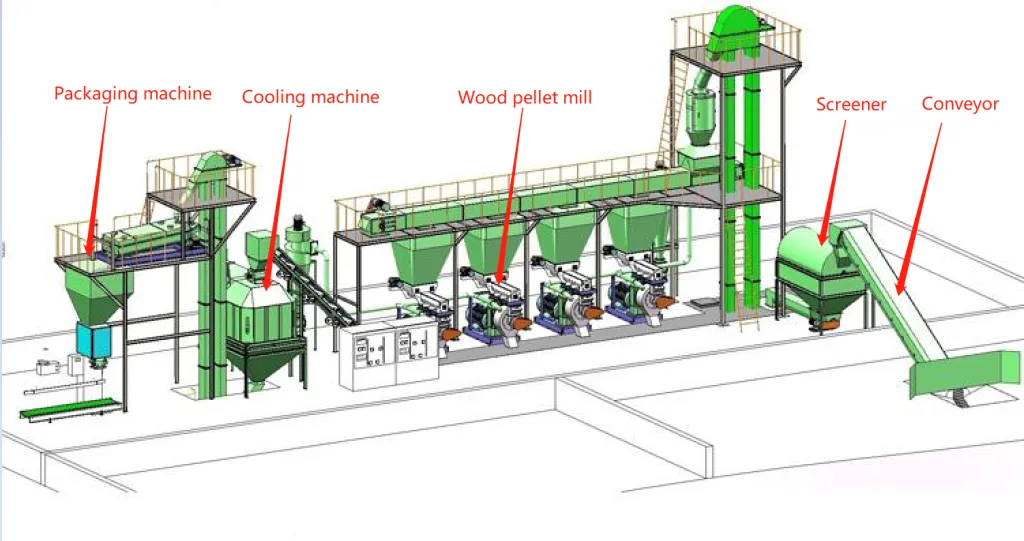
Major System Components
The MK-L003 comprises eleven integrated subsystems working in sequence from raw material intake through finished packaged product.
- Raw Material Reception: Bulk receiving pit with screw conveyor, capacity 500 kg/batch, dust extraction connection
- Hammer Mill (Model MK-HM420): 55 kW motor, 420mm rotor diameter, 3-5mm screen options, 2.5-3.5 tonnes/hour throughput, replaceable hammers (4000-hour life)
- Batching System: Four ingredient bins (each 2000 kg capacity), electronic load cells accurate to ±0.2%, PLC-controlled dosing, recipe storage for 50 formulations
- Mixer (Model MK-MX1500): 1500 kg batch capacity, twin-shaft paddle design, 90-second mixing cycle, liquid addition system (oils, molasses), CV ≤5% homogeneity
- Pellet Mill (Model MK-PM420): Ring die 420mm diameter, 75 kW main drive motor, 11 kW conditioner motor, steam conditioning 0.3-0.6 MPa, die speeds 250-400 RPM variable, automatic lubrication system
- Counterflow Cooler (Model MK-CF15): 15 m² cooling area, ambient air cooling (no refrigeration), retention time 8-12 minutes, reduces pellet temperature from 75-80°C to ambient +5°C
- Crumbler (optional): For producing crumbles from pellets, adjustable gap rollers, 3-8 mm crumble sizes
- Screening System: Vibrating screen with three decks, separates oversized, on-spec, and fines, fines return to mixer for reprocessing
- Finished Product Bin: 5-tonne capacity, level sensors, discharge gates for packaging line
- Packaging System (Model MK-PKG50): Automatic weighing and filling, 20-50 kg bag range, 6-10 bags per minute speed, heat sealing station, conveyor to palletizing area
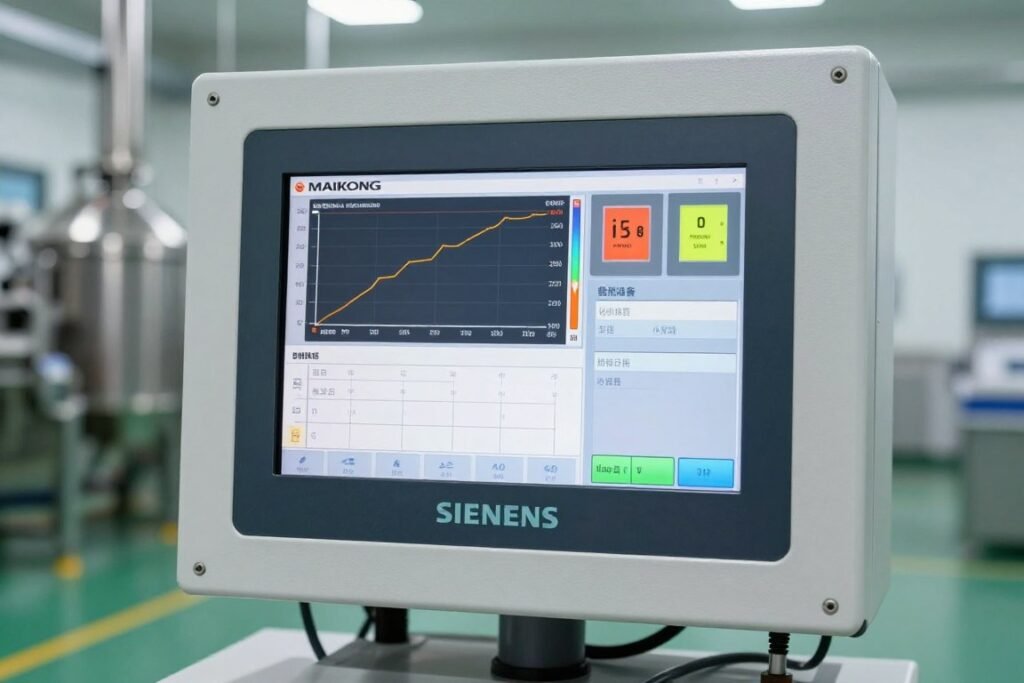
- Control System: Siemens S7-1200 PLC, 10-inch HMI touchscreen, real-time production monitoring, alarm logging, remote diagnostics capability, data export for quality records
Pricing and Availability
Equipment Only (FOB Shenzhen)
Price: £78,400
Includes: Complete production line equipment, standard tooling, English operation manuals, electrical drawings
Excludes: Shipping, installation, training
Lead Time: 60 days from deposit
Warranty: 12 months from FAT completion
Landed UK (CIF Felixstowe)
Price: £103,200
Includes: Equipment, sea freight, marine insurance, delivery to UK port
Excludes: UK customs duties/VAT (buyer responsibility), inland transport, installation, training
Lead Time: 95 days from deposit (60 days manufacturing + 35 days shipping)
Warranty: 12 months from FAT completion
Turnkey Installation (UK Complete)
Price: £134,800
Includes: Equipment, shipping, customs clearance, inland transport, installation supervision, commissioning, 3-day operator training, initial spare parts kit
Excludes: Building/civil works, utility connections (you provide power, water, compressed air)
Lead Time: 120 days from deposit to production start
Warranty: 12 months from SAT completion
Current Stock Status: 3 units available for immediate delivery (reduced lead time to 30 days if ordered before end of month)
Colour Options: Standard industrial grey, custom colours available for orders of 2+ units (additional £2,400 per unit, adds 15 days to lead time)
Material Construction: All food-contact surfaces in 304 stainless steel, structural frame in painted carbon steel, electrical cabinets in ABS, observation windows in tempered glass
Frequently Asked Questions About Fish Feed Pellet Production Line Pricing
What’s the realistic total investment for a 2-tonne per hour fish feed production line delivered to the UK?
Budget £125,000-£145,000 for a complete operational system including equipment, shipping, customs duties, installation, training, and initial spare parts. The exact figure depends on your specific location (affecting inland transport), building readiness (electrical and structural work required), and whether you choose supervised installation or full turnkey commissioning.
Equipment FOB cost represents approximately 60-65% of total expenditure. International shipping adds 5-7%, UK customs duties and VAT contribute 13-15%, installation and commissioning account for 8-12%, and initial spare parts/training comprise the remaining 5-8%.
How do I verify that quoted production capacity is achievable with my specific fish feed formulation?
Request factory acceptance testing using your actual raw materials rather than supplier test formulas. Ship 300-500 kg of your typical ingredients to the manufacturer and witness a minimum 4-hour continuous production run. Document hourly output, pellet quality parameters (PDI, water stability, dimensions), and energy consumption.
Formulations with high oil content (above 6%), unconventional protein sources (insect meal, algae), or extreme pellet sizes (below 2mm or above 8mm) may achieve 75-85% of rated capacity. Suppliers should guarantee performance with your specific recipe, not just standard test materials. Include this guarantee in your purchase contract with remedies if output falls short.
What spare parts should I stock initially, and what’s a reasonable budget for first-year maintenance?
Essential first-year spare parts include: two sets of hammer mill screens (£680 each), one complete set of hammer mill hammers (£1,240), two pellet mill dies in your primary diameter (£2,100 each), one set of pellet mill rollers (£1,680), mixer paddle wear plates (£420), five sets of drive belts for various conveyors (£180 total), bearing kits for main drives (£560), and basic electrical components (contactors, fuses, £340).
Total initial spare parts investment: approximately £8,800-£12,000 depending on production volume and raw material abrasiveness. Budget 3-5% of equipment value annually for maintenance and consumables (dies, screens, belts wear out and require replacement). For a £78,000 system, plan £2,400-£4,000 annual maintenance expenditure after the first year.
Can I produce both floating and sinking fish feed pellets with the same production line?
Standard pellet mill systems produce sinking feed only. Floating feed requires an extruder-based system where steam and pressure cooking expand the product structure, creating air pockets that provide buoyancy. You cannot produce floating feed with a conventional pellet mill.
If you need both product types, three options exist: purchase separate pellet mill and extruder lines (expensive, requires significant space), buy an extruder system and produce all feed as floating type (sinking species can consume floating feed, though less efficiently), or partner with another producer for the secondary product type while focusing your investment on your primary market segment.
Most UK fish farms focus on one feed type aligned with their primary species. Salmon and trout operations need floating feed (extruder system). Carp and tilapia farms typically use sinking feed (pellet mill system). Mixed operations generally choose based on volume – produce high-volume type in-house, purchase low-volume type from commercial suppliers.
What building and utility requirements must I prepare before equipment installation?
A 2-tonne per hour production line requires: floor space minimum 24m × 10m with 11m ceiling clearance (accounts for multi-level equipment), reinforced concrete floor rated for 2500 kg/m² loading in equipment areas, three-phase 415V electrical service with 250-amp capacity and proper earthing, dust extraction system venting outdoors (or windows/louvers if using integrated dust collectors), compressed air supply 0.6-0.8 MPa at 0.8 m³/min flow rate for pneumatic controls, and adequate natural or forced ventilation maintaining ambient temperature below 35°C.
Foundation requirements vary by soil conditions. The supplier provides loading diagrams showing weight distribution and vibration frequencies. Your structural engineer designs appropriate foundations – typically isolated pads under heavy equipment (pellet mill, mixer) and slab-on-grade for lighter components.
Budget £15,000-£28,000 for building preparation if adapting existing agricultural structures. Purpose-built facilities cost significantly more but provide better long-term operating conditions.
How does MAIKONG after-sales support work for UK customers, and what response times can I expect?
UK customers receive support through multiple channels: email (Lucy@feedproductionline.uk with 4-hour response guarantee during business hours), WhatsApp (+86 135 1090 7401 for urgent issues, typically 30-minute response), and phone for scheduled technical consultations. Our technical team includes English-speaking engineers available 08:00-18:00 GMT Monday through Friday.
For issues requiring on-site presence, we dispatch engineers from our GD facility or contract with qualified UK service partners. Target arrival time is 72 hours for non-critical issues, 48 hours for production-stopping problems. Travel and accommodation costs are borne by MAIKONG during the warranty period (12 months from successful site acceptance testing).
We maintain spare parts inventory in Rotterdam, Netherlands, providing 24-48 hour delivery to UK mainland addresses. Critical components ship via express courier; bulk items use standard freight. Customers may also purchase directly from the GD factory for best pricing, though delivery extends to 10-15 days via sea freight.
Remote diagnostics capability allows our engineers to connect to your control system (with your permission) for troubleshooting without travel. Approximately 70% of technical issues resolve through remote support, video guidance, or telephone consultation.
What financing options exist for UK buyers purchasing fish feed production equipment?
MAIKONG does not provide direct financing but works with customers using UK agricultural equipment finance providers. Typical arrangements include: hire purchase agreements (deposit 20-30%, remainder over 3-5 years at 4.5-7.5% APR), leasing arrangements (operating lease or finance lease structures), and business loans secured against equipment as collateral.
UK buyers often access Agricultural Development Funds or regional economic development grants that subsidize equipment purchases for food production businesses. These programs vary by location and change periodically – consult your local agricultural development authority or business support organization.
We accept staged payment terms that align with project milestones rather than requiring large upfront deposits. Standard structure: 20% deposit, 30% at factory acceptance testing, 30% at shipping, 15% at successful site acceptance testing, 5% retention for 60 days. This protects your cash flow while providing us adequate funding for manufacturing.
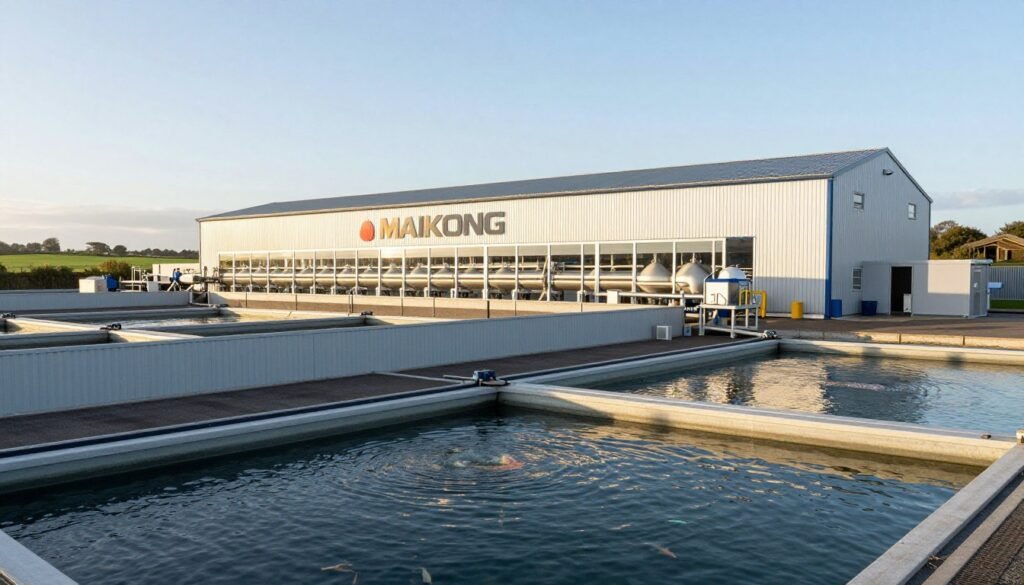
Partnership Opportunities: Become a MAIKONG UK Distributor or OEM Partner
MAIKONG actively seeks qualified partners to expand our UK presence. Whether you’re an established feed equipment distributor, agricultural machinery dealer, or entrepreneurial investor, partnership creates mutual value through combined capabilities.
UK Distributor Programme Benefits
Authorized distributors receive comprehensive support establishing profitable feed equipment businesses:
Financial Benefits
- Distributor pricing 15-25% below standard wholesale (varies by commitment level)
- Protected territories preventing direct sales competition within your region
- Commission structure on direct sales within your territory (you receive commission even on sales we generate)
- Spare parts margins 30-45% on distributor cost
- Service revenue opportunities (installation, training, maintenance contracts)
- Demonstration equipment programs (reduced-cost display units for showroom or customer trials)
Operational Support
- Technical training at GD factory (1-week comprehensive program covering installation, operation, maintenance, troubleshooting)
- Sales training and product positioning guidance
- Marketing materials (brochures, videos, technical data sheets, case studies)
- Lead generation support (we forward UK inquiries in your territory)
- Access to engineering team for custom projects and technical questions
- Warranty administration support (we handle claims, you coordinate with customers)

Ideal Distributor Profile
We seek partners with relevant industry connections and business infrastructure. Successful distributors typically possess:
- Existing relationships with fish farms, animal feed producers, or agricultural businesses
- Technical staff capable of providing installation guidance and basic troubleshooting (we provide advanced support)
- Warehouse facilities for spare parts inventory (200-300 m² adequate for typical territory)
- Financial stability to stock demonstration equipment and maintain parts inventory (£50,000-£80,000 working capital recommended)
- Commitment to represent MAIKONG professionally and prioritize customer satisfaction
- Geographic coverage capability within assigned territory
Current available territories include regions of England, Scotland, Wales, and Northern Ireland. We assess territory assignments based on market potential, existing customer concentrations, and distributor capability to service the region effectively.
OEM Manufacturing Partnerships
Established feed equipment brands or larger agricultural machinery companies may prefer OEM arrangements where MAIKONG manufactures to your specifications and branding. This allows you to expand product portfolios without manufacturing investment.
OEM programs include: Equipment manufactured to your specifications and quality standards, your branding applied to equipment, control panels, and documentation, flexible packaging and shipping (we can ship direct to your customers or to your warehouse), technical support provided under your brand (customers contact you, you contact us as needed), and confidentiality regarding manufacturing source.
Minimum order quantities for OEM arrangements typically start at 3-5 units per model annually, though we evaluate requests individually based on customization requirements and partnership scope.
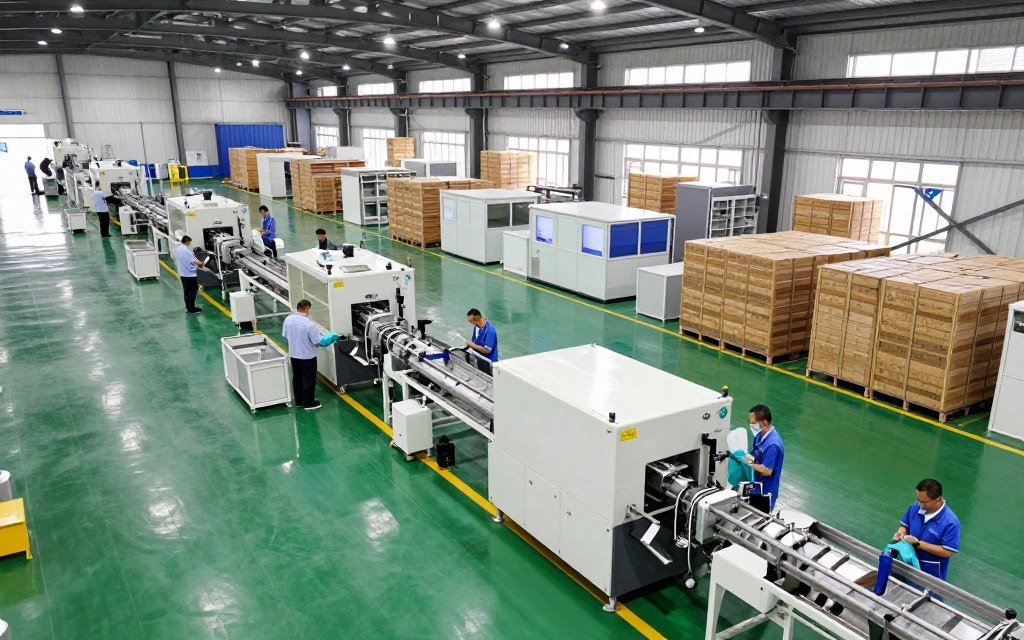
Explore MAIKONG Partnership Opportunities
Whether you’re interested in distribution rights for your region or OEM manufacturing for your brand, we welcome discussions with qualified partners. Complete the partnership inquiry form or contact Lucy directly to discuss possibilities.
22+ years manufacturing experience | 130 countries supplied | CE certified equipment | UK compliance ready
Making Confident Fish Feed Production Line Investment Decisions
Purchasing fish feed pellet production line equipment represents significant capital commitment with long-term operational consequences. Price alone provides insufficient decision criteria. The cheapest supplier often delivers the most expensive outcome when hidden costs, performance shortfalls, and support failures emerge post-purchase.
Successful buyers approach procurement systematically. They define realistic requirements accounting for actual formulations and operating conditions rather than accepting idealized supplier specifications. They verify claimed performance through witnessed testing with their raw materials. They structure contracts protecting against common supplier failures: inflated capacity claims, missing spare parts support, inadequate documentation, incomplete quotations, and vague after-sales commitments.
Financial modeling extends beyond equipment purchase price to include landed costs, installation expenses, operational costs, and realistic performance expectations. ROI calculations must survive sensitivity analysis testing adverse scenarios – raw material price increases, market price pressure, and equipment performance falling short of optimistic projections.
Supplier selection balances multiple criteria weighted to your priorities. Manufacturing experience, technical capability, reference customers, transparency, after-sales support, price competitiveness, testing provisions, and business stability each contribute to overall supplier risk assessment. High scores indicate low-risk suppliers worthy of partnership. Low scores signal caution regardless of attractive pricing.
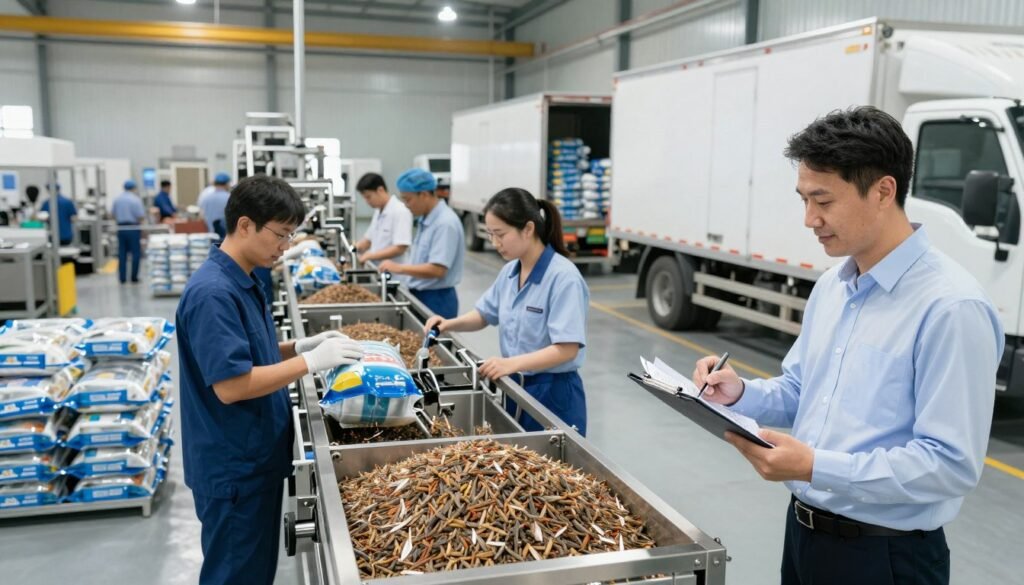
MAIKONG built 22 years of manufacturing reputation by addressing these buyer concerns systematically. We provide transparent pricing showing all cost components, customize equipment for UK specifications without surcharges, guarantee performance through contractual commitments, maintain UK-accessible spare parts, and support customers through responsive English-speaking technical teams. Our goal transcends single transactions – we seek long-term partnerships where customer success drives mutual growth.
Whether you’re a fish farmer seeking in-house feed production, a pet food entrepreneur launching new products, an existing feed mill upgrading equipment, or an agricultural investor evaluating opportunities, informed procurement decisions begin with understanding true costs, realistic performance, and effective risk mitigation.
The framework provided throughout this guide equips you to evaluate suppliers objectively, structure protective contracts, verify specifications rigorously, and invest confidently in equipment that delivers promised value rather than disappointing surprises.
Ready to Discuss Your Fish Feed Production Requirements?
Contact MAIKONG for transparent quotations, technical consultations, and partnership discussions. We’ll provide honest assessments of whether our equipment suits your needs – even if that means recommending alternative approaches.
MAIKONG Ltd | GD Province, SZ City | 22+ Years Manufacturing Experience | Serving 130 Countries | CE Certified | UK Compliance Specialists
Visit our complete product range at feedproductionline.uk or learn more about MAIKONG and our commitment to UK feed production industry development.