
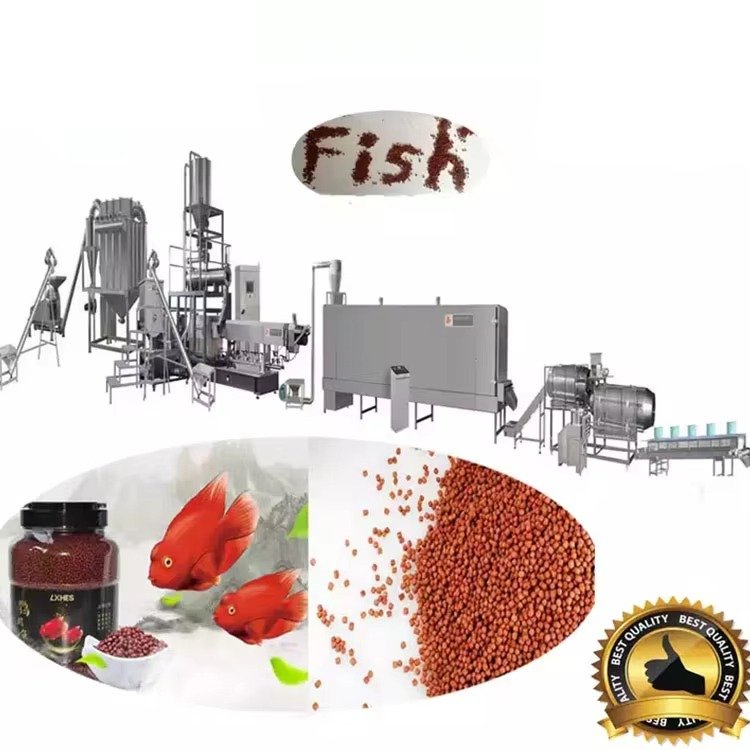
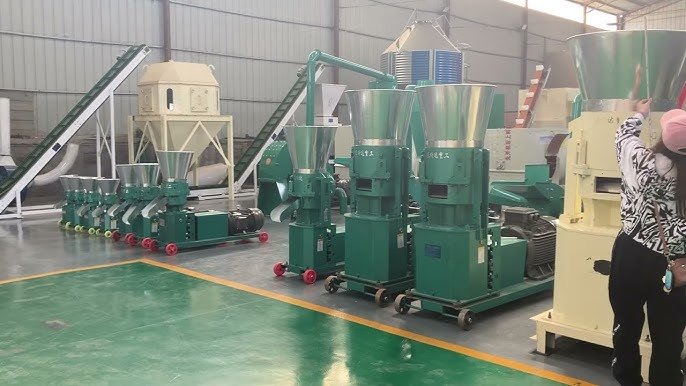
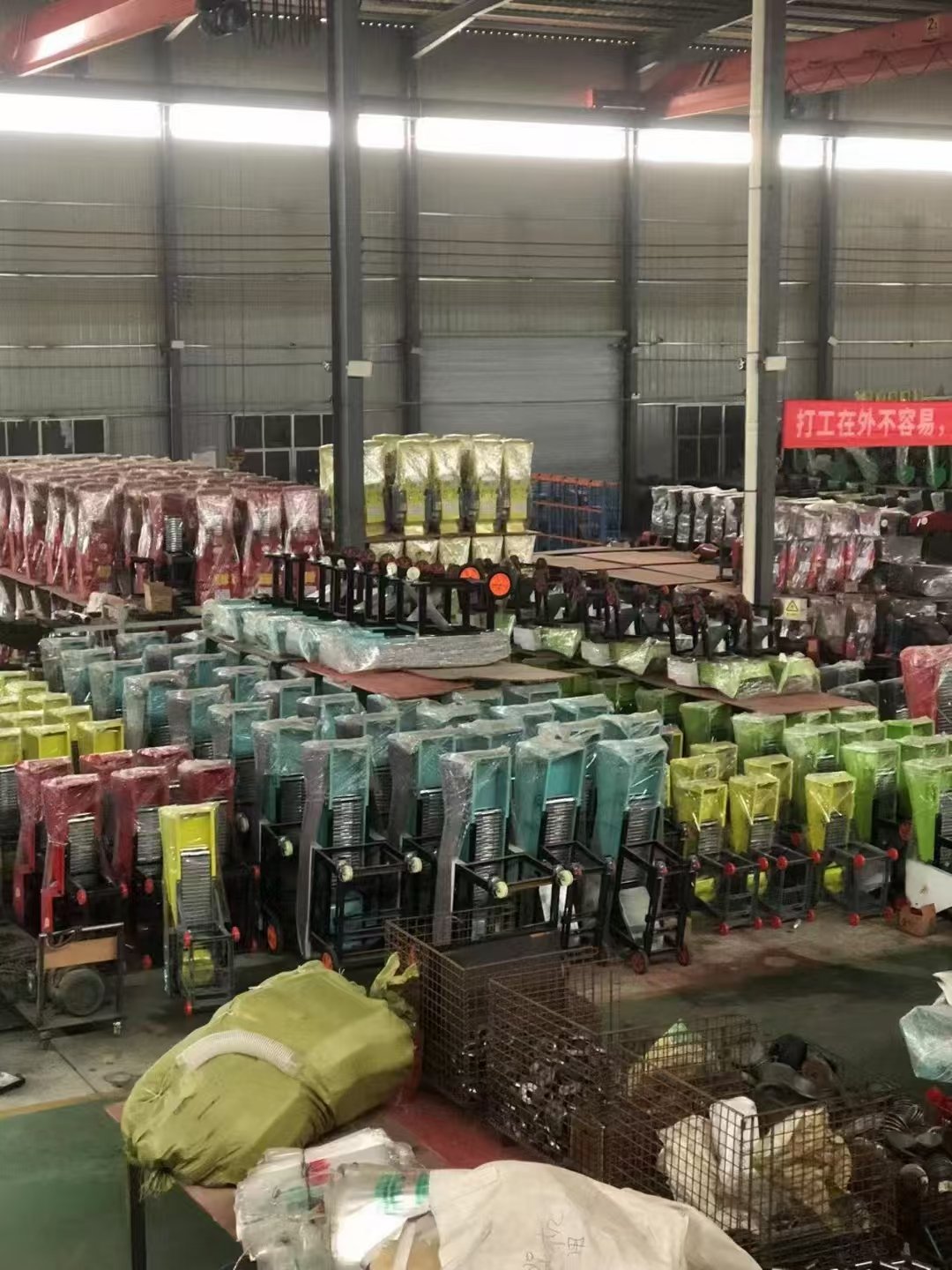
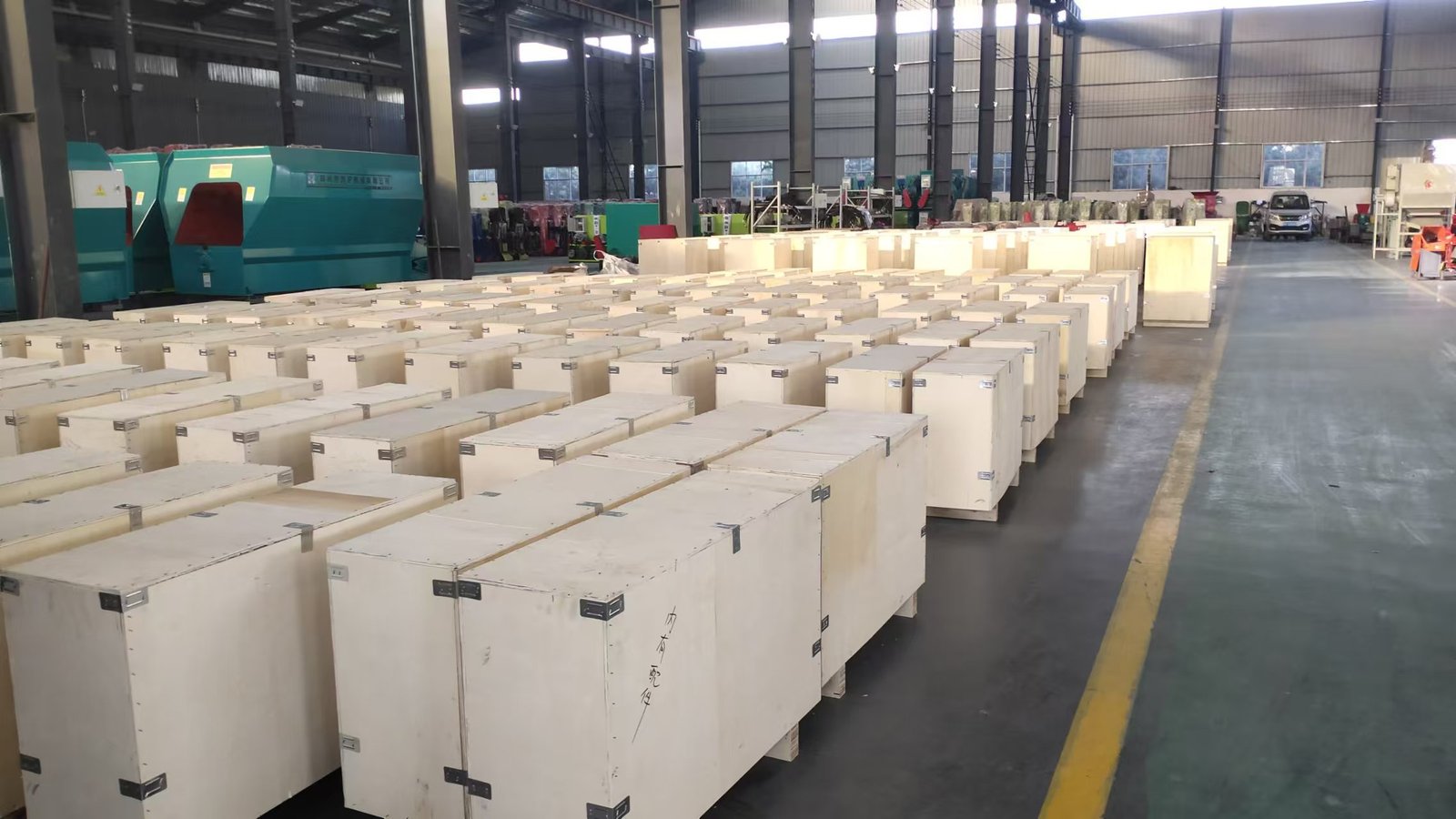
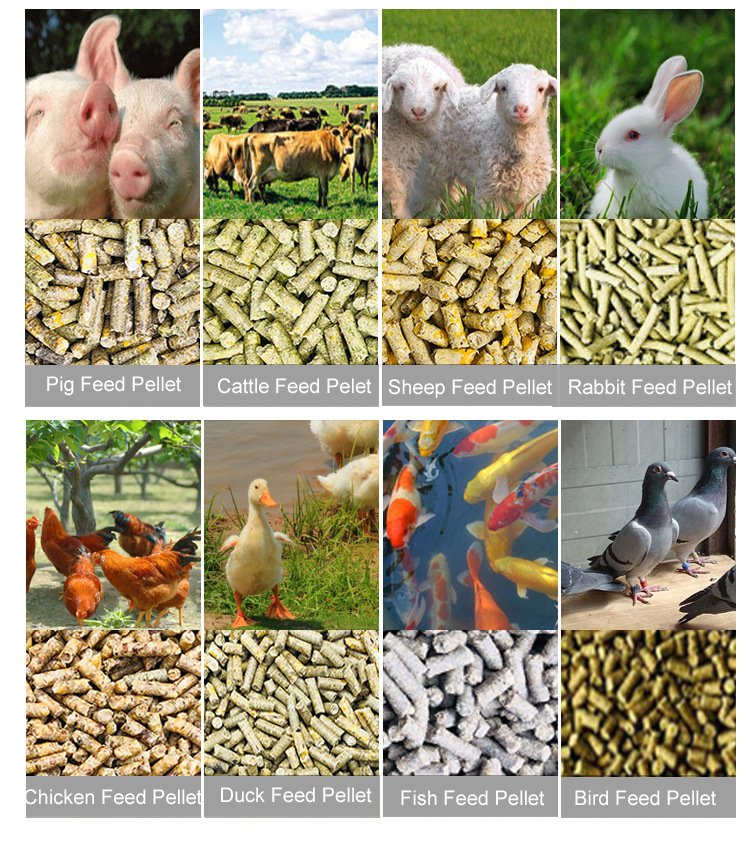
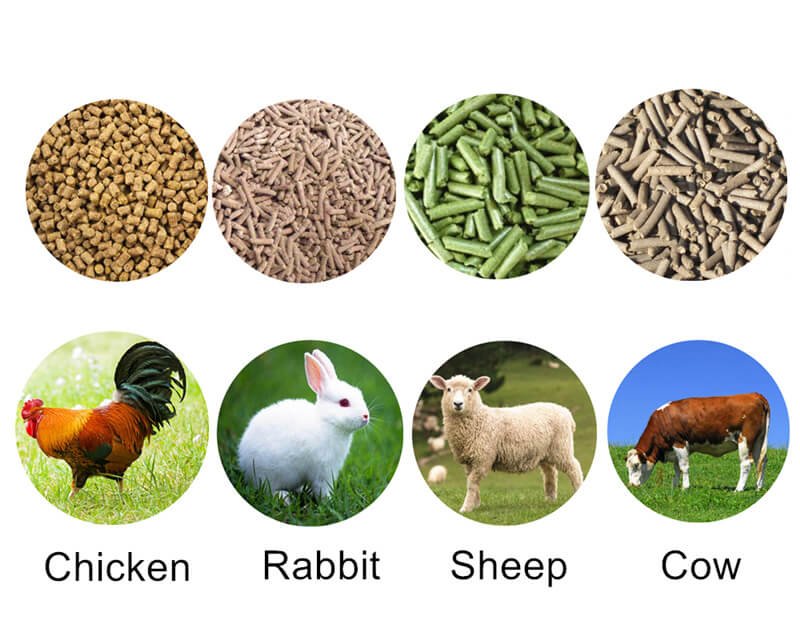
Understanding fish feed pellet production line price structures requires examining multiple factors. Equipment specifications, capacity requirements, voltage customization, and installation complexity all influence final investment figures. UK buyers benefit from analysing real project cases rather than relying solely on manufacturer specifications.
UK Aquaculture Feed Production Market Context
The United Kingdom aquaculture sector processes approximately 220,000 tonnes of fish feed annually. Scotland dominates production with 185,000 tonnes directed toward salmon farming. Northern Ireland contributes another 15,000 tonnes across trout and specialty species operations.
Current Market Challenges
UK fish farmers confront unprecedented pressure points that reshape procurement decisions. Energy costs surged by forty-three percent between 2021 and 2023. Import delays from European suppliers extended from seven days to twenty-one days on average.
- Feed ingredient price volatility affects profit margins
- Sterling exchange rate fluctuations impact import costs
- Brexit customs procedures complicate EU equipment purchases
- Labour shortages reduce operational flexibility
Strategic Response
Forward-thinking farm operations shift toward vertical integration. Establishing on-site aquatic feed production line capacity delivers multiple advantages. Farms control ingredient quality, adjust formulations rapidly, and eliminate middleman margins.
- Reduced dependence on external feed suppliers
- Customised nutrition profiles for specific stock
- Lower per-tonne production costs at scale
- Immediate response to ingredient availability
Equipment investment decisions centre on fish feed pellet production line price relative to projected savings. A Scottish salmon operation calculated eighteen-month payback periods for a five-tonne-per-hour system. Northern Irish trout farms reported twenty-four-month returns on smaller installations. Need guidance on selecting appropriate capacity? Contact our UK technical team to discuss your specific production requirements.
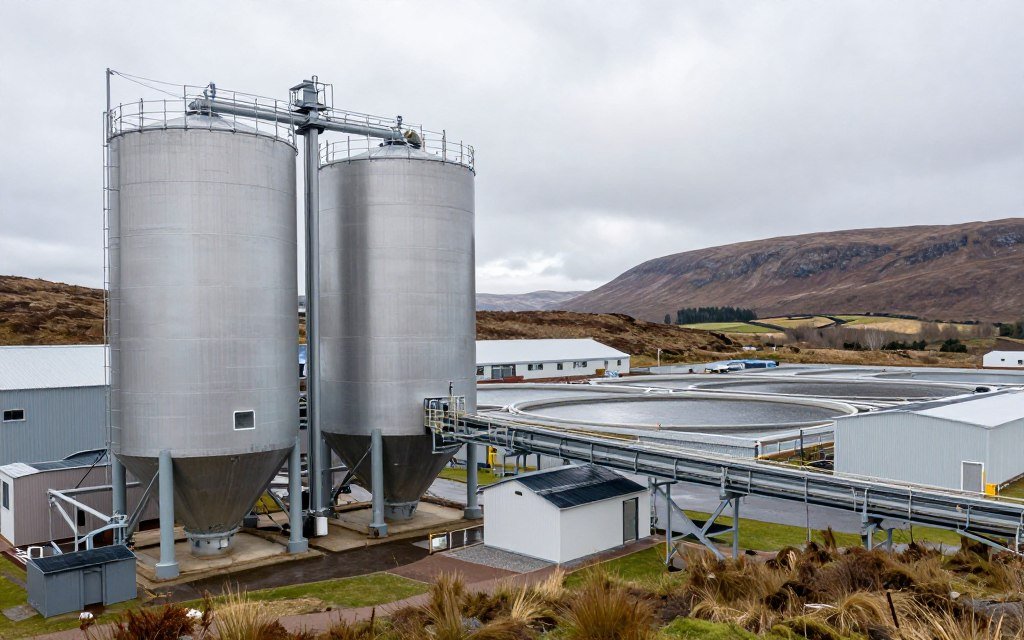
Essential Fish Feed Pellet Production Line Components
A complete feed pellet production line integrates multiple processing stages. Each component performs specific functions that contribute to final pellet quality. Understanding individual equipment roles clarifies why certain configurations suit particular operations.
Pre-Processing Equipment Group
Raw materials arrive at the facility in various forms and conditions. Cleaning equipment removes contaminants that could damage downstream machinery. Magnetic separators extract metal particles. Vibrating screens eliminate oversized debris and dust.
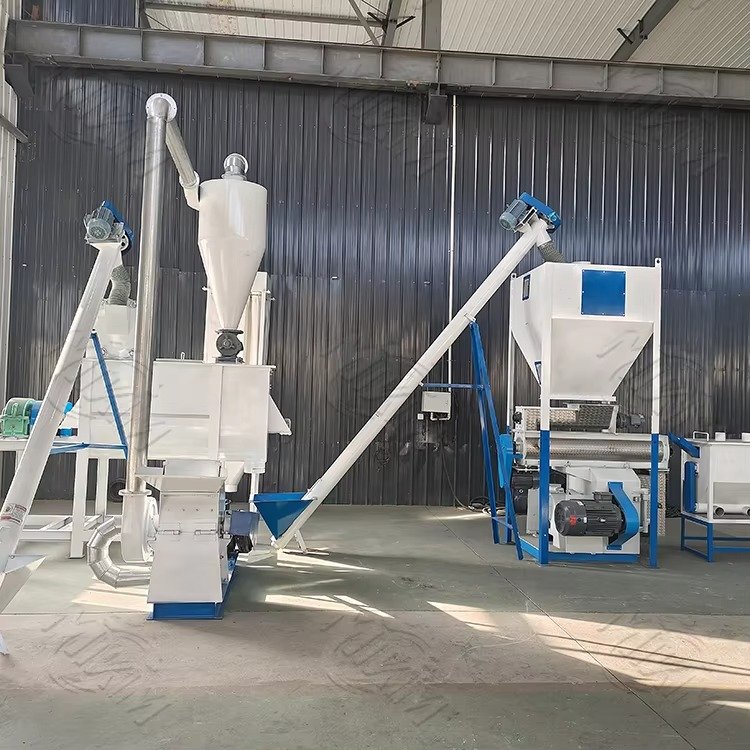
Hammer mills reduce particle size to specified dimensions. Fish feed formulations typically require ingredients ground to three-millimetre diameters. The grinding process exposes more surface area for subsequent mixing and pelleting stages. Properly sized particles improve pellet durability and digestibility.
Mixing and Conditioning Section
Precision batching systems weigh individual ingredients according to nutritional formulations. Computer-controlled scales ensure accuracy within point-five percent tolerances. Batch mixers combine dry ingredients with liquid supplements and vitamins.
| Equipment Component | Function | Capacity Range | Power Requirement |
| Feed Hammer Mill | Ingredient size reduction | 3-25 T/H | 30-160 KW |
| Batch Mixer | Ingredient homogenisation | 250-2000 KG | 4-55 KW |
| Steam Conditioner | Heat and moisture treatment | 1-20 T/H | Variable |
| Pellet Mill | Pellet formation | 1-42 T/H | 22-315 KW |
| Counterflow Cooler | Temperature reduction | 3-25 T/H | 1.5-7.5 KW |
| Crumbler | Pellet size adjustment | 3-8 T/H | 7.5-15 KW |
Steam conditioning prepares the mixed ingredients for pelleting. Steam injection raises material temperature to eighty-five degrees Celsius. This thermal treatment gelatinises starches and improves pellet binding characteristics. Moisture content increases to sixteen percent during conditioning.
Pelleting and Post-Processing Units
The fish feed production line heart is the pellet mill. Ring-die pellet machines force conditioned material through die holes under extreme pressure. Die specifications determine final pellet diameter. Aquaculture operations commonly require two-millimetre, three-millimetre, and six-millimetre pellet sizes.
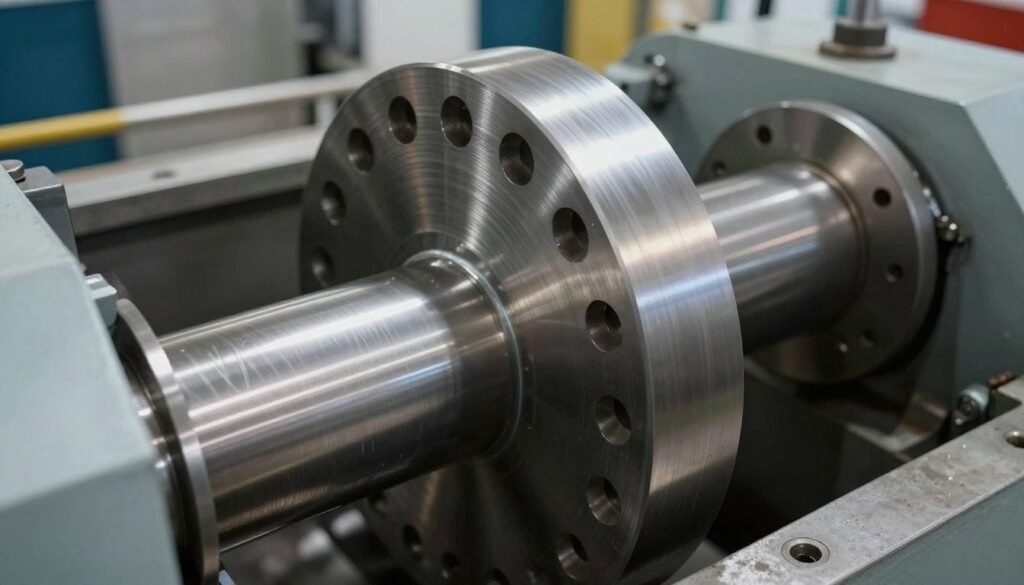
Fresh pellets exit the mill at temperatures exceeding ninety degrees Celsius. Counterflow coolers reduce pellet temperature to ambient levels plus five degrees. Cooling stabilises pellet structure and prevents mould growth during storage. Properly cooled pellets maintain integrity for ninety days under correct storage conditions.
Crumblers break larger pellets into smaller particles for juvenile fish feeding stages. Vibrating screens separate pellets by size. Undersized and oversized particles return to the pellet mill for reprocessing. This closed-loop approach maximises material utilisation and reduces waste.
Packaging and Storage Systems
Automated packaging scales fill bags to precise weights. Electronic systems achieve accuracy within fifty grams for twenty-five kilogram bags. Bag sewing machines seal packages for transport and storage. Palletisers stack finished bags for warehouse organisation.
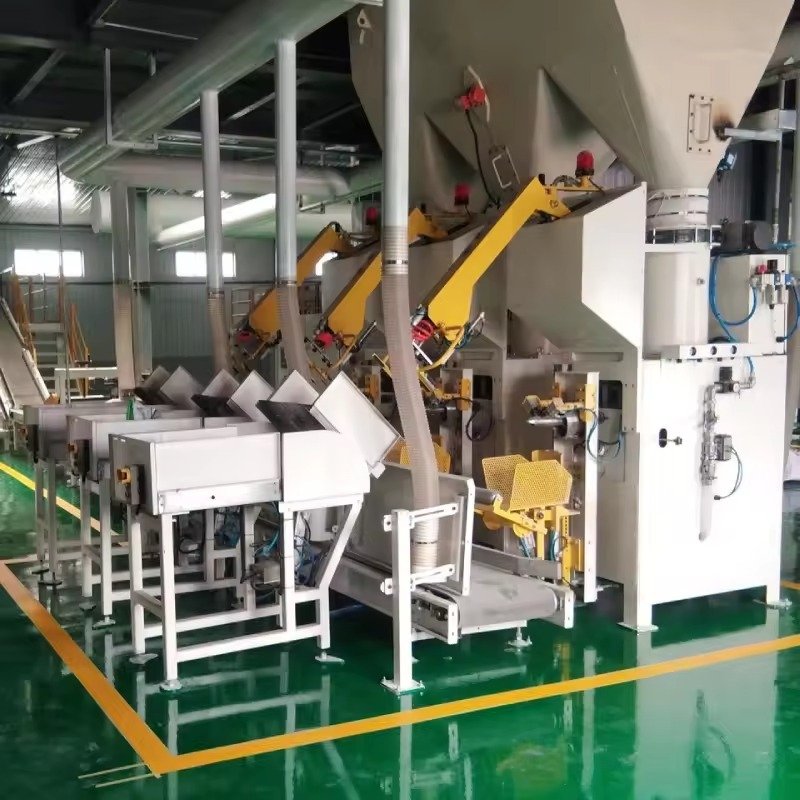
Bulk storage silos accommodate farms producing feed for immediate consumption. Pneumatic conveying systems transfer finished pellets directly to feeding equipment. This configuration eliminates packaging costs and labour requirements for large-scale operations.
Comparing Equipment Configuration Options
Production line specifications vary dramatically based on operational scale and objectives. Small farm operations require different solutions than commercial feed manufacturers. Capacity, automation level, and footprint constraints shape equipment selection decisions.
Small-Scale Systems (200KG to 2 Tonnes Per Hour)
Entry-level configurations suit individual farms or small cooperatives. Manual and semi-automatic operation reduces initial capital requirements. These systems occupy minimal floor space and operate with limited electrical infrastructure.
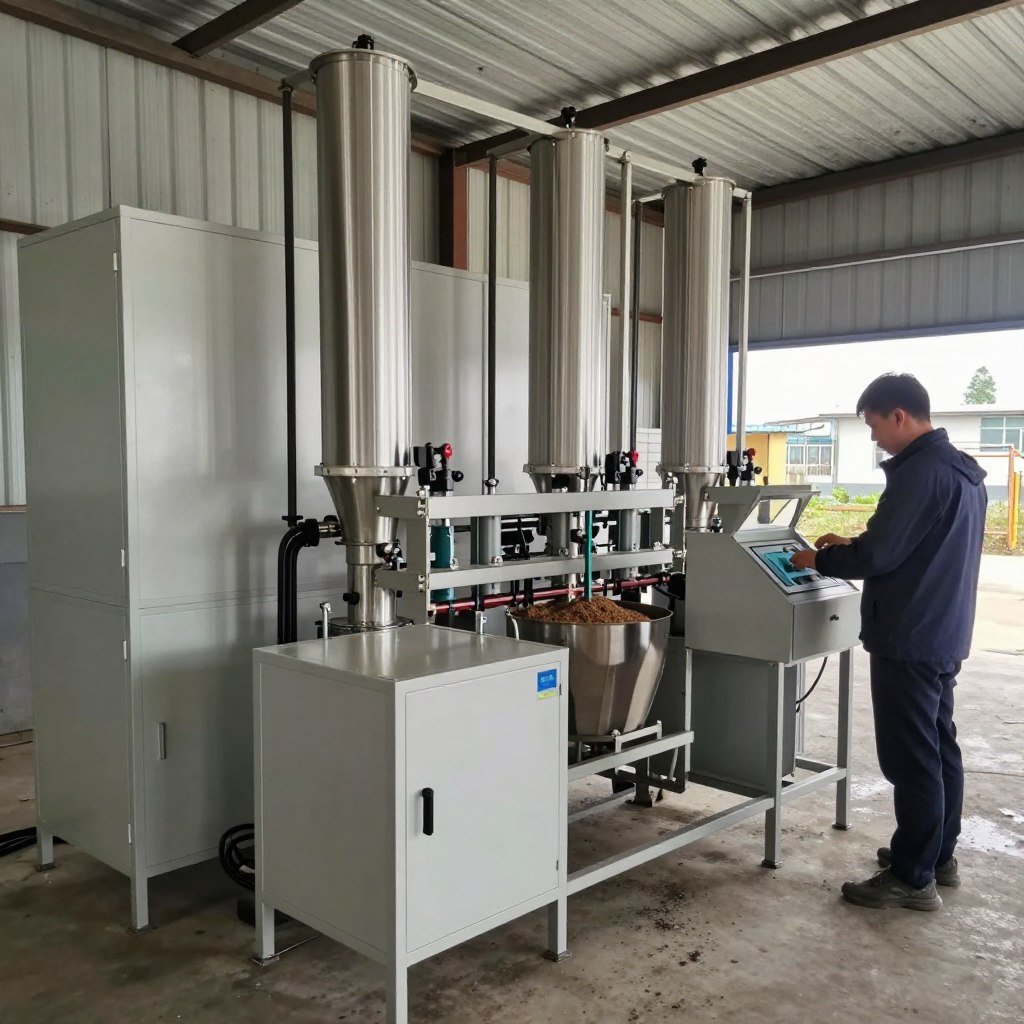
Typical Configuration
- Single-phase hammer mill (5-7.5 KW)
- Batch mixer with manual discharge (500KG capacity)
- Flat-die pellet machine (15-22 KW)
- Manual bagging station
- Basic silo storage (2-5 tonnes)
Investment ranges from £28,000 to £45,000 depending on automation features. These figures include equipment purchase, UK voltage conversion, and basic installation support. Shipping and customs clearance add approximately twelve percent to equipment costs.
Medium-Scale Operations (2 to 10 Tonnes Per Hour)
Mid-range systems balance automation with flexibility. Multiple ingredient bins enable complex formulations. PLC control systems automate sequencing and reduce operator workload. These configurations dominate the UK aquaculture market.
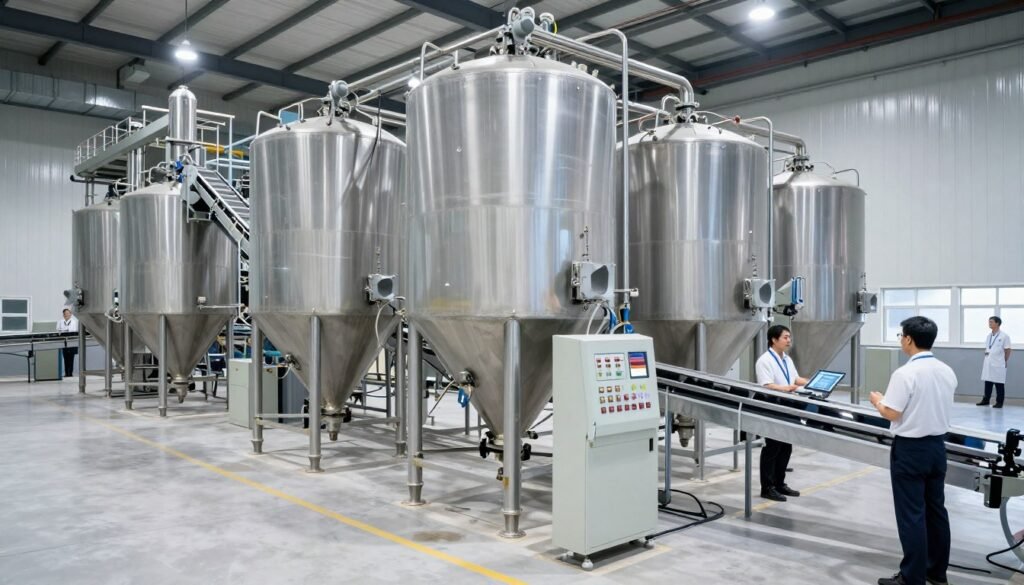
Ring-die pellet mills replace flat-die machines at this scale. Ring-die technology achieves higher throughput and produces more durable pellets. Steam conditioning systems become standard to improve pellet quality and nutrient availability.
MAIKONG Model MK-L003
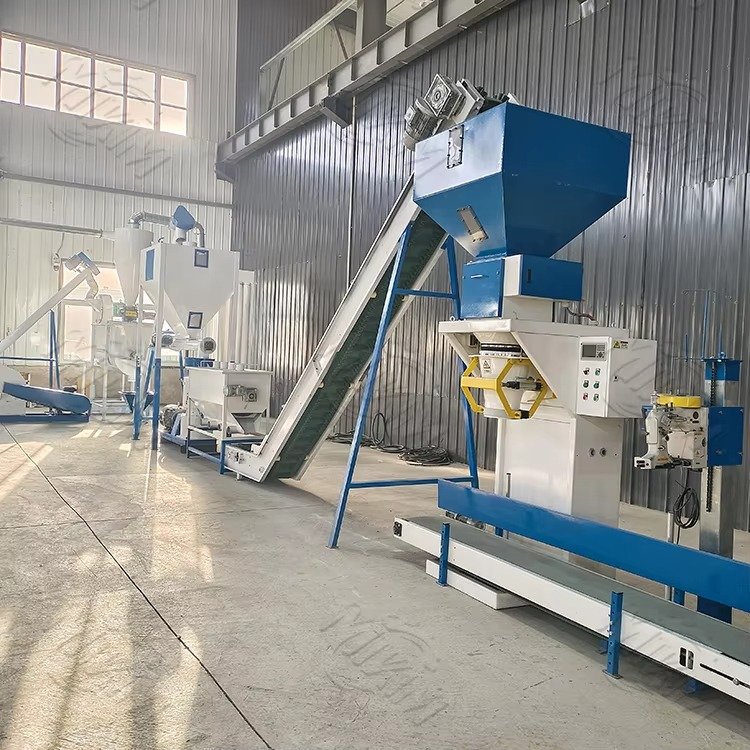
Specifications:
- Capacity: 3-5 Tonnes Per Hour
- Dimensions: 18m (L) × 8m (W) × 6m (H)
- Weight: 12,500 KG complete system
- Power Requirements: 230V/400V UK standard
- Material: ABS control housing, stainless steel contact surfaces
- Control Mode: Automatic/Semi-Automatic/Manual selectable
- Colour: Industrial grey with safety yellow accents
Estimated Investment: £87,000 – £115,000
Stock Status: Available 8-10 week delivery
Configuration Advantages
- Produces 2-6mm pellet sizes without die changes
- Integrated steam conditioning improves digestibility
- Automated batching reduces formulation errors
- Counterflow cooling ensures pellet stability
- PLC control enables remote monitoring
- Modular design permits future capacity expansion
Medium-scale systems offer optimal balance for operations producing twenty to fifty tonnes daily. UK farms processing multiple species benefit from rapid formulation changeover capabilities. One Northern Irish trout operation switches between three distinct formulations daily without production delays.
UK Customisation Options
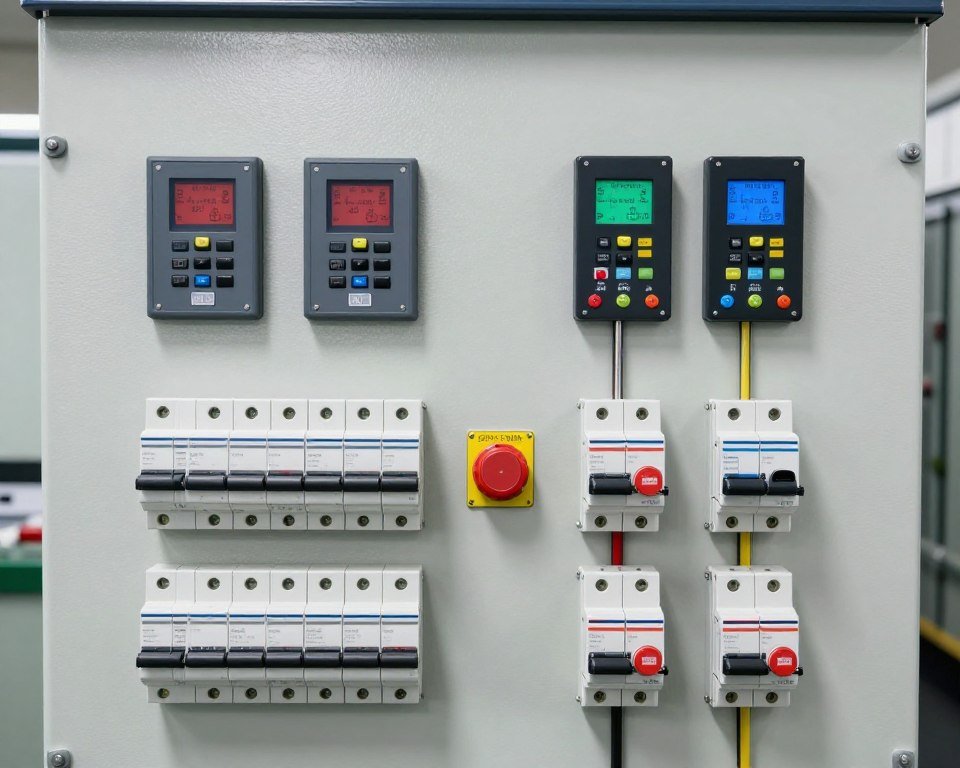
- 230V single-phase or 400V three-phase configurations
- CE certification documentation for UK compliance
- Metric measurement displays and controls
- English-language HMI interfaces
- UK-standard safety interlocks and guards
- Voltage stabilisation for rural electrical supplies
Large-Scale Industrial Plants (10 to 50 Tonnes Per Hour)
High-capacity installations serve commercial feed manufacturers and large aquaculture groups. Fully automated operation from raw material receiving through finished product packaging minimises labour requirements. These systems justify investment through volume production economies.
Central control rooms monitor all process parameters. SCADA systems log production data for quality assurance and traceability. Automated sampling and laboratory analysis ensure consistent nutritional profiles across production batches.
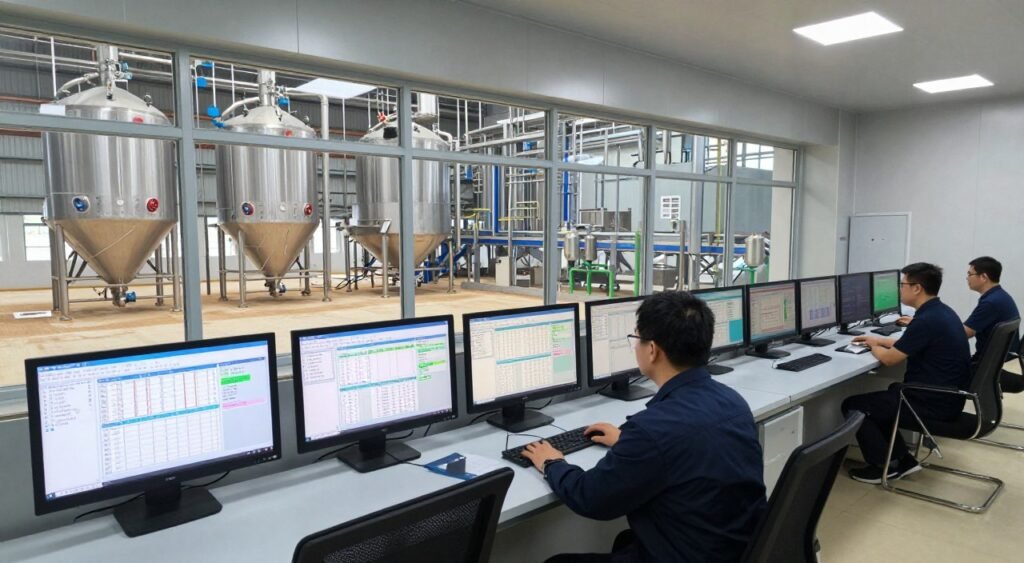
Investment for large-scale systems ranges from £450,000 to £2,800,000. Project timelines extend twelve to eighteen months from initial design through commissioning. These facilities require dedicated buildings with reinforced floors and overhead crane access.
Request Detailed Equipment Specifications & UK Import Documentation
Our technical team prepares customised equipment configurations based on your production requirements, facility constraints, and budget parameters. Receive comprehensive documentation including equipment specifications, electrical requirements, installation layouts, and UK import procedures. MAIKONG provides complete support from initial enquiry through operational commissioning.
Scottish Salmon Operation Project Case Study
A Highlands salmon farm invested in a complete fish feed pellet production line price system during 2022. The operation maintains twelve sea cages producing 850 tonnes annually. Previous feed procurement relied entirely on Norwegian suppliers with increasing costs and delivery uncertainties.
Project Objectives and Constraints
Management identified specific goals for the new production facility. Cost reduction represented the primary driver. Secondary objectives included formulation flexibility and supply security. The existing maintenance building offered 240 square metres of available space.
Project Requirements
- Capacity: 4 tonnes per hour to produce 32 tonnes daily
- Pellet sizes: 3mm, 4.5mm, and 6mm for different growth stages
- Formulation flexibility: Three base recipes with seasonal variations
- Integration: Connect to existing ingredient storage silos
- Automation: Minimal operator supervision during production
- Space: Fit within existing building footprint
Site Limitations
- Rural electrical supply: 400V three-phase with occasional voltage fluctuations
- Building height: 6.5 metres maximum clearance
- Floor loading: Reinforcement required for heavy equipment
- Access: Narrow road limits delivery vehicle size
- Weather exposure: Coastal location requires corrosion-resistant materials
Equipment Configuration and Installation
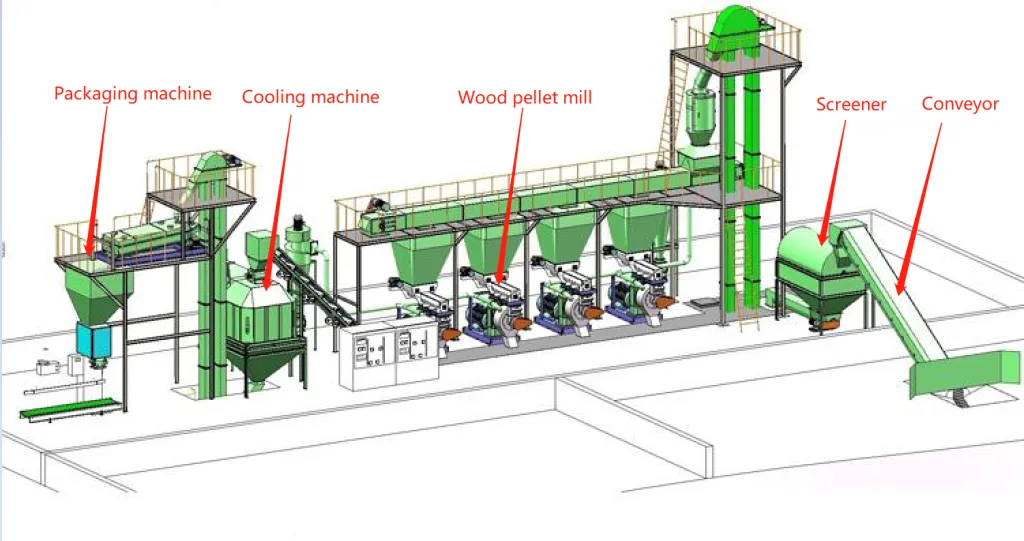
MAIKONG designed a vertical layout to maximise the limited floor space. Raw materials enter at the third level and flow downward through processing stages. This gravity-assisted design reduces energy consumption and simplifies material handling.
| Installation Phase | Duration | Activities | Challenges Encountered |
| Site Preparation | 3 weeks | Floor reinforcement, electrical upgrades, ventilation installation | Unexpected concrete strength issues required additional reinforcement |
| Equipment Delivery | 2 weeks | Container shipping from GD to Scottish port, road transport to site | Road width limitations required smaller delivery vehicles |
| Mechanical Installation | 4 weeks | Equipment positioning, pipe connections, drive system alignment | Overhead crane access difficulties with vertical layout |
| Electrical Connection | 2 weeks | Power distribution, control wiring, safety system integration | Voltage stabilisation required for reliable operation |
| Commissioning | 2 weeks | Individual equipment testing, integrated system trials, operator training | Initial pellet quality required die adjustment and conditioning optimisation |
| Production Ramp-Up | 3 weeks | Formulation refinement, production rate optimisation, quality verification | Achieved target capacity after conditioning parameter adjustments |
Total project timeline from contract signing to full production operation required sixteen weeks. This duration included two weeks of weather-related delays during equipment delivery. MAIKONG engineers remained on-site for three weeks during commissioning to resolve technical issues and train operators.
Operational Results and Performance Metrics
The facility commenced production in November 2022. Initial output averaged 28 tonnes daily operating two eight-hour shifts. Production increased to 32 tonnes daily after operators gained experience with the system.
Production Economics
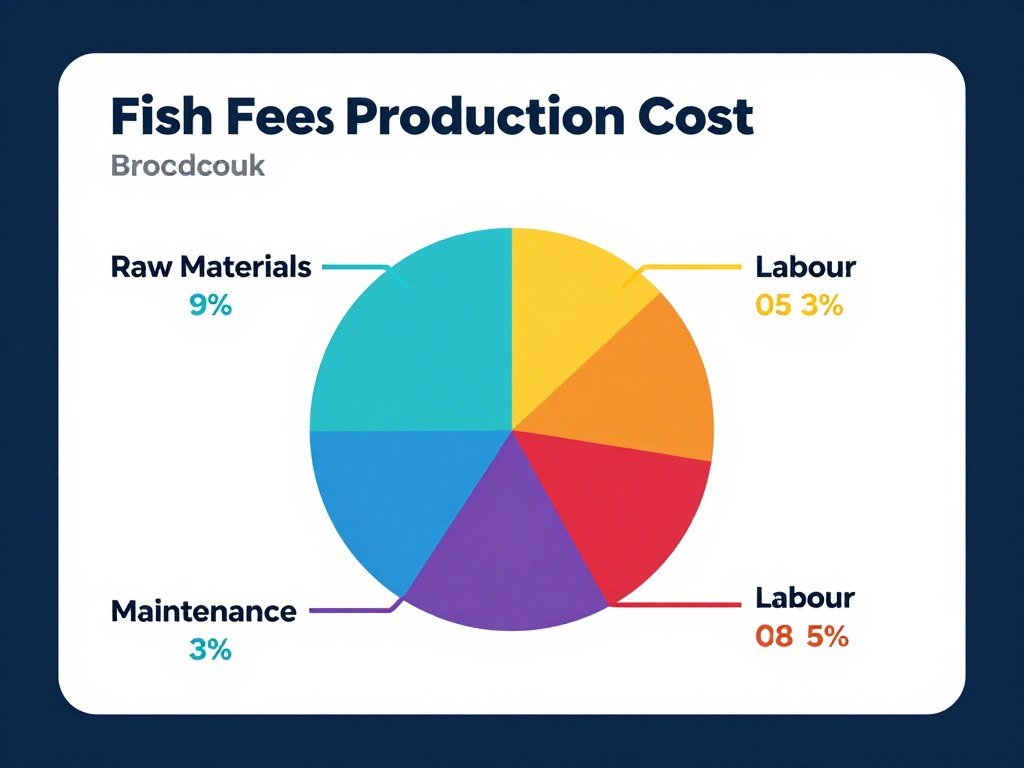
Cost Analysis Per Tonne Produced:
- Raw ingredients: £780
- Energy (electricity): £45
- Labour (allocated): £28
- Maintenance and consumables: £18
- Total production cost: £871 per tonne
Previous imported feed costs averaged £1,240 per tonne delivered. On-site production delivered £369 savings per tonne. Annual production of 7,680 tonnes generated £2,834,000 in total cost savings.
Quality Improvements
Laboratory analysis confirmed nutritional profiles matched design specifications. Pellet durability exceeded imported feed performance by twelve percent. Fish growth rates improved by eight percent due to fresher feed and optimised formulations.
Quality Metrics Comparison:
| Parameter | Target | Achieved |
| Pellet Durability Index | ≥ 95% | 97.2% |
| Moisture Content | 10-12% | 11.3% |
| Protein Content | 42-44% | 43.1% |
| Fat Content | 20-22% | 21.4% |
Lessons and Recommendations
The project manager identified several factors contributing to successful implementation. Early engagement with equipment suppliers proved critical. Site preparation activities running parallel to equipment manufacturing compressed the timeline.
“The vertical layout initially concerned us due to space constraints. MAIKONG’s engineering team designed a solution that actually improved efficiency through gravity flow. Our operators adapted quickly to the automated systems. We achieved target production rates faster than anticipated.”
Key Success Factors: Detailed site assessment before equipment selection proved essential. The supplier’s willingness to customise the layout for specific constraints avoided costly compromises. Operator training during commissioning accelerated the learning curve. Ongoing technical support resolved minor issues quickly.
Investment payback calculations indicated eighteen months to recover capital costs through savings. Actual payback achieved sixteen months due to higher-than-projected ingredient cost inflation for imported feeds.
Get Your Customised Project Quotation
Tell us about your production requirements and facility constraints. Our engineering team prepares detailed proposals including equipment specifications, layout drawings, investment estimates, and project timelines. All consultations remain confidential with no purchase obligations.
Delivery Timeline and Installation Support
Understanding project schedules helps UK buyers plan facility modifications and coordinate resources. Equipment procurement, shipping logistics, and installation activities follow predictable sequences. Clear timeline expectations prevent costly delays.
Manufacturing and Quality Control Period
Production begins after design approval and deposit payment. Standard feed production line equipment requires eight to twelve weeks manufacturing time. Custom configurations add two to four weeks for engineering and fabrication.
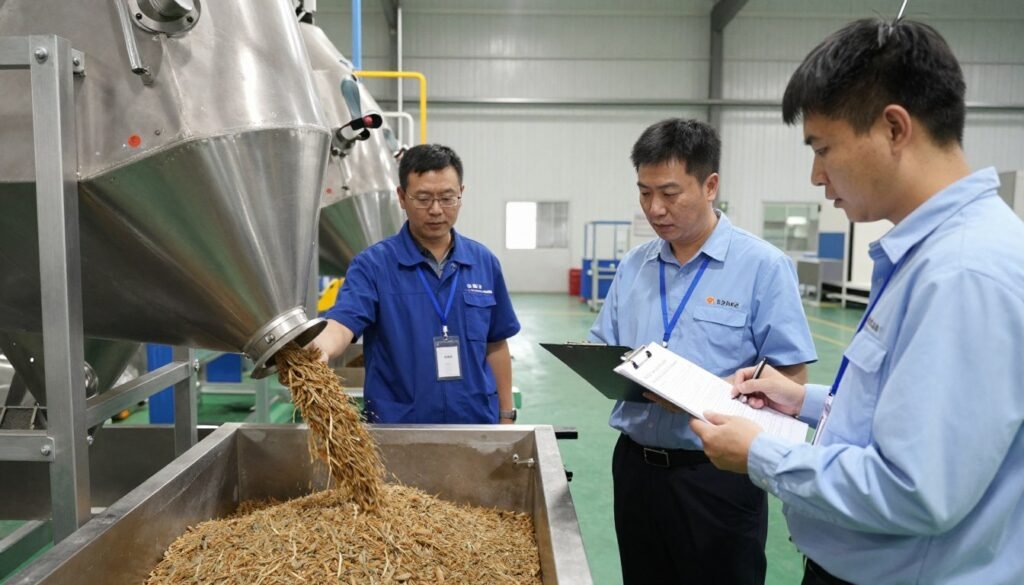
MAIKONG facilities conduct multiple quality checkpoints during production. Dimensional inspections verify specifications. Load testing confirms structural integrity. Trial runs validate mechanical performance before shipping approval.
Quality Control Steps
- Raw material certification review
- Welding inspection and non-destructive testing
- Component dimensional verification
- Drive system alignment and balance
- Electrical system continuity testing
- Trial operation under load conditions
- Final inspection and documentation
Documentation Provided
- Equipment specifications and drawings
- Operation and maintenance manuals
- Spare parts catalogue and recommendations
- Quality certificates and test reports
- CE compliance documentation
- Installation guidance and procedures
- Warranty terms and conditions
Shipping and Customs Clearance Process
Sea freight from Shenzhen to UK ports requires approximately thirty-five to forty-two days. Container booking, loading, and transit time vary seasonally. Port congestion occasionally extends delivery schedules during peak periods.
UK customs clearance procedures require specific documentation. MAIKONG provides commercial invoices, packing lists, and certificates of origin. Buyers arrange customs brokerage services or handle clearance directly. Import duties and VAT apply according to current regulations.
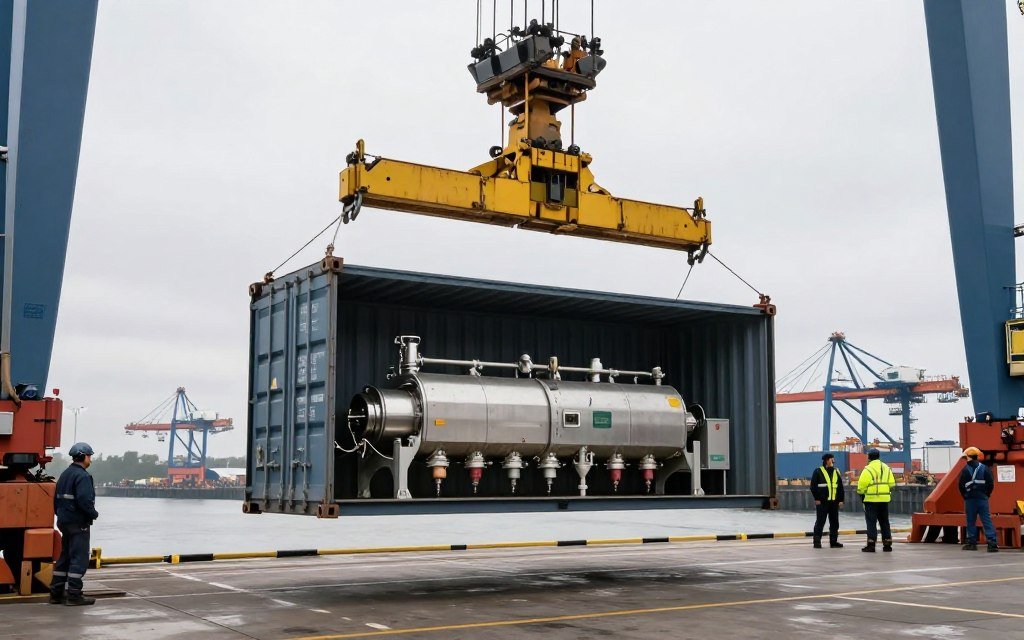
Shipping Considerations
- Equipment packed in reinforced shipping containers
- Multiple containers required for complete systems
- Dedicated transport from port to final destination
- Unloading equipment (crane or forklift) needed on-site
- Weather protection during outdoor storage
- Inspection recommended before accepting delivery
Transportation costs from UK ports to final destinations vary by location and access conditions. Scottish Highlands and Northern Ireland rural sites require specialised transport arrangements. Road width and bridge weight limits affect routing decisions.
Installation Support and Commissioning Services
MAIKONG engineers provide remote installation guidance for standard configurations. Video consultations and detailed manuals support local installation teams. Complex or high-capacity systems benefit from on-site technical supervision.
On-site commissioning services ensure proper equipment setup and performance verification. Engineers optimise process parameters for specific formulations. Operator training covers routine operation, adjustments, and troubleshooting procedures.
Installation Support Packages: Basic remote guidance included with all equipment purchases. Standard on-site commissioning covers two weeks of technical supervision and operator training. Extended support packages available for complex installations or multiple production lines. Travel expenses and accommodation costs apply to on-site services based on actual requirements.
Realistic Project Timeline Example
A Northern Irish trout farm ordered a three-tonne-per-hour system in March. Equipment manufacturing completed in June. Shipping and customs clearance required seven weeks. Installation and commissioning finished in September. Total elapsed time from order to operational production reached twenty-six weeks.
| Project Milestone | Week | Cumulative Time | Activities |
| Contract Signing | Week 0 | 0 weeks | Deposit payment, technical specifications finalised |
| Manufacturing Start | Week 1 | 1 week | Material procurement, production scheduling |
| Manufacturing Complete | Week 10 | 10 weeks | Quality testing, shipping preparation |
| Equipment Shipped | Week 11 | 11 weeks | Container loading, export documentation |
| Arrival at UK Port | Week 17 | 17 weeks | Customs clearance, import duties payment |
| Site Delivery | Week 18 | 18 weeks | Equipment unloading, damage inspection |
| Installation Complete | Week 23 | 23 weeks | Mechanical installation, electrical connections |
| Commissioning Finished | Week 25 | 25 weeks | System testing, operator training |
| Full Production | Week 26 | 26 weeks | Regular operation begins |
Planning contingency time for potential delays proves prudent. Weather, shipping disruptions, or site preparation complications add unpredictable delays. Conservative estimates suggest adding fifteen to twenty percent buffer time to baseline schedules.
Comprehensive Cost Analysis and Investment Breakdown
Understanding complete project costs prevents budget surprises. Equipment purchase represents sixty to seventy percent of total investment. Additional expenses for shipping, installation, site preparation, and working capital require careful planning.
Equipment Purchase Price Factors
Base fish feed pellet production line price varies by capacity, automation level, and component quality. Entry-level systems start around £28,000 for small-scale operations. Mid-range installations range from £75,000 to £180,000. Large commercial plants exceed £450,000 for complete turnkey facilities.
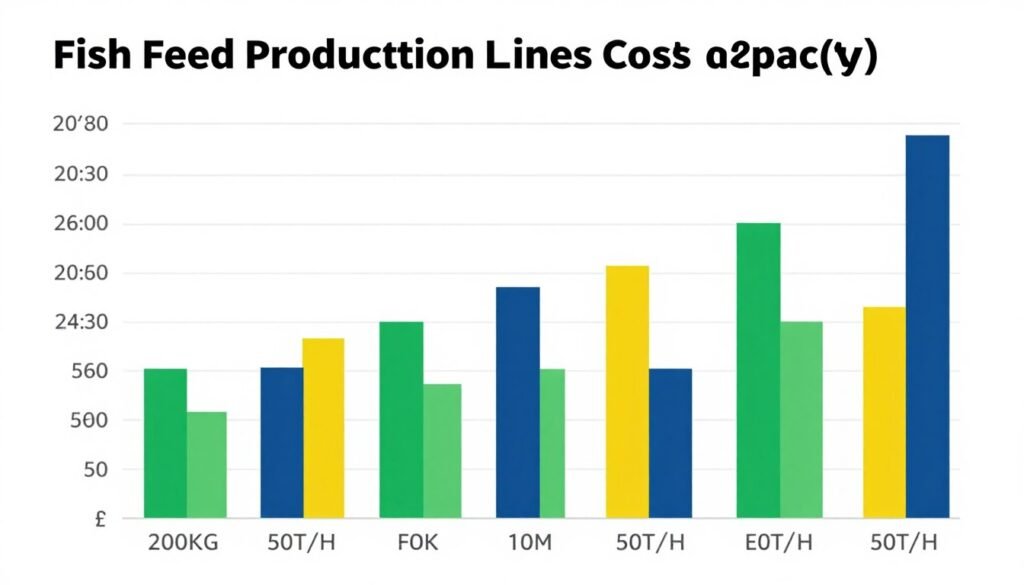
Component selection significantly impacts pricing. Premium bearings, hardened die rings, and stainless steel construction increase durability but raise initial costs. Buyers balance upfront investment against long-term reliability and maintenance expenses.
Basic Component Tier
- Standard carbon steel construction
- Manual control systems
- Basic drive components
- Limited automation features
- Standard warranty coverage
Price Impact: Baseline reference
Standard Component Tier
- Stainless steel contact surfaces
- PLC control systems
- Quality drive components
- Moderate automation
- Extended warranty options
Price Impact: +15-25% above basic
Premium Component Tier
- Full stainless steel construction
- Advanced SCADA systems
- Premium imported drives
- Full automation capabilities
- Comprehensive warranty
Price Impact: +35-50% above basic
Ancillary Cost Categories
Complete project budgets account for expenses beyond equipment purchase. These additional costs often surprise buyers unfamiliar with industrial equipment projects.
| Cost Category | Percentage of Equipment Cost | Example for £100,000 Equipment | Description |
| International Shipping | 8-12% | £8,000 – £12,000 | Container freight, port handling, insurance |
| UK Import Duties & VAT | 20-25% | £20,000 – £25,000 | Customs duties, VAT (may be reclaimable) |
| Domestic Transport | 2-5% | £2,000 – £5,000 | Port to site delivery, crane rental |
| Site Preparation | 5-15% | £5,000 – £15,000 | Floor reinforcement, utilities, ventilation |
| Installation Labour | 8-15% | £8,000 – £15,000 | Local contractors, electrical work |
| Commissioning Support | 3-6% | £3,000 – £6,000 | Technical supervision, operator training |
| Initial Spare Parts | 5-8% | £5,000 – £8,000 | Wear parts, filters, common replacements |
| Working Capital | 10-20% | £10,000 – £20,000 | Initial ingredient inventory, utilities deposits |
Total project investment typically reaches 160-200% of base equipment cost. A £100,000 feed pellet production line requires £160,000 to £200,000 complete project budget. Conservative planning prevents cash flow difficulties during implementation.
Financing and Payment Terms
Equipment suppliers typically structure payments in milestone-based schedules. Deposit requirements range from thirty to forty percent upon contract signing. Progress payments follow manufacturing milestones. Final payment clears before shipping or upon delivery.
Payment Schedule Consideration: UK buyers should account for currency exchange rate fluctuations when dealing with Chinese suppliers. Contracts denominated in USD or GBP provide clarity. Letter of credit arrangements offer security for both parties. Discuss payment terms during initial negotiations to avoid misunderstandings.
Some operations explore equipment financing through agricultural lenders or equipment leasing companies. Interest rates and terms vary by buyer creditworthiness and lender policies. Equipment value provides collateral security for financing arrangements.
Return on Investment Analysis for UK Operations
Financial justification determines project viability. Calculating accurate payback periods requires realistic cost and savings estimates. UK aquaculture operations achieve investment returns through multiple value streams.
Direct Cost Savings Calculation
The primary benefit comes from reduced feed costs per tonne produced. On-site production eliminates supplier margins, reduces transport expenses, and provides ingredient purchasing leverage.
Imported Feed Costs (Baseline)
Per Tonne Delivered Cost:
- Base feed price: £1,050
- Transport to farm: £85
- Financing cost (payment terms): £35
- Quality variation losses: £45
- Inventory holding costs: £25
- Total landed cost: £1,240 per tonne
On-Site Production Costs
Per Tonne Production Cost:
- Raw ingredients: £780
- Energy (electricity): £45
- Labour (allocated): £28
- Maintenance: £12
- Consumables: £6
- Total production cost: £871 per tonne
Direct savings reach £369 per tonne produced. A 500-tonne annual operation saves £184,500 yearly. A 5,000-tonne operation saves £1,845,000 annually. Savings scale linearly with production volume.
Indirect Value Benefits
Beyond direct cost savings, on-site production delivers additional advantages. Fresh feed improves fish health and growth rates. Formulation control optimises nutrition for specific life stages. Supply security eliminates emergency procurement at premium prices.
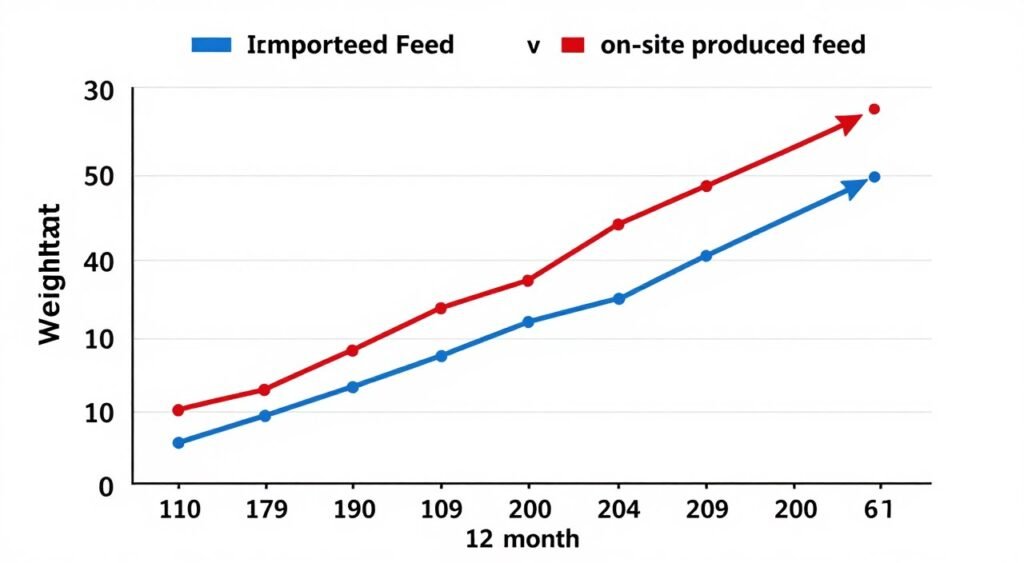
Feed Quality Impact
Fresher feed retains higher nutritional value. Vitamins and oils degrade during storage and transport. On-site production eliminates weeks of storage time. Fish consume feed more readily when quality remains optimal.
Observed Improvements:
- Feed conversion ratio improved 6-10%
- Growth rates increased 8-12%
- Mortality rates decreased 2-4%
- Flesh quality scores improved
Operational Flexibility
Rapid formulation adjustments respond to changing conditions. Seasonal ingredient availability affects formulation economics. Market price fluctuations allow opportunistic ingredient purchasing.
Flexibility Benefits:
- Switch formulations within hours
- Test new ingredients quickly
- Optimise for current ingredient prices
- Adjust to fish health requirements
Supply Chain Security
Recent years demonstrated feed supply vulnerability. Brexit complications, COVID disruptions, and logistics bottlenecks created supply uncertainties. On-site production provides insurance against external disruptions.
Risk Mitigation:
- Eliminate dependence on suppliers
- Avoid emergency procurement premiums
- Maintain production during disruptions
- Control inventory timing
Payback Period Examples
Investment recovery timelines vary by operation scale and initial circumstances. Operations paying premium prices for imported feed recover investments faster. Larger operations benefit from fixed cost distribution across higher volumes.
| Operation Scale | Annual Production | Equipment Investment | Annual Savings | Payback Period |
| Small Trout Farm | 250 tonnes | £65,000 | £92,250 | 8.5 months |
| Medium Salmon Operation | 1,500 tonnes | £145,000 | £553,500 | 3.1 months |
| Large Multi-Species Farm | 4,000 tonnes | £280,000 | £1,476,000 | 2.3 months |
| Commercial Feed Mill | 15,000 tonnes | £750,000 | £5,535,000 | 1.6 months |
These calculations assume complete equipment cost including installation and ancillary expenses. Actual results depend on ingredient purchasing efficiency, operational expertise, and production consistency. Most UK operations achieve payback within twelve to twenty-four months.
Calculate Your Investment Return
MAIKONG financial analysts prepare customised ROI projections based on your current feed costs, production volumes, and operational parameters. Receive detailed analysis showing payback timelines, annual savings projections, and break-even calculations. Our consultations help justify equipment investments to management or financing sources.
Alternative Contact: Email detailed requirements to Lucy@feedproductionline.uk for written ROI analysis within 48 hours.
Ongoing Maintenance and Technical Support
Equipment reliability determines long-term success. Proper maintenance prevents unexpected failures and extends service life. Understanding maintenance requirements and support availability protects production continuity.
Routine Maintenance Requirements
Feed production equipment operates under demanding conditions. Abrasive ingredients and continuous operation create wear. Systematic maintenance schedules prevent premature component failures.
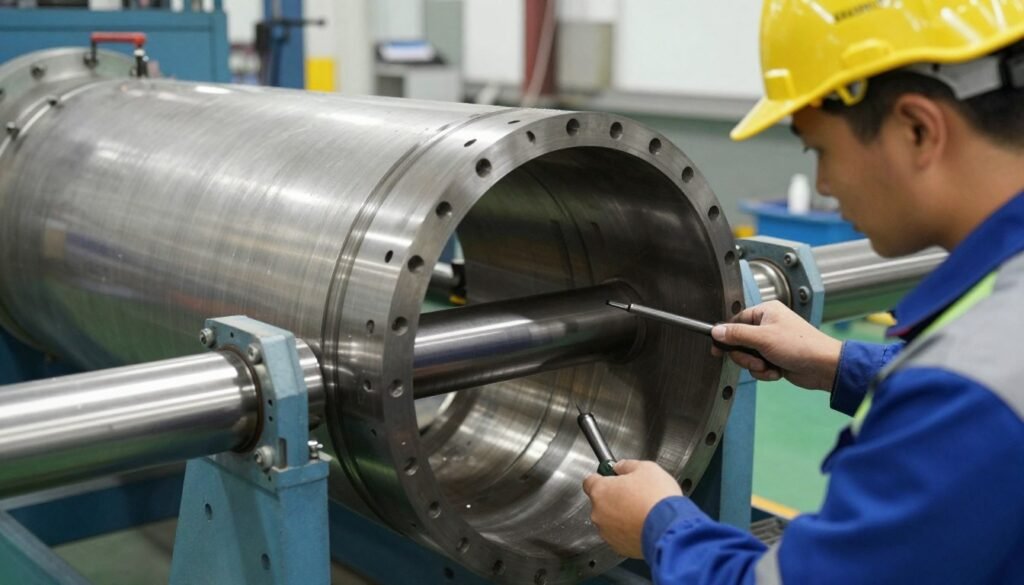
Daily Maintenance Tasks
Operators perform basic checks during each shift. These activities require minimal time but prevent many common problems.
- Visual inspection for unusual wear or damage
- Lubrication point checks and replenishment
- Belt tension verification
- Temperature and vibration monitoring
- Cleaning of critical areas
- Production log documentation
Weekly Maintenance Tasks
More thorough inspections catch developing issues before failures occur. Weekly activities take approximately four hours.
- Detailed bearing inspection and lubrication
- Drive chain and belt condition assessment
- Electrical connection tightness verification
- Screen and filter cleaning
- Dust collection system maintenance
- Calibration checks on weighing systems
Monthly Maintenance Tasks
Comprehensive inspections identify wear requiring attention. Monthly maintenance typically requires eight hours of downtime.
- Die and roller wear measurement
- Mixer paddle and ribbon condition
- Electrical motor insulation testing
- Structural integrity inspection
- Safety system function verification
- Detailed cleaning of internal components
Annual Maintenance Tasks
Major service activities address components requiring periodic replacement. Annual maintenance demands two to three days scheduled downtime.
- Complete disassembly and inspection
- Bearing and seal replacement
- Drive system overhaul
- Electrical system comprehensive testing
- Structural repairs if needed
- Complete system recalibration
Critical Spare Parts Inventory
Maintaining appropriate spare parts minimises downtime from unexpected failures. Some components fail unpredictably despite proper maintenance. Strategic inventory balances carrying costs against production risk.
Essential Immediate Spares
- Drive belts and chains (complete sets)
- Critical bearings for main drives
- Electrical contactors and relays
- Fuses and circuit protection devices
- Mixer paddles or ribbons
- Screen meshes (multiple sizes)
- Gaskets and seal kits
- Lubrication supplies
Planned Replacement Parts
- Pellet mill dies and rollers
- Hammer mill screens and hammers
- Wear liners for high-abrasion areas
- Complete bearing sets for scheduled replacement
- Drive motors (long lead time items)
- Control system components
- Pneumatic cylinders and valves
- Sensor and instrumentation
Initial spare parts investment typically ranges from five to eight percent of equipment cost. A £100,000 system requires £5,000 to £8,000 in strategic spares. This investment prevents costly production interruptions while awaiting parts shipments from manufacturers.
Technical Support Access
MAIKONG provides multiple support channels for UK customers. Remote diagnostics resolve many issues quickly. Video consultations guide operators through troubleshooting procedures. Parts ordering systems expedite replacement component delivery.

Email support responds within twenty-four hours for non-urgent queries. Phone support operates during UK business hours with Chinese-language speakers available. Emergency support contacts address critical production issues requiring immediate attention.
Support Package Options: Standard warranty includes twelve months of remote technical support and parts replacement for manufacturing defects. Extended warranty programmes offer additional coverage periods. Annual maintenance contracts provide scheduled on-site inspections and priority support access. Custom support agreements suit large operations with multiple production lines.
Common Issues and Solutions
Experienced operators recognise typical problems and implement quick corrections. Training programmes teach troubleshooting skills that minimise downtime.
What causes pellet quality inconsistency?
Several factors affect pellet durability and appearance. Conditioning temperature variations indicate steam control issues. Ingredient moisture content fluctuations require formula adjustments. Die wear creates size inconsistencies requiring replacement. Cooling system problems prevent proper hardening. Systematic checking of each process stage identifies the specific cause.
Why does production capacity decrease over time?
Gradual throughput reduction signals developing wear. Die holes enlarge from abrasion reducing compression effectiveness. Roller surface wear decreases grip on material. Motor bearing friction increases power consumption. Screen blinding restricts material flow. Regular dimensional checks and component replacement restore original capacity.
How do I reduce energy consumption?
Multiple approaches lower electrical usage. Proper ingredient particle size reduces grinding power requirements. Optimal conditioning improves pelleting efficiency. Well-maintained bearings minimise friction losses. Correct belt tension prevents motor overload. Monitoring specific energy consumption (kilowatt-hours per tonne) tracks efficiency trends.
What causes excessive dust generation?
Dust indicates process problems requiring attention. Over-grinding creates excessive fines. Inadequate conditioning produces friable pellets that crumble. Insufficient cooling allows pellets to break during handling. Poor dust collection system maintenance reduces capture efficiency. Addressing root causes improves product quality while reducing cleaning requirements.
When should I replace major components?
Component lifespan varies with material quality and operating conditions. Pellet mill dies typically last 800-1,500 operating hours. Rollers match or slightly exceed die life. Hammer mill screens require replacement every 400-800 hours. Mixer ribbons last 2,000-4,000 hours. Monitoring wear rates establishes replacement schedules preventing unexpected failures.
UK Import Process and Regulatory Considerations
Importing industrial equipment from China involves specific procedures and documentation. Understanding requirements prevents delays and additional costs. Brexit regulations introduced changes affecting equipment importation.
Customs Classification and Duty Rates
Feed production equipment falls under specific HS codes determining duty rates. Classification depends on equipment type and function. Proper classification ensures correct duty assessment and prevents customs challenges.
| Equipment Type | HS Code | Standard Duty Rate | Notes |
| Complete Feed Production Line | 8479.89.97 | 3.7% | Classified as other industrial machinery |
| Hammer Mills | 8437.10.00 | Free | Grain milling machinery zero duty |
| Mixers | 8479.82.00 | 3.7% | Mixing machinery standard rate |
| Pellet Mills | 8436.10.00 | Free | Animal feed preparation machinery |
| Packaging Equipment | 8422.40.00 | 3.7% | Packing machinery standard rate |
VAT applies to all imports at twenty percent of equipment value plus shipping and duty. VAT-registered businesses reclaim this through normal accounting procedures. Import VAT payment occurs before customs release.
Required Documentation
Complete and accurate documentation expedites customs clearance. Missing or incorrect documents cause delays and potential penalties. Suppliers and buyers share responsibility for proper documentation.
Supplier-Provided Documents
- Commercial invoice with detailed descriptions
- Packing list specifying contents and weights
- Certificate of origin
- Bill of lading or airway bill
- Manufacturing certificates and test reports
- CE declaration of conformity
- User manuals and technical documentation
Buyer-Arranged Documents
- EORI number for customs clearance
- Import licence (if required for specific equipment)
- Customs declaration form
- Insurance documentation
- Payment confirmation (for customs valuation)
- Delivery arrangements and address
Working with experienced customs brokers simplifies the process for first-time importers. Brokers handle documentation, duty payments, and communicate with customs authorities. Broker fees typically range from £150 to £400 per shipment.
UK Safety and Compliance Standards
Equipment operating in the UK must meet relevant safety standards. Machinery Directive compliance demonstrates appropriate safety design. Animal feed production line equipment requires CE marking indicating conformity.
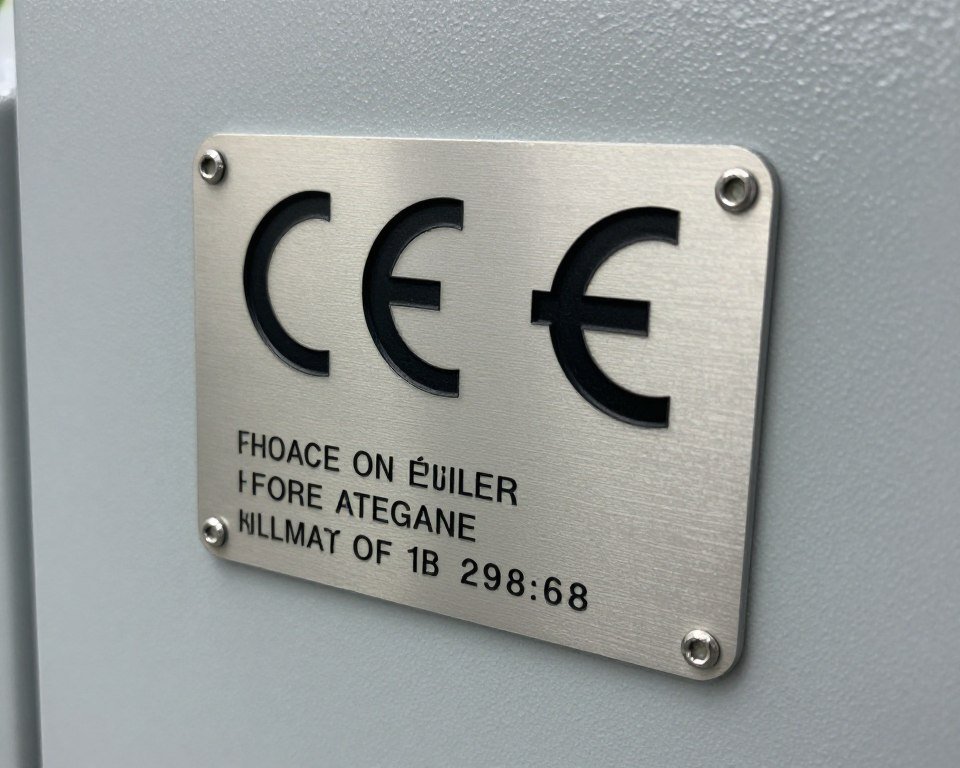
Electrical equipment must meet UK voltage and frequency standards. Most Chinese manufacturers configure equipment for 380-415V three-phase power common in China. UK operations require 400V configuration matching British electrical systems. Specify UK electrical requirements clearly in purchase orders.
Post-Brexit Considerations: Northern Ireland follows different rules than Great Britain regarding EU standards. Equipment destined for Northern Ireland operations should meet EU machinery directive requirements. Confirm applicable standards during equipment specification to avoid complications.
Selecting the Right Equipment Supplier
Supplier choice significantly impacts project success. Price represents one factor among many requiring consideration. Reliability, support capability, and experience with UK customers provide crucial differentiators.
Evaluation Criteria
Systematic supplier assessment reduces risk of poor equipment performance or inadequate support. UK buyers benefit from prioritising certain characteristics when comparing options.
Manufacturing Capability
- Years in feed equipment production
- Factory size and equipment
- Quality control procedures
- Certifications and standards compliance
- Engineering and design resources
- Previous projects of similar scale
UK Market Experience
- Previous UK installations
- Understanding of UK requirements
- UK voltage and specification familiarity
- Brexit impact awareness
- UK customer references
- Communication effectiveness
Support Infrastructure
- Remote support availability
- Spare parts supply chain
- Technical documentation quality
- Training programmes offered
- Warranty terms and responsiveness
- Long-term relationship commitment
MAIKONG UK Advantages
MAIKONG operates from GD province with twenty-two years of feed equipment manufacturing experience. The company supplies complete systems from 200-kilogram per hour small-scale units to 200-tonne per hour industrial complexes.
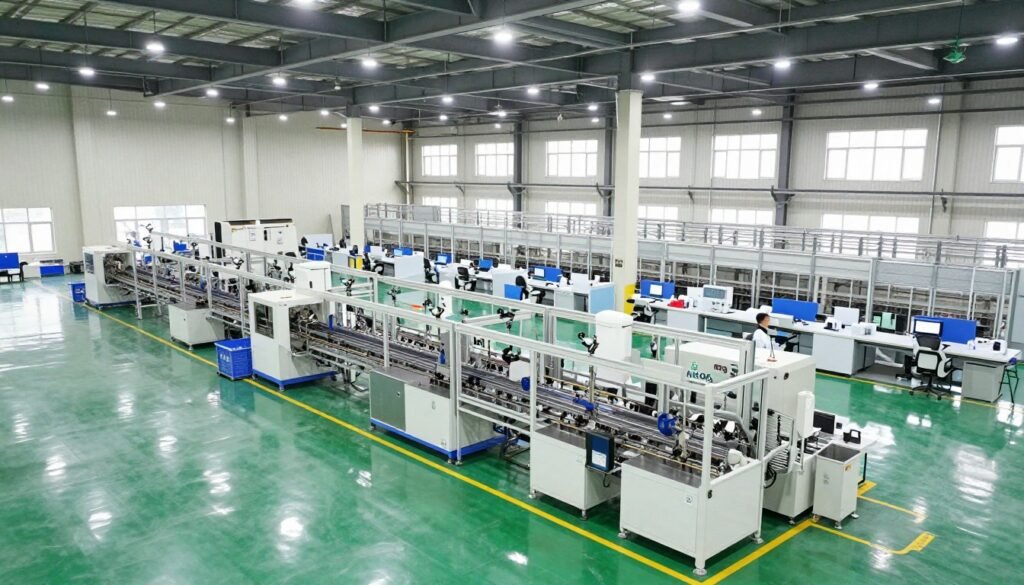
Continental Project Experience
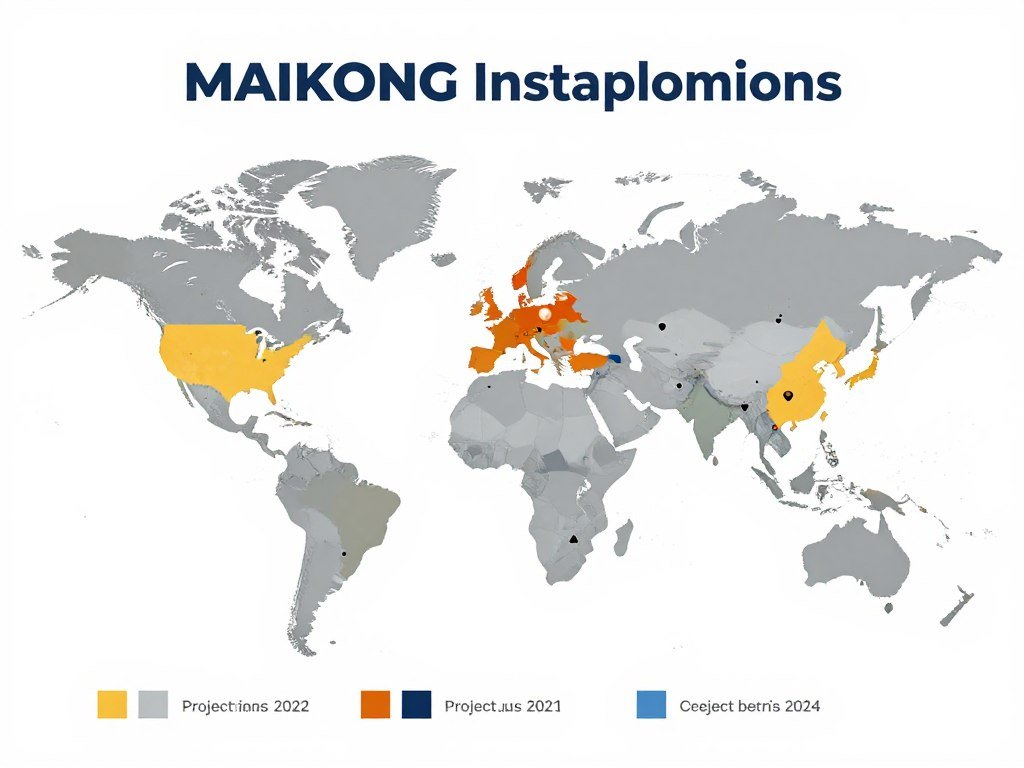
MAIKONG installations operate across multiple continents. Asian operations include facilities in Thailand, Malaysia, and the Philippines. American installations serve customers in the United States and Canada. European projects include operations in Germany, Netherlands, Belgium, Austria, and Portugal.
African installations demonstrate adaptability to challenging operating conditions in Algeria, Zimbabwe, and Tanzania. Oceania projects in New Zealand and Australia confirm capability with similar UK regulatory environments.
Customisation Capabilities
MAIKONG engineering teams design customised solutions matching specific operational requirements. Capacity scaling accommodates growth plans. Multiple feed type production on single lines provides operational flexibility.
Common Customisation Requests:
- Multiple pellet size capability without die changes
- UK electrical specification conversion
- Space-constrained layout design
- Integration with existing equipment
- Specific ingredient handling requirements
- Automated formulation switching
- Remote monitoring and control systems
OEM and Partnership Programmes
MAIKONG actively seeks UK distributors and agents for market expansion. The company offers comprehensive support for partners including technical training, marketing materials, and exclusive territory arrangements.
Partner Benefits:
- Competitive pricing for volume commitments
- Co-branding options available
- Technical training at factory or UK locations
- Marketing support and lead generation
- After-sales support coordination
- Exclusive territories for qualified partners
Reference Verification Process
Speaking with existing customers provides valuable insights into supplier performance. Request contact information for operations similar to yours in scale and application. Prepare specific questions addressing your concerns.
What questions should I ask references?
Focus on practical operational experience rather than general satisfaction. Ask about equipment reliability and frequency of unexpected downtime. Inquire about supplier responsiveness when problems occur. Question the accuracy of initial capacity and performance claims. Determine if hidden costs emerged during installation. Understand the learning curve for operators. These specific questions reveal potential issues better than general recommendations.
Frequently Asked Questions About Fish Feed Pellet Production Lines
What fish feed pellet production line price should UK buyers expect for a 3-tonne-per-hour system?
A complete 3-tonne-per-hour system typically ranges from £85,000 to £125,000 for equipment only. This price includes all major components from ingredient receiving through packaging but excludes shipping, installation, and site preparation. Total project investment including all ancillary costs reaches approximately £140,000 to £200,000. Exact figures depend on automation level, component quality, and customisation requirements. Request detailed quotations specifying all included equipment and services to enable accurate comparison between suppliers.
Can I produce multiple pellet sizes on one production line?
Yes, modern pellet mills accommodate multiple die configurations. Changing pellet size requires replacing the die ring, typically a 30-45 minute procedure. Some advanced systems feature quick-change die mechanisms reducing changeover time to 15 minutes. Crumbling equipment breaks larger pellets into smaller sizes without die changes, providing additional flexibility. Operations producing multiple fish species or serving different growth stages benefit significantly from multi-size capability.
How much electricity does a fish feed production line consume?
Specific energy consumption varies by capacity and configuration. Small systems processing 500 kilograms per hour typically consume 40-60 kilowatt-hours per tonne produced. Medium systems at 3 tonnes per hour achieve better efficiency at 30-45 kilowatt-hours per tonne. Large installations exceeding 10 tonnes per hour reach 25-35 kilowatt-hours per tonne through economies of scale. UK electricity costs averaging 28 pence per kilowatt-hour translate to £8.40 to £16.80 energy cost per tonne for medium systems.
What maintenance skills do operators require?
Basic mechanical aptitude suffices for routine operation and simple maintenance. Operators need ability to follow lubrication schedules, perform visual inspections, and recognise abnormal conditions. More complex tasks like bearing replacement or electrical troubleshooting require technician-level skills. Most farms arrange annual service contracts for major maintenance while handling daily and weekly tasks internally. Comprehensive training during commissioning prepares operators for routine responsibilities.
How long do pellet mill dies last before replacement?
Die lifespan depends heavily on ingredient abrasiveness and operating conditions. Fish feed formulations with moderate mineral content achieve 800-1,200 operating hours per die. High-ash formulations reduce life to 500-800 hours. Premium alloy dies extend service life by 30-50% compared to standard materials. A 3-tonne-per-hour system operating 8 hours daily requires die replacement every 3-5 months. Die costs range from £2,800 to £5,500 depending on size and material specification.
Can I expand production capacity in the future?
Modular system design facilitates capacity expansion. Initial installations often include oversized components in certain areas to accommodate future growth. Adding parallel processing lines increases capacity without replacing existing equipment. Bottleneck analysis identifies limiting components requiring upgrade. Many operations begin with single-shift production and expand to multi-shift operation before investing in additional equipment. Discuss expansion plans during initial design to ensure adequate space and utility infrastructure.
What happens if equipment breaks down?
Comprehensive spare parts inventory minimises downtime from component failures. Critical spares enable repairs within hours for common issues. Complex failures requiring specialist parts may take several days for international shipping. Remote technical support diagnoses problems and guides repair procedures. Extended warranty and maintenance contracts provide priority parts shipping and technical assistance. Production insurance policies can cover income losses during major equipment failures.
How does on-site production affect feed quality compared to commercial suppliers?
On-site production provides superior freshness but requires consistent operational discipline. Properly operated systems match or exceed commercial feed quality. Critical success factors include accurate ingredient weighing, thorough mixing, correct conditioning temperatures, and adequate cooling. Initial production may show quality variations during the learning period. Most operations achieve consistent quality within four to eight weeks of startup. Regular laboratory analysis confirms nutritional profiles and identifies needed adjustments.
What ingredient storage capacity do I need?
Storage requirements depend on delivery frequency and production volume. Minimum storage should cover 7-14 days of production to prevent disruptions from delivery delays. Larger operations benefit from 21-30 days capacity enabling bulk purchasing discounts. Separate bins for major ingredients (grain, protein meals, supplements) provide formulation flexibility. Climate-controlled storage prevents spoilage in humid UK conditions. Budget approximately £12,000 to £35,000 for adequate silo capacity depending on production scale.
Are Chinese equipment suppliers reliable for UK operations?
Established Chinese manufacturers provide reliable equipment at competitive prices. Quality varies significantly between suppliers, making careful selection essential. Prioritise manufacturers with UK installation experience and verifiable references. Request detailed warranties and clarify support procedures before purchasing. Working with suppliers maintaining UK representation simplifies communication and support. MAIKONG’s 22-year industry experience and global installation base demonstrates capability to serve demanding UK customers effectively.
Making Informed Fish Feed Production Investment Decisions
Evaluating fish feed pellet production line price requires comprehensive analysis beyond initial equipment costs. Successful UK aquaculture operations balance capital investment against long-term operational benefits and risk mitigation.
Northern Ireland and Scotland farmers confront unique challenges including higher transport costs, limited local supplier options, and exposure to feed price volatility. On-site production addresses these vulnerabilities while improving operational control and product quality.
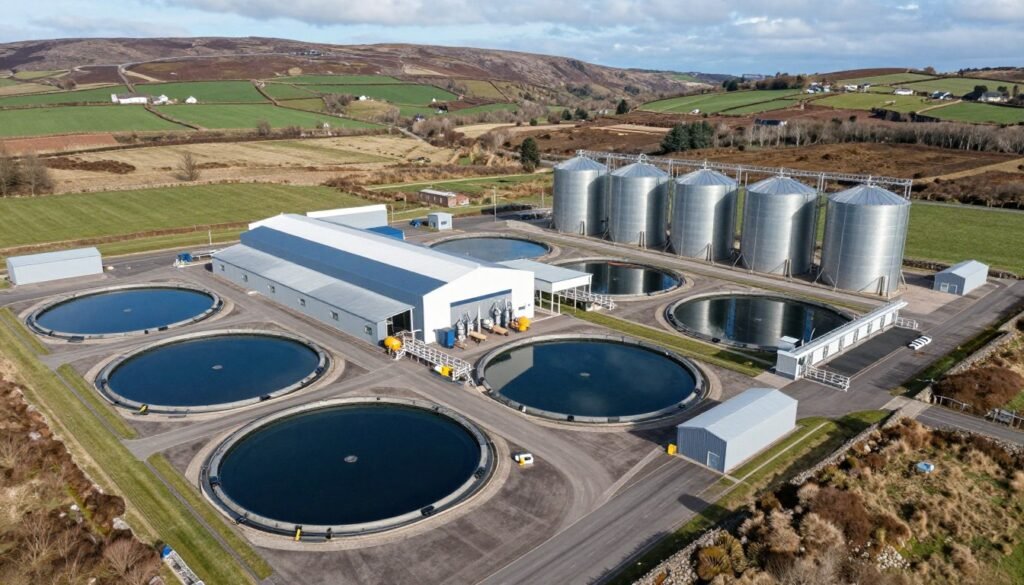
Equipment selection should prioritise operational fit over lowest price. Systems sized appropriately for current needs with expansion capability serve growing operations better than oversized initial installations. Supplier support infrastructure matters as much as equipment quality for long-term success.
Financial analysis demonstrating clear payback timelines justifies investment to stakeholders. Most UK operations recover capital within eighteen to thirty months through direct cost savings alone. Indirect benefits from supply security and quality control provide additional value difficult to quantify but nonetheless significant.
The decision to establish on-site feed production transformed our operation. We control costs, adjust formulations instantly, and never worry about supply disruptions. The investment paid for itself faster than projected. Our only regret is not implementing this solution sooner.
Careful planning during equipment selection and installation prevents common pitfalls. Engage experienced suppliers willing to customise solutions for specific constraints. Invest in proper operator training and maintain adequate spare parts inventory. These foundational elements determine whether projects deliver projected benefits or become ongoing frustrations.
The UK aquaculture sector continues growing despite economic uncertainties. Operations controlling their feed supply chains position themselves advantageously for future challenges. On-site production capability provides strategic flexibility responding to market changes and opportunities.
Become a MAIKONG UK Distributor or Agent
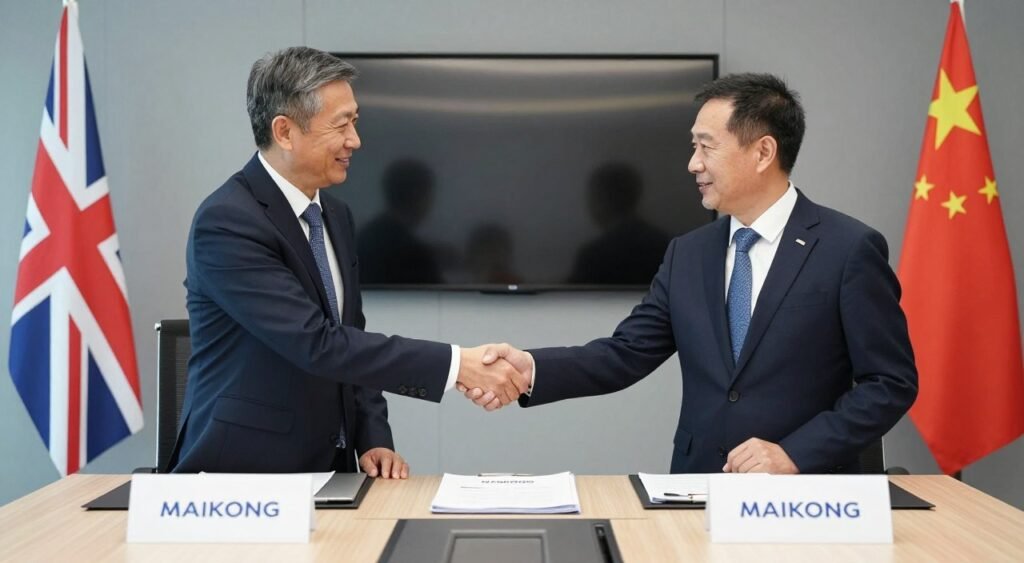
MAIKONG actively expands UK market presence through qualified distribution partners. We seek established agricultural equipment dealers, feed industry suppliers, and aquaculture service providers interested in representing premium feed production equipment.
Partner Programme Benefits:
- Exclusive territory opportunities across UK regions
- Comprehensive technical training at factory or UK locations
- Competitive distributor pricing with volume incentives
- Marketing support including brochures, videos, and website content
- Direct factory communication for technical support
- Co-branded equipment options for established brands
- Lead generation assistance and trade show participation
- Flexible terms for demonstration equipment
Ideal partners possess existing customer relationships in aquaculture, livestock farming, or feed manufacturing sectors. Technical service capability enhances value but is not mandatory—MAIKONG provides remote and on-site support as needed.
What We Offer Partners
- 22 years manufacturing experience and proven reliability
- Complete product range from 200KG to 200T/H capacity
- Customisation capability for unique requirements
- Competitive pricing enabling healthy margins
- Comprehensive technical documentation in English
- Responsive communication and support
- Global installation experience including UK projects
What We Seek in Partners
- Established business presence in UK agricultural sector
- Customer relationships with feed producers or farms
- Commitment to long-term market development
- Technical aptitude or service capability
- Financial stability for inventory investment
- Professional sales and support infrastructure
- Alignment with MAIKONG quality standards
MAIKONG welcomes enquiries from serious partners interested in building long-term relationships. Initial discussions explore market opportunities, support requirements, and mutual expectations. We invest in partner success through training, technical support, and collaborative market development.