
Poultry Feed Production Line: Complete UK Manufacturer’s Guide to Feed Mill Equipment and Solutions
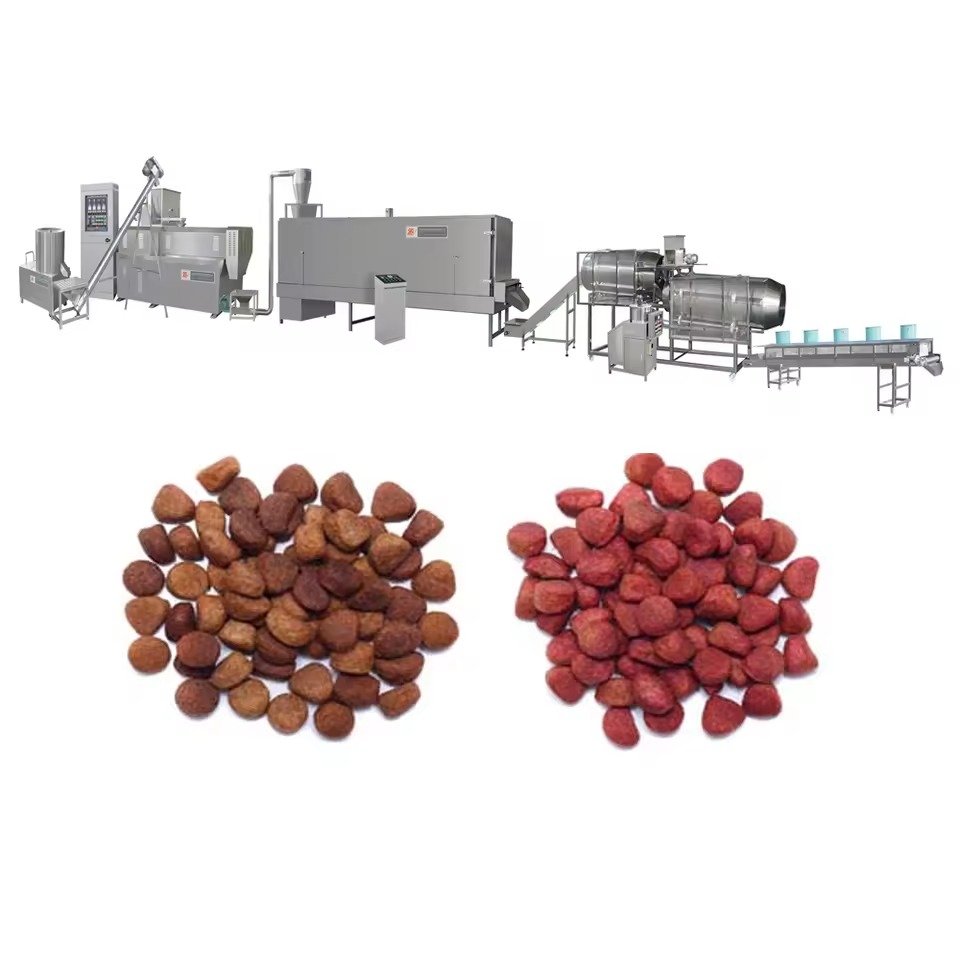
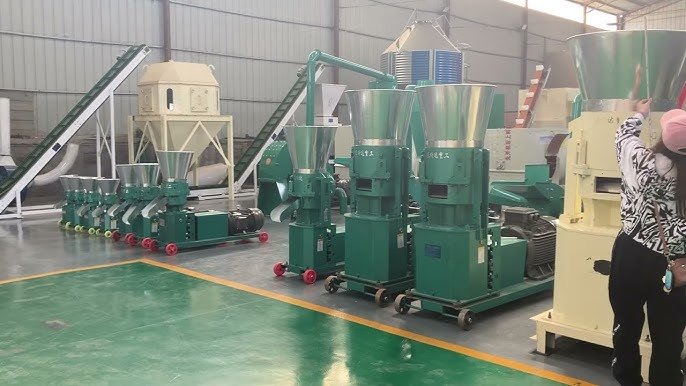
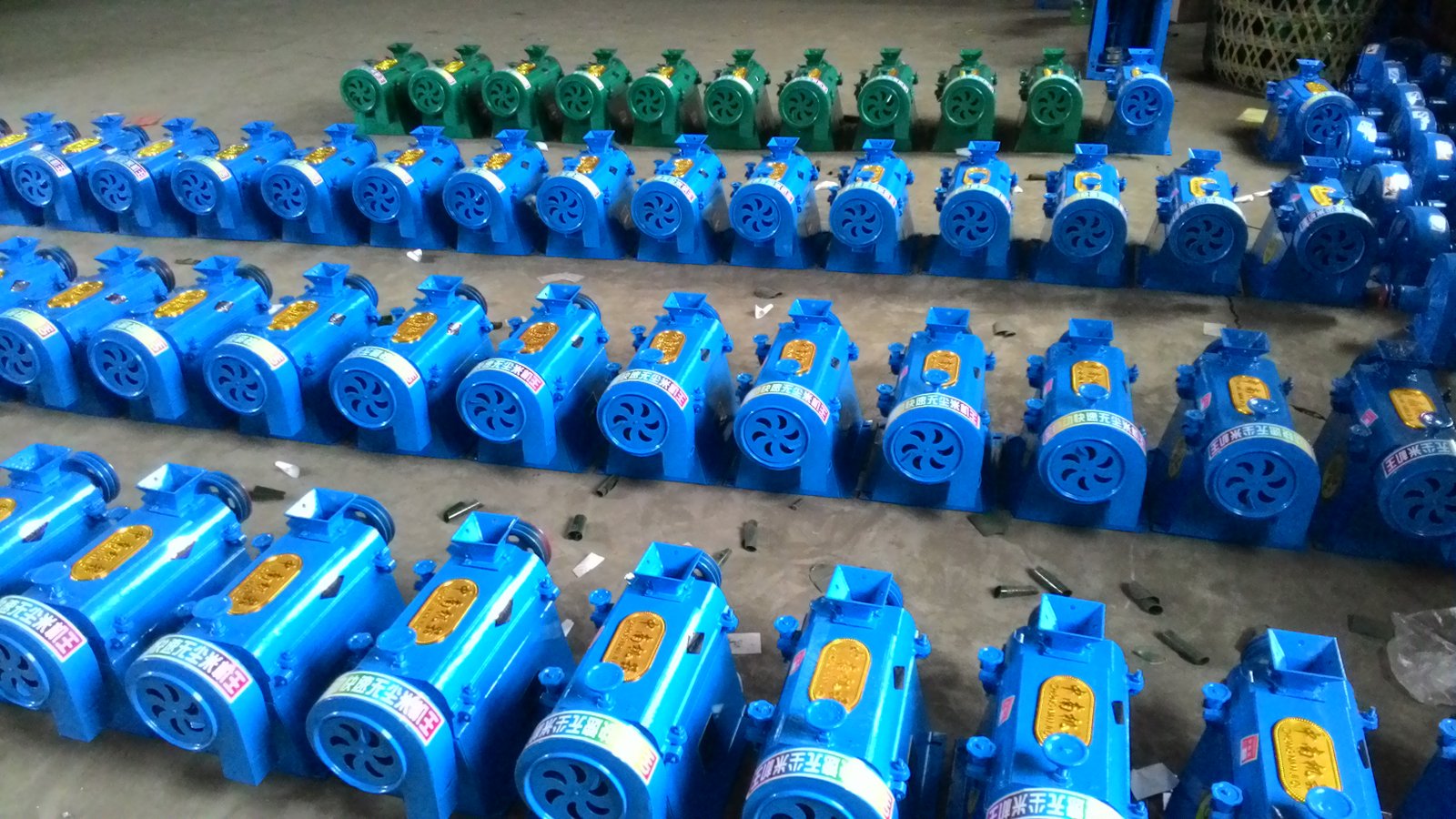
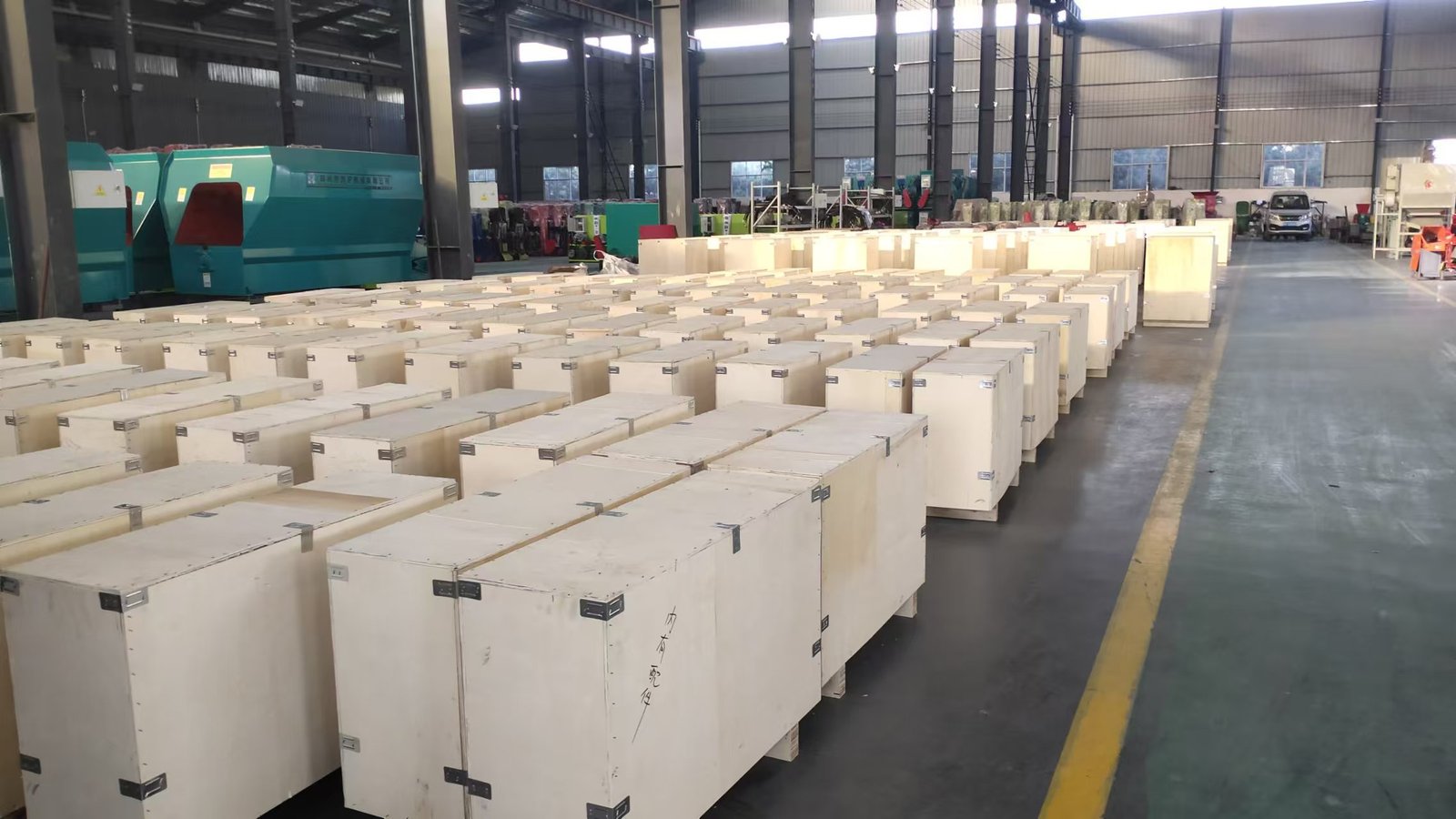
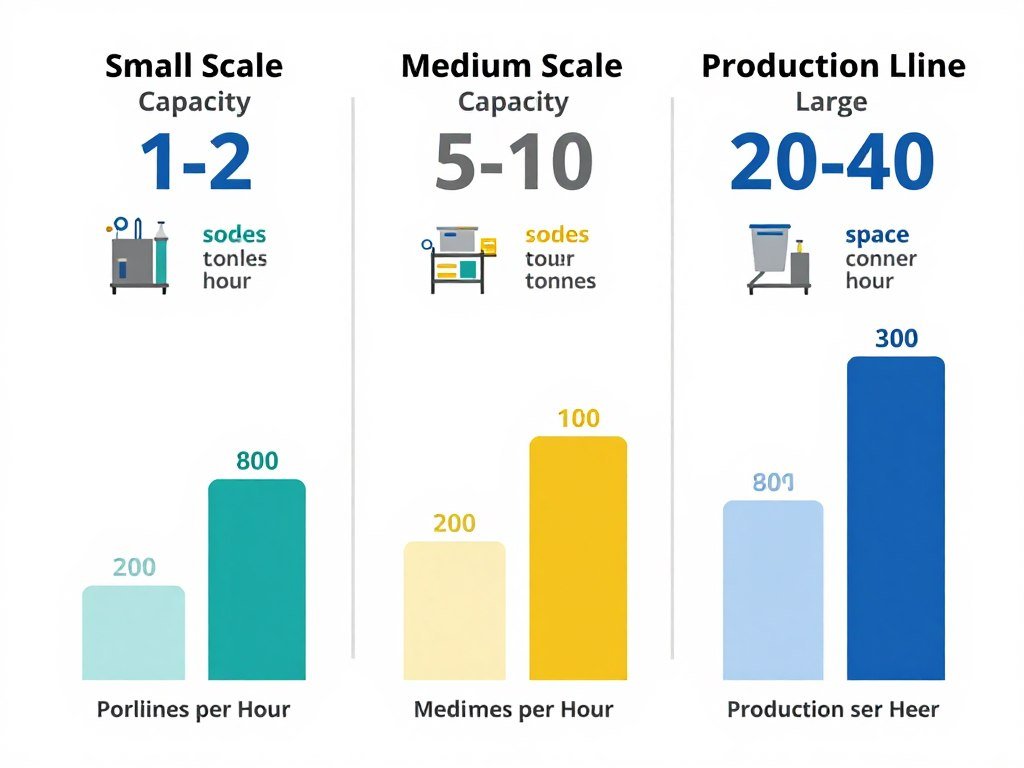
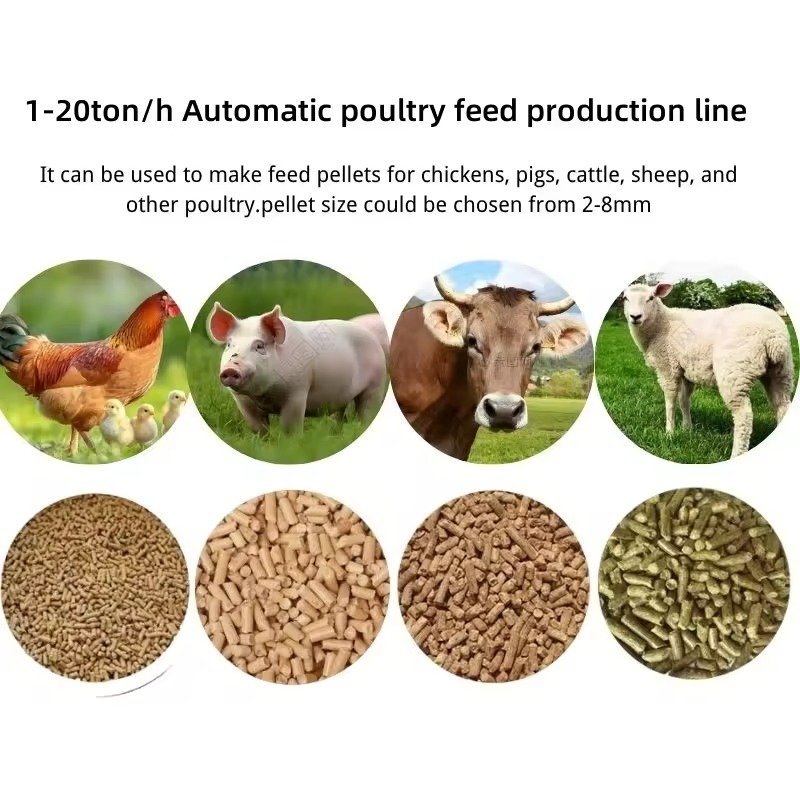 Selecting the right poultry feed production line represents a critical decision for UK feed mill owners and poultry farm operators. The equipment you choose directly impacts production capacity, feed quality, operational costs, and ultimately your profitability. With production demands ranging from small farm operations at 200 kilograms per hour to large commercial facilities processing 200 tonnes hourly, understanding the technical specifications and configuration options becomes essential for making an informed investment.
MAIKONG has manufactured animal feed production line equipment for 22 years, serving poultry producers across the United Kingdom and European markets. Our engineering team based in GD, SZ specialises in designing custom feed mill solutions that meet UK electrical standards, health and safety regulations, and production requirements specific to chicken, duck, goose, turkey, and game bird operations.
This comprehensive guide examines the complete feed manufacturing process, equipment components, capacity planning considerations, and technical specifications that UK buyers evaluate when sourcing poultry feed mill equipment. Whether you operate an existing facility requiring capacity upgrades or plan to establish a new feed production operation, this resource addresses the core questions facing today’s poultry feed manufacturers.
Understanding Poultry Feed Production Line Systems and Configurations
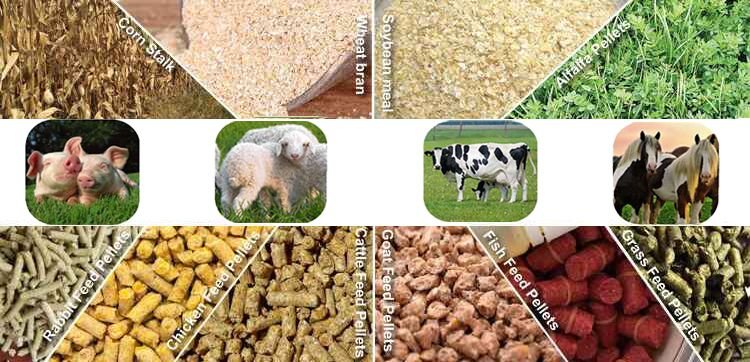
A poultry feed production line comprises integrated equipment that transforms raw agricultural ingredients into nutritionally balanced feed products. These systems process ingredients including maize, soybean meal, wheat bran, limestone, fishmeal, and vitamin premixes into various feed formats suitable for different poultry species and growth stages. UK operations typically produce pelleted feeds, mash feeds, or crumbled feeds depending on bird age and producer preferences.
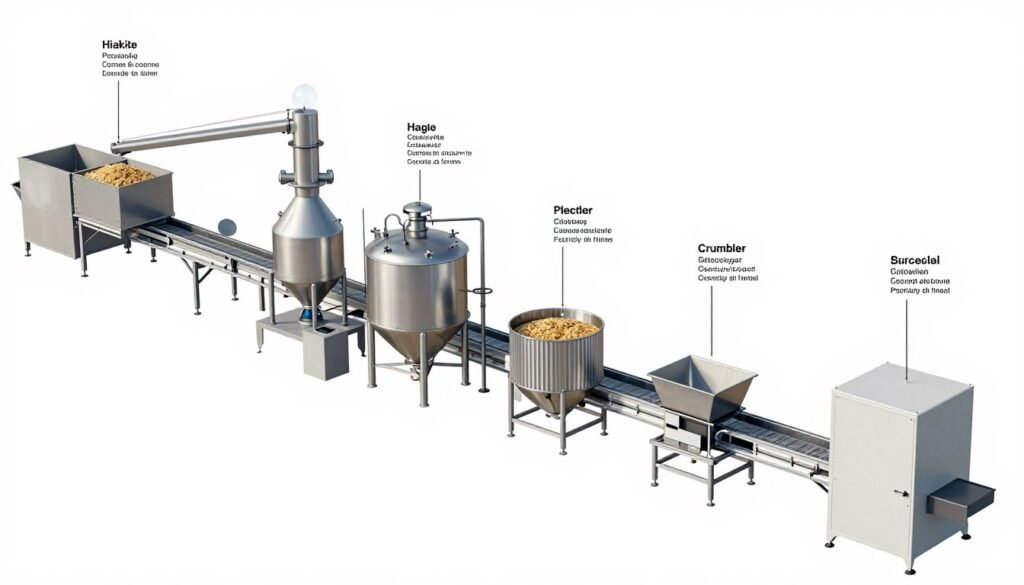
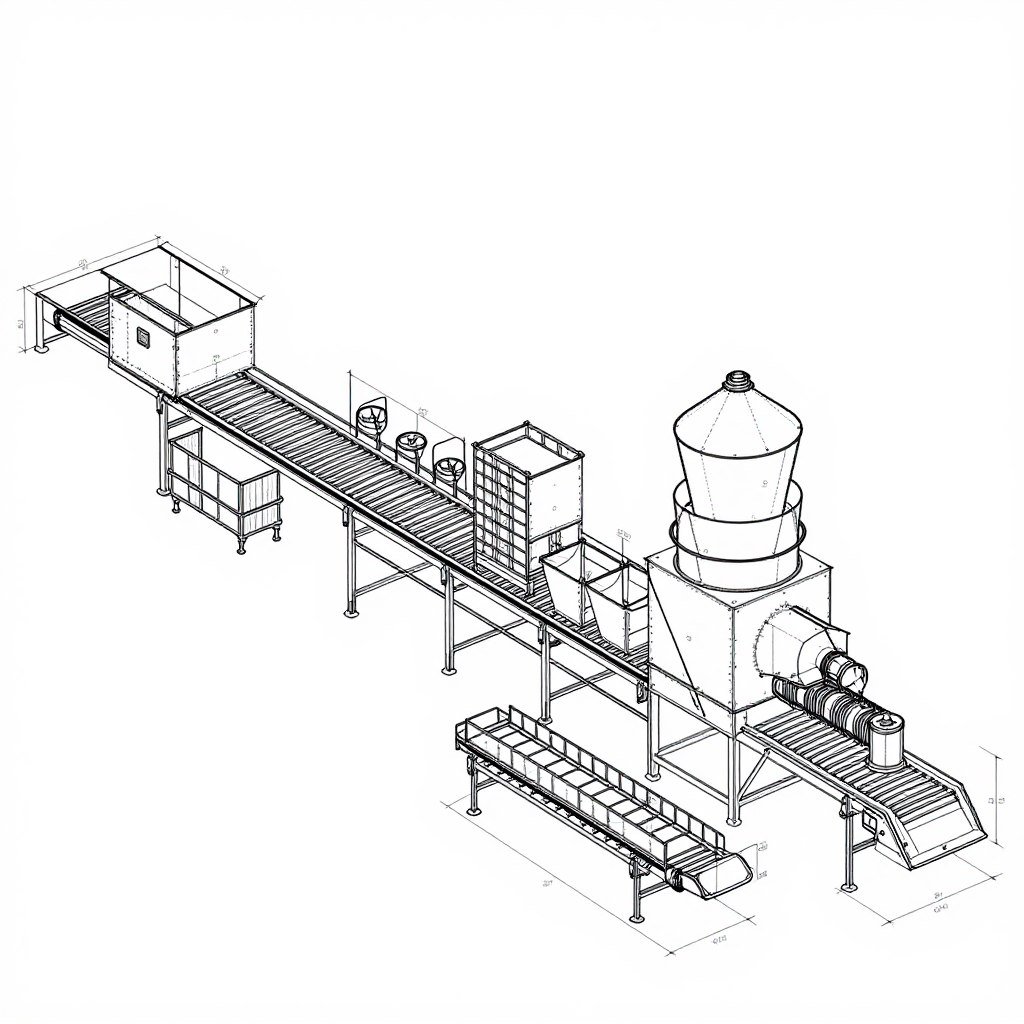
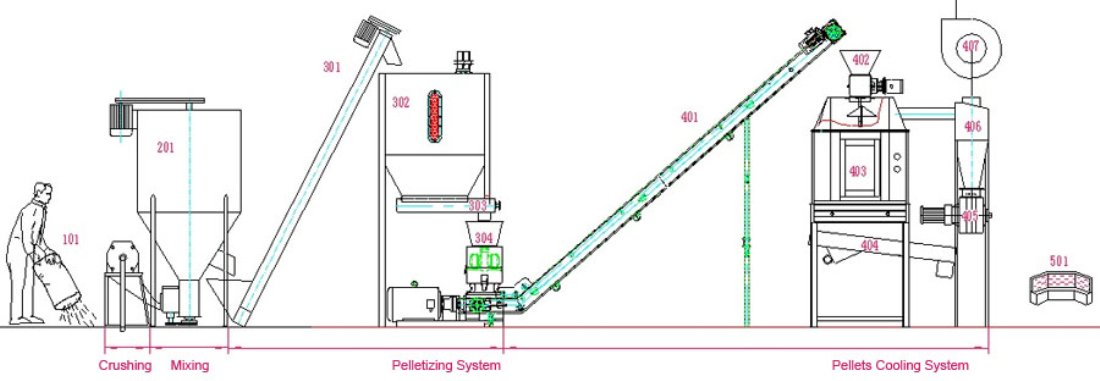
The fundamental production workflow follows a logical sequence. Raw materials enter through receiving systems equipped with cleaning mechanisms to remove contaminants. Grinding equipment reduces particle size for optimal digestibility and mixing uniformity. Batching systems measure precise ingredient quantities according to nutritional formulations. Mixing equipment ensures homogeneous distribution of all components. Pelleting systems apply heat, moisture, and pressure to form durable pellets. Cooling equipment stabilises pellets and reduces moisture content. Screening equipment removes fines and oversized particles. Finally, packaging systems prepare finished feed for storage or distribution.
Pelleted Feed Production Lines
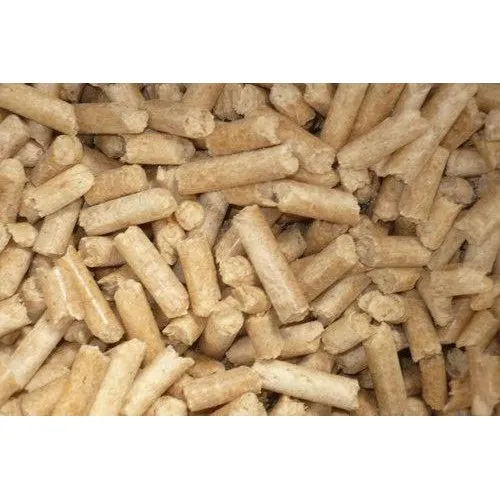
Pelleting operations represent the most common configuration in UK commercial facilities. These systems produce compressed cylindrical pellets ranging from 2mm to 10mm diameter. The pelleting process improves feed conversion efficiency, reduces ingredient segregation during handling, and minimises feed waste at the feeder. Pelleted feeds suit chickens, turkeys, ducks, and geese across all production stages from starter to finisher rations.
Mash and Crumble Production Lines
Mash feed production lines omit the pelleting equipment, producing loose ground feed mixtures. This simpler configuration reduces capital investment and operating costs. Crumble systems add equipment to break pellets into smaller particles suitable for young chicks. Many UK producers manufacture pellets and then crumble a portion for starter feeds, maximising equipment utilisation whilst meeting diverse product requirements.
Production capacity selection depends on multiple factors. Farm size and bird population determine daily feed requirements. Many UK operations size equipment for 10-20% above average daily needs, providing capacity buffers for peak demand periods. Feed sales operations require capacity calculations based on customer base and market penetration goals. Multi-species producers may need higher capacity ratings to accommodate diverse product changeovers and cleaning protocols between different feed production line runs.
Core Equipment Components in Modern Poultry Feed Production Lines
Each equipment component performs specific functions within the integrated production system. Understanding these individual pieces and their technical specifications enables informed equipment selection and optimal system design for your UK feed manufacturing operation.
Raw Material Reception and Pre-Cleaning Systems
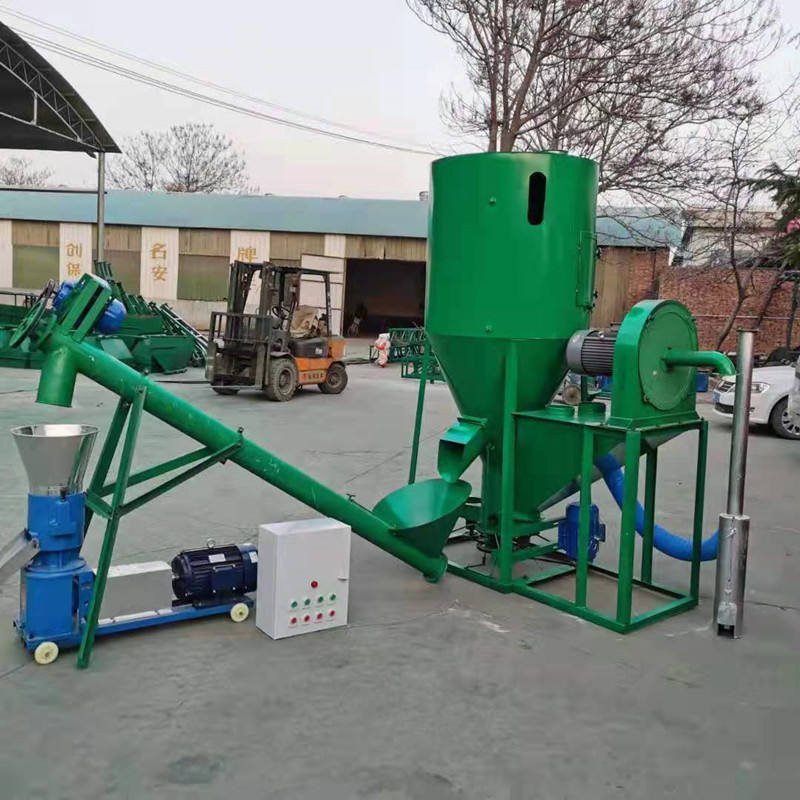
Reception equipment manages incoming ingredient delivery and initial quality control. Most UK installations utilise truck unloading pits with grated covers, preventing foreign material entry whilst allowing rapid discharge. Permanent magnet separators remove metallic contaminants that could damage downstream grinding equipment. Vibrating screen cleaners separate oversized materials, stones, and organic debris. Pre-cleaning systems typically handle 20-50 tonnes per hour, significantly exceeding production line capacity to minimise vehicle waiting times during delivery.
Storage silos maintain ingredient inventories between deliveries. Proper silo capacity prevents production interruptions whilst avoiding excessive ingredient aging. UK operations commonly size total storage for 7-14 days of production at normal operating rates. Steel silos with aeration systems and temperature monitoring protect ingredient quality. Many producers install separate silos for different ingredient categories, preventing cross-contamination and simplifying inventory management.
Grinding and Size Reduction Equipment
Grinding equipment reduces ingredient particle size for improved digestibility and mixing uniformity. Hammer mills represent the dominant technology in UK poultry feed production line installations. These machines use rotating hammers to impact ingredients against perforated screens. Screen hole diameter controls final particle size, typically 2mm to 4mm for poultry applications. Hammer mills process 3 to 25 tonnes hourly depending on model selection and ingredient characteristics.
The MAIKONG MK-L003 production line incorporates heavy-duty hammer mills with replaceable wear parts. Screen and hammer 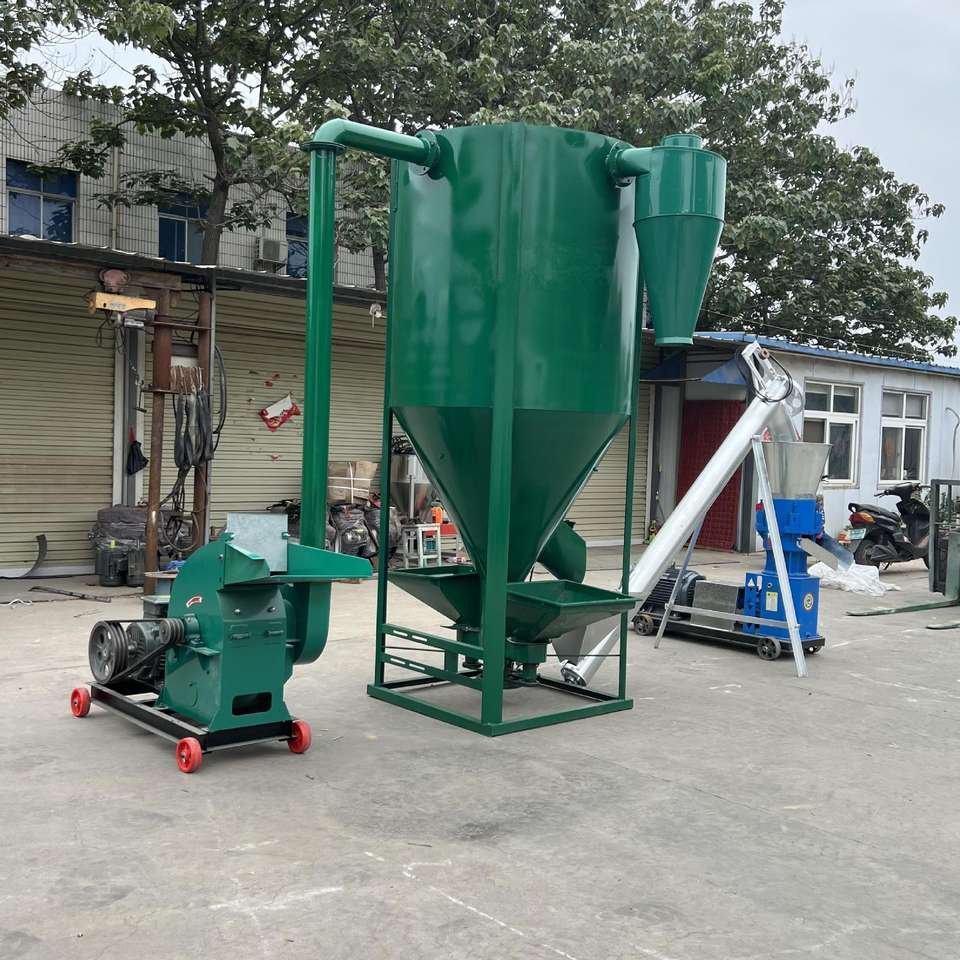 replacement schedules depend on throughput volume and ingredient abrasiveness. Maize grinding typically extends component life compared to processing whole grains with higher silica content. Proper hammer mill selection considers power requirements, with models consuming 30kW to 160kW to achieve rated capacity.
- Screen selection significantly impacts grinding efficiency and particle size distribution
- Hammer pattern and tip speed determine grinding action and energy consumption
- Air-assisted discharge systems improve material flow and reduce power draw
- Dust collection integration protects worker health and prevents ingredient loss
- Magnetic separation before grinding protects expensive hammer mill components
Batching and Weighing Systems
Accurate ingredient measurement ensures consistent feed formulation and nutritional content. Modern UK feed mills employ electronic batching scales interfaced with computer control systems. These platforms weigh individual ingredients to 0.1% accuracy before discharge into mixing equipment. Multi-scale configurations enable simultaneous batching of macro ingredients and micro components, reducing cycle times in high-capacity operations.
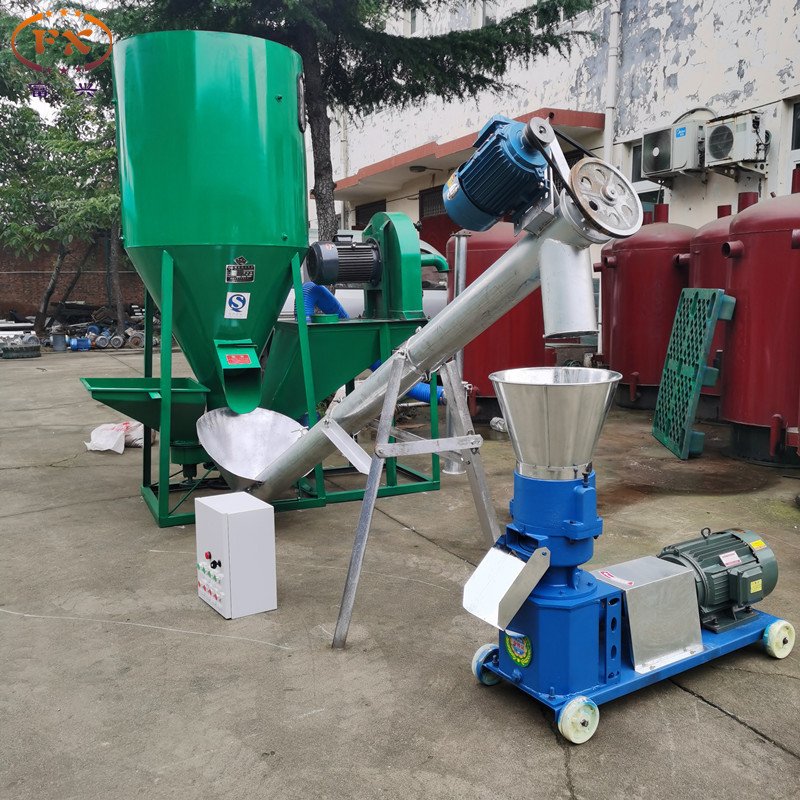
Batching system capacity must align with mixer capacity and production schedule requirements. A 1000kg batch mixer typically requires batching scales handling 50kg to 500kg depending on ingredient inclusion rates. Liquid addition systems meter oils and molasses through volumetric or mass flow meters. These additives improve pellet quality and dust control whilst adding nutritional energy to formulations.
Mixing Equipment for Homogeneous Feed Production
Mixing equipment distributes ingredients uniformly throughout each batch. UK feed pellet production line installations predominantly use horizontal ribbon mixers or paddle mixers. These designs achieve mixing coefficients of variation below 5% in cycle times of 4 to 8 minutes. Proper mixing ensures each bird receives intended nutrition, regardless of feed particle consumption patterns.
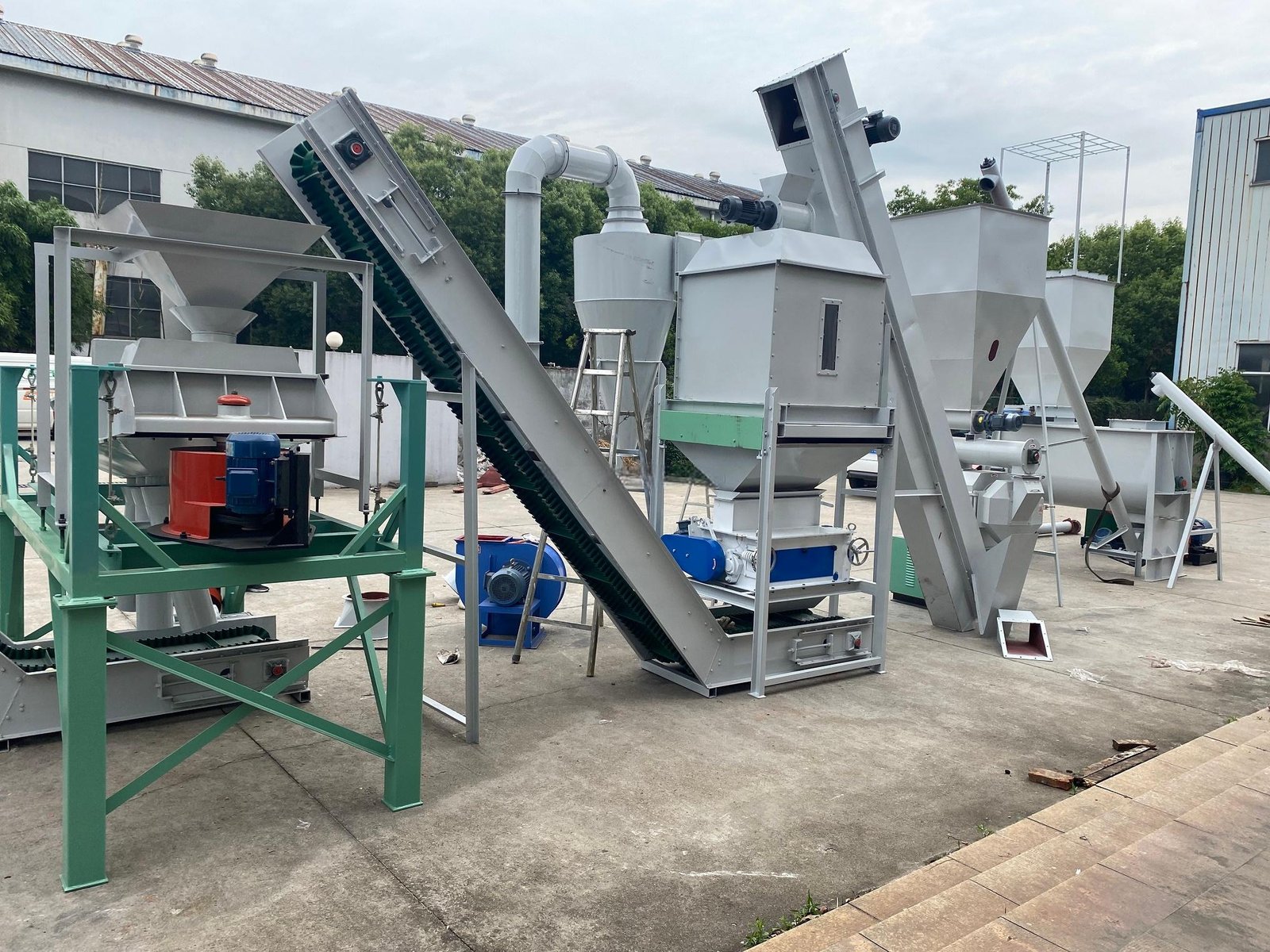
Mixer selection considers batch size, ingredient characteristics, and production scheduling. Small operations may batch 250kg to 500kg, whilst large commercial mills mix 2000kg to 4000kg per cycle. Mixer capacity directly impacts production rate, as hourly throughput equals batch weight divided by total cycle time including loading, mixing, and discharge operations. Multi-mixer installations allow continuous production whilst one unit undergoes cleaning between formulation changes.
MAIKONG manufacturing systems incorporate mixers with smooth interior surfaces and wide discharge doors. These design features facilitate complete discharge and rapid cleaning, critical factors when producing multiple feed formulations or switching between medicated and non-medicated products subject to UK regulatory requirements.
Pelleting, Cooling, and Finishing Operations
Pellet Mill Technology and Process Parameters
Pellet mills form the heart of pelleted feed manufacturing systems. These machines compress conditioned mash through die holes using mechanical pressure from rotating rollers. The MAIKONG MK-L003 system employs ring die pellet mills, the industry standard for commercial poultry feed production. Ring die technology offers superior capacity, durability, and pellet quality compared to flat die alternatives commonly found in smaller farm-scale operations.
Steam conditioning precedes pelleting, adding moisture and heat to feed mash. This process gelatinises starches, improving pellet durability whilst enhancing nutrient digestibility. UK operations typically condition at 70-85°C with 14-16% final moisture content entering the pellet die. Conditioning time ranges from 30 to 90 seconds depending on formula composition and desired pellet characteristics.
Critical Pelleting Parameters
- Die hole diameter: 2mm to 10mm depending on bird age
- Die thickness: 40mm to 90mm affecting pellet length and durability
- Production rate: 1 to 42 tonnes per hour based on model selection
- Power consumption: 22kW to 315kW for different capacity ratings
- Steam pressure: 2 to 4 bar for optimal conditioning results
- Mash feed rate: Must match pellet mill rated capacity
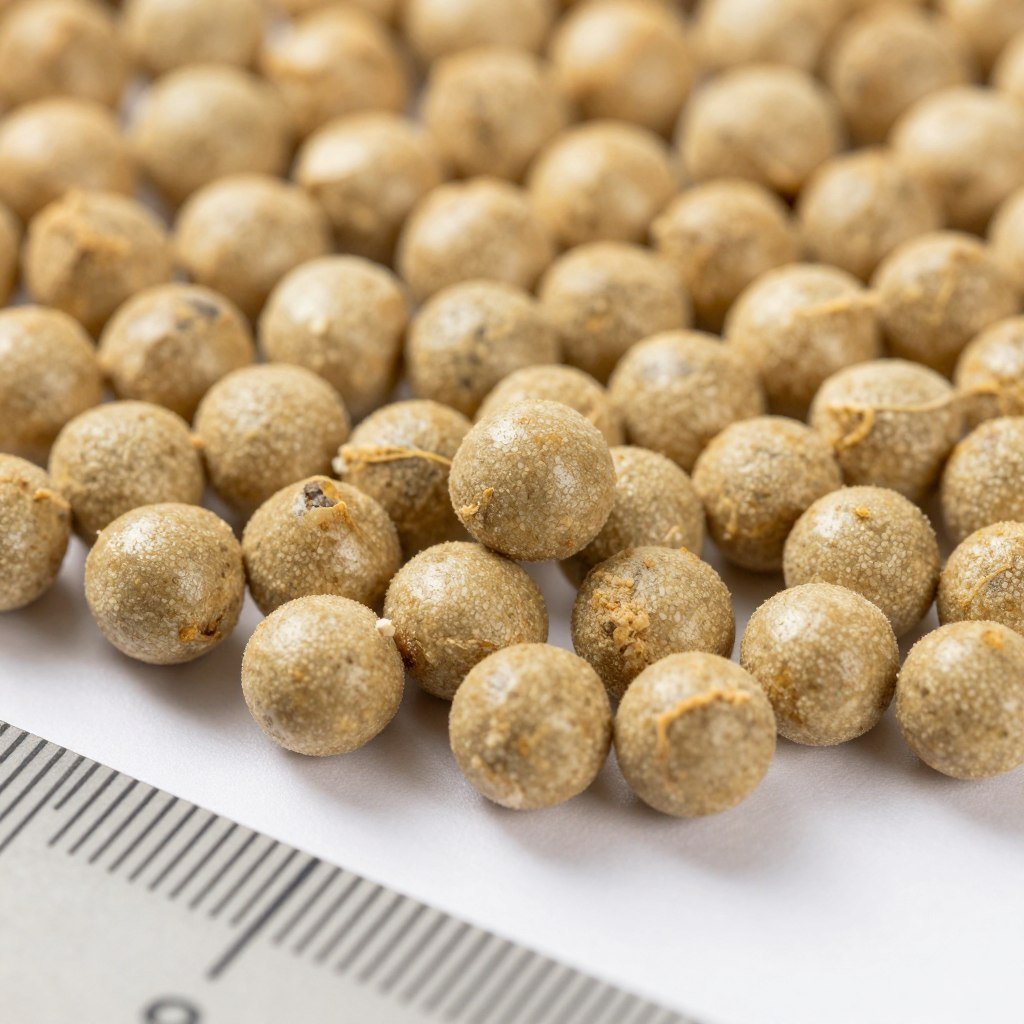
Die selection significantly impacts production efficiency and pellet quality. Smaller diameter holes produce higher density pellets with improved durability but reduce production rate and increase power consumption. UK producers typically use 3mm to 4mm dies for broiler starter feeds, 4mm to 5mm for grower rations, and 5mm to 7mm for finisher and layer feeds. Die wear occurs gradually, with replacement intervals ranging from 500 to 2000 operating hours depending on formula abrasiveness and die quality.
Cooling Systems and Moisture Management
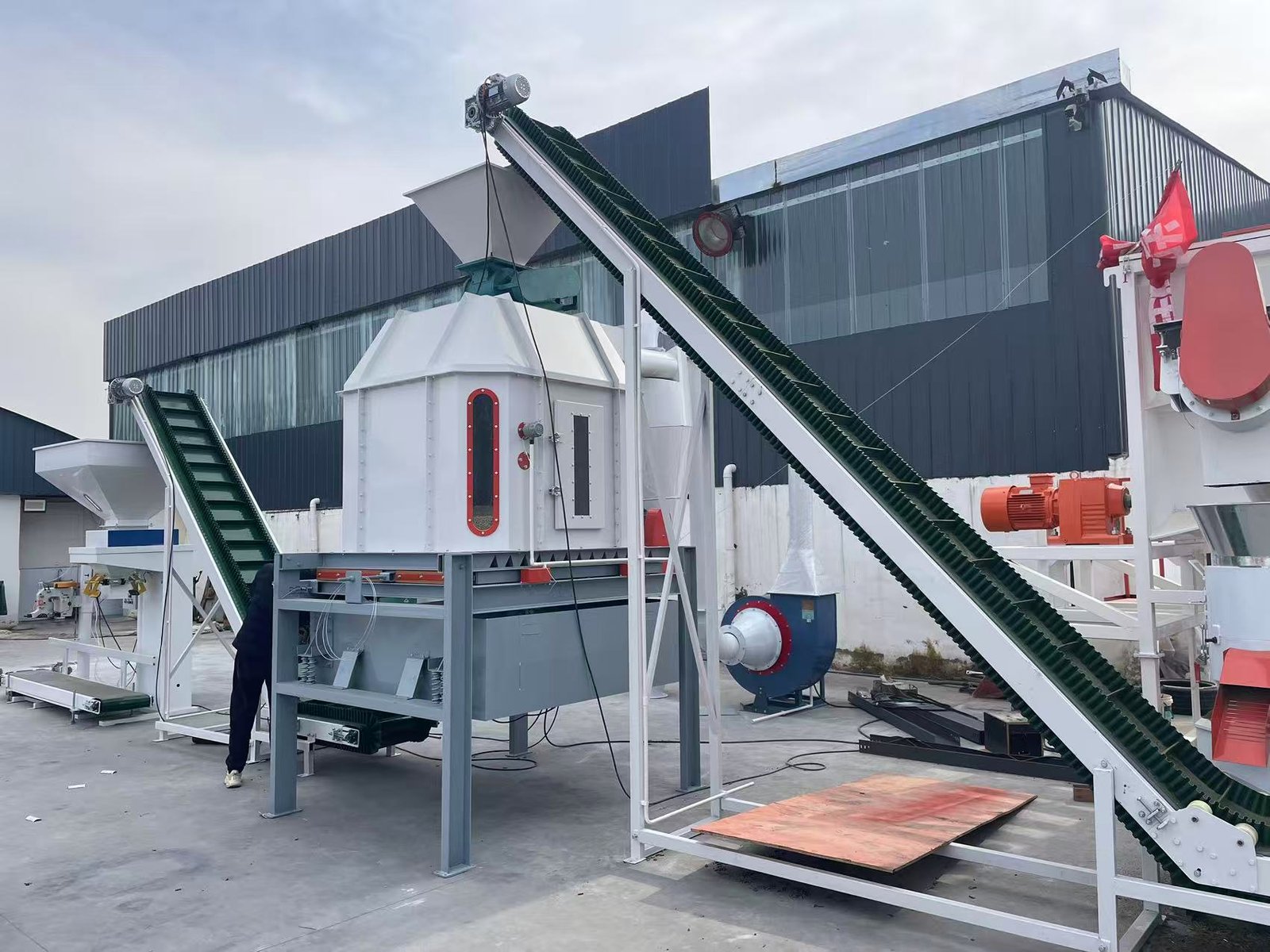
Pellets exit the die at 75-90°C with elevated moisture content. Immediate cooling prevents pellet deformation, moisture condensation in storage, and microbial growth. Counterflow coolers represent the technology standard in UK commercial installations. These vertical units pass ambient air upward through descending pellets, removing heat and moisture simultaneously. Cooling time ranges from 8 to 15 minutes, reducing pellet temperature to within 5°C of ambient whilst lowering moisture content to 11-13%.
Cooler capacity must exceed pellet mill production rate. Most UK operations size coolers for 125-150% of maximum pellet mill output, ensuring adequate residence time during peak production conditions or high ambient temperature periods. Proper air distribution prevents hot spots and ensures uniform cooling across the entire pellet batch. Temperature sensors monitor discharge pellet temperature, alerting operators to inadequate cooling that could compromise storage stability.
Crumbling and Screening for Size Specification
Crumbling equipment breaks cooled pellets into smaller particles suitable for young chicks and poults. Roller mills with adjustable gap settings control final crumble size. UK starter feeds typically require 2mm to 4mm crumbles, whilst grower crumbles range from 4mm to 6mm. Crumbling capacity of 3 to 8 tonnes per hour suits most small to medium poultry feed mill operations.
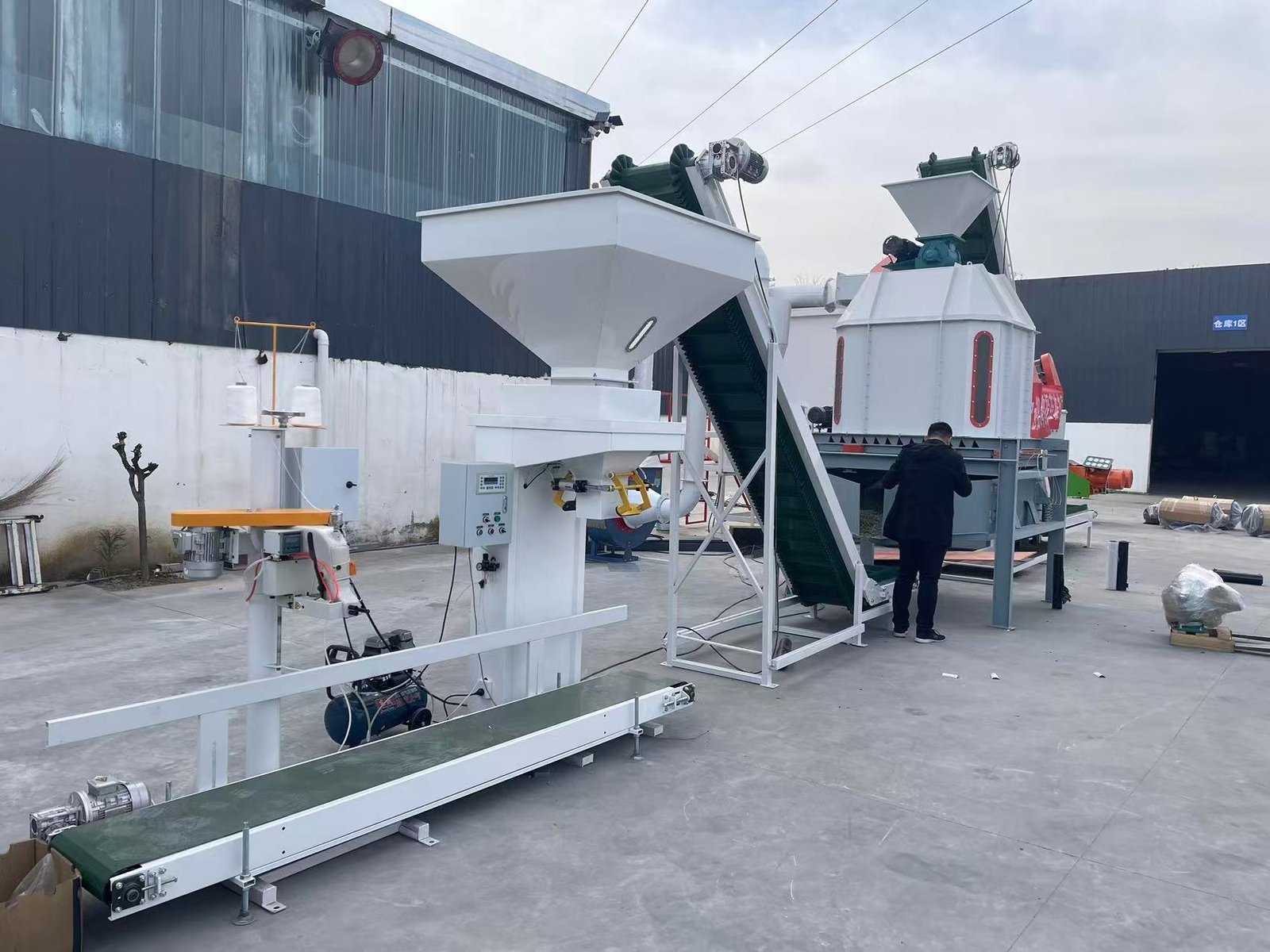
Vibrating screens classify finished products and remove fines. Multi-deck screen systems separate oversized material for reprocessing, on-specification product for packaging, and undersized fines for recycling to the mixer. Screen mesh sizes match target particle specifications. Proper screening ensures product uniformity and reduces customer complaints regarding excessive fines or dust. Screening capacity typically ranges from 3 to 20 tonnes hourly, adequately handling production from most UK poultry feed lines.
Request Detailed Technical Specifications
Our engineering team provides customised equipment specifications, capacity calculations, and power requirements for your specific poultry feed production requirements. Contact MAIKONG today for technical consultation on pelleting equipment, cooling systems, and complete production line configurations suitable for UK operations.
Capacity Planning and Production Line Sizing for UK Operations
Determining appropriate production capacity requires careful analysis of current requirements and future growth projections. Undersized equipment creates production bottlenecks, limiting business expansion and requiring costly retrofits. Oversized installations waste capital and operate inefficiently at low utilisation rates. UK feed mill planners typically target 70-80% average capacity utilisation, providing headroom for peak demand whilst maintaining efficient operating economics.
Calculating Feed Requirements
Poultry feed consumption varies by species, age, production system, and seasonal factors. UK broiler operations typically consume 1.7 to 1.9 kg feed per kilogram live weight gain. A 20,000 bird broiler house with 6-week production cycles requires approximately 75 tonnes of feed per flock. Layer operations consume 110 to 120 grams daily per bird, totaling 40 to 45 tonnes annually per 1000 layers. These consumption figures guide production line sizing decisions.
| Production Line Capacity | Typical Application | Birds Supported | Power Requirement | Installation Space | Investment Range (GBP) |
| 1-2 Tonnes/Hour | Small farm, single-house operation | 10,000-30,000 broilers | 47-75 kW | 300-500 m² | £8,000-£40,000 |
| 3-5 Tonnes/Hour | Multi-house farm, small commercial mill | 50,000-100,000 broilers | 68-165 kW | 400-800 m² | £50,000-£100,000 |
| 8-10 Tonnes/Hour | Regional feed manufacturer | 150,000-300,000 broilers | 125-259 kW | 800-1500 m² | £120,000-£240,000 |
| 15-20 Tonnes/Hour | Commercial feed mill, multiple customers | 400,000-700,000 broilers | 358-545 kW | 1500-2500 m² | £200,000-£460,000 |
| 30-40 Tonnes/Hour | Large commercial mill, integrated poultry company | 1,000,000+ broilers | 545-870 kW | 2500-4000 m² | £360,000-£680,000 |
Production scheduling impacts capacity requirements significantly. Operations producing single formulations continuously require less capacity than facilities manufacturing multiple products with frequent changeovers. Cleaning time between medicated and non-medicated feeds, starter and finisher rations, or different species feeds reduces effective production time. UK mills commonly allocate 15-25% of available operating hours for changeovers and maintenance in multi-product facilities.
Space Requirements and Facility Layout
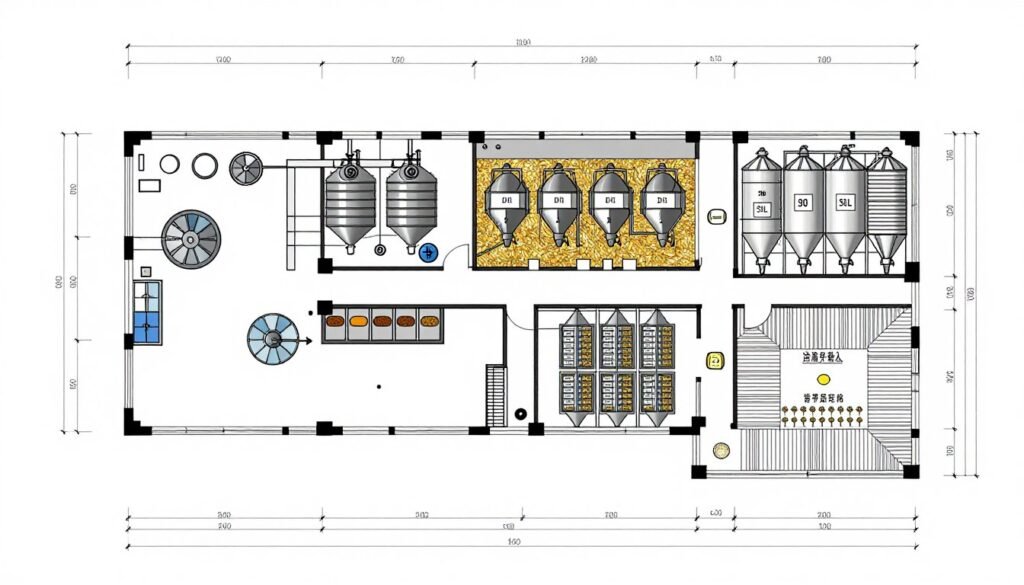
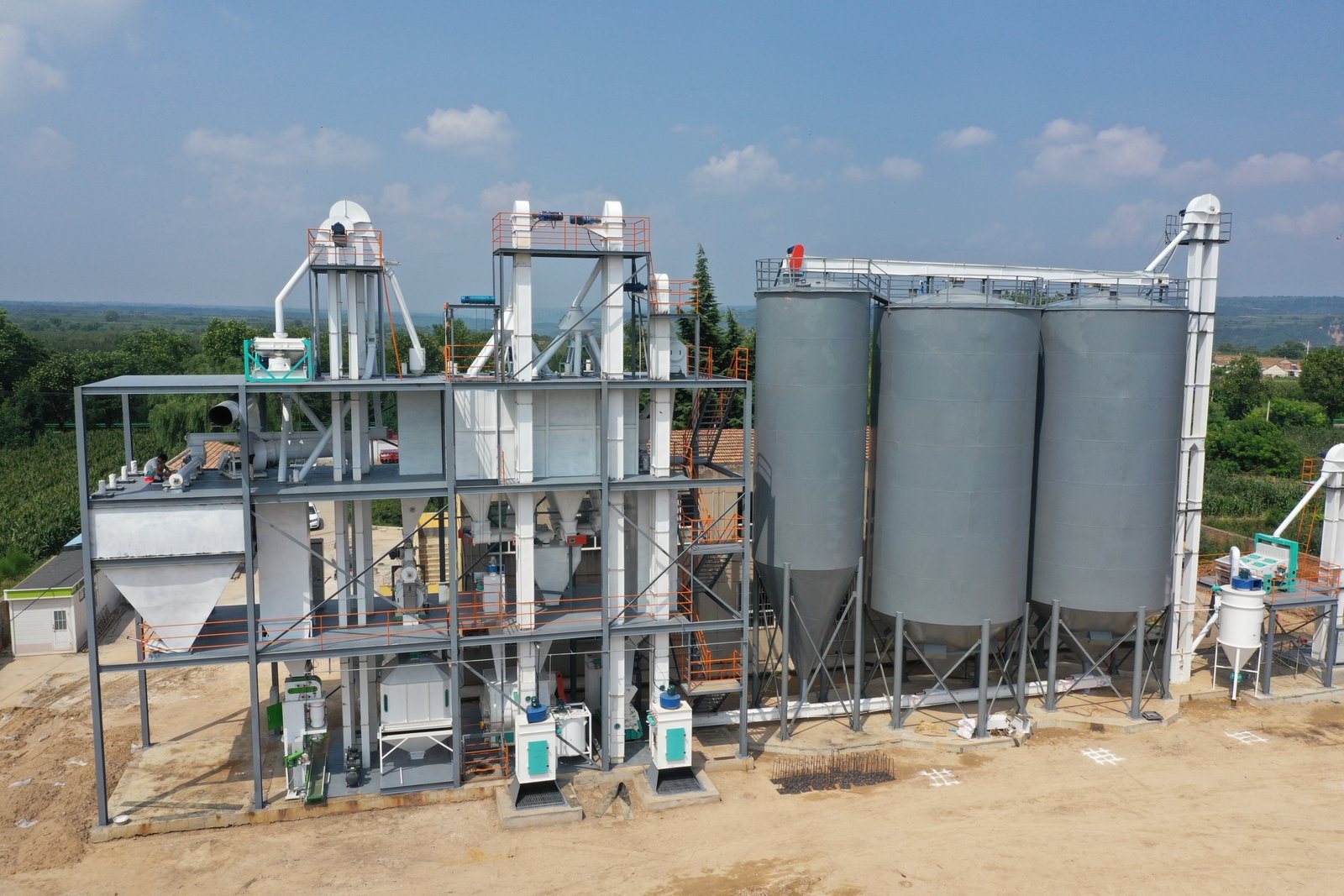
Adequate facility space enables efficient material flow, safe equipment operation, and future expansion capacity. Small 1-2 tonne per hour lines require 300-500 square metres including ingredient storage, production area, and finished product warehousing. Large commercial installations of 30-40 tonnes hourly need 2500-4000 square metres for equivalent functions. Vertical production line designs reduce floor space requirements by stacking equipment, though increased building height adds structural costs.
UK planning regulations require consideration of noise, dust, traffic, and operational hours when siting feed manufacturing facilities. Adequate separation from residential areas prevents neighbour complaints. Access for ingredient delivery vehicles and finished feed distribution requires suitable road connections and turning areas. Three-phase electrical service and adequate transformer capacity must serve peak power demands from multiple large motors operating simultaneously.
Addressing Common Operational Challenges in Feed Manufacturing
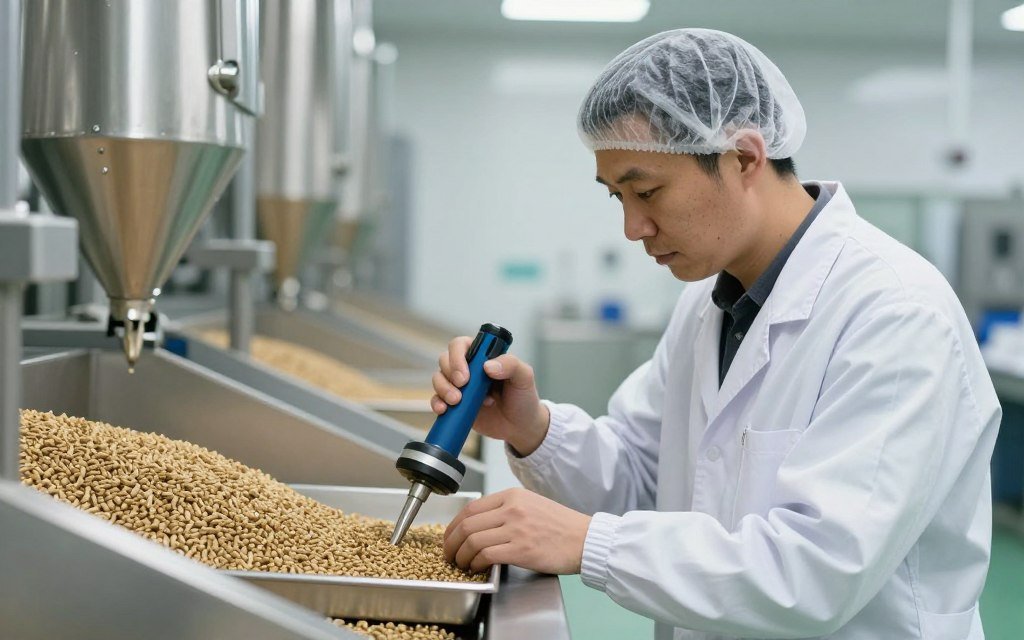
UK poultry feed production line operators encounter recurring technical challenges that impact productivity, product quality, and profitability. Understanding these issues and implementing preventive measures reduces downtime and maintains consistent feed quality.
Pellet Quality Issues
Poor pellet durability creates excessive fines during handling and storage. UK producers target pellet durability index values exceeding 95% for commercial operations. Low durability results from inadequate conditioning, incorrect die specification, worn die and rollers, or inappropriate formulation characteristics. Proper steam conditioning temperature and time, combined with correct die selection for formula composition, prevents most durability problems. Regular die and roller replacement maintains compression effectiveness.
Material Blockage Prevention
Feed ingredients and finished products occasionally bridge in bins, hoppers, and conveyors. Material blockages halt production and require manual intervention. Proper bin design with adequate cone angles prevents bridging. Vibrators or mechanical agitators maintain material flow in problematic areas. UK operations install bin level indicators and blockage detection systems for early problem identification before complete flow stoppage occurs.
Dust and Emission Control
Feed manufacturing generates significant dust during grinding, conveying, and handling operations. UK health and safety regulations require effective dust control protecting worker health. Properly designed dust collection systems capture airborne particles at generation points. Cyclone separators return collected product to the process whilst fabric filters capture fine particles before atmospheric discharge. Regular filter maintenance maintains collection efficiency.
Equipment Maintenance and Spare Parts Management
Planned maintenance prevents unexpected breakdowns that interrupt production schedules. UK feed mills typically implement preventive maintenance programs addressing wear items before failure. Hammer mill screens and hammers require replacement after processing 500-2000 tonnes depending on ingredient characteristics. Pellet mill dies and rollers need replacement every 1000-3000 tonnes based on formula abrasiveness. Mixer ribbon wear develops gradually, with replacement intervals of 3000-5000 tonnes common in UK operations.
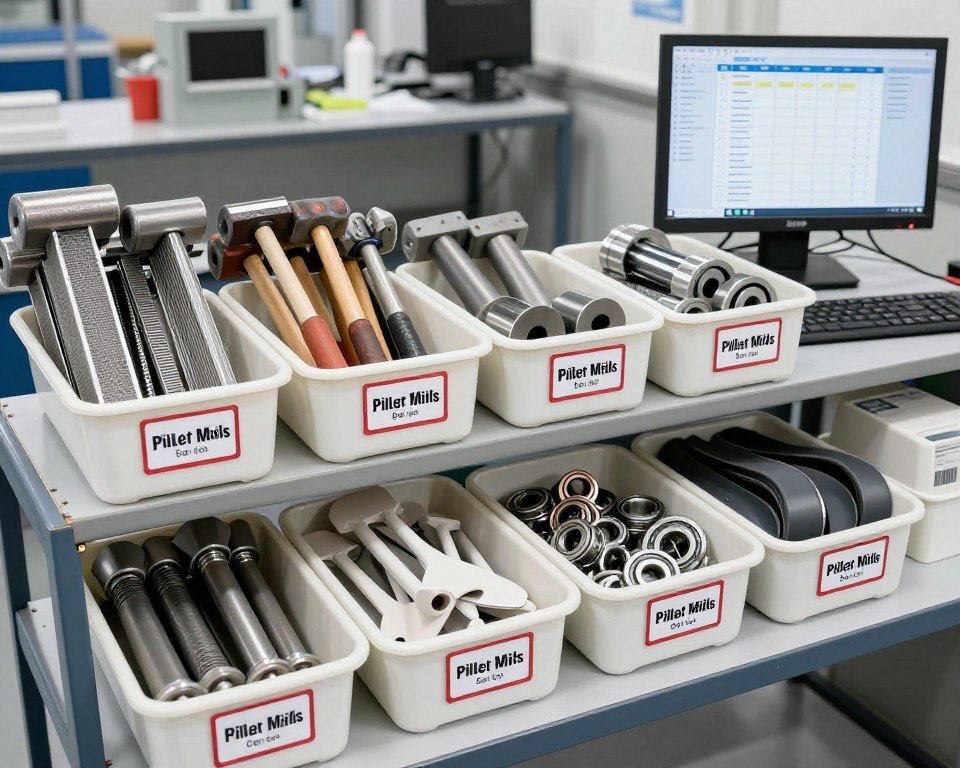
MAIKONG maintains spare parts inventory for all equipment supplied in MK-L003 production lines. Critical wear components ship with initial equipment delivery, enabling immediate replacement when needed. UK operations commonly stock 1-2 spare sets of hammer mill screens and hammers, one spare pellet die, and roller replacement sets. This inventory level prevents production interruptions whilst avoiding excessive capital tied up in spare parts.
- Document equipment maintenance schedules based on operating hours and throughput tonnage
- Train multiple staff members on routine maintenance procedures and part replacement
- Establish relationships with equipment suppliers for rapid spare parts delivery
- Implement condition monitoring for early detection of developing equipment problems
- Maintain detailed maintenance records supporting warranty claims and troubleshooting
UK Feed Manufacturing Compliance and Regulatory Considerations
Feed manufacturers operating in the United Kingdom must comply with comprehensive regulations governing ingredient sourcing, production practices, product labelling, and facility standards. The Animal Feed Regulations implement UK requirements derived from retained EU legislation following Brexit. Understanding these obligations ensures legal operation and protects your business from regulatory penalties.
Registration and Approval Requirements

All UK feed manufacturing facilities require registration with the appropriate authority in England, Scotland, Wales, or Northern Ireland. The Animal and Plant Health Agency administers the registration system in England. Premises manufacturing feeds containing additives or premixtures require approval in addition to basic registration. Applications demonstrate that facilities meet structural standards, implement adequate quality controls, and employ technically competent personnel.
HACCP-based food safety management systems represent mandatory requirements for UK feed manufacturers. These systems identify hazards, establish critical control points, and implement monitoring procedures ensuring feed safety. Documented HACCP plans demonstrate compliance during regulatory inspections. Many UK producers implement third-party certification programs such as FEMAS (Feed Materials Assurance Scheme) or UFAS (Universal Feed Assurance Scheme) demonstrating commitment to quality standards exceeding minimum legal requirements.
Electrical and Safety Standards
UK electrical installations must comply with BS 7671 wiring regulations. Industrial equipment operates on 400V three-phase electrical supply with proper earthing and residual current protection. The MAIKONG MK-L003 animal feed production line manufacturer configures all electrical systems for UK voltage standards and safety requirements. Control panels incorporate emergency stops, motor overload protection, and indicator lights meeting UK workplace safety expectations.
Health and Safety Executive guidelines govern workplace safety in feed manufacturing facilities. Proper machine guarding prevents access to dangerous moving parts. Elevated work platforms require fall protection systems including guardrails and toe boards. Confined space entry procedures protect workers accessing bins and silos. Regular equipment inspection and maintenance records demonstrate ongoing safety compliance. UK operators must provide appropriate personal protective equipment including hearing protection, dust masks, and safety footwear for all employees working in feed production areas.
MAIKONG Poultry Feed Production Line Success Cases Across Global Markets
MAIKONG has supplied poultry feed production line equipment to customers across five continents over 22 years of manufacturing experience. These installations demonstrate our engineering capability, equipment reliability, and commitment to customer success in diverse operating environments.
European Market Installations
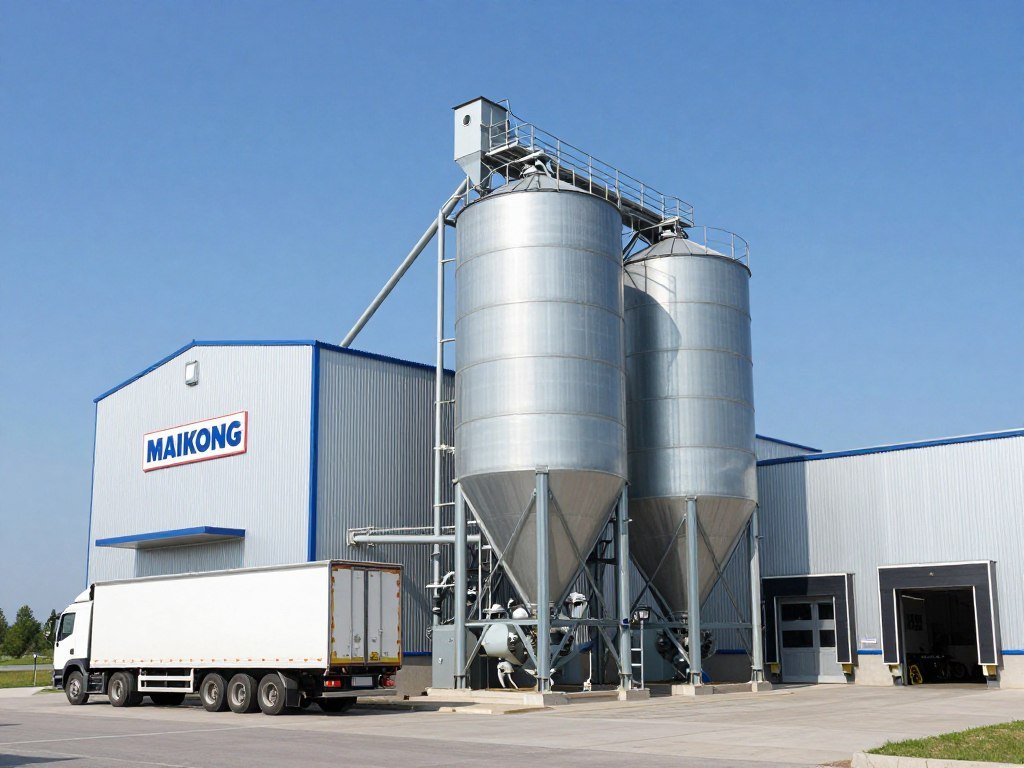
A Romanian poultry integrator selected a 15 tonne per hour MAIKONG system to support their growing broiler production operation. The installation processes 120 tonnes daily of starter, grower, and finisher feeds for 500,000 birds. Steam conditioning and ring die pelleting ensure high durability pellets that minimise feed waste during grow-out. The client reported feed conversion improvements of 0.08 points compared to their previous mash feeding system, generating substantial economic returns from the equipment investment.
Poland Layer Feed Operation
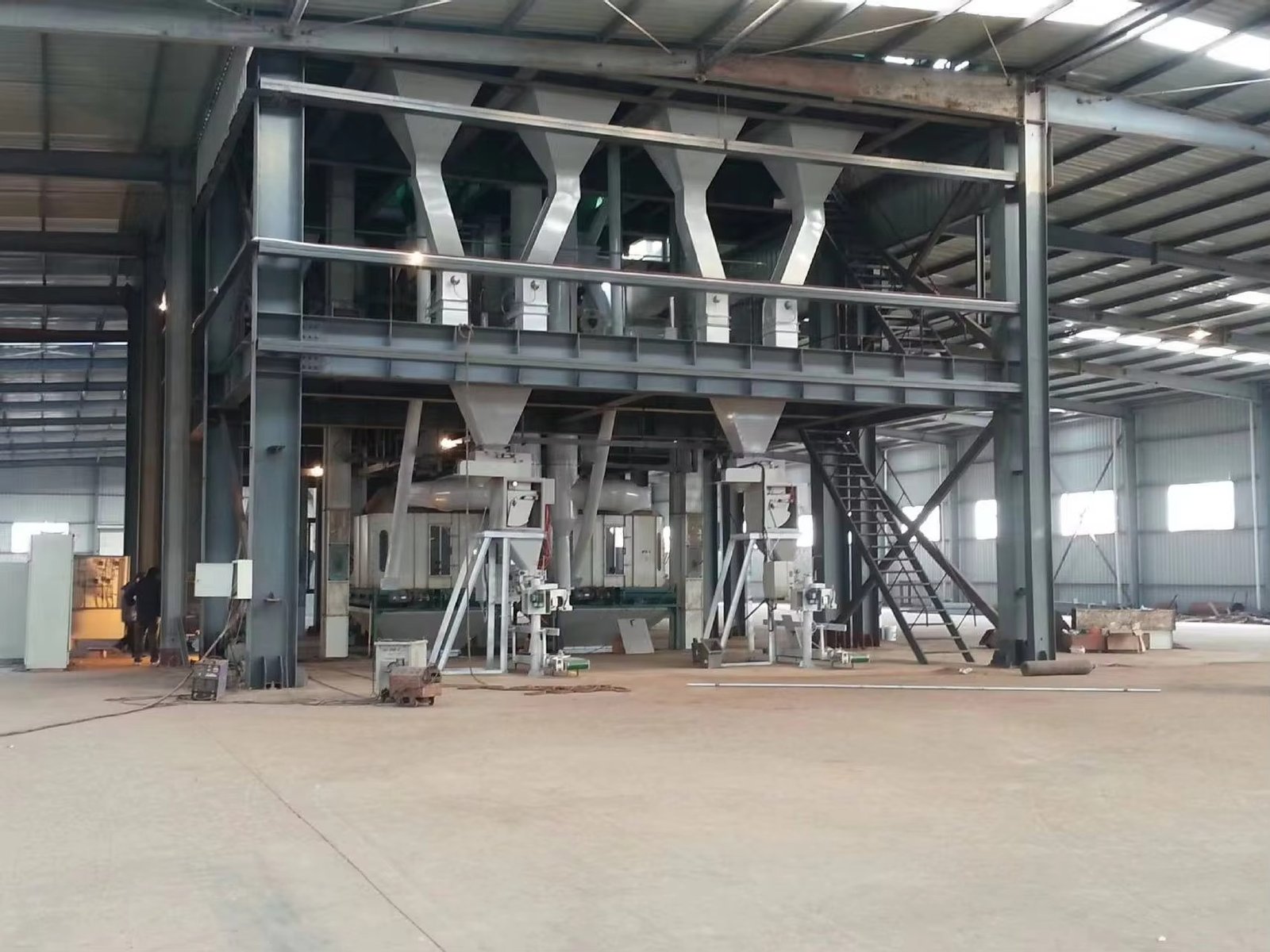
A 5 tonne per hour line supplies 15 layer farms totaling 200,000 birds. The operation produces crumbled feeds for pullets and pelleted layer rations. Multiple formulations accommodate different production stages and seasonal requirements. The MAIKONG system enables efficient product changeovers maintaining production schedules.
Germany Turkey Feed Specialist
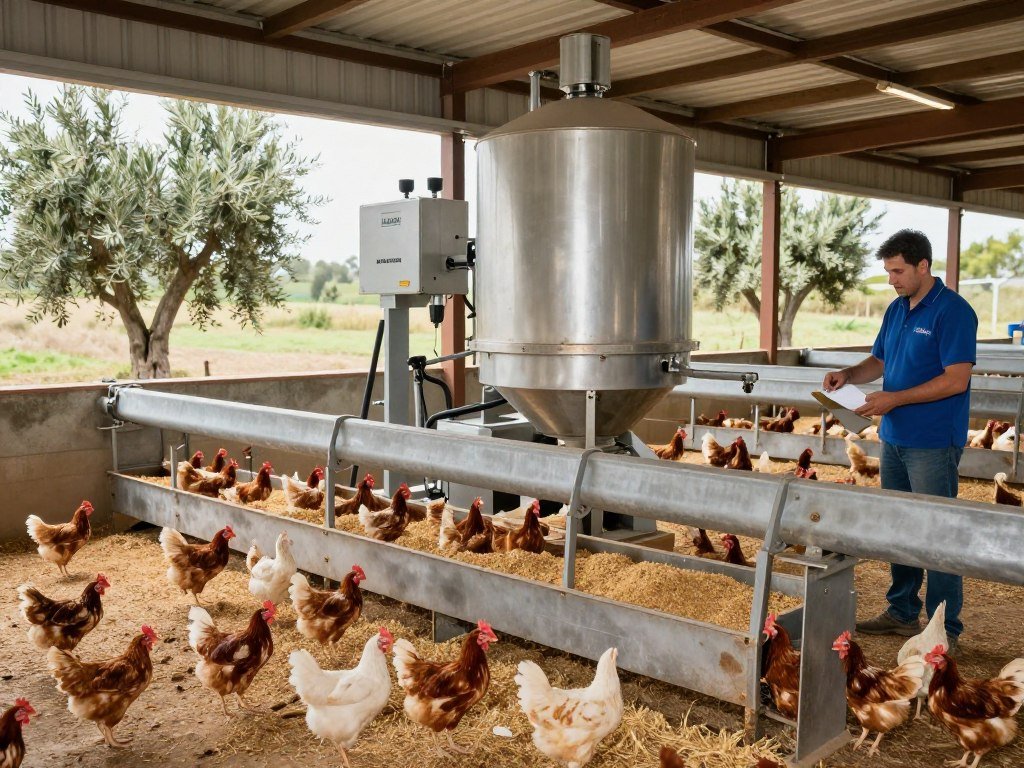
An 8 tonne per hour installation produces specialized turkey feeds from poult starter through finisher rations. Larger pellet sizes and specific die configurations accommodate turkey nutritional requirements and feeding behaviour. The system handles high-protein formulations with challenging pelleting characteristics whilst maintaining production targets.
Spain Free-Range Producer
A 3 tonne per hour line serves organic and free-range chicken producers across southern Spain. The system processes certified organic ingredients according to EU organic standards. Thorough cleaning protocols between organic and conventional production runs prevent contamination. The client values MAIKONG’s smooth mixer design facilitating complete discharge and rapid cleaning.
Asian and African Market Success
A Nigerian operation installed a 20 tonne per hour MAIKONG system supporting a 1 million bird broiler integration. The facility produces feeds for company-owned farms and contract growers throughout Lagos state. Reliable equipment performance proves critical in the challenging Nigerian electrical supply environment. The installation includes backup generator capacity ensuring continuous production during grid outages common in the region.
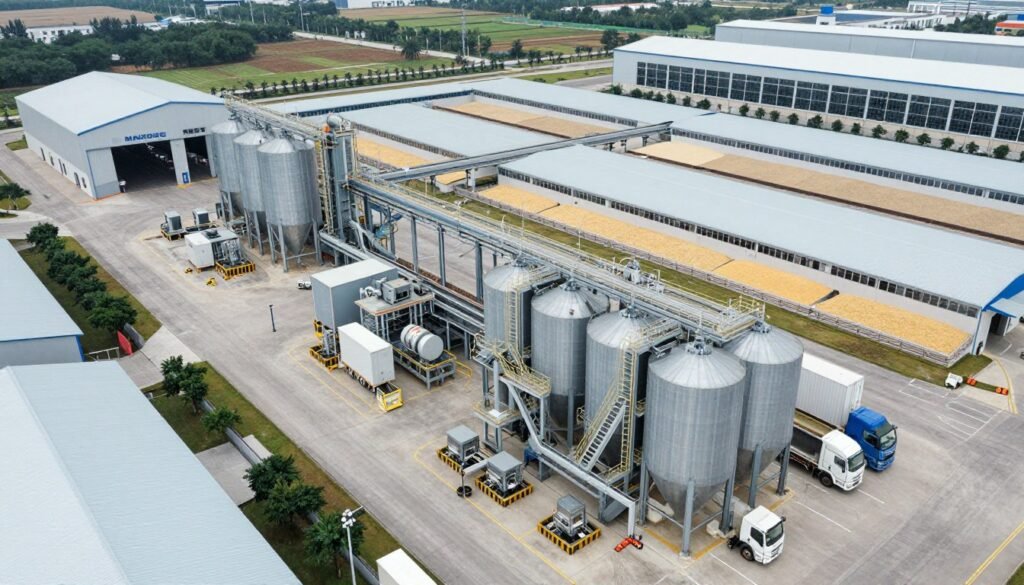
Malaysian installations demonstrate MAIKONG capabilities in humid tropical climates. A 30 tonne per hour system serves a major poultry producer in Johor state. The facility manufactures chicken, duck, and quail feeds for diverse production systems. High ambient humidity requires particular attention to cooler performance and ingredient storage. The MAIKONG equipment specification addressed these environmental factors ensuring reliable operation in challenging conditions.
Explore UK Distributor and Agent Opportunities
MAIKONG seeks qualified distributors and agents throughout the United Kingdom to represent our poultry feed production line equipment. We offer competitive margins, comprehensive technical support, and exclusive territorial arrangements for established feed equipment suppliers, agricultural machinery dealers, and poultry industry specialists. Limited territories remain available for professional partners committed to serving UK feed manufacturers with quality equipment and responsive service.
OEM and ODM Customization Services for UK Feed Equipment Buyers
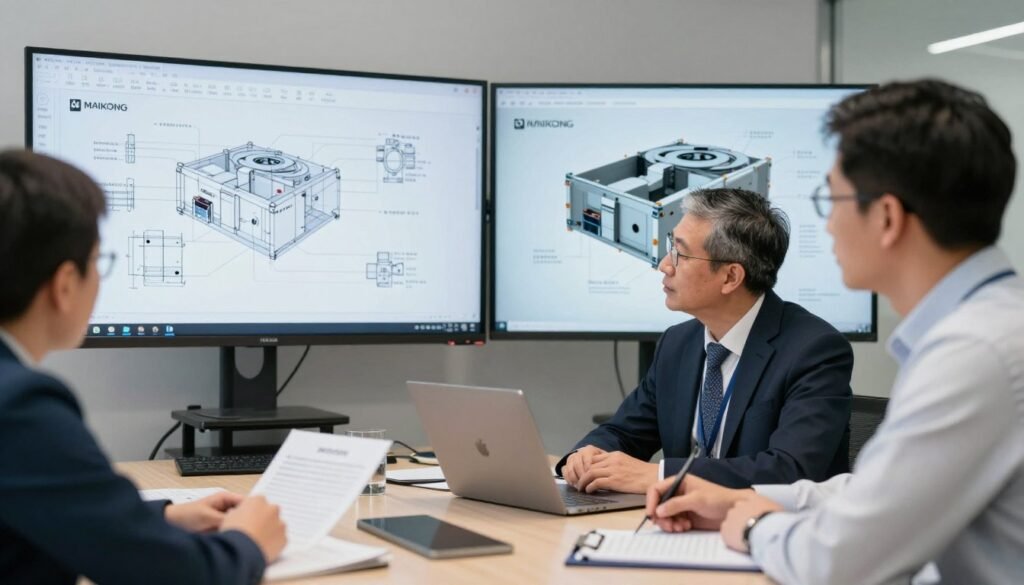
MAIKONG provides comprehensive Original Equipment Manufacturer (OEM) and Original Design Manufacturer (ODM) services enabling UK buyers to source customized feed production line manufacturer solutions meeting specific operational requirements. Our engineering team collaborates with clients from initial concept through final commissioning, ensuring delivered systems precisely match performance expectations and site constraints.
Custom Capacity and Configuration Options
Standard production line models serve many applications, but some UK operations require specialized configurations. Custom capacity ratings between standard models, unique equipment arrangements for difficult site layouts, or integration with existing equipment benefit from ODM engineering services. Our team designs solutions incorporating client preferences whilst maintaining system reliability and performance.
Specialized Application Engineering
Unusual feed formulations, alternative ingredients, or non-standard product specifications may require equipment modifications. High-fat duck feeds challenge standard pelleting equipment. Whole grain incorporation into layer feeds needs specialized metering systems. Novel protein sources with different particle characteristics affect grinding and mixing equipment selection. MAIKONG engineers analyse product requirements and specify appropriate equipment ensuring successful production outcomes.
Multi-species operations producing cattle feed production line products alongside poultry feeds require careful system design. Cross-contamination prevention between ruminant and poultry feeds addresses UK regulatory requirements prohibiting certain ingredients in ruminant rations. Dedicated equipment sections, thorough sequencing protocols, and appropriate cleaning systems maintain product integrity across diverse formulations.
Private Label and Brand Customization
OEM arrangements allow UK distributors and equipment dealers to market MAIKONG feed production equipment under private labels. We manufacture systems bearing client brand names, color schemes, and specifications. This service enables established dealers to offer complete feed equipment packages whilst MAIKONG provides manufacturing expertise and production capacity. Minimum order quantities and specific terms apply to private label arrangements.
Control system customization represents another OEM service dimension. Standard equipment incorporates programmable logic controllers with basic operator interfaces. Clients requiring integration with existing facility management systems, remote monitoring capabilities, or specialized data logging benefit from custom control system programming. UK operations increasingly demand equipment compatible with farm management software platforms tracking feed production, consumption, and flock performance metrics.
- Submit detailed specifications including capacity requirements, product types, and site constraints
- Review preliminary system layouts and equipment selections with MAIKONG engineers
- Approve detailed engineering drawings and equipment specifications before manufacturing
- Participate in factory acceptance testing verifying equipment meets performance criteria
- Receive comprehensive commissioning support and operator training following installation
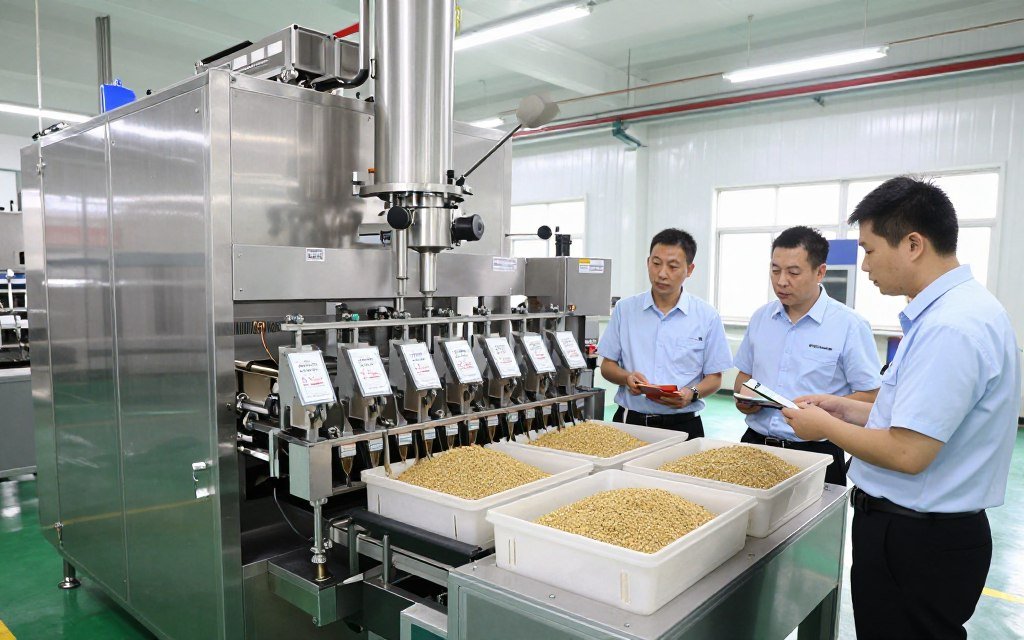
Contact Lucy@feedproductionline.uk to discuss your specific poultry feed production line requirements and explore OEM/ODM solutions tailored to your UK operation. Our engineering team provides technical consultation at no charge for serious equipment buyers evaluating their options.
Investment Considerations and Financial Planning for Feed Mill Projects
Establishing a poultry feed production line represents significant capital investment requiring careful financial planning. UK buyers must evaluate total project costs, expected returns, and financing options ensuring economically viable operations. Understanding cost components and return drivers supports informed investment decisions.
Complete Project Cost Components
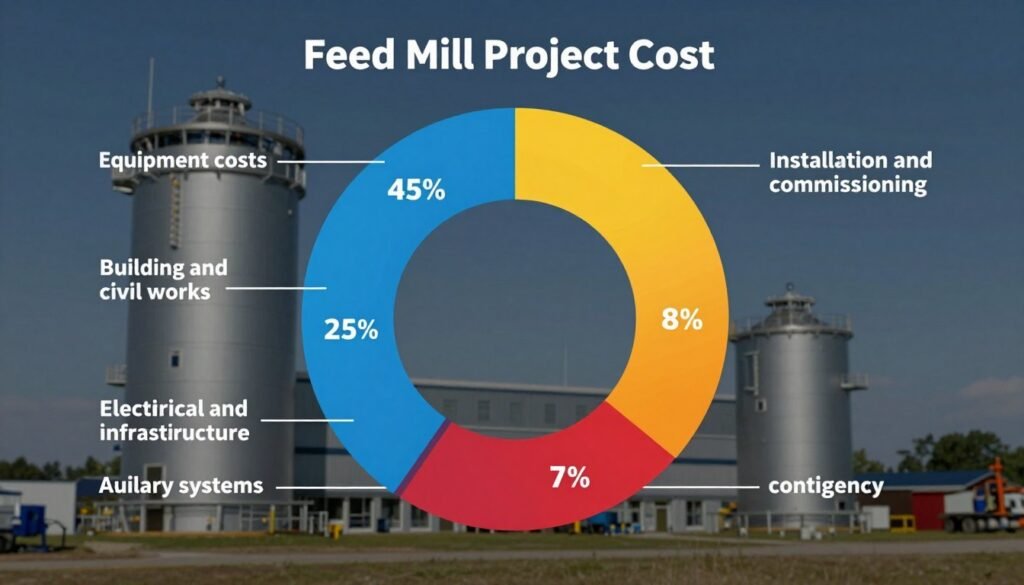
Equipment costs represent 40-50% of total project investment for UK feed mill installations. The MAIKONG MK-L003 system prices include core production equipment from receiving through packaging. Additional costs beyond basic equipment packages require consideration during budget development. Building construction or renovation typically consumes 20-30% of project budgets. Electrical supply infrastructure, including transformer installation and distribution panels, adds 8-12%. Installation labour, commissioning, and operator training represent 10-15%. Contingency reserves of 10% guard against unforeseen expenses during project execution.
| Project Scale | Equipment Investment | Building Costs | Installation & Commissioning | Total Project Budget | Payback Period Estimate |
| Small (1-2 T/H) | £8,000-£40,000 | £15,000-£35,000 | £5,000-£12,000 | £28,000-£87,000 | 2-4 years |
| Medium (5-7 T/H) | £56,000-£200,000 | £45,000-£90,000 | £18,000-£35,000 | £119,000-£325,000 | 3-5 years |
| Large (15-20 T/H) | £200,000-£460,000 | £120,000-£220,000 | £45,000-£75,000 | £365,000-£755,000 | 4-7 years |
Operating Cost Analysis
Ongoing operating costs significantly impact feed manufacturing profitability. Electrical power consumption represents the largest variable cost, ranging from £8 to £15 per tonne of feed produced depending on formula characteristics and equipment efficiency. UK electricity prices vary regionally and by supply contract terms. Three-phase industrial rates typically range £0.12 to £0.18 per kilowatt-hour. A 10 tonne per hour line operating 160 hours monthly consumes approximately 65,000 kWh, generating electricity costs of £7,800 to £11,700 monthly.
Labour costs vary with production scale and automation level. Small operations manage with 1-2 operators per shift. Large commercial mills employ 4-6 production personnel plus maintenance staff. UK agricultural wage rates range £9.50 to £13.50 per hour depending on experience and responsibilities. Maintenance costs including wear parts, lubricants, and service labour typically total £2 to £5 per tonne of production. Properly maintained MAIKONG equipment operates reliably with moderate maintenance expenses across extended service life.
Return on Investment Drivers
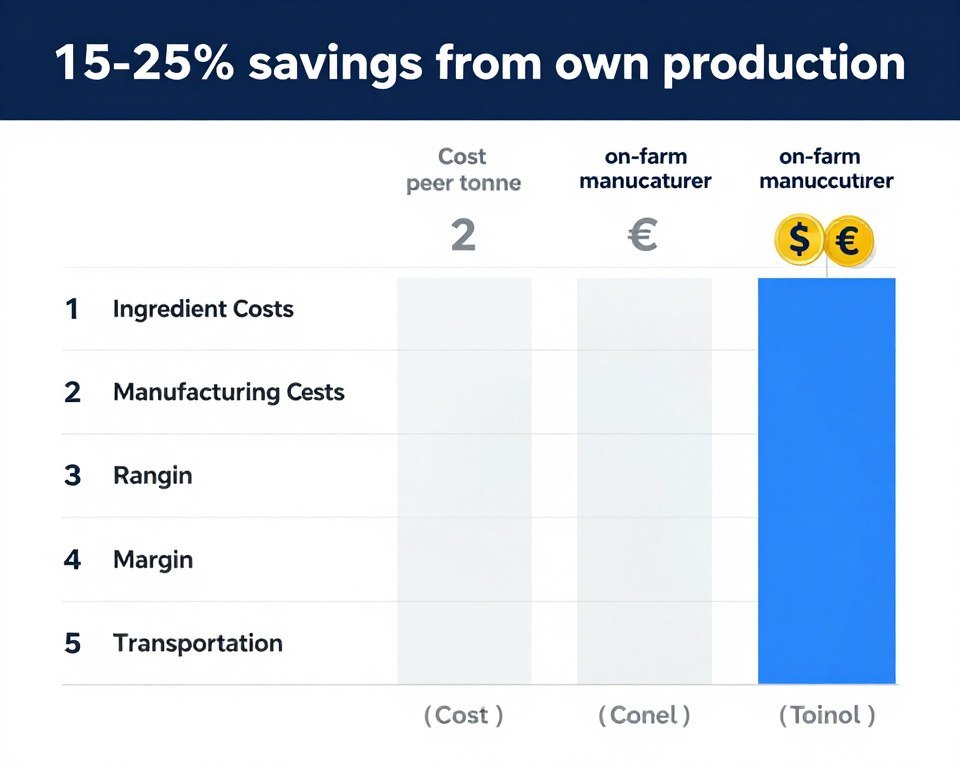
Feed manufacturing operations generate returns through multiple mechanisms. Poultry producers supplying their own feeds eliminate commercial feed margins and distribution costs. UK commercial feeds typically carry £30 to £60 per tonne margin above ingredient costs. A 5000 bird operation consuming 150 tonnes annually saves £4,500 to £9,000 annually compared to purchasing commercial feed. These savings directly offset equipment investment, generating attractive payback periods.
Commercial feed manufacturers generate revenue selling to multiple customers. UK feed prices range £240 to £320 per tonne depending on formulation and market conditions. Gross margins typically run 12-18% after ingredient costs and operating expenses. A 10 tonne per hour mill operating 3000 hours annually produces 30,000 tonnes generating £36,000 to £54,000 annual gross margin. Equipment depreciated over 10-15 years supports profitable long-term operations.
Partner With MAIKONG for Your UK Poultry Feed Production Requirements
MAIKONG brings 22 years of animal feed production line manufacturing experience to UK poultry producers seeking reliable, efficient feed manufacturing solutions. Our comprehensive product range from 200 kilogram per hour farm-scale systems through 200 tonne per hour commercial installations addresses the complete spectrum of UK market requirements. Engineering expertise, quality manufacturing standards, and responsive technical support distinguish MAIKONG as your preferred partner for feed equipment investment.
The MK-L003 production line incorporates proven technology addressing UK operational requirements including 400V electrical systems, robust construction for extended service life, and efficient designs minimising power consumption and operating costs. Our equipment handles diverse ingredient types and formulations from starter through finisher rations across chicken, turkey, duck, goose, and game bird applications. Custom configurations accommodate unique site layouts, special production requirements, and integration with existing facility infrastructure.
Comprehensive Support Services
- Free technical consultation and system design assistance
- Detailed equipment specifications and performance guarantees
- Factory acceptance testing before shipment to UK
- Installation supervision and commissioning support
- Operator training and maintenance instruction
- Spare parts supply and technical troubleshooting
- OEM and ODM customization capabilities
- UK distributor and agent partnership opportunities
Quality Certifications
- ISO 9001 quality management certification
- CE marking for European market compliance
- UK electrical safety standards conformity
- Environmental management system certification
- Comprehensive equipment testing protocols
- Third-party component verification
- Export documentation and customs support
- Extended warranty programmes available
UK feed manufacturers, poultry integrators, and agricultural equipment distributors benefit from MAIKONG’s flexible business models. Direct equipment purchase serves producers establishing their own manufacturing capacity. OEM arrangements enable equipment dealers to offer complete poultry feed production line manufacturer packages under their brands. Agent and distributor partnerships provide exclusive territorial rights for qualified industry professionals committed to serving UK feed producers with quality equipment and technical expertise.
MAIKONG Technical Specifications: Model MK-L003
| Specification Parameter | Details |
| Production Capacity Range | 1-5 tonnes per hour (scalable configurations available) |
| Power Requirement | 68-165 kW total connected load (400V, 50Hz, 3-phase) |
| Pellet Sizes Available | 2mm, 3mm, 4mm, 5mm, 6mm, 8mm, 10mm diameter options |
| Raw Material Moisture | Maximum 14% input moisture (12% optimal) |
| Final Product Moisture | 11-13% after cooling |
| Installation Space | 400-800 m² depending on configuration |
| Installation Timeline | 15-30 days from delivery to commissioning |
| Material Construction | Carbon steel frame, stainless steel contact surfaces (304 grade) |
| Control System | PLC-based automation with HMI operator interface |
| Colour Options | Industrial grey standard (custom colours available for OEM) |
| Warranty Coverage | 12 months from commissioning (extended options available) |
| Availability | In stock for standard configurations (8-12 week delivery for custom builds) |
Current UK market conditions present excellent opportunities for feed manufacturing investment. Growing consumer demand for British poultry products, combined with supply chain concerns following Brexit, encourage domestic feed production capacity expansion. MAIKONG equipment enables UK producers to control feed quality, reduce dependence on commercial suppliers, and capture manufacturing margins supporting profitable poultry operations.
Contact MAIKONG Today for Your Feed Production Solution
Our technical team stands ready to discuss your poultry feed production line requirements and develop customized solutions addressing your specific operational needs. Whether you require a compact farm-scale system or a large commercial installation, MAIKONG delivers proven equipment backed by comprehensive support services. Contact us today to begin your feed manufacturing project.
MAIKONG Manufacturing
Email: Lucy@feedproductionline.uk
Website: https://feedproductionline.uk/
Location: GD, SZ, United Kingdom Operations
Join the growing number of UK pet feed production line and poultry feed manufacturers who trust MAIKONG equipment for reliable, efficient production. Our commitment to your success extends beyond equipment delivery through ongoing technical support, spare parts availability, and partnership in your business growth. Contact us today and discover why leading UK feed producers choose MAIKONG for their feed manufacturing equipment needs.