
Poultry Feed Production Line Guide: Complete Process, Equipment & Solutions for UK Farmers
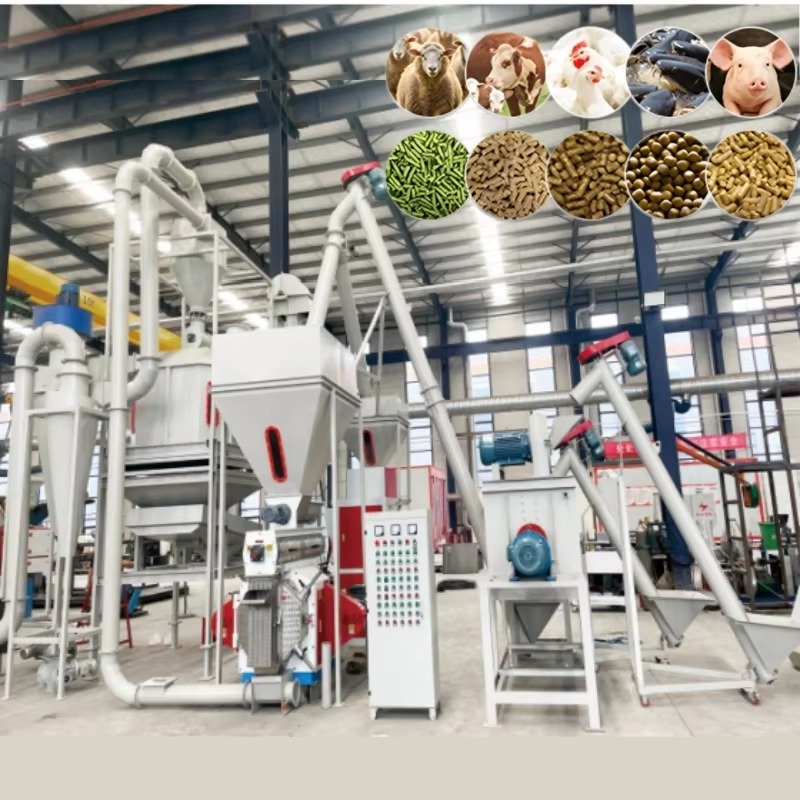
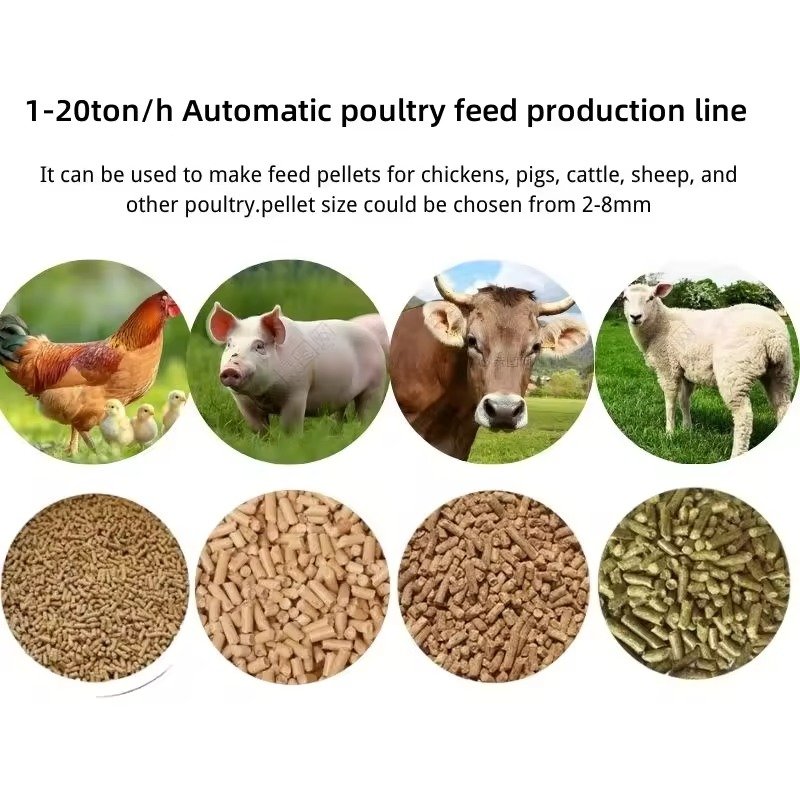
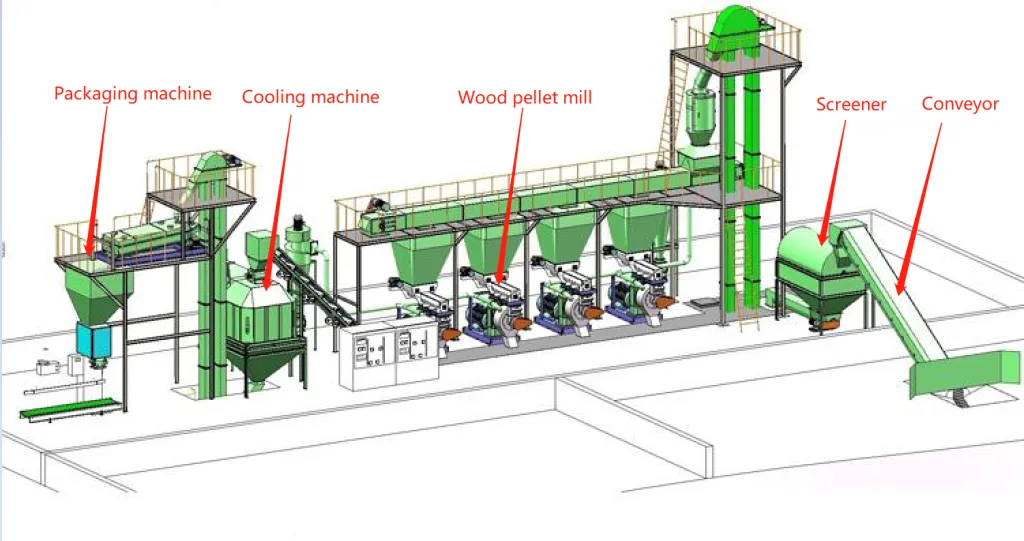 The UK poultry industry continues growing, with domestic producers supplying over 60% of consumed poultry meat. This expansion drives demand for high-quality, nutritionally balanced feed. Poultry feed production lines have evolved significantly, incorporating automated systems that improve efficiency whilst reducing labour costs. Modern equipment from established manufacturers like MAIKONG delivers consistent pellet quality, minimises waste, and adapts to various raw material specifications common across European supply chains.
Explore MAIKONG Production Line Solutions
Discover how our 22 years of manufacturing experience translates into reliable equipment for UK operations.
What Is a Poultry Feed Production Line?
A poultry feed production line encompasses the complete system of machinery and equipment designed to transform raw agricultural materials into finished feed products. These systems process ingredients such as corn, soybean meal, wheat bran, vitamins, and minerals into pellets, mash, or crumbles suitable for chickens, ducks, geese, turkeys, and other poultry species. The production line can also be called a poultry feed mill, poultry feed plant, or poultry feed factory, depending on scale and configuration.
Modern poultry feed production line guide approaches emphasise modular design. This allows producers to start with essential equipment and expand capacity as business grows. A basic line includes crushing, mixing, and pelleting stages. More sophisticated installations add pre-cleaning, conditioning, cooling, screening, and automated packaging modules. MAIKONG has supplied complete systems to over 130 countries, with proven installations across Europe meeting stringent EU equipment standards.
Core Production Stages
- Raw material receiving and storage
- Pre-cleaning and foreign material removal
- Crushing and particle size reduction
- Accurate ingredient batching and weighing
- Thorough mixing for homogeneity
- Steam conditioning and pelleting
- Cooling and moisture reduction
- Screening and quality control
- Final packaging or bulk loading
Common Applications
- Commercial poultry feed factories
- Large-scale chicken farms producing own feed
- Duck and waterfowl operations
- Turkey breeding facilities
- Mixed poultry farming enterprises
- Agricultural cooperatives
- Feed distributors and wholesalers
- Contract manufacturing operations
The flexibility of modern production lines allows manufacturers to produce various feed types. You might run pellets for layers one day, then switch to crumbles for broiler chicks the next. This versatility proves particularly valuable for UK producers serving diverse customer bases or adjusting output seasonally. MAIKONG equipment supports rapid changeover between formulations with minimal downtime.
The Complete Poultry Feed Production Line Process
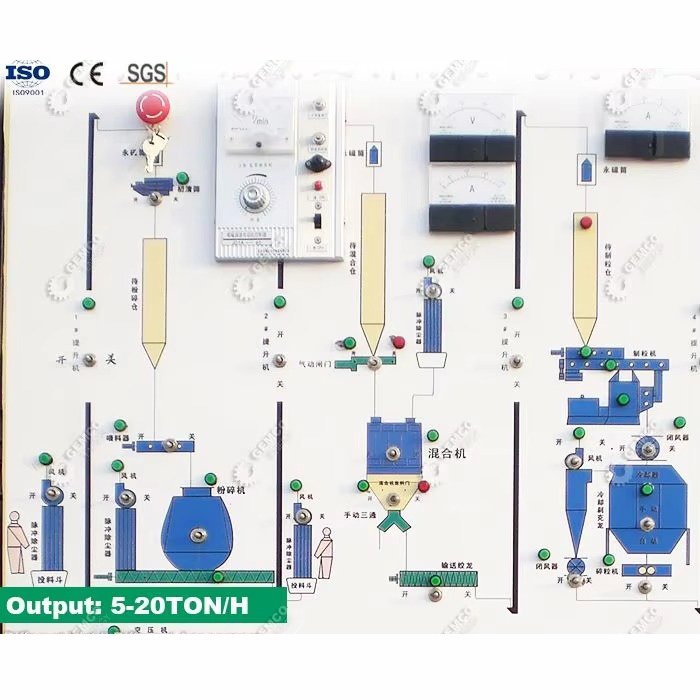
Understanding the production process of poultry feed production line operations helps you identify where quality control matters most and where efficiency gains deliver maximum value. Each stage contributes to the final product’s nutritional value, physical characteristics, and cost-effectiveness.
Stage 1: Material Receiving and Pre-Cleaning
Raw ingredients arrive at your facility by lorry, often containing unwanted materials like stones, metal fragments, string, or excessive dust. The receiving system typically includes a pit or hopper feeding a bucket elevator. Before material enters your main storage silos, it passes through screening equipment that removes oversized particles and a magnetic separator extracting ferrous metals. This pre-cleaning protects downstream equipment from damage and prevents contamination of finished feed.
Stage 2: Grinding and Crushing
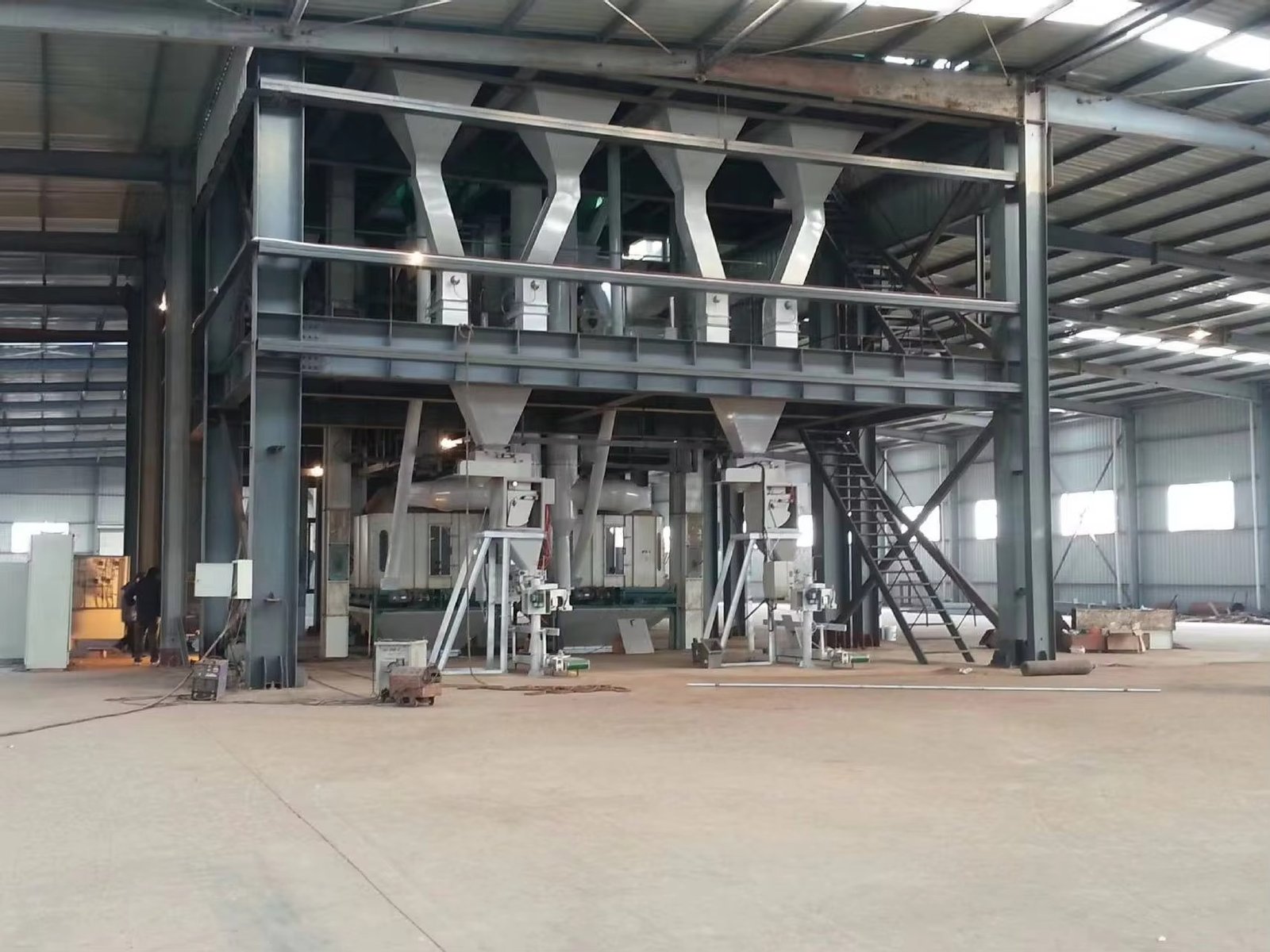
Particle size significantly affects feed digestibility and pelleting efficiency. Hammer mills reduce whole grains and other ingredients to the specified particle size, typically 2-4mm for poultry feed. The crusher selection depends on your raw materials and target particle distribution. MAIKONG offers hammer mills ranging from 3 to 25 tonnes per hour capacity, with screen sizes adjustable to match your formula requirements.
Proper grinding improves nutrient availability whilst creating particles that bind effectively during pelleting. Too coarse, and pellets fall apart. Too fine, and you waste energy whilst creating excessive dust. The optimal particle size balances these factors based on your specific ingredients and target animal age group.
Stage 3: Batching and Weighing
Accurate proportioning of ingredients ensures nutritional consistency across every batch. Modern batching systems use load cells and computerised controls to measure each ingredient within ±0.5% accuracy. A typical system includes individual bins for major ingredients, with smaller hoppers for micro-ingredients like vitamins, minerals, and medications. The batching sequence typically processes ingredients from largest to smallest quantity, building the formula batch in a holding bin before discharge to the mixer.
Stage 4: Mixing
The mixer blends all ingredients into a homogeneous mass. Ribbon mixers or paddle mixers ensure thorough distribution of micro-nutrients throughout the batch. Mixing time varies from 3 to 8 minutes depending on mixer type, batch size, and ingredient characteristics. Proper mixing prevents segregation and ensures every kilogram of finished feed delivers the intended nutritional profile.
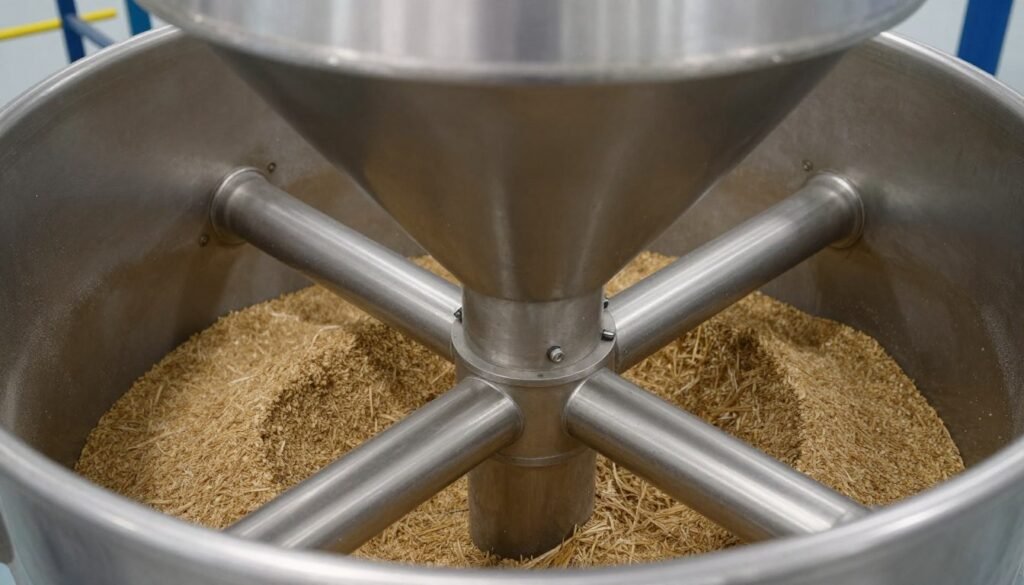
Liquid additions like oils, molasses, or liquid medications enter during mixing through spray nozzles. The mixer design must accommodate these additions whilst maintaining blend uniformity. MAIKONG mixers feature jacketed construction for temperature control and multiple discharge options for flexible operation.
Stage 5: Conditioning and Pelleting
Before pelleting, mash feed enters a conditioner where steam and sometimes water modify the material. Conditioning serves multiple purposes: it gelatinises starches for improved binding, reduces pathogenic bacteria through heat treatment, and adjusts moisture content for optimal pelleting. Conditioning typically raises temperature to 70-85°C for 30-60 seconds.
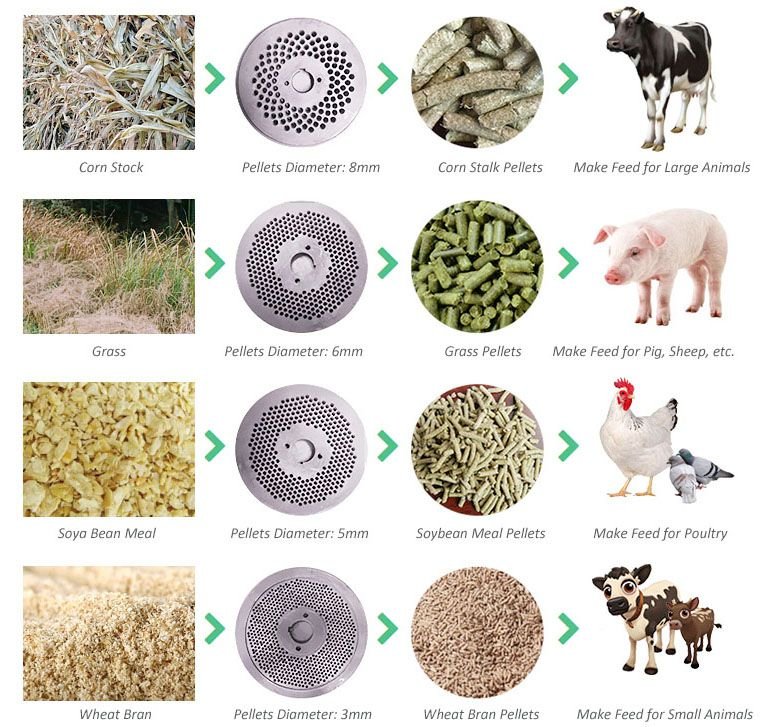
The feed pellet production line core component is the pellet mill. This machine forces conditioned mash through die holes using rollers, forming cylindrical pellets. Die hole diameter typically ranges from 2mm for chick starter feeds to 5mm for adult birds. Pellet mills operate at high pressure and temperature, requiring robust construction and wear-resistant materials. MAIKONG ring die pellet mills deliver capacities from 1 to 42 tonnes per hour with die lives exceeding 500 hours under normal operating conditions.
Stage 6: Cooling
Fresh pellets exit the mill at 75-90°C with 15-17% moisture content. Immediate cooling prevents mould growth, reduces breakage during handling, and stabilises pellet structure. Counterflow coolers pass ambient air through the pellet bed, reducing temperature to within 5°C of ambient and moisture to 12-13%. Proper cooling requires 8-12 minutes residence time depending on pellet size and cooling air conditions.
Stage 7: Crumbling (Optional)
Young chicks cannot consume large pellets effectively. A crumbler breaks cooled pellets into smaller particles called crumbles. The crumbler consists of corrugated rollers rotating at different speeds, fracturing pellets along natural break points. This produces crumbles with less fines than direct mash production, combining the digestibility benefits of pelleted feed with appropriate particle size for young birds.
Stage 8: Screening
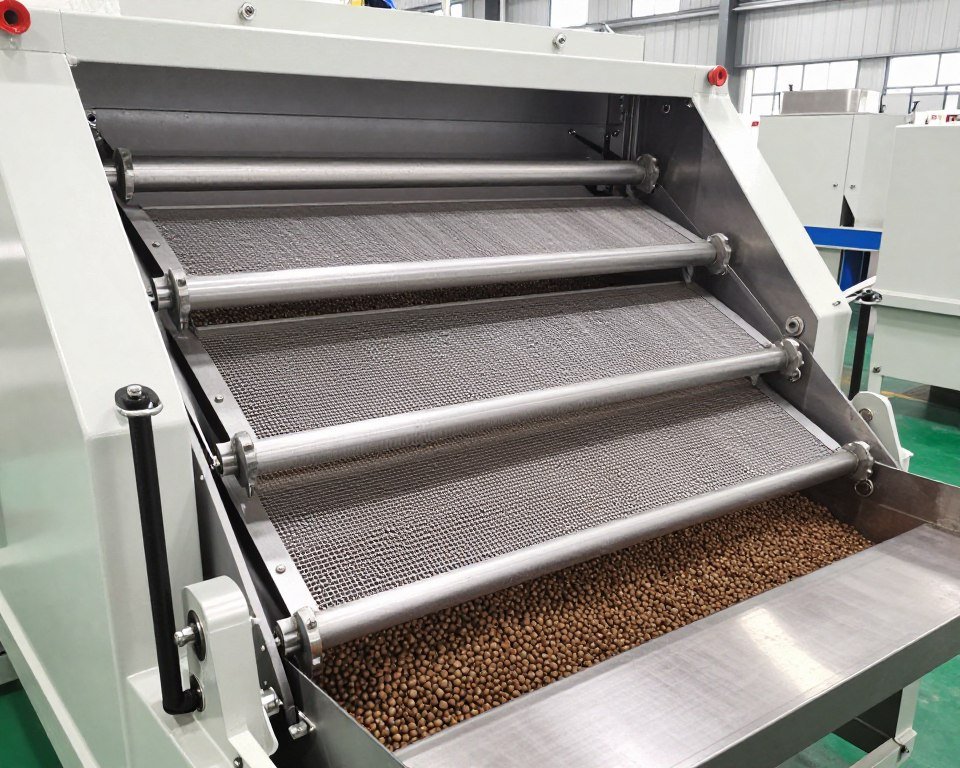
Screening separates finished product from fines and oversized particles. A vibrating screen or rotary sifter classifies material into acceptable product, which proceeds to packaging, and fines that return to the pellet mill for reprocessing. Effective screening improves finished product appearance and reduces customer complaints about dusty feed.
Stage 9: Packaging and Load-Out
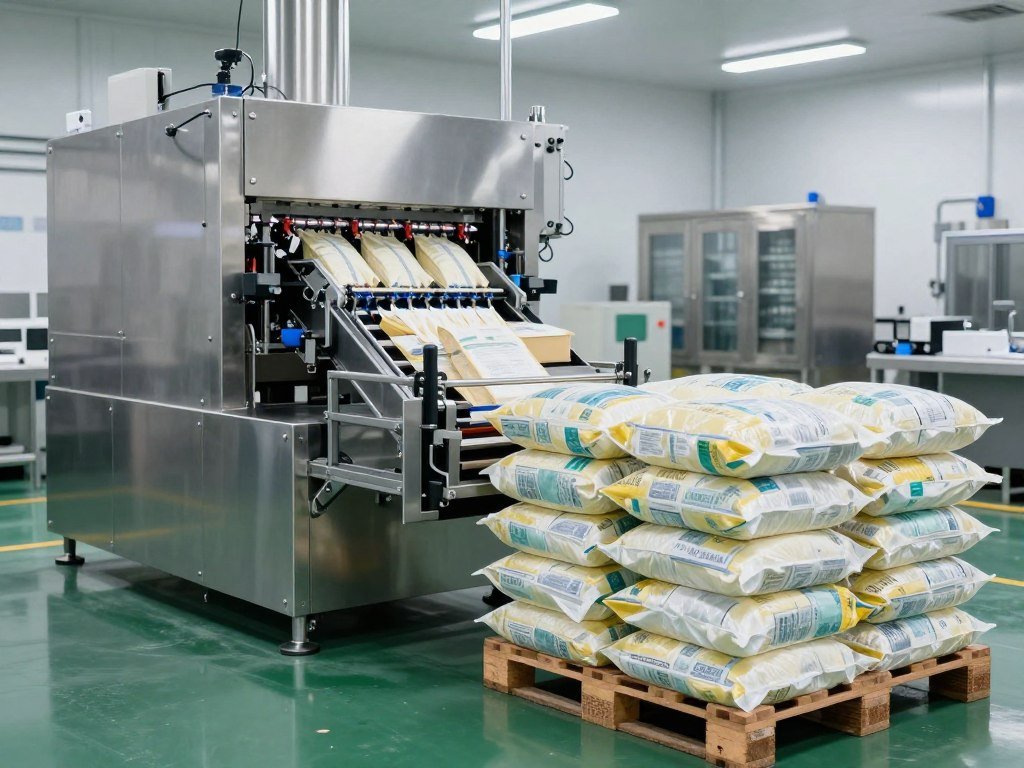
The final stage transfers finished feed into bags or bulk delivery vehicles. Automated packing scales fill bags to the target weight (typically 20-25kg in the UK market), with bag sewing or heat sealing closing each package. Palletising systems stack filled bags for efficient warehouse storage and transportation. Bulk loading systems use pneumatic conveying or truck-mounted augers to fill delivery vehicles directly from finished product bins.
Need Help Designing Your Production Line?
Our UK engineering team has configured 130+ successful installations worldwide. Schedule a free technical consultation to discuss your specific requirements and receive preliminary capacity recommendations.
Email: Lucy@feedproductionline.uk
Essential Equipment for Your Poultry Feed Mill
Selecting appropriate equipment determines your production line’s efficiency, maintenance requirements, and product quality. Each component plays a specific role in transforming raw materials into finished feed. Understanding equipment specifications helps you match machinery to your operational needs and budget constraints.
Feed Hammer Mill
The hammer mill performs the crucial task of reducing particle size. It consists of a rotor carrying swing hammers inside a grinding chamber. Material enters through the top, hammers impact and shatter particles, and finished product passes through screens at the chamber bottom. Key specifications include rotor diameter, number of hammers, screen area, and motor power. A typical 5-tonne-per-hour poultry feed mill line requires a hammer mill with 55-75kW motor power.
Hammer Mill Selection Factors
- Required throughput capacity
- Hardness of raw materials being processed
- Target particle size distribution
- Energy costs in your location
- Noise level restrictions
- Maintenance skill level of your team
- Spare parts availability
Feed Mixing Machine
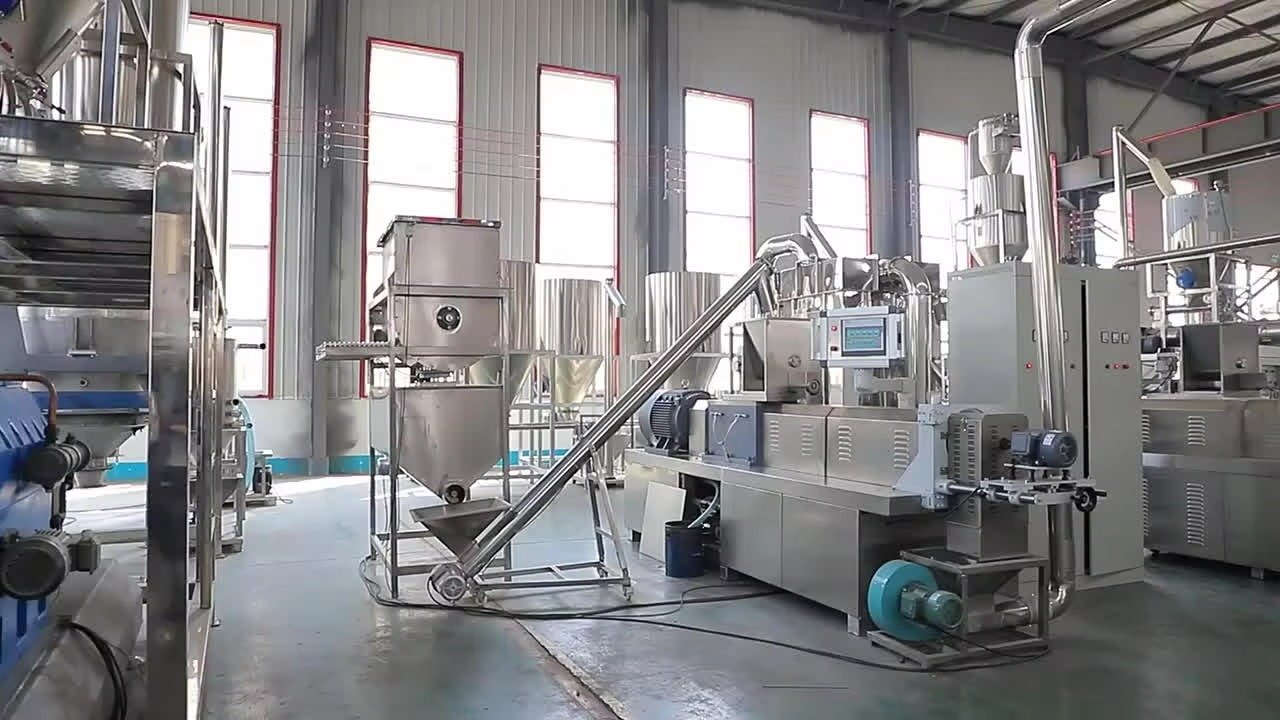
Mixer selection significantly impacts feed quality. Ribbon mixers feature helical ribbons on a horizontal shaft, creating radial and axial material movement for thorough blending. Paddle mixers use angled paddles achieving similar results with different flow patterns. MAIKONG offers mixers from 250kg to 2000kg batch capacity. A well-designed mixer achieves coefficient of variation below 5% for trace ingredients mixed at 0.1% inclusion rates.
Mixing uniformity affects animal performance directly. Poor mixing causes some birds to receive excess nutrients whilst others get deficient rations. This variation increases feed costs and reduces flock uniformity. Investing in quality mixing equipment pays dividends through improved animal performance and reduced ingredient waste.
Pellet Making Machine
The pellet mill represents the heart of any feed production line. Ring die mills dominate commercial operations due to higher capacity and durability compared to flat die designs. The ring die rotates whilst press rollers compress mash through die holes. Die specifications include hole diameter, effective working length, and open area percentage. Roller shell material and die material significantly affect wear life.
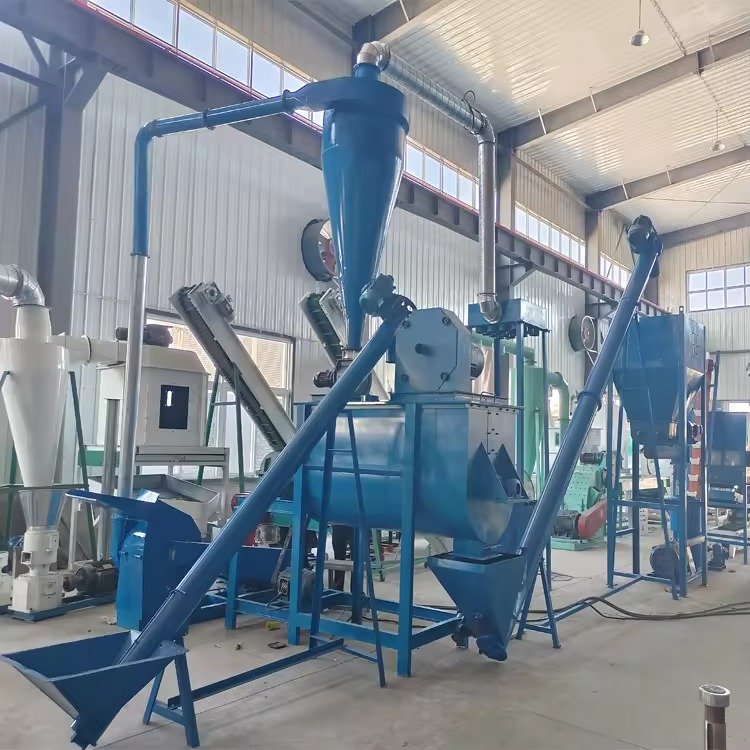
MAIKONG pellet mills incorporate features specifically benefiting poultry feed producers. These include quick-change die systems reducing downtime during product changes, integrated conditioning chambers for optimal steam treatment, and variable-frequency drives allowing capacity adjustment matching upstream processing rates. The MK-L003 model pellet mill delivers 3-5 tonnes per hour output with 37-55kW main motor, suitable for medium-sized UK poultry operations.
MAIKONG MK-L003 Pellet Mill Specifications
| Specification | Value |
| Model Number | MK-L003 |
| Capacity Range | 3-5 T/H |
| Main Motor Power | 37-55 KW |
| Ring Die Diameter | 320 mm |
| Pellet Size Range | 2-8 mm |
| Overall Dimensions (L×W×H) | 1850×780×1520 mm |
| Equipment Weight | 1850 kg |
| Material Construction | Carbon steel frame, stainless steel contact parts |
| Electrical Standard | 380V 50Hz 3-phase (UK adaptation available) |
The MK-L003 suits operations processing 15-30 tonnes daily, ideal for medium-sized poultry farms or regional feed producers. MAIKONG provides complete UK electrical certification and can adapt voltage/frequency to British standards. Installation includes comprehensive operator training and 24-month warranty covering parts and labour.
Counterflow Pellet Cooler
Cooling equipment often receives insufficient attention during planning, yet inadequate cooling ruins otherwise good pellets. Counterflow coolers offer superior performance compared to horizontal designs by maximising air-pellet contact time whilst minimising power consumption. Air enters from below, rising through the pellet bed and exhausting through the top. This arrangement uses gravity to discharge cooled pellets whilst maintaining even air distribution.
A properly sized cooler provides sufficient residence time for pellets to reach safe storage temperature and moisture content. Under-sizing causes inadequate cooling, leading to mould growth, bag clumping, and customer complaints. Over-sizing wastes floor space and capital. MAIKONG engineering team calculates optimal cooler size based on your pellet mill capacity, ambient conditions, and pellet characteristics.
Auxiliary Equipment
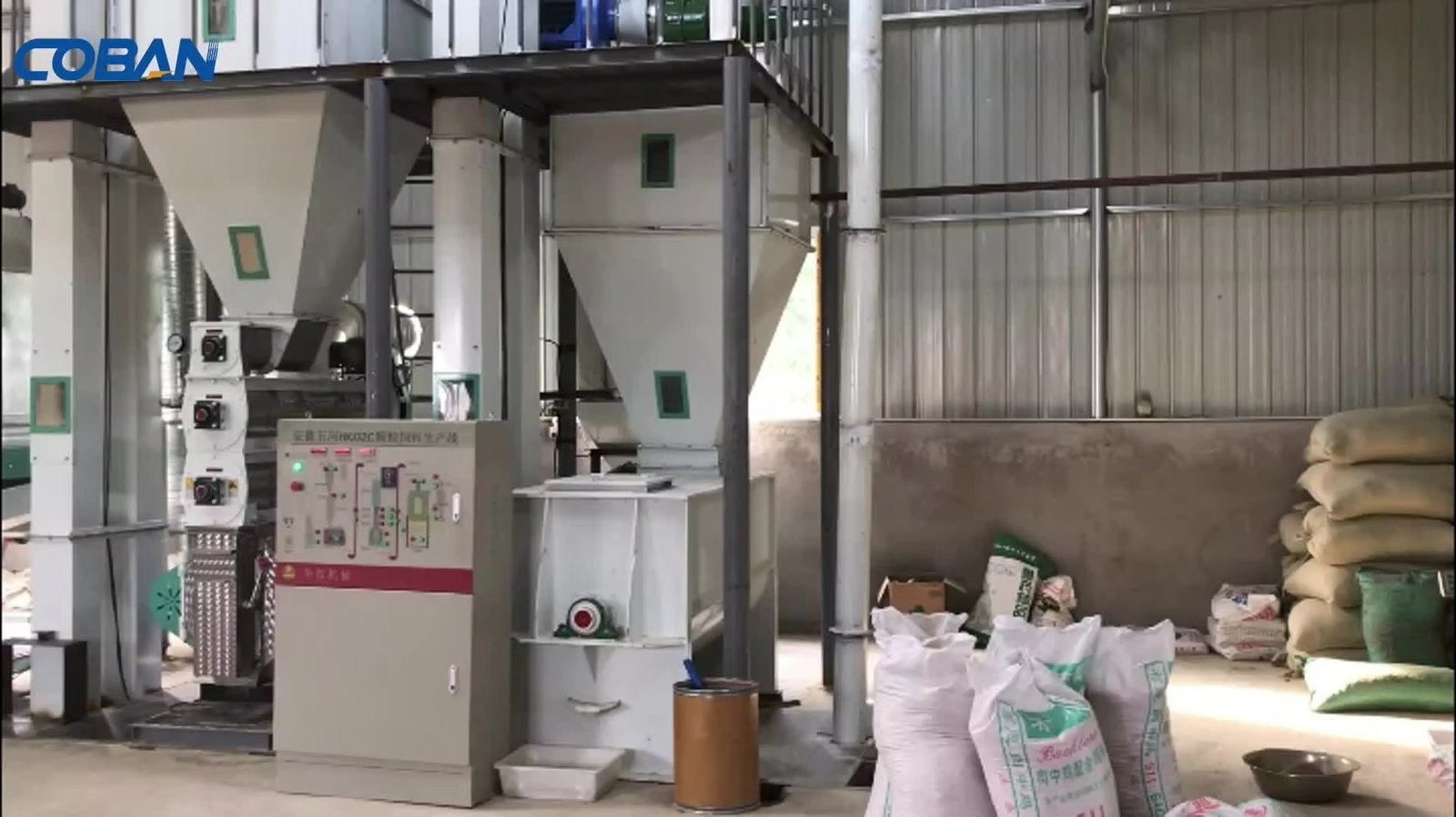
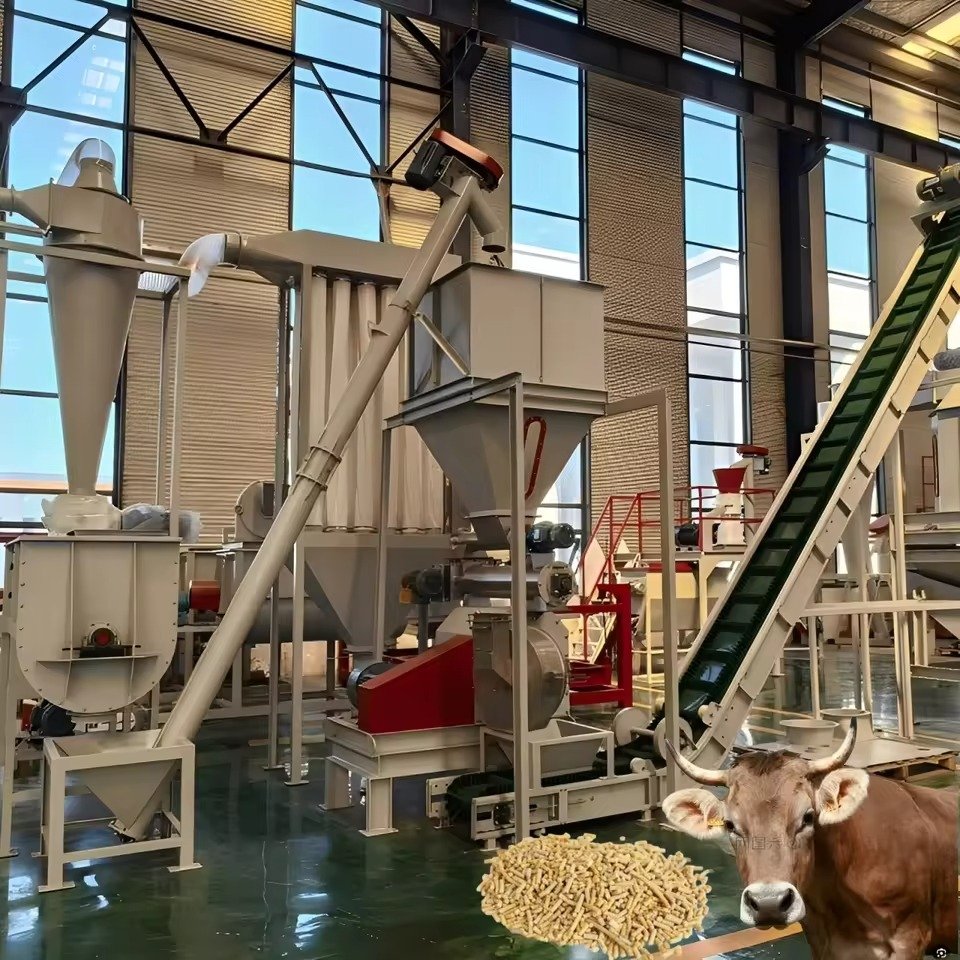
Supporting equipment completes the production line. Bucket elevators move material vertically between processing stages. Screw conveyors transfer material horizontally or on slight inclines. Rotary distributors direct material flow to appropriate destinations. Dust collection systems capture airborne particles, maintaining workplace air quality and recovering valuable product. Control panels centralise operation, allowing one person to monitor the entire line whilst recording production data for quality management.
Choosing the Right Production Capacity
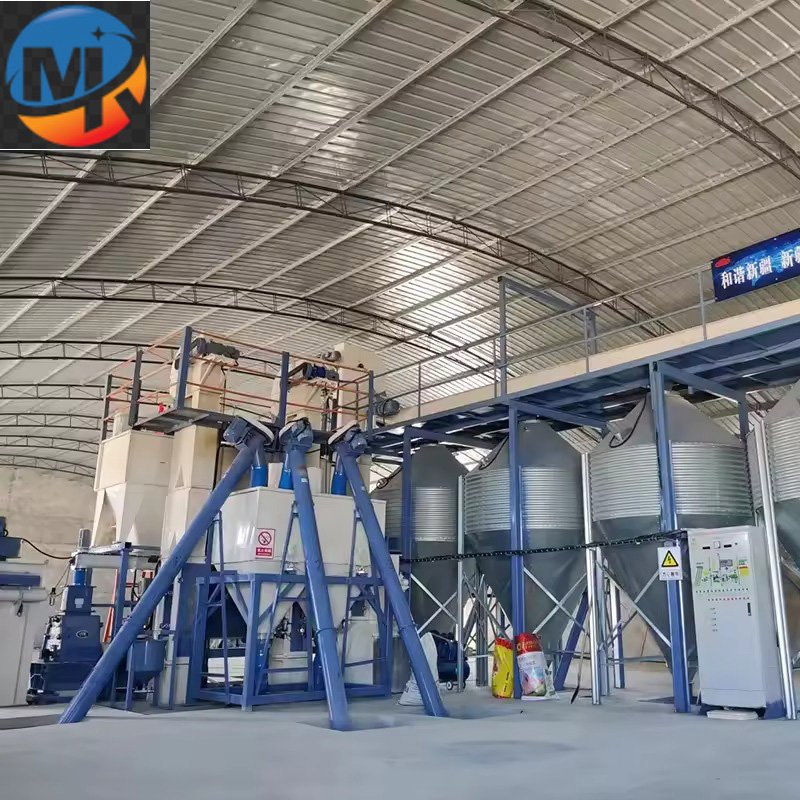
Matching production capacity to your actual needs avoids over-investment whilst ensuring adequate output for business growth. UK poultry operations vary from small farms producing 200kg per hour to large commercial mills exceeding 20 tonnes hourly. Your capacity requirement depends on flock size, feeding rates, desired inventory turnover, and potential for serving external customers.
Small-Scale Operations (200kg – 2 T/H)
Small capacity lines suit individual poultry farms producing feed exclusively for their own flocks. A 500kg per hour system running 6 hours daily produces 3 tonnes, sufficient for approximately 15,000 layers or 30,000 broilers. Equipment for this scale includes a basic hammer mill, single-shaft mixer, and flat die or small ring die pellet mill. Total investment ranges from £10,000 to £50,000 depending on automation level.
These compact systems offer lower capital requirements and simplified operation, making them accessible for farmers transitioning from purchased feed to on-farm production. However, limited throughput restricts economies of scale. Ingredient purchasing power remains modest, and labour cost per tonne produced stays relatively high.
Medium-Scale Operations (3-10 T/H)
Medium capacity serves larger farms, cooperatives, or commercial feed producers serving local markets. A 5-tonne-per-hour line operating 8 hours daily produces 40 tonnes, supporting 200,000 layers or 400,000 broilers. This scale justifies sophisticated equipment including computerised batching, conditioning systems, and automated packaging. Investment ranges from £70,000 to £300,000.
Medium-scale production achieves improved ingredient pricing through volume purchasing whilst spreading equipment costs across substantial tonnage. These operations often produce multiple products, requiring flexible manufacturing capabilities. MAIKONG has supplied numerous medium-scale installations to UK farms and regional feed suppliers with consistently positive feedback regarding reliability and output quality.
| Capacity Range | Daily Production (8hr shift) | Suitable For | Typical Investment | Power Requirement | Building Space |
| 200-500 KG/H | 1.6-4 Tonnes | Individual farms, small cooperatives | £10,000-£50,000 | 30-75 KW | 200-400 m² |
| 1-2 T/H | 8-16 Tonnes | Medium farms, local feed suppliers | £50,000-£120,000 | 75-165 KW | 400-700 m² |
| 3-5 T/H | 24-40 Tonnes | Large farms, regional producers | £70,000-£250,000 | 125-259 KW | 600-1000 m² |
| 8-10 T/H | 64-80 Tonnes | Commercial feed mills | £150,000-£300,000 | 300-410 KW | 1200-2000 m² |
| 15-20 T/H | 120-160 Tonnes | Large commercial operations | £250,000-£580,000 | 450-620 KW | 2000-3500 m² |
Large-Scale Commercial Production (12-200 T/H)
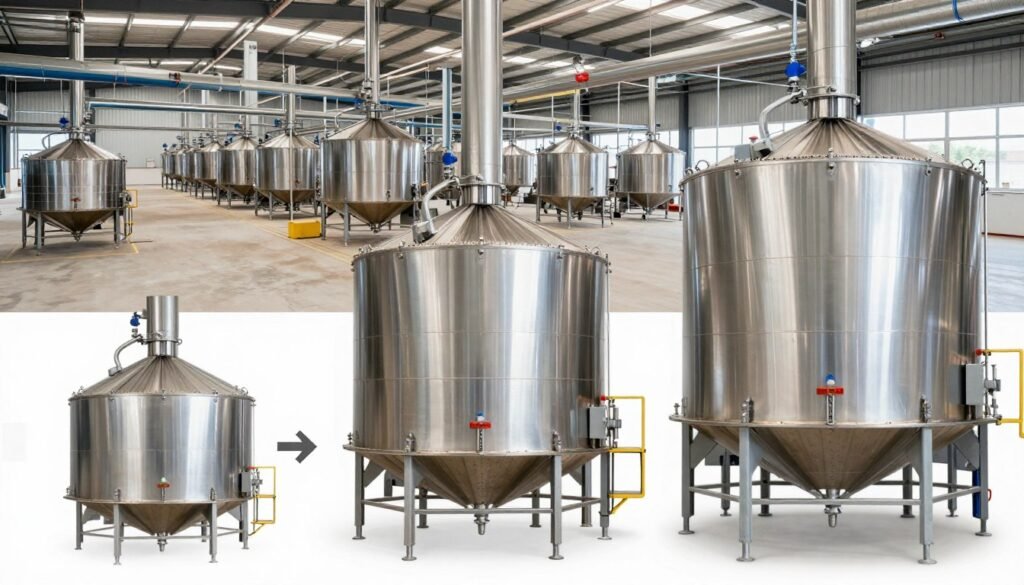
High-capacity systems serve major feed manufacturers supplying extensive distribution networks. These sophisticated installations feature multiple pellet mills, parallel processing streams, extensive raw material storage, and fully automated control systems. Investment reaches £450,000 to £2.8 million depending on capacity and sophistication level.
Large-scale production maximises efficiency through automation, minimising labour cost per tonne whilst achieving consistent quality across high volumes. These facilities typically operate continuously, requiring robust equipment and comprehensive maintenance programs. MAIKONG provides turnkey installation services for large projects, including civil engineering coordination, equipment commissioning, and staff training.
Get Your Project Quote
Transparent pricing from £10,000 to £2.8M depending on capacity. Free site assessment for UK projects. Our engineering team will help you determine the optimal capacity and configuration for your specific requirements.
Call us directly: +86 15815556422 or email Lucy@feedproductionline.uk
Understanding Raw Materials and Feed Formulation

Feed quality depends fundamentally on ingredient selection and formulation accuracy. Poultry feed combines energy sources, protein sources, vitamins, minerals, and functional additives in precisely calculated proportions. Understanding ingredient characteristics helps you source materials effectively and formulate rations meeting nutritional requirements economically.
Primary Energy Sources
Corn provides the primary energy source in most UK poultry rations, contributing 50-65% of typical formulas. Its high digestible energy content, palatability, and consistent availability make it ideal. Wheat serves as a partial corn replacement, particularly when price relationships favour its inclusion. Barley offers another option, though its lower energy density and higher fibre content limit inclusion rates.
Energy source selection impacts pellet quality. High-starch grains like corn produce harder, more durable pellets compared to wheat-heavy formulas. The grinding coarseness of energy grains affects both mixing uniformity and pelleting efficiency. MAIKONG hammer mills handle all common UK grains effectively, with screen changes allowing particle size optimisation for your specific formula.
Protein Sources
Soybean meal dominates protein supplementation in commercial poultry feed, typically included at 20-35% depending on bird age and purpose. Its amino acid profile closely matches poultry requirements, particularly for lysine and methionine. Rapeseed meal offers a lower-cost alternative, though inclusion limits apply due to glucosinolate content. Fish meal contributes valuable amino acids and palatability but commands premium pricing.
Protein sources influence conditioning and pelleting. Soybean meal’s moderate protein and oil content supports good pellet binding. Excessive fish meal can reduce pellet durability due to its hygroscopic nature. Proper balance across protein sources optimises both nutrition and physical quality.
Vitamins and Minerals
Micronutrients ensure metabolic function and bone development. Premixed vitamin-mineral supplements simplify formulation whilst ensuring accuracy. Calcium sources including limestone flour provide skeletal strength and eggshell formation in layers. Phosphorus supplementation through dicalcium phosphate or monocalcium phosphate balances calcium and supports bone growth.
Trace minerals like zinc, manganese, copper, and selenium require accurate inclusion at parts-per-million levels. Modern batching systems with dedicated micro-ingredient scales ensure precision. Salt provides sodium and chloride whilst enhancing palatability. Getting micronutrient balance correct maximises bird performance and feed conversion efficiency.
Typical Layer Feed Formula (per 1000kg)
- Corn: 600kg (60%)
- Soybean meal: 220kg (22%)
- Wheat bran: 50kg (5%)
- Limestone: 85kg (8.5%)
- Dicalcium phosphate: 15kg (1.5%)
- Vegetable oil: 15kg (1.5%)
- Salt: 3kg (0.3%)
- Vitamin-mineral premix: 10kg (1.0%)
- Methionine: 1.5kg (0.15%)
- Lysine: 0.5kg (0.05%)
Typical Broiler Starter Formula (per 1000kg)
- Corn: 550kg (55%)
- Soybean meal: 350kg (35%)
- Fish meal: 30kg (3%)
- Dicalcium phosphate: 18kg (1.8%)
- Limestone: 12kg (1.2%)
- Vegetable oil: 25kg (2.5%)
- Salt: 3kg (0.3%)
- Vitamin-mineral premix: 10kg (1.0%)
- Methionine: 1.5kg (0.15%)
- Lysine: 0.5kg (0.05%)
Moisture Content Considerations
Raw material moisture significantly affects processing efficiency and storage stability. Optimal ingredient moisture ranges from 11-14%. Higher moisture reduces throughput, increases power consumption, and risks mould growth during storage. Lower moisture creates excessive dust, reduces pellet durability, and increases respiratory irritation for workers.
UK climate presents moisture management challenges, particularly for grain stored on-farm. Effective drying and aeration systems maintain ingredient quality. The poultry feed production line workflow should include moisture testing at receiving to segregate wet loads requiring conditioning before use.
Addressing Common Buyer Concerns
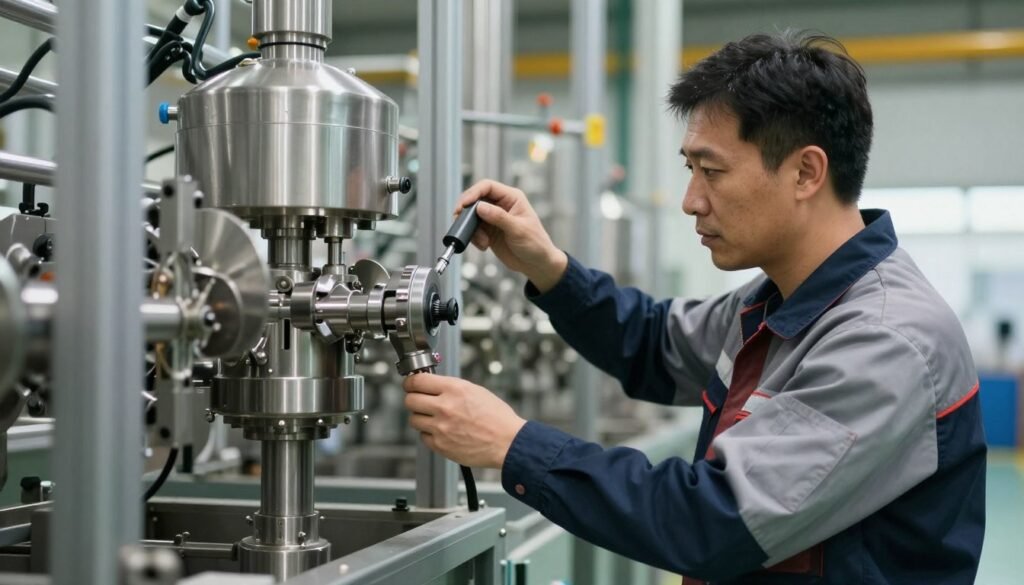
UK buyers evaluating poultry feed production line investments consistently raise specific concerns about equipment reliability, operational challenges, and supplier support. Addressing these issues upfront helps you make confident purchasing decisions and set realistic operational expectations.
Equipment Blockages and Material Flow Issues
Blockages represent the most common operational complaint. Material builds up in conveyors, elevators, or mixers, stopping production and requiring manual cleanout. Causes include excessive moisture, incorrect particle size, poor equipment design, or inadequate maintenance. Quality equipment incorporates features preventing blockages: properly angled chutes, adequate belt tension on conveyors, and oversized discharge openings.
MAIKONG equipment undergoes rigorous testing with various material characteristics, ensuring reliable flow under typical operating conditions. Stainless steel contact surfaces prevent rust contamination and facilitate cleaning. Inspection doors at critical points allow quick access when problems occur. Proper operator training emphasising preventive maintenance dramatically reduces blockage frequency.
Pellet Quality Problems
Poor pellet durability manifests as excessive fines in finished product, customer complaints, and reduced feed conversion efficiency. Multiple factors affect pellet quality: formulation balance, particle size distribution, conditioning effectiveness, die specifications, and cooling adequacy. Addressing pellet quality requires systematic evaluation of each processing stage.
Formulation influences binding characteristics. Starch gelatinisation during conditioning creates natural binding. Protein sources contribute to matrix strength. Some ingredients like wheat middlings reduce pellet hardness. Working with experienced nutritionists balances nutritional requirements against physical quality needs.
Die selection matters significantly. Larger hole diameters produce softer pellets requiring less power but potentially creating more fines. Smaller holes increase durability but demand more energy and reduce throughput. Effective length-to-diameter ratio for poultry feed typically ranges from 8:1 to 12:1. MAIKONG provides dies optimised for poultry applications based on decades of commercial experience.
Spare Parts Availability and Cost
Concerns about parts availability reflect past experiences with suppliers lacking UK presence or adequate inventory. Maintenance planning requires confidence that wear parts arrive promptly when needed. Hammer mill screens, mixer paddles, pellet dies, and drive belts constitute routine replacement items requiring regular stocking.
MAIKONG maintains UK-based parts inventory for all equipment models sold in Britain. Standard wear parts ship within 48 hours of order. Critical components stock at our European distribution centre, ensuring availability without expensive air freight from Asia. We provide recommended spare parts lists at installation, helping you maintain appropriate local stock levels for your operation size.
After-Sales Support and Technical Service
Equipment inevitably experiences problems requiring expert assistance. Responsive technical support minimises downtime and maintains production schedules. UK buyers rightfully demand local support rather than dealing with distant factories across language barriers and time zones.
MAIKONG assigns dedicated UK technical representatives to each installation. We provide comprehensive operator training during commissioning, covering routine operation, preventive maintenance, and basic troubleshooting. Our technical team remains available by phone and email, with video support options for visual diagnosis. For complex issues, field service visits typically occur within 72 hours of request.
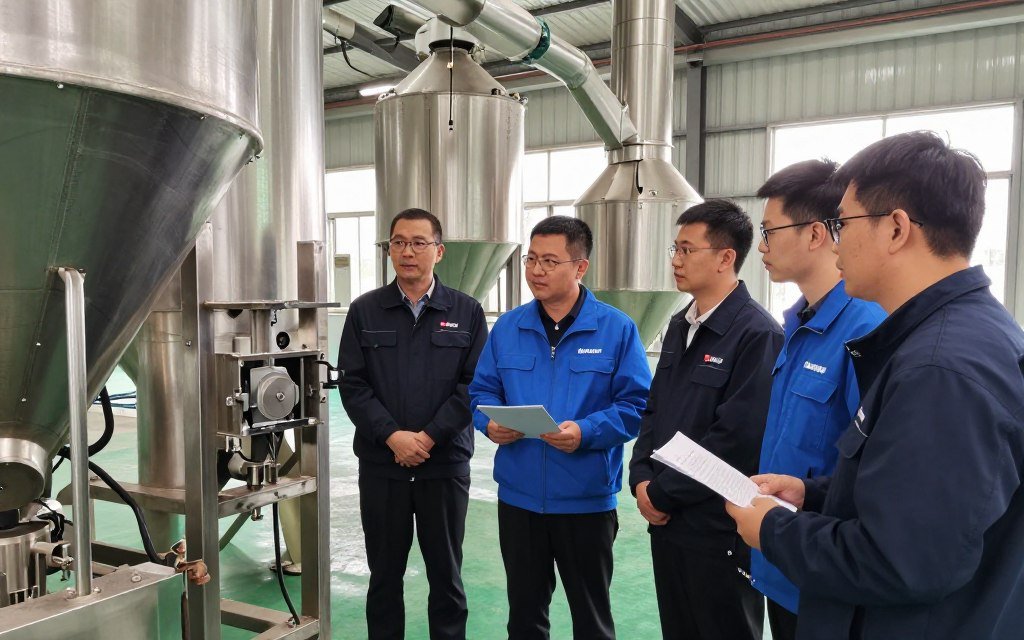
Shipping, Installation, and Commissioning
International equipment purchases involve shipping logistics, customs clearance, and installation coordination. Buyers worry about damage during transport, incorrect voltage specifications, or incomplete delivery. These concerns prove valid when dealing with inexperienced exporters.
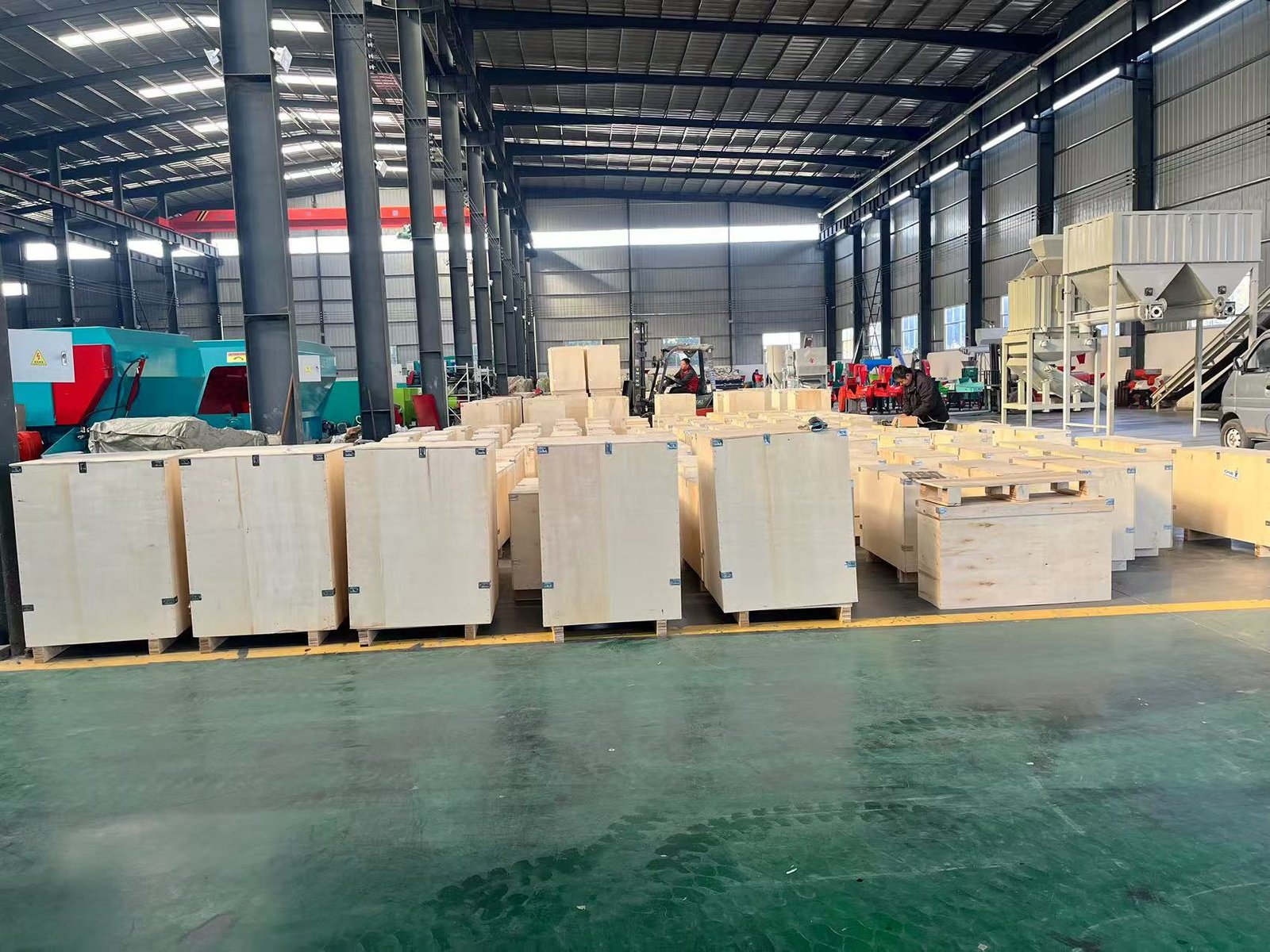
MAIKONG provides turnkey service including export packaging designed for ocean transport, complete documentation for UK customs clearance, and coordination with your chosen freight forwarder. We adapt electrical specifications to British standards during manufacturing. Installation services include foundation specifications, equipment positioning, electrical connections, and complete system testing. We remain on-site until your line produces specification-quality feed consistently.
Return on Investment Timeline
Capital equipment purchases require clear understanding of payback period. Feed production economics depend on ingredient costs, production efficiency, product pricing, and sales volume. Small operations producing exclusively for their own birds realise returns through reduced purchased feed costs. Commercial producers generate revenue through sales to external customers.
A typical 5-tonne-per-hour line producing 30 tonnes daily generates approximately 9,000 tonnes annually. At £50 per tonne margin (revenue minus ingredient and operating costs), this produces £450,000 annual contribution. Against £200,000 equipment investment, payback occurs within 6-8 months under normal market conditions. Your specific situation varies based on local ingredient costs, competitive pricing, and capacity utilisation.
MAIKONG Customer Success: Somerset Poultry Cooperative
A Somerset-based cooperative of 12 poultry farmers installed a MAIKONG 5 T/H production line in early 2022. Previously purchasing all feed from commercial suppliers, they invested £185,000 in equipment capable of serving their combined 250,000 bird flock. Within 9 months, the cooperative recovered their investment through reduced feed costs and began producing for external customers. Current production averages 35 tonnes daily with 18-month payback achieved despite challenging market conditions during start-up.
OEM and Customisation Services
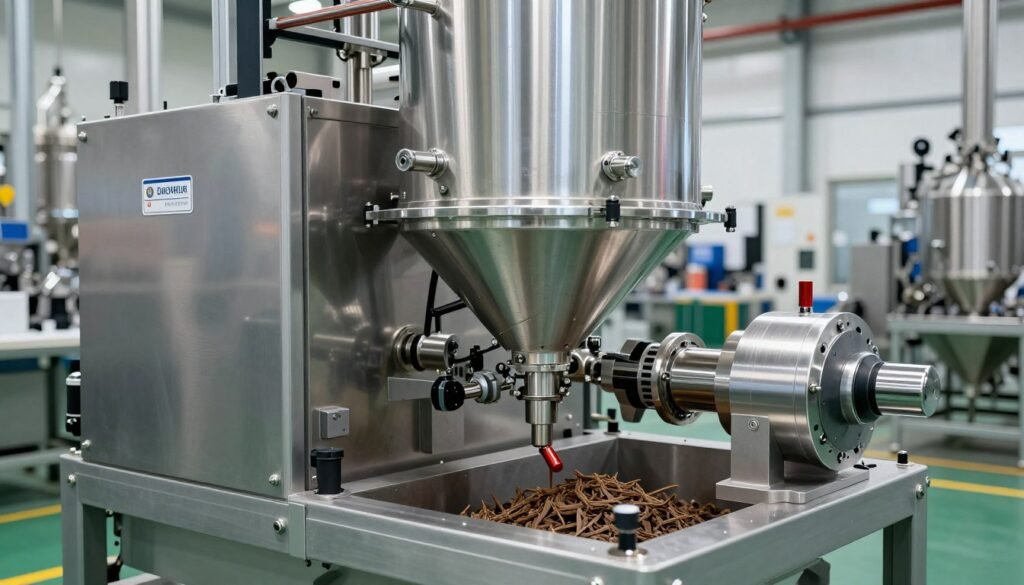
Standard equipment serves most applications effectively, but unique situations benefit from customisation. MAIKONG’s 22 years of manufacturing experience enables us to modify equipment designs, adapt capacities, and integrate special features meeting specific customer requirements. Our OEM services extend from simple cosmetic branding through complete custom-engineered systems.
Equipment Adaptation Options
Common customisation requests include voltage adaptations for different electrical systems, capacity modifications matching available building space or power supply, material contact surface specifications for aggressive ingredients, and control system integration with existing factory automation. MAIKONG engineering team evaluates modification requests, provides technical feasibility assessments, and quotes customisation costs transparently.
UK dealers increasingly request private labelling, applying their brand identity to MAIKONG equipment. We accommodate nameplate changes, custom paint colours, and branded control panels. This white-label approach allows dealers to build their brand whilst benefiting from our manufacturing expertise and quality standards.
Complete System Design
Turnkey project services cover all aspects from initial concept through operational handover. Our team visits your site, assesses constraints including building dimensions and utility availability, and develops comprehensive system layouts. We coordinate with civil contractors regarding foundations and structural requirements, specify electrical distribution systems, and design material handling flows optimising efficiency.
Complete projects include all equipment, interconnecting conveyors and elevators, dust collection systems, control panels, and installation supervision. This single-source responsibility eliminates coordination problems between multiple suppliers whilst ensuring system compatibility. MAIKONG has delivered turnkey installations from 500kg to 50-tonne per hour capacity across Europe with consistently successful outcomes.
Explore Customisation Possibilities
Whether you need voltage adaptation, capacity modification, or complete custom engineering, our technical team can develop solutions meeting your specific requirements. Contact us to discuss your unique situation.
For immediate assistance: WhatsApp +86 15815556422
MAIKONG Success Stories Across Europe
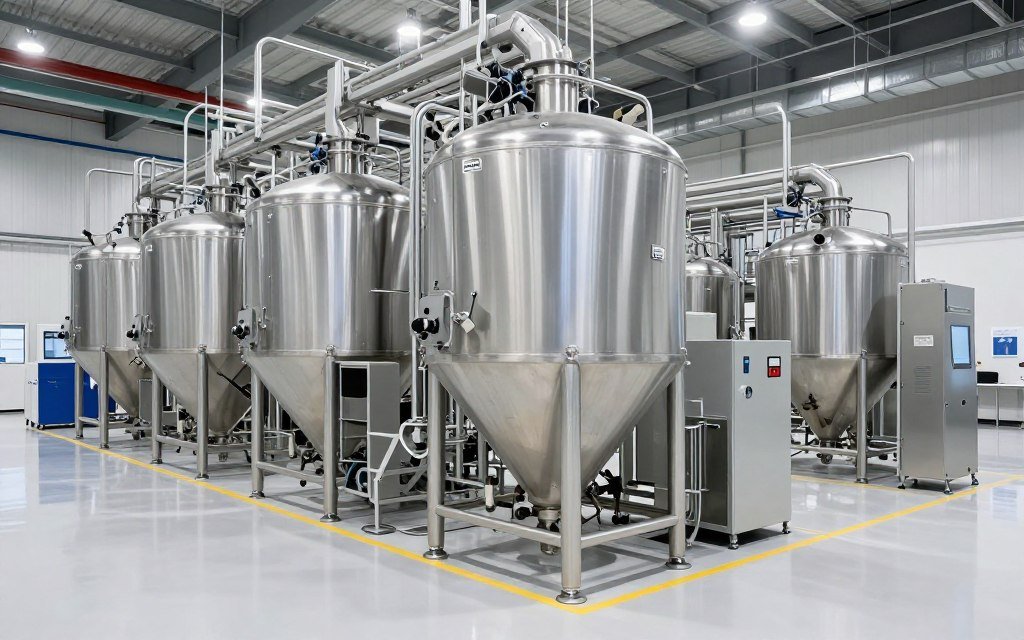
MAIKONG equipment operates successfully across Europe, serving diverse climates, regulatory environments, and production requirements. Our European installations demonstrate equipment reliability, adaptability to local conditions, and sustained performance over years of operation. These success stories provide confidence for UK buyers evaluating supplier options.
German Organic Poultry Operation
A certified organic poultry producer in Bavaria installed a 3-tonne-per-hour MAIKONG line in 2020. Organic certification required extensive documentation regarding equipment materials and cleaning protocols. Our stainless steel contact surfaces and tool-free disassembly features met stringent organic standards. The operation produces non-GMO feed for 150,000 organic layers, achieving required certification whilst maintaining competitive production costs.
Polish Contract Feed Manufacturer
A Warsaw-area feed manufacturer serving multiple poultry integrators required flexible production capabilities. Their MAIKONG 8-tonne-per-hour installation produces broiler starter, grower, and finisher feeds plus layer rations across three age groups. Computerised batching allows rapid formula changes with minimal downtime. Production data integration with their ERP system enables just-in-time manufacturing matching delivery schedules precisely.
Netherlands Duck Farm Cooperative
Dutch duck producers formed a cooperative to reduce feed costs and improve ration specificity for their specialty market. MAIKONG supplied a 2-tonne-per-hour line including specialised dies producing 3mm pellets suitable for ducklings. The compact system fits within their limited building space whilst delivering adequate capacity for cooperative members’ combined 80,000 duck flock.
These installations share common themes: reliable equipment performance, responsive technical support, and positive return on investment. European customers appreciate MAIKONG’s understanding of EU regulatory requirements, CE certification of electrical components, and experience with European ingredient characteristics differing from Asian materials.
Making Your Investment Decision
Establishing poultry feed production capability represents a significant investment requiring careful evaluation. This guide has covered the complete production process, essential equipment, capacity considerations, and practical operational concerns. You now possess the knowledge foundation for informed decision-making regarding equipment selection and supplier evaluation.
Key factors determining investment success include matching capacity to genuine requirements, selecting quality equipment from experienced manufacturers, securing reliable technical support, and planning adequate working capital for initial inventory and operational learning curve. Rushing into undersized or poorly supported installations creates ongoing frustration and financial disappointment.
MAIKONG brings 22 years of feed equipment manufacturing experience to your project. Our UK presence ensures local support addressing your concerns promptly. Equipment quality reflects decades of continuous improvement based on customer feedback and engineering innovation. We offer transparent pricing, clear specifications, and realistic performance expectations.
Whether you require a compact 500kg per hour system for on-farm production or a sophisticated 20-tonne per hour commercial installation, MAIKONG engineering team will work with you to develop optimal solutions. Our success depends on your success, creating genuine alignment of interests uncommon in equipment supply relationships.
Join MAIKONG’s UK Distributor Network
MAIKONG is actively seeking qualified partners across the United Kingdom. Benefit from 22 years of manufacturing excellence, comprehensive technical support, and competitive distributor pricing. We provide complete sales support including technical training, marketing materials, and project engineering assistance. Exclusive territory opportunities remain available in select regions.
As a MAIKONG distributor, you gain access to:
- Complete product line from 200KG to 200 T/H capacity
- UK-based parts inventory and technical support
- Protected territory rights in your region
- Competitive distributor margins supporting profitable business growth
- Engineering support for custom project quotations
- Marketing materials and lead generation assistance
- Comprehensive product training for your sales and technical teams
Prefer to discuss directly?
Call: +86 15815556422
WhatsApp: +86 15815556422
Email: Lucy@feedproductionline.uk
Visit our website: https://feedproductionline.uk/
Learn more about MAIKONG: Company Profile
The UK poultry industry continues expanding, creating sustained demand for quality feed production equipment. Whether you represent an established agricultural equipment dealer seeking to add feed production capabilities, or an entrepreneur identifying business opportunities in agricultural support services, MAIKONG partnership provides the foundation for profitable growth.
Our commitment extends beyond equipment supply to genuine partnership supporting your business success. We look forward to discussing how MAIKONG can contribute to your poultry feed production objectives, whether as a direct equipment customer or distribution partner. Contact us today to begin the conversation.