Professional Animal Feed Production Line Manufacturer For UK Market

How to Select the Right Animal Feed Production Line for Your Business
July 20, 2026
Selecting the right animal feed production line is a decision that directly impacts your business's efficiency and profitability. An ideal setup balances production capacity, operational cost, and the quality of feed produced. Typically, choosing the right system requires understanding your specific needs, the nature and volume of the feed required, and various technological preferences. This guide aims to offer a comprehensive path to making an informed choice.
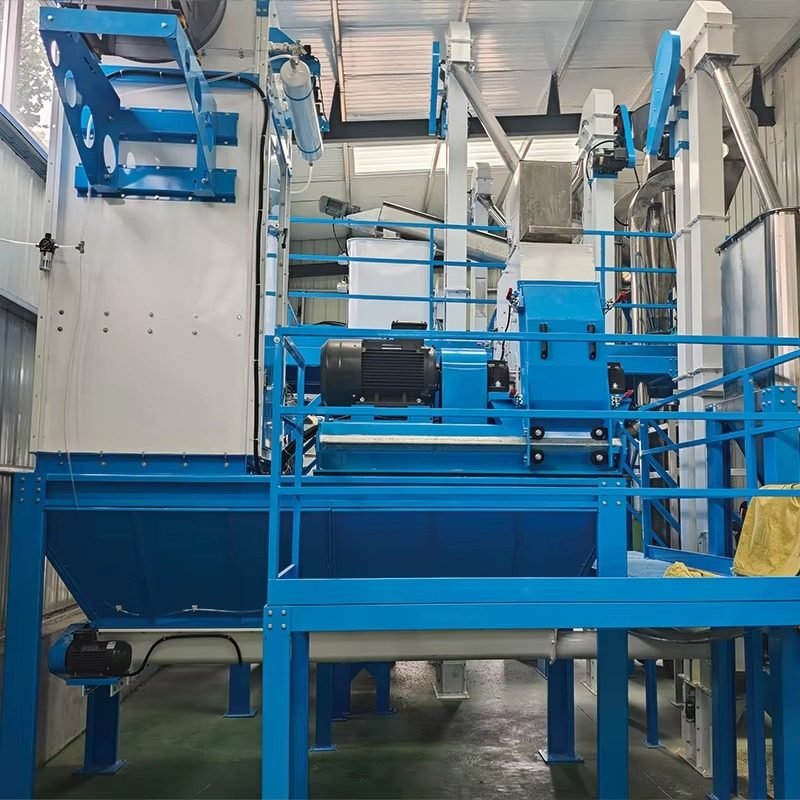
What Key Factors Should You Consider?
When selecting an animal feed production line, consider the types of feed produced, production capacity, technological specifications, and maintenance requirements. Each of these factors influences how effectively your operation can meet demand.
Types of Feed Produced
The variety of feed your production line can create is a fundamental consideration. Systems must accommodate specific ingredients and formulation needs, adapting to cattle, poultry, aqua, or pet feeds. According to ISO 9001 standards, systems must ensure consistent product specifications for each feed type. This adaptation reduces waste and ensures high-quality feed every time.
Production Capacity
Production capacity must align with your business goals and market demand. A line designed for smaller batches will struggle with a sudden scale-up. Generally, evaluate lines that range from a few hundred kilograms to several tons per hour, aligning with your growth forecasts. Implementing modular systems can provide the flexibility needed to scale with demand.
Technology and Automation
Automation in feed production lines can dramatically improve efficiency. Automated systems, like those featuring PLC controls, offer precision and reduce labor costs. They also support consistent batch production, essential for maintaining ISO 9001 compliance. For more insights, explore our Premix Feed Production Line featuring Automated Systems.
Maintenance Needs
Maintenance frequency and cost are critical, as downtime affects production. Easy-to-maintain machinery lowers operational hiccups and extends lifespan. Look for equipment with readily available replacement parts and simple service protocols.
How Much Should You Budget?
Budgeting for an animal feed production line involves both initial investment and ongoing costs. While upfront costs vary based on technology, size, and capacity, ongoing expenses include maintenance, labor, and energy.
Initial Investment
Expect initial costs for feed production lines to start in the lower tens of thousands for simple setups, increasing to several hundred thousand for high-capacity, fully automated systems. Economies of scale often reduce the per-unit cost with larger systems.
Operational Costs
Operational costs primarily involve energy consumption and labor. Energy-efficient machinery, like those we discuss in our Poultry Feed Production Line With Energy-Efficient Machinery, can reduce these costs. Additionally, automation reduces the labor required, further decreasing expenses.
What Production Line Types Fit Specific Needs?
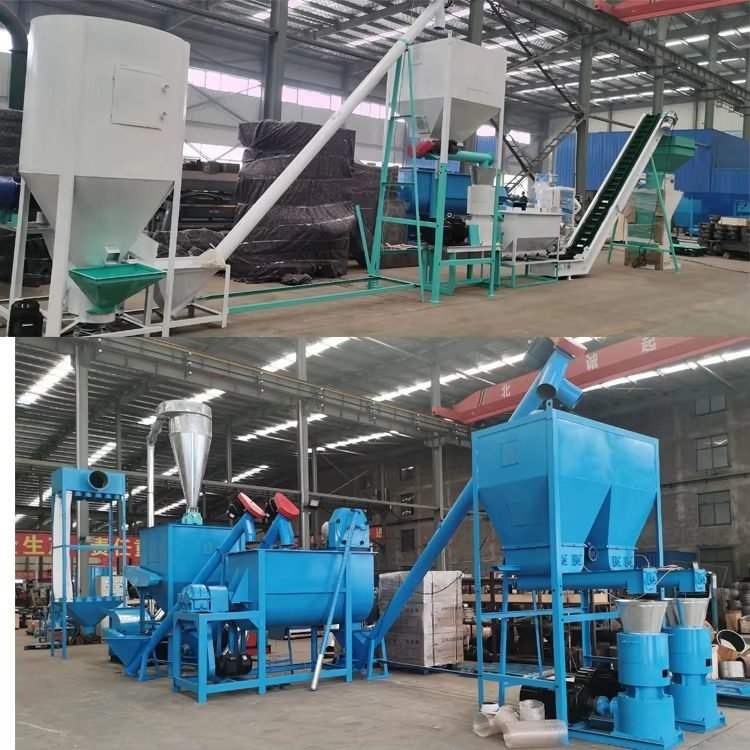
Production lines fall into three primary categories: complete lines for large-scale operations, compact lines for medium capacity, and basic lines for small-scale producers.
Complete Lines
Complete feed production lines are necessary for large-scale feed production, capable of thousands of tons per year. These systems, which include everything from grinding to pelleting, are suitable for expansive feed operations or integrated farms.
Compact Lines
Compact lines cater to medium-sized operations, balancing cost and capacity. They offer features such as pre-mixing and pelleting in a more condensed form, suitable for spaces without room for complete lines.
Basic Lines
Basic lines are affordable and flexible, ideal for small-scale operations or specialty feeds. They offer simple automation and focus on critical processing steps.
How to Evaluate Your Supplier?
Choosing the right supplier affects the efficacy of the feed production line. Evaluate based on industry certifications, customer service, and customization options.
Industry Certifications
Standards like ISO 9001 and CE markings assure quality and compliance. MAIKONG Industry Co.,Ltd, for example, ensures its equipment adheres to these regulations, facilitating legal market entry in European regions.
Customer Service
Reliable after-sale service and support prevent interruptions. Look for suppliers with strong customer support, technical assistance, and spare parts availability.
Customization Options
Suppliers offering tailored solutions, such as custom-sized hoppers or unique mixing protocols, are invaluable. This adaptability means your line can evolve with market demands.
What are Common Mistakes to Avoid?
Avoiding common pitfalls can save time and resources while ensuring long-term success.
Ignoring Future Growth
Planning for current capacity without considering future business expansion can lead to costly overhauls or replacements. Opt for modular systems that can scale with growth.
Overlooking Quality
Price often influences buyer decisions, but quality should never be compromised. Invest in systems with proven durability and performance to avoid downtime.
Skipping Pilot Testing
Evaluate your supplier's equipment through a pilot test on site if possible. This ensures compatibility with your feed formulations and identifies any unforeseen issues early on.
Decision-Making Framework
To decide which type of feed production line fits your needs, consider the following table:
| Feature | Complete Line | Compact Line | Basic Line |
|---|---|---|---|
| Capacity | High (tons/day) | Medium (tons/day) | Low (kg/day) |
| Automation | Full automation | Semi-automation | Minimal automation |
| Space Requirement | Large | Medium | Small |
| Initial Cost | High | Medium | Low |
| Customization | High | Medium | Low |
| Typical Use Case | Large farms, co-ops | Regional suppliers | Local farms, niche feeds |
Quality Assurance Checklist
- Confirm the feed production line complies with necessary standards (ISO 9001 for quality assurance).
- Verify machinery includes comprehensive operational manuals and technical documents.
- Ensure suppliers provide robust support and maintenance options.
- Validate energy efficiency through peer reviews or case studies.
FAQs
What is the typical lead time for feed production equipment?
Lead time varies with system size and specifications, but generally runs weeks to a few months. Contact your supplier early to get a precise timeline.
How much maintenance is typically required for these systems?
Feed production lines need regular maintenance, often monthly checks and annual overhauls to ensure maximum efficiency and longevity.
Are there safety standards for feed production lines?
Yes, equipment must comply with ISO 9001 for quality and safety standards, ensuring safe operation aligned with EU regulations.
Can these systems be customized?
Yes, suppliers often offer customization to meet specific formulations, facility sizes, and processing needs, adding value to operations.
Is training provided for the operation of these systems?
Most reputable suppliers offer training to ensure efficient and correct usage of machinery.
By considering the abovementioned factors, using MAIKONG Industry Co.,Ltd's insights and offerings ensures the efficient production of high-grade animal feed aligned with regulatory standards. For additional insights, explore Sustainability in Animal Feed Production: Trends and Technologies.
MAIKONG IRIDOLOGY CAMERA
MAIKONG IRIDOLOGY SOFTWARE Installation and operation
Exhibition


Company Certificates


Contact US Online WHATSAPP:

Maybe you like also
Copy©2026-2030