
Distributor’s View of Biomass Pellet Production Line Manufacturer: Margin, Spare Parts and After-sales Risk
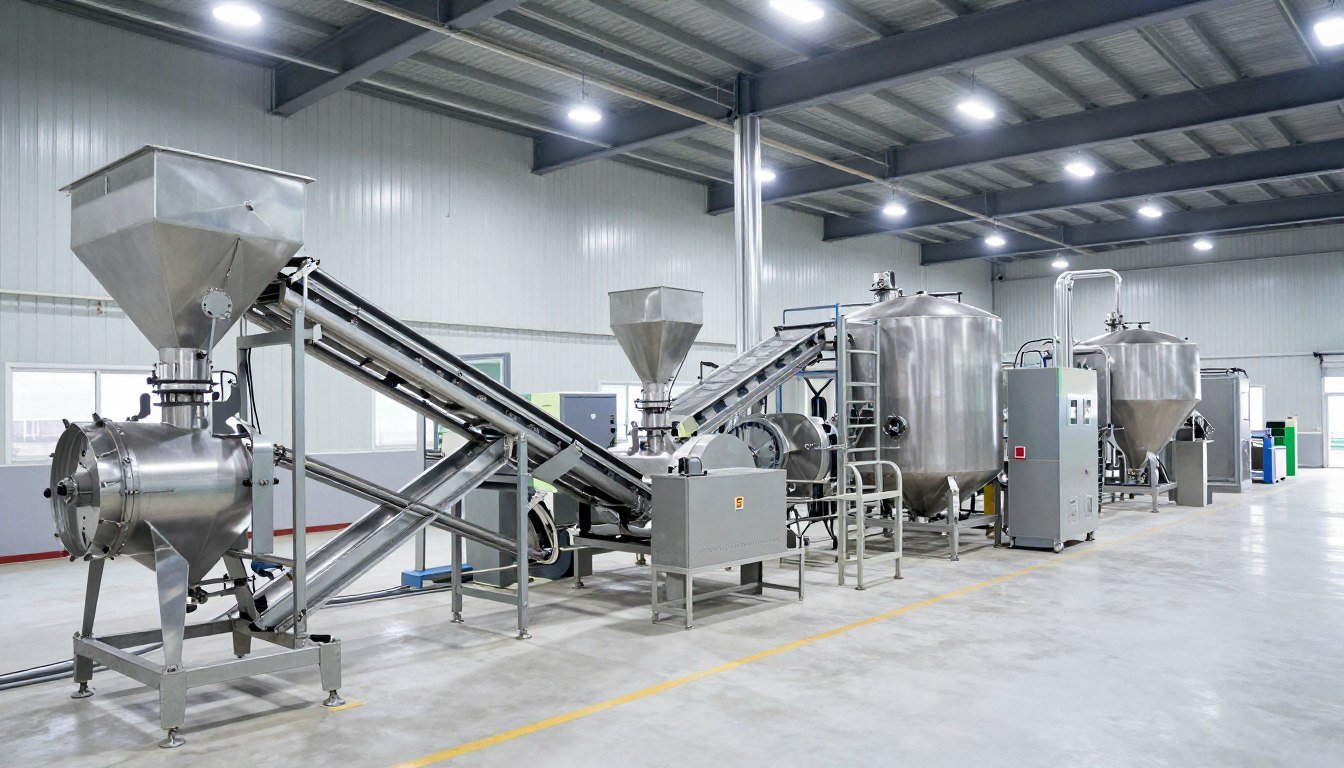
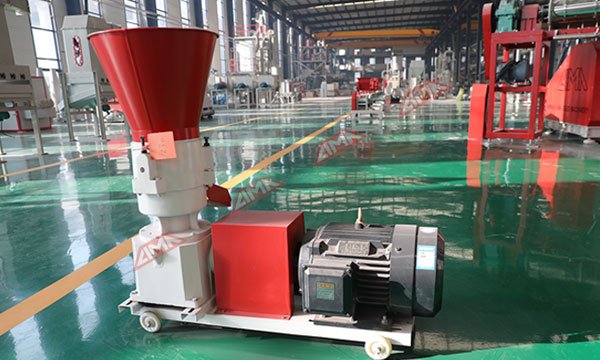
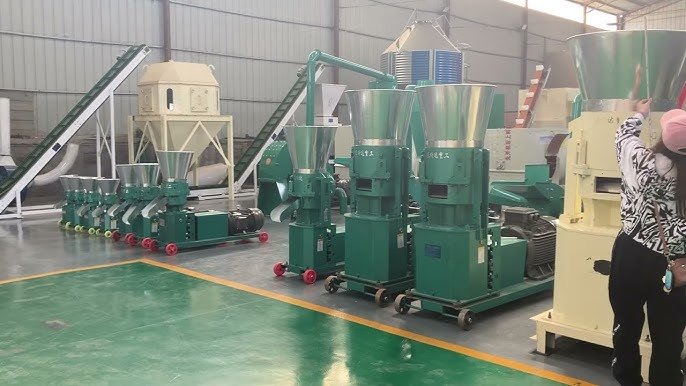
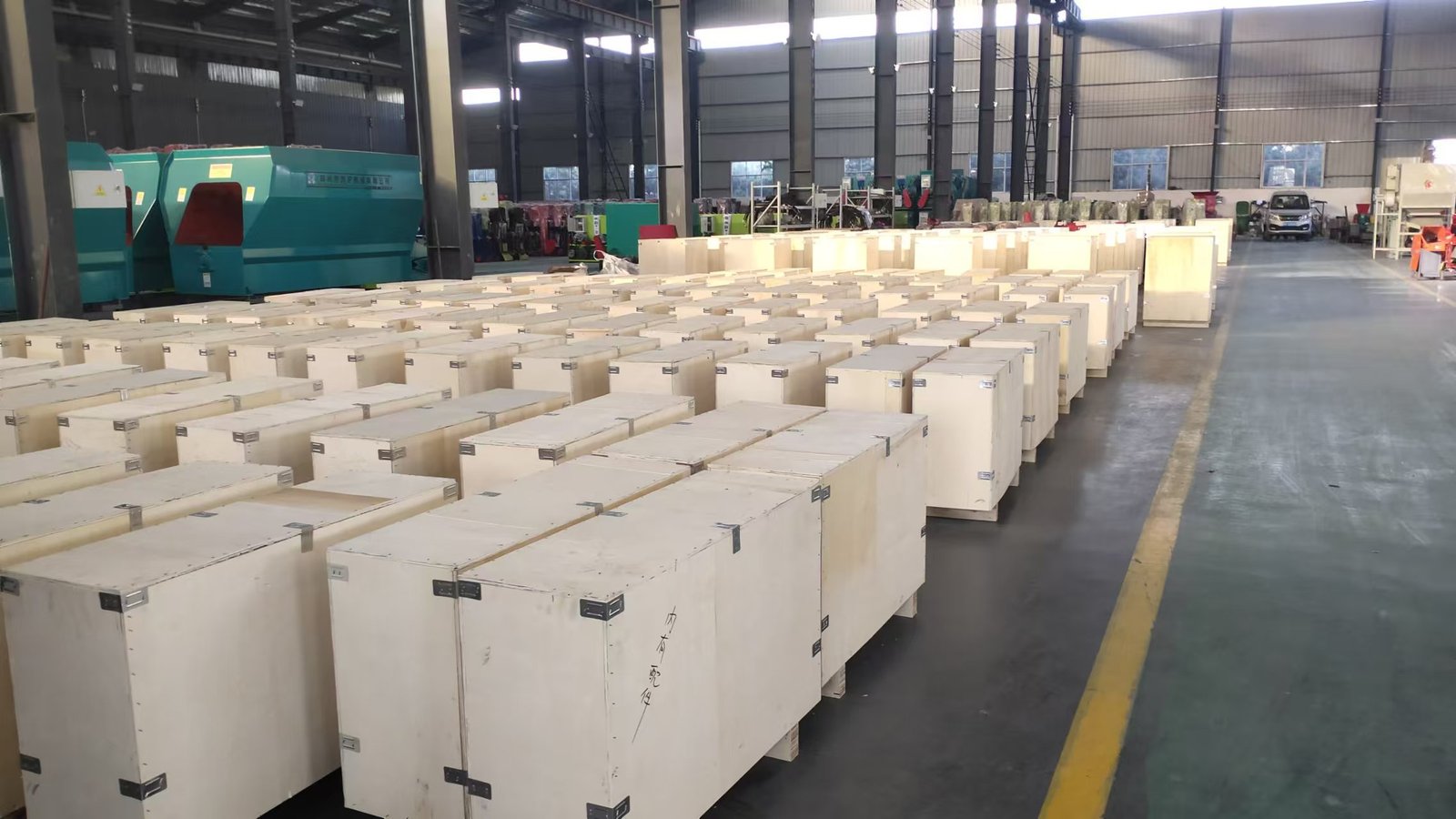
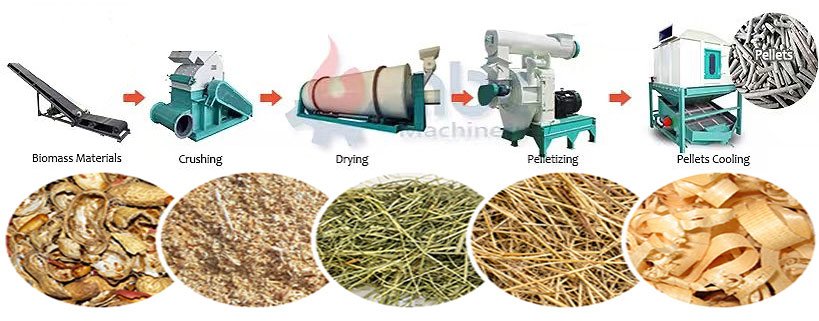
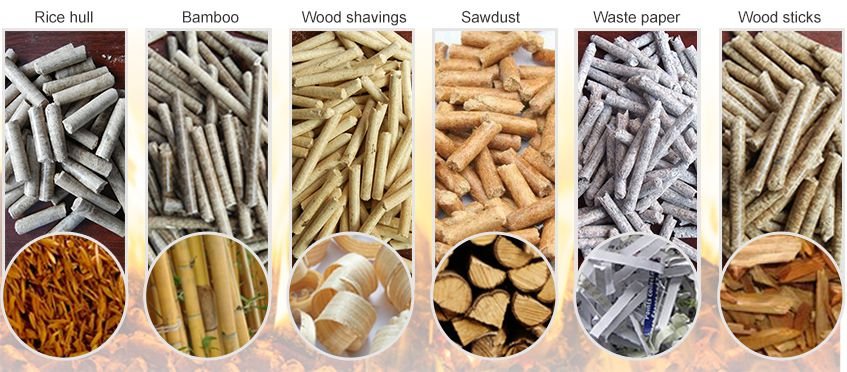
For UK distributors evaluating a biomass pellet production line manufacturer, the decision extends far beyond initial equipment cost. The real test comes after installation. How quickly can you secure replacement parts when a die cracks at 3 AM? What margins remain after accounting for warranty claims? These operational realities determine whether a manufacturer partnership strengthens your business or drains resources over the equipment’s 15-year lifespan.
UK buyers face unique pressures in 2024. Energy costs remain elevated compared to European competitors. Supply chain disruptions continue affecting industrial equipment sectors. Meanwhile, demand for sustainable biomass fuel drives market growth, creating opportunities for distributors who choose manufacturing partners wisely. This article examines the hidden risks and profit potential when partnering with biomass equipment suppliers, using real distributor experiences and technical insights.
Download Your Risk Assessment Tool
Before committing to any biomass pellet production line manufacturer, evaluate supplier reliability across 12 critical factors. Our UK Distributor’s Risk Assessment Checklist covers parts availability, technical support response times, warranty terms, and margin protection clauses.
Spare Parts Availability: The Make-or-Break Factor for UK Distributors
A biomass pellet mill operates under extreme conditions. Pressures exceeding 3,000 PSI force raw biomass materials through hardened steel dies thousands of times hourly. Components wear predictably, yet many distributors discover too late that their chosen manufacturer maintains inadequate spare parts inventory for UK markets.
Critical Wear Components and Replacement Intervals
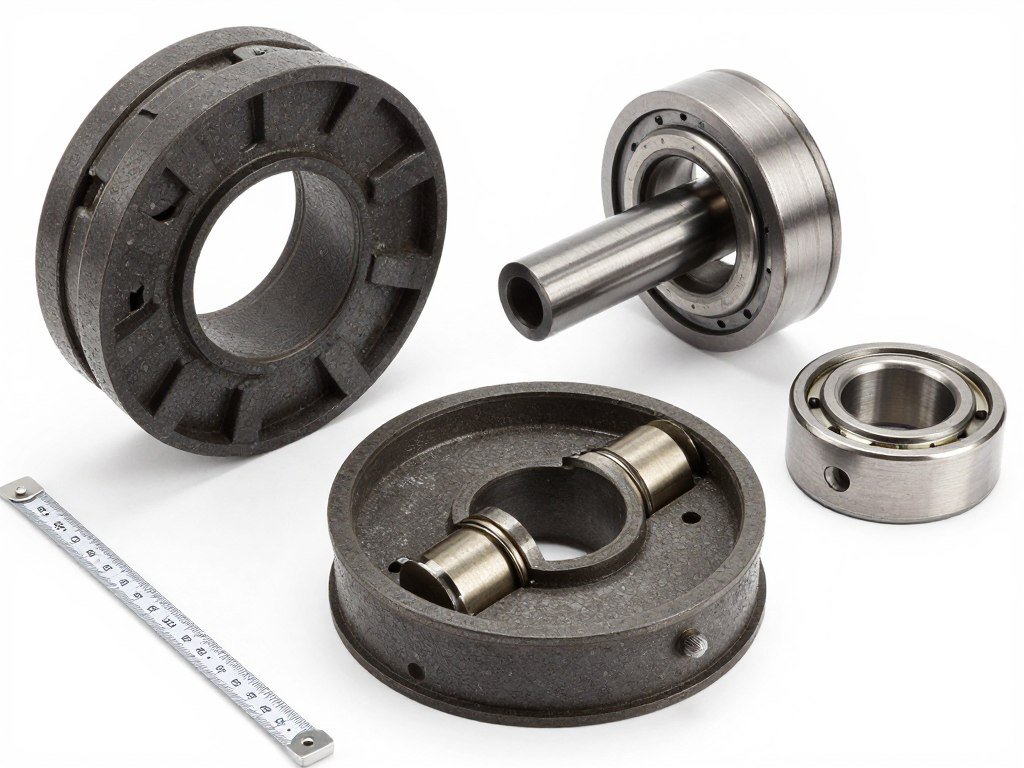
Understanding wear patterns helps distributors forecast parts demand and inventory requirements. The table below shows typical replacement intervals for MK-L003 production lines processing wood biomass at 5 tonnes per hour.
| Component | Expected Lifespan | UK Lead Time (MAIKONG) | Approximate Cost | Stock Recommendation |
| Ring Die (Φ450mm) | 1,200-1,500 hours | 7-10 days | £2,400-£3,200 | 1 spare minimum |
| Pressure Rollers (Set) | 800-1,000 hours | 7-10 days | £1,800-£2,400 | 1 set on-site |
| Main Shaft Bearings | 2,500-3,000 hours | 5-7 days | £650-£900 | Critical spare |
| Drive Belt (V-Belt) | 4,000-5,000 hours | 3-5 days | £180-£280 | 2 spares |
| Feed Auger Sections | 3,000-4,000 hours | 10-14 days | £320-£450 | 1 section |
| Conditioner Paddles | 2,000-2,500 hours | 7-10 days | £240-£360 | 1 set |
These intervals assume proper maintenance and suitable raw material preparation. Processing abrasive materials like rice husk or shell biomass can reduce component life by 30-40%. Distributors serving biomass fuel producers need transparent conversations with their manufacturer about parts pricing, minimum order quantities, and emergency delivery options.
The MAIKONG Parts Advantage for UK Markets
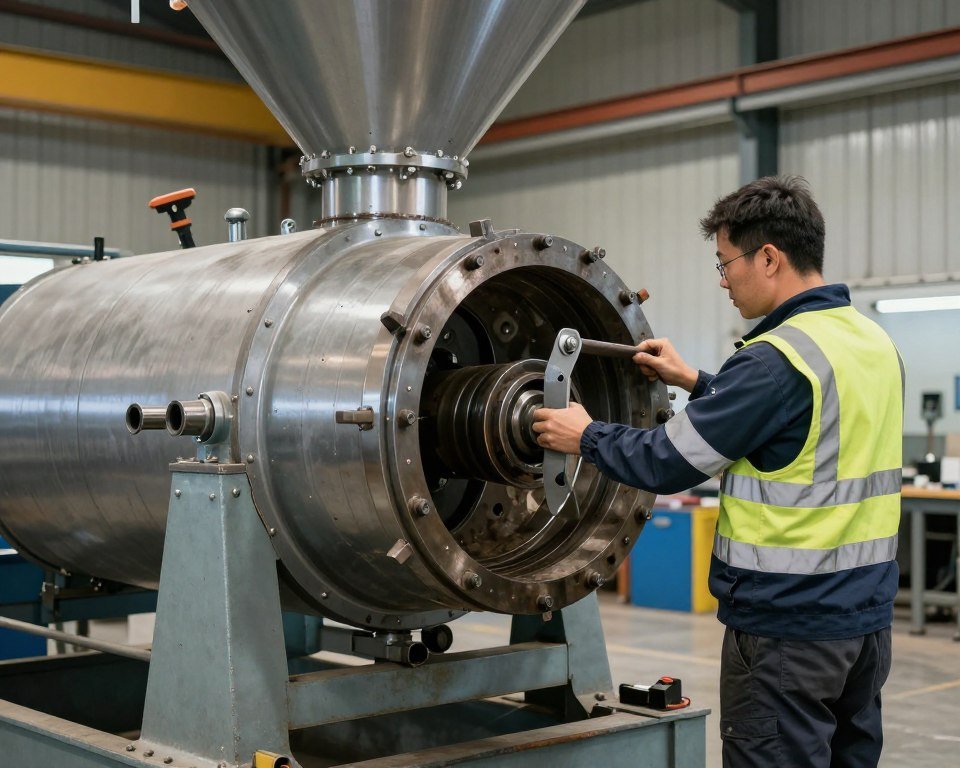
MAIKONG maintains a dedicated parts programme for European distributors, recognising that biomass pellet plants cannot tolerate extended downtime. Our GD facility manufactures all critical wear components in-house, eliminating third-party supply chain vulnerabilities. For UK partners, we stock high-turnover items at our European logistics hub, enabling 7-10 day delivery for ring dies and pressure rollers—components that traditionally require 4-6 weeks from Asian manufacturers.
Equally important, MAIKONG provides distributors with technical drawings and specifications for all wear parts. This transparency allows you to source emergency replacements locally when absolutely necessary, though our pricing typically makes this uneconomical except in crisis situations. We’ve seen competitors restrict parts information, forcing distributors into expensive, relationship-damaging delays.
Spare Parts Pricing: Distributor Margins Explained
Parts sales represent significant revenue for equipment distributors, but only when manufacturers offer reasonable trade pricing. MAIKONG provides UK distributors with tiered parts pricing:
- Standard parts discount: 35-40% off retail pricing for regular orders
- Stock programme discount: Additional 5% for distributors maintaining agreed inventory levels
- Emergency parts pricing: Standard discount maintained even for rush orders (no premium pricing exploitation)
- Service contract support: Preferential pricing for distributors offering maintenance contracts to end users
This structure allows distributors to maintain healthy margins whilst offering competitive pricing to end users, creating long-term customer relationships rather than one-time equipment sales.
Maintenance Protocols That Protect Distributor Reputation
Equipment failures damage distributor reputations more severely than manufacturers. When a biomass production line stops, your customer loses revenue hourly. They remember who sold them the equipment, not who manufactured it. Preventative maintenance protocols become your first line of defence against reputation damage and warranty claims.

Daily and Weekly Inspection Requirements
The MK-L003 production line requires systematic inspection routines. These simple protocols prevent 70-80% of unplanned downtime when followed consistently. Distributors should train customer personnel or offer maintenance contracts covering these essentials.
Daily Checks (15-20 minutes)
- Visual inspection of drive belts for wear or misalignment
- Check bearing temperatures (should not exceed 75°C)
- Inspect die and roller surfaces for unusual wear patterns
- Verify lubrication levels in gearbox and bearing housings
- Check emergency stop functionality
- Clear any material buildup in conditioner or feed chute
- Verify proper pellet formation (length, density, minimal fines)
Weekly Maintenance (1-2 hours)
- Lubricate all grease points per manufacturer specifications
- Inspect and tighten all mounting bolts (vibration causes loosening)
- Check drive motor alignment and coupling condition
- Clean dust collection system filters
- Inspect electrical connections for heat damage or looseness
- Review production logs for efficiency trends
- Test all safety interlocks and emergency systems
- Measure pellet quality parameters (durability index, moisture)
Lubrication: The Most Neglected Critical Task
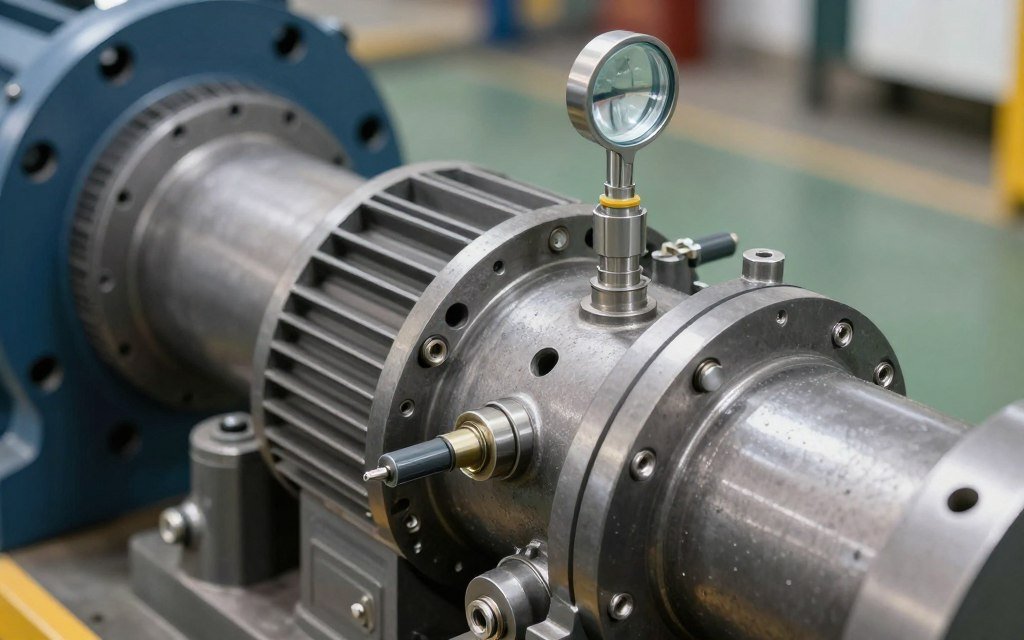
Inadequate lubrication causes more premature failures than any other factor in biomass pellet mills. The main shaft bearings operate under immense radial loads while rotating at 300-400 RPM. Missing a single lubrication interval can reduce bearing life by 50% or more.
MAIKONG specifies high-temperature lithium complex grease (NLGI Grade 2) for bearing lubrication, applied every 40-50 operating hours. The gearbox requires ISO VG 320 industrial gear oil, changed every 2,000 hours or annually. These specifications matter—using incorrect lubricants voids warranties and causes failures distributors must resolve.
Smart distributors provide customers with pre-filled lubrication charts showing specific grease points, intervals, and lubricant types. MAIKONG supplies these as part of our distributor support package, complete with photographic guides. This simple tool prevents most lubrication-related failures.
Die Blockage: Prevention and Resolution
Die blockage ranks among the most common operational issues with biomass pellet mills. Raw material moisture content outside the optimal 10-15% range causes most blockages. Too dry, and material won’t bind. Too wet, and it creates steam, causing material to swell and jam in die holes.
Prevention requires proper conditioning. The steam conditioning system must achieve 75-85°C material temperature with 14-16% moisture before pelleting. Installing in-line moisture sensors provides early warning of raw material variations.
When blockage occurs despite precautions, never attempt to force production. Shut down immediately. Remove the die and use appropriate presses or drift pins to clear blocked holes. Forcing operation risks cracking the die—a £3,000 mistake.
Questions About Maintenance Requirements?
Our UK-focused technical team can discuss maintenance schedules, lubrication specifications, and preventative care protocols specific to British operating conditions and your customers’ applications.
After-Sales Risk: What UK Distributors Must Evaluate
After-sales support quality directly impacts distributor profitability and customer retention. A biomass pellet plant manufacturer might offer attractive equipment pricing, but inadequate post-sale support creates costly problems distributors must resolve—often at their own expense.

Technical Support Response Times and Capabilities
Equipment issues don’t respect business hours. A roller bearing failure at 2 AM on Saturday still costs your customer thousands in lost production. Evaluate manufacturers on these support criteria:
- Emergency contact availability: Can you reach a qualified engineer outside standard business hours?
- Response time commitments: Written SLA defining maximum response times for critical issues
- Remote diagnostic capabilities: Can engineers troubleshoot via phone, video, or remote access?
- English language proficiency: Critical for UK market—technical discussions require precise communication
- UK time zone coverage: Engineers available during British working hours, not just Asian time zones
- Escalation procedures: Clear path to senior engineers when frontline support cannot resolve issues

MAIKONG maintains dedicated support for European markets with engineers fluent in English and familiar with UK electrical standards, safety regulations, and operating conditions. Our commitment includes 4-hour response times for critical issues and 24-hour response for non-critical technical questions. This isn’t marketing language—it’s contractually guaranteed to our distributor partners.
Warranty Terms: Reading the Fine Print
Warranty coverage varies dramatically between biomass equipment manufacturers. Standard MAIKONG warranty provides:
Standard Coverage (12 Months)
- All structural components and welded assemblies
- Gearboxes and drive components
- Electrical motors and control systems
- Installation and commissioning support
Covers: Material defects, manufacturing faults, design issues
Excludes: Normal wear items (dies, rollers), damage from improper operation, unauthorised modifications
Extended Coverage (Optional 24-36 Months)
- All standard coverage items
- Discounted wear parts replacement
- Annual maintenance inspections
- Priority parts delivery
Distributor benefit: Easier customer financing, improved customer confidence, recurring revenue from maintenance contracts
Critical warranty consideration for distributors: Who handles warranty claims administration? MAIKONG processes warranty claims directly with end users or through distributors, depending on partner preference. We’ve structured systems to protect distributor relationships—customers aren’t bypassing you to contact the factory directly unless you choose that arrangement.
Installation and Commissioning Support
First-time installation establishes equipment performance expectations. Poor commissioning creates ongoing problems that haunt distributors for years. MAIKONG provides comprehensive installation support:
Pre-Installation (Distributor Receives)
- Detailed foundation drawings and specifications
- Electrical requirements documentation (UK voltage standards)
- Equipment layout plans with clearance requirements
- Pre-delivery site inspection checklist
- Raw material testing and conditioning requirements
Installation Phase (MAIKONG Provides)
- On-site commissioning engineer (5-7 days typical)
- Equipment assembly supervision
- Electrical and mechanical alignment verification
- Initial production trials with multiple biomass materials
- Performance testing and documentation
Post-Installation (Ongoing Support)
- Operator training (2-3 days on-site)
- Maintenance personnel training
- Troubleshooting guides and technical manuals
- 90-day performance follow-up
- Remote support access for 6 months post-commissioning
This comprehensive approach protects distributors from installation disputes. When MAIKONG’s engineer signs off on commissioning, equipment performance is documented and verified. No finger-pointing about whether problems stem from equipment quality or installation errors.
Distributor Margin Analysis: The Complete Financial Picture
Equipment sales generate initial revenue, but smart distributors evaluate total profit potential across the customer relationship lifecycle. Biomass pellet production lines offer multiple revenue streams beyond equipment markup.

Revenue Stream Breakdown
The table below illustrates typical revenue distribution for distributors over a five-year customer relationship, based on MAIKONG UK partner data:
| Revenue Source | Year 1 | Years 2-5 (Annual Avg) | 5-Year Total | Margin % |
| Equipment Sale (MK-L003, 5 T/H line) | £85,000 | — | £85,000 | 18-22% |
| Installation & Commissioning | £8,500 | — | £8,500 | 30-35% |
| Spare Parts Sales | £2,800 | £6,200 | £27,600 | 35-45% |
| Maintenance Contracts | — | £4,500 | £18,000 | 25-30% |
| Emergency Service Calls | £800 | £1,200 | £5,600 | 40-50% |
| Operator Training (Refresher) | — | £600 | £2,400 | 50-60% |
| Total Revenue | £97,100 | £12,500 | £147,100 | 28-32% blended |
These figures assume moderate production levels (single-shift operation, 2,000 hours annually). High-utilization customers operating two shifts generate proportionally higher parts and service revenue. The key insight: equipment sales represent only 58% of five-year revenue, whilst ongoing parts and service contribute 42%—at significantly higher margins.
Cost Factors Distributors Must Account For
Gross margins tell only part of the story. Smart distributors account for these often-overlooked costs:
Inventory Costs
Holding spare parts inventory ties up capital and requires storage space. MAIKONG’s consignment parts programme helps mitigate this.
- Recommended stock value: £8,000-£12,000 per installed line
- Storage requirements: climate-controlled for precision components
- Insurance considerations for high-value items (dies, gearboxes)
Technical Training
Your service personnel need manufacturer training to support customers effectively. MAIKONG provides initial training at no cost for distributor partners.
- Initial training: 5 days at factory or regional centre (travel costs)
- Annual refresher training recommended (online available)
- Certification programme for advanced troubleshooting
Warranty Obligations
Even with manufacturer backing, distributors incur costs managing warranty claims and customer relationships during problems.
- Site visit costs for warranty assessment
- Administrative time processing claims
- Interim solutions whilst awaiting parts (potential equipment rental)
Marketing Investment
Building market presence requires investment in demonstrations, trade shows, and technical literature.
- Trade show participation (equipment display, personnel)
- Customer demonstration programmes
- Technical sales support materials
- Digital marketing and lead generation
MAIKONG supports distributor marketing through co-op advertising programmes, providing technical materials, demonstration equipment availability, and joint customer presentations. These supports reduce distributor marketing costs by 40-50% compared to representing manufacturers without such programmes.
UK Market Success: Real Distributor Experience
Theory matters less than results. This case study examines a UK distributor’s experience partnering with MAIKONG to serve the British biomass fuel sector.
Background: Agricultural Waste to Premium Fuel
A Midlands-based agricultural equipment distributor recognised growing demand for renewable heating fuels among British farms and rural estates. They approached MAIKONG in 2021 seeking to add biomass pellet production equipment to their portfolio.
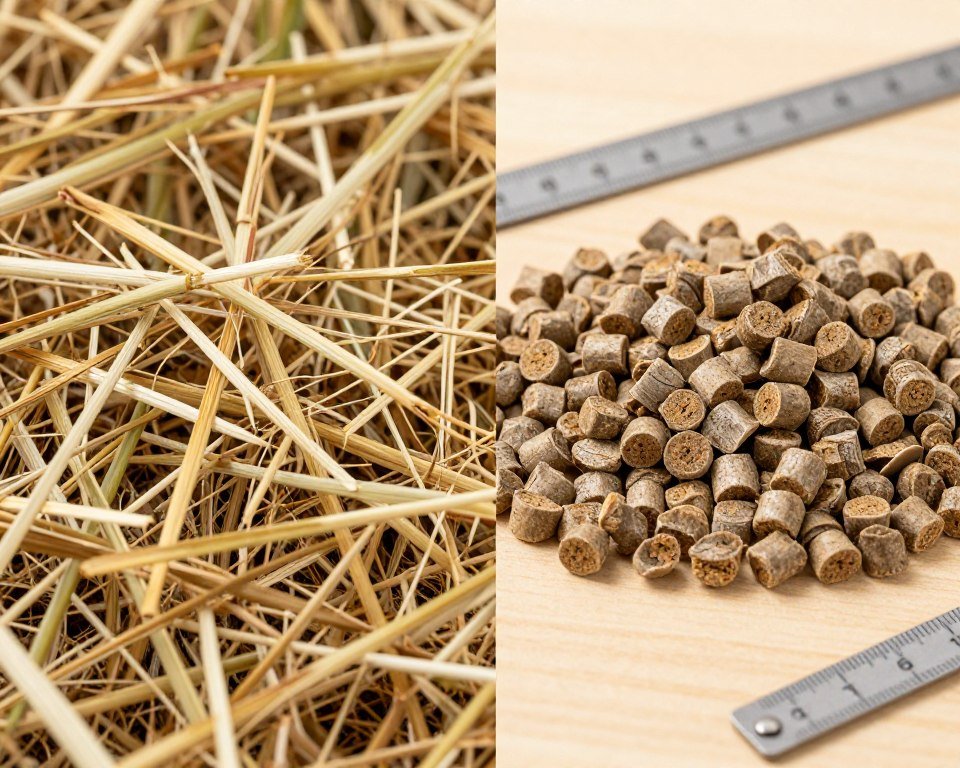
Their first installation targeted a 400-hectare arable farm producing substantial straw waste. The farm owner wanted to convert this waste material into premium heating pellets for sale to local estates and equestrian facilities—a growing market in rural Britain as energy costs climbed.
Project Specifications
Equipment Configuration:
- Model: MK-L003 complete production line
- Capacity: 3-5 tonnes per hour (depending on material)
- Primary material: Wheat and barley straw
- Secondary materials: Miscanthus, wood chips
- Pellet specifications: 6mm diameter, premium fuel grade
- Production target: 800 tonnes annually (seasonal operation)
Technical Adaptations for UK Market:
- 400V 3-phase electrical configuration (UK standard)
- Enhanced dust collection (UK environmental regulations)
- Weather-protected control panels (British climate considerations)
- Noise attenuation measures (rural planning requirements)
- Integration with existing farm storage infrastructure
Installation and Commissioning Results
The distributor managed installation with MAIKONG’s remote guidance, bringing our commissioning engineer on-site for final alignment and production trials. This approach minimised costs whilst ensuring proper setup.
Installation timeline:
- Foundation and building preparation (2 weeks): Local contractors prepared the site under distributor supervision using MAIKONG’s detailed specifications
- Equipment delivery and positioning (1 week): Distributor’s team handled logistics and initial placement
- Mechanical assembly (3 weeks): Distributor technicians completed assembly using MAIKONG’s detailed manuals and remote video support
- Electrical installation and commissioning (1 week): MAIKONG engineer on-site for final electrical work, calibration, and initial production trials
- Operator training and handover (4 days): Comprehensive training for farm personnel, covering operation, daily maintenance, and troubleshooting basics
Total installation period: 8 weeks from equipment arrival to full production—within the projected timeline despite typical British weather delays.
First-Year Performance and Challenges
The installation achieved target production rates within the first month. However, like all new operations, challenges emerged:
Successes
- Achieved 3.2 tonnes/hour with conditioned straw (exceeded 3T target)
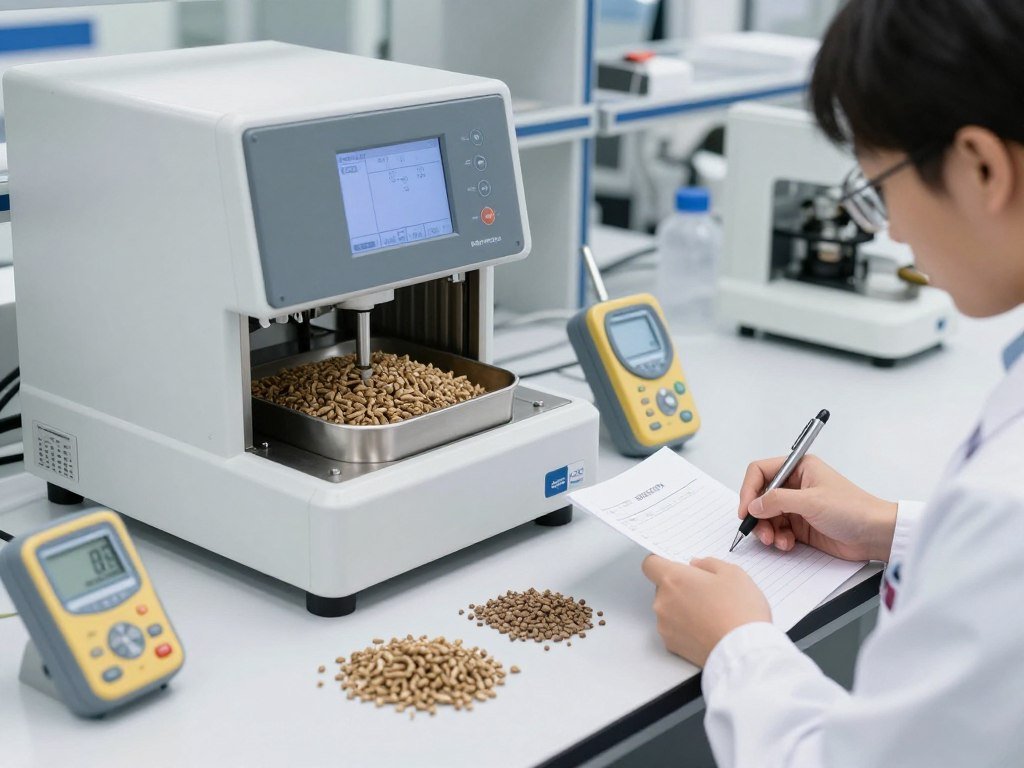
- Pellet quality consistently met premium fuel standards (durability index >97%)
- Energy consumption 15% below projected figures
- Successfully processed three different biomass materials after conditioning adjustments
- Zero unplanned downtime in first six months
- Farm achieved payback projections (2.8 years at current fuel prices)
Challenges Encountered
- Initial moisture control issues with field-dried straw (solved with covered storage protocol)
- Die wear rate 20% higher than wood biomass projections (straw’s silica content—expected but concerned customer)
- Seasonal raw material availability required operational planning (British farming calendar)
- Learning curve for farm operators (agricultural background, not industrial equipment experience)
- Dust control adjustments needed for British environmental inspector approval
Every challenge was resolved through distributor-MAIKONG collaboration. The die wear issue, for example, led to MAIKONG developing enhanced wear-resistant dies specifically for high-silica materials—now a standard option benefiting all distributors serving agricultural waste customers.
Financial Results: Distributor and End-User Perspective
The distributor’s financial results exceeded projections:
Distributor Revenue (Year 1):
- Equipment sale margin: £16,200 (19% margin on £85,000 system)
- Installation services: £2,800
- Spare parts (initial stock + first replacements): £3,400
- Training and commissioning support: £1,600
- Total Year 1 revenue: £24,000
Customer (Farm) Economics:
- Annual pellet production: 820 tonnes (slightly above target)
- Average selling price: £285/tonne (premium local market)
- Gross revenue: £233,700
- Operating costs (labour, electricity, maintenance): £87,500
- Net income: £146,200 (before equipment depreciation)
- Return on investment: 2.6 years at these figures
The farm owner became the distributor’s most effective salesperson, hosting site visits for other farms and rural businesses. This led to two additional sales within 18 months—a pattern MAIKONG sees repeatedly with satisfied customers.
Ongoing Relationship Benefits
The distributor now maintains:
- Annual maintenance contract (£4,200/year)
- Spare parts supply relationship (£5,000-£7,000 annually projected)
- Consulting relationship for production optimisation
- Reference site for prospective customers
Five-year projected revenue from this single customer: £68,000+ (nearly 3x the initial equipment margin)
MAIKONG Support Highlights
Throughout this project, MAIKONG provided:
- Custom die design for straw processing (no additional cost)
- Remote troubleshooting support (average 2-hour response)
- Seasonal production planning guidance
- Marketing support (case study, site visit coordination)
- Enhanced warranty on custom components
This support level transformed a transaction into a partnership, benefiting distributor, customer, and manufacturer.
Lessons for Other UK Distributors
Key success factors from this project:
- Thorough pre-sale assessment (material testing, site survey)
- Realistic customer expectations (discuss challenges upfront)
- Comprehensive operator training (invest time in education)
- Proactive maintenance (prevent problems, don’t just fix them)
- Strong manufacturer relationship (leverage MAIKONG’s expertise)
This approach builds long-term customer relationships and recurring revenue, not just one-time equipment sales.
How UK Distributors Achieve 30-35% Margins with MAIKONG
Equipment distribution profitability depends on more than initial markup. MAIKONG’s distributor programme addresses the complete profit picture through multiple revenue streams and margin-protection measures.

Competitive Ex-Works Pricing Structure
MAIKONG offers UK distributors pricing advantages that support healthy margins whilst remaining competitive in the British market. Our direct-from-factory model eliminates middleman markups common with manufacturers using regional agents.
Standard Distributor Pricing (Simplified Example – MK-L003 5T/H Line):
| Component | UK Retail Estimate | Distributor Cost | Margin £ | Margin % |
| Core Production Line | £68,000 | £52,000 | £16,000 | 23.5% |
| Auxiliary Systems (cooling, packaging) | £14,000 | £10,500 | £3,500 | 25% |
| Installation & Commissioning | £8,500 | £5,500 | £3,000 | 35% |
| Initial Training Package | £2,800 | £1,200 | £1,600 | 57% |
| Total System | £93,300 | £69,200 | £24,100 | 25.8% |
These figures demonstrate healthy initial margins. However, smart distributors recognise that services and support command higher margins than equipment hardware. MAIKONG’s programme encourages distributors to add value through installation, training, and ongoing support—activities that strengthen customer relationships whilst improving profitability.
Fast-Moving Spare Parts Revenue Potential
Spare parts represent the most profitable aspect of equipment distribution. Unlike equipment sales requiring extensive sales cycles, parts orders are frequent, predictable, and command strong margins.
Annual Spare Parts Revenue Projection (Per Installed Line):
- Routine wear parts (dies, rollers, belts): £4,500-£6,000 annually
- Maintenance supplies (lubricants, filters, gaskets): £800-£1,200 annually
- Occasional replacements (bearings, electrical components): £1,000-£2,000 annually
- Upgrades and modifications: £500-£1,500 annually
Total annual parts revenue: £6,800-£10,700 per installed line
With distributor margins of 35-45% on parts (MAIKONG’s standard trade discount), each installed line generates £2,400-£4,800 in parts margin annually. A distributor with 10 installed lines in their territory generates £24,000-£48,000 in parts margin alone—before counting service revenue.
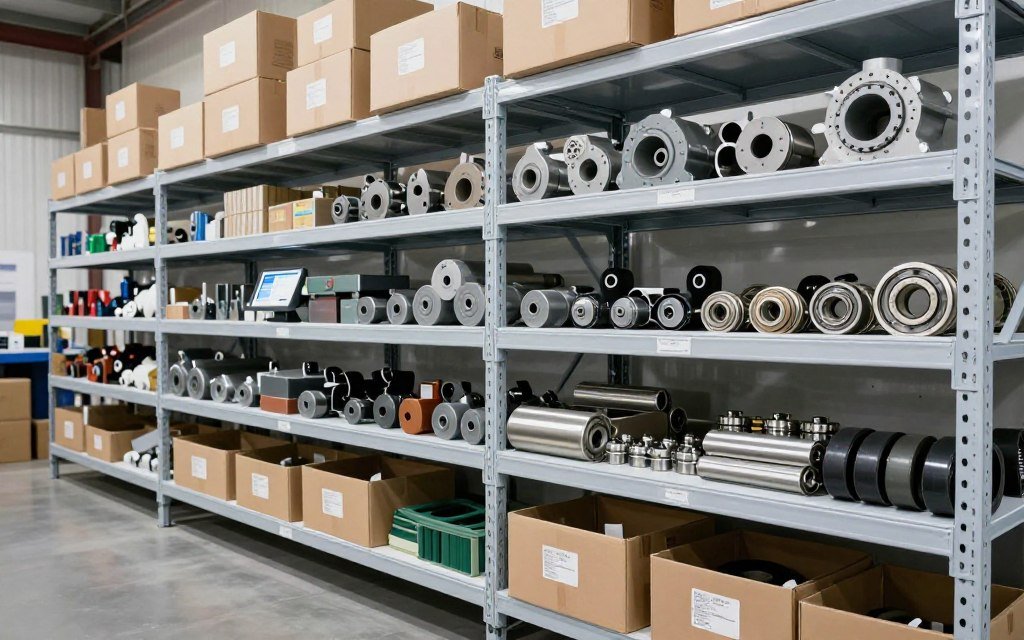
MAIKONG supports parts revenue through:
- Stock rotation programme: Exchange slow-moving inventory for fast-moving items
- Seasonal promotions: Incentivise customers to purchase maintenance parts before peak seasons
- Consignment arrangements: For new distributors, reducing initial inventory investment
- Emergency parts access: Distributor can access MAIKONG’s European stock for urgent customer needs
- Technical parts identification: Detailed parts diagrams and numbering system prevent ordering errors
OEM Branding Opportunities
Established distributors can enhance margins and market positioning through OEM arrangements. MAIKONG manufactures equipment under your brand, allowing premium positioning in your market.
OEM Programme Benefits:
Brand Control
Your company name, logo, and branding on:
- Equipment nameplates and control panels
- Technical documentation and manuals
- Spare parts packaging
- Marketing materials
Positions you as the manufacturer in customers’ minds, strengthening loyalty and reducing price competition.
Market Exclusivity
Territory protection ensures:
- No competing MAIKONG distributors in your region
- Direct factory backing for major projects
- Preferred pricing for volume commitments
- Co-marketing support and lead sharing
Protects your investment in market development and customer relationships.
Technical Customisation
Adapt equipment for your market:
- Electrical specifications (UK standards)
- Safety features (British regulations)
- Control system language and units
- Special features for local materials
Creates differentiation from standard imports, justifying premium pricing.
OEM arrangements typically require minimum annual volume commitments (5-10 units depending on model) and longer lead times for initial production setup. However, margin improvements of 5-8 percentage points make this attractive for established distributors.
Discover Your Margin Potential with MAIKONG
Our UK distributor programme combines competitive equipment pricing, high-margin parts supply, and OEM branding options to maximise your profitability. Request confidential distributor terms including pricing, territory availability, and support programmes.
Choosing Your Biomass Pellet Plant Manufacturer Partner
Selecting a manufacturing partner affects your business for years. Beyond product quality and pricing, evaluate manufacturers on their commitment to distributor success. The right partnership provides competitive advantages; the wrong one creates expensive headaches.
Critical Evaluation Criteria
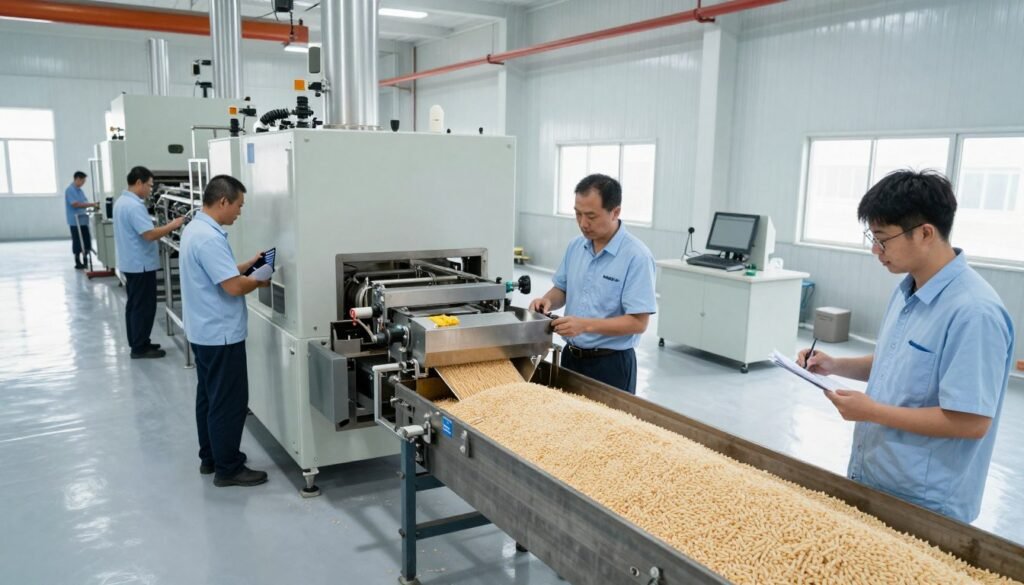
Base manufacturer selection on these factors, weighted by importance to your business:
This rating framework helps objectively compare manufacturers. Request references from existing distributors and verify claims through direct conversations. Manufacturers with strong programmes willingly connect you with their distribution partners.
Red Flags to Avoid
Watch for warning signs indicating problematic manufacturer relationships:
Warning Signs of Poor Manufacturing Partners
- Vague parts availability commitments: “We’ll get you parts when you need them” without specific lead times or stock locations
- No dedicated support contacts: Generic email addresses or rotating staff without continuity
- Reluctance to provide references: Can’t connect you with existing distributors in similar markets
- Unrealistic pricing: Dramatically lower than market rates often indicates quality compromises or hidden costs
- No technical documentation in English: Suggests limited export experience and support capabilities
- Pressure for large upfront commitments: Demanding significant deposits before establishing relationship
- Unclear warranty terms: Vague language about coverage, no specific SLA commitments
- Limited customisation capability: “One size fits all” approach doesn’t accommodate market-specific needs
Trust your instincts during evaluation. Manufacturers treating distributor relationships as partnerships invest time in understanding your market, answering detailed questions, and providing transparent information. Those viewing you simply as a sales channel show impatience with due diligence.

The MAIKONG Advantage for UK Distributors
MAIKONG’s 22-year history in feed production line and biomass equipment manufacturing positions us uniquely to support UK distributors. Our approach combines Chinese manufacturing efficiency with Western business practices and support standards.
What Sets MAIKONG Apart:
- Vertical integration: We manufacture critical components in-house (dies, rollers, control systems), ensuring quality and availability
- European logistics hub: Stock high-turnover parts in Europe for faster delivery to UK customers
- English-fluent technical team: Engineers trained in Western communication styles, familiar with UK standards
- Transparent pricing: Published trade price lists, no hidden fees or minimum order surprises
- Flexible MOQs: Practical minimum orders suitable for new distributors building their business
- Comprehensive documentation: Full technical manuals, maintenance guides, and troubleshooting resources in proper English
- Application engineering support: Help matching equipment configurations to specific materials and production requirements
- Market development assistance: Co-marketing programmes, customer demonstration support, technical presentations
We’ve built our reputation by making distributor partners successful. Your success drives our growth—a principle reflected in every aspect of our distributor programme.
MAIKONG MK-L003 Biomass Pellet Production Line: Technical Specifications
The MK-L003 represents MAIKONG’s mid-capacity solution for biomass pellet production, suitable for agricultural operations, small commercial facilities, and dedicated biomass fuel producers. This system balances production capacity with manageable installation requirements and operational complexity.
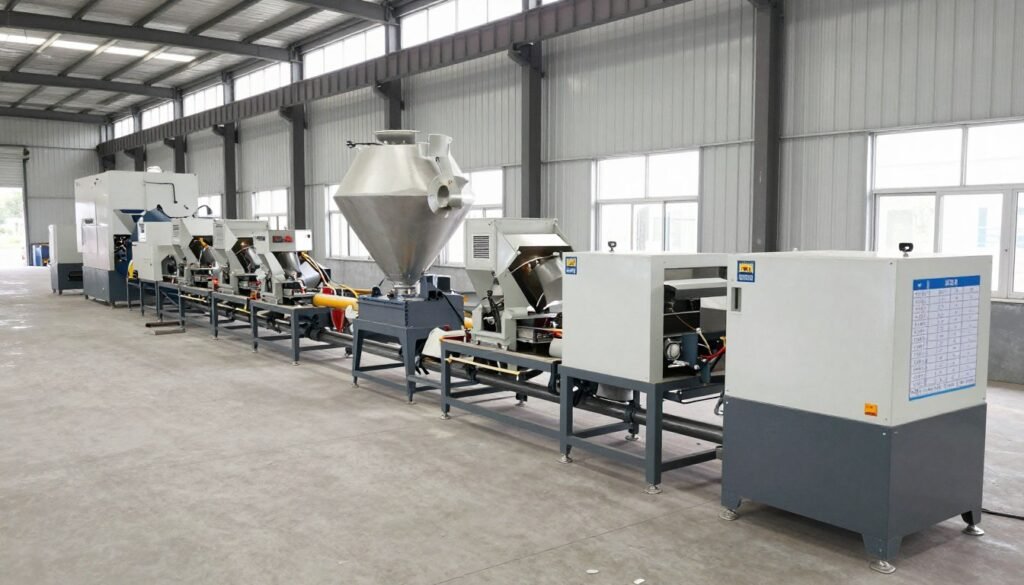
Complete System Specifications
| Specification Category | Details |
| Model Designation | MK-L003 Complete Biomass Pellet Production Line |
| Production Capacity | 3-5 tonnes per hour (material and condition dependent) |
| Pellet Diameter Options | 6mm, 8mm, 10mm (die change required) |
| Pellet Length | 5-20mm (adjustable by knife position) |
| Material Compatibility | Wood chips/sawdust, agricultural straw, miscanthus, bagasse, shell waste, mixed biomass |
| Raw Material Requirements | Moisture content: 10-15% (optimal), Particle size: |
| Total Installed Power | 180-220 kW (depending on optional equipment) |
| Electrical Supply Required | 400V, 3-phase, 50Hz (UK standard) – customisable for other voltages |
| Overall Dimensions (L×W×H) | 28m × 8m × 6.5m (approximate, layout dependent) |
| Total System Weight | Approximately 18,500 kg |
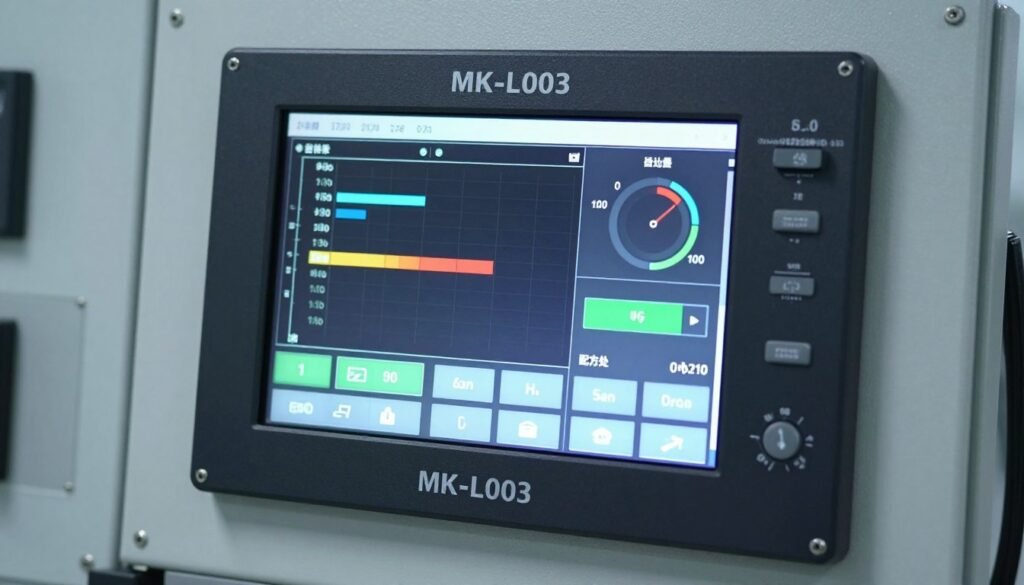
| Control System | PLC-based automatic control with HMI touchscreen interface |
| Material | Main frame: Industrial steel; Contact surfaces: Stainless steel 304; Wear parts: Alloy steel (dies/rollers) |
| Colour Options | Industrial grey (standard), custom colours available for OEM orders |
| Noise Level | |
| Certifications | CE marked, ISO 9001:2015 manufacturing, UK voltage compliance |
Major System Components
The MK-L003 comprises these principal subsystems, each engineered for reliability and maintainability:
1. Crushing Section
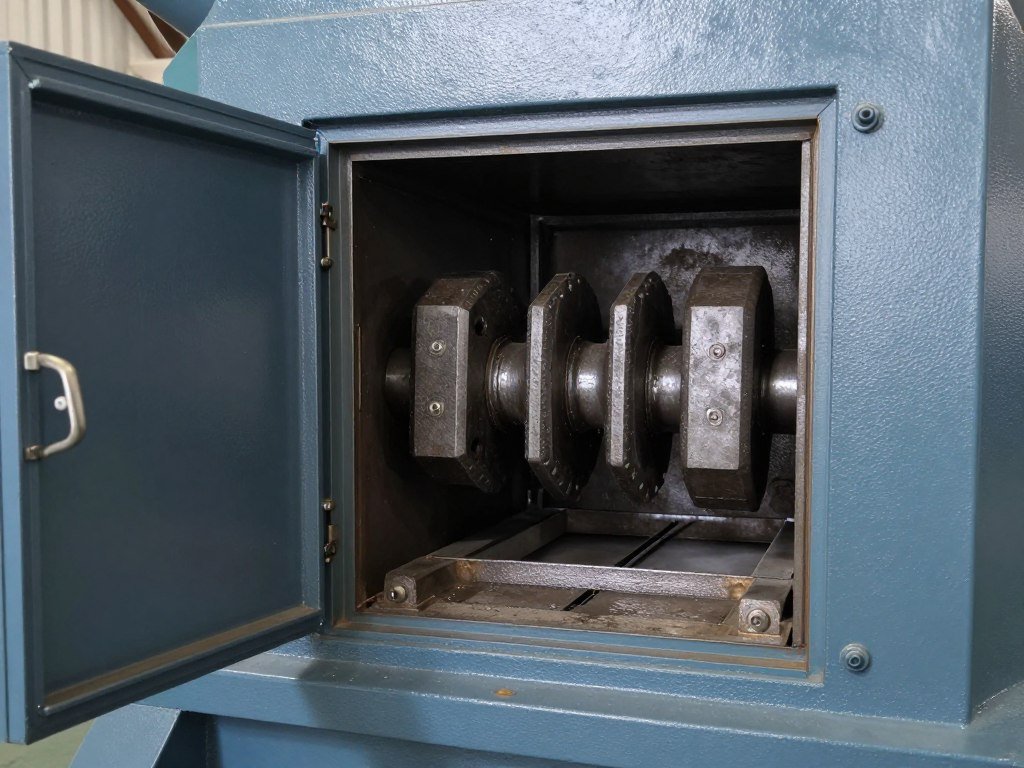
Hammer Mill Crusher
- Power: 45-55 kW
- Rotor speed: 2,200 RPM
- Screen size: 5mm (biomass standard)
- Throughput: 4-6 T/H
- Hardened hammers with reversible design
2. Mixing Section
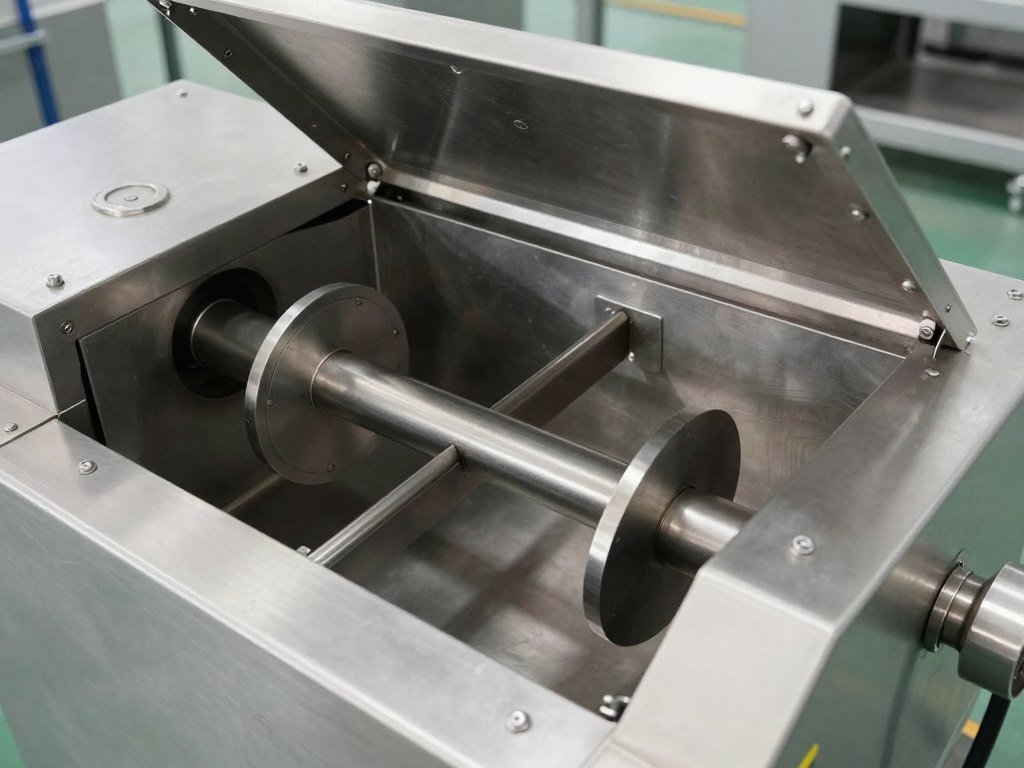
Ribbon Mixer
- Capacity: 2,000 kg batch
- Power: 15 kW
- Mixing time: 5-8 minutes
- Discharge: Pneumatic gate valve
- Liquid addition system for binders
3. Conditioning Section
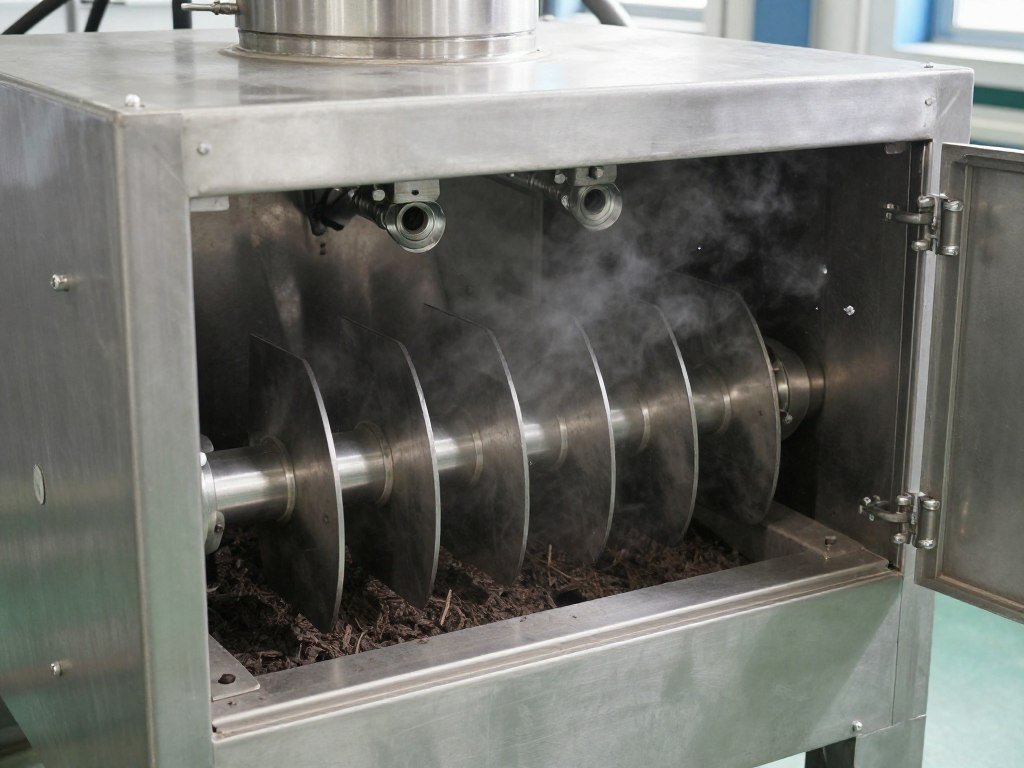
Steam Conditioner
- Power: 5.5 kW
- Steam pressure: 0.3-0.5 MPa
- Retention time: 30-60 seconds
- Target temperature: 75-85°C
- Material moisture adjustment: ±2%
4. Pelleting Section
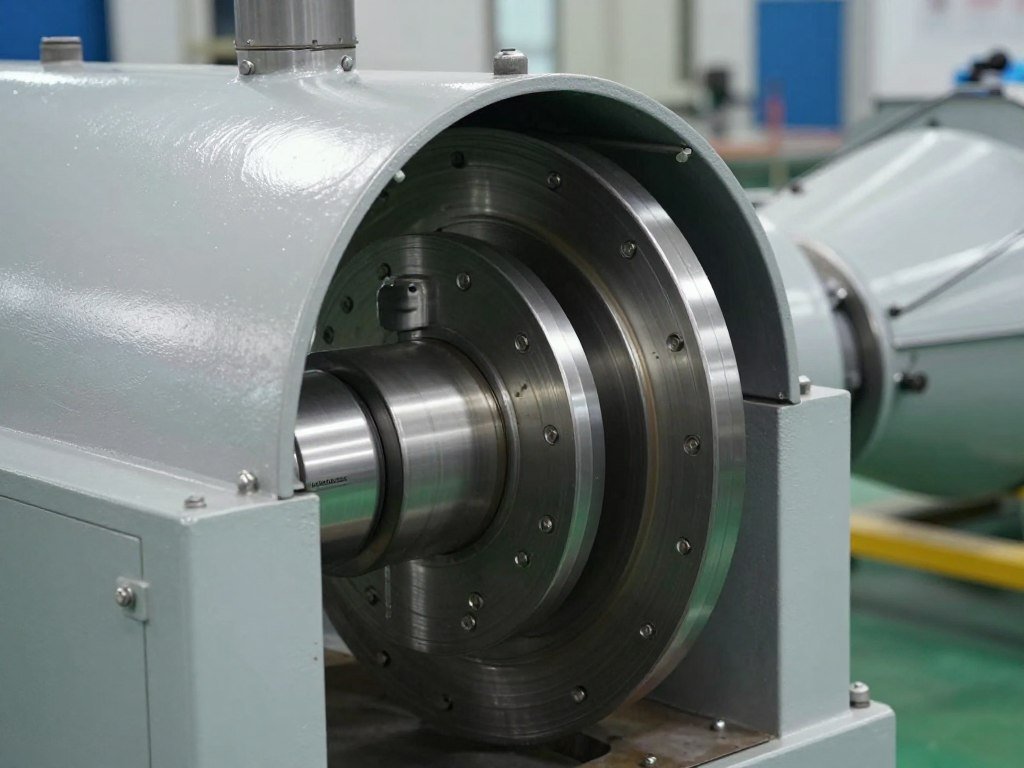
Ring Die Pellet Mill
- Model: MAIKONG SZLH420
- Main power: 90-110 kW
- Die diameter: 450mm
- Die speed: 280-320 RPM (variable)
- Feeder power: 2.2 kW
5. Cooling Section
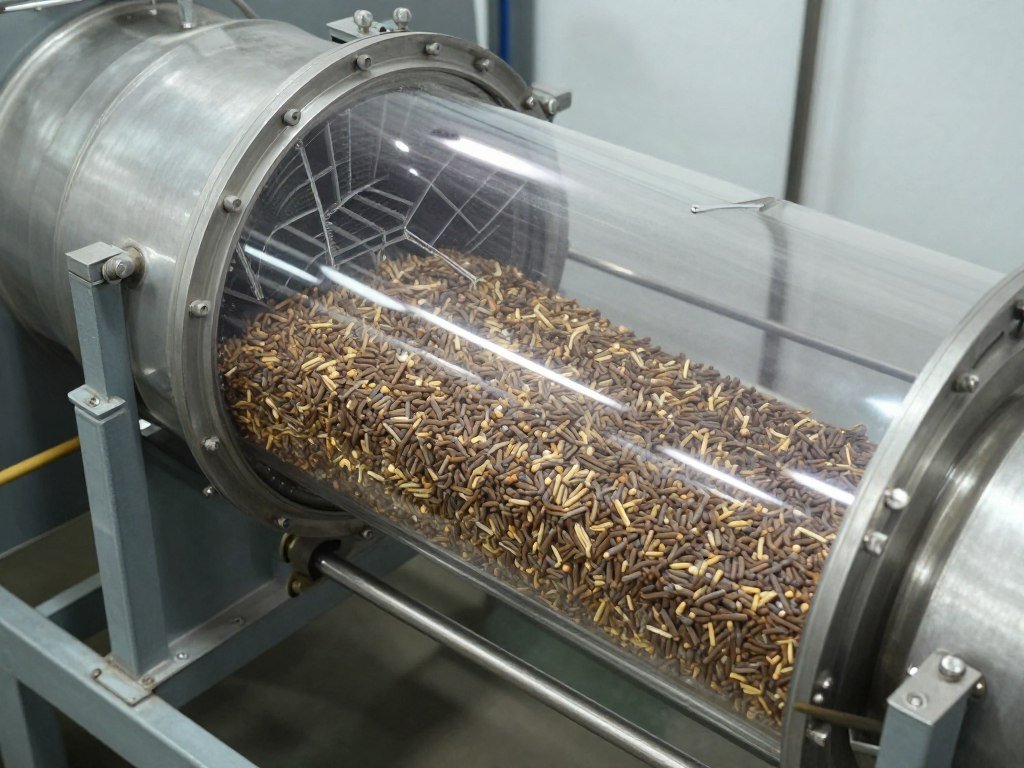
Counterflow Cooler
- Cooling capacity: 5-6 T/H
- Fan power: 5.5 kW
- Discharge power: 1.5 kW
- Cooling time: 8-12 minutes
- Output temperature: Ambient +5°C
6. Screening Section
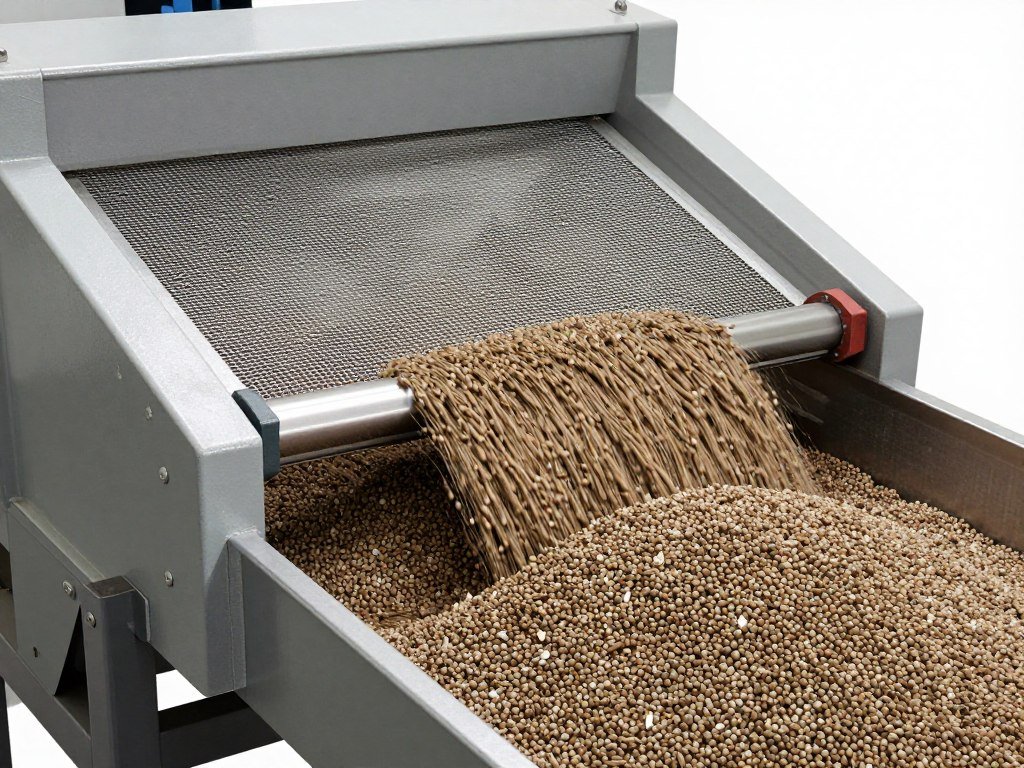
Rotary Screener
- Power: 1.1 kW
- Screen mesh: 4mm (adjustable)
- Capacity: 5-7 T/H
- Removes fines and oversized pieces
- Automatic fines return to process
7. Packaging Section
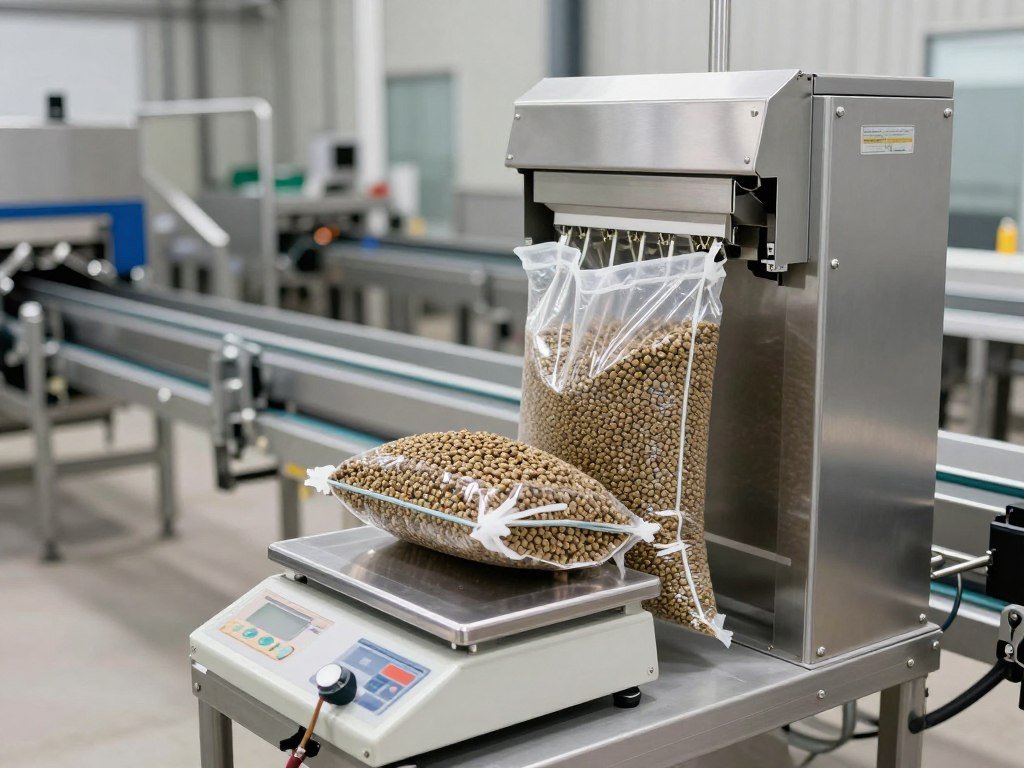
Automatic Packing System
- Type: Electronic weighing scale
- Bag size: 15-50 kg (adjustable)
- Accuracy: ±0.2%
- Speed: 6-8 bags/minute
- Bag sewing attachment available
8. Dust Collection
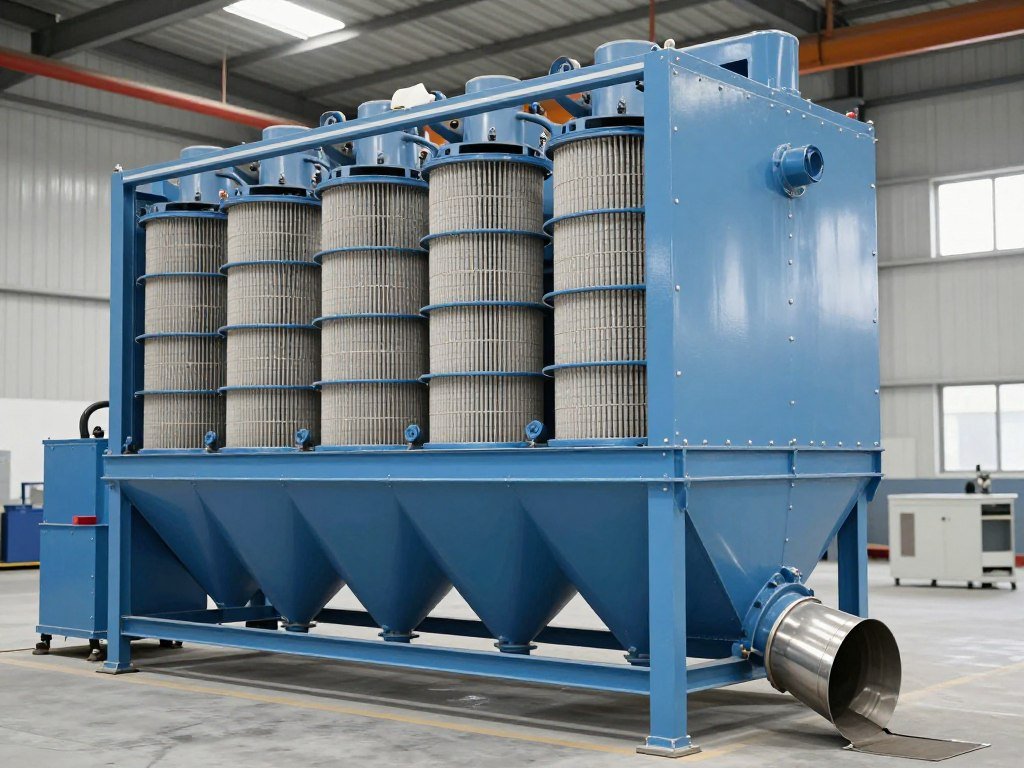
Pulse Jet Dust Collector
- Fan power: 15-18.5 kW
- Filtration area: 120-150 m²
- Filter efficiency: >99.5%
- Automatic pulse cleaning
- UK emission standard compliant
Optional Enhancements and Customisation
MAIKONG offers numerous options to adapt the MK-L003 to specific requirements or enhance capabilities:
- Automatic lubrication system: Centralised grease distribution reduces maintenance labour
- Enhanced die materials: Chrome-alloy or tungsten-carbide coating for abrasive biomass materials (extended life)
- Remote monitoring system: IoT connectivity for production monitoring and predictive maintenance
- Steam boiler package: Complete conditioning steam supply (biogas or oil-fired options)
- Raw material pre-drying system: For high-moisture feedstocks common in British climate
- Pellet densification enhancement: Additional compression stage for premium fuel-grade pellets
- Bag palletizing system: Automatic stacking for high-volume operations
- Weather-protected outdoor installation: Enclosed control panels and motors for British weather exposure
- UK-specific safety features: Additional guards, emergency stops, and safety interlocks per British standards
Pricing and Availability
Standard MK-L003 system pricing for UK distributors:
Base Configuration (Core Equipment): £52,000 – £58,000 (distributor cost, ex-works)
Pricing varies with:
- Optional equipment selections
- Electrical specification requirements
- Customisation level (standard vs. OEM branded)
- Order volume (improved pricing for multiple units)
- Current GBP/CNY exchange rates (prices quoted in GBP lock for 90 days)
Current Stock Status:
In Production Standard MK-L003 configurations available with 8-10 week delivery to UK
Custom Orders Specialised configurations require 12-14 weeks (includes engineering and testing)
All MAIKONG equipment ships with comprehensive documentation, installation guidance, and commissioning support. UK distributors receive additional support materials in proper British English for your customer-facing needs.
Frequently Asked Questions: UK Distributor Concerns
These questions reflect common concerns from UK distributors evaluating biomass pellet production line manufacturers. Honest answers help set realistic expectations.
How quickly can MAIKONG deliver emergency spare parts to UK customers?
MAIKONG maintains high-turnover spare parts at our European logistics partner, enabling 7-10 day delivery for critical components like ring dies, pressure rollers, and main bearings to UK addresses. For true emergencies, we can air freight priority parts from our GD facility within 3-5 days, though air freight costs apply.
We provide distributors with recommended stock lists based on installed equipment base. Maintaining these items locally enables same-day or next-day service to your customers—a significant competitive advantage.
Non-critical components (smaller wear parts, consumables) typically ship within 14-21 days via sea freight, which offers better economics for routine replenishment orders.
What differentiates MAIKONG from other Chinese biomass equipment manufacturers?
Several factors distinguish MAIKONG in the crowded Asian manufacturing landscape:
- Vertical integration: We manufacture critical wear components (dies, rollers) in-house rather than sourcing from third parties, ensuring consistent quality and availability
- 22-year operational history: We’ve outlasted many competitors, demonstrating business stability and customer satisfaction
- European market focus: Unlike manufacturers primarily serving Asian markets, we’ve invested in understanding Western standards, business practices, and support expectations
- English proficiency: Our technical team includes engineers trained in Western communication styles—essential for effective troubleshooting and support
- Distributor-first approach: We structure programmes to make partners successful rather than competing with them through direct sales
- Transparent operations: We provide factory tours, reference customers, and detailed technical information—no secrets or evasive answers
Visit our SZ facility to verify these claims firsthand. Many prospective distributors appreciate seeing manufacturing operations before committing.
Can MAIKONG adapt equipment for UK electrical standards and safety regulations?
Yes, all MAIKONG equipment supplied to UK distributors comes configured for British electrical standards (400V, 3-phase, 50Hz) with appropriate safety features. We maintain UK-specific configurations as standard options, not special customisations.
Compliance features include:
- CE marking (machinery directive compliance)
- IP54-rated electrical enclosures (suitable for industrial dust environments)
- Emergency stop buttons positioned per UK HSE guidance
- Safety interlocks on access panels and guards
- Lockout/tagout capability on all power sources
- British Standard BS EN 60204-1 electrical control compliance
Technical documentation includes British English manuals and UK-specific wiring diagrams. We understand that many UK customers have their own electricians handling final connections—our documentation supports their requirements.
What training does MAIKONG provide for distributor service technicians?
MAIKONG offers comprehensive training for distributor technical personnel at no cost for initial certification:
Initial Training Programme (5 days):
- Day 1: Equipment overview, safety systems, operational theory
- Day 2: Installation procedures, alignment, commissioning protocols
- Day 3: Preventative maintenance, lubrication, routine inspection
- Day 4: Troubleshooting methodology, common problems, diagnostic procedures
- Day 5: Spare parts identification, warranty procedures, customer support best practices
Training includes hands-on work with actual equipment at our facility or regional training centre. Trainees receive comprehensive technical manuals, diagnostic flowcharts, and maintenance documentation.
Ongoing Support:
- Annual refresher training (online or in-person)
- Technical bulletins for new procedures or known issues
- Video library for specific repair procedures
- Direct access to engineering team for complex situations
We recommend training 2-3 technicians initially to ensure coverage for customer support requirements. Additional personnel can attend subsequent training sessions as your distribution grows.
How does MAIKONG handle warranty claims to protect distributor relationships?
MAIKONG structures warranty procedures to support distributor-customer relationships rather than undermining them. You have three options for warranty administration:
Option 1: Distributor-Managed (Most Common)
- Distributor receives warranty claims, assesses issues, contacts MAIKONG for approval
- MAIKONG provides replacement parts to distributor for installation
- Distributor maintains primary customer relationship throughout process
- Suitable for established distributors with service capabilities
Option 2: Joint Management
- Complex claims involve direct MAIKONG technical assessment (remote or on-site)
- Distributor coordinates but MAIKONG provides engineering expertise
- Useful for unusual problems requiring factory engineering input
Option 3: Factory-Direct (Rare)
- For distributors preferring minimal warranty involvement
- MAIKONG handles claims directly with end users
- Generally not recommended as it weakens distributor-customer bonds
Warranty processing typically completes within 5-7 working days from claim submission to parts dispatch. We maintain liberal interpretation of warranty terms when problems genuinely stem from equipment rather than operational misuse—this protects your reputation with customers.
What minimum annual volume does MAIKONG require from UK distributors?
MAIKONG does not impose rigid minimum volume requirements for new distributor relationships. We recognise that market development requires time, particularly for industrial capital equipment with longer sales cycles.
New Distributor Expectations:
- Year 1: 2-3 complete systems (or equivalent value in components/upgrades)
- Year 2-3: 4-6 systems annually as market presence grows
- Established partnership: 6-10+ systems annually
These figures represent guidelines for typical market development, not contractual minimums. We evaluate partnerships on trajectory and effort rather than arbitrary volume thresholds.
Volume Benefits:
Higher volumes unlock additional support:
- 5+ annual units: Enhanced parts discounts, co-marketing budget
- 10+ annual units: Potential territory exclusivity, OEM programme eligibility
- 15+ annual units: Custom engineering support, dedicated account management
We prefer long-term partnerships with moderate, growing volumes over short-term relationships with inflated commitments. Sustainable growth benefits everyone.
Building Profitable Partnerships in the UK Biomass Equipment Market
Selecting a biomass pellet production line manufacturer partner represents one of the most consequential decisions for UK equipment distributors. The wrong choice creates expensive problems—warranty disputes, parts shortages, customer complaints, damaged reputation. The right partnership provides competitive advantages that strengthen your market position for years.
MAIKONG’s approach prioritises distributor success. Our 22-year history in animal feed production line and biomass equipment manufacturing reflects commitment to quality, innovation, and customer support. We’ve built this business by making partners successful—not exploiting them for short-term gain.
For UK distributors, the opportunity in biomass pellet production equipment continues growing. Energy costs, environmental regulations, and renewable energy incentives drive demand for efficient, reliable biomass fuel production solutions. Customers need trusted advisors who understand their operational challenges and provide responsive support—not just equipment salespeople.
MAIKONG provides the foundation for becoming that trusted advisor. Our equipment delivers reliable performance. Our parts programmes prevent costly downtime. Our technical support resolves problems quickly. Our business terms allow healthy margins whilst remaining competitive. Most importantly, we respect the distributor-customer relationship you’ve worked hard to build.
Take the Next Step
If you’re evaluating biomass equipment manufacturing partners, we encourage thorough due diligence. Compare our programmes against alternatives. Speak with existing MAIKONG distributors about their experiences. Visit our factory to verify claims about capabilities and quality.
We’re confident that objective evaluation will demonstrate MAIKONG’s advantages. The UK market deserves better than commodity equipment with minimal support. You deserve a manufacturing partner invested in your long-term success.
Prefer Direct Contact?
Reach our UK distributor programme team directly:
Email: Lucy@feedproductionline.uk
WhatsApp: +86 158 1555 6422
Phone: +86 158 1555 6422
Our team typically responds within 24 hours during UK business hours. For urgent technical questions about existing installations, please identify yourself as an existing customer or distributor partner for priority routing.
The British biomass and renewable energy sectors continue growing. Position your distribution business for success with a manufacturing partner that understands UK market requirements and supports your long-term growth. MAIKONG looks forward to exploring partnership opportunities with qualified UK distributors.