Professional Animal Feed Production Line Manufacturer For UK Market

Benefits of Sustainable Feed Production Lines
August 17, 2026
Sustainable feed production lines offer both environmental and economic benefits, crucial for modern agricultural practices. These systems optimize resource use while reducing waste, aligning with global efforts to promote sustainability. At MAIKONG Industry Co.,Ltd, our commitment to sustainability in feed production positions us as a key player in this essential evolution, offering advanced technology solutions that meet ISO 9001 standards.
What Makes a Feed Production Line Sustainable?
A sustainable feed production line minimizes its environmental footprint by using energy-efficient machinery, reducing waste, and optimizing resource use. According to ISO 9001 standards, these lines are measured by their efficiency in resource utilization and waste management. This means adopting solutions that incorporate renewable energy, waste recycling systems, and water efficiency.
Utilization of technologies like energy-efficient motors and advanced process management minimizes electricity consumption. Emphasizing recycling not only reduces waste but also recycles process heat, cutting down on energy usage. Such integration benefits feed manufacturers by reducing operational costs and enhancing environmental compliance.
How Does Sustainability Improve Efficiency?
Sustainable practices directly improve efficiency by optimizing machinery operation and reducing waste. The use of automated systems in MAIKONG's feed production lines enhances precision and consistency, ensuring minimal resource input for maximum output.
Energy recovery systems capture and reuse heat from production processes, reducing energy demand. According to industry tests, adding energy recovery solutions can reduce energy consumption by up to 40%. This efficiency translates into considerable cost savings and lessens the environmental burden.
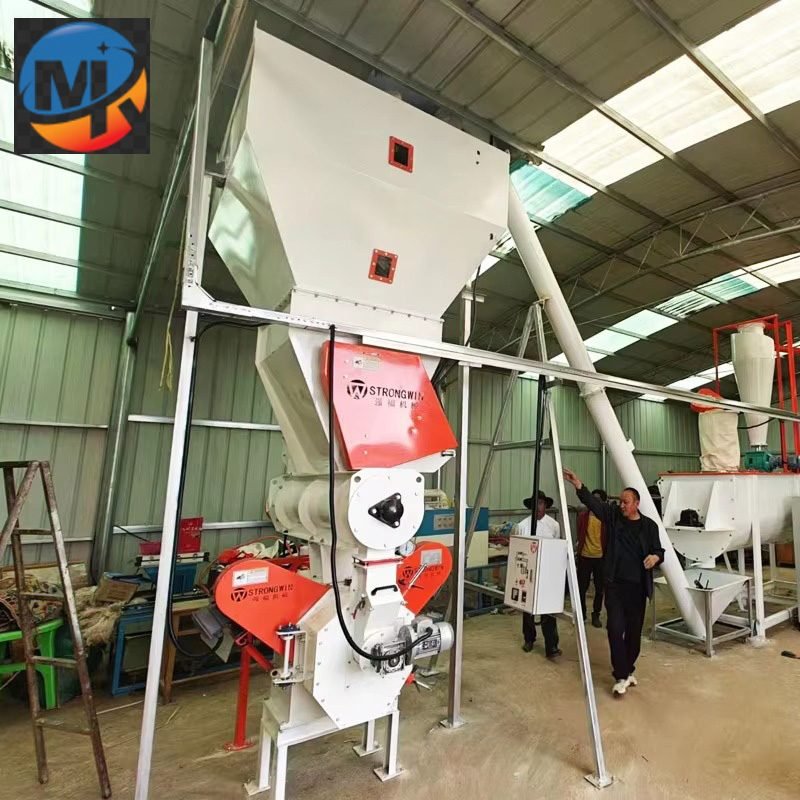
What Are the Economic Benefits?
Investing in sustainable feed production lines leads to significant long-term economic benefits. Although the initial investment may be higher, the operational savings gained through efficiency and resource optimization often result in a favorable return on investment over time.
European studies have shown that facilities enhancing their energy efficiency save between 20% to 30% in energy costs annually. Additionally, sustainable practices can attract new business opportunities, as environmentally conscious consumers and partners increasingly seek suppliers committed to sustainability.
Why is Environmental Compliance Important?
Environmental compliance is critical for maintaining operational legality and reputation. Compliance ensures that companies meet national and international environmental protection standards, reducing the risk of fines and sanctions.
Sustainable practices, such as incorporating recycled materials or reducing emissions, exemplify corporate responsibility, a growing expectation among consumers. MAIKONG's adherence to the ISO 9001 standard ensures that our production lines remain at the forefront of compliance, reflecting our commitment to quality and sustainability.
How Does Sustainability Affect Product Quality?
Sustainability also plays a crucial role in product quality. By reducing contamination risks and using eco-friendly materials, sustainable production lines ensure higher product quality standards. Sustainable processes often improve product consistency, making production lines more reliable and predictable.
The incorporation of precise automated systems reduces human error, leading to uniform product quality. Advances in clean technology have led to enhanced feed ingredient preservation, ensuring that feed quality meets or exceeds market requirements.
How Can Feed Manufacturers Implement Sustainable Practices?
To implement sustainable practices, manufacturers should focus on energy efficiency, waste management, and the utilization of renewable resources. Energy audits can identify areas for improvement, helping to lower consumption, and material conservation can be achieved through process innovations and recycling initiatives.
Identifying renewable resources like solar or biomass energy further minimizes carbon emissions. Additionally, partnerships with sustainability-focused suppliers ensure that sustainability underpins the entire supply chain, from raw material procurement to end-product delivery.
What is MAIKONG’s Role in Sustainable Feed Production?
MAIKONG plays a significant role in advancing sustainable feed production lines by offering customized solutions tailored to meet specific environmental goals. Our technology is designed to integrate seamlessly with existing systems, ensuring minimal disruption with maximum impact.
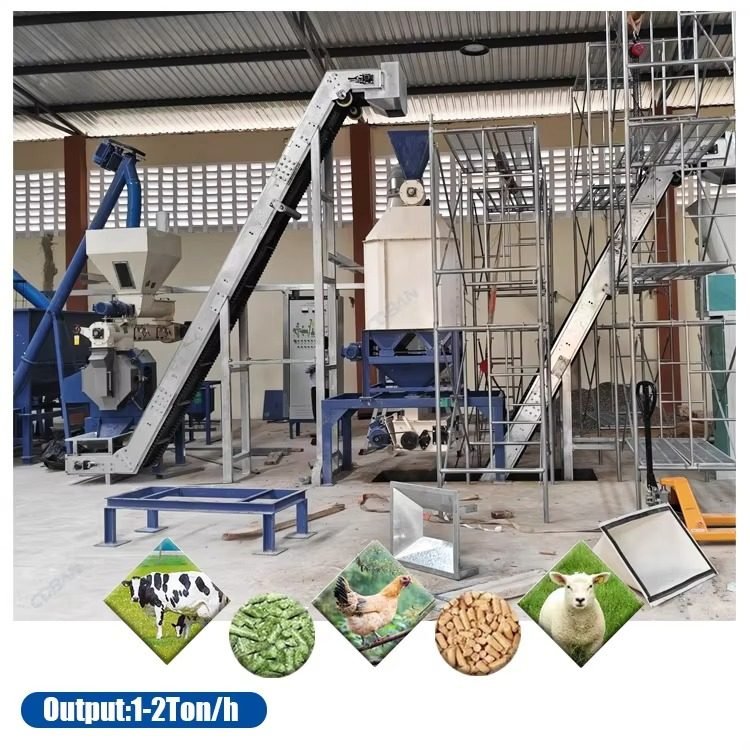
For instance, our energy-efficient systems, such as Poultry Feed Production Line With Energy-Efficient Machinery, are specifically crafted to reduce energy consumption without compromising on production capacity. Our systems are continuously refined to align with both efficiency and compliance standards, positioning us as leaders in sustainable feed solutions.
Are There Challenges in Adopting Sustainable Practices?
While the benefits are clear, challenges such as the initial cost of upgrading equipment, training, and potential production downtime can pose obstacles. However, the long-term gains in operational costs and marketability outweigh the upfront investments.
Plant owners should consider gradually integrating sustainable technologies to avoid major disruptions. Partnering with experienced firms like MAIKONG, which offer expert guidance and technology integration support, can alleviate these initial hurdles.
Conclusion
Sustainable feed production lines are crucial in fostering environmentally responsible, efficient, and economically viable agricultural systems. Though initial investments may appear daunting, the long-term economic and environmental benefits make the transition worthwhile. For manufacturers seeking to implement sustainable practices, MAIKONG Industry Co.,Ltd offers industry-leading solutions shaped by ISO 9001 standards that meet modern challenges head-on. We encourage you to explore our variety of offerings and discover how our expertise can transform your production line.
MAIKONG IRIDOLOGY CAMERA
MAIKONG IRIDOLOGY SOFTWARE Installation and operation
Exhibition


Company Certificates


Contact US Online WHATSAPP:

Maybe you like also
Copy©2026-2030