Professional Animal Feed Production Line Manufacturer For UK Market

Sustainable Practices in Animal Feed Production
August 8, 2026
Sustainable practices in animal feed production are increasingly important for reducing environmental impact and ensuring long-term viability. This involves energy-efficient machinery, renewable energy use, sustainable packaging, and responsible sourcing like using mealworms instead of fishmeal. By focusing on these areas, companies can lower emissions, reduce waste, and support sustainable agriculture.
What Are Key Sustainable Practices in Animal Feed Production?
Key sustainable practices in animal feed production include energy-efficient operations, utilizing renewable resources, and implementing waste management systems. MAIKONG Industry Co.,Ltd exemplifies these practices with ISO 9001 and CE certifications, ensuring compliance with rigorous environmental standards crucial for the European market.
Energy-Efficient Operations in Feed Production
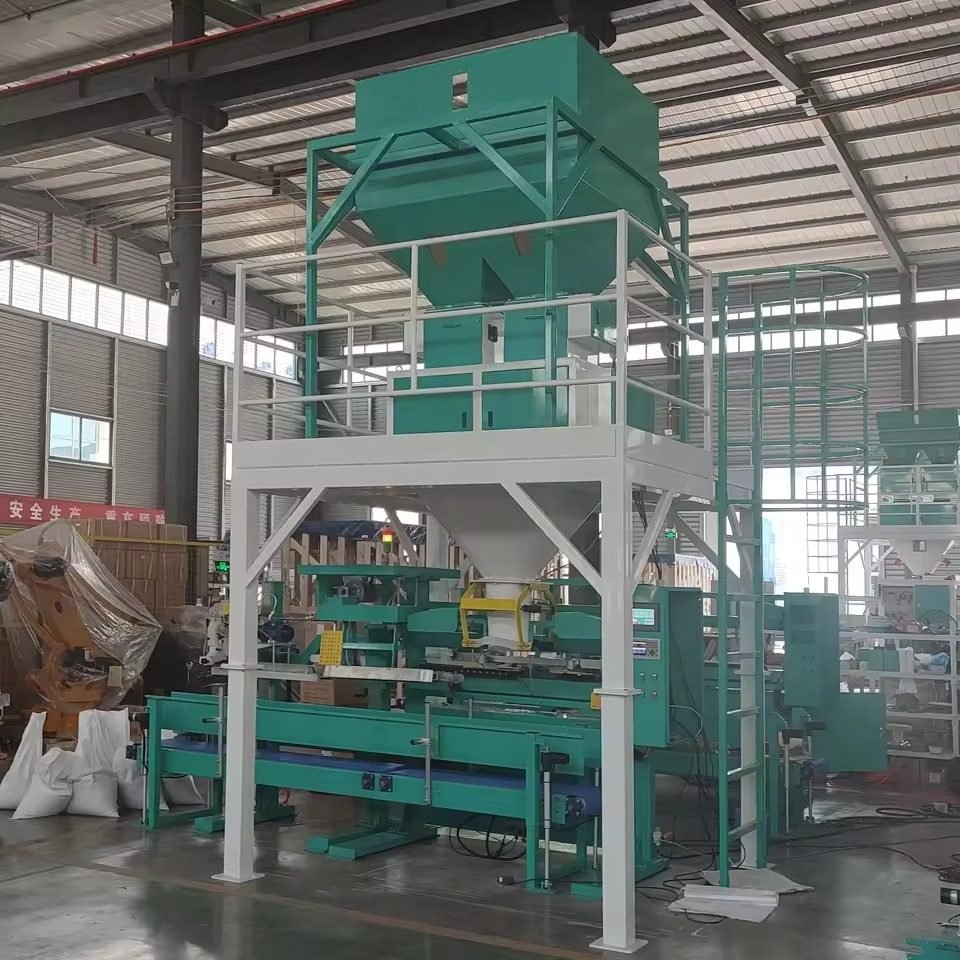
Energy efficiency in feed production involves optimizing machinery and processes to minimize energy consumption, which reduces carbon emissions and operational costs. MAIKONG uses energy-efficient machinery in its operations, such as in their Poultry Feed Production Line With Energy-Efficient Machinery. This approach is aligned with the European requirement to reduce industrial energy consumption as outlined in Directive 2012/27/EU.
The use of Variable Frequency Drives (VFDs) can adjust the speed and torque of motors to meet varying production demands precisely and reduce energy consumption by 20-30%. Such improvements buffer against rising energy costs, providing financial stability.
Renewable Energy Utilization
Utilizing renewable energy sources like solar, wind, or biomass in feed production can drastically reduce carbon emissions. According to the International Energy Agency, implementing biomass solutions can offset a significant amount of CO2 emissions, making them a viable alternative to fossil fuels.
MAIKONG incorporates biomass energy in its systems, providing a sustainable alternative to traditional energy sources. It's particularly efficient considering their specialization in biomass-related technology, reflecting their commitment to reducing reliance on non-renewable energy resources.
Responsible Materials Sourcing
Sustainable feed production prioritizes utilizing locally available and renewable feedstocks, minimizing transportation emissions and supporting local economies. As an example, replacing traditional fishmeal with alternative protein sources such as insect-based meals, like mealworms, significantly reduces the environmental impact.
MAIKONG is focusing on integrating more sustainable materials into their feed products to align with global trends and demands, as discussed in their Sustainability in Animal Feed Production article.
Waste Management and Reduction
Effective waste management is crucial in sustainable feed production. Techniques like nutrient recycling, composting, and anaerobic digestion help to manage waste sustainably, turning by-products into valuable resources. For instance, MAIKONG's systems often integrate capabilities for recycling waste directly within production lines to improve overall resource efficiency.
The implementation of zero-waste policies, where all by-products are recycled or repurposed, can effectively reduce landfill contributions and promote circular economies.
Advanced Automation and Control Systems
Automation plays a significant role in enhancing operational efficiencies, reducing waste, and managing resources carefully. Systems that incorporate real-time monitoring and data analytics enable predictive maintenance and decrease unscheduled downtimes.
MAIKONG's Premix Feed Production Line featuring Automated Systems demonstrates the role of advanced automation in maintaining precise control over production processes, ensuring consistent quality with minimal waste.
Sustainable Packaging Solutions
Packaging constitutes a major part of production waste. By transitioning to biodegradable, recyclable, or reusable materials, feed production companies can significantly cut down on environmental impacts. According to the European Commission's Packaging Waste Directive, using these materials is an effective method for reducing environmental burden.
At MAIKONG, innovation in packaging, such as bulk-buy solutions to reduce packaging waste, forms part of their strategy to minimize environmental footprints.
How Does Sustainable Animal Feed Production Impact Cost-Reduction?
Sustainable animal feed production can positively impact cost reduction by optimizing resource use, reducing waste, and enhancing energy efficiency. The upfront investment in sustainable technologies often results in long-term savings by reducing operational costs and improving system efficiencies.
Profitability through Energy and Material Savings
Initial investments in energy-efficient systems and sustainable materials can lower energy costs significantly, often offsetting the price of technology over time. For example, adopting biomass energy can reduce energy expenditure and carbon taxes.
Feed companies that employ sustainable practices often find themselves better positioned to meet stringent regulatory requirements and gain market access in eco-conscious regions like Europe.
Common Misconceptions about Sustainable Practices in Feed Production
It's a common misconception that sustainable practices are cost-prohibitive or unnecessary for feed production. However, sustainable methods, such as targeted feeding and precision agriculture, have shown to improve feed conversion ratios and animal growth rates.
Implementing these approaches not only meets environmental goals but also enhances profitability and product quality, as proven in various field studies on precision agriculture and feed efficiency.
What Buyers Should Check for in Sustainable Feed Production Solutions?
When sourcing sustainable feed production solutions, buyers should verify certifications such as ISO 9001 for quality and process engineering standards that ensure sustainability and ongoing regulatory compliance. Checking supplier MOQs is crucial since bulk purchases often lead to better sustainability outcomes due to reduced packaging and logistics.
Table: Criteria for Evaluating Sustainable Feed Suppliers
| Criteria | Standard/Method (if applicable) | Why It Matters |
|---|---|---|
| Energy Efficiency | Directive 2012/27/EU | Reduces energy consumption and operating costs. |
| Renewable Energy Use | ISO 50001 | Ensures reduced reliance on non-renewable sources. |
| Waste Management Practices | EU Circular Economy Package | Encourages recycling and resource optimization. |
| Eco-Friendly Certifications | ISO 14001, EU Eco-Management | Verifies compliance with environmental standards. |
Conclusion
Incorporating sustainable practices in animal feed production is not only an environmental imperative but a competitive advantage. By adopting these methods, less waste is generated, resources are used more efficiently, and compliance with regulatory standards is maintained. MAIKONG helps you achieve sustainable production practices tailored to your specific needs. Next, consult with MAIKONG to discuss how their custom solutions can meet your sustainability goals.
FAQs
What is the role of MAIKONG in promoting sustainable feed practices?
MAIKONG integrates sustainable practices specifically tailored to biomass and feed production systems, leveraging renewable energy resources and eco-friendly materials.
How can sustainable practices in feed production save costs long-term?
Sustainable practices enhance efficiency and reduce operational costs by optimizing resource use and decreasing waste, leading to financial benefits and compliance with regulatory frameworks.
Why is renewable energy crucial in feed production?
Renewable energy significantly reduces carbon emissions and reliance on fossil fuels, which align with global sustainability targets and regulatory mandates.
What should a buyer look for in a sustainable feed supplier?
Buyers should ensure suppliers have relevant certifications, such as ISO 9001 and CE, which affirm quality and environmental compliance standards.
How does MAIKONG ensure its packaging is sustainable?
MAIKONG employs biodegradable and recyclable materials for packaging, aiming to minimize environmental impact and meet European standards.
How does automation aid in sustainable feed production?
Automation reduces waste and increases efficiency through precise resource management, thus supporting sustainable production goals.
By focusing on these elements, MAIKONG demonstrates a strong commitment to sustainable practices in animal feed production. Learn more at https://feedproductionline.uk/.
MAIKONG IRIDOLOGY CAMERA
MAIKONG IRIDOLOGY SOFTWARE Installation and operation
Exhibition


Company Certificates


Contact US Online WHATSAPP:

Maybe you like also
Copy©2026-2030