Professional Animal Feed Production Line Manufacturer For UK Market

Optimizing Animal Feed Equipment for Maximum Efficiency
July 27, 2026
Optimizing animal feed processing equipment for maximum efficiency involves several strategic actions, from selecting advanced machinery to ongoing maintenance and adopting cutting-edge technologies. At MAIKONG Industry Co.,Ltd, we understand the nuances of feed production and the importance of operating efficiency. This article explores practical techniques that businesses can implement to enhance their feed equipment performance.
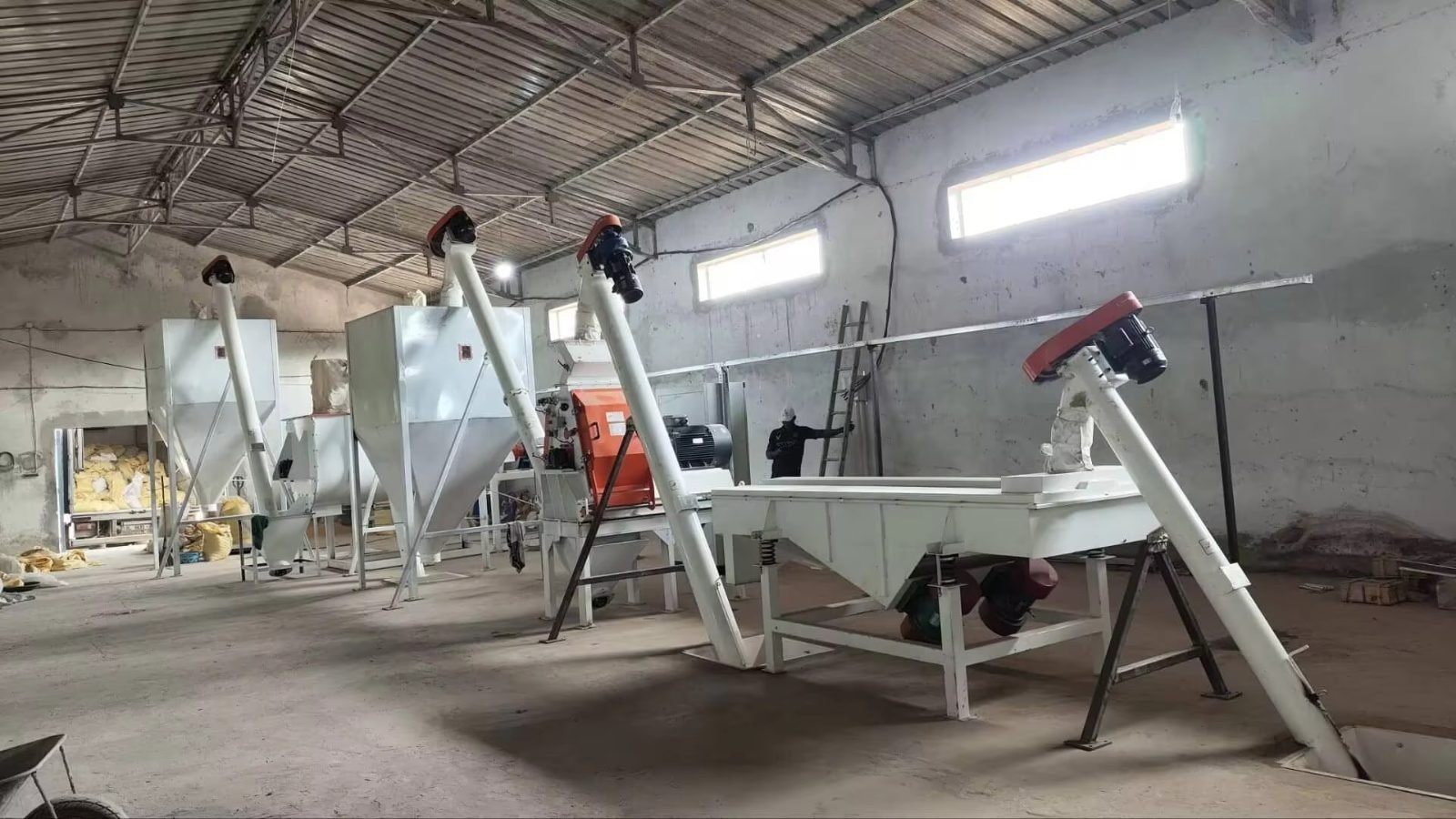
What Factors Influence Animal Feed Processing Efficiency?
Several factors impact the efficiency of animal feed processing equipment, including machine settings, maintenance schedules, and the alignment with production requirements. High precision in machinery settings reduces energy consumption and waste. Per ISO 9001 guidelines, maintaining equipment within specified tolerances ensures consistent quality and operational efficiency. This means regular audits can pinpoint inefficiencies and areas for improvement.
Machine Settings
Optimal machine settings, such as mixing speed and pellet size, crucially affect output quality and energy use. Achieving the right settings requires understanding material properties and processing requirements. Incorrect settings can result in inconsistent feed texture and increased wear.
Maintenance Practices
Regular maintenance is paramount for machinery longevity and efficiency. Sticking to a preventive maintenance schedule, including lubrication and part replacements, avoids unexpected downtimes and ensures operational stability. MAIKONG provides guidelines for interval-based maintenance tasks essential for feed equipment longevity.
Alignment with Production Needs
Aligning machinery with production needs enhances efficiency. Selecting equipment based on volume requirements, feed type, and integration with existing systems minimizes bottlenecks. Our Poultry Feed Production Line With Energy-Efficient Machinery is tailored to meet specific production demands, optimizing resource allocation.
How Does Equipment Maintenance Impact Feed Processing?
Proper maintenance extends machinery life and prevents efficiency losses. Consistent servicing, in line with ISO 9001 standards, manages wear and tear, addresses minor issues before they escalate, and maintains optimal output. Neglecting maintenance can lead to significant downtime and costly repairs.
Scheduled Inspections
Routine inspections are a key part of maintenance. These should include checks on drive mechanisms, motor functionality, and conveyor alignments. Attention to specific parts like grinders and mixers is crucial, as these directly affect feed consistency.
Parts Replacement Protocols
Timely replacement of parts such as belts and blades maintains operational efficiency. Using OEM-approved components is advisable to avoid compatibility issues and ensure peak performance. MAIKONG's on-hand inventory of replacement parts supports swift replacement to keep operations running smoothly.
What Role Does Technology Play in Optimization?
Technology significantly advances feed processing by improving machine precision and data analytics for performance monitoring. The integration of smart technologies enables real-time adjustments and predictive maintenance alerts, enhancing equipment efficiency.
Automated Control Systems
Adoption of automated control systems facilitates exact regulation of process variables. Systems like SCADA enable centralized monitoring of operations, adjusting settings as required. This reduces the need for manual interventions, which can be error-prone and time-consuming.
Data Analytics for Performance
Analyzing operational data identifies patterns and predicts failures before they occur. Advanced analytics allow for real-time monitoring of production metrics, and implementing such systems leads to informed decision-making and proactive problem-solving in feed processing operations.
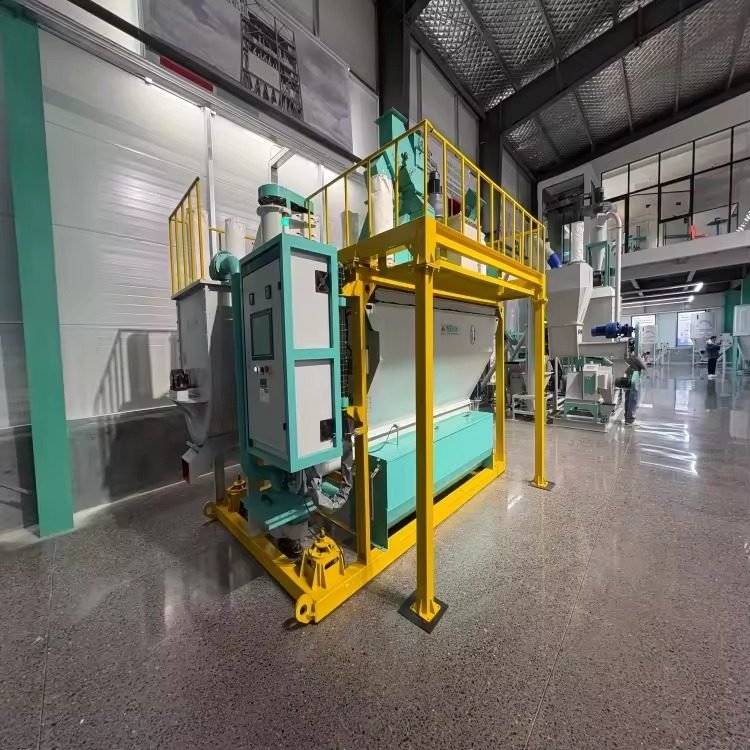
How Can Process Flow Optimization Boost Efficiency?
Process flow optimization involves redesigning production sequences to reduce bottlenecks and improve throughput. Streamlining the process leads to energy savings and increased output from existing machinery.
Workflow Analysis
Conducting a thorough workflow analysis helps uncover inefficiencies such as redundant steps or underutilized machines. Adjustments based on these insights can lead to immediate improvements.
Layout Design and Planning
A well-designed layout minimizes material movement and reduces handling time. Strategic placement of feed generation stages fosters a continuous flow, drastically enhancing productivity. MAIKONG's tailored designs incorporate customer-specific requirements, ensuring optimal layout configurations.
How Do You Select the Right Equipment for Your Needs?
Choosing the right feed processing equipment is foundational for achieving operational efficiency. Factors include production capacity, nature of feed, and integration capability with existing systems.
Capacity and Adaptability
Equipment must be adequately scaled to match production targets without straining capacity. A machine that is too large or small for your operational scale can lead to inefficiencies such as underutilization or frequent overhauls.
Quality and Compliance
Quality assurance, supported by compliance with regulations like CE marking, ensures the equipment's reliability and safety. MAIKONG offers machines verified to the latest European standards, ensuring quality performance.
What Challenges Might You Encounter?
Challenges include adapting to new technology, maintaining workforce expertise, and balancing cost with efficiency. Addressing these issues strategically ensures continuity and scaling of operations.
Training and Skill Development
Investing in workforce training ensures personnel can operate advanced machinery effectively, maximizing equipment potential and reducing operator errors.
Cost Management
Balancing cost with efficiency improvements requires strategic planning and leveraging financing options, if necessary, to upgrade technology. The initial investment in superior equipment often results in significant long-term savings due to increased automation and output.
Conclusion
Optimizing animal feed processing equipment is a multifaceted task requiring attention to machine settings, maintenance, technology adoption, and optimal layout design. Implementing these strategies helps maximize operational efficiency and feed quality, ultimately leading to heightened productivity and cost savings. For tailored solutions that meet specific production needs, consider consulting with MAIKONG Industry Co.,Ltd, known for its expertise in feed production technologies.
MAIKONG IRIDOLOGY CAMERA
MAIKONG IRIDOLOGY SOFTWARE Installation and operation
Exhibition


Company Certificates


Contact US Online WHATSAPP:

Maybe you like also
Copy©2026-2030