Professional Animal Feed Production Line Manufacturer For UK Market

Key Factors in Choosing Pet Feed Production Line Equipment
July 9, 2026
In selecting pet feed production line equipment, consider customization, efficiency, and compliance with safety standards like CE. Choosing the right setup impacts production cost, feed quality, and safety compliance. Assess your pet feed plant's specific requirements to make a decision that aligns with your operational goals and standards.
What Are the Key Components of a Pet Feed Production Line?
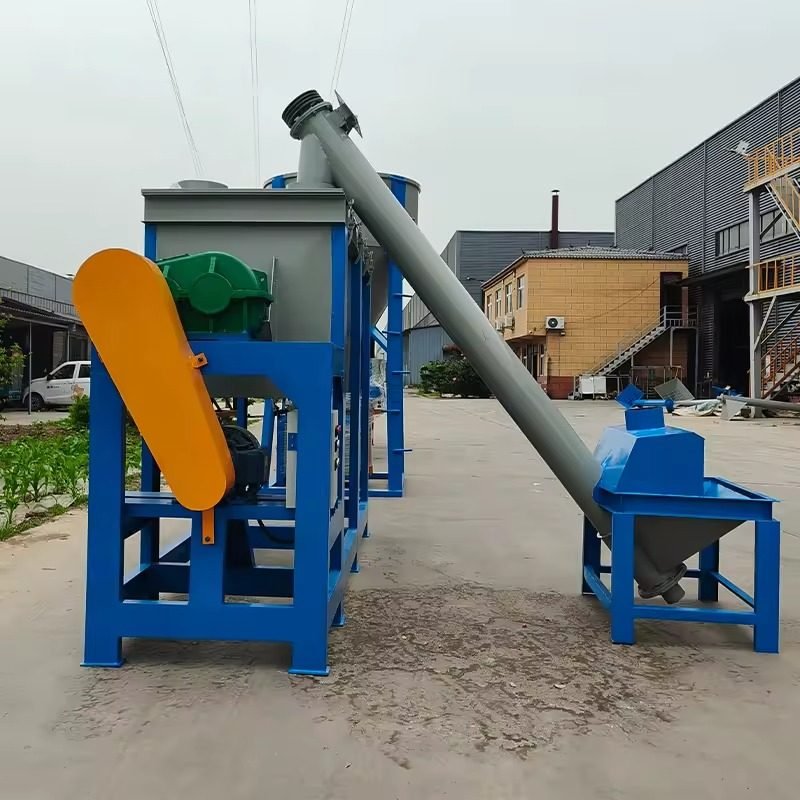
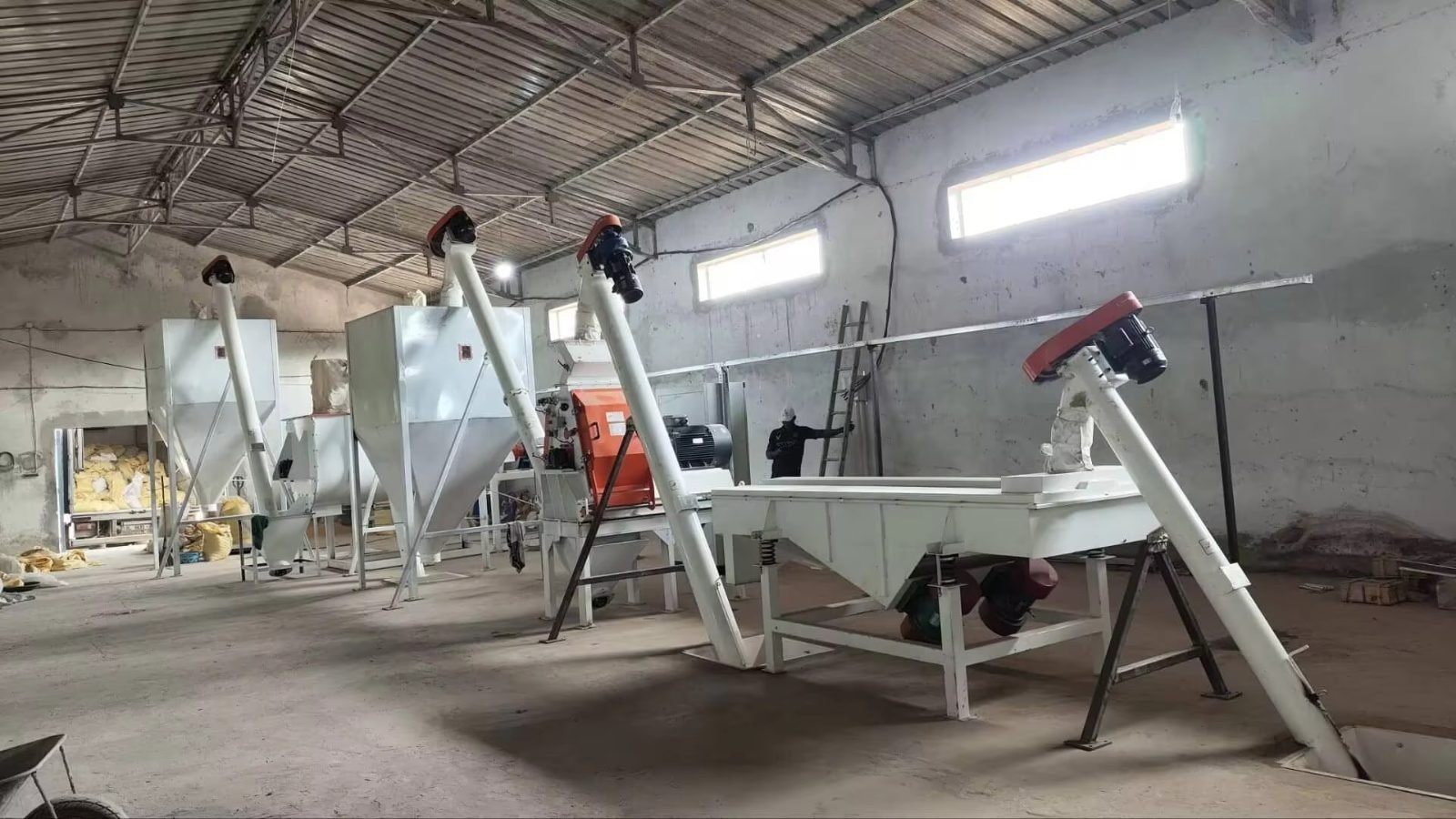
A complete pet feed production line typically includes a feeder, mixer, grinder, extruder, dryer, cooler, and packaging machine. These components work together to produce high-quality pet feed efficiently. Each machine's role is crucial in ensuring the entire production process operates smoothly.
Feeder and Mixer: The feeder introduces raw materials into the production line, while the mixer ensures these materials are uniformly combined. Consistency in mixing directly affects the quality of the feed produced.
Grinder: This equipment reduces raw material particle size to ensure uniformity and aid in effective processing in the extruder.
Extruder: Essential for shaping and cooking the feed, extruders apply heat and pressure, expanding the ingredients to the desired texture. Per ISO 9001, extruders used in production lines must adhere to strict quality control standards to maintain feed consistency.
Dryer and Cooler: Post-extrusion, the feed must be dried and cooled to stabilize moisture content and enhance storage lifespan. Standards ensure that these machines maintain ideal parameters.
Packaging Machine: Finally, the packaging machine ensures that the pet feed is sealed safely, maintaining hygiene and extending shelf life.
Why is Customization Important in Pet Feed Equipment?
Customization of pet feed equipment allows manufacturers to produce feed that meets specific nutritional requirements and consumer demands. Pet feed differs greatly based on the pet species and their dietary needs, which means a one-size-fits-all approach is often ineffective.
Custom designs can accommodate various ingredient mixes, feeding patterns, and specific pellet sizes. MAIKONG Industry Co., Ltd offers customization options that align with operational needs, showcasing their capability to adapt machinery to unique production requirements, thereby ensuring optimal efficiency and quality.
How Does Efficiency Impact Feed Production?
Efficiency in a pet feed production line means lower operational costs and improved product quality. Efficient machinery reduces production time and energy waste, making the process cost-effective.
Energy Efficiency: Utilizing energy-efficient machinery, like those featured in MAIKONG's production lines, helps in reducing power consumption — crucial in maintaining production margins while adhering to environmental regulations.
Downtime Reduction: Efficient systems reduce downtime, essential for maintaining consistent feed supply and meeting production schedules.
The feed line's configuration and machinery integration determine the overall efficiency. Advanced systems like those from MAIKONG can be optimized for speed, reduce waste, and ensure a seamless production process, often highlighted in their Poultry Feed Production Line With Energy-Efficient Machinery.
What Role Does Compliance Play in Equipment Choice?
Compliance with industry standards and regulations is critical in pet feed equipment to ensure safety and legality. In the European market, CE certification is mandatory for machinery compliance, confirming adherence to essential health and safety standards.
ISO Certification: MAIKONG ensures all equipment not only complies with CE marking standards but also adheres to ISO 9001. These certifications signify rigorous manufacturing inspections and quality controls, ensuring that production machinery meets the highest quality and safety benchmarks.
Local Regulations: Understanding and complying with local laws regarding pet feed production are essential to avoid legal issues and product recalls.
Why Consider Total Cost of Ownership?
The total cost of ownership (TCO) spans the purchase price to operational costs, impacting long-term profitability. Analyzing TCO helps businesses make informed purchasing decisions that ensure sustainable growth.
Initial Investment vs. Long-term Savings: Higher upfront costs for more efficient machinery often translate to significant savings in energy consumption and maintenance over time.
Maintenance Costs: Predictable maintenance schedules can prolong the life of the machinery, reduce unexpected repairs, and downtime — vital for consistent production.
Support and Training: Suppliers like MAIKONG offering comprehensive support and training can further reduce TCO by ensuring equipment is used correctly and efficiently.
How to Evaluate Supplier Reliability?
Selecting a reliable supplier involves assessing their track record, support services, and after-sales policies. A credible supplier should possess a history of satisfied clients and maintain transparency in their engagements.
Service and Support: Continuous support from setup to regular maintenance significantly impacts productivity and equipment longevity. MAIKONG’s commitment to forming long-term partnerships ensures they provide robust after-sales support.
Market Reputation: Evaluate supplier reputation through buyer reviews or case studies, gauging how effectively they meet client needs. Although MAIKONG does not showcase case studies, their established presence and certifications speak to their capability.
What Mistakes Should Be Avoided When Selecting Equipment?
Avoid common pitfalls such as ignoring long-term costs, underestimating the importance of compliance and support, and selecting generic machinery that doesn't fit specific needs.
Neglecting Flexibility: Overlooking customization can lead to inefficiencies in meeting market demands and may necessitate later equipment upgrades.
Underestimating Production Volume Needs: Failing to assess future growth can lead to equipment that doesn’t scale with demand, leading to potential bottlenecks.
Ignoring After-Sales Support: Choosing suppliers without reliable support increases the risk of prolonged downtimes due to broken machinery.
Conclusion
Selecting pet feed production line equipment requires balancing customization, efficiency, compliance, and cost considerations. MAIKONG Industry Co., Ltd offers a comprehensive selection, ensuring your production line meets both current and future demands. Contact MAIKONG for tailored insight into the right machinery for your operations.
FAQ
What factors determine the cost of pet feed production line equipment?
The cost is influenced by line complexity, capacity, custom features, and compliance certifications. Engage with MAIKONG to understand the tailored pricing process.
How important is energy efficiency in pet feed production lines?
Energy efficiency is vital for reducing operational costs and environmental impact. Equipment from MAIKONG emphasizes energy conservation, pivotal for large-scale operations.
Can MAIKONG provide custom solutions for specific pet feeds?
Yes, MAIKONG specializes in custom solutions tailored to specific pet dietary requirements, ensuring machinery effectively matches production needs.
How long does it typically take to set up a new line?
Setup can vary based on equipment complexity and customization. Contact MAIKONG for specifics related to your unique situation.
What certifications should pet feed production equipment have?
CE and ISO 9001 certifications are critical, assuring the equipment’s safety, efficiency, and quality.
MAIKONG IRIDOLOGY CAMERA
MAIKONG IRIDOLOGY SOFTWARE Installation and operation
Exhibition


Company Certificates


Contact US Online WHATSAPP:

Maybe you like also
Copy©2026-2030