British Livestock Feed Producers Reviewing biomass pellet production line manufacturer for Daily Production Pressure
» Biomass Pellet Production Line » British Livestock Feed Producers Reviewing biomass pellet production line manufacturer for Daily Production Pressure
Rising energy costs and supply chain disruptions have forced British livestock feed producers to rethink their production strategies. Many farm managers now search for reliable biomass pellet production line manufacturer partners who can deliver equipment that withstands daily production pressure whilst meeting strict quality standards. A Hampshire poultry farm recently faced this exact challenge when their aging pellet mill caused production delays that cost them £3,400 per week in missed deliveries.
Quality verification becomes the deciding factor when evaluating a biomass pellet production line manufacturer. UK buyers need suppliers who provide transparent documentation of welding standards, precision moulds, robust gearbox specifications, and verified electronic control systems. This article addresses those specific validation needs through practical checklists, real project parameters, and British procurement context.
24-hour technical response for UK enquiries via WhatsApp
Quality Verification Framework for Biomass Pellet Production Equipment
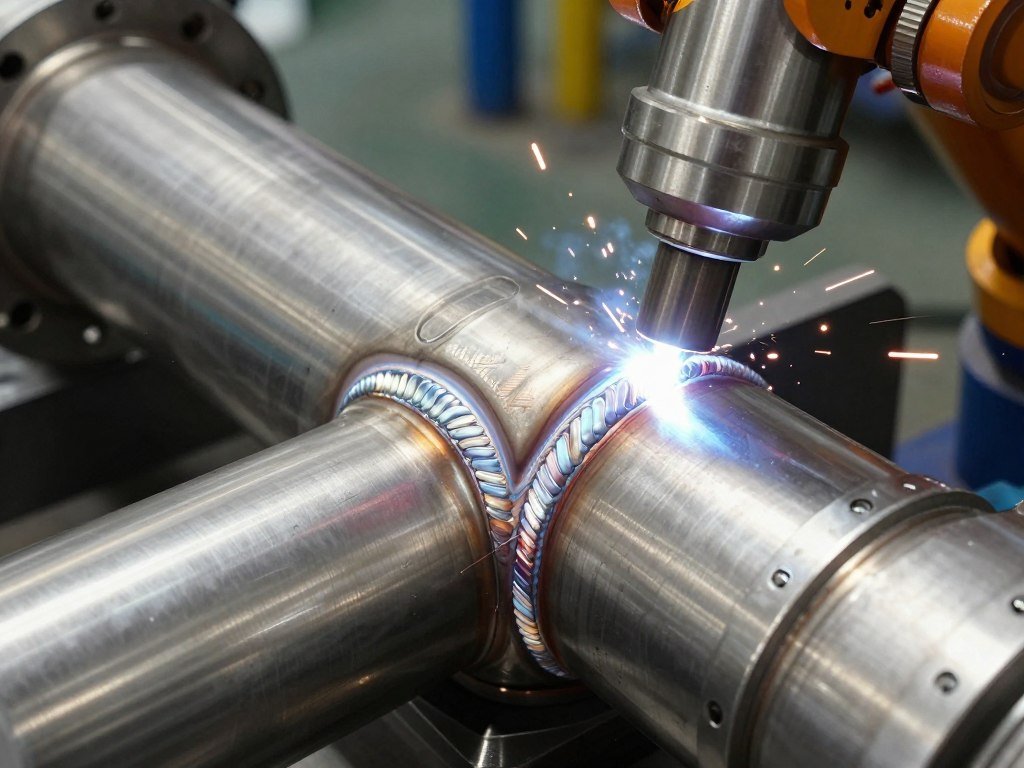
Welding quality determines production line longevity. A reputable biomass pellet production line manufacturer provides X-ray weld inspection reports for structural joints. Check for ISO 3834 welding certification, which ensures consistent joint strength across biomass pellet machines.
Die and Mould Quality Indicators
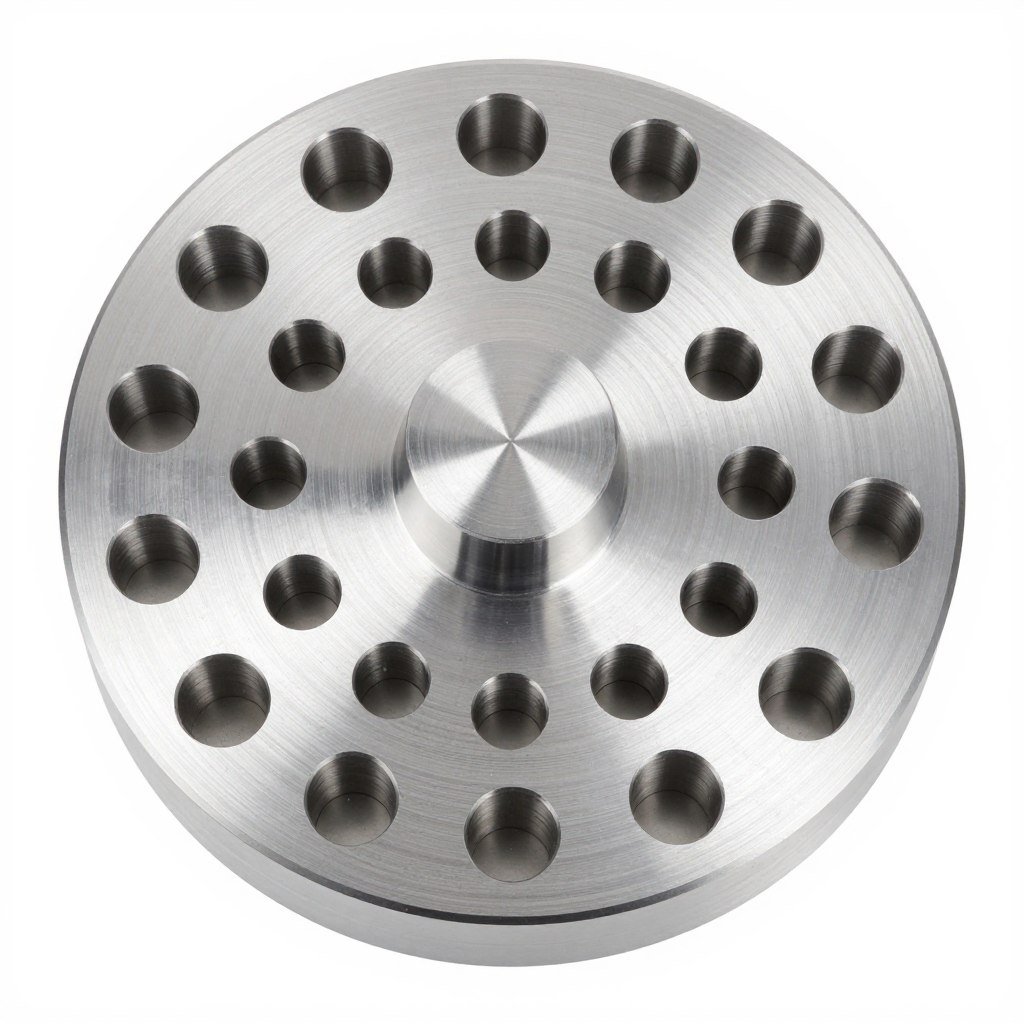
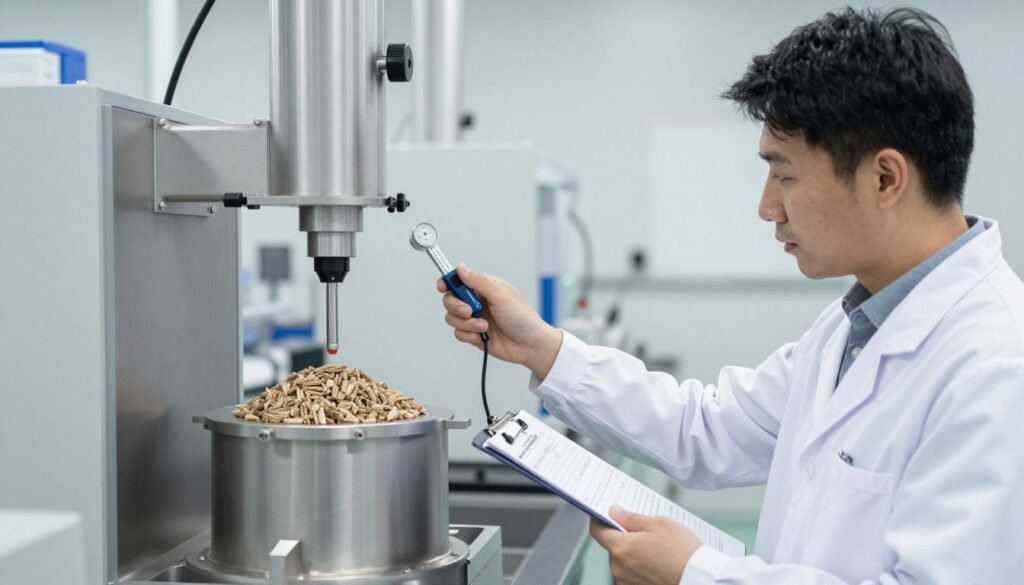
Pellet die durability directly affects production costs. Quality moulds manufactured from alloy steel withstand compression forces of 180-220 MPa. Request Rockwell hardness test results showing HRC 55-60 ratings. The hole pattern precision should maintain ±0.05mm tolerance across the entire die surface.
British feed producers processing wheat straw and wood biomass need dies with chromium plating. This coating extends operational life from 800 hours to 2,500 hours before replacement. A Devon cattle feed operation reported 43% maintenance cost reduction after switching to chrome-plated dies from their biomass pellet production line manufacturer.
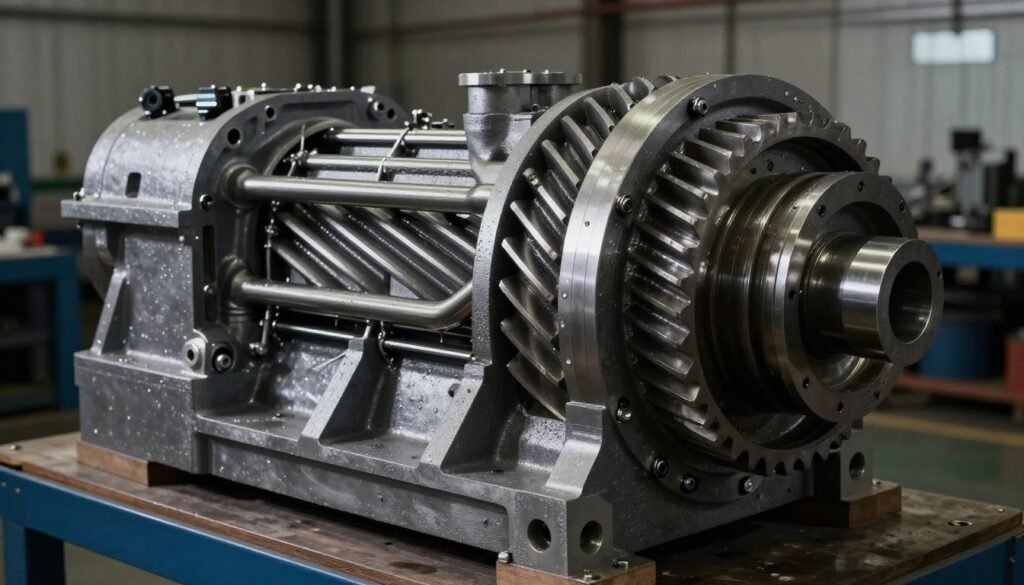
Gear tooth hardness HRC 58-62 for extended wear resistance
Precision grinding to DIN 6 quality grade for smooth operation
Oil circulation systems maintaining 65-75°C operating temperature
Torque capacity exceeding rated motor output by 15-20%
Vibration testing results below ISO 10816 Category B thresholds
Electronic Control Systems and Testing Protocols
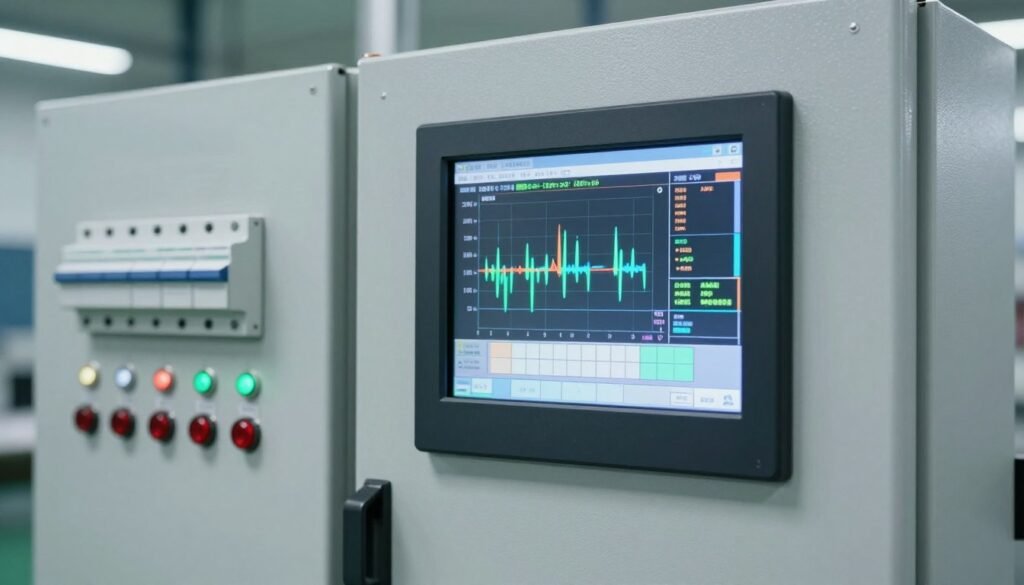
Control panel sophistication separates basic equipment from professional-grade biomass feed pellet production line manufacturer systems. Advanced PLCs from Siemens or Mitsubishi enable recipe storage, production monitoring, and automatic fault diagnosis. A Surrey aquatic feed producer increased output by 18% after installing PLC-controlled biomass pellet machines that optimized conditioning temperature and pellet mill speed based on raw material moisture content.
Essential Control Features
Touch-screen HMI displaying real-time production data
Variable frequency drives for motor speed adjustment
Temperature sensors monitoring conditioning steam injection
Amperage monitoring preventing motor overload
Emergency stop systems meeting EN 60204 standards
Remote diagnostics capability for UK technical support
Factory Testing Documentation
Load testing reports at 80%, 100%, and 110% capacity
Electrical safety certification to BS 7671 standards
Noise level measurements (should be below 85 dB)
Vibration analysis at operational speeds
Pellet quality samples from test runs
Video documentation of full production cycle
Factory acceptance testing provides crucial validation. Insist your pellet production line manufacturer conducts witnessed production trials using your specific raw materials. A Lincolnshire pig feed producer discovered their supplier’s equipment couldn’t process their straw-based recipe until pre-shipment testing revealed necessary die modifications.
Request Quality Verification Documentation
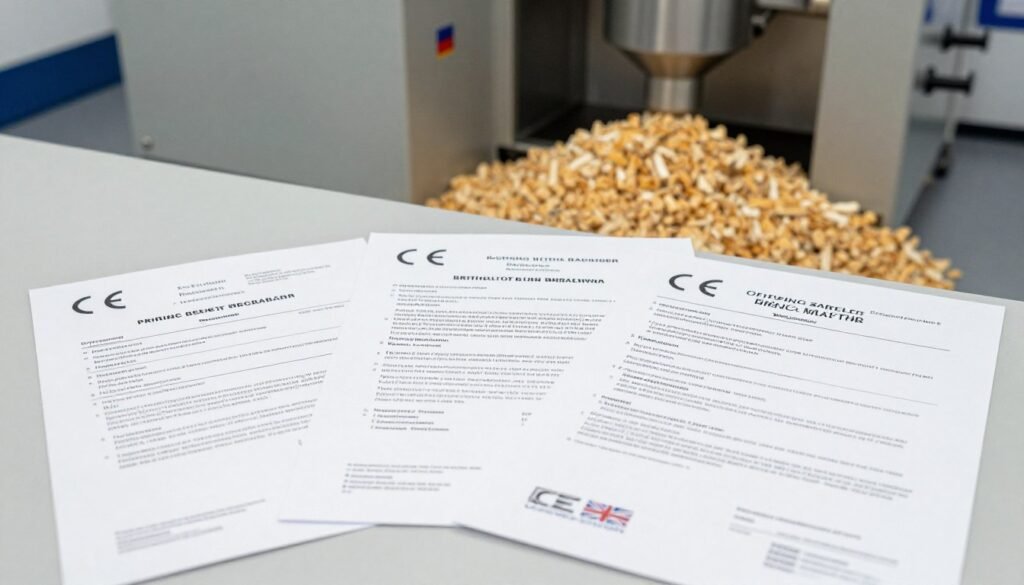
Receive detailed inspection certificates, testing videos, and welding reports for MAIKONG biomass pellet production equipment. Our quality assurance team provides comprehensive documentation meeting British procurement standards.
UK Market Specifications and Compliance Requirements
British procurement demands exceed standard export specifications. Your biomass pellet machine manufacturer must provide equipment compatible with UK electrical standards (400V, 50Hz, three-phase), CE marking documentation, and installation manuals in British English with metric measurements. Voltage compatibility affects motor performance, with incorrect specifications causing 12-15% efficiency losses.
Specification Category
UK Requirement
Verification Method
Impact on Performance
Electrical Supply
400V ±10%, 50Hz, 3-phase
Motor nameplate inspection
Prevents motor burnout, ensures rated capacity
Safety Standards
CE marking, BS EN ISO 12100
Declaration of Conformity document
Legal compliance, insurance validity
Noise Emissions
Below 85 dB(A) at operator position
Sound pressure test report
Workplace safety, regulatory compliance
Pellet Durability Index
PDI >95% for livestock feed
Tumbling can test results
Feed quality, reduced fines, animal acceptance
Production Capacity
Stated output ±5% variance
Timed production trial
ROI accuracy, production planning
Spare Parts Availability
UK stock or 7-day delivery
Distributor network documentation
Minimized downtime, maintenance costs
Import Documentation and Customs Considerations
Importing biomass pellet production equipment to the UK requires specific documentation. Your biomass pellet plant manufacturer should provide commercial invoice with HS code 8436.2900, packing list with container specifications, and certificate of origin. Duty rates typically range 0-2.7% under current trade agreements, with VAT applied at 20%.
A Worcestershire animal feed producer saved £4,200 in demurrage charges by ensuring their supplier provided complete documentation before shipment. Request pro forma invoices showing correct valuations and detailed equipment descriptions that satisfy HMRC requirements.
Real Project Parameters: UK Poultry Feed Case Study
A Norfolk poultry cooperative required a biomass pellet production line producing 5 tonnes per hour of 3mm pellets from wheat, maize, and soya cake. Their existing equipment suffered bearing failures every 180-220 operating hours, causing production gaps that cost £2,100 per day in lost output.
Project Specifications
Model: MAIKONG MK-L003
Capacity: 5 T/H (pellets)
Raw Materials: 45% wheat, 30% maize, 20% soya, 5% minerals
Pellet Size: 3mm diameter, 8-12mm length
Power Requirement: 132 kW total installed
Floor Space: 18m × 8m × 6m (L×W×H)
Production Shift: 16 hours daily, 6 days weekly
Quality Verification Results
Gearbox Testing: 2,800 hours continuous operation
Die Life: 1,950 hours before replacement (chrome-plated)
Pellet Durability: PDI 97.2% average
Noise Level: 78 dB(A) at operator position
Energy Consumption: 18.4 kWh per tonne produced
Downtime: 2.1% over 6-month operation
Maintenance Costs: £840 monthly average
Return on Investment
Equipment Investment: £87,500
Installation Costs: £12,300
Monthly Production: 640 tonnes pellets
Cost per Tonne: £186 (down from £214)
Monthly Savings: £17,920
Payback Period: 5.8 months
Year-1 Net Benefit: £114,240
The cooperative’s production manager noted that working with a feed pellet production line manufacturer offering UK-based technical support reduced commissioning time from 18 days (their previous experience) to 11 days. Remote diagnostics capability allowed their Chinese supplier to resolve a conditioning temperature issue within 4 hours via video call, preventing extended downtime.
Production Line Component Breakdown and Specifications
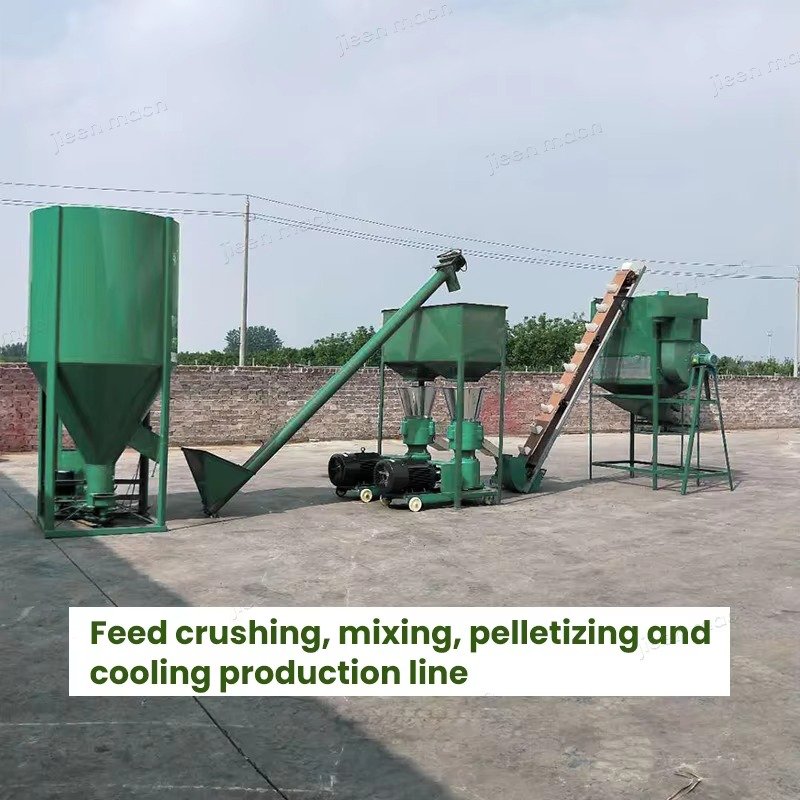
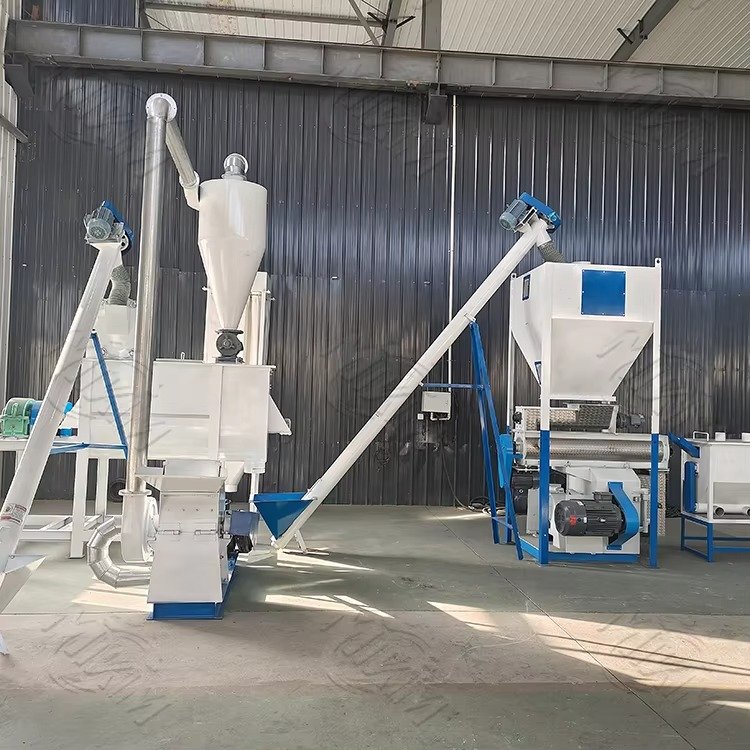
Understanding each component’s role helps validate overall system quality. A complete animal feed production line for biomass pellets includes eight primary systems working in sequence to transform raw materials into finished pellets.
Primary Processing Equipment
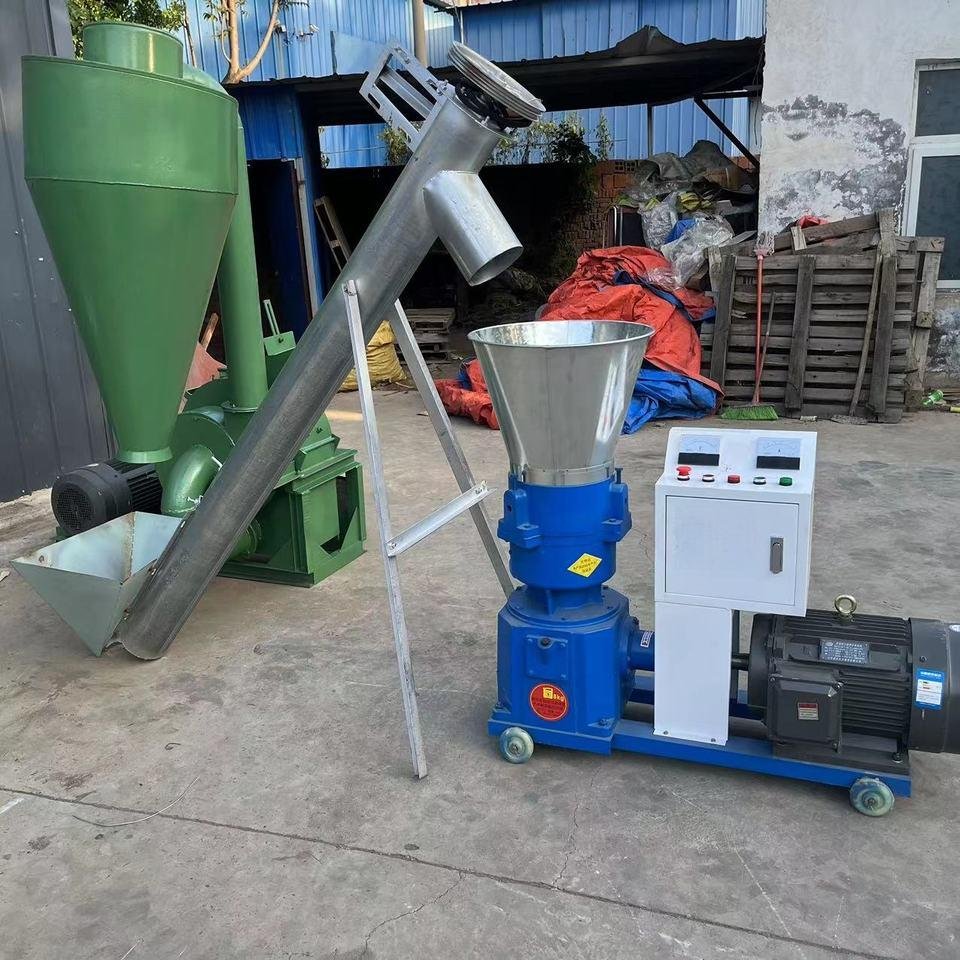
Hammer Mill Crusher: Reduces biomass materials to 2-4mm particle size. Quality models feature replaceable hammers in alloy steel, screen perforation patterns optimized for various biomass types, and magnetic separators preventing metal contamination. A Cumbria sheep feed producer processes 1,200 kg/hour of hay and straw through a 55 kW hammer mill, achieving 3.2mm average particle size with 8.5% energy consumption improvement over previous equipment.
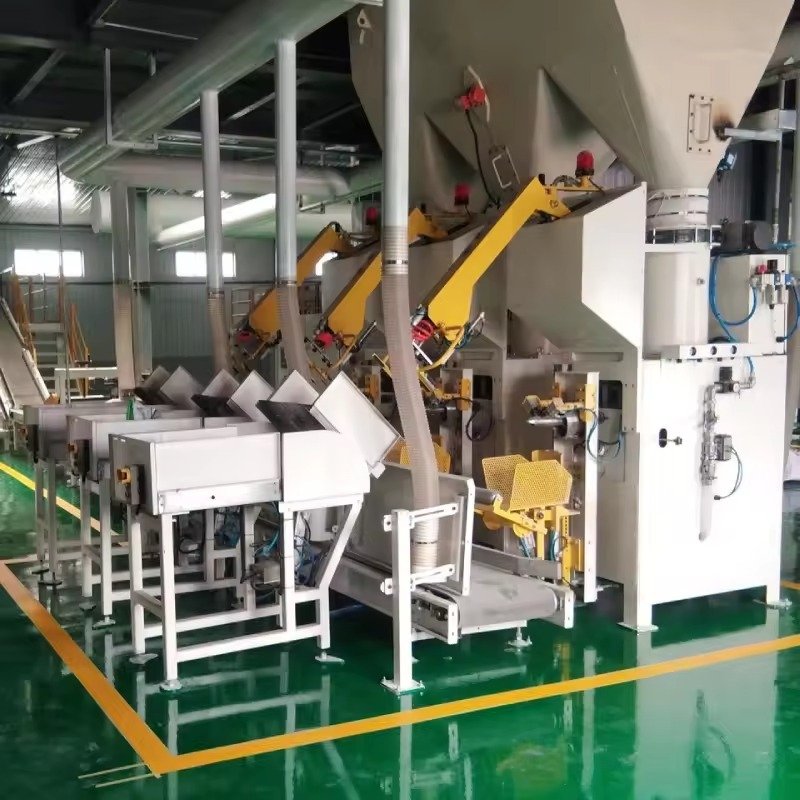
Batching and Mixing System: Precision dosing ensures nutritional consistency. Electronic batching scales with 0.1% accuracy combine with ribbon mixers achieving 95% coefficient of variation within 90 seconds. The mixing chamber should accommodate batch sizes matching pellet mill hourly capacity to prevent production bottlenecks.
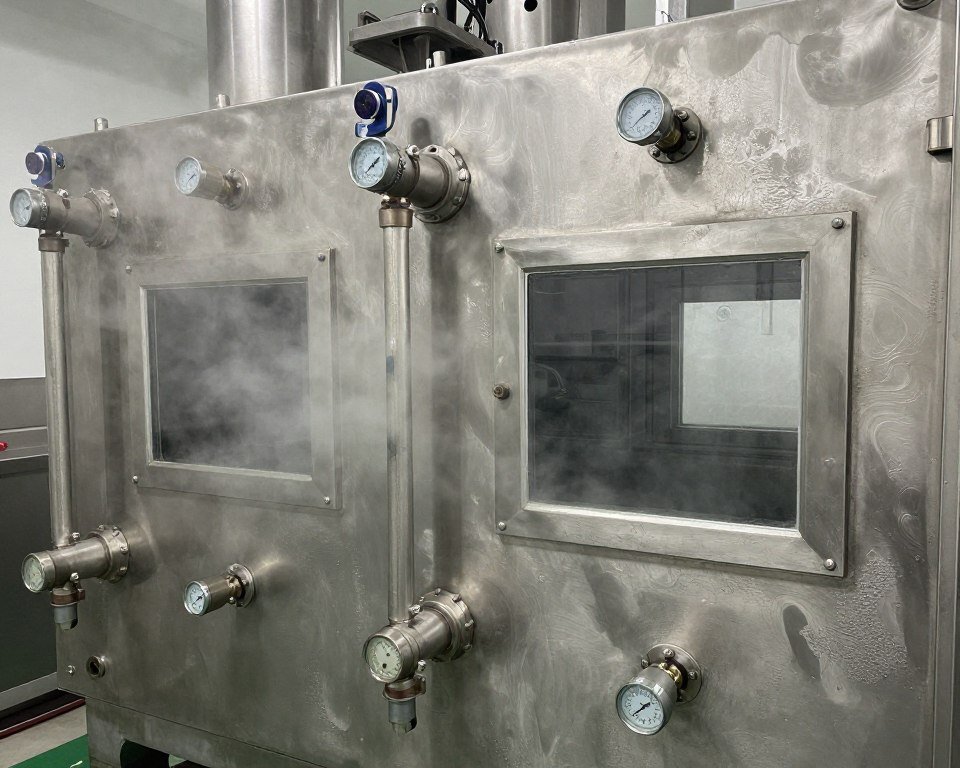
Conditioning Chamber: Steam injection at 80-85°C activates starches and lignin, improving pellet binding. Quality biomass pellet machines feature adjustable retention time (30-90 seconds) and steam pressure control (2.5-4.0 bar). A Kent rabbit feed facility reported 23% reduction in pellet fines after upgrading to a dual-shaft conditioner from their biomass feed pellet production line manufacturer.
Pelleting and Finishing Systems
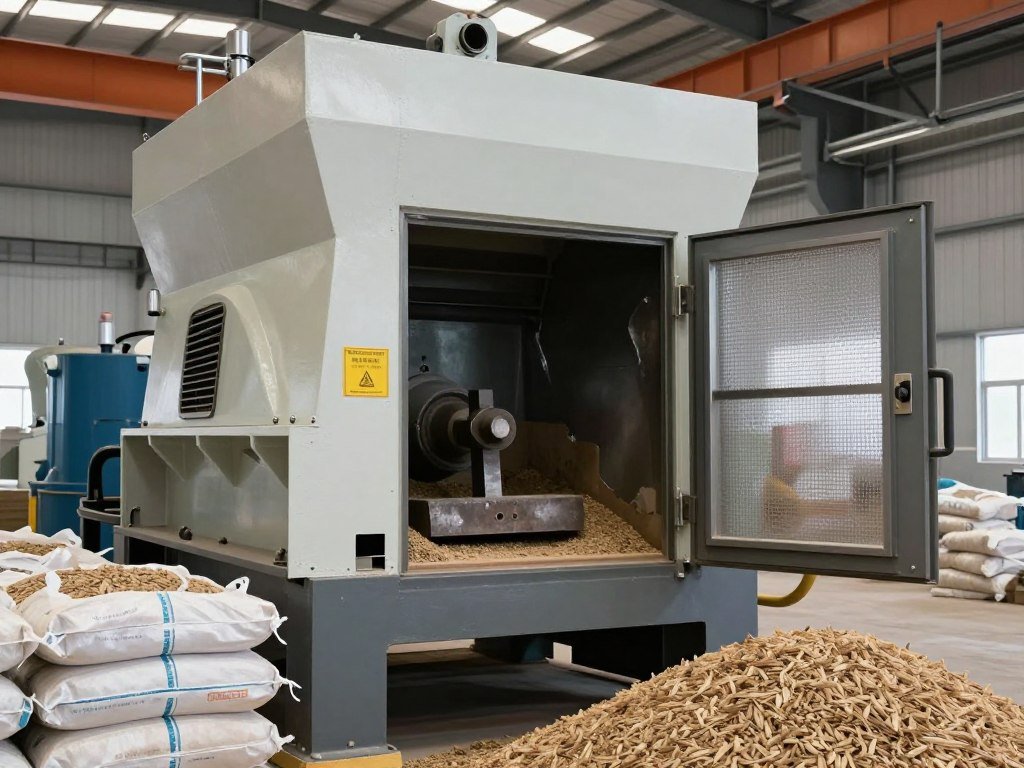
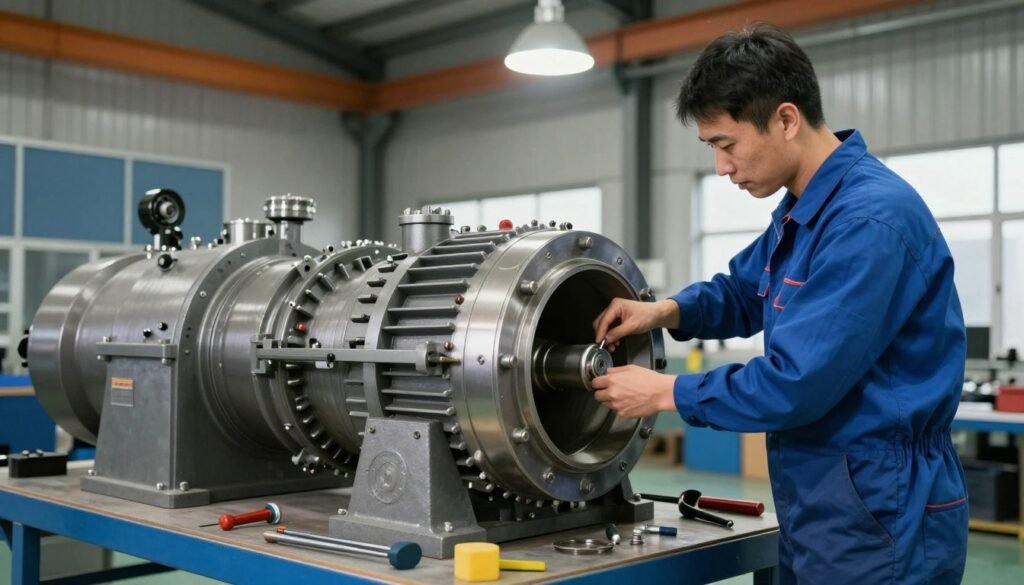
Ring Die Pellet Mill: The heart of biomass pellet production. Premium mills use 300-420mm diameter dies with compression ratios of 1:10 to 1:14 for livestock feed biomass. Main motor power ranges from 90-250 kW depending on capacity. Forced lubrication systems and pressure relief valves protect against overload damage.
Counterflow Cooler: Reduces pellet temperature from 75-85°C to ambient plus 5°C whilst removing moisture to 12-14%. Cooling air flow of 180-220 m³ per tonne ensures structural stability. A Shropshire cattle feed operation extended pellet storage life from 21 days to 67 days after installing a properly sized cooler.
Crumbler and Screening: Breaks oversized pellets and removes fines. Vibratory screens with 2.5mm and 4.5mm mesh separate product grades. Screened fines return to the mixer, reducing waste to below 2%.
Component
Power (kW)
Capacity (T/H)
Key Quality Indicator
Typical Lifespan
Hammer Mill
37-75
3-8
Hammer material HRC 52+
800-1,200 hours (hammers)
Mixer
11-22
4-10
CV coefficient
8-12 years (shell), 3-5 years (ribbons)
Conditioner
5.5-11
3-8
Retention time uniformity
10-15 years (body), 2-4 years (shafts)
Pellet Mill
90-250
3-12
Gearbox torque rating
15-20 years (main), 1,500-2,500 hours (die)
Cooler
4-7.5
3-10
Air flow distribution
12-18 years
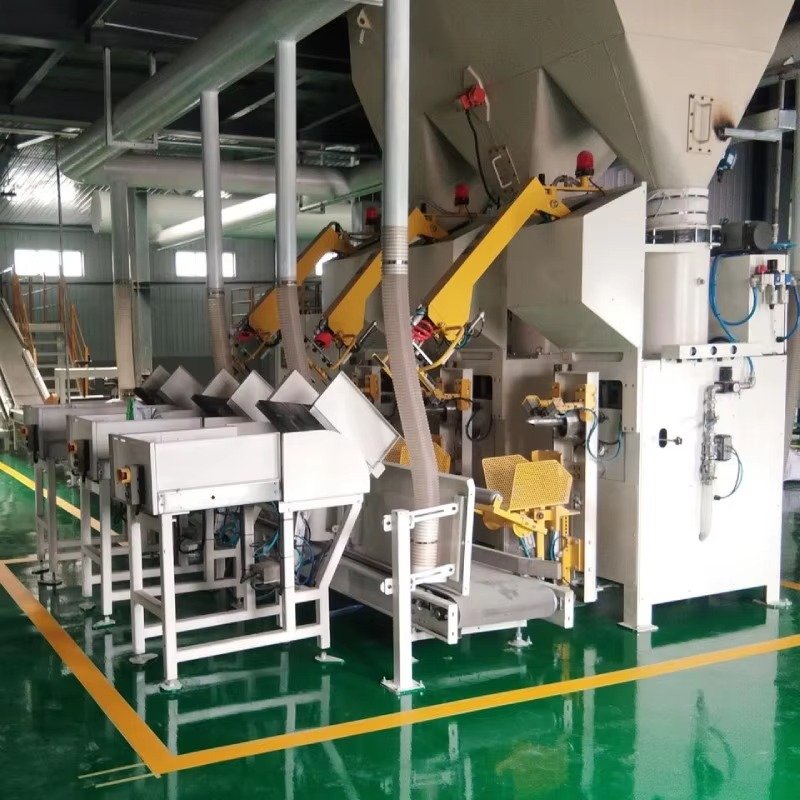
Packaging Scale
1.5-3
3-8
Weighing accuracy ±0.2%
8-12 years
Maintenance Requirements and Spare Parts Strategy
Preventive maintenance schedules determine long-term production reliability. Quality biomass pellet production line manufacturer partners provide detailed service manuals specifying lubrication intervals, wear part replacement schedules, and troubleshooting procedures. A Gloucestershire game bird feed operation reduced unplanned downtime from 7.2% to 1.8% by following manufacturer-recommended service protocols.
Critical Wear Parts Inventory
Pellet die and roller shells (primary consumables)
Hammer mill screens and hammers
Mixer ribbon blades and seals
Bearing assemblies for main drive
Drive belts and coupling components
Conditioner shaft paddles
Electrical contactors and sensors
Establish UK spare parts stock covering 90 days typical consumption. A Somerset dairy feed producer maintains £3,800 in spare inventory, preventing the £2,600 daily cost of production stoppage.
Document all service activities in maintenance logs. This data supports warranty claims and helps identify recurring issues requiring supplier attention.
Selecting a biomass pellet production line manufacturer with UK distributor support ensures parts availability within 48-72 hours. Import delays for overseas parts can extend to 12-18 days, with air freight costs adding £180-340 per shipment. MAIKONG maintains strategic inventory at our European logistics center, guaranteeing week-day delivery to UK addresses.
Pricing Structure and Total Cost of Ownership
Equipment purchase price represents only 65-70% of five-year ownership costs. Comprehensive financial analysis includes installation, commissioning, training, maintenance, spare parts, and energy consumption. A Herefordshire pig feed cooperative discovered their “lowest quote” supplier resulted in 34% higher total cost due to frequent breakdowns and expensive replacement parts.
Cost Category
Year 1
Years 2-5 (Annual)
5-Year Total
Percentage of TCO
Equipment Purchase (5 T/H line)
£87,500
£0
£87,500
67.2%
Installation & Commissioning
£12,300
£0
£12,300
9.4%
Operator Training
£2,100
£480
£4,020
3.1%
Preventive Maintenance
£4,200
£5,800
£27,400
21.0%
Spare Parts Inventory
£3,800
£1,200
£8,600
6.6%
Energy (at £0.18/kWh)
£18,900
£18,900
£94,500
72.5%*
*Energy costs shown separately as operational expense, not included in equipment TCO percentage
Regional Price Variations UK Market
Equipment pricing varies by capacity and automation level. Entry-level 1-2 T/H systems start at £38,000-£52,000 for basic manual operation. Mid-range 3-5 T/H semi-automated lines typical of British livestock operations cost £75,000-£115,000. Large-scale 8-12 T/H fully automated installations for commercial feed mills range £180,000-£280,000.
A Pembrokeshire turkey producer compared quotes from four biomass pellet machine manufacturer suppliers. Initial prices varied by only 8%, but detailed analysis revealed the lowest bidder excluded conditioning equipment (£14,500 value) and electrical installation (£8,200). Always request itemized quotations specifying all included components, installation scope, and commissioning services.
Become a MAIKONG UK Distributor Partner
MAIKONG seeks established feed equipment distributors and agricultural machinery dealers for exclusive territorial partnerships across the United Kingdom. Benefit from 22 years manufacturing expertise, comprehensive technical support, and competitive dealer margins on our complete range of biomass pellet production equipment.
Custom manufacturing addresses unique production requirements standard equipment cannot meet. MAIKONG’s engineering team designs modifications for specialized biomass materials, non-standard pellet sizes, and integrated automation systems. Our 22-year experience across 130 countries provides solutions for unusual raw material combinations British producers often encounter.
Technical Customization Options
Raw Material Adaptations: Die compression ratios optimized for specific biomass types (straw, wood waste, agricultural residues, energy crops)
Capacity Scaling: Custom configurations from 200 kg/hour pilot systems to 25 T/H commercial installations
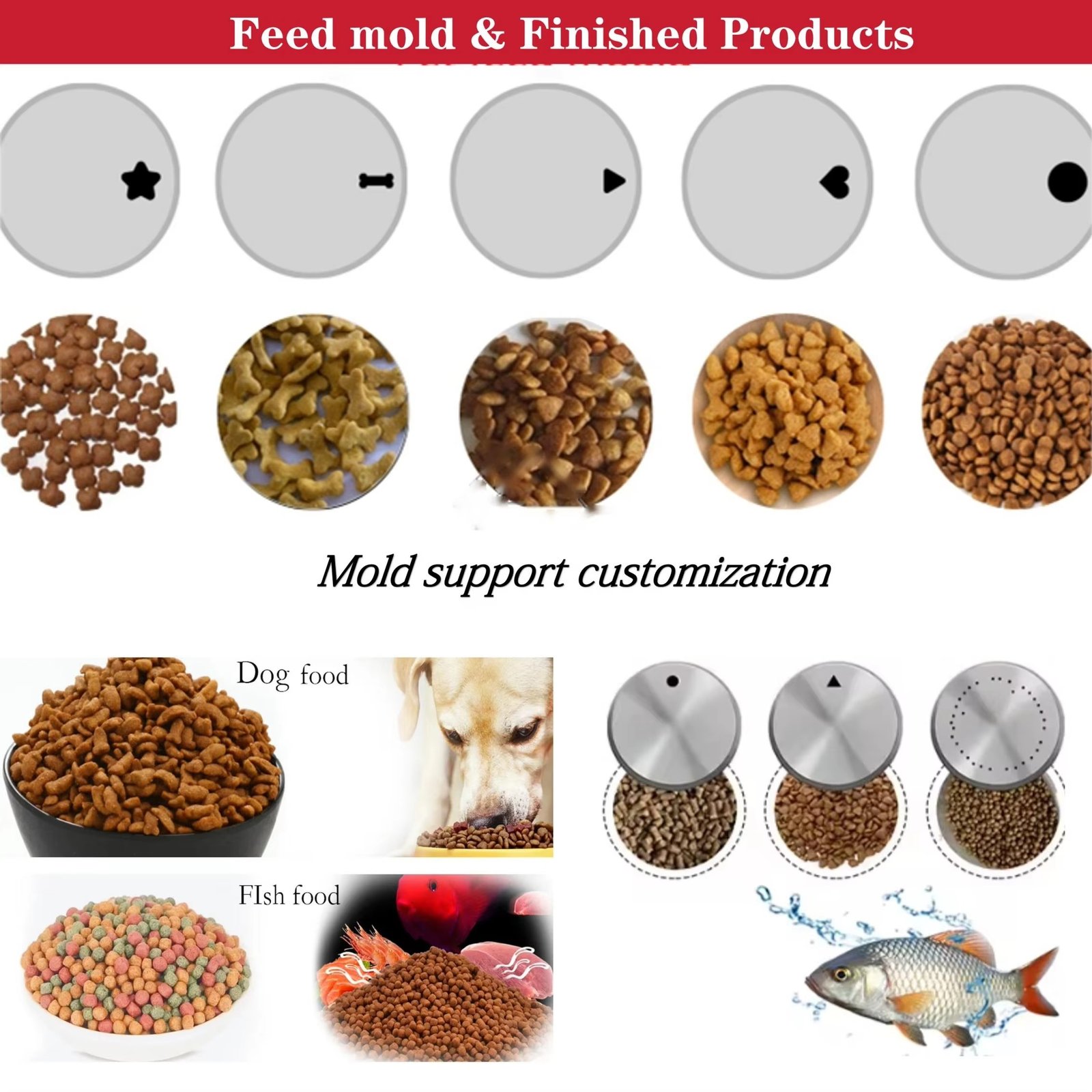
Pellet Specifications: Non-standard diameters (2mm, 4mm, 5mm, 6mm) and variable length control
Electrical Modifications: Special voltage requirements, explosion-proof specifications for dust hazard areas
Automation Integration: Interface with existing factory management systems, SCADA connectivity
Space Constraints: Vertical configurations for limited floor area, multi-level layouts
Material Handling: Integrated silo systems, pneumatic conveyance, bulk loading equipment
A Cornish aquaculture facility required specialized equipment processing kelp and fish waste into 4.5mm pellets. Standard dies couldn’t handle the fibrous kelp structure. MAIKONG engineering developed a hybrid die design combining 1:12 compression with aggressive pre-compression grooves. The custom solution achieved 96.8% PDI with kelp content up to 35%.
OEM branding services allow distributors and private-label customers to market equipment under their own brand identity. MAIKONG provides custom nameplate designs, proprietary color schemes, and branded control panels. Minimum order quantities for OEM projects start at 2 complete production lines.
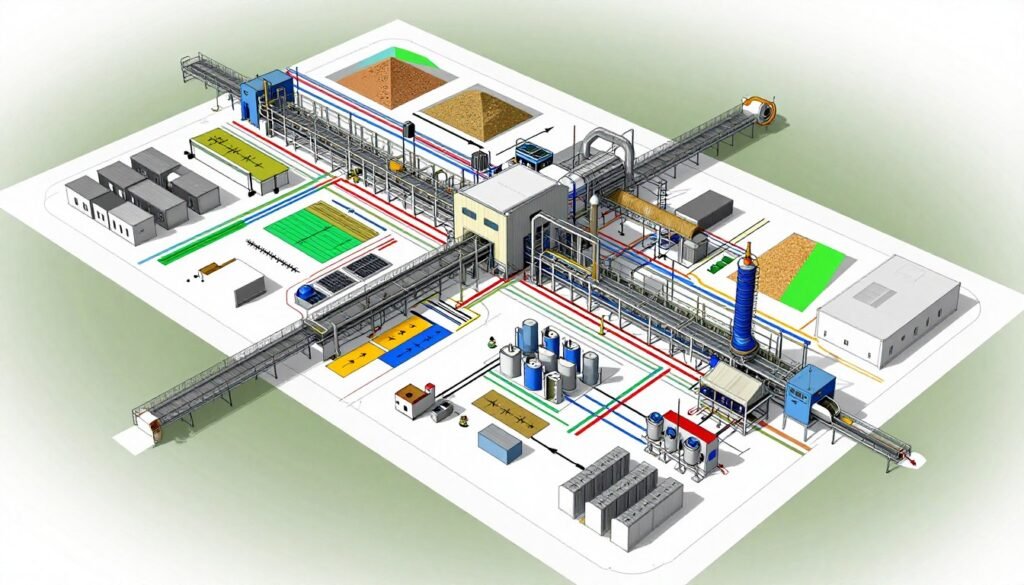
Installation Layout Planning for British Facilities
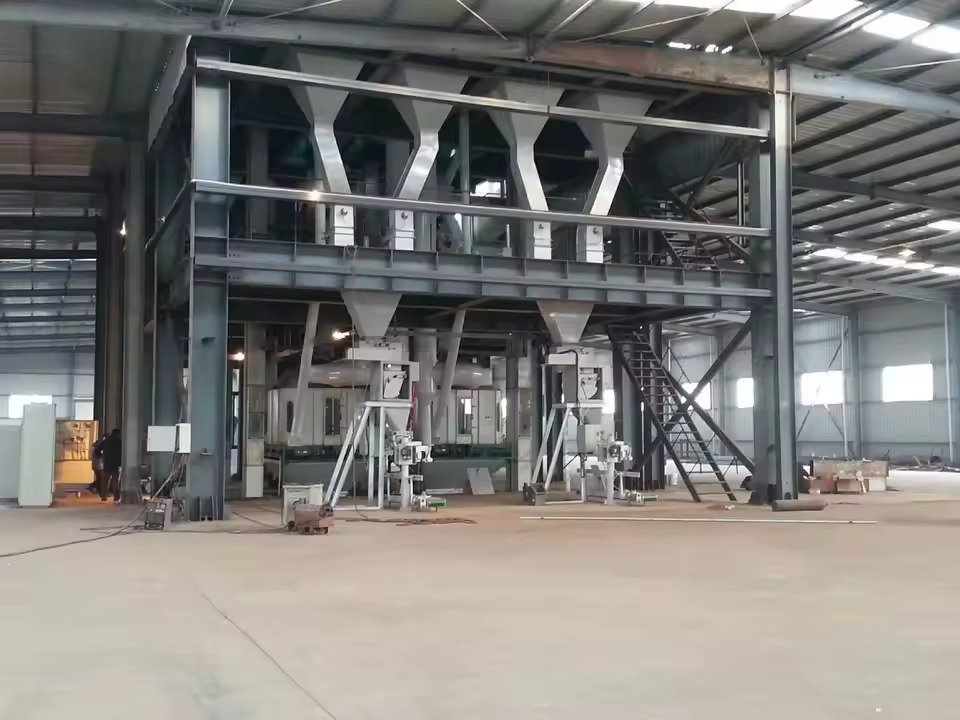
Proper facility layout maximizes production efficiency whilst meeting UK building regulations. Standard feed production line installations require 4.5-6.0 meters ceiling height for elevator and distribution systems. A Lancashire cooperative retrofitted their existing 3.8-meter building by using horizontal screw conveyors instead of bucket elevators, demonstrating how layout flexibility solves space constraints.
Horizontal Layout Configuration
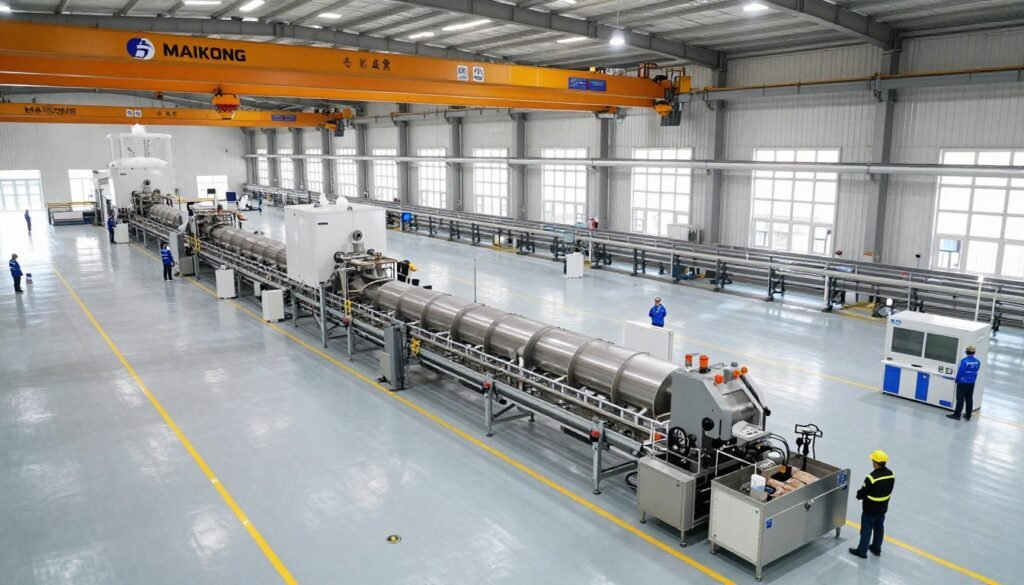
Suitable for single-story buildings with ample floor space (minimum 150-200 m²). Equipment arranges in linear sequence with screw conveyors connecting stages. This design simplifies maintenance access and reduces structural support requirements. Typical footprint for 5 T/H capacity: 22m length × 9m width × 4.2m height.
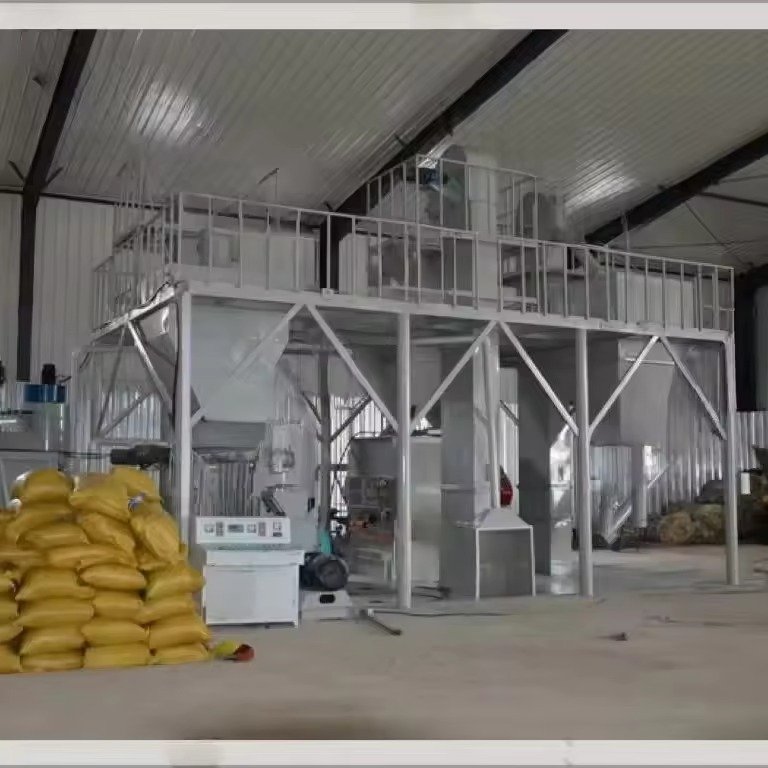
Vertical Layout Configuration
Optimizes limited floor area by stacking processes vertically. Requires robust multi-level steel structure but reduces building footprint by 40-55%. Gravity assists material flow, reducing conveyor power consumption by 15-18%. Typical footprint for 5 T/H capacity: 12m length × 8m width × 8m height. Ideal for urban locations with premium land costs.
Building services integration requires early planning. Electrical supply must provide 15-20% capacity above total equipment load to accommodate motor starting currents. Compressed air systems (7-8 bar) supply pneumatic actuators and control valves. Steam boilers (if not already present) add £18,000-£32,000 to project costs for 500-1,000 kg/hour capacity needed for conditioning.
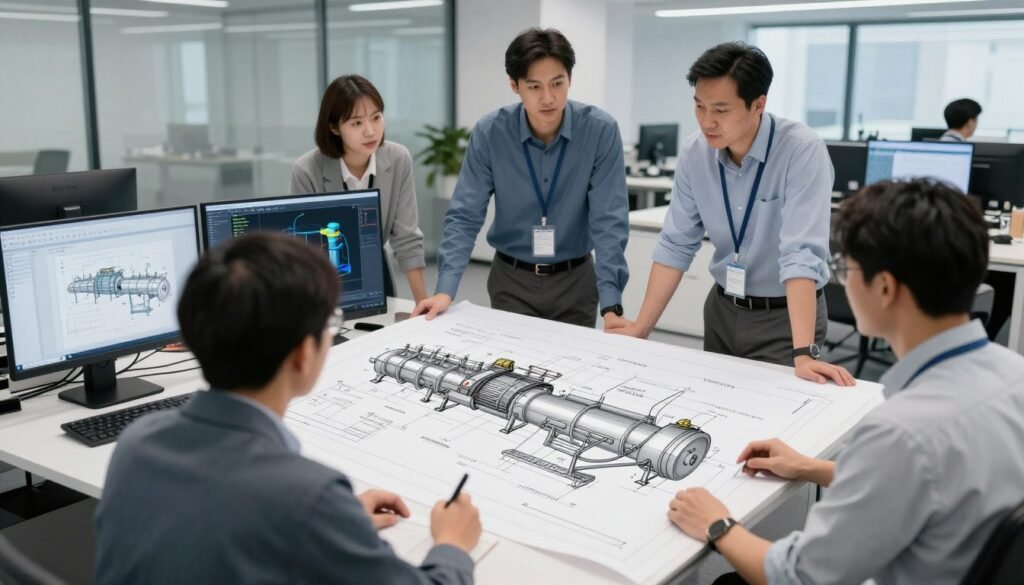
A Dorset rabbit feed producer saved £23,400 in construction costs by conducting detailed layout planning with their biomass pellet plat manufacturer before breaking ground. The supplier’s 3D modeling identified conflicts between overhead conveyors and existing roof trusses, allowing design modifications during planning rather than expensive field changes.
Frequently Asked Questions: Quality Verification
What specific welding documentation should I request from a biomass pellet production line manufacturer before purchase?
Request ISO 3834 welding certification covering all structural fabrication. Ask for weld procedure specifications (WPS) detailing: parent metal grades, filler materials, preheat requirements, and post-weld treatments. X-ray or ultrasonic inspection reports for critical joints (main frame, pellet mill housing) prove weld integrity. A Berkshire feed cooperative rejected equipment after discovering their supplier only provided visual inspection documentation without non-destructive testing verification.
Additionally, require welder qualification records showing certified personnel performed the work. British buyers should verify welding standards compliance with BS EN 1090 for structural steelwork. Material certificates for high-stress components (gearbox housing, die holder assembly) confirm specified steel grades. Reputable manufacturers provide complete welding documentation packages without requiring special requests.
How can I verify gearbox quality when purchasing from an overseas biomass pellet machine manufacturer?
Request gearbox type test reports from recognized laboratories (TÜV, SGS, Intertek). These documents verify: torque capacity at rated speed, efficiency measurements, noise level testing, and temperature rise under continuous load. Insist on manufacturer’s data sheets for gears showing: material specification (typically 20CrMnTi alloy steel), heat treatment process (carburizing depth 0.8-1.2mm), and hardness testing results (HRC 58-62 tooth surface).
Ask about bearing specifications – premium gearboxes use SKF, FAG, or NSK bearings with L10 life ratings exceeding 50,000 hours. Oil analysis reports from operational units demonstrate contamination levels and wear particle counts. A Suffolk cattle feed operation discovered their supplier’s “equivalent quality” gearbox used untested bearings that failed after only 1,850 hours, versus the 8,200-hour life of specified branded bearings. Video documentation of factory testing under load provides additional confidence in gearbox performance claims.
What factory acceptance testing should be performed before shipping biomass pellet production equipment to the UK?
Comprehensive factory acceptance testing (FAT) should include: no-load trial running for 4-6 hours verifying all motors, drives, and control systems function correctly. Load testing at 80%, 100%, and 110% rated capacity using your specific raw materials demonstrates actual production capability. Request pellet samples from these tests for independent laboratory analysis of durability (PDI), moisture content, and physical quality.
Electrical testing verifies insulation resistance (minimum 1 megohm), protective earth continuity, and emergency stop function. Noise level measurements at operator positions confirm compliance with 85 dB(A) workplace limits. A Devon aquatic feed producer insisted on witnessed FAT and discovered their biomass pellets failed durability testing at only 87% PDI due to incorrect die specification – a problem corrected before shipment rather than after expensive installation.
Video documentation of complete production cycles provides permanent record of equipment performance. Request calibration certificates for all instruments (temperature sensors, pressure gauges, weighing systems). British buyers should verify CE marking documentation and Declaration of Conformity issued before shipment, as post-delivery compliance corrections prove difficult and costly.
How do I assess electronic control system quality from a biomass feed pellet production line manufacturer?
Evaluate control systems by PLC brand and programming accessibility. Premium systems use Siemens S7-1200/1500 or Mitsubishi FX5 series with documented ladder logic programs. Avoid proprietary controllers that lock you into single-source technical support. Request copies of PLC programs and HMI screen configurations – reputable manufacturers provide full documentation enabling your local electrician to make future modifications.
HMI touch screens should display: real-time production rates, motor amperages, temperature readings, alarm history, and batch recipe management. Variable frequency drives (VFDs) on major motors allow speed optimization for different raw materials. A Wiltshire pig feed facility found their “advanced” control system used a no-name Chinese PLC with zero English documentation, making troubleshooting impossible without factory technicians.
Electrical panel construction quality matters significantly. Verify IP54 or IP65 ingress protection ratings suitable for dusty feed mill environments. Circuit breakers and contactors should carry ABB, Schneider, or Siemens branding. Request electrical schematics showing component specifications and wiring details. British electrical standards compliance (BS 7671) should be verified through third-party inspection reports, not just manufacturer declarations.
What spare parts inventory should I maintain for a biomass pellet production line, and how do I ensure UK availability?
Essential spare parts inventory should cover 90-120 days typical wear item consumption: one complete pellet die and roller shell set (primary consumable, 1,500-2,500 hour life), hammer mill screen and hammer set (800-1,200 hour life), mixer ribbon blade set, critical bearing assemblies for main drive motors, drive belt sets, and conditioner shaft paddles. This typically represents £3,500-£5,500 investment for a 5 T/H production line.
Verify your supplier maintains UK or European stock locations providing 3-5 day delivery. A Cheshire poultry cooperative lost £8,400 in production during a 4-week wait for emergency die replacement shipped from China. Request distributor contact information and verify parts pricing before equipment purchase – some manufacturers offer competitive equipment prices but charge premium rates for replacement components.
Establish parts supply agreements specifying maximum delivery times and price escalation limits. MAIKONG maintains strategic inventory at our European logistics center specifically for UK distributors and end-users, guaranteeing availability of critical components. Ask about emergency parts shipping procedures and surcharge policies. Standardized components (bearings, belts, motors) sourcing from UK suppliers reduces dependency on manufacturer-specific items.
MAIKONG Quality Commitment and UK Support Infrastructure
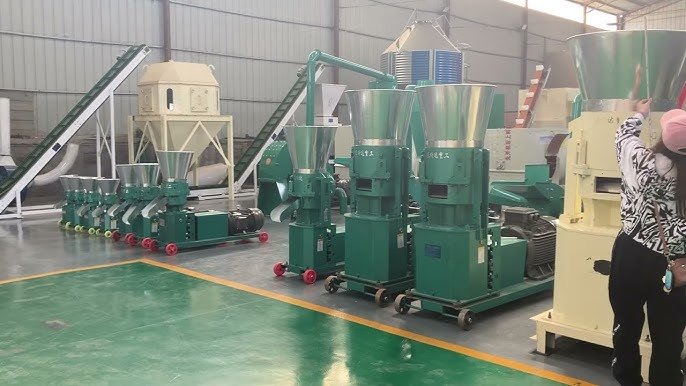
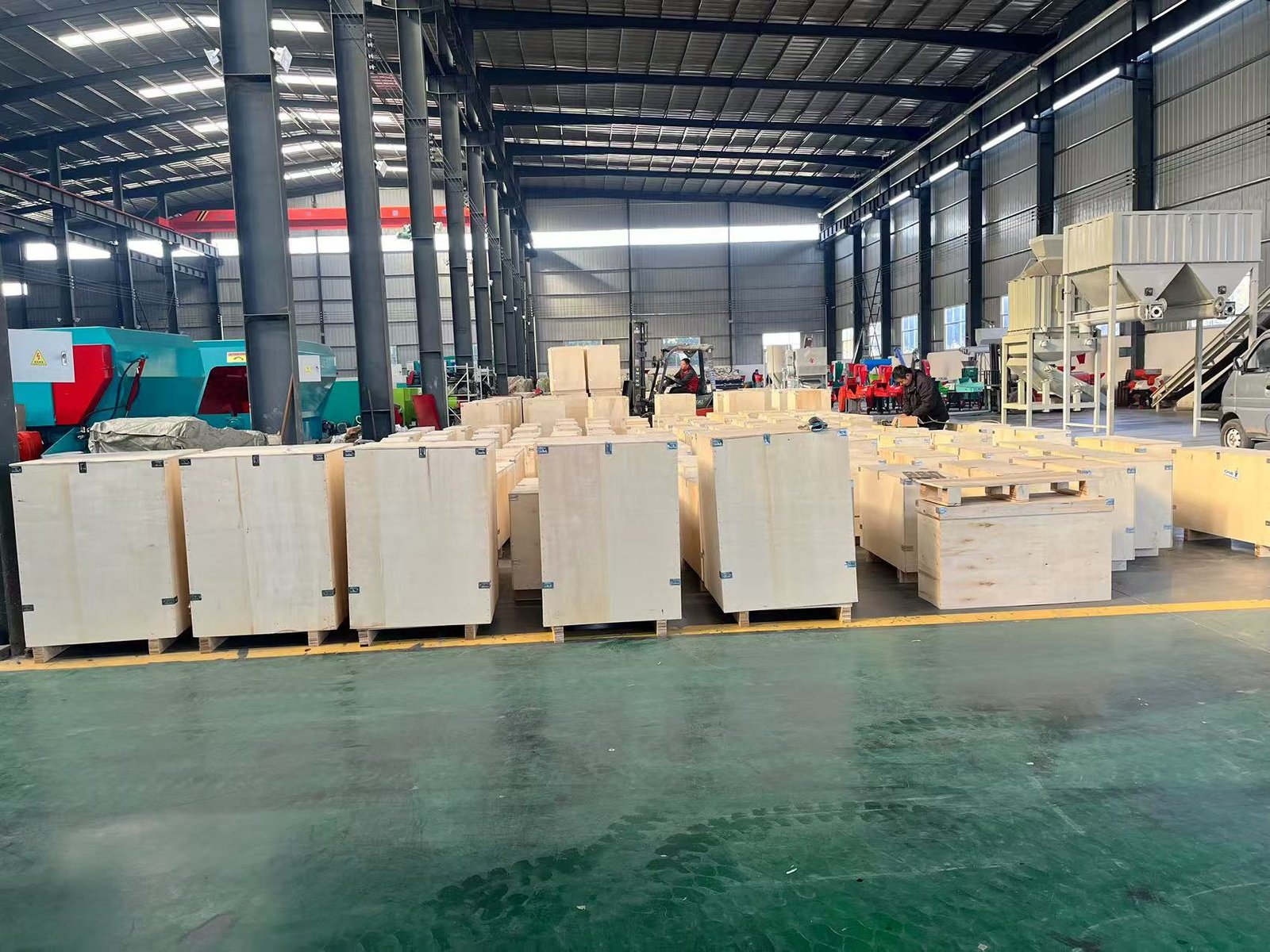
MAIKONG brings 22 years of manufacturing excellence to the British livestock feed industry. Our GD province facility in SZ city produces complete animal feed production line systems exported to 130 countries across Asia, Americas, Europe, and Africa. Every biomass pellet production line undergoes rigorous quality protocols ensuring British buyers receive equipment meeting their exacting standards.
4.7
Overall Customer Rating
Equipment Quality
4.8/5
Technical Support
4.6/5
Delivery Timeliness
4.5/5
Value for Investment
4.7/5
Documentation Quality
4.8/5
Manufacturing Certifications
ISO 9001:2015 Quality Management
ISO 3834 Welding Quality Assurance
CE Marking for European Markets
British Standards BS EN 1090 Compliance
Electrical Safety BS 7671 Verification
Environmental ISO 14001 Certification
UK Technical Support Services
24-hour technical response guarantee
English-language documentation and manuals
Video consultation for troubleshooting
European spare parts logistics center
On-site installation supervision available
Operator training programs in UK facilities
European Success Cases
Our European installations demonstrate proven performance in demanding agricultural environments. A Netherlands dairy cooperative operates three MAIKONG MK-L005 lines producing 8 T/H of biomass pellets from grass silage and grain, reporting 98.1% uptime over 18 months. German poultry integrators selected MAIKONG equipment for five regional facilities after competitive evaluation against established European suppliers, citing superior value and technical capability.
British installations include successful projects across England, Scotland, and Wales. Our most recent UK commissioning involved a Staffordshire game bird facility processing 3.2 T/H mixed poultry feed from wheat, barley, and proprietary supplements. The installation achieved full production within 9 days of equipment delivery, meeting the client’s aggressive timeline for seasonal production demands.
Final Considerations for UK Buyers
Selecting the right biomass pellet production line manufacturer requires balancing equipment quality, supplier support capability, and total ownership costs. British livestock feed producers face unique challenges – volatile energy prices, strict regulatory requirements, and competitive market pressures demanding maximum efficiency. Your equipment investment must deliver reliable performance across 10-15 year operational lifespan.
Pre-Purchase Verification Checklist
Review complete welding certification and non-destructive testing reports
Verify gearbox specifications with manufacturer data sheets and test reports
Confirm die and roller material specifications with hardness testing documentation
Examine PLC and electrical component specifications for quality and accessibility
Request factory acceptance test protocols including your raw materials
Verify CE marking documentation and Declaration of Conformity
Confirm spare parts availability through UK or European distribution
Establish technical support response times and communication procedures
Calculate complete 5-year total cost of ownership including all factors
Review reference installations in similar applications
MAIKONG welcomes detailed technical discussions about your specific production requirements. Our engineering team provides customized proposals addressing your raw material characteristics, capacity needs, space constraints, and budget parameters. We support OEM partnerships for equipment distributors and offer attractive dealer programs for established agricultural machinery suppliers expanding into feed production equipment.
Start Your Biomass Pellet Production Project
Contact MAIKONG’s UK technical team for comprehensive equipment evaluation, quality documentation review, and customized quotation. Our 22-year manufacturing experience and commitment to British market success ensures your investment delivers reliable, profitable biomass pellet production.
British livestock feed producers deserve manufacturing partners who understand their quality requirements, operational pressures, and market dynamics. MAIKONG’s commitment extends beyond equipment sales to genuine partnership supporting your long-term production success. Our UK distributor network continues expanding – enquire about exclusive territorial opportunities for qualified agricultural equipment specialists.
Quality verification need not be complicated when working with transparent, experienced suppliers. The checklists, specifications, and evaluation frameworks presented in this article provide practical tools for confident supplier selection. Your biomass pellet production investment represents significant capital commitment deserving thorough due diligence ensuring equipment quality matches supplier promises.