Professional Animal Feed Production Line Manufacturer For UK Market

Batch vs. Continuous Feed Mixing Systems: An In-depth Comparison
July 12, 2026
In the world of feed production, the choice between batch and continuous feed mixing systems is crucial for optimizing efficiency and quality. A batch mixing system involves processing ingredients in defined, individual batches, which allows for precise control over formulation but may have slower throughput. In contrast, a continuous feed mixing system processes ingredients as a steady stream, promoting consistency and higher throughput but often at the expense of finer control. This guide explores both systems in detail, helping you make informed decisions based on production goals and constraints.
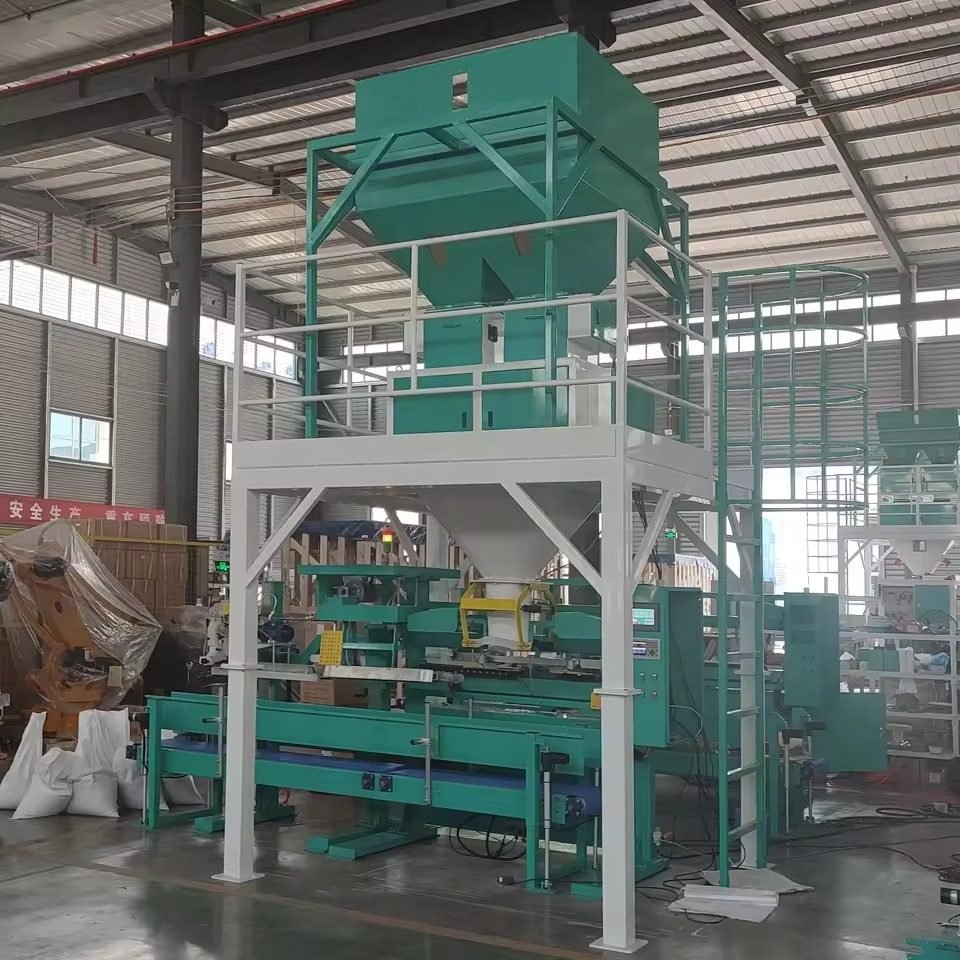
What is a Batch Feed Mixing System?
A batch feed mixing system processes feed ingredients in individual units, or batches, where each batch is mixed thoroughly before moving on to the next. This type offers precision control over ingredient addition, mixing time, and homogenization levels.
Applications and Advantages
- Precision Control: The most significant advantage is precise control over each batch's composition. Each set of ingredients is carefully measured and mixed, allowing for consistent quality and formula integrity.
- Versatility: Suitable for operations requiring frequent changes in formula or ingredient specifications due to its ability to process varying batch sizes easily.
- Quality Assurance: High precision reduces the risk of cross-contamination and ensures adherence to stringent quality standards, essential in specialized feed production such as medicated or specialty diets.
Limitations
- Lower Throughput: As each batch must be processed separately, batch systems inherently have less throughput than continuous systems. This can be a bottleneck for large-scale operations.
- Labor Intensive: Requires manual intervention for loading and monitoring each batch, potentially increasing labor costs.
What is a Continuous Feed Mixing System?
Continuous feed mixing systems blend ingredients into a steady, constant stream. This type is ideal for operations requiring uniformity across large quantities of feed without the interruptions inherent in batch processing.
Applications and Advantages
- Increased Efficiency: Continuous systems often provide higher throughput as they eliminate the delays associated with batch start-stop cycles.
- Consistent Product: Ensures uniformity and consistency in each batch of the feed product, essential for high-volume feed industries.
- Reduced Labor Requirement: Automation reduces the need for constant supervision and manual handling.
Limitations
- Less Flexibility: Continuous systems are less adaptable to frequent formulation changes, as altering the process stream requires full system adjustments.
- Initial Setup Complexity: Typically involves a more complex setup and higher initial investment than batch systems.
Comparing Batch and Continuous Feed Mixing Systems
Let's explore the core differences and operational considerations when choosing between batch and continuous systems:
| Feature | Batch Mixing System | Continuous Mixing System |
|---|---|---|
| Control over formulation | High precision | Moderate precision |
| Production speed | Slower | Faster |
| Flexibility | Highly flexible | Less flexible |
| Initial cost | Lower | Higher |
| Labor requirement | Higher | Lower |
Bottom line:
Choose batch systems for precision and versatility, especially in small-batch or specialty feeds. Opt for continuous systems if efficiency and consistent bulk processing are critical.
How to Decide: Factors to Consider
1. Production Volume
For facilities with high throughput demands, continuous systems excel by maintaining unbroken operations. Batch systems suit smaller, customized operations where specific formulations are regularly needed.
2. Ingredient Sensitivity
Batch systems offer better control, catering to sensitive ingredients that require specific handling or mixing protocols.
3. Cost Considerations
While batch systems typically require a lower upfront investment, the operational costs can be higher due to labor and slower processing times. Continuous systems, although more costly initially, can offer savings in the long run with higher efficiencies and reduced labor.
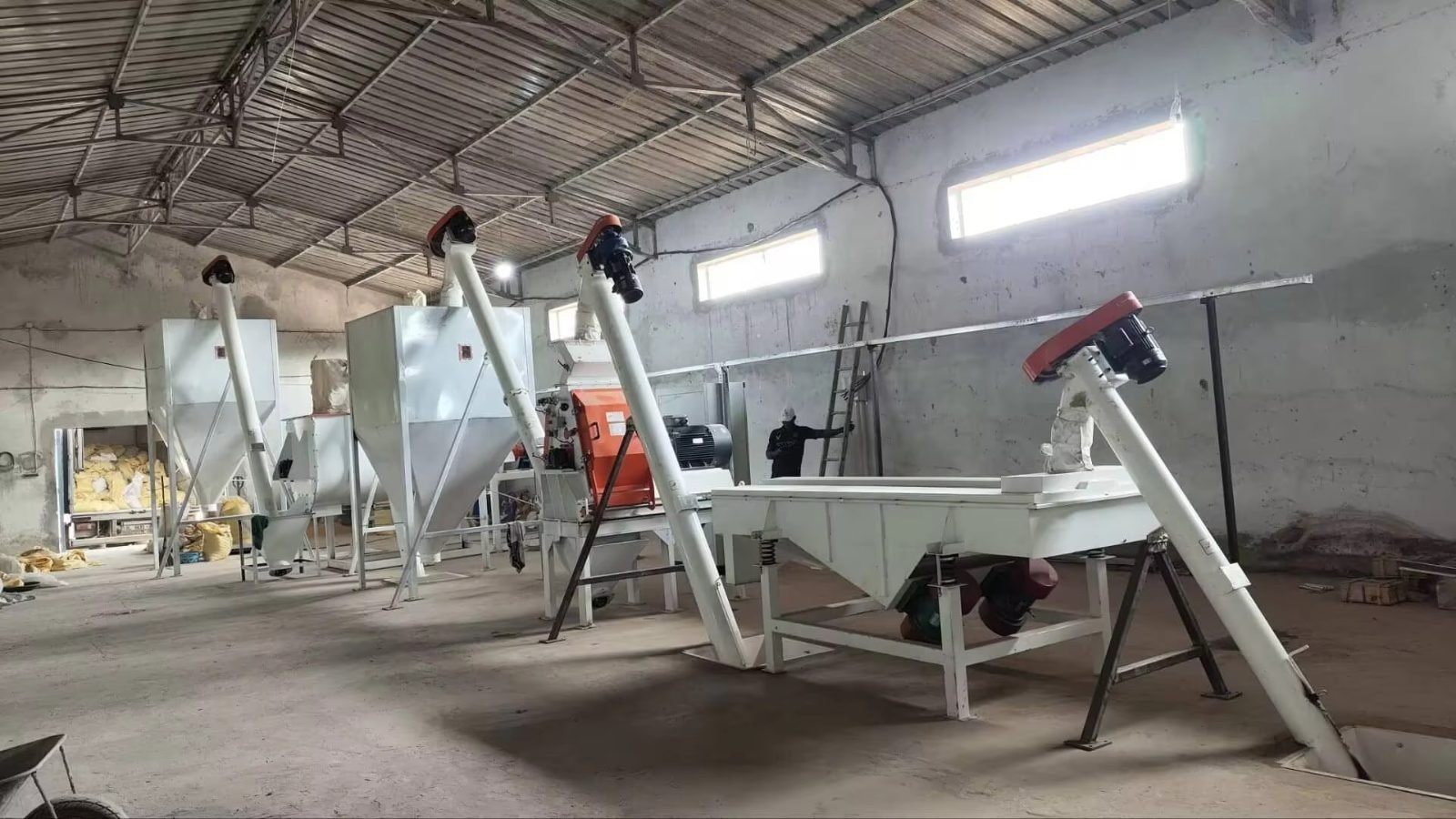
Operator Insights: Tips for Optimal Use
-
Batch System Tips: Always calibrate your equipment to ensure precise ingredient measurements for each batch. Regularly check for residue build-up, a common source of contamination.
-
Continuous System Tips: Monitor ingredient feed rates closely; any variations can affect product consistency. Ensure your mixing equipment is clean and free from wear, as continuous operations can exacerbate maintenance issues.
Implementation and Best Practices
For Batch Systems
Ensure your system is scaled to handle your largest anticipated batch size without sacrificing precision. Automation can enhance operation efficiency and reduce human error.
For Continuous Systems
Focus on streamlining feed ingredient flow to keep production even. Investing in quality control systems can help ensure consistency, maintaining product quality standards.
Real-World Applications
- Batch Systems: Ideal for small-scale operations with specialized feed requirements such as aquaculture or pet feed production.
- Continuous Systems: Best suited for large scale animal feed production facilities where efficiency and consistency are priorities.
Implementing the right feed mixing system can greatly influence the efficiency and quality of feed production operations. By understanding the distinct characteristics between batch and continuous systems, you can align your choice with your production goals effectively.
FAQ
-
What is the lead time for these systems?
Lead times vary depending on the system complexity and order specifics. It's best to contact MAIKONG for an accurate quote. -
How do I maintain consistency in batch systems?
Consistency can be maintained by regular equipment calibration and adherence to precise ingredient measurements. -
Are continuous systems more cost-effective?
They can be over long-term operations due to reduced labor needs and high efficiency despite higher initial costs. -
Can I customize my feed formulation with continuous systems?
Customization is possible though less flexible compared to batch systems, often requiring complete system adjustments for significant changes. -
What certifications should I look for in a mixing system?
Ensure compliance with industry standards such as ISO 9001 for quality management.
By evaluating these factors and understanding how each system aligns with your production objectives, you can effectively enhance your feed production operations. For more information on systems like those produced by MAIKONG Industry Co.,Ltd, please visit their site.
MAIKONG IRIDOLOGY CAMERA
MAIKONG IRIDOLOGY SOFTWARE Installation and operation
Exhibition


Company Certificates


Contact US Online WHATSAPP:

Maybe you like also
Copy©2026-2030