
Best Chicken Feed Pellet Production Line: UK Distributor Guide
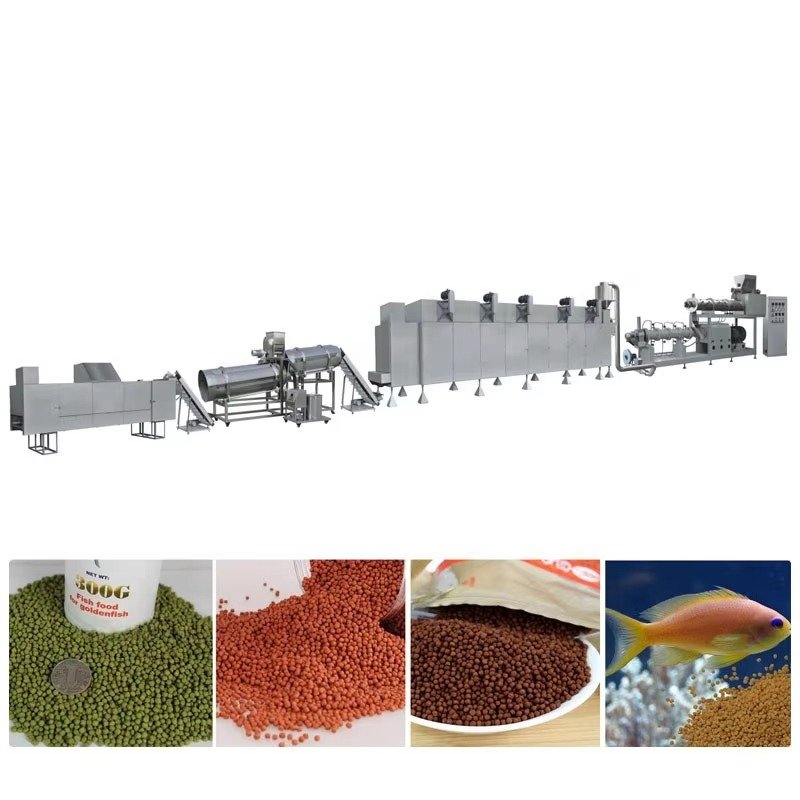
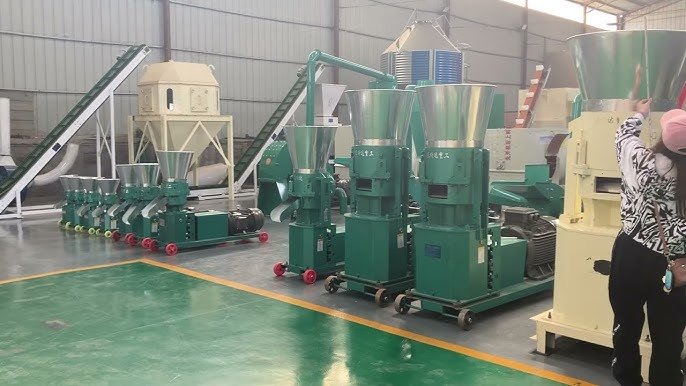
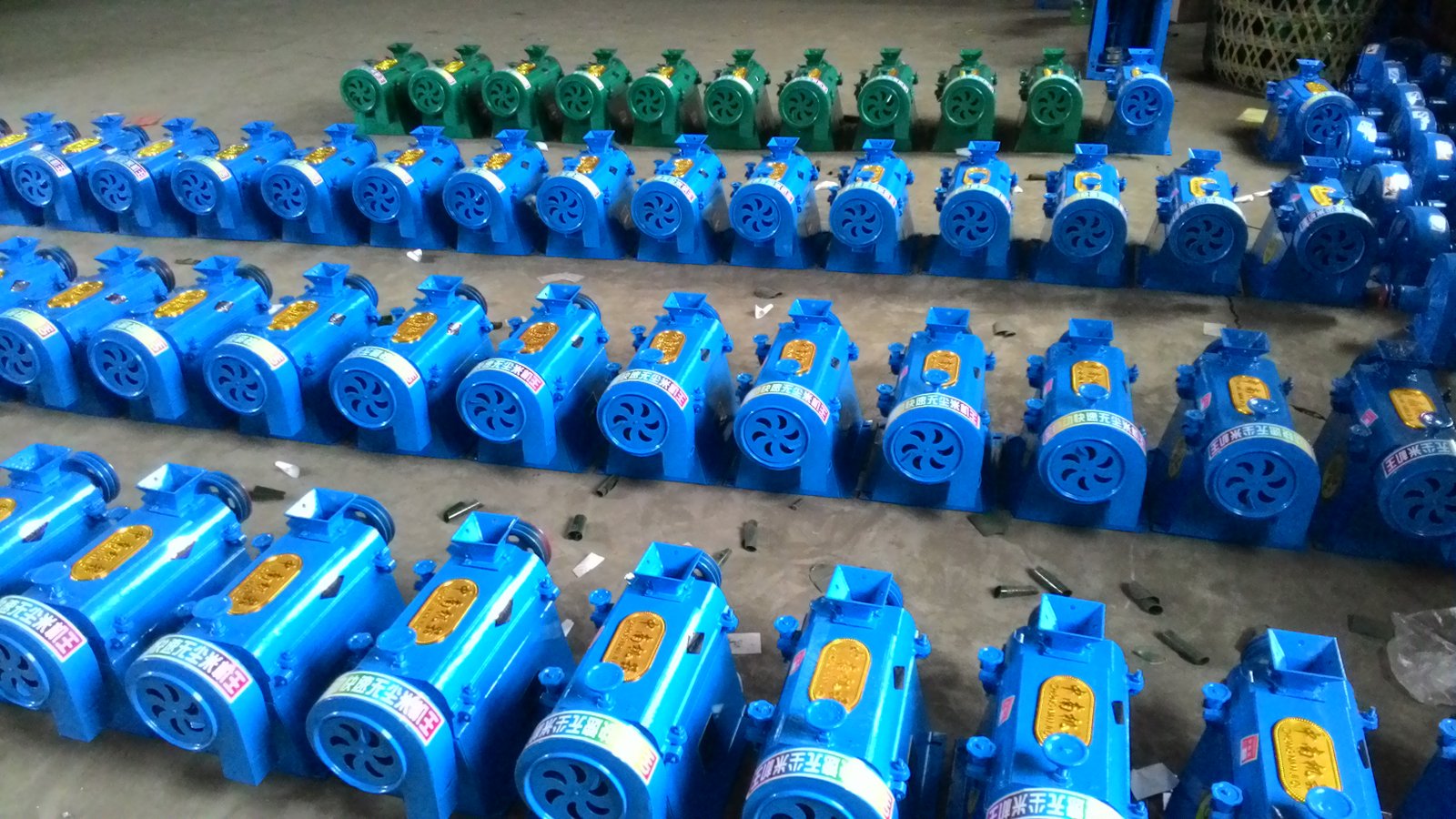
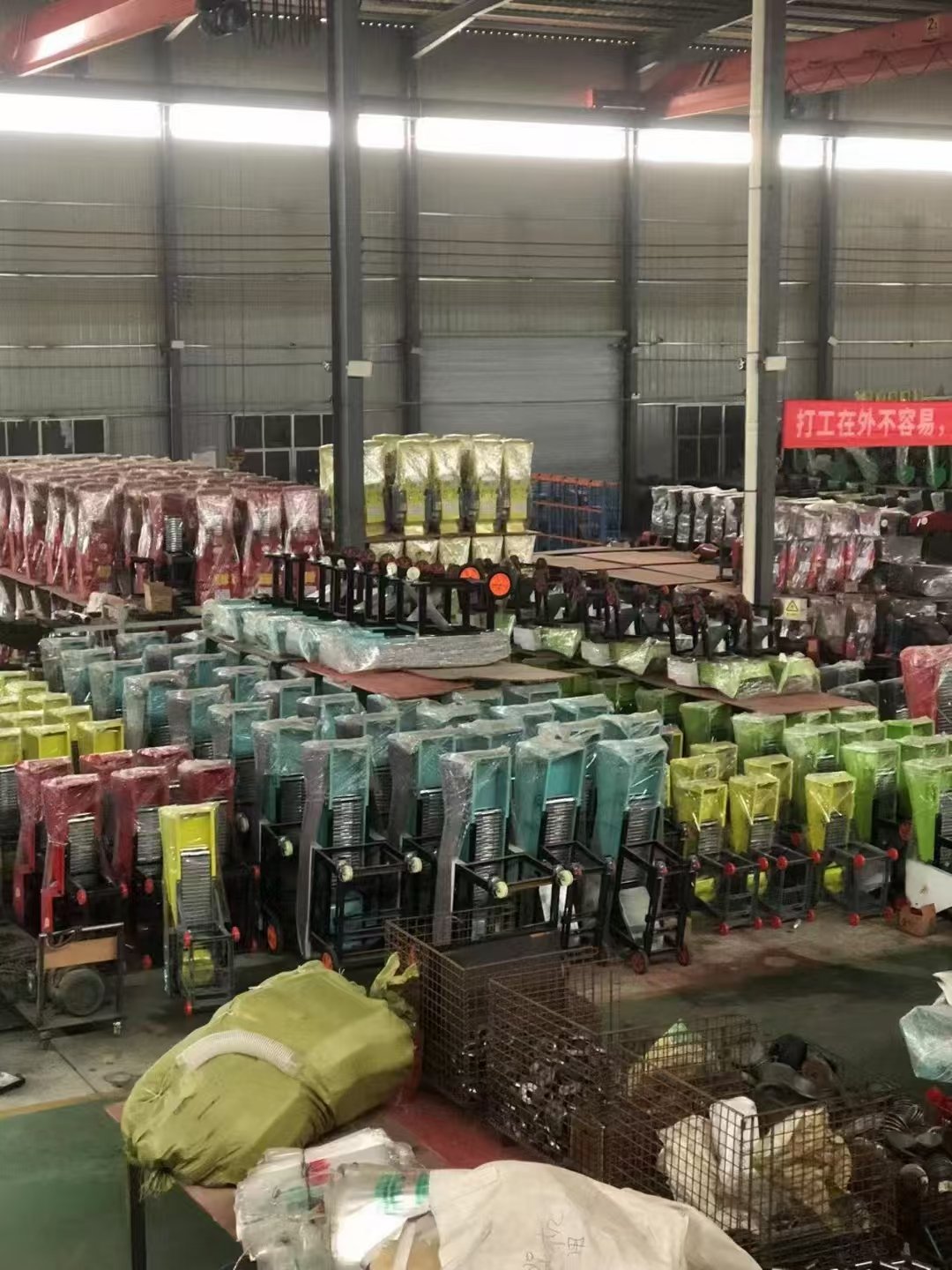
The real test comes months after installation. What happens when a bearing fails on Saturday evening? Can you source replacement dies within 48 hours? Does the manufacturer answer technical calls from UK time zones?
This article examines maintenance realities, spare parts logistics, and after-sales risks from a distributor’s perspective. MAIKONG brings 22 years of manufacturing experience to these challenges, supporting UK operations with responsive technical teams and strategic parts inventory.
Equipment Issues? Get Immediate UK Support
Our technical team understands the cost of production stoppage. Reach out now for rapid troubleshooting assistance.
Understanding Production Stoppage Costs in UK Feed Mills
A poultry feed production line running at 5 tonnes per hour generates significant revenue. When that line stops, losses accumulate rapidly across multiple areas.
Direct Financial Impact of Equipment Failure
Production downtime costs extend beyond missed output. Labour remains on payroll during stoppages. Overhead expenses continue regardless of production status. Customer delivery commitments face jeopardy.
A mid-sized UK feed mill operating a best chicken feed pellet production line at 3 tonnes per hour can lose £800-£1,200 per hour during unplanned stops. This calculation includes lost production value, wasted labour, and expedited freight for emergency deliveries to customers.
Scheduled Versus Unscheduled Maintenance
Planned maintenance allows controlled downtime during low-demand periods. Unplanned failures occur at the worst moments, typically during peak production runs when equipment stress peaks.
Planned Maintenance Benefits
- Spare parts ordered in advance at standard costs
- Maintenance scheduled during off-peak hours
- Customer deliveries adjusted proactively
- Full technical team available for complex work
- Complete equipment inspection during access
Unplanned Failure Consequences
- Emergency spare parts at premium pricing
- Production halt during peak customer demand
- Rushed repairs increasing secondary damage risk
- Overtime labour costs for immediate fixes
- Potential safety issues from hasty work
MAIKONG’s preventive maintenance approach helps UK mills shift from reactive to planned maintenance cycles. Our technical documentation provides specific interval guidance based on actual production volumes and raw material characteristics.
Critical Spare Parts: Availability and Lead Times to UK
Spare parts logistics determine whether a minor issue becomes a major crisis. The chicken feed production line contains several components requiring regular replacement.
High-Wear Components Requiring Stock
Certain parts wear predictably based on production volume and raw material abrasiveness. Forward-thinking operators maintain strategic inventory of these items.
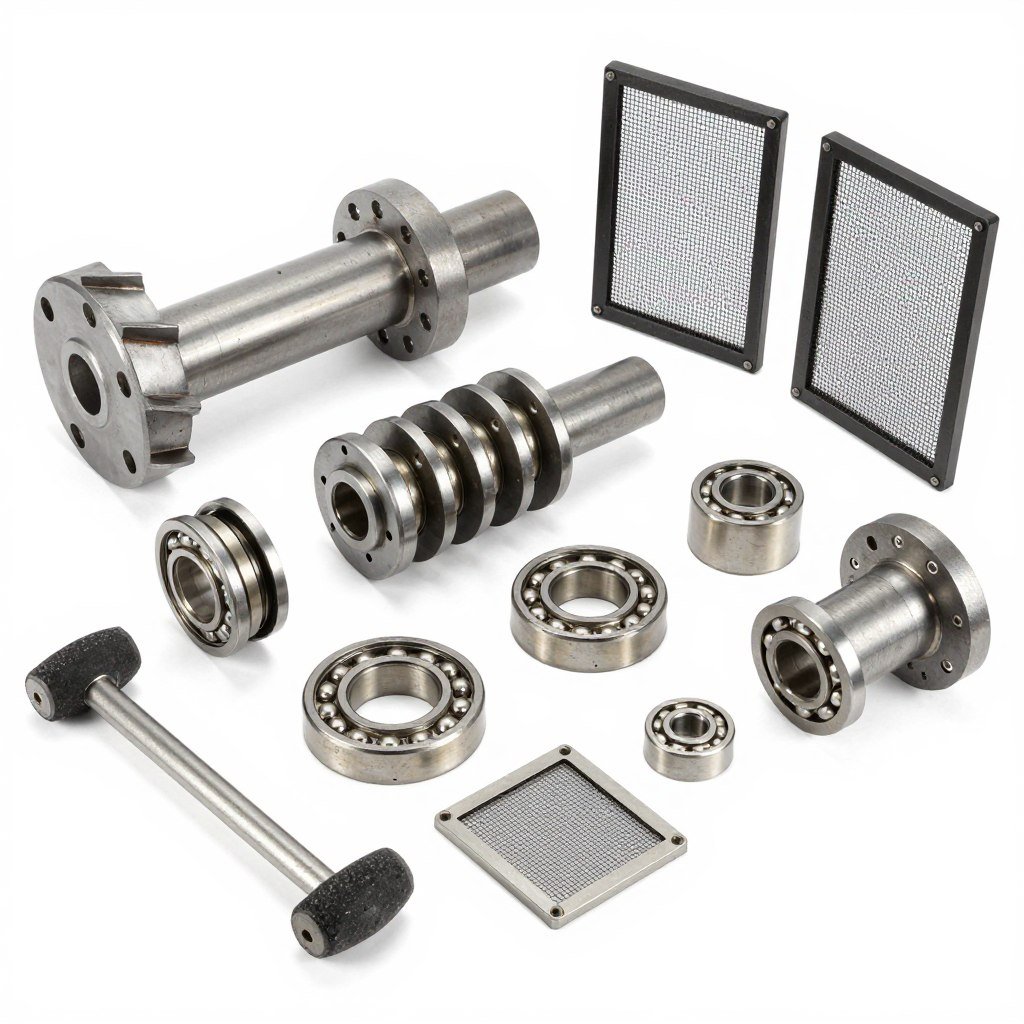
| Component | Typical Lifespan | UK Lead Time (Stock) | UK Lead Time (Order) | Approx. Cost |
| Pellet Die (Ring Die) | 600-1,000 hours | 24-48 hours | 14-21 days | £850-£2,400 |
| Roller Shells | 800-1,200 hours | 24-48 hours | 14-21 days | £420-£950 |
| Main Shaft Bearings | 2,000-3,000 hours | 48-72 hours | 10-14 days | £180-£380 |
| Hammer Mill Screens | 500-800 hours | 24 hours | 7-10 days | £95-£220 |
| Feeder Auger Sections | 1,500-2,500 hours | 48 hours | 10-14 days | £140-£320 |
| Drive Belts | 1,200-2,000 hours | 24 hours | 5-7 days | £65-£145 |
MAIKONG maintains UK-accessible inventory for critical components. This strategic positioning reduces emergency lead times from weeks to days, protecting mill operators from extended downtime.
Managing Parts Inventory Costs
Balancing spare parts investment against downtime risk requires analysis. Excessive inventory ties up capital. Insufficient stock creates vulnerability.
A practical approach focuses on high-wear, long-lead-time components. Dies and roller shells justify inventory investment due to replacement frequency and China-to-UK shipping duration. Standard bearings available from UK industrial suppliers need not be stocked extensively.
Request UK Spare Parts Availability List
Get current inventory status and delivery timeframes for your specific production line model. Plan ahead to avoid emergency situations.
Bearing Failures: Prevention and Rapid Response
Bearing failures account for approximately 35% of unplanned stops in feed pellet production lines. These failures rarely occur without warning signs.
Early Warning Signs of Bearing Distress
Operators can detect developing bearing issues before catastrophic failure. Regular inspection catches problems early when repairs remain simple and inexpensive.
Daily Bearing Inspection Checklist
- Listen for unusual noise during operation (grinding, squealing)
- Check bearing housing temperature (should not exceed 70°C)
- Inspect for lubricant leakage or contamination
- Monitor vibration levels (tactile check or instrumented)
- Verify proper lubrication intervals being maintained
- Check for loose mounting bolts or housing movement
Lubrication: The Most Common Maintenance Error
Improper lubrication causes more bearing failures than any other factor. Both over-lubrication and under-lubrication create problems. Using incorrect lubricant specifications compounds issues.
The best chicken feed pellet production line requires specific lubricants matched to operating temperatures and speeds. MAIKONG provides detailed lubrication specifications including product recommendations, quantities, and intervals based on your production schedule.
Correct Lubrication Practice
Main shaft bearings on a typical 5 tonne/hour pellet mill require 30-40 grams of NLGI Grade 2 lithium complex grease every 100 operating hours. Apply slowly while equipment runs to ensure proper distribution.
Temperature should stabilize within 30 minutes of lubrication. Rising temperature indicates over-lubrication; purge excess and return to specified quantity.
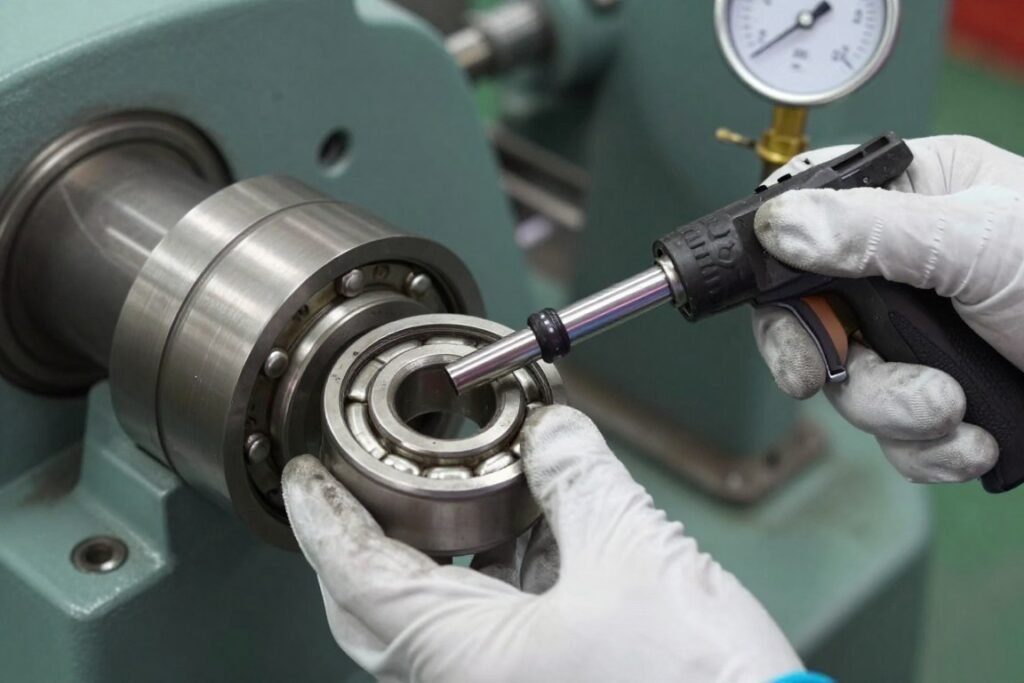
Bearing Replacement Decision Matrix
Not every bearing issue requires immediate replacement. Understanding severity helps prioritize maintenance resources effectively.
- Immediate Replacement Required: Loud grinding noise, housing temperature exceeding 85°C, visible smoke, severe vibration, or complete seizure. Stop equipment immediately.
- Schedule Replacement Soon (Within 48 Hours): Moderate noise increase, temperature 70-85°C, visible lubricant contamination, measurable increase in vibration readings.
- Monitor Closely (Continue Operation): Slight temperature increase (60-70°C), minor noise change, normal vibration levels. Increase inspection frequency to twice daily.
- Normal Operation: Smooth operation, temperature below 60°C, no unusual noise, vibration within baseline parameters. Maintain standard inspection schedule.
MAIKONG technical support helps UK operators assess bearing condition remotely through detailed questioning. We can often diagnose issues and recommend actions without site visits, saving valuable time during critical situations.
Pellet Die and Roller Management
The die and roller assembly forms the heart of any animal feed production line. These components directly determine pellet quality, production capacity, and energy consumption.
Die Lifespan Factors
Ring die lifespan varies dramatically based on raw material characteristics and operating practices. Abrasive ingredients accelerate wear. Proper conditioning extends die life significantly.
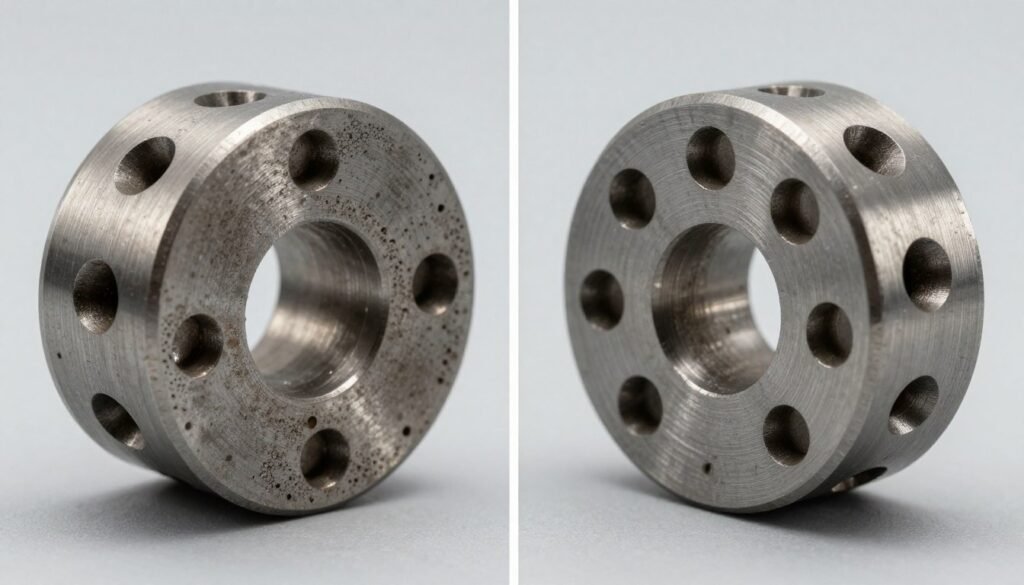
A die processing poultry feed with 15% limestone content might achieve 600-700 operating hours. The same die processing wheat-based feed could reach 1,000+ hours. Raw materials high in silica or mineral content cause faster wear.
Die Blocking: Prevention and Resolution
Blocked die holes reduce capacity and increase power consumption. Complete blockage stops production entirely. Prevention proves far easier than resolution.
Common Die Blocking Causes
Insufficient Conditioning: Steam conditioning below 70°C fails to soften ingredients adequately. Increase steam pressure or adjust conditioning time.
Excessive Fines in Mix: Over-ground raw materials create paste that blocks holes. Adjust hammer mill screen size to maintain proper particle distribution.
Formula Issues: High fat content (above 6%) or sticky ingredients require die temperature management. Consider reformulation or processing aids.
Moisture Imbalance: Conditioning moisture below 14% or above 18% both create blocking risk. Target 15-16% for optimal flow.
Emergency Die Unblocking Procedure
When die blocking occurs during production, rapid response minimizes downtime. MAIKONG training covers emergency procedures for UK operators.
- Reduce feed rate immediately to 50% while increasing conditioning steam. Often partial blocks clear with adjusted parameters.
- If blockage persists, shut down and reverse pellet mill briefly (5-10 seconds) to back out material from holes. Not all mills support reverse operation.
- For complete blockage, remove die and use pneumatic cleaning tools. Avoid mechanical drilling which damages hole geometry.
- Before reinstalling, verify conditioning system operates correctly. Blocked dies often indicate upstream issues requiring correction.
- Start-up gradually at 60% feed rate, monitoring for proper pellet formation before returning to full capacity.
Our technical team provides phone support during die blocking emergencies. We guide operators through diagnostic steps and resolution procedures specific to MAIKONG equipment configurations.
Motor and Electrical System Reliability
Electric motors drive every component in a best chicken feed pellet production line. Motor failures halt production immediately and often cascade into secondary damage if not addressed properly.
UK Electrical Standards and Configuration
UK feed mills typically operate on 400V three-phase power. MAIKONG equipment ships with motors configured for UK voltage standards. Understanding your specific electrical environment prevents issues.
| Equipment Component | Motor Size (kW) | Typical Current Draw (A) | Protection Required |
| Hammer Mill (3-5 T/H) | 37-55 kW | 68-98 A | Thermal overload, short circuit |
| Pellet Mill (3-5 T/H) | 75-90 kW | 132-160 A | Thermal overload, phase protection |
| Mixer (1-2 T/Batch) | 11-15 kW | 22-28 A | Thermal overload |
| Conveying Systems | 3-7.5 kW | 6-14 A | Thermal overload |
Motor Failure Warning Signs
Most motor failures develop over time rather than occurring suddenly. Attention to warning signs allows planned replacement during scheduled downtime rather than emergency repairs.
- Increasing Current Draw: Baseline motor current during normal operation should remain consistent. Gradual increase of 10-15% indicates developing issues (bearing wear, rotor problems, or increased mechanical load).
- Temperature Rise: Motor surface temperature above 70°C during normal operation suggests cooling issues or internal problems. Infrared temperature monitoring detects early changes.
- Vibration Changes: New vibration patterns indicate rotor balance issues or bearing deterioration. Significant changes warrant immediate investigation.
- Unusual Sounds: Humming, grinding, or knocking sounds all indicate specific motor problems requiring diagnosis before continuing operation.
- Burnt Smell: Distinct electrical burning odor indicates insulation breakdown. Stop operation immediately to prevent catastrophic failure or fire risk.
MAIKONG supplies all electrical schematics and motor specifications with each feed production line. Our documentation enables UK electricians unfamiliar with our equipment to diagnose and repair issues efficiently.
Soft Starters and VFD Benefits
Variable frequency drives (VFDs) and soft starters protect motors while providing operational benefits. These components represent wise investments despite adding initial cost.
VFD and Soft Starter Advantages
- Reduced inrush current protects electrical system
- Gradual acceleration reduces mechanical stress
- Energy savings during partial-load operation
- Improved power factor reduces utility charges
- Extended motor and mechanical component life
- Production flexibility through speed adjustment
Considerations
- Higher initial equipment investment (£800-£2,500)
- Additional maintenance point requiring inspection
- Harmonic distortion may require filtering
- Complexity requires electrician VFD training
- Heat generation requires adequate ventilation
MAIKONG recommends VFD installation on pellet mill drives for operations running multiple shifts. The energy savings and equipment protection justify investment within 18-24 months for most UK installations.
Daily Maintenance Routines That Prevent Problems
Systematic daily inspection catches small issues before they become expensive failures. The best maintenance programs require minimal time but deliver substantial reliability improvements.
15-Minute Daily Inspection Protocol
A focused daily inspection takes 15 minutes and significantly reduces unexpected downtime. Train all operators on this procedure for consistent execution across shifts.
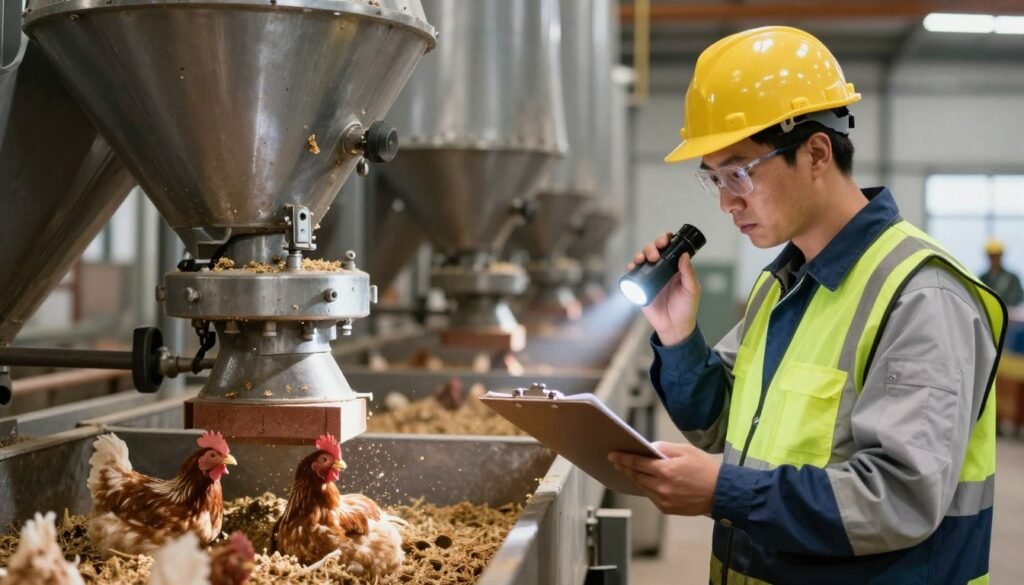
MAIKONG Daily Inspection Checklist
Before Start-Up (5 minutes):
- Visual inspection for leaks (oil, lubricant, material)
- Check emergency stop function operates correctly
- Verify all guards and safety devices in place
- Confirm adequate raw material inventory for production run
- Review previous shift notes for reported issues
During Operation (5 minutes per check, 2-3 times daily):
- Listen for unusual noises (bearing sounds, loose components)
- Check bearing housing temperatures (hand touch or infrared)
- Monitor ammeter readings for consistent current draw
- Verify proper pellet quality (length, durability, appearance)
- Inspect cooler discharge temperature (should not exceed 10°C above ambient)
After Shutdown (5 minutes):
- Visual inspection of pellet mill die for wear or damage
- Check collection points for unusual material accumulation
- Verify all equipment comes to complete stop properly
- Document any abnormalities in maintenance log
- Prepare notes for next shift operator
Weekly and Monthly Maintenance Tasks
Beyond daily checks, scheduled weekly and monthly tasks maintain equipment in optimal condition. These procedures require production shutdown but prevent far more costly unplanned stops.
| Frequency | Task | Time Required | Criticality |
| Weekly | Lubricate all bearing points per schedule | 30-45 minutes | High |
| Weekly | Check and tighten all bolted connections | 20-30 minutes | Medium |
| Weekly | Clean dust collection system filters | 15-20 minutes | Medium |
| Monthly | Inspect hammer mill screen condition | 25-35 minutes | High |
| Monthly | Measure and record die hole wear | 30-40 minutes | High |
| Monthly | Check conveyor belt tension and condition | 20-25 minutes | Medium |
| Monthly | Test all safety interlocks and sensors | 15-20 minutes | High |
| Monthly | Thermographic scan of electrical panels | 15-20 minutes | Medium |
MAIKONG provides comprehensive maintenance schedules customized to your specific equipment configuration and production intensity. Our documentation includes detailed procedures, torque specifications, and photographic references for each task.
Real-World UK Feed Mill Maintenance Case Study
A mid-sized UK poultry feed mill installed a MAIKONG pellet production line (Model MK-L003) in 2019. Their experience demonstrates the importance of proper maintenance planning.
Installation Overview
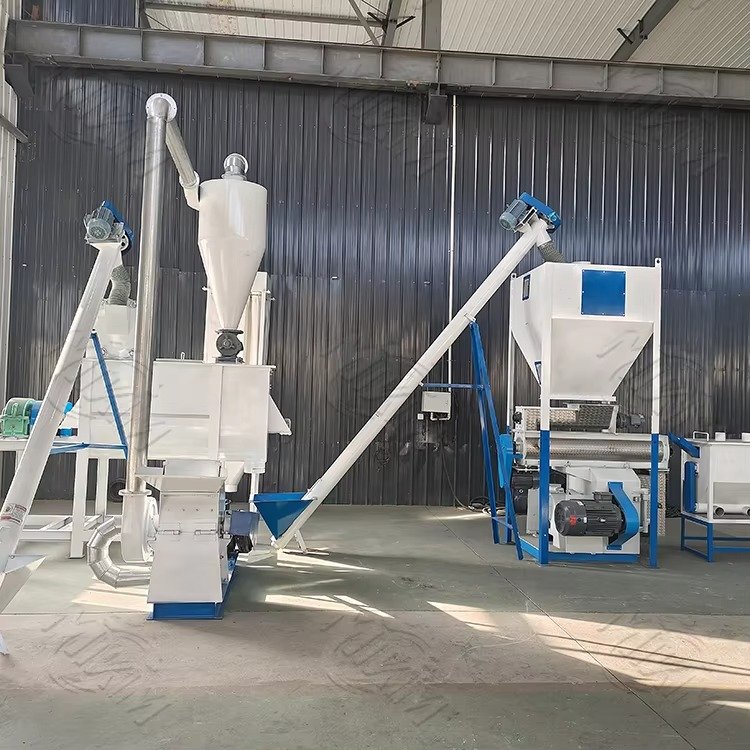
Facility: East Anglia feed mill producing primarily chicken layer feed
Capacity: 5 tonnes per hour, 16 hours daily operation, 6 days per week
Annual Production: Approximately 25,000 tonnes
Equipment: Complete line including hammer mill, mixer, conditioner, pellet mill MK-L003, cooler, and packaging system
Raw Materials: Wheat, soybean meal, limestone, corn, vitamin premix, typical layer feed formulation
First-Year Challenges and Solutions
During initial operation, the mill experienced three significant issues that provided valuable lessons for other UK operators.
Challenge 1: Premature Die Wear
Original die life achieved only 480 hours instead of expected 700-800 hours. Investigation revealed conditioning temperature averaging 68°C, below optimal range.
Solution: Steam pressure adjustment and boiler maintenance increased conditioning temperature to 74-76°C. Subsequent dies achieved 850+ hour lifespan.
Cost Impact: Extended die life saved approximately £2,100 annually in replacement costs plus reduced downtime for die changes.
Challenge 2: Main Bearing Failure
Main pellet mill shaft bearing failed at 1,650 hours due to inadequate lubrication. Failure occurred during Friday afternoon production, causing 18-hour stoppage through weekend.
Solution: MAIKONG expedited bearing delivery from UK stock (36 hours) and provided remote installation guidance. Mill implemented automated lubrication system preventing recurrence.
Cost Impact: Emergency bearing cost £340, downtime lost production valued at £15,400. Automated lubrication system investment of £2,800 justified to prevent future failures.
Challenge 3: Hammer Mill Screen Blocking
Frequent screen blocking reduced throughput and required daily cleaning. Raw material moisture content varied seasonally, causing inconsistent grinding performance.
Solution: Implemented moisture testing protocol for incoming grain. Adjusted screen specifications and hammer tip replacement schedule based on material characteristics.
Cost Impact: Throughput increased 12%, reducing per-tonne production costs by approximately £1.80. Investment in moisture meter (£180) recovered within two weeks.
Current Performance After Four Years
With refined maintenance procedures and MAIKONG technical support, the mill now achieves exceptional reliability.
- Unplanned Downtime: Reduced from 145 hours/year (first year) to 38 hours/year (current average)
- Die Lifespan: Consistently achieving 900-1,000 hours, exceeding initial expectations
- Maintenance Cost: Stabilized at approximately £0.42 per tonne produced including labour and parts
- Overall Equipment Effectiveness (OEE): Improved from 71% (first year) to 87% (current), approaching world-class performance
- Spare Parts Inventory: Optimized to £6,200 value providing 95% confidence against emergency situations
The mill operator credits MAIKONG’s responsive UK technical support and parts availability as critical factors in achieving these results. Regular communication and preventive guidance prevented numerous potential issues.
Learn from Real UK Feed Mill Experience
Discuss your specific operational challenges with our technical team. We provide guidance based on extensive UK installation experience.
Distributor Margin and Partnership Considerations
For UK distributors and agents evaluating the best chicken feed pellet production line partnerships, understanding the complete business picture determines long-term success.
Revenue Streams for UK Distributors
MAIKONG distributor relationships generate income through multiple channels beyond initial equipment sales. This diversified revenue model creates stability and recurring business.

Primary Revenue Sources
- Equipment Sales: 18-25% margin on complete production line sales (£25,000-£180,000 typical project value)
- Spare Parts Distribution: 30-40% margin on replacement components with recurring demand
- Installation Services: £85-£120 per hour for supervised installation and commissioning
- Technical Training: £600-£950 per day for operator and maintenance training programs
- Preventive Maintenance Contracts: Annual agreements providing steady income (£2,400-£8,500 annually per customer)
- OEM/Private Label Options: Custom branding opportunities for established distributors with minimum volume commitments
Financial Benefits
UK distributors working with MAIKONG for 3+ years report average annual revenue from established customers of £12,000-£18,000 beyond initial equipment sale.
This recurring revenue comes primarily from spare parts, periodic training updates, and maintenance support services. Large customer relationships can exceed £35,000 annual value when including capacity expansions and additional equipment.
MAIKONG provides distributor protection through territorial agreements, preventing direct sales competition within assigned UK regions.
Support Provided to UK Distribution Partners
Successful equipment distribution requires manufacturer support extending well beyond product supply. MAIKONG’s distributor program includes comprehensive backing.
Technical Support
- 24-hour emergency phone support for critical failures
- Remote diagnostic assistance via video call
- Detailed technical documentation in English
- On-site support visits for complex issues (travel costs shared)
- Regular product update training sessions
- Access to engineering team for custom applications
Marketing Support
- Co-branded marketing materials and technical brochures
- Digital marketing assets and product photography
- Trade show support and demonstration equipment
- Lead generation through UK-targeted campaigns
- Customer testimonial and case study development
- Website content and SEO optimization assistance
Business Development
- Exclusive territory protection agreements
- Competitive pricing with volume incentives
- Flexible payment terms for established partners
- Demo equipment placement programs
- Customer financing coordination support
- Quarterly business review and planning sessions
After-Sales Risk Mitigation
Distributor reputation depends on manufacturer reliability. MAIKONG’s 22-year history provides confidence, but specific policies reduce partner risk.
MAIKONG Distributor Protection Policies
Warranty Coverage: 24-month comprehensive warranty on all mechanical components, 12 months on electrical items. Warranty claims processed within 72 hours with replacement parts shipped immediately.
Parts Availability Guarantee: Critical components (dies, roller shells, bearings) maintained in UK-accessible inventory with 48-hour delivery commitment to distributor locations.
Technical Backup: When distributor technical staff cannot resolve customer issues, MAIKONG engineers provide direct support at no charge to distributor, protecting customer relationships.
Equipment Buyback Option: In rare cases of irresolvable customer dissatisfaction within first 90 days, MAIKONG participates in buyback arrangements protecting distributor investment.
These policies distinguish MAIKONG from manufacturers offering lower-cost equipment without adequate support infrastructure. The true cost of feed production equipment includes long-term support capability, not merely initial purchase price.
Join the MAIKONG UK Distribution Network
MAIKONG actively seeks qualified UK distributors and agents to expand our market presence. We offer a complete business opportunity in the growing animal feed equipment sector.

Ideal Partner Profile
We seek partners with existing presence in UK agricultural, feed manufacturing, or industrial equipment sectors. Prior feed equipment experience valuable but not essential with proper training commitment.
Preferred Qualifications
- Established business with 2+ years UK trading history
- Existing customer base in agriculture or animal feed sectors
- Technical staff capable of basic equipment installation and service
- Storage/warehouse facility for spare parts inventory
- Financial capacity for demonstration equipment investment
- Commitment to MAIKONG product training programs
What MAIKONG Provides
- Exclusive UK territory rights (minimum performance commitments apply)
- Comprehensive product and technical training
- Marketing materials and lead generation support
- Competitive distributor pricing with volume incentives
- Ongoing technical support for customer installations
- Consignment demo equipment for qualified partners
UK Market Opportunity
The UK animal feed production line market continues growing. Rising feed costs drive farms toward on-site production. Regulatory changes favor traceable, controlled feed manufacturing.
Current UK demand focuses on compact to medium-capacity lines (1-10 tonnes/hour) suitable for individual farms and small commercial operations. This sector values responsive local support over lowest equipment price, creating opportunity for well-supported distributor partners.
MAIKONG’s competitive positioning combines Chinese manufacturing cost advantages with genuine UK support infrastructure. This combination attracts customers frustrated with either expensive European equipment or unsupported cheap imports.
Explore UK Distribution Partnership with MAIKONG
Strong margins, recurring revenue, comprehensive support, and growing market demand. Discuss how MAIKONG partnership can enhance your business.
Frequently Asked Questions About Best Chicken Feed Pellet Production Line Maintenance
What is the realistic maintenance cost per tonne for a 5 tonne/hour chicken feed pellet production line?
Maintenance costs typically range from £0.38 to £0.65 per tonne produced, depending on several factors. This includes scheduled parts replacement (dies, screens, bearings), lubrication consumables, and labour for routine maintenance.
Higher costs occur with abrasive raw materials, intensive production schedules (20+ hours daily), or deferred maintenance allowing small issues to become major repairs. Lower costs result from consistent preventive maintenance, proper operator training, and strategic spare parts management.
MAIKONG customers with established maintenance programs typically achieve £0.40-£0.48 per tonne across their first three years of operation. This figure excludes major capital replacements like motor rewinding or structural repairs, which occur infrequently.
How quickly can MAIKONG deliver critical spare parts to UK locations during equipment failure?
MAIKONG maintains UK-accessible inventory of critical components enabling rapid response to emergencies. High-wear items (dies, roller shells, major bearings, screens) ship within 24-48 hours to most UK locations when in stock.
For components requiring manufacture or shipping from China, standard lead time runs 14-21 days for common items, 21-35 days for specialized or custom components. We recommend UK customers maintain on-site inventory of one spare die and roller shell set to cover emergencies during lead times.
Our technical team can often identify temporary operating solutions during parts transit, allowing continued production at reduced capacity rather than complete shutdown. Remote diagnostic support via video call helps determine exact parts needed, avoiding misdiagnosis delays.
What technical support does MAIKONG provide to UK customers during equipment problems?
MAIKONG provides multiple support levels ensuring UK customers receive assistance appropriate to their situation. Phone and WhatsApp support available during UK business hours (8:00-18:00) with emergency callback service for critical failures outside these times.
Our technical staff can diagnose most issues remotely through detailed discussion and video inspection. We maintain complete equipment documentation including electrical schematics, parts diagrams, and service procedures enabling UK maintenance personnel or local contractors to perform repairs under our guidance.
For complex problems requiring hands-on expertise, we coordinate with qualified UK service providers familiar with our equipment. In exceptional circumstances, MAIKONG engineers travel to customer sites, with travel costs shared based on warranty status and issue nature.
Distributor partners receive enhanced support including priority response, technical training programs, and direct access to engineering team for unusual applications or modifications.
How does formula composition affect die life and maintenance requirements?
Raw material characteristics significantly impact die wear rates and maintenance needs. Abrasive ingredients (limestone, shell meal, mineral supplements) accelerate die hole wear through mechanical erosion. Formulas with 15%+ abrasive content may reduce die life by 30-40% compared to grain-based formulas.
High-fat content (above 6%) affects pelleting differently, reducing die life through channel formation and uneven wear patterns rather than overall erosion. Fat also increases die blocking risk requiring more frequent cleaning.
Particle size distribution matters considerably. Over-ground material (excessive fines below 0.5mm) creates paste blocking die holes. Under-ground material (excessive coarse particles above 2mm) prevents proper pellet formation and increases power consumption.
MAIKONG technical staff can review your specific formulas and recommend die specifications, conditioning parameters, and expected maintenance intervals based on composition. Proper parameter matching to formula characteristics often solves persistent production issues attributed to equipment problems.
What are the most common mistakes UK feed mills make with new pellet production equipment?
Based on our UK customer experience, five mistakes cause most early operational problems:
1. Inadequate Operator Training: Attempting production without thorough equipment training leads to improper operation, premature wear, and safety risks. Invest minimum two days in comprehensive operator training before production startup.
2. Improper Lubrication: Over-lubrication wastes lubricant and causes bearing overheating. Under-lubrication causes rapid bearing failure. Follow manufacturer specifications exactly regarding lubricant type, quantity, and interval.
3. Ignoring Conditioning Temperature: Operating with conditioning temperature below 70°C produces poor quality pellets, reduces die life, and wastes energy. Monitor and maintain 74-78°C for optimal results.
4. Delaying Maintenance: Postponing scheduled maintenance to maintain production ultimately causes far more downtime through unexpected failures. Schedule maintenance during planned low-production periods.
5. Insufficient Spare Parts Inventory: Relying entirely on emergency parts ordering creates extended downtime during failures. Maintain minimum inventory of one die set, common bearings, and screens appropriate to your production volume.
Making Informed Decisions About Feed Production Equipment
Selecting the best chicken feed pellet production line extends beyond comparing purchase prices and capacity specifications. Long-term success depends on maintenance requirements, spare parts accessibility, and manufacturer support quality.
UK feed mills face unique challenges including high energy costs, stringent regulatory requirements, and distance from Asian manufacturing centers. These factors make local support infrastructure and responsive technical assistance essential, not optional extras.
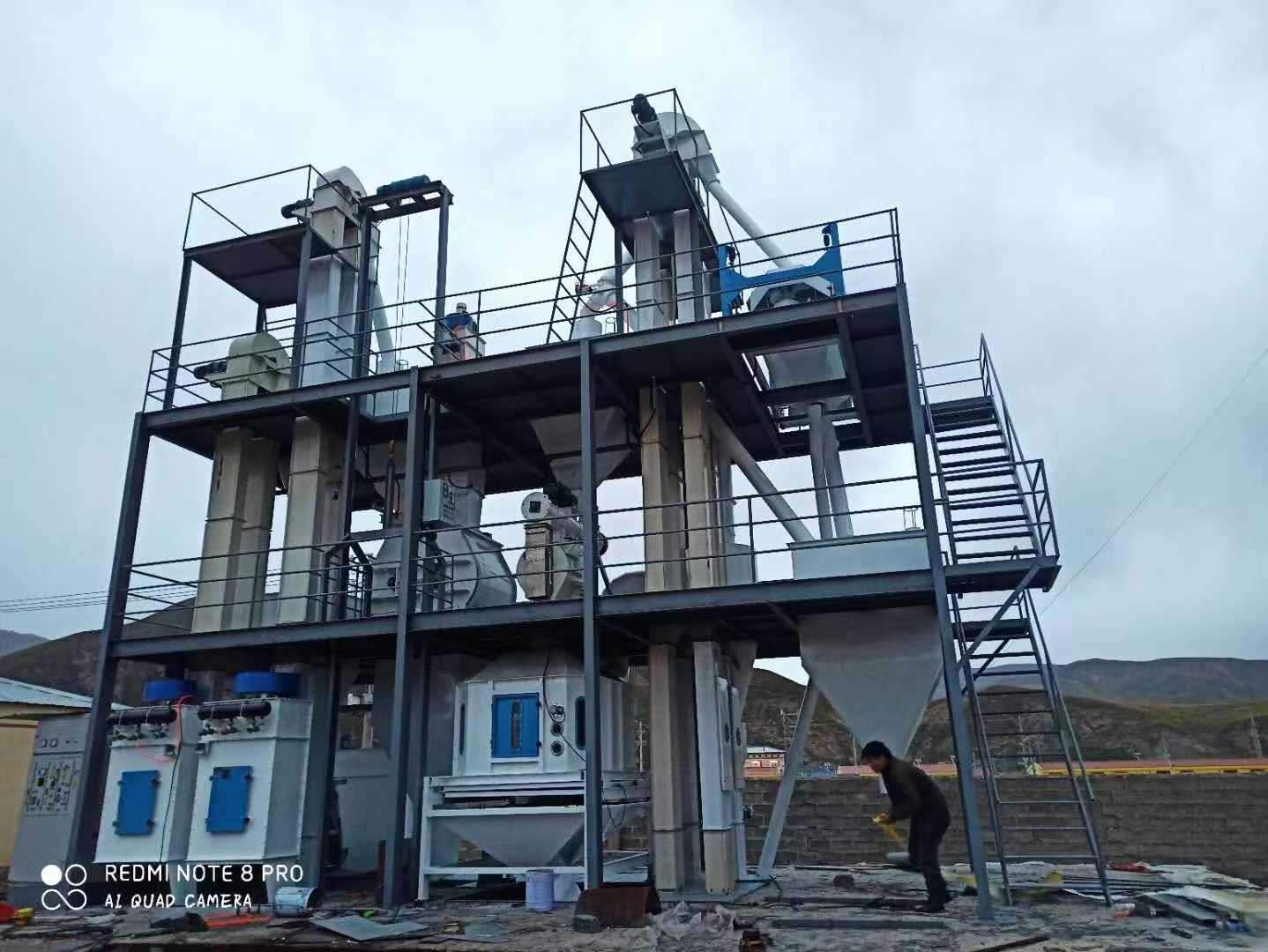
MAIKONG’s 22 years of manufacturing experience specifically addresses these UK market needs through UK-accessible spare parts inventory, English technical documentation, and support staff familiar with UK agricultural and regulatory environments. Our distributor network provides local presence while maintaining direct factory connection for complex technical issues.
The investment in feed production equipment represents a significant commitment for any operation. This decision warrants thorough evaluation of not only technical specifications but also long-term support capability, parts availability, and manufacturer stability.
Whether you operate an existing feed mill seeking capacity expansion, plan a new feed production facility, or evaluate distribution opportunities in UK feed equipment market, MAIKONG welcomes detailed discussions about your specific requirements.
Start Your Conversation with MAIKONG
Discuss your specific feed production requirements, maintenance concerns, or distribution partnership interests with our UK-focused team. We provide straightforward information helping you make informed decisions.
Visit our complete product page for detailed specifications →
Learn more about MAIKONG’s 22-year manufacturing heritage |
Additional contact options
MAIKONG remains committed to supporting UK feed production with reliable equipment, responsive technical assistance, and genuine partnership approach. We look forward to discussing how we can contribute to your operation’s success.