
Shrimp Feed Production Line Manufacturer: Complete Guide to High-Performance Aquatic Feed Systems
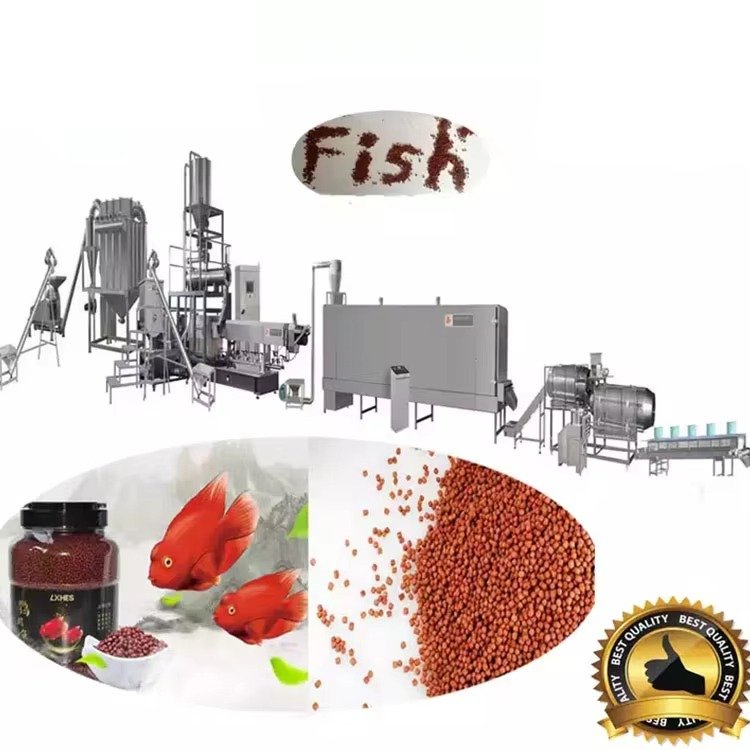
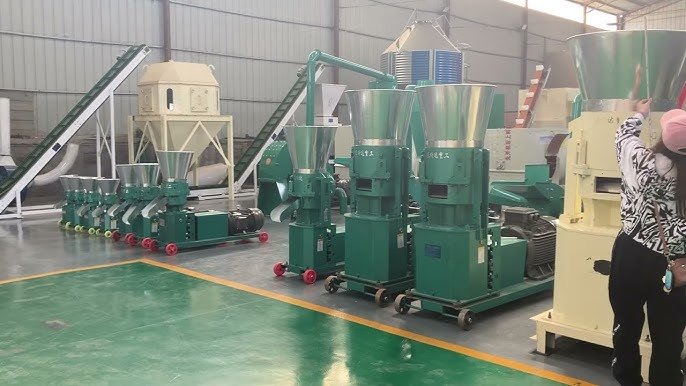
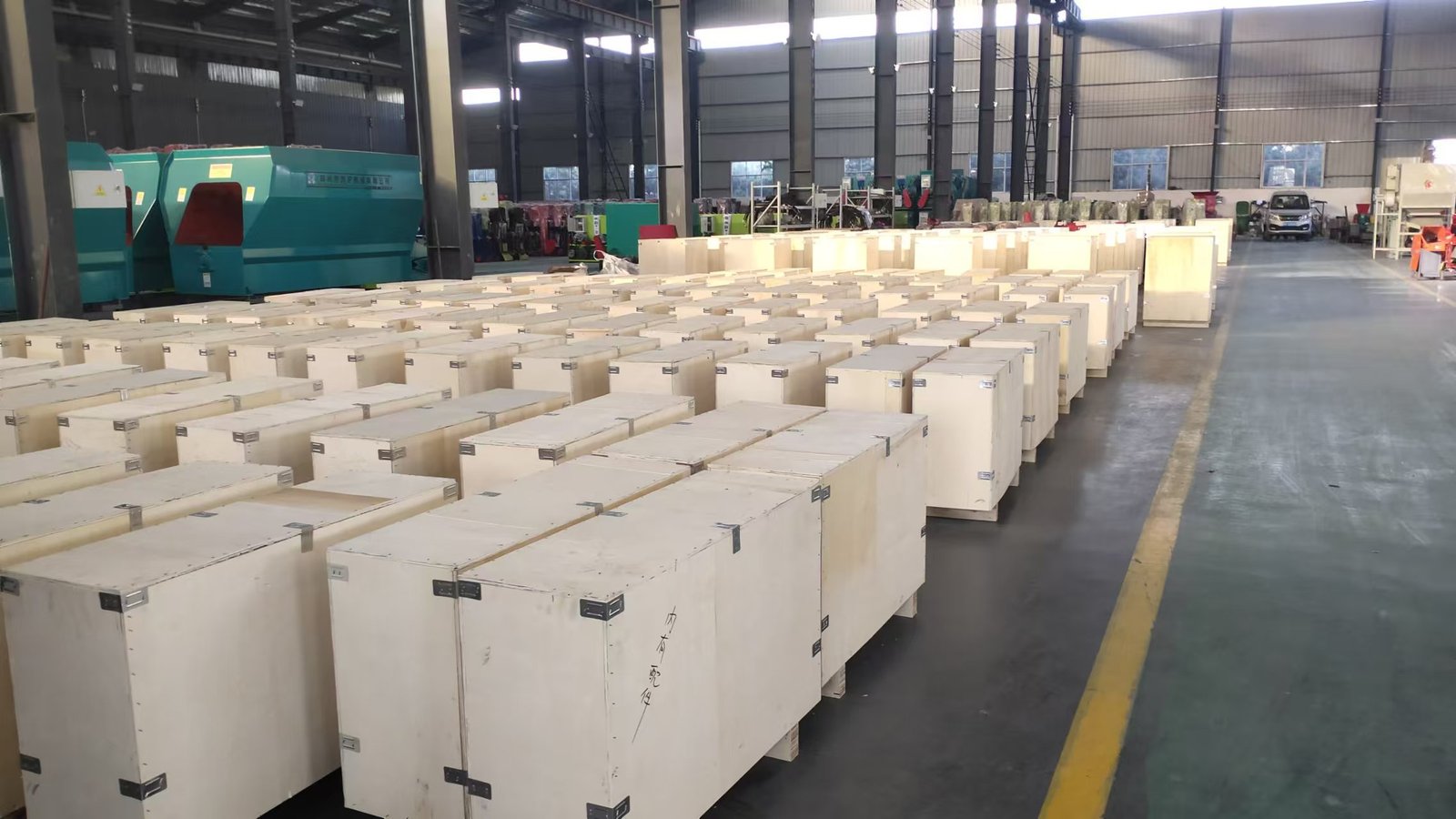
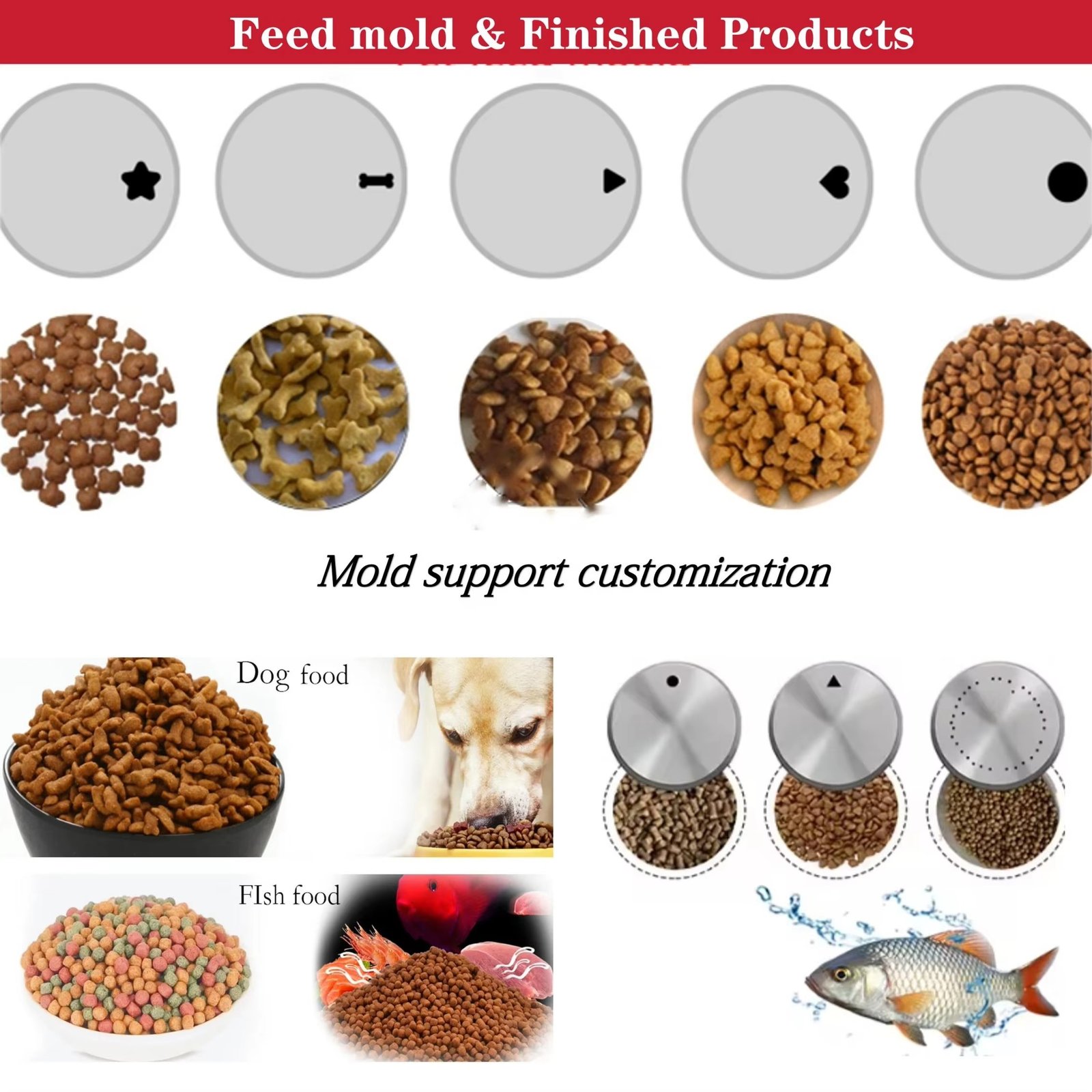
MAIKONG brings over 22 years of experience manufacturing aquatic feed production equipment in the UK. Our engineering team understands the unique challenges shrimp farmers face. Water stability matters because unstable pellets dissolve rapidly, polluting pond water and reducing feed efficiency. Particle size precision affects feed intake across different growth stages. Our production lines address these technical requirements through advanced extrusion technology and precision die systems.
This comprehensive guide examines what distinguishes professional shrimp feed production line manufacturers from equipment suppliers. We cover critical specifications, production capacities, quality control measures, and the technical parameters that ensure consistent pellet quality for your operation.
Shrimp Feed Production Line Requirements
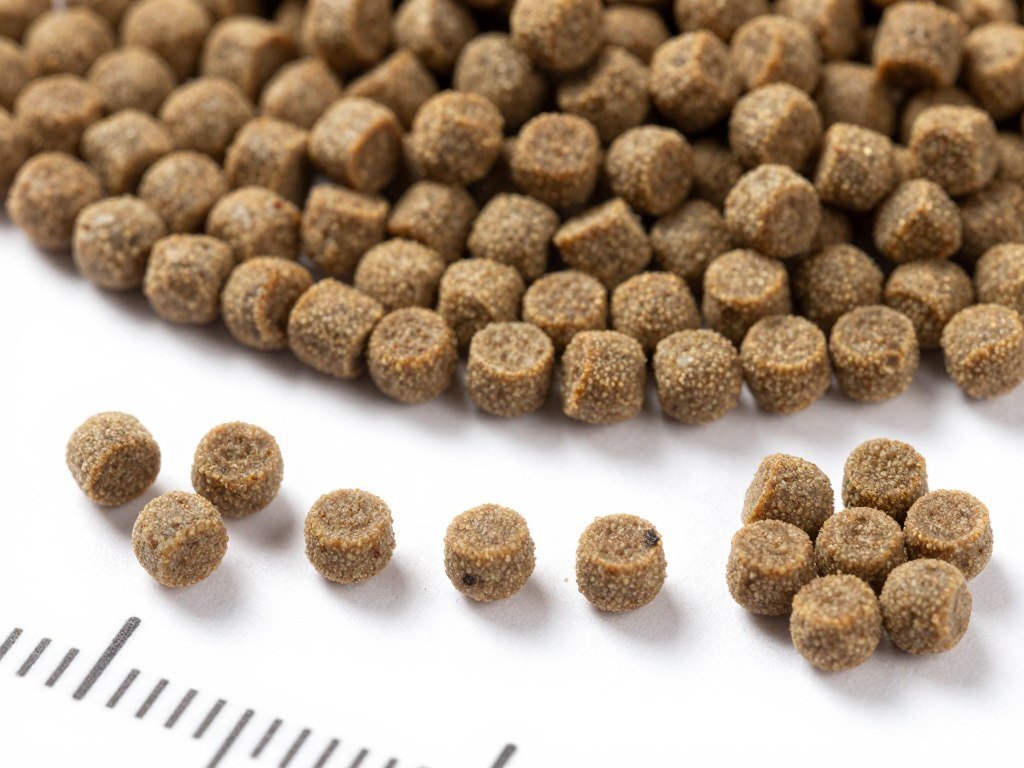
Shrimp feed production differs significantly from standard fish feed production lines. The primary distinction lies in pellet characteristics required for bottom-feeding crustaceans.
Critical Pellet Quality Parameters
Water stability stands as the foremost requirement. Shrimp feed pellets must maintain structural integrity for 2-4 hours in water without significant nutrient leaching. This requirement necessitates specialized binding systems and precise moisture control during production.
Pellet hardness requires careful calibration. Pellets need sufficient hardness to resist breakage during handling and transport, yet remain soft enough for shrimp to consume. Standard hardness measurements range from 8-12 kg force, depending on shrimp size.
Breakage rates directly impact profitability. Professional production lines achieve breakage rates below 2-3% through controlled cooling processes and gentle handling systems. High breakage creates feed dust that pollutes water and represents wasted raw materials.
Get Your Custom Production Line Specification
Our engineering team will design a shrimp feed production system matching your capacity requirements, raw material specifications, and budget parameters. Receive detailed technical drawings and ROI calculations.
Raw Material Processing Capabilities
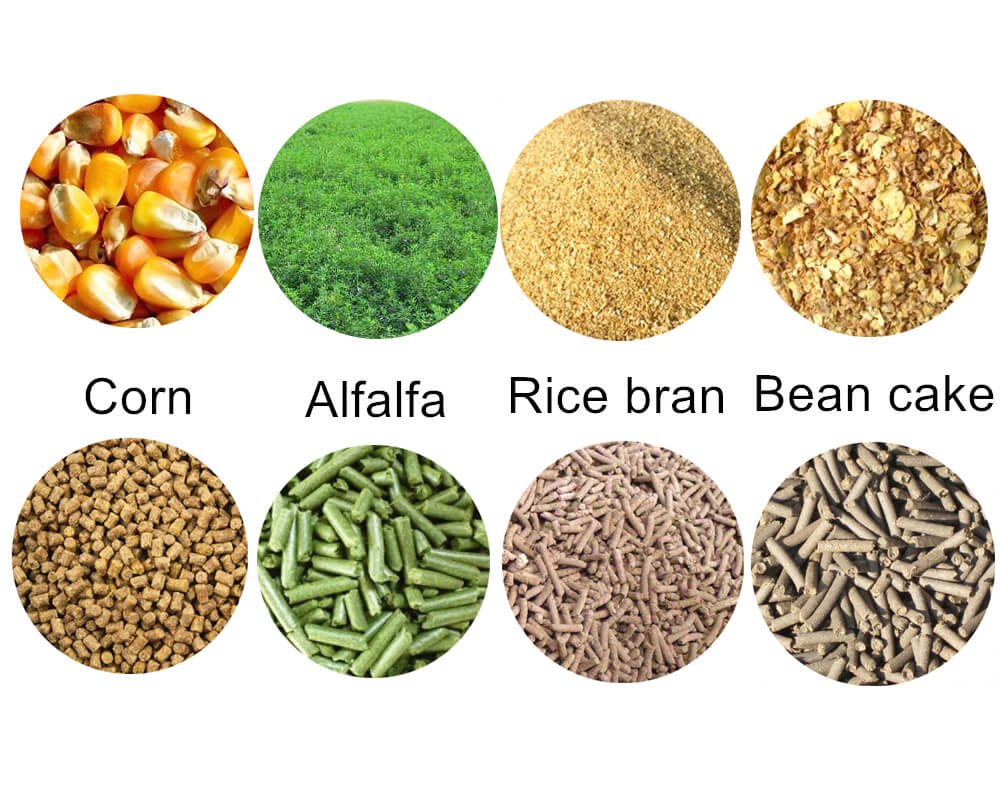
Shrimp feed formulations contain high protein content, typically 35-45% from fishmeal, soybean meal, and other protein sources. The production line must handle these materials efficiently.
Grinding systems need capacity to reduce particle size to 0.3-0.5mm for optimal mixing and binding. This fine grinding ensures uniform pellet density and prevents separation during extrusion.
Mixing precision affects nutritional consistency. Professional systems achieve coefficient of variation below 5% through horizontal ribbon mixers or double-shaft paddle mixers with minimum 5-minute mixing cycles.
Capacity Range Considerations
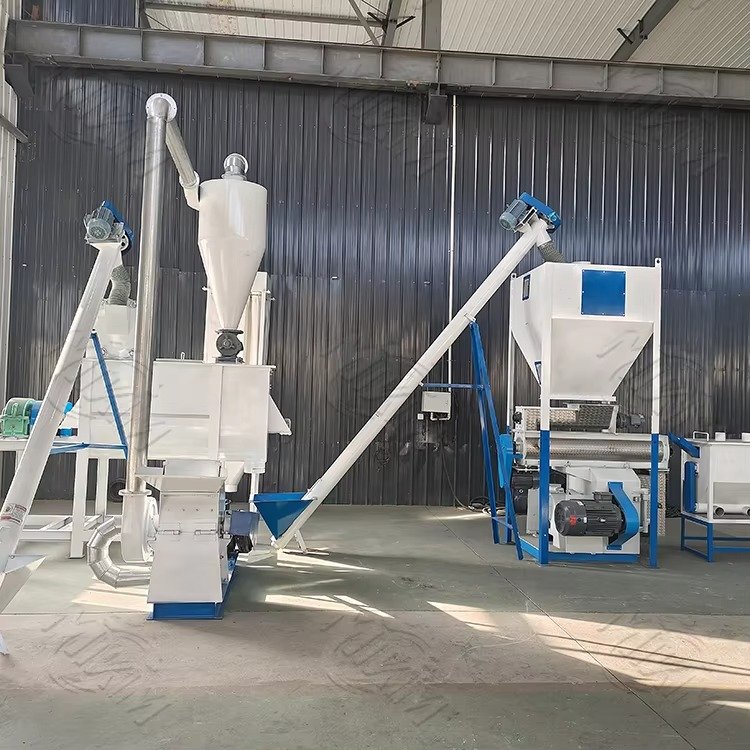
Production capacity selection depends on your market scale and expansion plans. Small operations benefit from 200kg-1000kg per hour lines, suitable for farm-level production or specialized feeds.
Medium-scale manufacturers typically require 2-5 tonnes per hour capacity. This range serves regional distribution networks and contract manufacturing operations.
Large commercial operations demand 10-20 tonnes per hour or higher. These systems incorporate automation, multiple production lines, and sophisticated quality control systems.
Essential Shrimp Feed Production Line Components
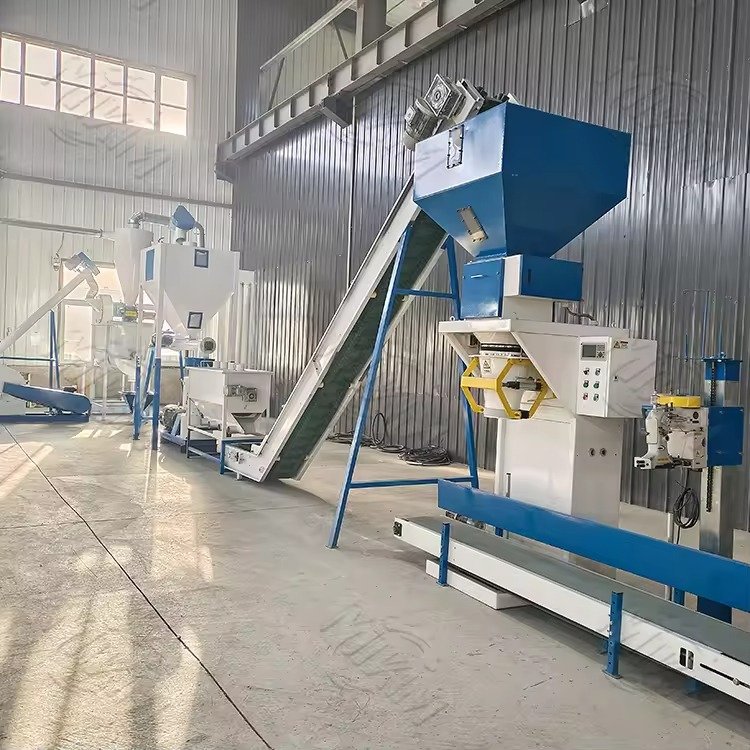
A professional aquatic feed production line comprises seven primary processing stages. Each component contributes to final pellet quality and production efficiency.
Crushing and Grinding Section
The hammer mill forms the foundation of raw material preparation. MAIKONG Model MK-HM series hammer mills process 1-20 tonnes per hour depending on configuration.
Screen selection determines final particle size. Shrimp feed production typically uses 1.5-2.5mm screens for initial grinding, followed by 0.3-0.5mm screens for fine grinding of specific ingredients.
Magnet systems protect downstream equipment. Permanent magnetic separators remove ferrous contamination that damages mixer paddles, die holes, and pellet quality.
Hammer Mill Specifications
- Rotor diameter: 600-800mm
- Rotor speed: 2900-3600 RPM
- Screen area: 0.8-2.5m²
- Power consumption: 37-160kW
- Particle size output: 0.3-3mm
Material Flow Capacity
- Small scale: 500-1500 kg/hour
- Medium scale: 2000-5000 kg/hour
- Large scale: 6000-15000 kg/hour
- Moisture content: 12-14% optimal
- Temperature rise: 8-15°C during grinding
Mixing and Batching Systems
Precision batching ensures formulation accuracy. Electronic weighing systems with 0.1% accuracy measure ingredients according to recipe requirements.
The horizontal ribbon mixer provides thorough ingredient blending. Mixing time ranges from 3-8 minutes depending on batch size and ingredient characteristics. Double-helix ribbon design ensures complete homogenization.
Liquid addition systems inject oils, molasses, and liquid supplements during mixing. This injection occurs during the final 1-2 minutes of the mixing cycle for optimal distribution.
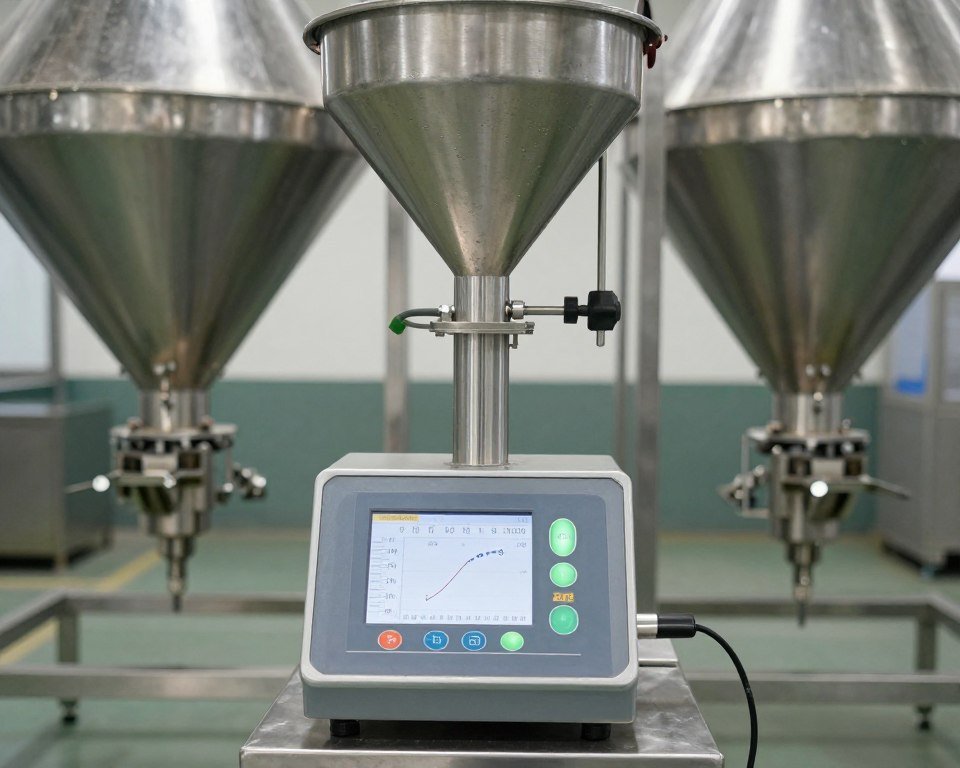
Pelleting and Extrusion Equipment
The pellet mill or extruder represents the production line’s heart. For shrimp feed, twin-screw extruders offer superior advantages over traditional pellet mills.
Extrusion technology provides better water stability through gelatinization of starch components. The process applies high temperature (110-130°C) and pressure (30-40 bar) for 10-15 seconds, creating durable pellet structure.
Die selection determines pellet size and shape. Shrimp feed dies feature hole diameters from 0.5mm to 6mm with length-to-diameter ratios between 8:1 and 12:1.
| Shrimp Size | Pellet Diameter | Pellet Length | Protein Content | Production Rate |
| Post-larvae (PL10-20) | 0.5-1.0mm | 0.8-1.5mm | 45-50% | 300-500 kg/h |
| Juvenile (1-5g) | 1.2-1.8mm | 2-3mm | 40-45% | 800-1200 kg/h |
| Growing (5-15g) | 2.0-3.0mm | 3-5mm | 38-42% | 1500-2500 kg/h |
| Market size (15g+) | 3.5-6.0mm | 5-8mm | 35-40% | 2000-4000 kg/h |
Drying and Cooling Systems
Post-extrusion drying reduces moisture content from 22-25% to 10-12%. This moisture level ensures product stability during storage and prevents mold growth.
Belt dryers or fluid bed dryers accomplish this moisture reduction. Processing time ranges from 3-8 minutes at temperatures between 80-110°C depending on pellet size.
Counterflow coolers then reduce pellet temperature to ambient plus 5-8°C. This cooling prevents condensation in packaging and maintains pellet integrity.
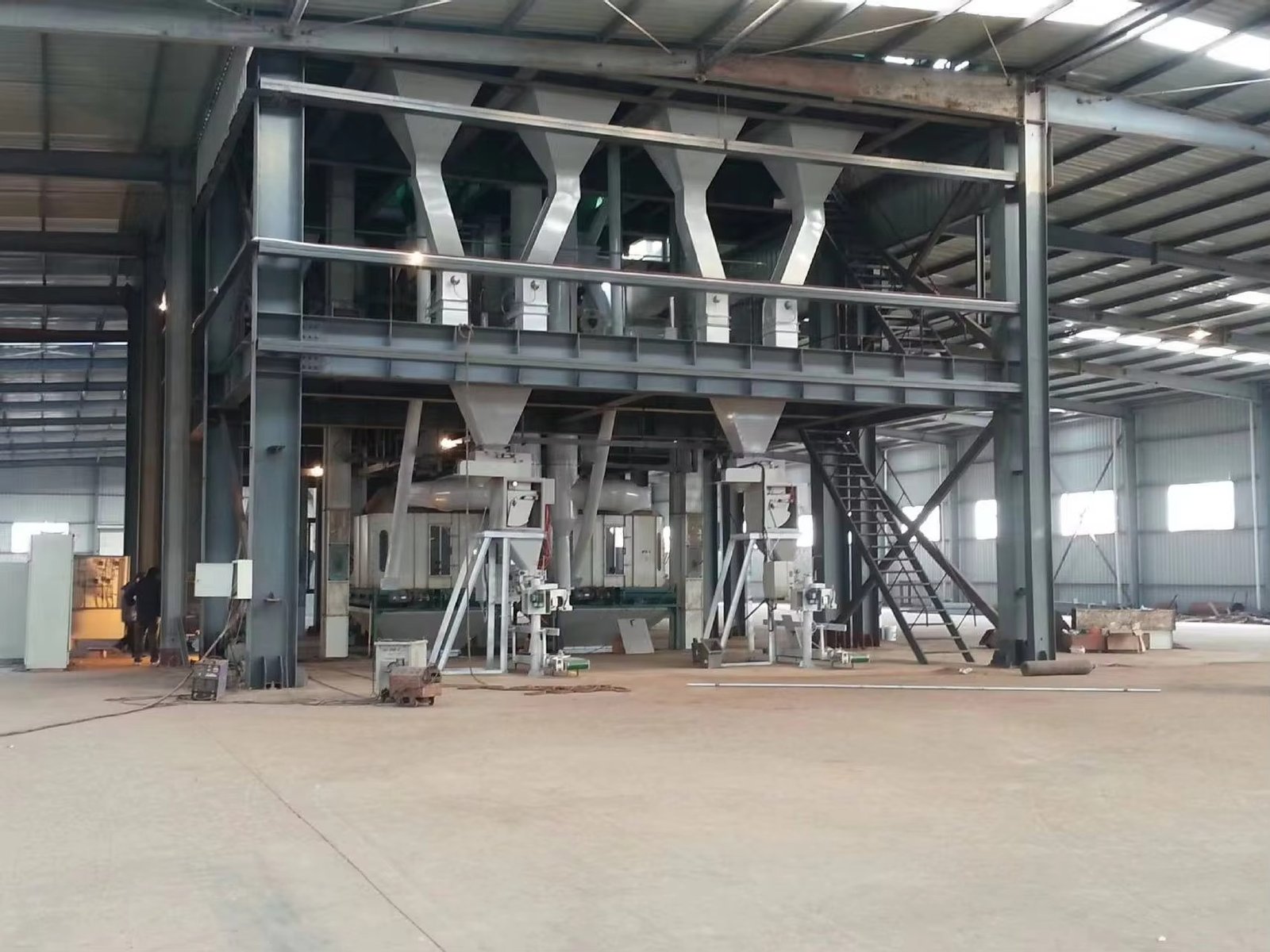
Screening and Packaging Equipment
Vibrating screens separate pellets by size, removing fines and oversized particles. Multi-deck screens accomplish this in a single pass, improving efficiency.
Automatic packaging systems fill bags accurately to predetermined weights. Modern systems achieve speeds of 6-12 bags per minute with ±0.1% accuracy.
Bag sewing or heat sealing completes the packaging process. Product labeling systems print batch numbers, production dates, and nutritional information directly on bags.
MAIKONG Shrimp Feed Production Line Manufacturer Capabilities
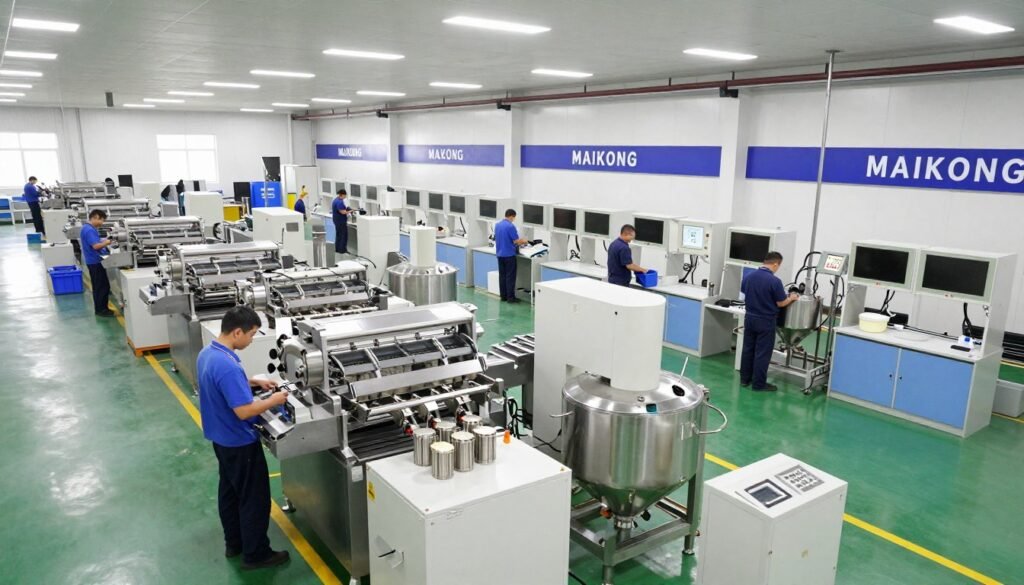
MAIKONG operates as a genuine UK-based feed production line manufacturer with complete in-house production capabilities. Our GD province, SZ city facility spans 12,000 square meters dedicated to aquatic feed equipment manufacturing.
Engineering and Design Services
Our technical team provides comprehensive plant design services. This includes production flow optimization, equipment layout planning, and utility requirement calculations.
3D modeling software creates detailed visualizations before manufacturing begins. Clients review and approve designs, ensuring the final installation meets operational requirements.
Capacity planning considers raw material characteristics, target production volumes, and future expansion possibilities. We design systems with 20-30% overcapacity to accommodate growth.
Manufacturing Standards and Quality Control
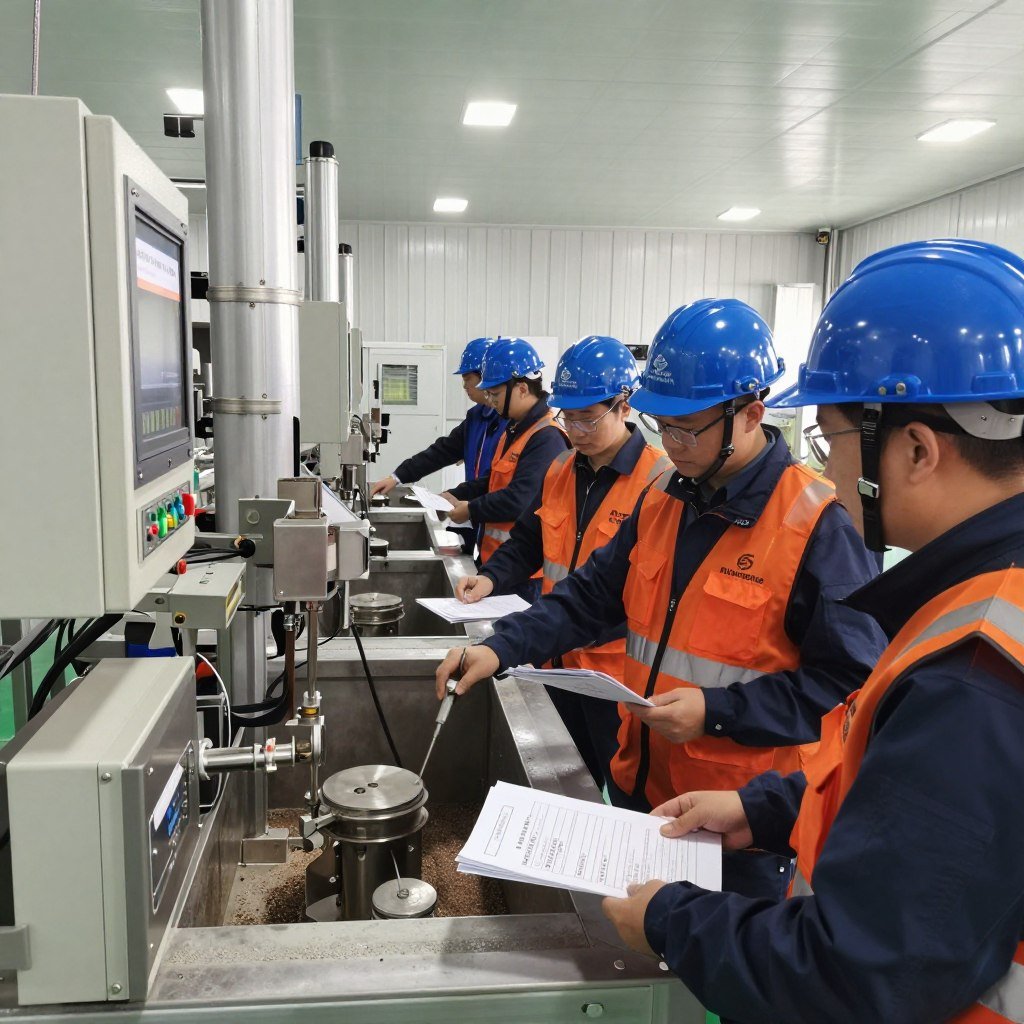
All MAIKONG equipment undergoes rigorous testing before shipment. Each component receives individual testing, followed by complete system integration trials.
Material selection follows international standards. Contact surfaces use food-grade stainless steel 304 or 316L. Structural components utilize high-strength carbon steel with anti-corrosion treatments.
Quality certifications include ISO 9001 manufacturing standards and CE compliance for European markets. Documentation packages include material certificates, testing records, and performance validation data.
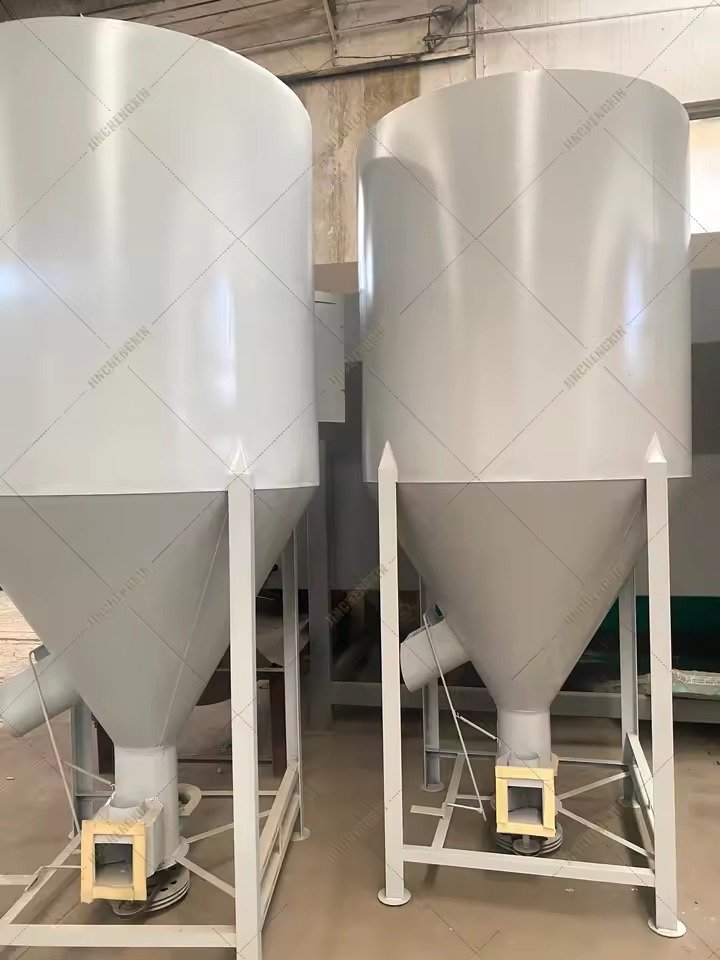
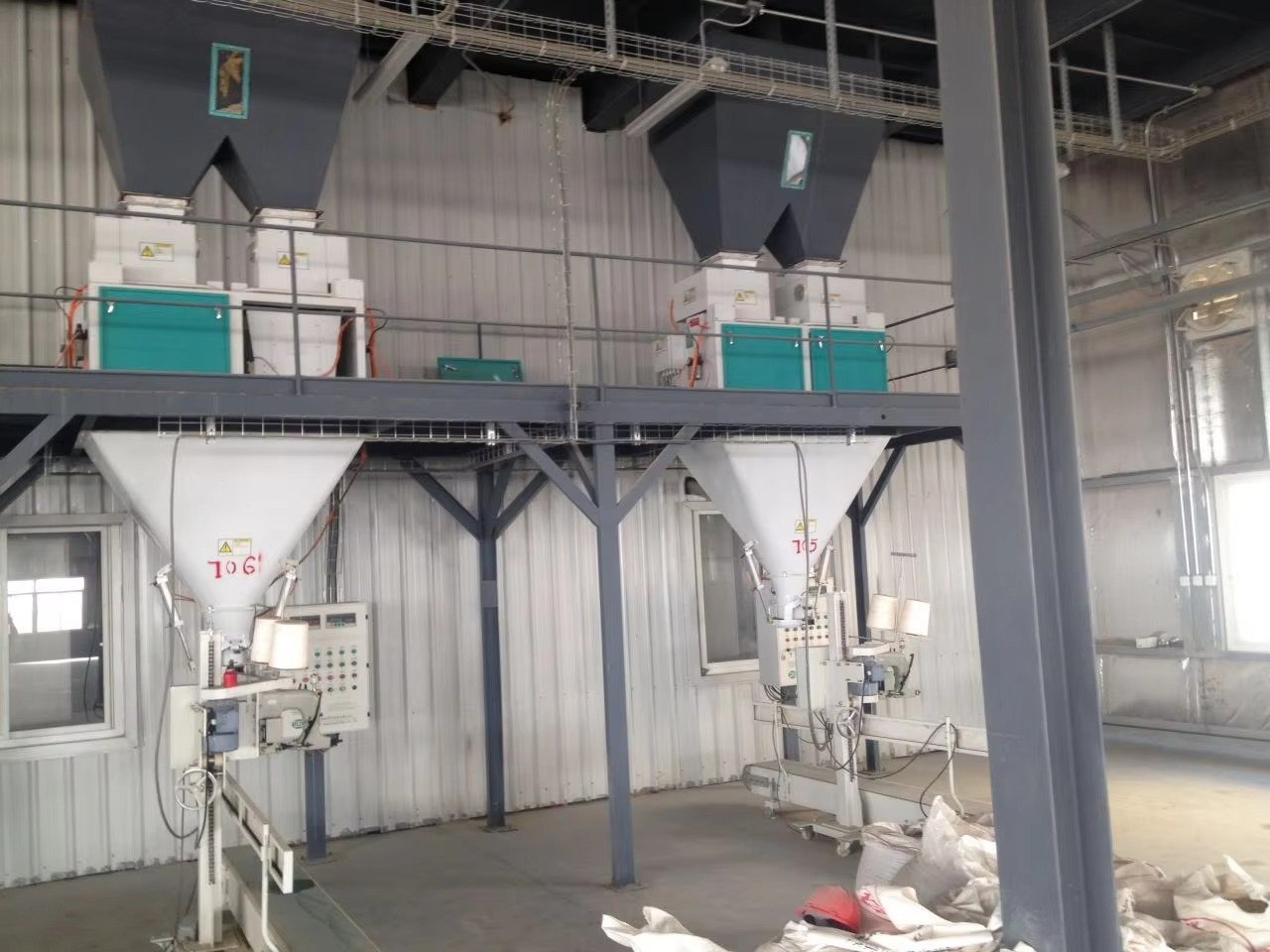
MAIKONG Model MK-L003
Production Capacity: 2-3 tonnes/hour
Power Requirement: 165kW total installed
Dimensions: 18m (L) × 6m (W) × 8m (H)
Weight: 12,500 kg
Material: Stainless steel contact surfaces, carbon steel frame
Pellet Size Range: 0.8-6mm diameter
Custom OEM/ODM Solutions
MAIKONG specializes in customized production line design for specific operational requirements. Our OEM services include:
- Brand integration with client logos and colors
- Capacity scaling from 200kg to 200 tonnes/hour
- Voltage adaptation for any global standard
- Specialized formulation equipment integration
- Automated control system customization
- Special material handling requirements
Lead Time: 45-90 days depending on configuration
Minimum Order: Complete production line
Installation and Training Support
Comprehensive support ensures successful production line commissioning and optimal long-term operation:
- On-site installation supervision (2-4 weeks)
- Equipment commissioning and testing
- Operator training programs (5-10 days)
- Maintenance staff technical training
- Recipe development assistance
- Process optimization consultation
- 12-month warranty with parts support
Support Response: 24-48 hour technical assistance
Global Installation Experience
MAIKONG has successfully installed shrimp feed production lines across Europe, Asia, Americas, and Africa. Our experience includes diverse operating conditions and regulatory environments.
European installations comply with strict environmental and safety regulations. These projects demonstrate our ability to meet demanding technical standards while maintaining competitive pricing.
Asian market experience includes high-capacity systems for intensive shrimp farming operations. These installations require robust equipment capable of continuous operation in tropical environments.
Shrimp Feed Production Line Technical Specifications
Understanding technical specifications helps buyers evaluate different animal feed production line manufacturers objectively. Key parameters include capacity, energy consumption, automation level, and maintenance requirements.
| Specification | Small Scale (500kg/h) | Medium Scale (2-3T/h) | Large Scale (8-10T/h) |
| Total Installed Power | 65-85kW | 165-220kW | 420-550kW |
| Floor Space Required | 200-300m² | 400-600m² | 1000-1500m² |
| Operating Staff | 2-3 persons | 4-6 persons | 8-12 persons |
| Installation Timeline | 15-20 days | 30-45 days | 60-90 days |
| Energy Cost per Tonne | £18-25 | £12-18 | £8-12 |
| Raw Material Loss Rate | 3-5% | 2-3% | 1.5-2% |
Automation and Control Systems
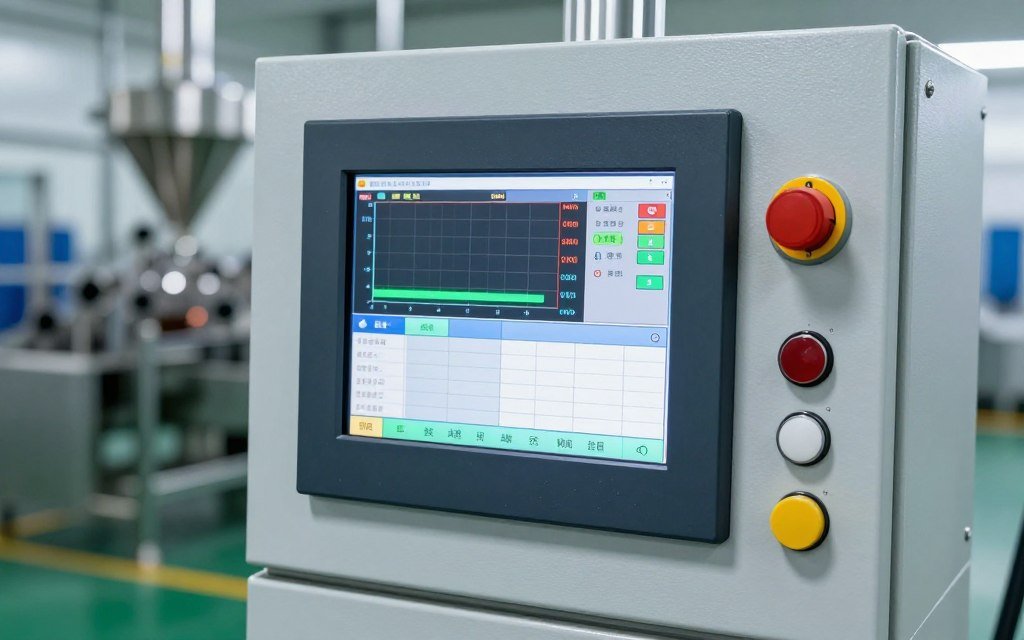
Modern shrimp feed production lines incorporate PLC-based control systems. These systems monitor and adjust processing parameters automatically, reducing operator intervention and improving consistency.
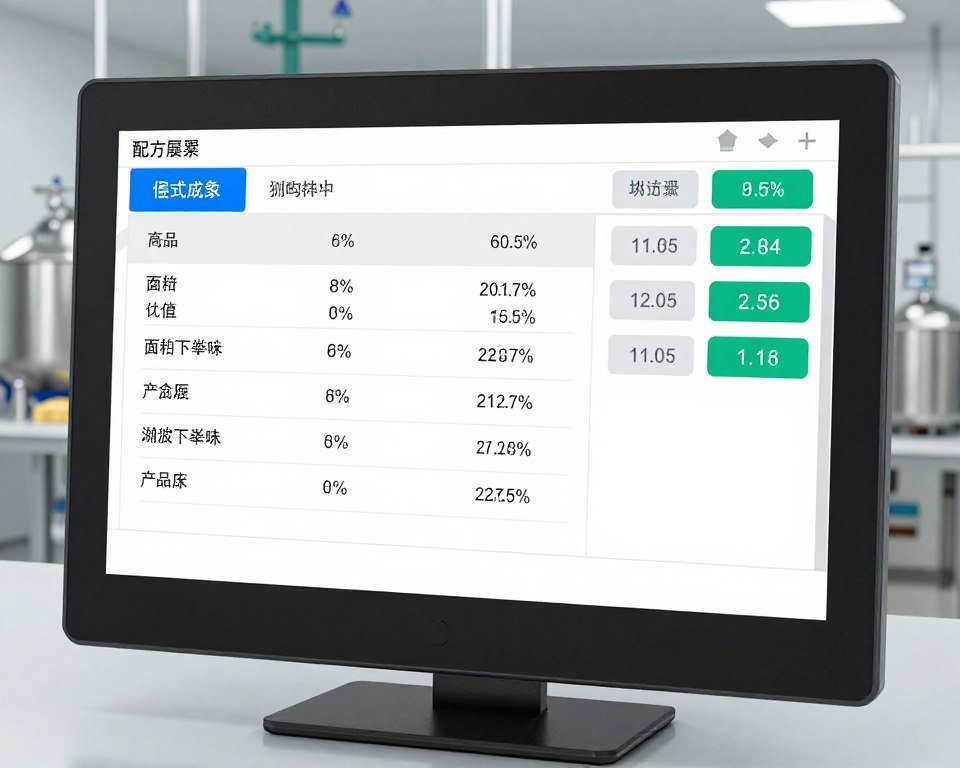
MAIKONG control systems feature touchscreen interfaces with recipe storage, production monitoring, and alarm functions. Historical data logging enables process optimization and troubleshooting.
Remote monitoring capabilities allow technical support staff to diagnose issues and provide guidance without site visits. This feature reduces downtime and maintenance costs significantly.
Material Handling Systems
Efficient material flow reduces labor costs and contamination risks. MAIKONG designs incorporate pneumatic conveying, bucket elevators, and screw conveyors matched to material characteristics.
Pneumatic systems handle fine powders like fishmeal and vitamin premixes. These closed systems prevent dust emissions and maintain ingredient quality.
Bucket elevators move materials vertically between processing stages. Capacities range from 5-50 tonnes per hour with minimal product degradation.
Quality Control and Testing Procedures
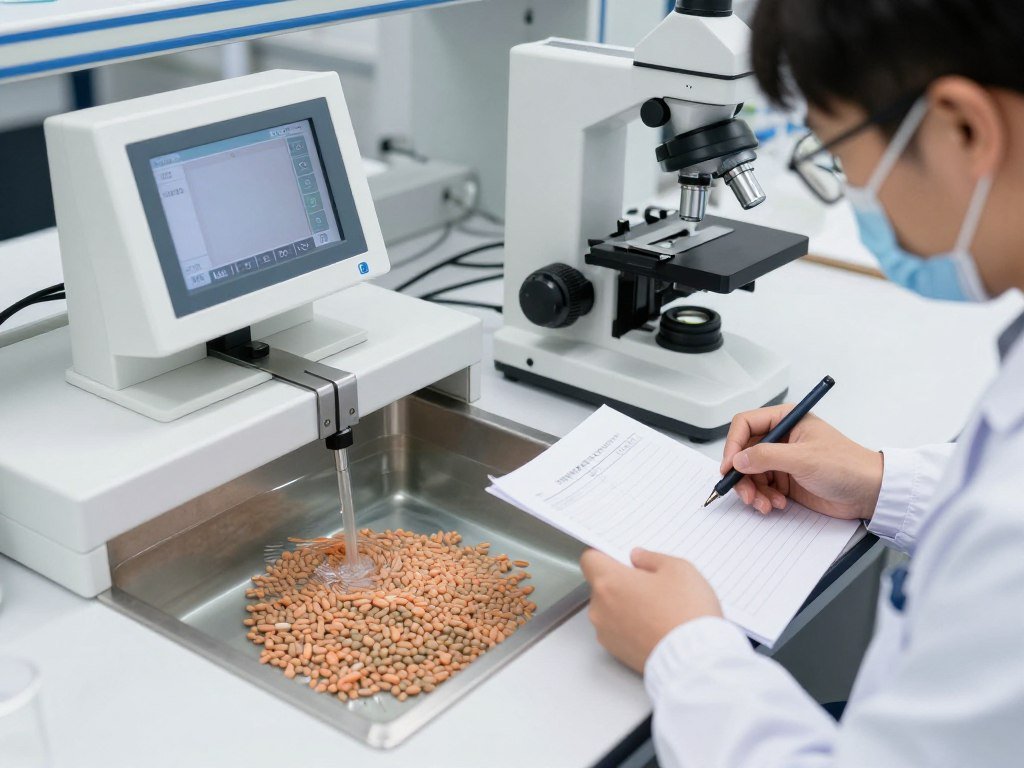
Rigorous quality control separates professional feed manufacturers from basic producers. MAIKONG production lines include integrated quality testing capabilities.
Water Stability Testing
Water stability determines how long pellets maintain integrity in aquatic environments. Standard testing involves submerging pellets in water at 28-30°C and measuring dissolution over time.
Professional shrimp feed should maintain 85% integrity after 2 hours and 70% after 4 hours. MAIKONG systems consistently achieve these parameters through precise moisture control and optimal extrusion conditions.
Testing protocols follow international standards including AOAC methods. Documentation provides verification for quality assurance programs.
Pellet Durability Index
The Pellet Durability Index (PDI) measures resistance to physical breakdown. Testing involves tumbling pellets in a standardized container and measuring fines generation.
High-quality shrimp feed achieves PDI values above 95%. This indicates minimal breakage during handling, transport, and feeding operations.
MAIKONG production lines incorporate gentle handling systems throughout the process to minimize mechanical stress on finished pellets.
Quality Testing Parameters
- Water stability: 2-4 hour immersion test
- Pellet durability index: Tumbler method
- Hardness measurement: Kahl press method
- Moisture content: 105°C oven drying
- Particle size distribution: Sieve analysis
- Bulk density: Standard volumetric method
Testing Frequency Standards
- Hourly: Moisture content, pellet size
- Per batch: Water stability, hardness
- Daily: Durability index, bulk density
- Weekly: Complete nutritional analysis
- Monthly: Comprehensive quality audit
- Quarterly: Equipment calibration verification
Nutritional Consistency Verification
Mixing uniformity directly affects nutritional consistency. Professional systems achieve coefficient of variation below 5% for micronutrients.
Sample testing verifies this consistency throughout production runs. Near-infrared spectroscopy (NIRS) enables rapid analysis of protein, fat, and moisture content.
Batch-to-batch consistency ensures predictable shrimp growth performance. Feed conversion ratios remain stable when pellet quality and nutrition maintain tight tolerances.
Verify Our Manufacturing Quality Standards
Schedule a factory inspection visit or request sample pellets for independent testing. MAIKONG welcomes quality verification from potential partners and customers.
Critical Buyer Considerations When Selecting Manufacturers
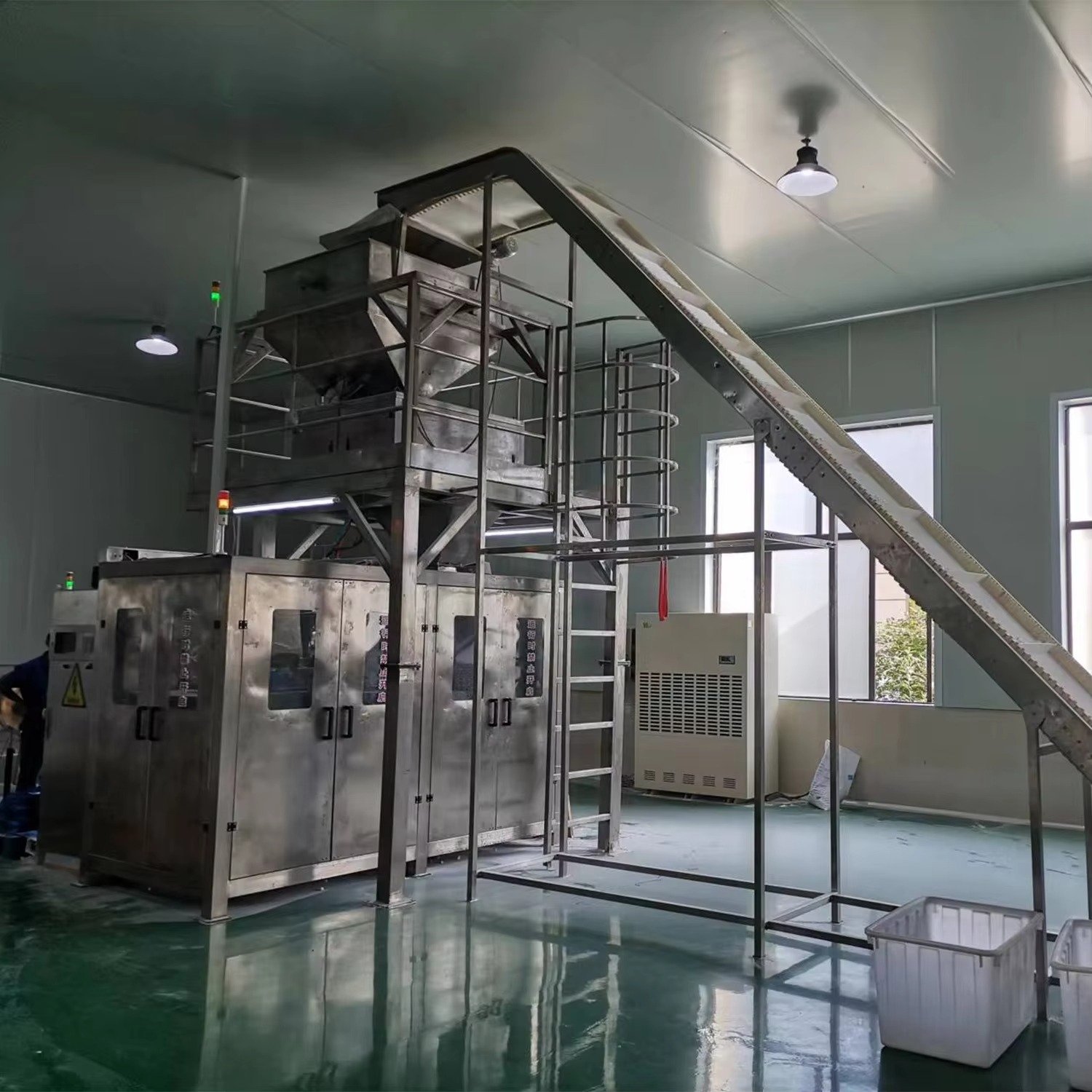
Selecting a shrimp feed production line manufacturer involves evaluating multiple factors beyond equipment specifications. Long-term operational success depends on choosing a partner committed to your success.
After-Sales Support Infrastructure
Technical support availability determines how quickly production issues get resolved. MAIKONG maintains 24/7 technical assistance through phone, email, and video conferencing.
Spare parts availability prevents extended downtime. We stock common wear parts including hammer mill screens, mixer paddles, die assemblies, and bearing sets.
Emergency parts shipment reaches UK customers within 48 hours. International shipping typically completes within 5-7 working days depending on destination.
Training and Knowledge Transfer
Comprehensive training ensures your team operates equipment effectively. MAIKONG provides multilevel training programs covering operation, maintenance, and troubleshooting.
Operator training focuses on daily procedures, quality control, and safety protocols. This 5-day program includes hands-on practice with all equipment.
Maintenance training teaches preventive maintenance schedules, wear part replacement, and basic troubleshooting. Technical staff receive 8-10 days of intensive training.
Advantages of MAIKONG Partnership
- UK-based manufacturer with 22-year track record
- Complete in-house manufacturing capabilities
- Comprehensive OEM/ODM customization services
- Rapid spare parts delivery across Europe
- Multilingual technical support team
- Proven installations across five continents
- Competitive pricing without compromising quality
- Dealer and agent partnership opportunities
Potential Challenges to Consider
- Initial investment higher than basic equipment
- Installation requires proper facility preparation
- Staff training time before full productivity
- Regular maintenance schedule must be followed
- Quality raw materials essential for optimal results
Installation and Commissioning Process
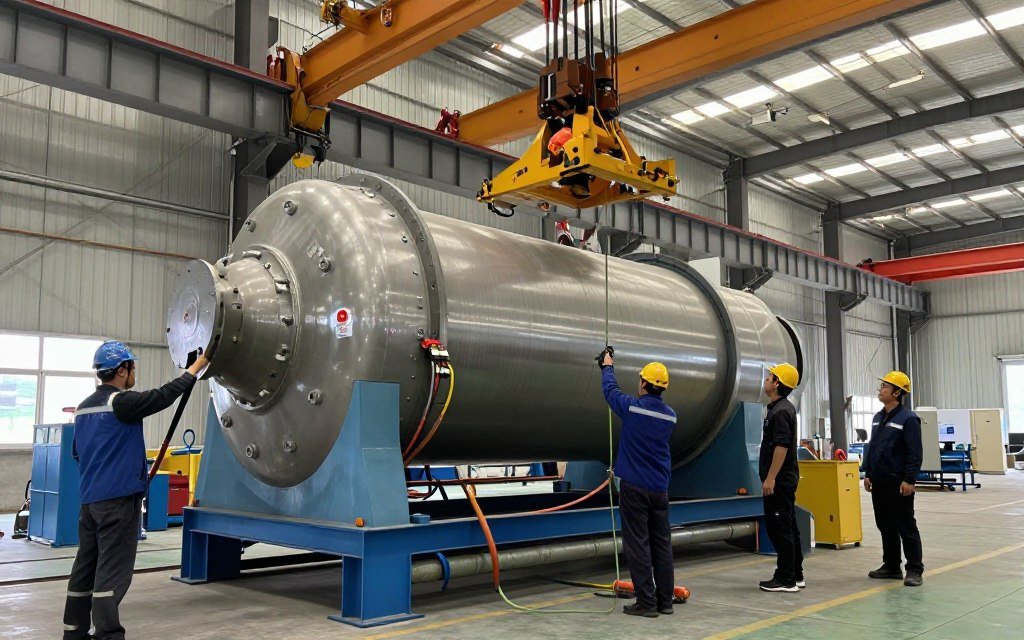
Professional installation ensures equipment operates at design capacity. MAIKONG installation teams handle complete system setup including equipment positioning, utility connections, and initial testing.
Commissioning involves systematic testing of each component and the integrated system. This process takes 5-10 days depending on line complexity.
Trial production runs verify that all specifications are met. Final acceptance occurs after achieving target capacity with acceptable pellet quality parameters.
Return on Investment Calculations
Understanding ROI helps justify equipment investment. Key factors include production capacity, raw material costs, labor efficiency, and product quality premiums.
A typical 3 tonne/hour line processes approximately 6,000 tonnes annually operating single shift. Quality improvements can command 5-10% price premiums in competitive markets.
Energy efficiency impacts operational costs significantly. MAIKONG systems consume 15-20% less power than older technology through optimized motor sizing and process design.
MAIKONG UK Dealer and Agent Partnership Programme

MAIKONG actively seeks qualified dealers and agents throughout the United Kingdom and broader European markets. Our partnership programme offers substantial opportunities for established businesses in the agricultural equipment, aquaculture supply, or feed pellet production line sectors.
Partnership Benefits and Support
Authorized MAIKONG dealers receive comprehensive support including technical training, marketing materials, lead generation assistance, and competitive pricing structures.
Territory protection ensures dealers can develop their markets without internal competition. Exclusive territories available based on dealer capabilities and market coverage plans.
Marketing co-op funds support local promotional activities. We provide trade show support, demonstration equipment, and customer presentation materials.
Ideal Partner Profile
Successful MAIKONG partners typically possess existing relationships within aquaculture, feed manufacturing, or agricultural sectors. Technical knowledge of feed production processes provides significant advantages.
Sales infrastructure including customer service, technical support, and parts inventory capabilities ensure customer satisfaction. We seek partners committed to long-term market development rather than transactional sales.
Financial stability enables partners to maintain adequate inventory and provide customer financing when needed. MAIKONG evaluates potential partners thoroughly to ensure mutual success.
Dealer Requirements
- Established business presence in target territory
- Existing customer base in aquaculture or feed sectors
- Technical service capabilities
- Parts inventory and warehousing capacity
- Sales team with agricultural equipment experience
- Financial stability for inventory investment
- Commitment to MAIKONG training programmes
Agent Programme
- Commission-based partnership structure
- No inventory requirements
- Focus on customer relationship and sales
- MAIKONG handles technical support
- Lead generation and qualification
- Project management assistance
- Ongoing training and product updates
Support Package
- Comprehensive technical training
- Marketing materials and presentations
- Customer demonstration equipment
- Lead generation support
- Competitive dealer pricing
- Territory protection agreements
- Co-op marketing funds
Current Partnership Opportunities
MAIKONG seeks partners in several UK regions and European markets. Priority territories include Scotland, Wales, Northern Ireland, Republic of Ireland, Netherlands, Belgium, Portugal, and Scandinavia.
Existing agricultural equipment dealers can add poultry feed production lines, cattle feed production lines, and other feed manufacturing equipment to complement shrimp feed systems.
Partnership discussions typically begin with territory analysis, market potential assessment, and mutual capability evaluation. This process ensures alignment between MAIKONG and potential partners.
Conclusion: Selecting Your Shrimp Feed Production Line Partner
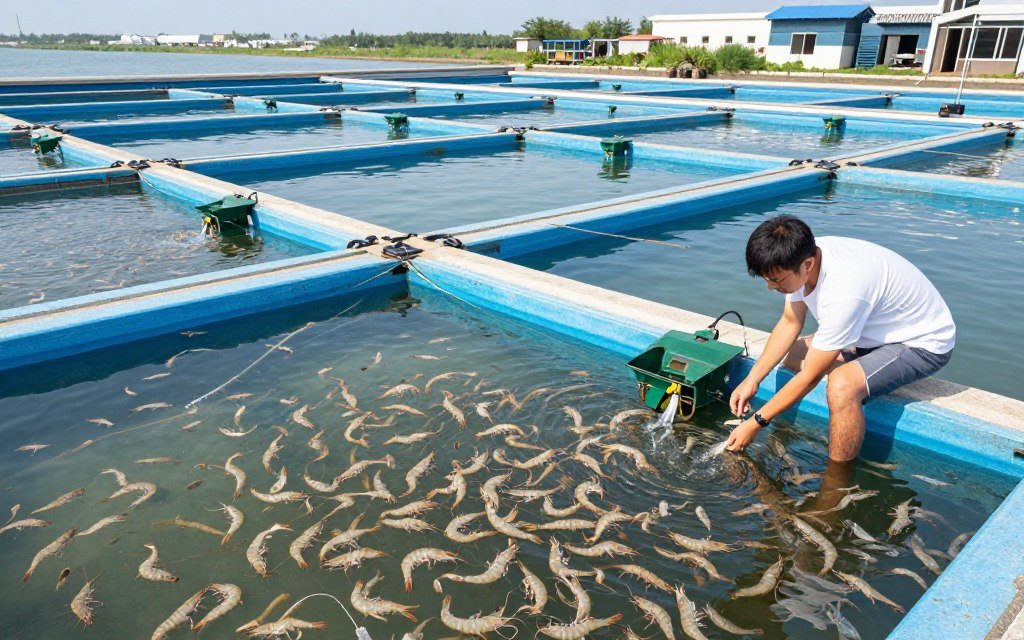
Choosing a shrimp feed production line manufacturer represents a significant investment in your aquaculture operation’s future. The decision extends beyond initial equipment costs to encompass long-term operational efficiency, product quality, and business growth potential.
MAIKONG’s 22 years of manufacturing experience, comprehensive technical support, and commitment to customer success position us as an ideal partner for UK and European feed manufacturers. Our systems deliver consistent pellet quality, operational reliability, and competitive production costs.
Whether you operate a farm-level feed mill producing 500 kilograms hourly or plan a commercial facility processing 10 tonnes per hour, MAIKONG engineers design systems matching your specific requirements. Our customization capabilities ensure your production line addresses your unique formulation, raw material, and market needs.
The aquaculture industry continues expanding globally. Shrimp farming requires increasingly sophisticated nutrition to achieve optimal growth rates, feed conversion, and disease resistance. Quality feed production equipment forms the foundation of this nutritional excellence.
Professional feed manufacturers differentiate themselves through consistent product quality, rapid response to market demands, and competitive pricing. These advantages stem directly from reliable, efficient production equipment operated by well-trained staff.
Start Your Shrimp Feed Production Project Today
Connect with MAIKONG’s technical team to discuss your specific requirements. Whether you need a complete turnkey plant, equipment upgrades, or OEM manufacturing, we provide solutions tailored to your operation.
MAIKONG invites qualified UK businesses to explore dealer and agent partnerships. As we expand our European presence, we seek partners who share our commitment to customer success and technical excellence. Partnership opportunities offer attractive margins, territory protection, and comprehensive support.
Visit our website to explore our complete product range including pet feed production lines, pig feed systems, and biomass pellet equipment. Our technical library provides detailed specifications, case studies, and industry insights.
Schedule a factory visit to see our manufacturing capabilities firsthand. Witness equipment testing, quality control procedures, and meet the engineering team that will support your project. Factory tours provide confidence in your manufacturing partner selection.
Request sample pellets produced on MAIKONG equipment for independent testing. We encourage prospective customers to verify our quality claims through third-party analysis. Transparent quality verification builds trust and long-term partnerships.
The shrimp farming industry rewards producers who invest in quality feed and efficient production systems. MAIKONG equipment provides the foundation for this success. Contact us today to begin your journey toward improved feed quality, operational efficiency, and business growth.