
Fish Feed Production Line Manufacturer UK | MAIKONG
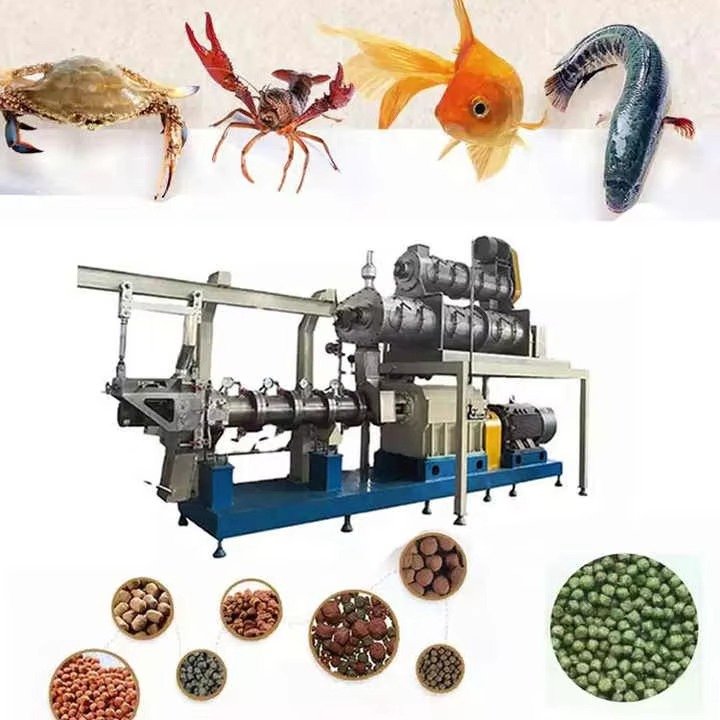
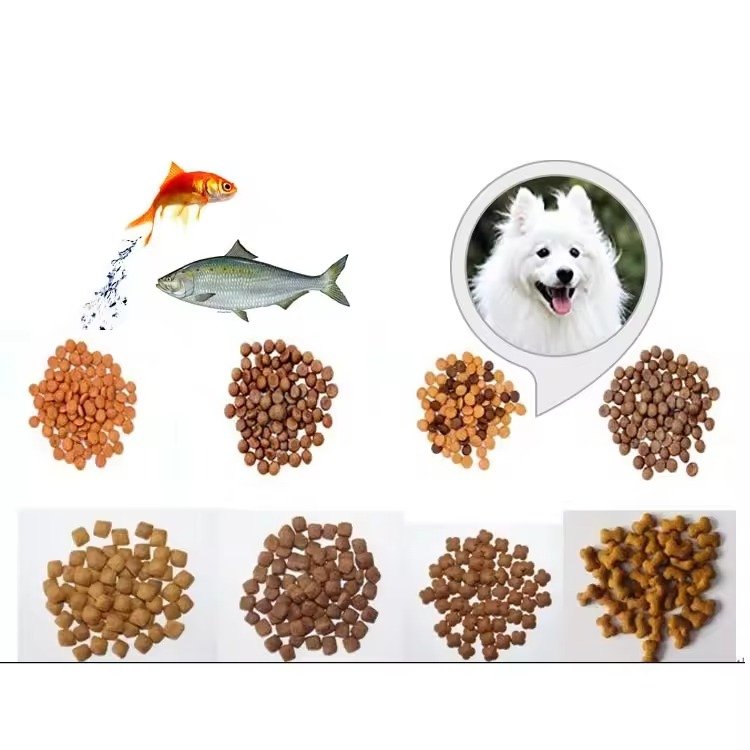
The global aquafeed market continues its rapid expansion. Industry data shows aquaculture feed production reached 54.4 million tonnes in 2022. Floating fish feed technology now dominates commercial operations. Modern extruded feed maintains water stability for 8-12 hours whilst preserving nutritional integrity.
This comprehensive guide examines every aspect of fish feed production line systems. You’ll discover how leading manufacturers engineer complete solutions from raw material handling through final packaging. We’ll explore the critical difference between floating and sinking feed production. Technical specifications, capacity planning, and equipment selection criteria receive detailed attention.
Understanding Fish Feed Production Line Technology and Manufacturing Process
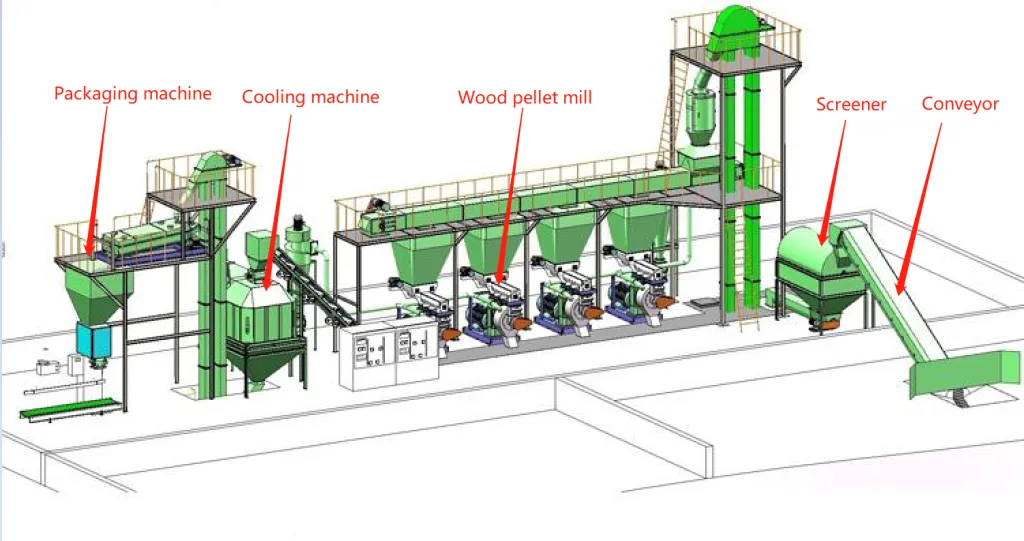
A complete fish feed production line manufacturer system transforms raw materials into nutritionally balanced aquatic feed pellets. The process integrates multiple specialized machines working in precise sequence. Each component serves a specific function in the material transformation chain.
Core Components of Industrial Fish Feed Mill Lines
Professional fish feed mill line installations comprise six essential processing stages. Raw material reception and storage form the foundation. Grinding equipment reduces particle size to optimal dimensions. Mixing systems ensure homogeneous distribution of ingredients. The pelleting or extrusion process creates the final product form. Cooling and drying systems stabilize the feed. Packaging equipment prepares products for distribution.
Material Reception and Pre-Processing Systems
Efficient material handling begins with proper reception facilities. Bulk storage silos protect raw materials from moisture and contamination. Automated weighing systems deliver precise quantities to production. Screening equipment removes foreign objects and oversized particles. Metal detectors protect downstream equipment from damage.
The raw material moisture content affects processing efficiency significantly. Optimal levels range between 12-14% for most ingredients. Higher moisture increases pellet breakage risk. Lower moisture causes excessive dust during grinding. Pre-conditioning adjusts material properties before main processing begins.
Grinding and Size Reduction Technology
Hammer mills dominate fish feed grinding applications. These machines achieve particle sizes from 0.5mm to 3mm depending on screen selection. Grinding energy consumption represents 30-40% of total production costs. Modern equipment reduces power requirements through improved hammer design and airflow management.
Particle size distribution impacts pellet quality directly. Consistent sizing improves binding efficiency during pelleting. Too-coarse particles create weak pellets prone to breakage. Excessively fine material generates dust and reduces throughput. The ideal size distribution matches your specific formulation requirements.
Floating Fish Feed Production
- Requires high-temperature extrusion process
- Creates expanded structure with low density
- Floats 8-12 hours maintaining water stability
- Ideal for surface-feeding fish species
- Allows feeding observation and control
- Reduces water quality deterioration
Sinking Fish Feed Production
- Uses traditional pelleting technology
- Dense pellets sink rapidly to bottom
- Suitable for bottom-feeding species
- Lower production energy requirements
- Simpler equipment configuration needed
- More economical for high-volume production
Mixing Technology and Formula Management
Thorough ingredient mixing ensures nutritional consistency throughout each production batch. Batch mixers handle 250kg to 2000kg per cycle. Continuous mixers suit high-volume operations exceeding 10 tonnes per hour. Mixing time typically ranges from 3 to 8 minutes depending on ingredient characteristics.
Liquid ingredient addition requires specialized equipment. Oil content in fish feed often reaches 8-15% of total formulation. Molasses and liquid vitamins add further complexity. Multi-stage mixing systems incorporate dry blending followed by liquid coating. This approach prevents ingredient segregation during subsequent handling.
Formulation Accuracy and Quality Control
Recipe management systems control ingredient proportions automatically. Precision batching reduces formulation errors to less than 0.5%. Digital load cells measure each component accurately. Sequential addition protocols optimize mixing efficiency. The system records production data for traceability requirements.
Quality control testing occurs at multiple production stages. Raw material sampling verifies incoming ingredient specifications. In-process checks monitor particle size distribution and moisture levels. Finished product analysis confirms nutritional targets and physical properties. Regular testing maintains consistent output quality.
Need Help Selecting the Right Fish Feed Production Equipment?
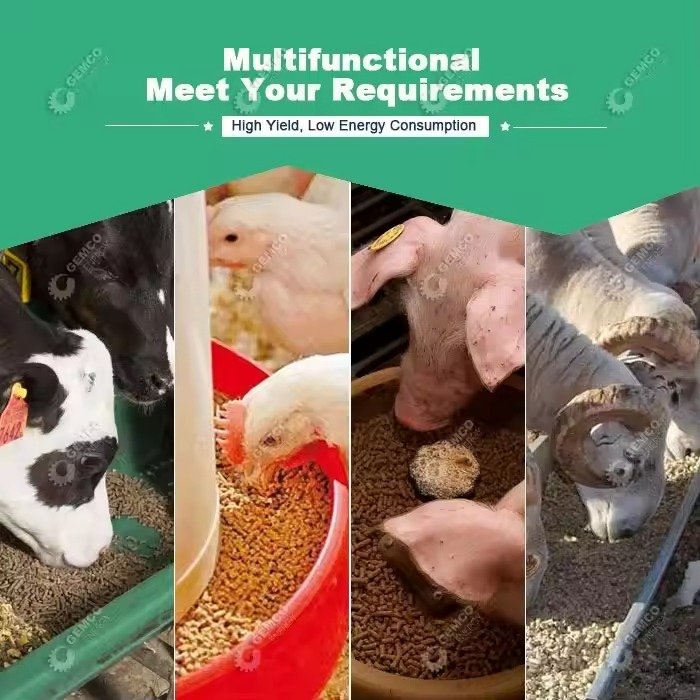
Our technical team has designed fish feed production lines for operations ranging from 200kg/hour to 200 tonnes/hour. We’ll help you specify equipment that matches your production requirements, raw materials, and budget constraints. MAIKONG offers complete OEM/ODM customization for fish, shrimp, chicken, cattle, and pet feed applications.
Extrusion and Pelleting Technology for Fish Feed Manufacturing
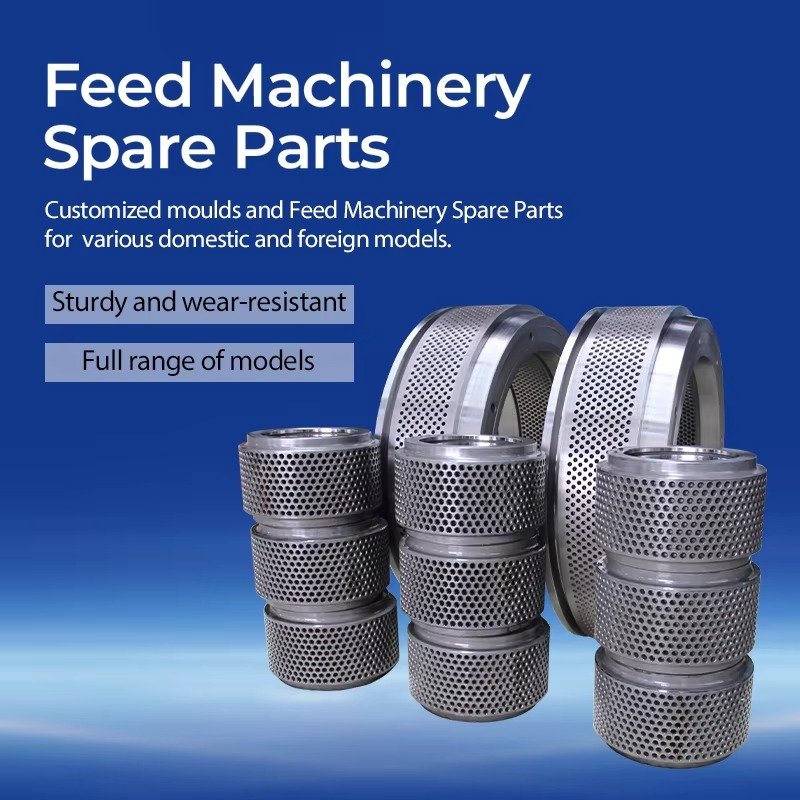
The pelleting or extrusion stage transforms mixed ingredients into finished feed form. Two distinct technologies serve different fish feed applications. Traditional pelleting produces dense sinking pellets. Extrusion creates expanded floating feed with superior water stability.
Ring Die Pelleting for Sinking Fish Feed
Ring die pellet mills compress feed material through cylindrical dies. Production capacity ranges from 1 to 42 tonnes per hour depending on die size and motor power. The process generates mechanical heat through friction. Steam conditioning raises material temperature to 70-85°C before pelleting.
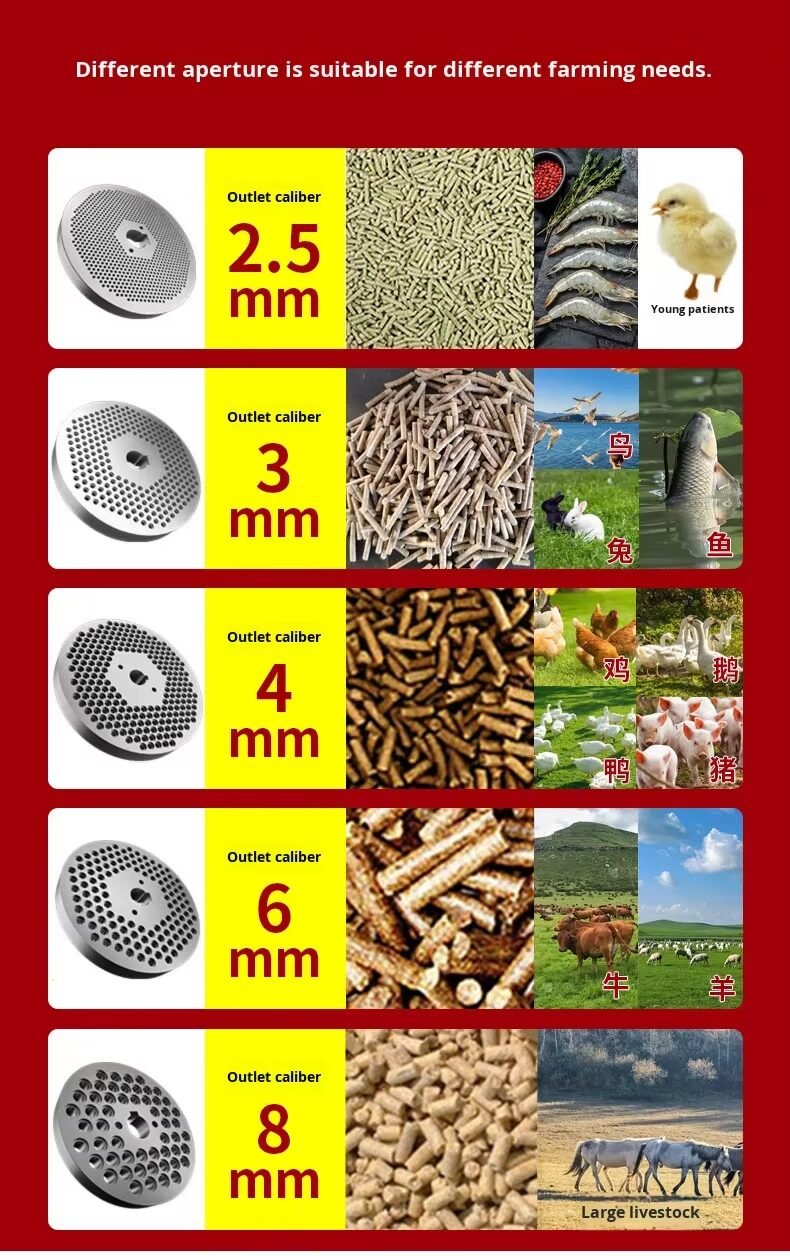
Die specifications determine pellet diameter and length. Common sizes for fish feed range from 2mm to 6mm diameter. Smaller pellets suit juvenile fish feeding. Larger diameters serve adult fish populations. Die hole length-to-diameter ratio affects pellet density and durability.
Pelleting Process Parameters and Control
Feed formulation significantly impacts pelleting performance. Starch content provides natural binding properties. Protein levels affect pellet hardness. Oil content must be carefully controlled to prevent die blockages. Most formulations limit oil to 5-7% during pelleting with additional coating applied afterward.
Steam conditioning prepares material for effective pelleting. Proper conditioning reduces required compression force. It activates starch gelatinization which improves pellet binding. Conditioning time typically lasts 30-60 seconds at 80-85°C. Moisture addition during conditioning reaches 14-16%.
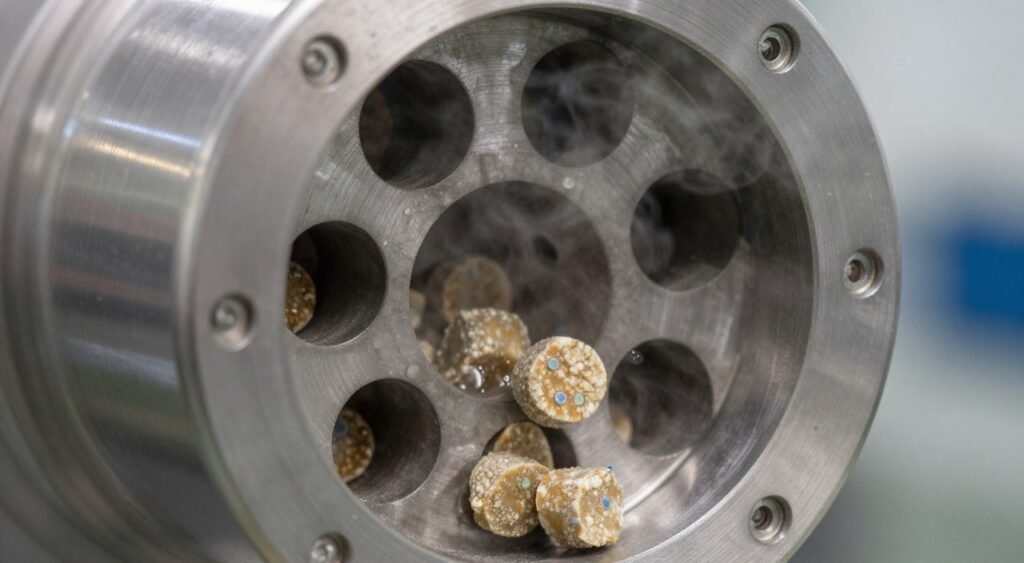
Twin-Screw Extrusion for Floating Fish Feed
Twin-screw extruders dominate floating fish feed production globally. These machines cook and expand feed material simultaneously. Operating temperatures reach 120-150°C under controlled pressure. Rapid pressure release at the die creates expansion and low-density structure.
Screw configuration determines processing characteristics. Different screw element combinations control mixing intensity, shear rate, and residence time. Barrel temperature zones allow precise heat management throughout the cooking process. The system maintains consistent product quality across varying ingredient compositions.
Extruder Capacity and Performance Factors
Extruder capacity depends on multiple interrelated factors. Screw diameter largely determines maximum throughput. Motor power limits sustained production rates. Die design affects backpressure and expansion characteristics. Feed moisture content and formulation composition play crucial roles.
Energy consumption in extrusion significantly exceeds traditional pelleting. Typical requirements range from 0.08 to 0.12 kWh per kilogram of floating feed produced. However, the superior product quality and feeding efficiency justify the additional energy cost. Modern extruders incorporate energy recovery systems reducing overall consumption.
| Production Aspect | Ring Die Pelleting | Twin-Screw Extrusion |
| Product Type | Dense sinking pellets | Expanded floating pellets |
| Processing Temperature | 70-85°C | 120-150°C |
| Energy Consumption | 0.03-0.05 kWh/kg | 0.08-0.12 kWh/kg |
| Water Stability | 2-4 hours | 8-12 hours |
| Starch Gelatinization | 15-25% | 85-95% |
| Investment Cost | Lower initial investment | Higher equipment cost |
| Capacity Range | 1-42 tonnes/hour | 0.5-12 tonnes/hour |
Floating Time and Water Stability Optimization
Pellet floating duration determines feeding efficiency and water quality impact. Extended floating time allows fish to consume feed before it sinks. This reduces waste and prevents bottom accumulation which degrades water quality. Target floating time typically ranges from 8 to 12 hours for commercial applications.
Several factors control floating characteristics. Die design affects initial expansion ratio. Moisture content during extrusion influences cell structure formation. Cooling rate impacts final density. Post-extrusion drying removes excess moisture whilst maintaining structural integrity.
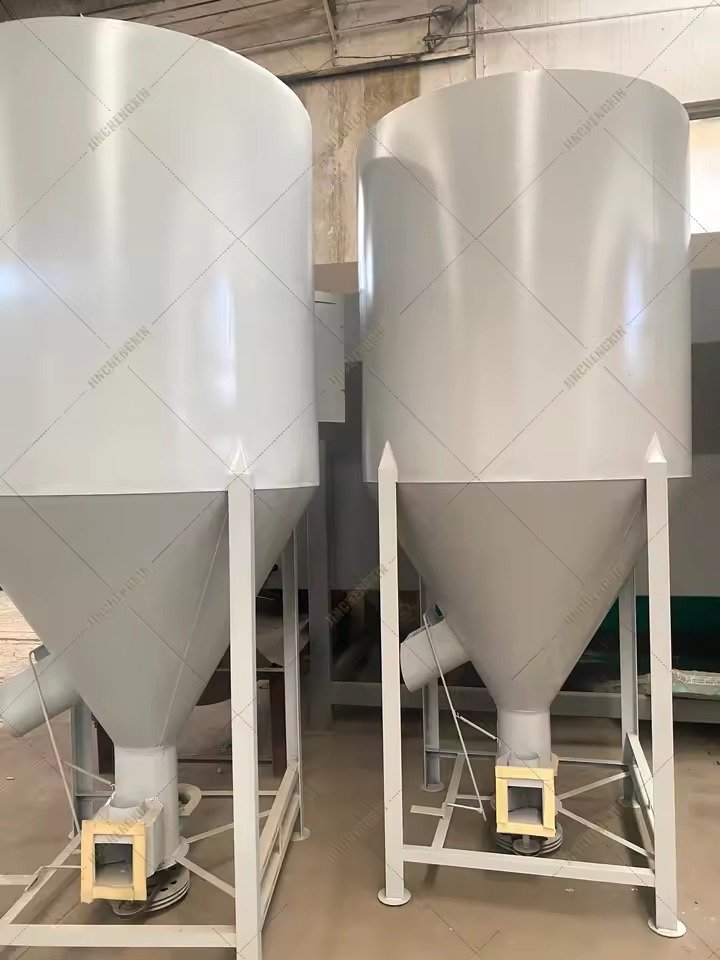
Post-Production Processing: Drying, Cooling and Stabilization Systems
Newly formed fish feed pellets require careful conditioning before packaging. Hot pellets emerging from extruders reach 90-110°C internal temperature. Moisture content often exceeds 20-22% immediately after forming. Both temperature and moisture must reduce to safe storage levels.
Drying Technology for Floating Fish Feed
Multi-layer dryers handle floating feed efficiently. Hot air circulation removes excess moisture gradually. Processing time ranges from 15 to 25 minutes depending on pellet size and initial moisture. Final moisture targets typically fall between 10-12% for optimal storage stability.
Drying temperature control prevents quality degradation. Excessive heat damages heat-sensitive vitamins and amino acids. Insufficient drying leaves pellets vulnerable to mould growth during storage. Modern dryers incorporate multiple temperature zones for gentle yet effective moisture removal.
Energy-Efficient Drying Solutions
Drying energy costs significantly impact production economics. Heat recovery systems capture waste energy from cooling processes. Recirculation designs reduce fresh air heating requirements. Natural gas and diesel burners provide primary heat sources. Some operations utilize biomass fuel for cost reduction.
Proper air distribution ensures uniform drying throughout the product bed. Uneven drying creates quality inconsistencies. Some pellets become overly dry and brittle. Others retain excess moisture promoting spoilage. Sophisticated control systems monitor conditions continuously adjusting airflow and temperature automatically.
Counterflow Cooling Technology
Cooling systems reduce pellet temperature to safe packaging levels. Counterflow coolers provide the most efficient design. Cool ambient air enters from the bottom flowing upward through descending pellets. This arrangement maximizes temperature differential and cooling efficiency.
Cooling capacity matches production throughput requirements. Systems handling 3-25 tonnes per hour serve most commercial operations. Retention time in coolers typically lasts 8-12 minutes. Exit temperature should not exceed ambient temperature by more than 5-8°C to prevent moisture absorption during packaging.
Quality Control During Post-Processing
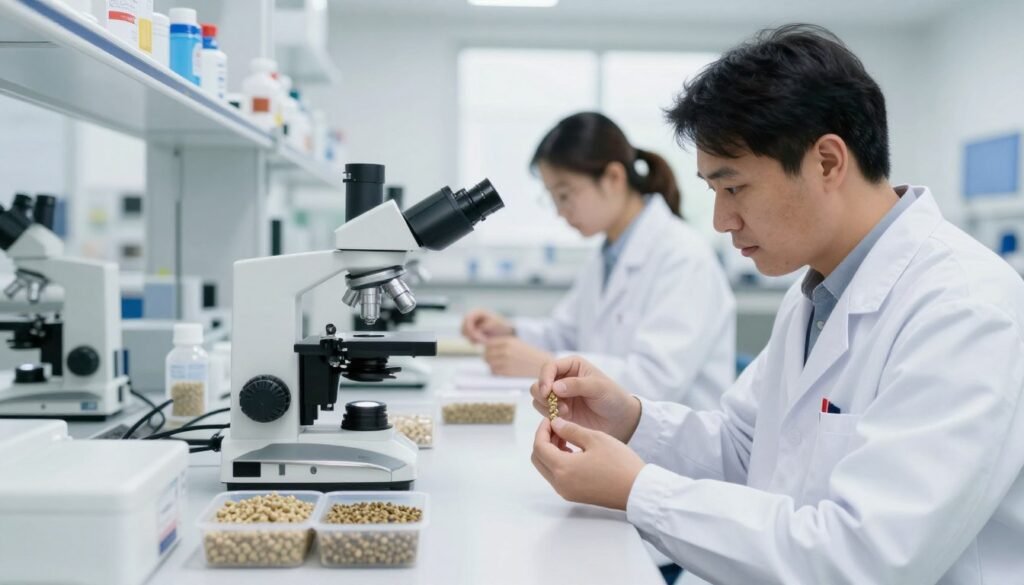
Continuous monitoring ensures consistent product quality. Temperature sensors track cooling effectiveness. Moisture meters verify adequate drying completion. Automated sampling systems collect specimens for laboratory analysis. The data feeds back to process controllers maintaining target specifications.
Pellet durability testing measures physical quality objectively. The Pellet Durability Index (PDI) quantifies resistance to breakage during handling. Target PDI values exceed 95% for high-quality fish feed. Lower values indicate excessive fines generation which fish cannot consume efficiently.
Direct technical support line – Call or WhatsApp our engineering team
Production Capacity Planning and Equipment Sizing for Fish Feed Operations
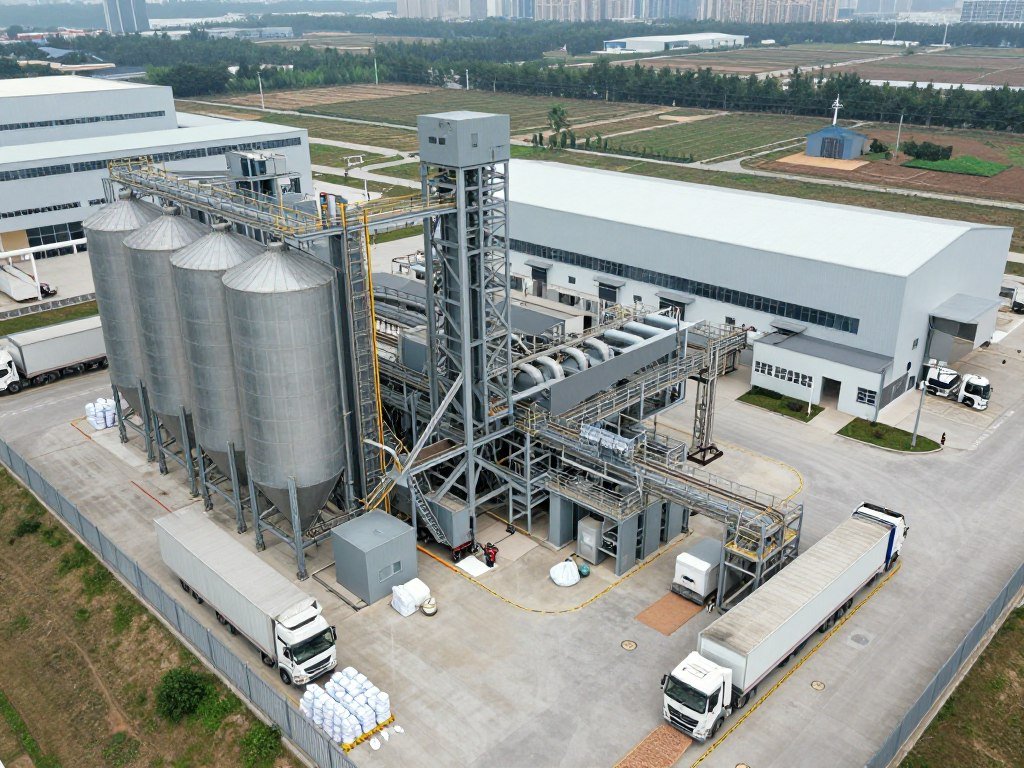
Proper capacity planning ensures your fish feed production line manufacturer investment delivers required output efficiently. Under-sized equipment creates production bottlenecks. Over-sized systems waste capital and increase operating costs unnecessarily. Matching equipment capacity to actual requirements optimizes both investment and operational efficiency.
Determining Target Production Capacity
Start capacity planning by defining your actual feed requirements. Consider current consumption levels and projected growth over 3-5 years. Account for product variety which affects changeover time and overall efficiency. Seasonal demand fluctuations may necessitate higher peak capacity than average requirements suggest.
Operating schedule significantly impacts required equipment capacity. Single-shift operations (8 hours daily) need three times the hourly capacity of continuous operations running 24 hours. Maintenance downtime typically consumes 5-8% of available production time. Equipment reliability directly affects achievable output levels.
Capacity Range Options from Leading Manufacturers
Modern fish feed pellet production line systems offer capacities from 200kg/hour to 200 tonnes/hour. Small-scale operations serving local fish farms typically require 500-2000 kg/hour systems. Medium commercial feed mills commonly install 3-8 tonnes/hour lines. Large industrial operations deploy multiple lines each exceeding 10 tonnes/hour.
The MAIKONG MK-L003 production line delivers flexible capacity from 1-100 tonnes per hour. Modular design allows future expansion without complete system replacement. Individual equipment sizing matches overall line capacity whilst maintaining process efficiency. Automated controls optimize performance across the entire operating range.
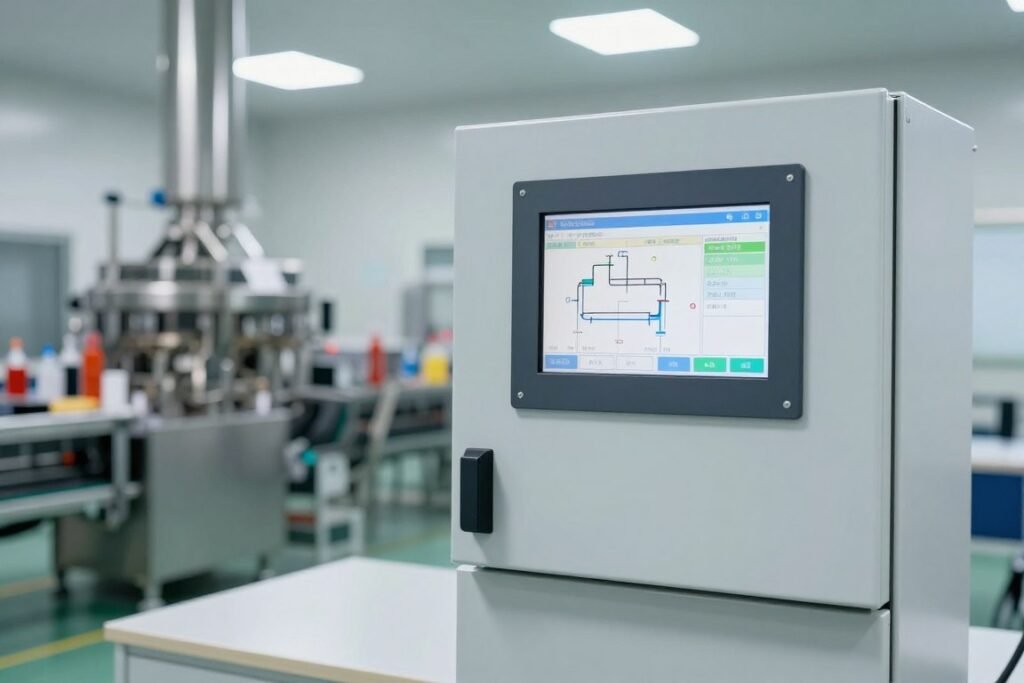
Equipment Sizing Considerations
Each production line component requires careful sizing to match overall capacity targets. Crusher capacity should exceed mixer requirements by 10-15% providing buffer capacity. Mixer throughput must supply the pellet mill or extruder continuously. Downstream equipment handles slightly lower capacity accounting for moisture removal during drying.
The extruder or pellet mill represents the capacity-limiting equipment in most installations. These machines determine maximum sustainable throughput. Supporting equipment sizes upward and downward from this central capacity anchor. Proper balance prevents bottlenecks whilst avoiding unnecessary excess capacity costs.
Production Line Balance and Efficiency
Well-balanced systems maintain steady material flow throughout the production process. Storage hoppers between equipment provide surge capacity absorbing minor throughput variations. Conveying systems transport material reliably without causing equipment starvation or overflow conditions.
Overall line efficiency rarely exceeds 85-90% of theoretical capacity in practical operation. Startups, shutdowns, and product changeovers consume productive time. Minor equipment issues and adjustments create additional downtime. Quality control sampling removes small quantities from production flow.
- Small operations (500-2000 kg/h): Ideal for fish farms and local feed suppliers
- Medium capacity (3-8 tonnes/h): Suitable for regional feed mills and distributors
- Large industrial (10-100 tonnes/h): Serves major feed manufacturers and export operations
- Modular expansion: Add capacity incrementally as business grows
- Multi-product flexibility: Process different feed types with minimal changeover time
Raw Material Requirements and Handling Capacity
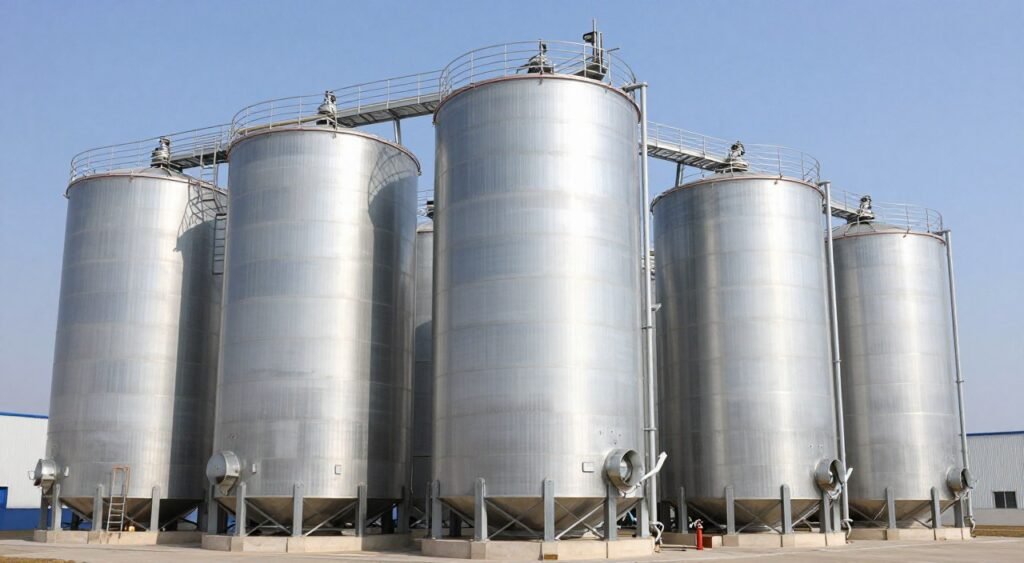
Ingredient storage capacity must support uninterrupted production between deliveries. Most operations maintain 7-14 days of raw material inventory. Bulk storage silos protect materials from moisture and contamination. Individual ingredient silos allow precise batching and formula flexibility.
Material handling systems transport ingredients from storage to processing equipment efficiently. Pneumatic conveying suits long distances and vertical lifts. Mechanical conveyors provide economical solutions for shorter runs. Properly sized systems prevent equipment starvation whilst avoiding excessive power consumption.
Ingredient Moisture Content Management
Raw material moisture content affects processing efficiency and equipment capacity. Ingredients arriving too wet require pre-drying before processing. Excessively dry materials create dust problems and reduce throughput. Target moisture ranges between 12-14% for optimal processing efficiency.
Some formulations require moisture addition during mixing to achieve target levels. Steam conditioning adds moisture and heat simultaneously preparing material for pelleting. Precise moisture control throughout processing prevents quality issues and maximizes equipment productivity.
Complete Equipment Breakdown: Every Machine in Your Fish Feed Production Line
Understanding each equipment component helps you make informed decisions when selecting a fish feed production line manufacturer. Modern installations integrate multiple specialized machines into cohesive production systems. Each component contributes specific functionality to the overall process.
Material Reception and Storage Equipment
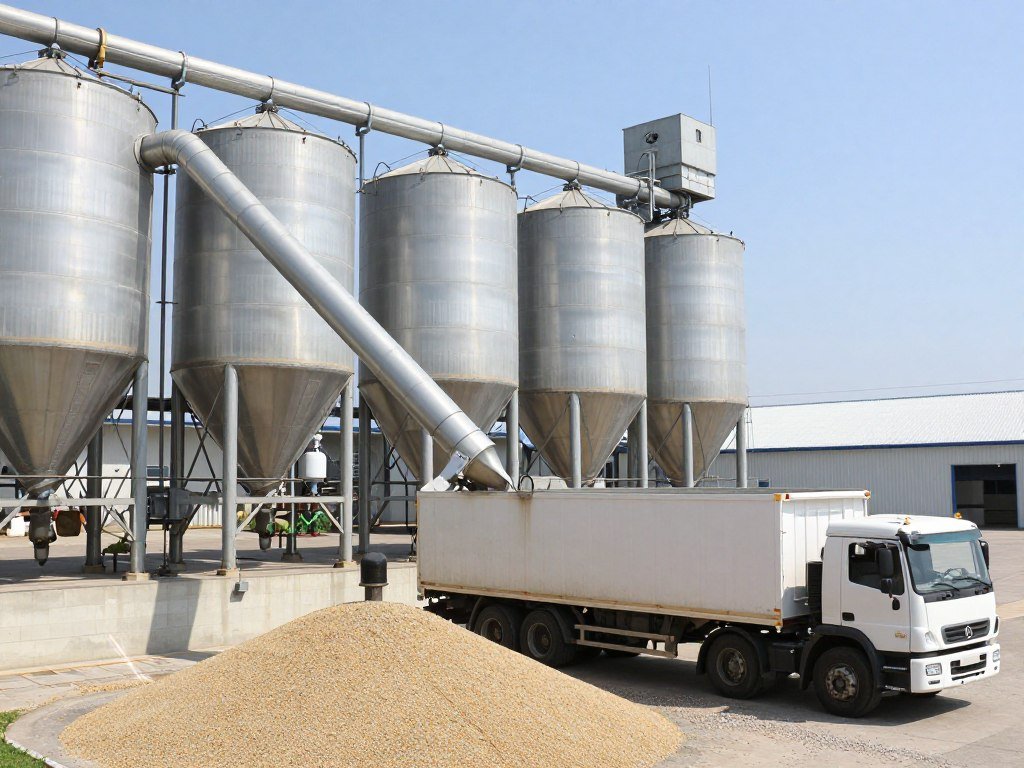
Receiving equipment handles incoming raw materials efficiently. Truck unloading systems employ pneumatic or mechanical conveyors depending on ingredient characteristics. Dust collection equipment protects air quality during material transfer. Weighbridges provide accurate delivery verification for inventory management.
Storage silos protect ingredients from weather and pests whilst maintaining quality. Galvanized steel construction resists corrosion in humid environments. Aeration systems prevent moisture accumulation and hotspot formation. Level sensors monitor inventory automatically alerting operators when reordering becomes necessary.
Cleaning and Screening Systems
Pre-cleaning equipment removes contaminants before processing begins. Vibrating screens separate oversized particles and foreign materials. Magnetic separators extract ferrous metal fragments protecting downstream equipment. Destoners remove rocks and heavy contaminants using air classification principles.
Ingredient cleaning reduces equipment wear and improves final product quality. Foreign materials can damage expensive pellet mills and extruders. Metal fragments present particular hazards potentially causing catastrophic equipment failure. Investment in proper cleaning equipment protects more expensive processing machinery downstream.
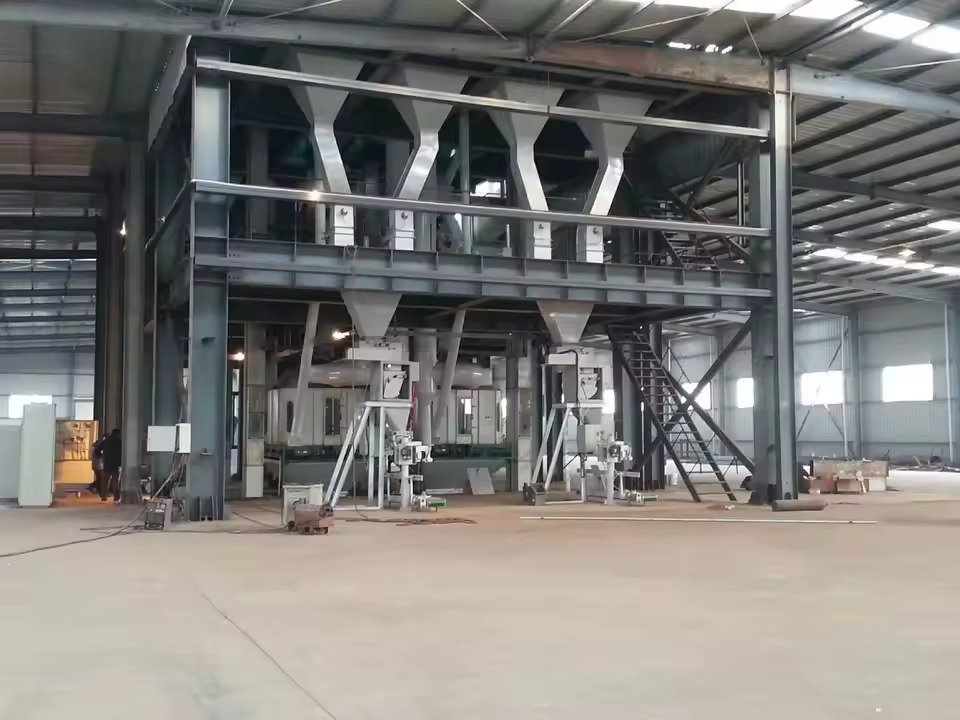
Hammer Mills and Crushers
Hammer mills reduce particle size to specifications required for effective mixing and pelleting. Capacity ranges from 3-25 tonnes/hour matching various production scales. Interchangeable screens allow particle size adjustment from 0.5mm to 3mm diameter.
Key specifications: Motor power 30-160kW, screen options 0.5-3mm, production capacity 3-25 T/H
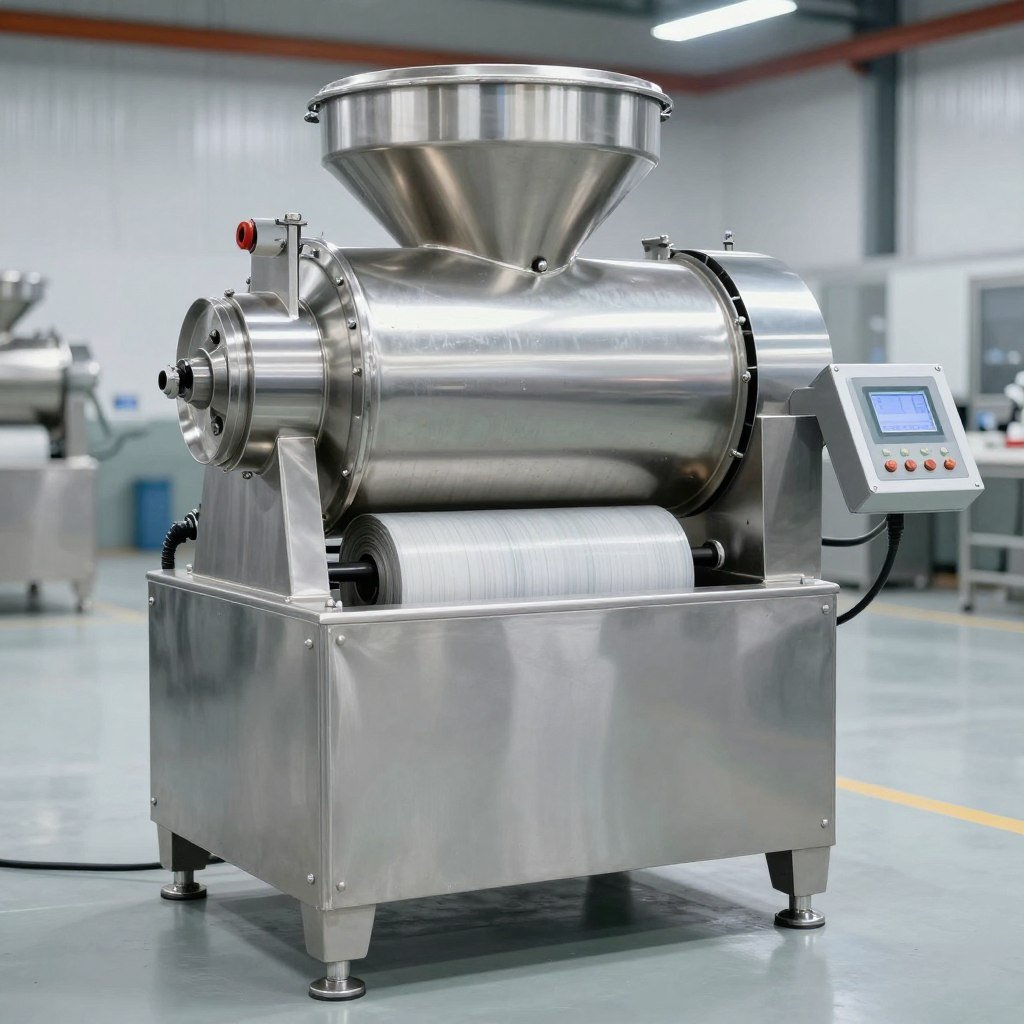
Mixing Equipment
Batch mixers ensure uniform ingredient distribution throughout each production cycle. Ribbon and paddle designs provide thorough blending in 3-8 minutes. Liquid addition systems inject oils and molasses during mixing without segregation issues.
Key specifications: Batch size 250-2000kg, mixing time 3-8 minutes, motor power 4-55kW
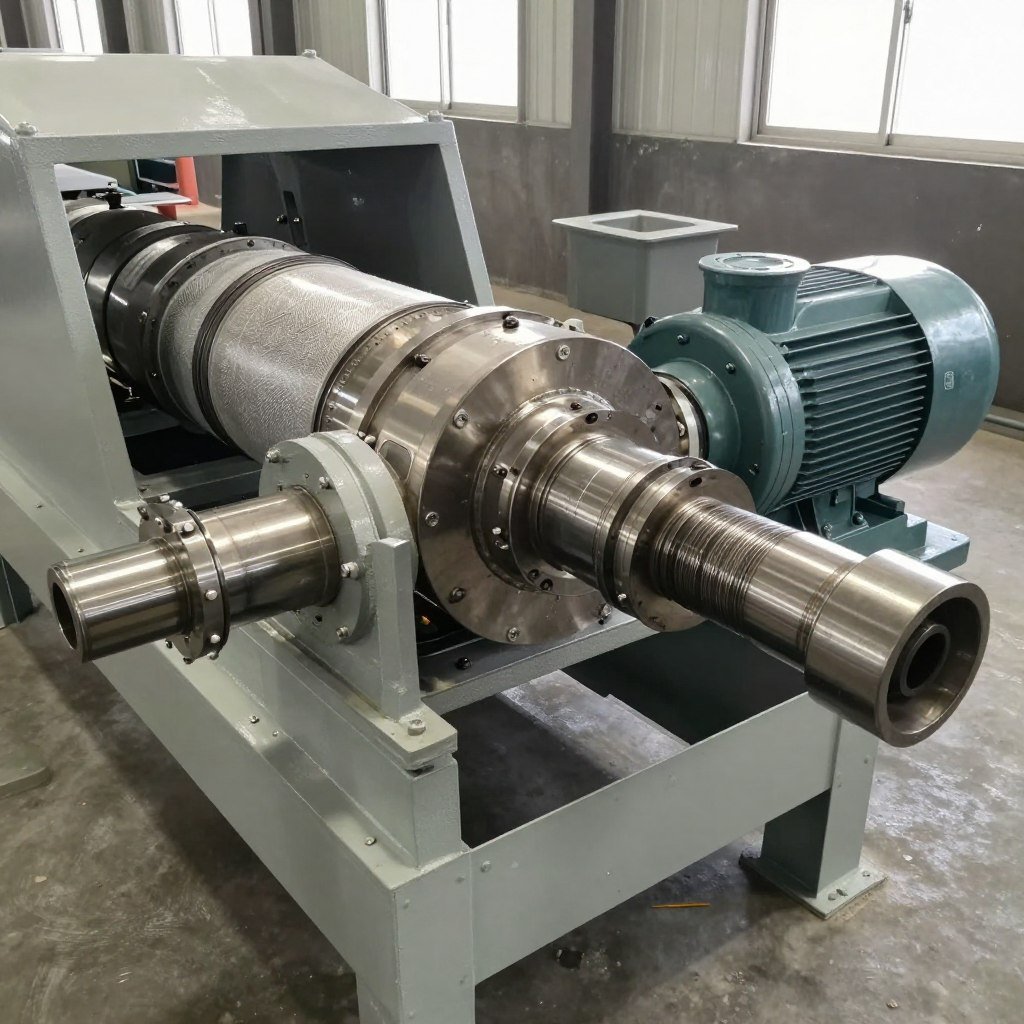
Extruders and Pellet Mills
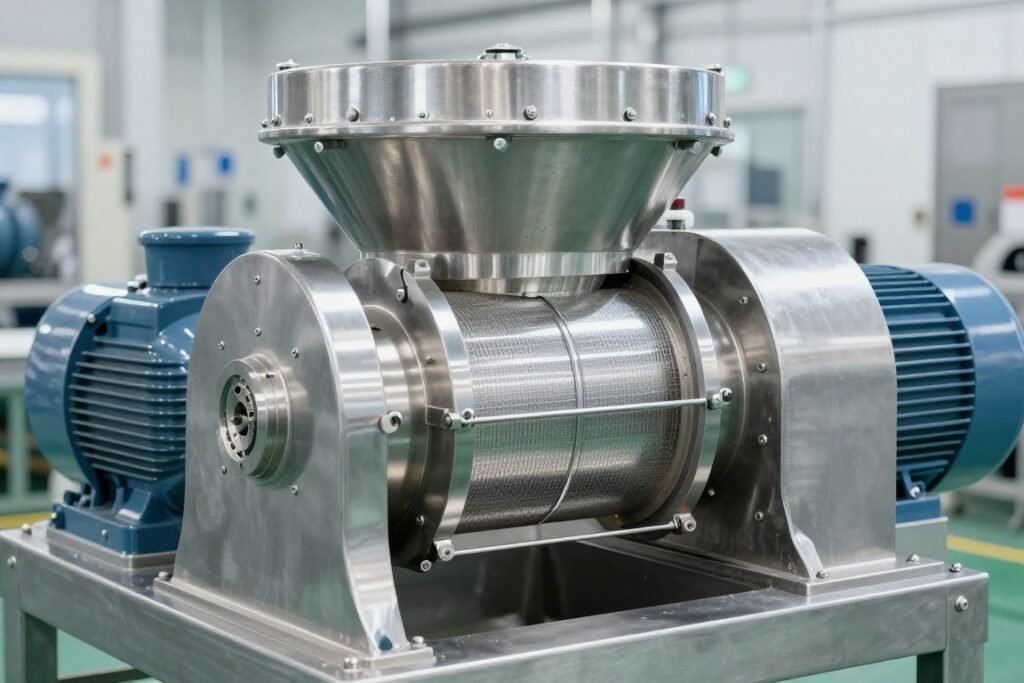
Twin-screw extruders create floating fish feed through high-temperature cooking and expansion. Ring die pellet mills produce traditional sinking pellets economically. Both technologies deliver consistent pellet quality meeting commercial specifications.
Key specifications: Capacity 1-42 T/H (pelleting) or 0.5-12 T/H (extrusion), motor power 22-315kW
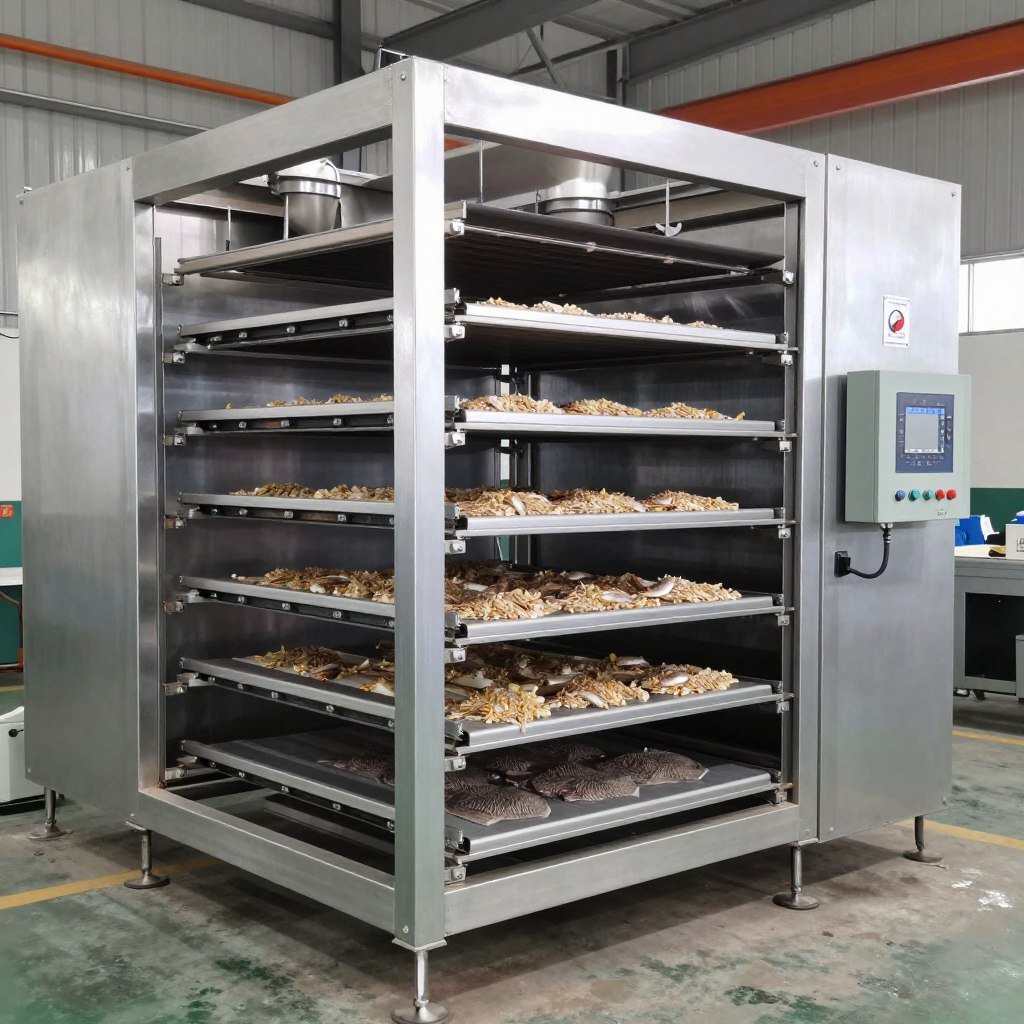
Drying Systems
Multi-pass dryers reduce pellet moisture to safe storage levels (10-12%). Hot air circulation removes moisture gently preserving nutritional quality. Energy recovery systems capture waste heat improving operational economy.
Key specifications: Capacity 1-12 T/H, drying time 15-25 minutes, final moisture 10-12%
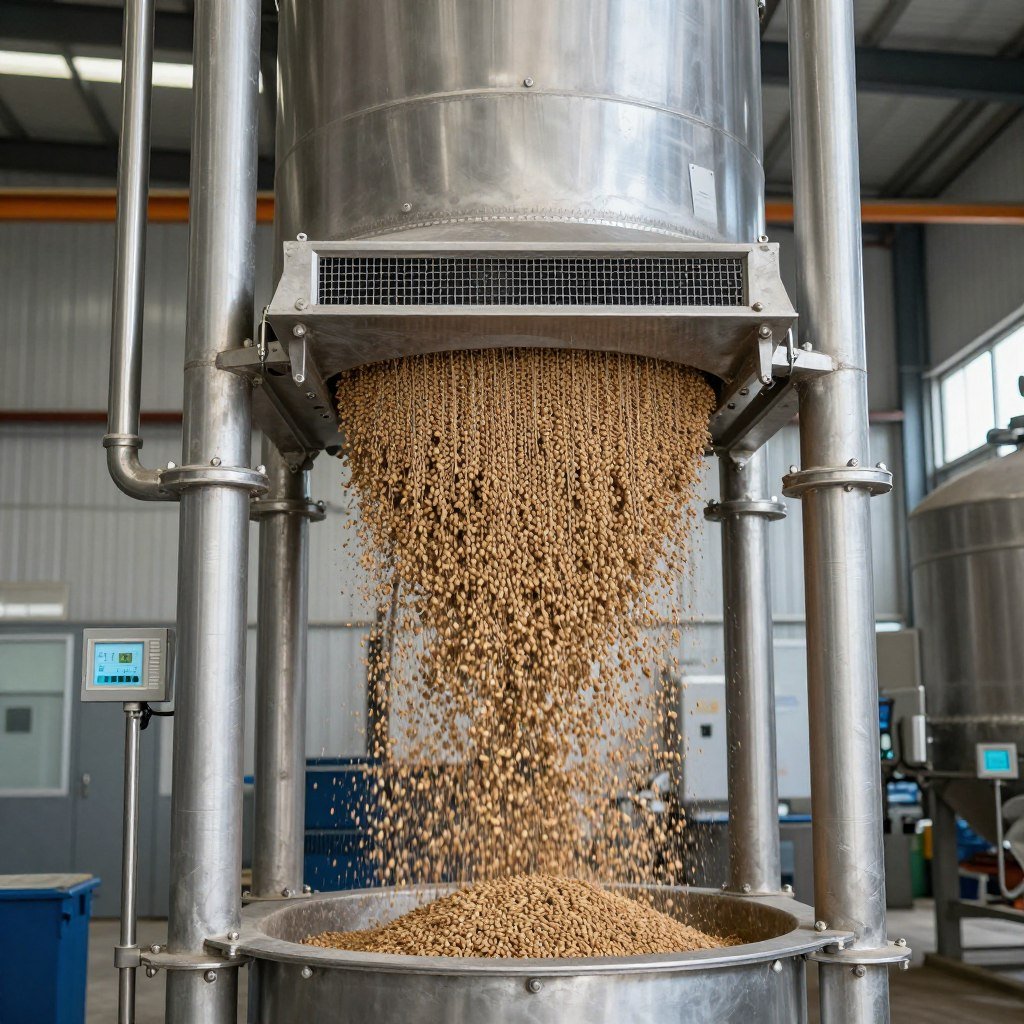
Cooling Equipment
Counterflow coolers reduce pellet temperature safely before packaging. Ambient air flows upward through descending pellets maximizing cooling efficiency. Automated controls maintain consistent exit temperatures regardless of ambient conditions.
Key specifications: Capacity 3-25 T/H, cooling time 8-12 minutes, exit temperature ambient +5-8°C
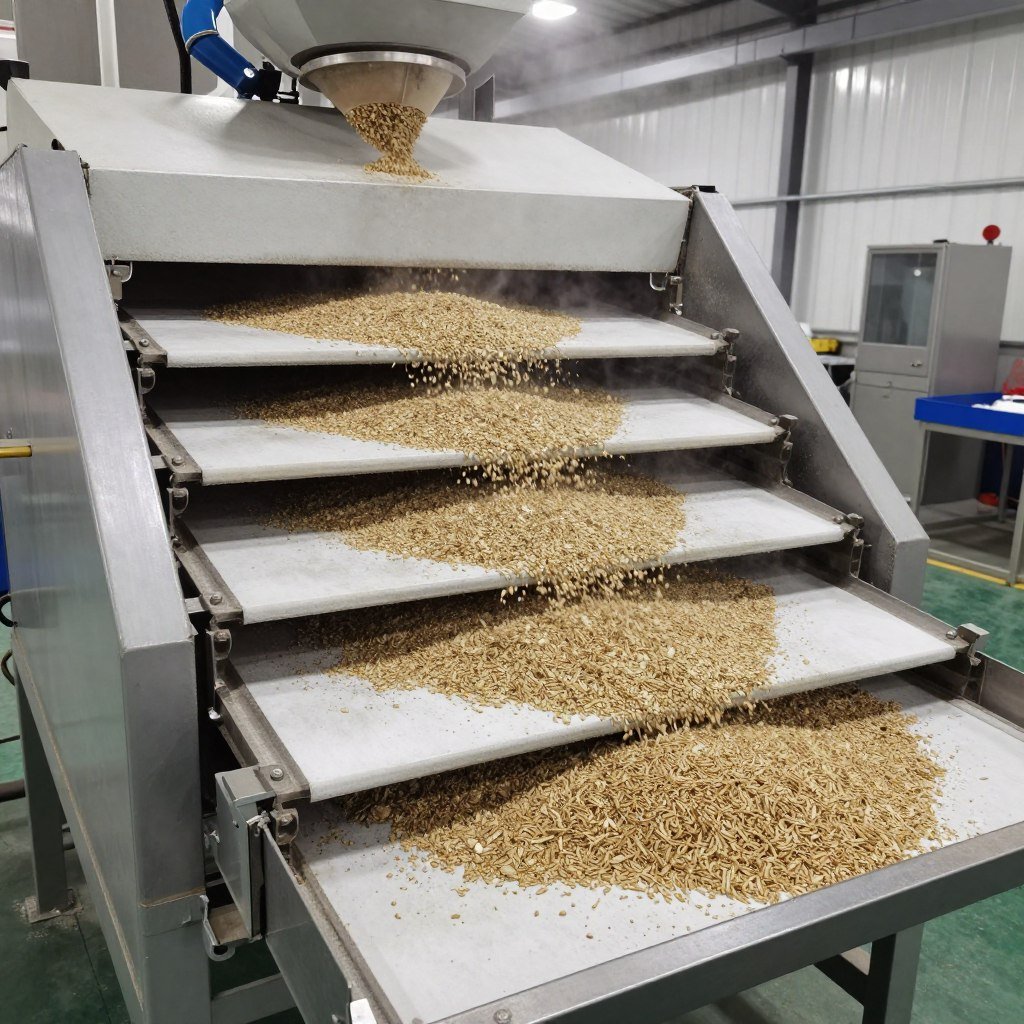
Screening and Sifting
Vibrating screens remove fines and oversized particles ensuring consistent pellet size distribution. Multi-deck designs sort products into multiple size grades simultaneously. Proper screening improves feeding efficiency and reduces waste.
Key specifications: Capacity 3-20 T/H, screening efficiency >95%, motor power 1.5-5.5kW
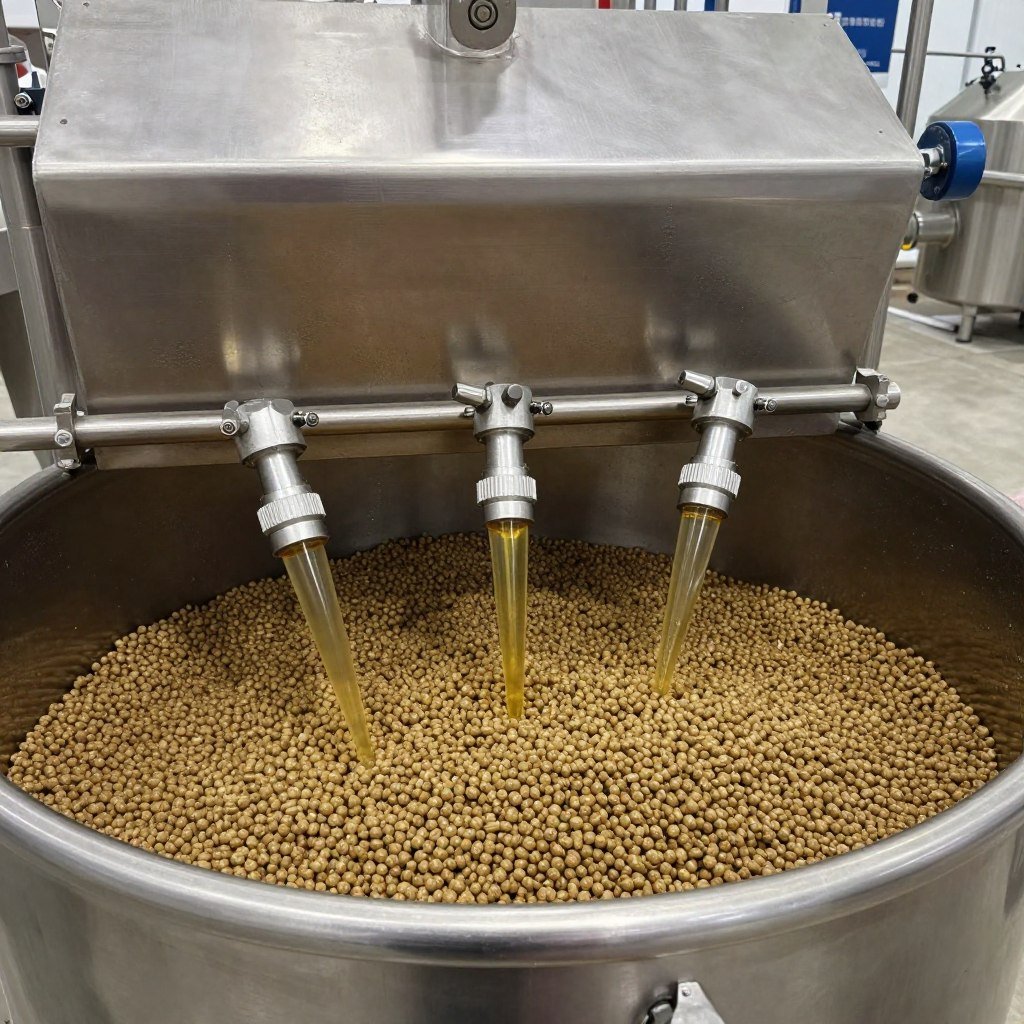
Coating Systems (Optional)
Post-pelleting coating applies oils and liquid ingredients uniformly to finished pellets. This process adds fats exceeding limits possible during pelleting itself. Vacuum coating systems prevent excess oil accumulation maintaining pellet quality.
Key specifications: Coating capacity matches line throughput, application rate 2-8% by weight
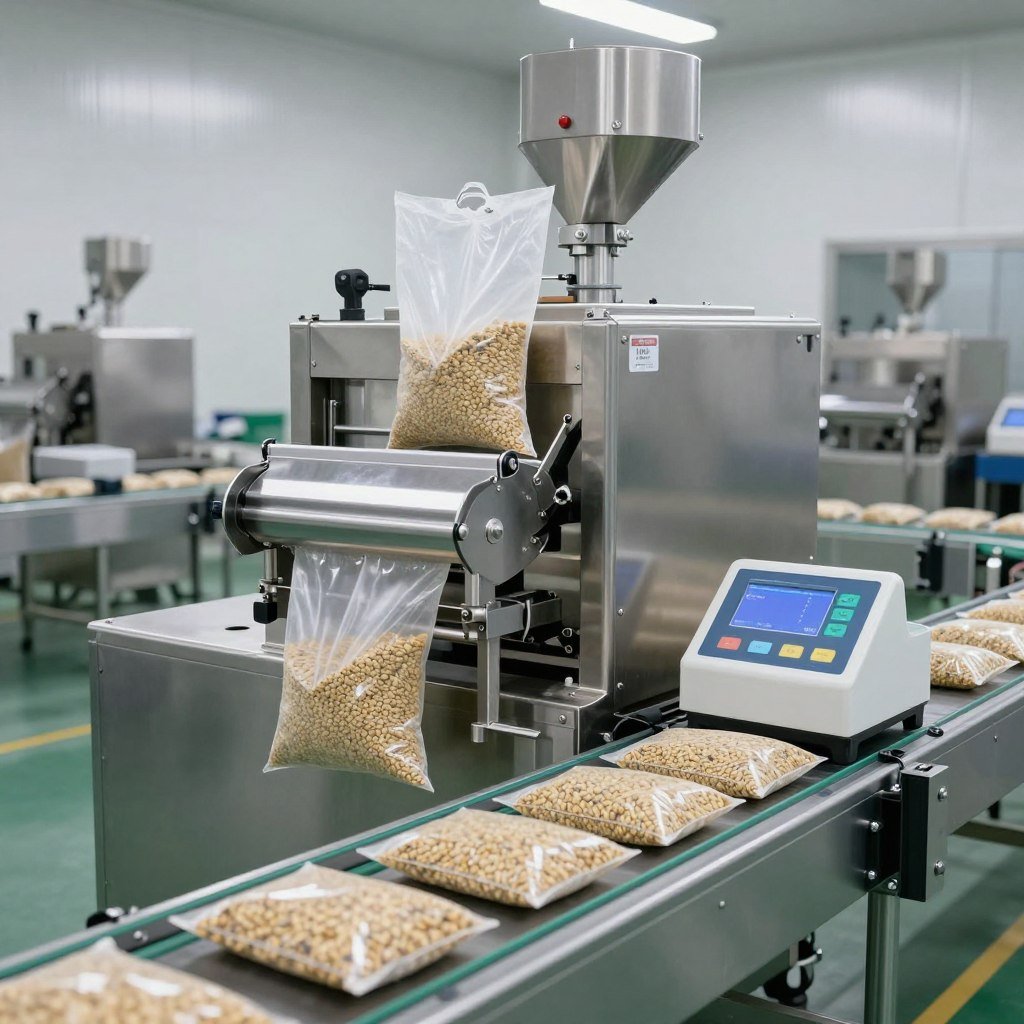
Packaging Equipment
Automated packing systems fill bags accurately at 6-12 bags per minute. Electronic scales ensure consistent pack weights meeting regulatory requirements. Bag sewing or heat sealing equipment provides secure closures.
Key specifications: Speed 6-12 bags/min, accuracy ±0.1%, motor power 1.1-5kW, bag sizes 10-50kg
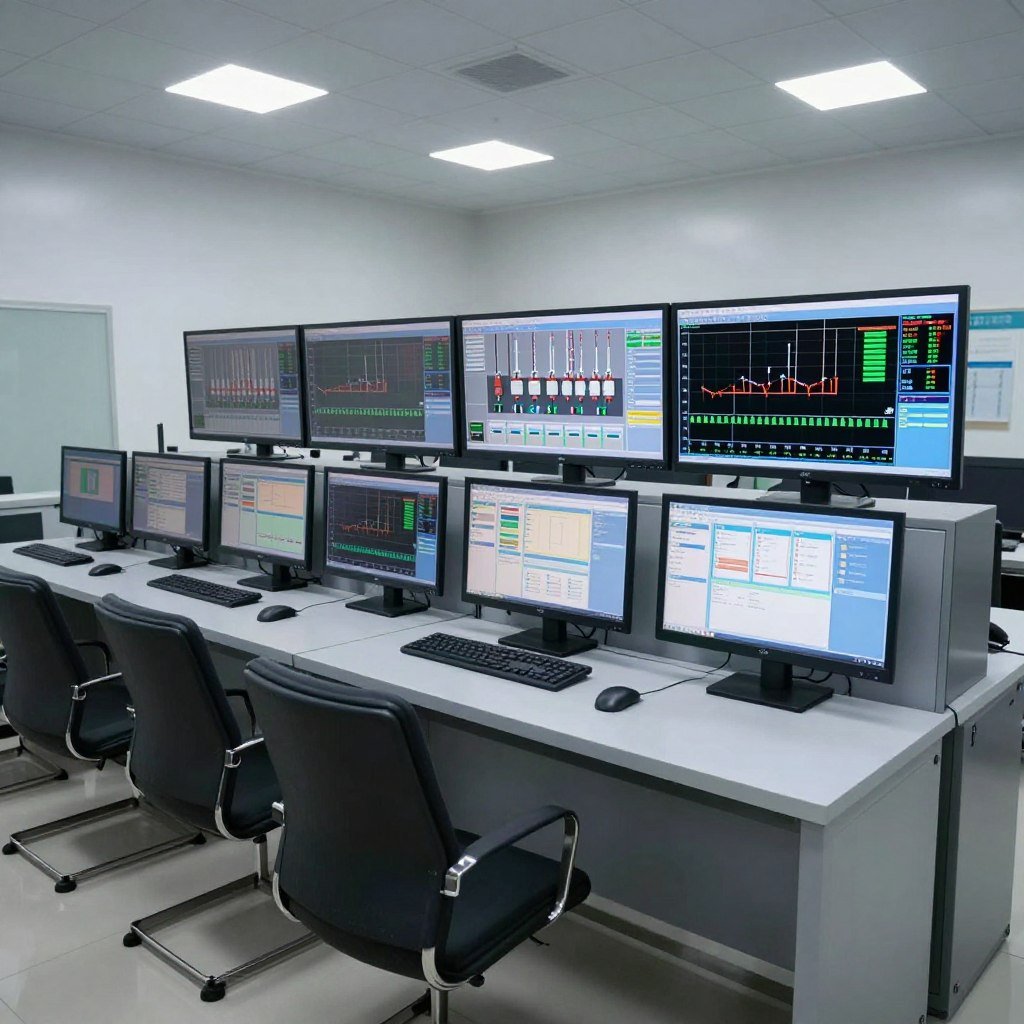
Control and Automation
PLC-based control systems manage entire production lines automatically. Touchscreen interfaces provide intuitive operation and monitoring. Data logging supports quality control and process optimization efforts.
Key specifications: Automated recipe management, real-time monitoring, production reporting, remote access capability
Supporting Equipment and Infrastructure
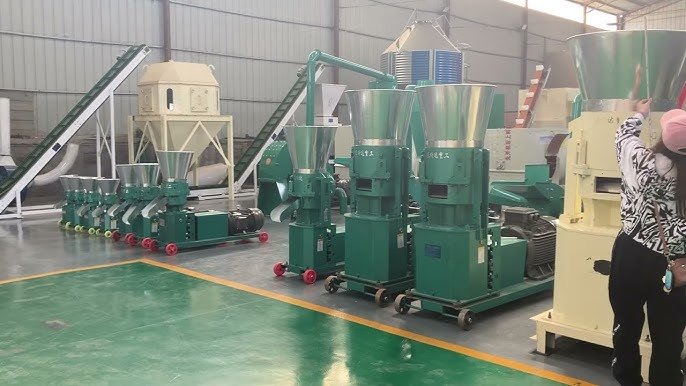
Complete fish feed mill line installations require additional supporting equipment beyond primary processing machines. Conveying systems transport materials between equipment. Dust collection systems protect air quality and recover valuable fines. Electrical distribution provides reliable power to all equipment.
Compressed air systems support pneumatic actuators and instruments throughout the facility. Maintenance workshops provide space for equipment service and spare parts storage. Laboratory facilities enable quality control testing on raw materials and finished products.
Download Complete Equipment Specifications & Technical Drawings
Access detailed technical specifications for the complete MAIKONG MK-L003 fish feed production line. Our specification package includes equipment dimensions, electrical requirements, capacity curves, spare parts lists, and installation guidelines. Perfect for feasibility studies, facility planning, and equipment comparison.
Fish Feed Formulation and Process Optimization for Different Species
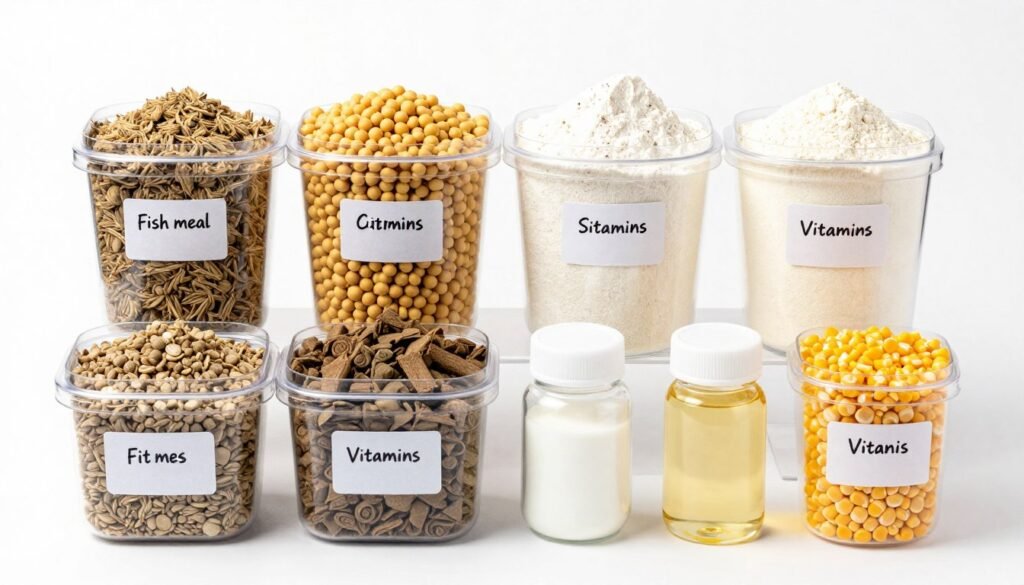
Successful fish feed production requires understanding species-specific nutritional requirements. Different fish types demand varying protein levels, fat content, and ingredient compositions. Your fish feed production line supplier must accommodate diverse formulations without compromising processing efficiency or product quality.
Protein Requirements Across Fish Species
Carnivorous fish require high protein formulations typically containing 40-50% crude protein. Salmon and trout feeds commonly reach 45% protein with significant fishmeal inclusion. Omnivorous species like tilapia and carp thrive on 28-35% protein levels. Herbivorous fish accept lower protein concentrations around 25-30%.
Protein source selection impacts both cost and fish performance. Fishmeal provides ideal amino acid profiles but costs significantly more than plant proteins. Soybean meal offers economical protein though requiring supplementation for optimal nutrition. Modern formulations balance multiple protein sources achieving target nutrition at competitive costs.
Lipid Content and Energy Density
Fat content provides concentrated energy whilst carrying essential fatty acids. Salmon feeds often contain 18-25% lipids supporting rapid growth in cold water. Warm-water species tolerate 8-12% fat levels without excessive deposition. Omega-3 fatty acids from fish oil improve flesh quality and market value.
High lipid formulations challenge processing equipment capabilities. Excessive oil causes die blockages during pelleting. It also softens pellets reducing water stability. Post-pelleting coating adds supplementary oil after pellet formation avoiding these processing difficulties.
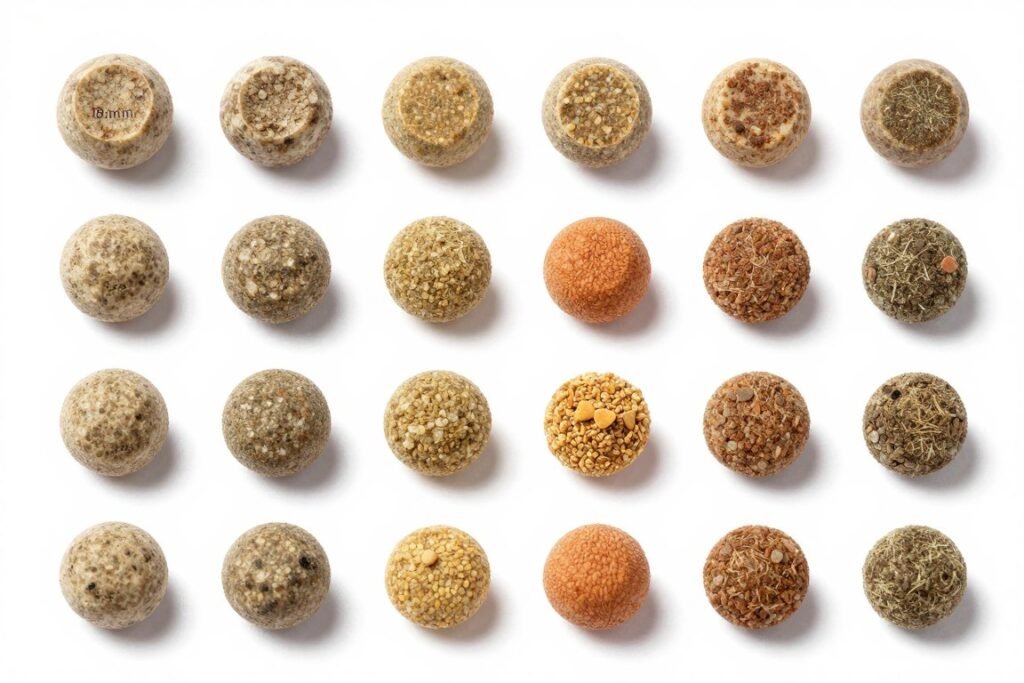
Pellet Size Selection for Growth Stages
Fish size determines appropriate pellet dimensions. Larval fish require crumbled feed under 0.5mm diameter. Fry stages accept 1-2mm pellets. Fingerlings consume 2-4mm sizes efficiently. Adult fish handle 4-8mm pellets depending on species and target weight.
Matching pellet size to fish mouth dimensions optimizes feed consumption and minimizes waste. Oversized pellets force fish to expend energy breaking them down. Undersized feed passes through larger fish without adequate consumption. Size-appropriate feed maximizes growth rates whilst reducing feed conversion ratios.
Water Stability and Pellet Durability Requirements
Extended water stability reduces feed waste and maintains water quality. Floating pellets should remain intact for 8-12 hours allowing extended feeding opportunities. Sinking pellets require 2-4 hours stability reaching bottom-feeding fish before disintegration begins.
Pellet hardness affects handling durability during transport and storage. Excessively soft pellets create dust reducing feeding efficiency. Overly hard pellets may resist fish consumption particularly for smaller species. Modern shrimp feed pellet production line technology provides precise hardness control matching target specifications.
| Fish Species | Protein Content | Fat Content | Pellet Size Range | Water Stability Required |
| Salmon | 42-48% | 18-25% | 3-9mm | 10-12 hours (floating) |
| Trout | 40-45% | 15-20% | 2-8mm | 8-10 hours (floating) |
| Tilapia | 28-35% | 5-8% | 2-6mm | 8-10 hours (floating) |
| Catfish | 28-32% | 4-8% | 3-8mm | 3-4 hours (sinking) |
| Carp | 25-32% | 5-8% | 3-8mm | 2-4 hours (sinking) |
| Sea Bass | 42-46% | 16-20% | 3-9mm | 8-12 hours (floating) |
Processing Parameters for Optimal Product Quality
Feed formulation and processing parameters interact affecting final product characteristics. High-starch formulations gelatinize more completely improving binding and water stability. Increased conditioning temperature enhances starch cooking but may damage heat-sensitive nutrients. Extrusion pressure affects expansion ratio determining pellet density and floating properties.
Each formulation requires parameter optimization through systematic testing. Laboratory extruders and pilot production runs identify ideal processing conditions. These parameters transfer to full-scale production equipment ensuring consistent commercial output quality.
Installation, Commissioning and Technical Training Services
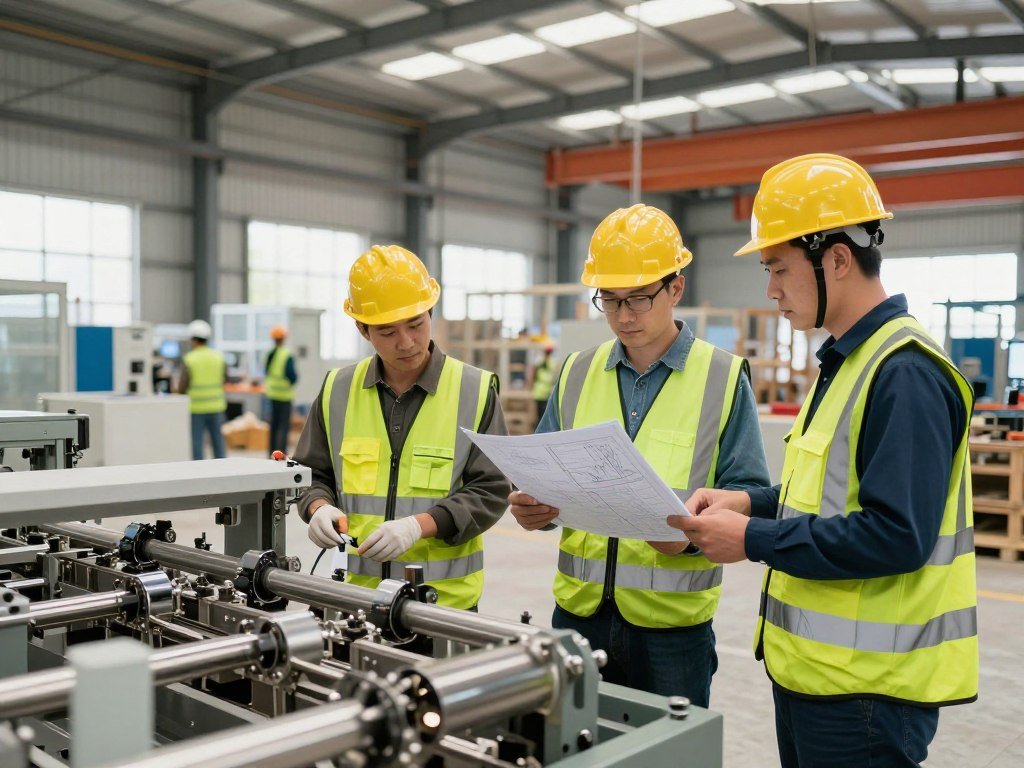
Successful project implementation extends beyond equipment delivery. Proper installation ensures equipment operates to specifications. Comprehensive training enables your team to operate and maintain the system effectively. Ongoing technical support maximizes long-term productivity and equipment lifespan.
Project Planning and Site Preparation
Detailed planning begins months before equipment arrives. Facility layout design optimizes material flow and operational efficiency. Civil engineering plans specify foundations supporting equipment loads. Electrical infrastructure provides adequate power capacity and distribution. Plumbing systems supply process water and drainage requirements.
Site preparation readiness directly impacts installation timeline. Completed foundations allow immediate equipment positioning. Pre-installed electrical services enable rapid system commissioning. Adequate storage space protects equipment from weather during installation. Thorough preparation reduces on-site installation time significantly.
Equipment Installation Timeline
Installation duration varies with system complexity and capacity. Small production lines (1-2 tonnes/hour) typically require 2-3 weeks for complete installation. Medium systems (5-10 tonnes/hour) need 4-6 weeks including mechanical and electrical work. Large industrial installations may extend 8-12 weeks for multiple production lines.
MAIKONG dispatches experienced installation engineers to customer sites worldwide. Our team supervises local contractors ensuring work meets specifications. We provide detailed installation drawings and procedures guiding the process. Regular progress reports keep project stakeholders informed throughout installation.
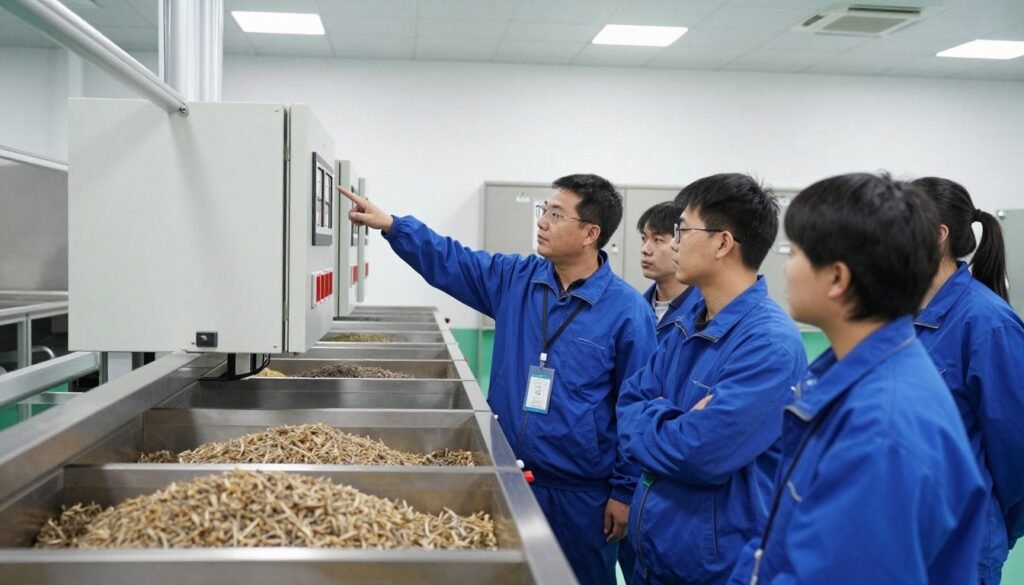
Operator Training and Knowledge Transfer
Comprehensive operator training ensures your team maximizes equipment capabilities. Our programmes cover equipment operation, process control, quality management, and routine maintenance procedures. Training combines classroom instruction with hands-on practice during commissioning.
Standard training programmes last 5-10 days depending on system complexity. Topics include startup and shutdown procedures, recipe management, troubleshooting common issues, and preventive maintenance schedules. Operators gain confidence through supervised production runs making actual products.
Maintenance Training and Spare Parts Management
Maintenance training enables your technical staff to service equipment independently. We provide detailed maintenance manuals documenting all procedures. Critical wear parts identification helps plan replacement schedules preventing unexpected downtime. Proper maintenance extends equipment service life reducing long-term operating costs.
Recommended spare parts packages ensure components availability when needed. Fast-moving wear items like hammer mill screens and pellet mill dies require regular replacement. Motor bearings, seals, and electrical components warrant stocking for rapid replacement. MAIKONG maintains comprehensive spare parts inventory supporting quick delivery worldwide.
Technical Support Services
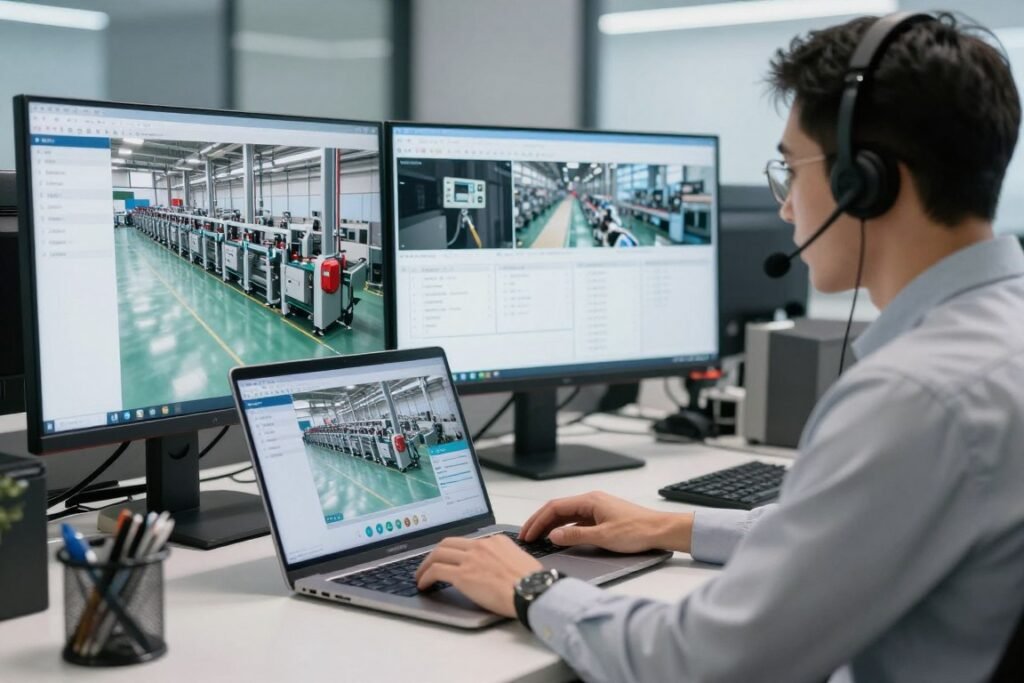
- 24/7 telephone and email technical assistance
- WhatsApp support for immediate troubleshooting guidance
- Remote system diagnostics and parameter optimization
- Annual preventive maintenance inspection programmes
- Equipment upgrade and modernization services
- Process optimization consultation improving efficiency
- Spare parts supply with expedited shipping options
- On-site technical visits when required
Performance Guarantees and Commissioning
System commissioning proves equipment meets contractual specifications. Performance tests verify capacity, product quality, and energy consumption targets. We conduct these tests using customer-supplied raw materials producing actual commercial products.
Typical performance guarantees include production capacity within ±5% of rated output, pellet quality meeting specified parameters, and energy consumption not exceeding stated limits. Successful commissioning confirms system readiness for independent customer operation.
Successful Fish Feed Production Line Projects Across Europe and UK
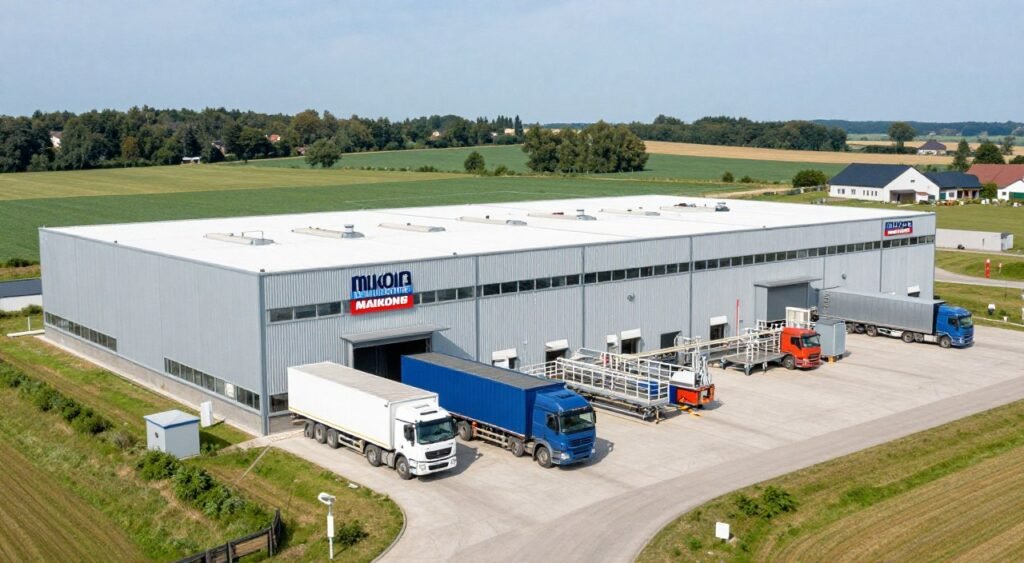
Real-world project experience demonstrates manufacturer capability and reliability. MAIKONG has successfully installed fish feed production lines across Europe supporting diverse aquaculture operations. These case studies illustrate practical applications of our technology in challenging commercial environments.
UK Trout Farm Feed Mill – Scotland
A leading Scottish trout producer required on-site feed production capability serving 200 tonnes annual fish production. Their existing feed costs consumed 65% of production expenses. Project goals included cost reduction, improved feed freshness, and custom formulation flexibility.
MAIKONG installed a 2-tonne per hour floating feed extrusion line in 2021. The system processes locally sourced ingredients including fishmeal, wheat, and rapeseed meal. Twin-screw extrusion produces 3-5mm floating pellets with 12-hour water stability. Annual production reaches 350 tonnes supporting farm expansion plans.
Project Results and Benefits
Feed costs decreased 28% through bulk ingredient purchasing and elimination of delivered feed margins. Production flexibility allows immediate formulation adjustments responding to seasonal nutritional requirements. Feed freshness improved significantly with products used within weeks of manufacture versus months for commercial feeds.
The investment achieved payback in 2.8 years based solely on direct cost savings. Additional benefits include reduced transportation carbon footprint and greater biosecurity control. The farm now supplies neighbouring operations generating additional revenue streams.
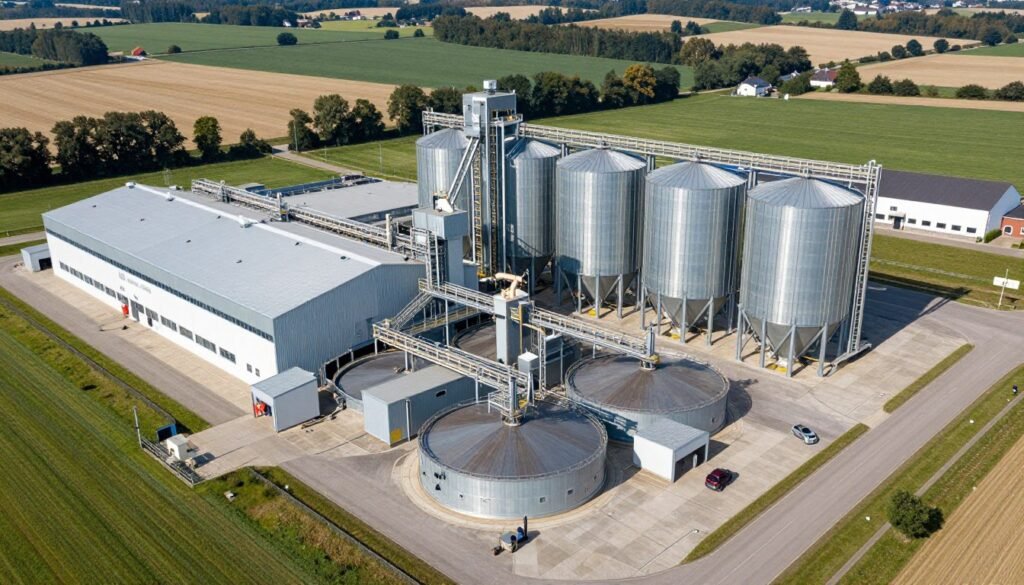
Commercial Feed Mill – Germany
A German feed manufacturer expanded into aquaculture feeds targeting the growing European sea bass and sea bream market. Their existing poultry feed equipment couldn’t produce floating fish feed meeting market specifications. They required high-capacity extrusion technology processing diverse formulations.
We supplied an 8-tonne per hour twin-screw extrusion system with multi-stage drying and coating capabilities. The installation integrated with existing ingredient handling and packaging infrastructure. Production began in early 2022 following 6-week installation and commissioning.
Technical Performance Achievements
The system consistently produces pellets meeting strict European quality standards. Water stability exceeds 10 hours across all product sizes (3-9mm diameter). Pellet expansion ratio remains stable at 2.8-3.2 regardless of formulation variations. Energy consumption averages 0.095 kWh per kilogram produced.
Product quality testing shows protein dispersion uniformity within ±2% throughout pellet cross-sections. This consistent quality enables premium pricing in competitive markets. The client now supplies major European aquaculture operations across five countries.
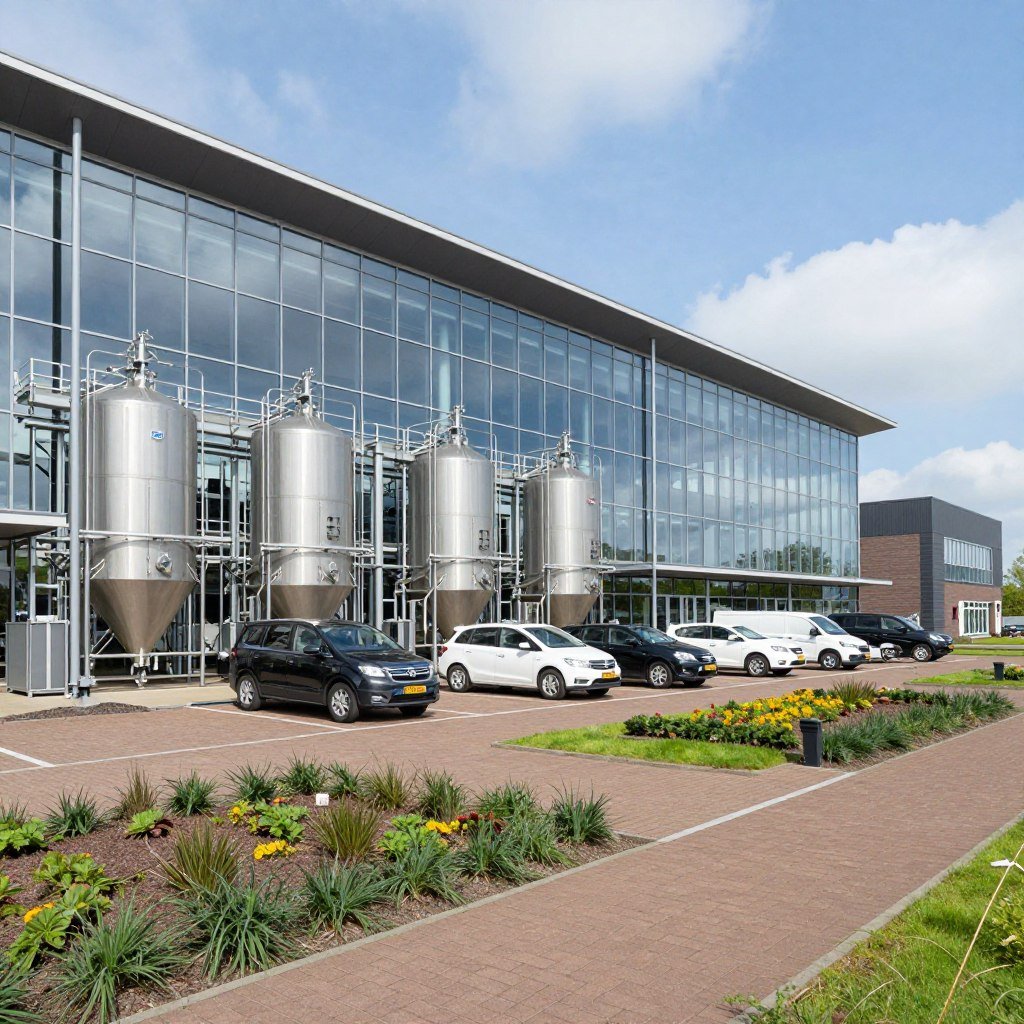
Netherlands Aquaculture Cooperative
Capacity: 3 tonnes/hour extruded feed
Application: Multi-species production (tilapia, catfish, carp)
Key Feature: Recipe management system handling 15+ formulations
Result: Reduced member feed costs by 22% whilst improving feed quality control
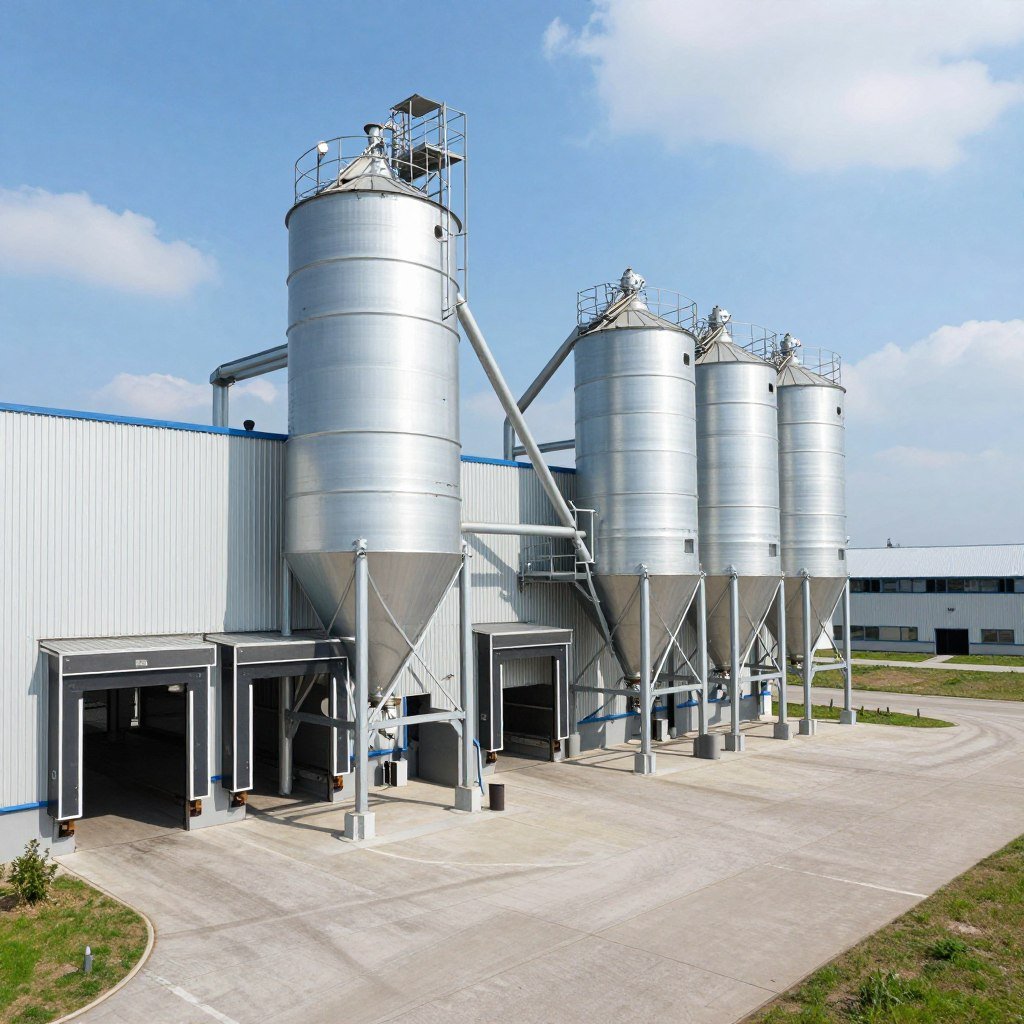
Belgium Feed Distributor
Capacity: 5 tonnes/hour pelleted sinking feed
Application: Carp and coarse fish feeds for European markets
Key Feature: Automated packaging with 10-25kg bag options
Result: Expanded product range capturing 18% additional market share regionally
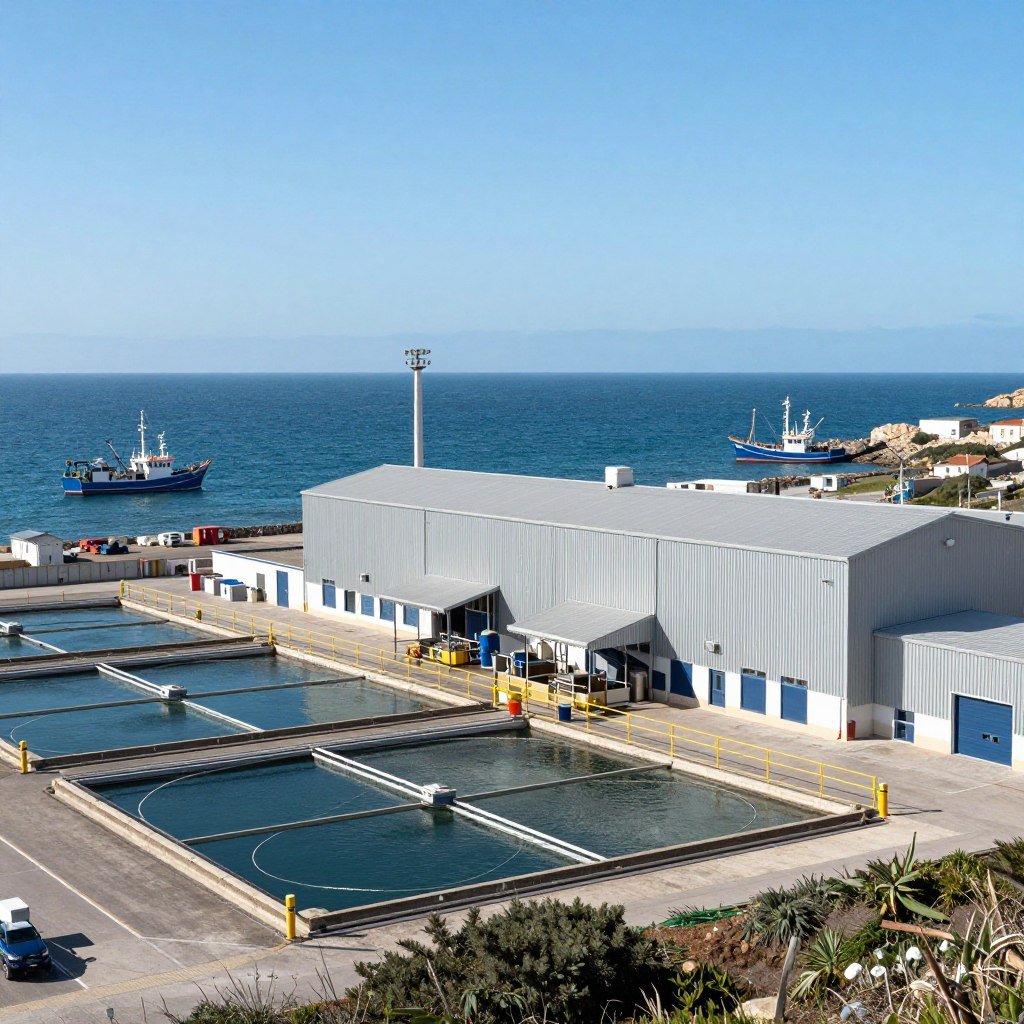
Portugal Sea Bass Producer
Capacity: 4 tonnes/hour floating marine feed
Application: High-protein sea bass and sea bream feeds
Key Feature: Vacuum coating system for oil addition up to 22%
Result: Achieved feed conversion ratio improvement of 8% versus commercial alternatives
Technical Support for European Operations
All European installations receive comprehensive local support ensuring long-term success. MAIKONG partners with regional service providers delivering rapid response to technical requirements. Spare parts warehousing in Germany provides 48-hour delivery across Western Europe. Annual maintenance inspections identify potential issues before they cause production disruptions.
Our European clients benefit from knowledge sharing through regular technical seminars and online forums. Process optimization support helps maximize equipment productivity as operations gain experience. Software updates deliver enhanced functionality and improved automation capabilities throughout equipment service life.
Join Leading European Aquaculture Operations Using MAIKONG Technology
Discover why fish farms and feed manufacturers across the UK, Germany, Netherlands, Belgium, Portugal, and throughout Europe trust MAIKONG for their fish feed production line requirements. Our proven technology delivers consistent quality, reliable performance, and comprehensive technical support. Whether you’re a fish farm seeking on-site production capability or a commercial feed mill expanding into aquaculture feeds, we provide complete solutions matching your specific requirements.
Addressing Common Concerns: Equipment Reliability and Operational Challenges
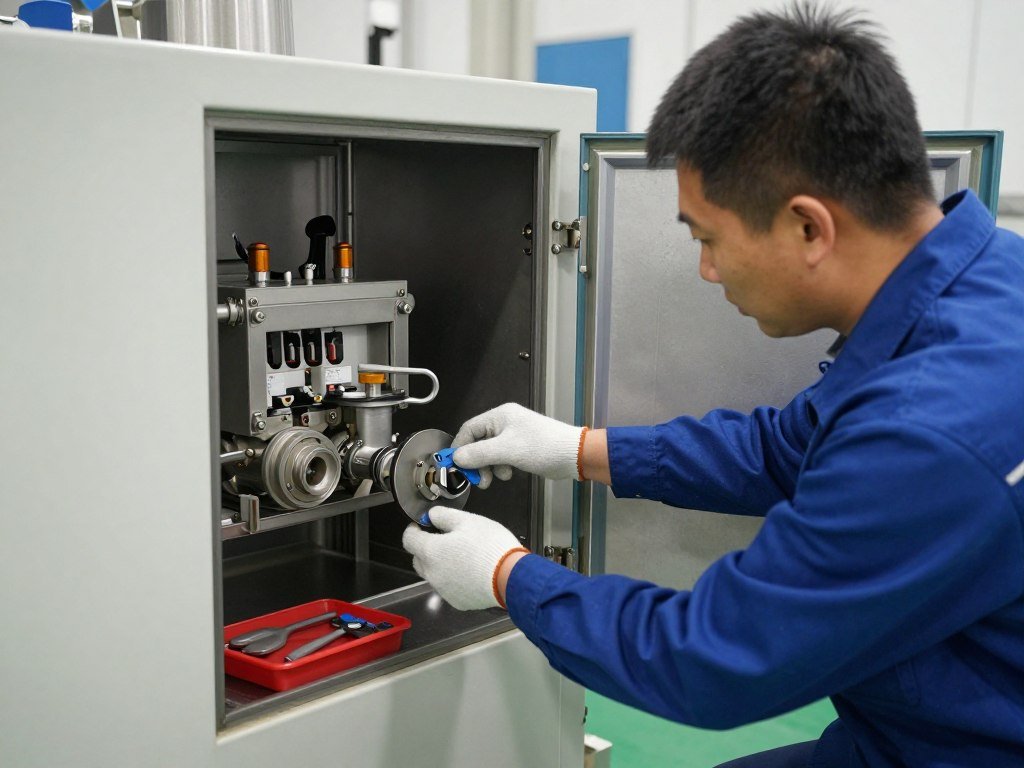
Prospective equipment buyers naturally harbour concerns about significant capital investments. Understanding common operational challenges and available solutions helps inform purchasing decisions. Experienced fish feed production line manufacturer partners anticipate these issues providing effective mitigation strategies.
Material Blockage and Flow Problems
Material flow interruptions frustrate operators and reduce productivity. Blockages commonly occur at transfer points between equipment. High-moisture ingredients may bridge in hoppers. Fines accumulation restricts passages gradually reducing throughput.
Prevention and Solutions
Proper hopper design incorporates steep angles preventing material bridging. Bin activators and vibrators assist flow of difficult materials. Regular inspection identifies accumulation before significant blockage develops. Some formulations benefit from flow agents improving handling characteristics.
Extruder and pellet mill blockages usually indicate incorrect processing parameters or equipment wear. Proper conditioning temperature and moisture prevents material from sticking in dies. Regular die replacement maintains adequate clearances. Startup and shutdown procedures following manufacturer recommendations minimize blockage incidents.

Pellet Quality Inconsistencies
Variable pellet quality damages customer relationships and reduces operational profitability. Excessive fines increase handling losses and reduce feeding efficiency. Poor water stability allows feed disintegration before fish consumption. Inconsistent pellet size affects feeding performance.
Quality Control Strategies
Systematic process monitoring identifies quality variations early enabling corrective action. Regular ingredient testing ensures raw material consistency meeting specifications. Proper equipment maintenance prevents performance degradation affecting product quality. Automated control systems maintain optimal processing parameters reducing operator-dependent variability.
Formulation adjustments may improve pellet quality without equipment changes. Binders like bentonite clay enhance pellet integrity. Proper starch levels ensure adequate binding during pelleting or extrusion. Moisture content optimization affects both processing efficiency and final quality.
Equipment Downtime and Maintenance Requirements
Unexpected equipment failures disrupt production schedules and increase costs. Bearing failures, motor burnouts, and control system issues cause frustrating downtime. Maintenance demands seem overwhelming for small operations with limited technical staff.
Maintenance Planning and Support
Preventive maintenance schedules based on manufacturer recommendations prevent most unexpected failures. Proper lubrication dramatically extends bearing and gear life. Regular inspection identifies developing problems before catastrophic failure occurs. Spare parts inventory enables rapid repairs minimizing downtime duration.
MAIKONG provides comprehensive maintenance documentation with every installation. Video tutorials demonstrate proper service procedures for critical components. Our technical support team assists with troubleshooting complex issues remotely. On-site service visits address problems exceeding local capabilities when necessary.
MAIKONG Equipment Advantages
- 22+ years manufacturing experience ensures proven reliability
- Modular design simplifies maintenance and component replacement
- Comprehensive spare parts programme supports rapid repairs
- 24/7 technical support via phone, email and WhatsApp
- Complete operator and maintenance training included
- Process automation reduces operator skill requirements
- Energy-efficient design minimizes operating costs
- Flexible capacity range (1-100 T/H) suits various scales
- OEM/ODM customization matches specific requirements
- Proven performance across 130+ countries worldwide
Investment Considerations
- Significant capital investment required (discuss financing options)
- Facility infrastructure preparation costs beyond equipment
- Learning curve during initial operation period
- Skilled operators and maintenance staff needed
- Raw material quality directly affects product consistency
- International shipping timeline 8-12 weeks typical
Spare Parts Availability and Delivery Times
Concerns about parts availability naturally arise when purchasing overseas equipment. Extended delivery times compound production losses from equipment failures. Uncertainty about parts compatibility creates additional anxiety.
MAIKONG Spare Parts Programme
We maintain comprehensive spare parts inventory supporting all equipment models. Common wear items ship within 24-48 hours to European destinations. Less frequently replaced components typically ship within 5-7 business days. Emergency air freight options address critical situations requiring fastest possible delivery.
Detailed parts catalogues with photographs and part numbers simplify ordering processes. Our technical team assists identifying correct components preventing order errors. We provide recommended spare parts lists during initial installation helping customers establish appropriate local inventory levels.
Investment Analysis: Costs, Financing and Return on Investment
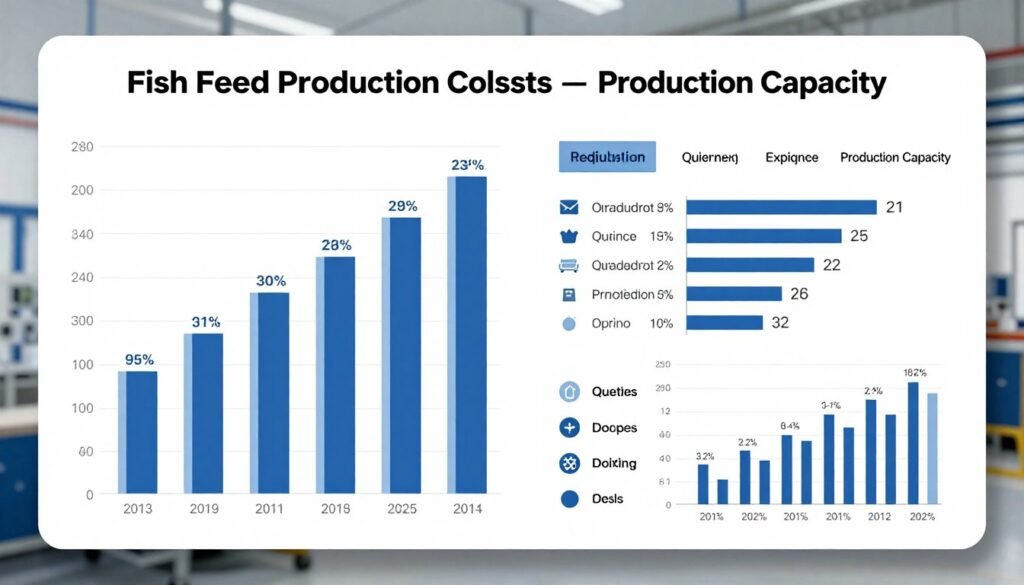
Understanding total investment requirements enables informed decision-making. Equipment purchase represents the largest single cost but additional expenses significantly impact project budgets. Realistic financial analysis includes all costs whilst projecting achievable returns based on market conditions.
Equipment Investment Requirements
Complete fish feed production line manufacturer systems range from £75,000 to £1,200,000 depending on capacity and configuration. Small lines (500-1000 kg/hour) typically cost £75,000-£150,000 for basic pelleting systems. Mid-range extrusion lines (3-5 tonnes/hour) require £250,000-£450,000 investment. Large industrial installations (10+ tonnes/hour) exceed £600,000 with sophisticated automation.
The MAIKONG MK-L003 production line pricing reflects your specific requirements. Capacity selection, processing technology (pelleting versus extrusion), automation level, and optional equipment all influence final costs. We provide detailed quotations itemizing all equipment components and services included.
Additional Project Costs Beyond Equipment
Facility construction or renovation adds significant expense beyond equipment purchase. Foundation and structural work typically costs 15-25% of equipment value. Electrical infrastructure installation requires 8-12% additional investment. Plumbing, compressed air systems, and other utilities add another 5-8%.
Equipment installation labour typically represents 10-15% of equipment costs. International shipping and customs clearance add 5-8% for European deliveries. Initial raw material inventory and testing supplies require budget allocation. Working capital maintains operations during the startup period before revenue generation begins.
| Cost Category | Small System (1 T/H) | Medium System (5 T/H) | Large System (15 T/H) |
| Equipment Package | £95,000 | £320,000 | £780,000 |
| Shipping & Customs | £6,500 | £22,000 | £58,000 |
| Installation Labour | £12,000 | £38,000 | £95,000 |
| Facility Preparation | £18,000 | £65,000 | £165,000 |
| Electrical Infrastructure | £9,500 | £35,000 | £88,000 |
| Initial Materials & Testing | £5,000 | £15,000 | £35,000 |
| Total Investment | £146,000 | £495,000 | £1,221,000 |
Operating Cost Considerations
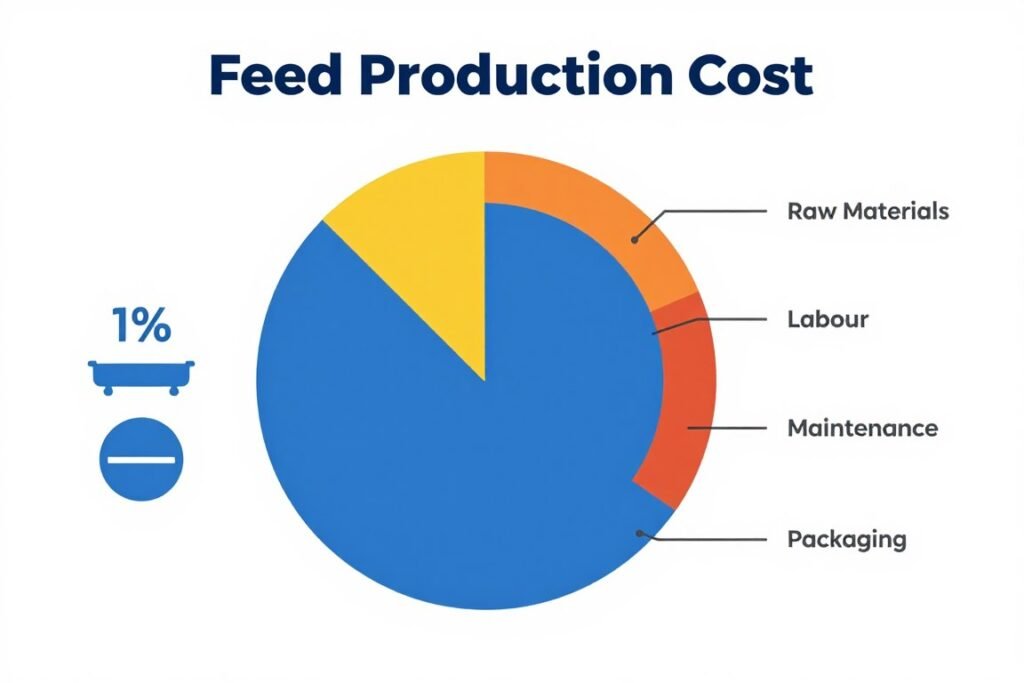
Understanding ongoing costs enables accurate profitability projections. Raw materials represent 65-75% of fish feed production costs. Energy consumption accounts for 8-12% of total operating expenses. Labour requirements vary with automation levels and production volumes.
Energy Consumption and Efficiency
Electrical energy costs vary significantly by processing technology. Traditional pelleting consumes 0.03-0.05 kWh per kilogram produced. Extrusion requires 0.08-0.12 kWh per kilogram for floating feed. Natural gas or diesel fuel for drying adds approximately 0.15-0.25 kWh thermal energy equivalent per kilogram.
Equipment efficiency directly impacts energy costs over equipment lifetime. MAIKONG designs incorporate energy-saving features reducing operating expenses. Variable frequency drives optimize motor operation. Heat recovery systems capture waste energy. These efficiency measures provide ongoing cost savings year after year.
Return on Investment Analysis
Investment payback periods typically range from 2.5 to 5 years depending on application and market conditions. On-farm feed production usually achieves fastest payback through direct cost savings. Commercial feed mills require longer periods but generate ongoing revenue streams.
Cost Savings for On-Farm Production
Fish farms purchasing commercial feed typically pay £800-£1,200 per tonne delivered. Raw ingredient costs for equivalent feed range from £450-£650 per tonne for similar quality. This £350-£550 per tonne saving drives rapid investment recovery. A farm consuming 500 tonnes annually saves £175,000-£275,000 yearly.
Additional benefits include improved feed freshness, custom formulation capability, and reduced supply chain vulnerability. These advantages provide value beyond simple cost calculations. Many operations find on-site production strategically important despite seemingly marginal financial returns.
Revenue Potential for Commercial Producers
Commercial feed mills generate revenue rather than cost savings. Wholesale fish feed pricing ranges from £750-£1,100 per tonne depending on quality and market positioning. Production costs including overhead typically total £550-£750 per tonne leaving £200-£350 gross margin.
Market development requires time and resources beyond production capability. Establishing customer relationships and building brand recognition consume 12-18 months typically. Realistic business plans account for this development period when projecting investment returns.
Request Customized Financial Analysis for Your Project
Every operation presents unique circumstances affecting investment requirements and potential returns. MAIKONG provides customized financial analysis incorporating your specific situation. We’ll project equipment costs, facility requirements, operating expenses, and achievable returns based on your market conditions. Our analysis helps secure financing and supports confident decision-making. Contact our team to discuss your project requirements and receive detailed financial projections.
Why MAIKONG: Manufacturing Excellence and Global Experience
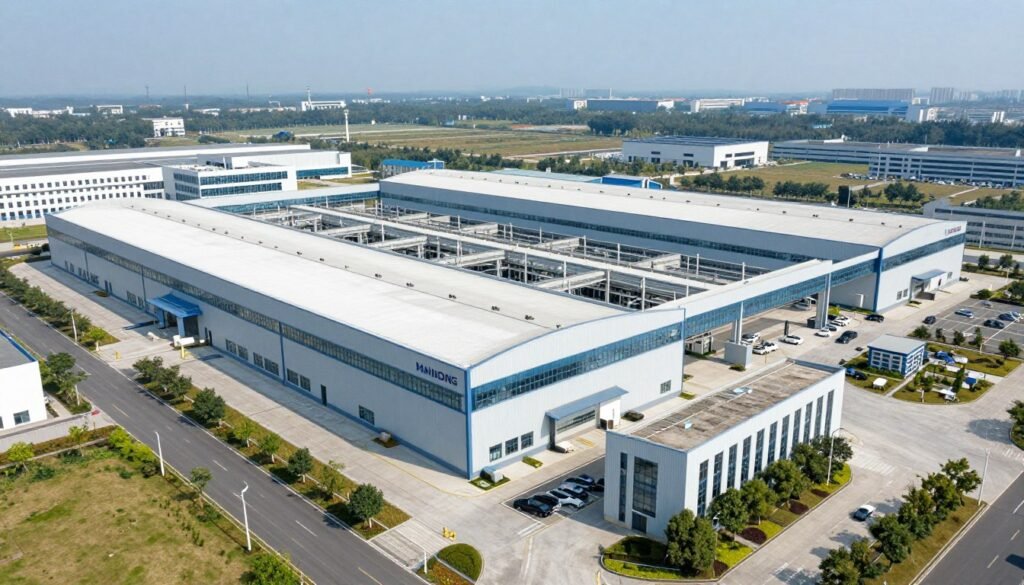
Selecting the right pellet production line manufacturer partner determines project success and long-term satisfaction. MAIKONG brings 22+ years specialized experience designing and manufacturing complete feed production systems. Our installations operate successfully across 130 countries supporting diverse applications from small farms to major industrial feed mills.
Manufacturing Capabilities and Quality Standards
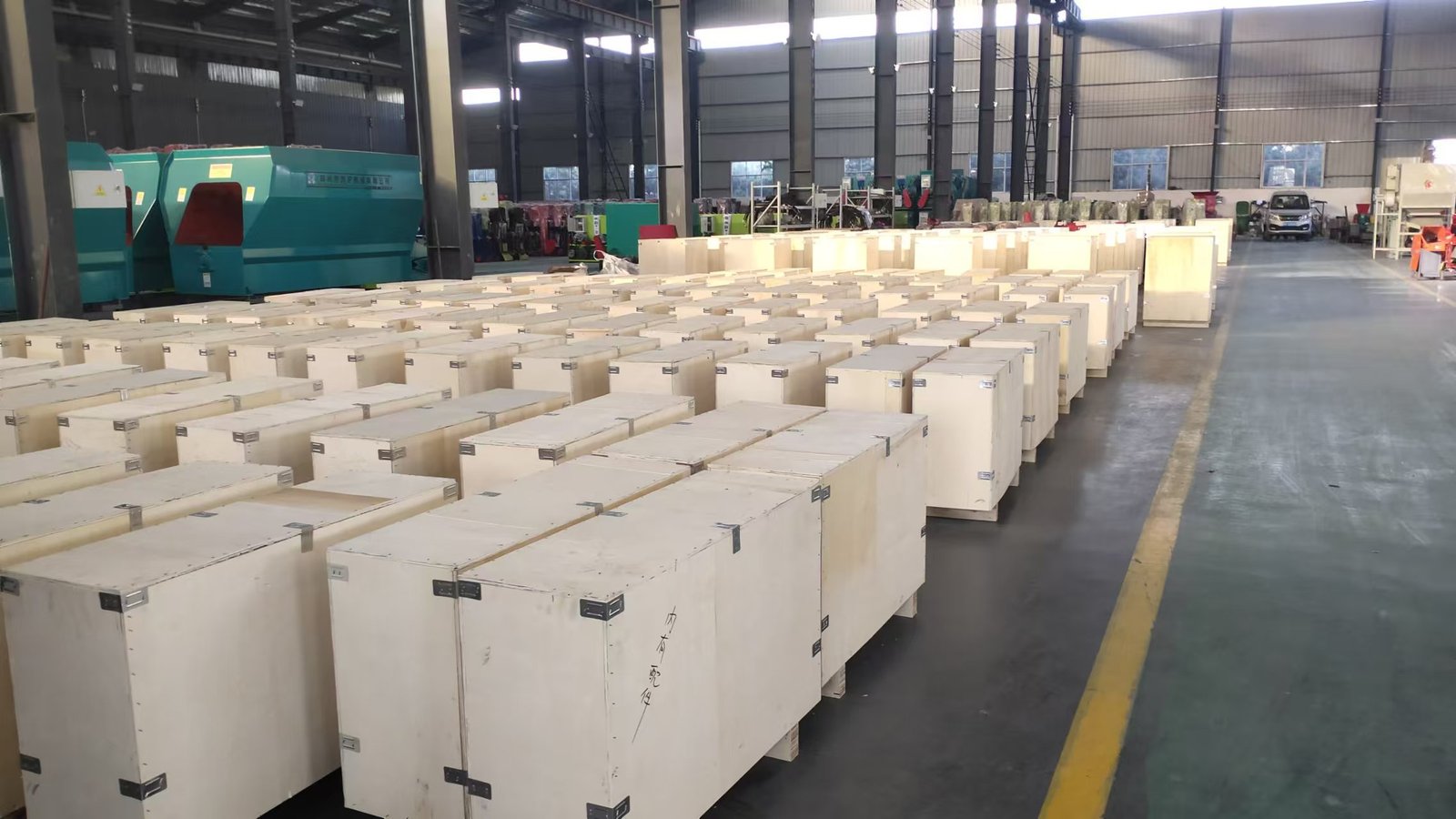
Our manufacturing facility in GD Province, SZ City encompasses 45,000 square metres equipped with advanced fabrication and assembly equipment. CNC machining centres produce precision components meeting strict tolerances. Robotic welding ensures consistent quality in structural fabrication. Comprehensive testing facilities verify equipment performance before shipment.
Quality management systems follow ISO 9001 standards ensuring consistent manufacturing excellence. Incoming material inspection verifies component quality from our supply chain. In-process quality checks catch potential issues early. Final testing confirms each system meets specifications before customer acceptance.
Engineering and Technical Expertise
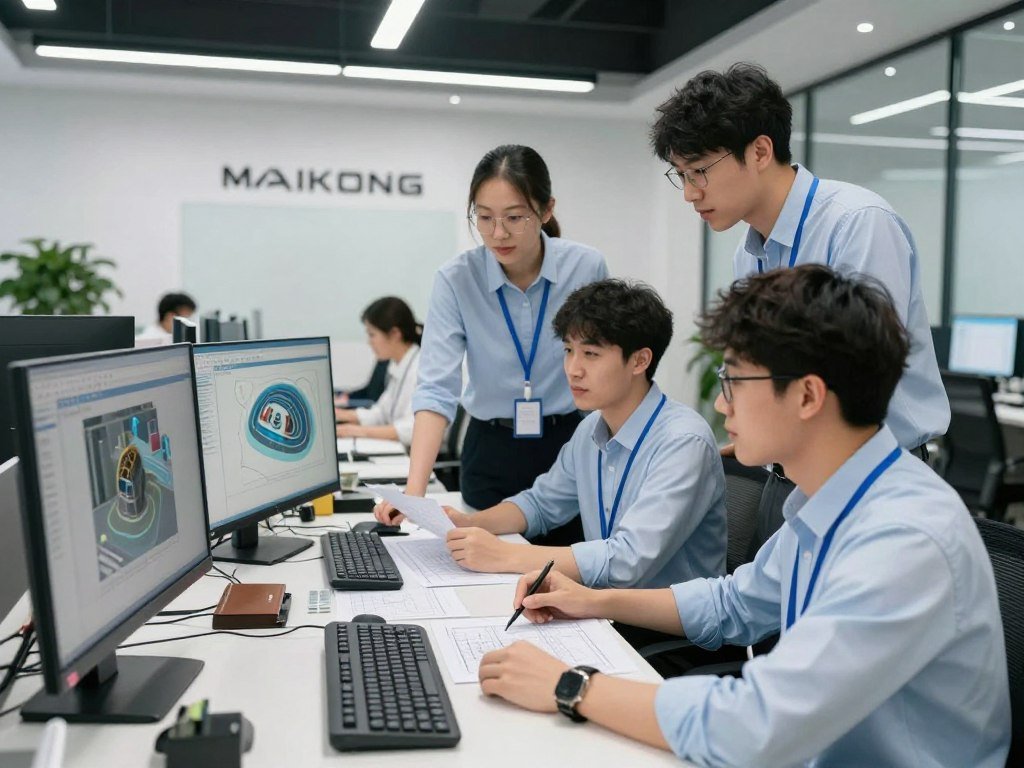
Our engineering team comprises 38 experienced specialists in mechanical design, process engineering, electrical systems, and automation. This expertise enables custom solutions matching unique customer requirements. We regularly assist with formulation development, process optimization, and troubleshooting complex production challenges.
Research and development efforts continuously improve our technology. We invest 5% of annual revenue in R&D activities. Partnerships with universities and research institutes keep us informed of latest developments. Customer feedback drives practical improvements addressing real operational needs.
Global Installation Experience
MAIKONG has successfully installed complete cattle feed pellet production line, chicken feed pellet production line, and aquatic feed systems across six continents. Our project experience spans diverse climates, facility configurations, and regulatory environments. This global perspective informs our designs ensuring reliable performance regardless of location.
European installations receive particular attention to regional standards and expectations. We understand CE marking requirements for equipment exported to European Union countries. Our designs accommodate three-phase power standards common throughout Europe. Metric dimensioning and European component standards simplify local maintenance and parts sourcing.
Manufacturing Strengths
MAIKONG manufacturing capabilities ensure consistent quality and reliable performance across all equipment.
- 45,000 m² modern production facility
- Advanced CNC machining and robotic welding
- ISO 9001 quality management certification
- Comprehensive pre-shipment testing programme
Engineering Excellence
Our technical team delivers innovative solutions matching your specific operational requirements precisely.
- 38 specialized engineers across multiple disciplines
- Custom design capabilities for unique applications
- Process optimization and troubleshooting support
- Ongoing R&D investment improving technology
Global Experience
Installations across 130 countries provide unmatched practical experience with diverse conditions.
- Successful projects across six continents
- Understanding of international standards and requirements
- Experience with various climates and facility types
- Proven performance in demanding applications
Customer Support
Comprehensive support services ensure long-term success and maximum equipment productivity throughout service life.
- 24/7 technical assistance via multiple channels
- Comprehensive spare parts programme with rapid delivery
- Annual maintenance inspection services available
- Process optimization consultation improving efficiency
OEM and ODM Customization Capabilities
MAIKONG welcomes OEM and ODM partnership opportunities with distributors and equipment dealers. We provide complete systems under your brand labelling. Custom colour schemes and logo placement create distinctive product identity. Modified designs accommodate specific market requirements or unique applications.
Our flexible manufacturing approach handles both standard products and custom engineered solutions. Minimum order quantities remain reasonable for most customization requests. Engineering support assists with specification development ensuring designs meet your requirements. Quality control maintains consistent standards regardless of customization extent.
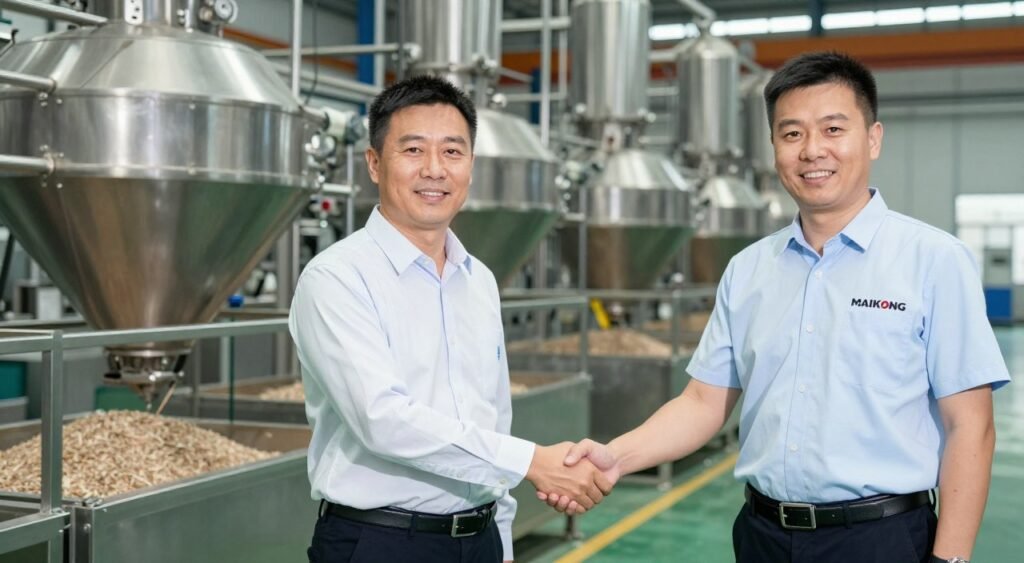
Distributor and Agent Opportunities in United Kingdom
MAIKONG actively seeks qualified distributors and agents throughout the United Kingdom and Ireland. We provide exclusive territory protection for committed partners. Comprehensive marketing support includes technical literature, product photography, and demonstration videos. Competitive pricing structures enable healthy margins whilst remaining price competitive.
Partner training programmes ensure your sales and technical staff thoroughly understand our equipment capabilities. We attend major trade exhibitions with partners showcasing equipment and generating leads. Joint customer visits provide technical expertise supporting complex sales situations. Our partnership approach focuses on mutual long-term success rather than transactional relationships.
Taking the Next Step: Starting Your Fish Feed Production Project
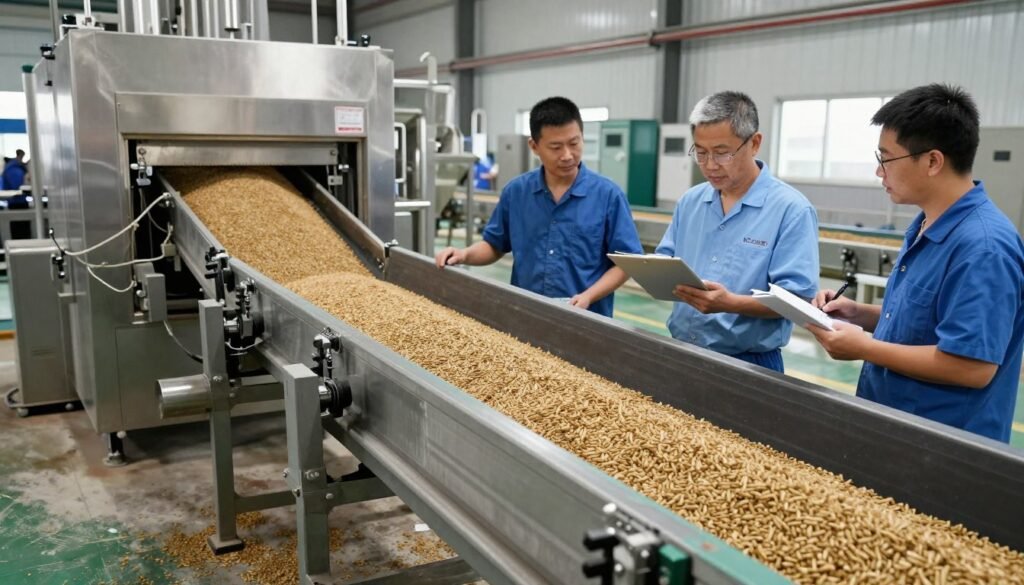
Implementing a fish feed production line represents a significant commitment requiring careful planning and preparation. However, the benefits of improved feed quality, reduced costs, and operational independence justify the investment for many operations. Understanding the complete process from initial inquiry through operational startup helps ensure successful project outcomes.
Initial Consultation and Requirements Assessment
Your project begins with comprehensive discussion of your specific requirements. We need to understand your production capacity targets, product specifications, raw material availability, and facility constraints. This information enables accurate equipment recommendations matching your situation precisely.
MAIKONG provides detailed technical proposals addressing all aspects of your project. Equipment lists specify capacities, power requirements, and dimensions for each component. Process flow diagrams illustrate material movement throughout the system. Preliminary layouts show equipment arrangement within your facility.
Technical Specifications and Customization
Standard equipment configurations satisfy most applications. However, unique requirements may necessitate custom engineering. We accommodate special voltage requirements (208V, 380V, 415V, 480V three-phase systems common globally). Modified equipment dimensions fit within existing buildings. Special materials address corrosive ingredients or washdown requirements.
Formulation consultation helps optimize your feed recipes for processing equipment capabilities. Our process engineers provide guidance balancing nutritional targets with practical manufacturing constraints. This collaborative approach ensures both excellent feed quality and efficient production.
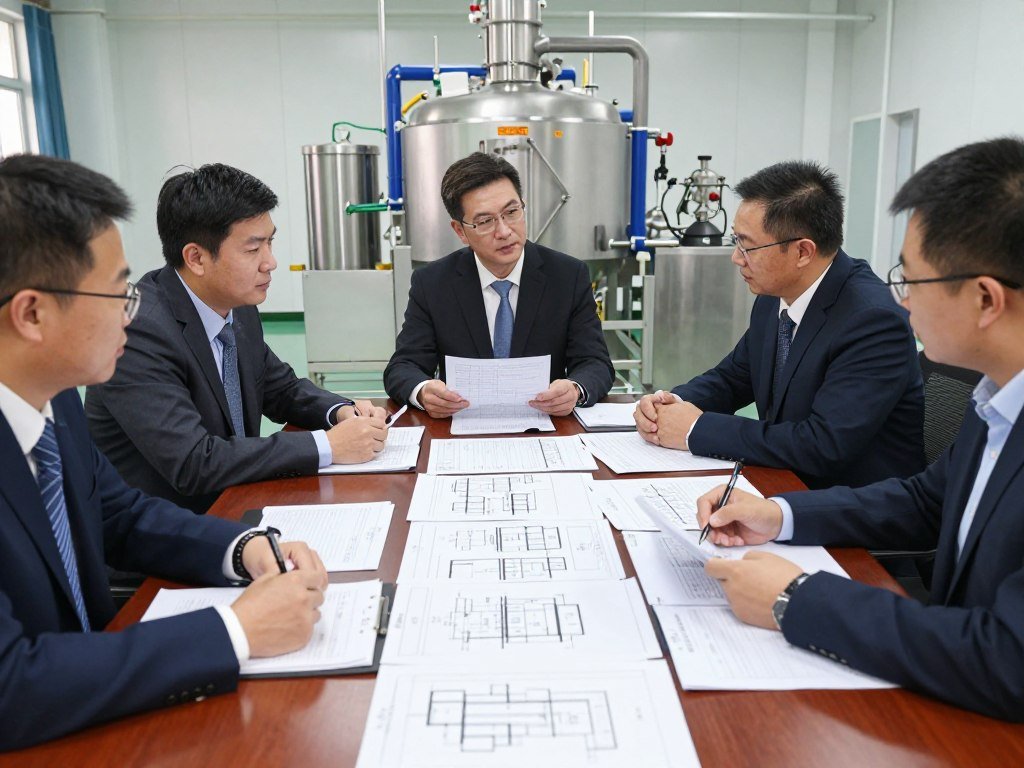
Project Timeline and Implementation
Realistic timeline expectations prevent frustration and enable proper planning. Standard equipment manufacture requires 8-10 weeks after order confirmation. International shipping to UK destinations adds 3-4 weeks transit time. Customs clearance and inland delivery consume another 1-2 weeks.
Site preparation should begin during equipment manufacture maximizing timeline efficiency. Foundation work, electrical infrastructure, and building modifications proceed whilst equipment is being built. This parallel activity significantly reduces overall project duration from order through production startup.
Financing and Payment Terms
MAIKONG offers flexible payment terms accommodating various financial situations. Standard terms require 30% deposit securing production slot. The 60% progress payment becomes due upon completion before shipment. Final 10% payment follows successful installation and commissioning. Alternative arrangements may be negotiated for particularly large projects or established customers.
Many customers utilize equipment financing through their banks or specialized equipment lenders. We provide detailed documentation supporting financing applications. Letters of credit and other international payment instruments receive routine handling through our experienced export department.
UK Distributor Partnership Opportunities
MAIKONG seeks qualified partners throughout the United Kingdom and Republic of Ireland. We offer exclusive territorial rights to committed distributors demonstrating technical capability and market access. Our ideal partners possess existing relationships in aquaculture, agricultural equipment, or industrial machinery sectors.
Distributor benefits include protected territories, competitive pricing enabling healthy margins, comprehensive marketing support, and technical training for your staff. We handle equipment warranty directly minimizing your administrative burden. Joint customer visits provide expert technical support during complex sales situations.
Becoming a MAIKONG Authorised Distributor
Partnership begins with mutual evaluation ensuring appropriate fit between organizations. We assess your market coverage, technical capabilities, and commitment to our product line. You evaluate our equipment quality, support services, and partnership terms determining if MAIKONG represents valuable addition to your offering.
Successful partnerships develop gradually building mutual confidence and understanding. Initial orders prove our equipment performance and your sales capabilities. Growing volumes justify exclusive territory agreements and preferential pricing structures. Long-term relationships benefit both parties creating stable business foundations.
Ready to Transform Your Fish Feed Production?
Whether you’re a fish farm seeking on-site production capability, a feed mill expanding into aquaculture products, or an equipment distributor pursuing new opportunities, MAIKONG provides complete solutions backed by 22 years manufacturing excellence. Our fish feed production lines deliver consistent quality, reliable performance, and comprehensive support ensuring your long-term success. Contact our UK team today to discuss your specific requirements and discover how MAIKONG technology can benefit your operation.
Email: Lucy@feedproductionline.uk
Website: feedproductionline.uk
Your journey toward improved fish feed production and enhanced operational control begins with a simple conversation. Reach out to our technical team today and discover the MAIKONG difference that has satisfied customers across 130 countries worldwide. We look forward to supporting your success.