
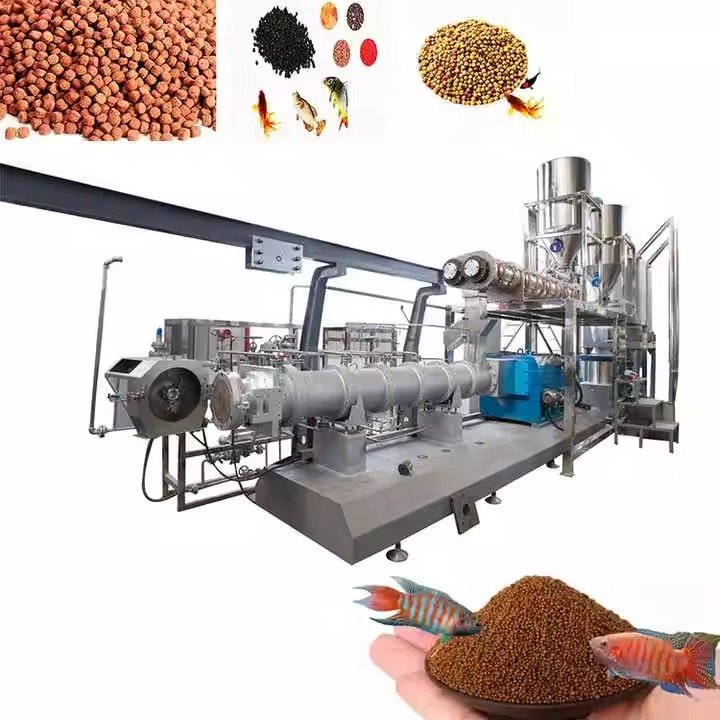
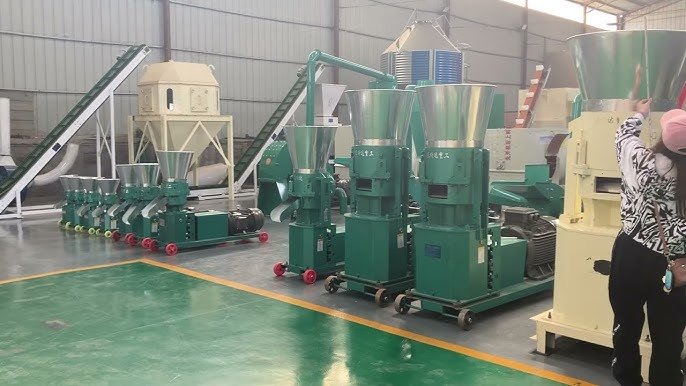
Need Straight Answers About Production Line Costs?
Speak directly with our UK technical team about your shrimp feed project requirements and get transparent pricing based on your actual capacity needs.
What Shrimp Feed Pellet Production Line Manufacturer Capacity Ratings Actually Mean
Manufacturer datasheets list capacity in tonnes per hour. A 5 T/H rating sounds straightforward until you examine the testing conditions. Most capacity claims assume ideal feedstock moisture content, optimal ambient temperature, and continuous operation without material changeovers.
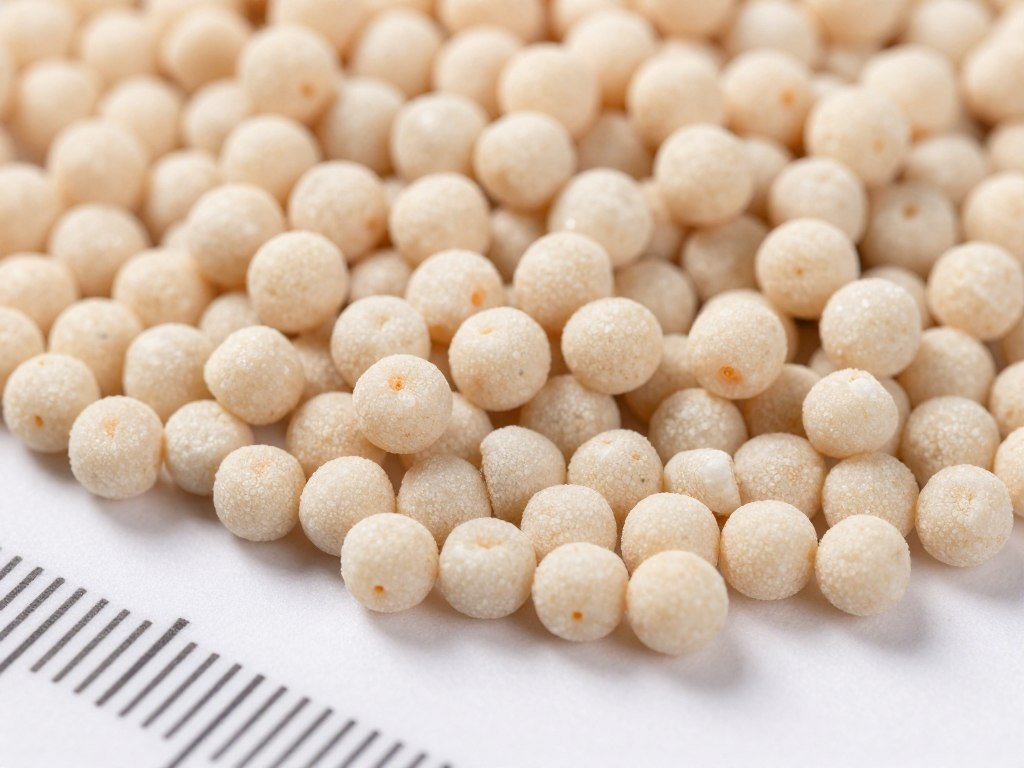
UK operating conditions differ significantly. Ambient humidity fluctuates seasonally. Raw material moisture varies by supplier batch. Production schedules require frequent recipe changes between grow-out feed and larval formulations.
The Three Capacity Measurement Standards
Different manufacturers reference different testing protocols. Some quote peak instantaneous output measured during a 10-minute test run. Others provide sustained output over an 8-hour shift. The most honest specify output including planned maintenance stops and recipe changeovers.
A shrimp feed pellet production line manufacturer using peak output ratings might claim 8 T/H when real-world sustained production averages 5.5 T/H. That 30% difference directly impacts your return on investment calculations and operational planning.
Testing Condition Variables
- Feedstock moisture content (typically 12-14% for testing vs 10-16% in practice)
- Die temperature standardisation (test dies pre-heated vs cold starts)
- Material consistency (laboratory-grade ingredients vs commercial batches)
- Continuous feed vs real production interruptions
Real Production Impact Factors
- Recipe changeover time (10-25 minutes per switch)
- Die cleaning frequency (every 4-6 hours typical)
- Quality control sampling stops
- Raw material handling delays
- Scheduled maintenance windows
Pellet Size Consistency Metrics That Matter
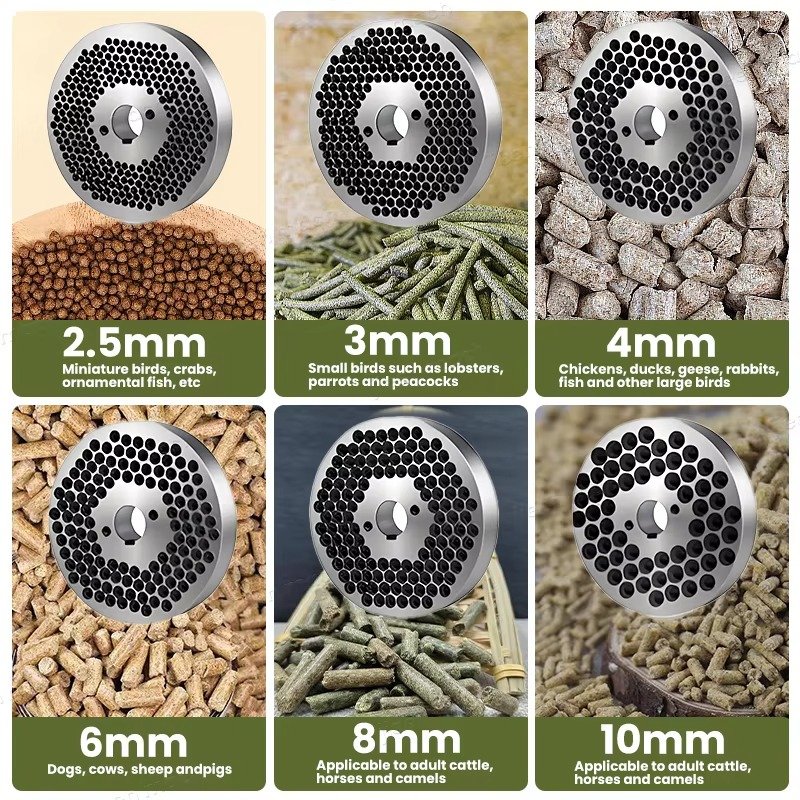
Shrimp at different growth stages require different pellet sizes. Post-larval shrimp need 0.5-1.0mm crumbles. Juvenile stages use 1.5-2.0mm pellets. Adult market shrimp consume 2.5-4.0mm sizes.
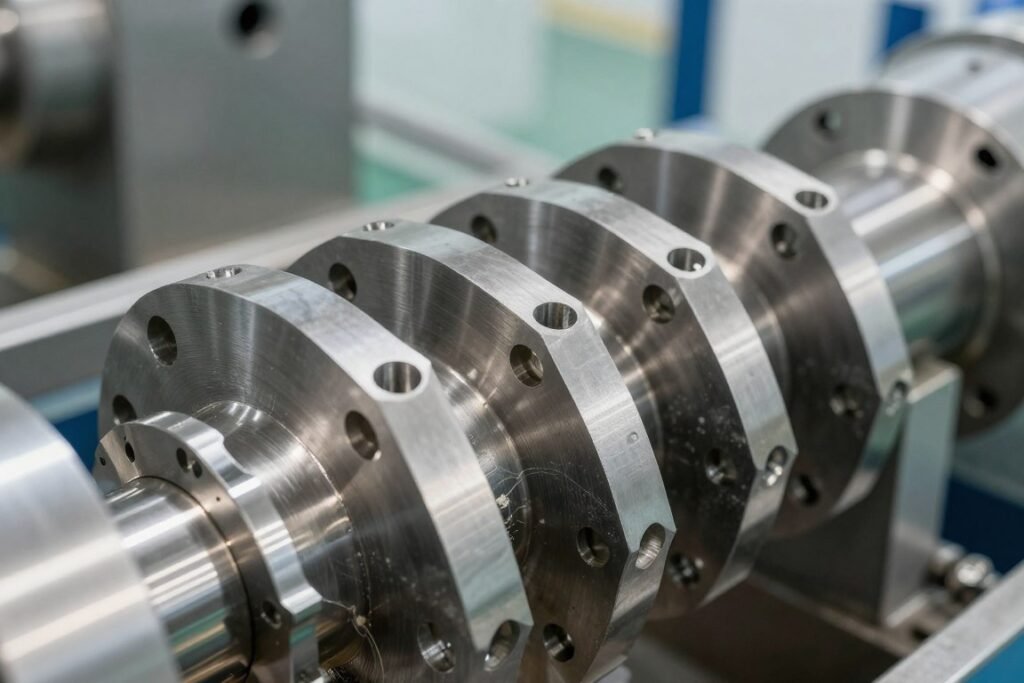
Consistency matters because size variation above 15% causes feeding waste. Smaller pellets sink too quickly. Oversized pellets deter feeding. In recirculating aquaculture systems, this inconsistency directly impacts water quality through uneaten feed decomposition.
Quality aquatic feed production line equipment maintains pellet diameter variance within ±0.2mm across an 8-hour production run. Lower-grade systems might deliver ±0.5mm variance, which seems minor until you calculate the percentage variation on a 2mm target pellet.
Seven Configuration Factors That Determine Shrimp Feed Pellet Production Line Manufacturer Pricing
After reviewing 40+ quotations from manufacturers supplying the UK market over the past three years, pricing patterns become clear. The variation between a £180,000 system and a £420,000 system of the same claimed capacity traces back to specific component choices.
1. Pellet Die Material and Manufacturing Precision
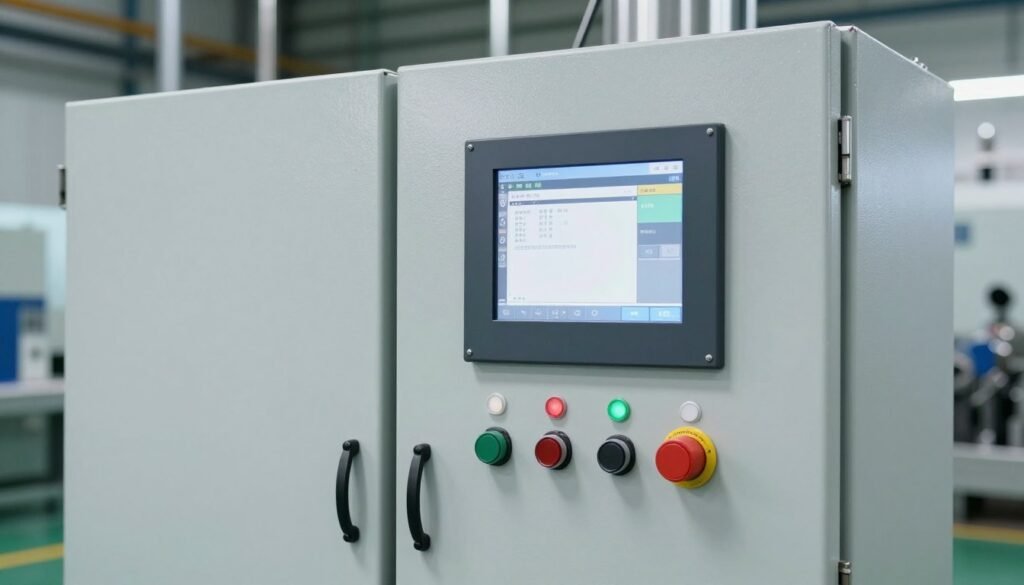
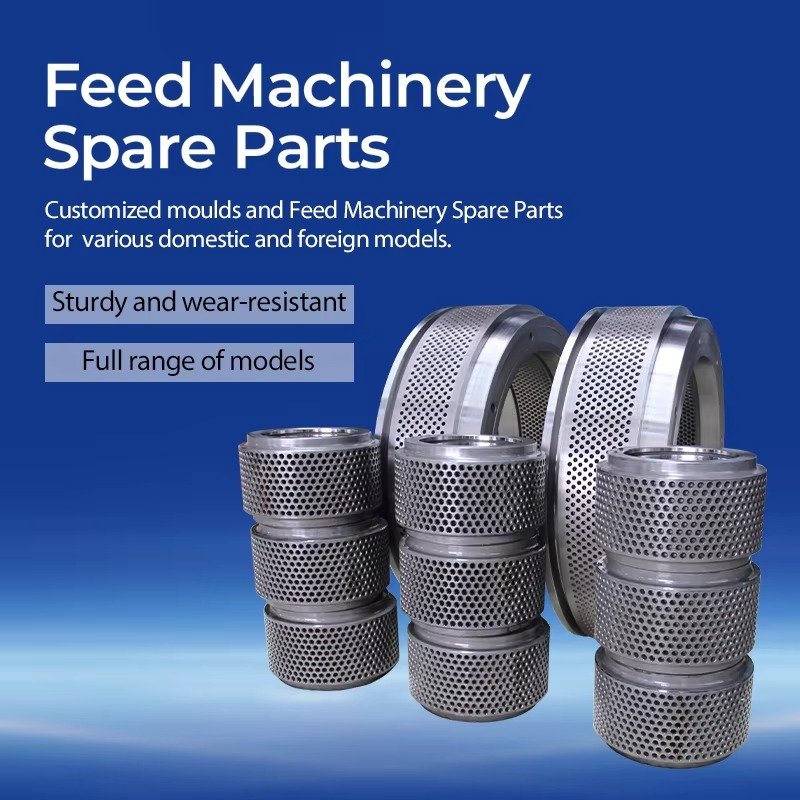
The pellet die represents 8-12% of total system cost but determines 60% of output quality. Three material grades dominate the market. Standard alloy steel dies cost £2,400-£3,800 and last 800-1,200 production hours before requiring replacement.
Stainless steel dies run £5,200-£7,600 with 1,800-2,400 hour lifespan. They resist corrosion from fishmeal oils and maintain dimensional stability better. For UK operations processing high-marine-protein shrimp formulations, the longer replacement interval justifies the premium.
Premium tungsten carbide dies command £9,800-£14,500 but deliver 4,000+ production hours. Large commercial operations processing 15+ tonnes daily see payback within 18 months through reduced downtime and consistent pellet quality.
| Die Material | Initial Cost (£) | Production Life (Hours) | Best Application |
| Alloy Steel | 2,400-3,800 | 800-1,200 | Small operations, varied recipes |
| Stainless Steel | 5,200-7,600 | 1,800-2,400 | Marine protein formulations |
| Tungsten Carbide | 9,800-14,500 | 4,000+ | High-volume continuous production |
2. Conditioning System Design
Pre-conditioning adds 15-25% to base equipment cost but determines pellet water stability. Shrimp pellets must maintain integrity in water for 2-4 hours minimum. Poor conditioning causes rapid disintegration and nutrient leaching.
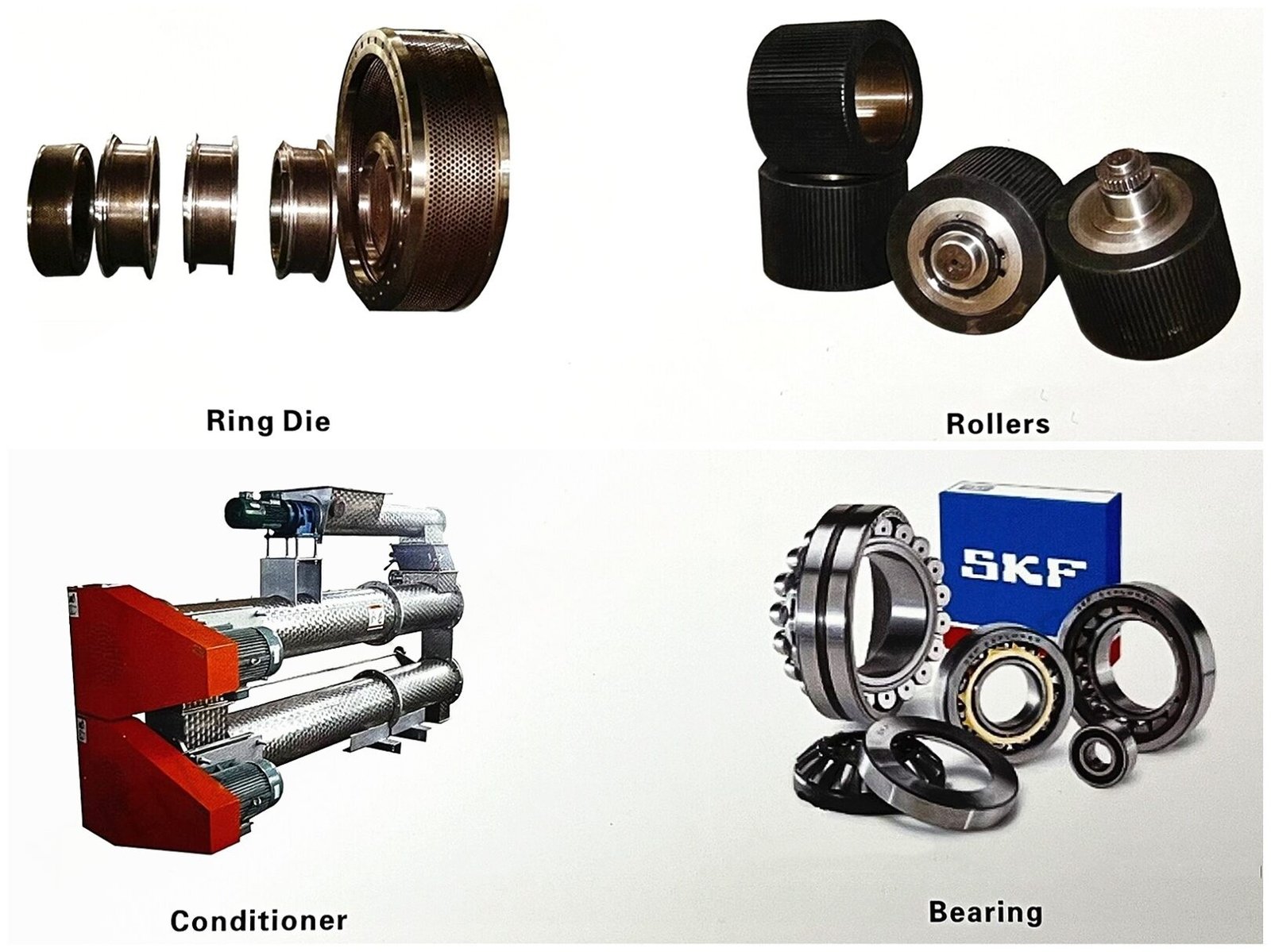
Basic single-shaft conditioners with steam injection run £8,500-£12,000. They work adequately for simple formulations with high starch binders. High-protein shrimp feeds with limited starch content require twin-shaft or differential conditioners costing £18,500-£28,000.
The retention time difference matters. Single-shaft systems provide 25-40 seconds of steam treatment. Twin-shaft designs deliver 60-90 seconds, allowing better starch gelatinization and protein binding. For formulations with 35-45% protein content typical in shrimp feeds, the extended conditioning prevents pellet crumbling.
3. Drive System Power and Redundancy
Motor specifications directly impact throughput stability and electricity consumption. A 5 T/H pellet mill might use a 75kW motor in economy configurations or a 110kW motor in heavy-duty specifications.
The power difference addresses peak load capacity. When processing high-fishmeal formulations, die resistance increases 30-40% versus grain-heavy recipes. Undersized motors reduce output or trip on thermal overload. Correctly specified motors maintain rated capacity across formula variations.
UK electricity costs average £0.18-£0.24 per kWh for industrial users. Over 4,000 annual production hours, a 30kW difference in motor consumption represents £21,600-£28,800 in annual operating costs. System efficiency matters beyond initial purchase price.
4. Automation Grade and Process Control
Control system sophistication separates £200,000 systems from £400,000+ installations. Manual control with basic on/off switching offers minimal process optimization. Operators adjust settings based on visual pellet inspection and experience.

Semi-automatic systems with PLC control and HMI touchscreens cost £25,000-£42,000 additional but enable recipe storage, batch tracking, and basic process parameter logging. Production consistency improves measurably when operators can recall proven settings rather than manual adjustment.
Fully automatic systems with closed-loop feedback control add £65,000-£95,000 to project cost. They monitor die temperature, motor load, pellet density, and moisture content in real-time. The system automatically adjusts steam flow, feeder speed, and conditioning time to maintain target specifications.
For UK operations facing labour cost pressures and skilled operator shortages, automation payback occurs through reduced training requirements and consistent output quality rather than direct labour savings.
5. Material Handling and Conveying Infrastructure
Raw material movement represents 12-18% of total system cost. Budget systems use manual bag dumping and simple auger conveyors. Mid-range installations incorporate pneumatic conveying and automated bag dump stations.
Premium systems integrate bulk ingredient storage silos, pneumatic conveying networks, and dust collection. For a 5 T/H line, this infrastructure difference spans £35,000 to £110,000.
Basic Material Handling
Investment: £35,000-£48,000
- Manual bag dump stations
- Screw conveyor systems
- Basic dust extraction
- Limited ingredient storage
Advanced Material Handling
Investment: £85,000-£110,000
- Automated bulk ingredient reception
- Pneumatic conveying network
- Centralized dust collection
- Silo storage with level monitoring
6. Cooling and Drying Capacity
Pellets exit the die at 75-85°C with elevated moisture. Proper cooling and drying prevents mold growth during storage and maintains pellet hardness. Insufficient cooling causes pellet clumping in bags and storage bins.
Counterflow coolers sized 1.2-1.5 times pellet mill capacity ensure adequate cooling time. A 5 T/H pellet mill requires 6-7.5 T/H cooler capacity. Underspecified coolers create production bottlenecks as pellets must slow down for adequate temperature reduction.
Cooler costs range from £18,000 for basic ambient air cooling to £45,000 for refrigerated cooling systems. UK climate allows ambient cooling most of the year, but summer production may require supplemental cooling to maintain target pellet temperature below 30°C before packaging.
7. Quality Control and Monitoring Equipment
Inline quality measurement separates commercial operations from premium installations. Basic systems rely on manual sampling and laboratory testing. Results come hours after production, making real-time corrections impossible.
Inline pellet durability testers cost £12,000-£18,000 and provide immediate feedback on pellet hardness. Near-infrared analyzers measuring moisture and protein content run £35,000-£55,000 but enable immediate process adjustments.
For export-oriented operations or those supplying large commercial shrimp farms with strict specification requirements, inline quality control justifies the investment through reduced batch rejection and tighter specification compliance.
Get Your UK-Specific System Quotation
Request detailed pricing for your shrimp feed production requirements including UK delivery, installation support, and customs documentation. Our quotes include complete component specifications, not just headline capacity numbers.
Calculating True Total Cost for UK Buyers
Equipment purchase price represents 55-65% of total project investment. UK buyers face additional costs that mainland European operations avoid. Brexit customs procedures, VAT treatment, and installation logistics add layers of expense.
Import Duties and Tax Considerations
Shrimp feed production equipment falls under HS code 8436.10 for machinery for preparing animal feeding stuffs. Current UK import duty stands at 0% under the UK Global Tariff for most mechanical equipment. However, VAT at 20% applies to the CIF value including shipping and insurance.
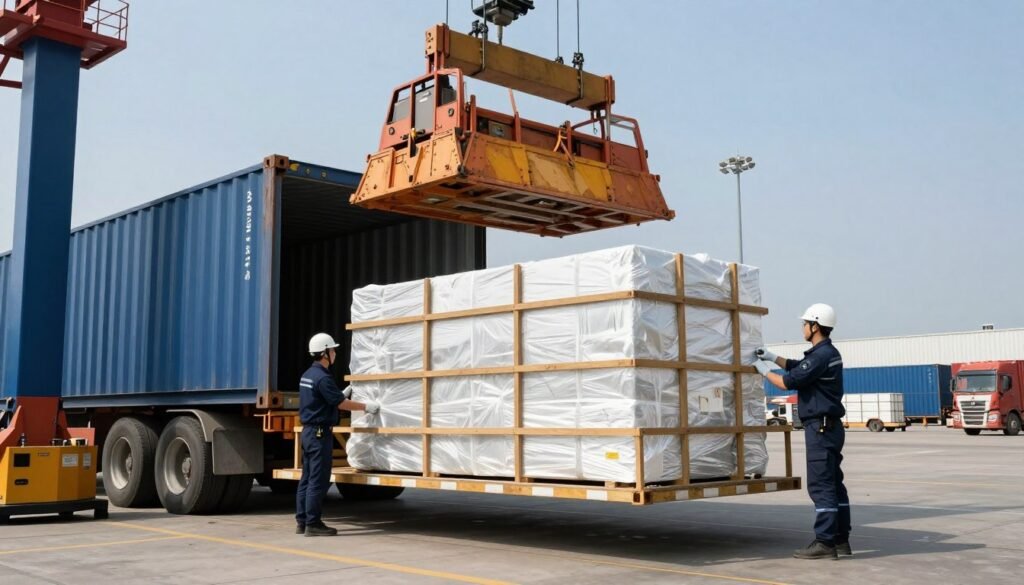
A £250,000 equipment purchase with £12,000 shipping and £3,500 marine insurance creates a CIF value of £265,500. UK VAT assessment of £53,100 brings the landed cost to £318,600 before customs agent fees and inland transport.
| Cost Component | Example Amount (£) | Notes |
| Equipment FOB Price | 250,000 | Factory gate China price |
| International Shipping | 12,000 | Container freight to Felixstowe |
| Marine Insurance | 3,500 | 1.4% of cargo value typical |
| UK Import VAT | 53,100 | 20% of CIF value |
| Customs Agent | 850 | Documentation and clearance |
| Inland Transport | 2,400 | Port to site delivery |
| Total Landed Cost | 321,850 | Before installation |
Installation and Commissioning Expenses
Mechanical installation costs vary by site preparation requirements. An existing building with adequate power supply and structural support requires £15,000-£28,000 for equipment installation. New construction or significant building modifications add substantially.
Electrical work to UK BS 7671 standards includes motor control panels, distribution boards, and emergency stops. Budget £8,000-£18,000 depending on distance from main distribution and control system complexity.
Manufacturer commissioning support typically involves 5-10 days on-site with technical personnel. Including international travel, accommodation, and daily rates, UK commissioning runs £12,000-£22,000. Some shrimp feed pellet production line manufacturer suppliers include this in contract price, others charge separately.
First-Year Operating Consumables
Beyond capital costs, first-year operation requires spare parts inventory, die replacements, and process optimization. Dies wear through normal operation. For a 5 T/H system running 3,000 hours annually, budget £8,500-£15,000 for die replacement depending on formulation abrasiveness.
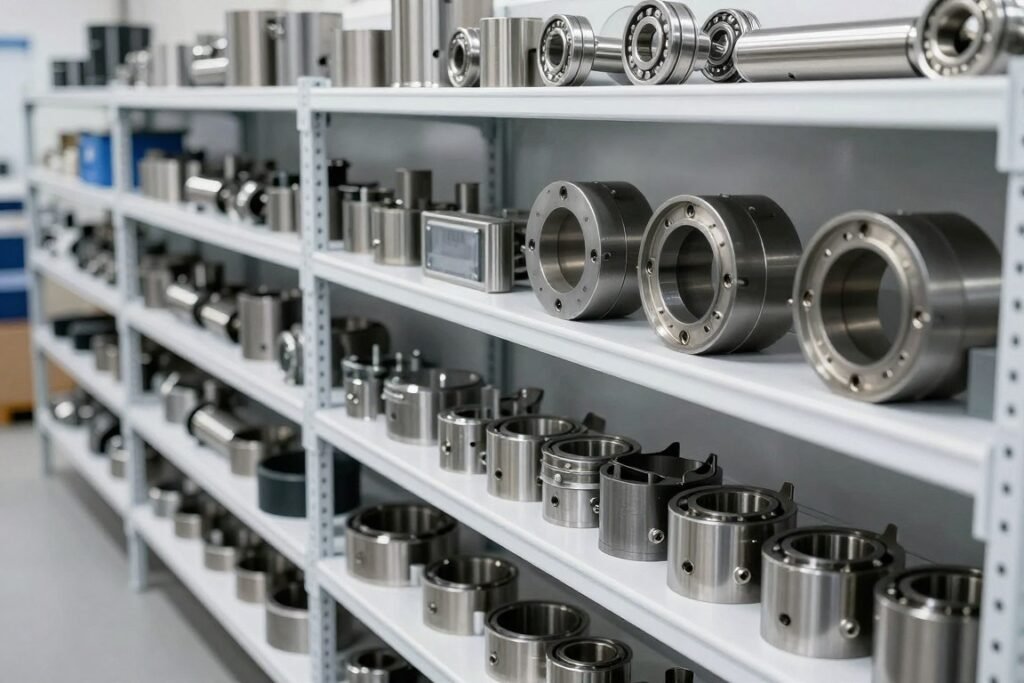
Roller shells and drive belts constitute regular maintenance items. Annual consumption typically runs £4,200-£7,500 for a mid-capacity line. Lubrication, cleaning compounds, and filter replacements add another £2,800-£4,500.
Total first-year consumables and spares for a 5 T/H system average £18,000-£32,000 depending on production intensity and formula characteristics.
The Engineering Reality of Consistent Pellet Production
Output consistency depends on mechanical precision and process control integration. Even premium equipment produces variable results without proper operational discipline.
Die-Roll Gap Precision and Maintenance
The gap between pellet die and compression roller determines pellet density and mill throughput. Optimal gap ranges from 0.2-0.4mm depending on die hole diameter and formulation characteristics.
As rollers wear, gap increases. A 0.1mm gap increase reduces pellet density by 8-12% and lowers output by 5-8%. Regular measurement and adjustment maintains consistency. Quality systems use feeler gauges weekly. Premium operations employ automated gap monitoring.
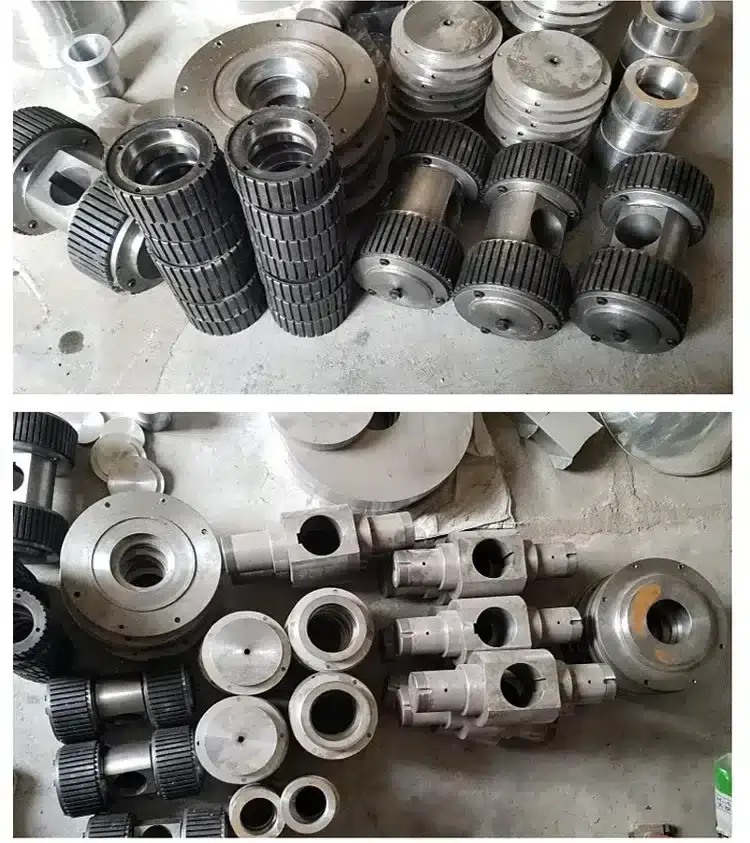
Roller replacement becomes necessary when surface scoring or excessive wear creates inconsistent compression. Replacement intervals range from 1,200 to 2,800 production hours. Delaying replacement creates progressive output degradation before complete failure.
Steam Quality and Conditioning Consistency
Steam pressure and dryness fraction critically affect pellet quality. Optimal conditioning requires 2.5-4.0 bar steam pressure with 95%+ dryness. Wet steam causes uneven moisture distribution and inconsistent gelatinization.
Many UK sites use existing boiler capacity sized for heating or other processes. Steam quality varies with boiler load. Dedicated steam generation for the pellet line or steam accumulators buffer demand fluctuations and maintain consistent conditioning.
Temperature monitoring at the conditioner discharge provides feedback. Target discharge temperature for shrimp feeds runs 75-82°C. Variation beyond ±3°C indicates steam pressure instability or steam trap malfunction requiring attention.
Raw Material Consistency Impact
Ingredient variability affects pelleting performance independent of equipment quality. Fishmeal protein content ranging from 62-68% changes binding characteristics. Wheat particle size variation from different mills alters steam absorption.
Factors Reducing Consistency
- Raw material moisture variation beyond ±2%
- Inconsistent grinding affecting particle size distribution
- Protein source substitutions without process adjustment
- Oil inclusion timing variations
- Inadequate pre-mix blending time
Mitigation Strategies
- Raw material receiving specifications with testing
- Moisture measurement and correction before pelleting
- Recipe-specific conditioning parameter storage
- Statistical process control charting
- Dedicated ingredient batch traceability
Premium feed pellet production line installations incorporate inline NIR measurement of ground material before conditioning. This allows process adjustment before pellet quality suffers rather than reactive correction after producing off-specification material.
How to Verify Claimed Production Capacity Before Purchase
Manufacturer claims require verification through reference site visits and trial production. Contractual guarantees mean little without proper testing protocols.
Reference Installation Site Visits
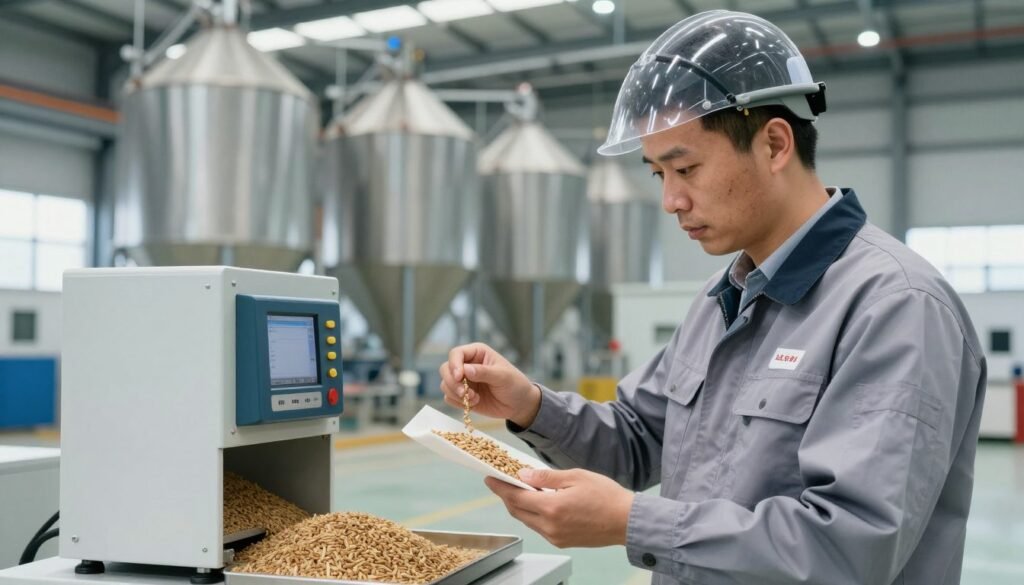
Request contact details for 3-5 existing installations processing similar formulations. Reputable manufacturers provide customer references willingly. Reluctance to share operating customer contacts raises concerns.
During site visits, examine production records rather than relying on verbal claims. Request to see shift production logs covering several weeks. This reveals actual sustained output including normal stops and changeovers.
Ask about spare parts consumption, particularly die life and roller replacement frequency. Excessive wear part consumption indicates either poor component quality or operation outside design parameters.
Factory Acceptance Testing Protocols
For significant investments above £300,000, factory acceptance testing justifies the travel expense. Conduct testing using your actual formula or a representative composition matched for protein content, fat level, and fiber.
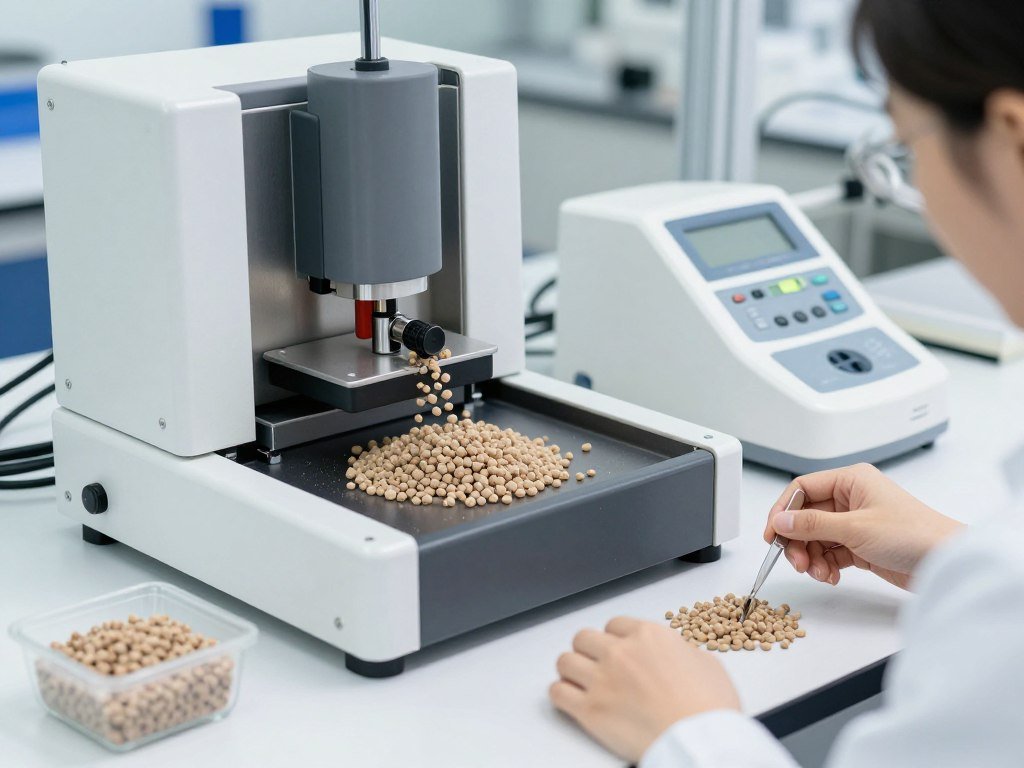
A proper FAT runs 4-6 hours of continuous production after initial setup. Record output weight every 30 minutes. Collect pellet samples hourly for laboratory analysis of durability, density, and dimensional consistency.
| Test Parameter | Measurement Method | Acceptance Criteria |
| Hourly Output | Weighed production over 6 hours | ≥95% of rated capacity |
| Pellet Diameter | Digital caliper on 100-pellet sample | ±0.2mm of target diameter |
| Pellet Durability | Tumbling can test (Holmen/Ligno) | ≥92% PDI for shrimp feed |
| Pellet Moisture | Oven dry method | 10-12% target range |
| Fines Content | Screen separation | ≤3% through 1.6mm screen |
| Water Stability | Immersion time to 50% break-up | ≥2 hours for shrimp pellets |
Contractual Performance Guarantees
Equipment contracts should specify guaranteed performance parameters with remedy provisions for non-compliance. Vague language like “approximately 5 tonnes per hour” provides no recourse for underperformance.
Specific guarantee language might read: “Equipment shall produce minimum 4.8 tonnes per hour of finished 2.5mm shrimp feed pellets with pellet durability index minimum 92% when processing the specified test formula under continuous 8-hour operation.”
Include testing protocol in the contract specifying sample collection methods, testing standards, and acceptance criteria. Define remedies ranging from process optimization support to equipment modification or replacement for failure to meet guarantees.
MAIKONG UK Case Study: European Shrimp Feed Operation
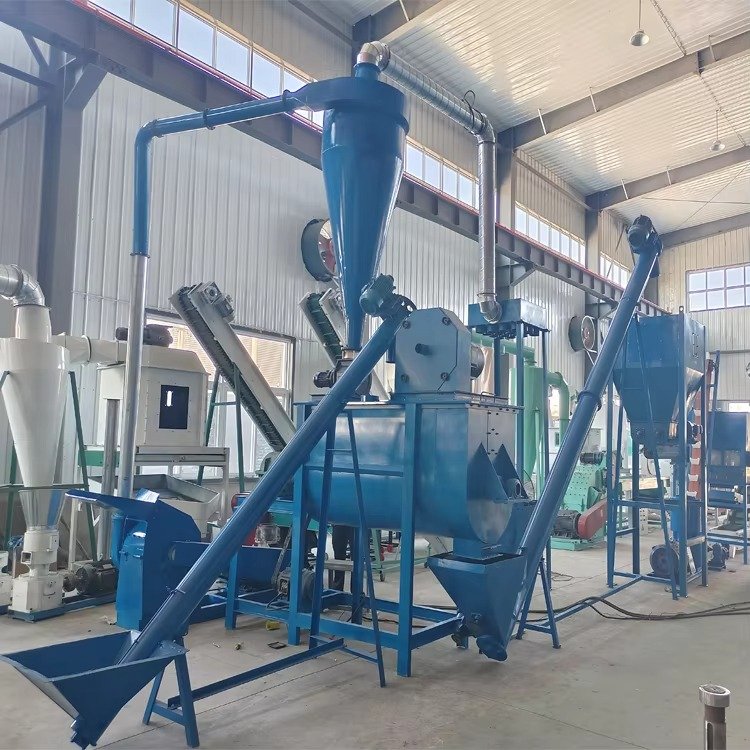
In 2022, MAIKONG UK supplied a complete shrimp feed pellet production line to a commercial operation in southern Spain producing feed for Mediterranean white shrimp cultivation. The project specifications and performance data illustrate realistic capability expectations.
Project Specifications and Configuration
The customer required 6 T/H nominal capacity for three distinct pellet sizes: 1.8mm for juvenile shrimp, 2.5mm for grow-out stage, and 3.5mm for broodstock conditioning. The formulation contains 42% protein primarily from fishmeal and soy protein concentrate with 8% fish oil inclusion.
MAIKONG configured the system with model MK-L003 pellet mill featuring twin-shaft differential conditioning, premium stainless steel die construction, and 132kW main drive motor. The complete line includes:
- Automated bulk ingredient reception with three 15-tonne silos
- Batch weighing system accurate to ±0.3% with load cell verification
- Twin-shaft ribbon mixer providing 90-second retention time
- Differential conditioner with separate steam zones
- Ring die pellet mill with automatic gap monitoring
- 8 T/H counterflow cooler with humidity control
- Vibratory screener separating fines for recycle
- Automated 25kg bagging system with heat sealer
Verified Production Performance
Following commissioning in October 2022, the facility has maintained detailed production records. Analysis of six-month data from April-September 2023 shows:
| Pellet Size | Average Output (T/H) | PDI Range (%) | Diameter Variance (mm) |
| 1.8mm Juvenile | 5.8 | 93-96 | ±0.18 |
| 2.5mm Grow-out | 6.2 | 94-97 | ±0.15 |
| 3.5mm Broodstock | 5.6 | 95-97 | ±0.19 |
The facility operates two 8-hour shifts daily, producing 85-92 tonnes per day depending on size mix. Actual sustained capacity ranges from 5.6 to 6.2 T/H, slightly exceeding the 6 T/H nominal rating when accounting for changeover time between sizes.
Economic Performance Analysis
Total project investment reached €520,000 including equipment, shipping, installation, and commissioning. At current production of 21,000 tonnes annually, the per-tonne capital cost stands at €24.76.
Energy consumption averages 42 kWh per tonne of finished pellets including all auxiliary equipment. Spanish industrial electricity rates of €0.14/kWh result in €5.88/tonne energy cost.
Die life has exceeded initial projections. The first 2.5mm die operated for 2,180 production hours before replacement became necessary due to hole wear. At €6,800 replacement cost, die expense averages €3.12 per tonne produced.
The operation reports feed conversion ratios in their shrimp ponds improved 12% after switching from externally purchased feed to their MAIKONG-produced pellets. They attribute this to fresher feed with better nutrient retention and superior water stability reducing waste.
OEM Customization Options and Pricing Impact
Standard production line configurations suit most applications. Certain operational requirements justify customization despite additional investment.
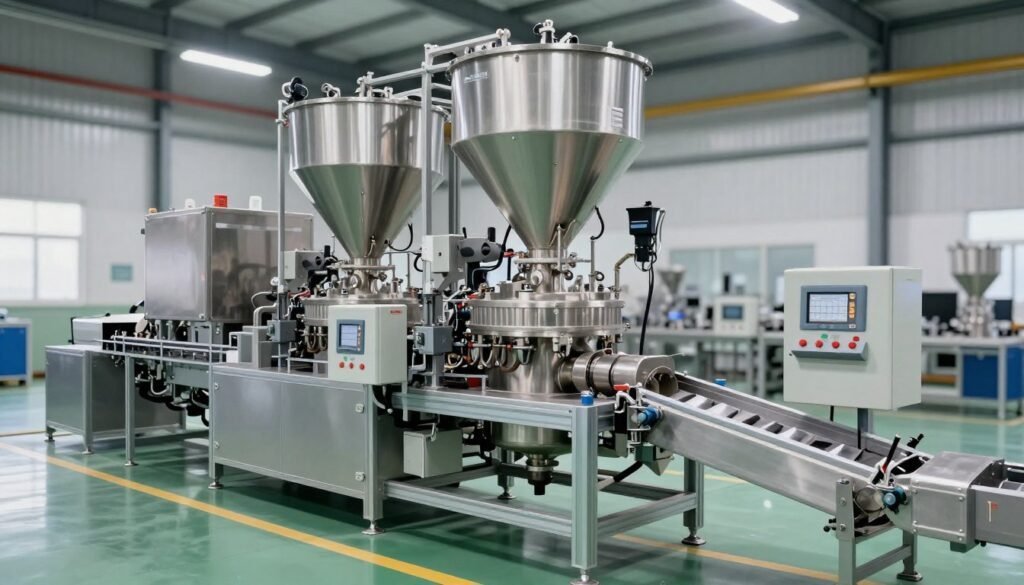
Recipe-Specific Die Configurations
Standard pellet dies suit general formulations. Specialized requirements may need custom die engineering. High-oil formulations above 10% fat content benefit from modified die hole geometry preventing oil separation during pelleting.
Custom die design adds £2,800-£5,200 in engineering and manufacturing cost. The investment becomes justified for operations producing premium shrimp feeds where pellet quality directly impacts selling price.
Sanitary Design for Export Compliance
Export markets increasingly require HACCP compliance and sanitary equipment design. This involves stainless steel construction for all product-contact surfaces, tool-less access panels for cleaning, and elimination of horizontal ledges where material accumulates.
Full sanitary design modification adds 18-25% to base equipment cost. For operations targeting European retail markets or export to quality-conscious regions, this investment enables market access that justifies the premium.
Dust Collection and Environmental Controls
UK environmental regulations and workplace safety standards require adequate dust control. Basic systems capture dust from major transfer points. Comprehensive systems incorporate centralized collection with baghouse filtration and automatic cleaning.
Standard Dust Control
- Local extraction at pellet mill and cooler
- Fabric filter collectors
- Manual cleaning requirement
- Investment: £15,000-£22,000
Premium Environmental Control
- Centralized collection network
- Pulse-jet baghouse with automatic cleaning
- Dust recycling to formulation
- Continuous emission monitoring
- Investment: £45,000-£68,000
Multi-Voltage and Frequency Options
Standard equipment ships configured for destination country power supply. Some UK operations use existing generators or alternative power sources requiring specific voltage and frequency matching.
MAIKONG offers equipment configured for 380V/400V/415V three-phase at 50Hz or 60Hz operation. Custom electrical specifications add minimal cost (£800-£1,500) but prevent expensive post-delivery modifications.
Discuss Your Specific Requirements
Every shrimp operation has unique formulation requirements, space constraints, and automation preferences. Connect with our technical team to discuss how MAIKONG can customize a solution matching your specific operational needs and budget parameters.
Maintenance Requirements and UK Support Infrastructure
Equipment reliability depends on preventive maintenance and rapid parts availability. UK operations face challenges accessing manufacturer support compared to operations in China or Southeast Asia.
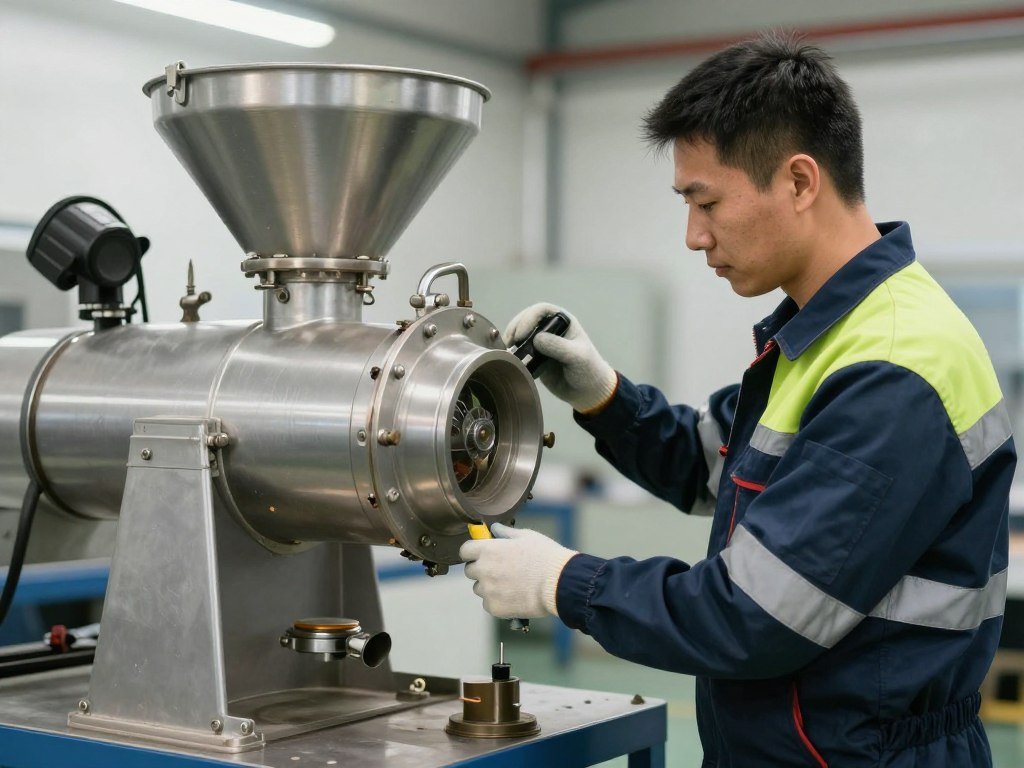
Scheduled Maintenance Protocols
Pellet mill manufacturers specify maintenance intervals. Daily tasks include bearing lubrication checks, belt tension verification, and die/roller gap measurement. These require 20-30 minutes per shift with trained operators.
Weekly maintenance involves thorough cleaning of conditioning chamber, inspection of steam lines and traps, and examination of electrical connections. Budget 3-4 hours weekly with two technicians.
Monthly servicing includes drive alignment checks, motor insulation testing, and comprehensive safety system verification. This requires 6-8 hours with qualified electrical and mechanical personnel.
Annual major service involves complete disassembly, bearing replacement, drive component renewal, and calibration verification. Most operations schedule this during planned production shutdown. Budget 3-5 days with manufacturer technical support recommended for first 2-3 years.
Critical Spare Parts Inventory
Spare parts availability determines downtime duration. A complete spare die costs £3,800-£14,500 but enables immediate changeover if primary die fails. Without spare availability, production stops until replacement arrives.
Recommended critical spares inventory for a 5 T/H shrimp feed line includes:
- One complete spare die for each frequently-used size (£12,000-£18,000 total)
- Spare roller shells and bearings (£4,500-£6,200)
- Drive belts and tensioning components (£850-£1,200)
- Conditioning shaft seals and bearings (£1,400-£2,100)
- Control system I/O modules and HMI screen (£2,800-£4,200)
- Common sensors and switches (£600-£900)
Total recommended critical spares investment ranges £22,000-£33,000. This seems substantial until compared to the cost of 48-hour production downtime waiting for parts shipment from China.
MAIKONG UK Technical Support Structure
MAIKONG maintains technical support infrastructure specifically for UK and European customers. This includes:
Remote diagnostics capability allowing technicians to connect to control systems for troubleshooting. Many issues resolve through parameter adjustment or minor component replacement guided by remote support.

UK-based spare parts warehouse stocking critical components for next-day delivery. Common wear parts ship same-day for orders placed before 2pm.
Annual on-site service visits included in extended warranty programs. MAIKONG technicians conduct comprehensive inspection, preventive maintenance, and operator training during these visits.
24-hour emergency phone support with English-speaking technical staff. Initial response within 2 hours for production-stopping issues.
Return on Investment Analysis for UK Shrimp Feed Operations
Equipment investment justification requires comparing in-house production costs against purchased feed pricing and examining operational flexibility benefits.
Cost Comparison: In-House vs Purchased Feed
Commercial shrimp feed prices in the UK range from £1,850-£2,400 per tonne depending on protein level, order volume, and delivery location. Premium feeds with specialized ingredients command higher prices.
In-house production costs break down to raw materials (£1,200-£1,580/tonne), energy (£45-£65/tonne), labour (£85-£120/tonne), and overhead allocation (£120-£180/tonne). Total production cost ranges £1,450-£1,945 per tonne.
| Annual Production | Purchased Feed Cost | In-House Production Cost | Annual Savings |
| 5,000 tonnes | £10,500,000 | £8,625,000 | £1,875,000 |
| 10,000 tonnes | £21,000,000 | £16,500,000 | £4,500,000 |
| 15,000 tonnes | £31,500,000 | £24,375,000 | £7,125,000 |
For a £420,000 total project investment (equipment, installation, commissioning), payback period ranges from 2.2 years at 15,000 tonnes annual production to 3.8 years at 5,000 tonnes production.
Operational Flexibility Value
Beyond direct cost savings, in-house production provides formulation flexibility difficult to quantify but operationally valuable. Ability to adjust formulations based on shrimp growth rates, water temperature, or ingredient availability creates competitive advantages.
Commercial feed suppliers typically require 5-tonne minimum orders with 2-week lead time. In-house production allows daily formulation adjustment and elimination of feed inventory costs.
Quality control represents another flexibility dimension. Ability to test raw materials before formulation and adjust processing parameters for optimal pellet quality ensures consistent feed performance rather than accepting variable quality from external suppliers.
Risk Considerations
Investment analysis must consider risks alongside returns. Equipment breakdowns can halt feed production, forcing emergency purchases at premium prices. This risk mitigation argues for proven equipment from established manufacturers rather than lowest-cost suppliers.
Raw material price volatility affects production economics. Fishmeal prices fluctuate 20-35% annually based on catch volumes and currency movements. Long-term supplier contracts partially hedge this risk but reduce flexibility to capitalize on spot market opportunities.
Technical skill requirements present another consideration. Operating a shrimp feed production line requires trained personnel. Labour markets in some UK regions make recruiting and retaining qualified operators challenging. This argues for simplified automation reducing skill requirements.
MAIKONG UK Distributor Partnership Opportunities
MAIKONG UK actively seeks established distributors and dealers serving the aquaculture feed production sector. Our manufacturer-direct model offers partners competitive advantages in the growing shrimp feed equipment market.

Partner Selection Criteria
MAIKONG evaluates potential UK distributors based on established customer relationships in feed production, aquaculture, or agricultural equipment sectors. Technical service capability matters as much as sales reach.
Ideal partners maintain service technicians with mechanical and electrical competency. Ability to provide local installation support, commissioning assistance, and routine maintenance reduces customer concern about overseas manufacturer relationships.
Geographic coverage preferences focus on regions with significant aquaculture activity or animal feed production concentration. Key target areas include Scotland (salmon feed operations), East Anglia (general feed production), and Southwest England (aquaculture concentration).
Distributor Support and Benefits
MAIKONG provides comprehensive partner support including technical training at our manufacturing facility, sales engineering assistance for complex quotations, and marketing materials localized for UK market.
Technical Support Provided
- Two-week factory training program for distributor technicians
- Remote diagnostic access to customer installations
- Engineering support for custom projects
- Quarterly product update webinars
- UK spare parts warehouse access
Commercial Terms
- Protected territory agreements available
- Competitive distributor pricing structure
- Demonstration equipment program
- Co-marketing fund contribution
- Performance-based rebate programs
Market Opportunity Assessment
UK aquaculture feed production represents growing opportunity. Government initiatives supporting sustainable seafood production drive investment in recirculating aquaculture systems requiring specialized feed.
Current UK shrimp production remains limited compared to continental Europe, but planning permissions for several large-scale white leg shrimp RAS facilities suggest market expansion. Each commercial-scale facility requires 800-2,500 tonnes annual feed capacity.
Beyond shrimp-specific applications, MAIKONG aquatic feed production line manufacturer equipment serves broader markets including salmon, trout, tilapia, and ornamental fish feeds. This market diversity reduces distributor reliance on single species cycles.
Explore MAIKONG UK Distribution Partnership
If your organization serves the UK feed production or aquaculture equipment sectors and seeks a comprehensive product line backed by manufacturing expertise and competitive pricing, contact us to discuss partnership opportunities. We offer protected territories, comprehensive technical support, and attractive commercial terms for qualified distributors.
MAIKONG MK-L003 Complete Production Line Specifications
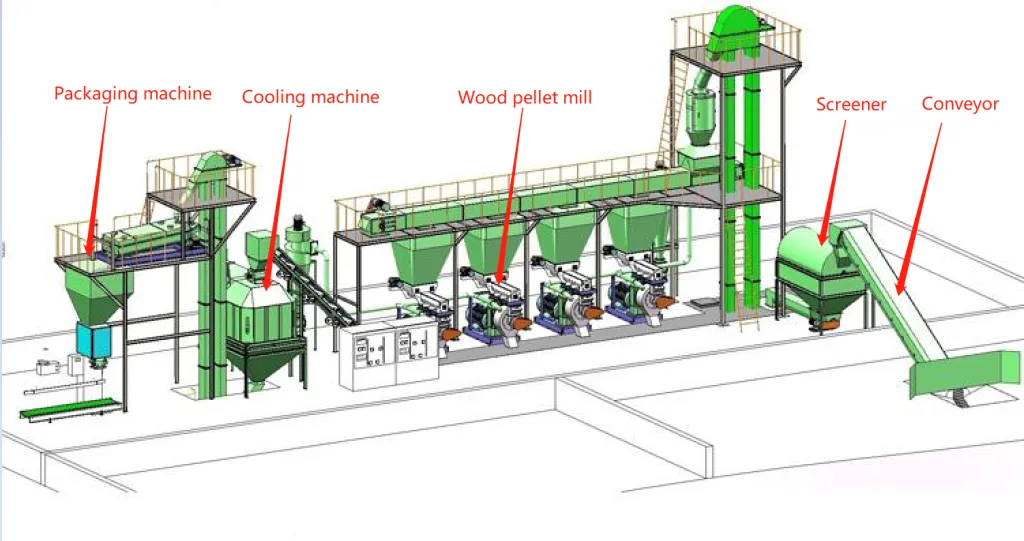
The MAIKONG model MK-L003 represents our mid-capacity shrimp feed pellet production line suitable for commercial operations processing 15,000-40,000 tonnes annually. Complete system specifications include all components from raw material reception through finished product packaging.
Main Equipment Specifications
| Component | Specification | Details |
| Model Number | MK-L003 | Complete turnkey system |
| Rated Capacity | 5-7 T/H | Depending on formulation |
| Pellet Sizes | 0.8-6.0mm | Interchangeable dies |
| Main Motor Power | 132 kW | Premium efficiency rated |
| Control Mode | Automatic/Semi-Auto/Manual | Siemens PLC with HMI |
| Total Installed Power | 245 kW | Including auxiliaries |
| Voltage Options | 380V/400V/415V | 50Hz or 60Hz available |
| Floor Space Required | 280 m² | Including material storage |
| Building Height Required | 8.5 meters minimum | For vertical layout |
| Material Construction | ABS housing, stainless contact surfaces | Sanitary design option available |
| Weight (Complete System) | 28,500 kg | Including all components |
| Shipping Volume | 2×40ft containers | Standard configuration |
| Colour Options | Industrial grey standard | Custom colours available |
| Warranty Period | 24 months | Extended warranty available |
| Stock Availability | 8-12 weeks | From order confirmation |
System Performance Parameters
Performance specifications reflect testing with standard shrimp feed formulation containing 40% protein, 8% fat, 4% fiber, and balanced minerals. Actual performance varies with specific formulation characteristics.
Component Breakdown
The complete MK-L003 system includes the following major components integrated into a functional production line:
- Raw Material Reception System: Three bulk ingredient silos (15 tonne capacity each) with pneumatic filling, level sensors, and automated discharge gates. Suitable for meal ingredients including fishmeal, soybean meal, and wheat middlings.
- Micro-Ingredient Handling: Separate handling system for vitamins, minerals, and additives with accuracy to ±0.1%. Includes climate-controlled storage cabinet for heat-sensitive ingredients.
- Batching and Weighing: Computer-controlled batching system with load cells accurate to ±0.3%. Capacity for 500kg batches with 12-position ingredient selection.
- Grinding Section: Hammer mill with variable screen sizes (2mm to 6mm) producing consistent particle size distribution. 75kW motor with automatic overload protection.
- Mixing: Twin-shaft ribbon mixer providing 90-second retention time with coefficient of variation
- Conditioning: Differential twin-shaft conditioner with two independently controlled steam zones. Retention time 60-90 seconds adjustable. Target discharge temperature 75-85°C.
- Pelleting: Ring die pellet mill with 450mm die diameter. Automatic gap adjustment system. Quick-change die mounting. Variable frequency drive for production rate control.
- Cooling: Counterflow cooler rated 8 T/H with humidity monitoring and discharge temperature control. Target outlet temperature
- Screening and Crumbling: Vibratory screening with three-deck separation. Optional crumbler for producing smaller sizes from full-size pellets.
- Packaging: Automated bag filling system handling 10kg, 25kg, or 50kg bags. Heat sealing with batch code printing. Capacity 8-12 bags per minute.
- Dust Collection: Centralized baghouse filtration system with pulse-jet cleaning. Collected dust returned to formulation. Emission monitoring included.
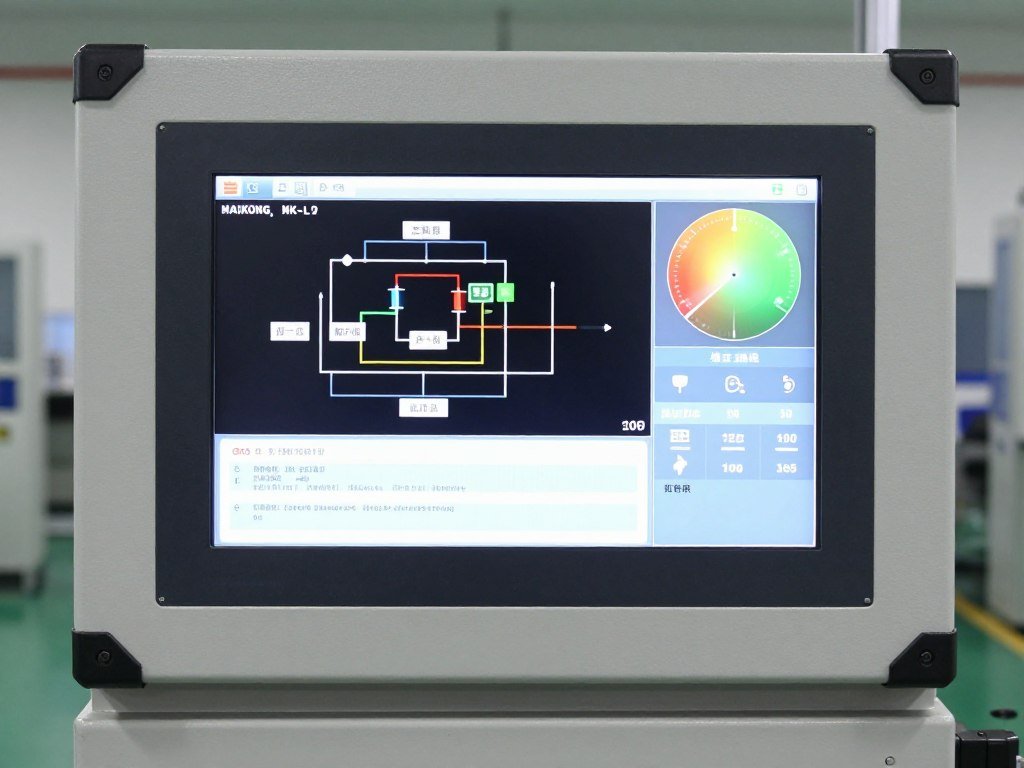
- Control System: Siemens S7-1200 PLC with 15-inch colour touchscreen HMI. Recipe storage for 50 formulations. Production reporting and data logging. Remote diagnostic port.
Additional Equipment Options
MAIKONG offers optional upgrades and additions to the base MK-L003 configuration addressing specific operational requirements:
- Extruder Module: Adds extrusion capability for floating pellets or expanded particles. Investment: £85,000-£110,000 additional
- Liquid Coating System: Post-pelleting oil or flavour application with controlled coating thickness. Investment: £22,000-£32,000
- Inline NIR Analyzer: Real-time protein, moisture, and fat measurement before pelleting. Investment: £38,000-£52,000
- Automated Pellet Durability Testing: Continuous PDI monitoring with automatic process adjustment. Investment: £28,000-£38,000
- Silo Expansion: Additional ingredient storage capacity with automated inventory management. Investment: £18,000-£45,000 per silo depending on capacity
- Sanitary Design Upgrade: Full stainless steel construction with tool-less cleaning access throughout. Investment: +22% on base equipment cost
Frequently Asked Questions About Shrimp Feed Pellet Production Line Manufacturer Selection
What realistic output should I expect from a shrimp feed pellet production line manufacturer claiming 5 T/H capacity?
Expect sustained output of 4.2-4.8 T/H in normal commercial operation when the manufacturer claims 5 T/H peak capacity. The difference accounts for recipe changeovers (10-15 minutes typical), planned stops for quality sampling, die cleaning every 4-6 hours, and normal process interruptions. Manufacturers quoting “sustained capacity” rather than “peak output” provide more realistic figures. During factory acceptance testing, request 6-8 hour continuous runs rather than short demonstration periods to verify actual commercial performance.
Output also varies by pellet size and formulation. Smaller pellets (1.5-2.0mm) typically achieve 90-95% of rated capacity whilst larger sizes (3.5-4.5mm) may reach 100-105% of nominal rating. High-protein formulations with limited starch reduce output by 8-12% versus grain-heavy recipes due to reduced natural binding.
How do I verify pellet consistency claims before purchasing a shrimp feed pellet production line manufacturer system?
Request to visit operating customer installations processing similar formulations. During visits, examine actual production records covering several weeks rather than relying on verbal claims. Collect pellet samples from different production runs and conduct independent laboratory testing for pellet durability index (PDI), diameter consistency, and water stability.
For significant investments above £250,000, factory acceptance testing using your actual formula justifies the expense. Conduct 4-6 hour continuous production runs and collect samples every 30 minutes for testing. Measure diameter variation across samples – quality systems maintain ±0.2mm whilst lower-grade equipment may show ±0.5mm variance. Test water stability by immersing pellets and measuring time to 50% disintegration – shrimp pellets should maintain integrity minimum 2 hours.
Include specific performance guarantees in purchase contracts with testing protocols and remedy provisions for non-compliance. Vague capacity claims without testing standards provide no recourse if equipment underperforms.
What are the true total costs for UK buyers beyond the equipment purchase price?
Beyond equipment cost, UK buyers face shipping (typically £8,000-£15,000 for a 5 T/H system), marine insurance (1.2-1.5% of cargo value), UK import VAT at 20% of CIF value (currently 0% import duty on feed machinery under UK Global Tariff), customs agent fees (£600-£1,200), and inland transport from port to site (£1,800-£3,500 depending on distance).
Installation costs vary significantly by site. Existing buildings with adequate power and structural support require £15,000-£28,000 for mechanical installation. Electrical work to BS 7671 standards adds £8,000-£18,000. Manufacturer commissioning typically involves £12,000-£22,000 including travel and accommodation for technical personnel.
First-year operating consumables including die replacement, wear parts, and process optimization typically run £18,000-£32,000 for a mid-capacity system. Budget an additional £22,000-£33,000 for critical spare parts inventory to minimize downtime risk. Total landed and operational cost often exceeds equipment purchase price by 45-65%.
How does die material choice affect long-term operating costs for shrimp feed production?
Die material determines replacement frequency and pellet quality consistency. Standard alloy steel dies cost £2,400-£3,800 but require replacement every 800-1,200 production hours. For a system operating 3,000 hours annually, this means 2-3 die changes per year at total cost £7,200-£11,400 annually including labour.
Stainless steel dies at £5,200-£7,600 last 1,800-2,400 hours, requiring 1-2 replacements annually for the same production schedule. Annual die expense drops to £5,200-£15,200 whilst maintaining better dimensional stability for consistent pellet sizing.
Premium tungsten carbide dies command £9,800-£14,500 initial investment but deliver 4,000+ hours production life. Annual replacement cost falls to £7,400-£10,900 for 3,000-hour operation. The longer intervals also reduce production interruptions and setup time. For high-volume operations, carbide dies typically show payback within 14-18 months versus repeated alloy steel replacement whilst delivering superior pellet consistency throughout the die life.
What automation level makes sense for different production scales in UK operations?
For smaller operations under 8,000 tonnes annual production, semi-automatic systems with PLC control and recipe storage provide optimal value. Investment of £25,000-£42,000 beyond manual control enables consistent production without the complexity of fully automated systems. Operators can recall proven parameters rather than manual adjustment whilst retaining flexibility for small-batch specialty production.
Mid-scale operations (8,000-25,000 tonnes annually) benefit from full automation with closed-loop feedback control. The £65,000-£95,000 investment pays back through reduced quality variation and decreased skilled operator dependence. UK labour markets make recruiting experienced feed mill operators challenging – automation reduces training requirements and maintains consistency even with less experienced personnel.
Large commercial operations above 25,000 tonnes annual production justify advanced automation including inline quality measurement, automatic process optimization, and integration with enterprise resource planning systems. This level represents £120,000-£180,000 investment but provides data-driven production management and remote monitoring capabilities essential for multi-shift continuous operation.
What warranty and service support should UK buyers require from a shrimp feed pellet production line manufacturer?
Minimum acceptable warranty covers 24 months parts and labour including on-site service for major component failures. Verify warranty includes travel and accommodation costs for technical personnel – some manufacturers exclude these expenses creating surprise costs during warranty claims.
Service support structure matters as much as warranty duration. Confirm the manufacturer maintains UK or European parts inventory for next-day shipping of critical components. Remote diagnostic capability allowing technicians to connect to control systems resolves many issues without site visits. Verify availability of English-speaking technical support during UK business hours rather than requiring calls to Asian time zones.
For significant investments, negotiate annual on-site preventive maintenance visits during the first 2-3 years of operation. These visits combine equipment servicing with operator training and process optimization, ensuring the system achieves design performance. Extended warranty programs covering years 3-5 typically cost 3-5% of equipment value annually but provide budget certainty and priority service access.
How does formulation protein content affect pellet mill selection and sizing?
High-protein shrimp formulations (38-45% protein) create higher die resistance than grain-based feeds due to reduced natural starch binding. A pellet mill adequately sized for 5 T/H grain-based feed may only achieve 4.2-4.5 T/H with high-protein shrimp formulations.
Specify pellet mill motor power based on your actual formulation rather than accepting standard configurations. High-protein feeds benefit from 15-20% additional motor capacity versus grain-heavy recipes. This prevents motor thermal trips during peak load and maintains consistent output across formula variations.
Die hole length-to-diameter ratio also matters for protein-rich feeds. Standard L/D ratio of 8:1 to 10:1 suits grain formulations. High-protein shrimp feeds perform better with 12:1 to 14:1 ratios providing extended compression time for adequate binding. Discuss your specific formulation characteristics with manufacturers during specification development – generic equipment sized only by nominal capacity may underperform with specialized formulations.
Making Informed Investment Decisions in Shrimp Feed Production Equipment
Selecting a shrimp feed pellet production line manufacturer requires looking beyond marketing claims to understand real-world performance determinants. Output capacity depends on formulation characteristics, operator skill, and maintenance discipline as much as equipment specification.
The gap between claimed and achieved performance traces to specific technical factors. Die material quality, conditioning system design, and automation sophistication directly impact pellet consistency and sustained throughput. Understanding these relationships enables specification of equipment matching your operational requirements rather than accepting generic solutions.
For UK buyers, total project cost extends well beyond equipment purchase price. Import logistics, installation complexity, and first-year consumables add 45-65% to initial investment. Proper budgeting accounts for these elements rather than facing unpleasant surprises during project execution.
Return on investment calculations must reflect realistic output figures and actual operating costs. Overly optimistic projections based on peak capacity claims create disappointment when commercial performance falls short. Conservative estimates using 85-90% of nominal capacity provide reliable planning foundations.
MAIKONG brings 22 years of experience in feed production line manufacturer development to the UK market. Our approach emphasizes transparent technical discussion rather than sales pressure. We provide detailed specifications, customer references, and factory testing opportunities enabling informed decision-making.
Our UK support infrastructure addresses the primary concern of overseas equipment purchases – access to service and parts. Local spare parts inventory, remote diagnostic capability, and English-speaking technical support provide the confidence necessary for successful long-term operation.
Start Your Shrimp Feed Production Project Discussion
Whether you require a complete turnkey installation or wish to upgrade existing equipment, MAIKONG technical team can provide transparent analysis of your requirements and realistic performance projections. Contact us to discuss your specific shrimp feed production goals, site constraints, and budget parameters. We offer honest technical consultation rather than pressure sales approaches.
For established distributors and equipment dealers serving the UK aquaculture or feed production sectors, MAIKONG offers partnership opportunities with protected territories, comprehensive technical support, and competitive commercial terms. Our 22-year manufacturing heritage combined with growing market demand for specialized aquatic feed production creates substantial opportunity for qualified partners.
Investment in shrimp feed production equipment represents significant capital commitment. Making that decision based on complete information rather than marketing claims ensures your investment delivers the performance and reliability your operation requires. We welcome detailed technical discussions helping you understand exactly what performance to expect from equipment specifications being considered.
About MAIKONG: MAIKONG has specialized in animal feed production line manufacturing for 22+ years, serving customers across Europe, Asia, Africa, and the Americas. Our product range spans poultry feed production line, aquatic feed production line, pet feed production line, and specialized systems for cattle, pig, and rabbit feed production. We support OEM/ODM customization, maintain UK technical support infrastructure, and actively recruit qualified distributors throughout the United Kingdom and European markets.
Visit our website at feedproductionline.uk for comprehensive technical resources, case studies, and additional product information. Our technical library includes equipment specifications, installation guidelines, and operational best practices developed through two decades of feed production experience.